

Computers
One man’s trash is another man’s treasure: Dell embraces a circular economy
Sustainability is at the core of everything Dell does

As consumers our top considerations when buying a new device are specs, performance, value for money, and design. We rarely think about the impact we and the technology we use have on the environment. The only time we probably ever do is when we need to dispose an irreparable phone or a dinosaur laptop. When that moment comes, we also don’t know exactly what to do or where to bring our old devices.
Fortunately there are companies like Dell that think ahead and consider the entire lifecycle of their products — from sourcing materials, to manufacturing, packaging, shipping, and recycling — and beyond. This approach is called a circular economy.
In a traditional, linear product cycle, recycling or refurbishing is thought of at the end of the product’s life, if at all. In Dell’s circular economy, the concept of waste is designed out of the system. This means sustainability is at the core of everything that they do. Here are some ways Dell is minimizing their footprint as a company while helping us consumers reduce ours as well:
Trade-in and recycling programs, not just for Dell products
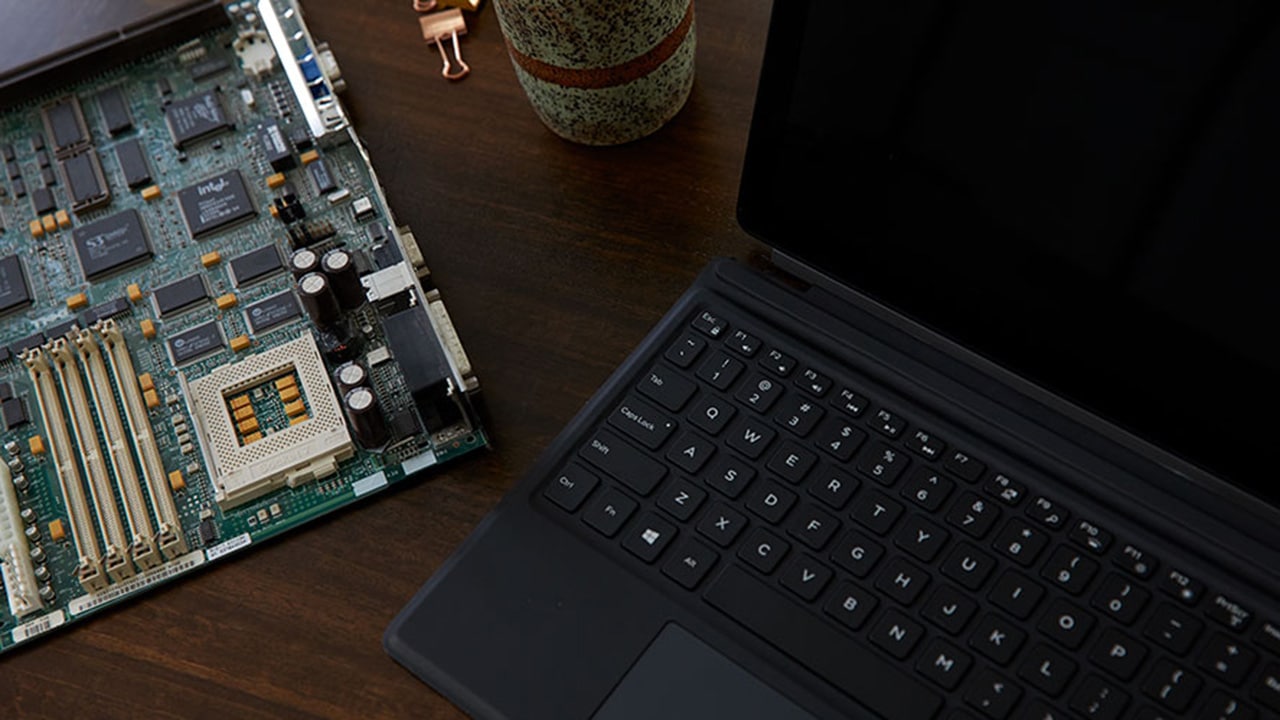
Through Dell Reconnect, you can take that old computer sitting in your attic to a Goodwill store for recycling or refurbishing. The program also provides green jobs, and ensures that no environmentally sensitive materials are sent to landfills.
If you’re due for an upgrade, the company can also recycle your old laptop for you, no matter the brand. You may also trade in any eligible piece of electronics, including smartphones and consoles, to earn a gift card that you can use to buy yourself a shiny new Dell laptop.
Packaging made of bamboo, mushrooms, ocean-bound plastics

Photo from Dell
To solve mountains of packaging problems we face after unboxing a new device — large fancy boxes, plastic, and foam — Dell has come up with the 3Cs packaging strategy, which stands for cube (size and shape), content (material choice), and curb (recyclability).
For Dell, wasted space inside any packaging is just that — wasted — so the company is continuously finding ways to minimize the amount of material needed to create packaging, as well as reduce box sizes so as to fit more products in storage and during shipping.
More importantly, Dell uses the best possible material to protect the product, and consider that which makes most sense for each region by using what’s locally available. In 2009, Dell was the first to use packaging made from bamboo. Not only is it a renewable alternative to petroleum-derived foams, the bamboo they used also grew near their manufacturing facilities.
In 2011, Dell developed cushion packaging made of mushroom, which has a smaller footprint compared to the usual protective foam, and is compostable. Recently, the company also started taking ocean-bound plastics back to the economy where they can be reused to make the trays found inside Dell boxes.
The company reuses boxes up to 7 times before they are recycled. So when you buy a new laptop and the box is not in its most perfect form, that’s not necessarily a bad thing. In certain markets, Dell also rewards customers for returning packaging that can be refurbished and reused.
Ink made of smog

Photo from Chakr Innovations
Here’s an unexpected way Dell is putting waste back into the economy and using locally available materials at the same time. Traditionally seen as a pollutant, the company is using ink made from smog in India to print some of its packaging.
A startup called Chakr Innovations developed the device called Chakr Shield which captures 90% of particulate matter emissions from diesel generators. The captured soot is then turned into carbon black, which is used to make ink. Dell is the first to use the ink on a larger scale and it works just as well as regular ink.
Backpack made of recycled windshields

Photo from Dell
Dell doesn’t just make computers and printers, they also make a whole array of accessories, and some of them are made with sustainability in mind. The Dell Pro Backpack 15 is made with a more environment-friendly solution-dyeing process. It’s also water-resistant, which is made possible by a layer of coating that’s made from reclaimed windshields.
Jewelry made of used computers

Photo from Dell
In its effort to reduce waste dumped in landfills, Dell also reclaims gold from motherboards through its recycling programs, reuses them to make not only new motherboards, but jewelry as well. So that old laptop you’re going to trade in for a new one? Parts of it will end up on someone’s finger or ears at some point, not in a developing country that becomes a dumpsite for other companies and countries.
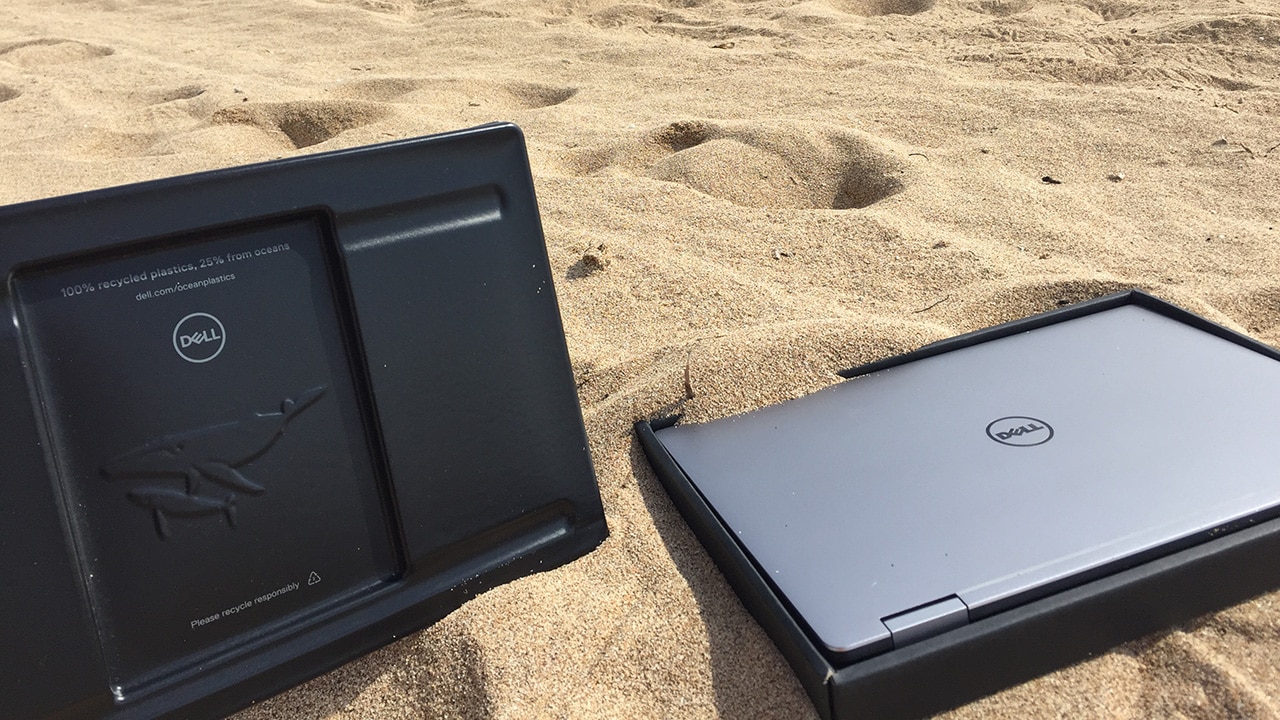
Photo from Dell
Vivian Tai, Head of Global Environmental Affairs for the APJ region says the company is integrating sustainability efforts not for Dell’s benefit, but to provide better value for customers. She says sourcing and bringing what many consider “waste” back to life is challenging but is important to the company. Just this year, Dell already reached two of its 2020 goals: recover two billion pounds of used electronics and use 100 million pounds of recycled-content, plastic and other sustainable materials, one full year ahead of schedule.
Next time you need to buy a new laptop, take sustainability into consideration, too. Technology plays a big role in making our lives easier, and the good that it can do should not end at that but also extend beyond its usual lifecycle. It’s not just big companies who benefit from minimizing our ecological footprint — it’s also us, consumers, and the generations that come after us.







Computers
AMD expands Ryzen AI Embedded P100 series lineup
Scalable, efficient AI compute for industrial, edge solutions

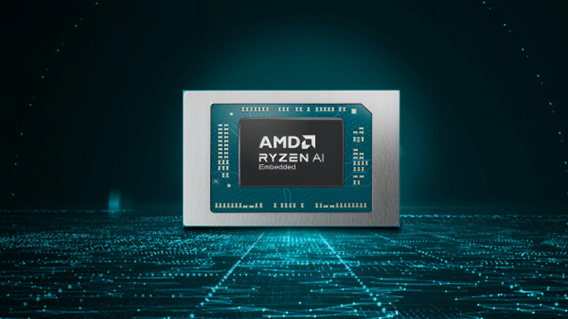
AMD has recently announced the expansion of its AMD Ryzen AI Embedded P100 Series processor lineup.
This enables scalable and power-efficient AI compute tailor-built for industrial and AI edge systems. Scenarios include factory automation, physical AI in mobile robotics, and other AI-driven edge applications.
With eight to 12 high-performance Zen 5 cores, AMD ROCm support, and up to 80 total system TOPS, the new x86 embedded APUs deliver up to:
- 2x more CPU core counts
- 8x higher GPU compute
- 36% higher system TOPS
This way, developers and system designers get an expanded and scalable portfolio of power-efficient edge computing solutions. These processors support real-time AI from vision to control and reasoning, as well as offer advanced graphics capabilities.
On a single chip, clients get up to 80 TOPS physical AI acceleration, AMD RDNA 3.5 graphics for real-time visualization, and an NPU based on the AMD XDNA 2 architecture.
Moreover, the processors can withstand industrial temperature ranges (-40° C to 105° C) and can support continuous 24/7 operations for up to 10-year life cycles. That’s along with low-latency and power-efficient AI inference.
Real-life applications include intelligent factories, autonomous robots, and medical imaging devices. For instance, the processors can deliver CPU performance required for real-time inspection and process optimization.
For mobile robots, meanwhile, processors can manage navigation, motion, control, and route planning while the GPU processes multi-camera feeds for spatial awareness.
Furthermore, for 3D health imaging, the processors can enable the powering of 3D imaging for ultrasounds, endoscopes, tissue classification, and tumor detection at the edge. This is done with models like U-Net, nnU-Net, and MONAI.
The processors then accelerate image-to-report workflows with MedSigLIP and support clinical reasoning and Q&A with Med-PaLM 2.

GIGABYTE and Capcom have collaborated for a limited time Resident Evil Requiem-inspired custom PC giveaway.
The setup is inspired by the title, which recently released, and includes an exclusive monitor game bundle to bring players closer to the experience.
Headlining the collaboration is the Umbrella Corporation — Level 3 Access custom rig giveaway. It is one of a kind, fully-built desktop featuring a Z890M AORUS ELITE WIFI7 ICE motherboard and RTX 5080 AERO OC SFF graphics.
Of course, it draws inspiration from the visual identity and atmosphere of Resident Evil Requiem. It also features a GIGABYTE C102 GLASS ICE chassis design and custom GIGABYTE MO27Q28G gaming monitor to complete the setup.

The giveaway runs from March 2 to March 31 via the official campaign website. Fans can enter for a chance to win the custom rig, with no purchase necessary. The only caveat is that they have to be a United States or Canada resident.
Such experience is designed to invite players and PC enthusiasts alike to engage with the collaboration while highlighting GIGABYTE’s premium hardware craftmanship and attention to detail.
In addition to the giveaway, GIGABYTE is also offering a Resident Evil Requiem game bundle with select gaming monitors. Included are AORUS brand monitors, ranging from 27 to 55 inches in size.
This bundle is available until March 31. Customers who purchase eligible models can redeem a digital game code through GIGABYTE’s official redemption platform.
The featured monitor is the MO27Q28G, which has fourth generation WOLED panel with 280Hz refresh rate and 0.03ms response time. It is an ideal monitor to experience the spine-chilling terror and death-defying action of the title.
Computers
AMD announces Ryzen AI 400, AI 400 PRO series at MWC 2026
Offering support for next-gen AI PCs, Copilot+ experiences
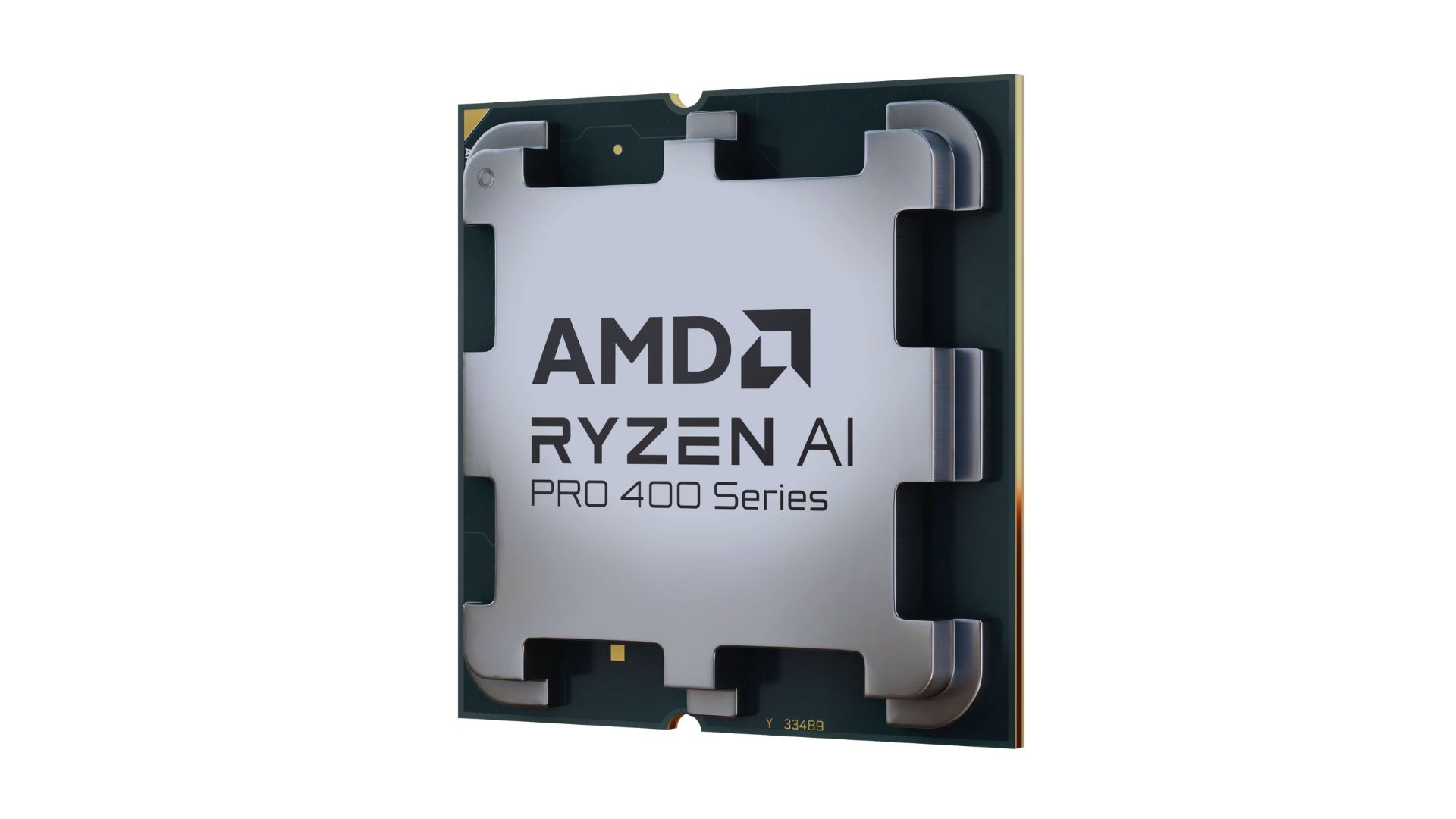
AMD announced new products and initiatives at MWC 2026 Barcelona, headlined by their newest Ryzen AI 400 and Ryzen AI PRO 400 series processors.
These latest processors are built on the AM5 platform and advanced Zen 5 architecture, delivering next-generation experiences for both consumer and commercial scenarios.
The additions enable original equipment manufacturers (OEMs) to offer next-gen AI PCs across high-performance desktops, laptops, and mobile workstations optimized for modern workloads.
Along with dedicated AMD XDNA 2 NPUs and AMD RDNA 3.5 graphics, both series offer up to 60 TOPS of NPU AI compute, exceeding the requirements of Copilot+ PCs.
As such, these enable powerful on-device AI performance, including running LLMs locally and tackling compute-intensive applications for design and engineering.
The Ryzen AI 400 series processors are also the first for next-gen desktop AI PCs to support Copilot+ PC experiences. Featuring an NPU providing up to 50 TOPS of AI compute, these processors enable running AI assistants and productivity tools locally.
In addition, AMD is expanding the Ryzen AI 400 series mobile portfolio to include workstations. Some that are expected to release in Q2 2026 include products from Dell, HP, and Lenovo.
AMD PRO initiative
Furthermore, AMD announced AMD PRO for enterprise-grade security, manageability, and reliability.
This is done through foundational hardware and software designed to simplify IT operations and protect investments over time.
AMD says it will continue to evolve the AMD PRO platform by strengthening both its silicon foundation and software stack.
This will support enterprise IT teams managing distributed AI-enabled PC fleets. Meanwhile, expanded remote management features improve visibility, recovery, and control.



Disney+ launches a TikTok-coded vertical feed called Verts

Google Maps is finally getting a 3D mode

KPop Demon Hunters is officially getting a sequel

Bringing Care-a-Lot to my daily carry

Galaxy AI on the Samsung Galaxy S26 Ultra


-

 News2 weeks ago
Xiaomi 17 Ultra is now available outside China
-

 MWC 20261 week ago
Infinix NOTE 60 Ultra makes a motorsport-inspired debut
-

 MWC 20262 weeks ago
TECNO showcases cool concepts at MWC 2026
-

 MWC 20261 week ago
TECNO launches the all-new CAMON 50 series
-

 Reviews1 week ago
TECNO CAMON 50 Ultra review: End of an era?
-

 Reviews2 weeks ago
Xiaomi Pad 8 review: Slab that slaps!
-

 Reviews2 weeks ago
Forget the Phone: Xiaomi 17 Ultra Is A CAMERA!
-

 MWC 20261 week ago
TECNO unleashes Tonino Lamborghini collection