
Gaming
Destiny 2 Review: A Superior Smorgasbord of a Sequel


The first Destiny was one of the biggest games in 2014, but with its massive following also came plenty of complaints among critics, consumers, and even from the most diehard fans. Destiny 2 aims to address each problem, and succeeds more often than it fails.
Destiny 2 is an online-only sci-fi first person shooter. Its release comes with a ton of baggage. Despite winning awards and garnering a large, dedicated fanbase, the first Destiny took a lot of criticism for its non-existent story, lacking content, convoluted level progression, and tedious grinding. The expansions alleviated some of those of problems, but expectations were understandably high for a full-blown sequel to improve on those aspects and then some.
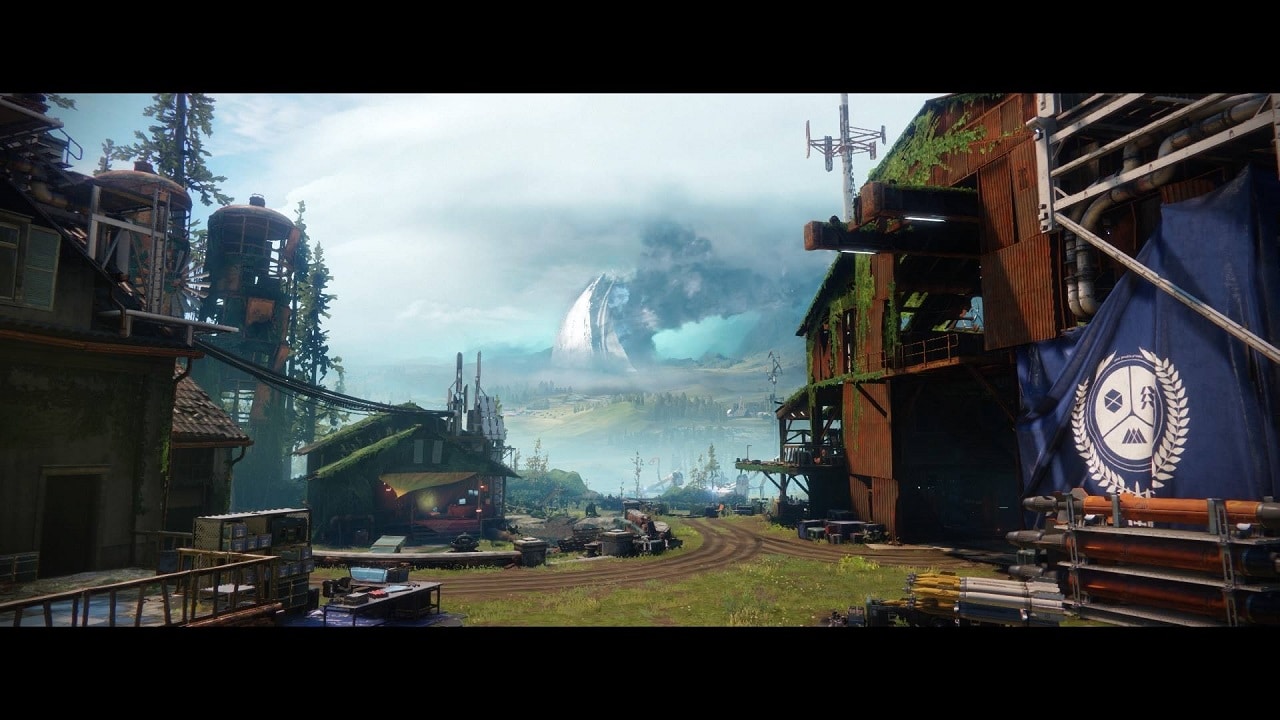
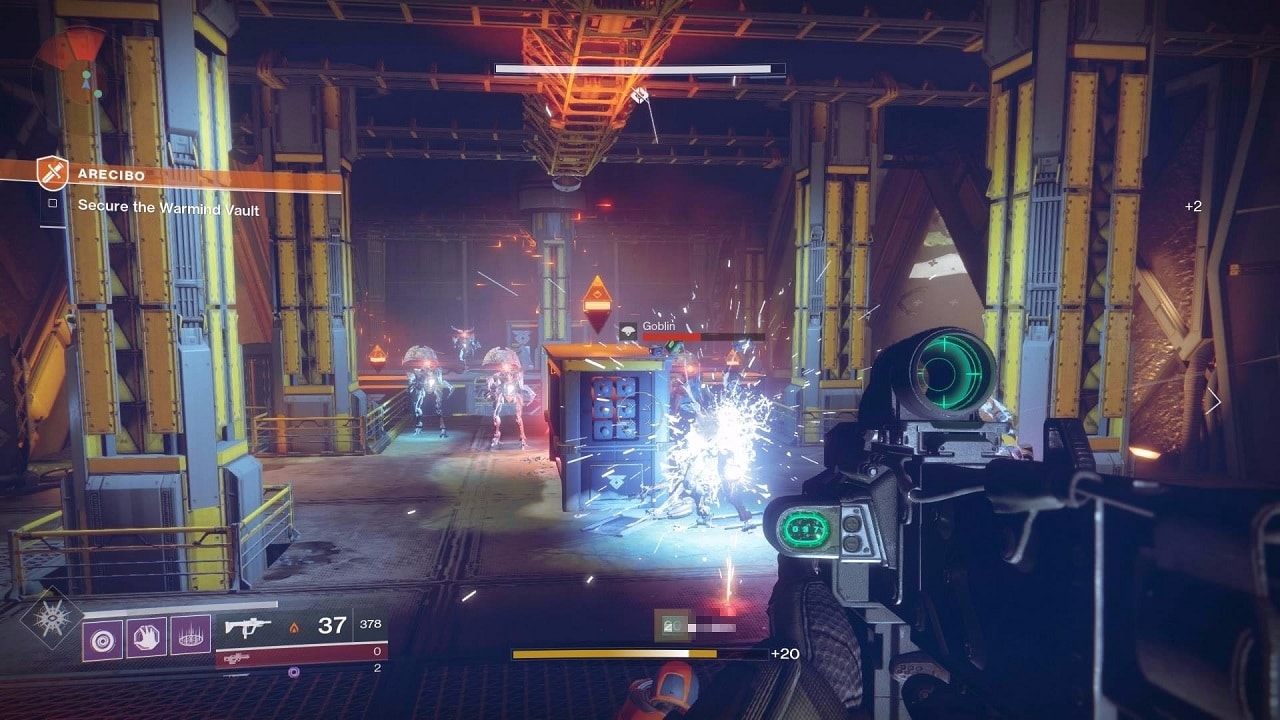
There’s a lot from the first game directly carried over, with a couple of tweaks. You still have the three classes to choose from: the tanky Titan, the agile Hunter, and the spell-casting Warlock. Each one has the same three subclasses based on the familiar elements of Arc, Solar, and Void. You’re fighting the same alien races: the scavenging Fallen, the mystical Hive, the AI Vex, the militaristic Cabal, and the intradimensional Taken. It’s a bit disappointing to see nothing majorly new in these departments, but at least the essence of playing as those classes and battling those enemies still feels good.

More story to see
Destiny 2 makes it loud and clear from the start that Bungie, the series’ developers, heard the gripes about the storytelling in the first game. You’re thrown right into action the moment you start playing. As one of the virtually immortal, superpowered Guardians of the Last City on Earth, you have to stave off a surprise invasion of your home from an alien army seeking to control the source of your celestial strength; Light, as the game calls it.
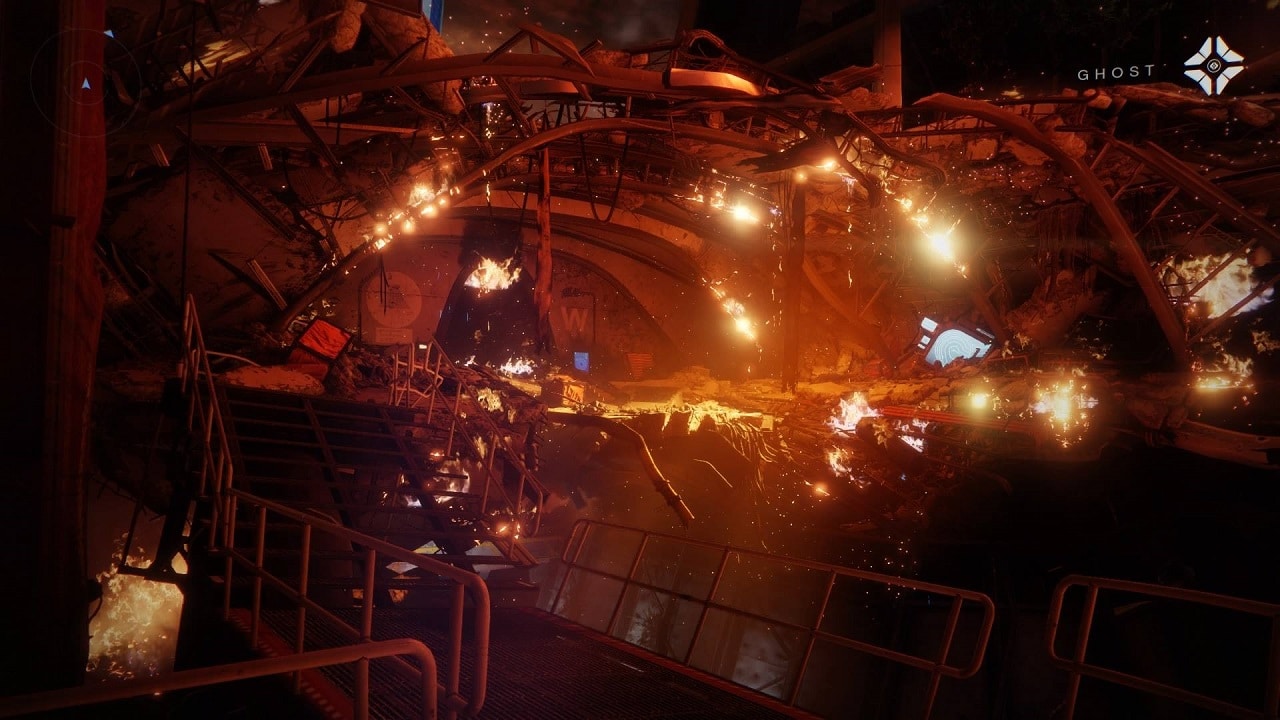
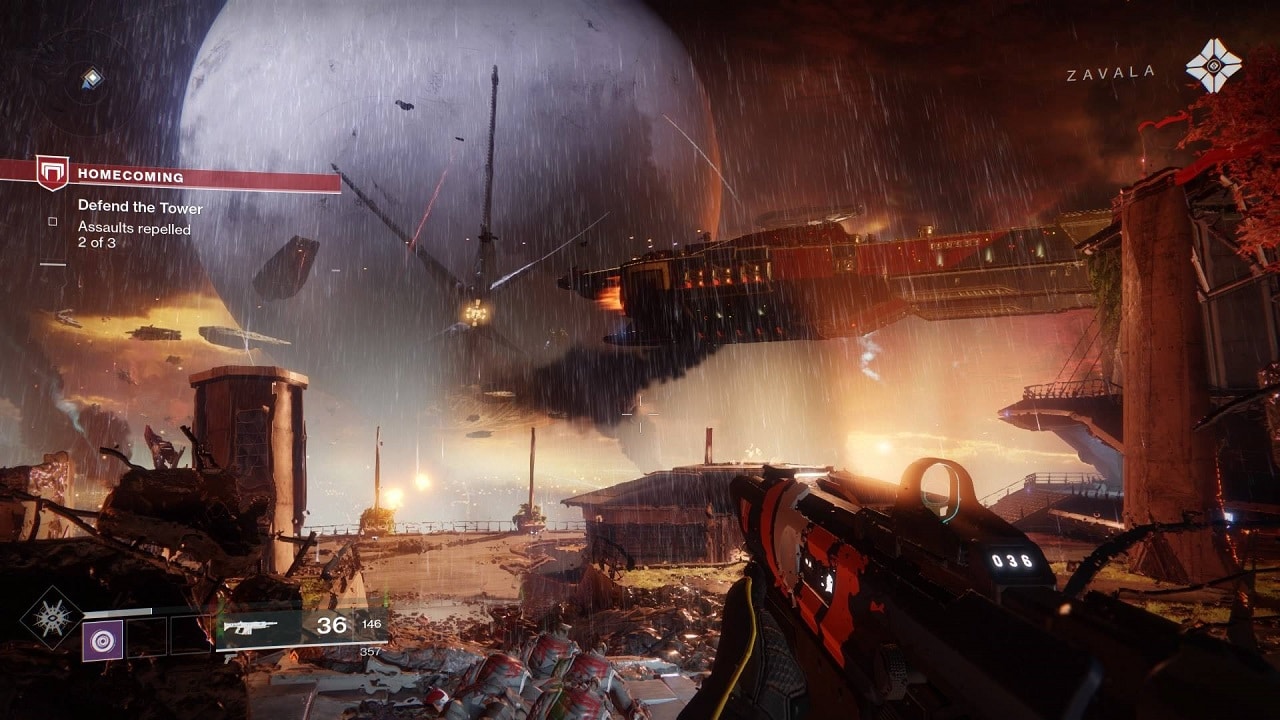
It’s a whole spectacle filled with characters firing off rounds and dramatic dialogue alongside you, spaceships doing battle across a laser-lit skyline, and a big bad boss alien that’s half-Bane and half-Darth Vader, speechifying as it robs you of your power. That opening sequence alone feels like more than anything the first game showed story-wise in its entirety.

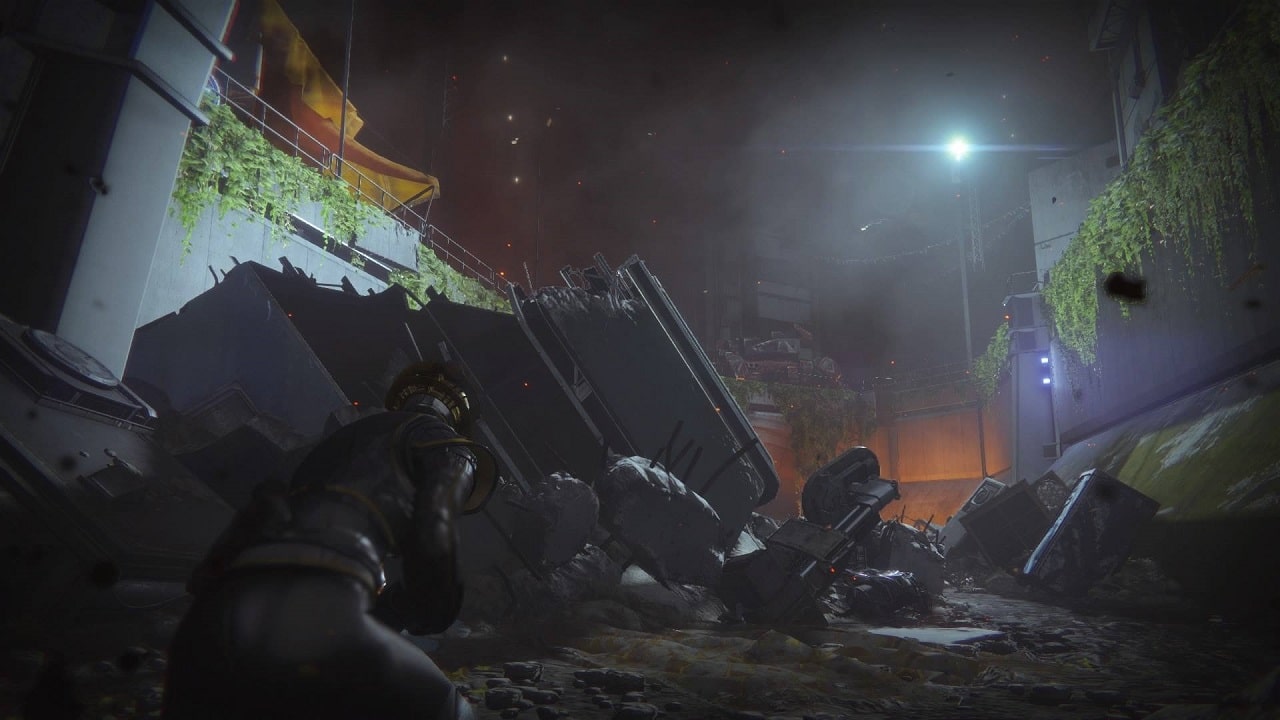
The premise of depowering the Guardians, the gifted group tasked with defending the solar system from hostile forces, would have been an interesting setup for a game that’s not a blockbuster tentpole title. Like a lot of AAA action games, Destiny 2 at its core is a power fantasy. So it’s no surprise that this initial conflict for the player is resolved immediately. It wouldn’t be much of a high-octane adventure if you couldn’t access your supernatural abilities and wield an arsenal of guns and explosives and blades ASAP!

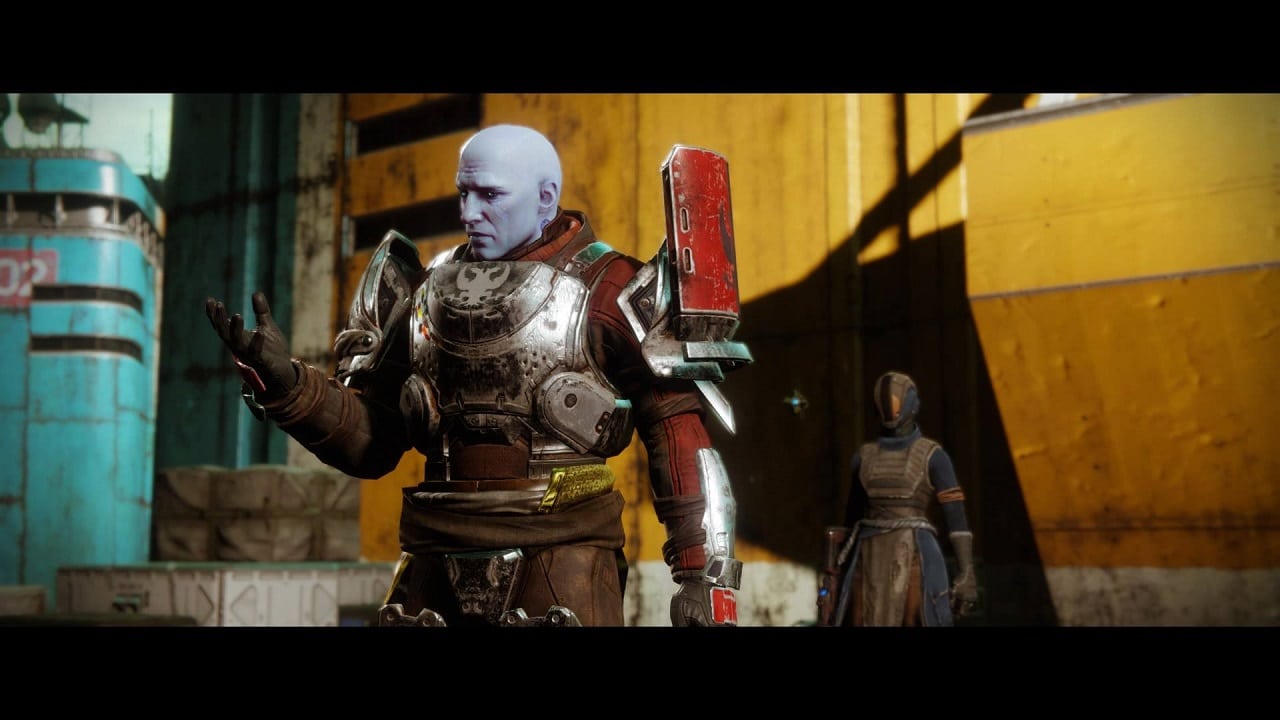
As for the rest of the non-player characters robbed of their Light, their doubts and vulnerabilities are relegated to small moments and aren’t explored past your early interactions with them. It’s a shame, really, as the plot would have felt more meaningful if it didn’t wrap up so cleanly and conveniently.

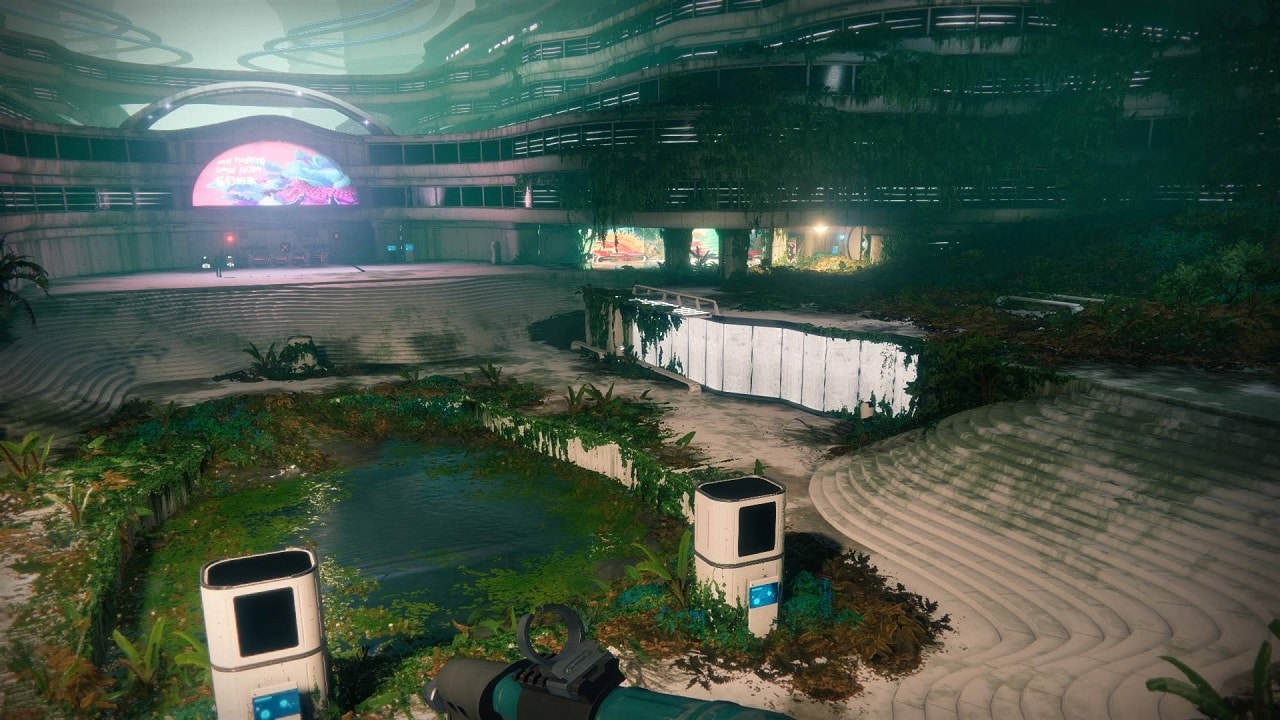
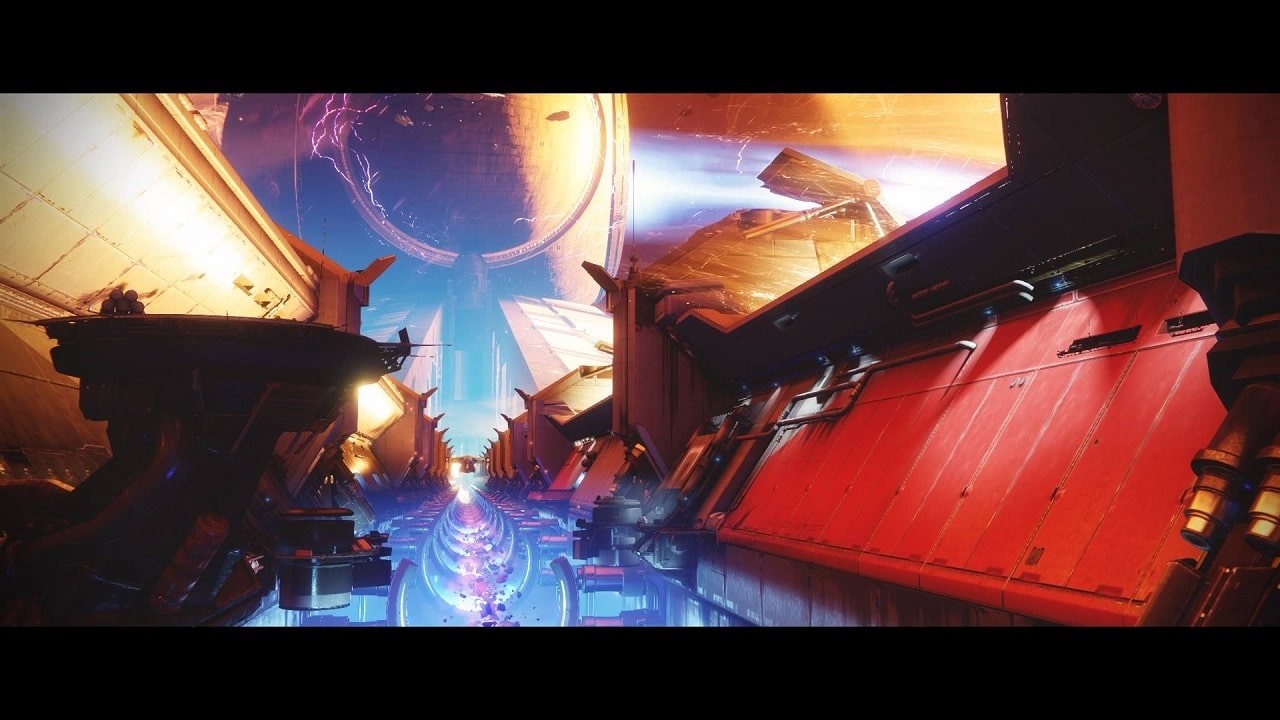
The campaign’s saving grace is that it has awesome set pieces sprinkled throughout the levels. You’ll be gawking at the expansive landscapes and elaborate interiors of the outer space worlds you go to, that is, when you’re not running and jumping around machine-gunning legions of baddies and flinging lightning storms or burning hammers at gigantic bosses.

Satisfying side activities
If you’re still hankering for bits of narrative to chew on, the whole new Adventures are meaty little side stories. These mini missions flesh out the NPCs of the level you’re in, and you also learn more about the Destiny universe. They take you to sections of the sprawling levels the campaign doesn’t lead you through.
Whether it’s crashing a demonic chanting Hive concert or preventing the Taken from assimilating the time-traveling Vex, you discover separate plot threads that weave into the bigger narrative tapestry of the series. Along with the many Lost Sectors hidden in every area that contain loot guarded by powerful enemies, the Adventures give you more reasons to explore.


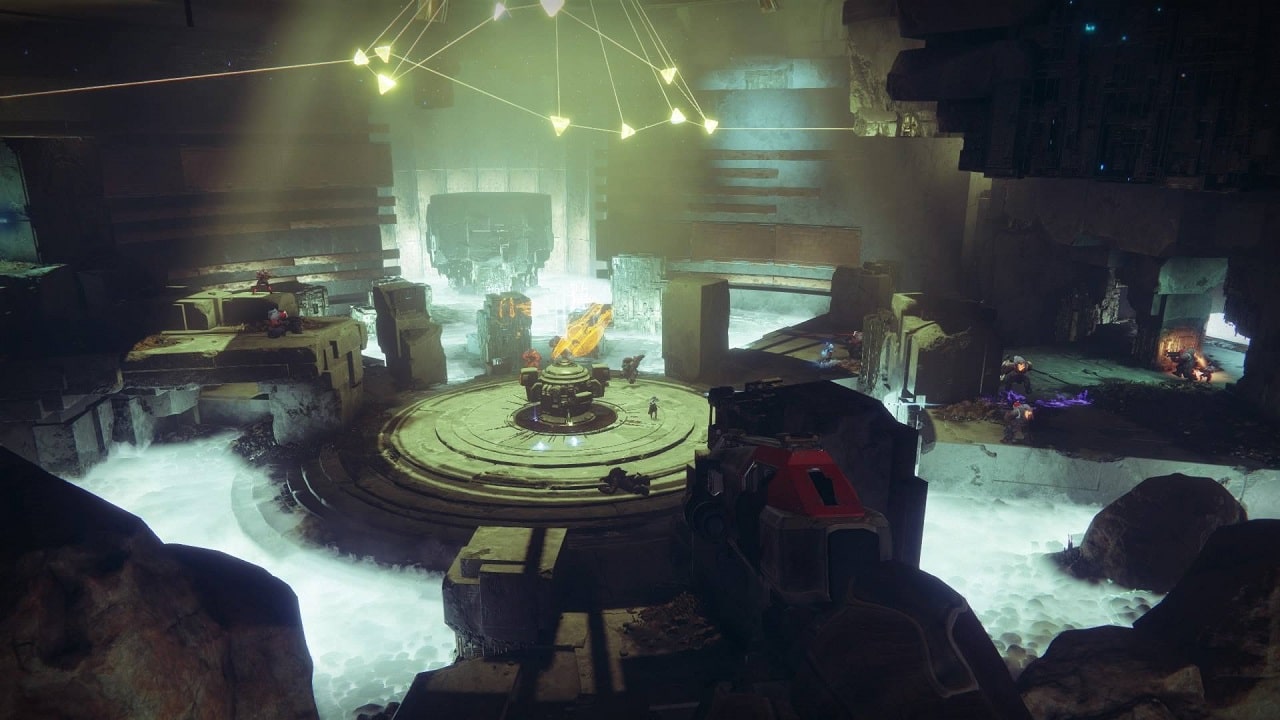
Making your way to tackle these content, you’re likely to come across Public Events. These are live timed combat encounters with unique objectives that happen in public spaces. Since Destiny 2 is an always-online game, you’ll see other players roaming the areas doing their own thing. While story content is limited to three players partying up, anyone within proximity of an ongoing Public Event can seamlessly join the action. And boy are these events bursting with action.
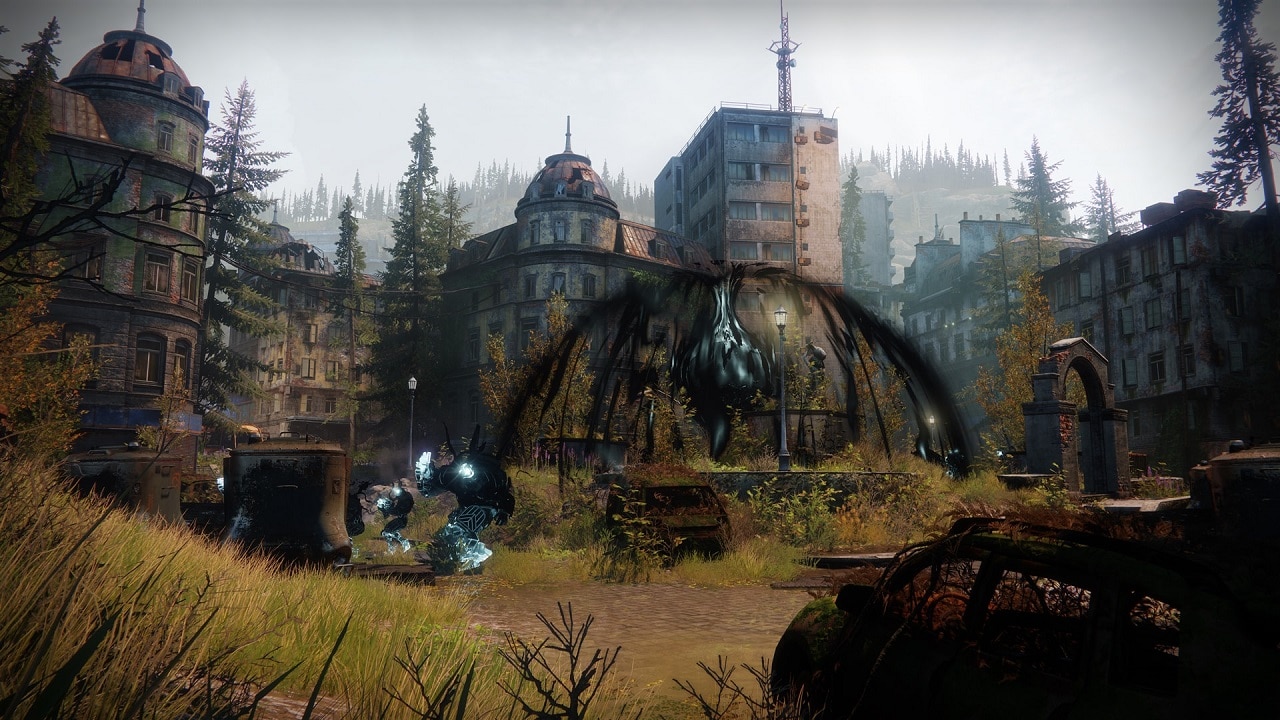
Apart from just being a joy to play with their challenge tuned for multiple people, Public Events also dole out substantial rewards, especially when optional goals are accomplished, incentivizing participation. This leads to chaotic firefights that can then lead to impromptu coordinated firing squads against alien hordes. Blasting rockets at spider tanks and destroying mining drills in tandem with strangers is exciting with the unspoken camaraderie.
Post-game play
If you’re looking for something more mechanically and tactically demanding, Strikes and their Nightfall versions await you after you beat the campaign. These are equal to the length and scale of the biggest story missions, but surpass them in terms of complexity and difficulty. Such operations will have you running through cordoned off dungeons and arenas, completing tasks like hacking terminals or smashing magic crystals while fighting off waves of enemies, and culminating in multi-stage boss fights. Nightfalls are modified Strikes, adding layers like damage multipliers and time extensions for a more challenging experience.
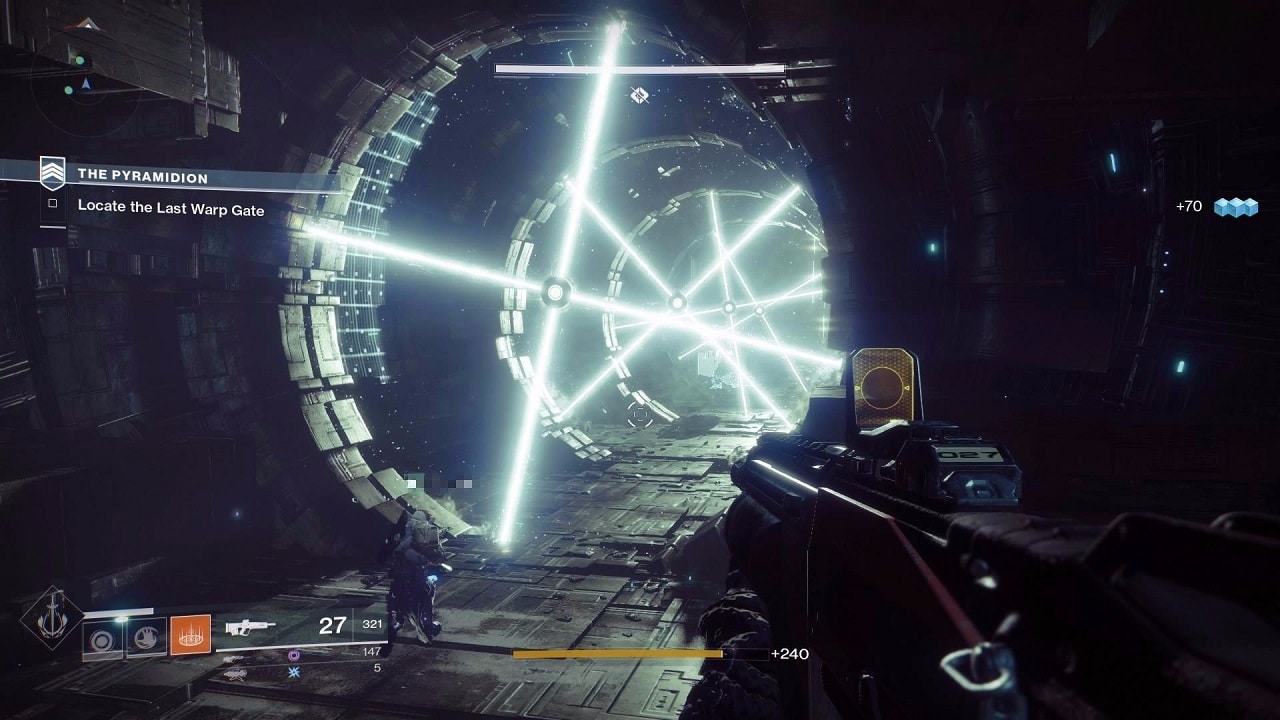

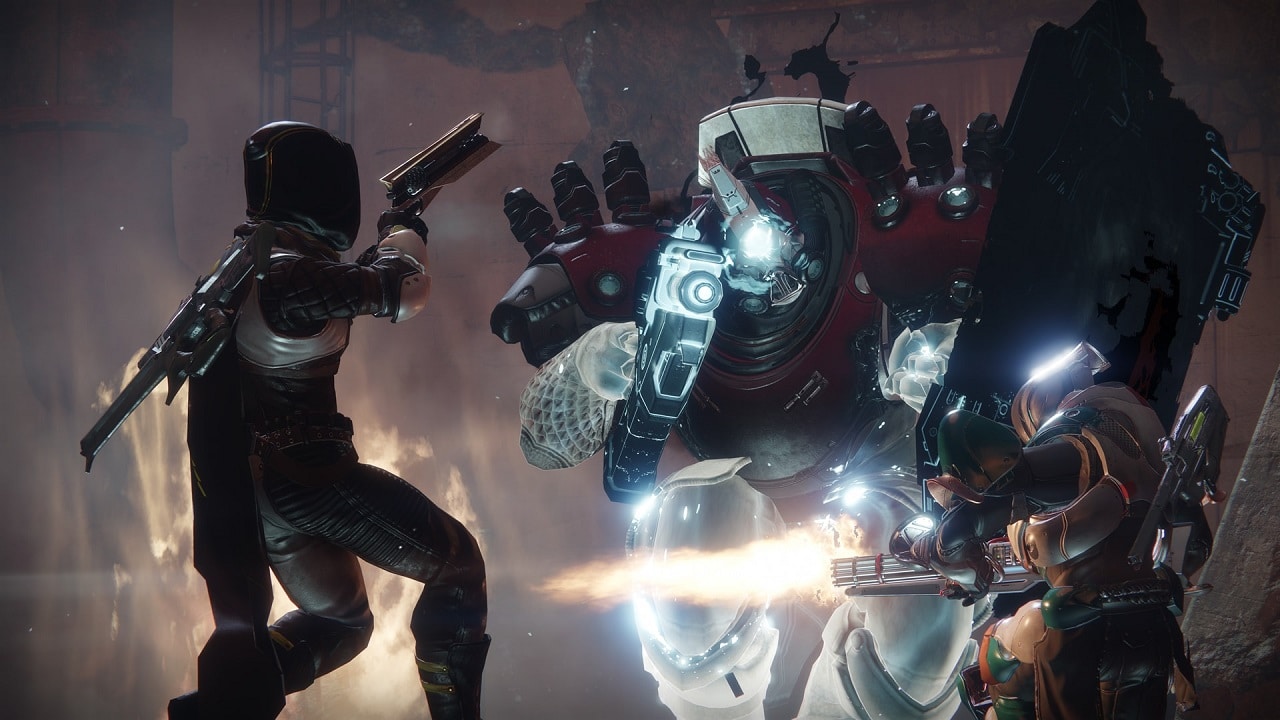
While you can finish the campaign by yourself, Strikes and Nightfalls require teamwork. The former automatically groups you with two other players if you’re not already in a party of three. For the latter, you need to either find two people to join your group or start up Guided Games.
Guided Games lets you matchmake with players from a Clan. Clans are basically communities players can set up and join, making it easier for like-minded Guardians to help each other and gain rewards.
For the hardcore
Rounding out Destiny 2’s cooperative content is the Raid. It’s the biggest, most intricate, and most difficult mission in the game, needing six players actively communicating and playing specific roles to complete. It can take hours spread across numerous gaming sessions. Only the most dedicated gamers will finish it, as the coordination, time commitment, and skill it demands are leagues above everything else in the game. For those who can answer that call, it’s worth the effort to see its visual splendor, conquer its challenges, and forge bonds with friends and even total strangers.

Lastly, there are player-versus-player modes for those looking to test their mettle against fellow Guardians. In the Crucible, two teams of four face off in dedicated PVP maps, with different objectives to achieve victory. There’s a more relaxed Quick Play mode if you just want to fight other people. Competitive mode sets goals that ask for more teamwork, while the Trials of the Nine invites the best of the best with fixed match setups for less randomness and more skillful play.
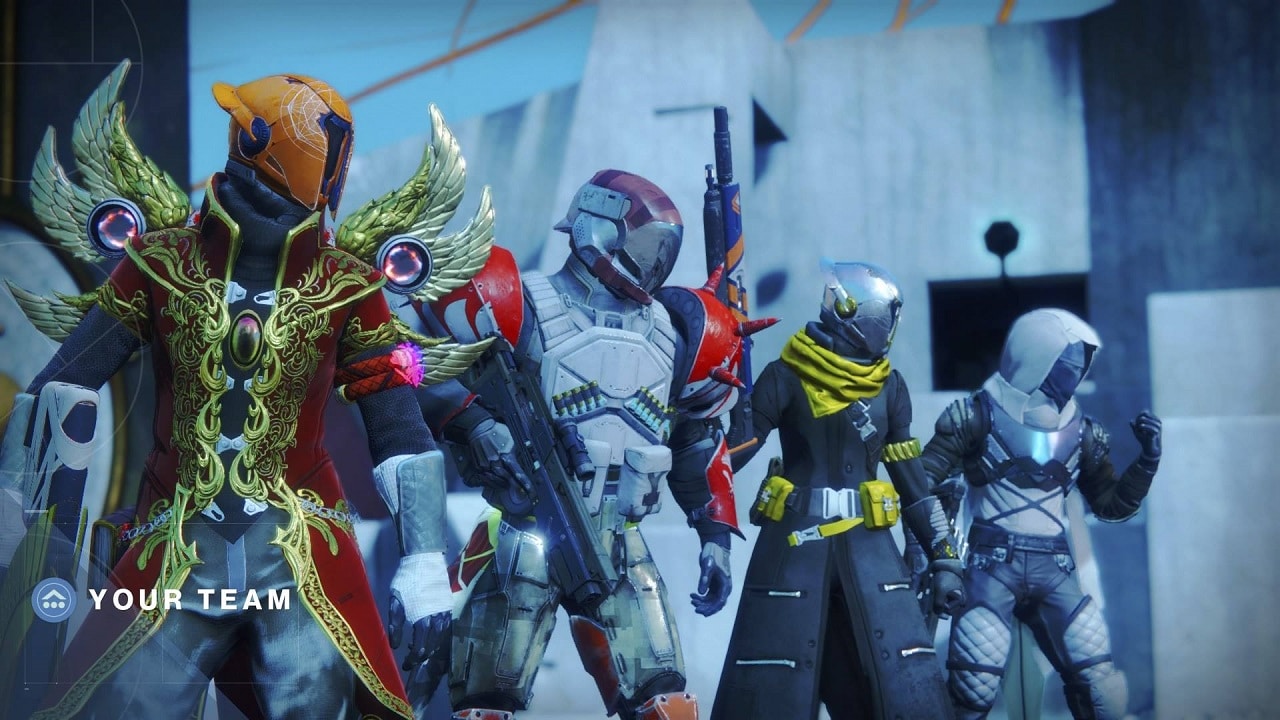
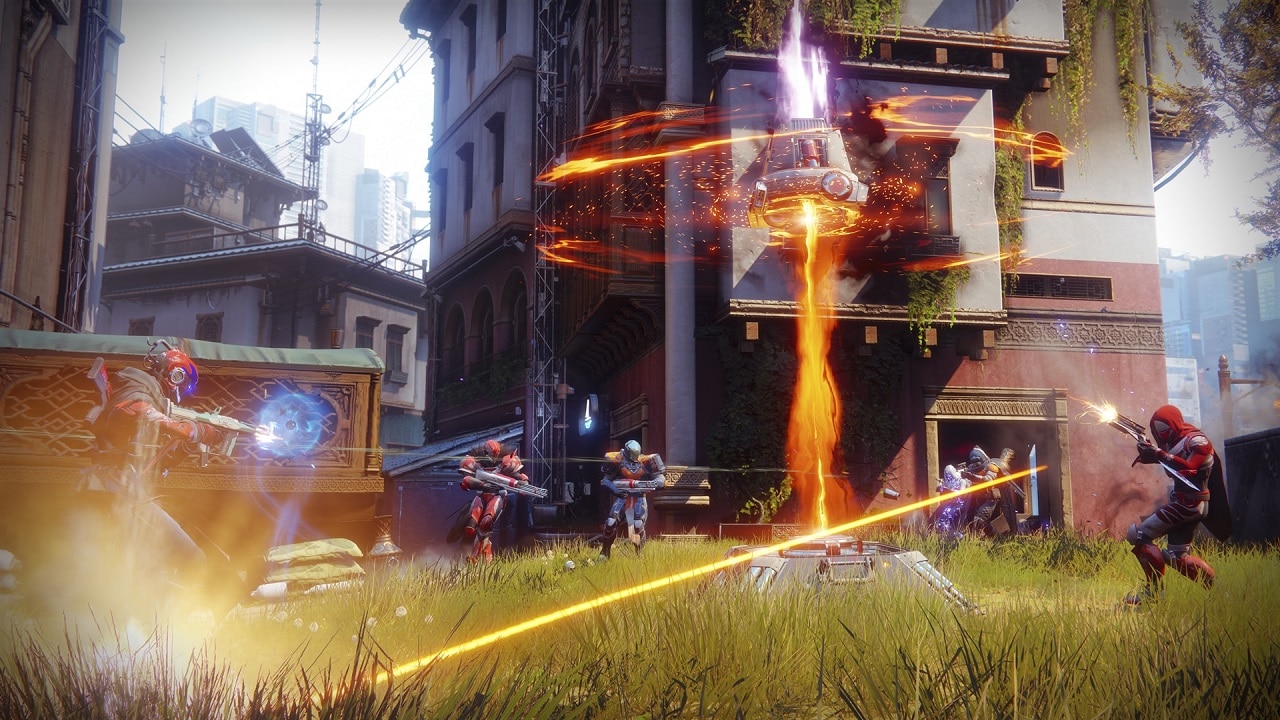
Overall, it’s a much slower version of Destiny’s Crucible, with the smaller maps and teams encouraging methodical collaboration over individual ability.
Loot lust
Tying all of this content together is the drive to get loot. Stronger weapons, tougher armor, and just cooler looking gear; Destiny 2 showers you in loot no matter what you’re doing. The rate at which you get high-tier equipment is vastly increased from the first game. How you get better loot is way more streamlined too, cutting down the dizzying number of currencies and upgrade materials from Destiny to a more manageable number.
You’ll be reaching the upper limits of your power level so much faster, and doing so gives you access to endgame content earlier. Being locked out of Nightfalls and Raids in the first game because of the boring grind and poor loot drop rates has been completely remedied in this sequel.
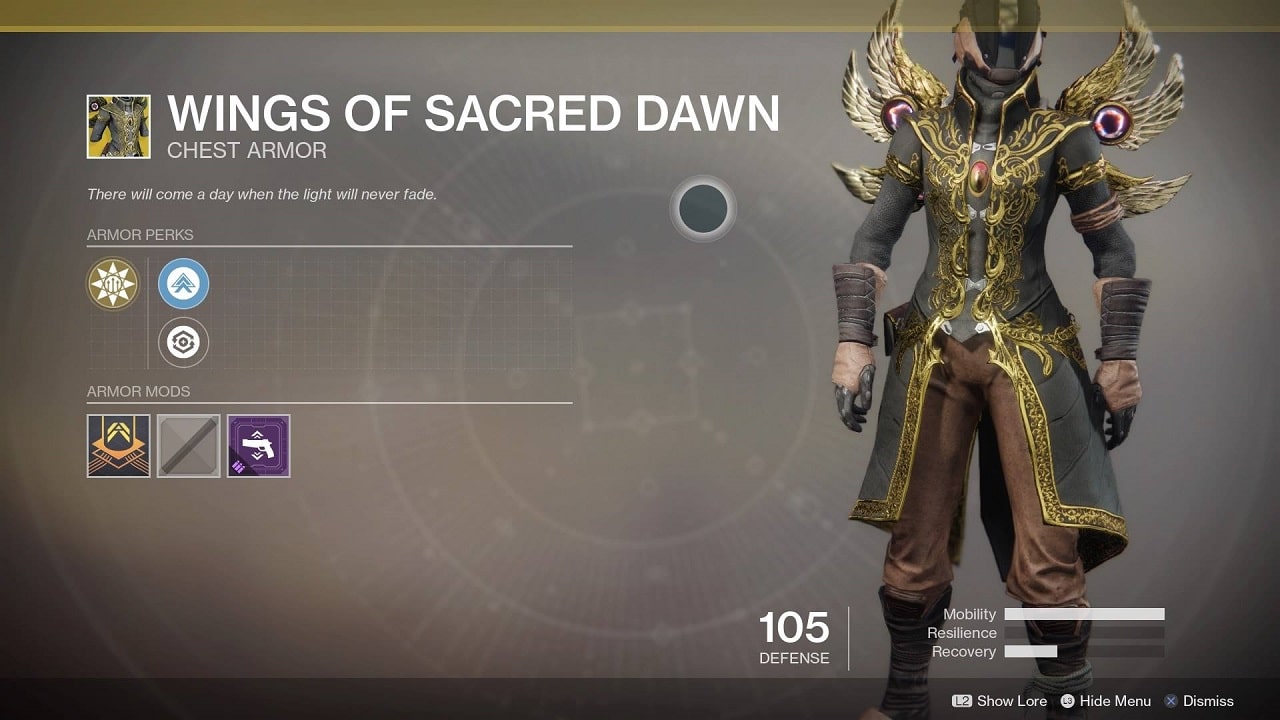

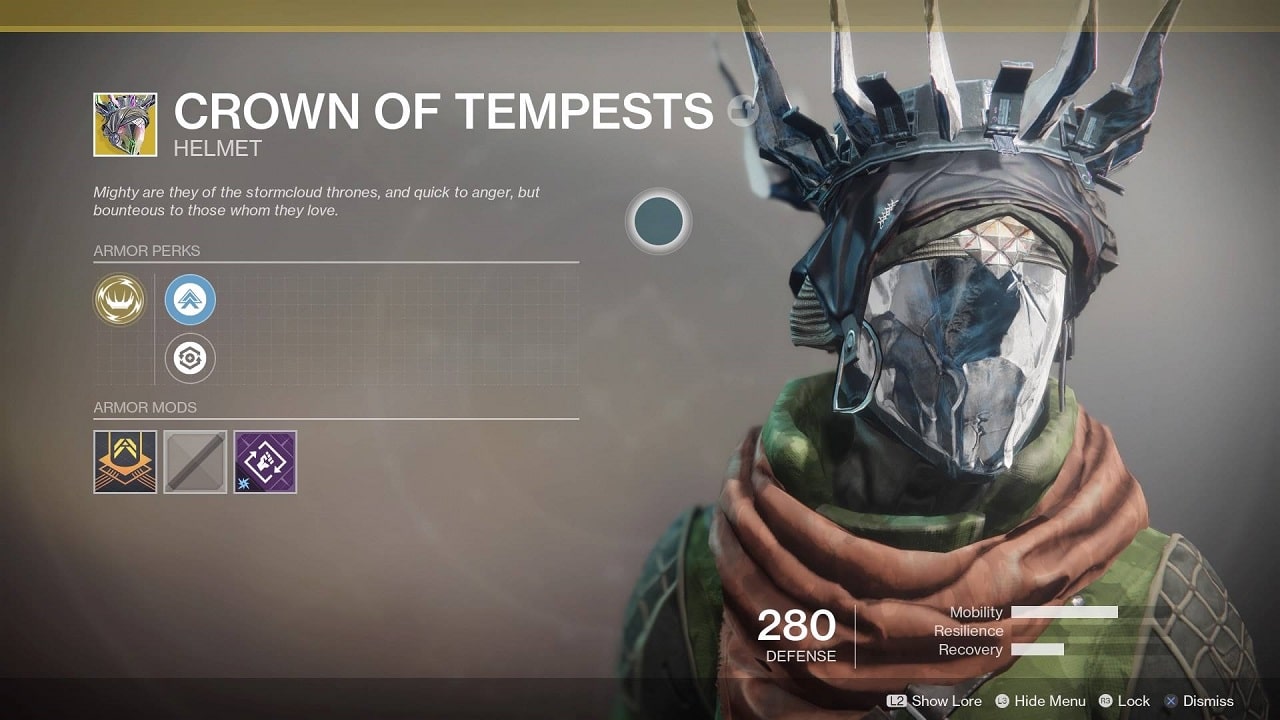

The only glaring problem is how shaders, the color modifiers for your gear, are used up when you apply them. You can earn them through a slow drip-feed from just playing the game. However, it’s easy to get tempted to pay real money for the blind boxes containing these cosmetics. Options are welcome, but you’ll feel the effect of these microtransactions soon enough. When you start hesitating to customize your character, fearing that you’ll have to grind to find those shaders again, it just sucks.
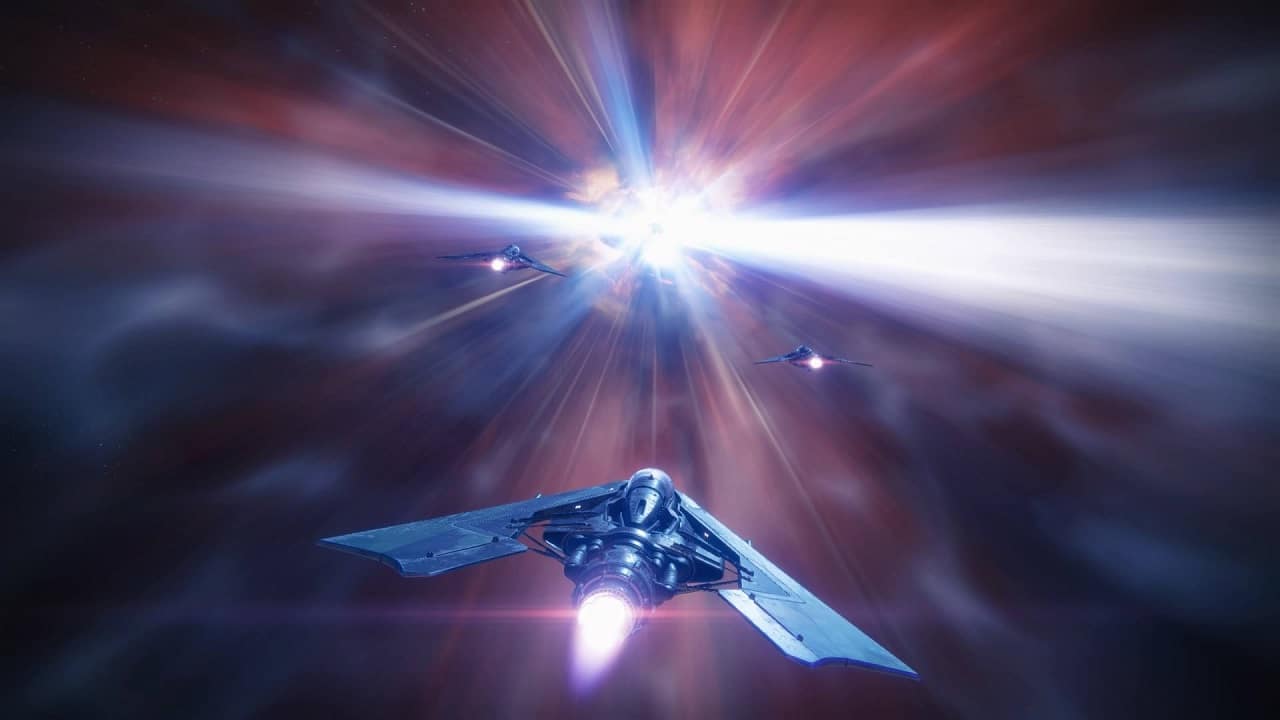
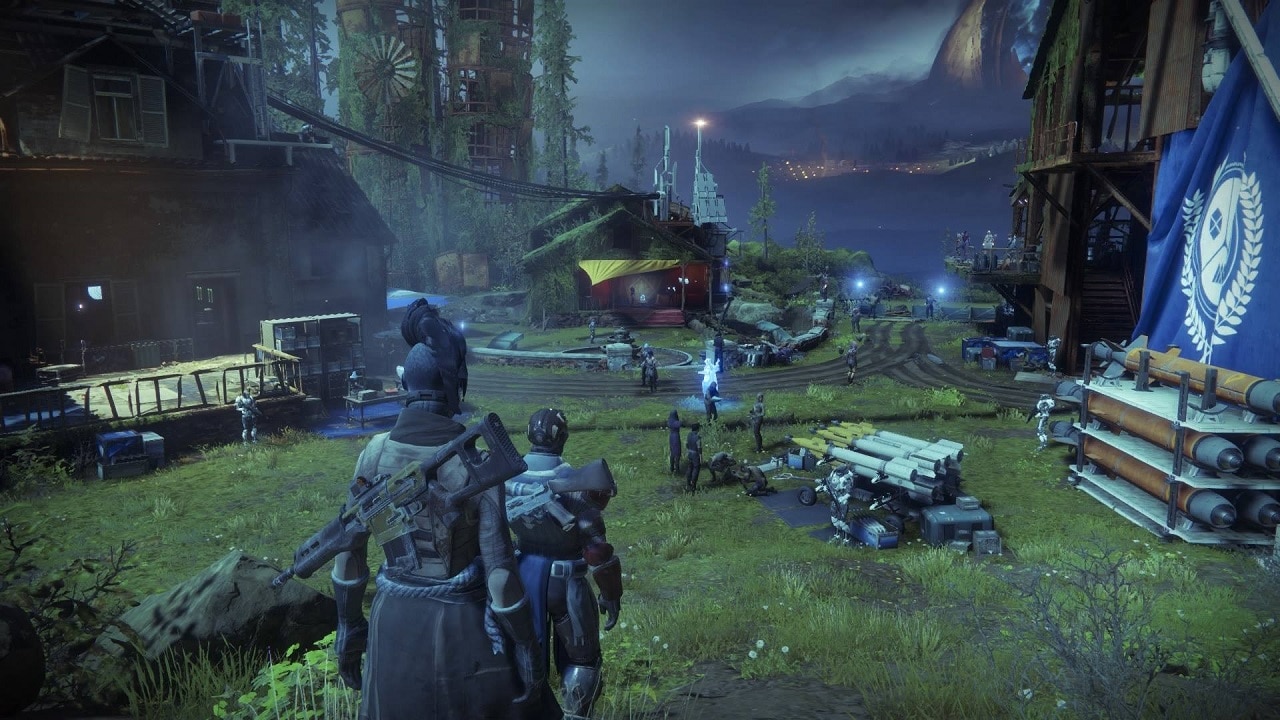
Destiny 2 is a behemoth of a game. It’s chockful of content with more to come in the free updates and the two major expansions. Casual players will have more than enough to consume over 25 hours, while hardcore gamers can easily spend upwards of 50+ hours taking on recurring weekly challenges and optimizing their gear. Either way, it’s a great time that can be made all the more memorable with friends to play with.

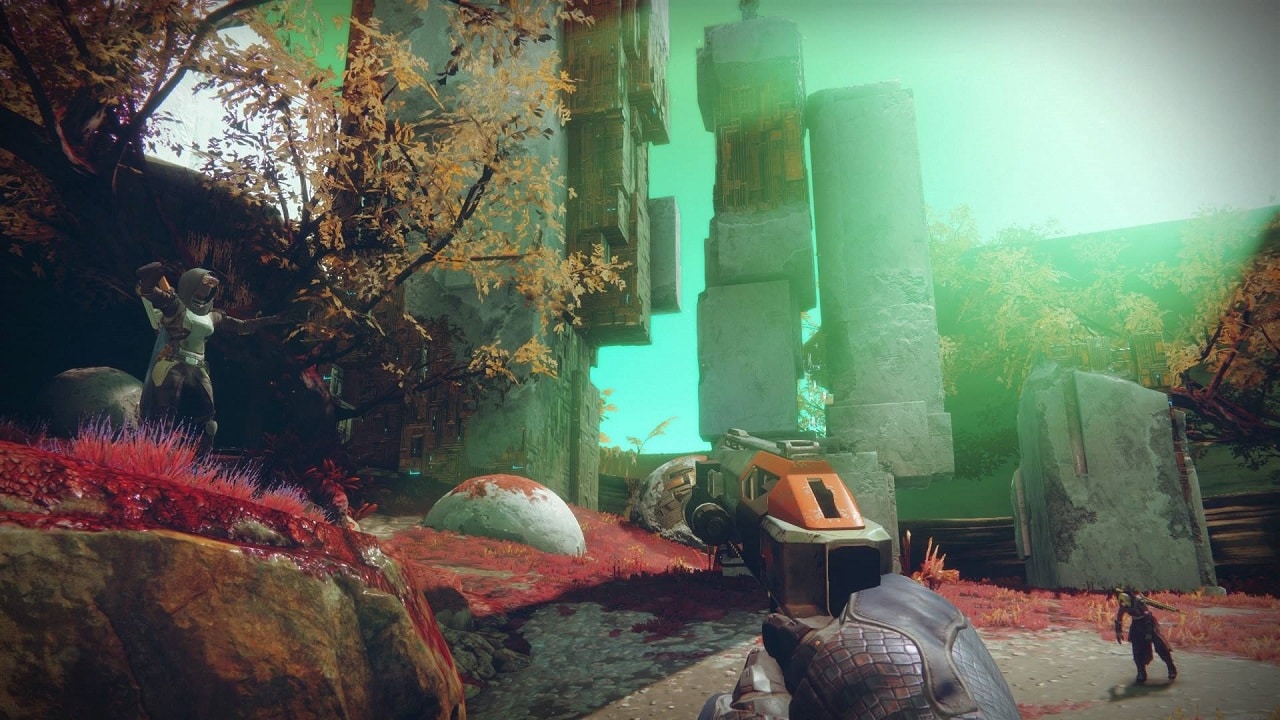
Destiny 2 is out now on the PlayStation 4 and Xbox One, with a PC version coming out on October 24. PlayStation Plus and Xbox Live Gold are necessary for 90 percent of the game.
SEE ALSO: 8 PS4 multimedia features you must try out
[irp posts=”18428″ name=”8 PS4 multimedia features you must try out”]



Gaming
SHINOBI: Art of Vengeance’s SEGA Villains Stage out on April 3
Face off against legendary SEGA bosses from different franchises

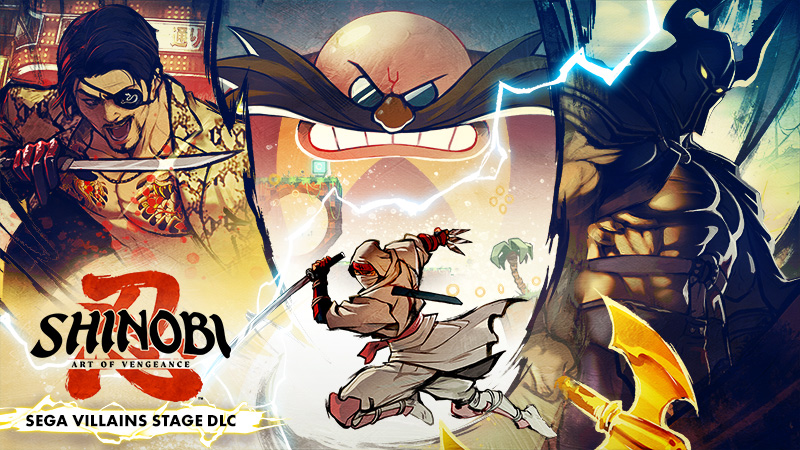
The SEGA Villains Stage DLC for SHINOBI: Art of Vengeance will release on April 3 for PlayStation 4 and 5, Xbox Series X|S, XBox One, Nintendo Switch, and Steam.
The DLC lets players face off against legendary SEGA bosses from different franchises: Like a Dragon and Yakuza, Golden Axe, and Sonic.
An animated trailer has been unveiled as part of the announcement. It features those franchises’ characters, Goro Majima, Death Adder, and Dr. Eggman.
There will be a total of five crossover stages, three bosses, and two Boss Rush modes featuring the bosses for the DLC.
In addition, there will be three more Ninpo, three new outfits, and six new music tracks. The SEGA Villains Stage DLC is a free update for all players.
Aside from the crossover, players can also try out a new Hardcore Mode which features changes in enemy placement and stronger boss attacks.
Additional combat settings also lets players adjust recovery frames, the flash effect, and camera shake. Various quality-of-life improvements are also planned for the 2D action-platformer.
Gaming
The hunt begins: The Witcher in Concert hits Manila with surprises in tow
The Continent comes alive
If you’ve ever heard a haunting chant echo through a battlefield or felt the weight of a choice that isn’t as simple as good or evil, then you already know—the Path has a way of calling you back.
And if you haven’t stepped into that world just yet, consider this your invitation.
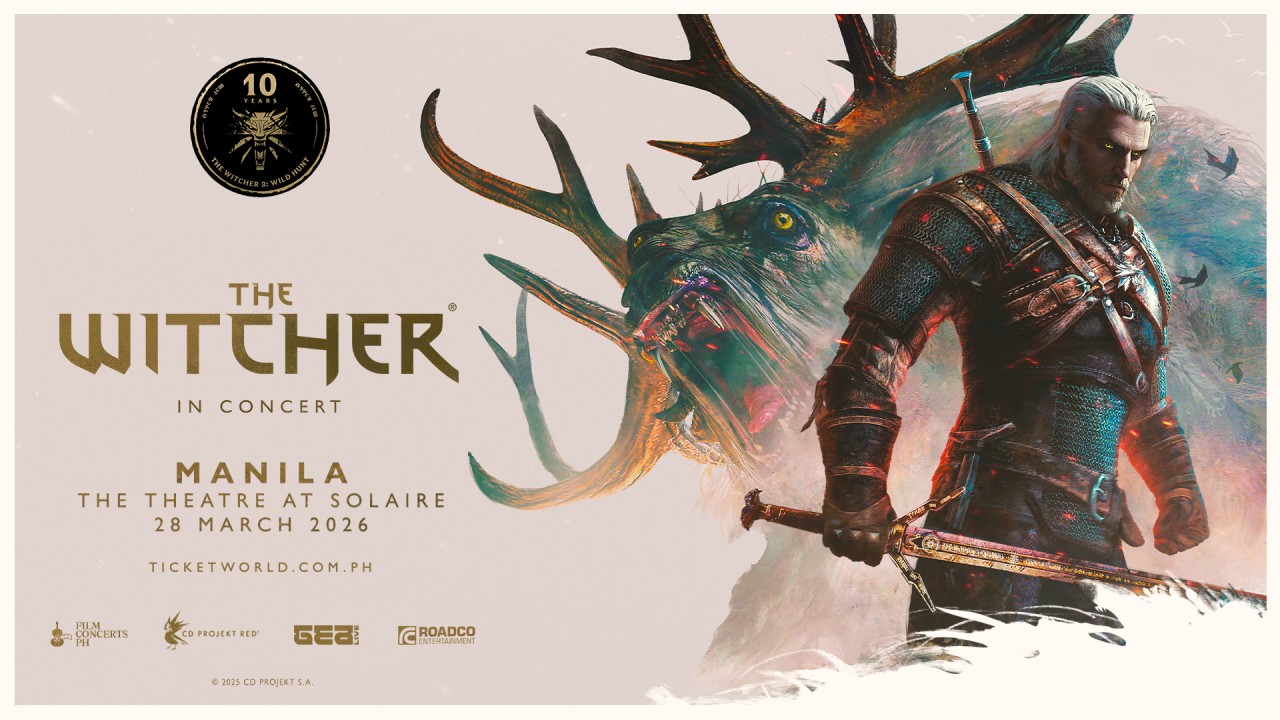
With less than two weeks to go, The Witcher in Concert is set to take over Manila for a one-night-only performance. It’s happening on March 28, 2026 at The Theatre at Solaire—bringing with it not just the music of a beloved RPG, but a full-on return to the Continent.
Celebrating the 10th anniversary of The Witcher 3: Wild Hunt, the concert transforms one of gaming’s most iconic soundtracks into a live experience. Expect performances from selected musicians of the Filharmonika Orchestra alongside Percival Schuttenbach—the Polish folk-metal band whose distinct sound helped define the game’s identity. Paired with in-game visuals, it’s a show designed to feel both nostalgic and entirely new.
As the night draws closer, here are three things fans can look forward to:
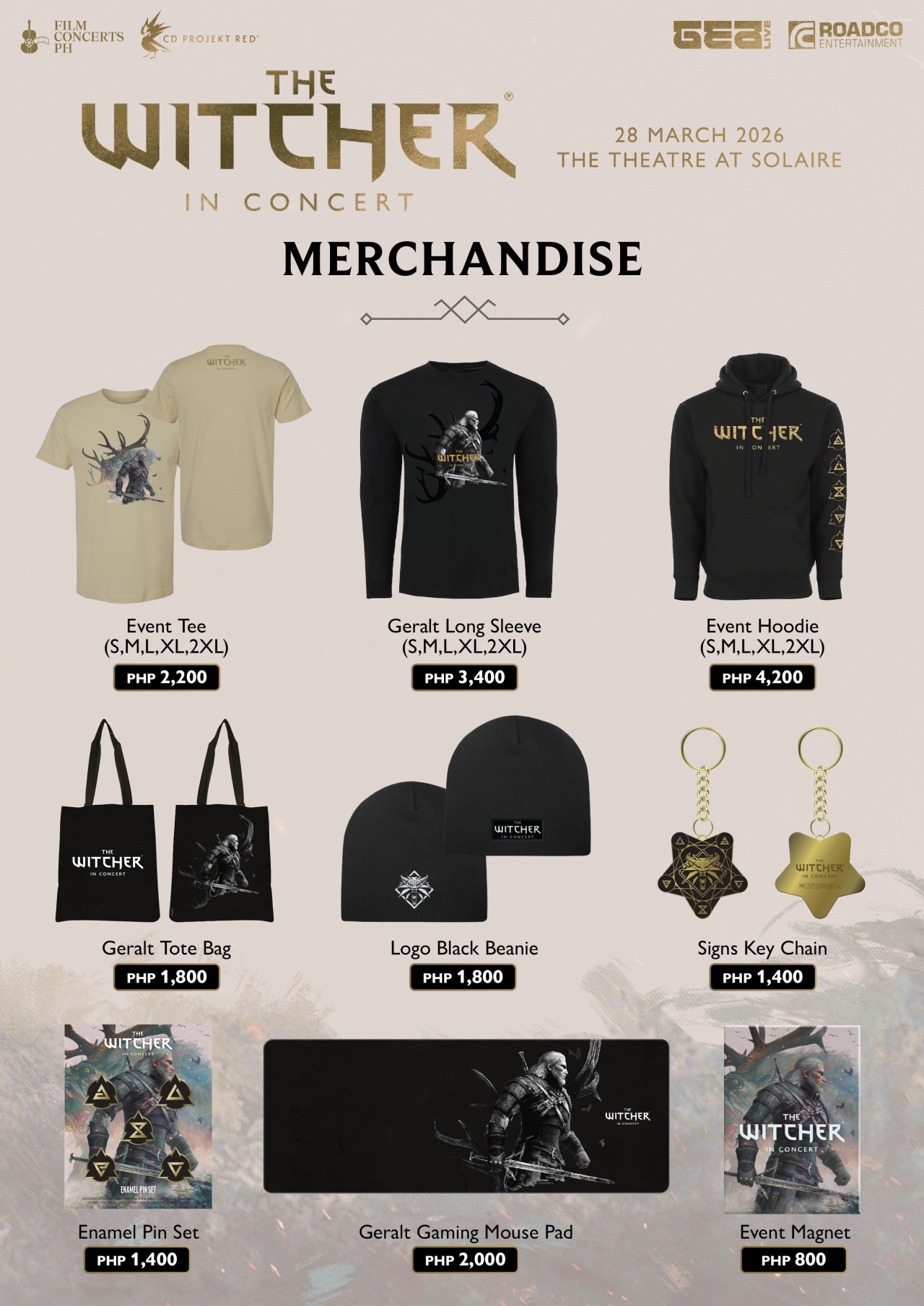
Relics from the Continent: official merchandise
For those who want to take a piece of the experience home, exclusive event merchandise will be available in limited quantities.
This includes the following:
- Event Tee (PhP2,200)
- Geralt Long Sleeve (PhP3,400)
- Event Hoodie (PhP4,200)
- Beanie (PhP1,800)
- Tote bag (PhP1,800)
- Key chain (PhP1,400)
- Enamel pin set (PhP1,400)
- Event magnet (PhP800)
- Geralt gaming mouse pad (PhP2,000)
It’s the kind of loot drop fans won’t want to miss.
The path to Solaire: getting there made easier
Getting to the venue is part of the journey—and this time, it’s a little easier. Attendees can use the Grab code FCPH2026 to get 20% off rides (up to PhP75). With the condition of a minimum fare of PhP250. The promo is valid for two rides per user and applies to trips to and from Solaire Entertainment City.
A rare encounter: meet Percival Schuttenbach
For a handful of lucky fans, the experience goes beyond the stage. Ten winners will get the chance to meet Percival Schuttenbach and receive an autographed CD.
To join, ticket holders need to share any official The Witcher in Concert post on their Instagram Story. They need to write what they’re most excited to hear live and tag @filmconcerts.ph. They need to submit their entry before March 24, 2026 at 5:00 PM. Winners will be announced on March 25.
Answer the call
As the Continent arrives in Manila, fans are encouraged to lean all the way in—whether that means coming in cosplay as a monster hunter, mage, bard, or something far more dangerous.
Tickets are available via TicketWorld and participating outlets nationwide.
The Path is open. The question is—will you answer the call?
Gaming
Monopoly: Star Wars Heroes vs. Villains launching on June 11
Introducing a team-based, cinematic twist to the classic board game
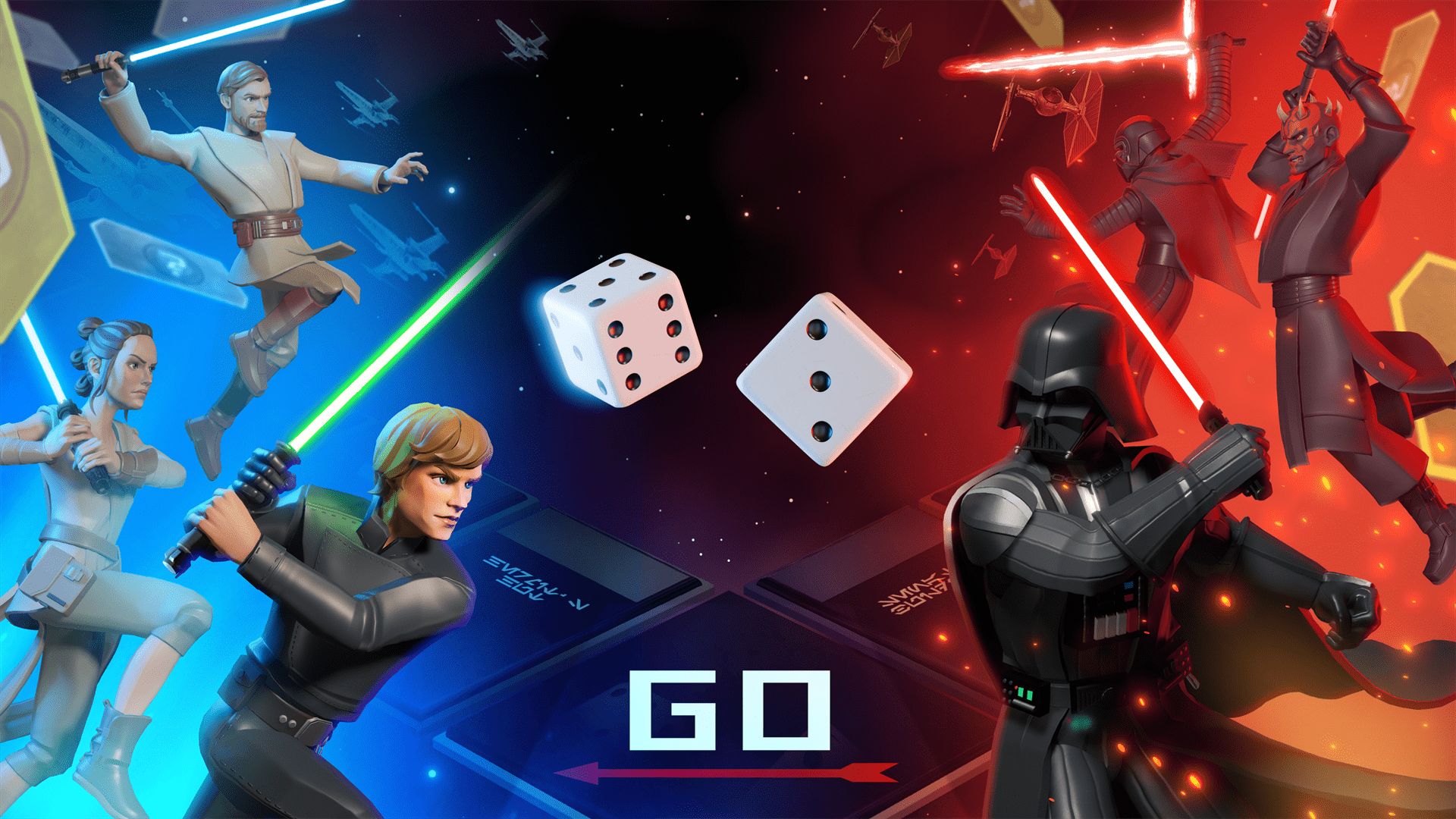
Monopoly: Star Wars Heroes vs. Villains will launch on June 11, Ubisoft has announced. It will debut on PlayStation 5, Xbox Series X|S, Nintendo Switch 1 and 2, GeForce Now, and PC through Steam, Epic Games, and the Ubisoft Store.
The Behavior Interactive title introduces a team-based combat twist to the traditional real estate board game. It includes competitive 2v2 and 3v3 modes, available online and through couch co-op.
This transforms the classic Monopoly gameplay into an action-packed, strategic showdown where teamwork and hero combinations matter.
Every turn carries high stakes as properties change hands in an instant. Dynamic GO events also introduce game-altering twists.
The full reveal will be on April 29.
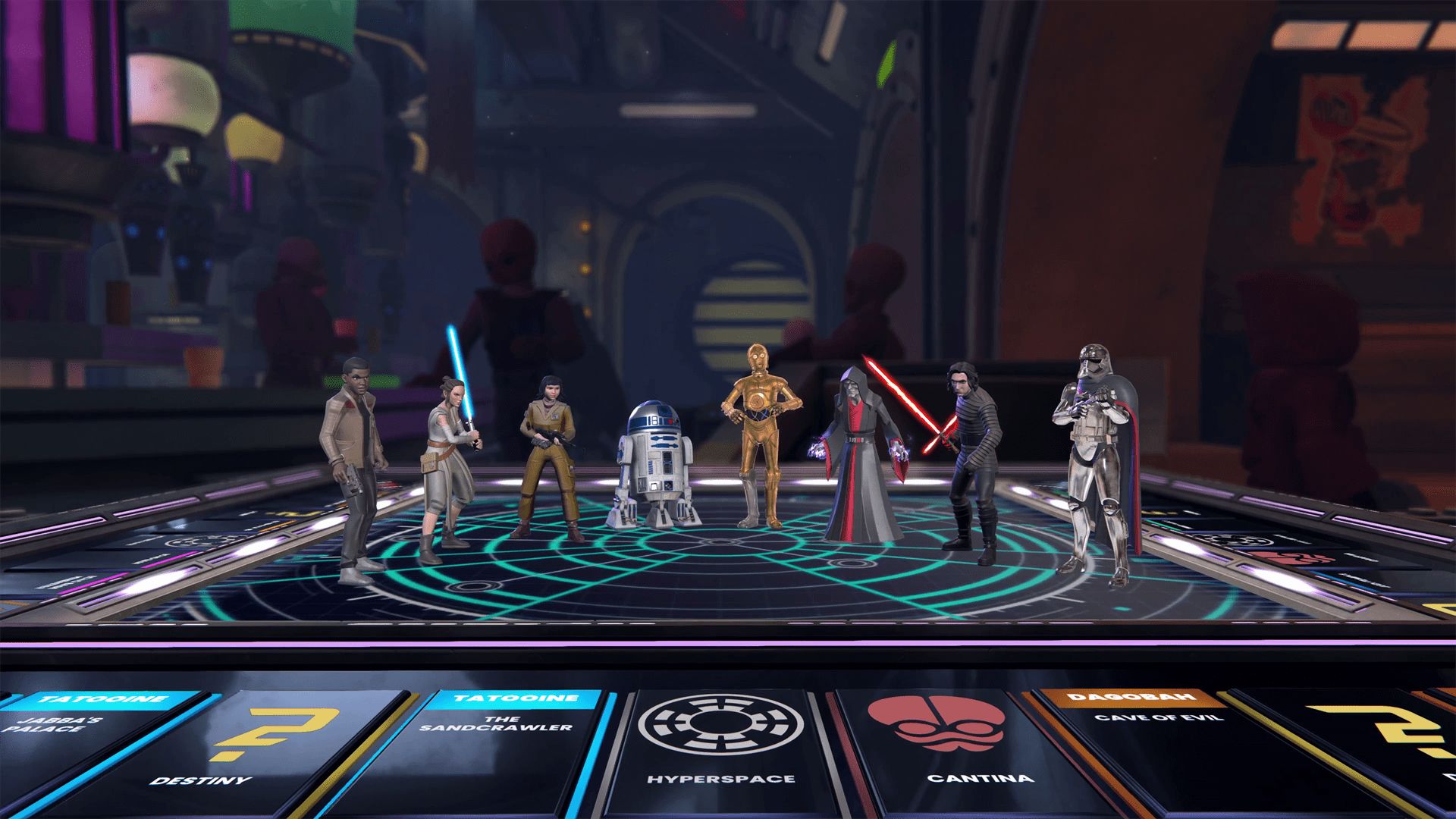
Monopoly: Star Wars Heroes vs. Villains transports players into the Star Wars galaxy with a custom Monopoly board, packed with iconic locations from across the saga.
The gameplay is reimagined with thrilling cinematic moments, themed spaces, and dynamic elements. These make up for a refreshed experience from start to finish.
Players can choose from a wide roster of Star Wars heroes and villains. There’s plenty of options, from Luke Skywalker and Princess Leia to Darth Vader and Darth Maul.
Each character brings unique abilities to shape the team’s strategy and affect the match’s complexion with every roll of the dice.





Now Playing: Hoppers

Jackery SolarSaga series: Free power for small devices

UGREEN adds new Nexode Pro power bank, charger to lineup

nubia to launch new Neo 5 series gaming phones on March 28

SHINOBI: Art of Vengeance’s SEGA Villains Stage out on April 3


-

 Reviews5 days ago
POCO X8 Pro Max review: A new beast from the far east
-

 News5 days ago
POCO X8 Pro Series: Price, availability in the Philippines
-

 Laptops2 weeks ago
Apple MacBook Neo Review
-

 Computers2 weeks ago
GIGABYTE collaborates with Capcom for RE Requiem custom PC
-

 Apps1 week ago
Google Maps is finally getting a 3D mode
-

 Entertainment2 weeks ago
The internet is thirsting over the One Piece Season 2 cast
-

 Features1 week ago
Galaxy AI on the Samsung Galaxy S26 Ultra
-

 Automotive2 weeks ago
BYD is reportedly considering an F1 team