

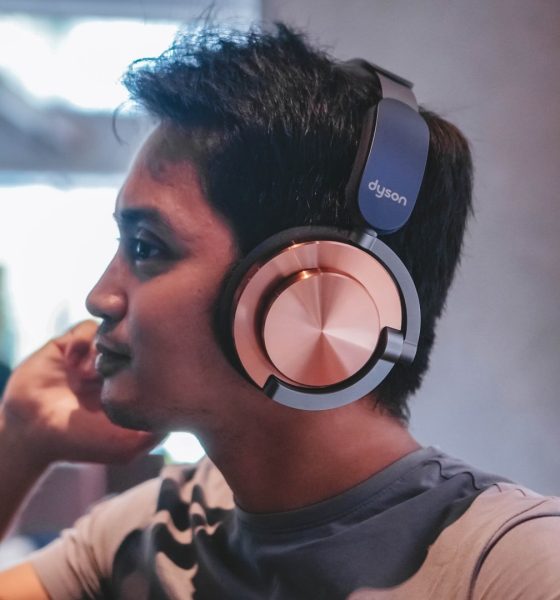

There are days when the world gets a little too loud, like when every honk or notification feels like a personal attack. Even as an extrovert, I sometimes crave the quiet.
Sure, I love people and the chatter inside cafés, but there are moments when I want to turn the volume of life all the way down with a pair of headphones. Although, I’ve never really been a “headphones person.”
The last time I owned a pair was back in 2017-2018. A Sony H.Ear On 2 and an Mpow H5 that saw brief daylight before I decided I preferred the freedom of earbuds. Then came wireless earbuds, and eventually open-ear ones, which suited my lifestyle perfectly.
But maybe this is what growing older does to you. You start craving peace like it’s a luxury item. Because for the past three months, I’ve been living with the Dyson OnTrac.
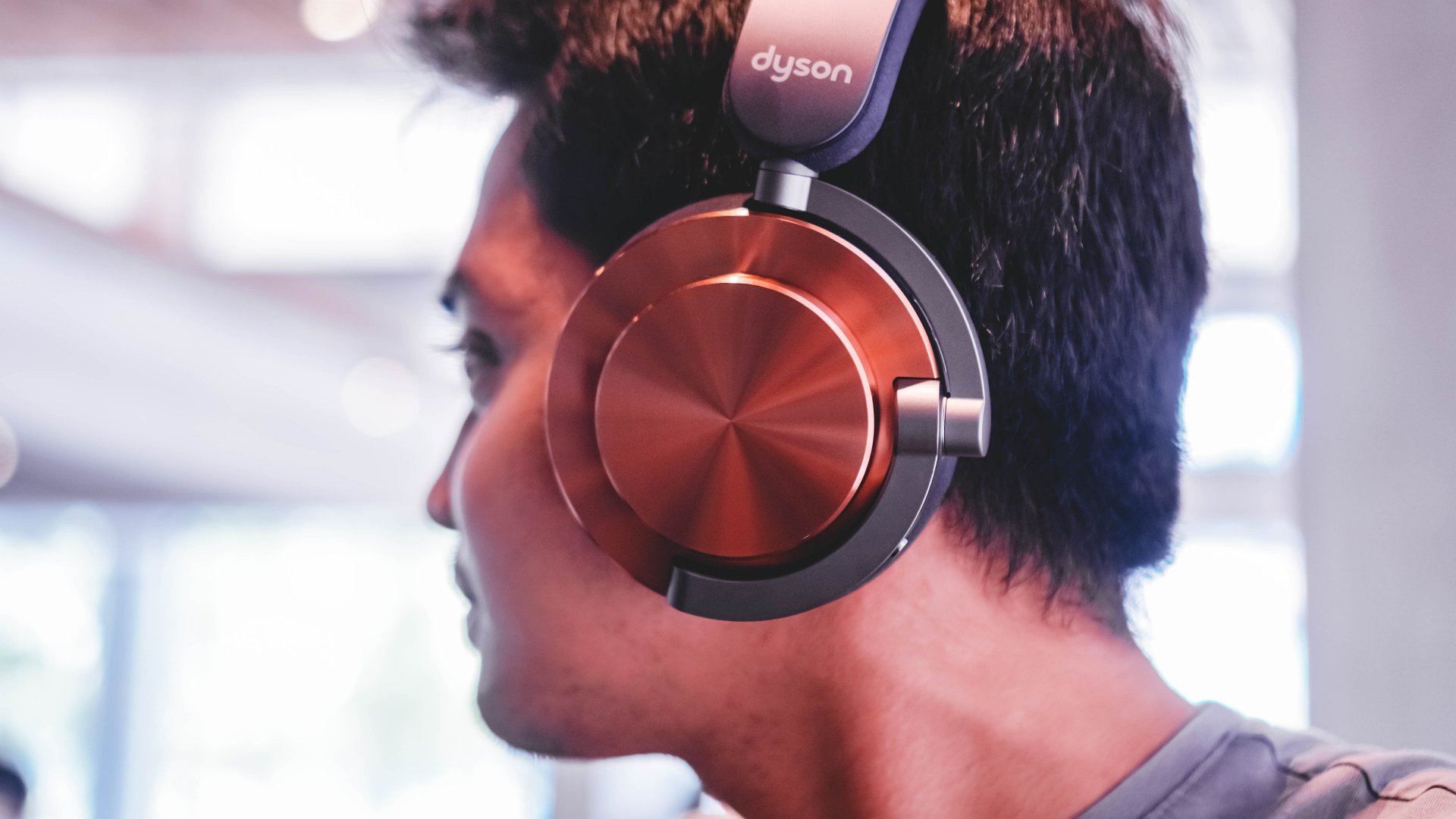
And now that the honeymoon phase is over, I can say it plainly: I love everything about it, except a few things.
That Dyson DNA
The first time I saw the Dyson OnTrac, it didn’t even look like a gadget. It looked like something you’d wear with a crisp blazer or bring into an airport lounge. It’s unmistakably Dyson: minimal yet distinct.
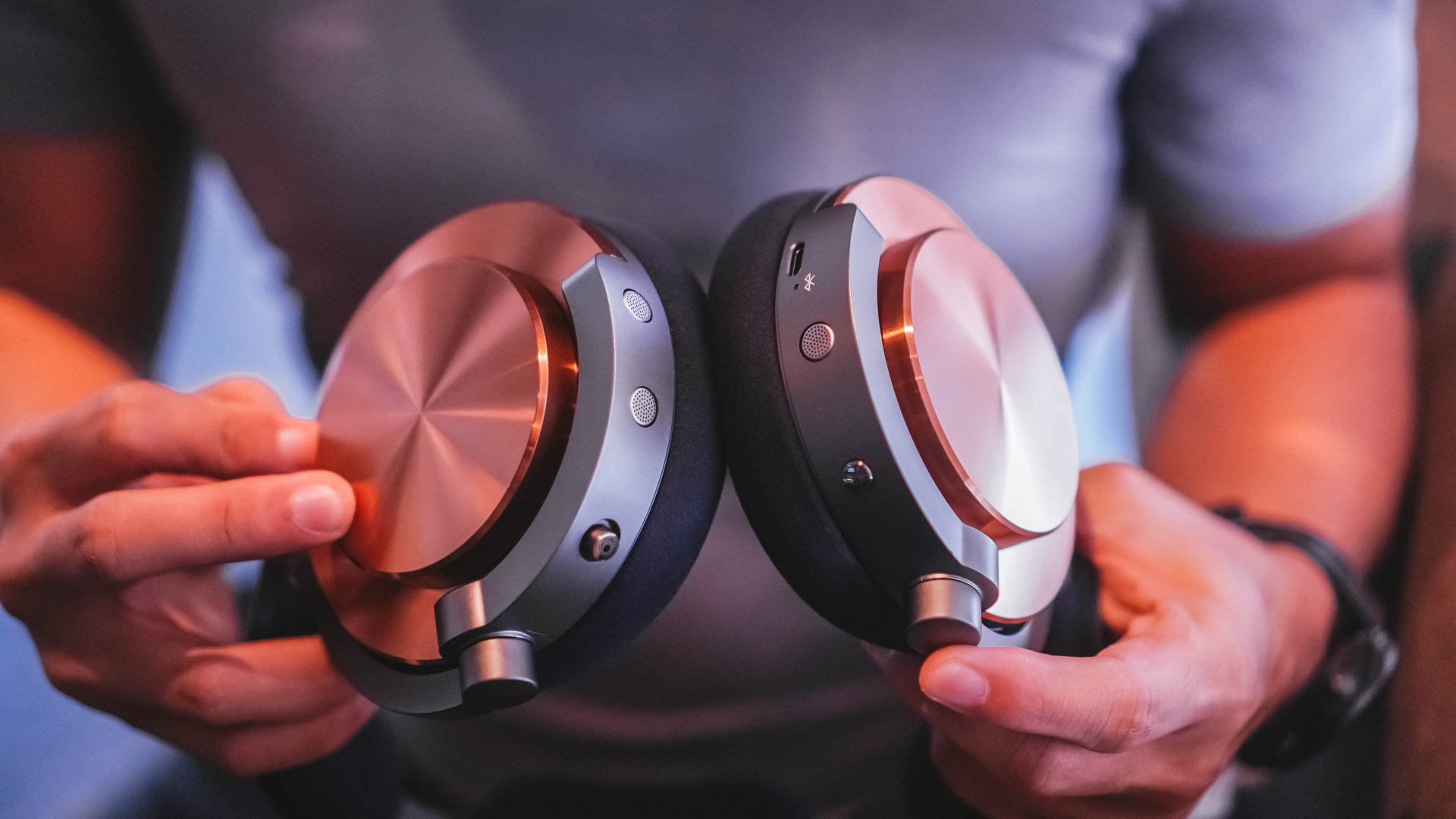
Mine came in Copper, which felt like it was made for me. It matches my gold earrings and necklaces perfectly, as if it was designed to live in my wardrobe.
That’s the thing about Dyson. They make technology feel personal, like a statement piece that just happens to have a power button.

Even the small details feel intentional. The outer caps and ear cushions can be swapped for colors of your choice, and those cushions — soft and made from microfiber — hug your ears like velvet clouds.
The OnTrac is so comfortable that I’ve worn it through entire flights and long editing sessions without a single ache or hint of warmth. It never clamps too tightly, either.
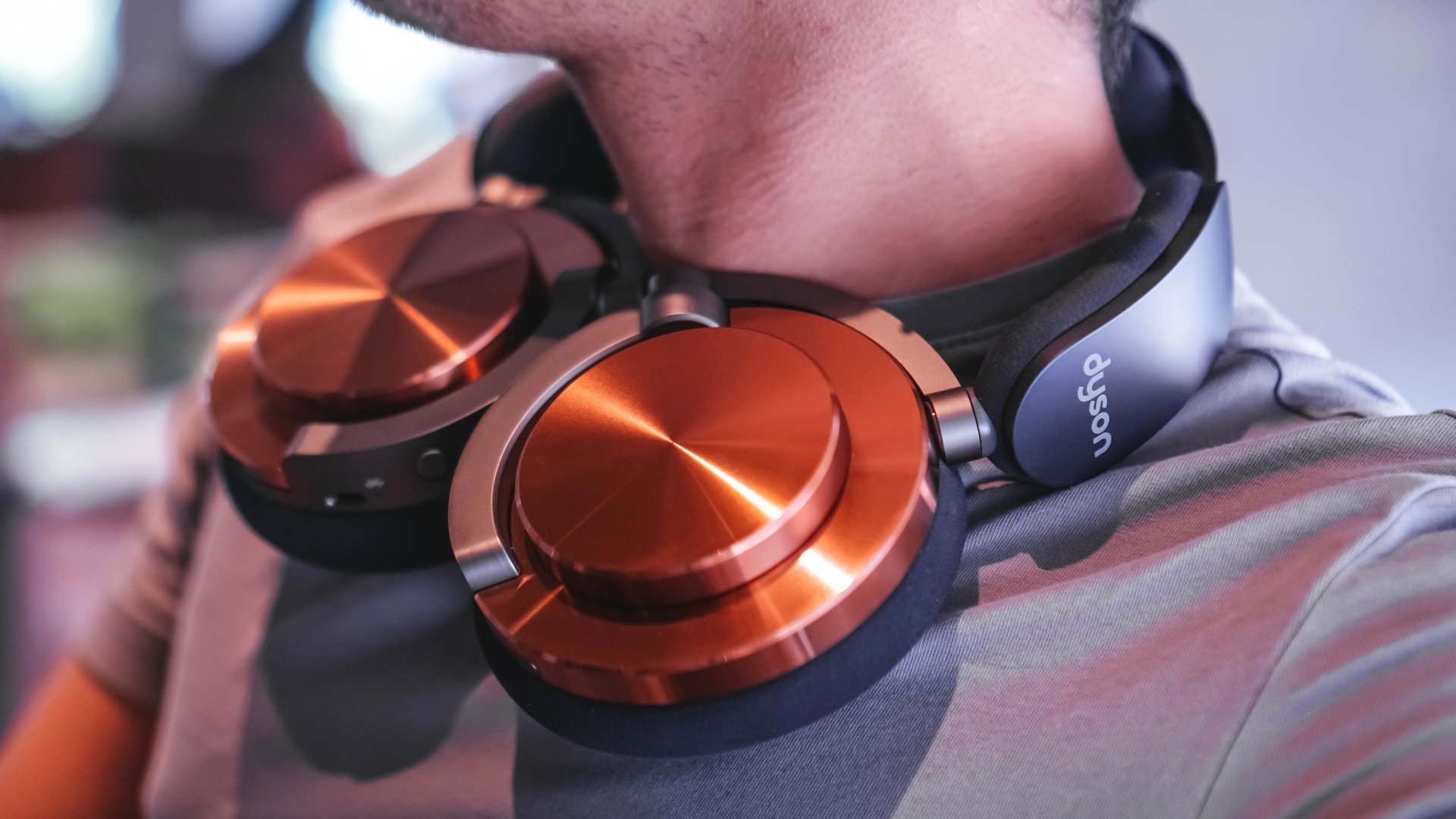
My only complaint? It’s oddly designed when you want to rest it on your neck. You have to flip it so it lays flat against your collarbones. Otherwise, the ear cups sit awkwardly and press against your neck.
It’s not a dealbreaker, but it’s… fussy. Beautiful, yes, but impractical in that “fashion before function” kind of way.
Still, that comfort kept me company from my flight to Hong Kong to my bus ride into Shenzhen. It was so light, I almost forgot I was wearing it. Almost.
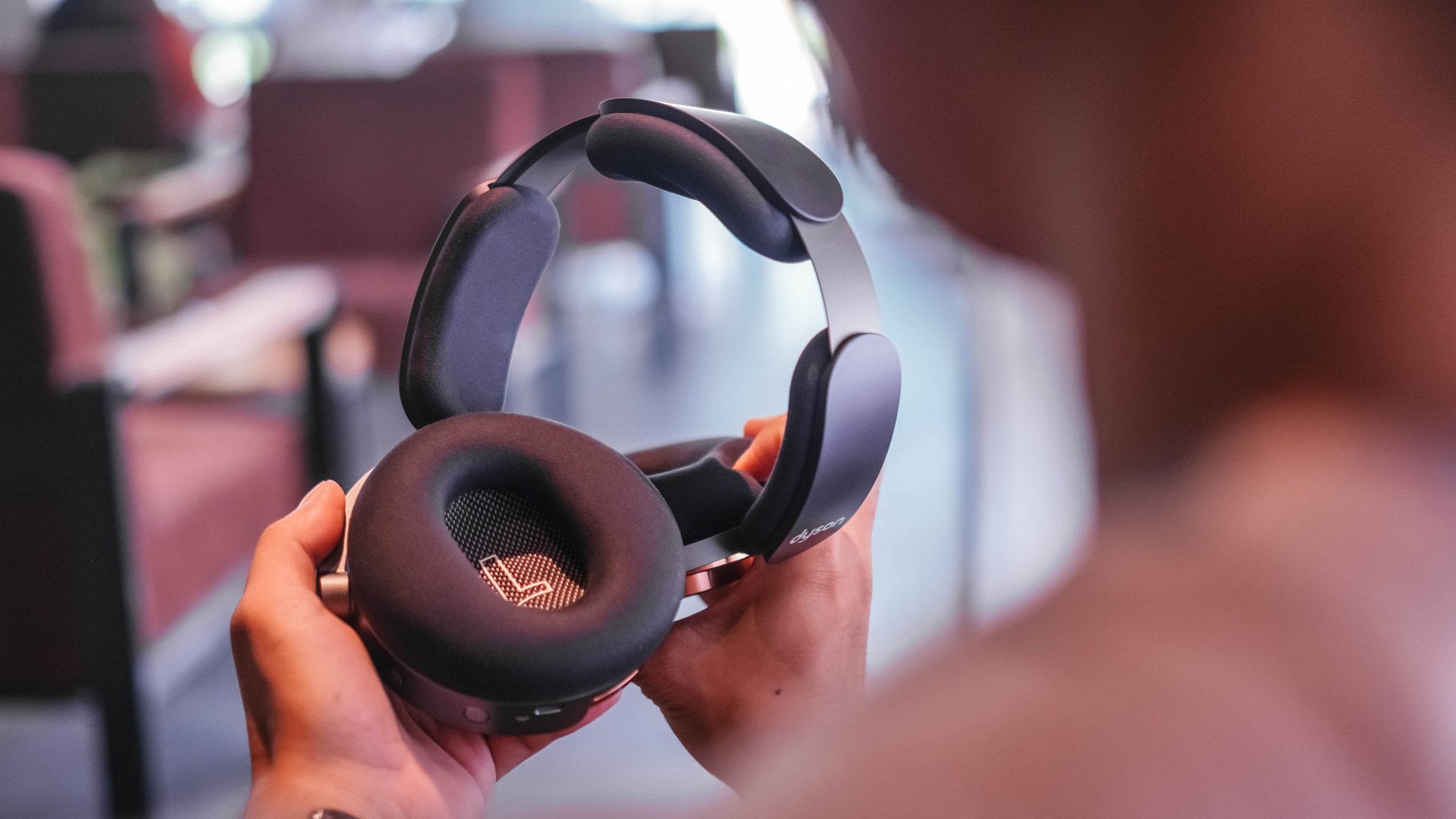
And that battery life — 55 hours, give or take — held up. I didn’t even need to charge it while traveling from Hong Kong to Zhengzhou and back to the Philippines.
The silence I needed
Wearing the OnTrac, I couldn’t hear the hum of the plane’s engine, the crying baby, or the chatty group behind me on the bus. Its Active Noise Cancellation is easily one of the best I’ve tried.
It feels like being inside a bubble, a little world of your own. Only a few pairs of headphones can deliver this kind of isolation without feeling suffocating. You know that eerie stillness where you start hearing your own thoughts? It’s like that, but gentler.

Of course, there are better options for pure noise-cancelling performance, but none of them look this good doing it.
The OnTrac also automatically pauses when you take it off, which I love. It’s the closest thing to someone gently turning down the world for you.

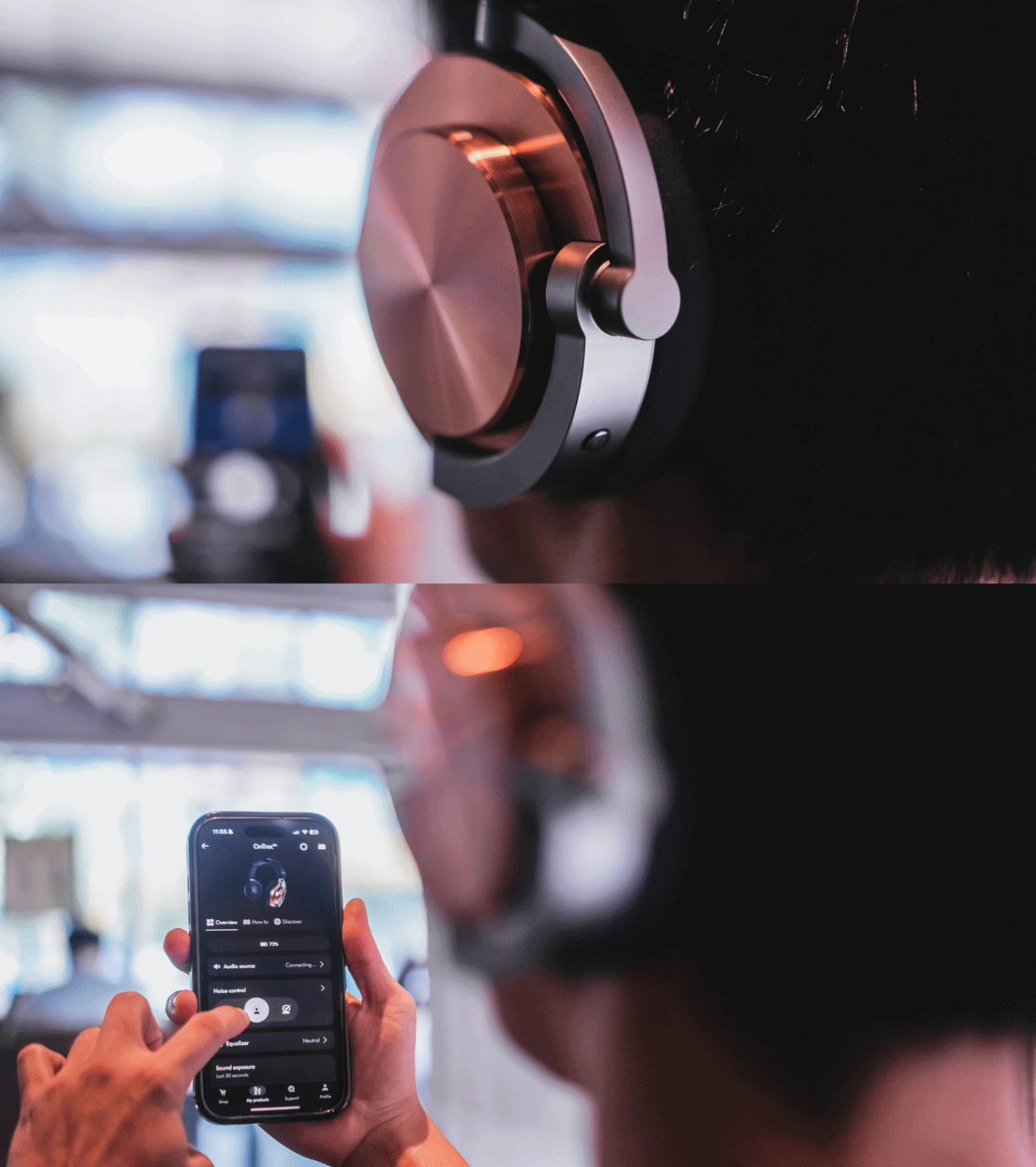
Through the MyDyson app, you can tweak your experience. You can adjust isolation levels, switch between transparency modes, and decide how much of the outside world you want to let in. It’s thoughtful and seamless, exactly what you’d expect from Dyson.
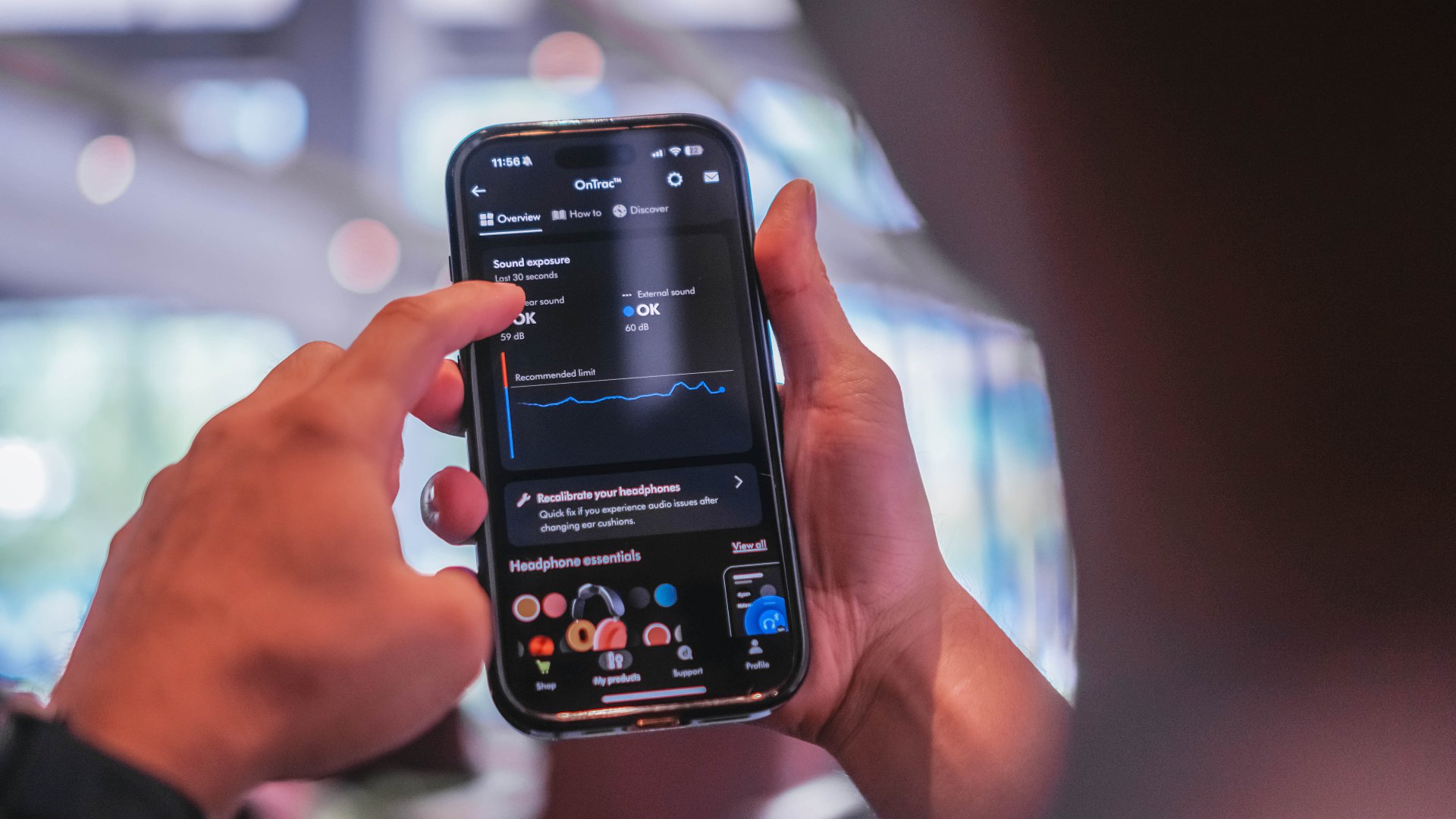
The sound I didn’t want
There’s more to tweak in the MyDyson app, including a sound exposure monitor and an adjustable equalizer with four modes: Enhanced, Bass Boost, Neutral, and Custom. I tried them all. I really did. And yet, the sound never quite came alive.
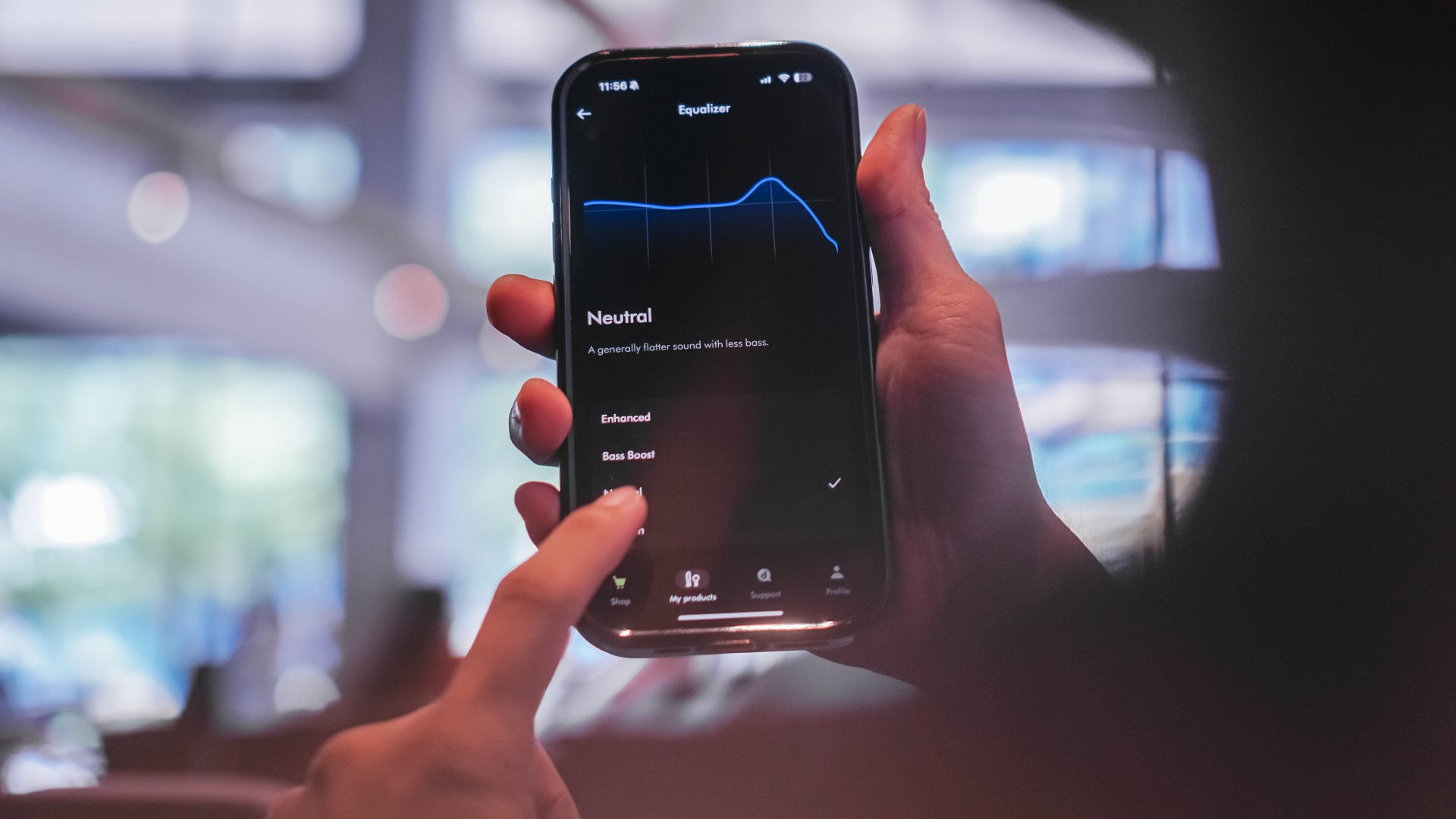
Despite its brilliance in design and noise control, the OnTrac sounds… flat. It’s clean, but too clean that it’s lacking depth and warmth. The vocals don’t quite have texture, and the bass feels subdued. Even my colleagues noticed as we compared it to the more affordable Sony WH-1000XM6 and JBL Tour One M3.
Somehow, the OnTrac falls short. It’s not bad. It’s just not enough for the price Dyson asks. It’s like ordering a luxury dessert and realizing it looks exquisite, but doesn’t melt the way you hoped.
Price and availability
The Dyson OnTrac retails for US$ 499 / PhP 32,900 in the Philippines. It’s available in CNC Black Nickel and CNC Copper.
You can personalize it further with ear cushions (PhP 3,500) in colors like Oyster Pink, Khaki, Chrome Yellow, Prussian Blue, and Ultra Blue.

The outer caps (PhP 3,500) are also swappable, with options like Ceramic Blue, Coarse Titanium, and Ceramic Cinnabar.
Even the braided Aux cable with an in-flight adapter feels premium, though it’ll set you back PhP 2,000.
Is the Dyson OnTrac your GadgetMatch?
It’s rare to find a pair of headphones that feel as much like a fashion statement as a functional device. The Dyson OnTrac is exactly that — a piece of wearable art that lets you shut the world out in style.
If you see headphones as an extension of how you carry yourself and not just a tool for listening, then this could easily be a Swipe Right.
That is, if you have a little money to burn. Maybe the comfort, aesthetics, and excellent ANC are enough to make you splurge.
But if you’re after a rich, dynamic sound profile, looks alone won’t do. It’s automatically a Swipe Left, as there are better options out there. Both the JBL Tour One M3 and Sony WH-1000XM6 sound fuller and more balanced for less.

Maybe that’s the irony of the OnTrac. It perfects the art of silence but forgets the poetry of sound. Still, every time I slip it on, it feels like I’m putting the world on mute.
And for now, that’s the kind of peace I’m willing to pay for.





Automotive
The Kia EV3 brings gallery-worthy design in a compact electric form
The 2025 World Car of the Year turns daily driving into functional art.
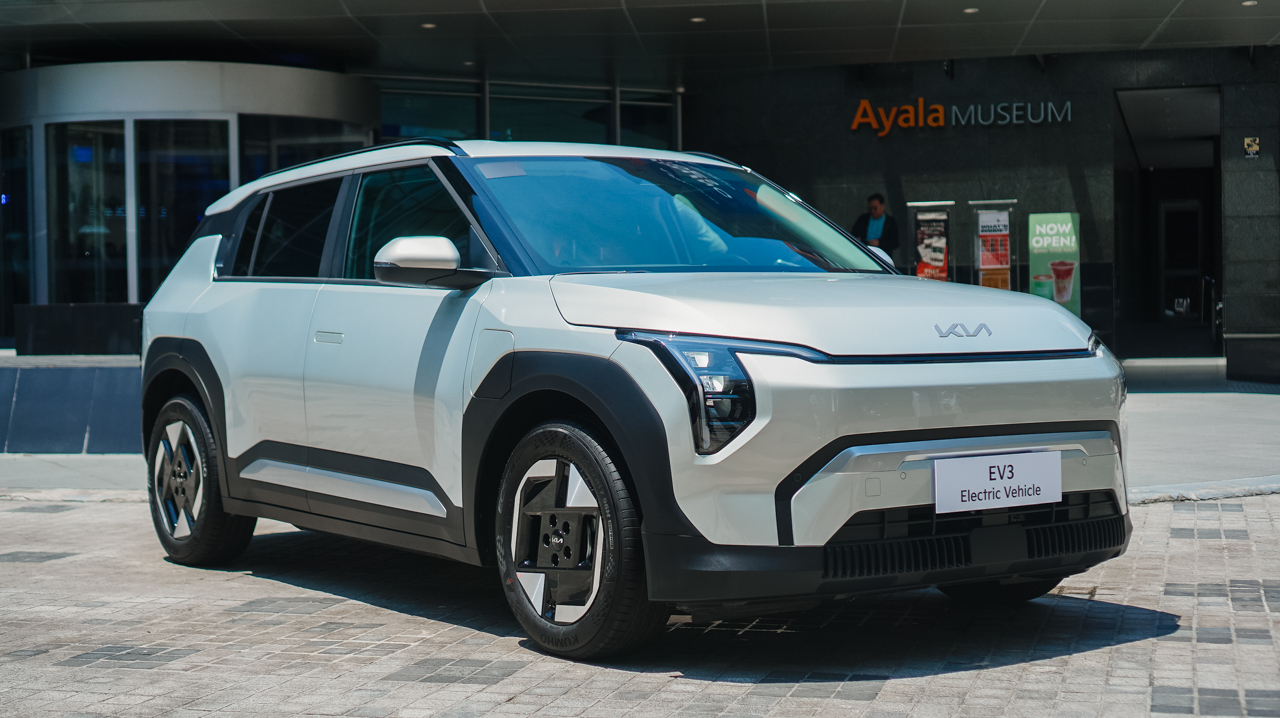
The all-new Kia EV3 officially debuted against the architectural backdrop of the Ayala Museum.
Named the 2025 World Car of the Year, the compact electric SUV redefines daily driving as functional art. It also holds prestigious Red Dot “Best of the Best” and iF Design awards.
Sculpted like a modern piece of design
The EV3 shares the forward-thinking design philosophy of the acclaimed EV5 and EV9.
Its exterior features an evolved Digital Tiger Face paired with signature LED lighting. Sculpted geometric surfaces and flush door handles maintain a smooth silhouette.
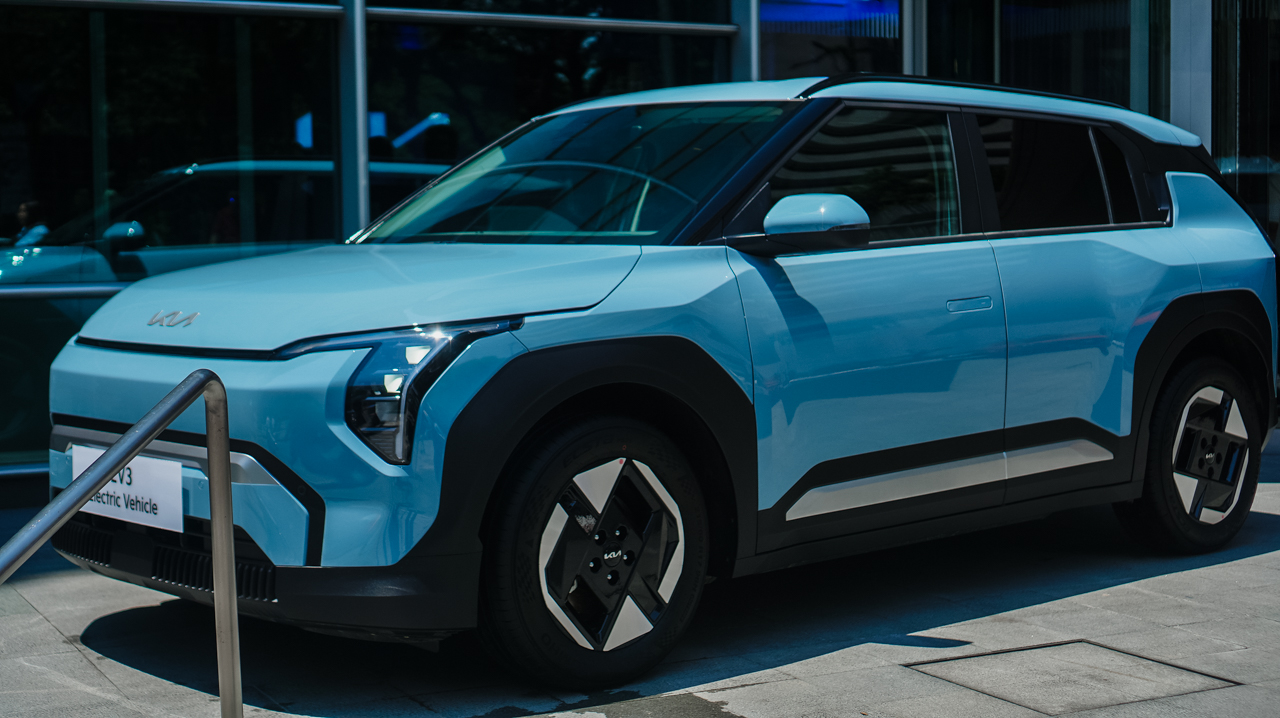
A tailored rear spoiler, roof rails, and 17-inch alloy wheels complete the profile. The result looks composed and elegant, especially when parked outside a contemporary gallery.
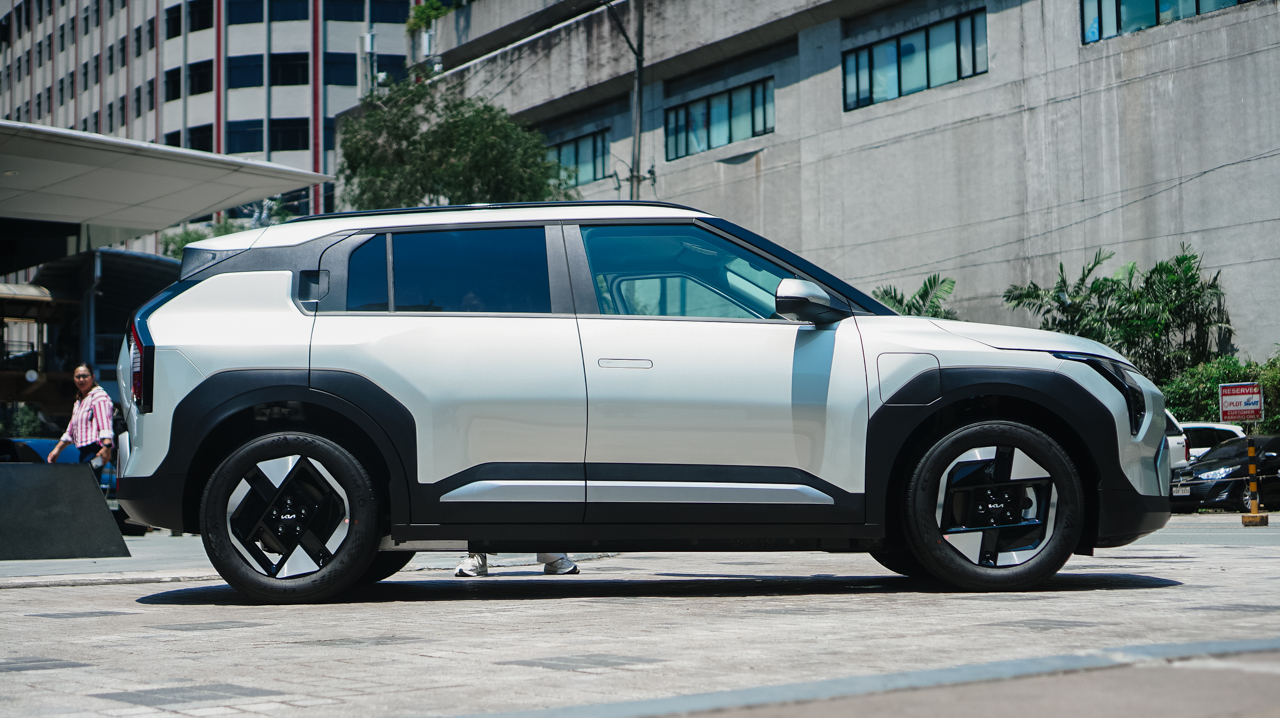
Beneath its sculpted skin lies instant, whisper-quiet electric power. A front-mounted motor generates 204 PS and 283 Nm of torque.
A 58.3 kWh battery delivers up to 511 kilometers of range on a single charge (NEDC). Replenishing energy fits seamlessly into a busy lifestyle.
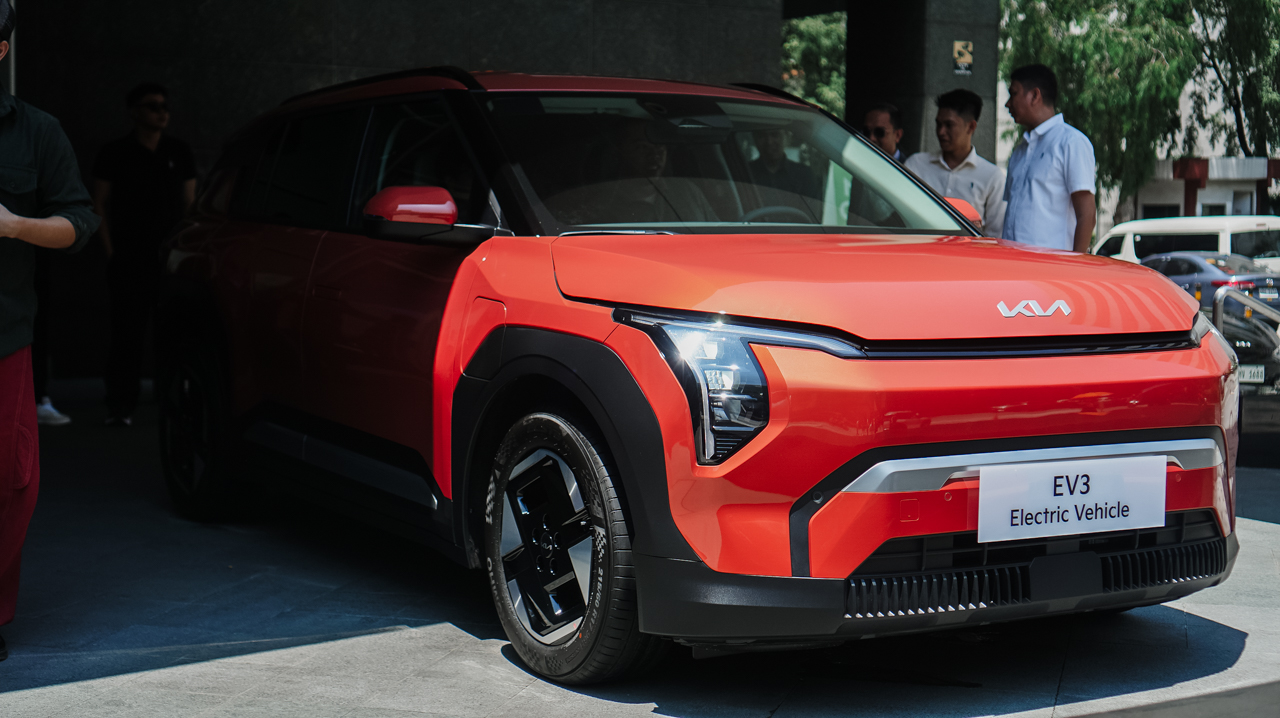
Standard 11 kW AC charging goes from 10 to 80 percent in roughly 5 hours and 20 minutes. Meanwhile, 350 kW DC Fast Charging restores the same charge in just 29 minutes.
A digital sanctuary, literally
Inside, the cabin opens into a clean, modern sanctuary.
A striking 30-inch Triple Panoramic Display centers the dashboard. It unifies the instrument cluster, climate settings, and infotainment beneath one sweeping glass surface.
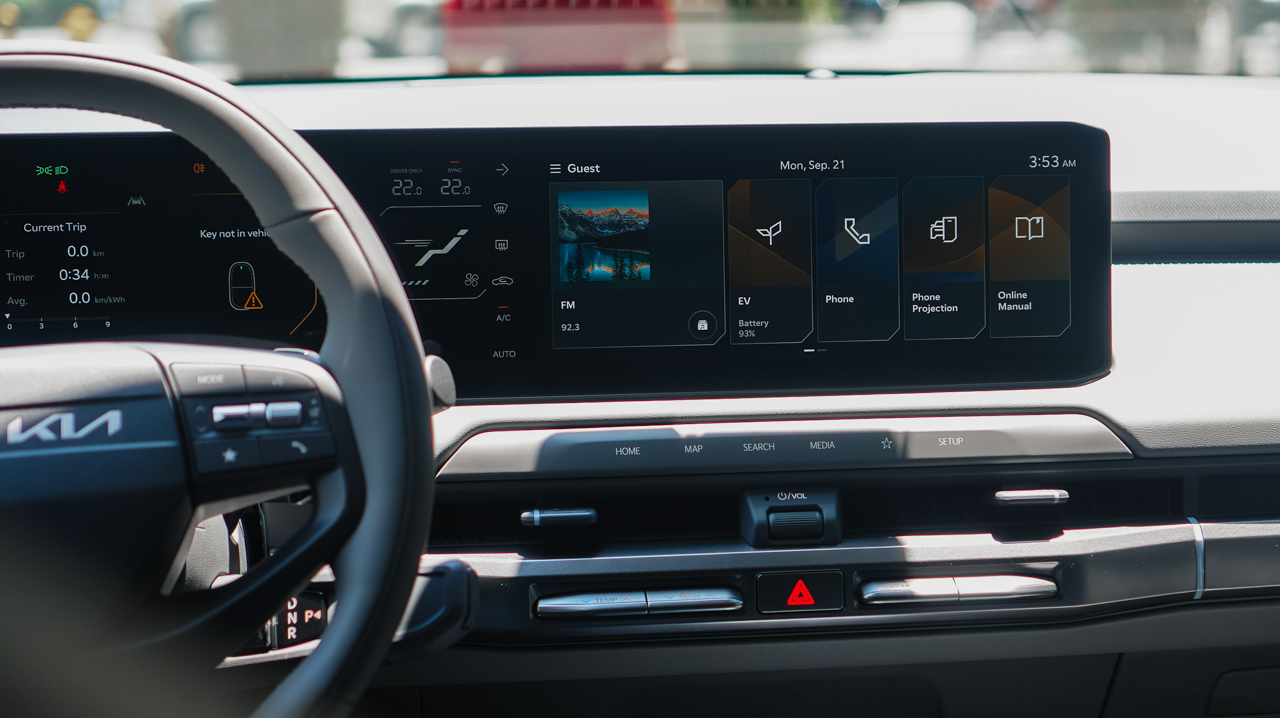
Leather upholstery and an eight-way power driver’s seat prioritize comfort, and the power lumbar support ensures relaxed driving on longer journeys.
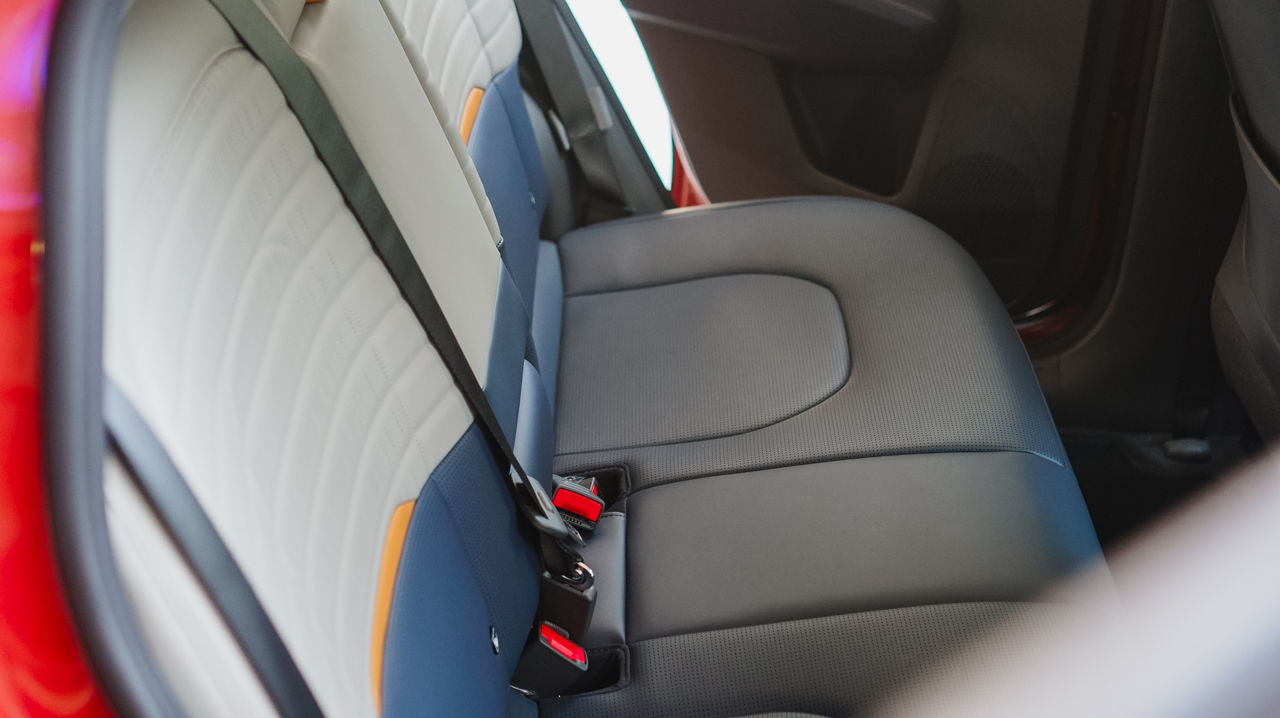
There’s also a sliding central console tray that creates an adaptable workspace on the go. On another note, connectivity remains effortless throughout the interior space. The system supports wireless Apple CarPlay and Android Auto.
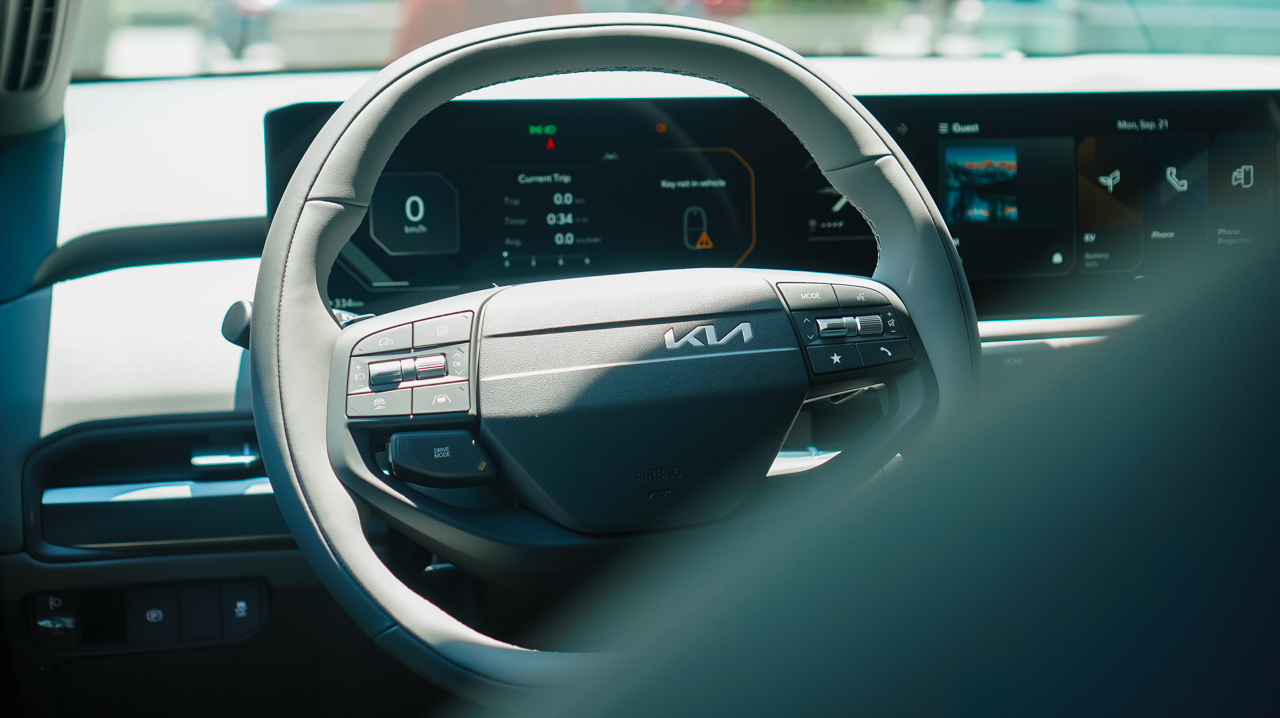
Additionally, dual wireless charging pads, five USB-C ports, and six speakers keep devices powered and entertained. For weekend getaways, 60:40 split-folding rear seats easily expand cargo capacity.
Intuitive safety
Intelligent peace of mind comes standard through the Kia DriveWise suite.
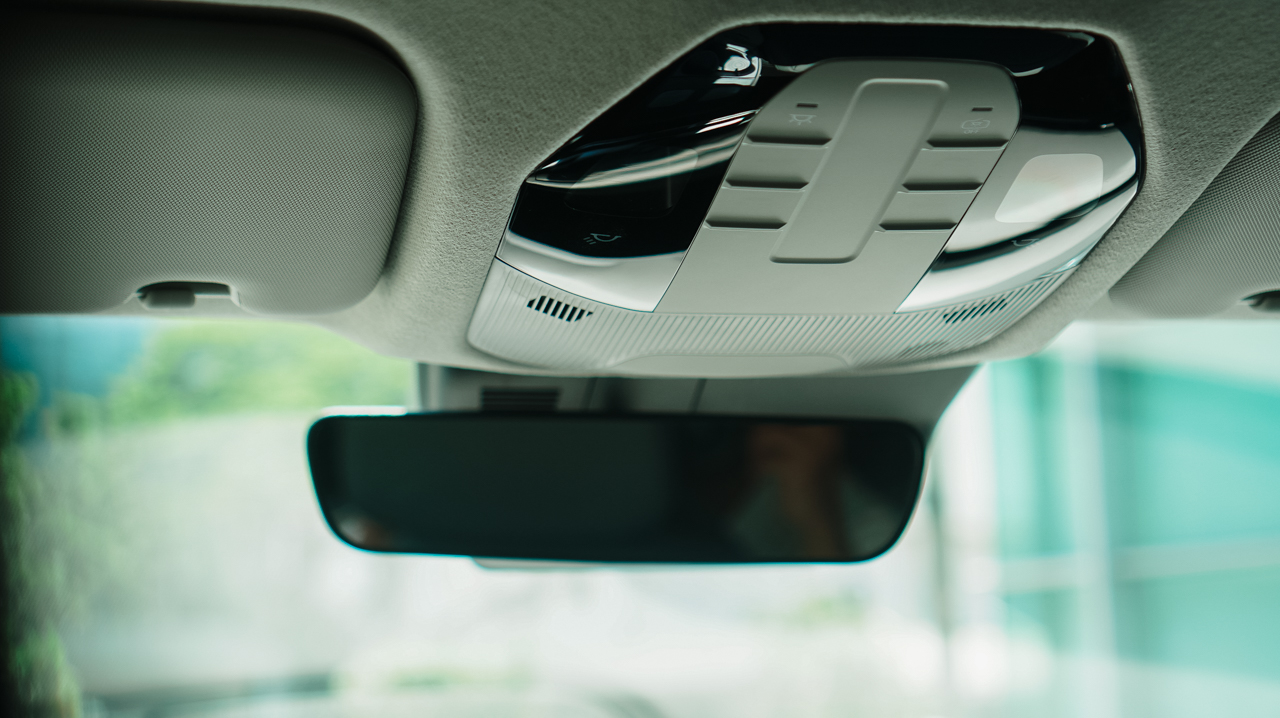
Active features include Advanced Smart Cruise Control and Forward Collision Avoidance with Autonomous Emergency Braking.

Lane Keeping Assist, Lane Following Assist, Blindspot Safety Warning, and Rear Cross Traffic Safety assist at every turn.
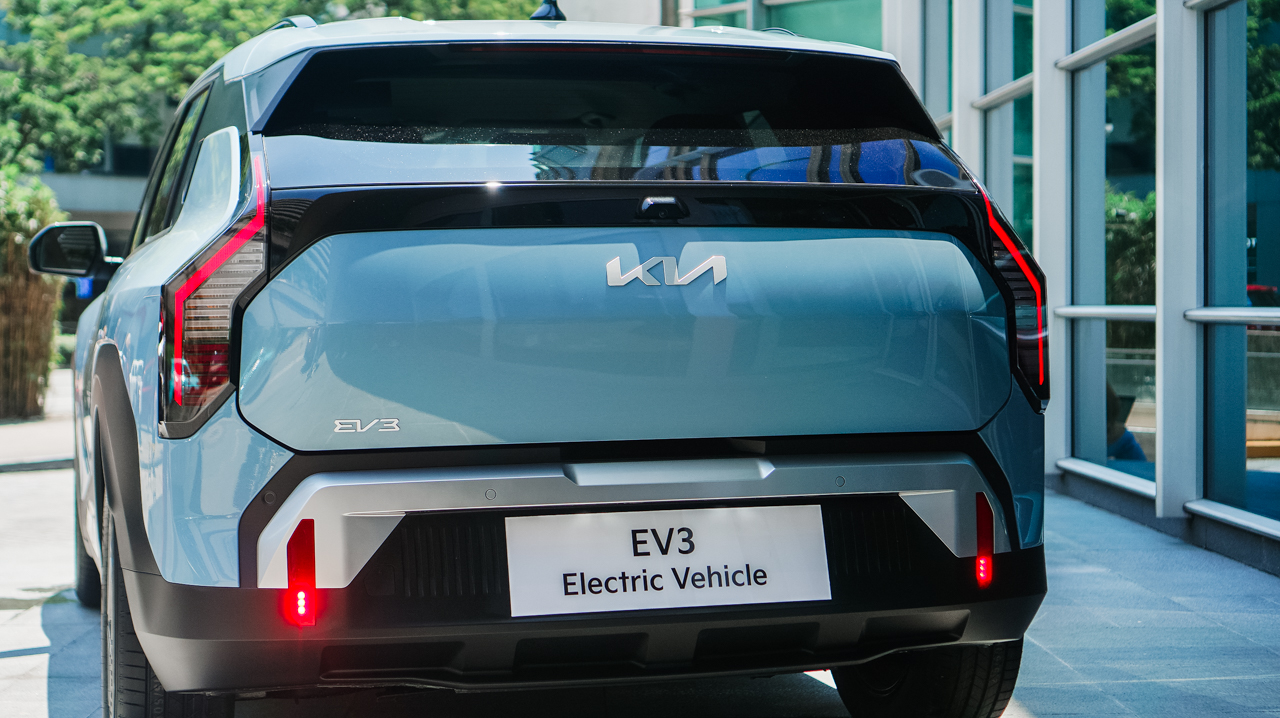
Seven airbags protect the front, side, and curtain areas. Electronic Stability Control, Hill-Start Assist, parking sensors, and a rear-view camera complete the protective core.
Price, availability
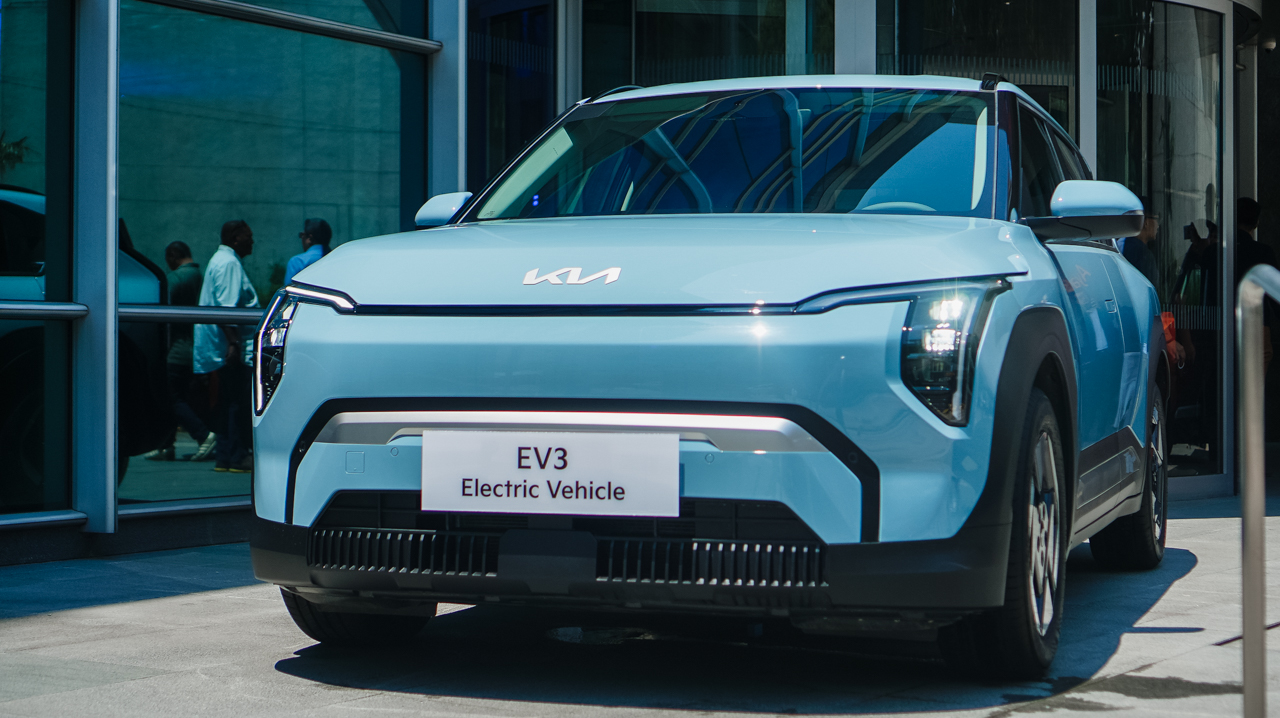
The Kia EV3 starts at PhP 1,898,000, inclusive of a home wall charger. An introductory offer reduces the price to PhP 1,868,000, saving early buyers PhP 30,000. Reservations also include five years of free Preventive Maintenance Service.
Kia provides a five-year or 160,000-kilometer vehicle warranty. The high-voltage battery carries an eight-year or 160,000-kilometer warranty.
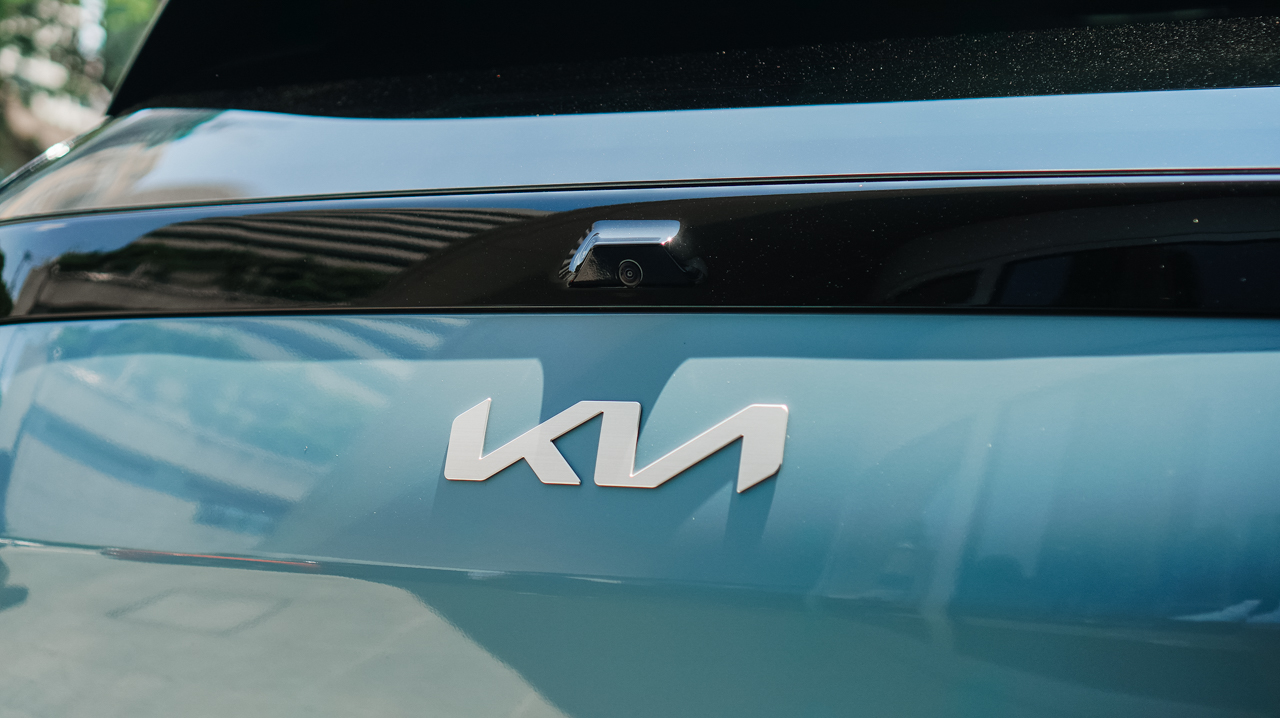
The EV3 comes in seven curated exterior colors. Options include Aventurine Green, Snow White Pearl, Aurora Black, Terra Cotta, Frost Blue, Shale Grey, and Ivory Silver.
Accessories
Manila turns up the volume at COVE
Sony Philippines launched its ULT TOWER lineup at Beyond the Beat, with SB19 joining the ULT Squad.
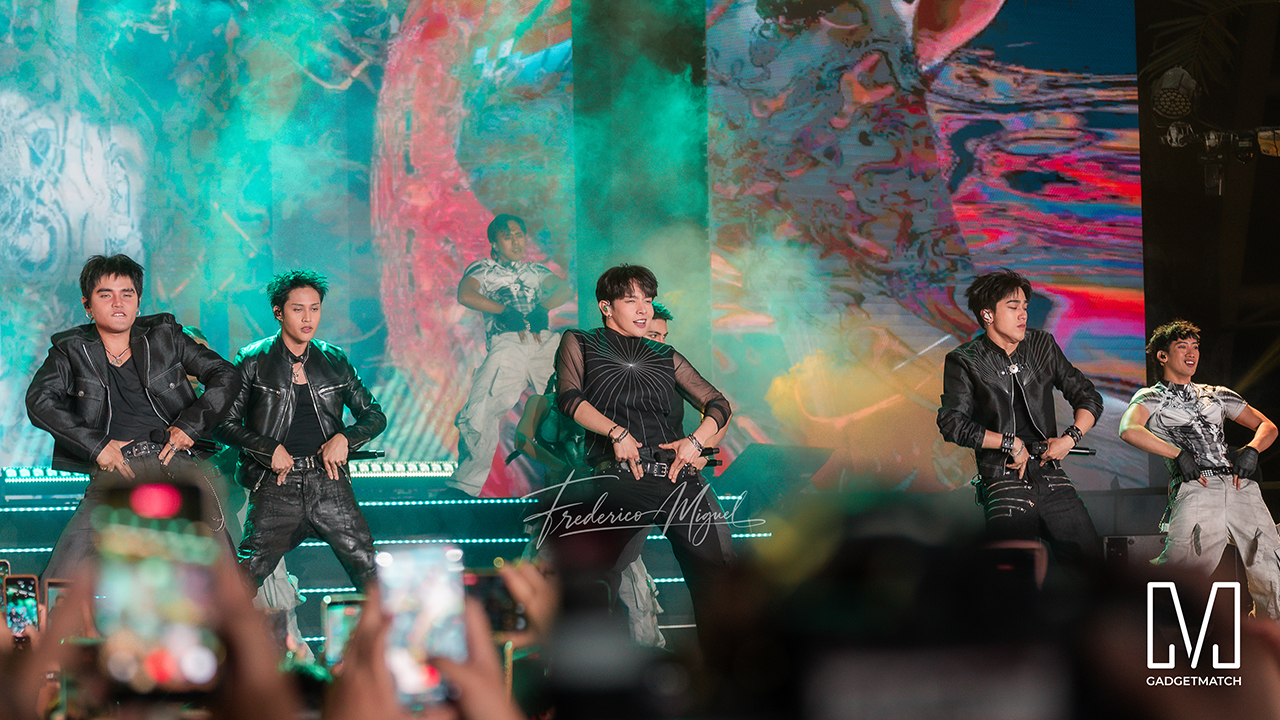
Sound and style shared the floor at COVE Manila in Okada Manila. Sony Philippines opened its doors for Beyond the Beat: The Next-Level ULT POWER SOUND Experience.
The event marked the company’s biggest ULT POWER SOUND launch in the country, and Sony paced the program like an exclusive night out.
Stacked ULT Towers filled the space. Guests styled themselves with designer pieces from Alser Lumawag, and SB19 closed the evening as the newest Sony ULT Squad members.

MySony members from every tier joined industry guests while the new ULT TOWER lineup set the tempo.
The towers take center stage
Shuhei Sugihara, Sony Philippines’ President and Managing Director, opened the program.

Product Marketing Specialist Keira Ambubuyog then introduced the newest additions to the lineup.

Arbie Bandiling of Personal Audio Systems unveiled the latest ULT Squad video. The clip introduced the artists and personalities fronting the campaign.
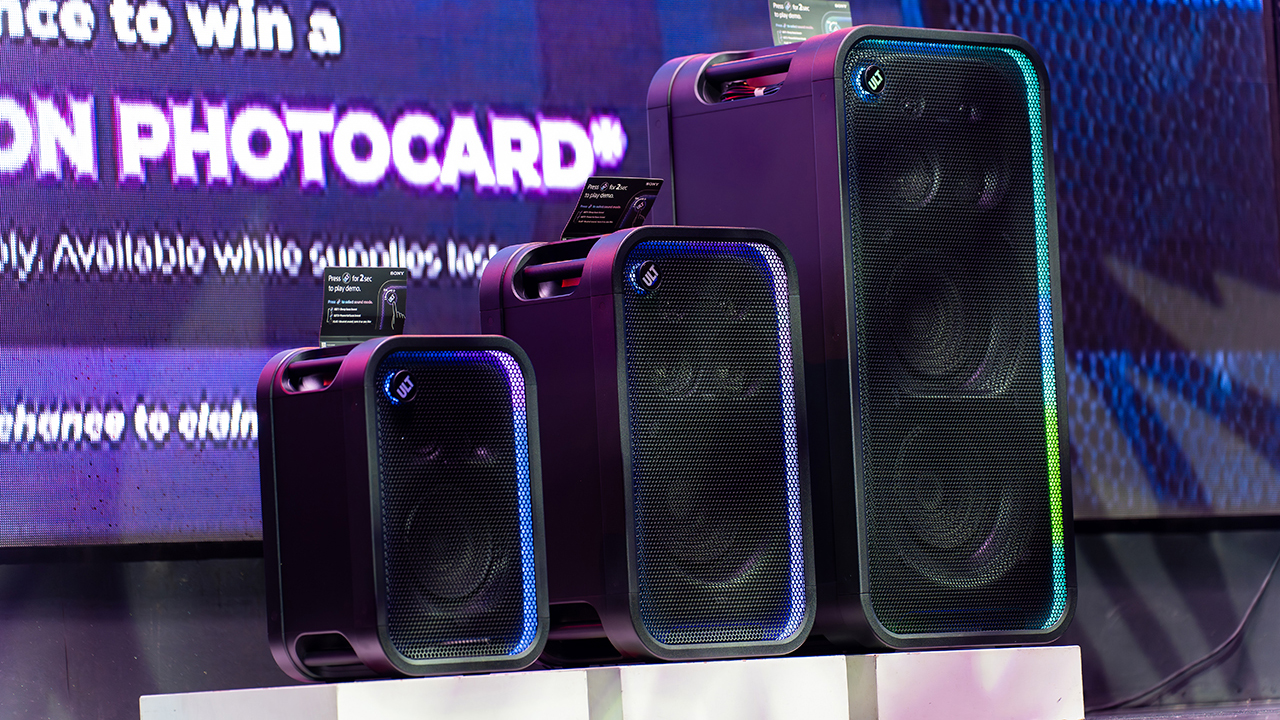
The lineup features the ULT TOWER 5, ULT TOWER 7, and ULT TOWER MAX. The new series pairs large circular woofers and high-capacity cabinets with ULT DUCT technology.
This design delivers stronger low-frequency bass than earlier models. The ULT TOWER MAX leads the series, described as Sony’s most powerful bass speaker yet.
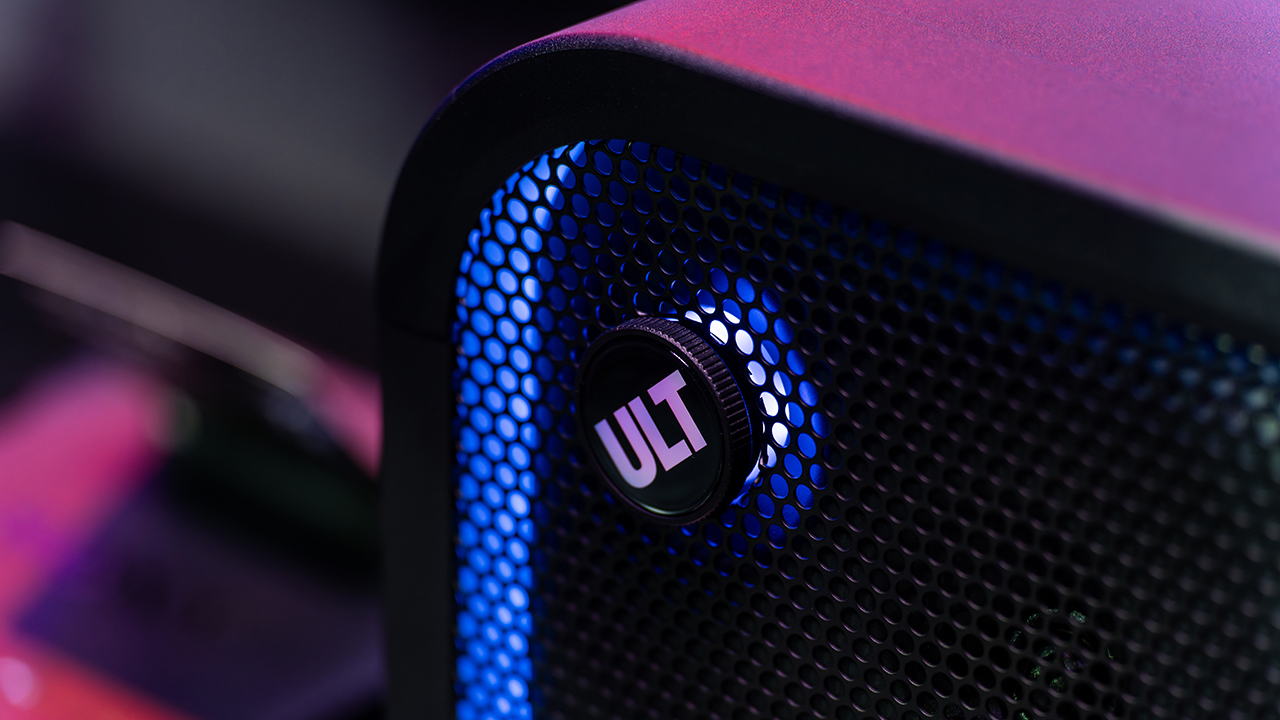
On another note, Sony pitches the ULT TOWER 7 as stage-worthy sound in a portable frame. Meanwhile, the compact ULT TOWER 5 targets smaller gatherings and features karaoke and DJ capabilities.
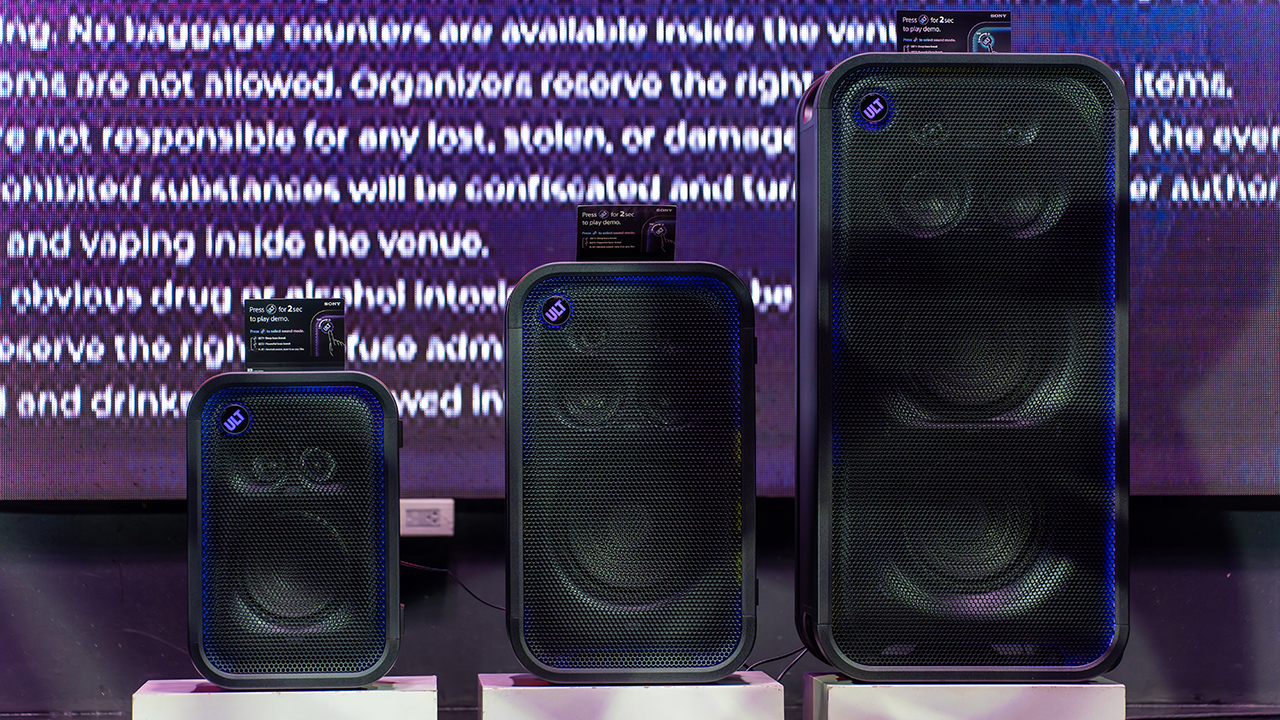
Experiential zones bring the sound to life
Guests explored the lineup across several interactive event zones. Step into the Beat paired an arcade-inspired setup with stacked ULT Towers and a dance pad. ULT Selfie Club handled photo ops.
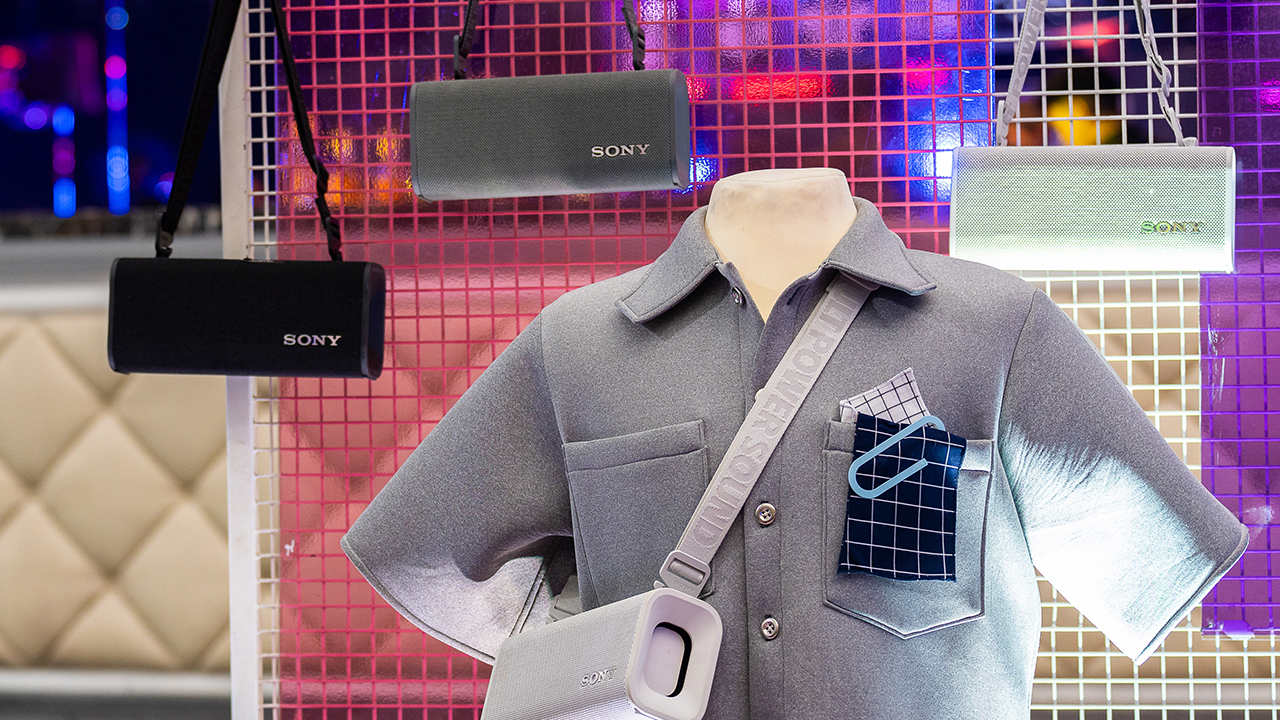
Nearby, ULT Cover Star let guests style ULT Field speakers alongside designer pieces from Alser Lumawag. Here, the speakers served as chic fashion accessories.
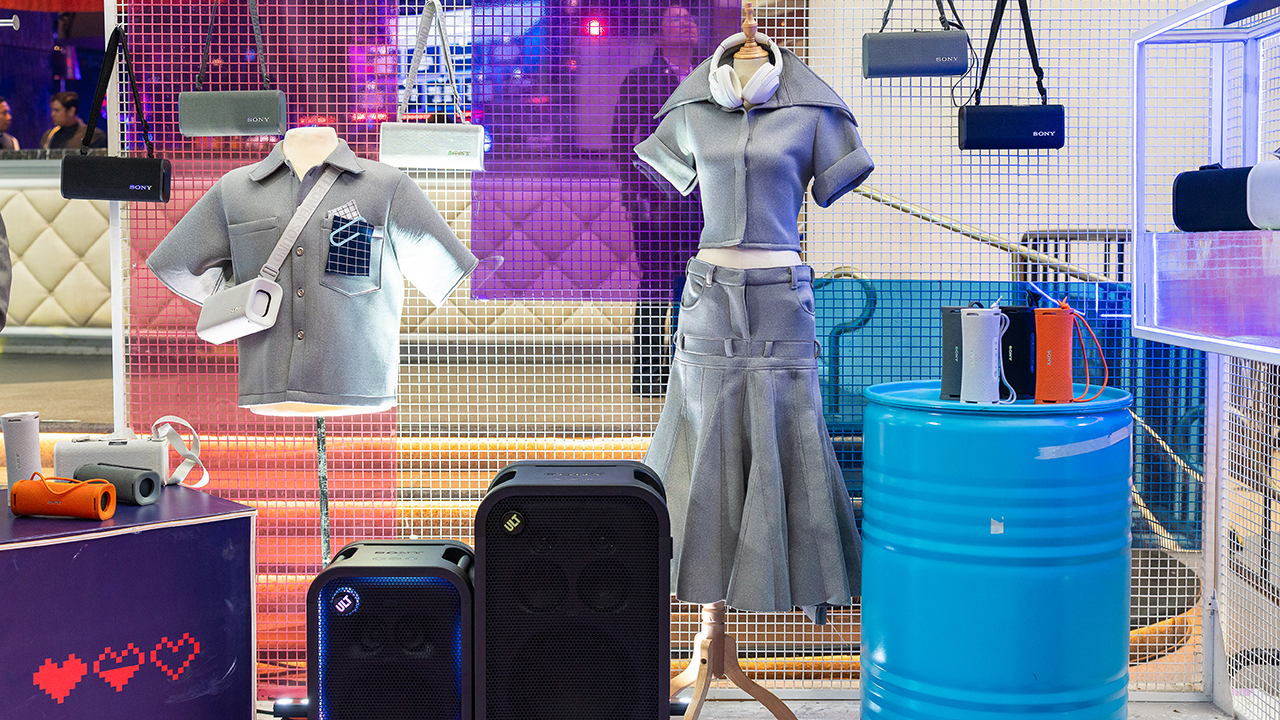
The Bass District gave VIPs and influencers a private, nightlife-inspired lounge. Karaoke Lounges invited everyone else to grab a mic and test the party-ready towers firsthand.
The ULT Squad shows up

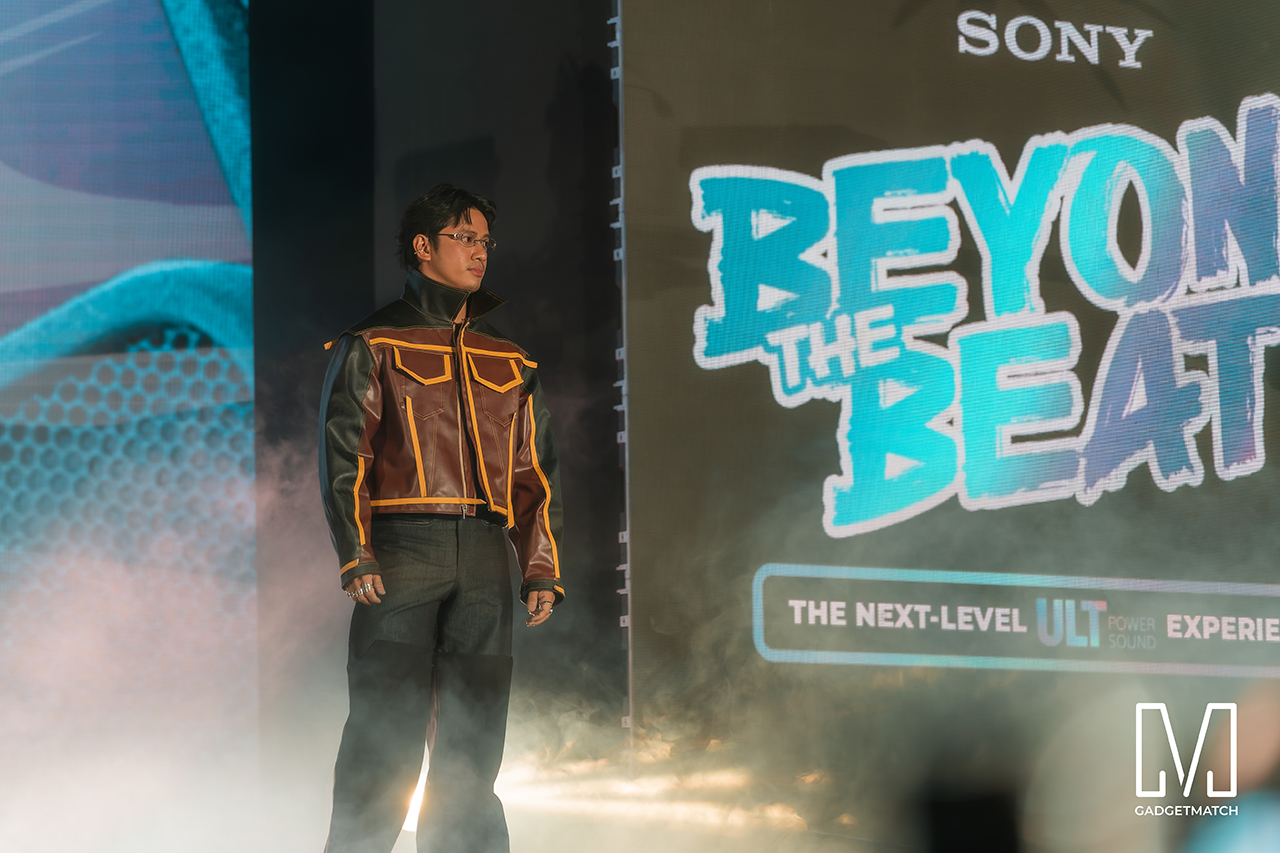
Fashion influencer and ULT Squad member Angelique Manto-Guison hosted the night.
A-Team opened the show with a high-energy routine before Carlos Serrano III took the stage. David Guison and Jacqueline Jala walked the stage with ULT Models in elevated fashion, and Jeremy G followed with a dynamic musical performance.


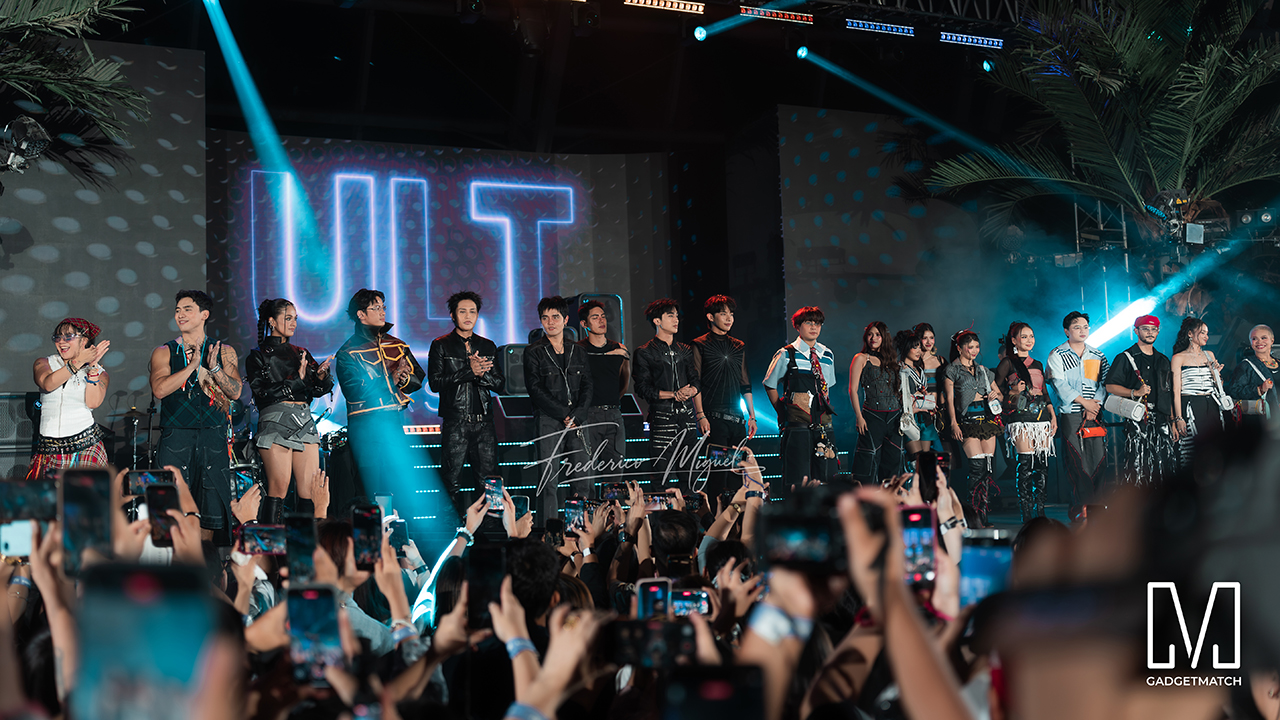
KAIA brought a youthful pop sound, while Maki delivered a set in his signature style.
SB19 closed the night, making their debut as the newest Sony ULT Squad members. Sony pairs its sound technology with the group’s influence in Filipino music. This collaboration positions the Squad as a platform for artists shaping contemporary music culture.
The ULT TOWER MAX, ULT TOWER 7, and ULT TOWER 5 are now available at Sony Centres and authorized dealers nationwide.
Lifestyle
Nike’s Alphafly 4 is built for the part of the marathon ~that actually hurts~
Made to protect your stride when fatigue sets in.
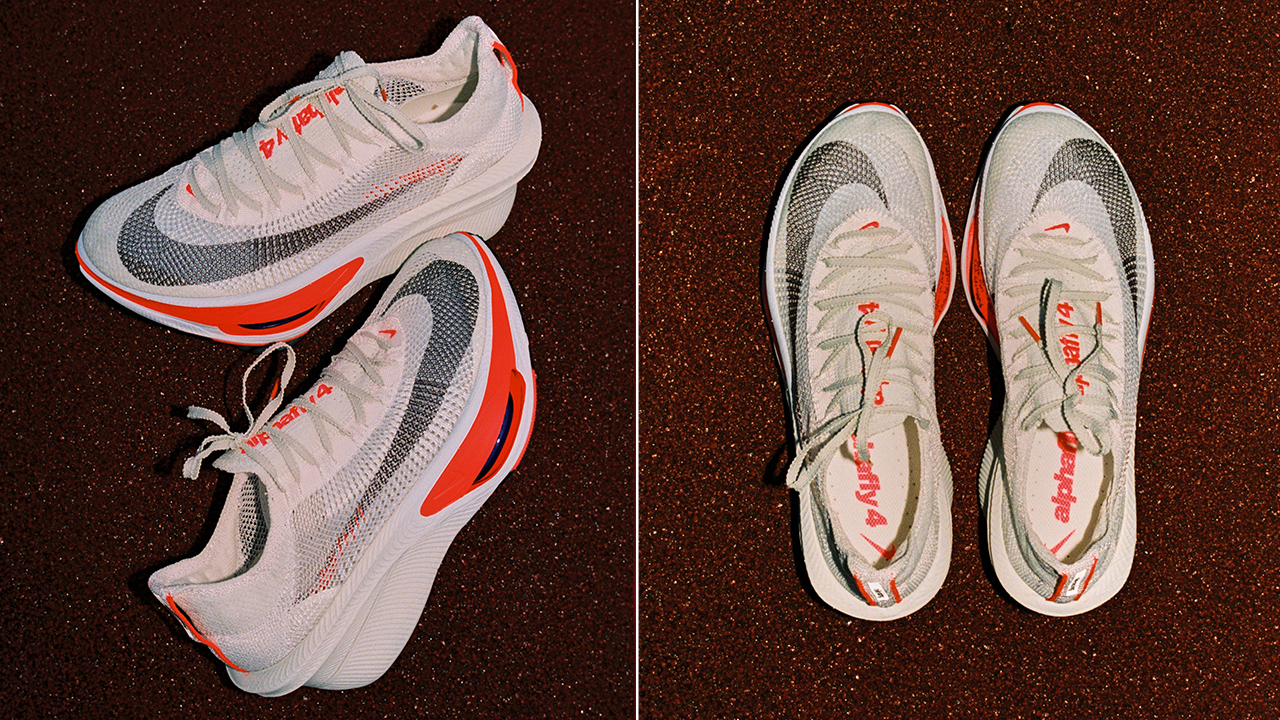
Every marathoner knows the exact moment the race truly begins.
It’s not at the starting line amidst the early morning excitement, but around the 32-kilometer mark, when your legs begin to feel heavy and your form starts to fall apart.
Nike designed its latest marathon racer specifically for that critical window. The Alphafly 4 shifts the focus away from chasing sheer top-end speed, targeting instead the physical breakdown that happens late in a long run.
By studying how fatigue alters a runner’s mechanics over time, Nike rebuilt its flagship distance shoe to help athletes maintain their stride when energy starts to dip.
Holding the line when fatigue sets in
On the road, the shoe operates as a complete, unified system designed to protect your stride.
A redesigned Atomknit upper wraps the foot with breathable support, using targeted midfoot cables and an integrated heel unit to keep your fit secure without adding unnecessary weight or friction over long distances.
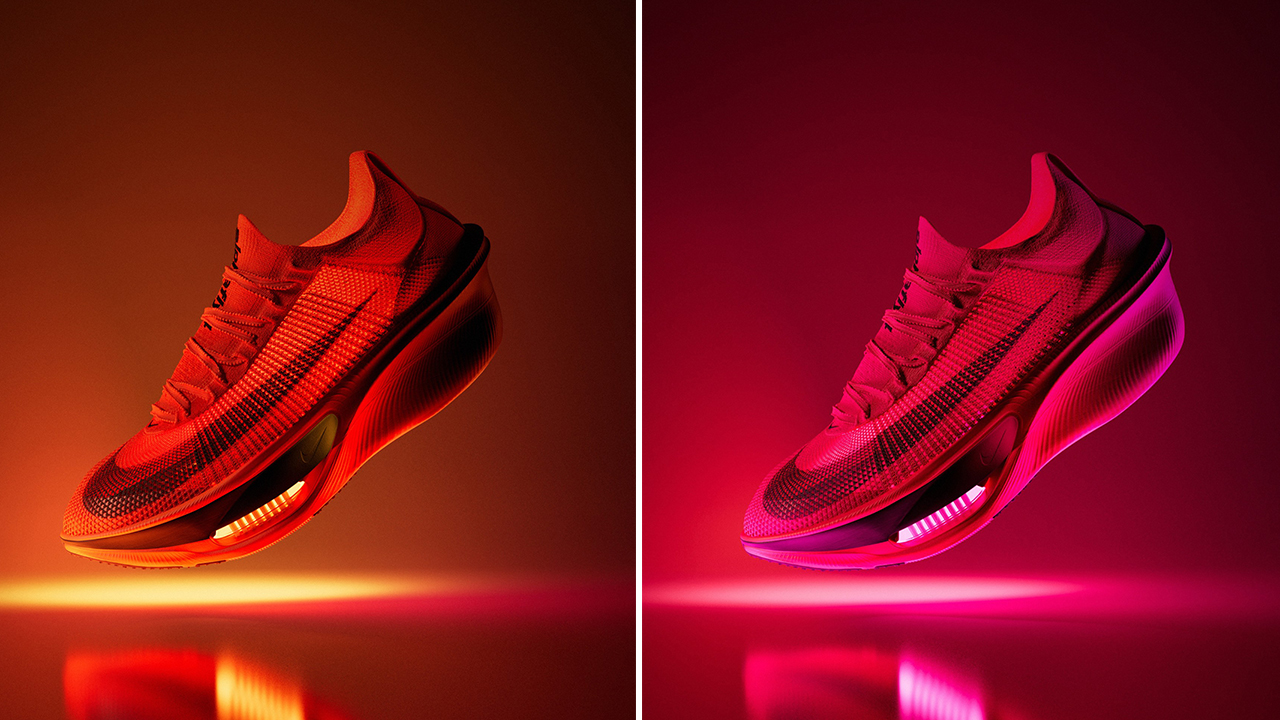
Underfoot, the new ZoomX LT foam layer works alongside Nike’s contoured carbon-fiber Flyplate. The lighter foam returns maximum energy with every footfall, while the plate smooths out your rolling motion.
Together with dual forefoot Air Zoom units and a durable Fast Shot outsole, the setup keeps your cadence consistent and your legs feeling fresh well into the back half of the race.
As Emily Farina from the Nike Sport Research Lab notes, their goal was to help runners stay confident, balanced, and capable from the start line all the way to the finish.
Built on the miles that came before
That focus on real-world endurance stems directly from athlete testing.
Nike developed the shoe using feedback from its Project Dreamweaver initiative and extensive trials with women distance runners, prioritizing stability and comfort alongside high performance.
The lineage carries significant weight. The Alphafly family has grounded some of distance running’s greatest moments, from historic sub-two-hour efforts to major course records.
With the Alphafly 4, that legacy translates directly into everyday marathon training, helping athletes hold their target pace just a little bit longer. Marathoners won’t have to wait long to feel the difference on race day.
The Nike Alphafly 4 drops in an early, limited release on September 17 at nike.com, followed by a wider global release on October 29 online and at select retail stores.


DJI Lito X1 review: Is this the best lightweight drone for creators?
Making a strong case as a travel companion and a capable B-cam!


REDMI Note 17 Pro Max review: A new breed born from AI greed
Welcome to the new normal


Marvel’s Wolverine review: When the claws come out
A brutal, cinematic superhero adventure

When your body talks, the Galaxy ecosystem listens

MediaTek launches the Dimensity 9600 Pro

Qualcomm unveils the Snapdragon 8 Elite Gen 6 series

OPPO Find X10 Pro Max is the first phone with a triple 200MP camera system

70mai launches the A900 series with 4K front, rear recording

realme 16T 5G with 8000mAh battery, IP69 Pro rating launches in PH

HUAWEI Pura X View is 2026’s first WIDE slab-type smartphone

REDMI reveals the refreshed Note 17 and Note 17 Pro series

REDMI Note 17 Series: Price, availability in Singapore

The CAMON Slim 5G is TECNO’s latest ultra-slim smartphone


-

 Accessories2 weeks ago
CASETiFY upgrades iPhone 18 cases, teases iPhone Duo lineup
-
 Hands-On2 weeks ago
Apple iPhone 18 Pro Series Hands-on
-
 News3 days ago
vivo X500 Series launches with major imaging upgrades
-
Gaming2 weeks ago
Marvel’s Wolverine review: When the claws come out
-

 Gaming1 week ago
BlizzCon 2026 announces World of Warcraft: Forever and Diablo V
-
 Singapore5 days ago
Epson Lifestudio Grand Plus EH-LS970B with 4K projection, more launches
-
Reviews1 week ago
REDMI Note 17 Pro Max review: A new breed born from AI greed
-

 First Look2 weeks ago
First Look: Apple iPhone Duo