
Smartphones
‘Esports-level’ Infinix GT 20 Pro now official
Outplay the rest


Infinix has launched its newest esports-level gaming smartphone: The Infinix GT 20 Pro. It is the official gaming phone of the Mobile Legends: Bang Bang Professional League (MPL) Season 13, as well as the PUBG Mobile Super League (PMSL). It is also the brand’s first IRX-certified phone.
The latest device sets itself in its segment, being the only handset to have a dedicated gaming display chip for its price point. The Infinix GT 20 Pro is powered by a MediaTek Dimensity 8200 Ultimate 4nm 5G processor, and a Pixelworks X5 Turbo Dedicated Gaming Display Chip. The latter offers users esports-level performance and a stunning visual experience. This chip can push frame rates from 60fps to 120fps.

With such exceptional performance and efficiency, the Infinix GT 20 Pro can handle popular titles, like MLBB, PUBG, Call of Duty, Genshin Impact, and Honkai: Star Rail. Notably, it can upscale Genshin Impact refresh rates to 120Hz through interpolation for super-smooth gameplay.
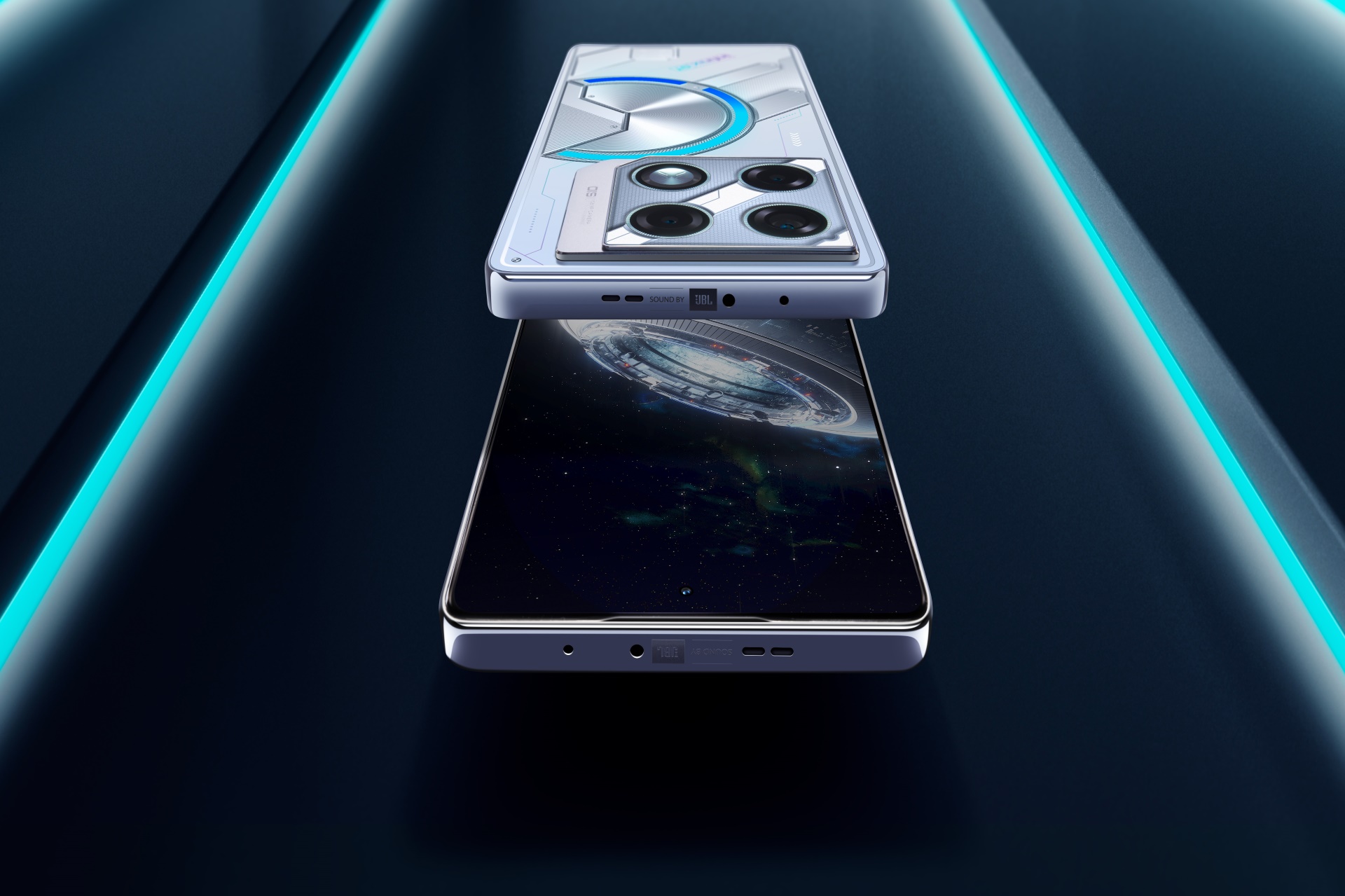
The handset also features a bezel-less 6.78-inch FHD+ AMOLED display with a maximum refresh rate of 144Hz. The device houses a 5,000mAh battery with 45W of fast charging, while at the back is a 108MP OIS main camera. Sound coming from the device’s dual speakers, meanwhile, is refined by JBL.
The Infinix GT 20 Pro has configurations of up to 12GB RAM and 256GB internal storage. Pricing and availability details for the Philippine market will be announced later.
Perform like a gaming beast
The Infinix GT 20 Pro’s gaming performance is further supported by its Stable Frame-rate Engine that optimizes gameplay. This engine prioritizes gaming resources and balances temperature and power consumption. It also includes Xboost for sustained performance management. Furthermore, it employs vertical synchronization to prevent screen tearing.
Meanwhile, a meticulously engineered cooling system employs a 68% larger Phase Change Material (PCM) graphite sheet and a 73% larger VC Liquid Cooling system. These improvements lead to better cooling and heat dissipation efficiency. Additionally, more than 66% of the thermal paste is applied to the primary heat source area for targeted cooling.
Designed for gaming masters
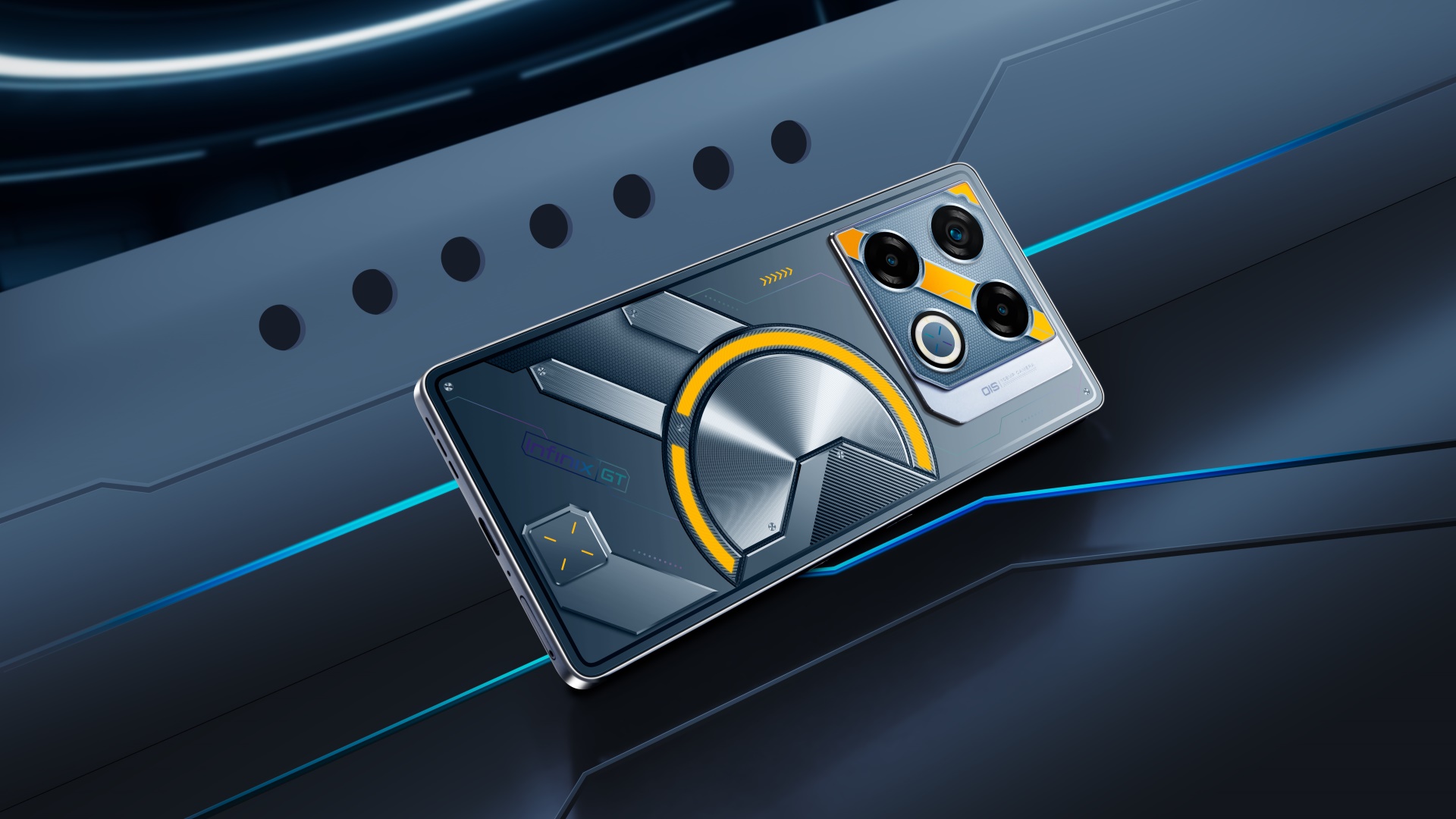
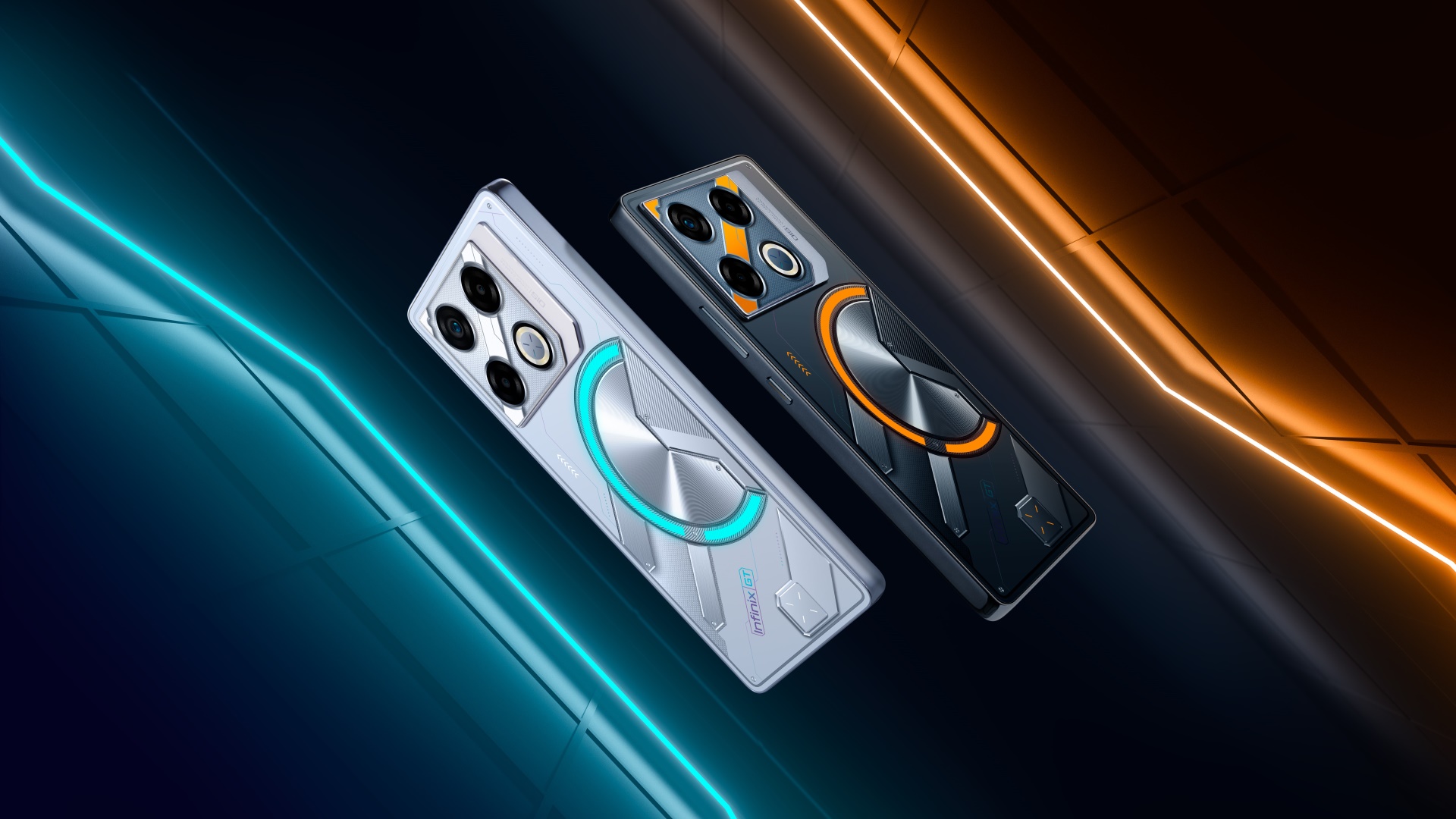
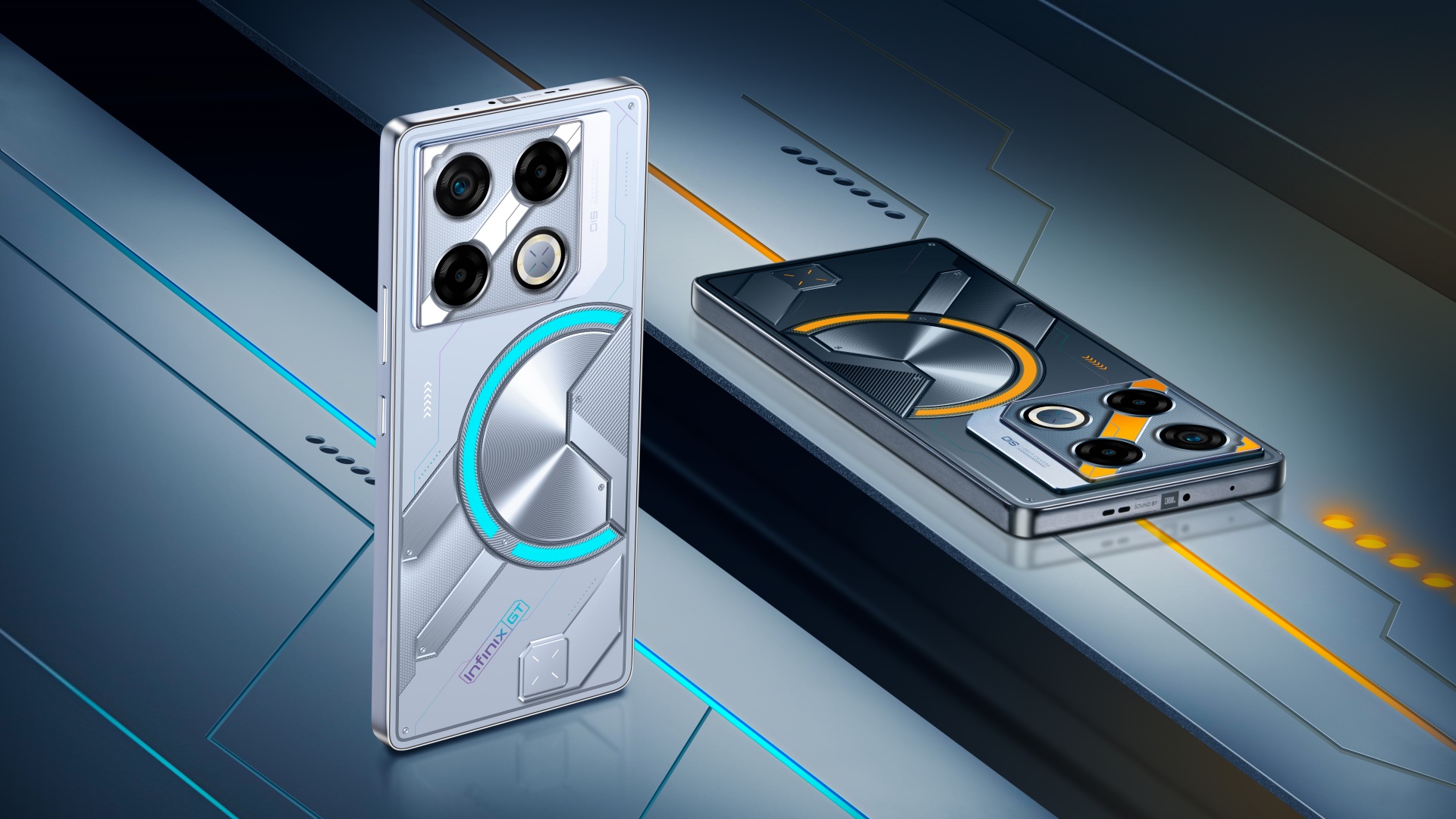
The Infinix GT 20 Pro comes in a Cyber Mecha Design. This captures the Infinix GT spirit of metal, power, and speed. It has a unique Turbine Blade pattern in a finish that is distinctively machine-like.
Moreover, the phone sports a customizable Mecha Loop LED Interface where users can choose from eight color combinations and four lighting effects. The Infinix GT 20 Pro is available in Mecha Blue, Mecha Orange, and Mecha Silver color options.
Toward a holistic gaming universe
The Infinix GT 20 Pro’s release coincides with the introduction of the Infinix GT VERSE, the brand’s gaming ecosystem. Aside from the new phone, Infinix has announced the Infinix GTBOOK, the brand’s newest laptop created in partnership with Nvidia. This notebook features top-tier CPU and GPU technology, advanced cooling solutions, and a high refresh rate display.





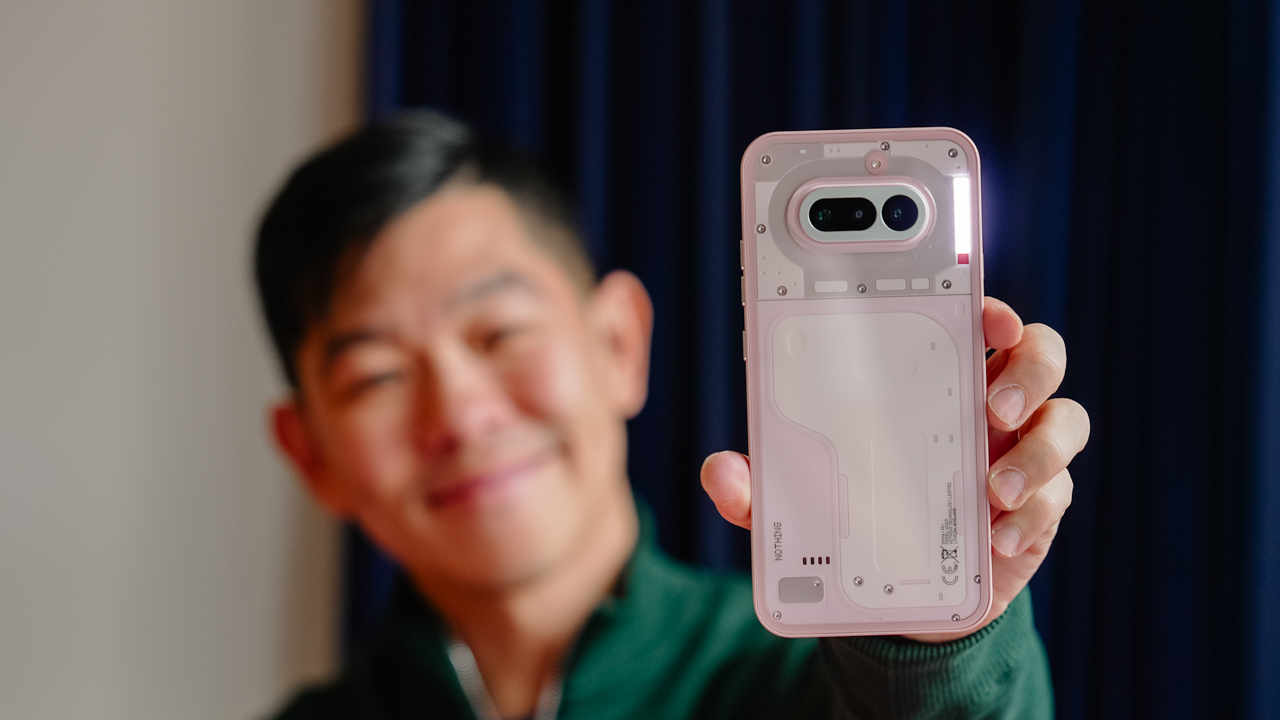
Nothing is not launching the Phone (4) this year. Though the lack of a flagship is certainly disappointing, the brand is still launching the Phone (4a) series, and now that it’s official, there really is no reason to feel like we’re missing out.
Nothing Phone (4a)
The base Nothing Phone (4a) carries over the circular camera island design of the previous Phone (3a). However, this generation will feature the new Glyph Bar, a subtler and more functional take on the brand’s iconic lighting system. It has 63 mini-LEDs in seven square light zones. It provides 3500 nits of brightness, which is 40 percent brighter than the Phone (3a)’s Glyph Interface.
The 6.78-inch AMOLED screen delivers images at 1.5K resolution,120Hz refresh rate, and 440 pixels per inch.
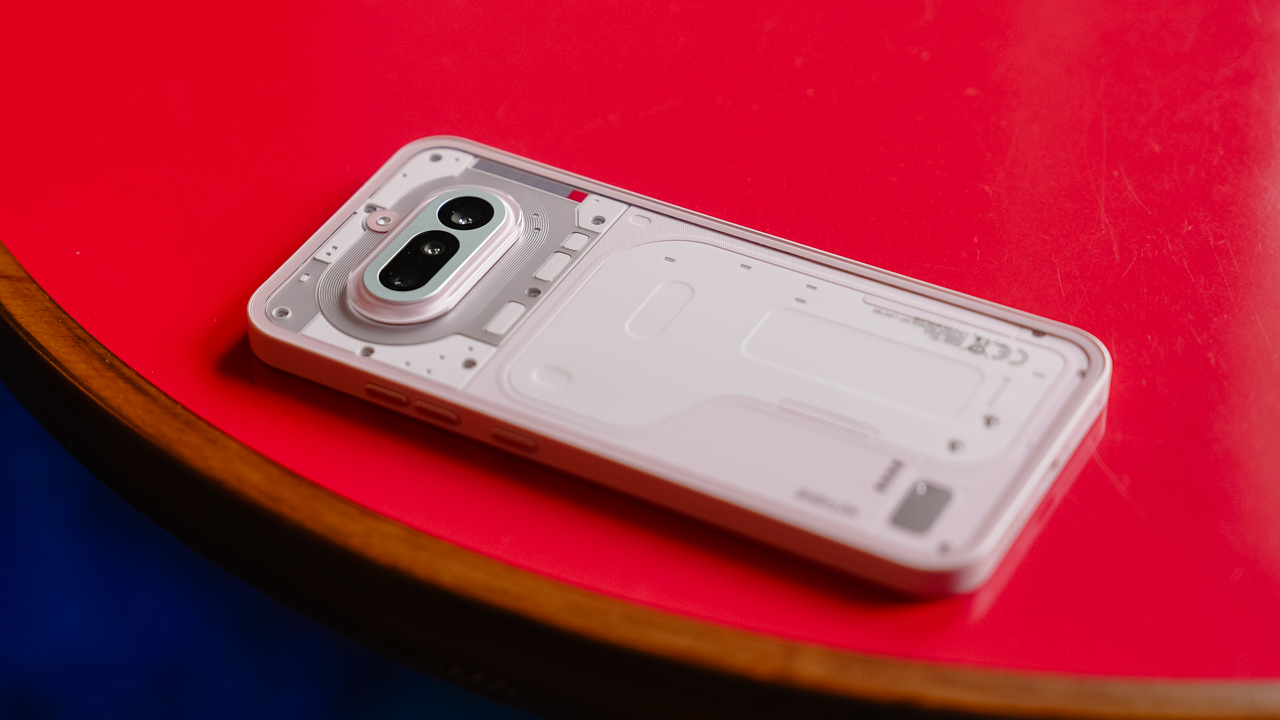
Inside, the Phone (4a) is powered by the Snapdragon 7s Gen 4. This is paired with up to 12GB of RAM and 256GB of internal storage. It can reportedly play Call of Duty: Mobile at up to 90fps.
For cameras, the model carries a Samsung GN9 50-megapixel main camera. It can take in more light and offer a wider field of view. Plus, the camera can zoom by up to 3.5 times using an optical zoom. There’s also 7x lossless zoom and 70x ultra zoom.
Using Qualcomm’s triple Image Signal Processor, the camera can shoot 4K video at 30 frames per second. It can also shoot Full HD videos at 120 frames per second.
Finally, the Phone (4a) has a large 5080mAh battery, capable of charging up to 60 percent in just 30 minutes.
Nothing Phone (4a) Pro
Meanwhile, the Nothing Phone (4a) Pro takes the best parts of the Phone (3) and brings it to life in the (a) series.
For one, the bolder camera island revives the Glyph Matrix of the flagship series and packs in more shooters inside. The three-camera system consists of a Sony LYT-700C 50-megapixel main shooter, a Samsung J5 50-megapixel periscope lens, and a Sony IMX355 ultrawide camera.

The 6.83-inch LTPS AMOLED screen is protected by Gorilla Glass 7i. It can deliver images at 1.5K resolution, 144Hz refresh rate, and 5,000nits peak brightness.
Inside, the Pro model sports the Snapdragon 7 Gen 4. Plus, the RAM Booster can increase the up to 12GB of RAM to 20GB. It will also have 256GB of internal storage.
It still has the large 5080mAh battery of its regular sibling and all the power that promises.
Price, availability
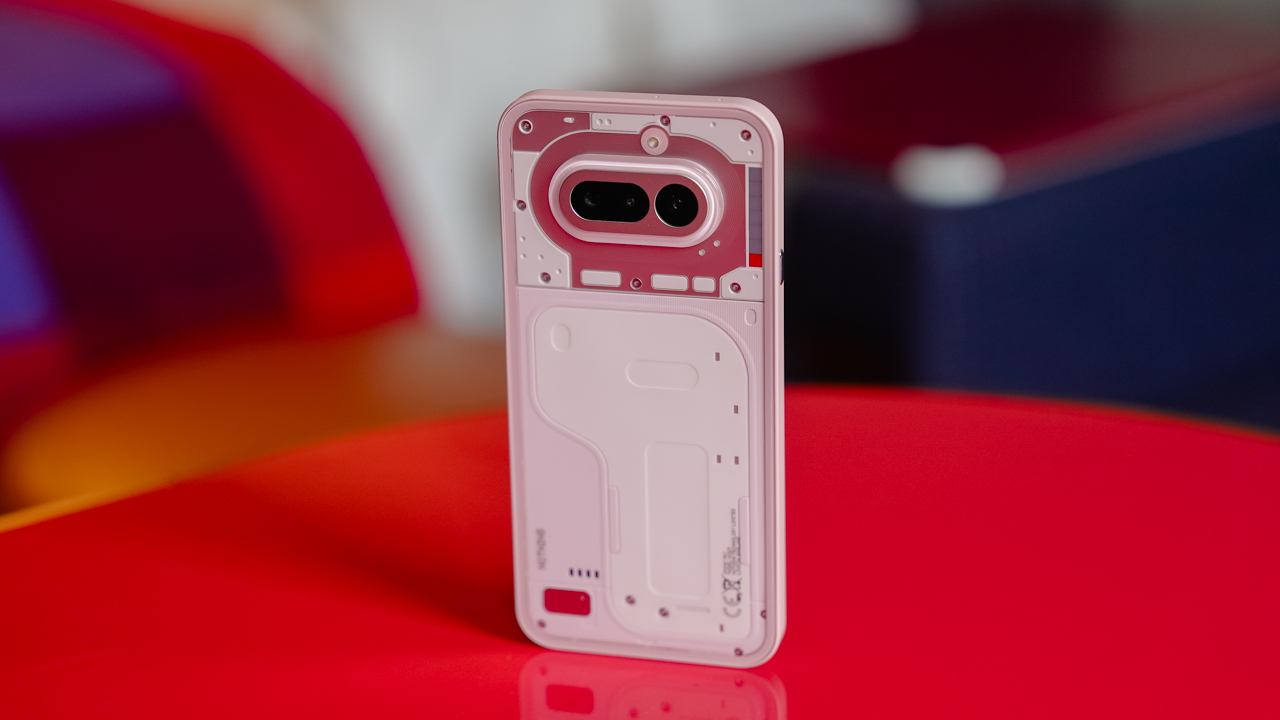
The Nothing Phone (4a) will be available in black, white, blue, and pink. It starts at EUR 349 for the 8+128GB configuration, topping off at EUR 429 for the 12+256GB model.
The Nothing Phone (4a) Pro will be available in black, silver, and pink. It starts at EUR 479 for the 8+128GB model, with the 12+256GB version selling for EUR 549.
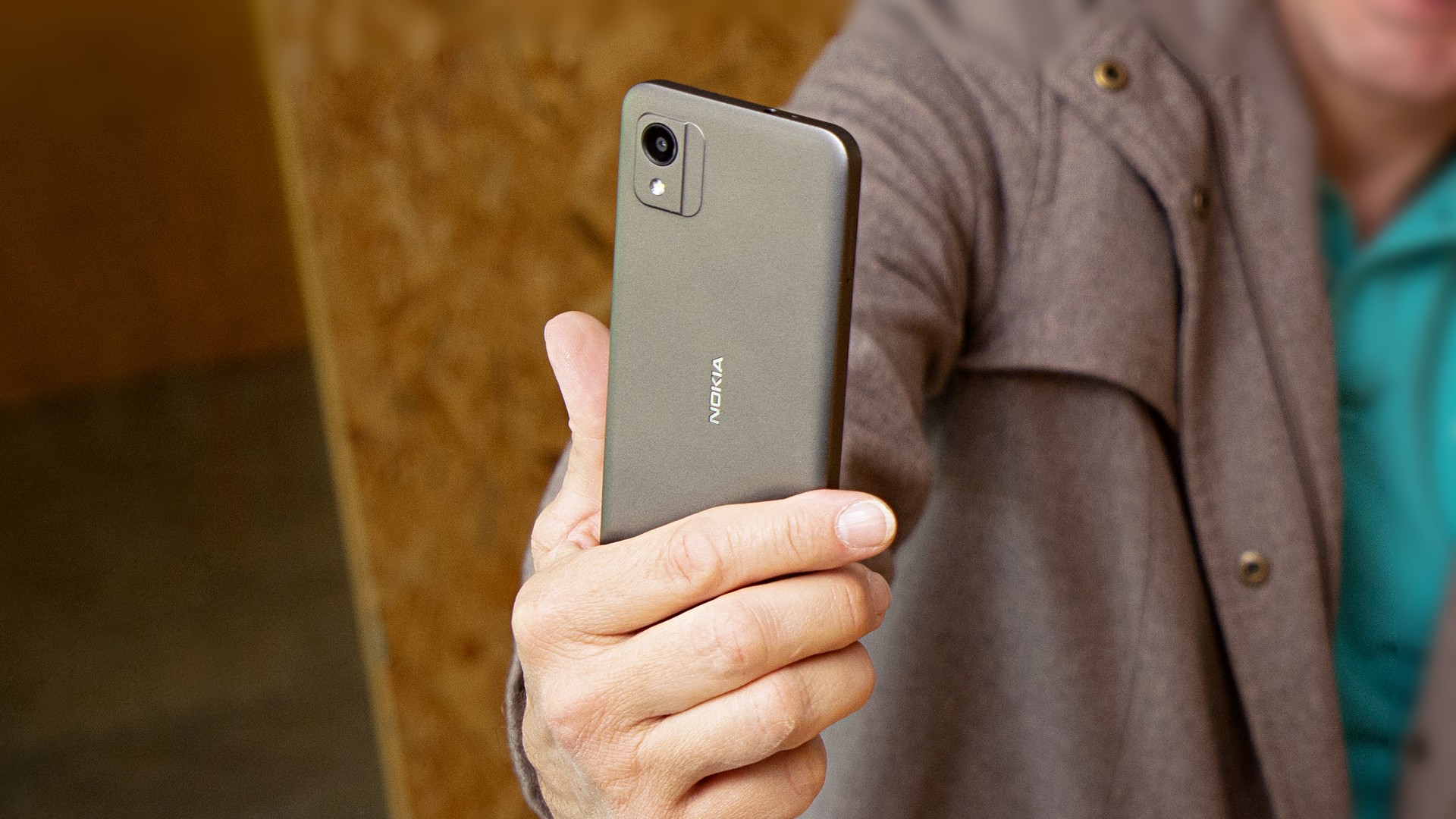
In the past, the only way to escape the constant influx of technology is to purposely go for older or “dumber” phones. For example, if you wanted to prevent your elder loved ones from fussing over features they’d never use, you’d give them feature phones. Now, there’s no escape. HMD, one of the biggest names in the feature phone segment, is bringing AI to its devices.
For years, HMD, especially through Nokia, has provided low-tech phones for everyone’s grandma. From merely keeping the Nokia brand of phones alive, the company has now embraced its reputation as the feature phone king, building its own branded phones.
Now, announced during MWC 2026 (via Tom’s Guide), HMD will start infusing its phones with AI, video calling, and a digital wallet.
Of these, video calling is the easiest to digest. Rather than just being simple front-facing selfie shooters, HMD’s phones can also use the camera for video calls.
Secondly, the company is also packing in its own digital wallet into its phones. As with other wallets, HMD’s version can receive, store, and send funds to other users. It’s set to launch in India first.
Now, the AI assistant is the more controversial one among the three. The first rollout is India’s Sarvam AI, which will do the basic tasks you’d expect from an AI assistant. Naturally, this rolls out in India first.
However, HMD is also developing its own AI assistant alongside InTouch. The feature will supposedly provide companionship for elder users. The company will test the assistant in Europe first but aims to launch it globally.
News
OPPO is finally getting AirDrop support
The update for the Find X9 series rolls out this month.

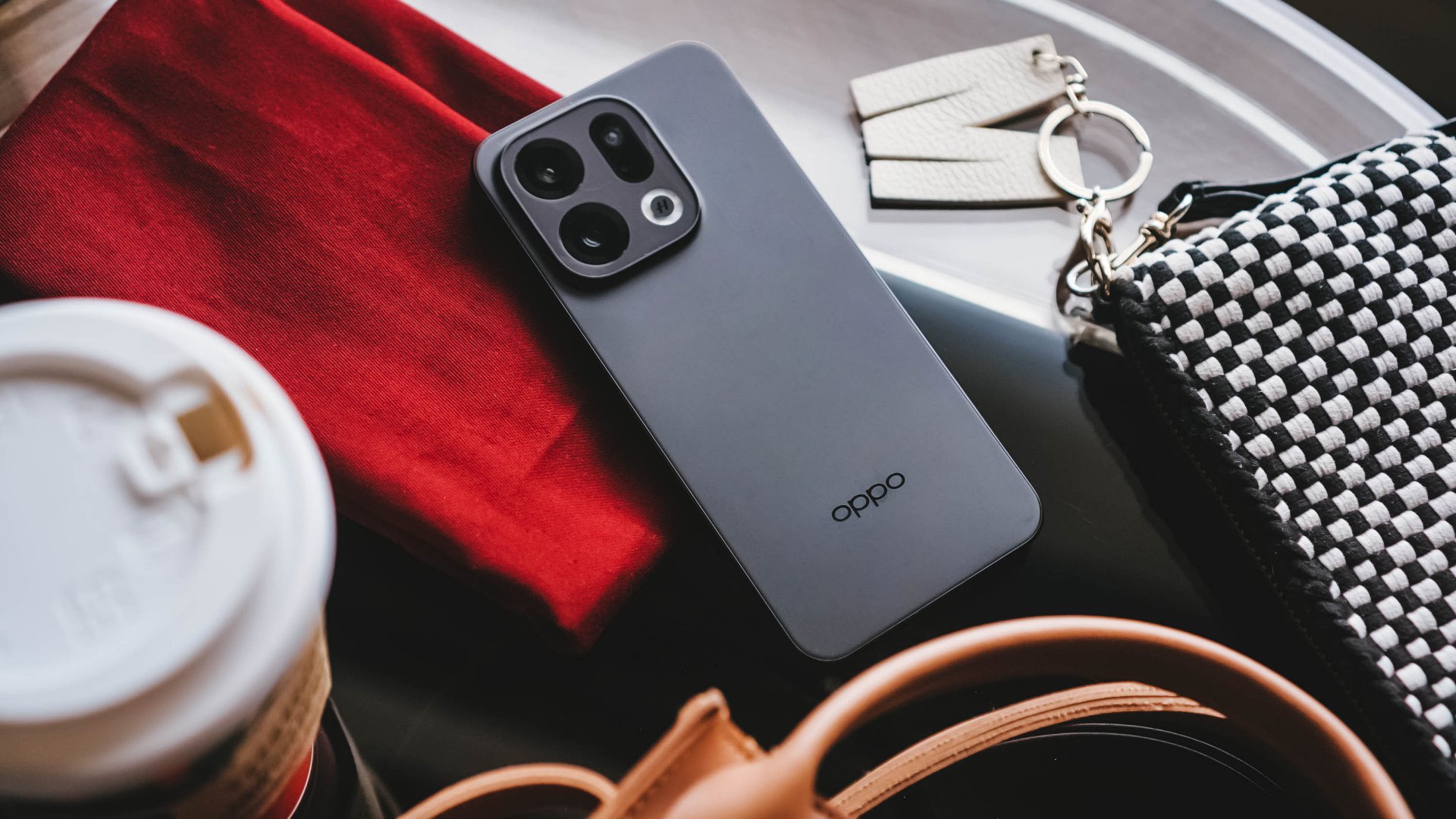
One of the biggest developments late last year was Android finally supporting AirDrop. Android users can finally counter the age-old “oh, your phone can’t do what my iPhone can do.” Unfortunately, when the announcement first dropped, it applied only to Pixel 10 users. Now, the feature is finally coming to more brands.
Today, OPPO has confirmed, via Android Authority, that its phones will get the ability to share files with Apple users. Specifically, the Find X9 and Find X9 Pro will receive an update later this month that will enable the feature. With the update, users can go through Quick Share to send files to AirDrop.
Like the initial implementation of the feature on Google, OPPO’s version will not need another app for it to work. Previously, Apple users also needed to install another app to connect with Android users. Now, the feature works natively through Quick Share.
Of course, there’s still a bit off finagling involved. As per Google’s instructions previously, the receiver, regardless of whether they’re on Android or iOS, must set their visibility to “everyone for 10 minutes.” It’s not the most elegant solution, but it sure beats all those jeers from iPhone users about how inflexible Android is when it comes to sharing files.



Nothing adds color to its wearables with the Headphone (a)

Nothing launches the Phone (4a) series

HMD is developing an AI assistant for the elderly

OPPO is finally getting AirDrop support

Ubisoft confirms Assassin’s Creed: Black Flag remake

Xiaomi 17 Ultra is now available outside China

TECNO will showcase the CAMON 50 and POVA 8 series at MWC 2026

The art of being in and behind the frame

HUAWEI MatePad 11.5 S 2026: The better-than-ever 4-in-1 productivity tablet

TECNO MEGABOOK K16s 13th review: No-frills beneath those grills


-
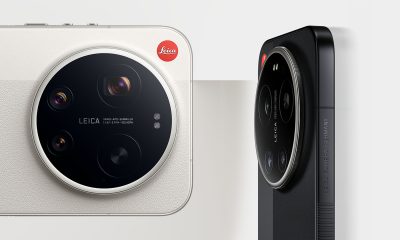 News6 days ago
Xiaomi 17 Ultra is now available outside China
-
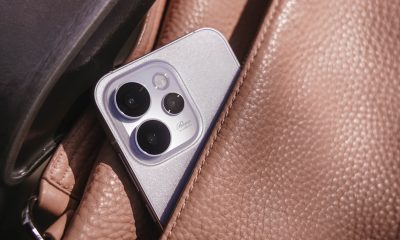
 Camera Walkthrough2 weeks ago
OPPO Reno15 Pro: Camera Review
-

 MWC 20261 week ago
TECNO resurrects modular phones with this new concept
-
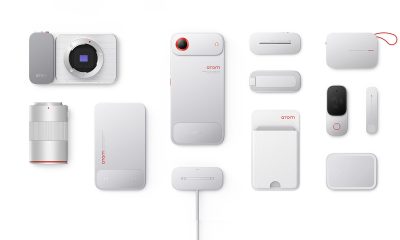
 MWC 20264 days ago
TECNO showcases cool concepts at MWC 2026
-

 Reviews6 days ago
Xiaomi Pad 8 review: Slab that slaps!
-

 Events2 weeks ago
Capcom to hold Resident Evil Requiem launch event in Jakarta
-
 Gaming2 weeks ago
Pokémon FireRed and LeafGreen are coming to the Switch
-
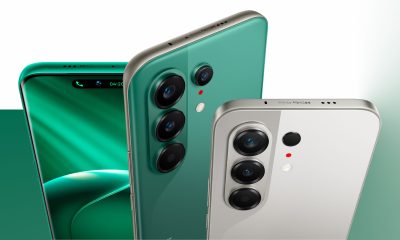
 MWC 20263 days ago
TECNO launches the all-new CAMON 50 series