
Enterprise
EU fines ASUS and three other companies for online price fixing
Companies face EUR 111 million in fines


Over the past months, the European Commission has kept itself busy with a company hit list that keeps growing every week. Recently, the commission handed out the biggest fine in history to Google for breaking anti-trust laws. Now, four more companies have received fines for anti-competition.
Based on a press release from the commission itself, the four companies include ASUS, Denon & Marantz, Philips, and Pioneer. Throughout the past decade, all four companies prevented online retailers from setting their own prices to the former’s products.
The release states that the companies required retailers to sign a contract. If online retailers didn’t follow prescribed prices, the companies would pull out their stocks.
Usually, an online retailer sets its own prices to fuel competition between other retailers. Sometimes, they can hold season-long discounts promos to boost sales numbers. The contract disallowed them from changing the affected companies’ prices in any way.
Further, these companies have checked on their retailers’ prices using instantaneous monitoring software. This enabled them to execute swift actions when a retailer voids a contract.
Fortunately, these practices (as far as these four companies are concerned) have stopped as of the past few years. However, the period from which these practices occurred are still finable from EU’s standards. According to the commissions, these periods, spanning from 2011 to 2015, are enough to incur substantial fines for all four companies.
In total, these fines amount to more than EUR 111 million. Of these, ASUS grabbed a huge share — EUR 63.5 million. To their credit, all four also got a 40 to 50 percent reduction for participating in the EU’s investigation.
Currently, more companies are also under investigation. For example, Nike, Sanrio, and Valve might suffer the same fate soon.
Despite the guilty verdict, these fines don’t compare to the millions in profit that these companies have earned. More than anything, the EU’s decision serves as a warning against violators in the future.
SEE ALSO: Xiaomi breaks into top 5 smartphone vendors of Europe





Enterprise
realme is reportedly going back to being an OPPO sub-brand
All scheduled phones will still launch on time, though.
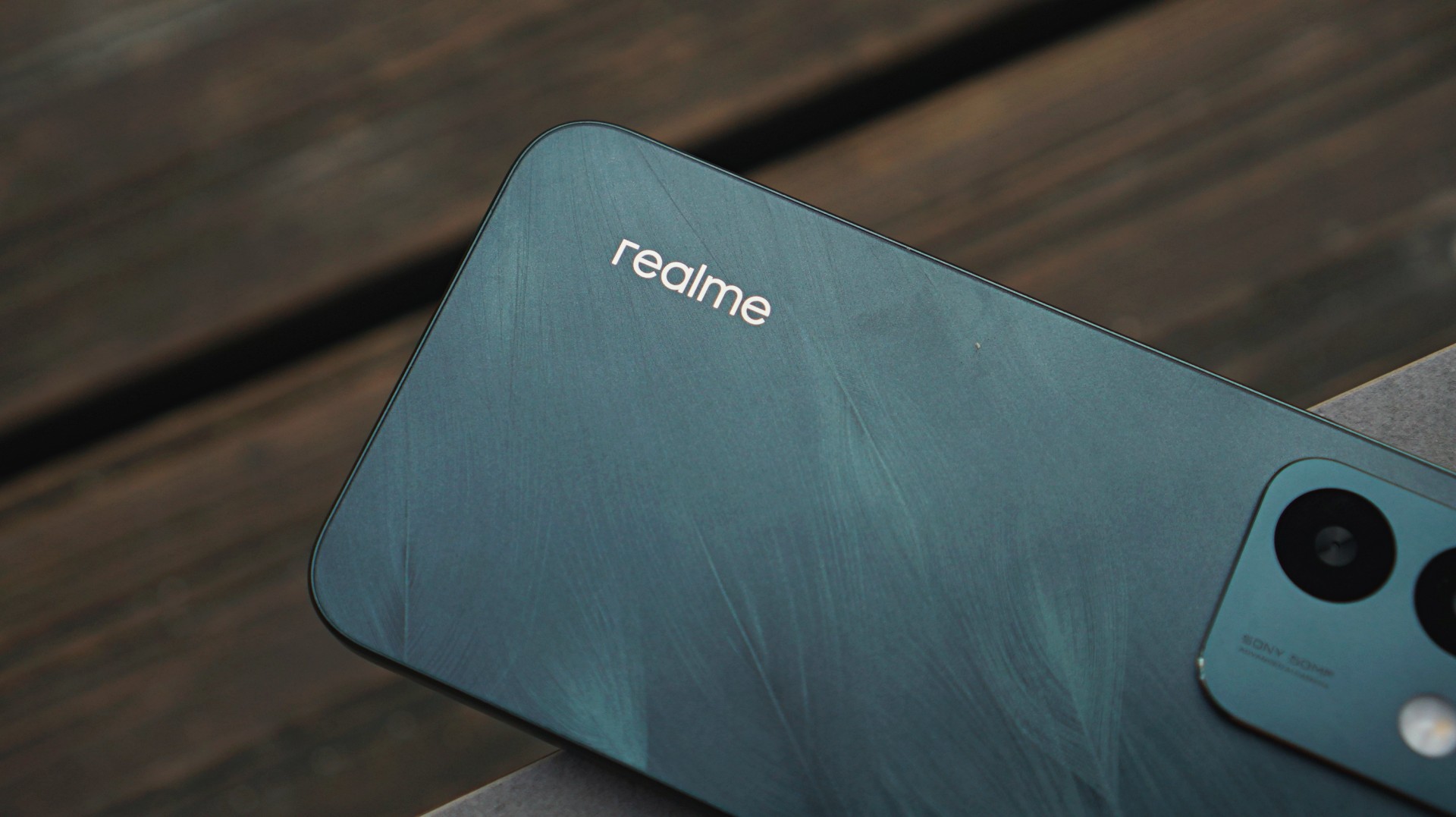
A popular story among Chinese smartphone brands is whenever a sub-brand spinning off into its own independent entity. A less common one is when an independent entity suddenly merges back into the main entity. And yet, that’s the story we have today. realme is reportedly going back to being a sub-brand of OPPO.
If you don’t remember realme’s time as a sub-brand, then it’s hardly your fault. It’s been a long while since realme was considered a sub-brand. In 2018, the brand spun off on its own to form one of the most popular names in the Chinese smartphone space.
Today, via Leiphone, realme will return to OPPO as a sub-brand. Current realme CEO Sky Li will still retain his responsibilities heading the brand. Plus, all products on the current release schedule will still come out as planned.
However, starting this year, realme will start reintegrating back into OPPO, particularly through the latter’s after-sales programs. OnePlus will also follow the same structure going forward.
Currently, realme has not officially announced the move. That said, we also don’t know how the brand will address the reported change. It’s possible that the shift is just internal and has no effect on how the brand faces the public. For now, only time will tell.
SEE ALSO: realme C85 with 7000mAh battery, 5G connectivity officially launches
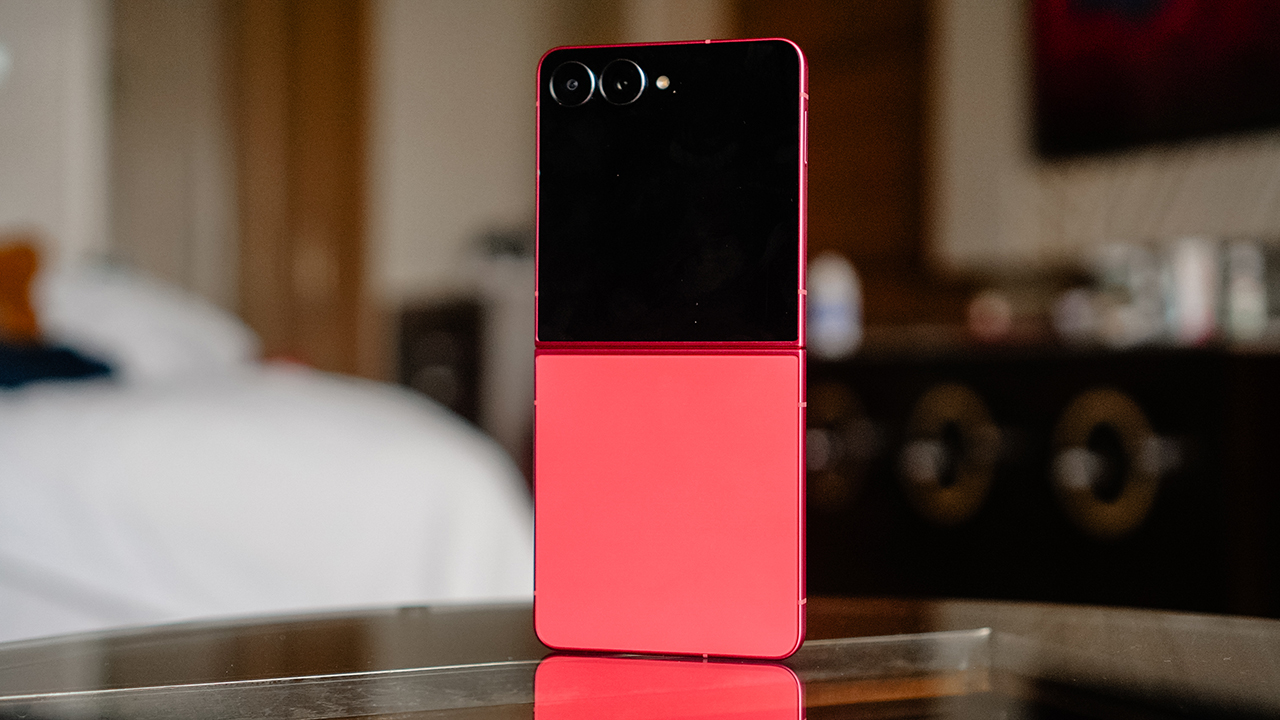
The big story late last year was the skyrocketing prices of chips. Analysts are predicting that the demand for RAM will cause the entire industry to experience hikes this year. Some users, especially in the PC building scene, are already feeling the burn. PCs won’t be the only victims, though. Xiaomi is already expecting hikes across the board. Now, Samsung is adding its voice to the growing list of warnings about price increases.
During CES 2026, Wonjiun Lee, Samsung’s global marketing chief, confirmed that the memory shortages are, in fact, real (via Bloomberg). Moreover, the company is now evaluating whether more price hikes are needed this year for its products. Though Lee expressed regret over pushing the prices to consumers, the state of the industry might force the company’s hand.
Samsung’s opinion has a lot of weight. While other brands have also voiced out their opinions lately, Samsung itself is a producer of chips. If a chip supplier is already warning users of prices affecting them, the effect will likely cascade even more when it comes to device manufacturers.
The ongoing shortage of chips is a result of the overwhelming demand from companies looking to build and bolster AI-based servers. The business-to-business demand is notably different from how regular consumers, who will soon find it hard to buy their own devices, see it.
At the very least, Samsung has not confirmed any price increases yet. However, all eyes are on the next Galaxy Unpacked, when Samsung will launch its newest Galaxy products. Will prices increase or stay the same?
Enterprise
TikTok finally gets a buyer in the United States
The deal targets a closing date in late January.
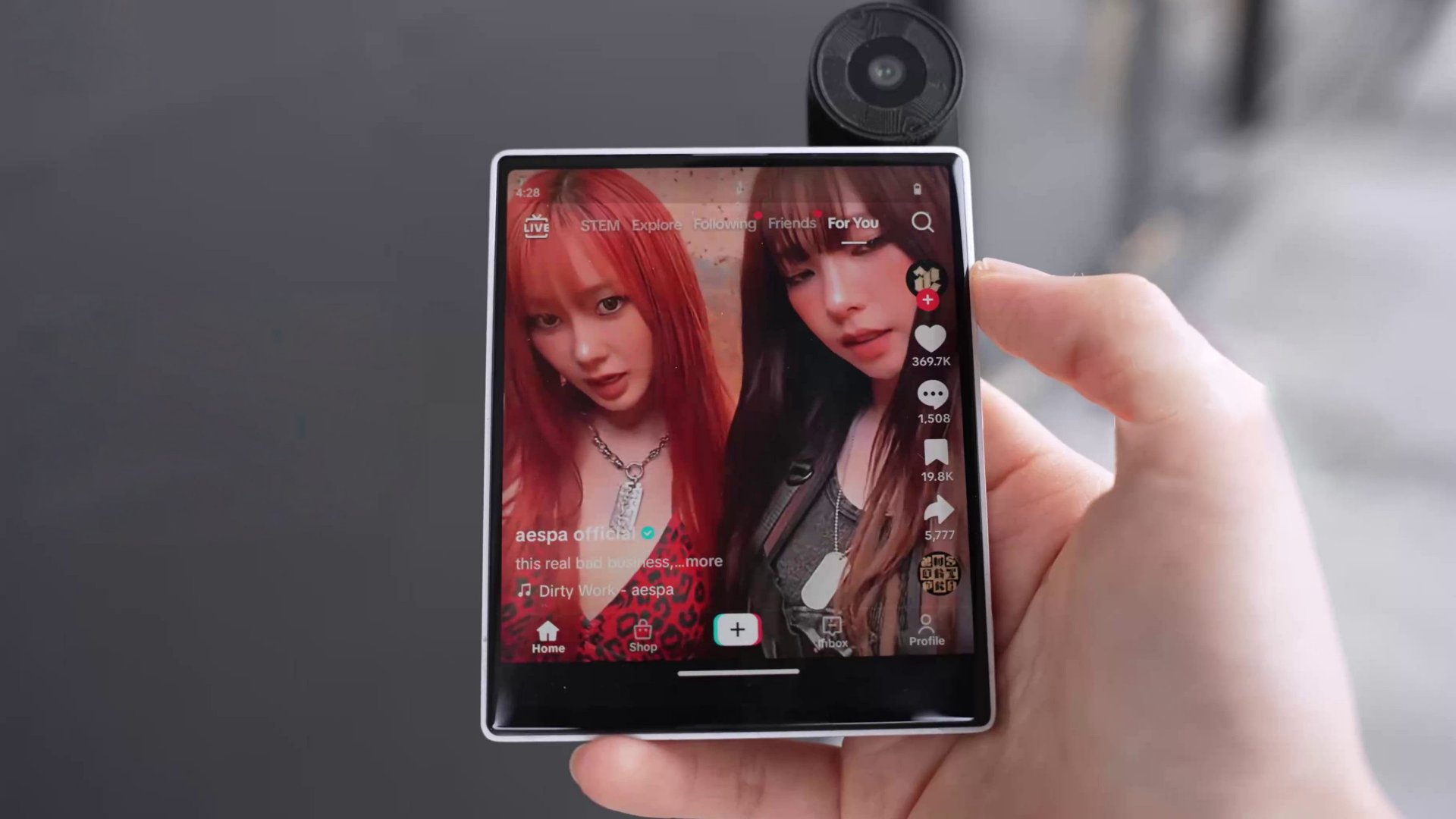
The year started with a ban. A day before Donald Trump started his second term, TikTok went dark, in anticipation of an impending ban. The platform quickly went back online, leading to an ultimatum that saw TikTok hunt for an American buyer to full stave off a definitive ban in the United States. Now, as the year ends, a buyer is finally here.
Via CNBC, TikTok has reportedly inked a deal to finalize a deal in the United States, as stated in an internal memo from CEO Shou Zi Chew. The memo, which was sent just this week, details a plan that will see the deal close by January 26, 2026.
Fifty percent of TikTok’s newly restructured U.S. arm will be held by a collection of American investors including Oracle, Silver Lake, and MGX. Meanwhile, already existing investors of TikTok will hold 30.1 percent. Finally, ByteDance will retain 19.9 percent.
Additionally, TikTok’s algorithm in the United States will be retrained with American data. The American arm will also handle the country’s “data protection, algorithm security, content moderation, and software assurance.” Oracle will be the “trusted security partner” in charge of making sure the company keeps within regulations in the country.
With a deal pushing through, the long-running TikTok saga in the United States might finally come to a close.


My Hero Academia: All’s Justice: A familiar Final War, made playable
Reliving the Final War


nubia V80 Max: Long battery, marginal upgrades, casual budget phone
Upgrades here and there, but is the price increase worth it?


Breaking up with Adobe Photoshop after 20 years
Wedding planning and Apple Creator Studio made me realize it was time

Horizon Hunters Gathering is an upcoming co-op roguelite spinoff

Report: HONOR tops global smartphone shipment growth in 2025

Valve is delaying the launch of the Steam Machine

No new NVIDIA GPUs this year, report says

HONMA x HUAWEI WATCH GT 6 Pro for golf launches

HONOR X9d 5G launches in the Philippines: Price, preorder, availability

Infinix NOTE Edge debuts: High-end features for accessible pricing

POCO M8 Pro review: Goin’ loco over this POCO

HONOR Magic8 Pro review: What sorcery is this?

Redmi Note 15 Pro+ 5G review: The midrange fashion piece


-
 News2 weeks ago
nubia joins durability competition with launch of V80 Max
-

 Gaming2 weeks ago
New DRAGON BALL game project “AGE 1000” for 2027 announced
-
Apps6 days ago
Breaking up with Adobe Photoshop after 20 years
-
 Gaming2 weeks ago
Blizzard will host four major game showcases starting this week
-

 Gaming4 days ago
PlayStation, LE SSERAFIM Chaewon team for the ‘Love of Play’ campaign
-

 Automotive1 week ago
VinFast updates battery subscription policy for large upfront savings
-

 Gaming1 week ago
Xiaomi SU7 Ultra makes Gran Turismo 7 debut
-
 Accessories4 days ago
Sony WF-1000XM6 was accidentally leaked online