
Enterprise
Everything you need to know about the congressional big tech hearing
Why are Apple, Amazon, Facebook, and Google in trouble?

Congressional hearings are uniquely American, and you’ve surely seen them in a movie or show. It’s often the crux, dramatizing a room filled with politicians, media, and the country. Everyone’s attention is glued to the protagonist, who sits in front of the committee and answers their hard-hitting questions. If you really want to see a classic, I’d recommend seeing The Aviator.
Coming back to the point, a similar hearing has grabbed the world’s attention. Often referred to as “big tech”, American internet giants Apple, Amazon, Facebook, and Google are working hard to defend their enormous size, arguing that their dominating position in the market doesn’t stifle competition.
In simpler terms, “big tech” has a market capitalization of more than US$ 4.85 trillion. And, this gives them enough clout to discourage competition and continue their virtual monopoly. When companies become too big, the consequences can be radical since the government will find it harder to regulate them.
Data is the new oil
The American economy has witnessed similar situations before and there are precedents available to curtail a company’s influence. For instance, Standard Oil was among the world’s first and largest multinational companies. It started when oil was a fresh discovery and the world was slowly realizing the fuel’s potential. Officially started in 1870, it grew exponentially in the coming years by acquiring smaller companies, controlling market supply, and chasing maximum efficiency while ignoring antitrust regulations.
By 1890, Standard Oil controlled almost 90 percent of the refined oil business in the US. In the coming years, the company would restructure itself into a holding company that controls more than 40 smaller companies. While these smaller companies were separate entities, all profits went to one parent company. In turn, the parent ensured all the kids work in tandem to improve efficiency and control market dynamics.
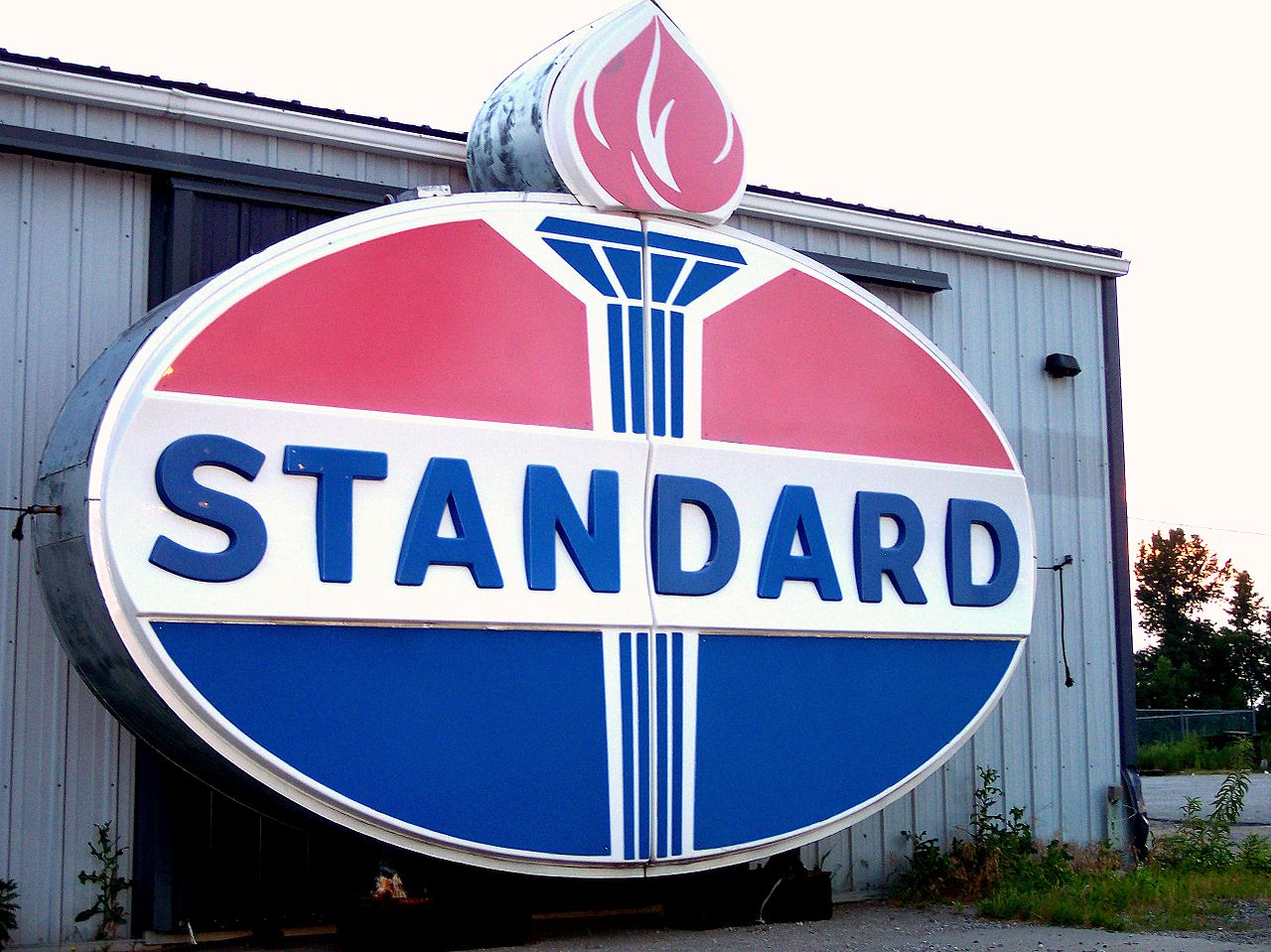
Finally, in 1911, Standard Oil’s control came to an end after the US Justice Department prosecuted it via the Sherman Antitrust Act. Standard Oil was dismantled into smaller companies, again. But, they had an independent board of directors and each was left to fend for its own. It essentially meant that Standard Oil, as one entity, no longer existed and the market had dozens of autonomous companies. For consumers, this ensured healthy competition and innovation, while supply chains and associated trade partners were no longer dealing in a pseudo-mafia regime.
Standard Oil of New Jersey and Standard Oil of New York are predecessors of ExxonMobil, Standard Oil of Kentucky became Chevron, and South Penn Oil is known as Shell today. A similar breakup was enforced on telecom giant Bell Systems in 1982 when the parent AT&T, was split into regional companies. One of these sping-offs was Bell Atlantic, today called Verizon.
Big tech and its influence
Data is equivalent to oil or gold. The three together are fundamental pillars of the twenty-first century. Just like Standard Oil started out at the cusp oil discovery, Amazon and Google can be called the early pioneers of the consumer internet.
Equipped with instant connectivity, Amazon created online shopping as we know it today. The internet becomes a stressful place without Google helping us discover basic information. Facebook is quite literally our personal life and everyone around you uses it.

Lastly, Apple is the only significant hardware maker here, but it has surprisingly more control over software thanks to its closed eco-system. These companies are very similar to Standard Oil and can pose a serious threat to encouraging competition. Free market principles also go out the window when someone has majority control.
Apple and its greed for more
The Cupertino-based giant revolutionized music playback thanks to the iPod and iTunes. When Apple sold you the iPod, it made a profit. But you need music to utilize your purchase. So, you buy a track from iTunes, that’s also controlled by Apple. Ultimately, you end up paying more and more to the same company. Thankfully, the system is partially restricted and you can sideload MP3 files, but it’s a cumbersome and discouraging process.
Coming to 2020, apps are everywhere. Apple’s App Store comes pre-installed on iOS devices shipped in the last decade. Apple takes a 30 percent cut on whatever you sell via the App Store. Whether it’s an app or an in-app purchase, Apple will get its share of the revenue. Apple says the store acts as a perfect marketplace for developers as well as users. But, how can a newly started developer or company afford to give away 30 percent of its revenue to Apple as a “service charge?”

Keep in mind, this “big tech” has more than US$ 190 billion in cash. Spotify has publicly called-out Apple for this practice numerous times because it sells monthly streaming plans on its app and can’t afford to part a huge chunk of the payment to Apple. Instead of using Apple’s payment system, it manages its own subscription to save “Apple tax”, an informal slang for Apple’s revenue cut. Even Netflix follows a similar approach. The point is, bigger companies are capable of bypassing Apple’s ecosystem lock, albeit with considerable expenses. Then how can new competition come up from scratch?
It’s practically a monopoly because the developer has two options — take it or leave it. Now, if you’re in the market to sell your app, all iOS devices are out of scope if you don’t adhere to Apple’s demands. And, if you skip the App Store, you’re missing out on all the potential revenue. If you agree with Apple, by an optimistic outlook, you’ll at least get 70 percent of something as revenue? This is the basic working of a monopoly.
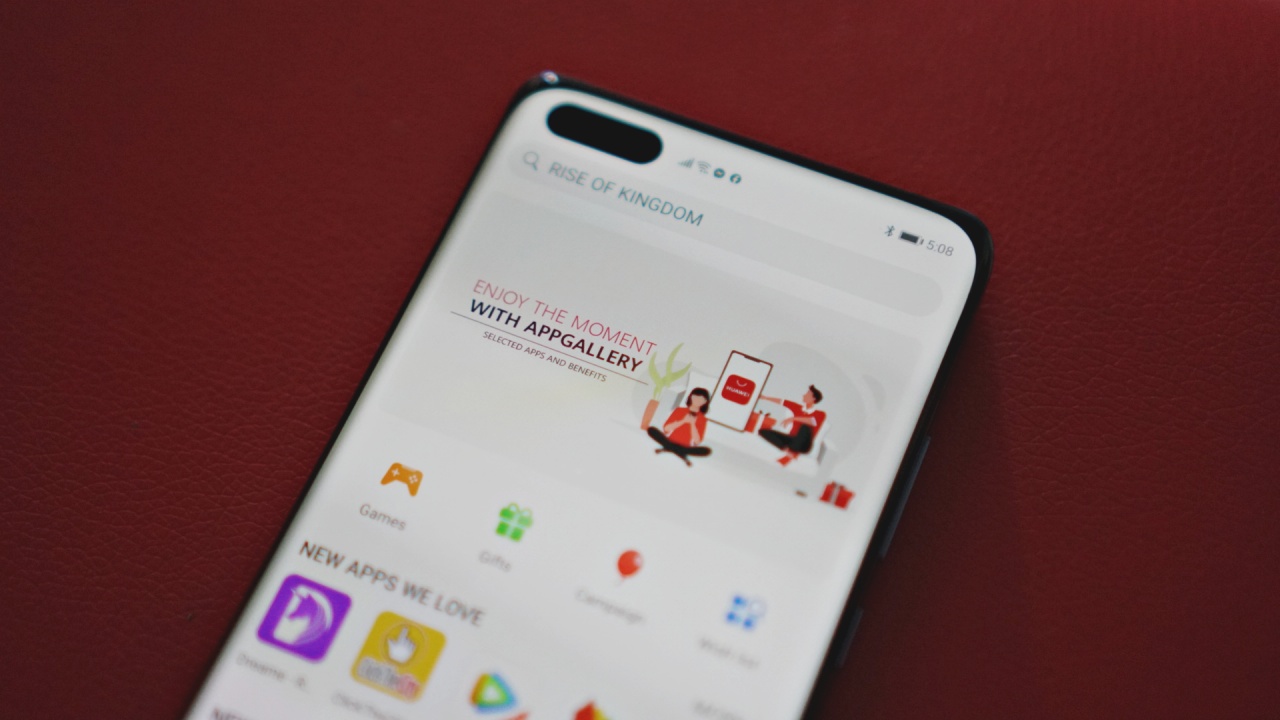
The operating system market is a duopoly controlled by Apple’s App Store and Google’s Play Store. While third-party app stores like Amazon App Store, AppGallery, and more exist, ask yourself when was the last time you downloaded something off them?
In Apple’s defense, the company feels it should be able to collect its 30 percent share because it created the current ecosystem. With the launch of the iPhone, the company created a virtual marketplace out of nothing. The company invested in building an ecosystem that has stood the test of time and brings both, the user as well as developer, on the same page.
The company announced earlier this year that it has paid US$ 155 billion to developers since 2008. That’s a lot of money. There’s no denying that Apple kickstarted the “app as a product” philosophy, creating a brand new arena in the digital age. But is it’s control justified after a decade?
Apple has always been conservative about its ecosystem, but it’s efforts to accomplish that are often far-fetched. Recently, the company barred Xbox Gamepass on iOS devices because it “it can’t review every game” that’s being offered by Microsoft. Going by this logic, Apple should also screen or review every show or album that debuts on OTT (over the top) players like Netflix, Prime Video, Spotify, and more.
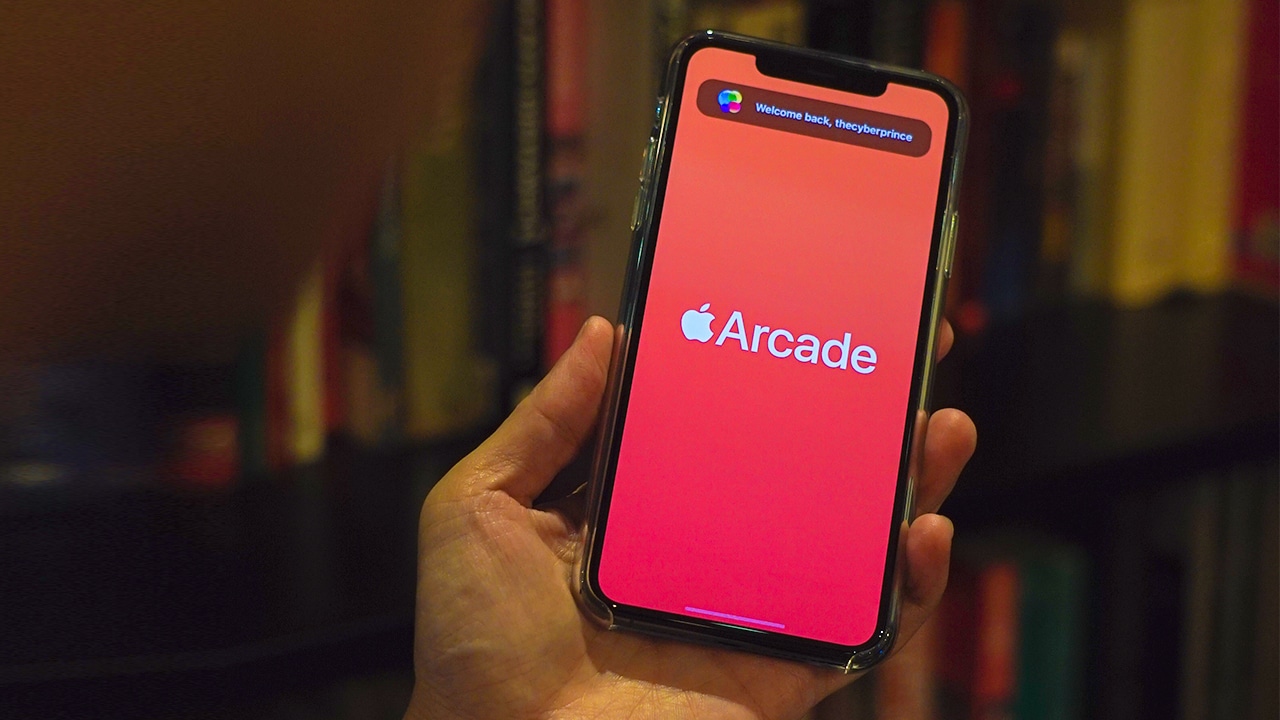
It’s clear that Apple wants to defend its Apple Arcade subscription service and doesn’t want Microsoft to steal the show with Project xCloud. This means that Xbox Gamepass will be available on Android only. If Apple can strong-arm a giant like Microsoft, isn’t it very obvious that smaller players stand no chance against the brand?
Amazon and its influence on customers
Starting out with just books, today the site has millions of products listed, ranging from a unique screw to a full-fledged air conditioner. What started out as an online marketplace has grown into a tech giant that has dominance in cloud computing, voice assistants, and even video streaming.
Critics say Amazon has frequently used its funding to undercut the competition. It took some losses in the short-term by trying to retain users. Once the user was accustomed to Amazon, a process that lets them avoid visits to a store, the loss turned into profit. With a yearly Prime subscription, you’d get free delivery on the smallest of products. Eventually, the user has recovered its Prime subscription fee in terms of convenience and Amazon has processed more orders than ever.
This model ensured that Amazon has an edge over everyone else. The site closely monitors your movement on the site and can intelligently suggest new products to purchase. The more one buys, the more Amazon earns. And, so do the sellers. This seems like a fair game.
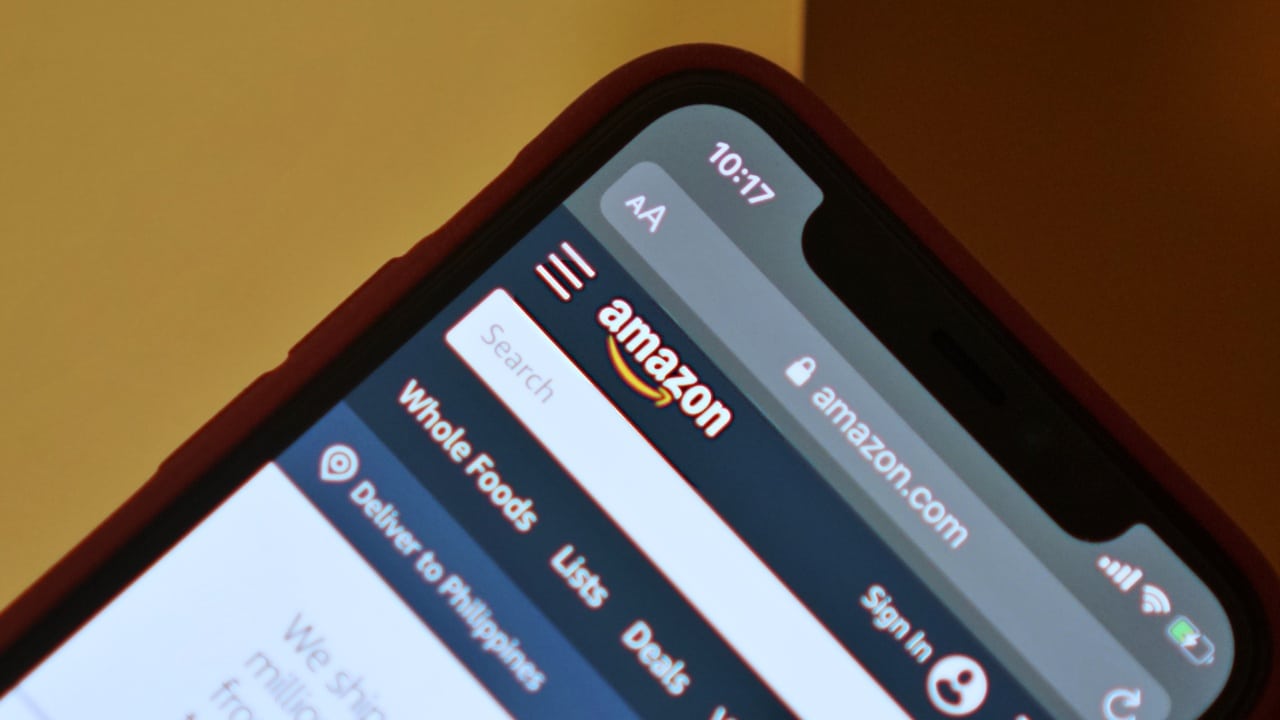
But then, sellers realized Amazon has started recognizing categories that can be directly dominated. The user data they collect shows them precisely how much demand a product has, the price vs sales comparisons, and more. It leveraged this rich and unique data to launch its own product brand called Amazon Basics. If you’d normally buy a USB-C wire for US$ 10, Amazon Basics provided that for a lesser price. And, the Amazon tag garnered trust, luring the buyer away from third-party sellers to Amazon’s in-house accounting.
Now, sellers realized that Amazon used its internal sales data to indirectly push out the competition. Amazon follows a similar strategy in other markets like India. Obviously, a seller can try to sell directly via their own platform using simpler tools like Shopify, but will that match the reachability of Amazon? Can any individual seller match Amazon’s marketing and brand recognition?

The company grew as an e-commerce website but is involved in much more than selling books today, the prime reason why it’s one of the “big tech.” The marketplace’s dominant position helped it start brand new investment streams like Kindle hardware, Alexa speakers, and AWS cloud computing. The e-commerce model had worked very well and investors were fine with the company diversifying, even if it meant losing some projects like the Fire Phone.
Today, the company is bigger than physical establishments like Walmart. It’s going up against eBay, Flipkart, Lazada, AliExpress, and Rakuten in the e-commerce space. AWS is challenging Microsoft Azure, Google Cloud, as well as Alibaba Cloud. Alexa is fighting against Google Assitant, Siri, and Cortana. And lastly, Prime subscription is taking on Netflix and Spotify in one go.
What’s common?
In this article, the most frequently mentioned companies are Apple, Amazon, Google, and Microsoft. Facebook sits in an entirely different vertical, filled with its own unique challenges. However, if you’re trying to do something on the internet, you’ll end up using one of their technology or platform in some way or the other.
And that’s the whole point of the “Big Tech” debate. These companies have grown too much, too quickly. They dominate the publicly known internet and have barely left any space for newcomers. Even if someone dares to do the unthinkable, they’ll be either acquired or pushed into infinite losses.
This is Part 1 of the series. Read Facebook and Google’s involvement in Part 2.



Automotive
How the Ford Ranger is powering community resilience
Through machine and technology, Ford Philanthropy is helping Gawad Kalinga bridge the gap for remote communities.


Strong communities aren’t just built with bricks and mortar. They are sustained by the hands that reach out and the wheels that get them there.
For Gawad Kalinga (GK), reaching the most isolated provinces in the Philippines is often the biggest hurdle to delivering hope.
To bridge this gap, Ford Philanthropy and Ford Philippines recently handed over the keys to a brand-new Ford Ranger Sport 4×4.
During the launch of the “Ford Building Together” initiative at the GK Headquarters in Mandaluyong, the Ranger was introduced as a vital partner for GK’s nationwide relief operations.
The Ranger provides the performance and off-road capability needed when every second counts.
More than a mission
“Strong communities are built through strong partnerships,” said Mary Culler, President of Ford Philanthropy.
Alongside Pedro Simoes, Managing Director of Ford Philippines, Culler highlighted how this initiative unites dealers, employees, and owners.
It’s a collective effort to scale the heart of what Ford does: moving people forward.
Through Operation Walang Iwanan, Ford has already equipped disaster response hubs across six regions with essential tech: from Starlink mini-satellites and EcoFlow solar power to water filtration systems.
Between 2024 and 2025, these tools supported over 11,500 individuals through fires and natural disasters.
Investing in the everyday

The impact stretches into the daily moments of community life. Since 2015, Ford’s partnership with GK has reached 15,000 patients through medical missions. They also trained 1,100 health champions.
Through the Kusina ng Kalinga program, children receive the nutrition they need to stay focused in school. Meanwhile, the new READ program provides 12 weeks of literacy support for students in Caloocan.
Even food security is getting a tech-driven boost. Ford has renewed its collaboration with Scholars of Sustenance Philippines, using mobility to rescue surplus food. It is then redistributed to families experiencing hunger in Nueva Vizcaya.
In the end, technology lives inside these real moments. By combining grassroots action with reliable mobility, Ford and Gawad Kalinga are ensuring that no community is ever truly out of reach.


AMD is prepared to lead the industry in its agentic AI era with their high-performance CPU strategy.
As the industry pivots from simple AI models to agentic AI systems that are capable of independent planning and decision-making, the CPU is reclaiming its role as the critical “head coach” of the data center.
This was noted by AMD CEO and Chair Dr. Lisa Su during the AMD Advancing AI event last year. The rise of autonomous agents has transformed inference into a complex and multi-step workflow that demands sophisticated logic and orchestration.
And while high-performance GPUs are necessary to generate insights in real time, the surrounding infrastructure is just as important.
This is where CPUs enter the picture. Their performance and efficiency are more important than ever in the overall performance of modern AI infrastructure.
And AMD delivers an advantage with their offerings. In recently published data, a 5th Gen AMD EPYC CPU-based system is estimated to perform up to 2.1x better per core against an NVIDIA Grace Superchip-based system.
The same system AMD-based system also delivers up to 2.26x uplift on SPECpower, measuring operations per watt.
The x86 CPU architecture gives customers the advantage of a broad, proven software ecosystem that can run existing workloads natively.
This avoids the costly refactoring and code-base duplication often required when switching to Arm-based alternatives.
Looking ahead, AMD is doubling down on the balanced system philosophy. Future architectures such as the “Venice” CPUs will power the “Helios” rack-scale AI design.
By integrating EPYC CPUs with Instinct GPUs and the ROCm software stack, AMD aims to maximize cluster-level performance and lower the total cost of ownership in the agentic era.

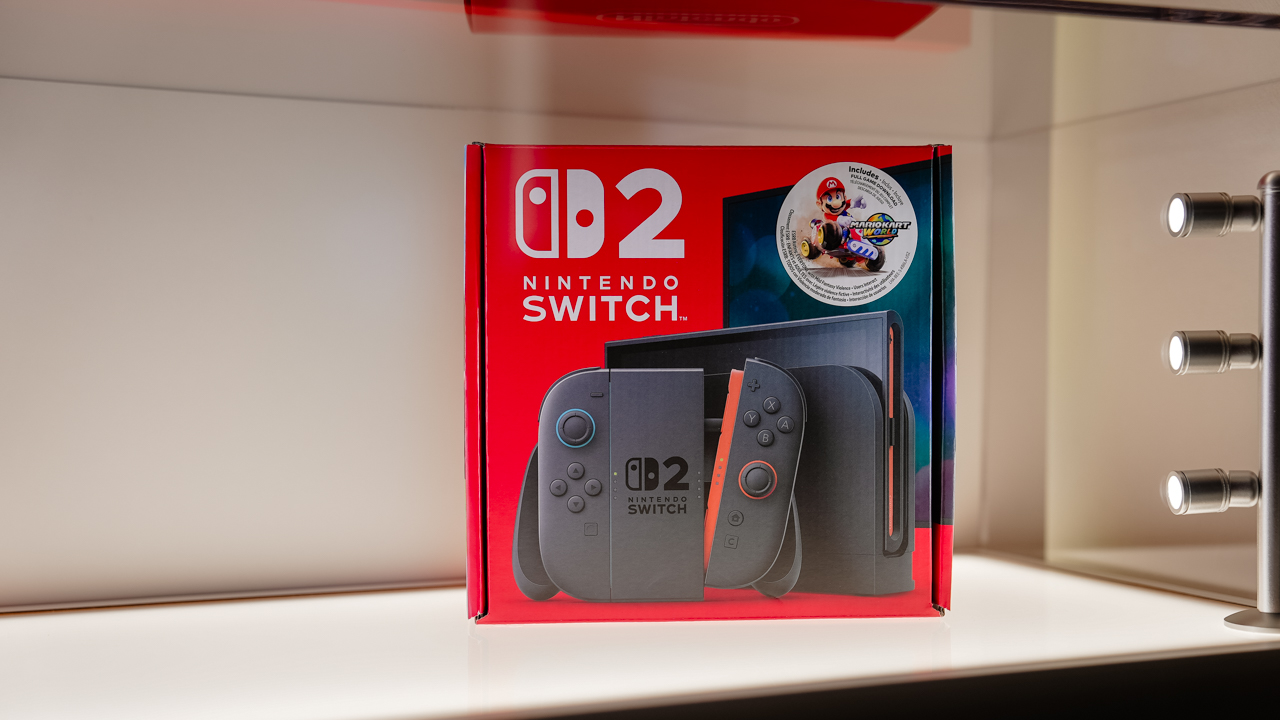
What happens when an unstoppable force meets an immovable object? After a year of wrestling through tariffs from the current American administration, Nintendo has decided to sue the United States.
Last year, the Trump administration was trigger-happy with implement tariffs on countries everywhere. Though the controversy mostly circulated around geopolitics, major corporations also found themselves on the receiving end of Trump’s ire. All over the world, the tariffs sparked product delays and price hikes.
Nintendo is no exception. As a result of the fiasco, the company had to delay the launch of the Switch 2, in anticipation of disruptions caused by the tariffs. First reported by Aftermath, the Japanese gaming giant is now going after the American government over refunds associated with the tariffs.
Now, the tariffs aren’t a big issue anymore. Notably, the Supreme Court scratched off the White House’s implementations that the former found illegal. While a big sigh of relief for future business, corporations like Nintendo have already paid duties and deposits in the past. As a result, Nintendo is now looking for recompense for what they paid before.
Nintendo isn’t the first company to seek restitution over the illegal tariffs. Others, including FedEx and Revlon, are also asking for refunds. However, the Japanese giant is certainly one of the biggest names to cross the government’s path. After all, the company is notoriously litigious over anything it considers as an affront to its business, including small streamers using Pokémon on their broadcasts.
With all its global resources, Nintendo likely won’t just give up without a fight.
SEE ALSO: The Nintendo Switch is now Nintendo’s best-selling console ever





How the Ford Ranger is powering community resilience

God of War: Sons of Sparta takes a more contained approach to Kratos

Samsung brings AirDrop support to Quick Share with Galaxy S26 series

Now Playing: Hoppers

Jackery SolarSaga series: Free power for small devices


-

 Reviews6 days ago
POCO X8 Pro Max review: A new beast from the far east
-

 News6 days ago
POCO X8 Pro Series: Price, availability in the Philippines
-
 Laptops2 weeks ago
Apple MacBook Neo Review
-

 Computers2 weeks ago
GIGABYTE collaborates with Capcom for RE Requiem custom PC
-

 Apps1 week ago
Google Maps is finally getting a 3D mode
-

 Entertainment2 weeks ago
The internet is thirsting over the One Piece Season 2 cast
-

 Features1 week ago
Galaxy AI on the Samsung Galaxy S26 Ultra
-

 Automotive2 weeks ago
BYD is reportedly considering an F1 team