
Cameras
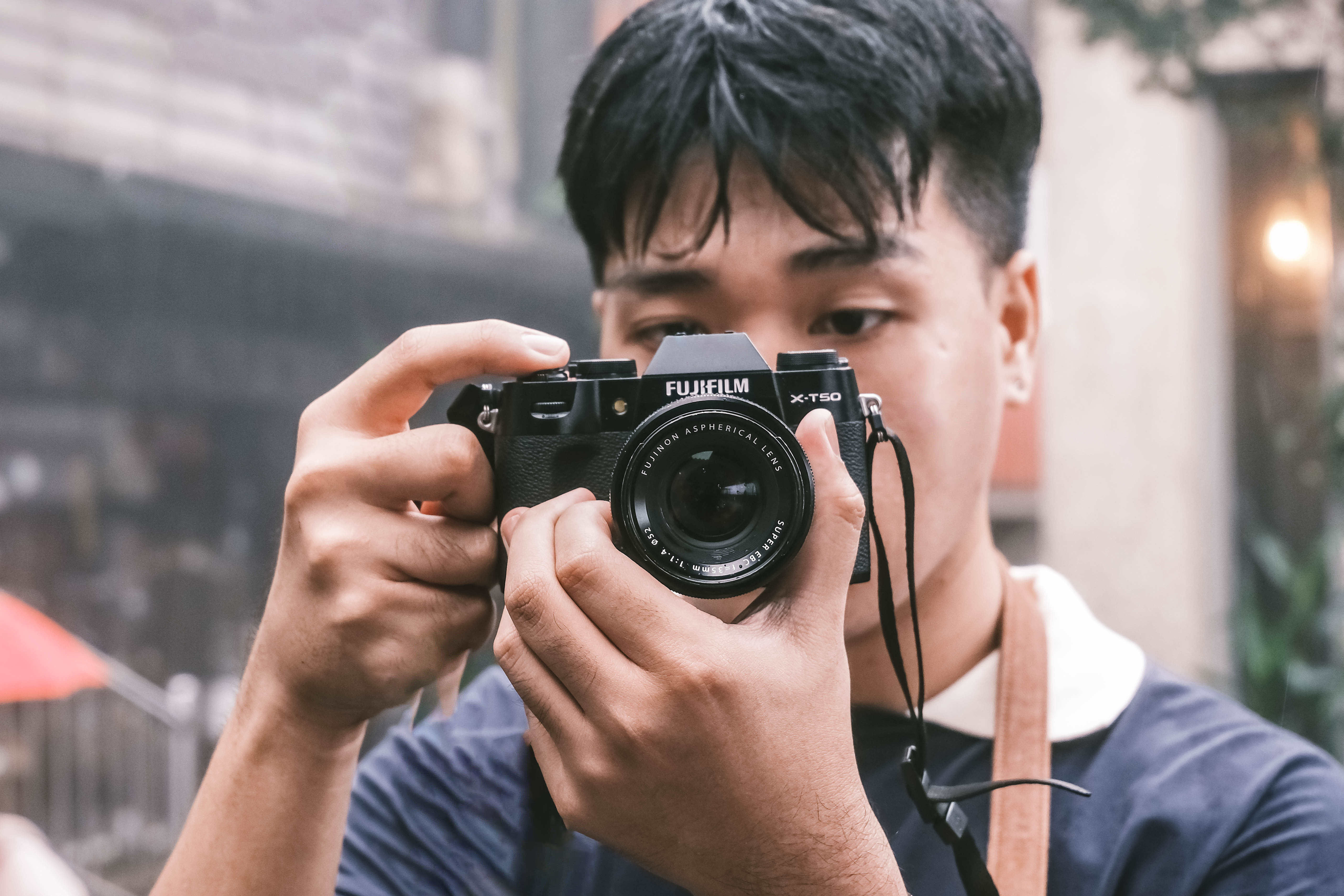
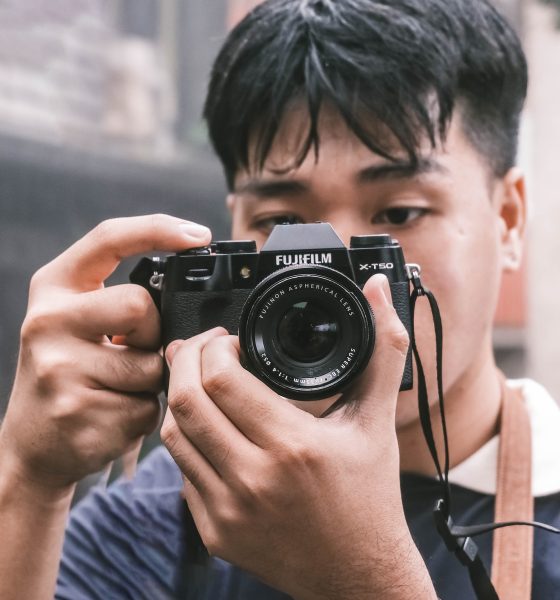
The Fujifilm X-T50 reignited my photography passion
Smartphone cameras can only imitate the look but not the actual feel

During my teenage years way back in 2011, I was astounded by the crater-filled moon shots I saw on Flickr. Surprisingly, it was taken by Nikon’s point-and-shoot camera with a 21x optical zoom — which I consider a prime during its time. Although I never had the chance to own one, that particular moment inspired me to pursue photography.
Three years later, I received the Canon EOS 60D as a reward for my great track record in high school. That unlocked the door for me and opened a whole new world of possibilities in my journey as a creative.
View this post on Instagram
From college works to post-grad travels, shots taken in that DSLR never disappointed. It even lasted long enough for me to use it in some product shots I did during the pandemic — all before I put it to rest after seven long years.
Bewitched to switch
As much as I am happy with my first (and only) DSLR, its bulky weight simply is the huge downside. That’s why the mirrorless camera revolution was a true blessing for me.
View this post on Instagram
Being able to pack an APS-C or even a full-frame camera sensor at half the size and weight is a great tech marvel. IMHO, the crowns in this camera category both go to Sony and Fujifilm.
But having to spend more time with several Sony cameras during the past six years, the brand’s familiarity, flexibility, and all-around compatibility in their wide selection of mirrorless shooters (regardless if APS-C or full-frame) simply made me prefer it over anything else.
Saving a dying flame
The headliner isn’t a clickbait. My burning passion for photography simply vanished just like the last flame in a candle’s wick. The depressing pandemic halted my travel trips, and so as my desire to shoot with a professional camera.

Xiaomi 13 Pro | 2023
Moreover, the dawn of the second decade of the third millennium introduced computational photography, AI post-processing algorithms, lens imitations, and even countless camera partnerships in smartphones.
With the never-ending reviews and camera shootouts I did as GadgetMatch’s ~ camera guy ~, little did I know, I had forgotten the actual feeling of using a pro-grade camera for photography’s sake.

But when Fujifilm reached out to us for a limited review period with the X-T50, I immediately accepted the opportunity.
Truth be told, this mirrorless camera reignited my passion in photography after using it for a week in Taiwan.
Comeback is real?
Although Fujifilm may NOT be the first camera that contributed to my photography aspirations, this popular Japanese camera brand still made me rethink what a professional camera should be.
Having to use a pro-grade Fujifilm isn’t a first for me. My very first encounter was the X-H1, or the brand’s first video-centric camera — and also the first one to have IBIS (in-body image stabilization).
To highlight X-H1’s capability in videography, the director of the production house I held my first internship tasked me to shoot and edit BTS (Behind The Scenes) clips of the music video set starred by a well-known Filipino indie band called IV OF SPADES.
A year later, I became a part of the GadgetMatch team. I then had another chance to test out Fujifilm’s latest offering that time — the Fujifilm X-T30.

Fujifilm X-T30 | 2019
I tested the camera not just during a short day trip in Caliraya, Laguna. I was also able to spend more time with it during our overnight stay at a beach in Calatagan, Batangas.
The result? Well, this single long-shutter shot of our very own Milky Way Galaxy from earth’s perspective.

Shot on Fujifim X-T30 by Vincenz Lee | GadgetMatch
That’s one big check ticked off of my bucket list as a budding photographer.
Not only that, the introduction of Fuji’s Film Simulation modes in this camera truly amused me. The feeling of having several color calibrations right out of the camera itself is just a wonderful feature I’ve thought of while using the camera five years ago.

Shot on Fujifim X-T30 by Vincenz Lee | GadgetMatch
Admittedly, my memory reminded me that I only liked the photo-shooting mastery it had. The video output of the X-T30 isn’t up to X-H1’s strength simply because it missed that much needed in-body stabilization for a well-rounded video prowess.
X-Traordinarily Powerful
With the long and very personal Fuji-story out of the way, it’s high time to talk about the Fujifilm X-T50 itself.
For the hardware-obsessed, the X-T50 packs a serious photography punch.

There’s a 40.2MP APS-C sensor under its hood. Dubbed as the X-Trans CMOS 5 HR, Fujifilm’s special sensor has an enhanced image-processing algorithm that boosts resolution and has enough power to eliminate image noise without compromising an image’s overall quality.
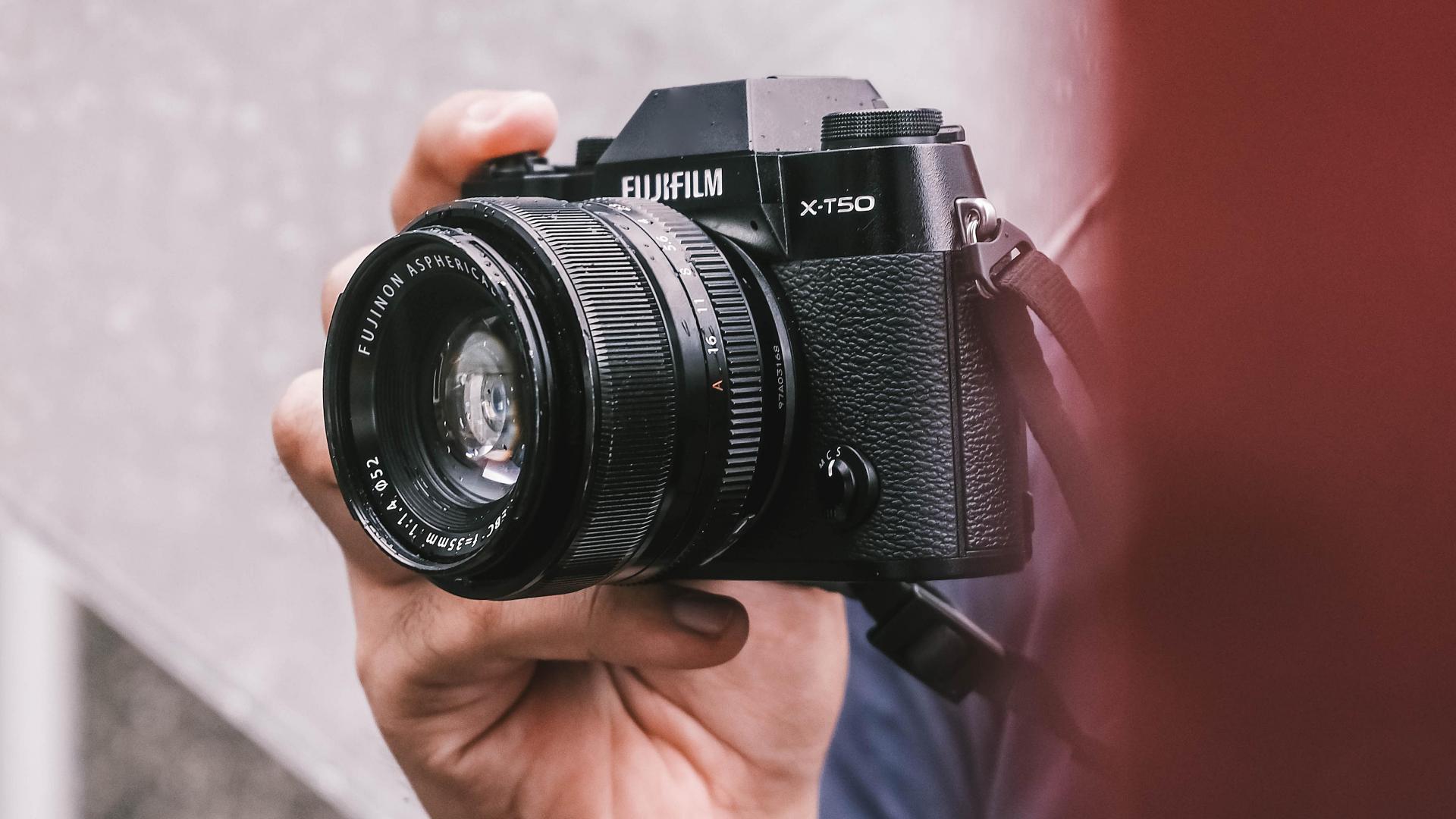
Speaking of noise, it has an ISO Sensitivity of up to 51,200 in stills and ISO 25600 in videos — through extended mode.
Alongside that is Fujifilm’s very own X-Processor 5 processor that promises twice the speed without sacrificing much of its power compared to its predecessor.
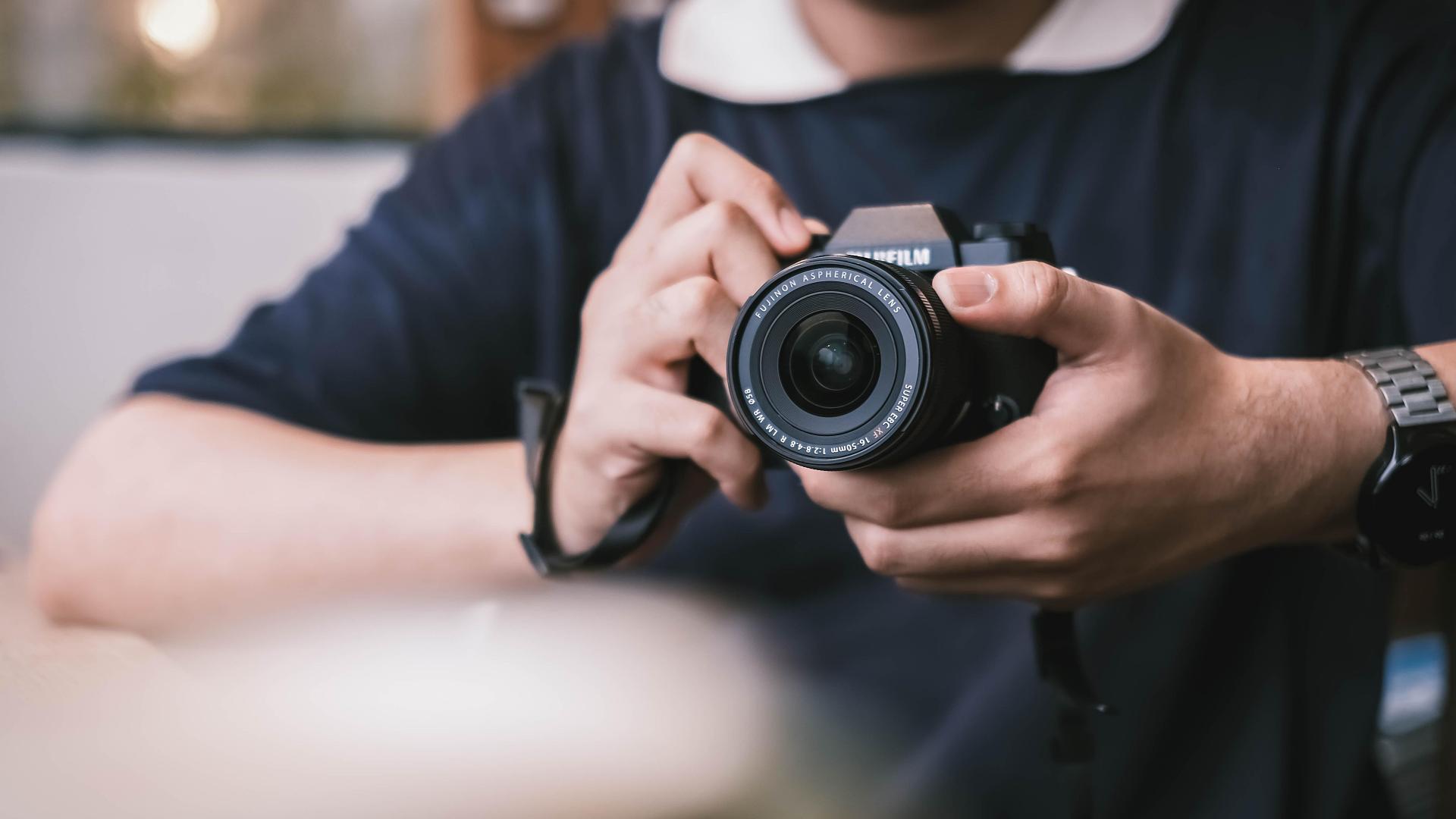
For those with shaky hands, fret not as it has a 7.0-stop 5-axis IBIS. While on the same topic, it can record between Full HD, 4K (which also include 4K HQ and DCI 4K HQ), up until 6.2K footages. Slo-mo videos are only limited to 240p capped at Full HD.
Cannot sacrifice that DSLR-like viewfinder? Well, the X-T50 makes up for its OLED EVF (Electronic Viewfinder) with approximately 2.36-million color dots and 100% viewing coverage.
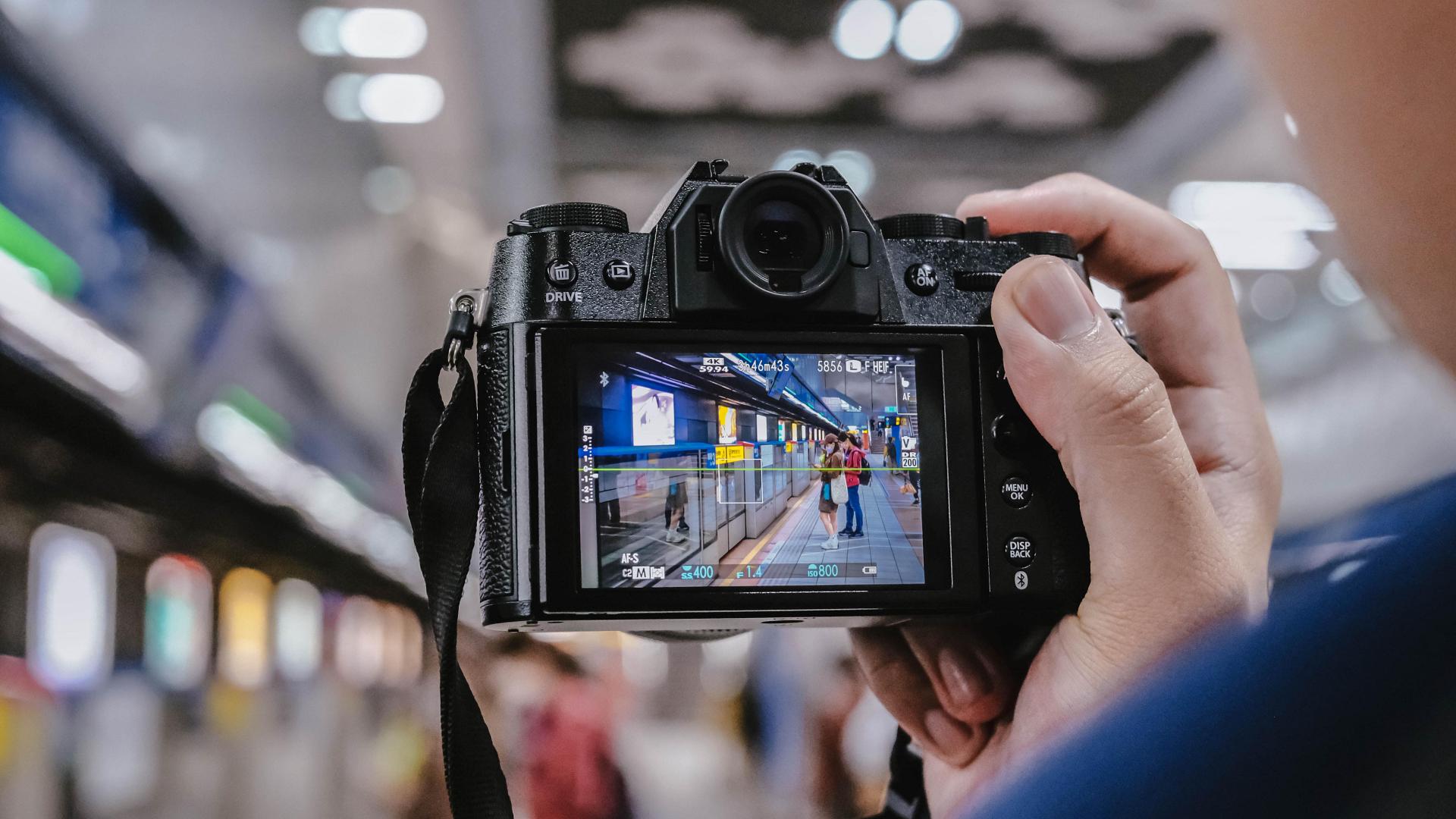
Lastly, there’s a 3-inch touchscreen LCD that can be tilted (not swiveled) when shooting in tighter angles.
The Fujifilm X-perience
With my limited time using this camera, it took a steeper learning curve than I initially imagined. Even if I was able to use Fuji cameras in the past, I was still so accustomed to Sony’s UI (User Interface) and system of settings and controls.

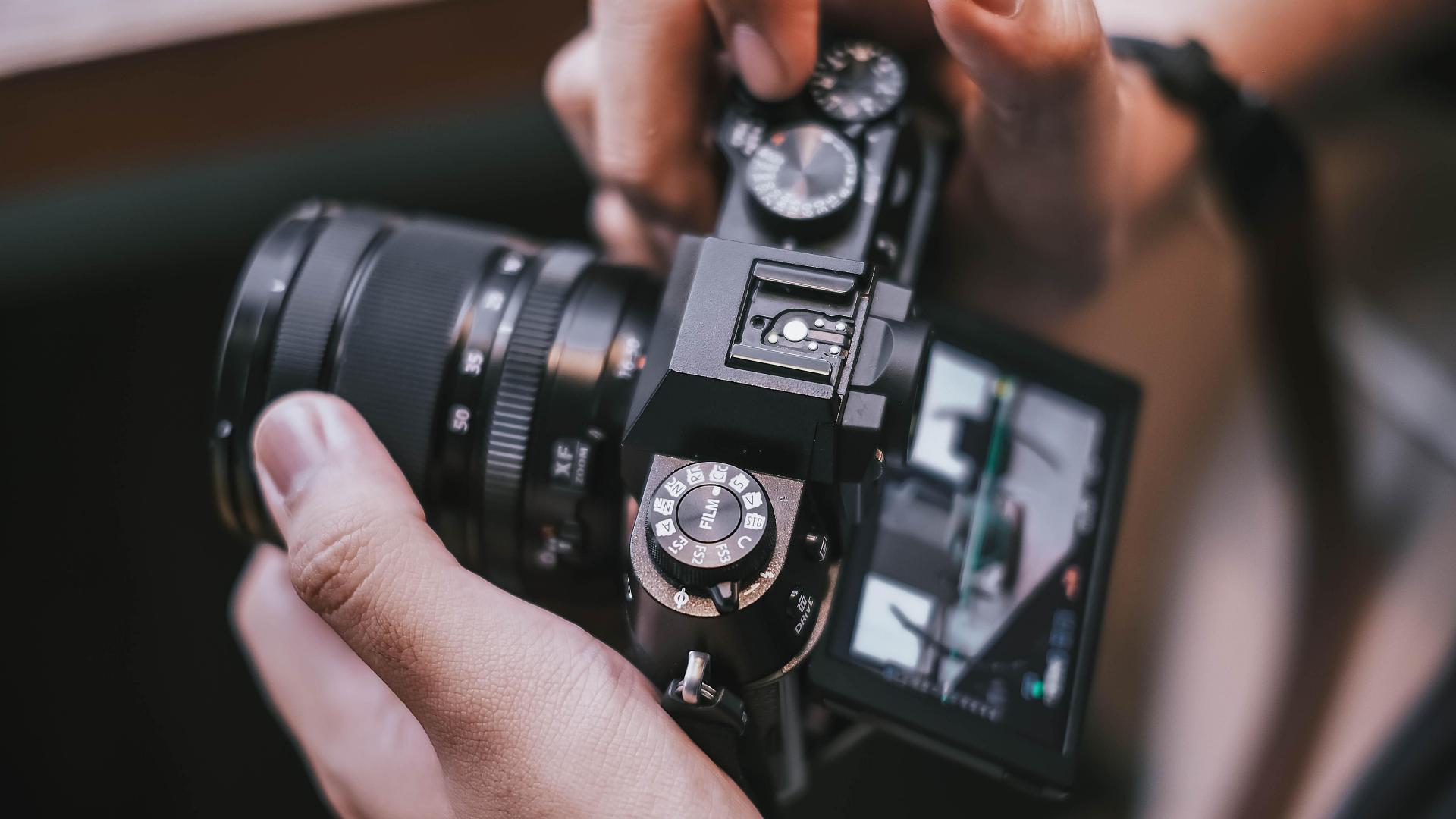
The Fujifilm X-T50 has three different dials found on top.
The left one serves as the dial when switching between Fujifilm’s Simulation Modes (more on that later). I love the overall feel of it when you turn one. There’s even a lever beside it where you can pull it down for the flash unit to pop-up.

However, I find the dial on the right a bit tricky to use. That’s likely my muscle memory using Sony’s mode switcher instead of Fujifilm’s dedicated dial for shutter speed (SS).
And even if the second right dial in our Sony camera is also used for switching Exposure Value (EV), it’s also user-programmable unlike the X-T50.
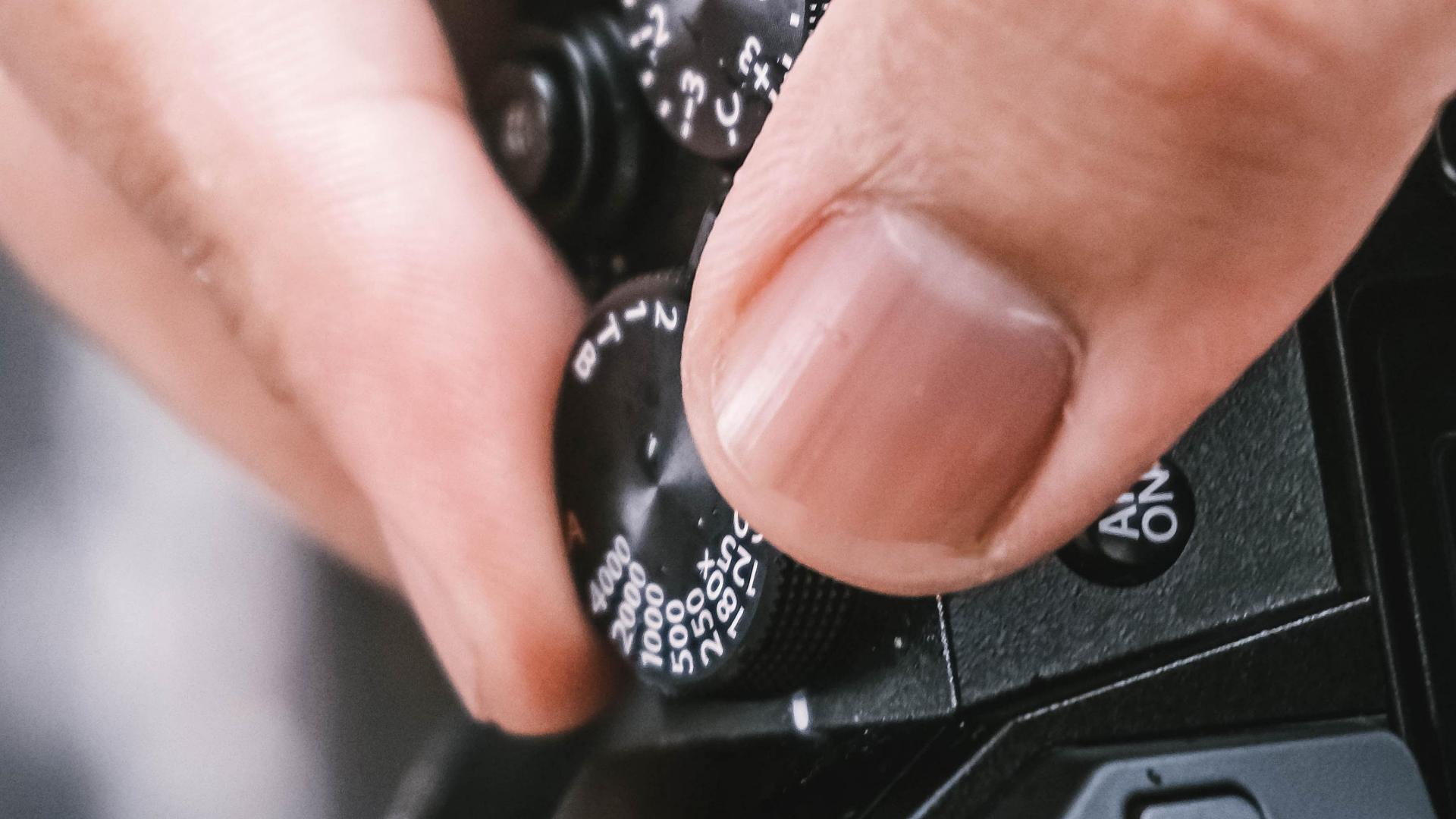
That’s when I also wish it had a proper D-pad plus scroll wheel combo for switching between ISO, shutter speed, WB (White Balance), and EV values instead of just a pointer tracker — that’s only used either for navigating through its not-so-simplistic menu and settings or for selecting specific focus point/s prior to shooting.
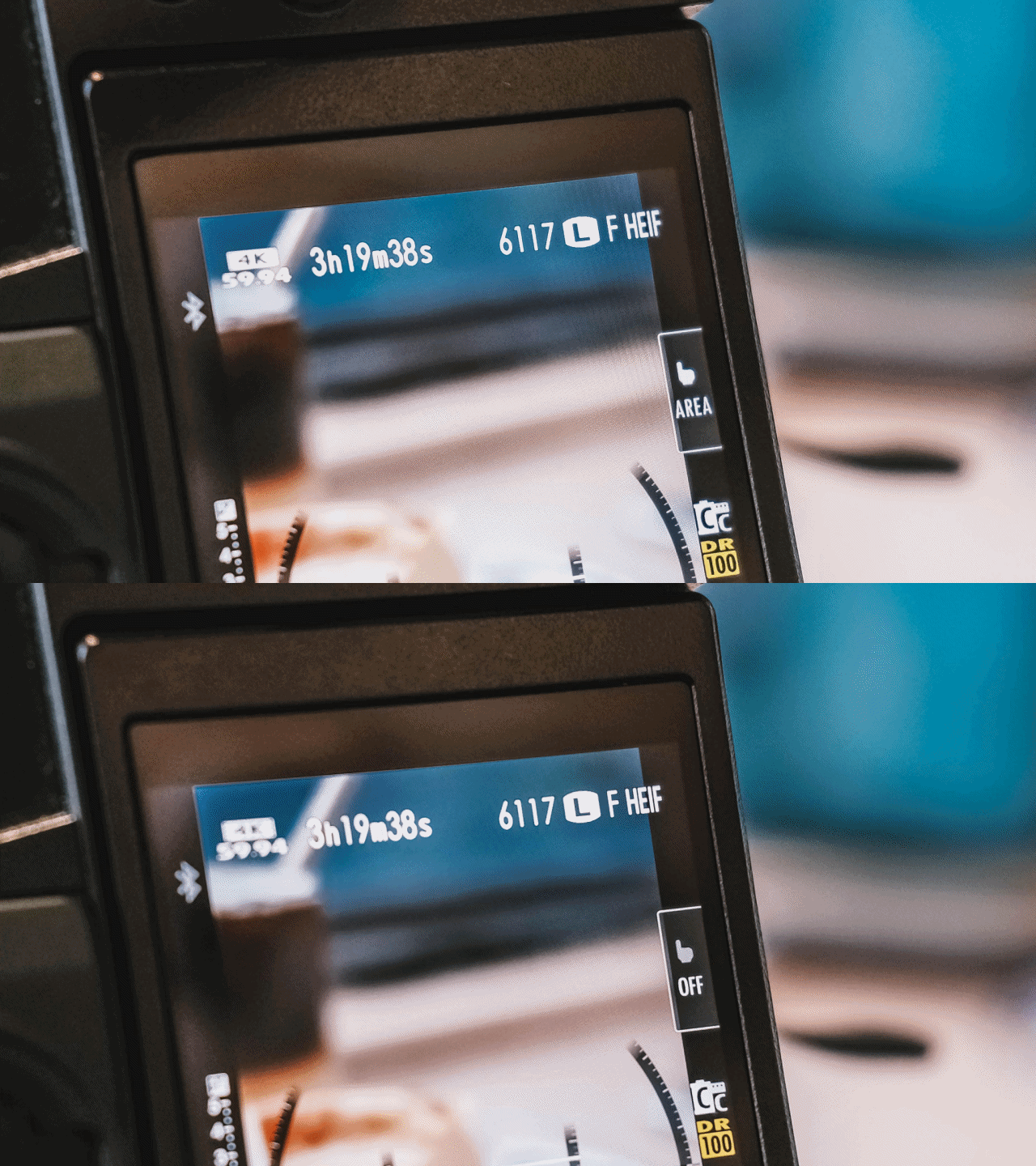
And speaking of focus, I find it frustrating how it automatically switches between using the touch for shutter, focus, or completely disabling that touch function.
TL;DR — I barely shoot RAW as it’s a massive storage hog. More so, I noticed how photographs under the JPEG format also take a lot of space.
Luckily, the X-T50 has a native HEIF support. This file format is still rarely used as it’s mostly found on iPhones (under HEIC) but it’s something worth pointing out. With it you get 50% more compression while preserving the same image quality as the traditional JPEG format.
Uniquely Fuji
Frankly, a camera’s strength doesn’t solely rely on its sensors, lens optics, and intricate hardware. It’s also through the built-in software a brand offers.
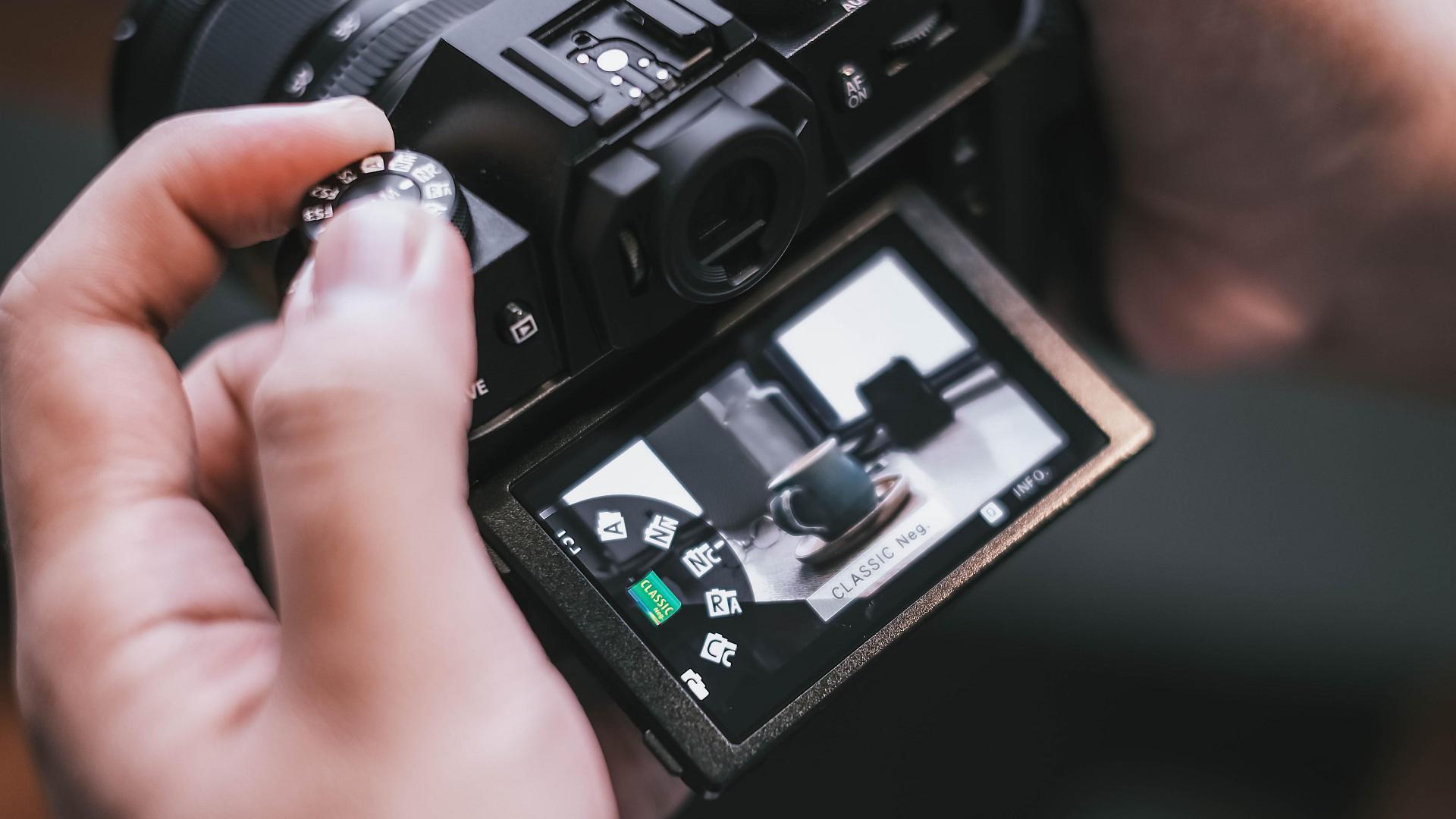
What makes a Fuji camera uniquely Fuji are none other than its film recipes — or “Simulation Modes” in Fujifilm’s own terminology. These originate back to the camera company’s roots when it was pretty big in the traditional film camera industry.
In the X-T50, there are a plethora to choose from:
PROVIA / Standard (Default) |
Classic Neg. |
VELVIA / Vivid |
Nostalgic Neg. |
ASTIA / Soft |
ETERNA / Cinema |
Classic Chrome |
ETERNA BLEACH BYPASS |
REALA ACE |
ACROS (+ Ye / R / G Filters) |
PRO Neg.Hi |
Black & White (+ Ye / R / G Filters) |
PRO Neg.Std |
Sepia |
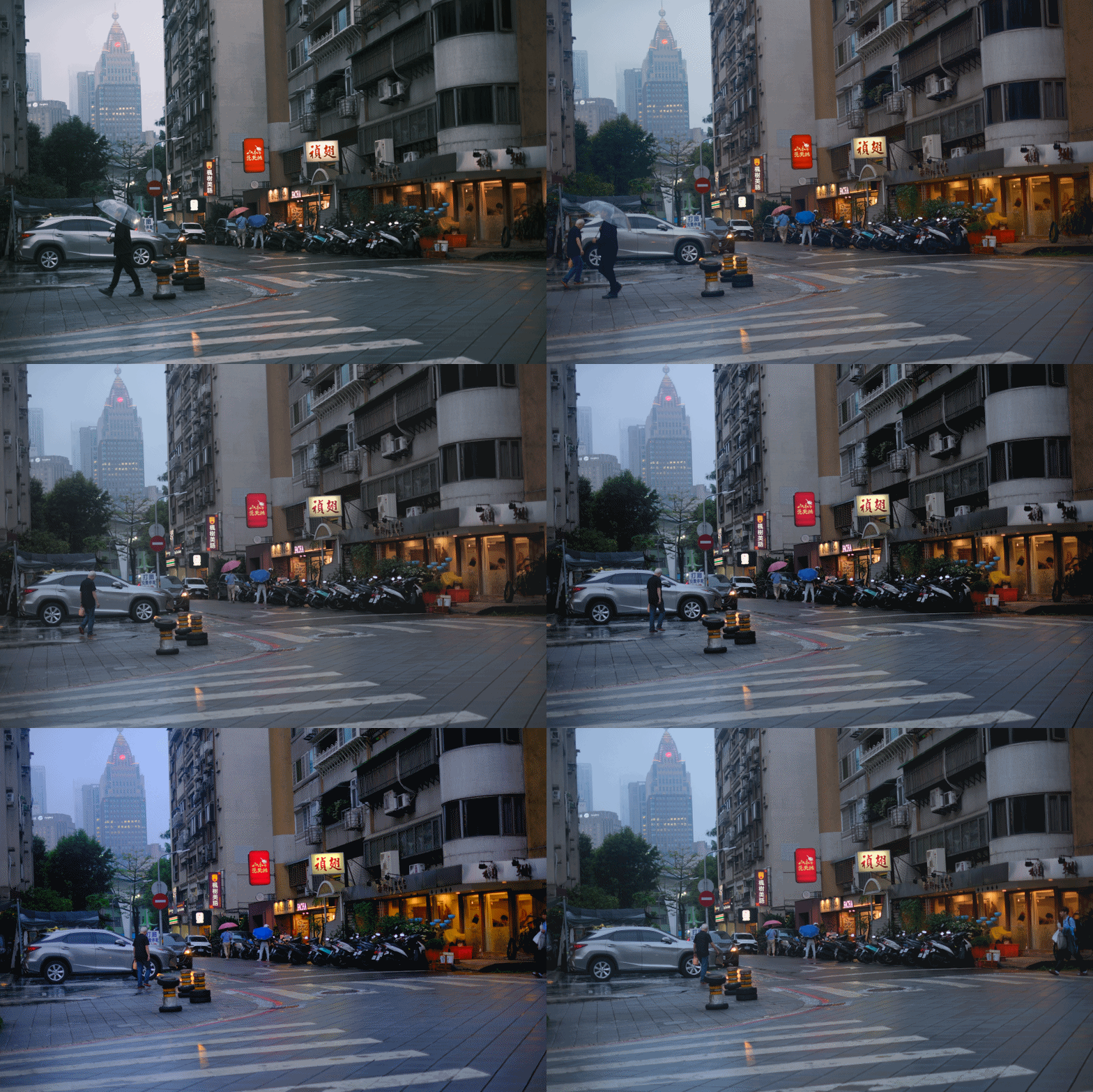
I wouldn’t get into the nitty-gritty of each and every film simulation here.
Just like how each and everyone of us have varying preference, it’s a similar case when choosing the film simulation that best suits both a user’s taste and the subject they are trying to capture.

Personally, my most used recipes are Classic Chrome, Classic Neg., and PRO Neg. Std. That’s also because I love my photos to be less saturated with a reduced amount of contrast and/or shadows.
As cool as Taiwan’s Breeze
What I like about the Fujifilm X-T50 is how it keeps its classic SLR-like look.
Although I prefer wearing black most of the time, I find its silver colorway more appealing rather than the classic black coating.
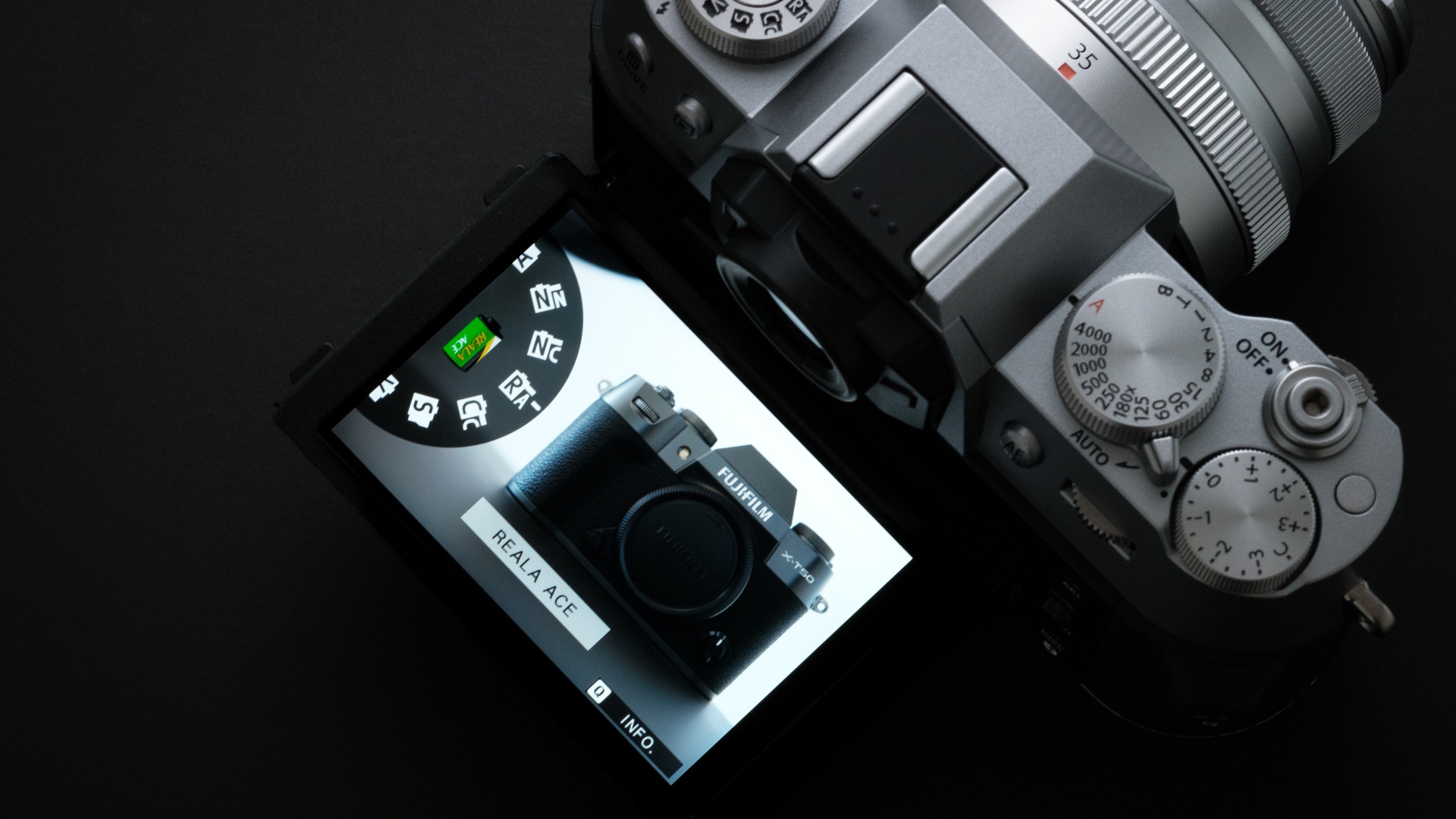
Fujifilm X-T50 in Silver colorway
Speaking of coolness, I find so much solace when it’s drizzling. More so, when I’m in a climate condition much like Taiwan’s breezy, pre-summer weather.

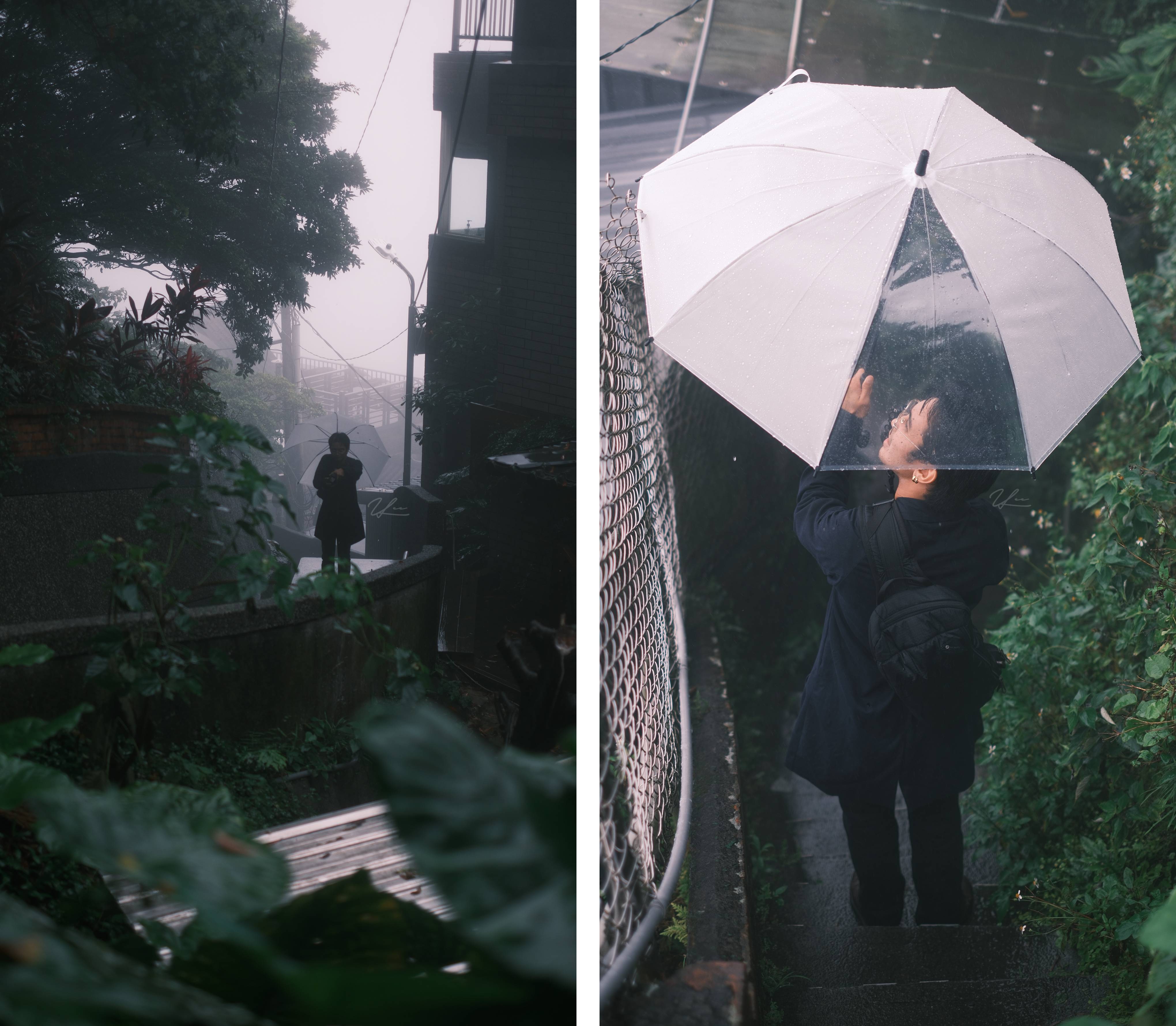

Maybe this is more of the many reasons why I romanticize myself along concrete jungles of East Asian countries instead of tropical islands and beaches in Southeast Asian nations.



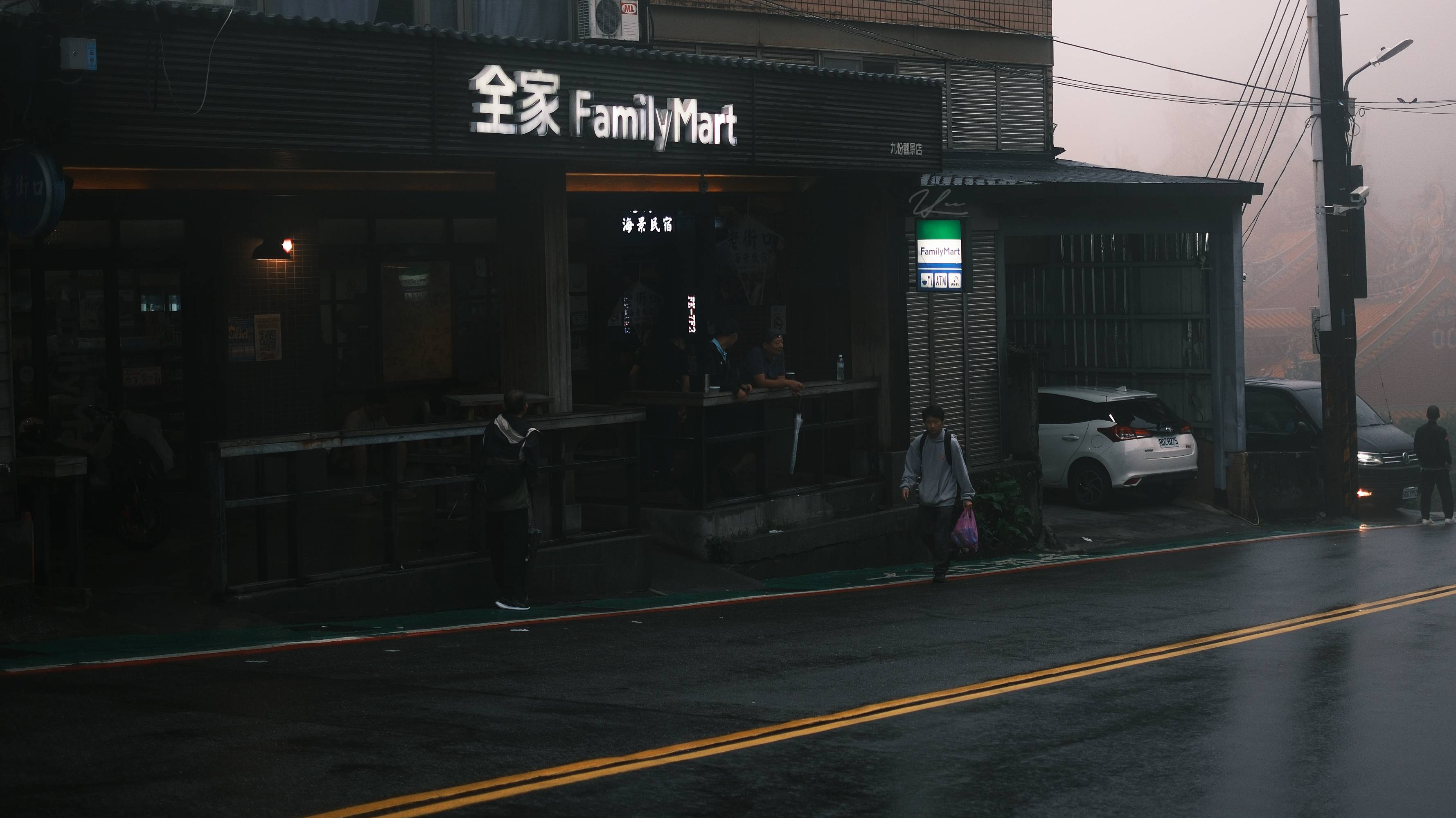
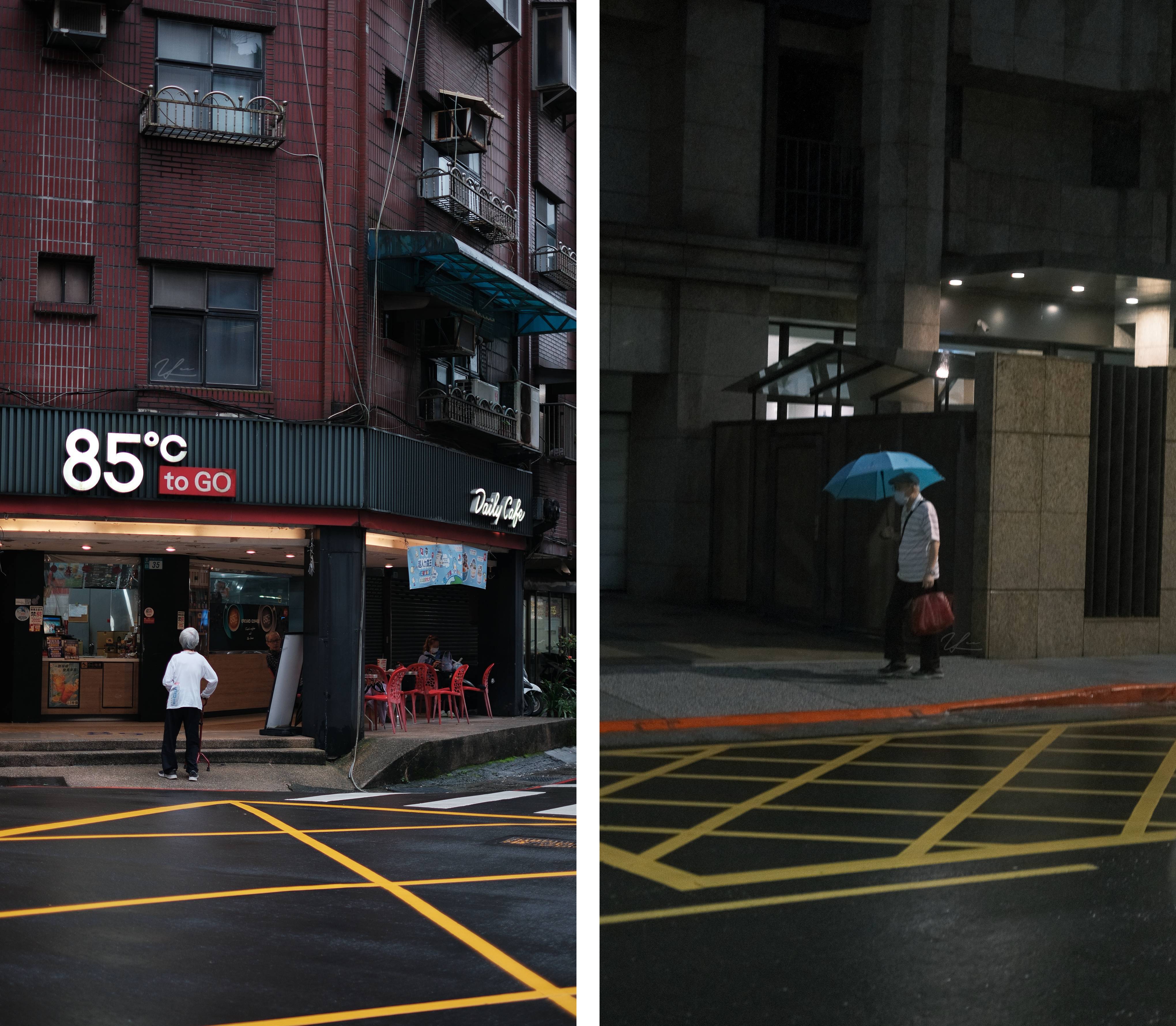
Better late than never! These stills were captured way back in the month of June. This month in Taiwan isn’t as refreshing as summer starts around July.
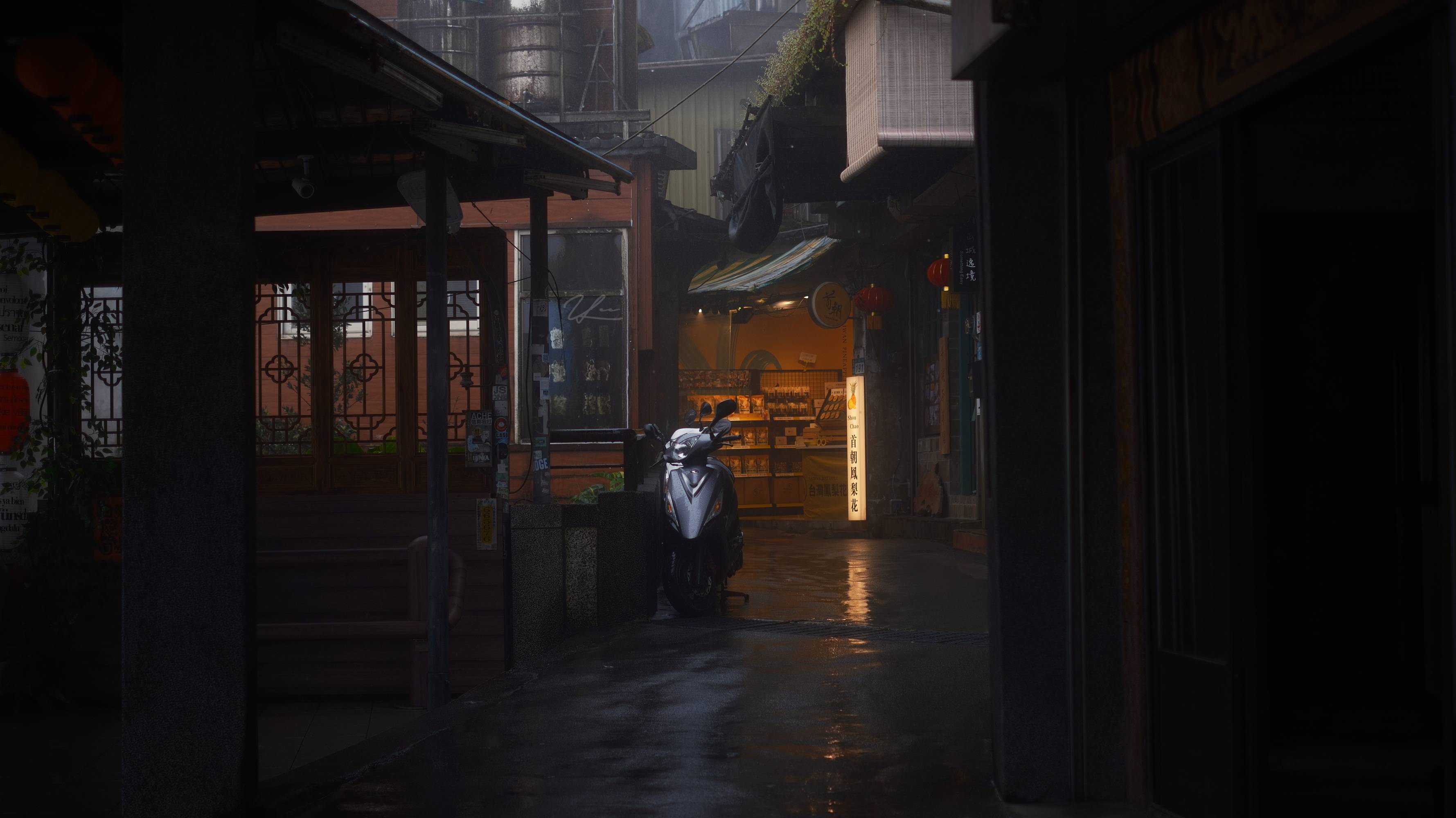
Still, the shots I took with the Fujifilm X-T50 gave me chills (literally and figuratively) with how all of my snaps turned out.
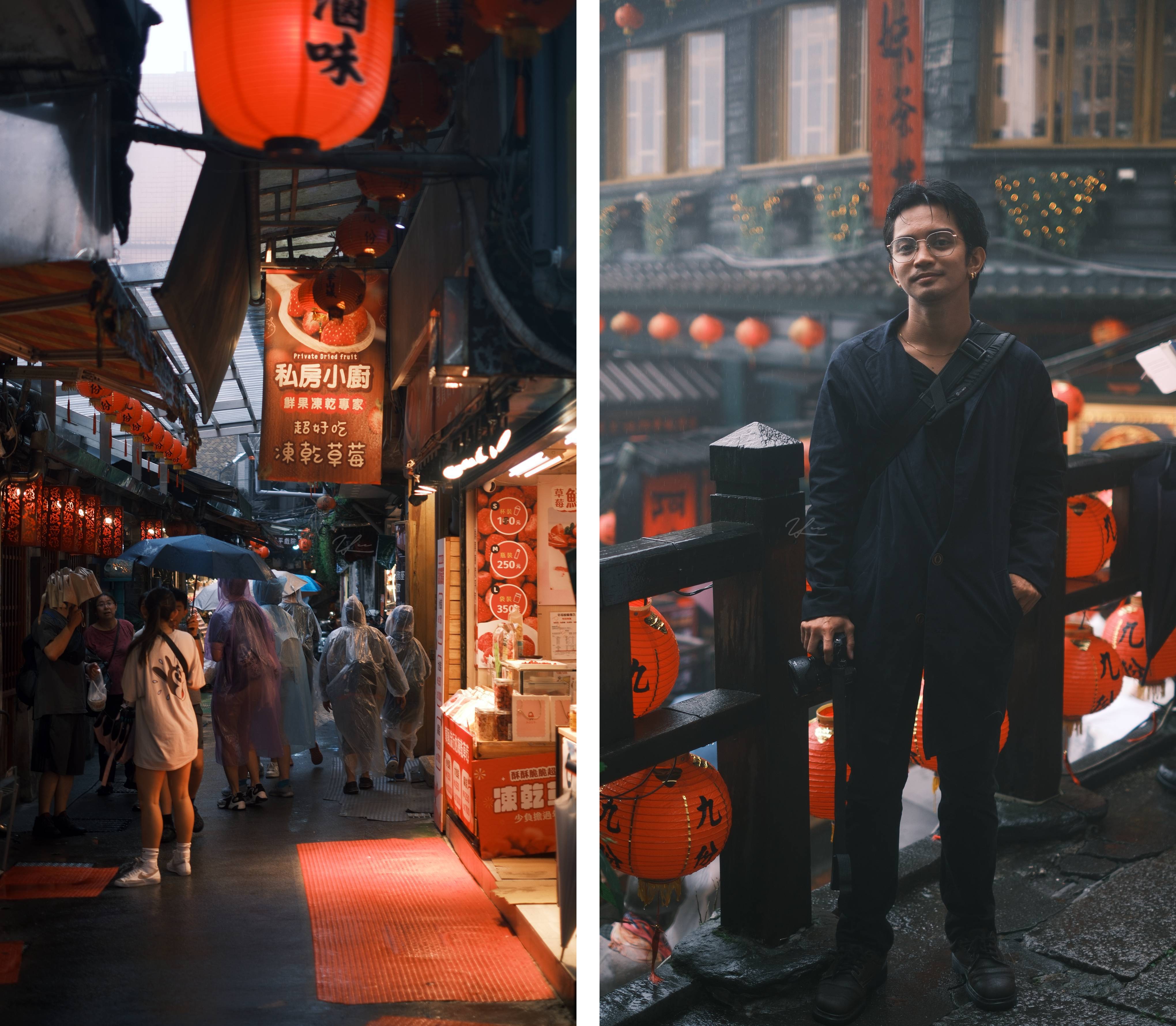
Mind you, these were mostly shot in two of my favorite film recipes.
Light yet heavy
While all the daze and craze are focused on the X100 VI a.k.a Fujifilm’s tiny but mighty wonder, the Fujifilm X-T50 still is the right camera match for me. Even if it’s not the lightest and smallest out there, its weight of just 438 grams hits my sweet spot in pro-grade cameras.
This heft gives me enough grip whenever I decide between taking snaps, shooting videos, or just fiddling around knobs and previewing media. It’s even evident when I hold the camera one-handed.

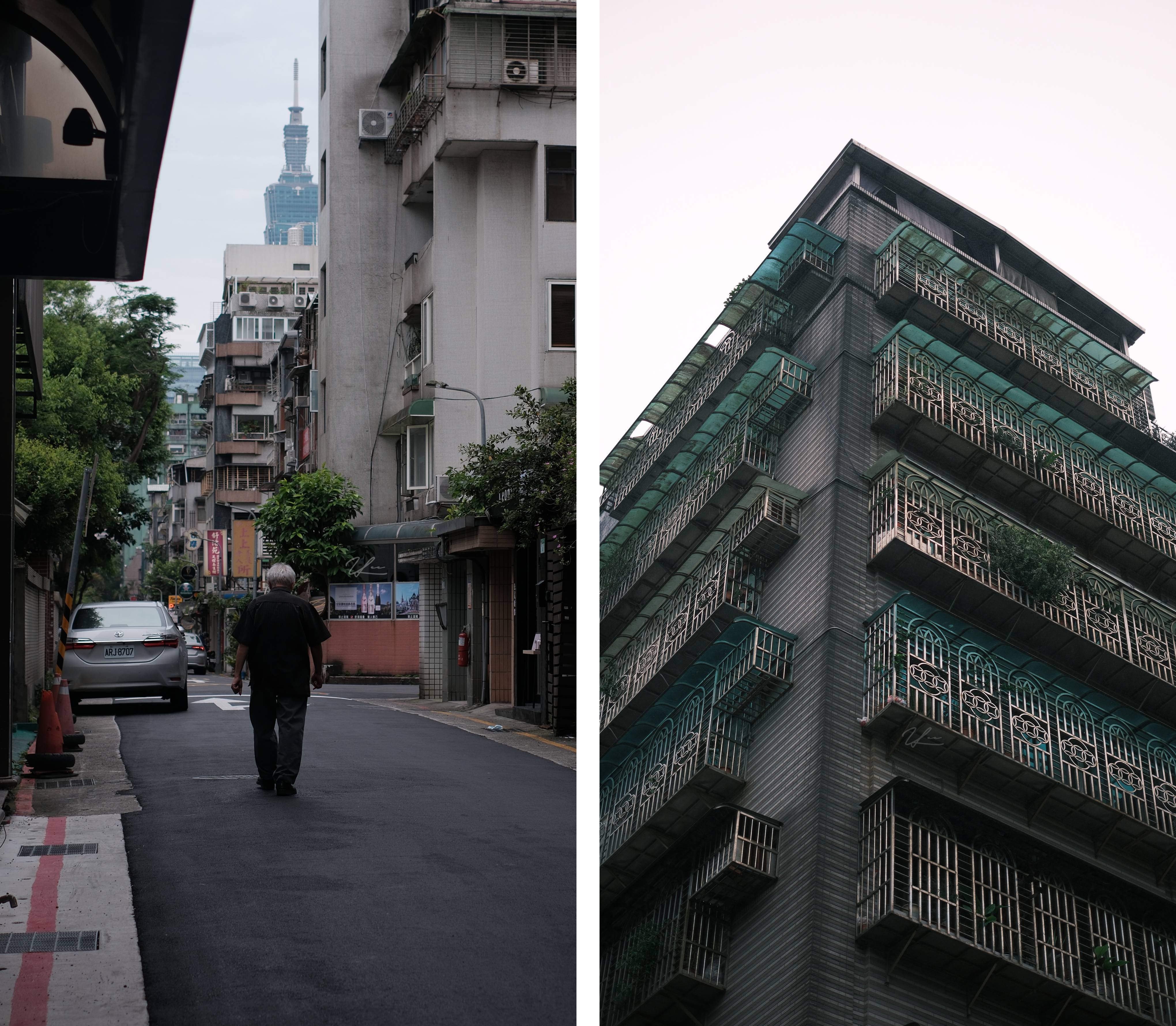
And even with its considerable lightness physically, the Fujifilm X-T50 is still heavy in terms of power-packed photography.

Shallow but never hollow
Much like how I consider the X-T50’s weight being the optimal choice in the professional mirrorless segment, a 35mm prime lens is also my sweet spot in the varying choices of focal lengths. It’s not too close as 50mm or 85mm, neither as wide as 18mm, 20mm, or even 24mm lenses.
And with the Fujinon XF 35mm F/1.4R prime lens offering, it’s credible and commendable for swift-moving subjects — especially when you primarily do street and action photography, as well as photojournalism.
BTW, all photos from the very beginning ’til the end were shot using this lens.

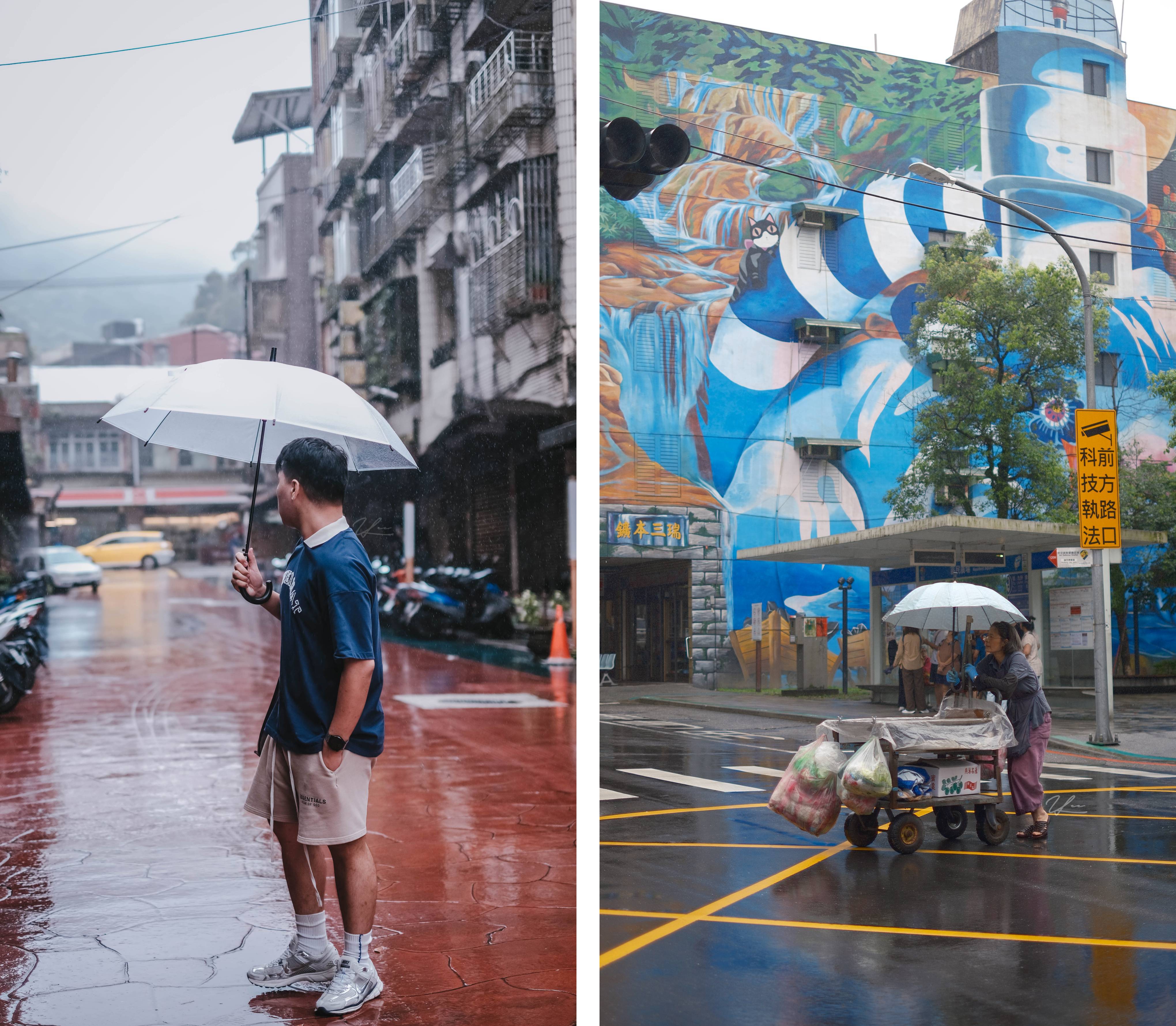
This lens is even more enjoyable when shooting portraits — evident in that bokeh-licious goodness.
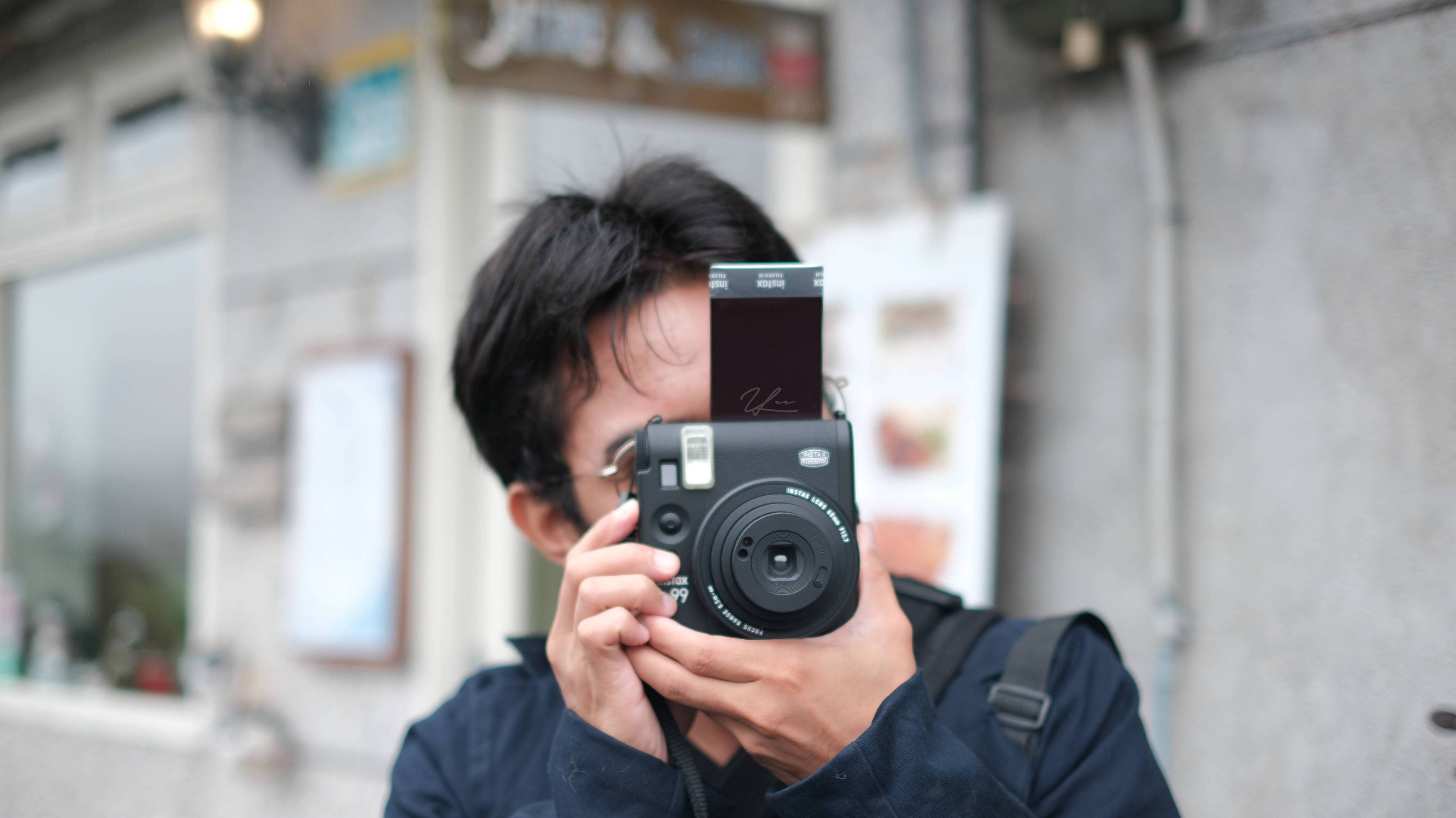
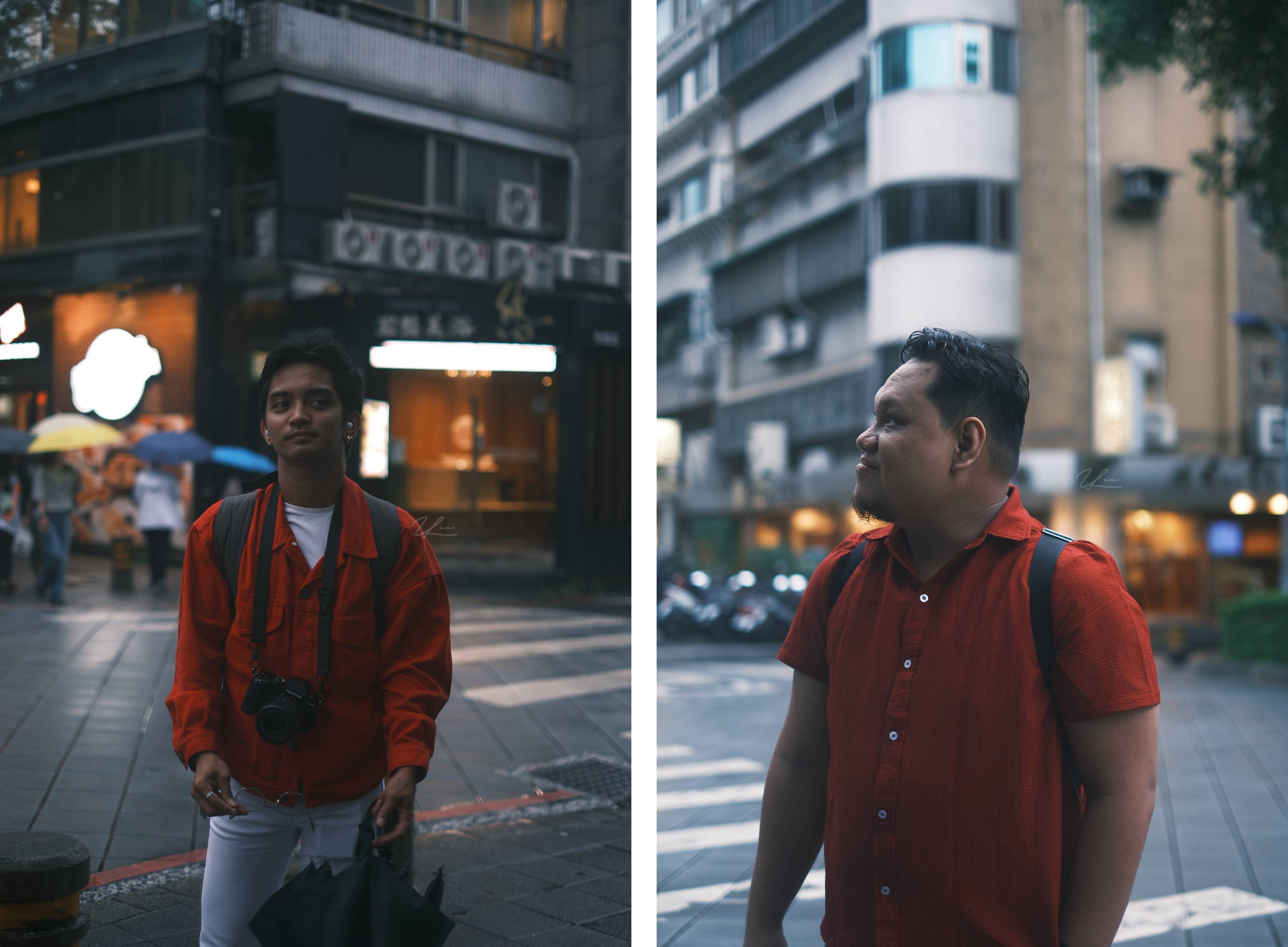
Not just that, its Subject Tracking AF also comes in very handy especially with frisky pets in the frame — much like these cute cattos in Houtong.




This type of lens is also favorable when it comes to food — another photography subject I’m enticed shooting.


Fast and efficient
Much how I love Taiwan’s very fast and efficient mass transit system, the same thing can be said with the Fujifilm X-T50.

Soaring high above the clouds of Taiwan’s air space…

down towards the speedy and always on-time HSR (High Speed Rail)…

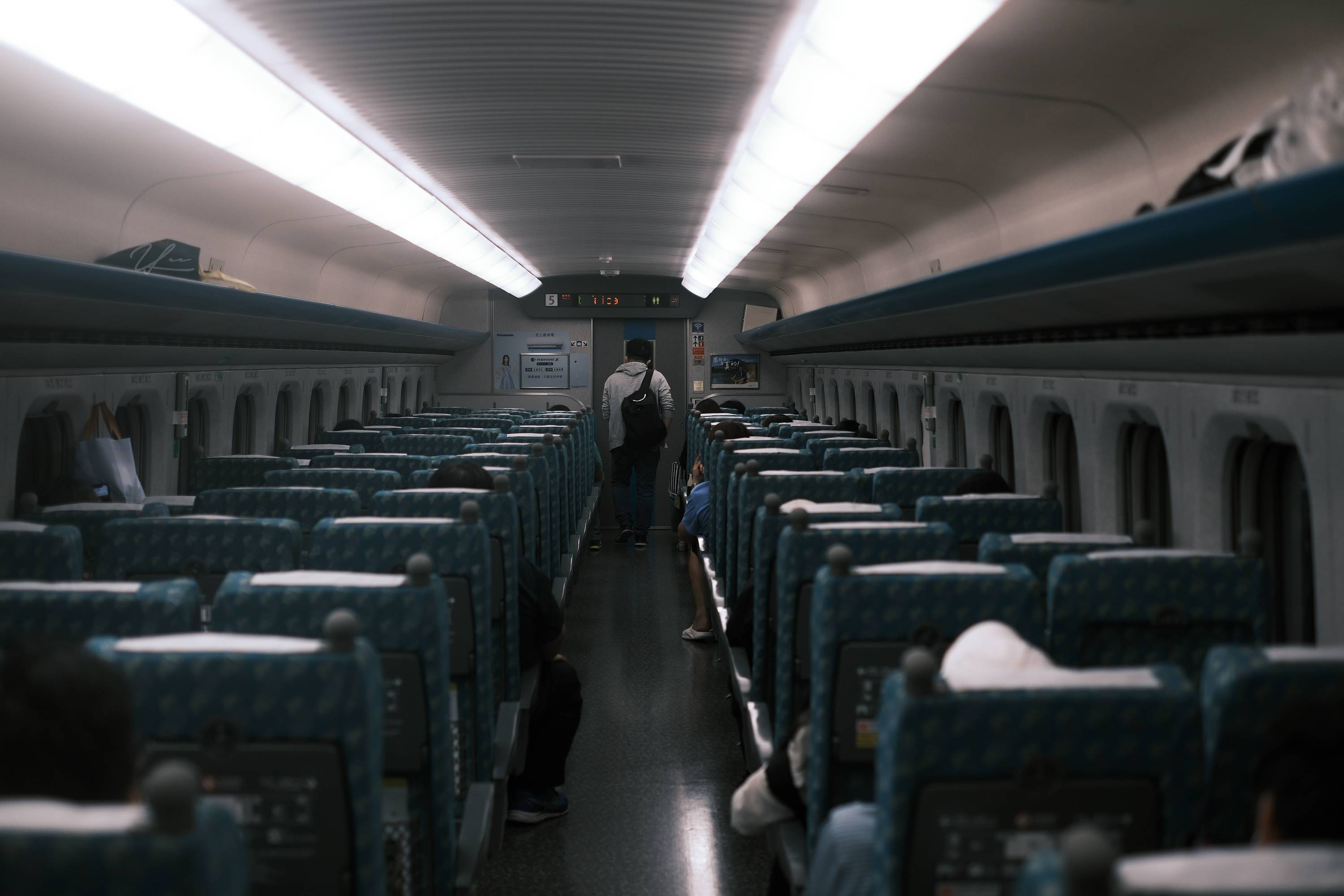

the structured and very-systematized metro line…



and even the cost-effective local train route…



all looked firmly captured even when everything was in full swing.

The clip below also proves how capable it is when it comes to video shooting. I love how the lens gives that shallow DoF (Depth of Field) of the view outside the train’s window.
TL;DR the clip was actually recorded through Fujifilm’s XApp. Connecting the camera using the brand’s app felt seamless. In the time of the recording, I used my iPhone 13 Pro Max running iOS 18 Developer Beta. However, I cannot attest if the experience is / will be the same among Android smartphones.
I won’t even say it’s a downside but even if the X-T50 can shoot up to 6.2K footages, the app records only at a maximum resolution of Full HD 1080p / 30fps in H.264 codec.

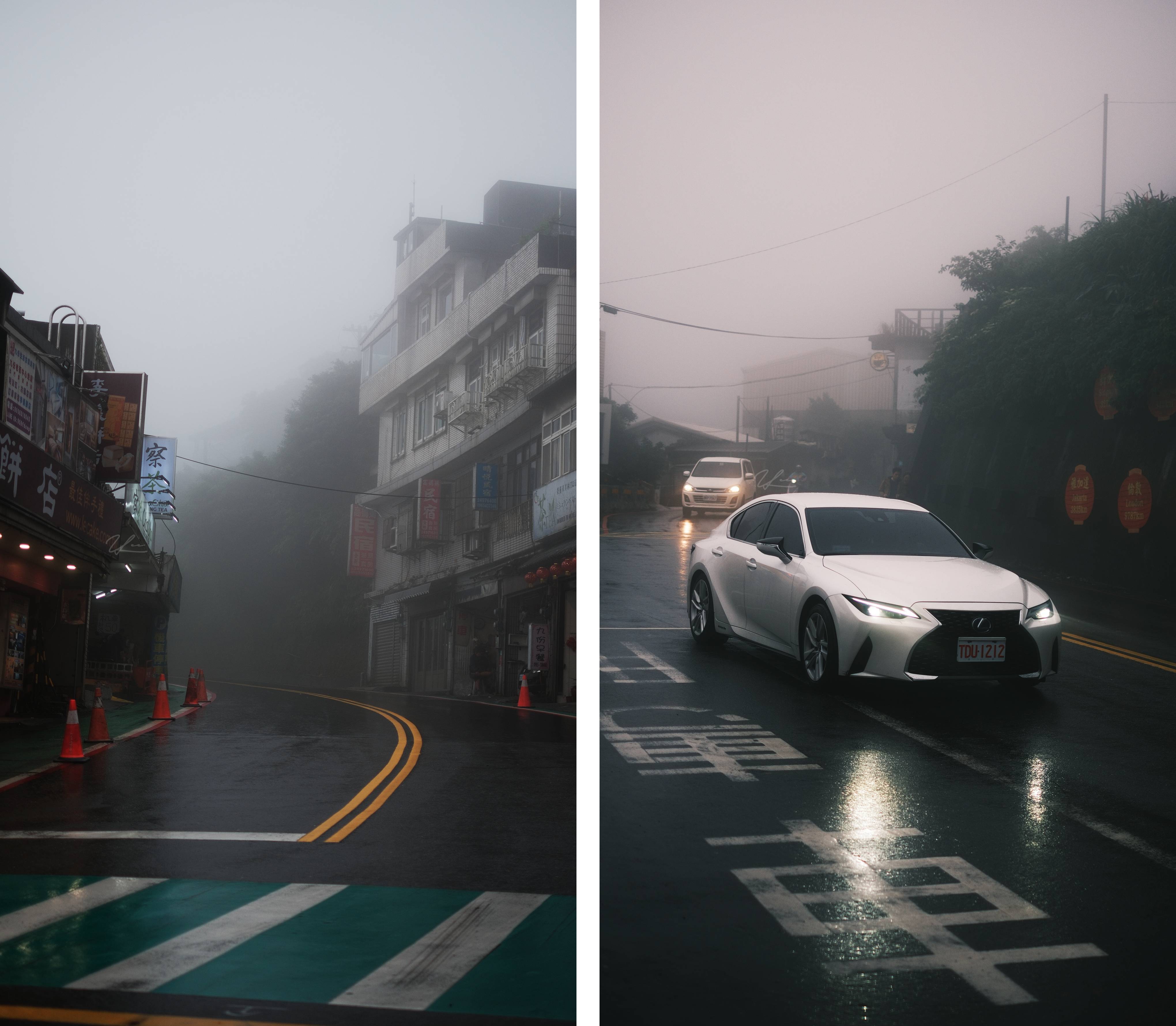
Moreover, it also made me capture time-frozen photos in this speeding bus along Ruifang and Jiufen’s curvy (and wet) roads.

Believe it or not, I shot this through the bus’ window on a foggy, drizzling day
Additional note: I took my photographs with Mechanical Shutter (MS) turned on as it gives me that DSLR-like clicking mechanism when shooting.
If you want a more silent shooting method, you can opt for Electronic Shutter (ES). It’s more beneficial when you do Continuous Shooting between 8 to 13fps.
Rightly bright even at night and low-light
With the combination of X-T50’s high ISO sensitivity plus the wide aperture of the XF 35mm prime lens I used, it also gives the best in class low-light and night-time photographs.
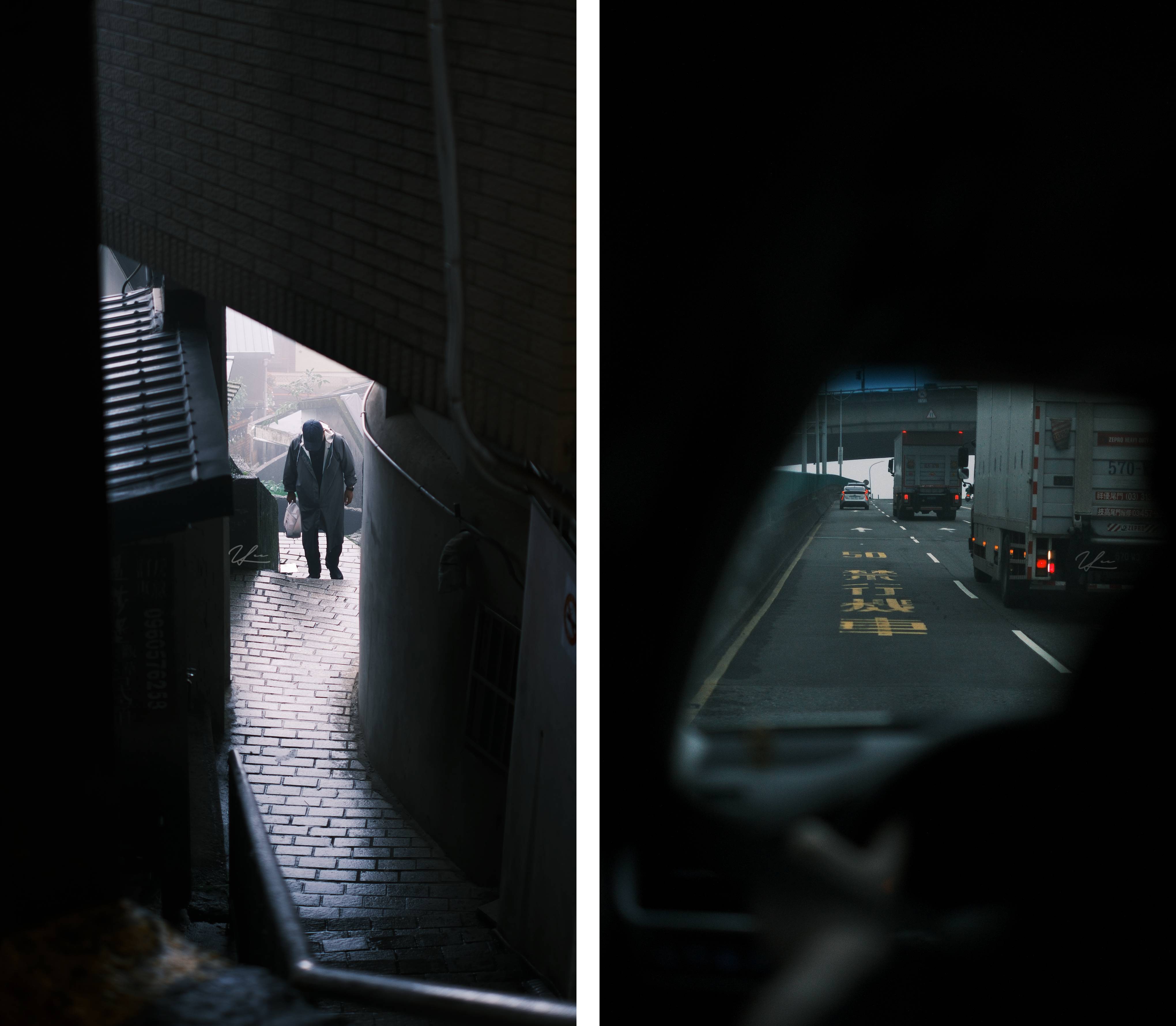

Whether it’s an indoor shot of a tricky tunnel, or just anything and everything happening in the dusk, this marvelous pairing can keep up with my photography needs nevertheless.
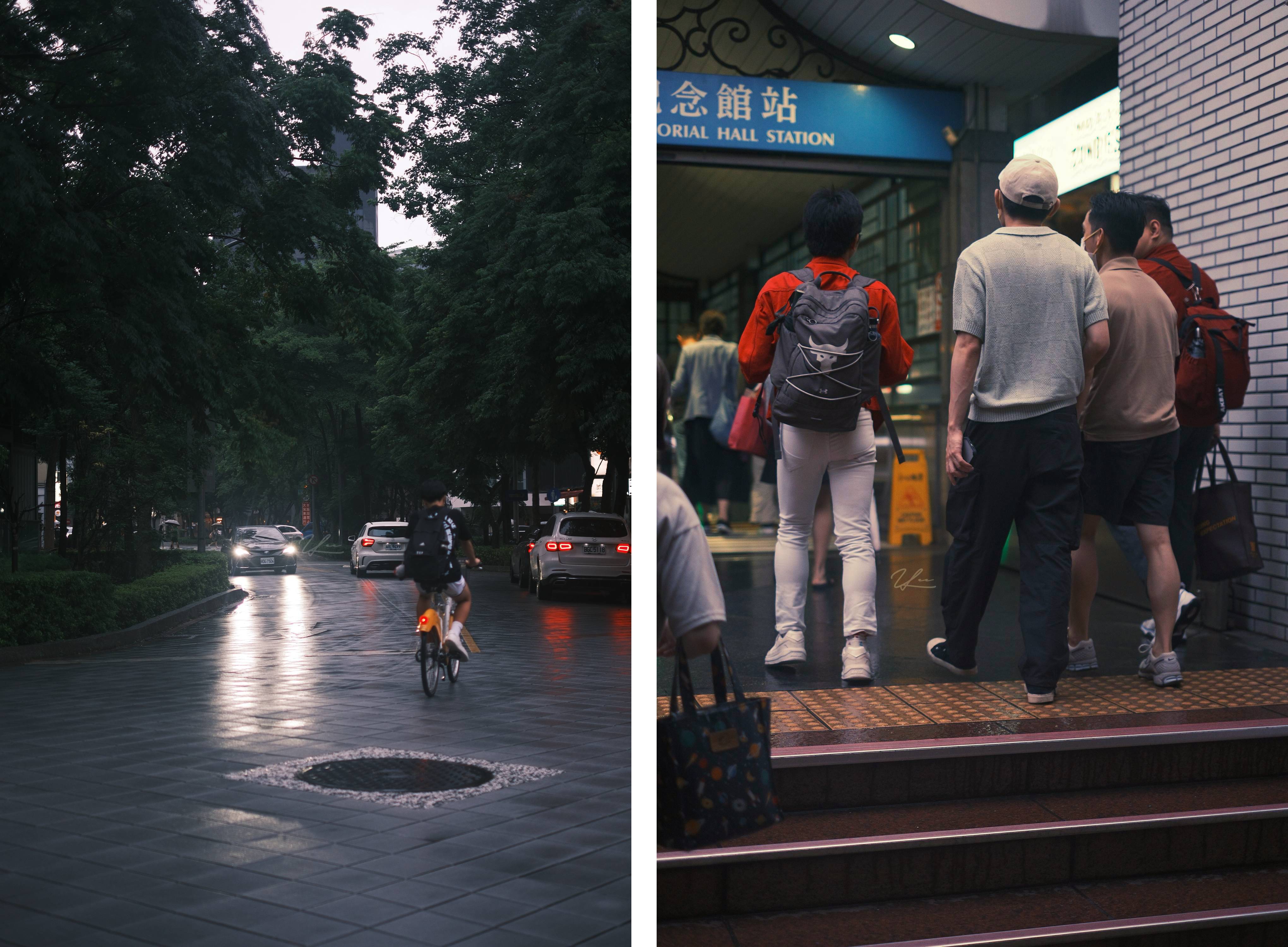

My intrusive thought told me to take the snap above with flash. I love how “artsy” it turned out.

This grumpy cat is my spirit animal




I managed to take these low-light shots even with a low ISO 800 ~ 1000 sensitivity plus a sufficiently-fast shutter speed all thanks to the wide f/1.4 aperture of Fujifilm’s 35mm prime shooter.



BONUS: We’ve had our very special Uber ride with a Maserati (YES, with emphasis).

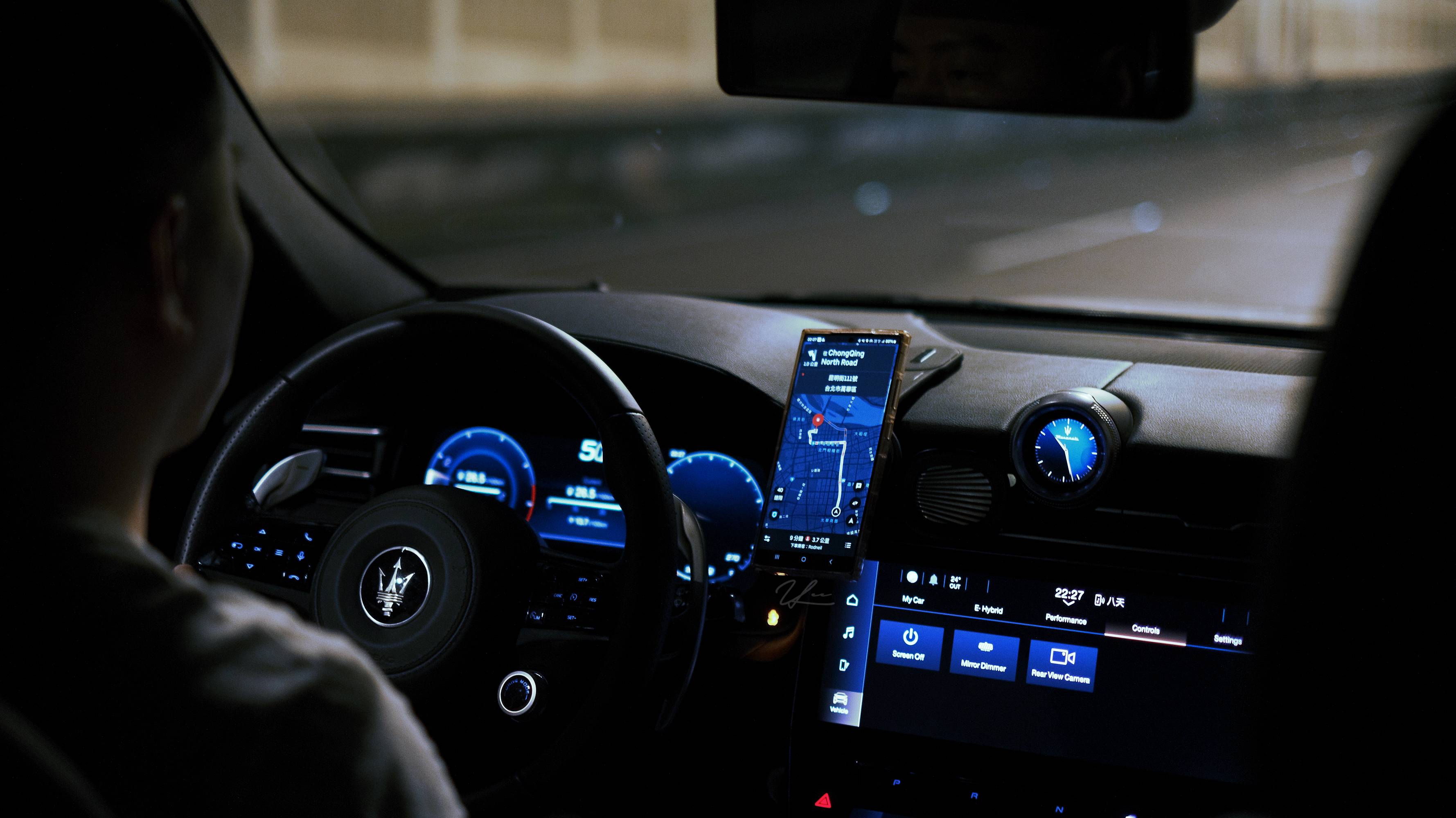
Then again, here’s another unedited video sample showcasing the X-T50’s video quality and its great stabilization, even at night.
P.S: This one was natively taken with the camera. Thus, 4K / 60fps playback is possible.
Coverage Companion
I also took the Fujifilm X-T50 with me during our comeback coverage at Computex 2024. The pandemic has halted our annual visit so this event meant a lot to me as this is only my second time covering.
During the four-day convention, I dared to go out of my Sony “comfort zone” and held the X-T50 whether it’s for stills or clips.



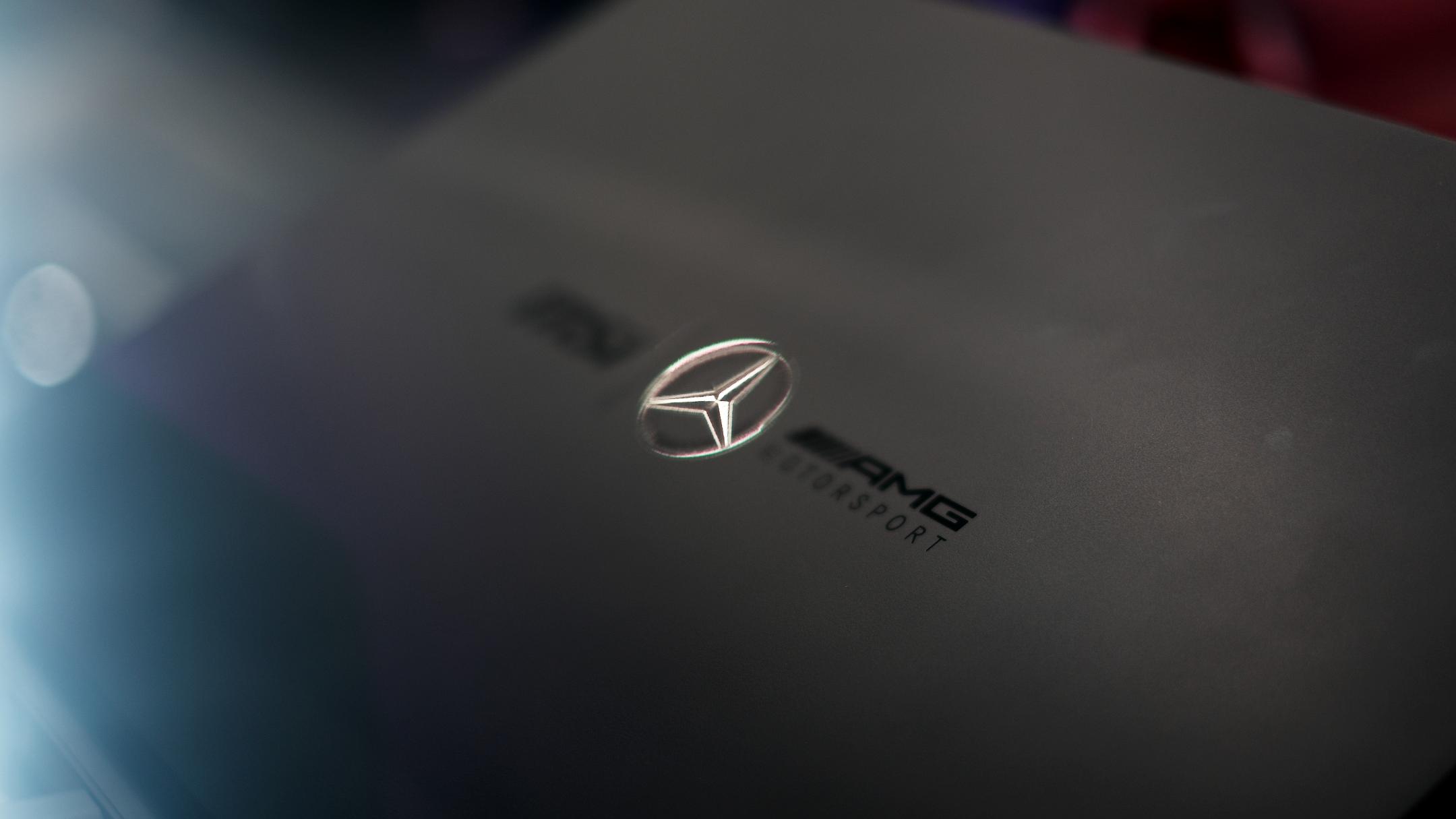
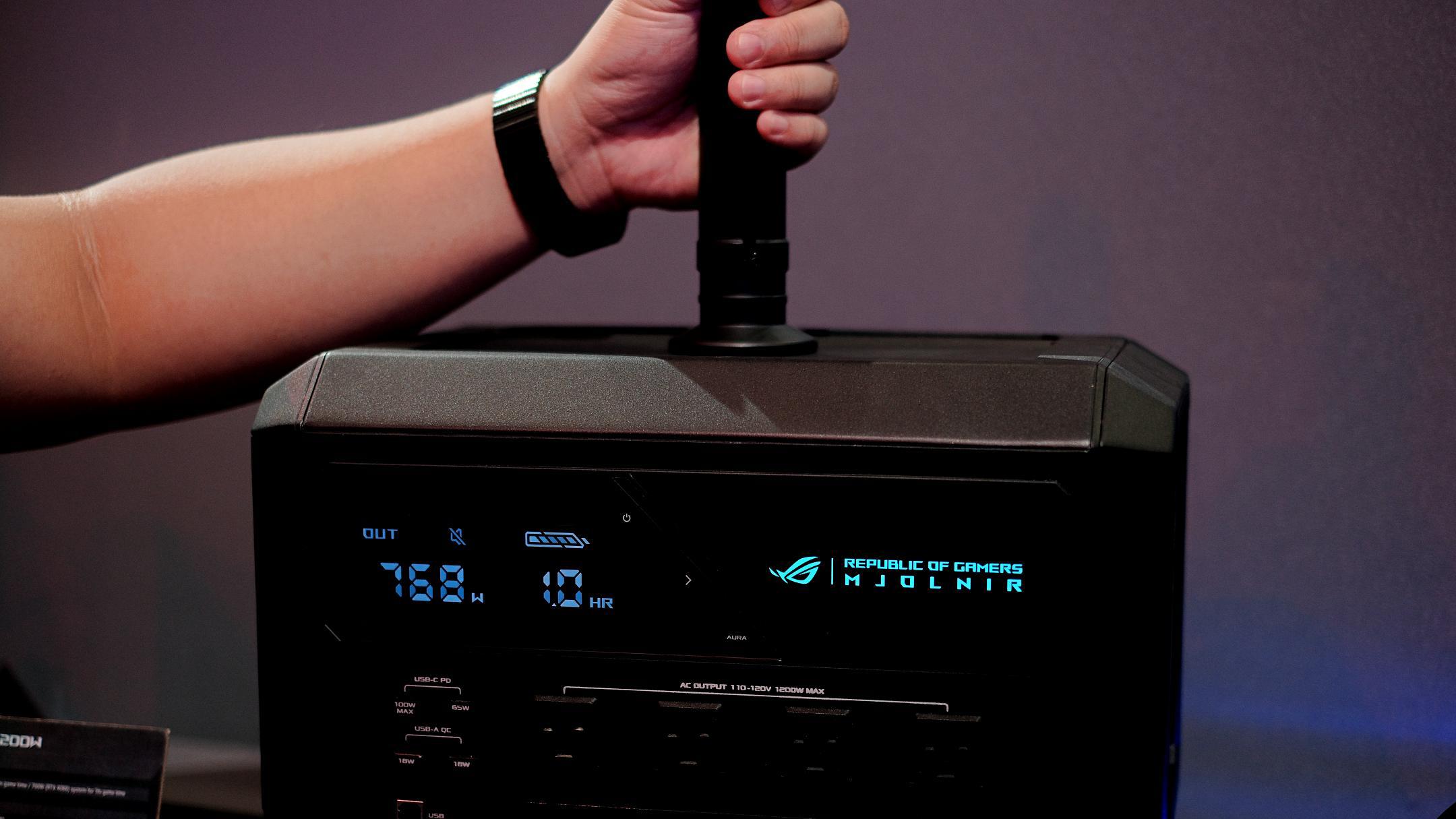

I usually color-grade photographs in Lightroom but admittedly, Fuji’s built-in film simulation sufficed.
@gadgetmatch Meet MSI’s new AI-powered laptops with Copilot 🫡 #laptops #laptop #msi #ai #computex2024 ♬ original sound – GadgetMatch
@gadgetmatch Luxury and a powerhouse. This is the MSI Stealth 18 Mercedes-AMG Motorsport. ✨ #msi #mercedesamg #mercedesbenz #laptop #laptops ♬ original sound – GadgetMatch
@gadgetmatch #JustForFun: Are you really well-nourished or you’re just pregnant? 😂 Find out with this portable Ultrasound from ASUS 🩵 #asus #ultrasound #ultrasoundtech ♬ original sound – GadgetMatch
@gadgetmatch Even external displays are foldable now 😮#ZenScreenFoldOLED #ASUS #Computex2024 ♬ original sound – GadgetMatch
@gadgetmatch Are you worthy? The ROG Mjolnir is MASSIVE. #ASUS #ROG #Computex2024 @ROG Global ♬ original sound – GadgetMatch
@gadgetmatch This portable MagSafe SSD is what you need ✨ #Lexar #Computex #iPhone #Accessories #MagSafe #Fyp ♬ bounce (i just wanna dance) – фрози & joyful
@gadgetmatch Thin. Light. Iconic. Meet the ASUS Zenbook S 16 #ASUS #Computex2024 @ASUS @asusph ♬ original sound – GadgetMatch
@gadgetmatch Bigger and better. The MSI Claw 8 AI+ comes with significant upgrades for handheld console gamers. #MSICaw #MSI @MSI ♬ original sound – GadgetMatch
These TikTok embeds also prove that the X-T50 is as capable as any major mirrorless cameras when it comes to footage shooting while on the move.
Is the Fujifilm X-T50 Your GadgetMatch?
In the Philippines, the body-only Fujifilm X-T50 retails for PhP 92,990 (US$ 1399 / SG$ 2299).
It also comes in two kit versions:
-
with XF 15-45mm = PhP 8,990 (US$ 1499 / SG$ 2499)
-
with XF 16-50mm = PhP 117,990 (US$ 1799)

Meanwhile, the Fujinon XF 35mm F/1.4R prime lens I have used in the entirety of this review period is for an additional PhP 32,990 (US$ 599.95 / SG$ 919).
Despite my slight frustrations when it comes to Fuji’s controls and overall system (and also the lack of weather-sealing), there are still many reasons why I love it.
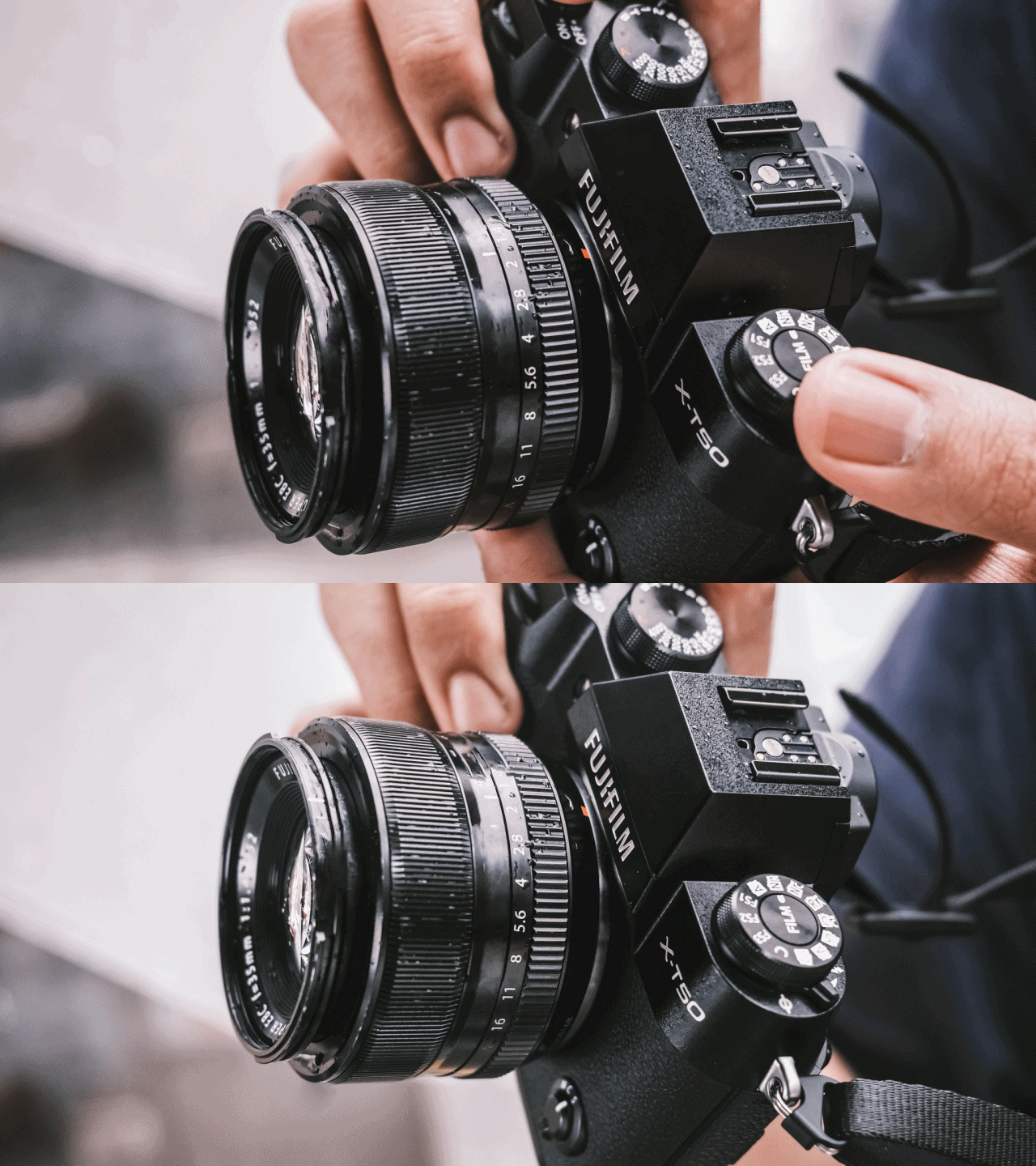
The Fujifilm X-T50 is never a sloucher. It’s more than capable both for your photography and videography needs.
Sure, it may not have a full-frame sensor but its APS-C sensor does the job well. Pair that with the company’s 35mm prime lens I’ve used, you get fast and bright snaps whenever, wherever.

If you’re a long-time Fujifilm user and has the means to upgrade from the older X-T series (or even X-A and X-E) that lack IBIS, the X-T50 simply is the upgrade you are waiting for.
Some users in the community have called the X-T50 as the “watered-down” version of the X-H2. But with an almost identical core hardware, the higher-class Fujifilm X-H2 requires more to spare at PhP 123,990 / US$ 1999 / SG$ 3259.

Admittedly the X-T50 is NOT a camera meant for beginners. There are compelling yet pocket-friendly options that are already enough for the needs of any hobbyist or a budding photographer.
Needless to say, if you have all the money to splurge whether you’re a novice or a full-on pro, this is a camera candidate worthy to consider.

Its outstanding hardware, lens flexibility, stable and higher-quality video output, and the abundance of Fuji’s classic film recipes are enough reasons for me to give the Fujifilm X-T50 the GadgetMatch Seal of Approval.




Cameras
DJI’s Inspire 3 Basic Package make 8K aerial filmmaking more accessible
A streamlined kit for independent filmmakers!

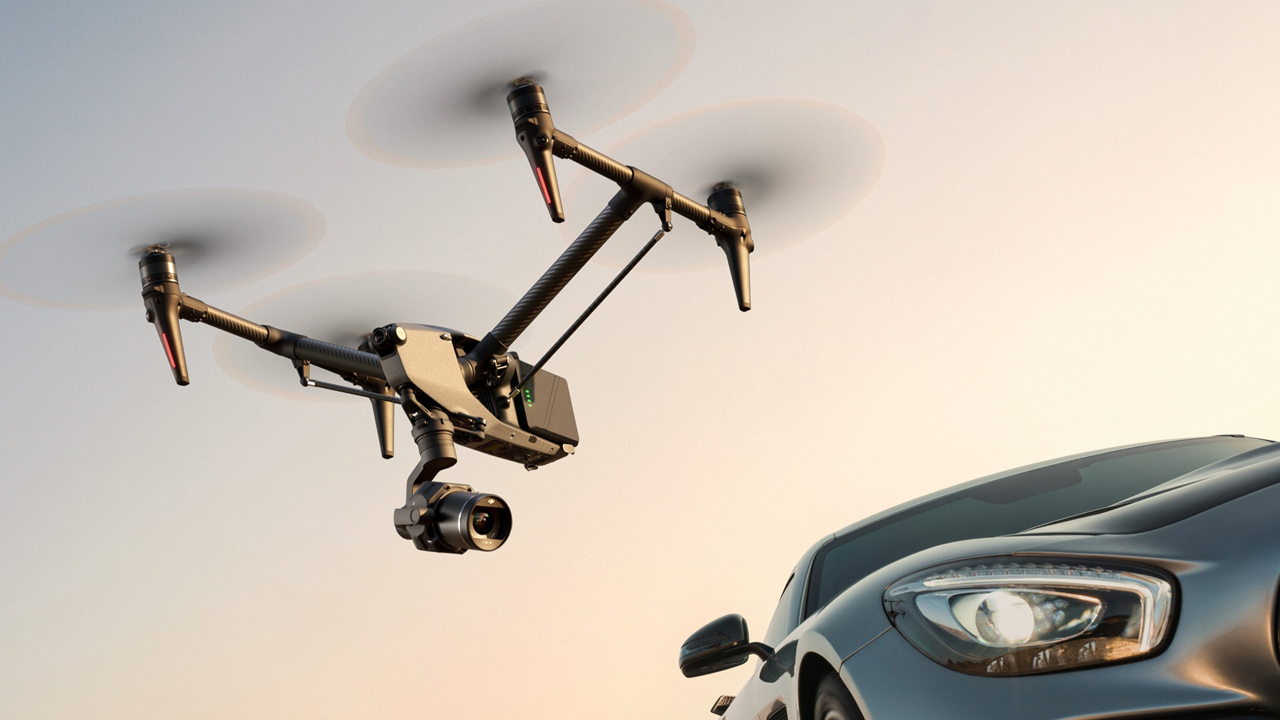
DJI has officially introduced the Inspire 3 Basic Package, a streamlined kit designed to lower the barrier of entry for professional aerial cinematography.
Since its debut in 2023, the Inspire 3 has established itself as the primary choice for studio film and television productions.
This new package provides a cost-effective path for independent filmmakers to integrate 8K aerial imaging into their workflow or for production houses to scale their existing fleet.
Cinema-grade performance in a portable form factor
The Inspire 3 remains a revolutionary all-in-one drone, built to handle the rigorous demands of high-end sets.
At the core of the package is the Zenmuse X9-8K Air Gimbal Camera, which features dual native ISO and more than 14 stops of dynamic range.
These specifications translate to high-fidelity footage that retains authentic colors and accurate skin tones, even when filming in challenging urban environments or varying lighting conditions.
By utilizing the DJI Cinema Color System (DCCS) and the O3 Pro transmission system, the drone acts as a reliable partner in movement, ensuring that technical performance supports the creative vision without the need for overly complex setups.
Essential tools for modern production
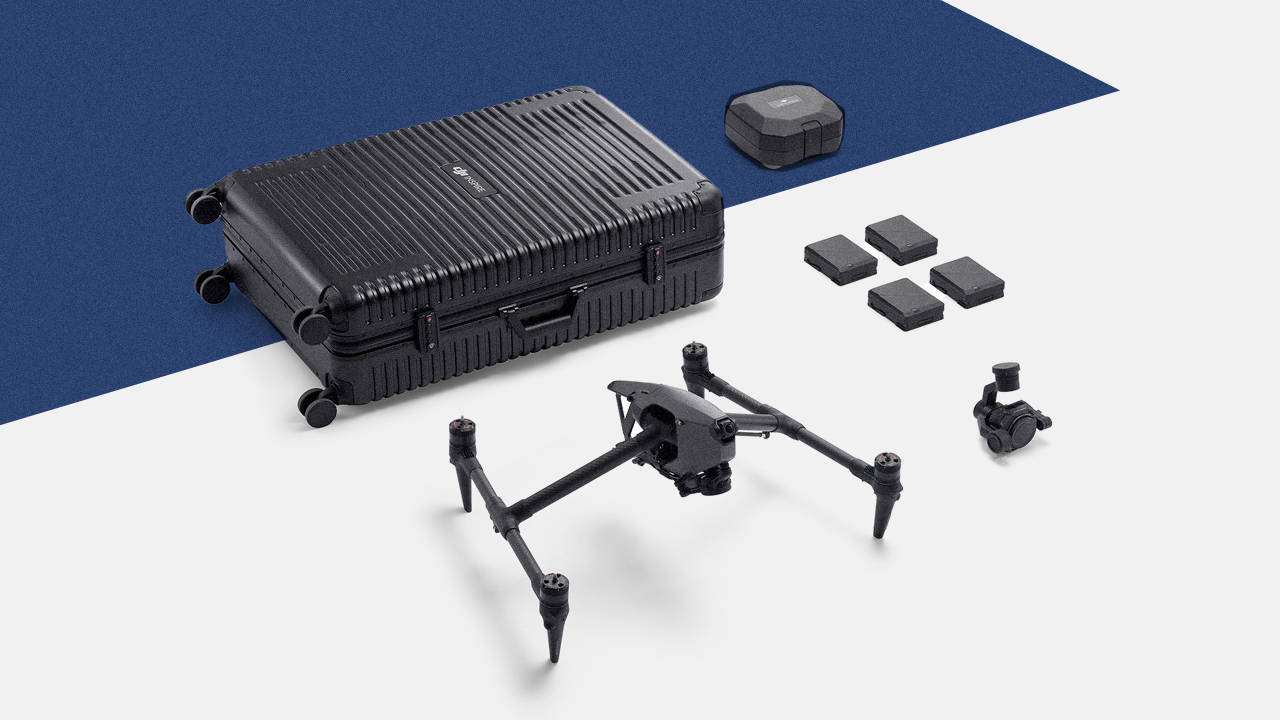
The Basic Package is curated to include the core hardware necessary for professional use while allowing for modular expansion. The kit features:
- The Inspire 3 Aircraft and Zenmuse X9-8K Air Gimbal Camera
- Four TB51 Intelligent Batteries to support extended shooting schedules
- Specialized storage solutions, including the Inspire 3 Trolley Case and Gimbal Camera Case
Filmmakers who require the full ecosystem can still purchase key peripherals separately, such as the RC Plus remote controller, allowing the gear to grow alongside their specific project needs.
Price, availability
The DJI Inspire 3 Basic Package is available starting today through authorized retailers and the official DJI store. The package retails for PhP 615,049.
This release reinforces the philosophy that while technology provides the tools, the focus remains on the life and stories captured through the lens.

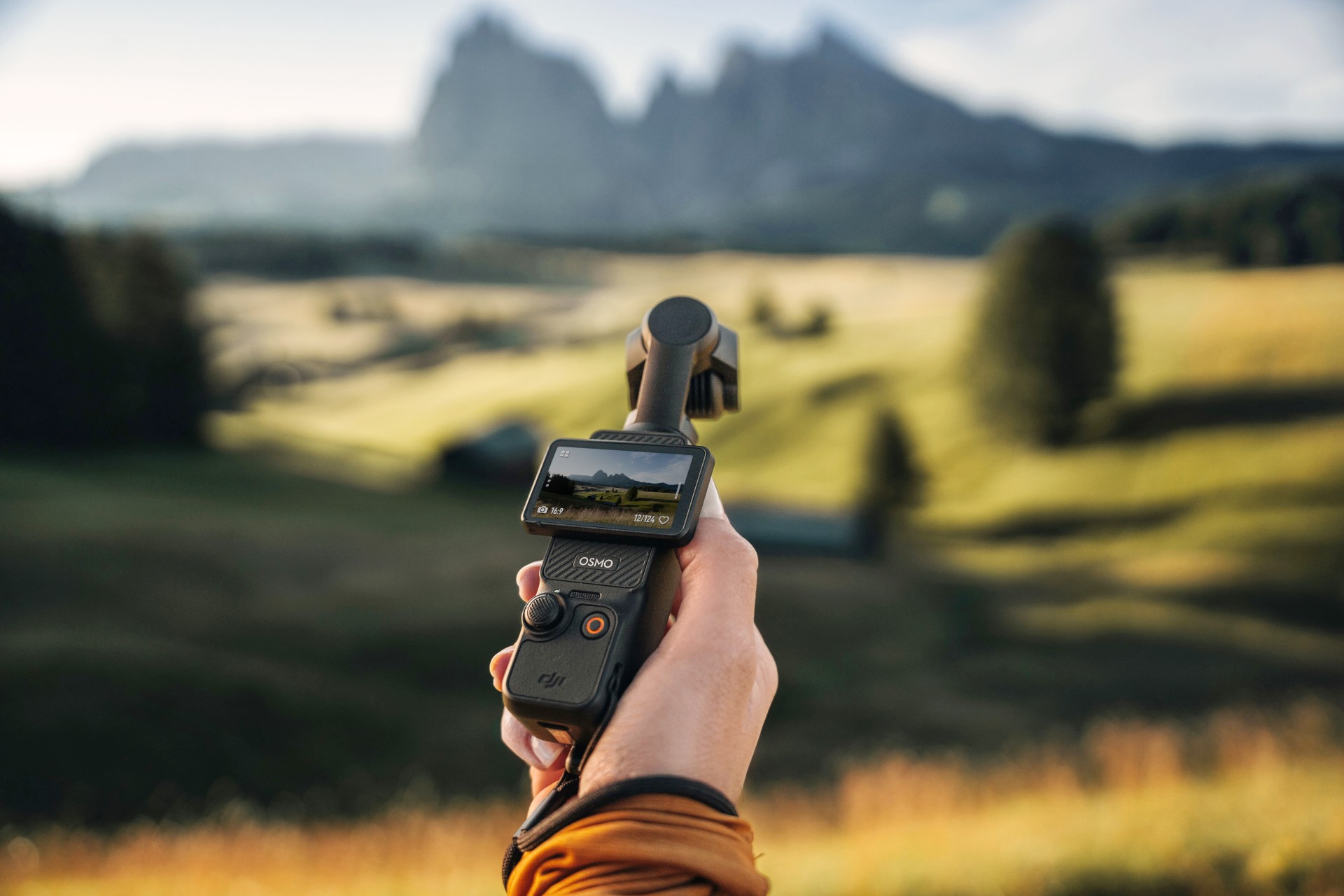
The DJI Osmo Pocket 3 might be the most popular camera in recent history. The tiny action camera constantly sells out, thanks to creators and would-be vloggers. Because of the current generation’s popularity, everyone is looking forward to the next-generation Osmo Pocket 4. Though it’s still unannounced, the new camera has suddenly made a surprising appearance out in the wild.
The leak shockingly comes from an authorized DJI retailer in Kuala Lumpur. Supposedly, a customer entered the store with what they claimed was an Osmo Pocket 4. The store, DronesKaki, even shot a now-deleted video of the unannounced camera, rescued by New Camera.
Based solely on the short video, the Osmo Pocket 4 looks and feels very familiar to those who’ve already used the Pocket 3. The three-axis gimbal system still keeps shots in place for taking videos while on the move. The 2-inch rotating screen looks identical to the current one, especially because of intuitive settings and controls.
However, the biggest standout is the built-in LED light sitting atop the camera. Despite how convenient and easy to use it is, the Pocket 3 doesn’t exactly shine in low-light conditions, prompting users to always bring an external flash. If the leak is true, the Osmo Pocket 4 cures this issue to some extent. (Built-in flashes aren’t usually standout solutions, but they can work in a pinch.)
Still, take the leak with a grain of salt. Though the store could have deleted the video because of a request from DJI, they could have also deleted it because it’s not the Osmo Pocket 4. At this point, we won’t know, but current rumors speculate that the camera is launching soon.
SEE ALSO: DJI Osmo Action 6 review: An adventurer’s best friend
Cameras
Canon PhotoMarathon returns, introduces video, open categories
Happening on April 18 in BGC, Taguig

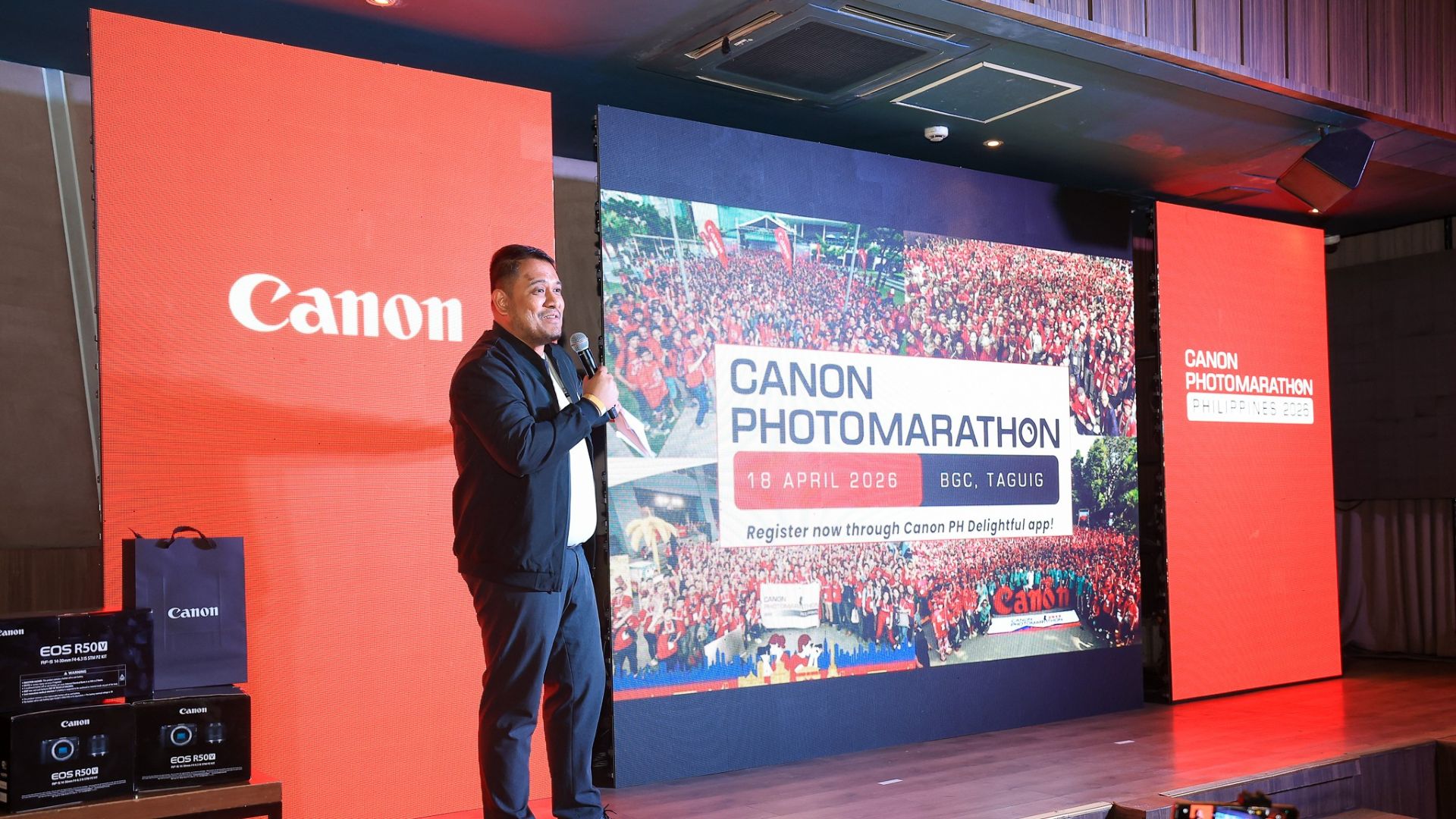
The Canon PhotoMarathon is officially returning this year and is introducing more categories for enthusiasts to join in.
The 2026 edition, the 19th in the Philippines, will happen on April 18 at the BGC Amphitheater in Taguig City.
For the first time, Canon is opening the competition to non-Canon users. Even those with just smartphones can register. The brand has also added a video category.
Here’s a quick breakdown of the contest categories and their corresponding prizes:
Main Category (Photo)
- Open to Canon users only
- Prize: Canon EOS R6 Mark III with RF24-105mm f/4-7.1 IS STM
Open Category (Photo)
- Open to all camera brands
- Prize: Canon EOS R8 with 24-50mm
Video Category
- Open to all camera brands
- Canon Prize winner: Canon EOS R50 V
- Non-Canon Prize winner: Canon Powershot V1
The full mechanics will be announced on the day of the competition itself to make it even more challenging for those taking part.
To join, simply download the Canon PH Delightful app, create an account, go to the Events tab and select the Canon PhotoMarathon banner. Registration is already open.
To build up hype for the upcoming event, Canon will host photowalks, school tours, and regional tours leading up to the PhotoMarathon.
These are designed to engage photographers at every skill level. Admission is free and open to all digital camera users.
-

 Reviews1 week ago
POCO X8 Pro Max review: A new beast from the far east
-

 News1 week ago
POCO X8 Pro Series: Price, availability in the Philippines
-

 Reviews1 week ago
POCO X8 Pro Iron Man Edition review: Midrange phone in superhero armor
-

 Automotive1 week ago
VinFast extends free unlimited charging in 3 markets amid rising fuel prices
-
 Reviews2 weeks ago
Samsung Galaxy S26 Ultra review: A phone you live with
-
 Philippines1 week ago
The HONOR X8d is serviceable
-

 News1 week ago
POCO introduces X8 Pro Series with Dimensity 9500s
-

 Gaming2 weeks ago
NVIDIA’s DLSS 5 can turn your favorite AAA game into AI slop