
Gaming
A first-timer’s perspective on Ghost Recon: Breakpoint
Of all the games in the series I tried first, it’s this

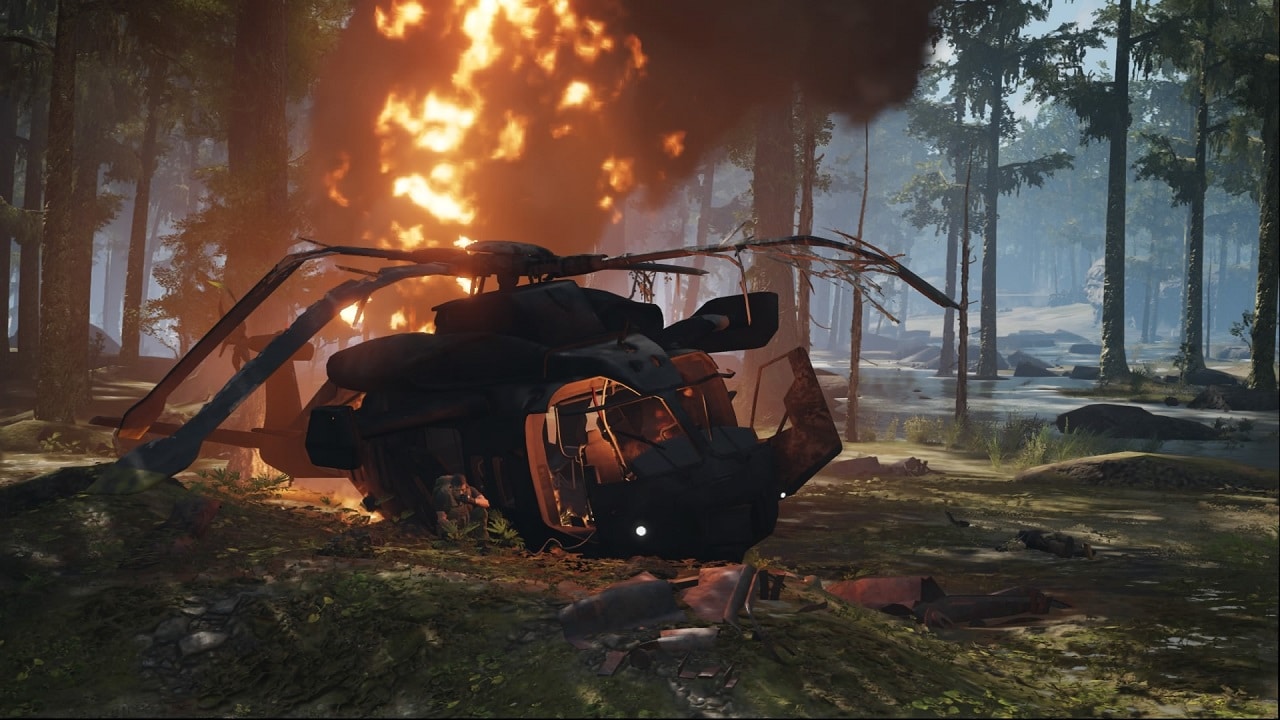
I haven’t had a chance to play any Tom Clancy game in many years, and I wanted to scan the field first on which one I should start with. I decided that I should probably give the Ghost Recon franchise a good crack at it, and went with the latest release.
Tom Clancy’s Ghost Recon: Breakpoint is the latest installment in this action-packed series. It is set three years after the events of its predecessor, Ghost Recon: Wildlands and features a returning cast of characters.
Ubisoft promised some key differences in terms of the overall story arch and terrain while bringing the same gameplay older players know. It hopes to bring something fresh for the newbies like me who plan on getting invested in the franchise.
Except maybe that was all it was — an idea
In terms of terrain, I really couldn’t say anything more. It’s honestly fantastic to see how much effort animators put into the vivid imagery seen on the overworld. From the trees and the humidity of the forests to the fiery crash sites and abandoned camps, it looks realistic in every sense.
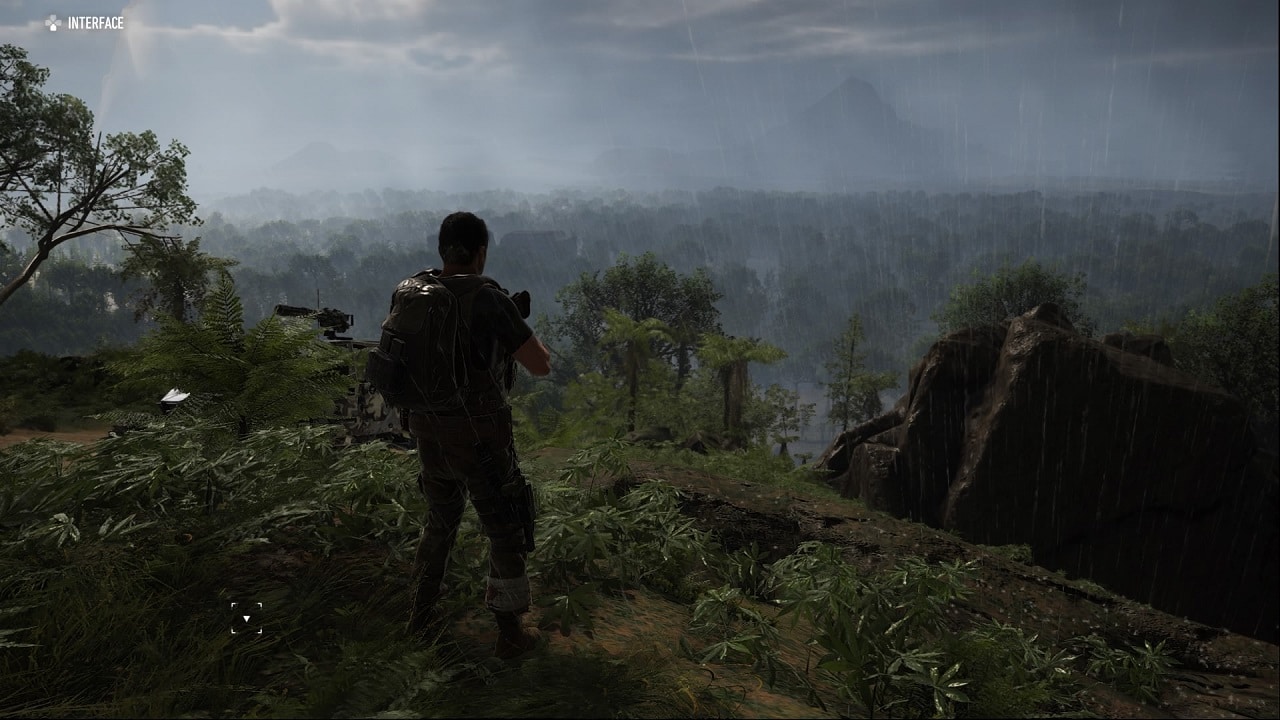
The realistic rainy mountain view provided the realism I needed for this game
In terms of story arch though, it seems fairly different. The game takes place in Auroa, a forest-laden island in the South Pacific. It follows the franchise’s lead character “Nomad” after his team’s drug bust in Bolivia from Ghost Recon: Wildlands. The team was sent to Auroa to investigate the sinking of a US cargo ship near the island.
While it does present something relatively different, I felt that the way I progressed through the game seemed bland and confusing. Throughout the game, I come across military-like entities, secret mountain camps, and several characters that reveal little important information on my objective. More often than not, I’m off fighting enemies than figuring out how to get survivors out of the island.
It’s the kind of rescue mission that just puts more emphasis on the action-packed scenery, and also on deep-rooted conflicts in the past. I had to read up on the premise of Wildlands before bridging the pieces together on the relationship between Nomad and the main antagonist, Walker. And for some reason, that’s one of the main takeaways I had from the storyline of Breakpoint.
You’re only sure of where you’re going in the beginning
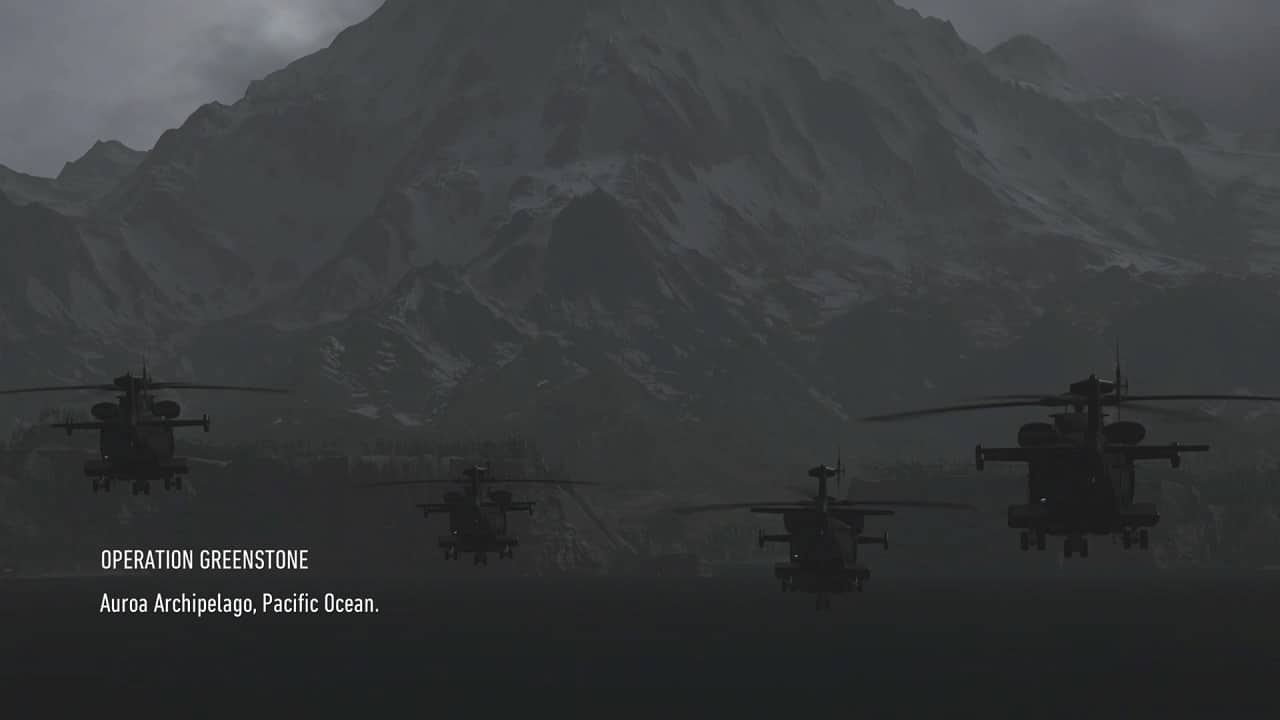
The main setting for Ghost Recon: Breakpoint of the mountainous Auroa
The moment you jump right into the game, you find yourself by your totaled helicopter ride. As you gain consciousness, you slowly become aware of the basic controls of the game. Apart from that, you get a glimpse of your objectives and the general locations of these objectives. Seems pretty straightforward to start the game, right?
The thing is, that’s honestly the only straightforward thing I found. The moment you are off doing your objectives, I felt like I knew where I needed to be. From checking out crash sites to going to the hidden camp of Erewhon, this open world game offered you the simplest objective to start out.
Every other mission after that, it was basically left to you to decide where to go. The good thing about the missions HUD for the game is it actually tells you which one follows the main storyline. But, I ended up exploring everything else just to see the whole map first.
In-game mechanics that are either simple or weird
As much as I wanted to explore the main storyline at first, I literally needed a tutorial on how this game operates. First off, this is the only game I’ve played in my life where I literally had to access the map every 20 minutes. You know how games with missions show you a pathway towards the locations of your missions? Breakpoint doesn’t know this, as you are basically coming into every location-based mission blind.
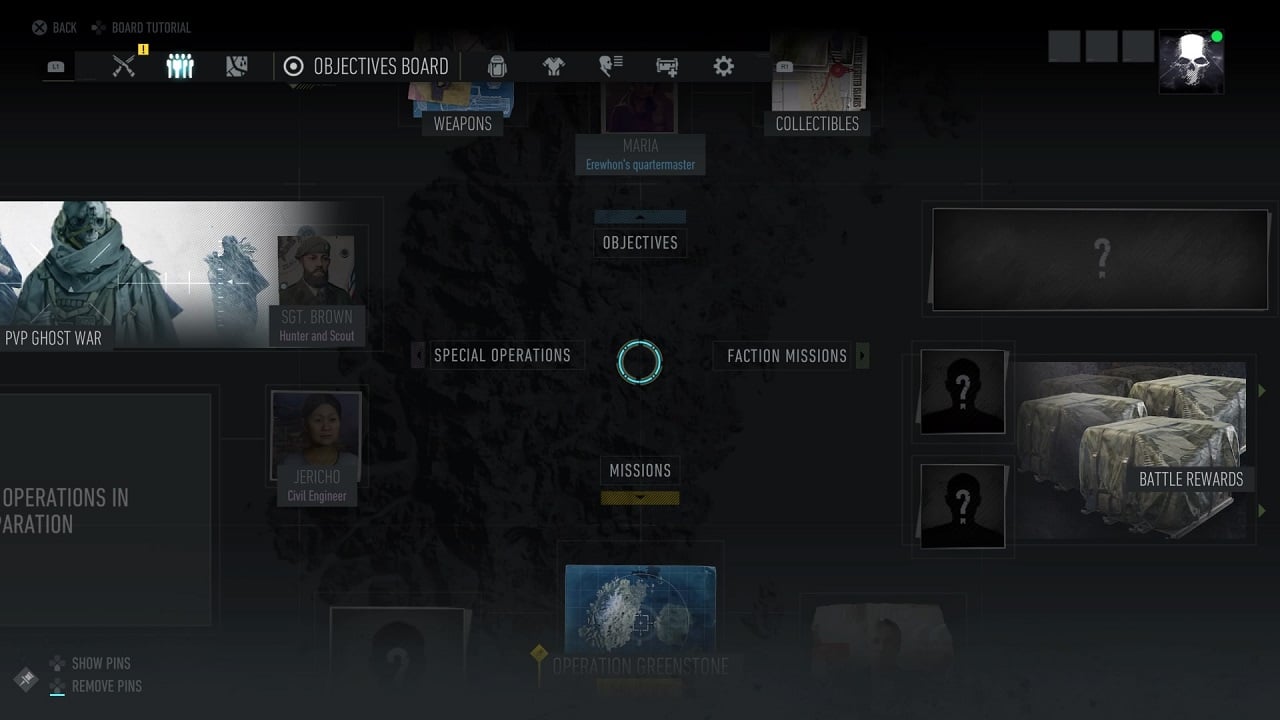
One-stop access hub for your missions, objectives, and navigation to different screens (top)
I appreciate that you can see where each mission is on the map, and that you can tick on it so there’s easier access to it. But the moment I leave the Map screen and proceed with the game, I should have memorized how to get to that place first. It’s tedious to open the Map every now and then, and that’s just weird to me.
Second, I enjoyed the fact that you could organize your loadout before every battle. As you keep fighting and completing missions, you gain experience to unlock certain loadout slots. To me, it’s actually important to prepare for all your missions. Plus, the loadout screen seems simple and easy to understand.
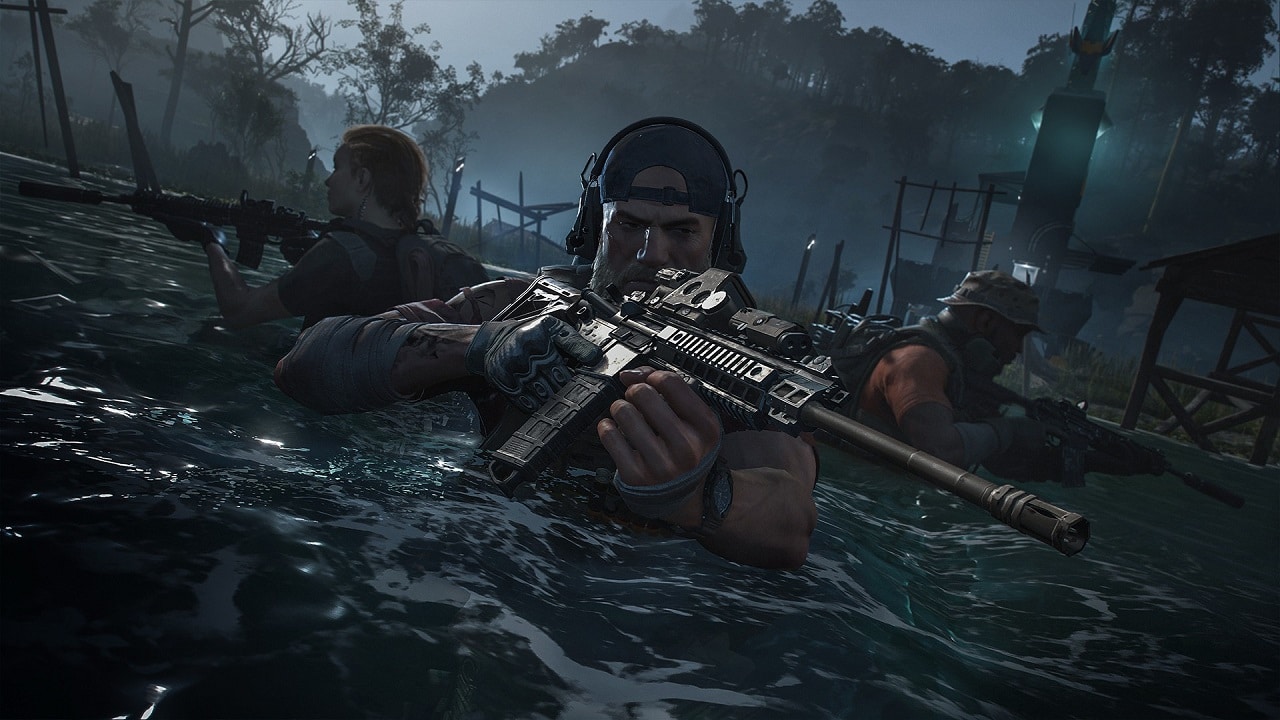
A wide variety of weapons at your disposal
Finally, combat is just what you expect from any game involving weapons. I have to admit that aim in this game was fairly difficult to master, but nothing a quick sniper can’t fix. But honestly, you’d be spending a ton of combat time healing your injuries than actually shooting people in the head. I spent a lot of time hiding just to heal wounds to fight again, and thank God the stealth mechanic works well.
Bringing it all together
Tom Clancy’s Ghost Recon: Breakpoint is a peculiar game to start getting into a series for the first time. On one hand, you’re taken away by improved visuals, additional combat mechanics and the same style of combat you see from any other shooter game. As someone who particularly likes the combination of shooters and adventures, it’s something to try.
But, as a storyteller, I felt like I needed something worth investing time in. The storyline for Breakpoint felt different than its predecessors, but it never fully takes a deep dive into more pressing conflicts. As great as the action could be, it gets in the way of the more crucial element of the game.
Overall, Ghost Recon: Breakpoint serves you with the no-nonsense action in a personality-driven plot. Ubisoft promised something different than the last, and I honestly felt they fell short by a few notches. But, nothing like a good patch to fix those, right?
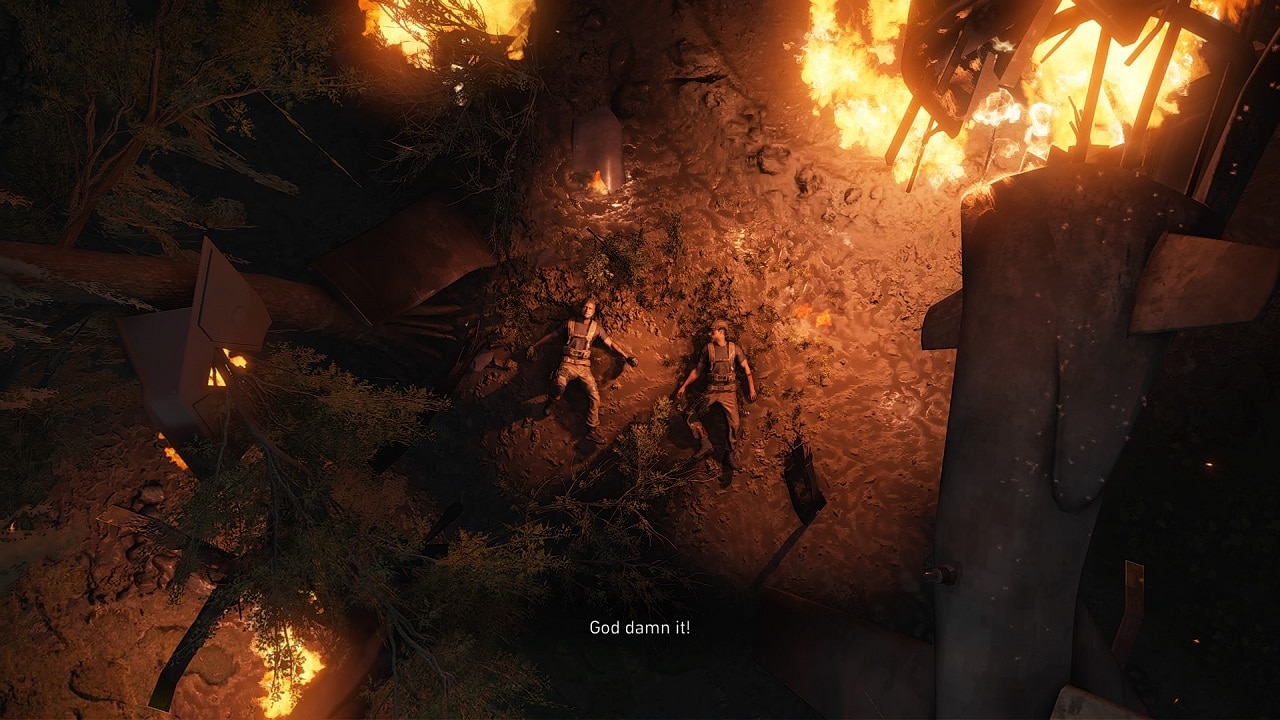
Me wanting something more out of this game



Accessories
Secretlab for Automobili Lamborghini Deluxe Collection now in the Philippines
Lamborghini-inspired gaming chairs


Secretlab and Automobili Lamborghini are bringing their latest collaboration to the Philippines with the Secretlab for Automobili Lamborghini Deluxe Collection.
The collection introduces two new colorways for the Secretlab TITAN Evo gaming chair: Giallo Auge and Verde Selvans. Both editions draw inspiration from Lamborghini’s iconic design language, combining bold colors, premium materials, and distinctive automotive details.
Two iconic Lamborghini colors
The Giallo Auge Edition takes inspiration from the bright yellow first introduced on the Lamborghini Urus. Yellow accents trace the chair’s silhouette, running from the shoulders down to the seat base.
Meanwhile, the Verde Selvans Edition features Lamborghini’s signature audacious green. It offers a bolder look for fans who want their gaming setup to reflect the automaker’s unmistakable aesthetic.
Both editions feature carbon fiber leatherette panels on the back and side wings, complemented by black microsuede. Lamborghini’s signature Y-shaped motif appears on the backrest and side wings, highlighted by matching yellow or green outlines.
A 3D textured Lamborghini shield also sits on the back of each chair, completing the automotive-inspired design.
Complete your Lamborghini setup
For the first time, the collaboration also extends to the Secretlab MAGNUS Pro Sit-to-Stand Metal Desk.
The collection introduces the Secretlab for Automobili Lamborghini Edition MAGPAD Desk Mat and matching Cable Management Bundle XL.
The MAGPAD Desk Mat features the same Y-shaped motifs found on the collaboration’s chairs. It uses luxurious microsuede and includes the Italian tricolor flag in the upper-right corner.
It is available in two sizes: 1.5m for the MAGNUS Pro and 1.77m for the MAGNUS Pro XL.
The matching Cable Management Bundle XL includes magnetic cable sheaths and green, white, and red cable anchors. These accessories help keep cables organized while completing the Lamborghini-inspired desktop setup.
The Secretlab for Automobili Lamborghini Deluxe Collection expands on the original collaboration and Pinnacle Edition, bringing together the brands’ shared focus on distinctive design and craftsmanship.

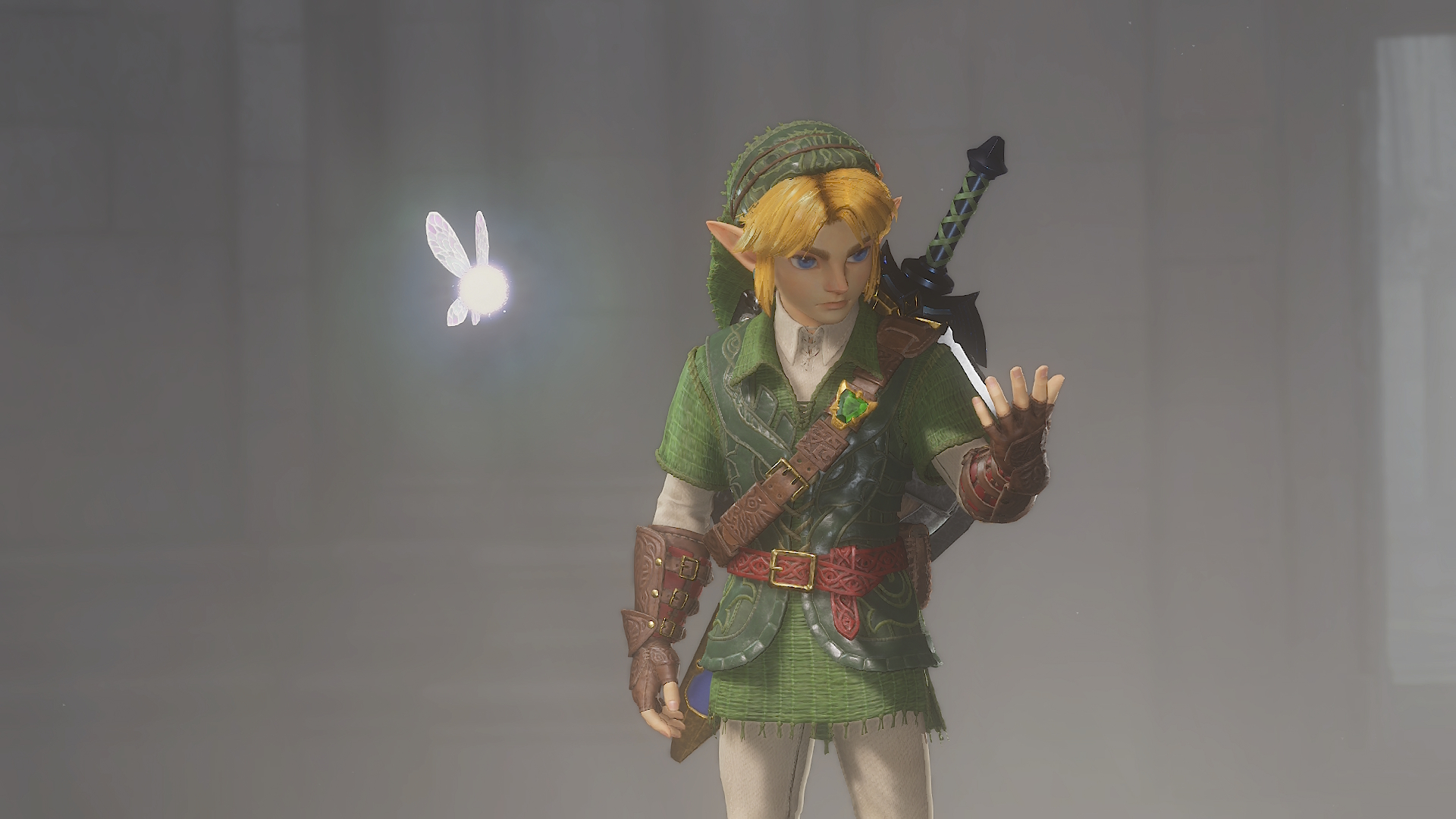
I’ve never played the original Ocarina of Time. Every time I’ve tried through Nintendo Switch Online, I was always put off by the dated graphics and the aging control system. Still, I can’t ignore that the title is universally considered as one of the best games of all time. So, when the remake came out, I couldn’t pass on the chance.
After finishing the remake, there’s little else you can use to describe 2026’s Ocarina of Time other than a true labor of love. This isn’t just a simple cash grab; it’s a genuine attempt to reintroduce an all-time classic to a new audience, young and old alike.
Welcome to 2026, Ocarina of Time
Dated graphics is no longer an issue in the remake. Whereas the original was plagued with blocky characters and wide open rooms, the remake adds smooth curves and flavorful environments that can put even Breath of the Wild to shame.
It’s apparent that, even when transposed to 2026 standards, Ocarina of Time features a dynamic world where every corner feels like it’s hiding secrets and Easter eggs. It feels like a playground, albeit more linear than the platformer styles of Donkey Kong Bananza and Mario Odyssey. Even the vast Hyrule Field looks ripe for exploration in this remake.
The characters themselves are lovingly brought to life. Every character was remade from scratch, turning them more lifelike while retaining the cartoonish charm of the original. Even adult Link looks drastically different from his child version.
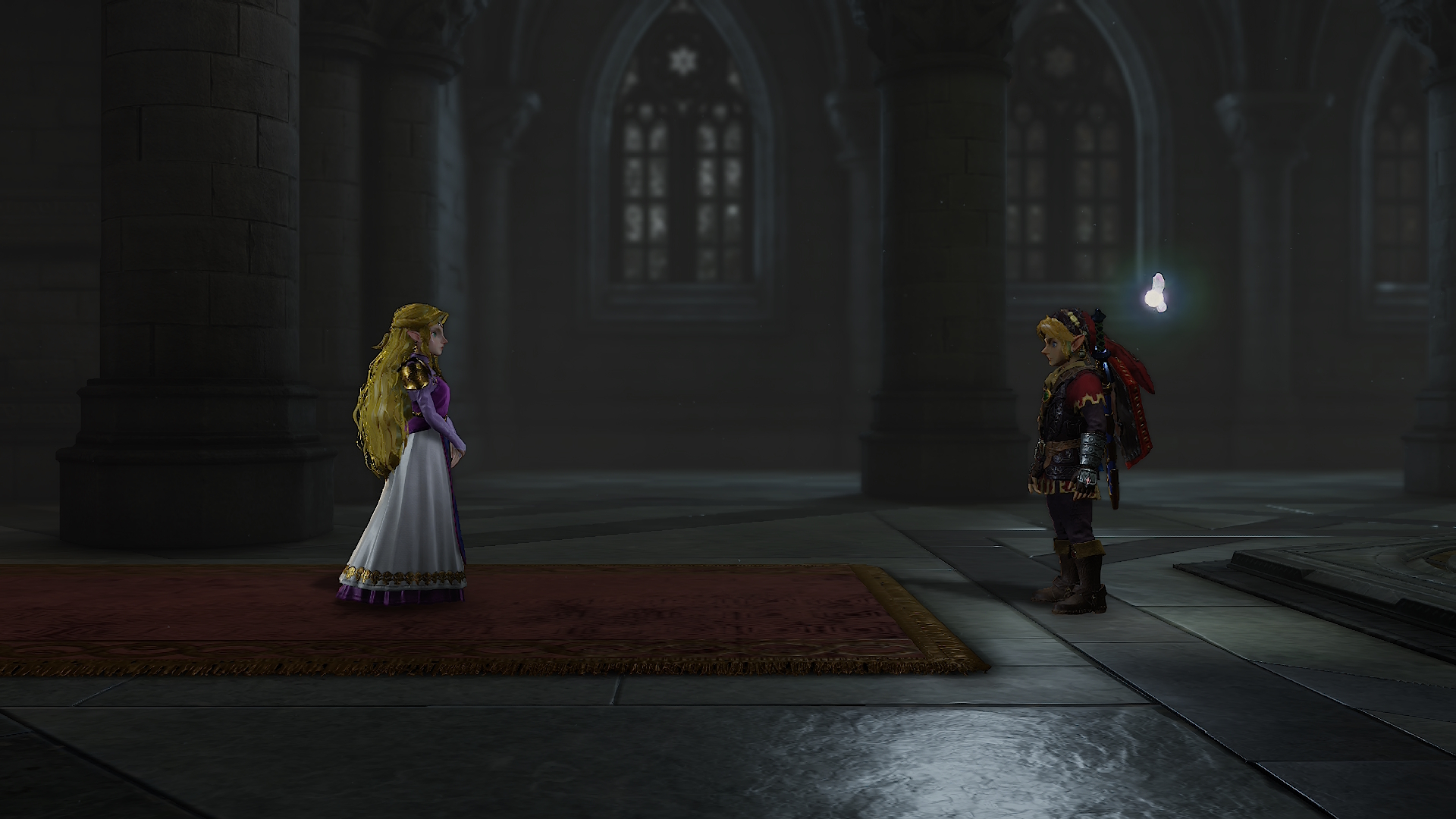
Graphics aside, the real star of the show is the animation. Making everything look more realistic affords more time to improve how the world moves. Every blade of glass flutters with the wind. Objects (and enemies!) react precisely according to how you attack them. (For example, a sign is sliced exactly from the direction it’s attacked.)
Characters, too. Link, for example, pauses to catch his breath when he’s playing his ocarina. Characters fidget when idle.
And, finally, cutscenes are completely remade, turning them into the more epic style of Breath of the Wild or Tears of the Kingdom. Moments can feel more grandiose and rewarding. Reveals are treated like plot twists.
A smooth game for the Switch 2
Despite being an almost exact translation of the original, the remake’s system feels smoother, as if dropping the clunk of yesteryear’s console. This is a true Switch 2 game. It’s so easy to pick up both on handheld and on docked. The addition of motion controls and Zelda Notes adds that much flavor to the experience.
Now, I’ve heard complaints that Nintendo dumbed down the experience to be easier for younger audiences. While I’ve found this to be half true, I still found the right amount of challenge, especially when it comes to combat. Boss fights are treated with respect, as if they were bosses from Dark Souls. Which, in itself, is a huge full-circle moment, since the original Ocarina of Time is a progenitor for a lot of action RPGs like Dark Souls.

As for what stays, though, the puzzles are still enjoyable to solve. The colorful history of puzzle-solving in platformers hasn’t dulled the charm of the original puzzles in the remake. That just goes to show how timeless Ocarina of Time is. It’s satisfying to solve the game’s secrets. Although, admittedly, there were a few that felt too contrived for comfort.
Still one of the best stories in gaming history
There are several reasons why Ocarina of Time is considered one of the best games of all time. Yes, everyone can continue praising the graphics (for its time), the mechanics, and even the audio. But the same can also be said for its story.
To be fair, Ocarina of Time’s story isn’t that revolutionary, especially today after tons of RPG plots already. Then again, it doesn’t need to be. It’s a classic after all.
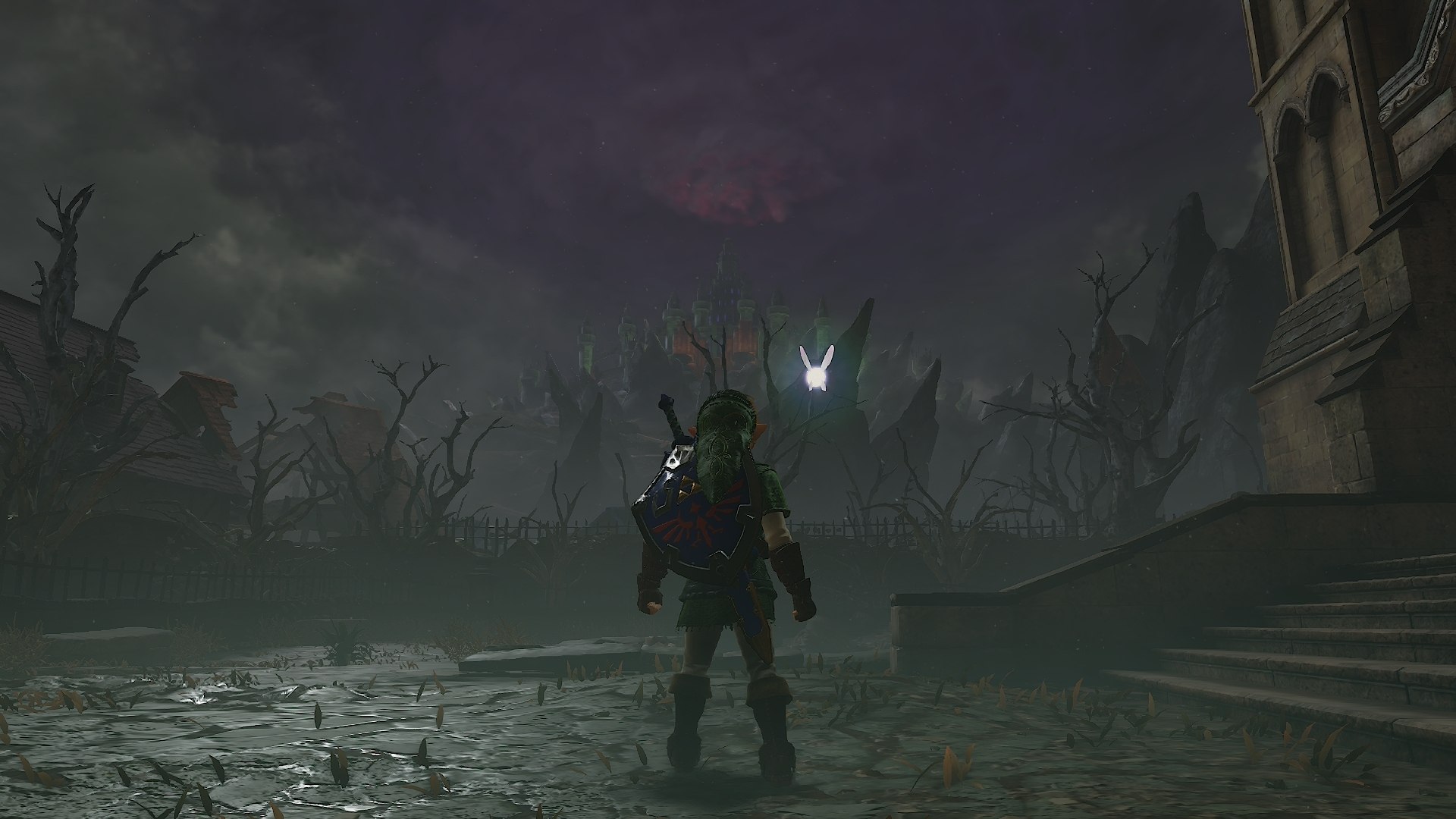
Once again, Link is the chosen one, tasked to be the only one who can save Hyrule from Ganondorf. Along the way, he has to find special pieces that can grant him the necessary power to defeat the big evil. If you’ve played a Legend of Zelda game in the past, this should be familiar to you. Heck, if you’ve played an RPG in the last two decades, this should tug at your heartstrings, too.
The remake, however, makes this much livelier, going back to how the renewed graphics brings new life to the dated game. For example, Saria, one of the beloved characters you meet early in the game, is rendered with a more lifelike and relatable face, attaching herself to Link’s story. It’s much easier to feel the connection between character. So, especially in Saria’s case, every character’s transitions through the plot has more weight.
Is 2026’s The Legend of Zelda: Ocarina of Time worth playing?
Yes, absolutely. Of course, I can’t speak much from the perspective of an older gamer revisiting Hyrule. But, as a newer visitor to Ocarina of Time, the remake is an incredibly fun caper that breaks the shackles of aging machinery, while elevating its core elements into today’s age.
The original Ocarina of Time is already a classic. However, the remake elevates this even further, making one of the best games of all time into what it should already be: a timeless classic.
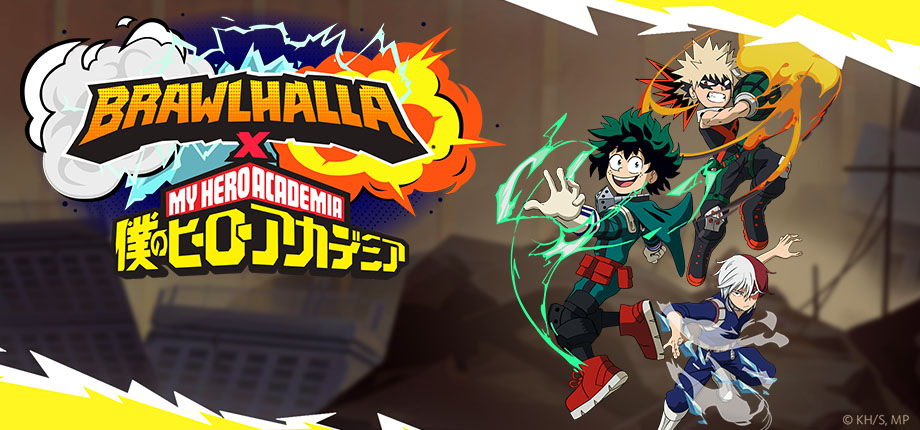
Ubisoft announced a new Brawlhalla x My Hero Academia crossover event launching on December 9.
The collaboration brings the anime’s eccentric cast to Brawlhalla as playable characters. This includes Izuku Midoriya, Katsuki Bakugo, and Shoto Todoroki.
The integration was first revealed during this year’s annual Brawlhalla World Championship Expo in Atlanta, Georgia, with an exclusive announcement trailer.
Inspired by the first two seasons of the anime, players can expect to see their favorite MHA characters engage in combat with the following features:
- Izuku Midoriya – The series protagonist joins the game with his persistent nature
- Katsuki Bakugo – Always ready to prove himself, Bakugo will be right at home in Brawlhalla
- Shoto Todoroki – Todoroki will duel it out in the arena with a first-of-its-kind asymmetry to accommodate his fire and ice powers
More details about the crossover will be revealed closer to launch.

Xiaomi 18 Pro Max review: A jetsetter’s dream
It's got a cover screen that doesn't need folding!

Now Playing: The Legend of Zelda: Ocarina of Time (2026)
It's a true labor of love.


My latest fashion accessory happens to play music
The JBL Soundgear Clips are the finishing touch my outfits needed!

Smart advances AI-powered mobile experiences with 5G
Xiaomi 18 Pro Max review: A jetsetter’s dream

Apple might be working on a foldable iPad worth $5,000

CASETiFY has a new Pokémon collection

Salmon launches basketball-themed virtual card designs

Your coffee nook is getting a makeover with Starbucks’ holiday collections

Sticker season is back, and so is the planner your ~friends~ might fill in for you

Wild Rift Patch 7.3, celebrates K/DA comeback

vivo X500 Pro Max review: 500+ hours later

Five new (and better) games you can play instead of GTA VI


-
 Reviews1 week ago
vivo X500 Pro Max review: 500+ hours later
-
 Gaming1 week ago
Five new (and better) games you can play instead of GTA VI
-

 Cameras5 days ago
Fujifilm instax Pal 2 review
-

 Smartphones2 weeks ago
Spotlight: OPPO Find X10 Pro Max
-

 Entertainment4 days ago
Spider-Man: Brand New Day returns to cinemas with new scenes
-
 Smartphones1 week ago
The iPhone Duo is replacing my Kindle
-
 News1 week ago
Xiaomi launches Watch S5, Smart Band 11, and Clip earbuds
-

 Buyer's Guide2 weeks ago
Buyer’s Guide: 2026 Amazon Kindle