

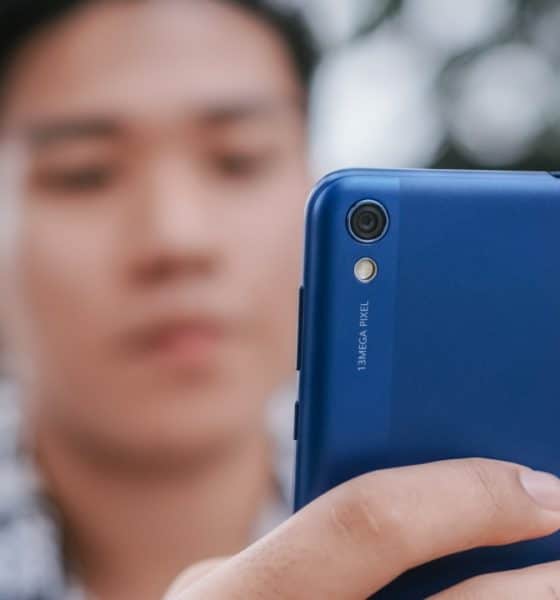

2019 is far from ending, yet phone manufacturers keep producing budget smartphones that cater to the needs of most users. If you can still remember, the Honor 8S was announced in the Philippines in July 2019.
In this digital age, a lot of people are looking for smartphones that do not have a hefty price tag. There are consumers who just want a basic phone regardless of the design. Honor went the other way around with the 8S as they did not compromise the overall look of the phone despite its price.
A refreshing design
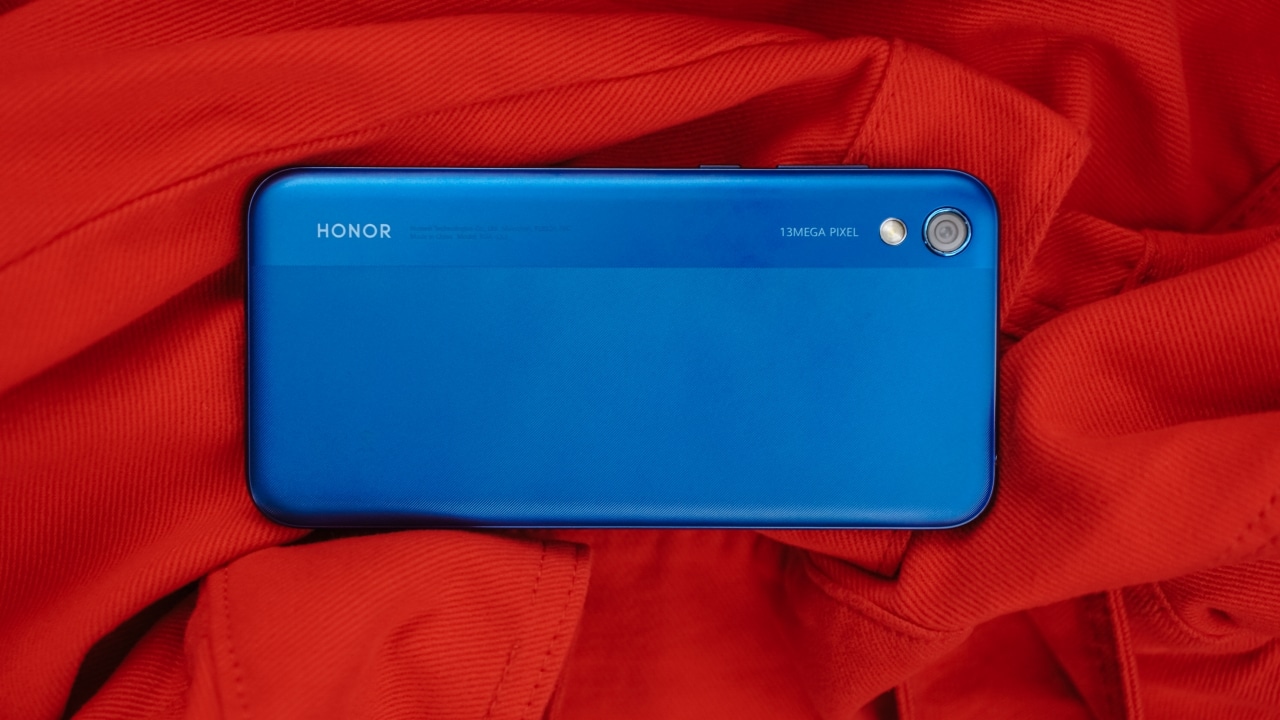
The design on the back of the Honor 8S is something you barely see on smartphones today. It has dual-texture with a smooth finish on the upper part, while the bottom has the line texture for grip.
There are two color options: Blue and black. I like black in general but not with phones as it looks basic throughout the years. The blue option is also nothing special; kudos though as the layered design makes the color flow in different directions.
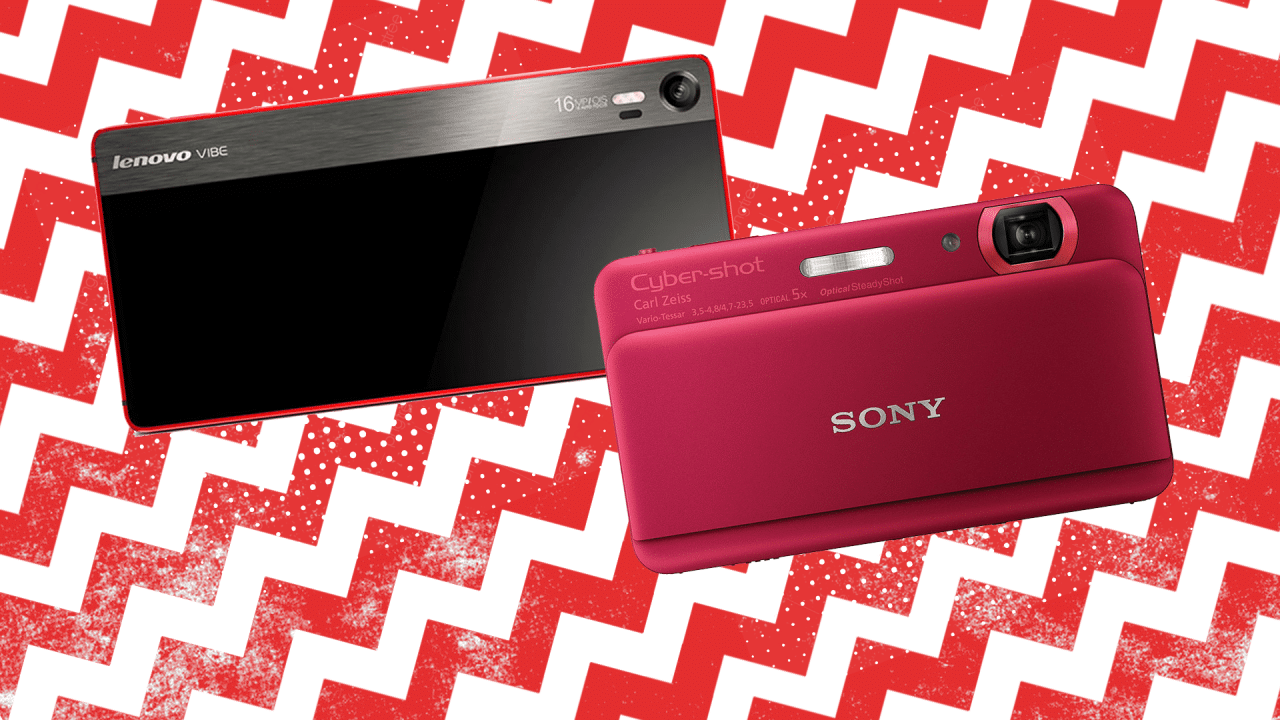
Looking at it even felt nostalgic as I remember the Lenovo Vibe Shot and some old Sony Cyber-shot digital cameras that have the same design language.
Long live, headphone jack!
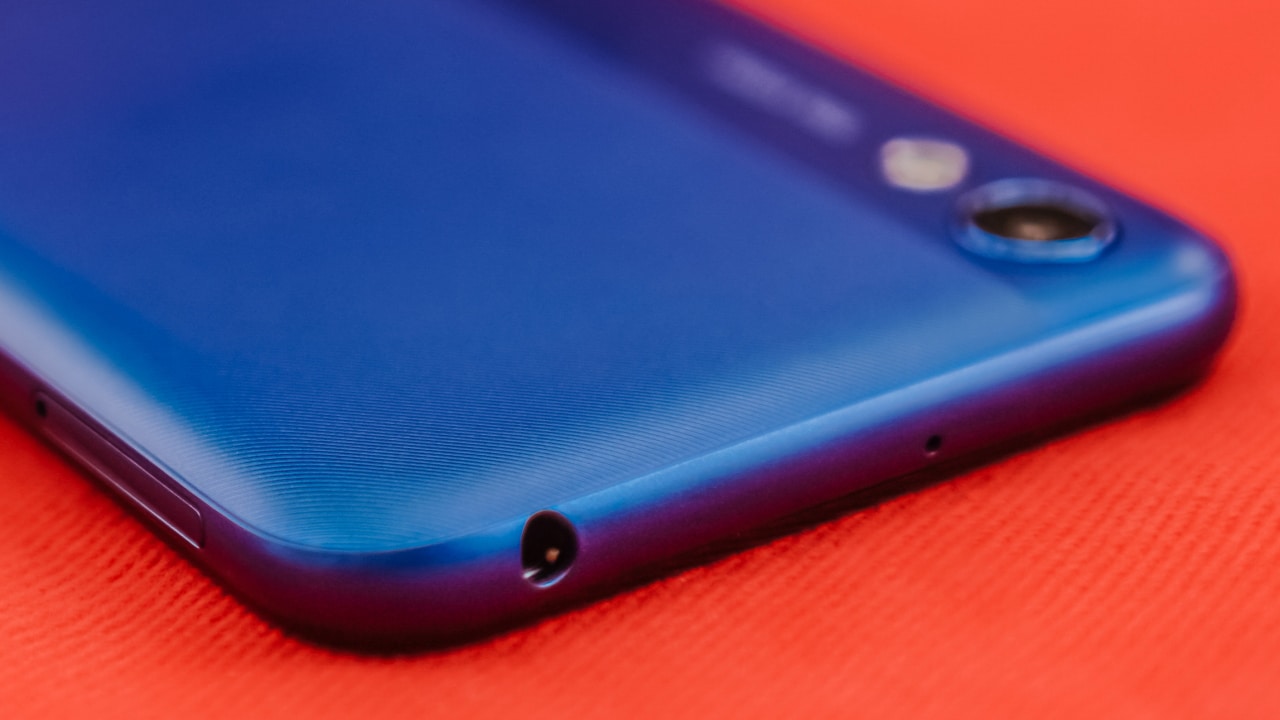
In this country, a lot of people are still using wired earphones (or headphones). No one really likes dongles but people invest on them anyway just to use 3.5mm-powered audio peripherals properly. Unlike Samsung who started ditching the audio jack, Honor giving 8S a headphone jack is a relief.
C’mon guys, it’s 2019!
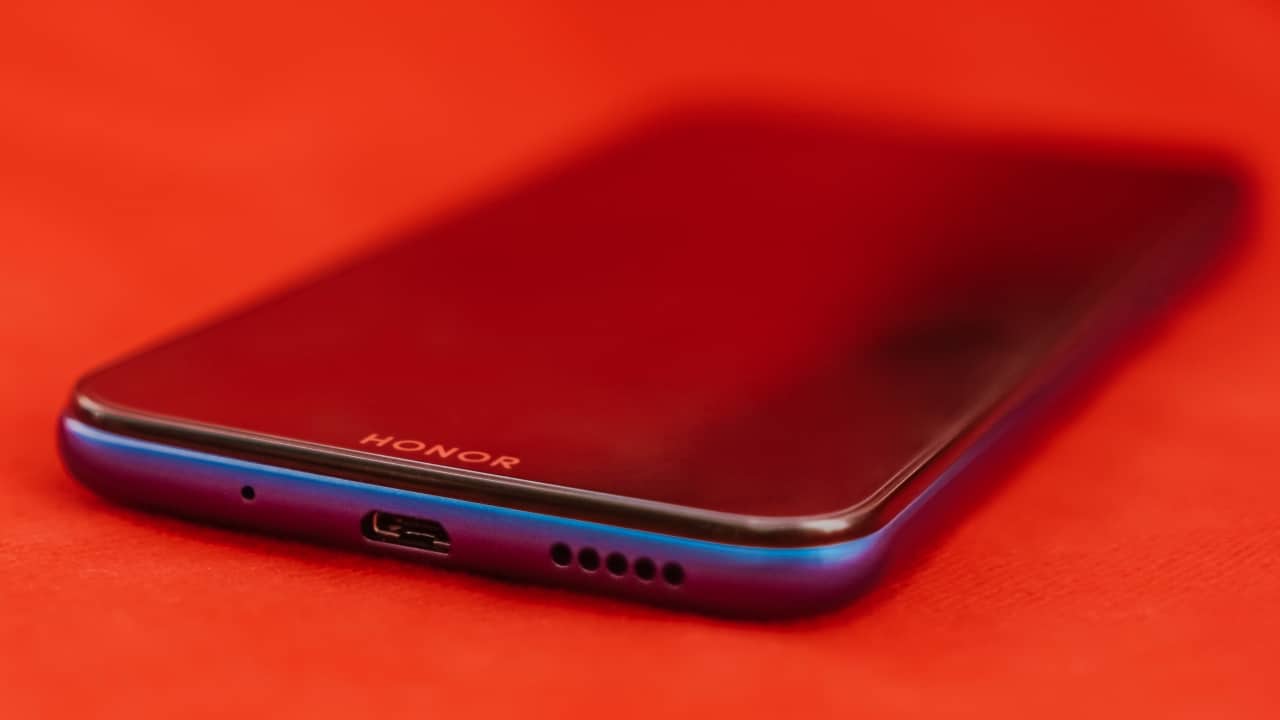
If I would wish any New Year’s Resolution for phone manufacturers, that would all be about using USB-C for budget smartphones instead of the old-school micro USB. It’s 2019, USB-C is the standard: faster data and charging speeds, less cable clutter.
The front design will not disappoint you
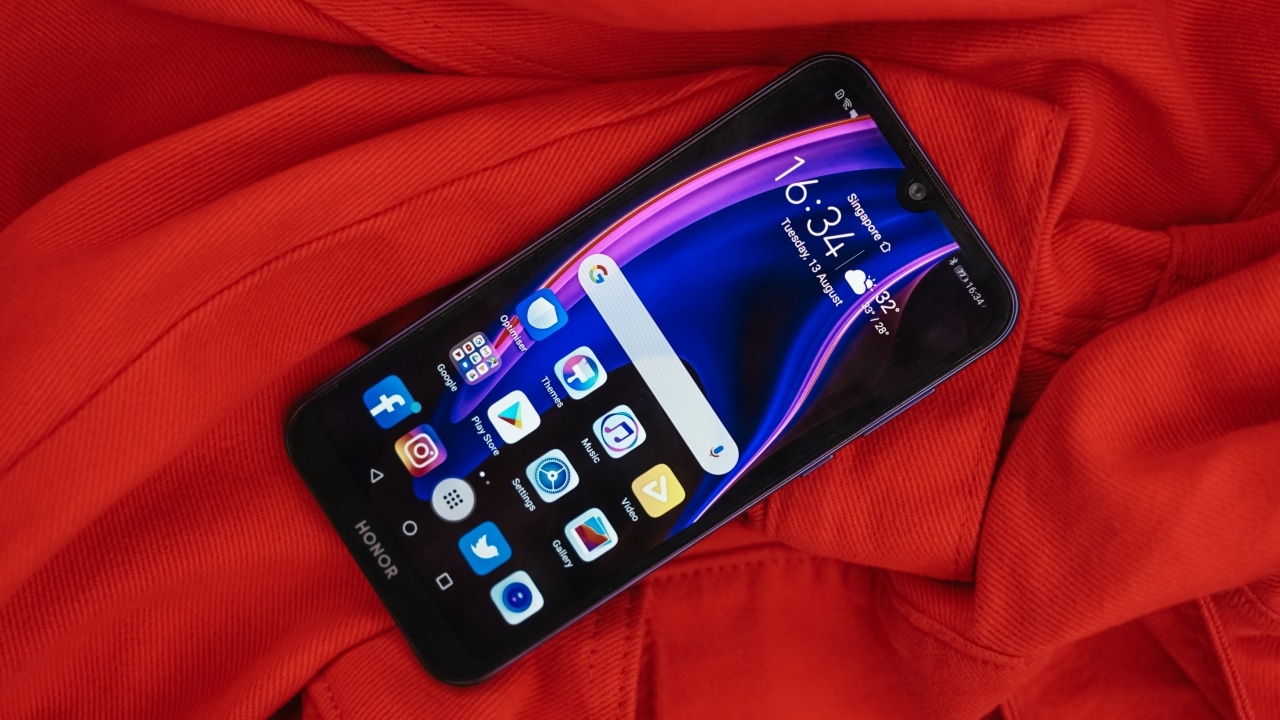
Although notches do not look cool anymore (as if they ever were), budget smartphones with tiny ones still look better than having thick top and bottom bezels.
This budget smartphone is packed with a 5.71″ FullView DewDrop Display. The screen is not as crisp or bright as any other IPS-LCD smartphones out there, but it gets the job done. It’s enough for indoor usage and visible when the sunlight is not too harsh outside. Just remember to untick Auto-Brightness in Settings and maximize the brightness slider to its full potential when you are using it outside.
You can still hide its DewDrop notch

This feature is common among Huawei and Honor devices but I still like how you can hide the notch as it may bother some (or most) people. After all, activating the feature will make the phone look symmetrical in design because of the equal distribution on the screen’s upper and lower part.
It feels basic, but in a good way
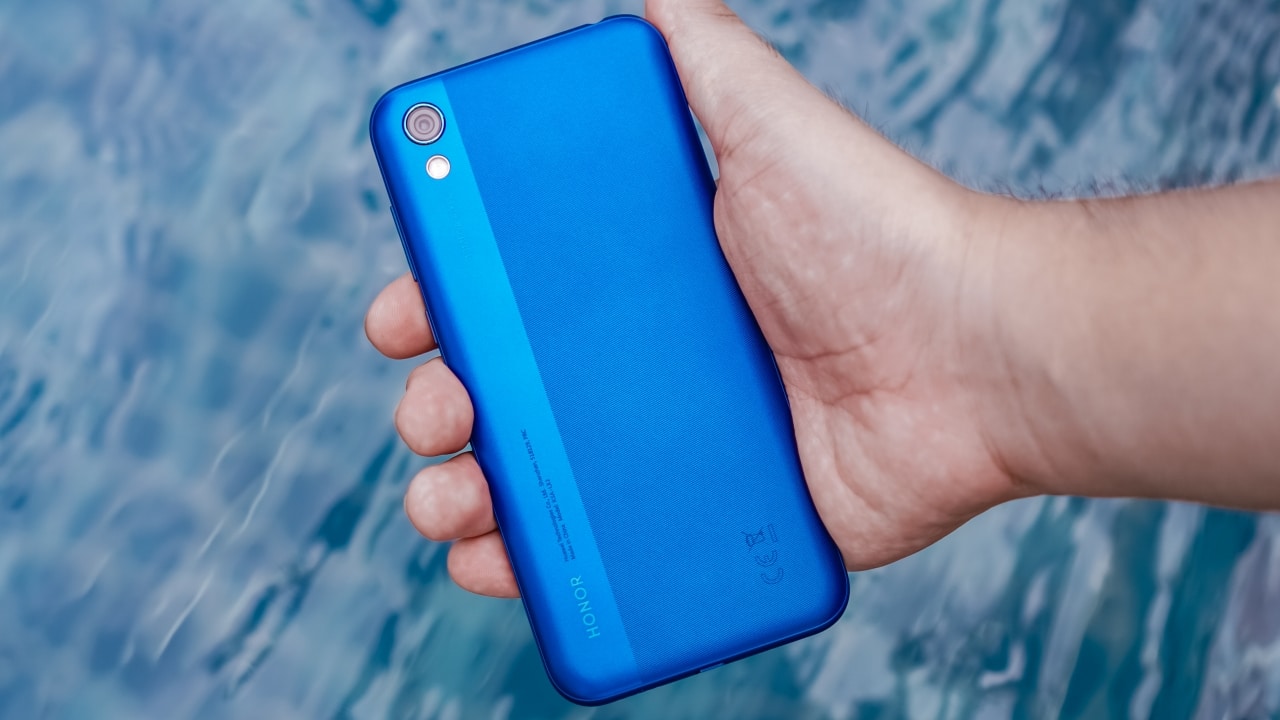
Unlike other smartphones with a glass back, the Honor 8S feels lightweight due to its polycarbonate back. For people with small hands, this phone is grippy enough.
One-handed usage, anyone?
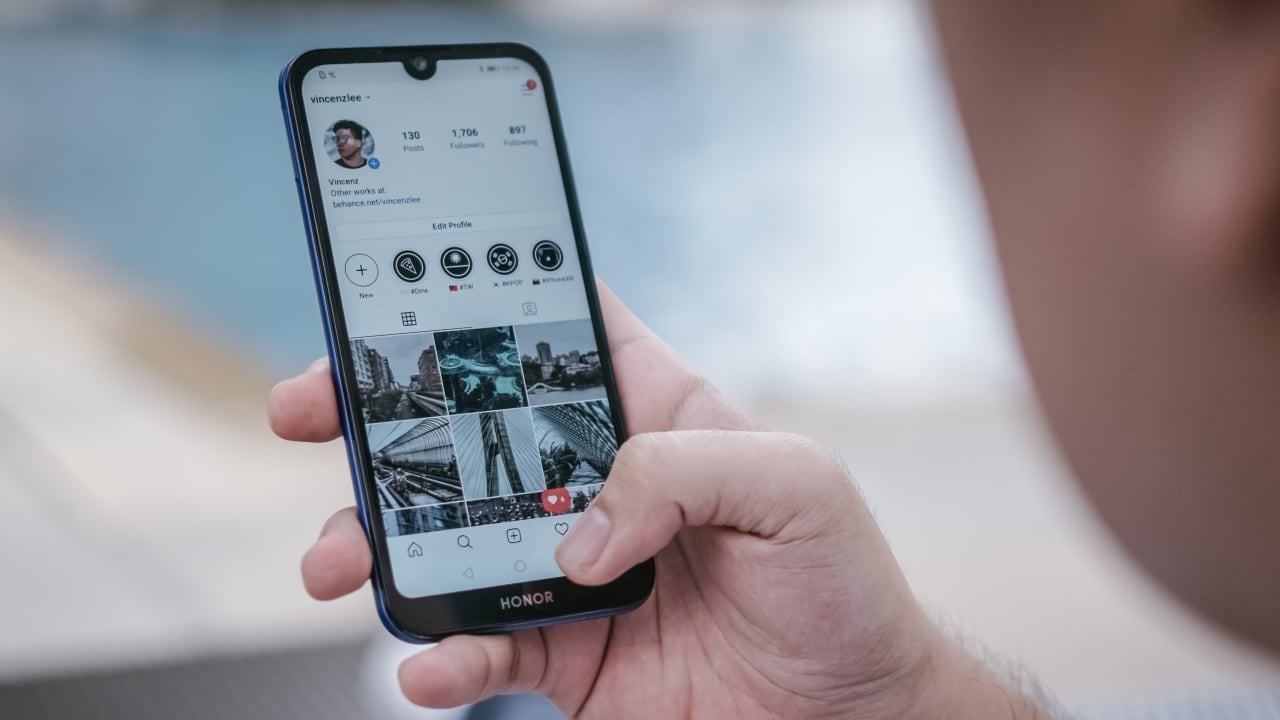
If you previously read my Xiaomi Mi 9T review, I told everyone how I like big phones because I have big hands. This time, the Honor 8S is nowhere near that category. Technically, its fullscreen display sounds big on paper but based on my experience, most people would enjoy holding it even with a single hand — more ideal when you watch videos on YouTube or Netflix.
Your Social Media phone on-the-go

#StanLOONA
Facebook, Twitter, Instagram, you name them. The phone performs just right when it comes to social media apps. Posting, tweeting, sharing Instagram stories, they all work just fine.
Performance is just right for its price
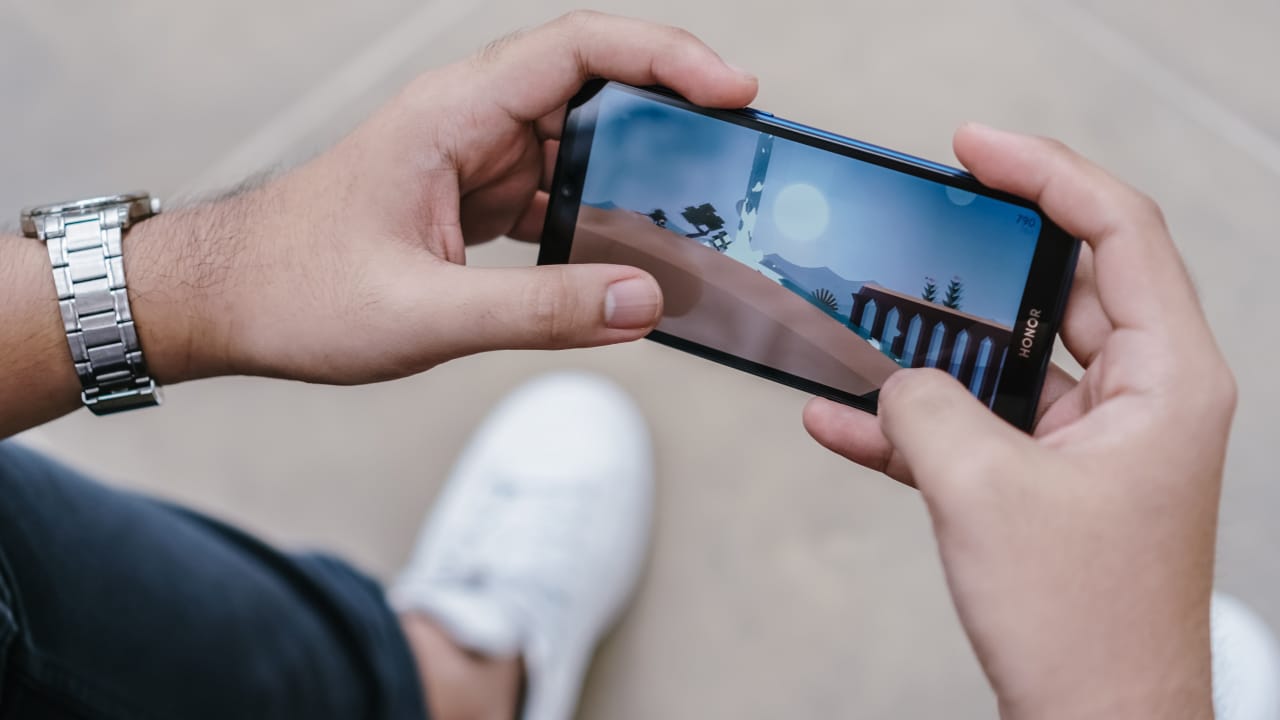
Just a refresher, this phone packs a MT6761 Helio A22 chipset by Mediatek. This is the base model so it is equipped with just 2GB RAM and 32GB of onboard storage. Worrying about more storage for your photos and videos? It still supports microSD expandability of up to 1TB.
Performance-wise, there’s nothing astonishing. To be blatant, I have experienced hiccups while using the phone, from scrolling through home screen pages, dragging down the notification menu, and even playing with games such as the not-so-graphics-intensive Alto’s Odyssey. I was not expecting anything grand. It’s just that, other budget smartphones are still capable of performing well. Too bad the Honor 8S is not one of them.
You have no choice
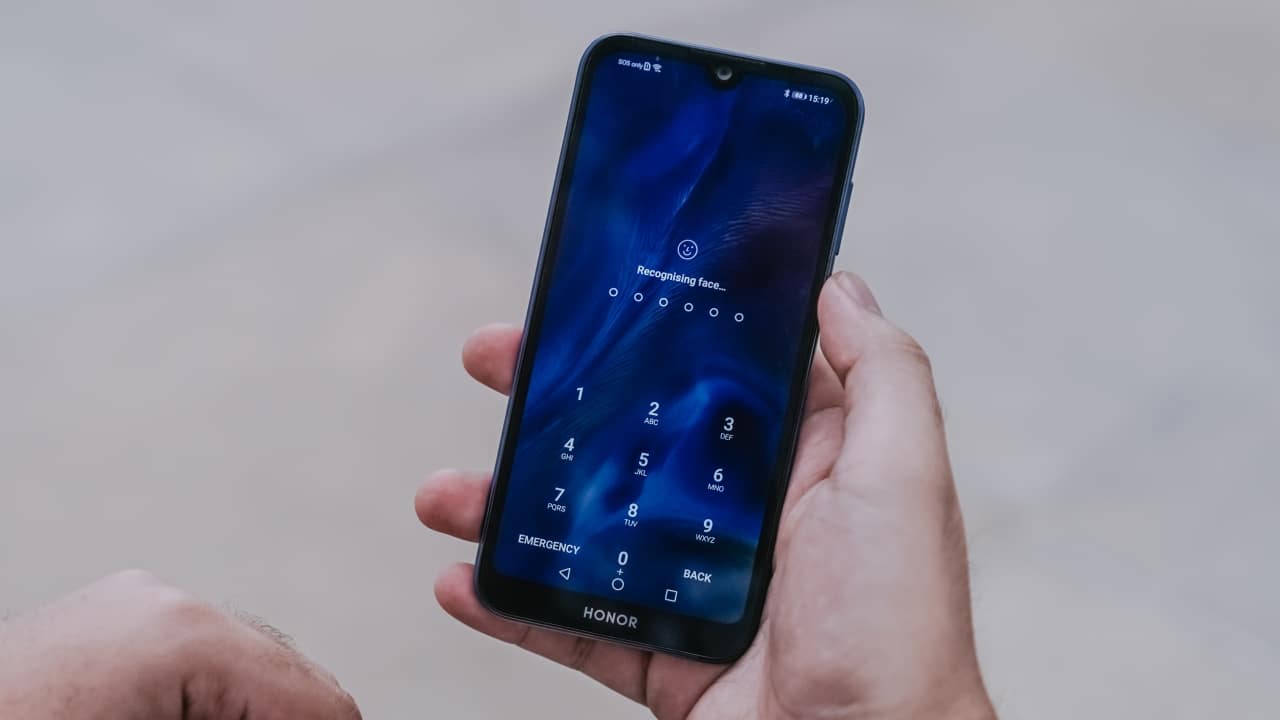
This phone doesn’t have a fingerprint scanner, but the Face Unlock does the trick. It works well under dark lighting conditions, just like how it was advertised. I guess having this “security” measure is better than just typing your PIN every single time.
The design doesn’t speak for its cameras
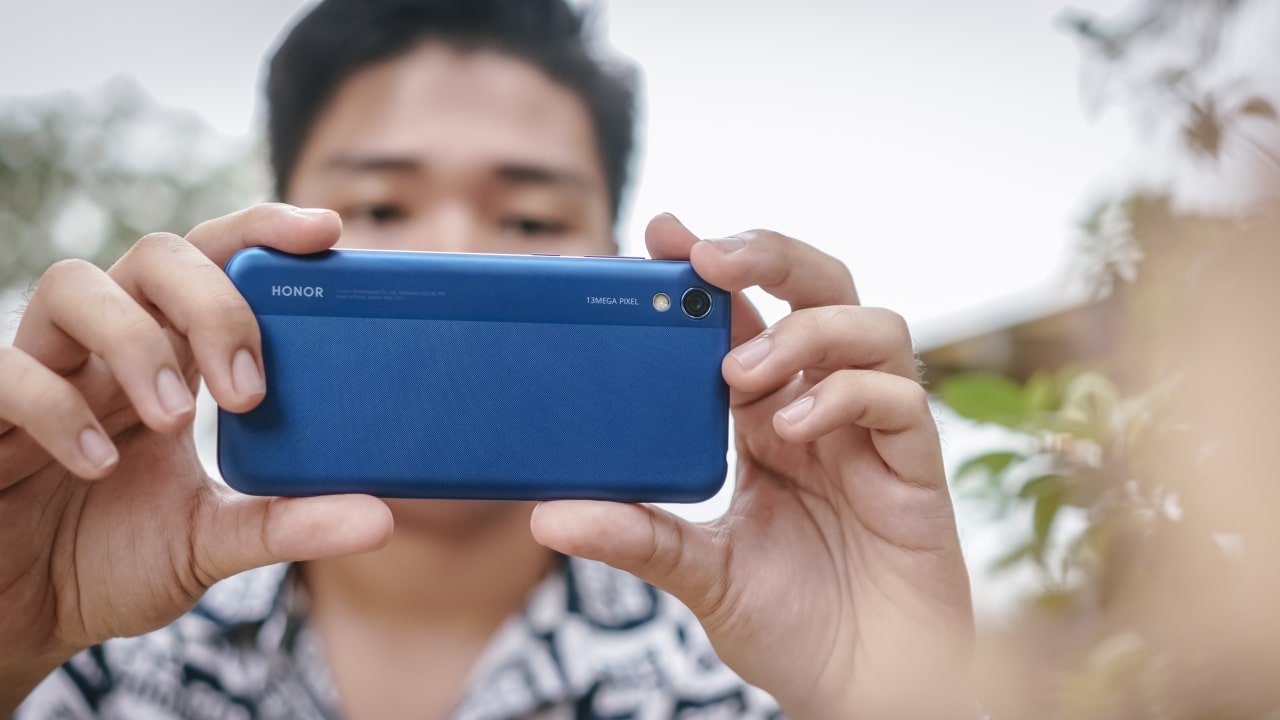
The Honor 8S’ camera-centric back design doesn’t speak well for its 13-megapixel rear camera (with a wide aperture of f/1.8).
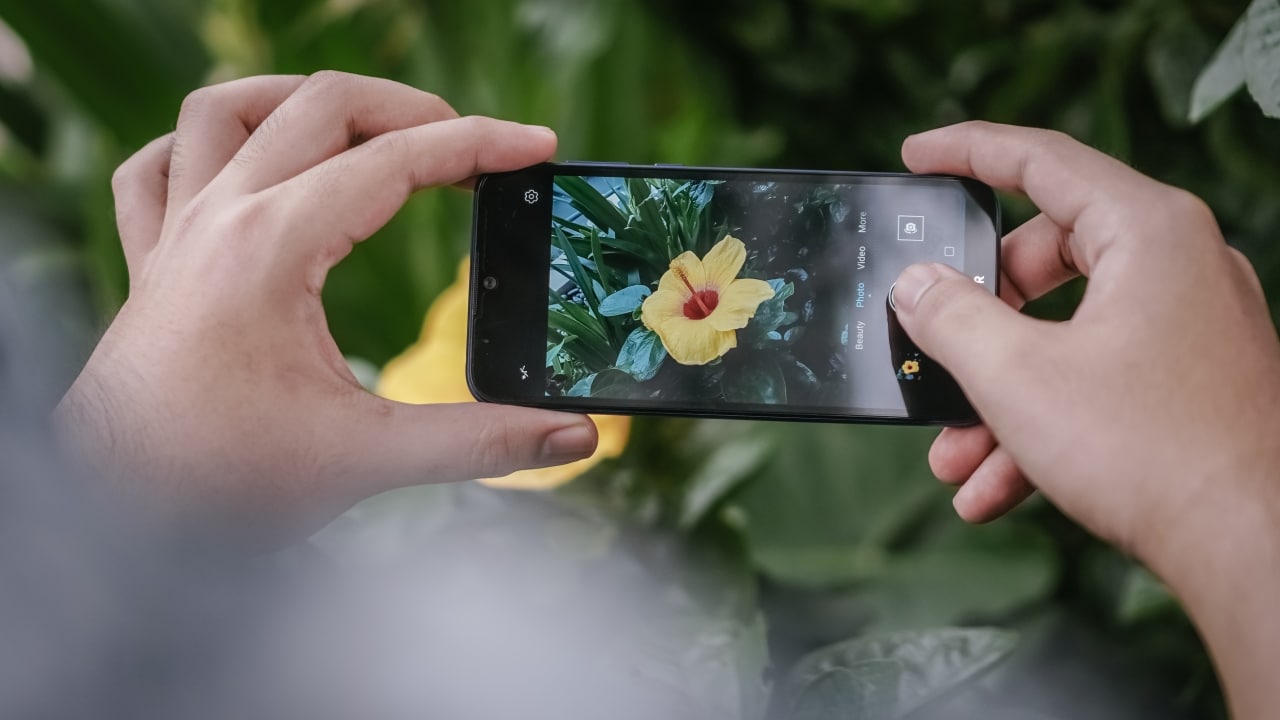
I understand that this is a budget smartphone, but I think camera quality should not be an exception as several budget phones proved that they can still shoot good photos despite the price range they belong to.
I would not give this phone a hard time as some photos look decent enough, but after much observation, some photos would start looking grainy once you get to shoot indoors, even if natural light is present.


It was also surprising to see a “Pro” camera mode. Too bad trying it does not give justice to the photo itself. Night shots are nothing different. Even the selfie camera is lackluster.



Battery performance is surprisingly good (but not its charging time)
The Honor 8S only packs a 3,020mAh battery. Although the phone’s performance is sluggish because of the chipset, it is power-efficient enough to make the phone last.
Forget the numbers! With normal usage, it survives for a day. In times when you want to detoxify out of social media by not using your phone and just let it standby, it would last you two to three days. With those extra power-saving modes, the phone could even last for almost a week.
Charging time is not in any way fast as it would take two hours (utmost) to fill it up — I mean what should we even expect from a micro USB-equipped phone?
Is the Honor 8S your BudgetMatch?
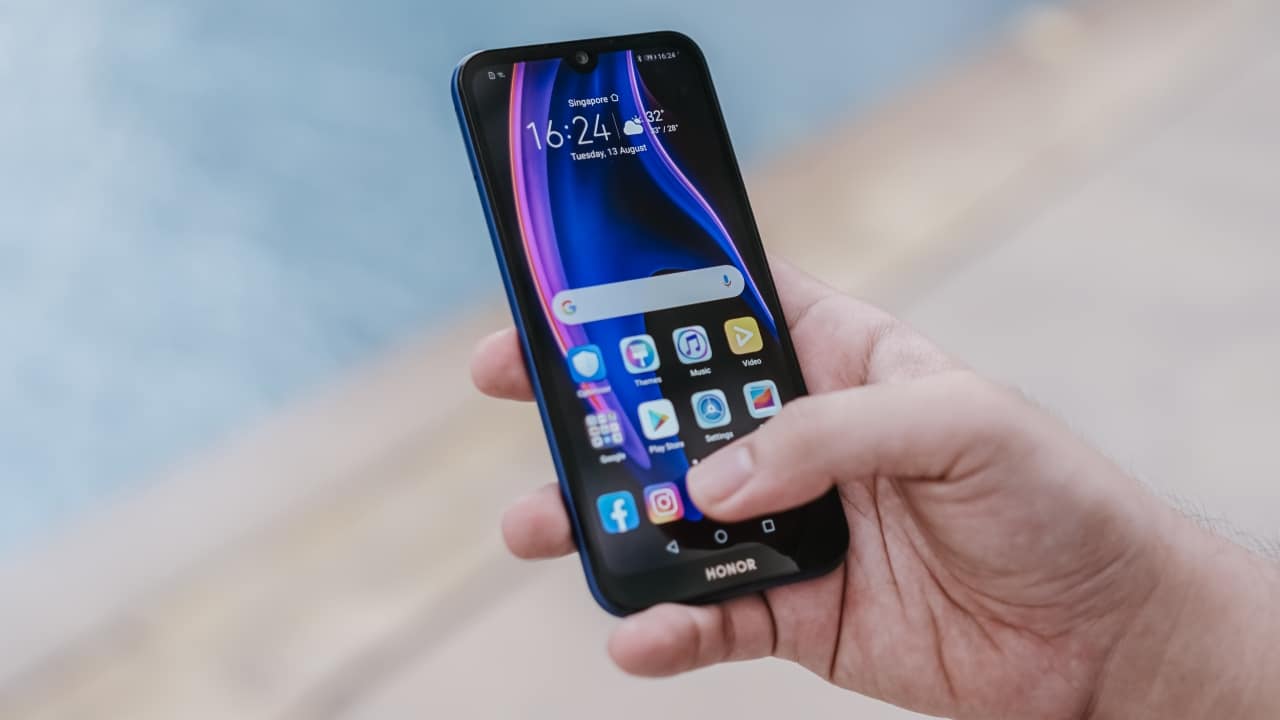
The Honor 8S currently retails for PhP 5,490 (US$ 105). There are other selections when it comes to budget smartphones, and this phone is a runner-up in that list.
If you are the kind of user who just wants a smartphone that looks good regardless of the overall performance, the Honor 8S is right for you. This is specifically recommendable for parents (or grandparents) and kids alike — basic phone functionality without minding additional bells and whistles.





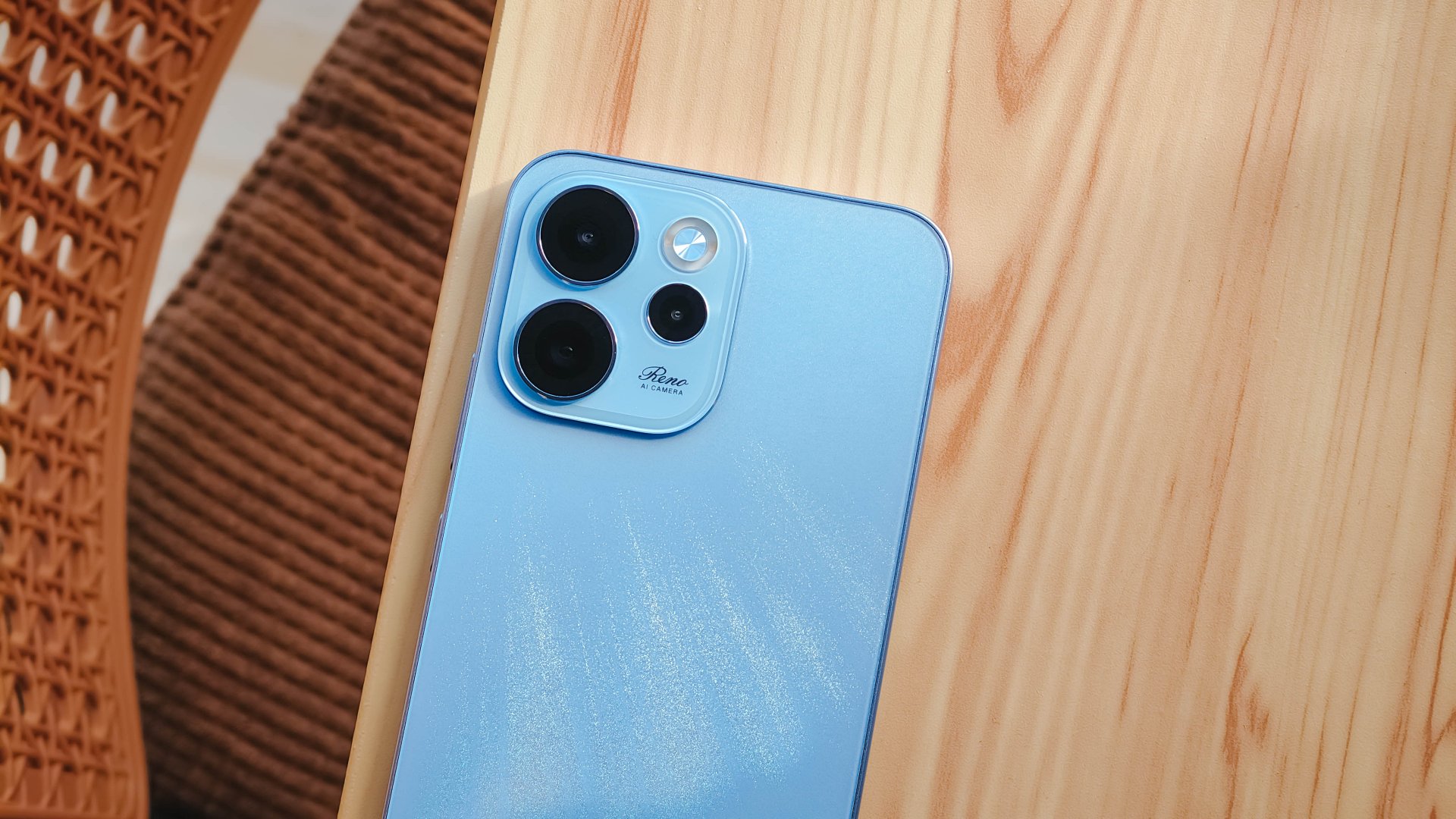
The OPPO Reno15 Series 5G made its way to the Philippines last month, and reception has been pretty great so far.
With a powerful camera package, AI, and a slew of upgrades, there’s a lot to love and not much negative to say. But that’s with both the standard and Pro models.
On the other hand, with the Reno15 F 5G — the series’ supposed budget-friendly “lite” variant —there were more question marks than exclamation points.
I attack this piece once more from a consumer standpoint: shelling out PhP 23,000 to PhP 26,000 for a midrange smartphone that feels and performs like it’s a few notches below its segment doesn’t sound too pleasant.
Performance
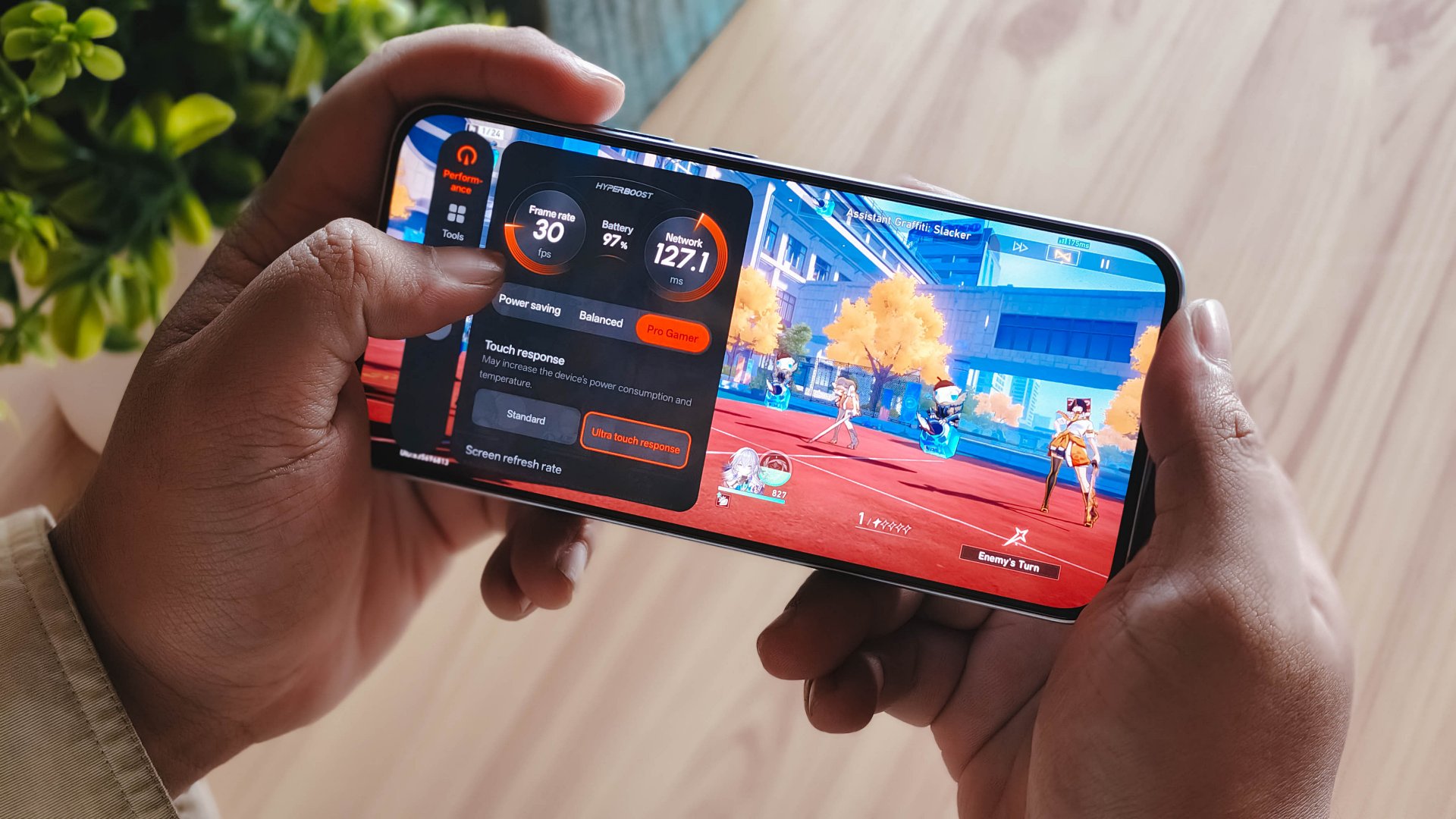
With a Snapdragon 6 Gen 1 processor, the OPPO Reno15 F performs pretty much like any sub PhP 20,000 mid-ranger. It’s acceptable, but does not punch above its weight as expected.
No major hiccups for light and casual usage. But performance struggles a lot for demanding video games.
It also heats up significantly just 10 minutes into a title like Honkai: Star Rail. This is a stark contrast to the marketed 25℃ and up to 10 hours straight of smooth gameplay.
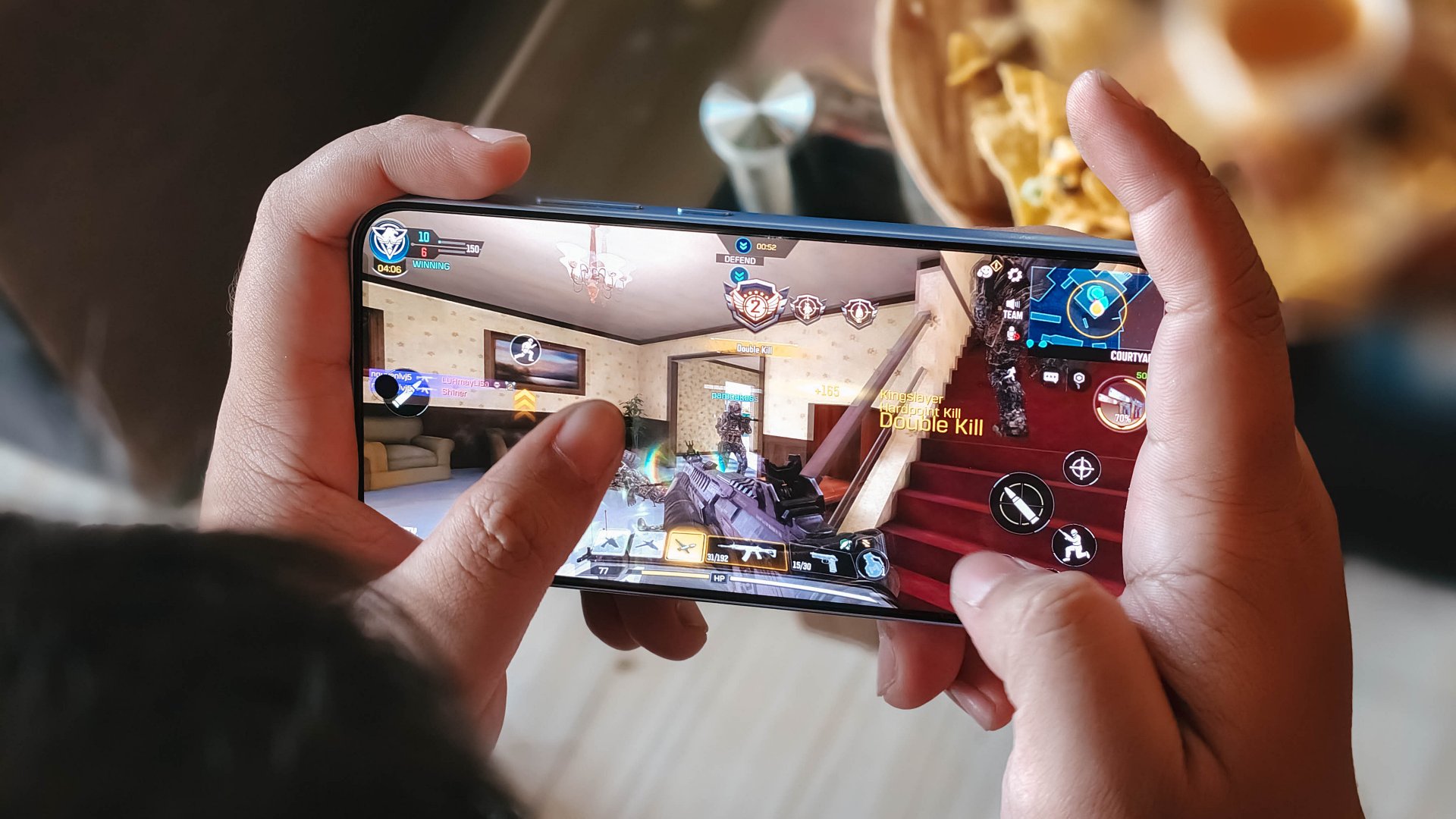
Although, the experience was still enjoyable with several wins and MVP runs in Call of Duty Mobile. It only means the F variant remains a more camera-centric phone rather than an a hard-hitting all-arounder.
As with other devices, the 7000mAh battery with 80W SUPERVOOC is a strong suit. You’re fueled from dawn ’til dusk, with much to spare. Recharging takes a breeze, too.
Display
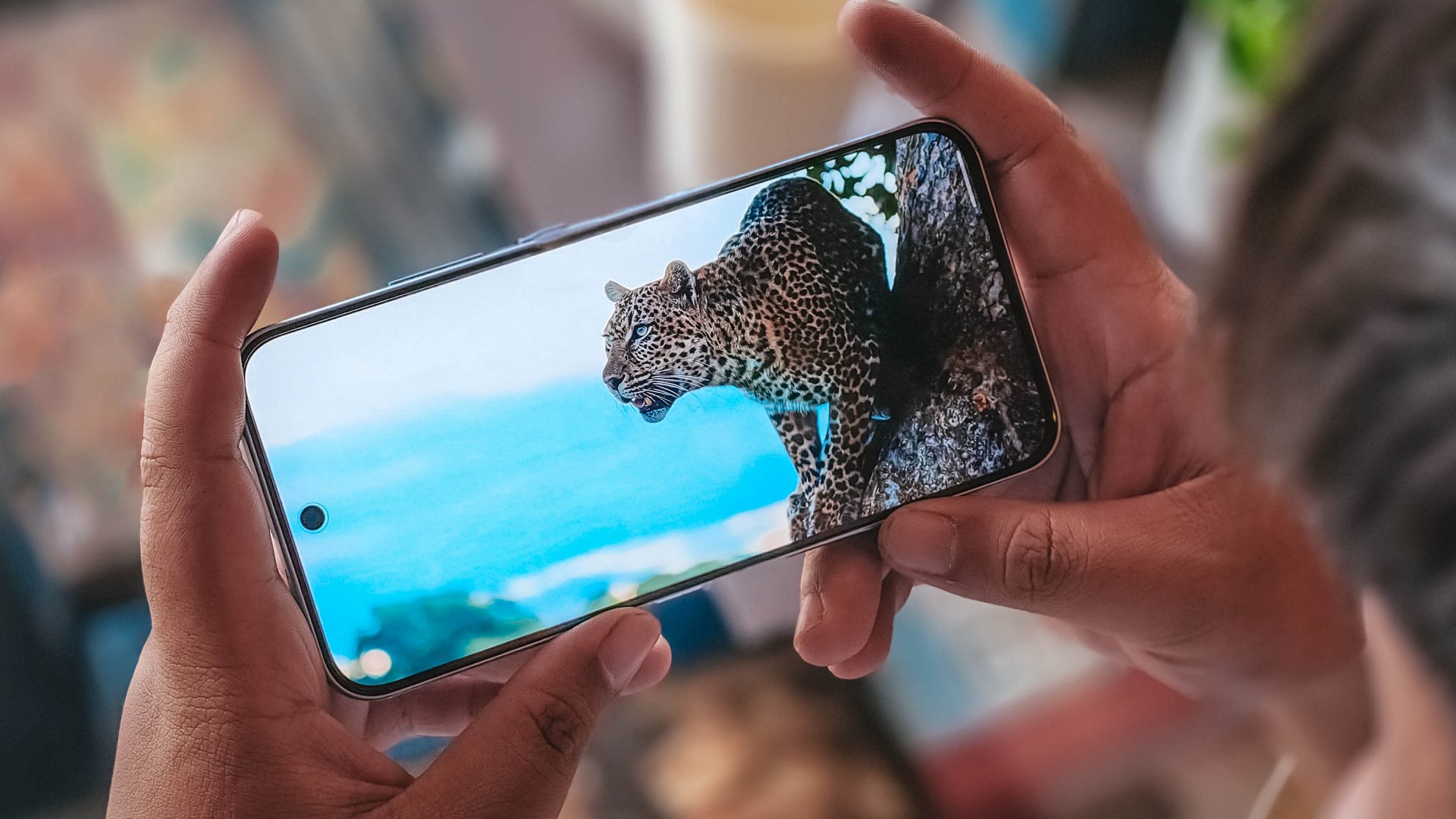
The OPPO Reno15 F has a 6.57-inch 120Hz display, with a 92.8% screen-to-body ratio. At least, that allows you to focus on content on the screen.
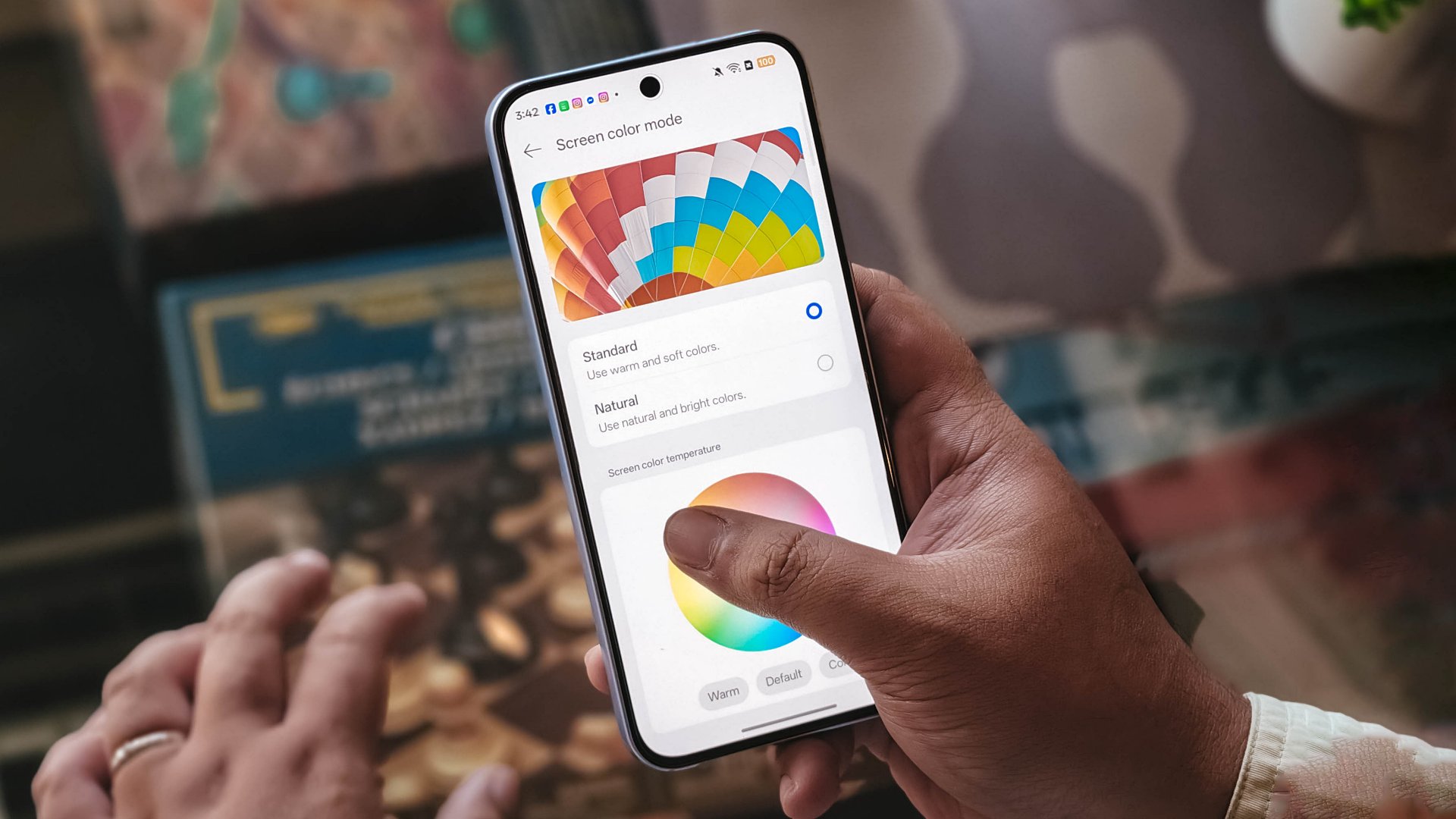
Content leans more towards the cooler tone, so you’ll have to adjust it manually if you want a warmer or more vivid look.
The 397ppi pixel density is fine to ensure sharper visuals, while the 1400 nits peak brightness is helpful outdoors.
Camera
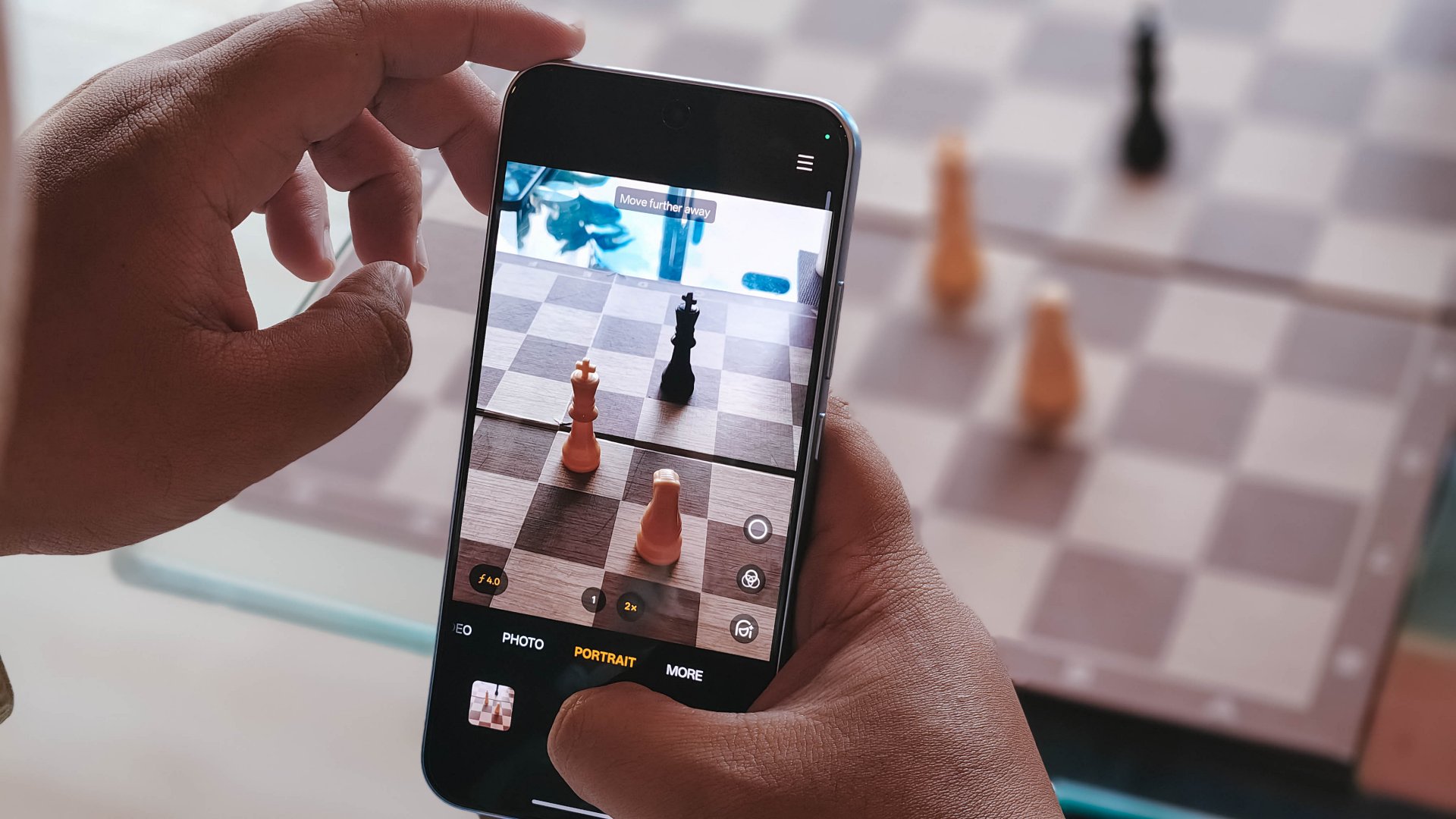
The device’s 50MP main camera captures decent quality. The color science leans on being natural anew, without being too dull nor washed out. You can pull off smooth portraits too.
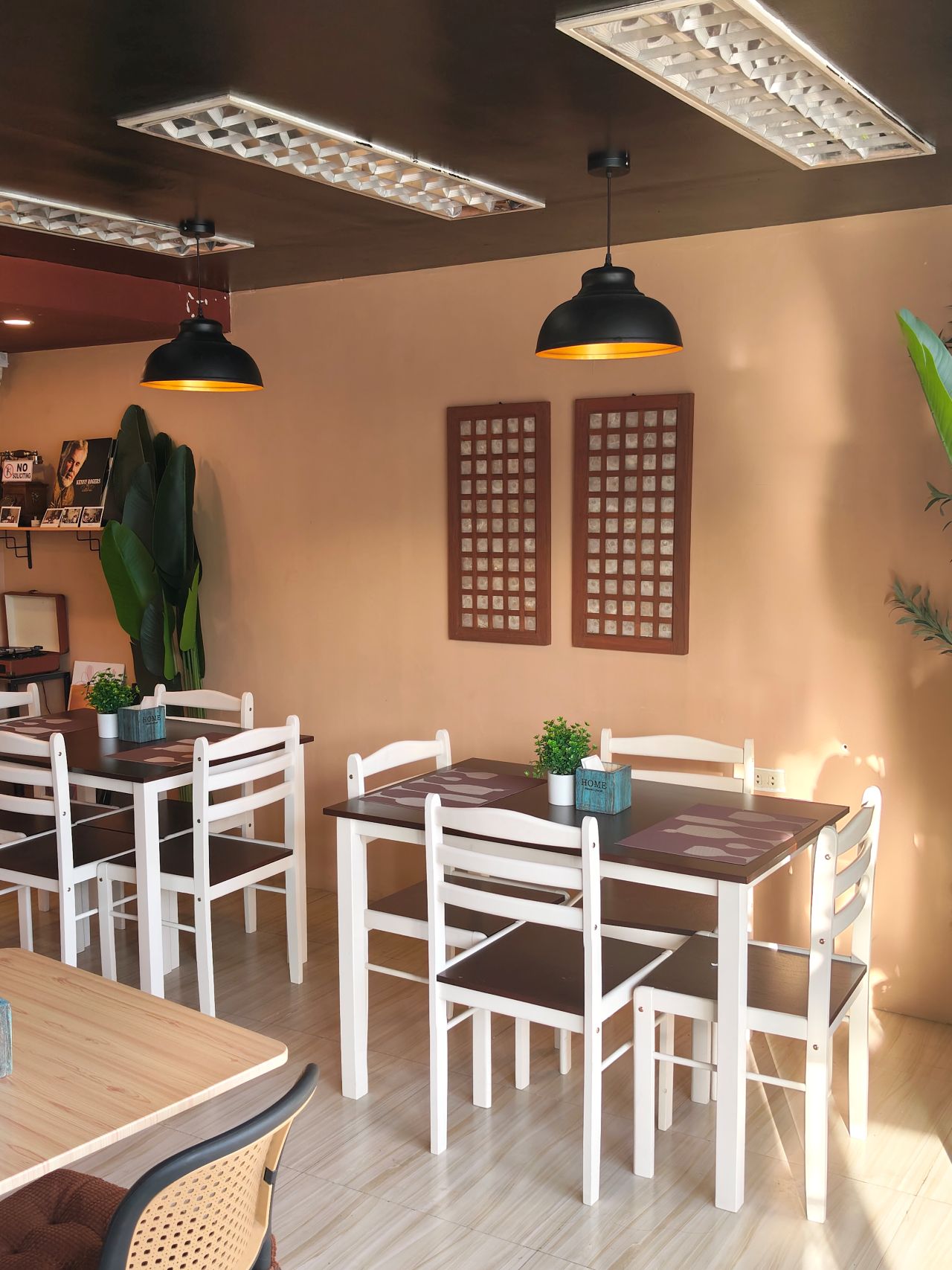
I hardly used the phone for stills as I focused on videos, but here are some samples, on the occasions I was able to take the handset with me:








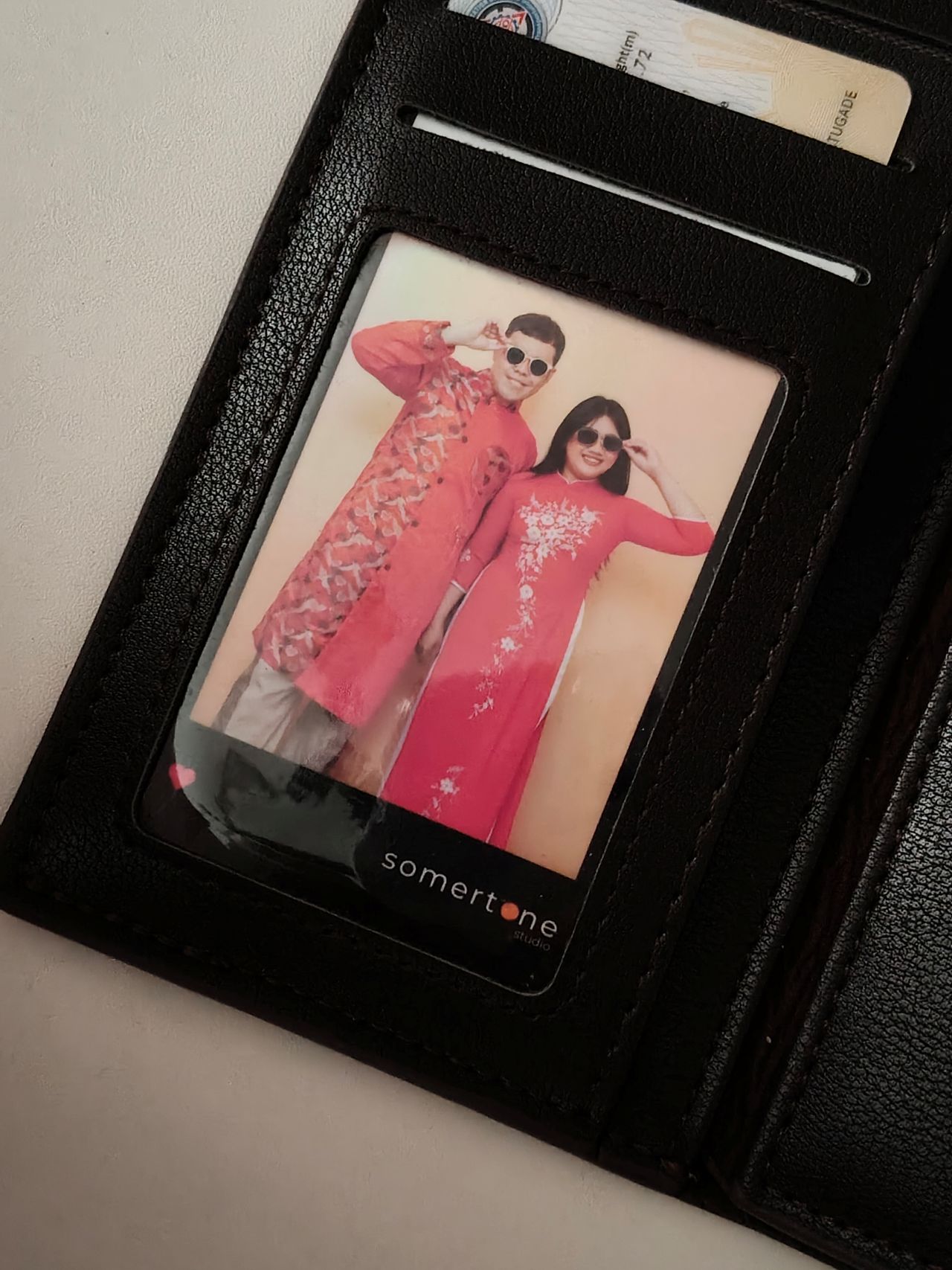


The 50MP front camera is an intriguing add-on, as it is capable of up to 4K video and a wide 100° field of view.
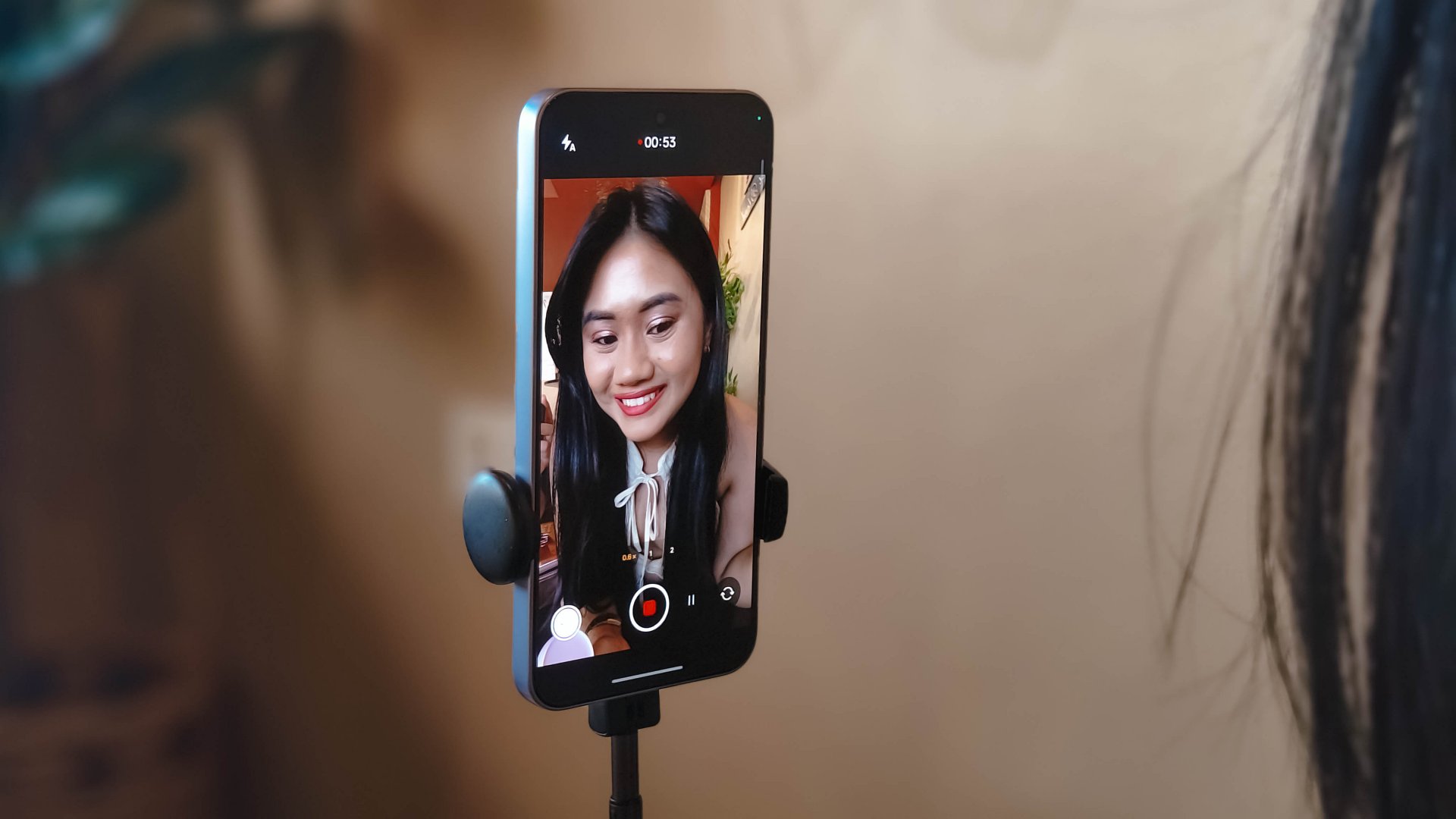
What this does is it essentially removes the need to flip your phone for the popular “0.5” shots. And the quality doesn’t get compromised given the pixel count.
Here are some selfies from different focal lengths:




To its credit, filming with the back camera at 60fps does look and feel smooth, although it can be improved.

Same with the front camera; and the zoom range can be switched from 0.6 to 2x without cutting the recording.
Although, it’s still best to use a selfie stick or small tripod if you’re just after talking head videos.
Speaking of which, here are a few I’ve made with just this device:
@manilaconnoisseur Naka 99 pesos pala ‘yung large Golden Milk Tea ni @highlandscoffeeph until February 28! Oolong base, cream, and okay pala ang chickpeas as sinker along with red jelly. #highlandscoffee #goldenmilktea #oolongmilktea #freeupsize
@manilaconnoisseur Laging sold out ‘yung fun run? Try The Conqueror Virtual Challenges. Stay motivated in your running era, make every run count, and get cool medals after every completed challenge. You can even get a free run or discounted bundles! @theconquerorchallenges #virtualrun #funrun #runningera #staymotivated
But for travel and on-the-go captures, as OPPO markets for the series in general, even the Reno15 F can cover a lot of background along with your or your groups’ faces.
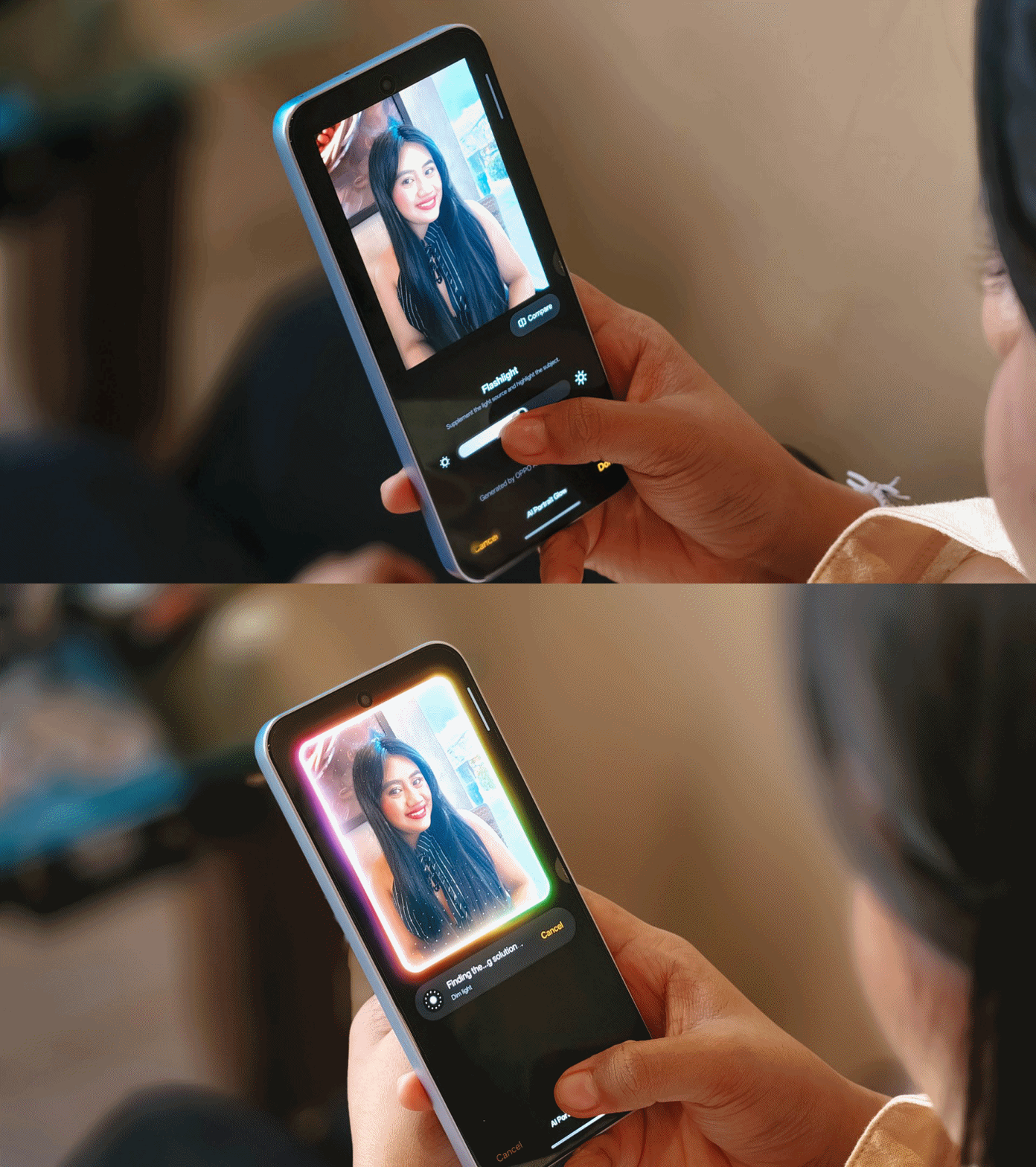
Make no mistake, there are some useful AI editing features here. In particular, AI Portrait Glow gives your raw capture an effect to make it look it was taken with flash.
I do not recall the device heating up as well when taking many photos or videos, so you can say it’s more optimized for that task rather than gaming.
Connectivity issues
Meanwhile, AI LinkBoost 3.0, as in the case of the OPPO A6 Pro, doesn’t seem to punch above its weight either.
Once, I also played Mobile Legends: Bang Bang and the session opened to a jittery start despite being on Wi-Fi and having a stable connection. I don’t know what triggered this.
Design, feel
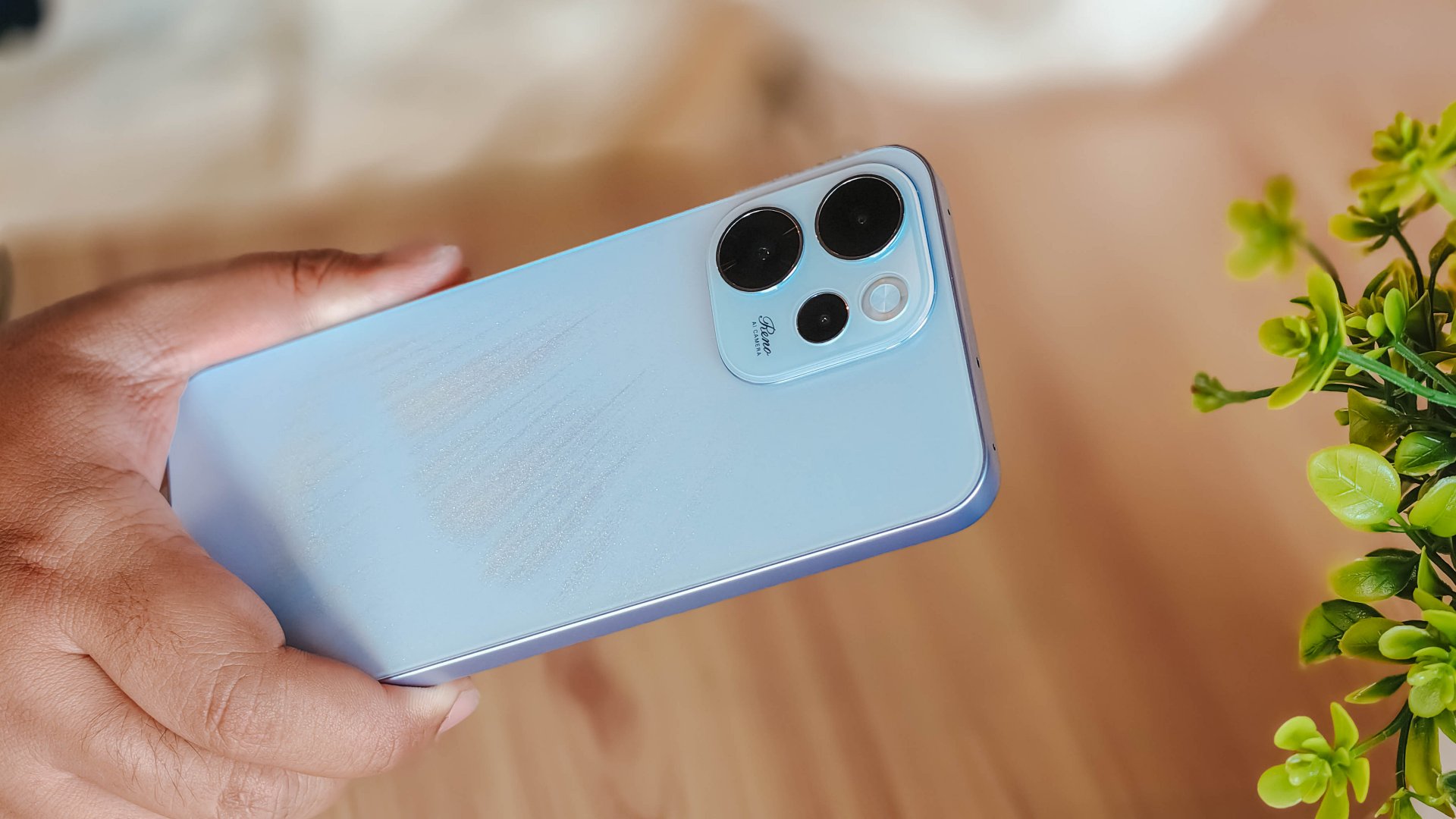
We got the Aurora Blue variant which does kind of resemble the northern lights when you tilt the phone a certain way and when light hits its back panel.
The cursive “Reno” on the large, protruding camera island gives it more style.
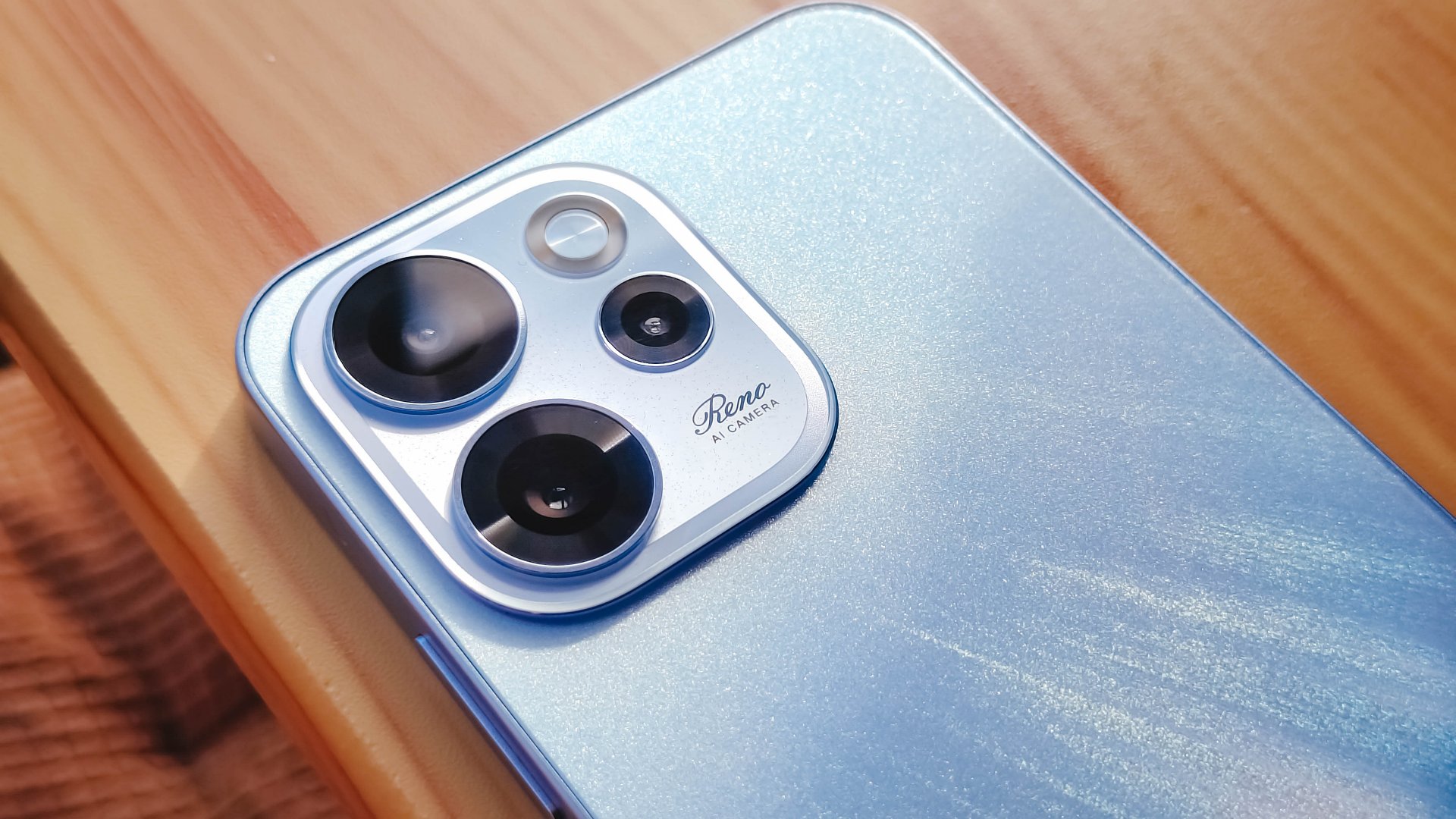
However, it’s all just aesthetics. On the downside, the phone is all sorts of slippery.

I couldn’t hold it properly without think of it slipping away from my hands; nor could I put it on my lap with confidence.
So I guess it’s good that it has structural integrity and waterproofing, because you’ll need that.
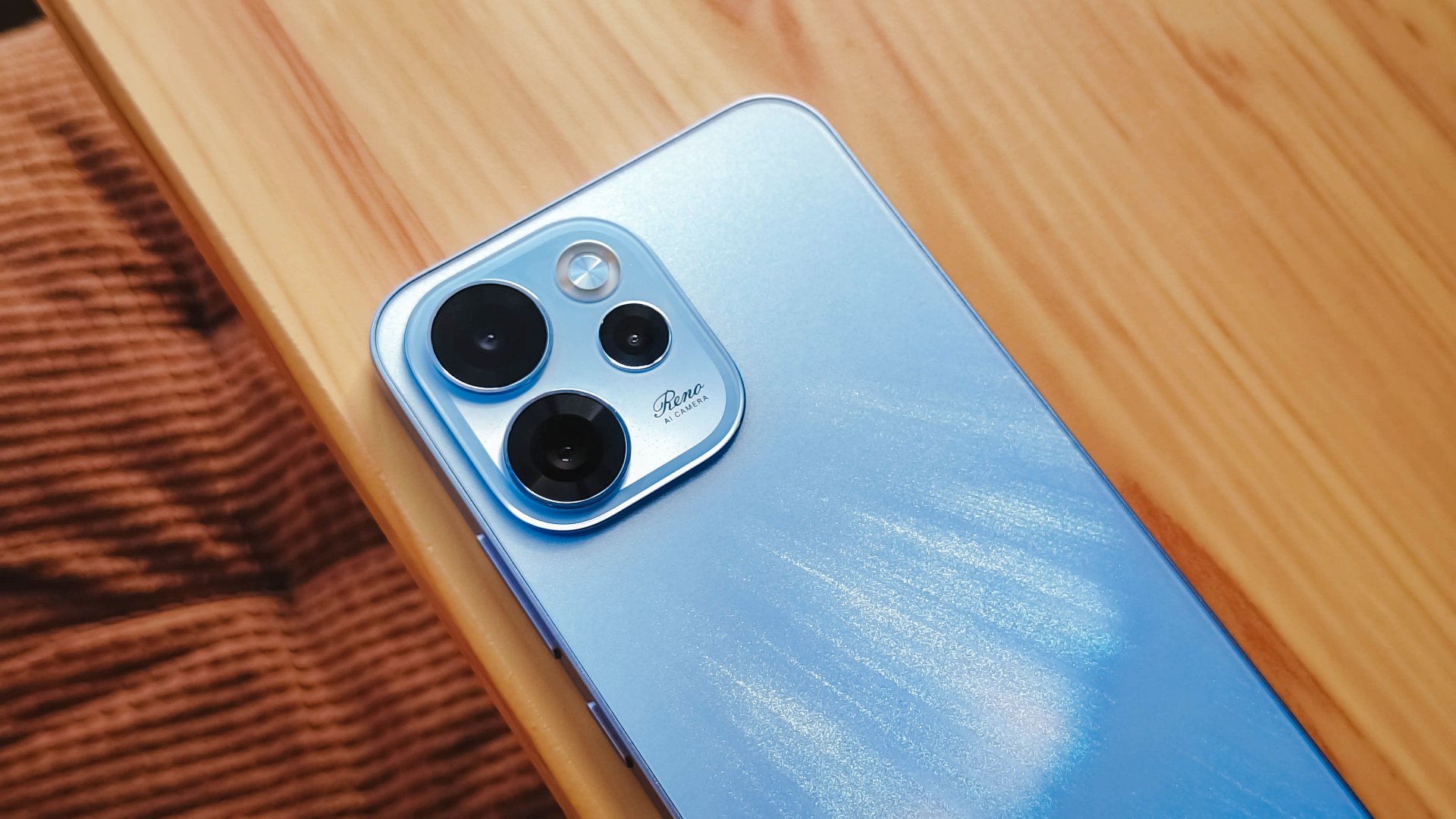
oplus_16
The 6.57-inch body does have a good balance between being too compact and too large, like ultras and pro maxes.
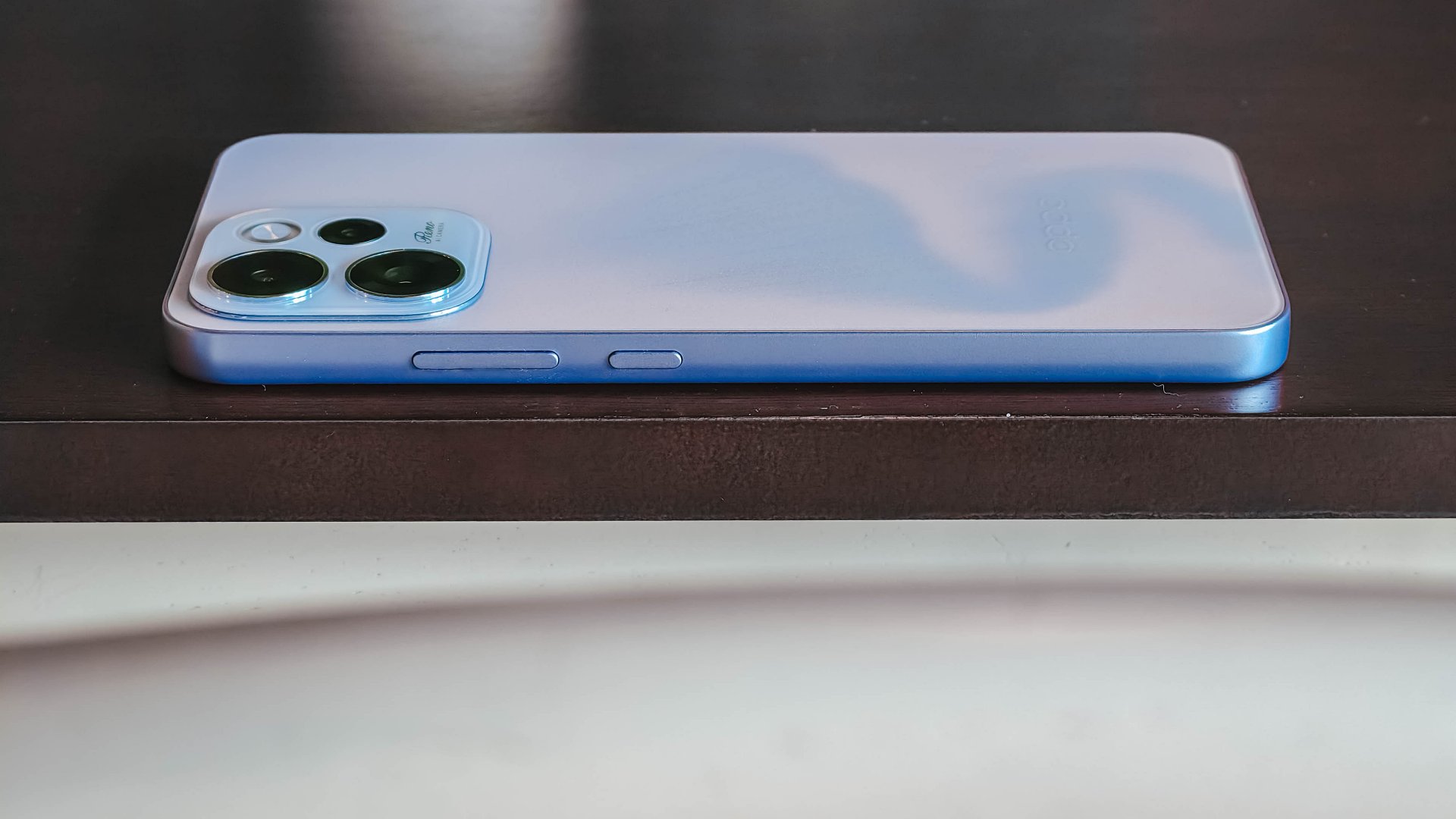
It has a squarish body and has already adapted to the premium, aluminum frame look from the sides.

Is this your GadgetMatch?
Sadly, the OPPO Reno15 F 5G is a Swipe Left unlike its bigger, more capable siblings. There are plenty of plus points for the camera package but take that away, and I don’t see much difference between the Reno15 F and something like the A6 Pro.
Granted, the asking price of this phone will drop significantly in a few months. But throw in a little more, and you’ve got a legitimate mid-ranger that’s more on the premium side rather than the cheap end of the spectrum.

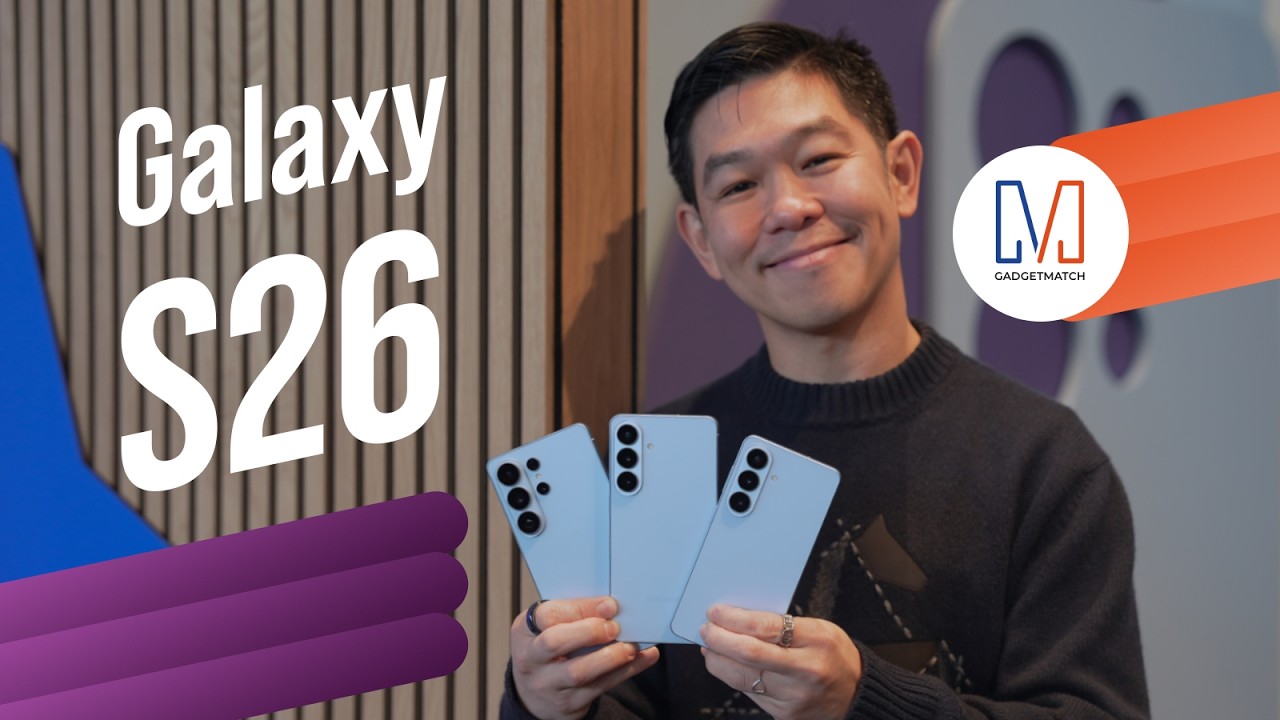
Did Samsung push forward or play it safe with the Samsung Galaxy S26 Series? Well, it’s a little bit of both.
Here’s our Hands-on with the new Samsung Galaxy S26 series to find out.
PRE-ORDER and SAVE up to $900 with enhanced trade-in credit:

“Our philosophy has never been about chasing specs.”
That line from Samsung’s presentation captures the Galaxy S26 Series better than any spec table.
This isn’t a year of radical hardware shifts. Battery capacities remain unchanged. Megapixel counts are familiar. The design language evolves rather than transforms.
But incremental doesn’t automatically mean irrelevant.
The S26 Ultra feels like Samsung refining its priorities — usability, privacy, and AI integration — instead of pursuing headline-grabbing numbers.
Hardware refinement, not reinvention
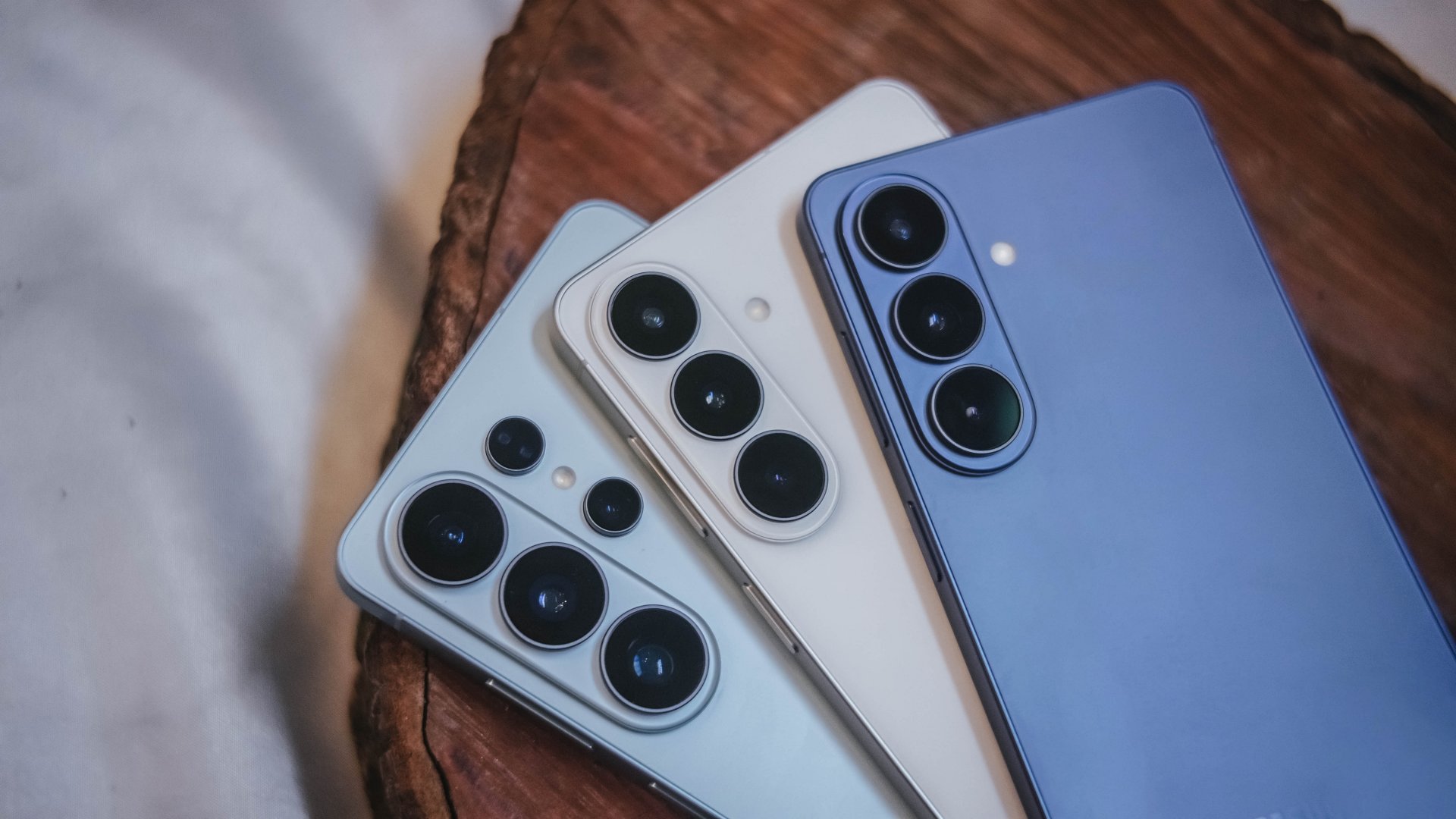
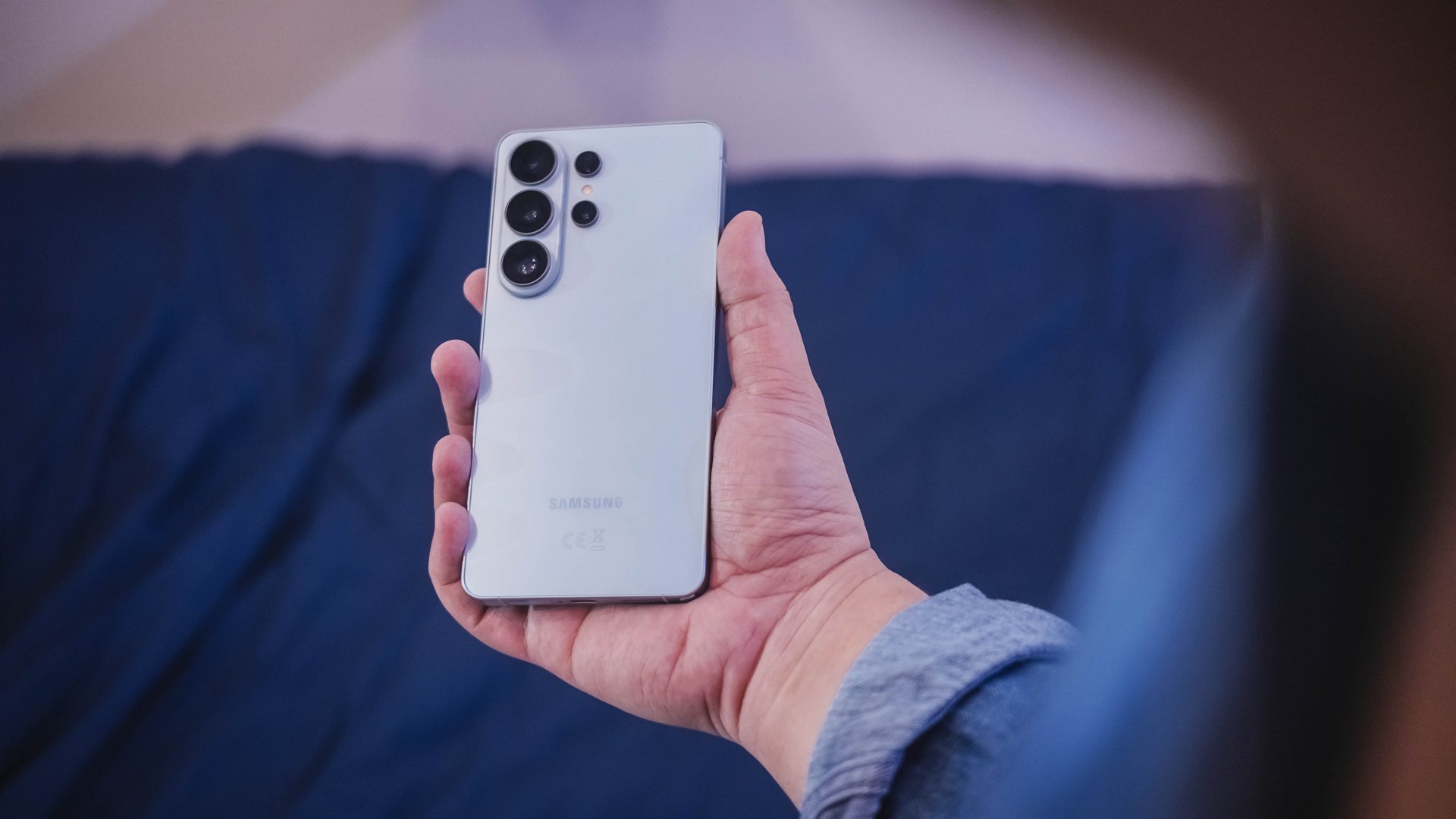
The Galaxy S26 series looks more unified. All three models now share the same corner radius, creating a consistent visual identity. The Ultra no longer stands apart with sharper edges. It’s a small change, but it makes the lineup feel cohesive.
The camera module sits on a more defined island rather than blending into the rear panel. It’s subtle, but noticeable in person.
Samsung also trimmed weight and thickness on the Ultra. At 7.9mm and 214 grams, it handles slightly better than last year’s model. The company switched to Light Armor Aluminum, which it claims improves heat dissipation and weight. The difference in hand isn’t dramatic, but it’s appreciated during extended use.
Charging finally moves forward. The Ultra supports 60W wired charging, up from 45W. Samsung says you can reach 75 percent in around 30 minutes. That’s a meaningful improvement for quick top-ups.
However, 60W isn’t industry-leading in 2026. Competing brands have offered similar or faster speeds for years. This feels less like Samsung setting a new benchmark and more like closing a gap.
Battery capacity remains 5,000mAh. That’s consistent with previous models. While fast charging helps daily convenience, endurance gains will depend on software optimization and real-world usage.
AI and software remain the headline
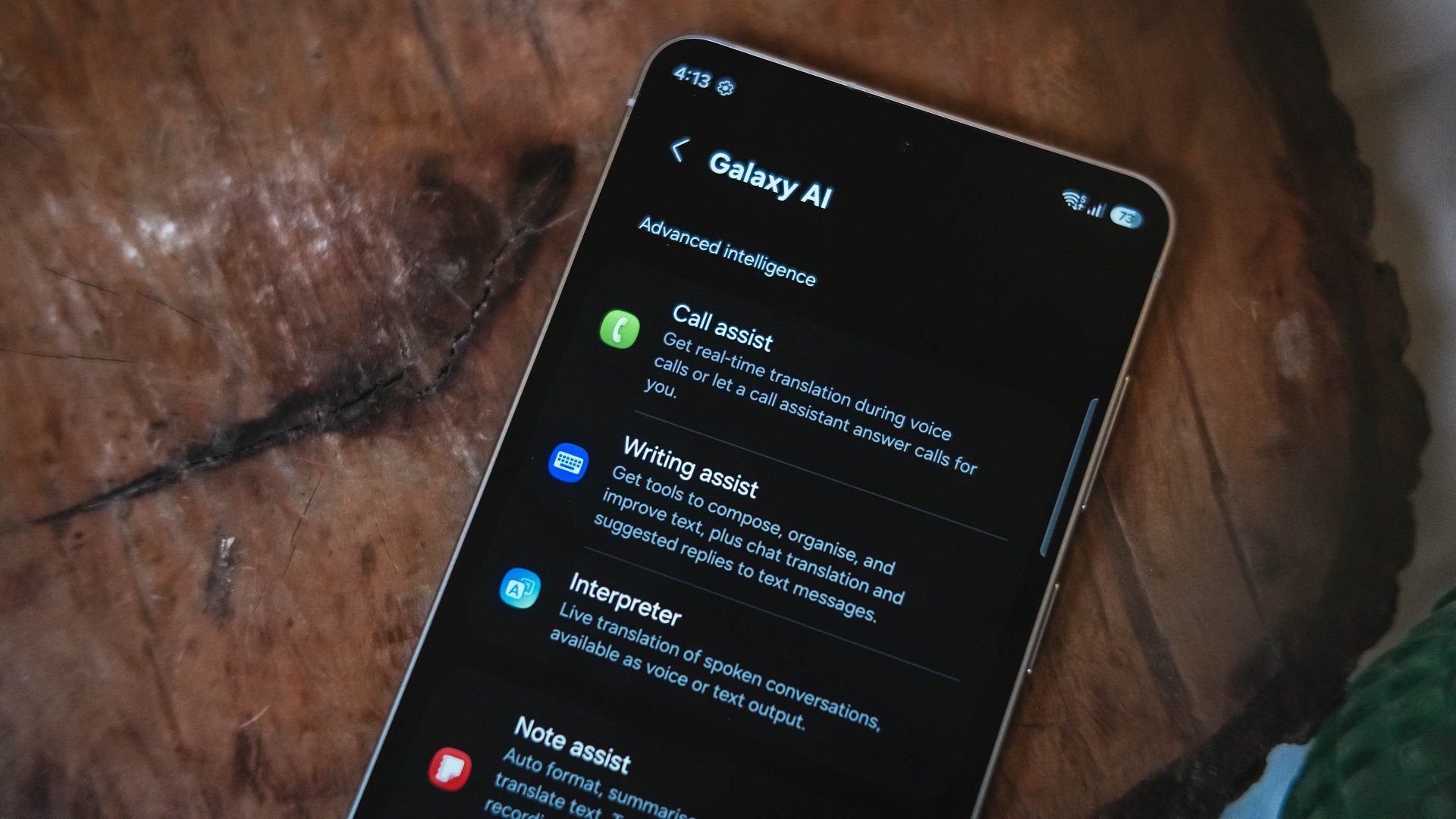
Like recent Galaxy generations, the S26 Series leans heavily on software features.
Privacy Display is one of the more practical additions. It restricts viewing angles at the pixel level, functioning like a built-in privacy filter. If you’re using your phone in public spaces, people nearby will struggle to see what’s on screen.
You can toggle the feature or enable it only for specific apps. That flexibility matters. It allows privacy protection for sensitive apps while keeping general use unaffected.
This addresses a real-world problem. Public screens are inherently visible. Privacy Display doesn’t eliminate that risk, but it reduces casual glances and unwanted observation.
Audio Eraser also gets an upgrade. It now works across third-party apps. We tested it on a noisy K-pop fancam from YouTube, and the background noise reduction was noticeable without destroying audio quality.
It’s not perfect. Overprocessing can occur in extreme cases. But for cleaning up shared videos or reducing ambient noise, it proves useful.
AI Photo Assist introduces text-prompt editing directly inside the Gallery app. Users can describe edits in natural language — remove objects, expand backgrounds, or modify elements — without exporting images to external tools.
This isn’t groundbreaking technology. Similar generative edits exist in other AI platforms. The difference is integration.
By embedding generative tools inside the Gallery, Samsung turns them into part of the default workflow. Photo editing becomes more accessible rather than requiring specialized knowledge or separate apps.
That shift is meaningful. It signals that generative AI editing is becoming a standard smartphone feature rather than an experimental add-on.
Cameras: computational evolution
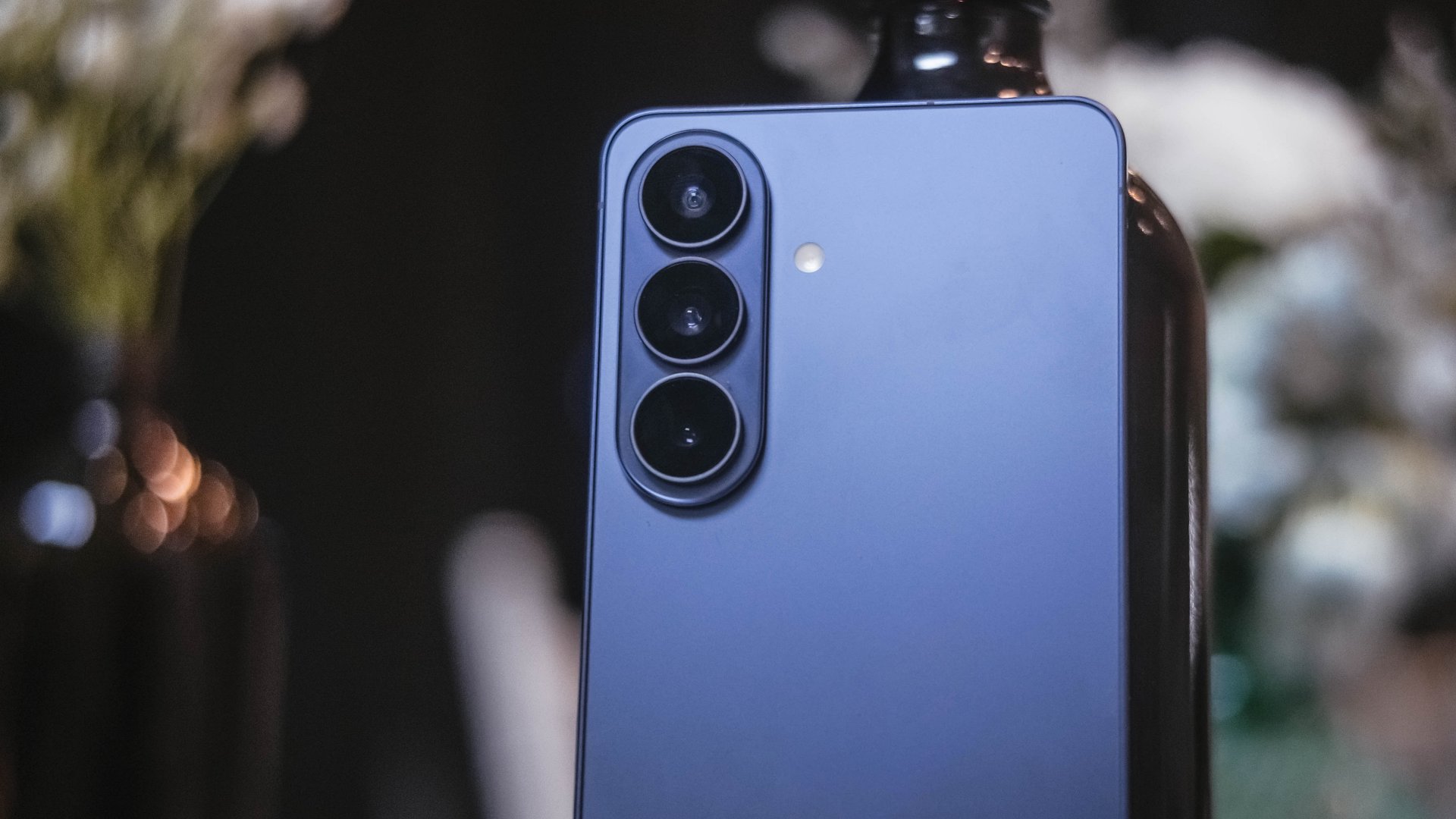
The camera hardware remains familiar. The Ultra continues with a 200MP main sensor and telephoto configurations similar to last year.
Improvements focus on computational photography.
Samsung widened apertures to allow more light. Stabilization has been refined. AI sharpening and Nightography processing aim to produce cleaner images with reduced noise.
From samples shown during the presentation, low-light shots appear brighter and cleaner. However, the processing can feel aggressive. Details sometimes look overly smoothed, and textures can appear artificial.
This reflects Samsung’s long-standing approach — prioritize computational enhancements over megapixel increases. The S26 continues that philosophy.
For video creators, APV (Advanced Professional Video) enables 8K recording with minimal quality degradation during edits. Super Steady Video also improves handheld stabilization.
These features cater to content creation workflows rather than casual snapshots.
Incremental but intentional

The Galaxy S26 Ultra doesn’t try to shock. It doesn’t reinvent Samsung’s design language or introduce dramatic hardware leaps.
Instead, it refines existing ideas.
Privacy Display addresses public visibility concerns. Audio Eraser improves real-world video cleanup. AI Photo Assist integrates generative editing into everyday photo workflows. Charging speeds improve without industry-leading ambitions.
Even the design changes — unified corner radii, a defined camera island, lighter materials — emphasize cohesion.
This strategy resembles the broader shift in the smartphone industry. Hardware innovation has slowed. Software and usability improvements drive differentiation.
Samsung appears comfortable with that reality.
Of course, first impressions only tell part of the story. We still need extended testing for battery life, thermal performance, camera consistency, and AI reliability.
The S26 Ultra may not represent a revolution. But refinement can matter — especially when it targets usability and practical features.
Samsung will have to make significant hardware upgrades eventually. But for now, it feels like the company is doubling down on incremental progress. Not flashy. Not radical. But purposeful.
Whether that strategy resonates will depend on real-world performance.
Samsung Galaxy S26 Series – Specs
| Feature | Galaxy S26 Ultra | Galaxy S26+ | Galaxy S26 |
| Display | 6.9″ Dynamic AMOLED 2X
|
6.7″ Dynamic AMOLED 2X
|
6.3″ Dynamic AMOLED 2X
|
| Rear Camera: Ultra Wide | 50MP, F1.9, 0.7 µm | 12MP, F2.2, 1.4 µm | 12MP, F2.2, 1.4 µm |
| Rear Camera: Wide | 200MP, F1.4, 0.6 µm | 50MP, F1.8, 1.0 µm | 50MP, F1.8, 1.0 µm |
| Optical Quality 2x | |||
| Rear Camera: Telephoto 1 | 10MP, F2.4, 1.12 µm | 10MP, F2.4, 1.0 µm | 10MP, F2.4, 1.0 µm |
| 3x optical zoom | |||
| Rear Camera: Telephoto 2 | 50MP, F2.9, 0.7 µm
|
— | — |
| Front Camera | 12MP, F2.2, 1.12 µm | 12MP, F2.2, 1.12 µm | 12MP, F2.2, 1.12 µm |
| Processor | Snapdragon® 8 Elite Gen 5 for Galaxy (3 nm) | Exynos 2600 (2 nm)* | Exynos 2600 (2 nm)* |
| Memory (RAM) | 12GB / 16GB | 12GB | 12GB |
| Storage | 256GB / 512GB / 1TB | 256GB / 512GB | 128GB / 256GB / 512GB |
| (Micro SD: N/A) | |||
| Battery | 5,000 mAh | 4,900 mAh | 4,300 mAh |
|
|||
| Dimensions | 78.1 x 163.6 x 7.9 mm
214 g (Sub6/mmWave) |
75.8 x 158.4 x 7.3 mm
190 g (Sub6/mmWave) |
71.7 x 149.6 x 7.2 mm
167 g (Sub6) |
| Colors | Standard: Cobalt Violet (Hero), Sky Blue, Black, White
Online: Silver Shadow, Pink Gold |
Standard: Cobalt Violet (Hero), Sky Blue, Black, White
Online: Silver Shadow, Pink Gold |
Standard: Cobalt Violet (Hero), Sky Blue, Black, White
Online: Silver Shadow, Pink Gold |


OPPO Reno15 F 5G hands-on

Project Helix is Xbox’s next console, and it plays PC games

Nothing adds color to its wearables with the Headphone (a)

Nothing launches the Phone (4a) series

HMD is developing an AI assistant for the elderly

Xiaomi 17 Ultra is now available outside China

TECNO will showcase the CAMON 50 and POVA 8 series at MWC 2026

The art of being in and behind the frame

HUAWEI MatePad 11.5 S 2026: The better-than-ever 4-in-1 productivity tablet

TECNO MEGABOOK K16s 13th review: No-frills beneath those grills


-
 News6 days ago
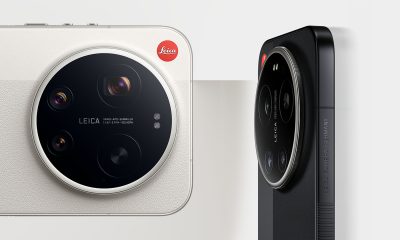
Xiaomi 17 Ultra is now available outside China
-
 Camera Walkthrough2 weeks ago
OPPO Reno15 Pro: Camera Review
-
 MWC 20264 days ago
TECNO showcases cool concepts at MWC 2026
-

 MWC 20261 week ago
TECNO resurrects modular phones with this new concept
-

 Reviews6 days ago
Xiaomi Pad 8 review: Slab that slaps!
-

 Events2 weeks ago
Capcom to hold Resident Evil Requiem launch event in Jakarta
-
 MWC 20263 days ago
TECNO launches the all-new CAMON 50 series
-

 Reviews6 days ago
Forget the Phone: Xiaomi 17 Ultra Is A CAMERA!