
News
HONOR ‘fastest-growing’ book-style foldable vendor in Europe: Counterpoint
Magic V2, Magic V3 key contributors to HONOR’s tripled market share

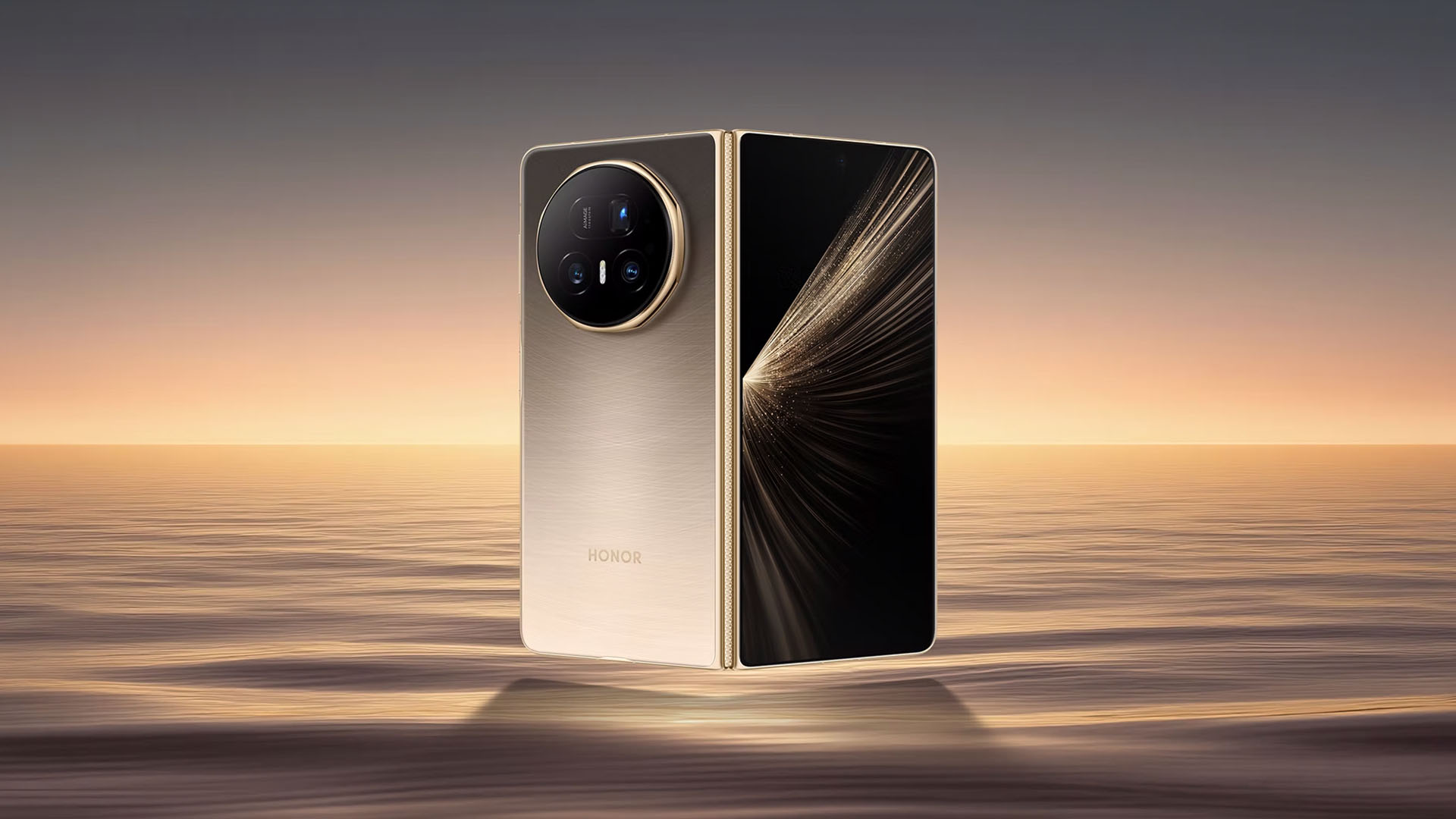
HONOR continues to build its presence in Europe as a smartphone vendor. According to Counterpoint Research insights, the company tripled its market share in the region for book-style foldables in 2024, making it the fastest-growing book-type foldable OEM in the region.
HONOR entered the European foldables market with its Magic V series offerings in early 2023, challenging Samsung which had been the dominant player in the category.
By the end of the same year, already HONOR placed second behind Samsung in terms of book-style foldables.
The following year, HONOR’s Magic V2 accounted for 27% of book-type foldable sales in Europe, per Counterpoint.
Together, the Magic V2 and Magic V3 enabled HONOR to triple their market share from 11% to 34% that year, on a year-on-year sales growth of 377%.
Such growth meant HONOR accounted for 70% of the overall growth particularly for book-style models in Europe.
Book-style models on the rise in Europe
More and more brands have been introducing foldable smartphones in the past few years. And European markets have been receptive to them so far.
Counterpoint mentioned that clamshell-type foldable sales grew 19% from 2023 to 2024. But while they are still more prominent than book-style models due to the former’s cheaper average price, the latter is beginning to gain traction as well.
Consumers are beginning to favor book-type foldables as well. The sales ratio of clamshell-type to book-type foldables shifting from 70:30 to 55:45 by the first half of 2024 can attest to this.
Samsung-HONOR rivalry continues
Of course, eager to maintain its status as the best-selling foldable phone in Europe, Samsung launched its latest Z series offerings — the Z Fold7 and Z Flip7.
But HONOR is likewise motivated to make the most out of the momentum, with the HONOR Magic V5 launching in London on August 28.
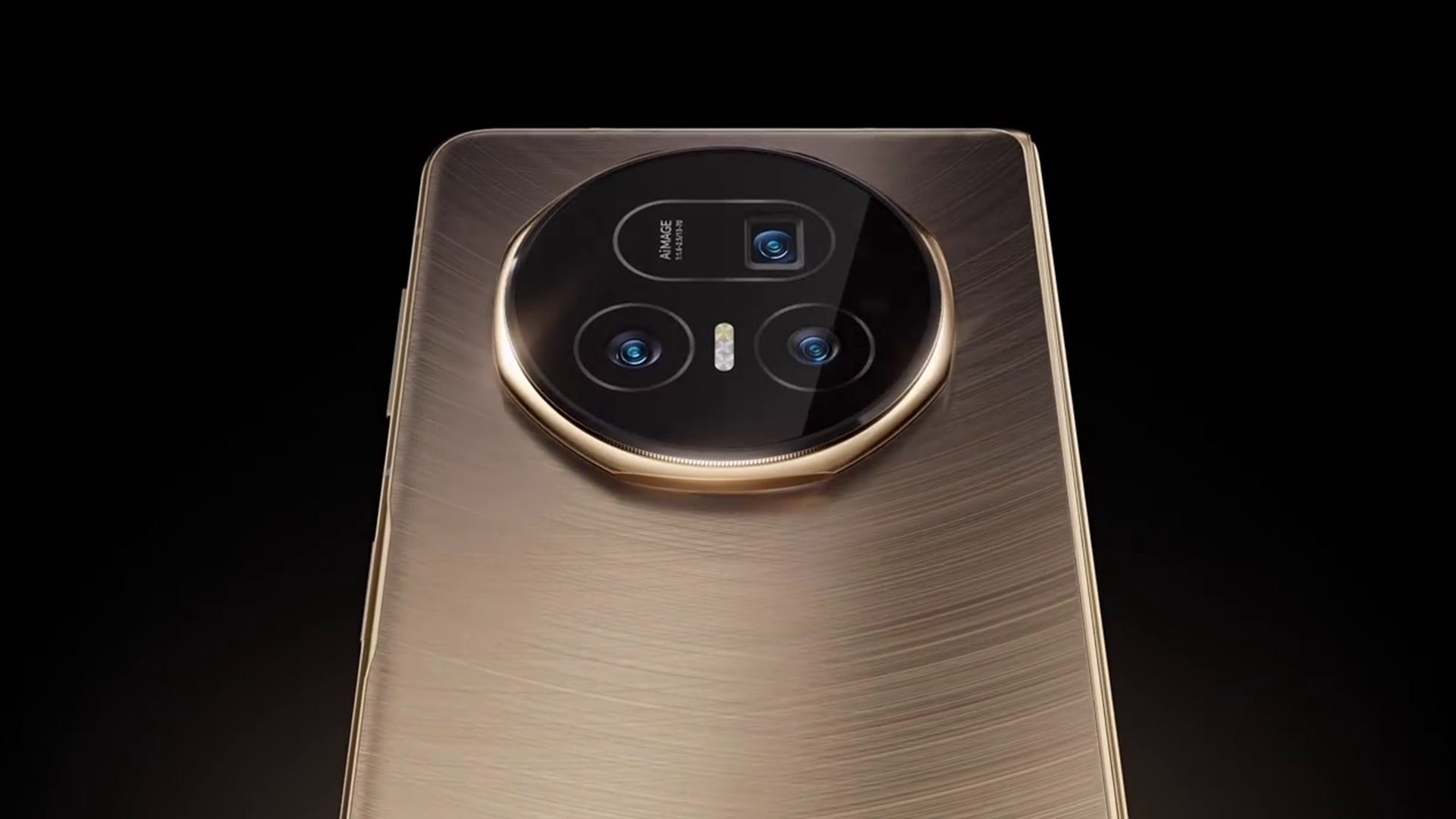
It is currently the world’s slimmest foldable at just 8.8mm when folded. Beyond the form factor, Counterpoint said a “seamless fusion of platform-level AI and market-leading hardware” — including flagship cameras —”can be a winning combination” for HONOR.
While Samsung is still the market shares leader at 50% in 2024, this figure is actually 23 percentage points lower than the South Korean tech giant’s 2023 market share of 73%.
Another key contributor to this is the introduction of other foldables from brands like OPPO, OnePlus, and TECNO in Europe.
‘Exciting time for the industry’
Lastly, Counterpoint projects that book-type foldable smartphone sales will reach almost 4 million units a year by 2028.
That’s the equivalent of 2% of total smartphone sales. Meanwhile, foldable phones, regardless of type, are expected to reach almost 10% of sales in Europe’s premium segment. They can even reach a higher share in key markets like the United Kingdom and Germany.
With Apple reportedly working on its own foldable phone and with Google also launching the Pixel 10 Pro Fold soon, it is clear that the foldables competition in Europe is getting tighter than ever.






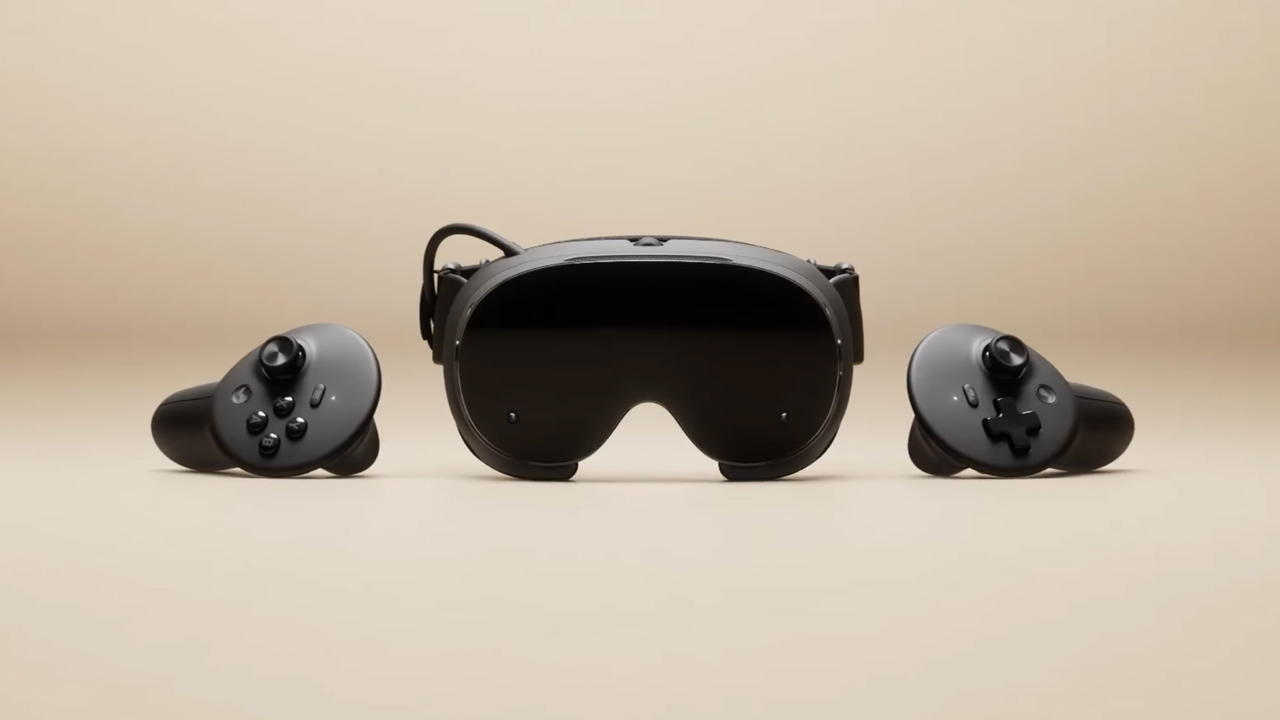
The trifecta is complete. Almost a year after announcing their new hardware, Valve has finally unveiled the price tag of the Steam Frame, complementing the Steam Machine and Steam Controller revealed a few months ago.
Whereas the Steam Machine is a console of its own, the Steam Frame is a traditional VR headset with a pair of controllers for both hands. Unfortunately, despite being in a different segment, the headset is not immune to the rising prices of technology. The Steam Frame will start at US$ 1,059 for a 256GB model and can go up to US$ 1,299 for the 1TB model. On the plus side, each box will come Half-Life: Alyx packaged along with the headset.
Here’s a more detailed rundown of what you’re getting. The Steam Frame will ship with the Snapdragon 8 Gen 3 chipset, paired with 16GB of RAM. Each eye comes with a 2160 x 2160 LCD screen, putting out images at up t0 a 144Hz experimental refresh rate. As mentioned above, the headset will start with 256GB of storage but can go up to 2TB. It will come packaged with SteamOS 3 and a rechargeable 21.6Wh battery.
This might be a hard buy for some. The industry currently has more affordable options, for one. Also, virtual reality isn’t the most thriving segment of gaming today.
If you’re still decided on buying one, however, Valve is using its lottery system. Interested customers can sign up from now until September 17. The company will then randomize the purchasing order. Those who draw the first ones in the lottery can get a purchase email as soon as September 18. Meanwhile, anyone who registers after September 17 will automatically be put at the back of the queue.
SEE ALSO: Valve announces its own console called the Steam Machine
Accessories
Apple is reportedly working on its own gaming controllers
It might launch under the Beats brand.

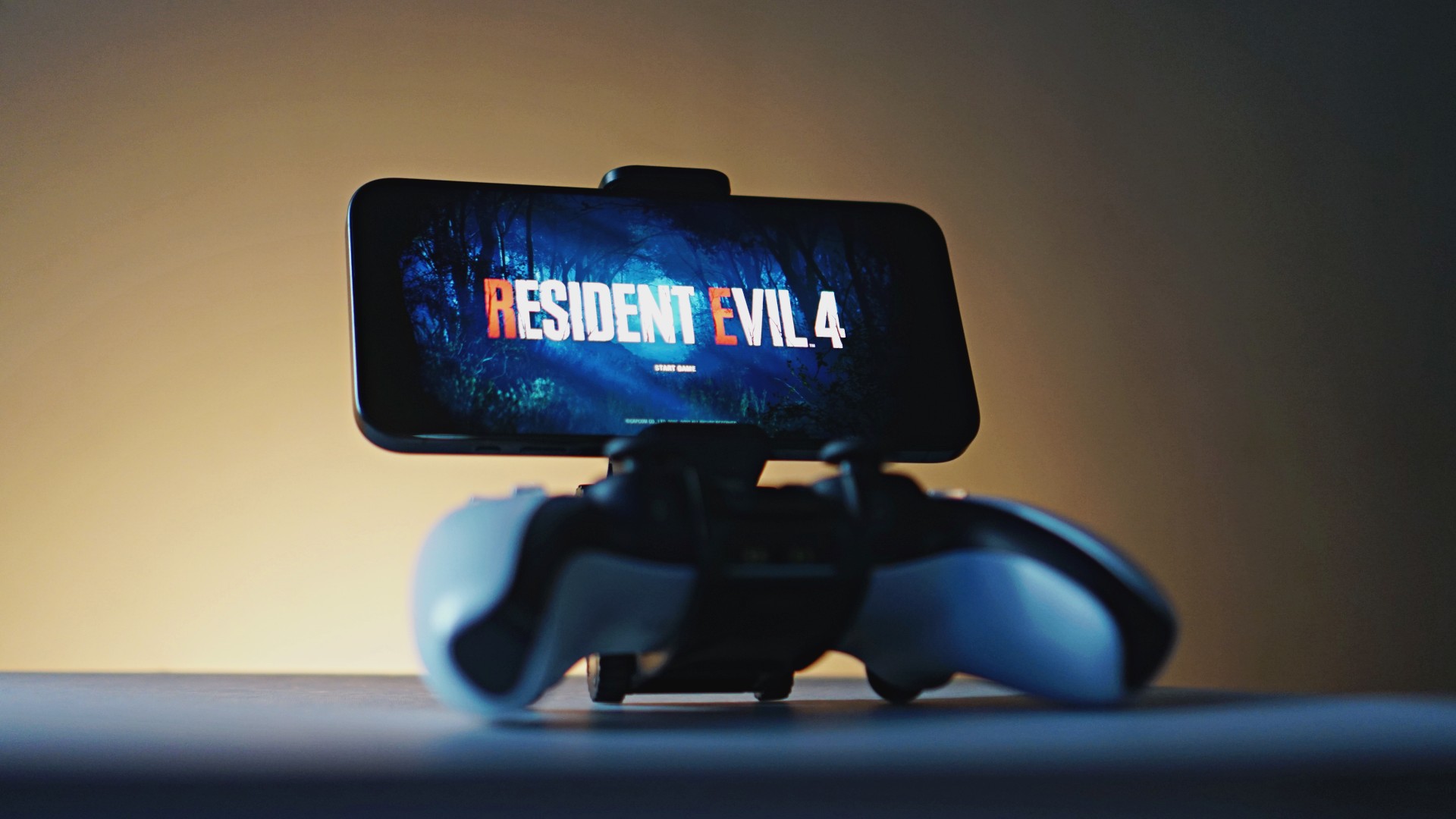
Last week, the iPhone Duo changed how you look at the ubiquitous smartphone. Foldables are in, and Apple is right there with it. But the company isn’t stopping with the foldable segment. Apple is reportedly working on its own branded game controllers.
According to Bloomberg, Apple has been working on a controller since last year. Further, a piece of code linked to macOS 27.4, spotted by MacRumors, includes references to two unknown gaming controllers.
Because Apple just concluded its huge event this month, it will likely be a while before we see confirmation of this controller. And it could be anything. Of course, because the Duo is fresh on our minds, the easiest answer is a mobile controller than can maximize the foldable’s ability to stand by itself. It could also use Apple’s larger screens like the iPad, the MacBook, or the Mac. Some even speculate that this could be Apple’s stronger push into the gaming market.
Outside of the actual hardware, the reports are also claiming that the controller will arrive by way of Beats, rather than from Apple itself. At first, the branding comes off as a surprise, but then again, Beats hasn’t really evolved past an audio brand in a long, long time. Is it time to revitalize Beats as something more than just a peddler of headphones?
SEE ALSO: First Look: Apple iPhone Duo
Gaming
Xbox saves Kojima’s PHYSINT after PlayStation drops support
PlayStation says the separation was mutual, but Kojima hints otherwise.

Things aren’t going well in the PlayStation camp. After two months of frankly questionable decisions, the company adds another to the pile by dropping support for Hideo Kojima’s PHYSINT.
For a while now, Kojima and PlayStation were in a very productive relationship with the Death Stranding duology, a critically acclaimed collection of titles for the platform. When things looked like they were going well, Kojima announced PHYSINT, an espionage-themed game which reminded fans way too much of Metal Gear Solid.
If you were investing in a PlayStation 5 to play Kojima’s latest thriller, you might want to move your chips elsewhere now. PlayStation has just dropped support for the espionage game, meaning PHYSINT will no longer be a first-party title for the platform.
Though PlayStation claims that the decision came after “careful consideration,” Kojima himself has said that the move was “unexpected,” going against PlayStation’s assurance of a mutual separation.
Very quickly, Xbox has announced that their platform will support PHYSINT instead. It’s a big get for the competing brand because Xbox Game Studios is already supporting OD, Kojima’s other upcoming horror project starring Sophia Lillis.
Unfortunately, it’s difficult to say more. As is tradition, Kojima will not explain much more about his upcoming titles. In fact, OD’s trailer barely says anything. One thing’s for sure, though: we’re all in for quite a ride.


Marvel’s Wolverine review: When the claws come out
A brutal, cinematic superhero adventure

Setting your bedsheets ablaze with the Lovense Solace Pro
The closest proxy I could find where I'm guilty as sin


Now Playing: Elden Ring Tarnished Edition
Is the Switch 2 port worth the price?

Valve unveils price of the Steam Frame

Match Pulse: Passport-sized foldables

Burgundy is the new Black!

Apple is reportedly working on its own gaming controllers

BlizzCon 2026 announces World of Warcraft: Forever and Diablo V

TECNO MEGAPAD 2 review: Eyes on the size

realme 16T 5G with 8000mAh battery, IP69 Pro rating launches in PH

HUAWEI Pura X View is 2026’s first WIDE slab-type smartphone

REDMI reveals the refreshed Note 17 and Note 17 Pro series

REDMI Note 17 Series focuses on long-term reliability


-
 News1 week ago
HUAWEI Pura X View is 2026’s first WIDE slab-type smartphone
-

 News1 week ago
The CAMON Slim 5G is TECNO’s latest ultra-slim smartphone
-
 Cameras2 weeks ago
DJI Osmo 360 II review: Going all-in on the ecosystem
-
 IFA 20262 weeks ago
TECNO MEGABOOK T15 360 unveiled at IFA 2026
-

 Gaming2 weeks ago
NBA 2K27 review: A two-way All-Star
-

 News5 days ago
iPhone 18 Pro series: Price, availability in the Philippines
-
 Reviews2 weeks ago
Samsung Galaxy Z Fold8 Ultra review: It’s time to get a foldable
-

 IFA 20262 weeks ago
TECNO’s POVA 8 Pro gets a stealthy makeover