


Dark mode is not new, but it’s becoming really popular. With more people appreciating how easy it is to the eyes with a dark background, we get flooded with questions asking how to activate this mode. Facebook recently rolled out its dark mode feature for its popular Messenger app, which triggered the curiosity of clueless users.
Another well-known desktop application will soon have its official dark mode: Google Chrome. There’s no exact release date yet for the browser’s upcoming feature, but there are ways to experience it now. If you use Chrome, you might find these tips very useful.
Apply “Just Black” theme
There are a lot of black or dark themes on the Chrome Web Store. Even before dark mode was a thing, black themes were already available for Chrome, at least for its desktop version. Although, not all dark themes are created equal. There are some that aren’t dark enough and some are too complicated.

Just Black theme | Image credit: Google
Thankfully, there’s no need to dig inside the Themes section of the Web Store because Google has its own dark theme called Just Black. The theme is available to download for free and it’s one of the 14 official themes made by Google’s Chrome team.
Like other themes available in the Web Store, the Just Black theme skins the surface of the browser including the title bar, start page, and tabs. What’s not darkened are the drop-down menus and the settings panel. If you want a deeper dark mode, check out the next option.
Try out Google Canary
In order to try out the official dark mode that’ll come to Chrome in the coming months, you’ll have to be adventurous and “get on the bleeding edge of the web.” I’m not talking about Chrome Beta or Chrome Dev; the official dark mode is in such an early stage that you’ll have to download Chrome Canary. This version of Chrome is experimental, but it’s usable.
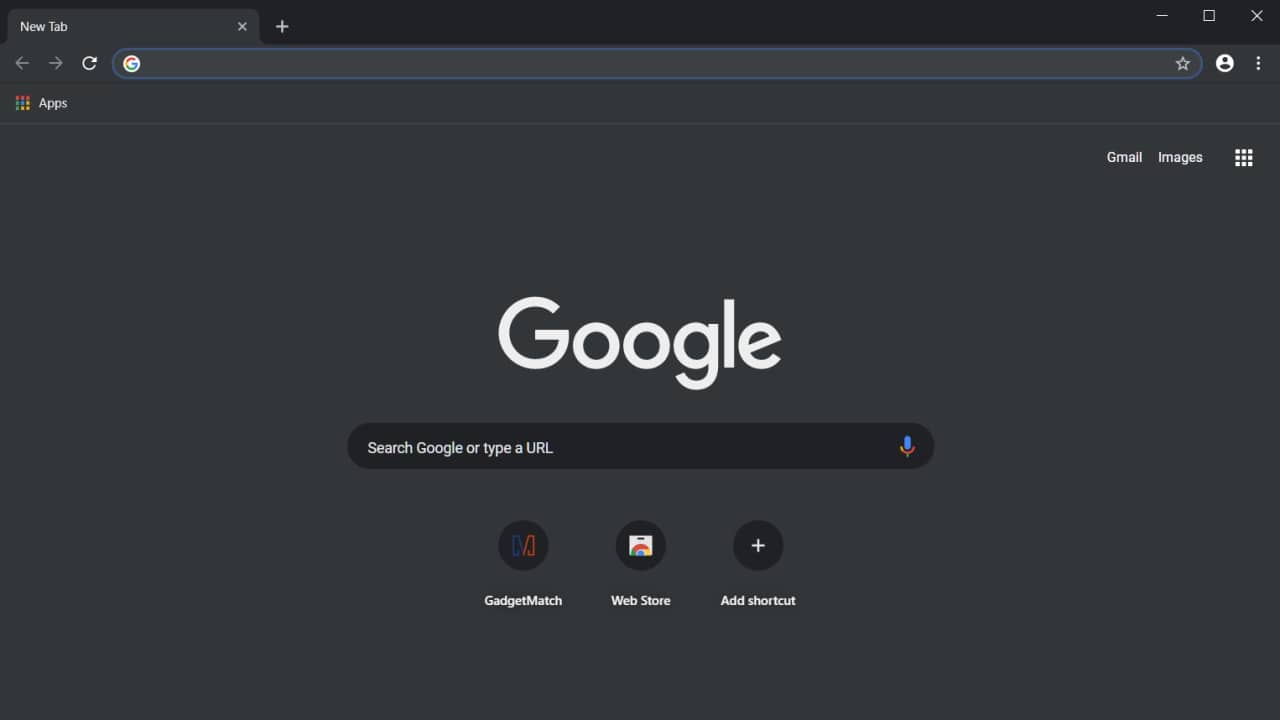
Chrome Canary 74 in dark mode | GadgetMatch
Canary’s dark mode is dynamic and it adjusts accordingly to your operating system’s setting. Both Windows and macOS have their respective dark options, so you’ll have to turn them on in order to activate Canary’s dark mode.
As mentioned, the official dark mode of Canary goes deeper, which means even the settings panel and menus are darkened. It’s slightly different from the Just Black theme and is more similar to the dark mode of Android Pie and YouTube. The official dark mode has gray tones with blue highlights.
Chrome Canary can be very unstable, but it gives you an early look at the upcoming dark mode for Google’s well-loved browser.
Go incognito
One of the earliest and easiest tricks to enjoying a dark-themed Chrome is to hit Ctrl+Shift+N or select “New incognito window” from the browser’s menu. Incognito mode has been around for years and it saves us a trip to the delete button in the browser’s History section. 😉
If you’re using the default theme of Chrome, the instant dark theme of incognito also helps in distinguishing which of your Chrome windows is not recording your visits.
Bonus: Dark mode for all websites
Even if your theme is now dark, it doesn’t mean that the websites you’ll visit will darken as well. Most websites today have a plain white background (like ours) which means it’ll contrast with your dark theme. If you prefer to make the websites dark as well, there’s an extension for that.


The extension is aptly called Dark Mode and it’s free on the Chrome Web Store. It adds a toggle beside the browser’s omnibar. It works on most websites, but it’s not perfect in some cases. Still, it helps reduce eye strain when you’re browsing a website in the dark.
SEE ALSO: Here’s how you can enjoy Dark Mode on Facebook Messenger







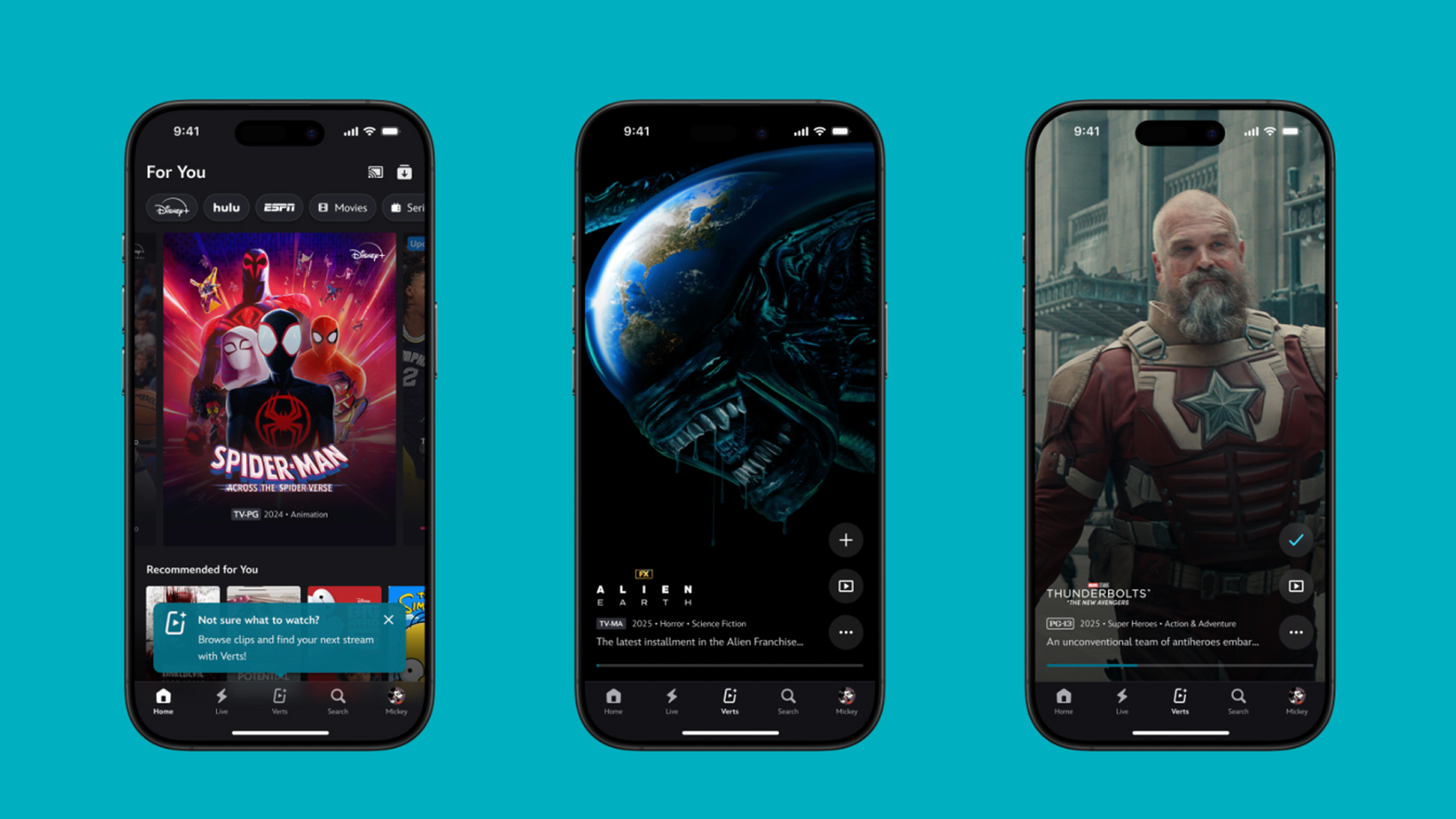
TikTok has changed how we consume media. Everything is now vertical. Even the most established streaming services, often a bastion for traditionally horizontal content, is adopting the different format. Now, Disney+ is getting a vertical feed called Verts.
Like its contemporaries, Verts presents a continuous feed of content but tailored to show the plethora of titles from the Disney+ library. This might include the first scenes of shows or notable highlights. The hope, of course, is to direct users to the longform content.
Directly from the Verts feed, users can easily add the respective title to their watchlist or go straight to the title’s page. In turn, the feed is accessible from the homepage since it has its own tab.
According to Disney, early experiments with the feature have driven engagement to available content. Right now, the feed is mostly for clipping enticing content from shows. However, the platform will experiment further with the format for new ways to tell stories.
Though Verts surely stands for “verticals” in this case, “adverts” might fit better as its full government name. Still, it might be a useful tool if you’re figuring out what to watch for the night.
Currently, Verts is available for Disney+ subscribers in the United States. Disney also has plans to expand the feature to ESPN for sports-related content.
SEE ALSO: Live NBA action on Disney Plus now available in the Philippines

Some of today’s navigation apps are living in the future. Instead of a two-dimensional map, these apps render the user’s surroundings in 3D. It’s a nifty upgrade that helps drivers more accurately visualize directions on the fly. Finally, Google Maps is getting a much-needed upgrade and will take navigation to the third dimension.
In a new update rolling out today, the new Immersive Navigation feature will bring your surroundings to life. The 3D view creates a render of the surrounding buildings, overpasses, and terrain around the car. It takes the guesswork out of navigation by showing precisely where to turn and what landmarks to look out for.
In the same vein, you can now use Street View to preview your destination before you arrive. Google Maps will also highlight your destination’s entrance, side of the street, and nearby parking.
Outside of how the map is visualized, Google Maps is also infusing its service with Gemini. The new Ask Maps feature will let you engage with the app in a conversational manner. For example, if you’re in the middle of a long drive, you can now ask Maps where the best place is to stop over and have a coffee break. Ask Maps will provide directions, a potential itinerary, and even helpful links to book a reservation ahead of time.
Now, availability for both of these features is still a bit limited. Immersive View is rolling out today to compatible devices and vehicles in the United States. Further, availability will expand over the coming months.
Meanwhile, Ask Maps is available now in the United States and India for Android and iOS. A desktop version is coming soon.
SEE ALSO: Google Maps is finally getting a power saving mode
Apps
Apple Music, TikTok launch Play Full Song, a new music discovery experience
Rolling out worldwide exclusively through Apple Music

Ever came across a viral 15 or 30-second music snippet on TikTok that instantly became your jam on repeat?
For years, TikTok has been a regular source of songs that have become part of our playlists. And together with Apple Music, listening to the music you discover has just gotten even easier.
That’s through Play Full Song, a new music discovery experience, which launches exclusively though Apple Music.
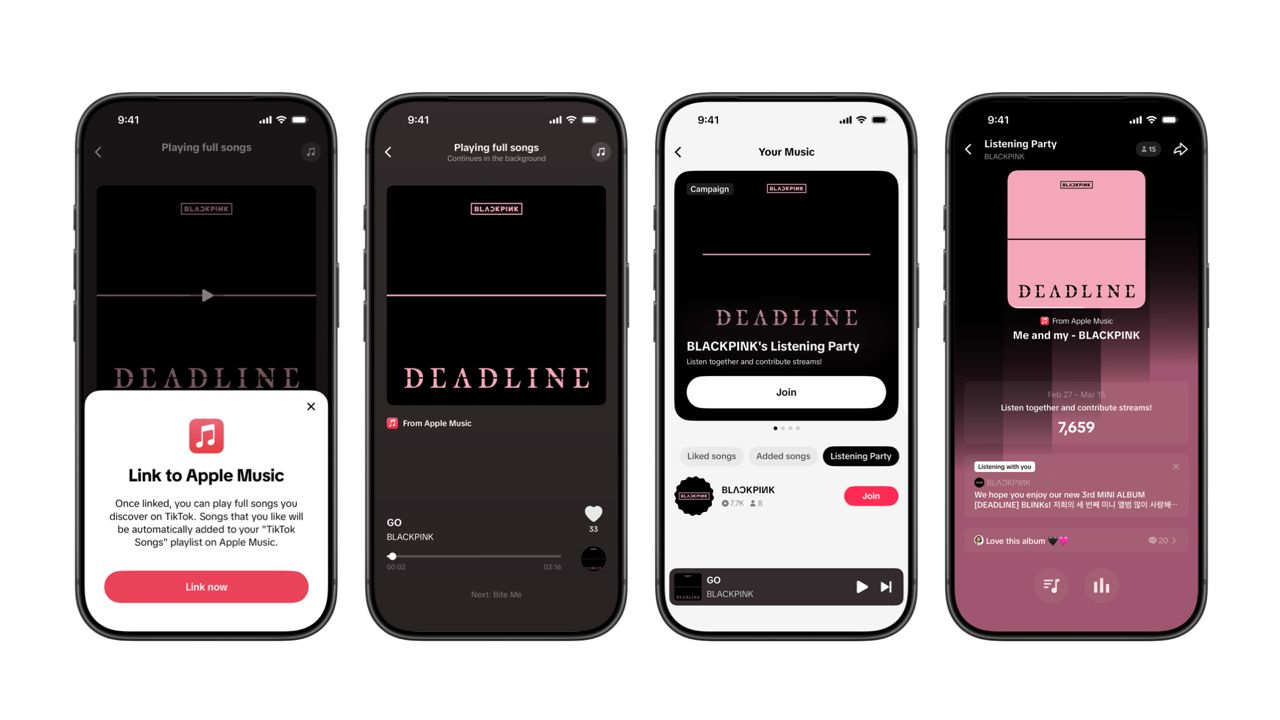
With the new feature, Apple Music subscribers can now enjoy full-length tracks that they discover on TikTok. That’s without ever leaving that popular streaming app.
Fans who discover a song that they love on their For You or Sound Detail page can simply tap the Play Full Song button to open up an Apple Music player and enjoy the song in its entirety.
From there, subscribers can continue listening to a personalized stream of recommended songs. That means no more need to switch apps and search separately.
The new Play Full Song experience helps music fans move seamlessly from the moment of discovery to deeper listening. It’s also designed to be instant and all within the same environment.
Moreover, users can also save their favorite songs to Your Music and add them directly to their Apple Music playlists.
Built using Apple’s MusicKit, full-length song playback takes place on Apple Music. This way, streams are paid within the Apple Music service, supporting artists and rights holders while giving fans a smooth, uninterrupted experience.
Listening Party also launched
The feature builds on the success of TikTok’s Add to Music App. This was previously launched to help artists and fans convert discovery on TikTok to a playlist save in Apple Music and other streaming services.
To cap the announcement, TikTok and Apple Music are also introducing Listening Party. This new feature is designed to bring artists and fans together around music.
It creates a shared environment where fans can listen to songs from their favorite artists in real time, interact with each her, and engage directly with the artist during the session.


Infinix NOTE 60 Ultra: Not bad for a flagship push
It's definitely got the looks, though.


JBL Sense Pro review
My daily driver met a loud and capable rival in this quest for a superior training companion.


Shokz OpenFit Pro: Somewhere between awareness and focus
Find your balance

Match Pulse: TECNO SPARK 50 5G
Infinix NOTE 60 Ultra: Not bad for a flagship push
JBL Sense Pro review

LE SSERAFIM Chaewon flexes Galaxy S26 Ultra Privacy Display

Power Mac Center opens 1st branch in Boracay


-

 Philippines2 weeks ago
The HONOR X8d is serviceable
-

 Gaming1 week ago
WWE 2K26 lets you live out all the fantasy matches you could want
-

 Reviews1 week ago
Galaxy Buds4 Pro review: I thought I was done with in-ears
-

 Smartphones2 weeks ago
Spotlight: OPPO Find N6
-

 Gaming2 weeks ago
The hunt begins: The Witcher in Concert hits Manila with surprises in tow
-

 Automotive1 week ago
How the Ford Ranger is powering community resilience
-

 Gaming2 weeks ago
Monopoly: Star Wars Heroes vs. Villains launching on June 11
-

 News2 weeks ago
nubia to launch new Neo 5 series gaming phones on March 28