



Gaming laptops are known to be heavy and bulky. It’s also a struggle to bring one outside because of the relatively short battery life. So, are there any alternatives? Well, this new notebook from HP will not replace gaming notebook, but it’s a portable device that’s more powerful that its competitors.
The Envy x360 is a 13-inch convertible powered by AMD’s latest Ryzen processors. Is it any good? Does it live up to the promise? Let’s find out.
This notebook has a 13.3-inch Full HD display

With slim side bezels, it’s more compact than most 13-inch laptops
It’s got a well-designed 360-degree hinge…

There’s a striking pattern to complement it
… that lets it convert into a tablet

It supports both pen and touch input
The webcam is paired with an IR scanner

For facial recognition using Windows Hello
On its left are a full-size USB 3.1 and combo audio jack

The power key, microSD card reader, and vents are also on this side
Another USB 3.1 plus a versatile USB-C are on the right

There’s also the charging port and volume rocker
The speakers occupy the top area of the keyboard

There are two more speakers at the bottom
The keyboard is surprisingly good despite its size

Well-spaced with good amount of travel
The touchpad is pretty good, too!

Gestures are difficult at times, though
Premium at all angles
For those who are unfamiliar, the Envy series of HP notebooks sits between the high-end Spectre series and the mainstream Pavilion line. This year’s Envy x360 inherited the design cues and characteristics of the Spectre line of PCs without the high price tag. That being said, this notebook looks and feels premium like a true expensive device. The whole body is made of aluminum with a matte finish.

The only available color option is this Dark Ash Silver, so there’s really no other choice for those who prefer a lighter finish. Don’t mistake it for being dull and boring though, because the subtle pattern near the hinge is quite a head turner. Also, the new minimalist HP logo is a conversation starter.
Aside from being a gorgeous-looking device, the Envy x360 is an ultra-portable notebook. Its 13-inch profile is significantly smaller than other similarly sized notebooks in the market due to its micro-edge bezels. Let’s not forget it’s using Gorilla Glass, too.

With its smaller body is a compact keyboard that is surprisingly great. Prior to the Envy x360, I was using the Lenovo C930, which is not exactly a small laptop. I loved the spacious keyboard on the Lenovo (as always), although HP is able to cram a well-spaced layout and it didn’t take long before I adjusted to it.
I can’t say the same for touchpad, though. It’s responsive, but it uses a third-party Synaptics driver as opposed to the native Windows Precision. Multi-touch gestures are present, but aren’t as precise.
Very capable considering its size
Usually, laptops with dedicated graphics have to be thicker and heavier, but not this one. The interesting feature of the latest version of the 13-inch Envy x360 is its processor: HP shifted from Intel to AMD.
My unit is powered by a Ryzen 7 2700U processor with Radeon RX Vega 10 graphics. Compared to other Intel-powered notebooks that only have integrated graphics, the Envy x360 is more adept in gaming and editing.

With an ample 8GB of memory and a speedy 256GB SSD for storage, I’d say the configuration is balanced — especially for its size. Unfortunately though, the memory is not upgradable, but the storage is.

As a consumer notebook, the Envy x360 is pre-loaded with Windows 10 Home. It’s bloated with a few HP apps and trial software that are just wasting storage space. It’s a good thing everything runs smoothly out of the box. When I installed the latest October 2018 update of Windows 10 though, it experienced some hiccups. AMD is not known to push the latest drivers on time, so a future update should patch the minor performance issues.
When it comes to gaming, the Ryzen 7 chipset shines. Usually, laptops this size can only run PC games on low settings but thanks to the prowess of the Radeon RX Vega 10 unit, I was able to play CS:GO well on high settings. Fortnite is nicely playable when you turn down the resolution, as well. My favorite, Cities Skylines, is also enjoyable on medium settings despite the occasional frame drops.
Battery life could be better
HP claims 11 hours of battery life based on its tests, which sounds impressive but real-life usage is nowhere near that number.

My usage of the Envy x360 varies, but the average battery life I get is around five hours. This includes consistent Wi-Fi connectivity, web browsing (using both Chrome and Edge), and a couple of Modern Family episodes on Netflix. When I put my gamer’s hat on, I only get two and a half hours on a single charge.
When it comes to charging, the included 45W power brick fills up the notebook to full in two hours. What’s great about the Envy x360 is it can also be charged through the USB-C port. Any 40W and above Power Delivery charger should work fine.
Is this your GadgetMatch?
If you want a powerful notebook without the high price of the more popular Intel processors, the Envy x360 with AMD’s Ryzen 7 is a viable option.
For PhP 63,990 or roughly US$ 1,215, you can have a premium machine that has more than enough computing power for everyday chores. It’s also a portable laptop than can run games on good quality settings, render videos and/or photos faster, and entertain on the go.

There’s an even cheaper variant running Ryzen 5 for PhP 56,990 or US$ 1,080. It’s slightly less powerful when it comes to gaming, but it pretty much offers similar overall performance.
AMD processors do have their issues, but those can be fixed by a patch. Hopefully, AMD and HP push regular updates to keep the machine compatible with the latest games and applications.
SEE ALSO: Lenovo Yoga C930 Review: It could have been the best






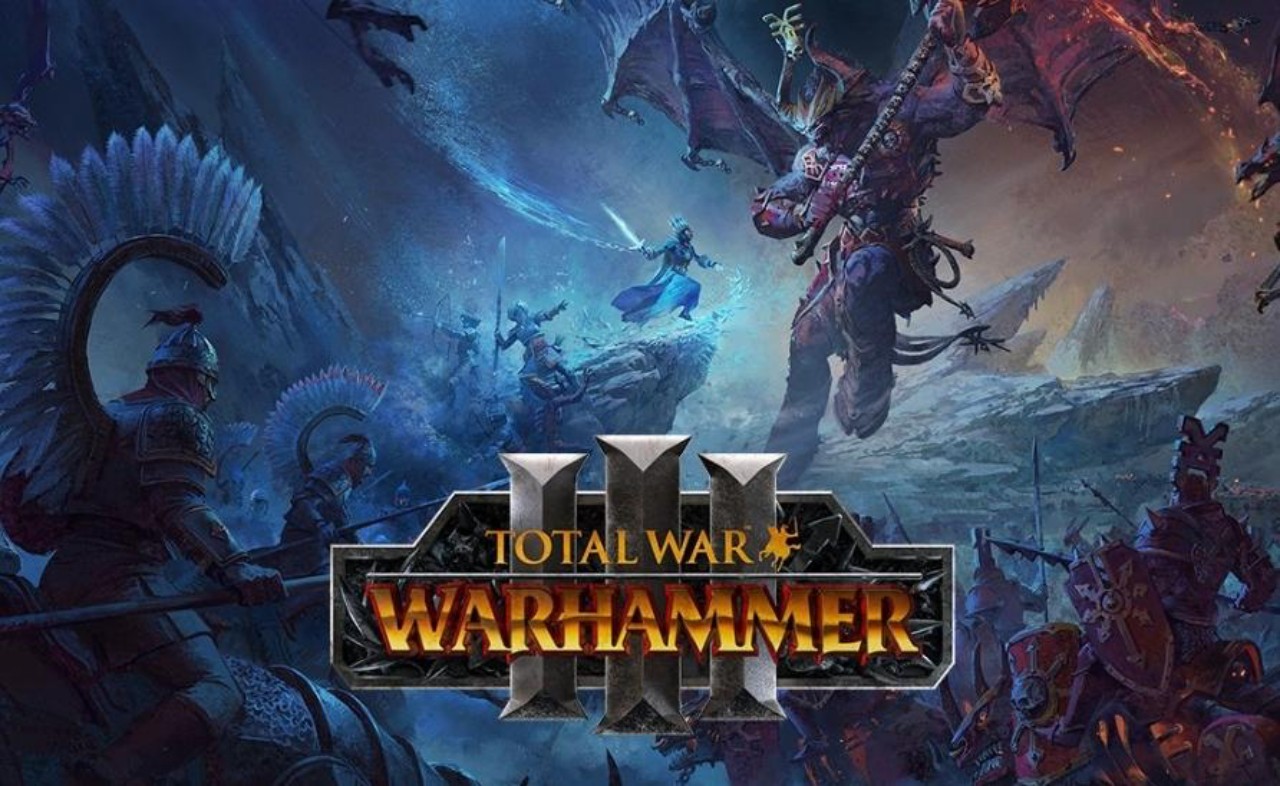
Lords of the End Times brings four new Legendary Lords, new units, and a major update to Total War: Warhammer III. More importantly, it gives players another excuse to return to the sprawling Immortal Empires campaign.
For anyone who has spent time with Total War, the appeal is familiar. You spend turns building your empire, managing armies, negotiating with rival factions, and deciding where to strike next. Eventually, all that planning leads to the part where thousands of soldiers meet on the battlefield and you have to make those decisions work in real time.
That combination remains the core of Total War: Warhammer III. Lords of the End Times doesn’t fundamentally change that formula. Instead, it gives the existing sandbox more characters, units, and ways to approach its battles.
Two layers of strategy

The campaign map is where much of Total War‘s strategy happens.
You have time to consider where to move your armies, which provinces to develop, what to build, and how to deal with other factions. Those decisions can seem slow compared to the battles themselves, but they’re what give the real-time encounters their weight.
A battle isn’t happening in isolation. The army you bring with you reflects the choices you’ve made on the campaign map. Your available units, resources, reinforcements, and strategic position all affect what happens once the fighting starts.
That creates a useful rhythm. The campaign gives you room to plan before the pace suddenly changes when two armies collide.
It also means a victory isn’t simply about having more units. Bringing the right army to the right fight matters, and the battlefield can quickly punish a poor decision.
The battlefield is where things get hectic
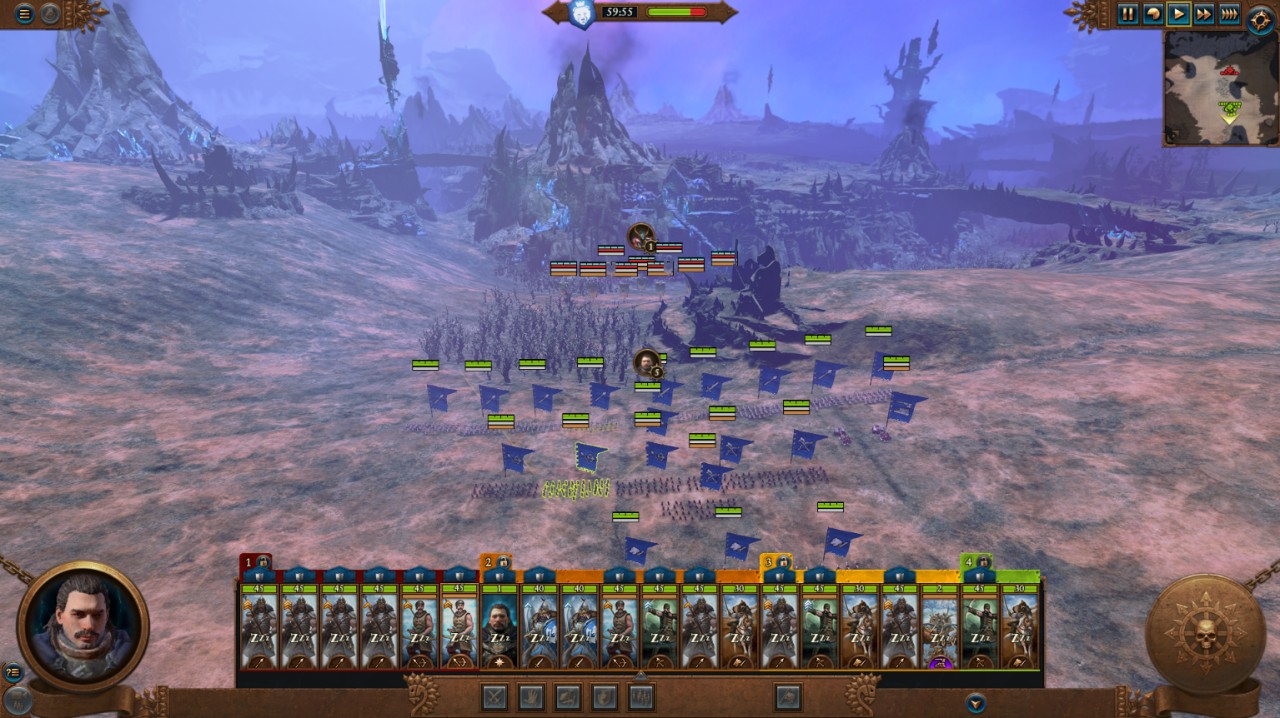
Once the fighting begins, Total War: Warhammer III becomes much more immediate.
Positioning matters. Infantry can hold a line while cavalry looks for an opening. Ranged units become more effective when placed where they can actually see their targets. High ground can give artillery a better angle, while terrain can create opportunities for a flank.
There is also plenty to manage once the battle gets moving.
You can adjust formations, move individual units, cycle cavalry charges, control flying creatures, and time spells around the rest of your army. The amount of information on screen can be intimidating at first, but it becomes easier to read once you understand what each unit is supposed to be doing.
That’s where the comparison to older real-time strategy games makes sense. The fundamentals of positioning, unit control, counters, and timing are still here. Total War simply operates at a much larger scale.
The difference is that battles can become considerably more chaotic. A plan that looked sensible a few minutes earlier can fall apart once several units engage at once.
Warhammer is doing a lot of the heavy lifting
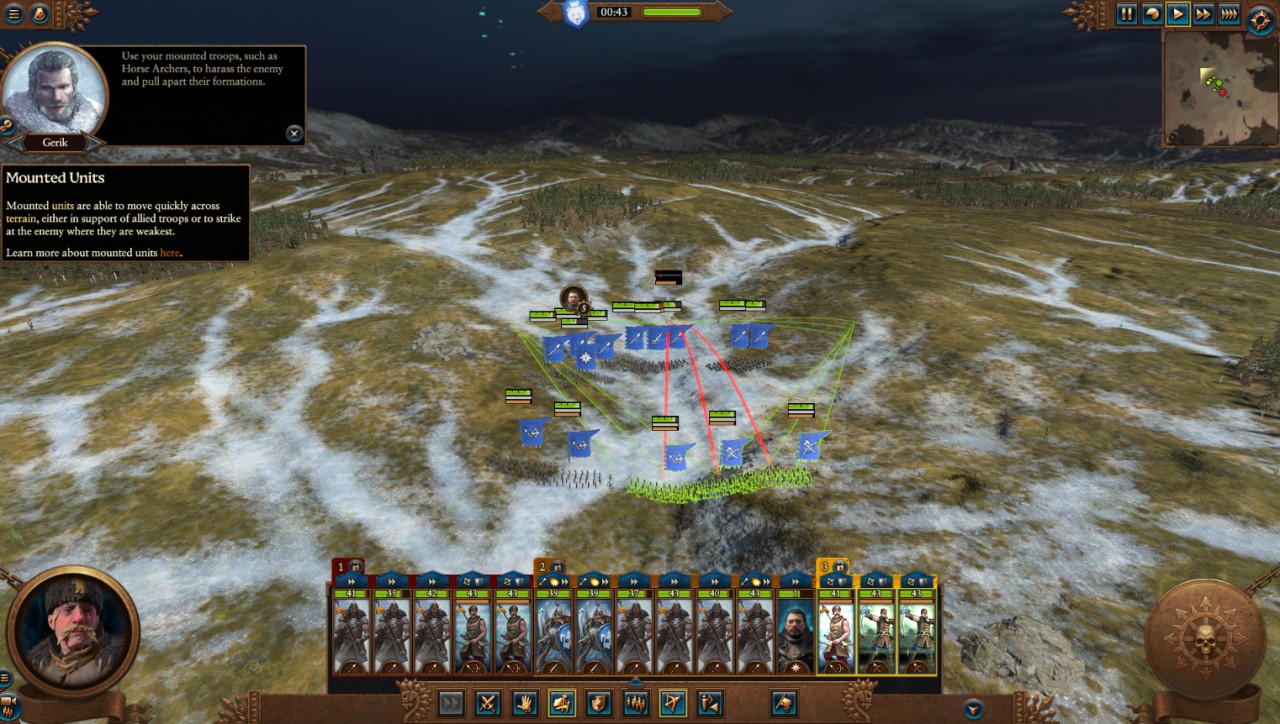
The biggest strength of Total War: Warhammer III is arguably how much variety the Warhammer setting gives the formula.
Different factions don’t simply use different models. They can change how you approach the campaign and the battlefield.
The undead, for example, play very differently from the Skaven or the Empire. Their units, abilities, heroes, and mechanics encourage different approaches to combat. That variety gives the Immortal Empires campaign plenty of room for experimentation.
It’s also where the spectacle comes into play.
There is something inherently entertaining about watching enormous monsters, heavily armored troops, magic users, and entire infantry formations collide in the same battle. Spells can reshape an engagement in seconds, while a well-timed charge can turn a losing fight around.
The Warhammer setting gives Creative Assembly plenty of toys to work with, and Lords of the End Times adds even more of them.
A lot to take in for newcomers

The scale can also make Total War: Warhammer III look more intimidating than it actually is.
You don’t need to know every faction or understand decades of Warhammer lore before starting a campaign. There is certainly a lot of lore to discover, but the game can be enjoyed simply by learning what your army does and figuring out how to make it work.
The visual spectacle helps, too.
Seeing enormous creatures fight alongside conventional troops makes even routine battles feel distinctly Warhammer. A battlefield can go from an organized formation to complete chaos surprisingly quickly once magic and monsters enter the equation.
That doesn’t mean the game is immediately simple. There are a lot of systems to learn, particularly once you start digging deeper into the campaign. But there’s a natural progression from figuring out basic formations to experimenting with more complicated strategies.
Lords of the End Times gives the sandbox more room to play

Lords of the End Times works best when viewed as another expansion of the Total War: Warhammer III sandbox rather than a reinvention of it.
The appeal is still the same: plan on the campaign map, build an army, pick your battles, and then try to execute that plan once everything starts moving.
The new Legendary Lords and their accompanying mechanics give players more ways to approach that loop, while the scale of the battles remains one of the game’s biggest attractions.
For longtime Total War players, that’s probably the most important thing. Lords of the End Times doesn’t need to reinvent the series to be interesting. It just needs to give players another reason to start another campaign and see what happens.
And, considering how easily a carefully planned campaign can descend into battlefield chaos, there is usually plenty to see.
Gaming
CRISIS CORE -FINAL FANTASY VII- REUNION physical edition now available for Switch 2
Zack Fair’s story comes to Switch 2.

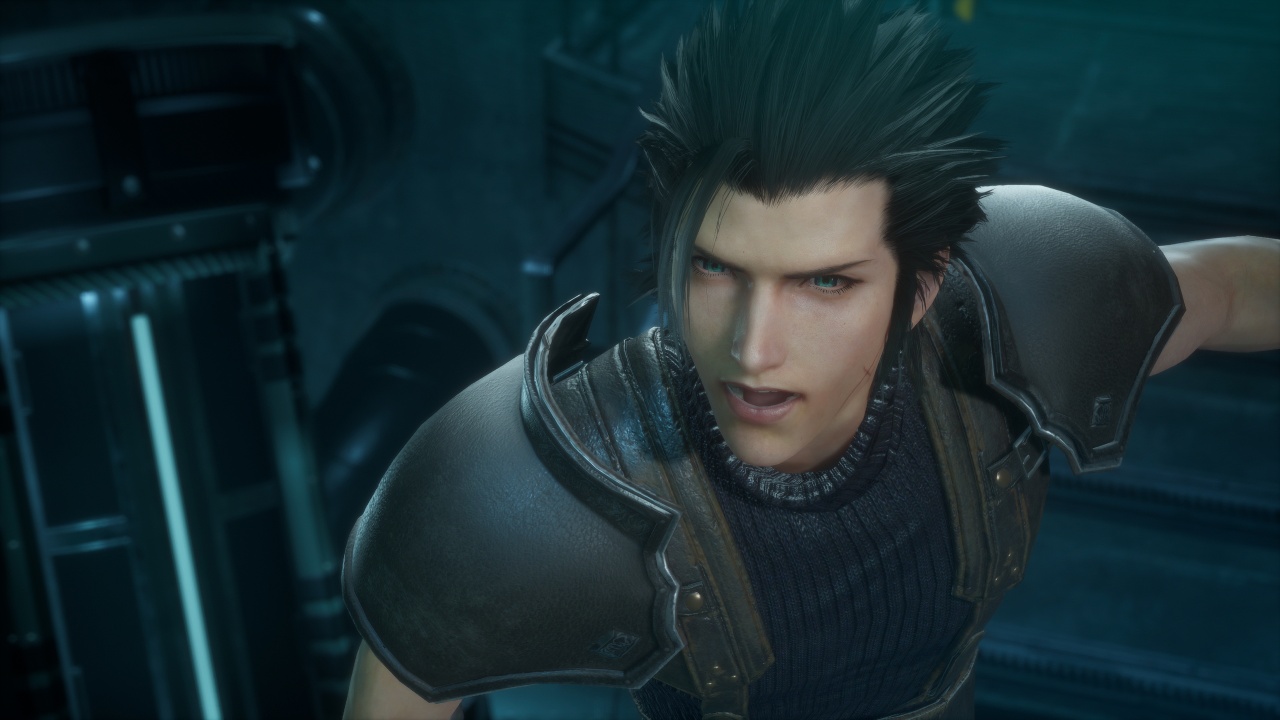
Bandai Namco Entertainment Asia and SQUARE ENIX have released the physical edition of CRISIS CORE -FINAL FANTASY VII- REUNION for Nintendo Switch 2 in Southeast Asia.
Players can also purchase the game digitally on the platform. Availability may vary by region and retailer.
Zack Fair’s story returns
Set in the mako-powered metropolis of Midgar, CRISIS CORE -FINAL FANTASY VII- REUNION follows Zack Fair, a young operative in Shinra’s elite SOLDIER unit.
Zack investigates the mysterious disappearance of SOLDIER operatives alongside his mentor, Angeal, and the legendary Sephiroth. His journey reveals the events that shaped the world of FINAL FANTASY VII and his connection to Cloud Strife.
The game revisits Zack’s story with an HD graphical overhaul of its character models, user interface, and environments. It also features fully voiced dialogue in English and Japanese, alongside an updated action-combat system.
Players can trigger Limit Breaks and Summons as they battle their way through the story. The game also supports handheld and docked play on Nintendo Switch 2.
A look back at Zack’s legacy
Originally released as a remaster of the PSP classic, CRISIS CORE -FINAL FANTASY VII- REUNION offers a refreshed take on one of the franchise’s most significant prequel stories.
In our GadgetMatch review, we explored how the remaster brings Zack Fair’s journey to modern platforms while preserving the emotional core of his story.
The release also gives players another way to experience the events leading into FINAL FANTASY VII, ahead of the upcoming FINAL FANTASY VII REVELATION, the third and final entry in the FINAL FANTASY VII Remake series.
For more information about CRISIS CORE -FINAL FANTASY VII- REUNION and other Bandai Namco Entertainment Asia titles, visit the official website.
Gaming
Dune: Awakening makes it way to the PS5 and Xbox Series X
Surviving the harsh land of Arrakis one sandstorm and bloodlust at a time


Back in June of 2025, Funcom released its multi-nominated open world survival game, Dune: Awakening. Inspired by the renowned movie franchise, the game takes place within the deserts of Arrakis as players survive and thrive through intense combat and strategic decision making. Now, in the big 2026, Funcom is finally bringing that experience to PlayStation 5 and Xbox Series X|S players as Dune: Awakening officially launches on console!
For the newbies finally getting it on console, here’s all you need to know:
Take the lead or do it together
Dune: Awakening takes you into the desolate land of Arrakis, and gives you the option to do it on Single Player or Multiplayer upfront. Through your own bidding in strategy, combat, and resource management, your goals are simple: survive the terrain, make more allies than enemies, and conquer the land through your affiliation to the powers that be.
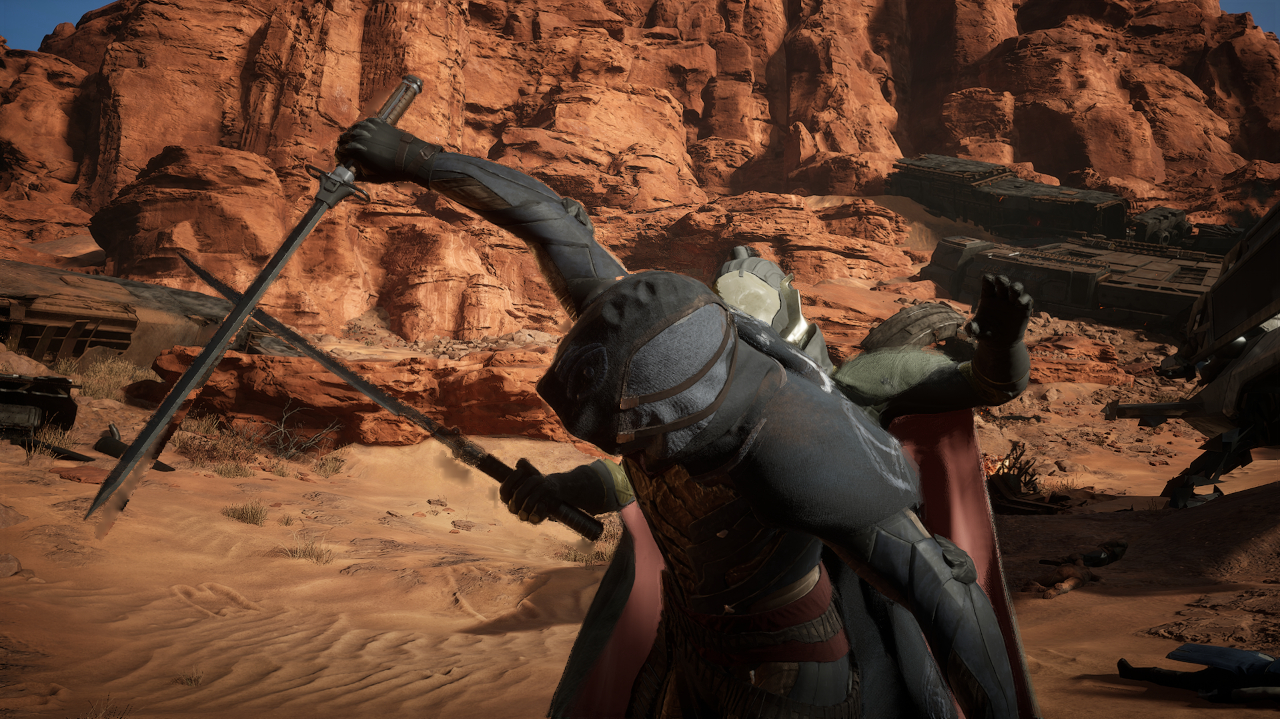
This version of the game is as exact and as one-to-one as it possibly could with the PC version released last year, down to the story arcs, quests, and PvE/PvP areas you take on. Since launch, Funcom has introduced new weapons, areas, and cosmetics through DLCs that will be available to console players, as well. Also, several key features in story and mission progression that have changed on the PC version will take into effect.
If you want to engage with multiplayer, it is still a viable option when you want to gather more resources and reinforce your bases against other players and the natural elements. However, you still won’t be able to host your own server on a console just yet, as it is more stable to do so on the PC version.
Become whoever and whatever to survive
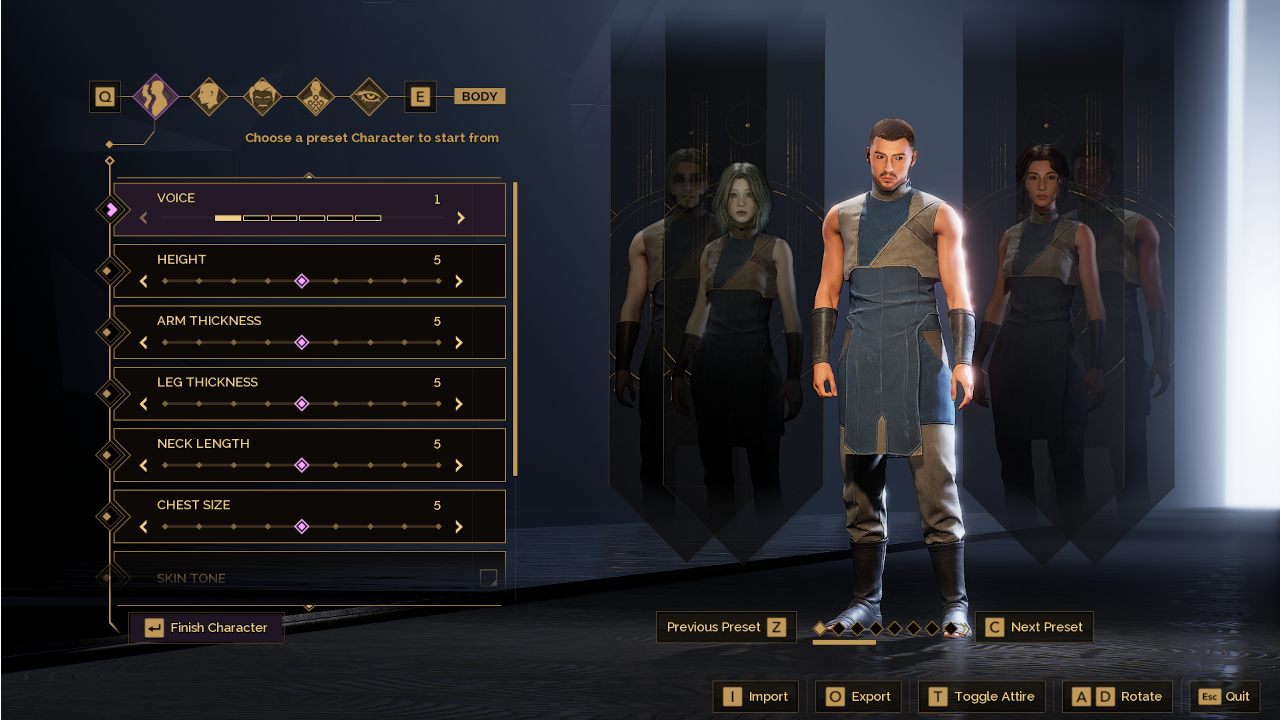
Character customization became the game’s bread and butter through its extensively library of features and unique take on story progression. As you begin your journey, Lady Jessica welcomes you in and asks you on your origin story, mentorship, and initial skill set — all of which are to your choosing based on your play style. Honestly, none of these completely influence the difficulty in progressing the story too much but it will give you full control of the experience.
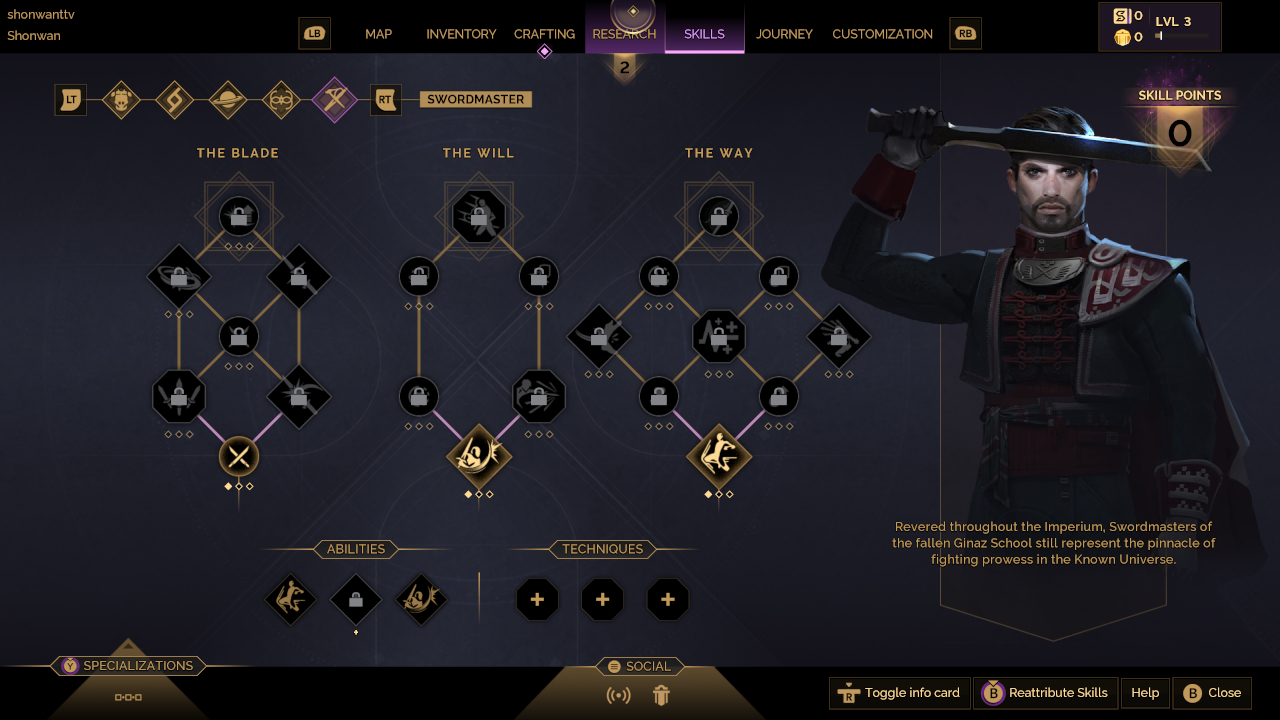
As you progress further into the game, you will unlock more skills and abilities to aid you in your quest for power and survival. These will help you earn XP, along with accomplishing tasks, gathering resources and researching newer technologies, plus engaging in combat both within the PvE and PvP areas. Ultimately, you and, potentially, other players must build enough rapport and influence to shape the world of Arrakis to your liking.
Consistent visual expectations
For most players on the PC version, graphical fidelity relied heavily on the hardware of choice. When transitioning the game into a console-friendly environment, Funcom worked out the details seamlessly by adding a Performance and Quality mode. In this fashion, you can opt for crystal-clear graphics at a decent 30 FPS or go for a constant 60 FPS to keep up with the action.
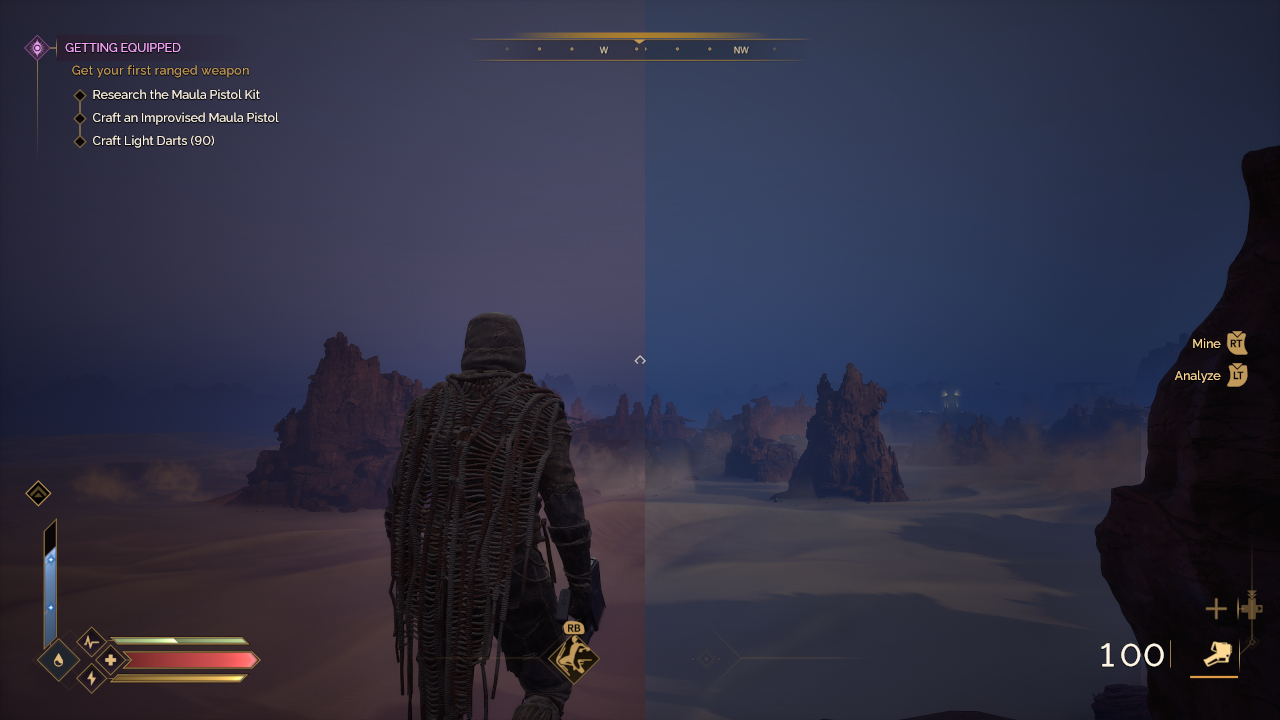
Left: Performance | Right: Quality
No matter which mode you choose, the overall visual identity of the game doesn’t change drastically. Environments look rich and vibrant, while the tiniest of details within character models are preserved. Although, given frame rate differences, rendering of background elements also reflects that but it won’t ruin the gaming experience.
Dune: Awakening will be available on the PlayStation 5 and Xbox Series X|S on September 22. For Xbox Game Pass owners, this will also be a Day One release with Play Anywhere support and cross-play within Xbox and PC players upon launch.
Funcom has also planned an exciting map update later this year plus potential DLC tie-ins to the upcoming Dune: Part Three theatrical release in December.


TECNO POVA 8 Pro Tonino Lamborghini review
Truly a rare gem in 2026


DJI Lito X1 review: Is this the best lightweight drone for creators?
Making a strong case as a travel companion and a capable B-cam!


REDMI Note 17 Pro Max review: A new breed born from AI greed
Welcome to the new normal

Now Playing: Total War: Warhammer III – Lords of the End Times

Microsoft gives up on the Copilot+ PC

TECNO CAMON Slim 5G teases an ultra-slim design ahead of launch
TECNO POVA 8 Pro Tonino Lamborghini review

When TECNO-logy meets Tonino Lamborghini legacy

realme 16T 5G with 8000mAh battery, IP69 Pro rating launches in PH

HUAWEI Pura X View is 2026’s first WIDE slab-type smartphone

The CAMON Slim 5G is TECNO’s latest ultra-slim smartphone

iPhone 18 Pro series: Price, availability in the Philippines

DJI Osmo 360 II review: Going all-in on the ecosystem


-

 News7 days ago
vivo X500 Series launches with major imaging upgrades
-

 News6 days ago
OPPO Find X10 Pro Max is the first phone with a triple 200MP camera system
-
Reviews2 weeks ago
REDMI Note 17 Pro Max review: A new breed born from AI greed
-

 Singapore1 week ago
Epson Lifestudio Grand Plus EH-LS970B with 4K projection, more launches
-

 News7 days ago
vivo introduces OriginOS 7 with smarter multitasking and AI features
-
Drones2 weeks ago
DJI Lito X1 review: Is this the best lightweight drone for creators?
-

 Gaming2 weeks ago
Valve unveils price of the Steam Frame
-

 Philippines2 weeks ago
REDMI NOTE 17 Series: Price, availability in the Philippines