
News
HTC U11 Life is company’s first Android One smartphone


The Android One platform is back, and it’s in full swing with its latest entry, the HTC U11 Life.
This is HTC’s first smartphone in the revived program, bringing in a stock Android interface similar to what we see on Google’s own Pixel phones. By being an Android One device, the U11 Life is guaranteed to receive timely software updates with no bloatware along the way.

The 5.2-inch U11 Life is loosely based on the original U11, but forgoes some of the flagship features in favor of a more affordable package. For one, a lower-end yet highly capable Snapdragon 630 processor is in place, and the memory and storage configurations are capped at 4GB and 64GB, respectively.
Its cameras also won’t be as incredible as the U11’s, but HTC seems confident that the 16-megapixel cameras on the front and back will still be competitive in this segment.
Aside from those, the U11 Life has several features unheard of on an Android One handset, including HTC’s Edge Sense function to activate certain apps by squeezing the body, IP67-level water and dust resistance, as well as high-res audio capabilities with the bundled noise-canceling earphones.

As expected, it’ll ship with Android 8.0 Oreo right away, providing you with an instant leg up over phones that are still stuck on Nougat. You’ll just have to deal with the lack of an audio port and the less-than-stellar 2600mAh battery capacity.
The other catch is that this won’t be available in North and Latin America; those regions will receive another version of the U11 Life, which comes with Android 7.1 Nougat and HTC’s own Sense user interface — no Android One for them.
We’ll update this space as we learn more about the regional pricing and availability.
SEE ALSO: 24 hours in Beijing with the HTC U11
[irp posts=”21239″ name=”24 hours in Beijing with the HTC U11″]






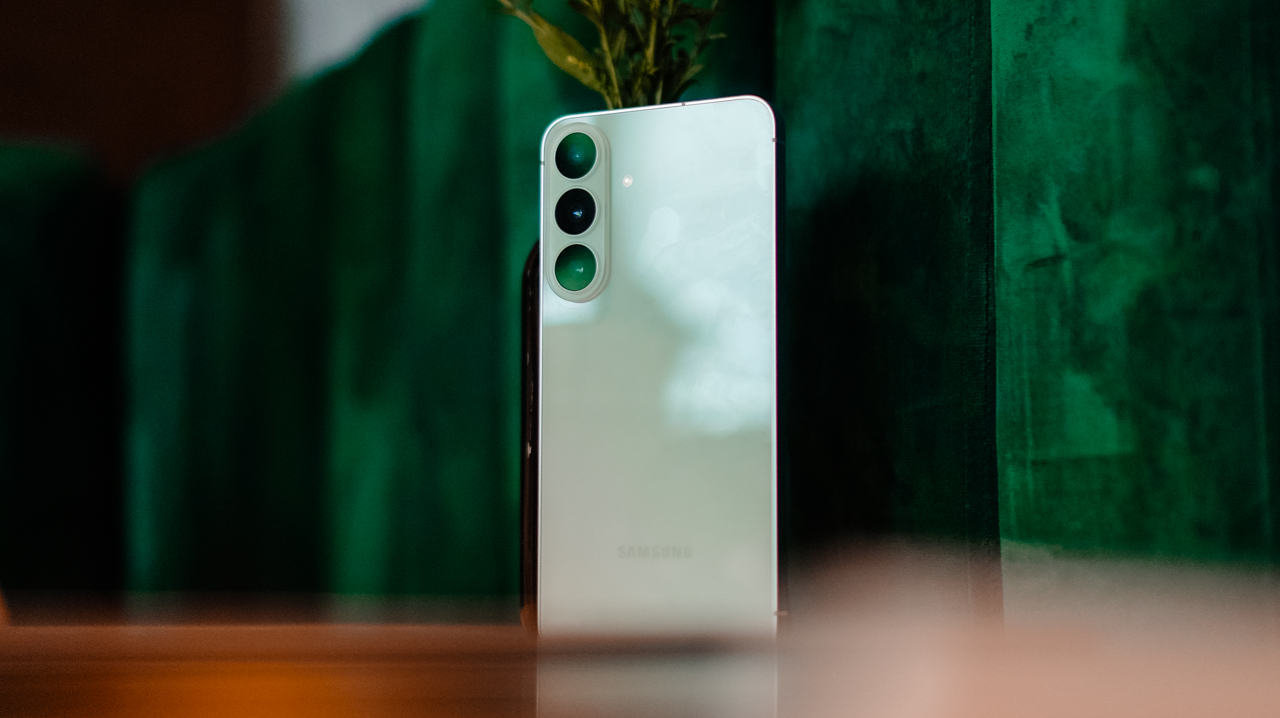
Samsung has announced the Galaxy S26 FE, the newest addition to its Galaxy S26 lineup. It is also the first phone in the series to launch with One UI 9.
Samsung says the phone focuses on the features users value most. It combines enhanced cameras, more context-aware Galaxy AI, and a thin and light design.
Sharper capture and easier editing
The Galaxy S26 FE features an enhanced triple rear camera system. Samsung says its improved image processing helps users capture both still scenes and fast-moving subjects.
The phone also gets My FanCam, which first appeared on Samsung’s latest foldables. The feature automatically tracks a selected person and keeps them centered in the frame. It can then reframe the video as the scene changes.
For video, Super Steady with Horizontal Lock helps keep footage smoother and more level. Samsung positions it for everything from fast-moving activities to travel and everyday scenes.

The Galaxy S26 FE also supports 3x optical zoom. Its upgraded 12-megapixel front camera captures a wider 80-degree field of view.
Samsung’s Nightography returns for low-light photography. It aims to produce brighter and clearer shots while retaining detail in challenging conditions.
Photo Assist also makes its way to the phone. Users can edit photos with natural language prompts. They can change the time of day, add elements, or restore missing parts. Samsung also lets users review edits step by step and undo them.
The phone also supports Gemini Omni for creating and editing video clips from photos and videos stored in the Gallery. Samsung says this can turn existing media into polished, ready-to-share videos.
One UI 9 brings smarter AI
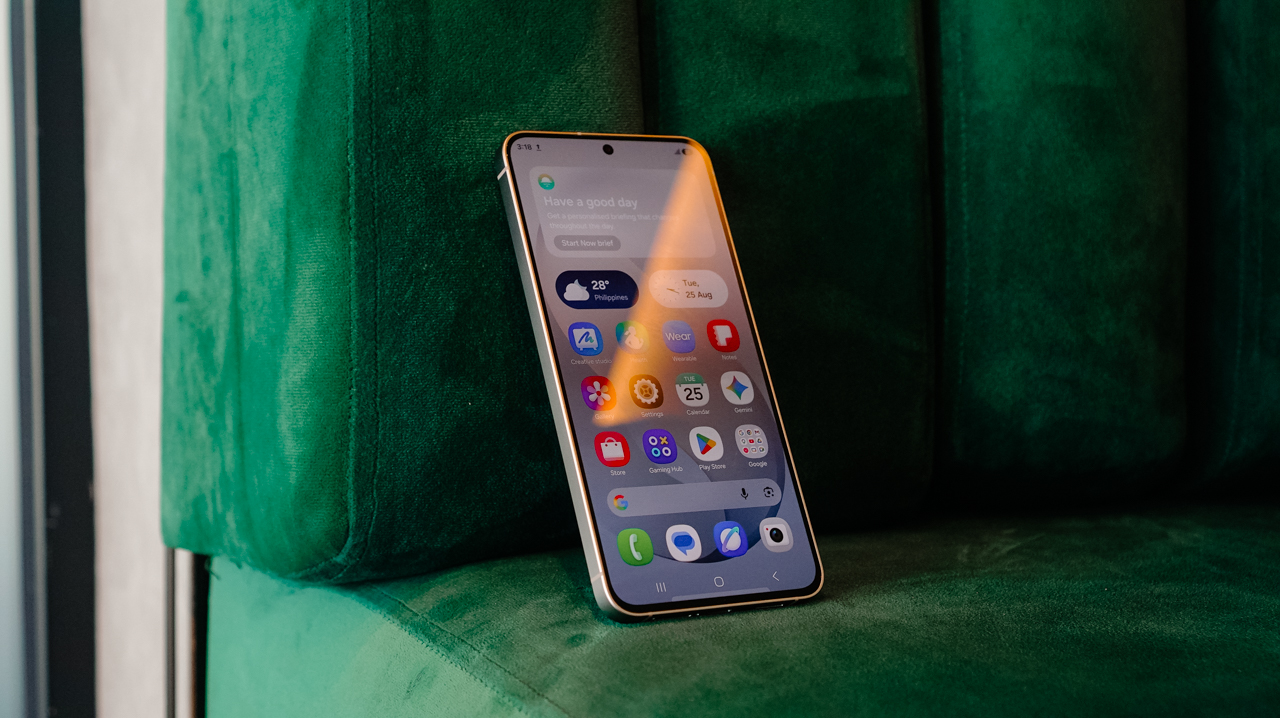
The Galaxy S26 FE launches with One UI 9 and a range of context-aware Galaxy AI features.
Samsung has updated Now Brief with customizable briefing cards. These can include information such as weather and wellness insights. Users can also create their own cards with a simple prompt.
Now Nudge now extends to select third-party apps and notifications. It surfaces timely suggestions throughout the day to help users act on relevant information.
Samsung has also expanded Circle to Search with Google. Users can now search for multiple items in an image at the same time.

Built for all-day use
The Galaxy S26 FE packs a 4,900mAh battery. Samsung says it can reach up to 69 percent charge in around 30 minutes with a 45W adapter.
It also has a 6.7-inch AMOLED display with a refresh rate of up to 120Hz. Samsung says the screen is designed for streaming, gaming, browsing, and creative work.
Samsung has also improved the setup experience. Smart Switch can wirelessly transfer data from Android and iOS devices by scanning a QR code. This includes passwords, passkeys, call history, accessibility settings, and eSIM data.
The company promises up to seven generations of OS upgrades and seven years of security updates. Samsung Care+ also provides additional coverage and device support.
The phone also comes with a six-month trial of Google AI Pro. The offer includes expanded AI capabilities and 5TB of cloud storage.
Price and availability
In the Philippines, the Galaxy S26 FE starts at PhP 46,990 for 128GB. The 256GB model costs PhP 53,990, while the 512GB model costs PhP 67,990.
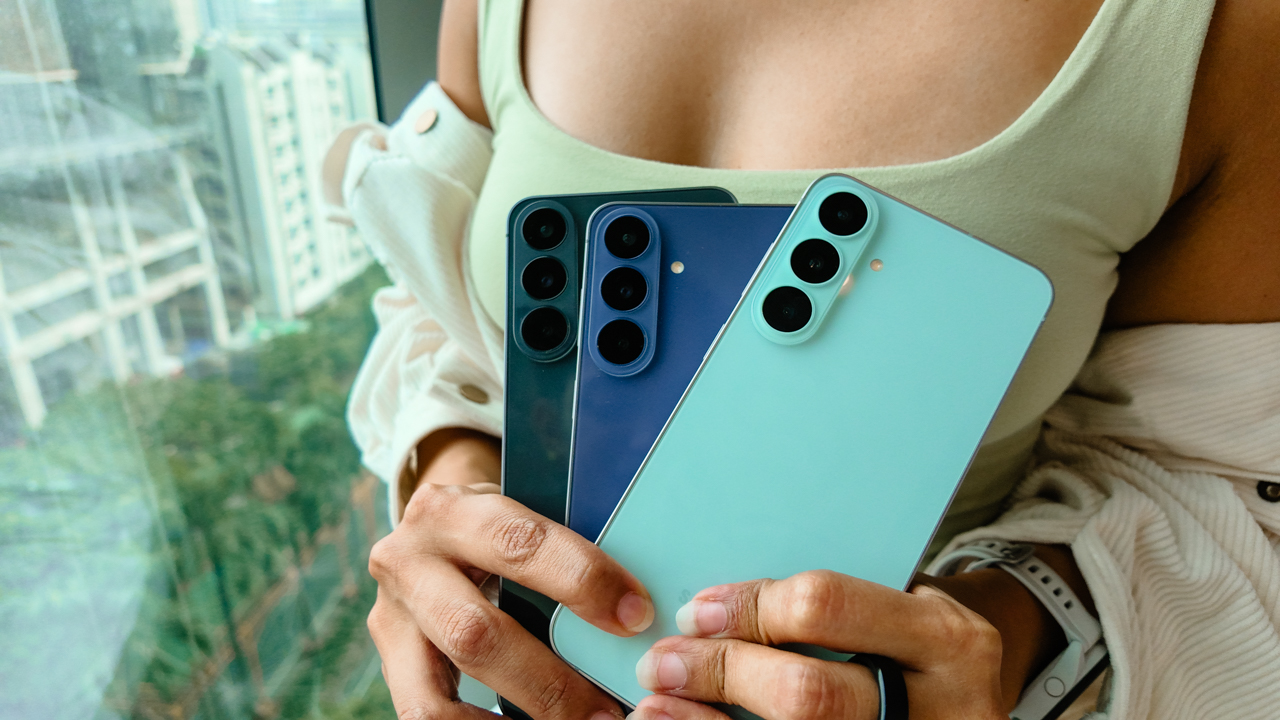
The phone comes in Blueberry, Graphite, and Pistachio. It is now available at Samsung Experience Stores nationwide. Samsung.com availability begins September 11.
Samsung is also offering introductory discounts until November 30. The 512GB model gets PhP 7,000 off, while the 256GB model gets PhP 5,000 off. The release also lists a PhP 4,000 discount for 256GB, which appears to be a duplicate in the supplied press release.
Customers can also get up to 15 percent off for up to 36 months through select bank partners. Trade-ins come with up to PhP 6,000 in guaranteed savings.

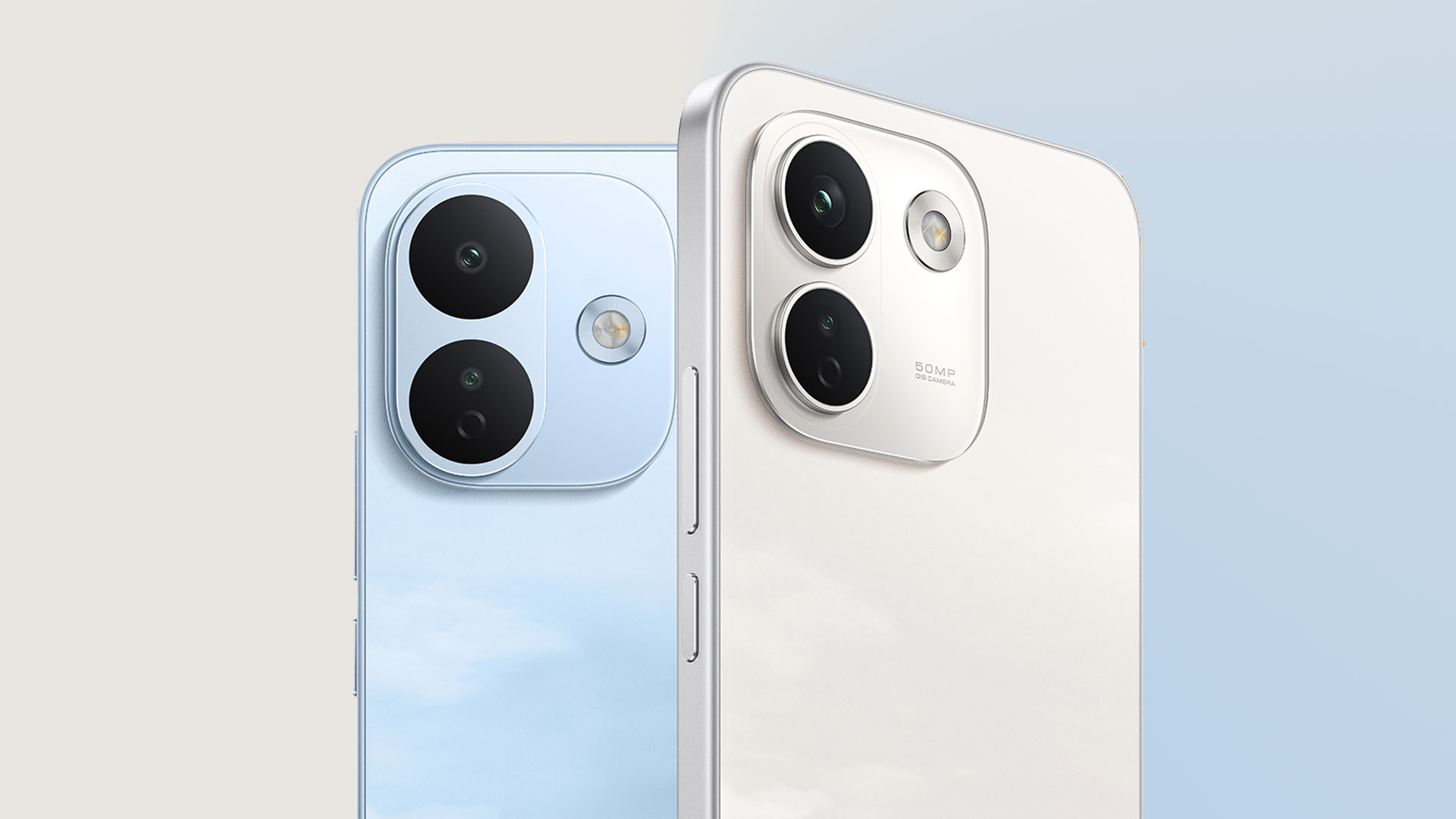
Just a month after its Mainland China release, Xiaomi reveals the refreshed REDMI Note 17 and Note 17 Pro series for global markets.
Boosted all around
REDMI is giving the Note 17 series a major endurance boost!
The headliner is none other than REDMI Note 17 Pro Max with its monstrous 10,000mAh battery capacity — or 9210mAh for other regions.
That’s followed by the REDMI Note 17 Pro with a 8,340mAh battery. For context, the 15 Pro+ and 15 Pro models only had 6500+mAh batteries.
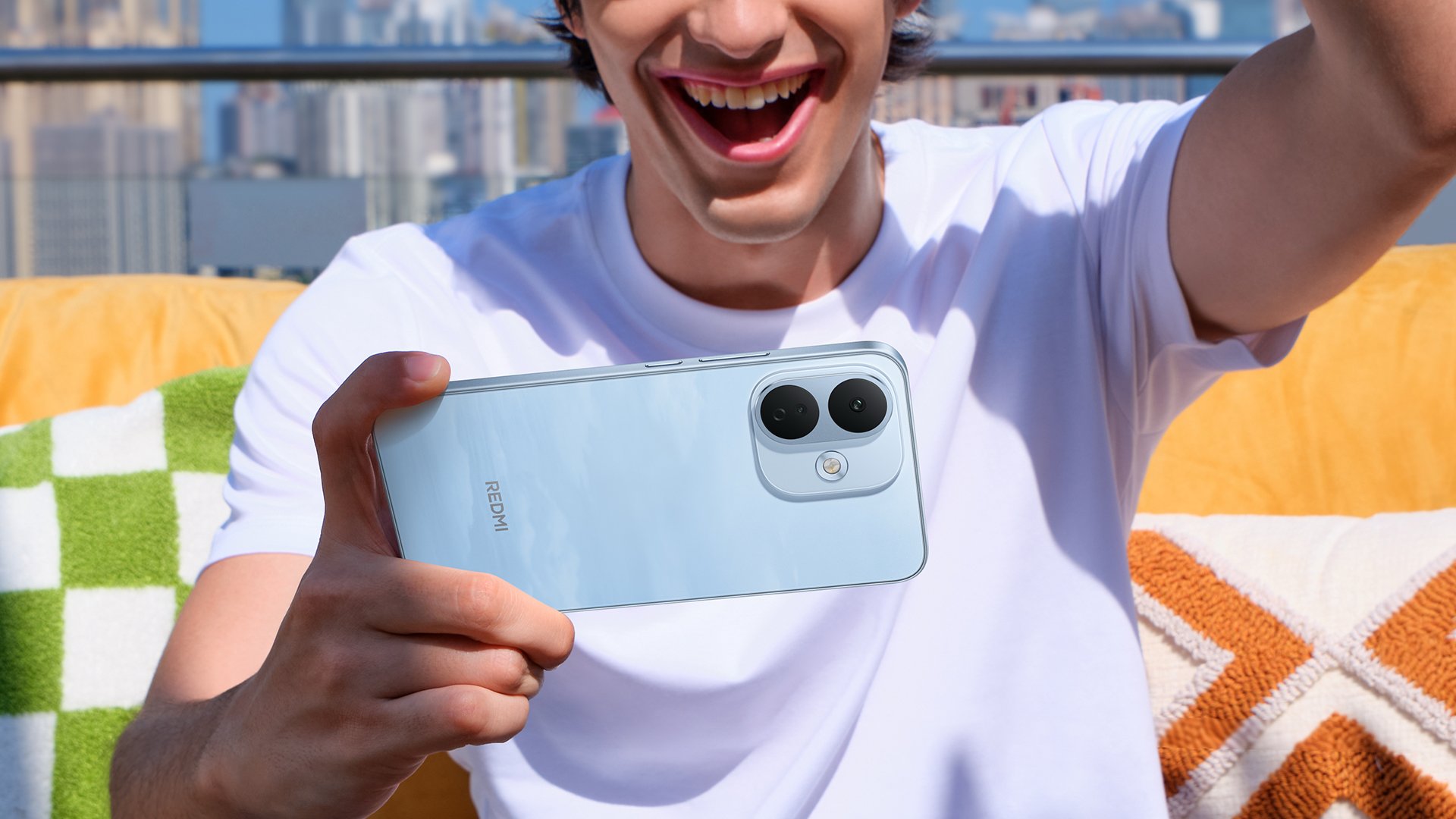
The 5G and 4G versions of the REDMI Note 17 weren’t left behind as well with their 7700mAh tanks. These two base models rely on Xiaomi’s 45W Turbo charging.
On the other hand, the REDMI Note 17 Pro features a speedier 67W HyperCharge while the Note 17 Pro Max has the fastest of ’em all at 100W HyperCharge.
All models support 22.5W wired reverse charging.
More than just big batteries
The REDMI Note 17 Pro and Pro Max both rock a 6.83-inch 1.5K CrystalRes 1.5K AMOLED display. They also feature up to 3,500 nits peak brightness, 12-bit color depth.
Meanwhile, the REDMI Note 17 5G and Note 17 4G share the same 6.99-inch Full HD+ AMOLED screen.

More display feats include a 120Hz refresh rate, 240Hz touch sampling rate, plus instantaneous touch sampling reaching 3200Hz — as long as you enable Game Turbo.
The base Note 17 models share the same camera system: 50MP f/1.8 main plus 16MP f/2.5 selfie camera. The Pro series also possess a similar rear camera system: 50MP f/1.8 + 8MP f/2.2 Ultra-Wide Angle (UWA).
Selfie shooters are different though. 16MP f/2.4 for the Pro model while a larger and brighter 32MP f/2.2 for the Pro Max.
Furthermore, each models differ a lot based on what’s in their cores:
| REDMI Note 17 Pro Max | REDMI Note 17 Pro | REDMI Note 17 5G | REDMI Note 17 4G |
| Snapdragon 6 Gen 5 | Snapdragon 6s Gen 4 | Snapdragon 4 Gen 4 | Snapdragon 6s 4G Gen 2 |
| LPDDR5X memory + UFS 4.1 or 2.2 storage | LPDDR4X memory + UFS 3.1 or 2.2 storage | LPDDR4X memory + UFS 2.2 storage | LPDDR4X memory + UFS 2.2 storage |
| 8+128GB 8+256GB 8+512GB 12+256GB |
6+128GB 6+256GB 8+256GB 8+512GB 12+256GB |
6+128GB 6+256GB 8+256GB |
4+128GB 4+256GB 6+128GB 6+256GB 8+256GB |
| 10,001mAh / 9210mAh 100W HyperCharge |
8340mAh 67W HyperCharge |
7700mAh 45W Turbo Charge |
7700mAh 45W Turbo Charge |
All phones ship with Xiaomi HyperOS 3. Other than Google’s Gemini and Circle to Search, Xiaomi’s built-in AI Creativity Assistant.
However, the Note 17 Pro Max takes it up a notch with Xiaomi HyperAI features:
- AI Writing
- AI Interpreter
- AI Speech Recognition
- AI Dynamic Wallpapers and more
Built to take a beating
Both models of the REDMI Note 17 Pro series boast the reinforced Titan Structure for utmost durability. Moreover, they bear multiple IP66, IP68, IP69, and IP69K ratings. Certified resistance to immersion of up to 2 meters for 72 hours.
REDMI also claims certified drop resistance of up to 3 meters onto granite surfaces.
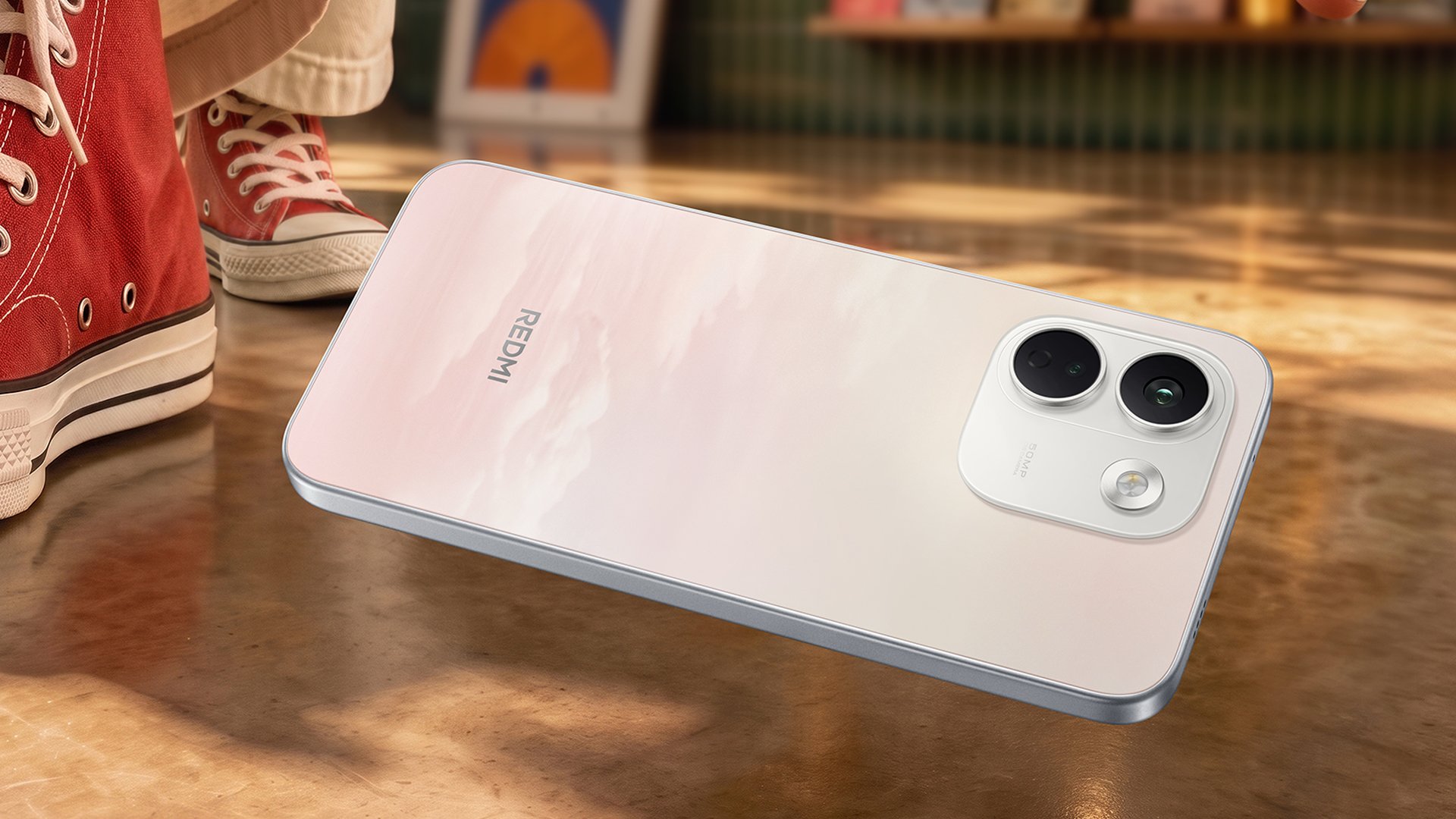
It doesn’t stop there. The Pro displays are protected by the flagship-grade Corning Gorilla Glass Victus 2.
Eye safety wasn’t compromised too with its 3840Hz PWM dimming. Even so, it brags three TÜV Rheinland certifications for low blue light, flicker-free, and circadian-friendly use cases.

Wet Touch Technology 2.0 also allows the display to remain responsive when used with wet, oily, foamy, or even sweaty fingers.
Lastly, the base REDMI Note 17 models are limited to IP65 rating. They also have dedicated microSD card slots that the Pro models lack.
Pricing and Availability
The base pricing and color options of the REDMI Note 17 series are as follows:
REDMI Note 17 Pro Max
- starts at US$ 499
- Cloud Blush, Green, Purple, Black colorways
REDMI Note 17 Pro
- starts at US$ 399
- Sky Blue, Satin Orange, Purple, Black colorways
REDMI Note 17 5G
- starts at US$ 299
- Celestial Purple, Sky Teal, Black colorways
REDMI Note 17 4G
- starts at US$ 249
- Celestial Purple, Sky Teal, Black colorways
Additionally, prospective buyers of the REDMI Note 17 Series in eligible markets will enjoy several benefits at no extra cost:
- 6-month trial / Google One + 200GB cloud storage
- 2-month trial / YouTube Premium
- 3-month trail / Spotify Premium
Gaming
Samsung Display’s QD-OLED panels help demos at gamescom 2026
Hundreds of gaming monitors feature company’s QD-OLED panels


Samsung Display is showcasing the gaming performance advantages of QD-OLED at gamescom 2026 through hundreds of monitors helping with playable demos.
Samsung Display partnered with CAPCOM, KRAFTON, and CD PROJEKT RED, with their highly anticipated titles being showcased at gamescom 2026 (August 26 to 30, Cologne, Germany) on several gaming monitors featuring Samsung Display’s QD-OLED panels.
This demonstrates the outstanding picture quality of QD-OLED to gamers from around the world.
In addition, the company has announced that it will begin the mass production of 24.5-inch QD-OLED panels optimized for eSports and FPS games by the end of the year.
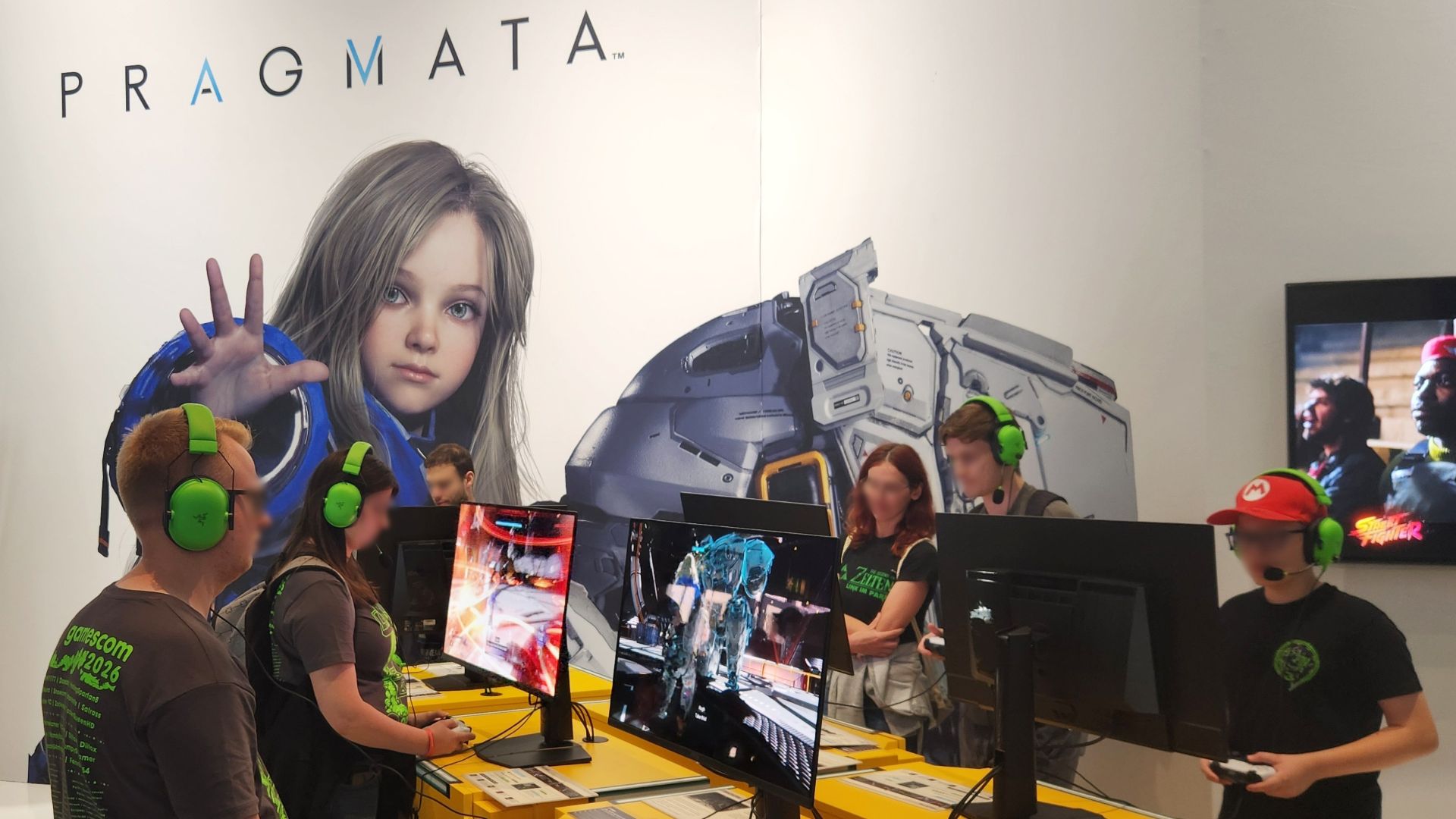
At CAPCOM’s booth, visitors can get a hands-on experience with the upcoming Onimusha: Way of the Sword and Dragon’s Dogma 2: Dark Arisen.
Other playable titles include PRAGMATA, Street Fighter 6, and Mega Man: Dual Override.
Samsung Display is supplying a total of 90 QD-OLED gaming monitors, including the EVNIA 32MN8900, GIGABYTE MO32U24 and MSI MAG 321UP QD-OLED X24, for the hands-on gameplay.
Meanwhile, KRAFTON will showcase three of its five upcoming titles on 85 Alienware QD-OLED gaming monitors.
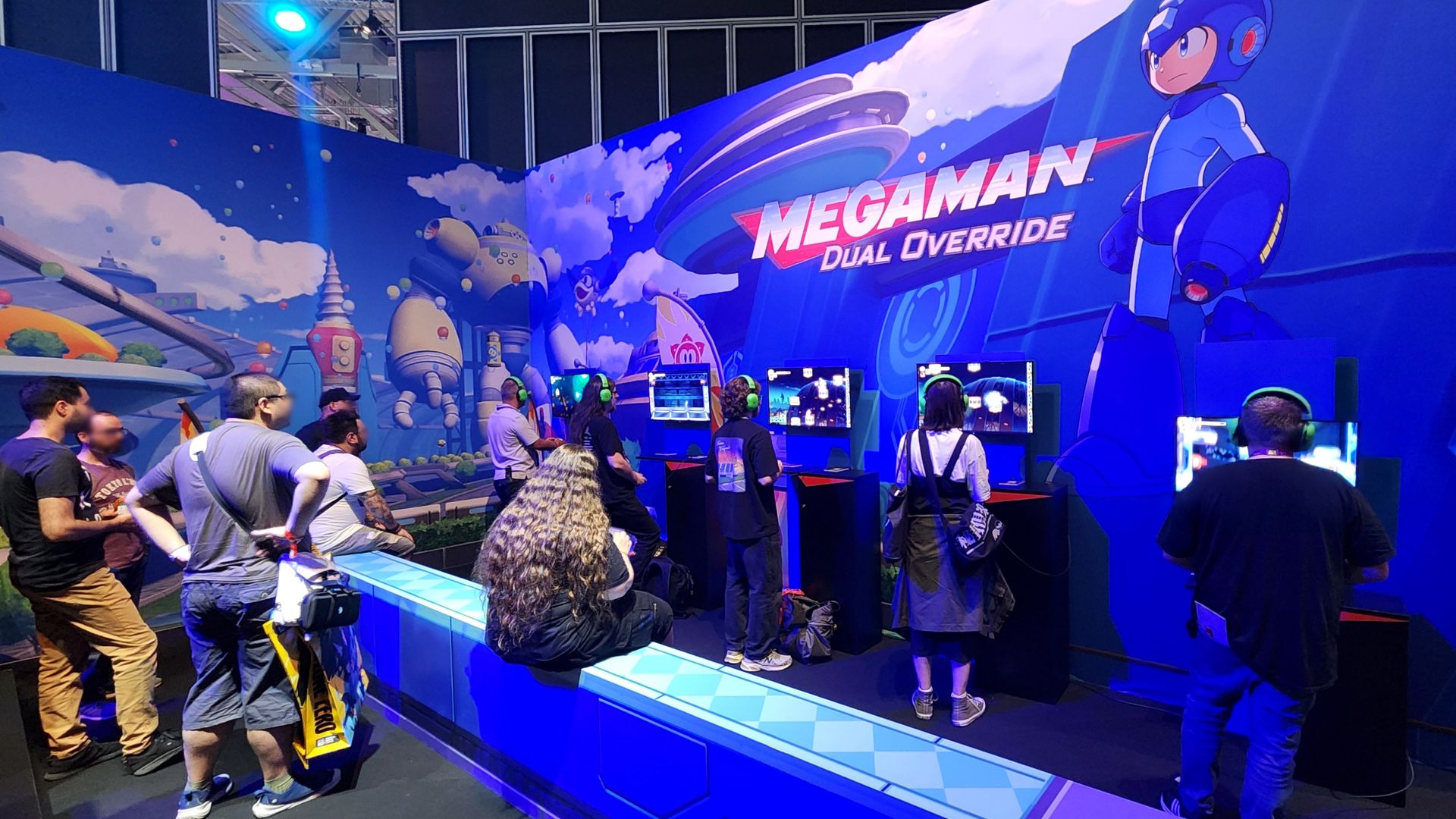
Visitors will have the opportunity to preview the multi-team tactical arena game Project ZETA, two-player coop AG Twisters, and the action RPG TARAE: The Unbound.
Lastly, at the CD PROJEKT RED booth, a trailer for Songs of the Past, the third expansion pack for The Witcher 3: Wild Hunt will be shown on eight QD-OLED TVs.
Visitors can also watch gameplay demonstrations on monitors equipped with similar displays. This gives Samsung Display the chance to highlight the QD-OLED Penta Tandem technology.


REDMI Note 17 Pro review: What a rollercoaster ride!
The serious series of ups and downs are NOTEworthy of your attention


Insta360 Luna Ultra review: My new solo coverage camera
Changed my workflow

TECNO MEGAPAD 2 review: Eyes on the size
The MEGA pad for two base users

Samsung Galaxy S26 FE brings Galaxy AI upgrades
REDMI Note 17 Pro review: What a rollercoaster ride!

REDMI Note 17 Series: Price, availability in Singapore

REDMI reveals the refreshed Note 17 and Note 17 Pro series

AGIBOT just topped the medal table at the World Humanoid Robot Games

VinFast debuts two-wheeler models, opens 21 e-motorcycle showrooms
TECNO MEGAPAD 2 review: Eyes on the size

REDMI Note 17 Series focuses on long-term reliability

OnePlus officially leaves the United States and Canada

Xiaomi debuts SkyNomad Series featuring new Kunlun platform


-
Reviews5 days ago
TECNO MEGAPAD 2 review: Eyes on the size
-
 Singapore1 week ago
REDMI Note 17 Series focuses on long-term reliability
-

 News1 week ago
realme 16T to come with 8,000mAh battery, 7-year battery health guarantee
-

 Accessories1 week ago
Jackery expands Explorer Series portable power stations
-

 News1 week ago
HUAWEI Pura X View is 2026’s first WIDE slab-type smartphone
-
 Reviews2 weeks ago
Samsung Galaxy Z Fold8 Review
-

 Gaming1 week ago
Now Playing: Assassin’s Creed Black Flag Resynced
-

 Cameras5 days ago
30 days with the DJI Osmo Pocket 4P