


The announcement of the Huawei P20 got me excited over something seemingly trivial when it comes to smartphones: color. The phones that were launched in the heart of Paris looked stunning and I couldn’t wait to get my hands on them.
Of course, I’ve been repping the Pink Gold gradient P20 for the past few weeks and here are my thoughts on Huawei’s newest flagship device.
Look and feel
Obviously, I adore this phone’s color. A quick look at my everyday stuff will show just how well this phone fits into my life and matches everything I own.
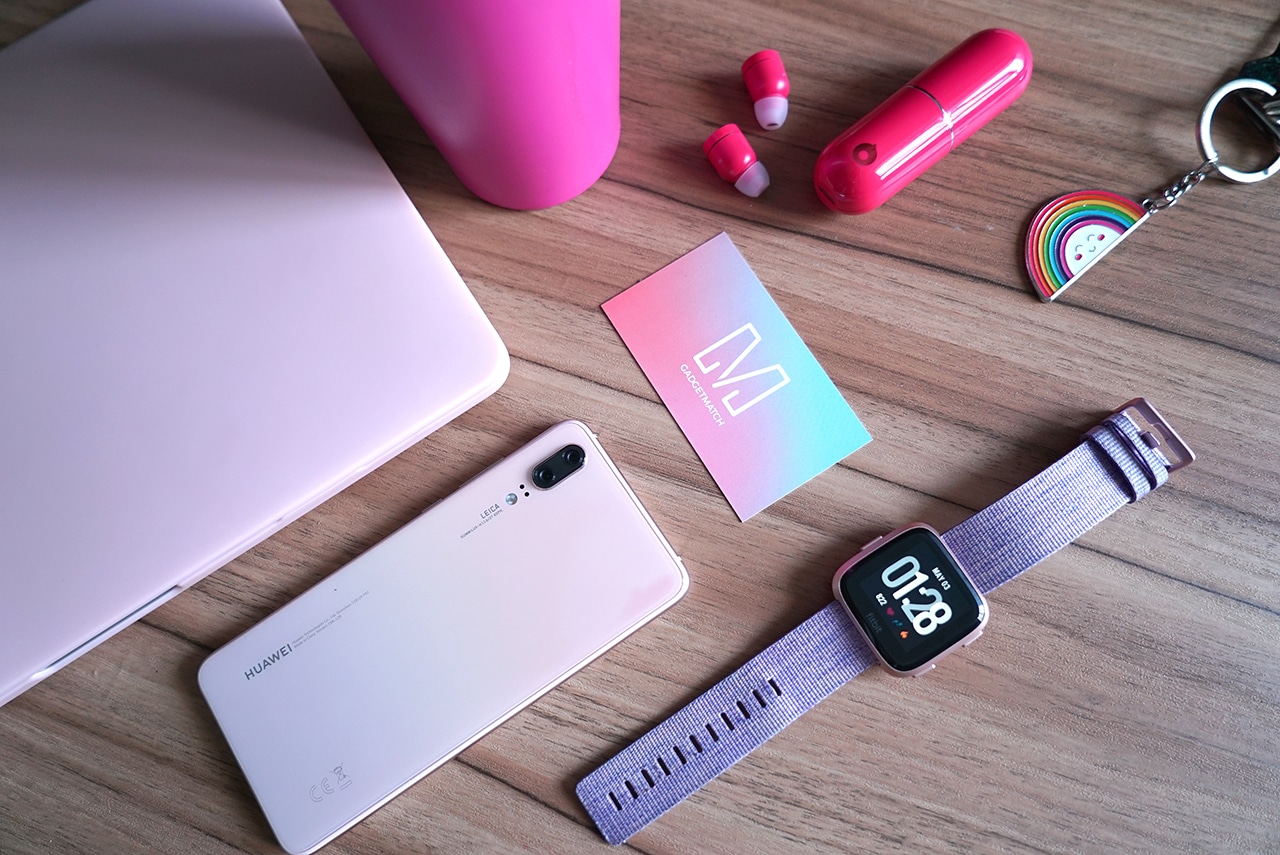
It’s not the easiest phone to photograph and depending on the light it may look less pink than I’d like. But, I love how subdued the color is and I’m continually amazed at how nice it is. I have, on more than one occasion, stopped mid-task to shoot flat lays with it just because I feel compelled to capture how pretty it is in photos.

I would go as far as saying that this, to me, is the prettiest phone out there right now. Sure, the popular Twilight gradient is pretty too, but this subtle blush is just so perfect.
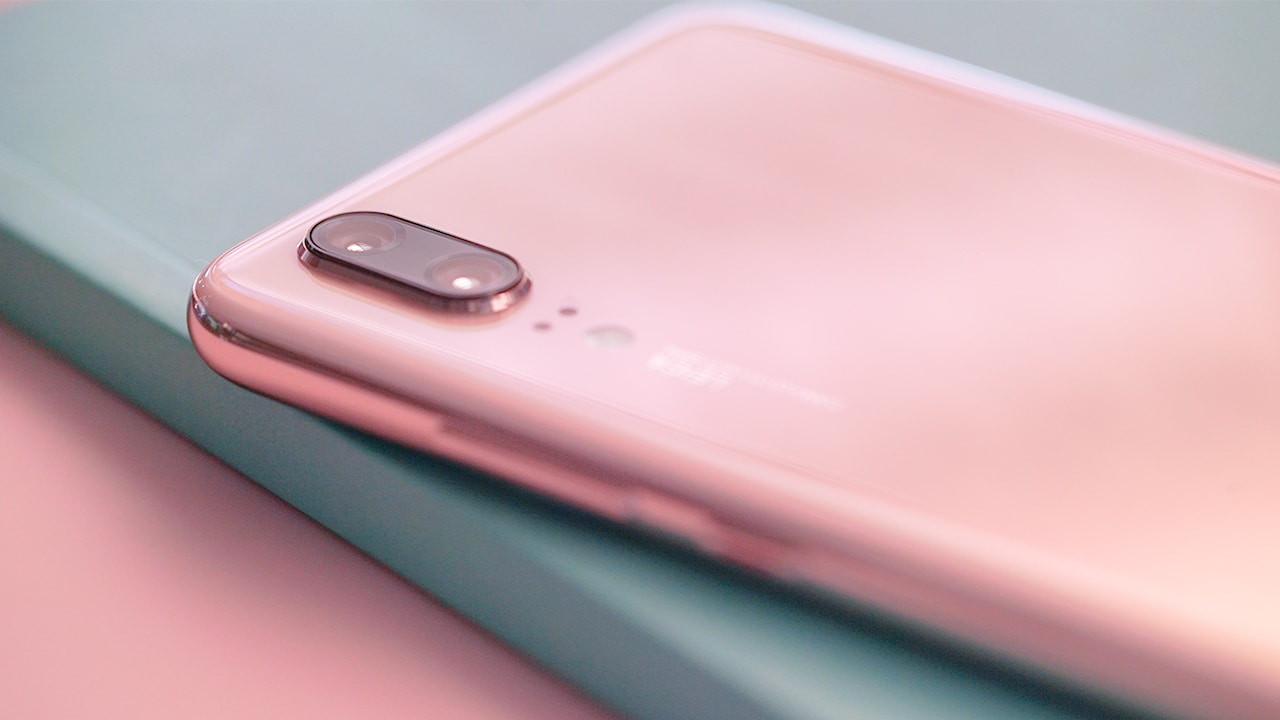
I always say that if you’re going to hold on to something for the most part of your day, it might as well be something that’s in a color you love — and I love pink. I sincerely, from the bottom of my heart, thank Huawei for releasing a flagship in this hue and I hope more brands would follow suit.
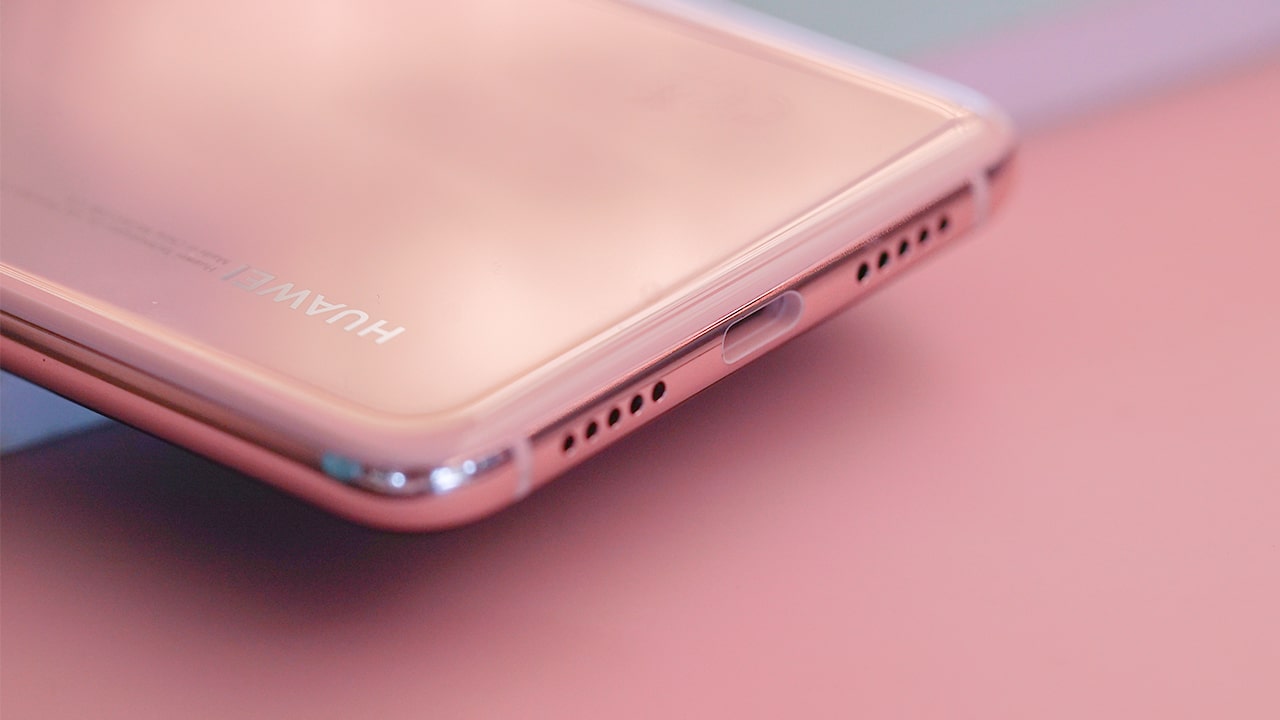
The gradient back is made of glass — so you still have to be careful — and the phone’s edges are made of aluminum. The handset feels as premium as it looks, but it’s a little slippery to hold. For butterfingers like me, make sure you get a case for this beaut.
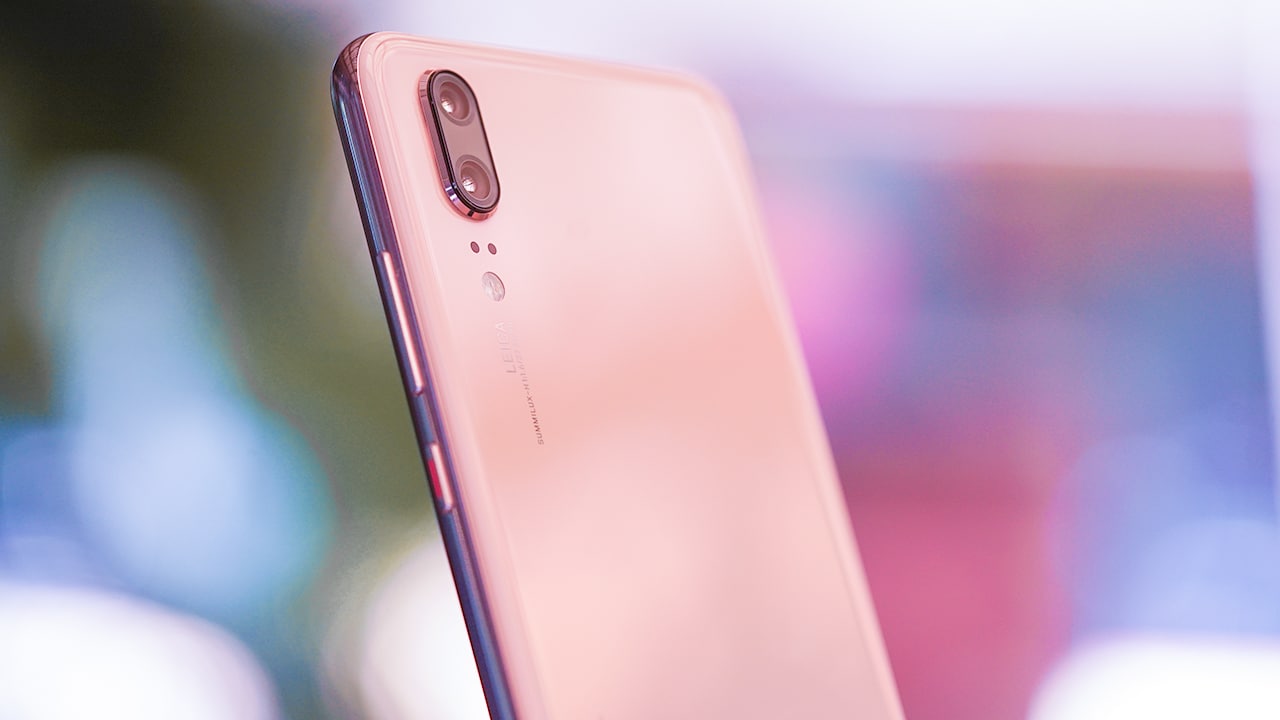
Unlike the Pro version, this device has only two cameras on its back. There’s also no audio port, unfortunately, but the phone comes bundled with an adapter for its USB-C port, so problem solved.
Notch my cup of tea
Like most 2018 flagships, one thing that it does have is a notch.

Well, unless you don’t want it there (which I totally didn’t). In a feat of tech genius, there is now a switch to hide the distracting notch. One tap in the settings menu and it goes away.
What I do love, however, is even when I turn that blasted notch off, the area beside the notch is still used for notification icons. It’s a great use of space, to be honest.

Unfortunately, while the notch does go away, there are still a few screen optimizations that could be done. Instagram Stories, for example, get cut out up top on the P20’s 5.8-inch display. But, this is nothing an update can’t cure; I just hope it comes soon.
Speaking of displays, the P20’s LCD display is bright and crisp, even if it isn’t OLED (which is what most flagships like the P20 Pro have). Oh, and this phone has a built-in “Eye comfort” setting which blocks out the blues on your screen so your eyes are less strained, which isn’t a new feature but is one I really appreciate nonetheless.
The P20 also has a fingerprint sensor in front, which is totally a Huawei thing — only they put fingerprint scanners below the display on near-bezel-less devices nowadays. Some people complain that the sensor is too low on the phone for a comfortable thumb scan, but I certainly don’t mind. At the end of the day, I still enjoy this placement more than when the scanner is on the phone’s rear — that, or I just have very agile thumbs. Either way, the P20 has face scanning for the non-believers, so that should solve all the thumb problems. It also works pretty well; I’ve honestly forgotten I have a lock code on my phone on most days.
Performance
This phone runs on Huawei’s most powerful processor (Kirin 970) and this means all app run smoothly on this phone — from Instagram to Snapchat, Google Maps, and even The Sims Mobile.

Battery time lasts me almost a day, which is a feat for most phones I touch as my day involves heavy social media use, photo- and selfie-taking sessions, plus video calling on a daily basis. Despite having a glass back, there is still no wireless charging on this thing but that’s something I can forgive as the device has fast charging. It takes around an hour and a half from zero to 100 percent on Huawei’s SuperCharge, which is fairly quick.
Unfortunately, this handset is only splash proof so yes, you shouldn’t be going swimming or showering with the phone which is a shame, because pool selfies are definitely a thing.
The phone runs on EMUI 8.1 on Android 8.1 Oreo which is the latest Android operating system out since the phone was announced. Everything is quick, snappy, and smooth — just the way I like it.
Rear cameras
Now, on to the phone’s highlight: the cameras!

There are two rear shooters on this device: 12- and 20-megapixel cameras, one of which is a monochrome sensor. The third lens is reserved only for the P20 Pro.
The real magic happens with artificial intelligence. Literally, you can just point and shoot on this thing and the camera does everything. E-V-E-R-Y-T-H-I-N-G.
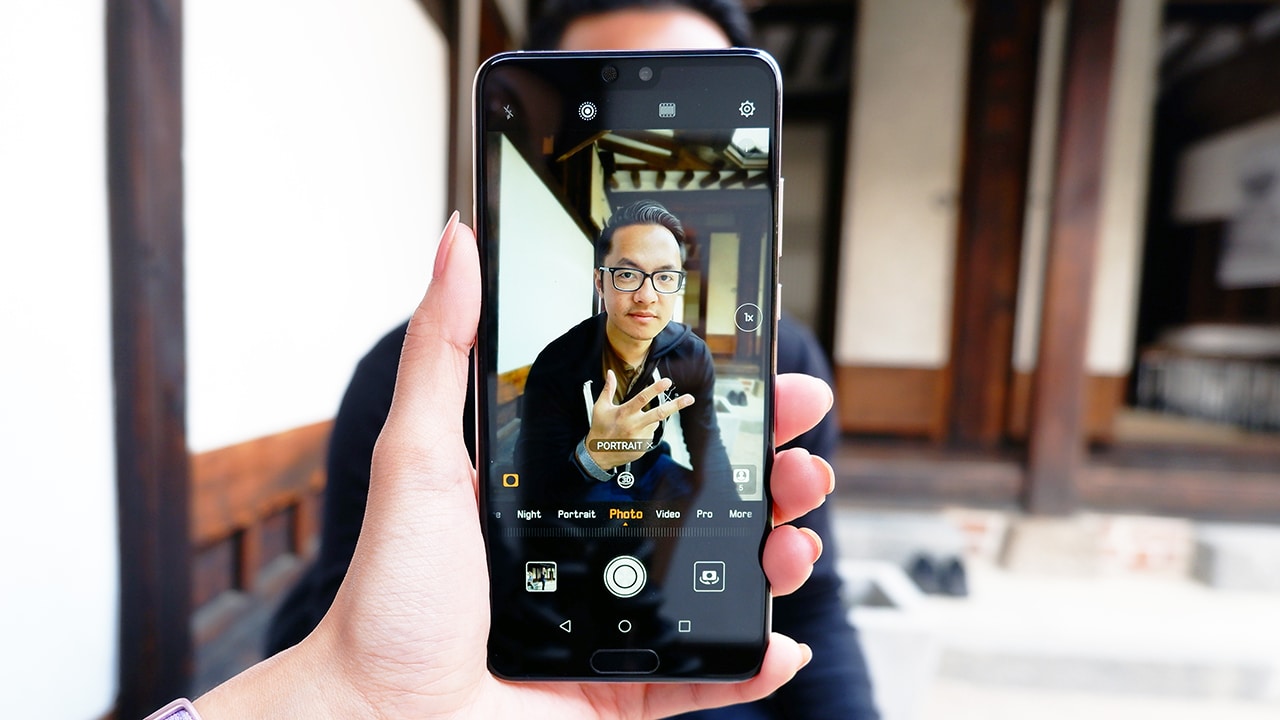
Point it at a person and it automatically turns on portrait mode. Point it at food and food mode is activated. It even identifies documents and automatically converts into a document scanner!
Now, I know what you’re thinking: What if I don’t want the phone deciding for me? Well, that’s so 2017, and also, tapping “x” at the bottom of the screen as the phone identifies the subject reverts back to normal mode on the camera.
Here are a few sample shots from my camera roll:


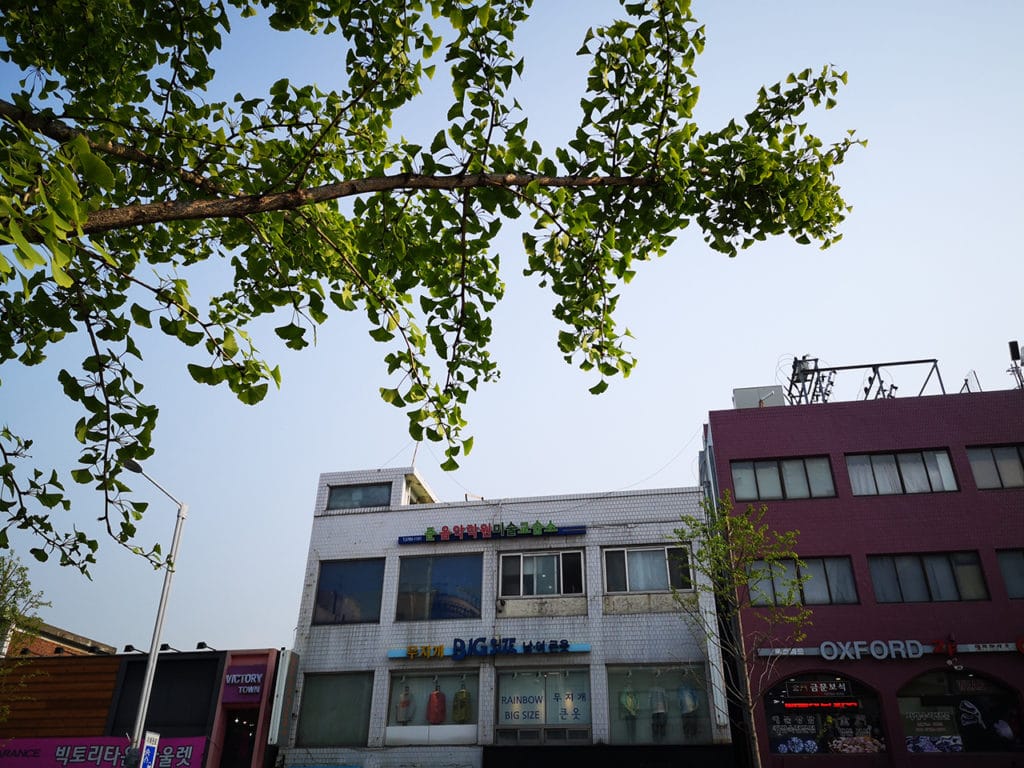



What’s more amazing is the P20’s low-light capabilities. On night mode, it can take four-second handheld shots that don’t even look like four-second low-light handheld shots. You have to see it to believe it:
-

- Look at those details!
-

- Food from a very dimly lit restaurant
-

- Yes, it looks like this wasn’t shot in lowlight. Camera is that good.
-
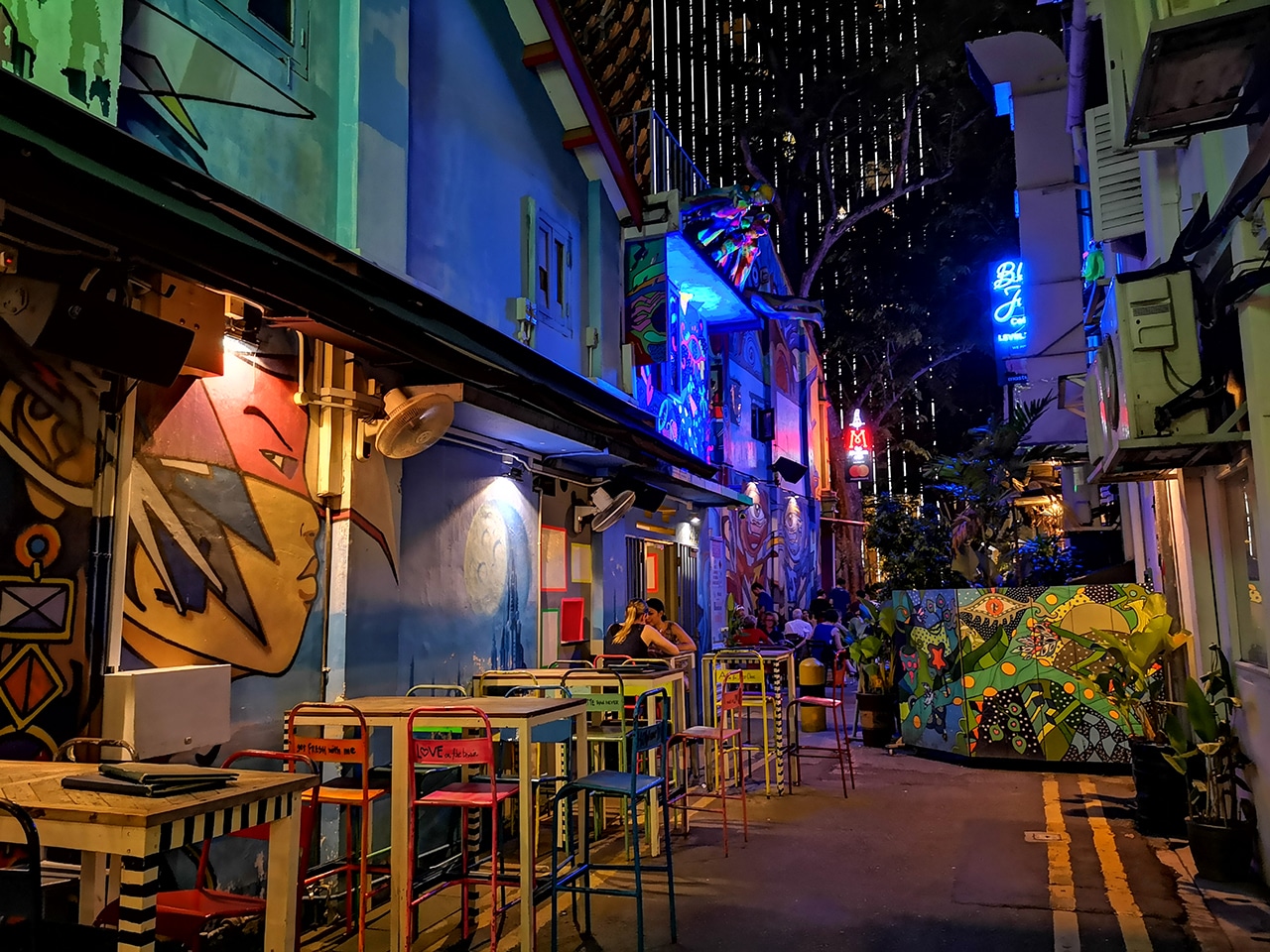
- The color on this one 👌🏽
-
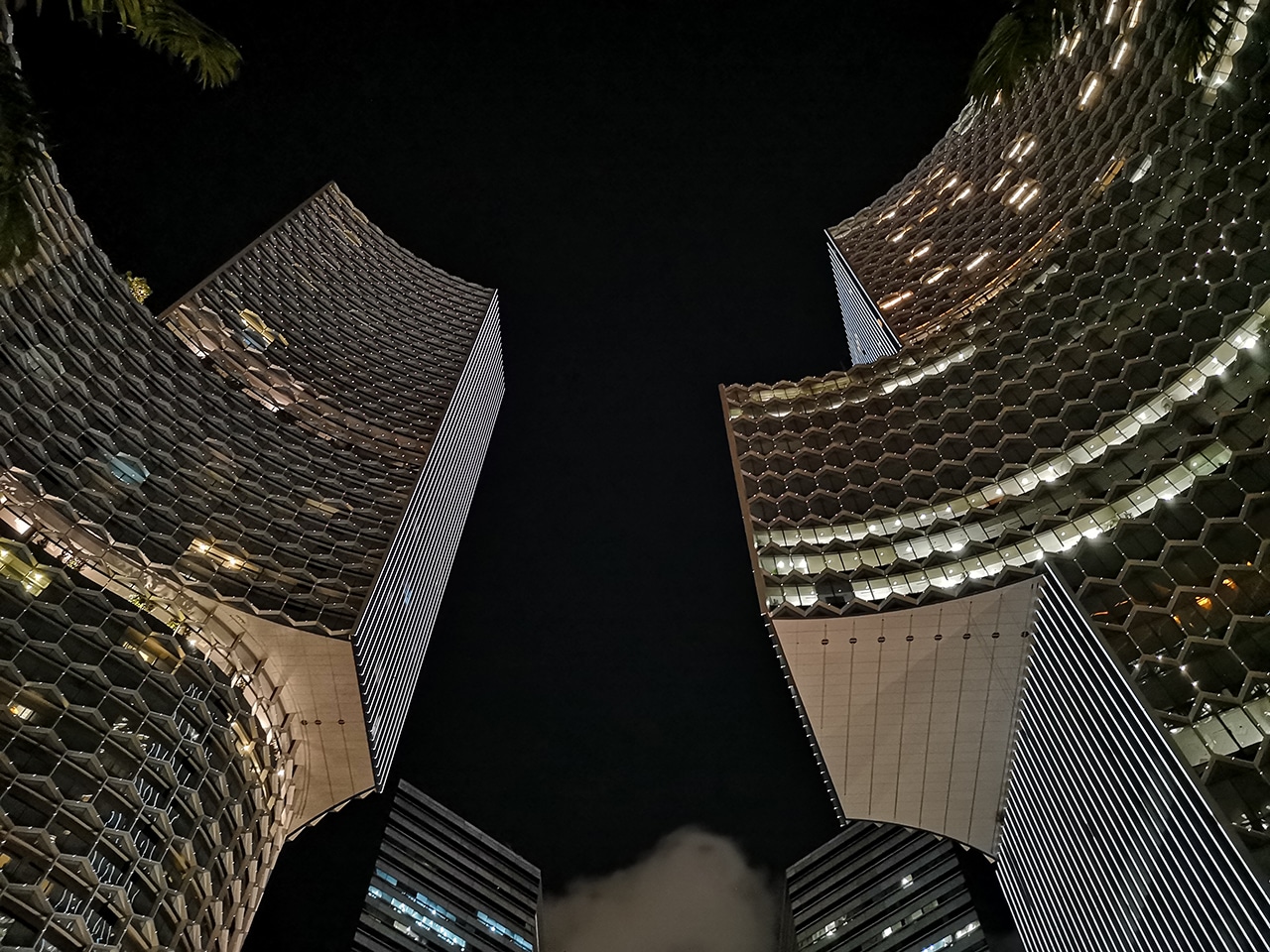
- Need I say more?

You know what a good smartphone camera means, right? Better Instagrammable photos! And that is precisely what I posed for here:

Candid shot on portrait mode. This went straight to my IG.
And here:

Bokeh cutouts aren’t perfect but they do a great job at it, even with challenging lighting. This made it to mg IG, too.
And even here:

Totally shot with very low light. Don’t worry, this will be on my IG soon.
Selfie Camera
For your selfie needs, a 24-megapixel camera can be found in front. There’s the normal photo mode and a dedicated portrait mode that enables the bokeh effect, 3D lighting effects, and a beauty mode with levels zero to ten. I didn’t even bother with the 3D lighting effects (yes, it’s Portrait Lighting all over again) because I didn’t really see much use for this on the iPhone so why bother on this phone. The beauty mode, on the other hand, is a different story.
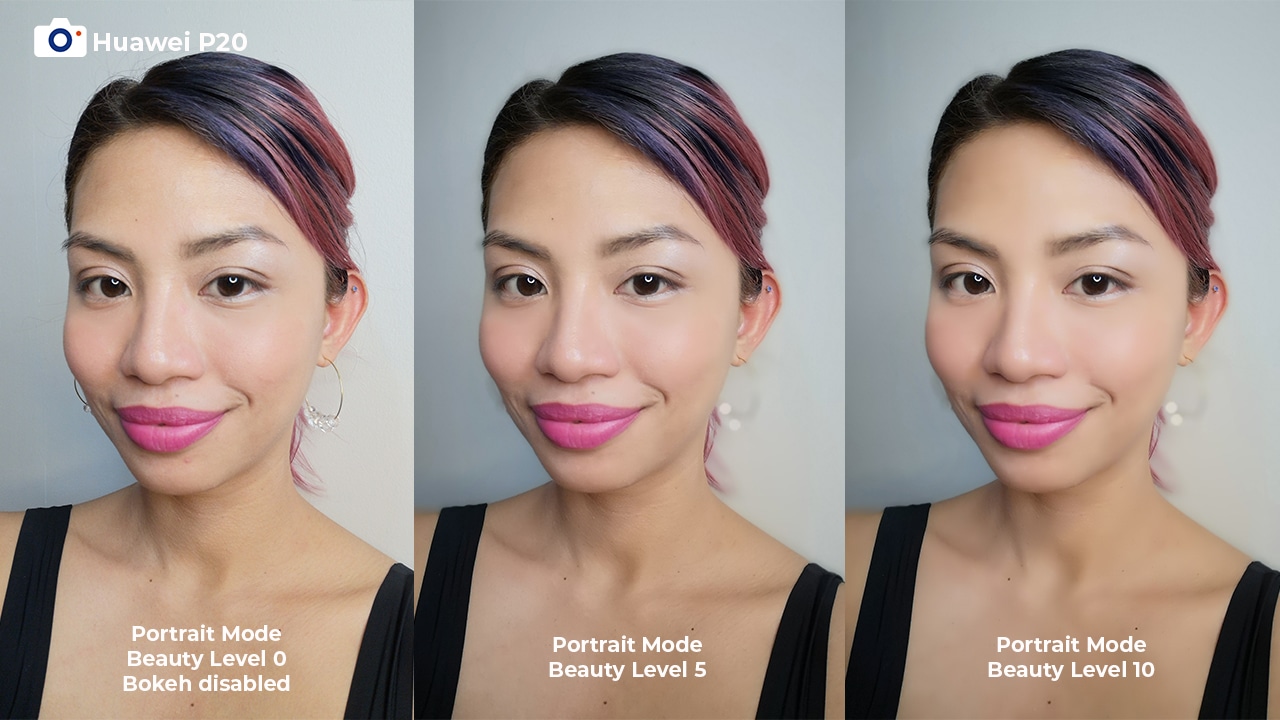
Yas, slay 🔥
Although settings past five can sometimes make you look like a wax figure, the secret is knowing when to stop. With the perfect beauty mode level, this phone can make you look fresh no matter the circumstance.
-

- Even straight from the shower…
-

- Even after a whole day tour…
-

- Even after a long shoot…
Unfortunately, the rear cameras’ low-light capabilities don’t extend to the front-facing camera as dark selfies aren’t the most detailed and are sometimes pretty hazy. Group selfies also aren’t the best on this camera, especially with the bokeh on. One too many times, a friend’s face was blurred out which is totally not good for the squad. You’re definitely better off getting someone else to take your group photo.
Is the Huawei P20 your GadgetMatch?
If you read up until this point of this particularly long review, you must really like the Huawei P20. And honestly, so do I.
How a phone looks and feels in my hands is something that’s very important to me, and the P20 ticked that particular box and even more. I’ve held on to this phone since the moment I got it and I still enjoy using it. Admittedly, there are still improvements that can be made on this device, but it’s nothing I can’t forgive for what I get: a solid rear camera, capable overall phone that’s pretty and with a premium build, and good beauty mode.
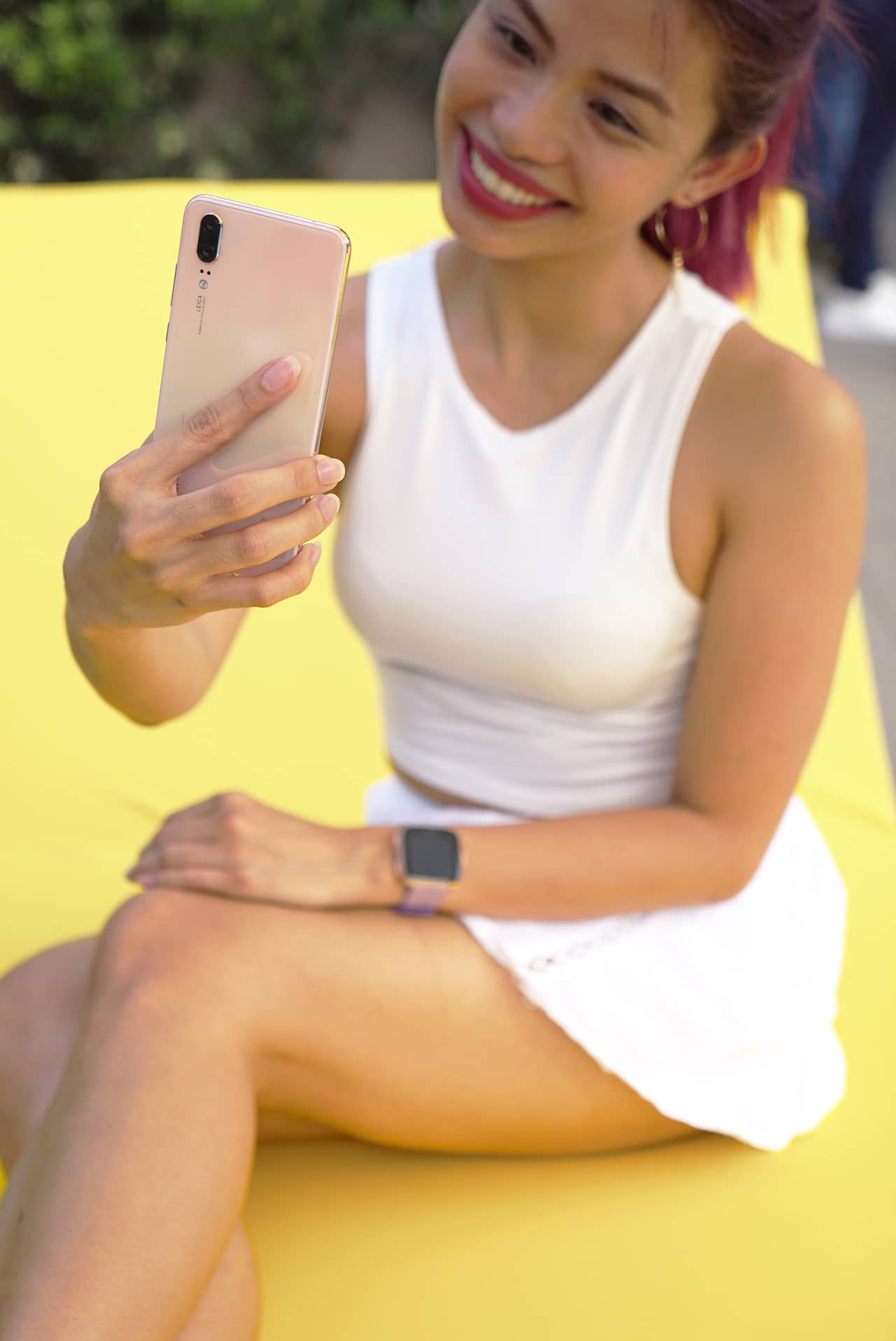
If your priorities are in the same place, you may want to consider getting this phone. In the meantime, I’m going to get a case for mine. I feel like I’ll be using this for a while.




Her GadgetMatch
What your smartphone color choice reveals about you
Eight colors, eight personalities. Here’s how to pick.

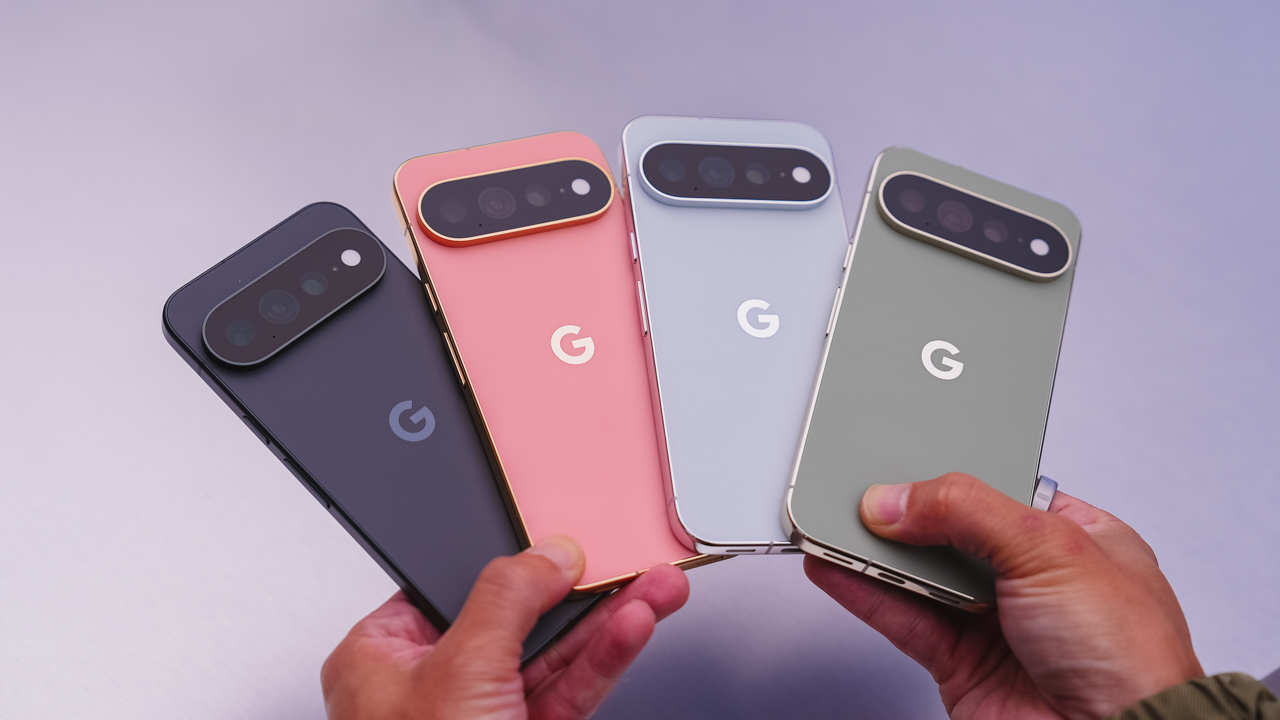
Your phone color says more than you think. With the Pixel 11 series, Google’s giving you eight ways to make that statement, and there’s genuinely one for every kind of person.
Hibiscus
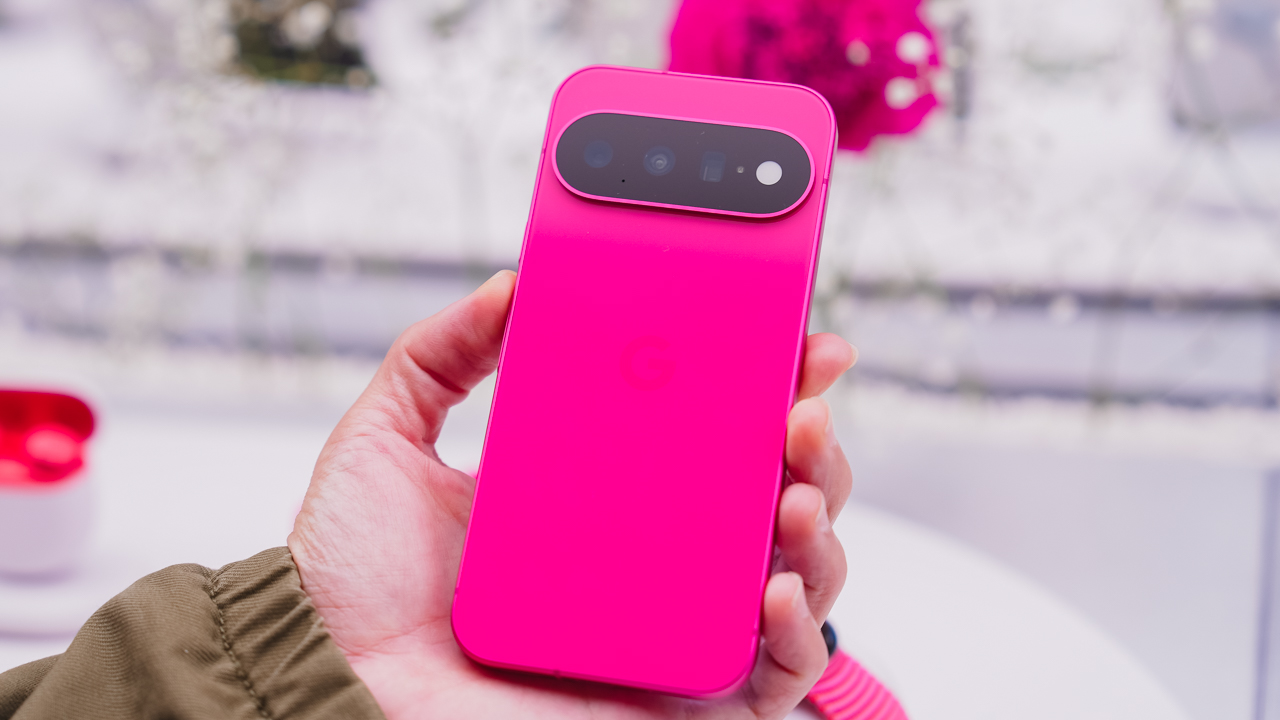
You’re never the quiet one in the room. Hibiscus doesn’t ask for attention; it just takes it, and if that sounds like you, you’re probably not planning to start hiding now. This is the pick for anyone who’d rather stand out than blend in.
Pistachio
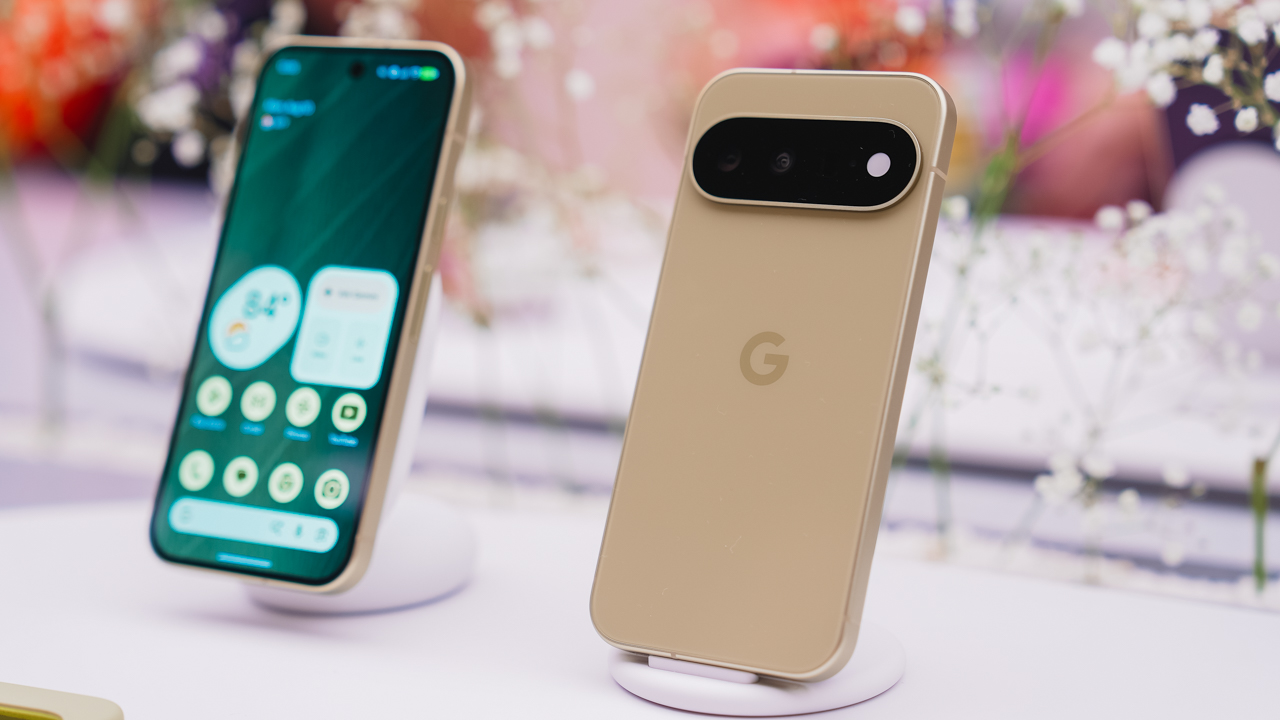
You’re the one who remembers everyone’s coffee order. Pistachio is soft and easy; the one whom people gravitate toward without quite knowing why. It doesn’t try hard to be liked. It just is.
Frost
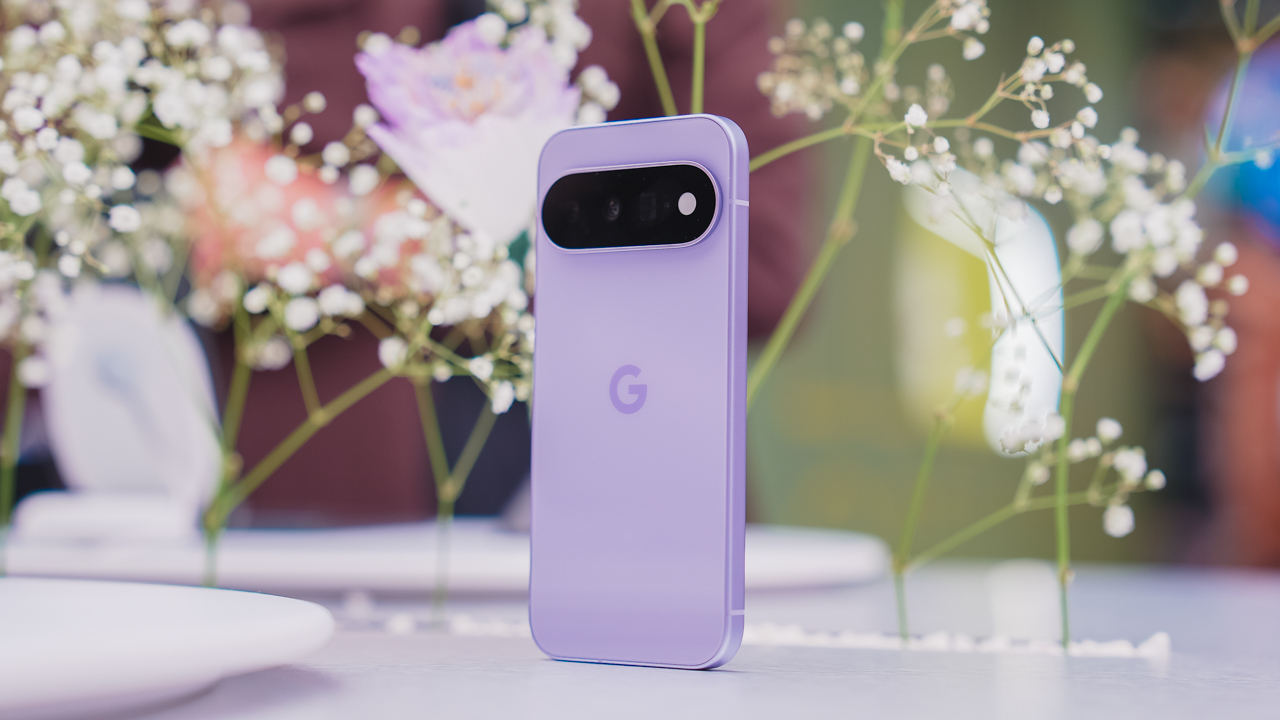
You like things a little too organized. Frost means clean lines and a clear head, the color equivalent of a camera roll with zero mess in it. If your notes app has color-coded folders, this one’s calling your name.
Obsidian
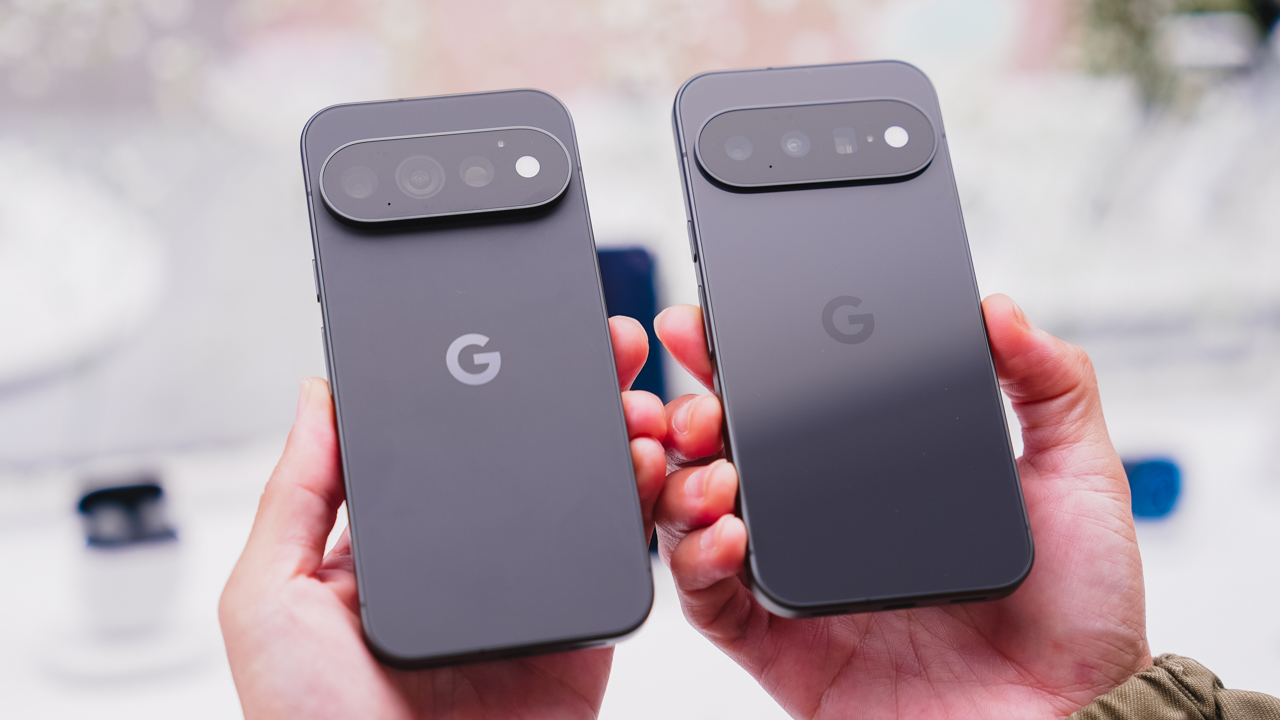
You let the work speak for itself. No flash needed, because when you show up, the room adjusts anyway. Obsidian is the classic choice, the one that’s never trying too hard because it doesn’t have to.
Canyon
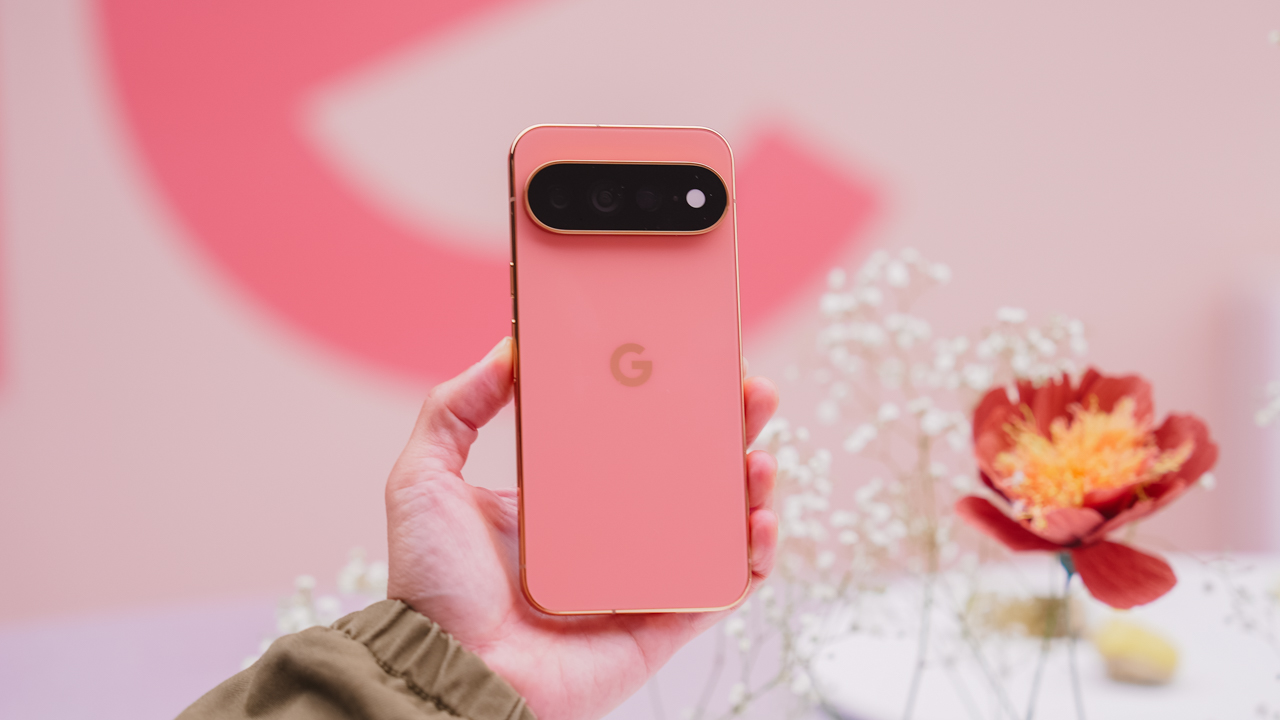
You’re the one who suggests the sunset drive. Canyon is warm and a little restless, always chasing golden hour whether or not anyone else is up for it. Available on the Pro and Pro XL, it’s built for people who treat every evening like it might be a good one.
Olive
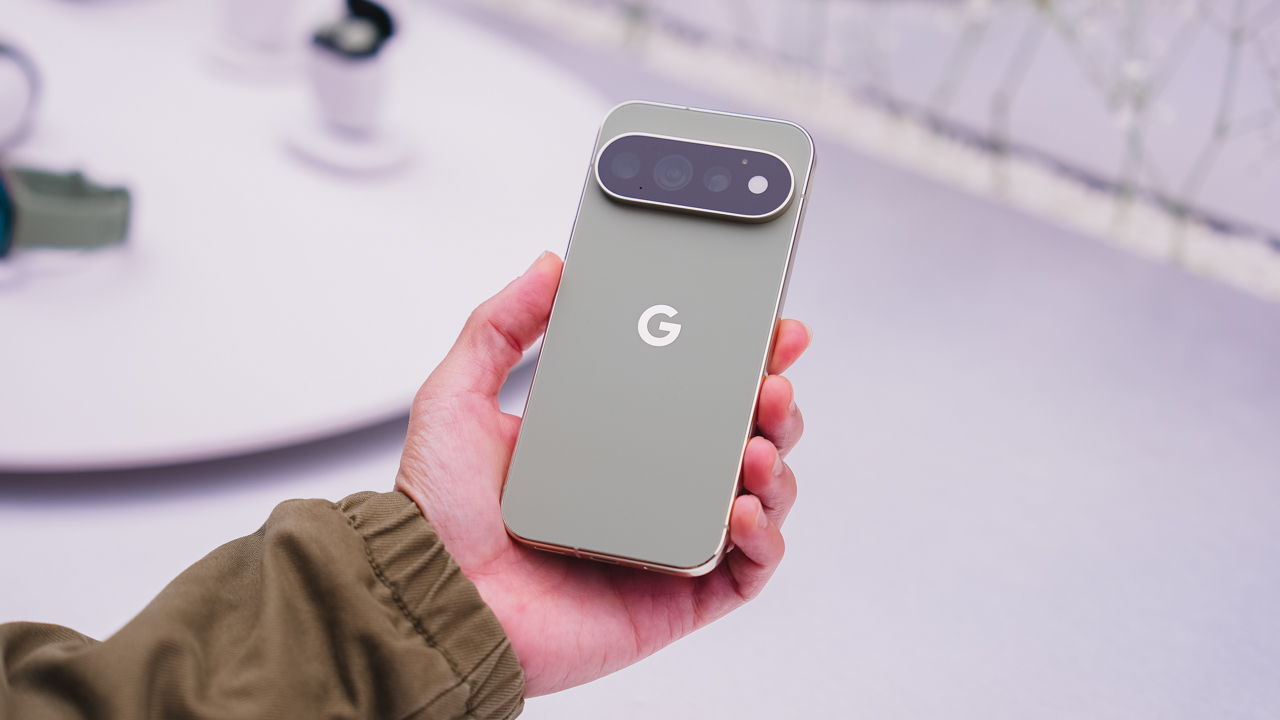
You’re outdoorsy, but you’ll still show up looking put together. Olive is low-key and grounded, the one who doesn’t try too hard because it’s already comfortable in its own skin. Another Pro and Pro XL exclusive.
Fog
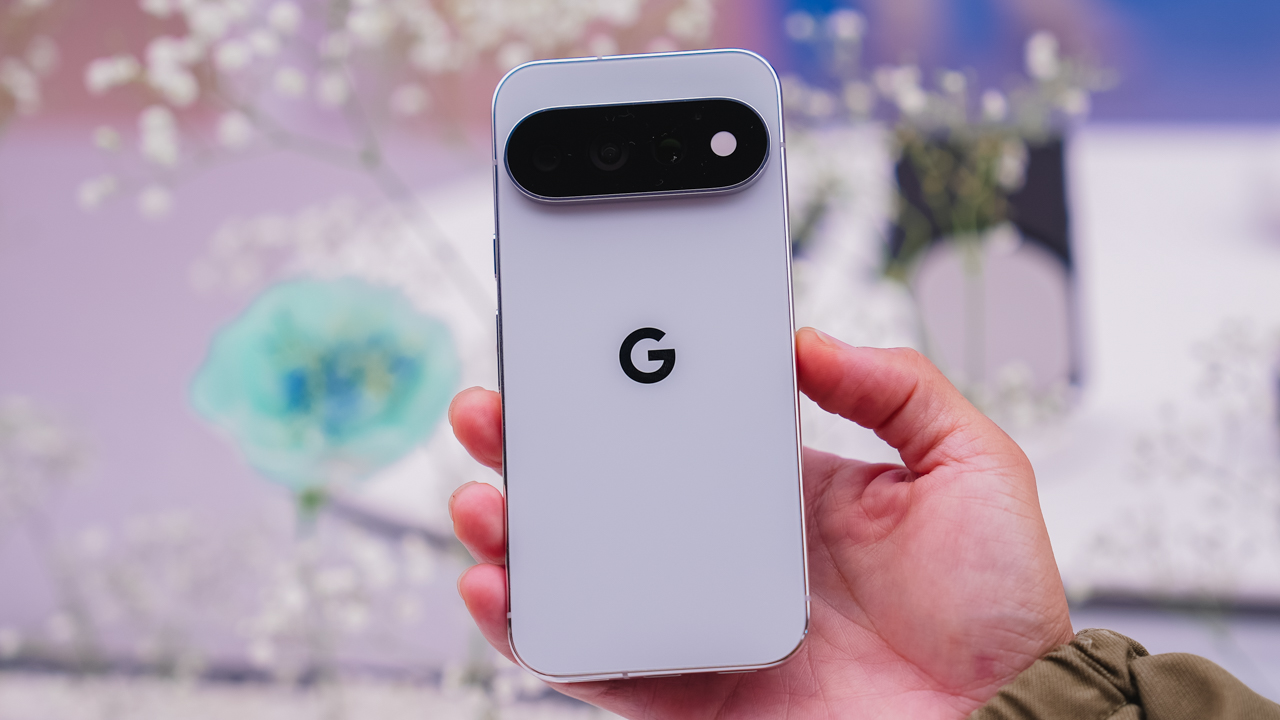
You’re hard to read, and you like it that way. Fog is understated on purpose, a Pro and Pro XL colorway for anyone who’d rather keep people guessing.
So, which one’s you?
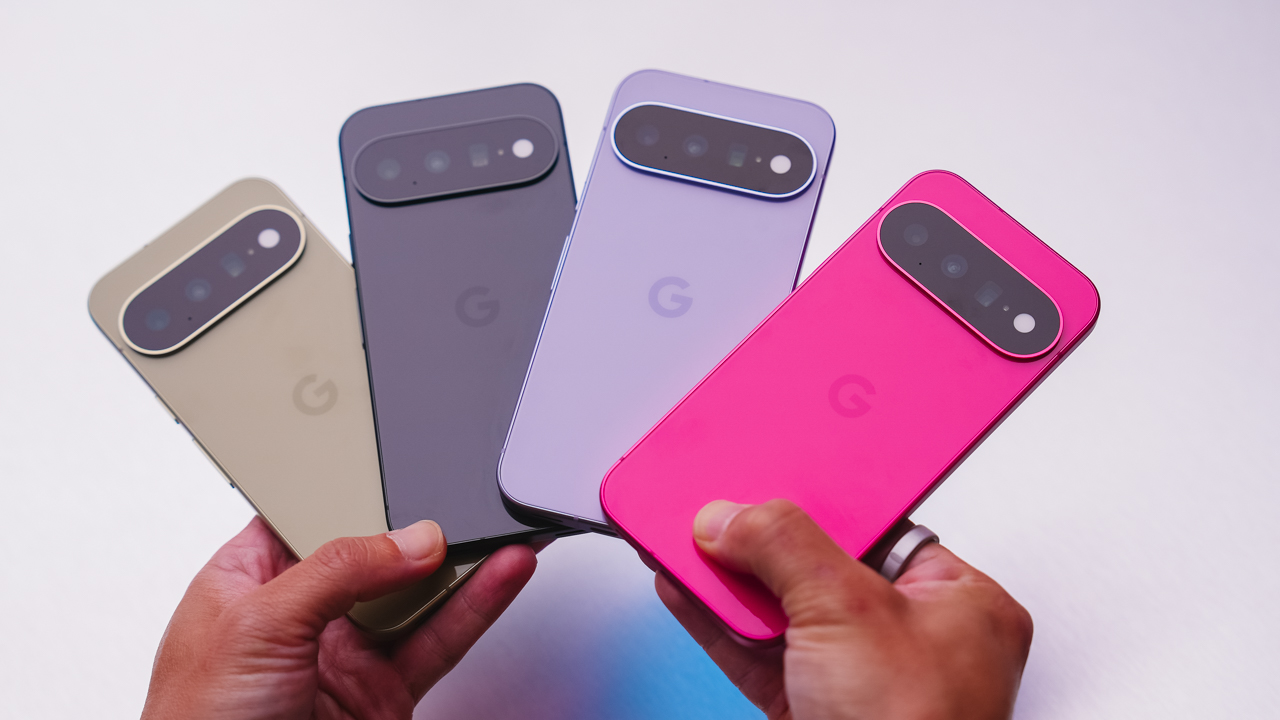
Eight colors, three phones, one very personal decision. Pixel 11, Pixel 11 Pro, and Pixel 11 Pro XL goes on sale starting August 20 — with Pistachio, Hibiscus, Frost, and Obsidian on the base model; and Canyon, Fog, Olive, and Obsidian on the Pro line.
Which one’s calling your name?
Her GadgetMatch
TECNO and Angélica Dass team up for a global portrait project
Dass aims to photograph 100 people across five countries using the TECNO CAMON 50 Ultra


TECNO has partnered with Brazilian photographer Angélica Dass in launching “100 Portraits of Becoming.”
It is a two-year global initiative that explores identity, representation, and how AI sees people.
The project officially kicked off in Nairobi, Kenya — where Dass began photographing participants using the latest TECNO CAMON 50 Ultra.
Who’s Angélica Dass?
Angélica Dass is best known for exploring identity and self-expression through portrait photography.
Her award-winning “Humanæ” project challenged conventional ideas of race and skin color by highlighting the diversity of human skin tones.

ICYMI, Dass and her project gained much recognition from:
- TED
- World Economic Forum
- UNESCO
- American Museum of Natural History
- Vogue
- National Geographic
Portraits beyond appearances
With this portrait project, Dass teams up with TECNO to photograph 100 people across five countries.
Rather than simply documenting faces, 100 Portraits of Becoming aims to tell the stories behind each participant. Every portrait is paired with a personal narrative about growth, identity, and life experiences. Creating what TECNO calls a “Living Archive.”

Participants are photographed in natural light, without filters, and while wearing clothing of their own choice to better reflect their authentic selves.
The collaboration also explores how AI can go beyond simply recognizing faces. Asking instead how technology can better reflect the complexity of human identity and give people more control over how they choose to be seen.
Powered by TECNO’s Universal Tone imaging
All portraits are shot using the TECNO CAMON 50 Ultra, which features the company’s Universal Tone imaging technology.
Introduced in 2023, Universal Tone is designed to improve how smartphone cameras capture different skin tones. According to TECNO, the system is built on a database covering hundreds of skin tone samples, allowing photos to produce more natural and accurate results across a wider range of complexions.

The company says the technology aligns with the project’s goal of promoting more authentic and inclusive representation in photography, especially as AI-powered imaging becomes increasingly common nowadays.
From Kenya to the world
As previously mentioned, Kenya serves as the project’s first stop. With TECNO citing the country’s growing technology ecosystem and young population as reasons for beginning there.
Over the next two years, the initiative will travel to the Philippines, Saudi Arabia, Türkiye, and Brazil. The first collection of portraits and stories expected to go live online in August.

As of writing, TECNO is currently accepting participants from the Philippines where Dass is expected to take part from August 16 until August 22, 2026.
Through 100 Portraits of Becoming, TECNO hopes to spark conversations around identity, diversity, and how technology can better reflect the people it captures—not just visually, but through their stories as well.

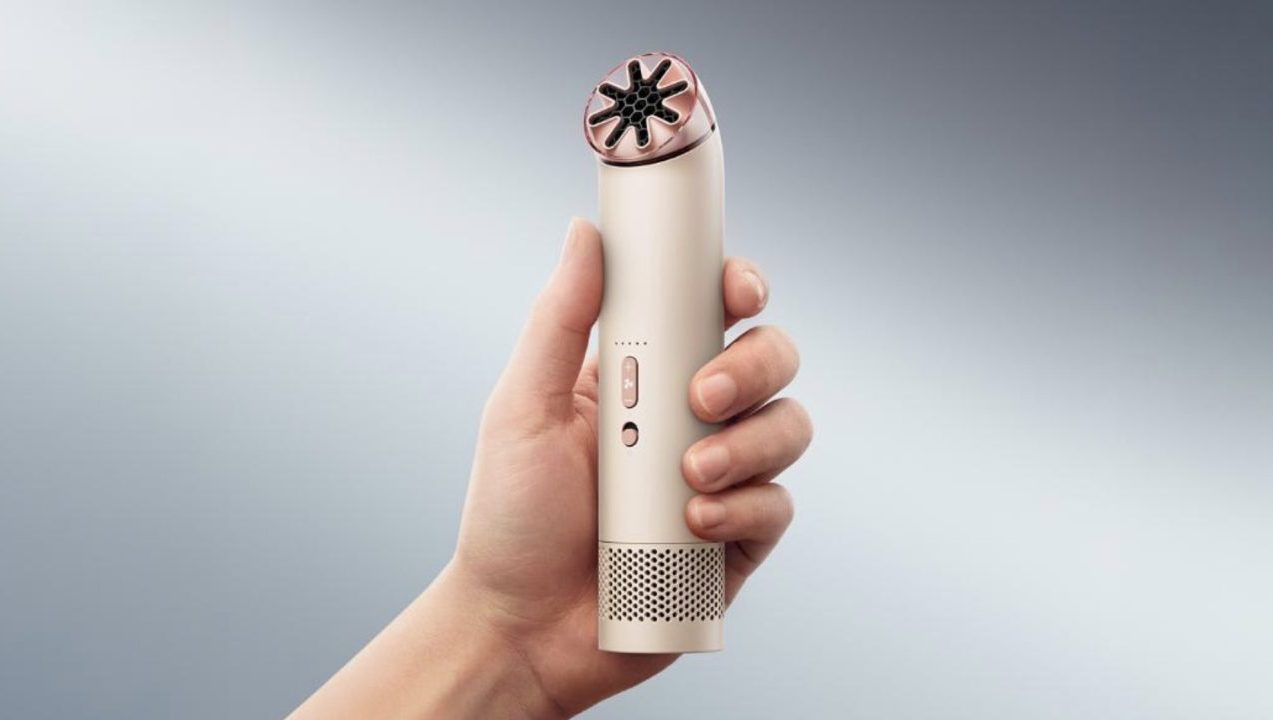
If there is one Dyson launch that has generated unusual levels of anticipation this year, it is the Dyson HushJet Mini Portable Fan.
The compact cooling device quickly gained a following after its international release, reportedly selling out within a day in several markets. Now, just in time for the hottest and most humid months of the year (no thanks to climate change), it is finally arriving in the Philippines.
With temperatures continuing to climb, the timing feels almost inevitable. Lightweight and designed for use on the move, the HushJet™ Mini brings Dyson’s airflow technology into a portable format that fits easily into everyday life—whether commuting through the city, attending outdoor events, traveling, or spending long days under the sun.
Its appeal extends beyond functionality. Finished in Dyson’s Stone/Blush colorway, the device combines cooling performance with a sleek aesthetic that feels at home alongside the accessories people already carry daily.

The new Dyson HushJet Mini is your new companion against heat and humidity.
The launch also marks one of the most accessible entry points into the Dyson ecosystem. Priced at PhP6,499, the HushJet Mini offers consumers a practical way to experience the brand’s engineering and design in a product built for everyday use.
Given the strong demand seen overseas, interest is expected to be high when the fan officially launches in the Philippines.
Where, when, and how to get your own Dyson HushJet
The Dyson HushJet Mini Portable Fan in Stone/Blush will be available beginning June 25, 2026 at 3 p.m. at participating Dyson stores, including Mall of Asia, Podium, Greenbelt 5, and One Bonifacio High Street.
For those hoping to get their hands on one, it may be worth keeping a close eye on Dyson Philippines’ official social media channels and Dyson.ph. If international demand is any indication, this could be one of the season’s most sought-after releases.


Marvel’s Wolverine review: When the claws come out
A brutal, cinematic superhero adventure

Setting your bedsheets ablaze with the Lovense Solace Pro
The closest proxy I could find where I'm guilty as sin


Now Playing: Elden Ring Tarnished Edition
Is the Switch 2 port worth the price?

Apple iPhone 18 Pro Series Hands-on

Spotlight: Hisense UR8 + RGB MiniLED Explained

First Look: Apple iPhone Duo

Xbox saves Kojima’s PHYSINT after PlayStation drops support
Marvel’s Wolverine review: When the claws come out

TECNO MEGAPAD 2 review: Eyes on the size

realme 16T 5G with 8000mAh battery, IP69 Pro rating launches in PH

HUAWEI Pura X View is 2026’s first WIDE slab-type smartphone

REDMI reveals the refreshed Note 17 and Note 17 Pro series

REDMI Note 17 Series focuses on long-term reliability


-
 News7 days ago
HUAWEI Pura X View is 2026’s first WIDE slab-type smartphone
-

 News7 days ago
The CAMON Slim 5G is TECNO’s latest ultra-slim smartphone
-
 Cameras2 weeks ago
DJI Osmo 360 II review: Going all-in on the ecosystem
-

 IFA 20261 week ago
TECNO MEGABOOK T15 360 unveiled at IFA 2026
-

 Gaming1 week ago
NBA 2K27 review: A two-way All-Star
-
 Reviews2 weeks ago
Samsung Galaxy Z Fold8 Ultra review: It’s time to get a foldable
-

 News4 days ago
iPhone 18 Pro series: Price, availability in the Philippines
-

 IFA 20261 week ago
TECNO’s POVA 8 Pro gets a stealthy makeover