
News
Huawei P30 series elevates mobile photography with even better cameras
Using the world’s first quad Leica camera system


No smartphone manufacturer has pushed the boundaries of mobile photography more than Huawei in the past few years. With the goal of once again rewriting the rules of photography, the newly launched P30 series is set to take its place at the top of the charts like its predecessors.
Launched today in Paris, France, the flagship P30 series consists of the P30 Pro and regular P30. Although different in key specs, the two phones share the same pillars of success: Camera, Design, and Intelligent Experiences.

Beginning with the cameras, the P30 Pro has the world’s first quad Leica system on the back, consisting of a 20-megapixel ultra-wide camera, 40-megapixel f/1.6 main shooter, 8-megapixel telephoto lens capable of 5x optical zoom (and 10x hybrid zoom), and a Time of Flight (ToF) sensor for measuring depth.
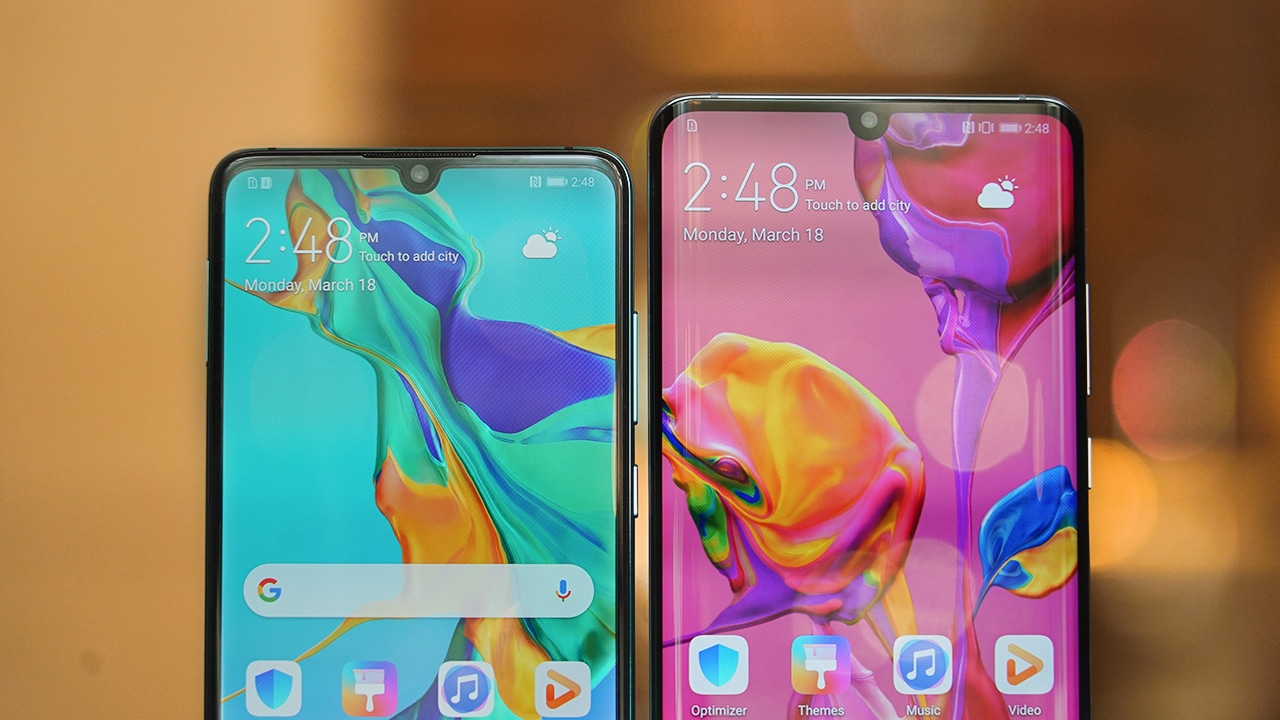
The standard P30 forgoes the ToF sensor, but retains a solid triple Leica setup: 16-megapixel ultra-wide camera, 40-megapixel f/1.8 main shooter, and 8-megapixel telephoto lens with 3x optical zoom (with 5x hybrid zoom). Both models, however, tout an astonishing 32-megapixel selfie camera in their tiny notch.
What’s different this time around is Huawei’s image sensor, which is a RYYB array instead of the traditional RGGB. By offering a yellow filter instead of green, more light can pass through for an improved night mode and ISO sensitivity — up to 409600 for the P30 Pro and a max of 204800 in the P30.
Of course, a camera system as intricate as this needs an equally impressive all-glass body. The P30 Pro doesn’t disappoint with its curved 6.47-inch 1080p OLED, while the regular P30 goes for a 6.1-inch 1080p OLED. Both have an optical under-display fingerprint scanner, but the P30 Pro has something more interesting: acoustic vibration for sound instead of the usual earpiece.
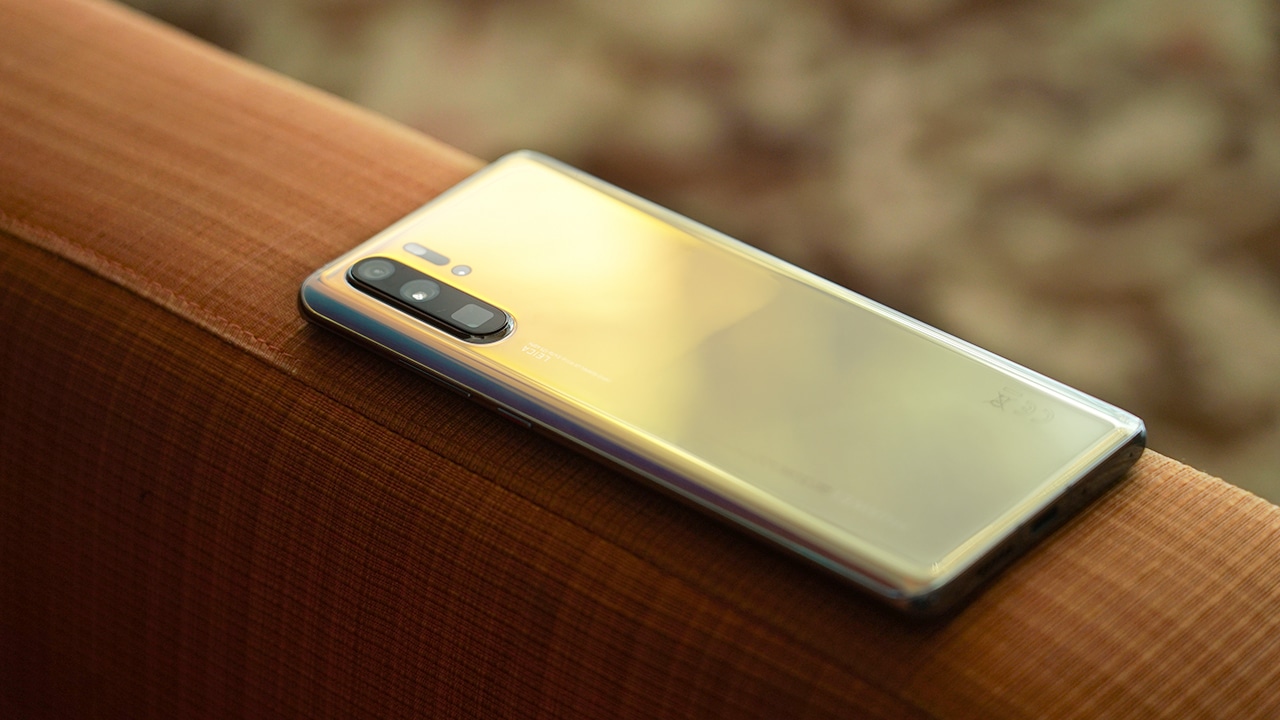
Both still employ a bottom-firing speaker, however, although only the non-Pro P30 has a 3.5mm audio port. As for water and dust resistance, the P30 delivers a respectable IP53 rating while the P30 Pro owns a more tightly sealed IP68 rating. The Pro model also has a heftier 4200mAh battery (with 40W SuperCharge) compared to the P30’s 3650mAh capacity (with 22W SuperCharge).
Getting all this magic to work is Huawei’s Kirin 980 chip, which also powers the Mate 20 series. Combined with the latest EMUI 9.1 software, interface speeds are faster across the board. Huawei offers multiple memory and storage configurations for both models depending on each market, starting at 6GB+128GB for the P30 and 8GB+128GB (up to 512GB storage) for the P30 Pro.
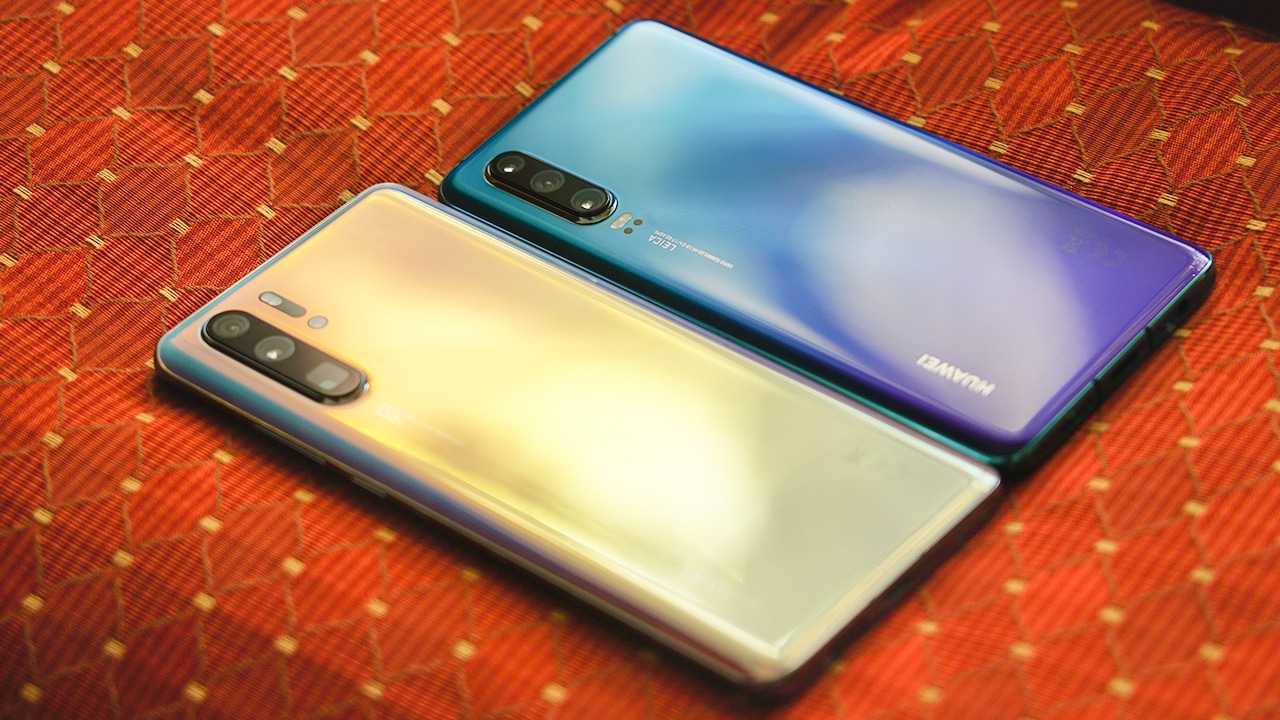
Huawei put lots of emphasis on the color options again this time. As of now, we have Amber Sunrise, Breathing Crystal, Aurora, Pearl White, and Black. Like the configurations mentioned earlier, the availability for each color depends per region.
The regular P30 will retail for a starting price of EUR 799, while the P30 Pro will begin at EUR 999. Both models are available beginning today, March 26.







Just days after vivo’s widely-anticipated X300 series, its sister brand OPPO releases the Find X9 series. It’s their latest line of flagships for 2025.
Flagship Find
The OPPO Find X9 and Find X9 Pro are the next line of smartphones equipped with MediaTek’s latest Dimensity 9500 SoC based on a powerful and power-efficient 3nm process.
Much like its closest cousins, the base and Pro models of the Find X9 differ in certain aspects.
First and foremost, the Pro has the bigger 6.78-inch display. Meanwhile, the vanilla variant has a “more compact” 6.59-inch.

OPPO says though that both units boast an ultra-thin 1.15mm symmetrical bezels on all sides.
Moreover, battery capacities are also different.
The Find X9 has 7025mAh while the Find X9 Pro possess a larger 7500mAh battery.
These phones are expected to run the all-new ColorOS 16 with primary focus on silky-smooth animation, as well as smarter AI feats, seamless connectivity between PCs, Macs, and other accessories, as well as band overall user experience.
Hasselblad Legacy
Different from what OnePlus is doing, OPPO continues to strengthen its partnership with the renowned Swedish camera-maker Hasselblad.
With this continuous collaboration, both the Find X9 and X9 Pro feature the Hasselblad Camera System alongside OPPO’s all-new LUMO Image Engine.

Furthermore, the Find X9 Pro offers a 200MP telephoto camera co-developed with Hasselblad — both in sensor calibration and optical design.
Additionally, these Find models also deliver exceptional video capabilities with up to 4K / 120fps Dolby Vision support as well as LOG recording with ACES support for that seamless and professional workflow.
The Find X9 series are also concert-ready with cutting-edge telephoto optimizations such as Stage Mode and AI Sound Focus.
Pricing and Availability
The OPPO Find X9 are available in three colorways: Titanium Grey, Space Black, and Velvet Red.
Meanwhile, the Find X9 Pro is being offered in two shades: Silk White and Titanium Charcoal.
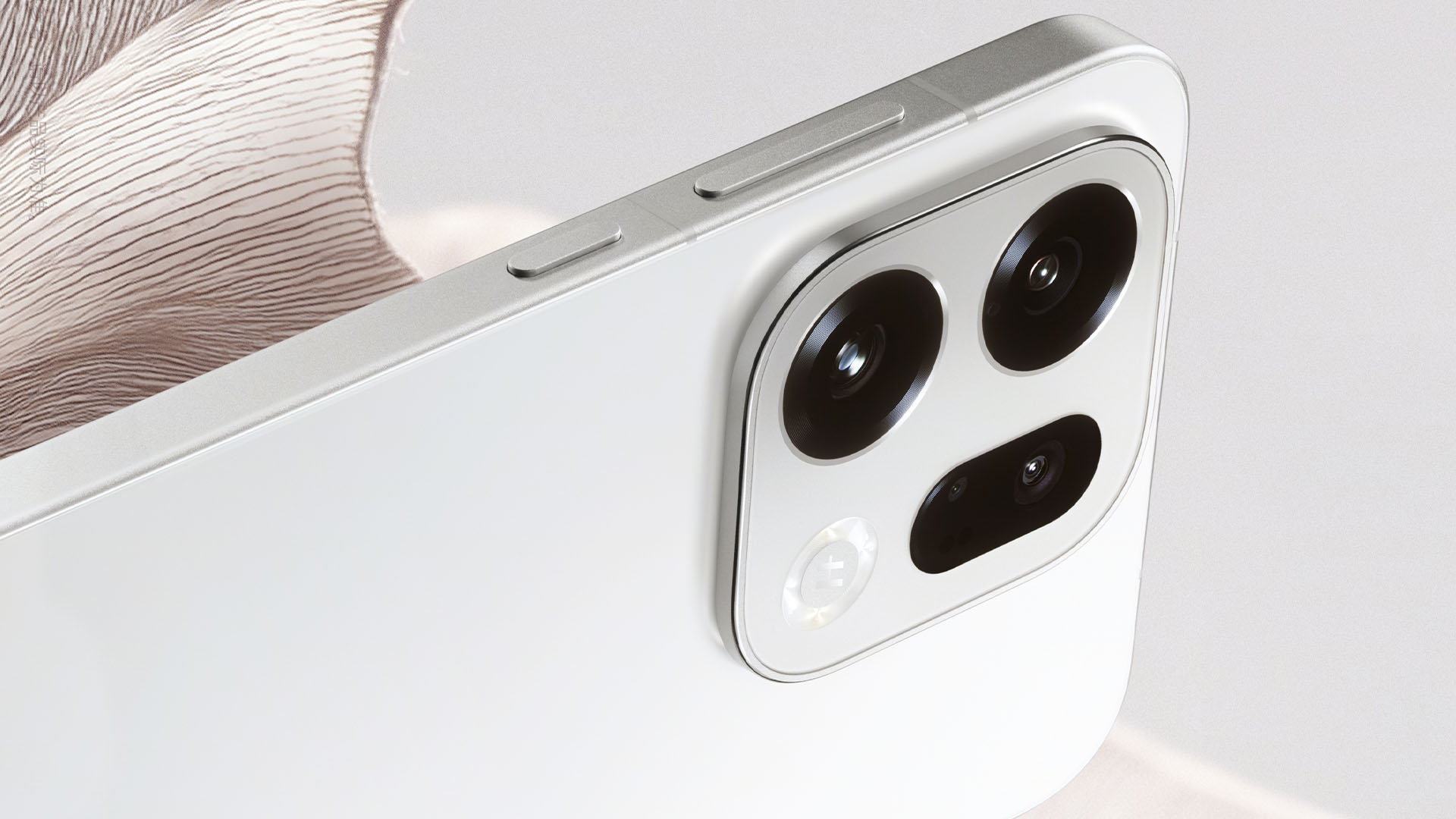
In line with the China-exclusive launch, the announcement of the Find X9 series slated for global markets will be held in Barcelona, Spain on October 28th.
Mark your calendars!
Accessories
Samsung launched a charger that’s incompatible with all its phones
None of their phones have built-in Qi2 magnets.

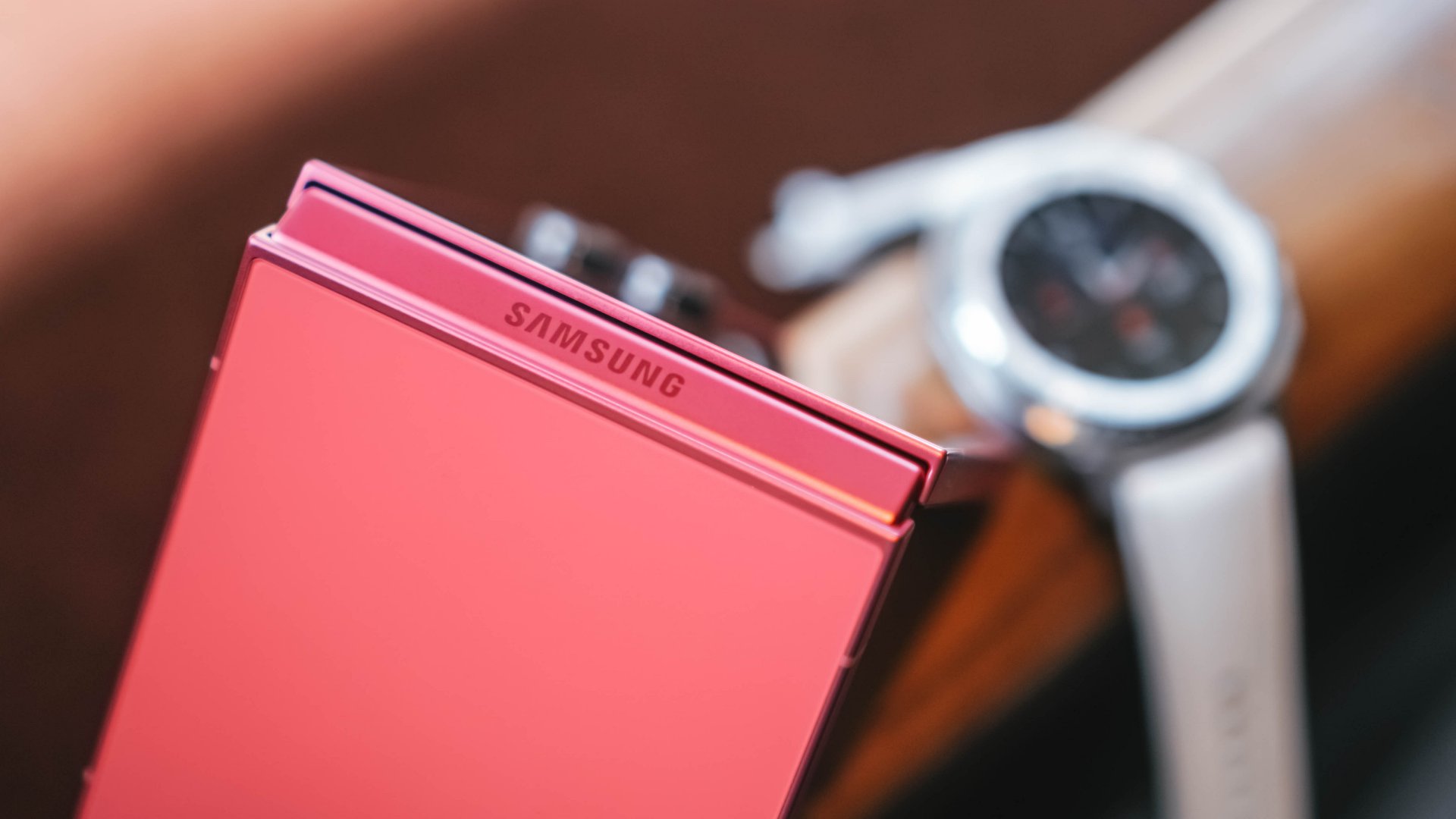
In the world of wireless charging, Qi2 is where it’s at. The newer magnetic system automatically aligns the phone with the best positions to charge wirelessly. That said, it’s taking a while for most smartphones to get the charging standard. In an odder twist, Samsung, who does not currently have any native Qi2 devices, has launched its own Qi2 chargers.
In the United States, Samsung rolled out the Qi2-compatible Single Wireless Charger and Car Wireless Charger. As both their names indicate, the chargers will allow for wireless charging in a variety of situations.
Retailing for US$ 34.99, the single puck can charge by up to 25W when paired with a charging adapter (sold separately). The car charger, on the other hand, comes with its own 12V car adapter and a rotating mount. It’s very pricy, coming in at US$ 84.99.
Now, the kicker is that the chargers are compatible with Samsung’s current flagships including the Galaxy S25, the Flip7, and the Fold7. Technically, yes, these smartphones can charge using this duo. However, none of them have the built-in magnets to natively connect to the pucks. They need a separate case with a Qi2-certified magnet included.
It seems pretty scummy to offer a Qi2 charger for smartphones without the magnets built inside. On the bright side, it’s a good sign that Samsung’s upcoming smartphones, starting with the Galaxy S26 early next year, will likely offer Qi2 charging natively. (At least, we hope. Otherwise, this might be the priciest charger in recent memory.)
SEE ALSO: Samsung Galaxy S25 FE review: Closer to flagship than ever
Apps
ChatGPT will soon allow NSFW conversations
The platform will start age-gating users in December.
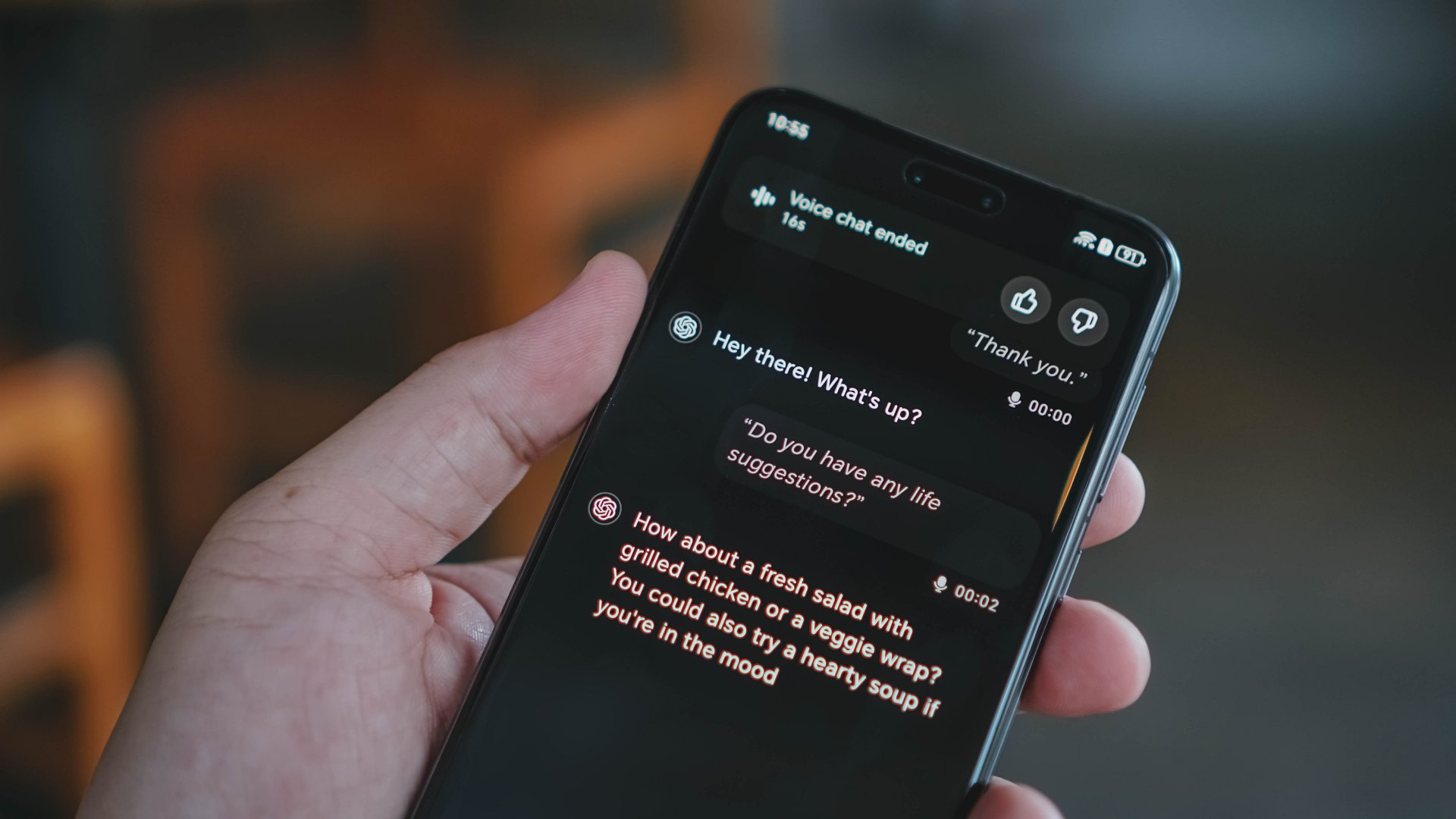
Every day, we inch closer and closer to the strange reality of Joaquin Phoenix’s Her. Today’s AI-powered chatbots have inevitably adapted to address our more carnal desires. Some, such as those offered by xAI, are even explicitly designed to only flirt with the user. Soon, ChatGPT will offer the same thing: a way for adult users to… well, be adults.
Through a post on X, OpenAI’s Sam Altman reiterated ChatGPT’s impending drive to introduce age-gating in December. Keeping younger users from the platform will open ChatGPT to more “mature” conversations. Altman specifically names “erotica” as one of the potential uses of a looser platform.
We made ChatGPT pretty restrictive to make sure we were being careful with mental health issues. We realize this made it less useful/enjoyable to many users who had no mental health problems, but given the seriousness of the issue we wanted to get this right.
Now that we have…
— Sam Altman (@sama) October 14, 2025
Additionally, ChatGPT is rolling out an update which will make the platform more personable and comparable to actual conversations. This includes using more emojis or talking like a friend.
The platform is also adding more safeguards when it comes to mental health issues, given that more people are using it as a makeshift therapist. Recently, Altman made sure that ChatGPT treated mental health with more delicateness. To some, especially those without such issues, the platform became more unusable. To bring back how it used to be, the platform will add better tools to detect whether the user is in “mental distress.”
Finally, OpenAI is implementing a backend solution to mental health by creating a new council of researchers and experts to accurately determine the impact of AI on mental health. Currently, it’s still unknown how much this new technology is helping (or harming) our wellbeing.
SEE ALSO: ChatGPT Go now available in the Philippines, more Asian countries


‘Quezon’ muddies the president’s legacy to inspire true change
It's the movie that the country needs now.


Samsung Galaxy S25 FE review: Closer to flagship than ever
Thoughtfully refined


The HONOR MagicPad 3 is an almost perfect premium pad partner
Ever-reliable for work, chill, and play BUT with some catch
‘Quezon’ muddies the president’s legacy to inspire true change

OPPO Find X9 series are now live in China

Maya unveils Pink Glitter Visa Card, BLACKPINK concert promos

Samsung launched a charger that’s incompatible with all its phones

ChatGPT will soon allow NSFW conversations

Xiaomi 17 Pro Max takes a jab at Apple’s iPhone 17 Pro Max

Logitech adds comfort and speed to 2025 keyboard, mice lineup

The Xiaomi Pad Mini is discounted until October 13

Xiaomi 15T Pro review: Big battery, clean shots, smooth performance

Apple AirPods Pro 3 Review: Worth Every Penny!

This is the BRIGHTEST 4K Projector In Its Class!

Unboxing: Ghost of Yotei Collector’s Edition

Unboxing the latest Apple Watch × Hermès

Lenovo Yoga 7i Aura Edition: Ten generations of foldable goodness

21-Day Battery, Pro Sports Tracking: HUAWEI WATCH GT 6 Series
-
 Tablets2 weeks ago
The Xiaomi Pad Mini is discounted until October 13
-

 Reviews2 weeks ago
vivo X200 Pro review: 200+ Days After
-

 Deals2 weeks ago
The new Lenovo Legion Tab comes with a free GameSir G8+ this month
-
Reviews5 days ago
The HONOR MagicPad 3 is an almost perfect premium pad partner
-
 Cameras5 days ago
DJI Osmo Nano review
-

 Gaming2 weeks ago
realme 15 Pro named official M7 World Championship gaming phone
-

 News2 weeks ago
realme 15T also releasing on October 8
-

 Reviews1 week ago
TECNO Slim review: Smexy, Antifragile Slab