


I have a confession to make: I’m not really into smartwatches. As much as I enjoy taking the hottest phones and laptops with me everywhere I go, I prefer wearing a traditional watch around my wrist, or at most, a hybrid smartwatch.
Full-fledged smartwatches are more cumbersome than convenient for me. Not only would I have to charge it daily, but I’d also need to set it up like an actual smartphone. I already have multiple devices to take care of at any given time.
That’s where Huawei’s latest smartwatch comes in. While it isn’t the usual hybrid I’d gladly pair with my phone, it does offer some compromise — ones that make me forget I’m even wearing a smarter-than-average watch.
Honestly, the main reason I even considered accepting the Huawei Watch GT and reviewing it is because of its battery life. With a promise of two-week endurance on a single charge and greater focus on daily health, I took the plunge.

Yes, the battery endurance is legit. Charging it to full, which takes a little over one and a half hours using its portable dock, is enough to make it last for 15 whole days, and that’s with the heart rate sensor always on!
This has to be the Watch GT’s greatest strength; it’ll tell you your heart rate any time you look at its face, and the simple interface is easier to understand than your typical Android. Huawei has done a good job of optimizing its proprietary operating system for common folk’s use.
And yet, that’s also one of the device’s initial weaknesses. You have to learn something new all over again. It’s not like jumping from one Wear OS to another or an older Apple Watch to a newer one. The interface is simple, but totally different.
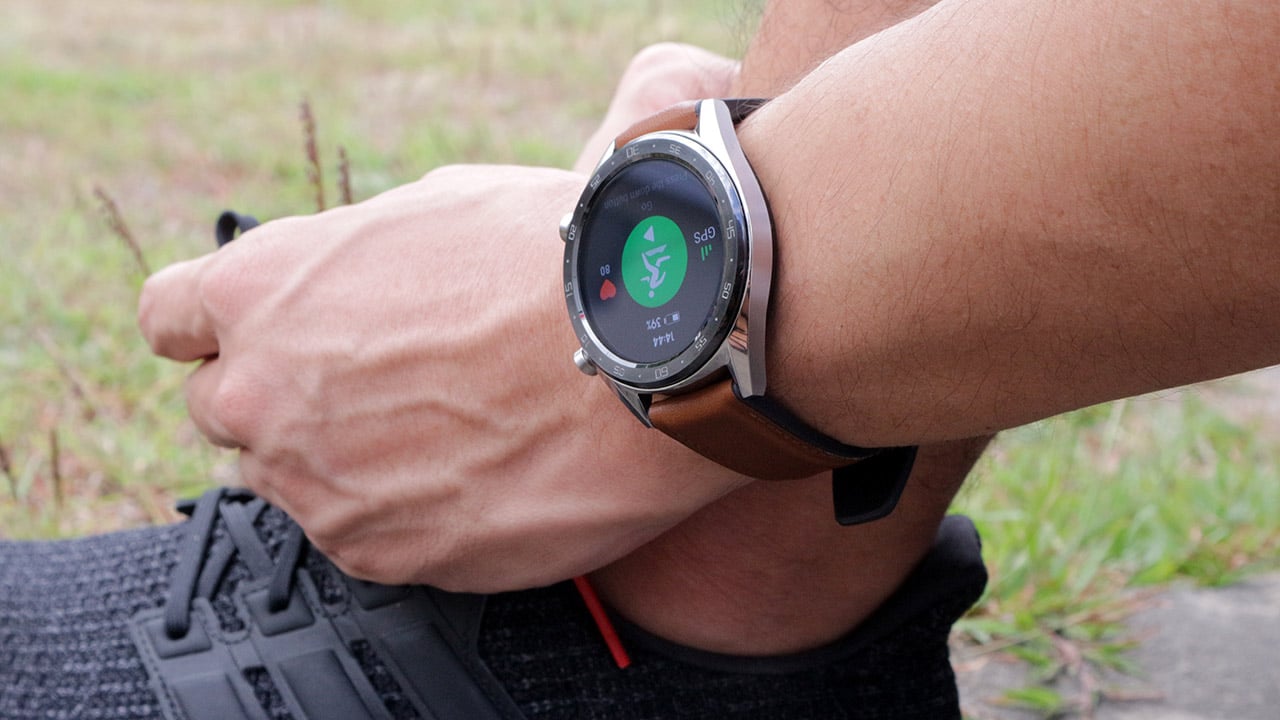
Fortunately, there are only two physical buttons to worry about: The top enters the options menu and acts as an alternate back/wake-up switch, while the other offers the selection of available exercises.
We have modes for running, climbing, hiking, cycling, and swimming. Some of these require the watch’s GPS to be turned on, which consumes more battery power. If none of these fit the workout you’re about to embark on, there’s an option for “Other.” I used this while playing basketball and lifting weights at the gym.
Aside from those two, I tried outdoor running and open swimming, both of which needed GPS. Once I start the workout, the watch provides vital info such as pace and distance, on top of the usual heart rate and total time. Once you check your connected phone, it’ll show a more comprehensive summary complete with the mapping of your every location.
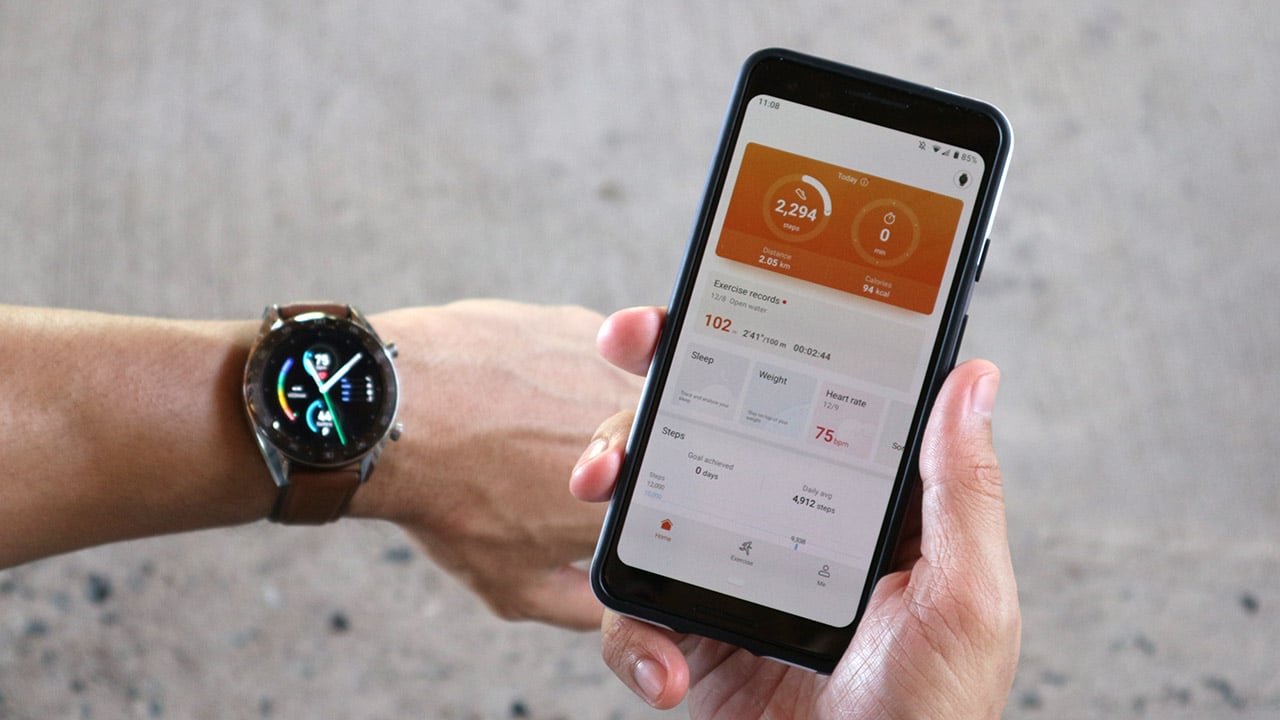
I must say, the tracking is quite accurate. I get a graph of my heart rate and speed for every minute of the routine, plus a precise map of what I covered. The Huawei Health app is what keeps all the records, and divides the intensities into warm-up, fat-burning, aerobic, anaerobic, and extreme.
All this data gets synced with every pairing between the Watch GT and Health app. Unfortunately, there doesn’t seem to be a way to save the data online and view it on other devices. I managed to integrate Google Fit with Huawei Health, but could never transfer any fitness info.
I doubt this would be a problem for most users, but for techies like myself who go from one device to another, it would be perfect to have cloud access. The watch does hold some data so I can at least look back at some previous workouts after moving to another phone.





While on the topic of downsides, I also experienced several annoyances like sudden disconnections to my phone and the raise-to-wake function not always working, but a couple of software patches solved these issues to an extent. I also don’t like how notifications show up twice or not at all; this prevents the Watch GT from being a reliable assistant.
But, in essence, it seems to serve a different purpose altogether — not simply as a virtual companion. Because it’s so light, it acts like a fitness band while working out. And when you’re done exercising and need to head to a meeting or night out, it remains classy enough to pair with any casual or even semi-formal attire.
Like other smartwatches, you may change the watch face any time to match your outfit. Same applies to the watchband — no proprietary standards here, so swap to your heart’s content. This flexibility may be the primary reason why anyone would consider the Huawei Watch GT in the first place.
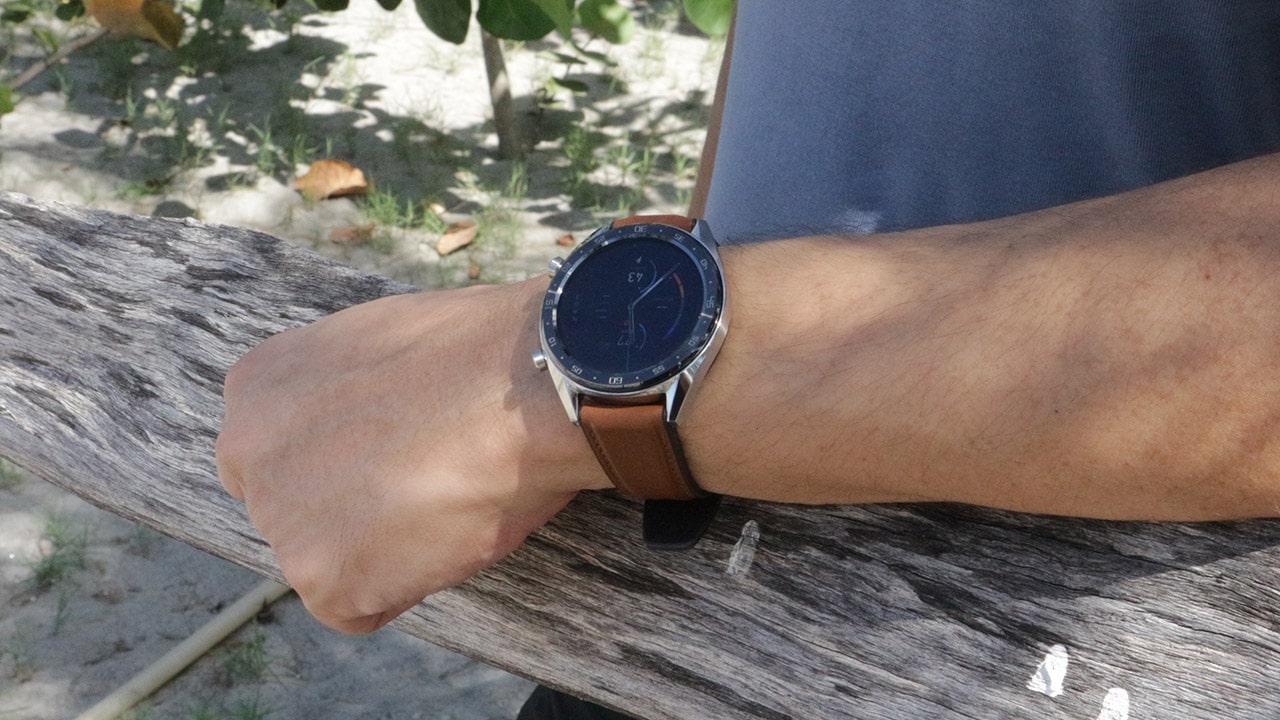
At the same time, it’s not that intelligent, feeling more like a fitness watch than a smartwatch most of the time. I was thoroughly impressed by the feature set when I first wore it, and yet, it left me wanting more as time went on.
For one, I’d love to be able to install more apps. Customization would make it, well, smarter. In addition, this wearable would benefit greatly from Qi wireless charging. Imagine charging on any compatible charger at home or in a cafe, or better yet, on your Mate 20 Pro’s back! Huawei missed a golden opportunity here.
These setbacks keep a good smartwatch from being great, especially when the market has reached a point wherein there are so many awesome choices now.

An alternative would be the Galaxy Watch of Samsung. It also has its own interface and focuses more on being a business-fitness watch. The differences are in the shorter battery life — limited to a couple of days depending on use — and ability to install additional apps from Samsung’s own app store.
Of course, you could also consider the Apple Watch Series 4. However, even though it targets health tracking and looks way better than previous generations, it’s really best for those who already use an iPhone. That Apple ecosystem in unmatched in the tech realm.
If you’ve made it this far and are still interested, the Huawei Watch GT starts at EUR 199 for the Sport version and costs EUR 249 for the Classic, which is the model you see here. In this case, style definitely comes at a price.







Entertainment
Dune: Part Three teaser trailer: First look at Robert Pattinson’s Scytale
In cinemas this December


The countdown is officially on as Warner Bros. Pictures has released the teaser trailer for Dune: Part Three.
The epic conclusion to Denis Villeneuve’s “Dune” trilogy opens in cinemas and IMAX this December.
In addition, character posters have also been released. Here are some, courtesy of Warner Bros. Pictures:




The highly anticipated film stars Timothée Chalamet, Zendaya, Jason Momoa, Javier Bardem, Rebecca Ferguson, Florence Pugh, Robert Pattinson, Anya Taylor-Joy and Isaach De Bankolé.
The trailer, meanwhile, gives an excellent first look at Pattinson as the main antagonist of the final installment, Scytale.
In the final movie, the plot jumps ahead 17 years after Chalamet’s Paul Atreides ascended to the throne.
There will be a dramatic change in the tone from the first two films, focusing more on psychological thriller instead of a war epic, given the visuals of the previous two installments.
Atreides is now a battle-hardened Emperor, struggling with the “Holy War” that has claimed 61 million lives.
Worse, Scytale will lead a conspiracy from within that attempts to overthrow the protagonist’s empire.
Pattinson’s character will mess with Atreides’ head instead of pure brawns, in a bid to wear him down. This presents the central conflict of the upcoming film.
Features
Why the OPPO Reno15 5G series is a creator’s essential
4K Ultra-Steady, 50MP groufies, and AI edits in one device.


There are two kinds of travel essentials: the ones you pack because you have to, and the ones you pack because they make the story better.
Often, we feel forced to choose between traveling light and bringing the bulky gear necessary to document the trip properly.
On your next trip, the OPPO Reno15 5G Series eliminates that compromise. With a thoughtful mix of hardware and software, it becomes your pocket-sized production crew, ready to capture life as it unfolds.
The crew in your pocket
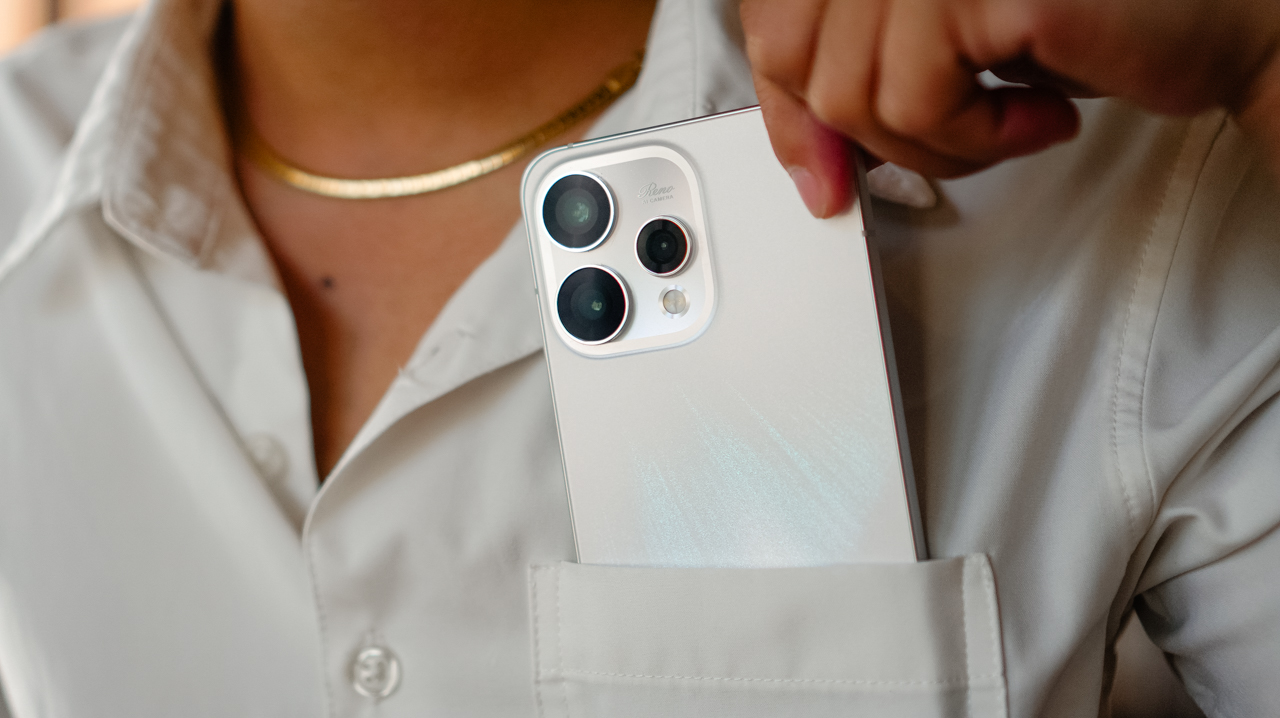
The first rule of travel is to keep things light, but for a creator, “light” cannot mean lower quality.
Whether you are navigating crowded night markets or chasing the golden hour on a steep, adventurous rooftop, the 4K Ultra Steady feature ensures your footage looks composed even when the environment is chaotic.
View this post on Instagram
This stabilization changes the energy of a travel vlog, turning handheld montages into polished, cinematic clips that are ready for a Reel the moment you hit save.
View this post on Instagram
Capturing everything and everyone
Travel stories are built on shared memories, but too often, the person behind the lens is left out.
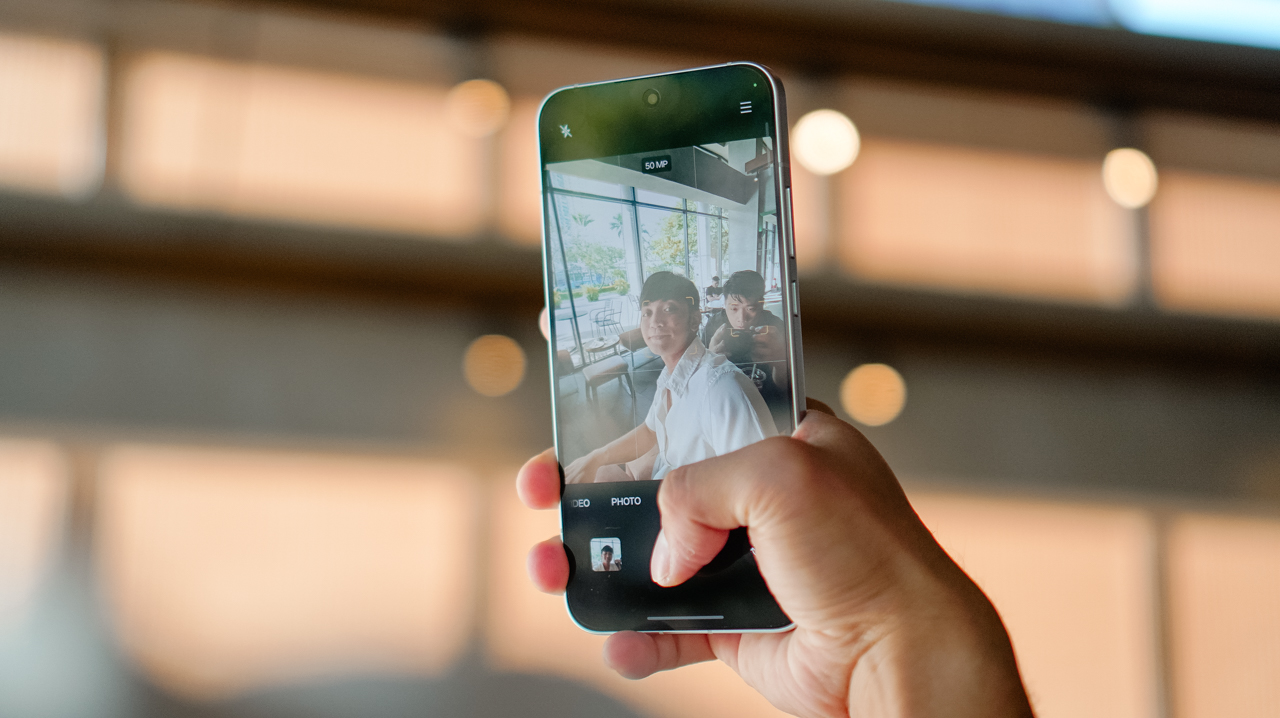
Group shots often become a messy scramble to squeeze everyone into a tight frame. The 50MP Selfie Camera changes that outcome with its 0.6x ultra-wide-angle mode
It captures the entire group with sharp detail across the frame, ensuring no one is relegated to the blurry edges.
Even if you need to crop the image later for a specific social media layout, faces remain clear and the background stays defined.



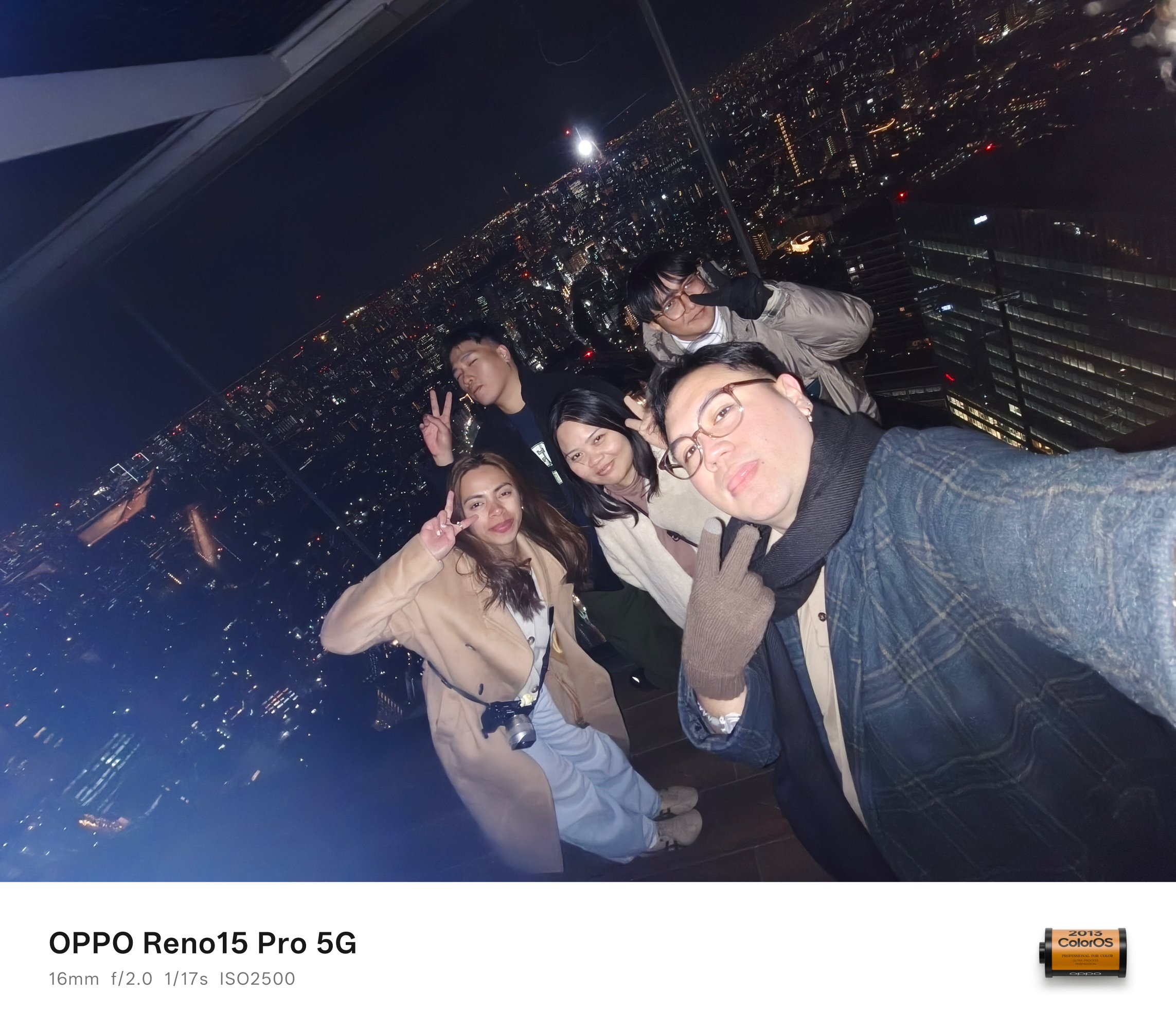





The result is a “groufie” that feels complete and professional
Scroll-stopping memories
We often summarize our trips through collages: layered photos that tell a single story.

The AI Motion Photo Popout tool brings a new dimension to these memories. With a few taps in the Gallery, the subject separates from the background to create a sophisticated, layered effect.




These edits serve as the perfect foundation for Instagram Story covers, Reel thumbnails, or high-quality personal wallpapers.
It’s a subtle digital adjustment that makes a visible difference in how your audience experiences your journey.
Reliability for the modern creator.
A smartphone is no longer just a gadget; it is a creative partner. The OPPO Reno15 Series 5G features a sleek design that looks at home beside a passport or a boarding pass.

It’s light enough for long days of exploration but polished enough for high-end city trips. The reliable battery life supports early flights, full-day itineraries, and even late-night uploads.




You’ll spend less time searching for an outlet and more time capturing the moments that matter.
Which OPPO Reno15 Series 5G is your GadgetMatch?
The series offers variants designed to fit your specific creative style.
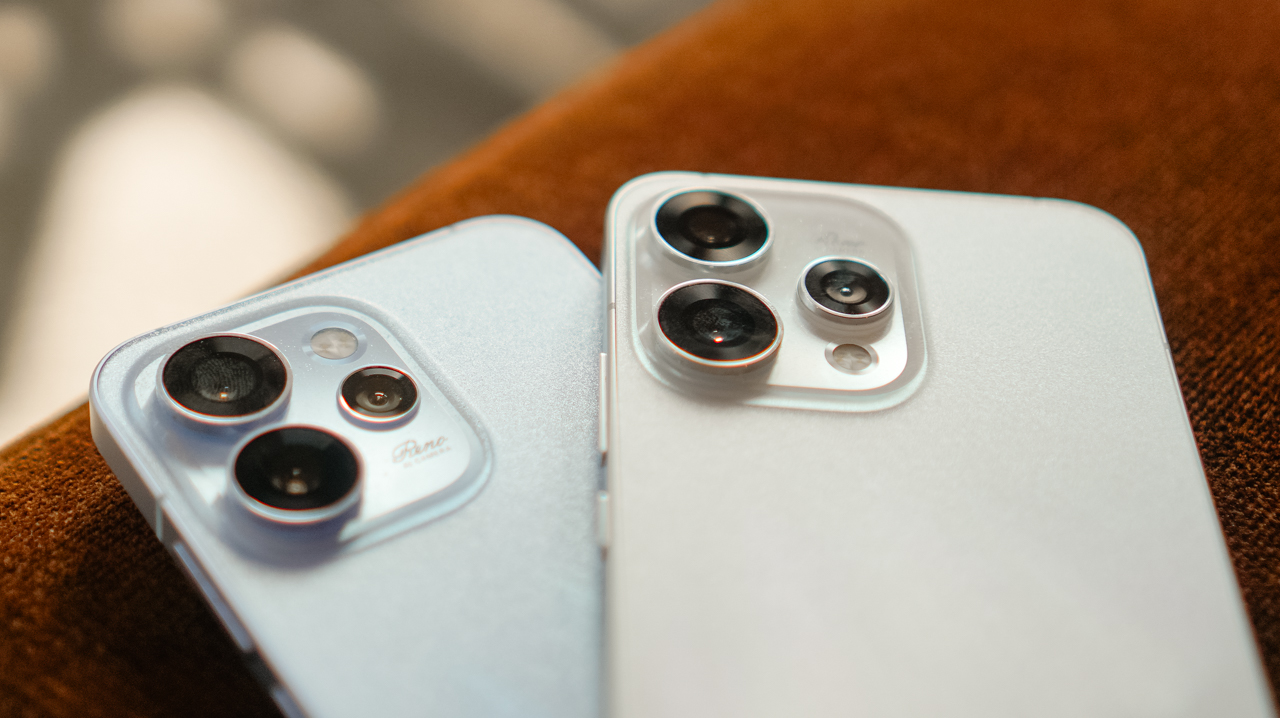
Pick the OPPO Reno15 5G if you want a balanced everyday companion, and if you want flexibility and reliability without overcomplicating the process.
There’s the OPPO Reno15 Pro; the choice for creators where photography and videography are the main event, offering enhanced tools in a compact form.

But if you’re a value-conscious traveler who wants a practical entry point that provides core camera and AI features, then the OPPO Reno15 F 5G is your GadgetMatch.
Whichever you choose, the series proves that a travel accessory can do more than complement an outfit. It preserves your stories because it doubles as a content creator’s must-have tool.
The OPPO Reno15 Series 5G is now available in OPPO stores nationwide and the OPPO Online Store.
SEE MORE: The art of being in and behind the frame | OPPO Reno15 Pro: Camera Review

Universal Pictures has released the final trailer for The Super Mario Galaxy Movie, which hits cinemas early next month.
Chris Pratt and Charlie Day return to play the iconic brothers Mario and Luigi, with the group getting bigger and more lovable with the addition of Donald Glover’s Yoshi.
Other actors returning to voice beloved characters from the franchise are:
- Anya Taylor-Joy as Princess Peach
- Jack Black as Bowser
- Keegan-Michael Key as Toad
- Brie Larson as Rosalina
Worth noting, the Captain Marvel and The Marvels lead actress, Larson, fulfills her dream as a Super Mario fan as her character makes her big-screen debut.

Courtesy: Universal Studios
In The Super Mario Galaxy Movie, the plumber brothers are sent into space to save Rosalina from the clutches of Bowser Jr.
Coming along for the ride are Princess Peach, Toad, and Yoshi, their newest companion.
More beloved characters will make their first big-screen appearances, including Pikmin, R.O.B., Birdo, and more.
The trailer also highlights some of the wonderful worlds the protagonists will visit, from the Preshistoric Falls to the Honeyhive Galaxy.
The film will show in theaters on April 1 in the United States and April 4 in the Philippines.
Watch the final trailer here:




nubia to launch new Neo 5 series gaming phones on March 28

SHINOBI: Art of Vengeance’s SEGA Villains Stage out on April 3

AMD poised to lead agentic AI era with high-performance CPUs

CIPTA debuts AI GPU server, edge workstation at CloudFest 2026

Dune: Part Three teaser trailer: First look at Robert Pattinson’s Scytale


-

 Reviews4 days ago
POCO X8 Pro Max review: A new beast from the far east
-

 News4 days ago
POCO X8 Pro Series: Price, availability in the Philippines
-

 Laptops1 week ago
Apple MacBook Neo Review
-

 Computers2 weeks ago
GIGABYTE collaborates with Capcom for RE Requiem custom PC
-

 Apps1 week ago
Google Maps is finally getting a 3D mode
-

 Entertainment1 week ago
The internet is thirsting over the One Piece Season 2 cast
-
 News2 weeks ago
Globe postpaid opens pre-orders for Samsung Galaxy S26 series
-

 Features1 week ago
Galaxy AI on the Samsung Galaxy S26 Ultra