
Gaming
India’s PUBG alternative FAU-G is a national embarrassment
It practically feels like an interactive video

FAU-G is a new game that intends to take on battle royale games like PUBG Mobile, Mobile Legends, and even Fortnite. But, the game is loosely based on the India-China border clashes of 2020, in which 20 Indian soldiers were martyred.
Following the conflict, India banned many Chinese apps and vowed to become more self-reliant. The clashes were met with massive outrage in India because the anti-China sentiment was consistently rising ever since the origin of Coronavirus was traced back to the Chinese city of Wuhan.
For the general public, the virus’s origin and China’s border aggression created a deadly combination. India’s Narendra Modi-led government has a soft corner for nationalism, and it wasted no time to hit back in its own way. Within a few days, India started its campaign to reduce dependence on China and become Atmanirbhar or self-sufficient.
India bans or restricts Chinese companies
TikTok was the first one to get crushed. Followed by hundreds of others. And then, it was time for PUBG Mobile. Indians love the game and were caught in a strange predicament — play a Tencent (Chinese) distributed game or stand with your country? The answer was clear. PUBG Mobile went off the app stores, and a few die-hard folks who couldn’t part ways with the game found turnarounds like VPNs and external installations.
This where a new game comes into the picture. An Indian developer based out of Bengaluru saw an opportunity, just like Instagram spotted an opening with Reels when the TikTok ban was announced in the US. Indian developers tried to grab the TikTok moment with indigenous apps, but Reels rained over their party and sealed their fate once and for all.
PUBG Mobile craze gets replaced by FAU-G
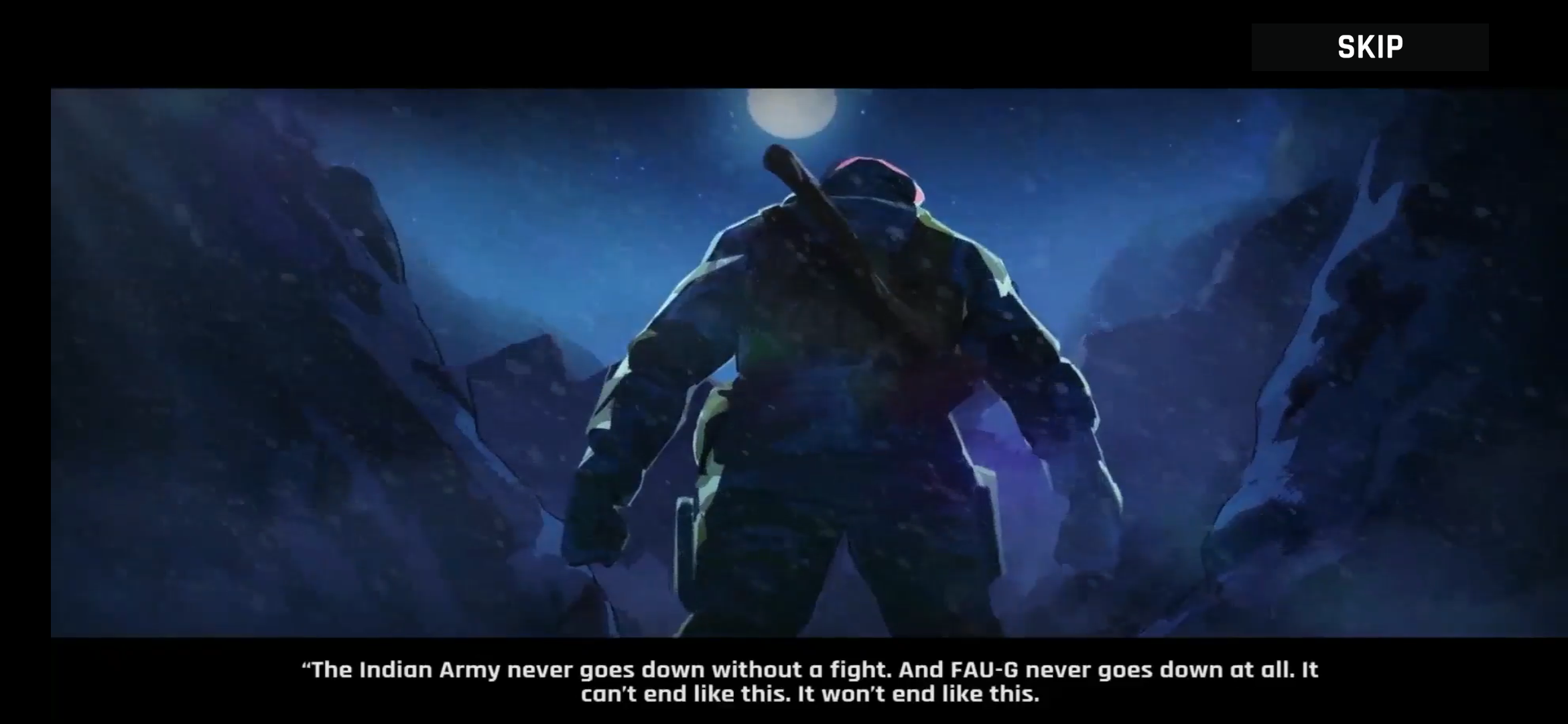
But nobody could bridge the PUBG Mobile gap quickly because making a game isn’t child’s play. However, Indian studio nCore Games has bigger ambitions and announced it’ll be launching a PUBG Mobile alternative called FAU-G (Fearless and United Guards) soon. In Hindi (one of India’s official languages), fawji literally means a solider, and the developer smartly ripped off the name from PlayerUnknown’s Battlegrounds and added a nationalist twist to it.
FAU-G was supposed to launch in November but got delayed to December and then January. Finally, the developers chose the auspicious day of January 26 for launch, a national holiday because it celebrates its 75th Republic Day. The game had more than four million pre-registrations, Bollywood celebrities like Akshay Kumar endorse the game, and it was supposed to land a mighty punch to our violent neighbor, a message that we don’t need them.
The game has finally arrived, and I’ve played for an hour. Yup, I’m writing an in-depth review based on one hour of experience. Hold on, though, don’t judge me yet!
Gameplay
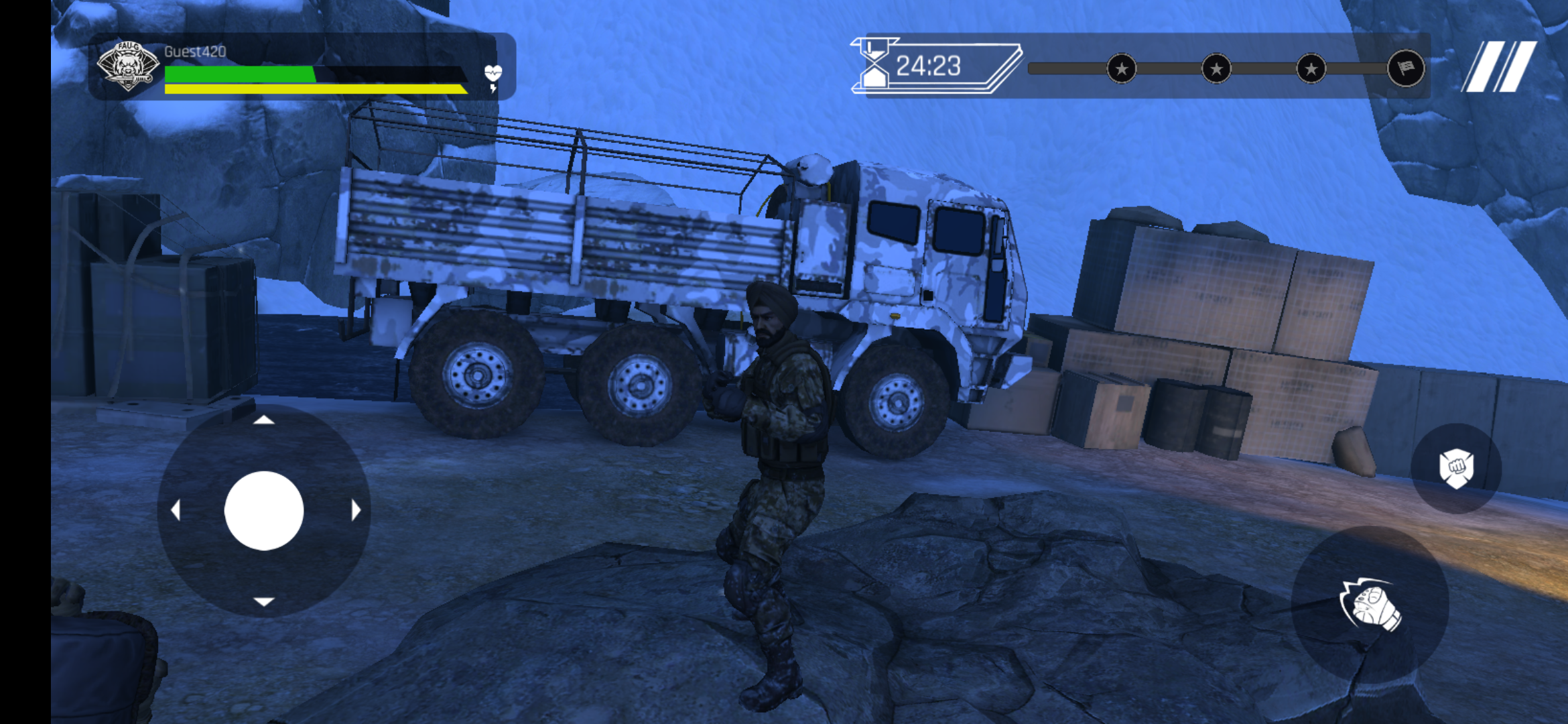
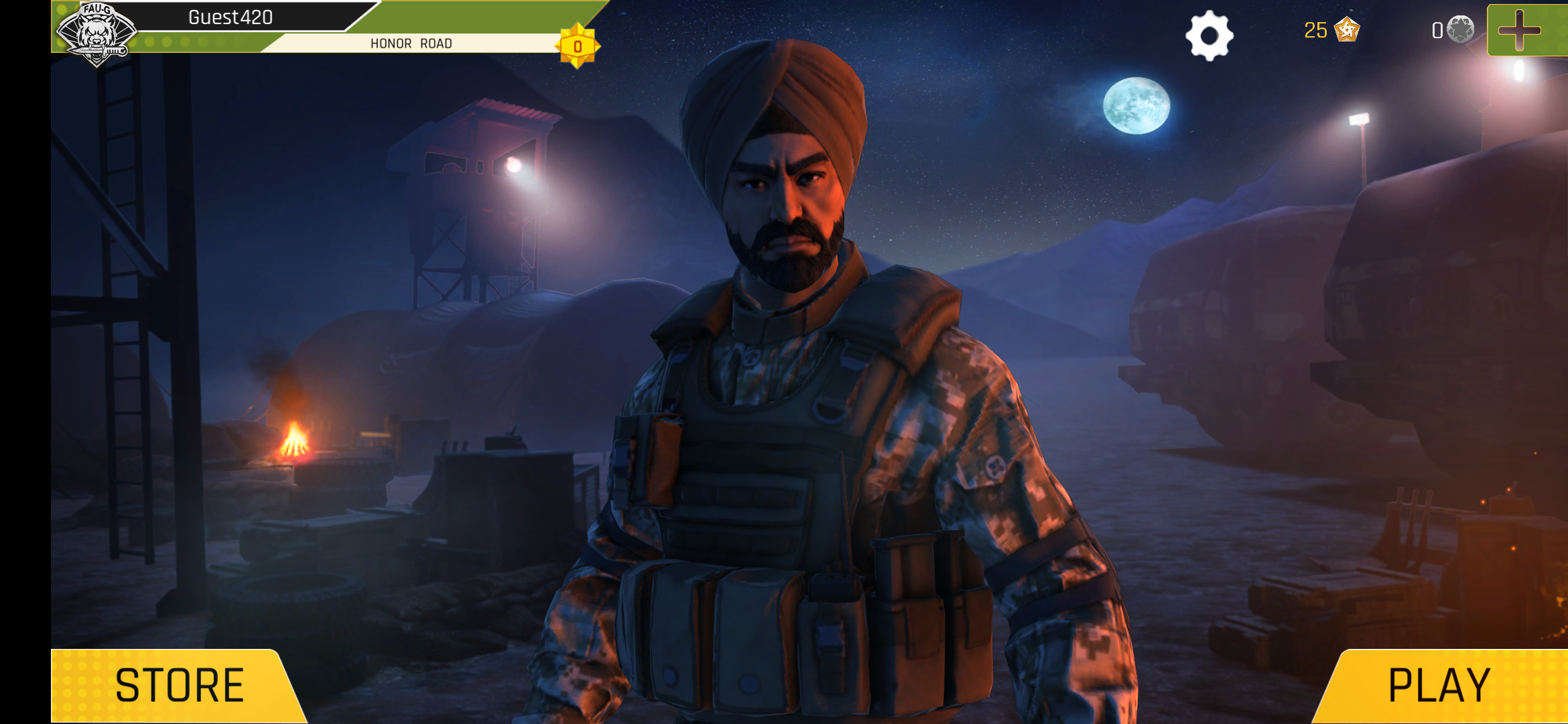
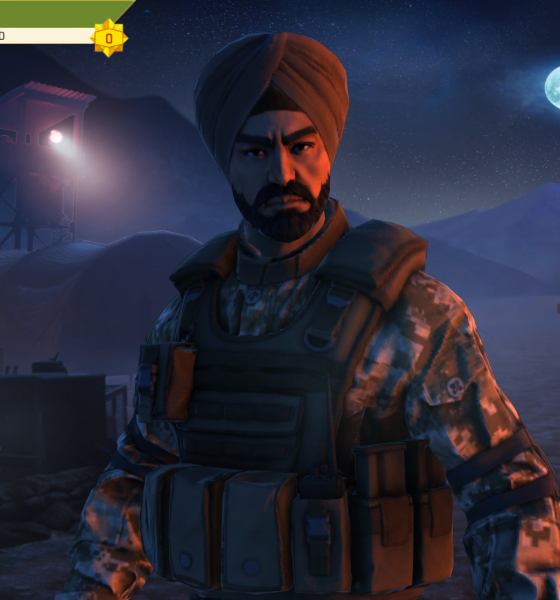
The game is straightforward. It only has a single-player story mode right now, and there are no guns, grenades, or vehicles. According to the campaign mode, you’re a soldier in the Galwan Valley, where Ind0-China clashes took place in 2020. You’re separated from your unit and are supposed to make your way through enemy camps and find your comrades.
This is where it gets more interesting because you’re expected to fight just with fists or a melee weapon. As soon as you’re near an enemy, just keep smashing the hit button, and you’ll be fine. There’s no strategy or aim required to win because the game’s difficulty level is close to zero. AI bots just stand close to you and wait for you to crush them like flies.
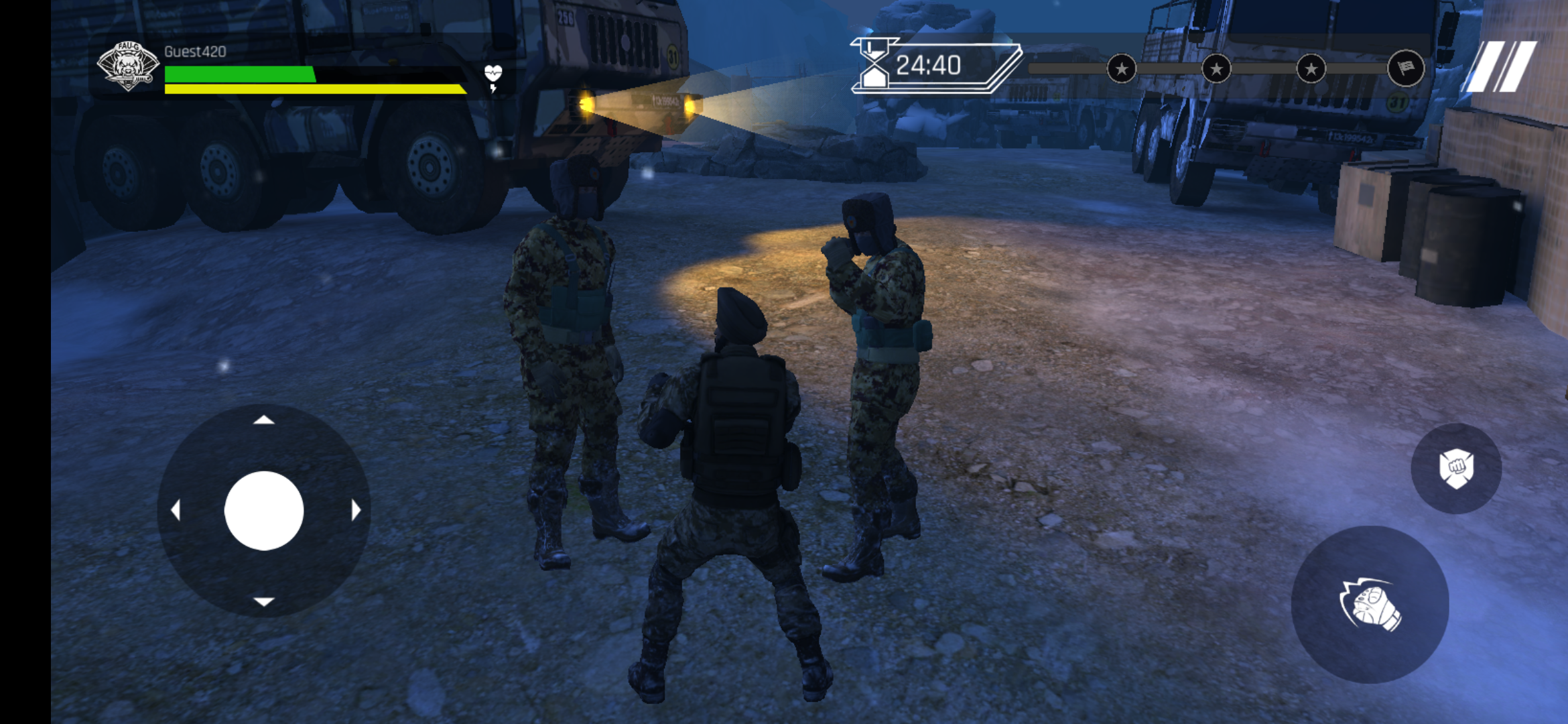

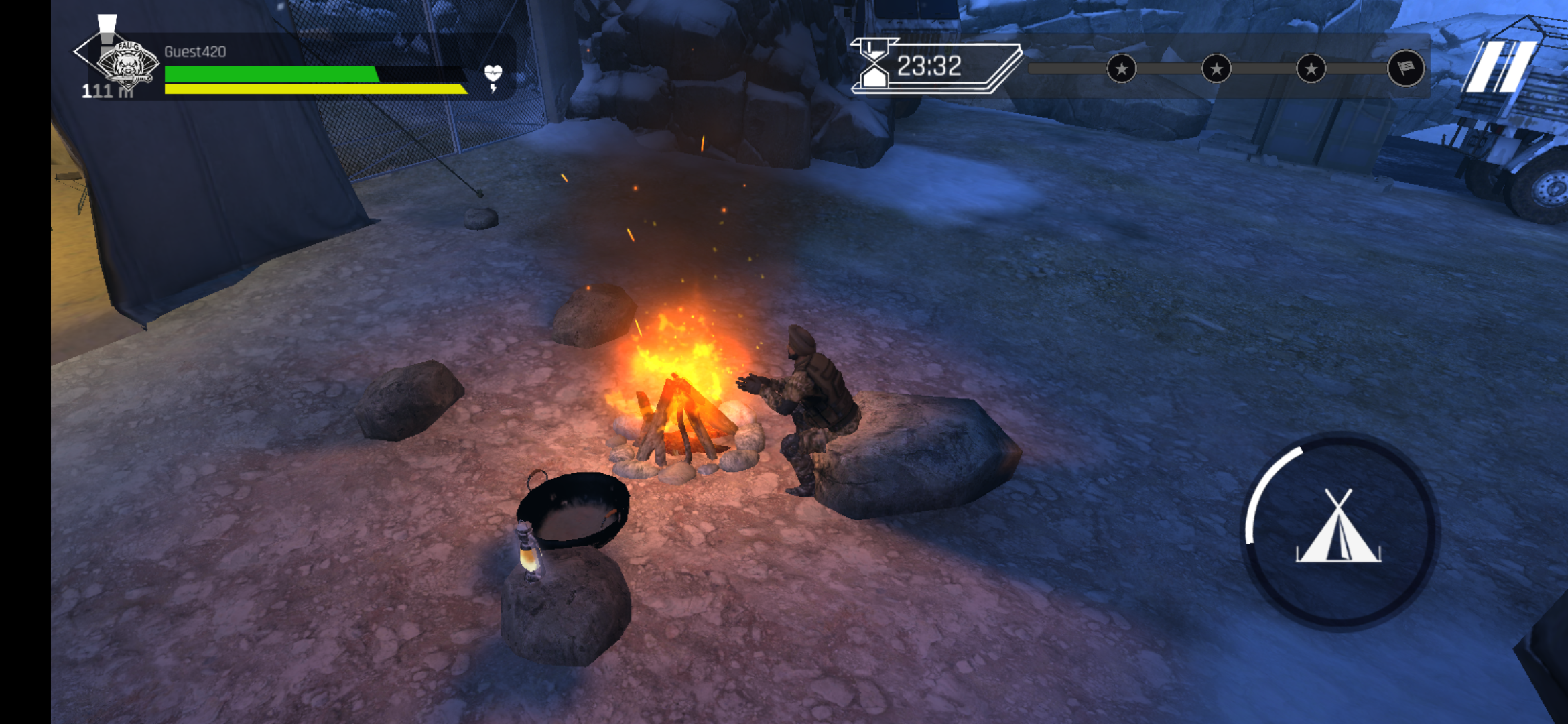
The soldier needs to rest near a fireplace to warm up every minute or so. Galwan Valley is one of the harshest battlefields globally due to altitude and ultracold climate, so they incorporated this challenge as a gameplay feature. It’ll help you regenerate your health.
The melee weapon is currently restricted to a wooden club that has nails attached to it. Similar stop-gap weapons were used in the real Indo-China clashes because the two countries want to avoid an escalation and restrict their armies from firing live bullets. To make things as realistic as possible, the developers decided to start with a melee weapon.
A lot of bugs are yet to be squashed, and FAU-G stopped responding a couple of times. The graphics are underwhelming, and the map is too small. You’ll most probably never open it more than once.
But, how does it fill PUBG’s void?
Well, it doesn’t. The game was clearly conceptualized to cash on the immediate PUBG: Mobile ban. They announced the game first and then thought of brainstorming how they’ll accomplish a PUBG killer. Right now, the game only has a single-player mode that’s called “Tales from the Galwan Valley.” The game mentions a 5×5 team deathmatch mode and free for all (possibly the battle royale), but they’re not available as of now.
Thankfully, the developers thought of earning some revenue from the game and added a store. It has skins for the character and melee weapons, and they can be bought using gold or silver coins. The gold coins have to be purchased, while the silver coins are earned as you progress in the game. There’s also an “Honour Road” battle pass that’ll let you make some free in-game cosmetic goodies.
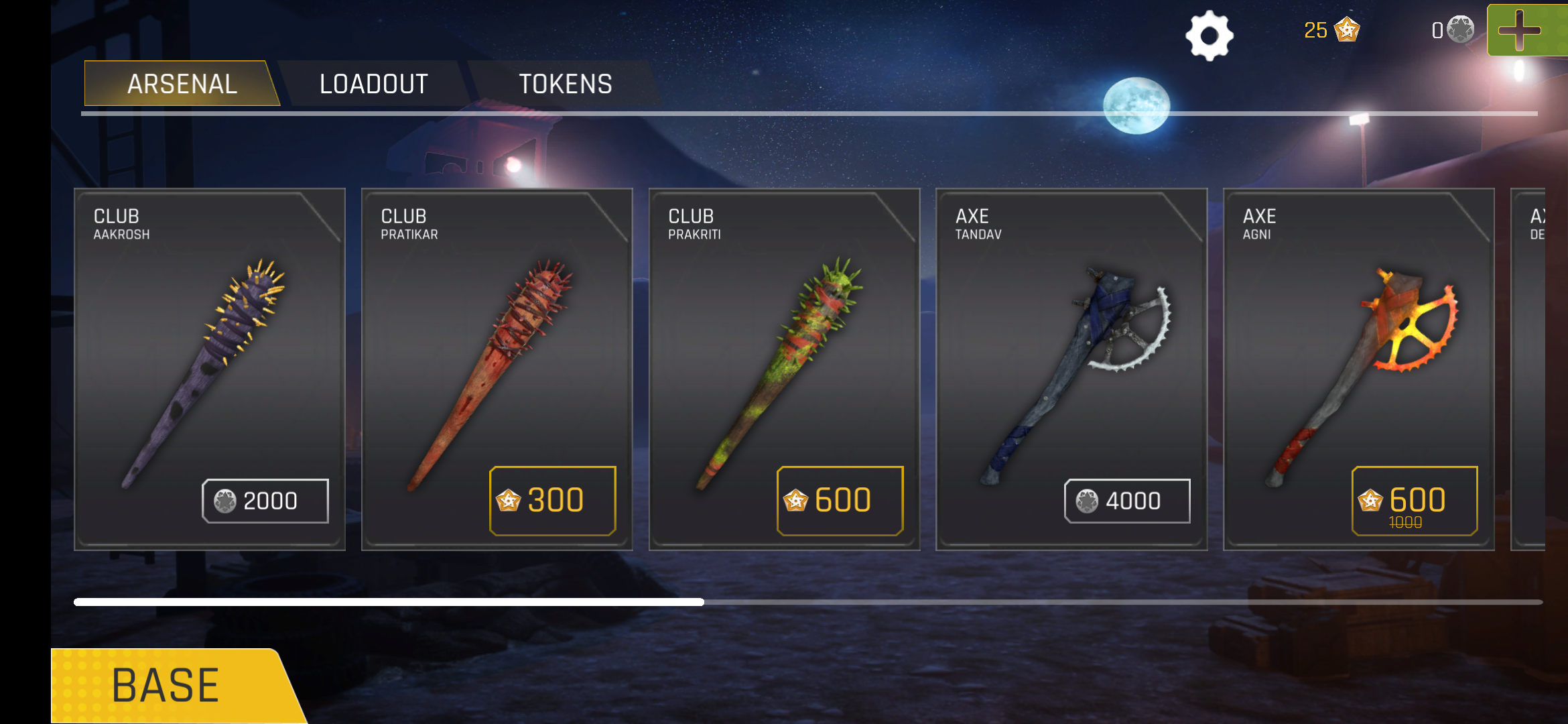
As it stands, the game is far from being called a game as it lacks minimum gameplay. nCore Games says it’ll be releasing more features, maps, weapons, and game-modes in the future, obviously. But it’s safe to assume that the game failed to capitalize the PUBG Mobile vacuum.
Nobody expected FAU-G to be as perfect as the incumbents, but we did expect a slightly enjoyable game that can challenge international studios. In turn, we’ve received a hyper-national interactive video that gives little joy and maximum cringe.
Even if the developer adds a ton of features in the next few weeks, the initial damage is done. The game has a rating of just 3.0 out of 5.0 on the Google Play Store, and it isn’t available for iOS yet. The launch euphoria is now gone, and users realize there’s no use in wasting storage after a game that barely works.
What does the future hold?

FAU-G isn’t the first Indian alternative to disappoint. As soon as the TikTok ban was announced, many local developers tried to seize the moment by creating clones. But none of them are close to bridging the gap, and Instagram Reels has successfully taken over the mantle.
A prime reason behind their failure is their vision. Their goal is to become India’s PUBG Mobile or TikTok, and in the process, forget those giants are successful because they’re unique. They offer something nobody does, and that’s their forte.
Many Indian start-ups like Razorpay, Ather, Cred, Instamojo, and Khatabook are successful because they focus on the product, the idea, and its vast applications. These companies don’t need a marketing campaign around “being Indian” to attract users.
nCore Games still has a lot of time and should focus on the game as a product, not a PR campaign. We don’t need dialogues that indirectly suggest what’s happening in the game is a real depiction of what happened at Galwan Valley.
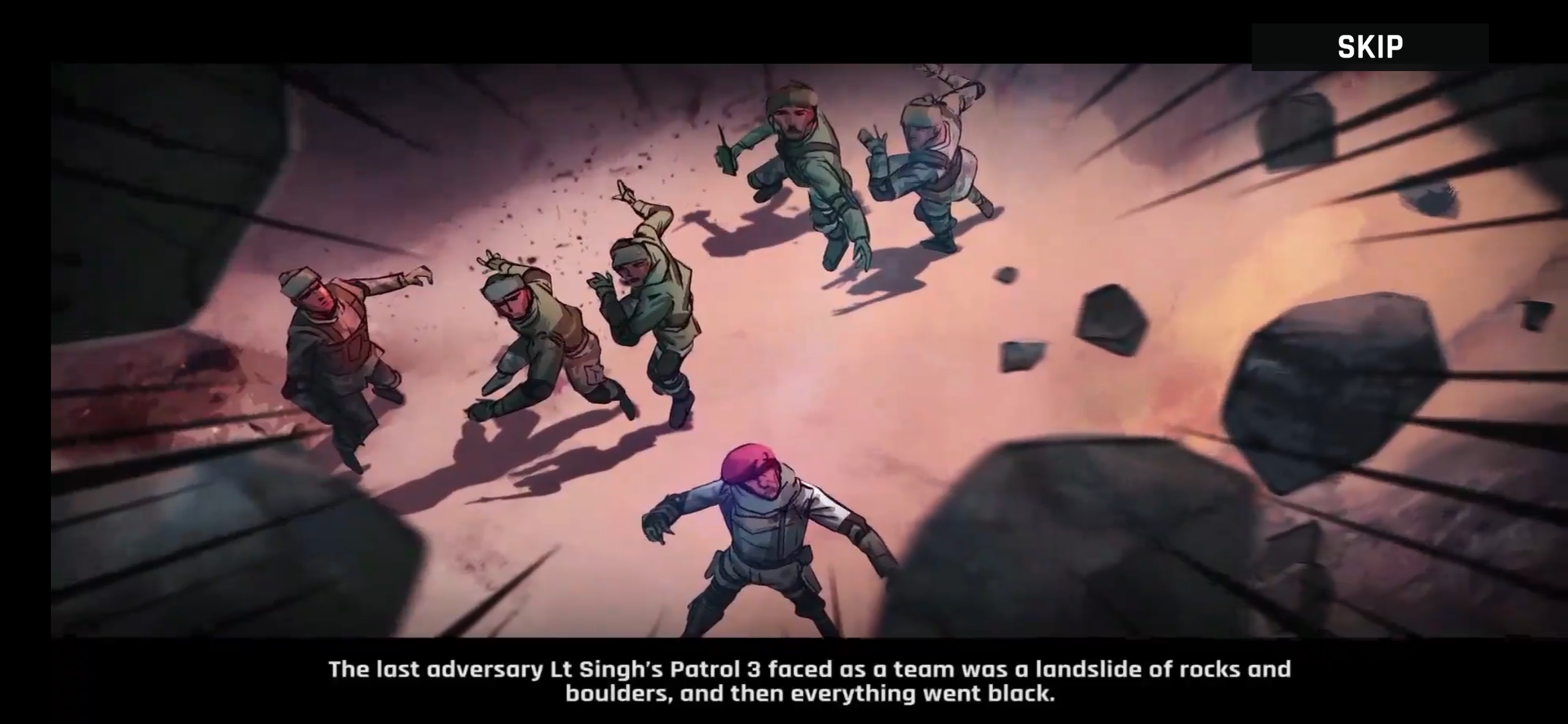
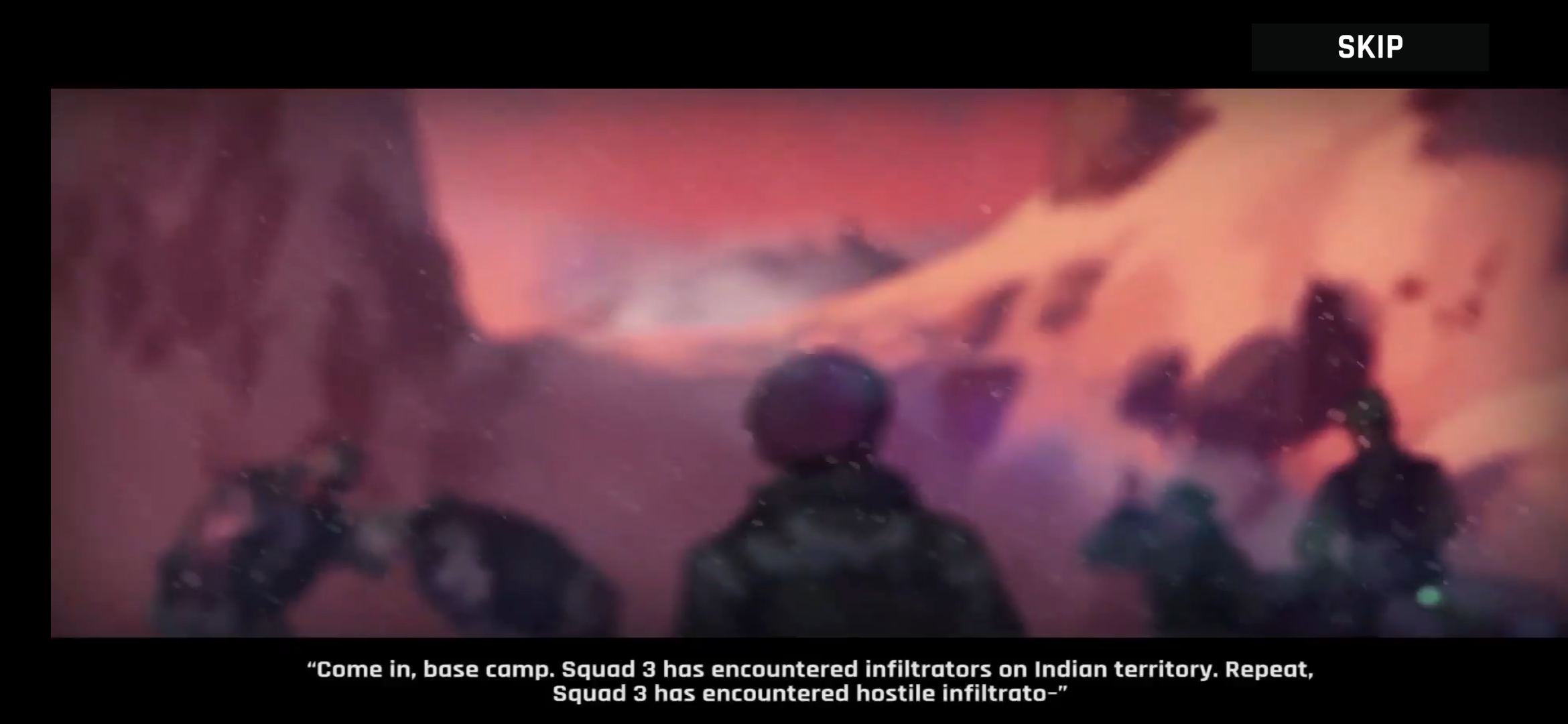

When I’m shooting at someone in a game, they’re just another player for me and not a Chinese soldier trying to cross the Indian border. And this is a thin line we must maintain. Younger generations should understand the real harshness and consequences of war. A game is a simulation, and we’re turning it into a toxic dose of unimaginative propaganda.
The bad news for nCore Games is that PUBG Mobile could return to India after severing distribution ties with Tencent. FAU-G can survive if it ramps up development and releases features soon, or PUBG Mobile never makes a comeback.








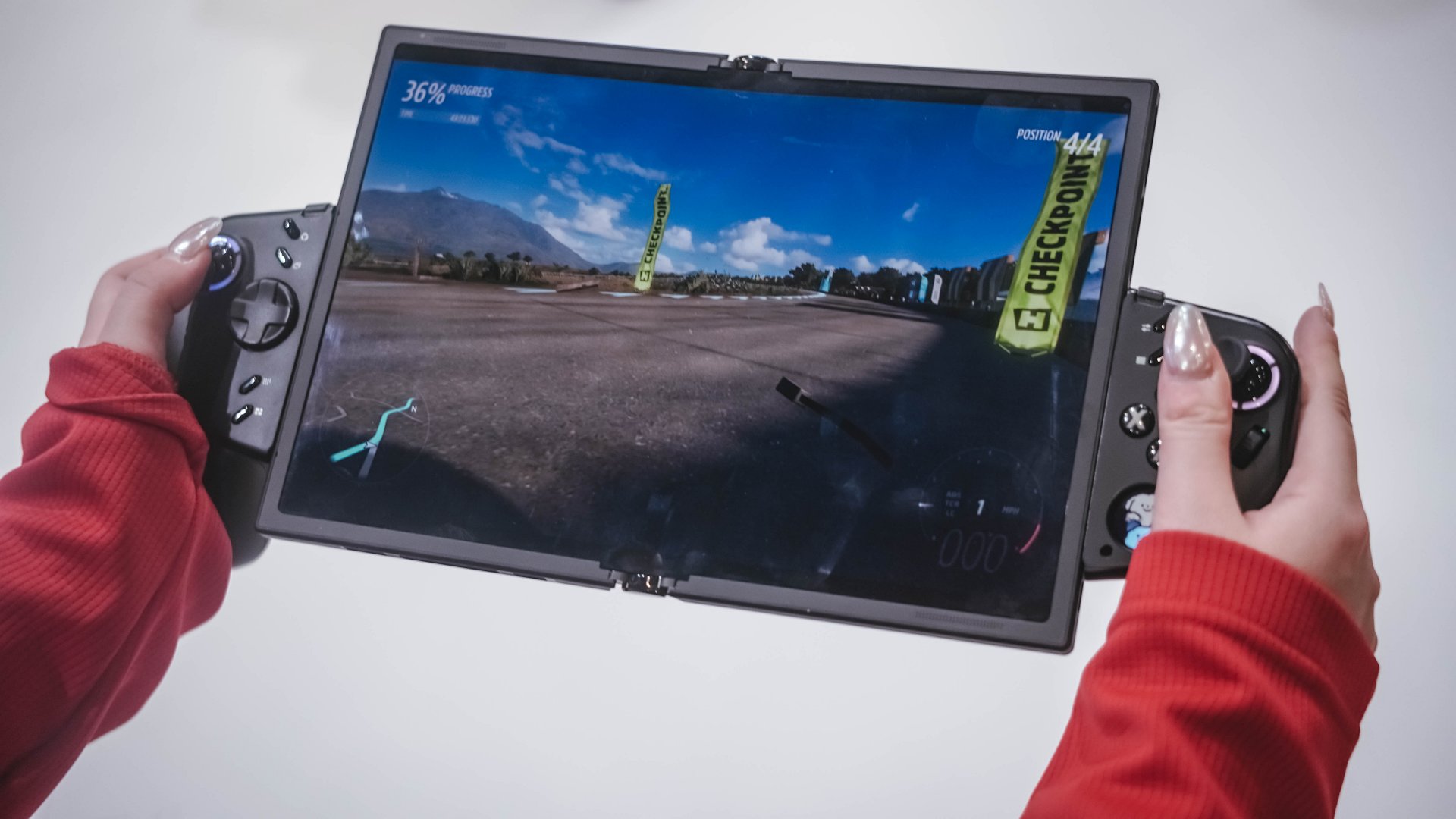
An all-in-one device is a pipe dream for many. Imagine a device that can turn into a tablet, a laptop, a phone, and a console with the flip of a switch. As showcased during MWC 2026, Lenovo wants you to stop imagining. A new concept called the Legion Go Fold is an all-around device you can take with you on travels.
On account of the lineup it’s associated with, the Legion Go Fold is, first and foremost, a handheld gaming console. Normally, it’s a sizable 7.7-inch screen you can attach the Legion Go’s recognizable controllers to.
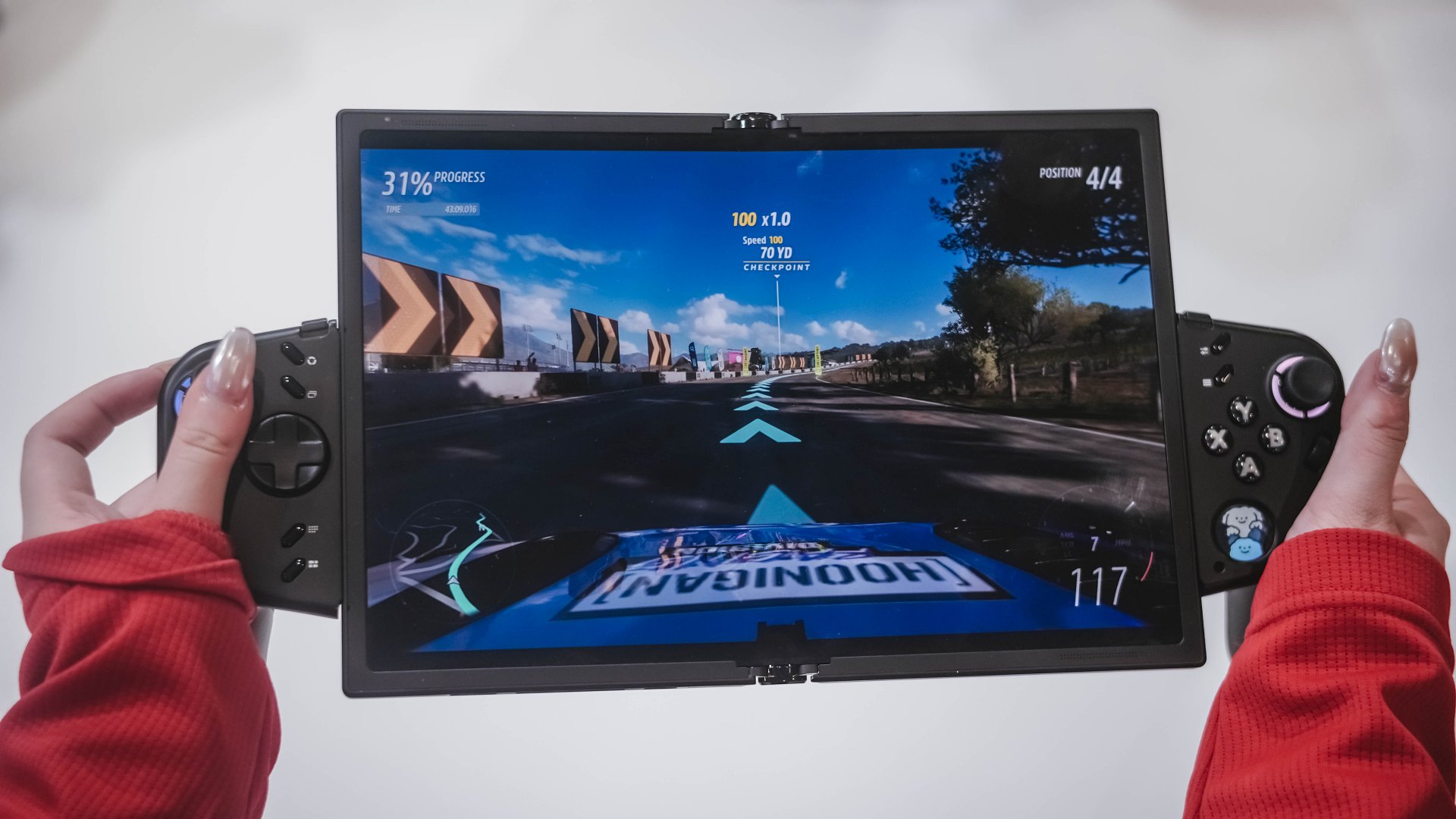
However, as the “Fold” in its name is hinting, the screen can be unfolded into a much larger screen. At its quirkiest, the concept looks like a vertical tablet with controllers attached to either side. Lenovo says that this is best used in split-screen mode where you can split the display between a game and other media such as a walkthrough video.
Alternatively, you can just rotate the screen horizontally and attach the controllers to play with the maxed out 11.6-inch display.
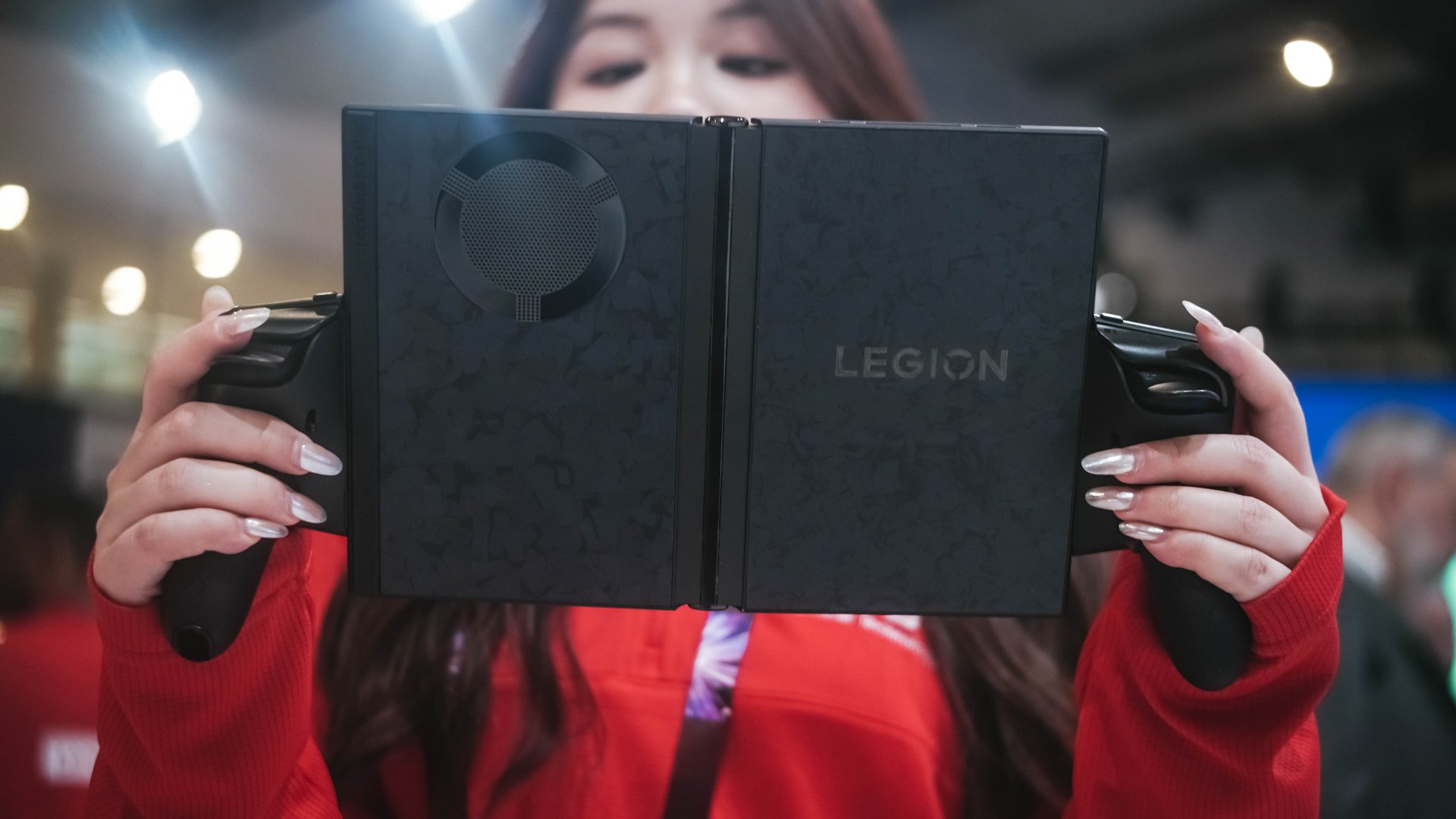
Finally, the Legion Go Fold can be used as a laptop via the detached screen and an included wireless keyboard. Like the other devices in the Legion Go lineup, the right controller can be used as a makeshift mouse.
Because it’s a concept, the Legion Go Fold isn’t close to being released yet. However, it’s a good evolution of what the Legion Go can already do. As we said in previous reviews, the lineup can technically be a work laptop in a pinch. This just makes it easier.
Automotive
Xiaomi Vision Gran Turismo makes global debut at MWC 2026
Tech giant becomes first technology brand in Vision GT program


Xiaomi has unveiled the full-scale concept model of the Xiaomi Vision Gran Turismo or Xiaomi Vision GT at MWC 2026 in Barcelona, Spain. This marks the company’s official entry into the elite Vision Gran Turismo project.
Created for the legendary Gran Turismo franchise, the electric hypercar concept represents the first time a technology company has been invited to participate in the Vision GT program. Xiaomi now joins a select group of global automakers, becoming the 36th brand to take part and the creator of the 51st Vision Gran Turismo concept overall.
The project began at the GT World Series in London, where series producer Kazunori Yamauchi personally invited Xiaomi to design its own Vision GT car. For Xiaomi’s global EV design team, the opportunity meant rethinking hypercar development from a technology-first perspective, blending advanced aerodynamics with AI-driven intelligence.
Sculpted by the wind
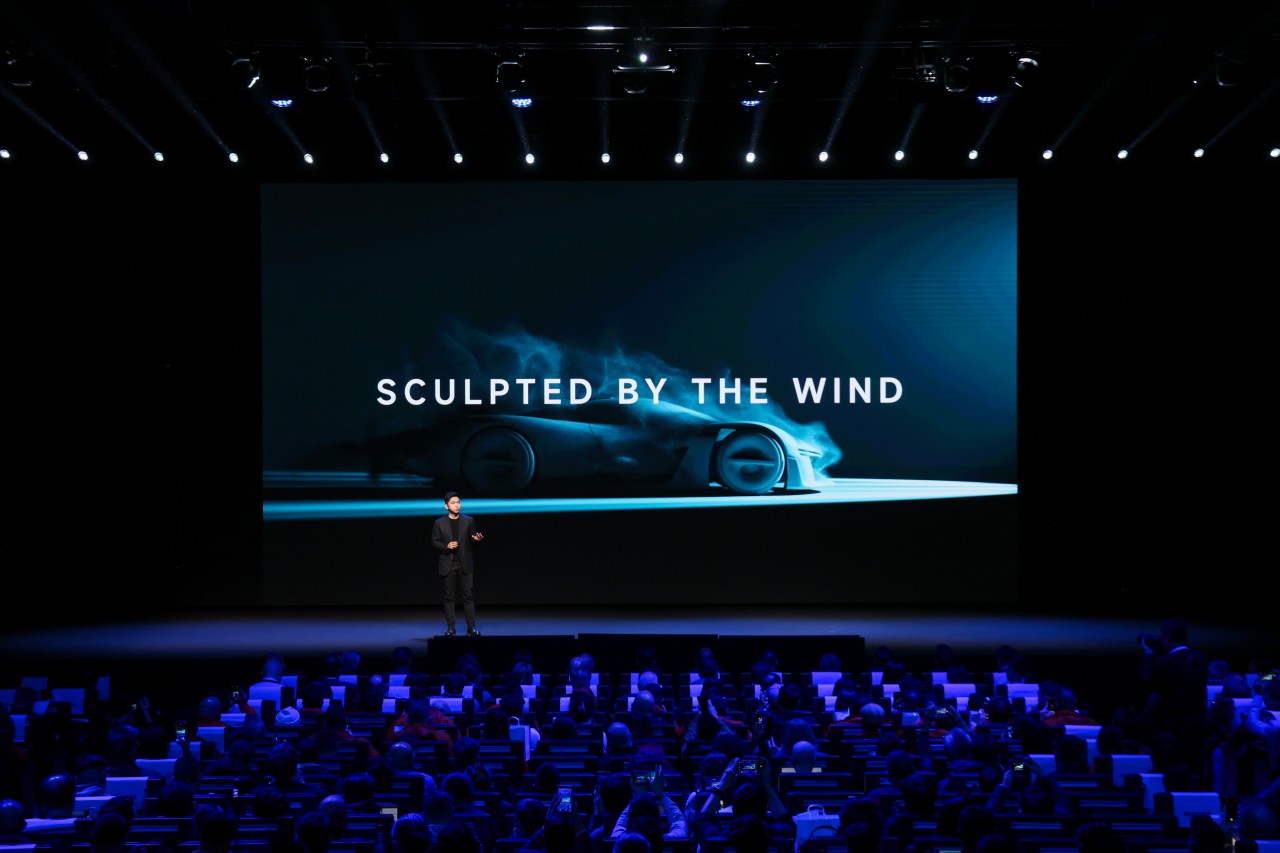
At the core of Xiaomi Vision Gran Turismo is aerodynamic balance. Instead of chasing extreme low drag or maximum downforce alone, Xiaomi pursued efficiency between the two.
The concept follows a “Sculpted by the Wind” philosophy. Its teardrop cockpit silhouette, integrated air ducts, and airfoil-shaped structural elements guide airflow seamlessly from front to rear. The body avoids excessive add-ons, relying instead on built-in aerodynamic solutions.
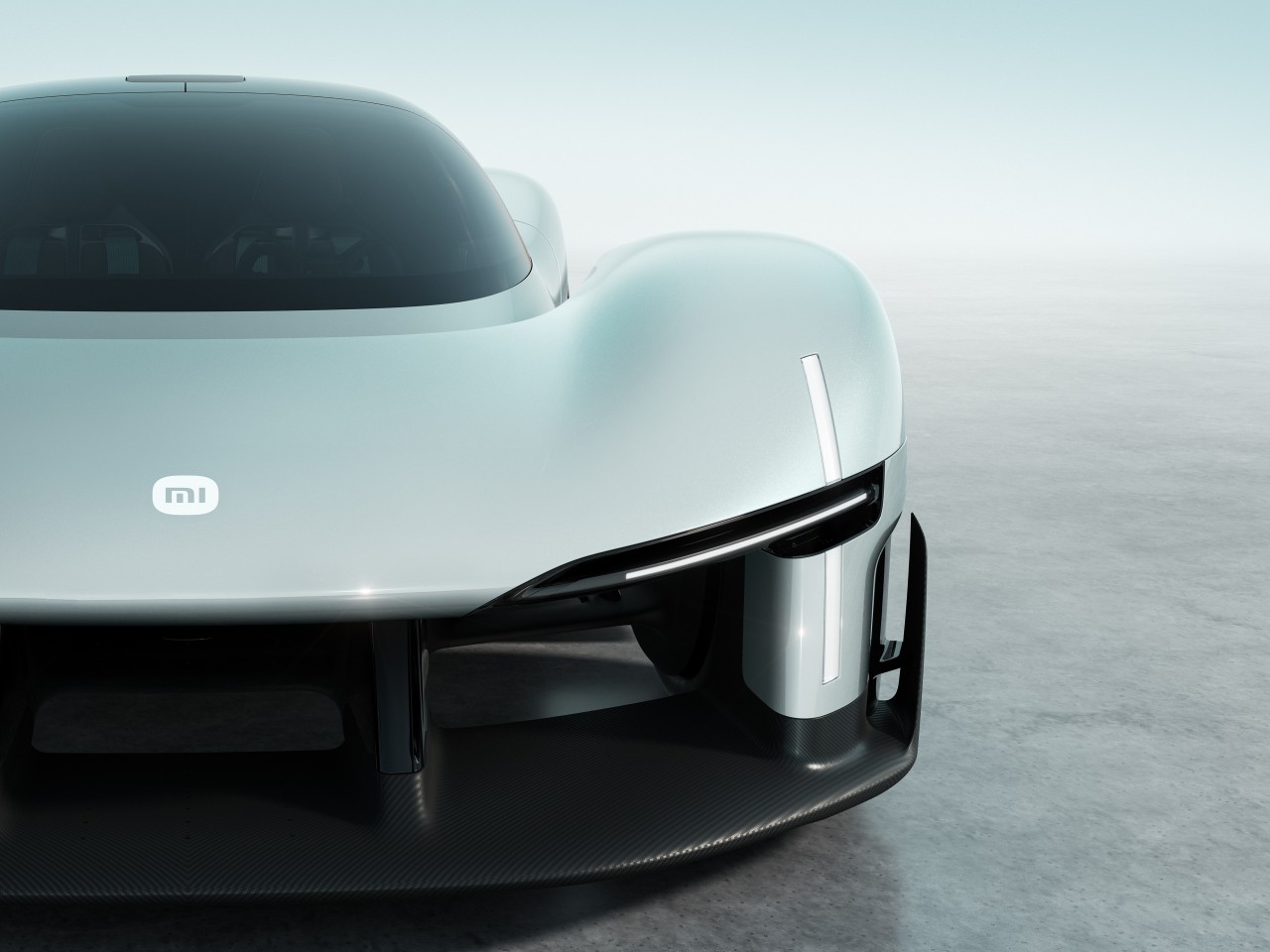
Signature design elements serve dual purposes. Cross-shaped headlights integrate into the airflow system, while the halo-shaped taillight sits within a massive rear air outlet. An Active Wake Control System surrounds the rear with micro-perforations that manage turbulent air using real-time speed and angle data.
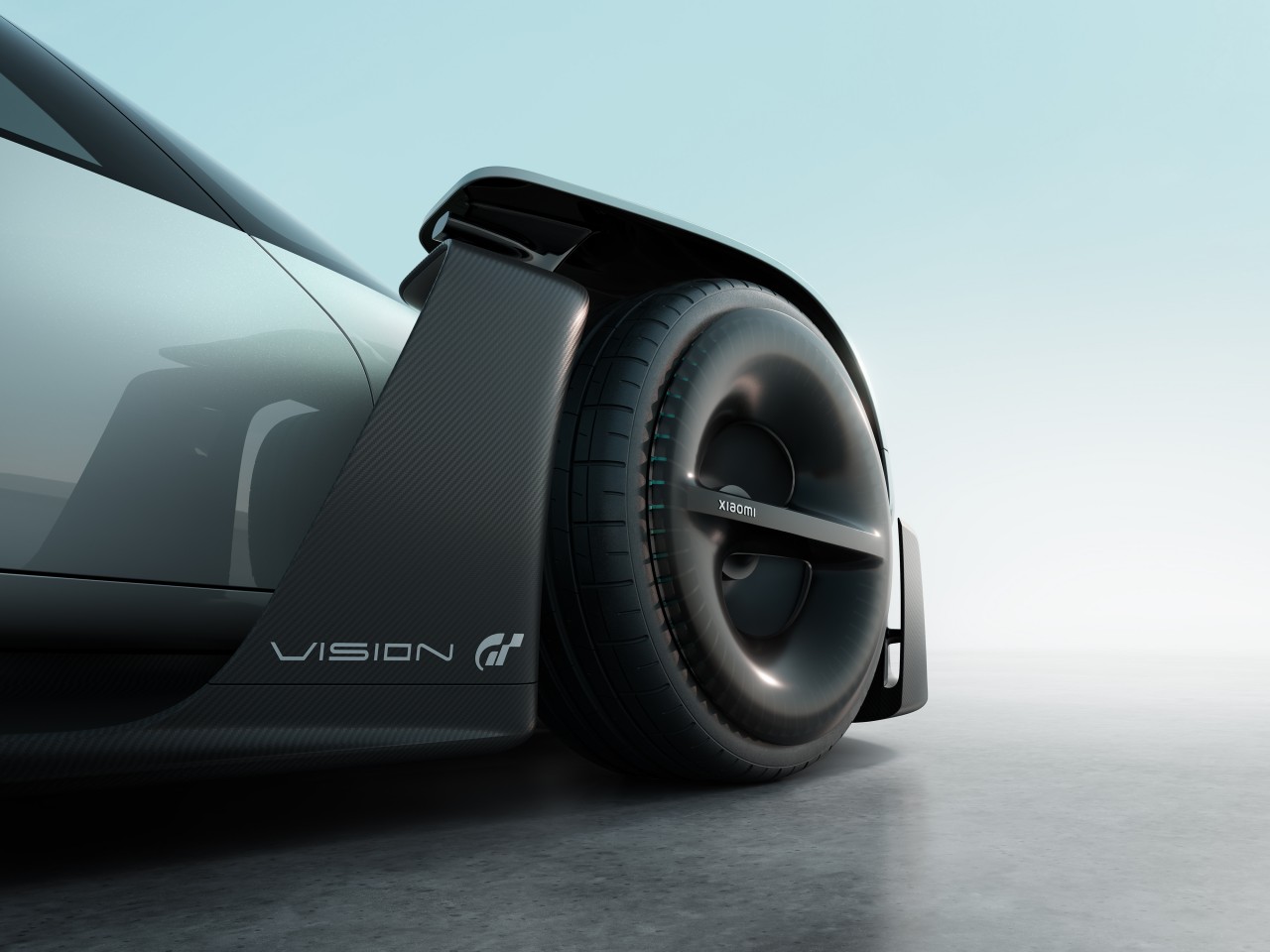
The Accretion Rims feature vortex-style wheel covers that remain visually stationary while the car is in motion, reducing drag from rotating surfaces. Internal turbine fins help cool the brakes during operation.
Through iterative simulation testing, Xiaomi says the concept achieves a drag coefficient of 0.29, downforce of negative 1.2, and an aerodynamic efficiency rating of 4.1 — figures that highlight balance rather than extremes.
A “sofa racer” interior
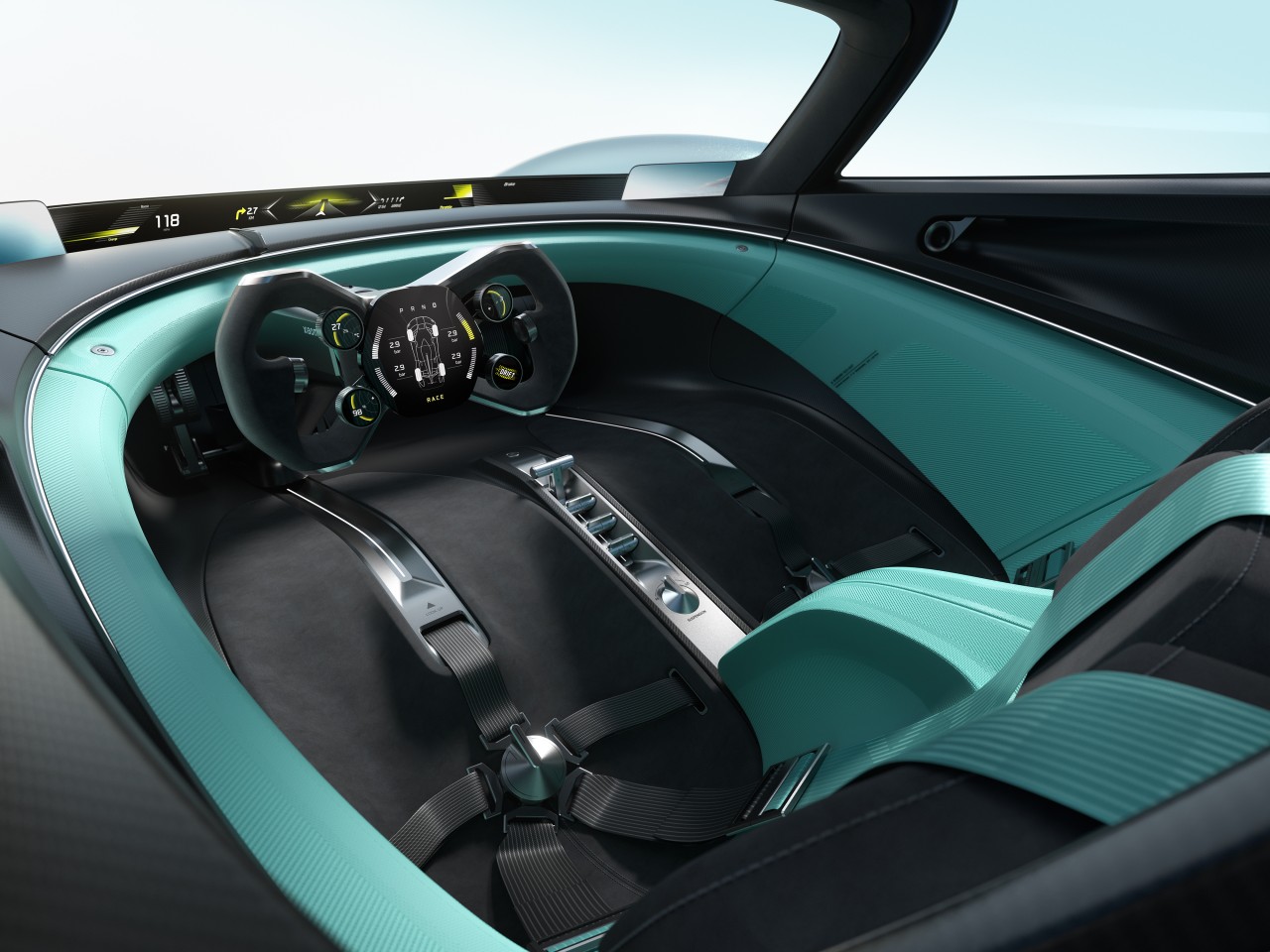
Inside, Xiaomi departs from the rigid, track-focused cabins typical of hypercars. The “Sofa Racer” concept emphasizes comfort without sacrificing control.
A ring-shaped cockpit architecture wraps around the driver, blending dashboard, doors, and seats into one continuous structure. Breathable 3D-knitted fabric materials aim to provide both support and warmth.
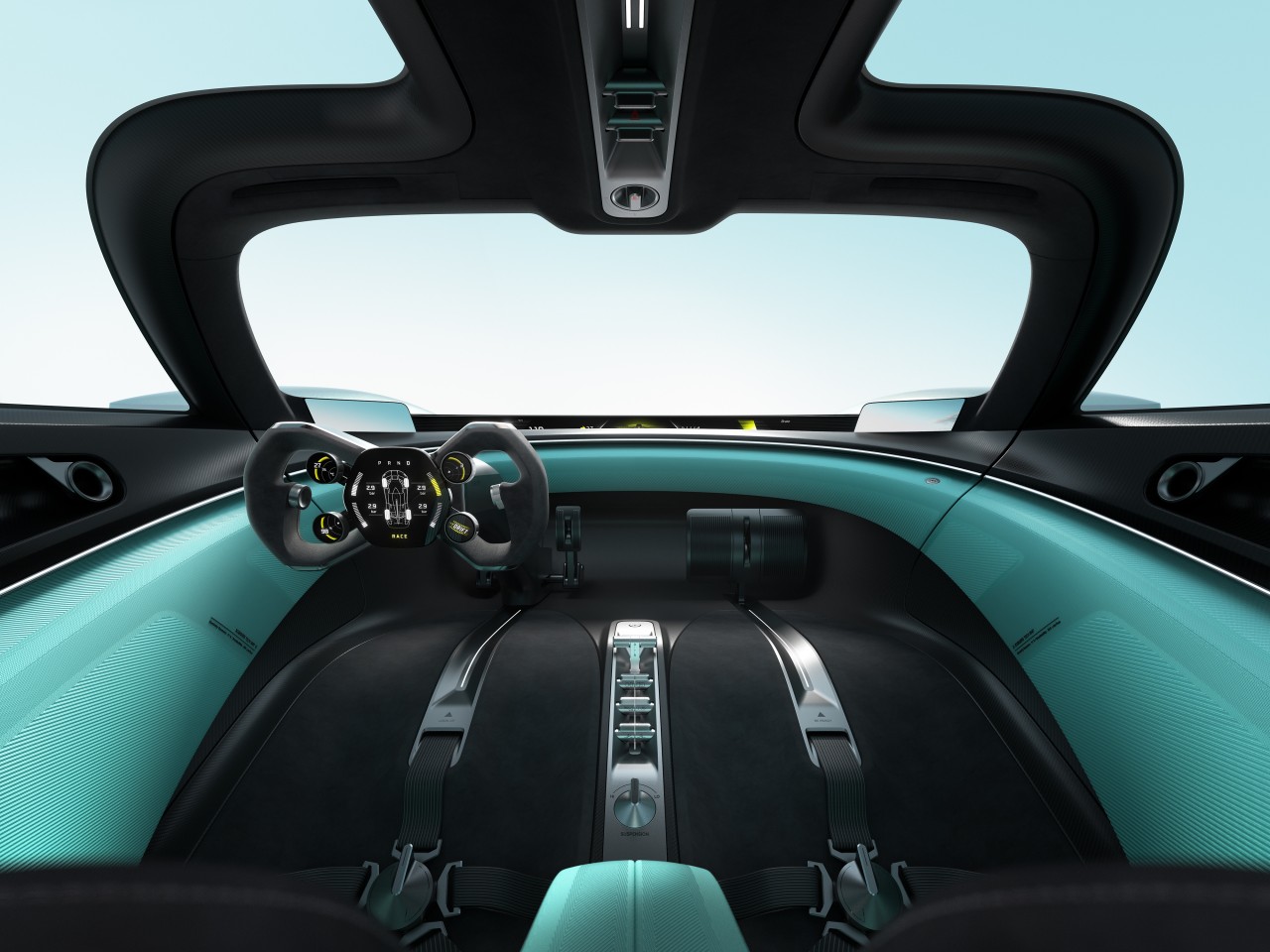
At the center is Xiaomi Pulse, an intelligent assistant integrated into the dashboard. Working alongside Xiaomi HyperVision and the company’s HyperOS platform, the system adapts displays and interactions based on driving mode and environmental data. Physical controls remain tactile and precise, including an infinite-shaped steer-by-wire wheel.
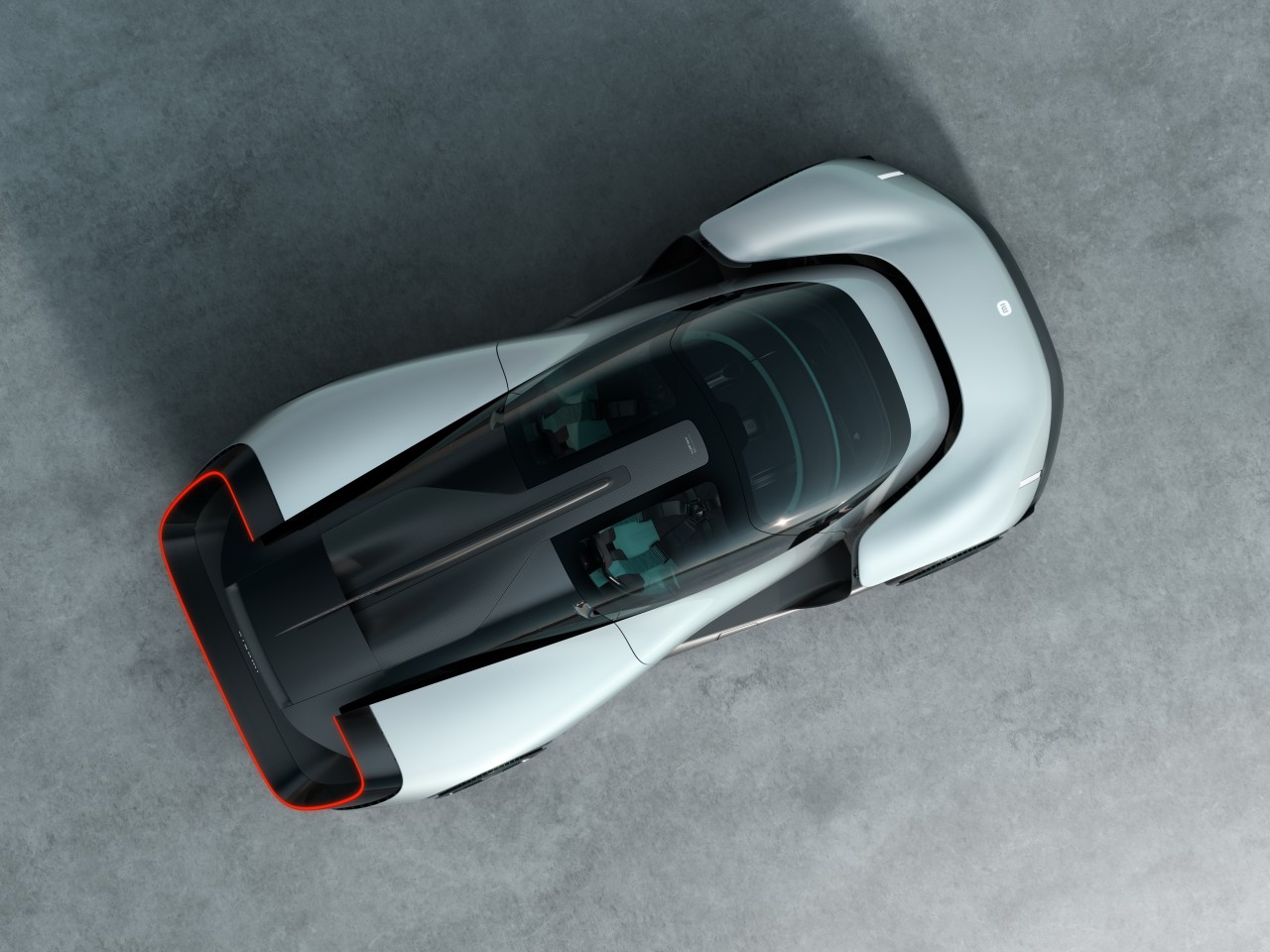
The concept also integrates into Xiaomi’s broader “Human × Car × Home” ecosystem. Powered by XiaoAi AI Assistant and the Xiaomi MiMo foundational model, the car connects with personal devices and smart home products, positioning itself as part of a unified digital lifestyle.
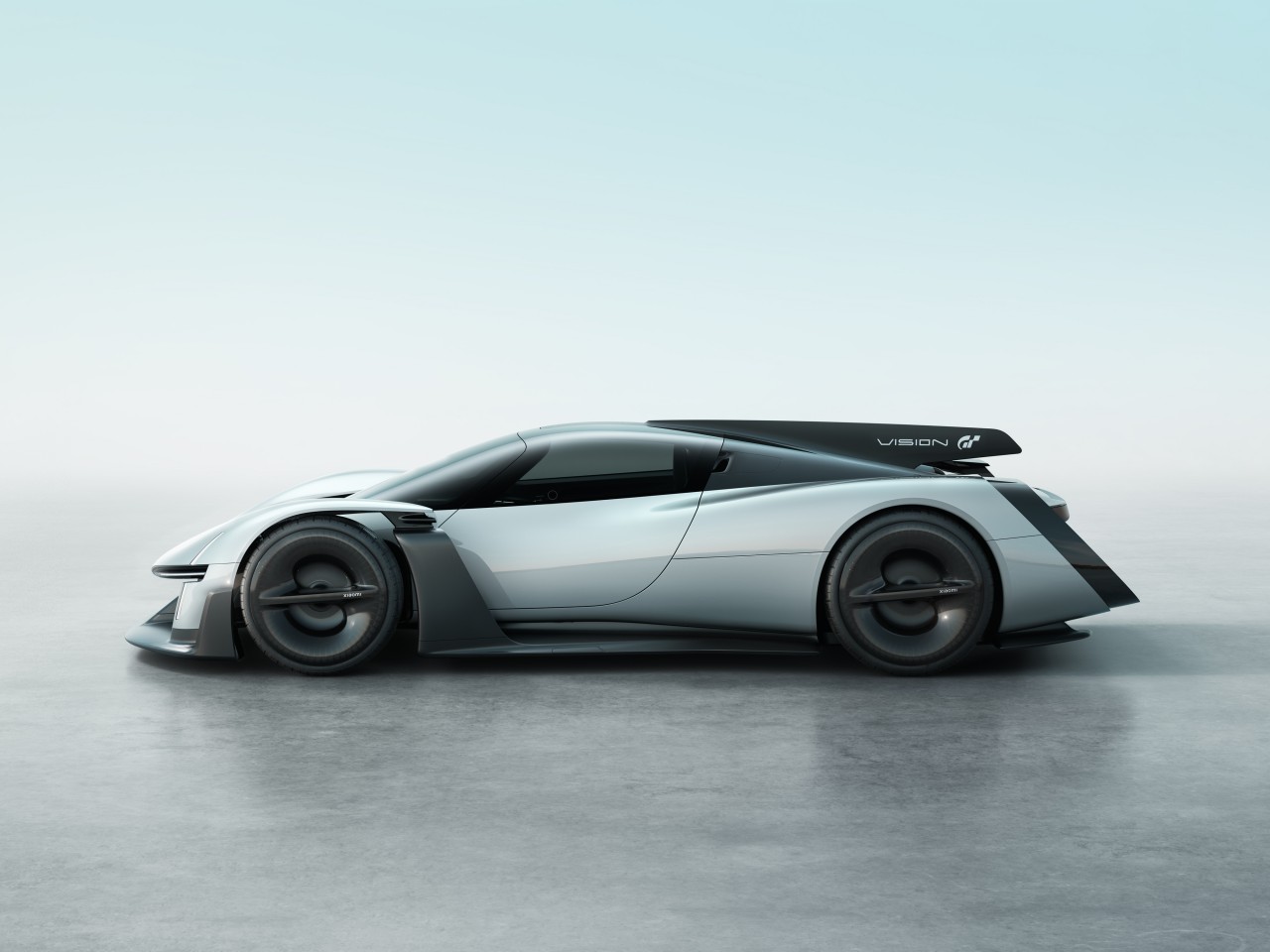
Xiaomi has also envisioned a companion driving simulator designed as furniture for the home, extending the Vision Gran Turismo experience beyond the vehicle itself.
Yamauchi praised the project, noting how the design successfully resolves the tension between low drag and high downforce. Further details about the car’s arrival in Gran Turismo 7 will be announced at a later date.
With its Vision Gran Turismo debut, Xiaomi signals a broader ambition: redefining the electric hypercar through AI integration, ecosystem connectivity, and aerodynamic precision.


Resident Evil Requiem is now available worldwide, marking the ninth mainline entry in Capcom’s long-running survival horror franchise.
The game launches today on PlayStation 5, Nintendo Switch 2, Xbox Series X|S, Steam, Epic Games Store, and GeForce NOW. Set 30 years after the Raccoon City Incident, the story returns players to the ruins of a city that defined the series’ legacy.
This time, players follow two protagonists: newcomer Grace Ashcroft, an FBI intelligence analyst investigating a string of mysterious deaths tied to her mother’s murder, and returning fan favorite Leon S. Kennedy. As their paths converge at the center of a new outbreak, both must confront the lingering trauma of Raccoon City and uncover the truth behind the incident that changed the world.
First-person or third-person
For the first time in the series, players can freely switch between first-person and third-person perspectives, blending immersive horror with more dynamic action. Multiple difficulty settings are available, including a Casual mode with aim assist and a Standard (Classic) mode that reintroduces the Ink Ribbon save system while playing as Grace.
Editions available
Resident Evil Requiem is available in Standard and Deluxe editions. The Deluxe edition includes five costumes, four weapon skins, two screen filters, two charms, and additional bonus content. A Premium Steelbook Edition bundles the Deluxe content with a limited-edition lenticular card, available while supplies last.
Capcom is also celebrating the launch with a slate of collaborations and collectibles. These include a themed Nintendo Switch 2 Pro Controller, the franchise’s first-ever amiibo figures of Grace and Leon arriving July 30, 2026, limited-edition watches designed with Hamilton, a one-of-a-kind Porsche Cayenne Turbo GT created as Leon’s in-game vehicle, and 1/6 scale collectible figures launching this fall.
Resident Evil Symphony of Legacy
To mark the series’ 30th anniversary, the Resident Evil Symphony of Legacy orchestral concert series will tour Japan, North America, and Europe later this year. Meanwhile, Resident Evil 7 biohazard Gold Edition and Resident Evil Village Gold Edition also arrive on Nintendo Switch 2 today, alongside a Generation Pack bundle exclusive to the platform.
With a return to Raccoon City and a new chapter in survival horror underway, Resident Evil Requiem ushers in what Capcom calls a new era for the iconic franchise.







Paramount wins bid for HBO Max, plans to merge streaming apps

The razr fold enters motorola into the book-style foldable market

The quirky Legion Go Fold stole the show at MWC 2026

Globe extends roaming assistance to customers in the Middle East

CASETiFY relaunches Evangelion collab for 30th anniversary

Xiaomi 17 Ultra is now available outside China

TECNO will showcase the CAMON 50 and POVA 8 series at MWC 2026

PlayStation, LE SSERAFIM Chaewon team for the ‘Love of Play’ campaign

The art of being in and behind the frame

HUAWEI MatePad 11.5 S 2026: The better-than-ever 4-in-1 productivity tablet


-
 News3 days ago
Xiaomi 17 Ultra is now available outside China
-

 Camera Walkthrough1 week ago
OPPO Reno15 Pro: Camera Review
-
 First Look2 weeks ago
Match Pulse: Infinix NOTE 60 Pro
-

 Cameras2 weeks ago
Osmo Pocket 4 makes a surprising appearance in public
-

 Gaming2 weeks ago
LG unveils UltraGear evo, redefines 5K gaming with AI Upscaling
-

 News2 weeks ago
iPhone 17 Pro Max is somehow the most traded-in phone today
-

 News2 weeks ago
HUAWEI launches Mate X7, MatePad 11.5 S 2026, FreeClip 2
-

 Gaming2 weeks ago
PlayStation 6 reportedly delayed to 2029 because of RAM shortage