
Smartphones
Infinix NOTE 50 Series starts at PhP 8,999 in the Philippines
3 variants exclusively available via Shopee

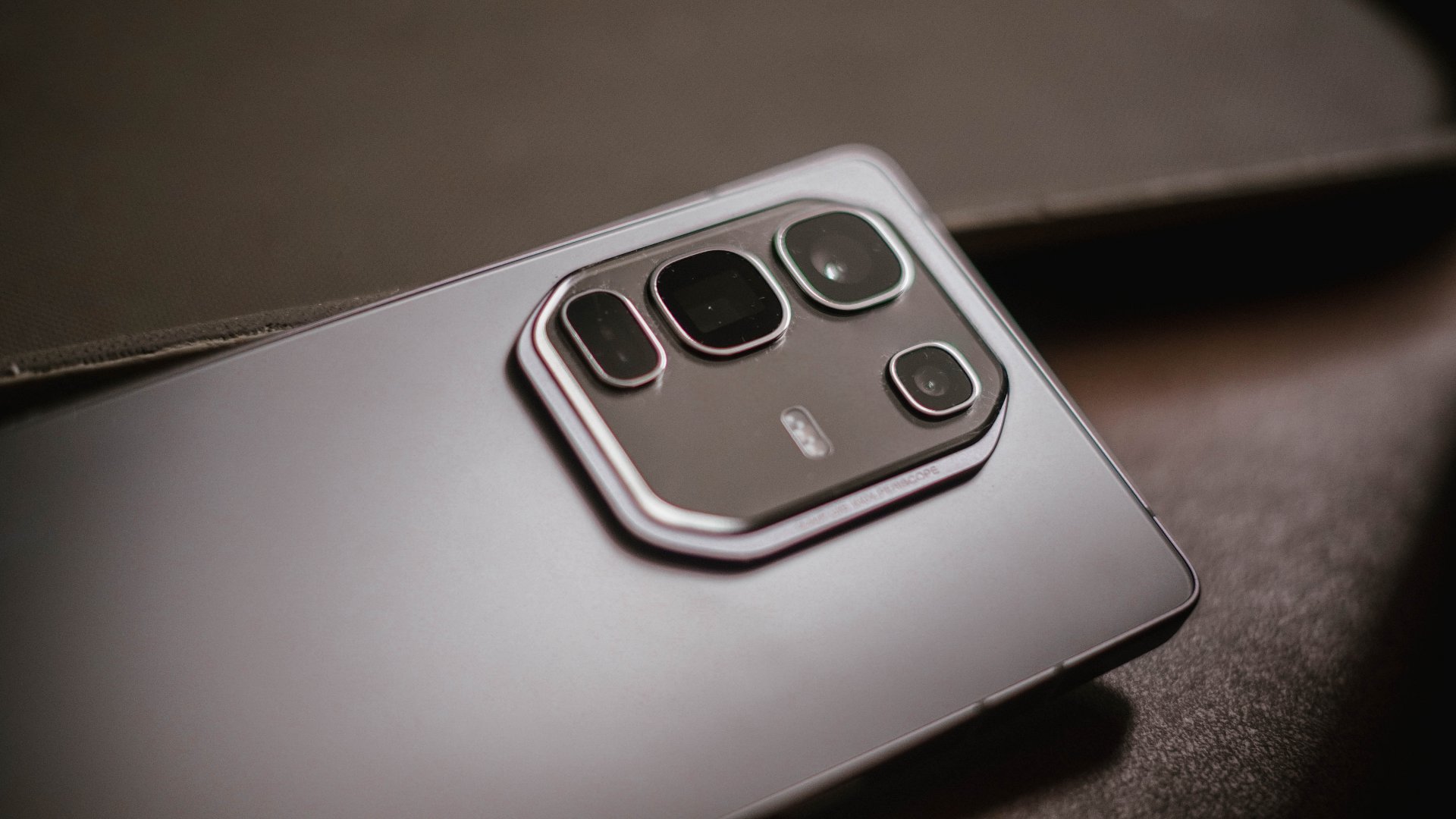
The Infinix NOTE 50 Series is now official in the Philippines, and starts at a competitively low price of just PhP 8,999.
Customers can get the base model, the Infinix NOTE 50 (8GB+256GB) for that asking price. Meanwhile, the Infinix NOTE 50 Pro (12GB+256GB) is priced at PhP 11,999.
Rounding out the lineup is the top-of-the-line Infinix NOTE 50 Pro+ with 5G connectivity (12GB+256GB), which comes with a PhP 17,999 price tag.
All three models are exclusively available on Shopee for now. As part of the launch, Infinix is also offering the devices for discounted Early Bird prices on the orange app:
- NOTE 50: PhP 7,699 (with 1-year Viu subscription)
- NOTE 50 Pro: PhP 9,999 (with subscription, magnetic power bank)
- NOTE 50 Pro+ 5G: PhP 15,999 (with subscription, CODM shirt, and car charger)
Customers can get the devices for the aforementioned lower prices starting April 24, when Shopee hosts an exclusive launch for them.
Buyers can also leverage Shopee’s SPayLater at 0% interest for three months when they purchase.
Color options for the devices are as follows:
- NOTE 50: Titanium Grey, Shadow Black, Ruby Red, Mountain Shade
- NOTE 50 Pro: Titanium Grey, Enchanted Purple, Shadow Black, Racing Edition
- NOTE 50 Pro+ 5G: Titanium Grey, Enchanted Purple, Racing Edition
Infinix plans to launch the phones soon on Lazada and TikTok as well.
1st mobile gaming phones primed for Call of Duty Mobile
Announced at the Mobile World Congress (MWC) 2025 in Barcelona a month ago, the Infinix NOTE 50 Series features a metal-frame and fast-charging capabilities, along with the highest refresh rate to withstand the demands of CODM and other high-intensity mobile games.
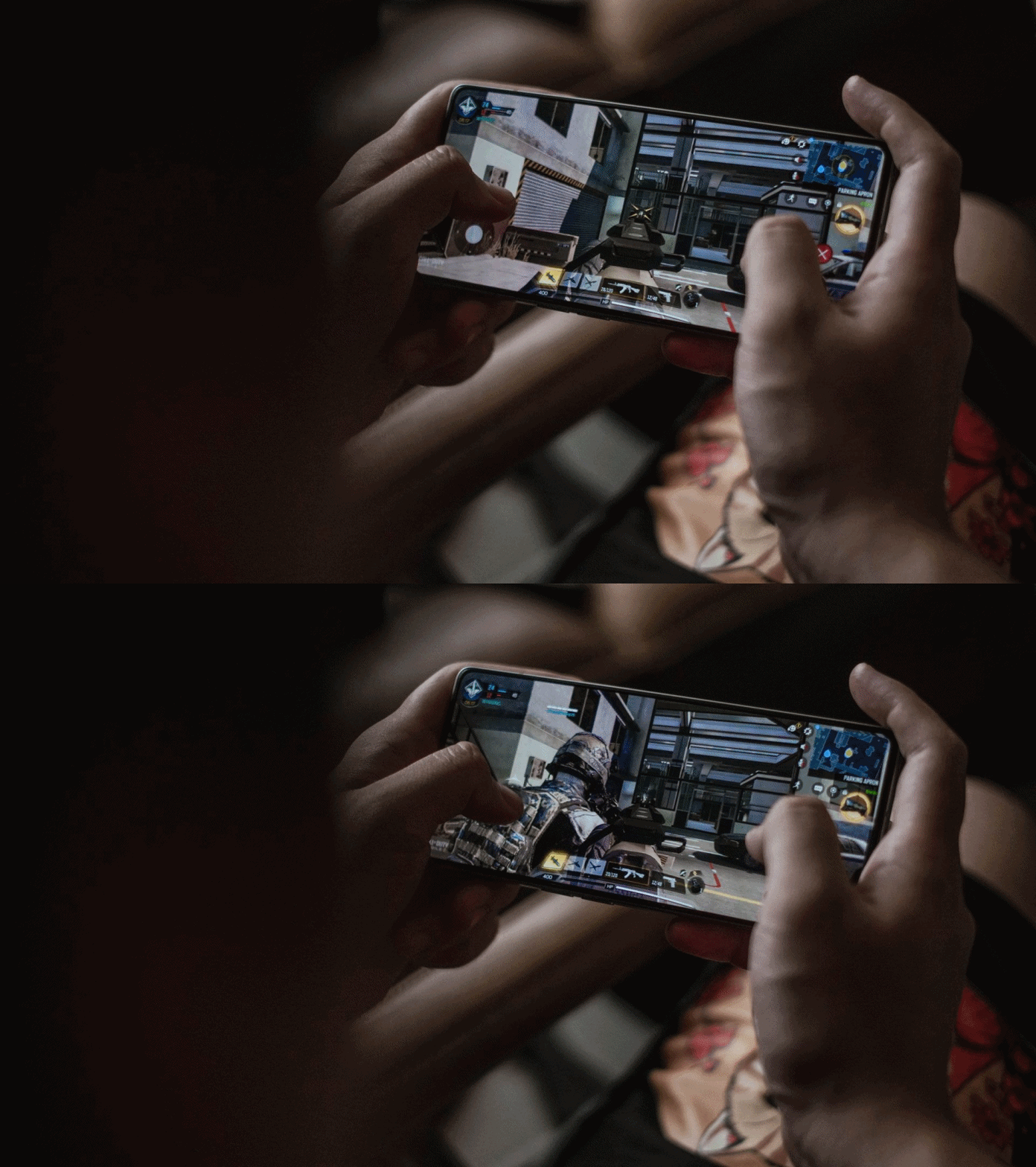
The NOTE 50 Pro+ 5G is powered by a Dimensity 8350 chipset. It has a 144Hz Eye-Care Ultra-Smooth Display, and supports 100W of wired fast charging and 50W of wireless fast charging.
The likewise capable NOTE 50 Pro, meanwhile, also has a 144Hz display. It has up to 24GB of RAM (12GB+12GB Extended RAM) and 256GB of internal storage.
The devices under the NOTE 50 Series also feature One-Tap Infinix AI, the Infinix AI assistant Folax, 4.5G technology, and more features, making them an upgrade from previous generation gaming phones.




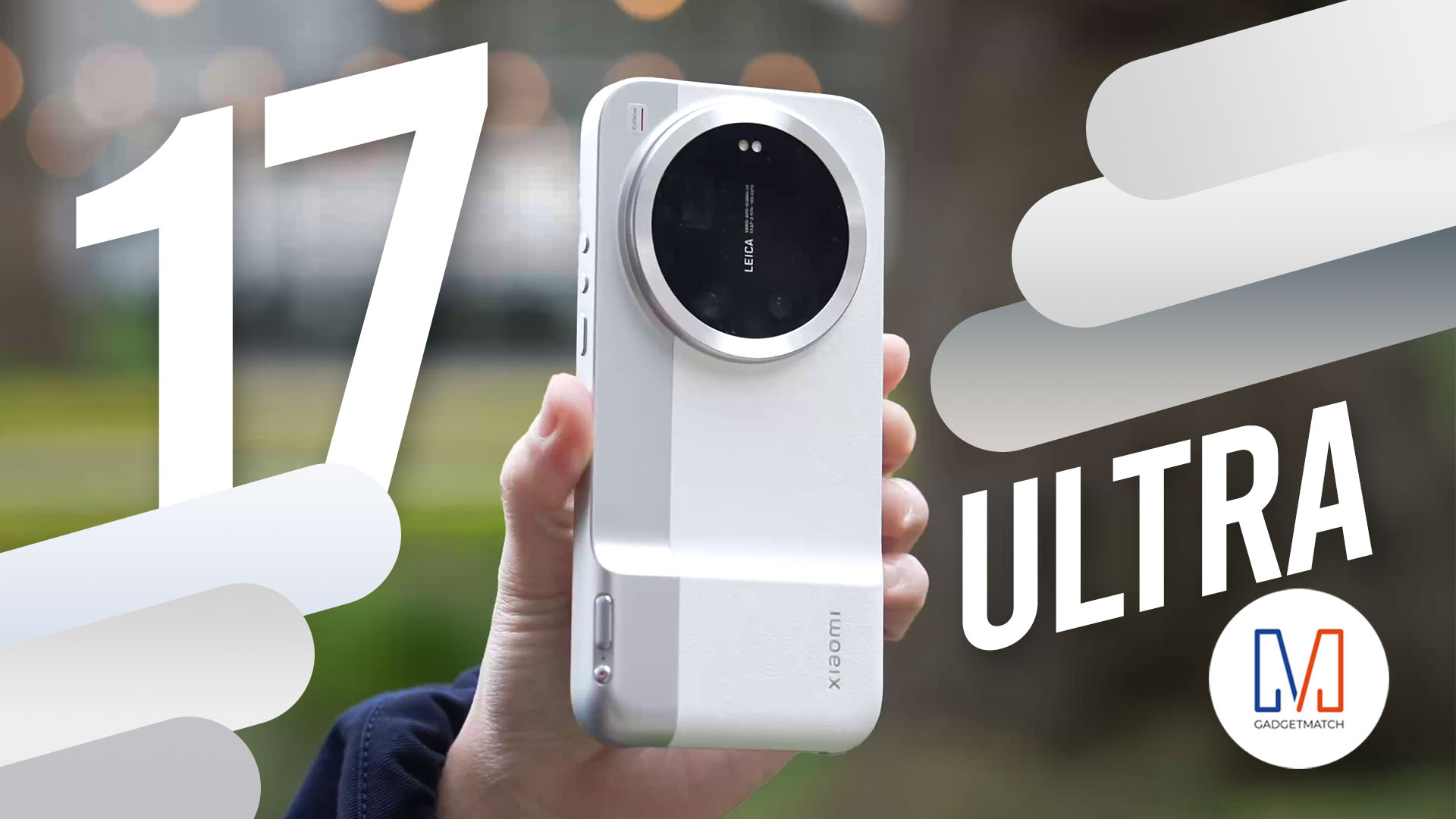
The all-new Xiaomi 17 Ultra isn’t perfect. But as a camera?
With a 1-inch sensor, continuous optical zoom, and Leica color science — this might be the most exciting camera phone Michael Josh has used in years.
If you care about photography more than a polish, you’ll want to watch this review.
Here’s our in-depth Xiaomi 17 Ultra review.
News
Xiaomi 17 Ultra is now available outside China
Xiaomi brings the Ultra again outside of the Mainland

Just when we thought brands are getting ready for the next year, Xiaomi wraps up their 2025 by announcing the Xiaomi 17 Ultra at the very last minute — specifically right during the Christmas Day.
New Camera Champ?
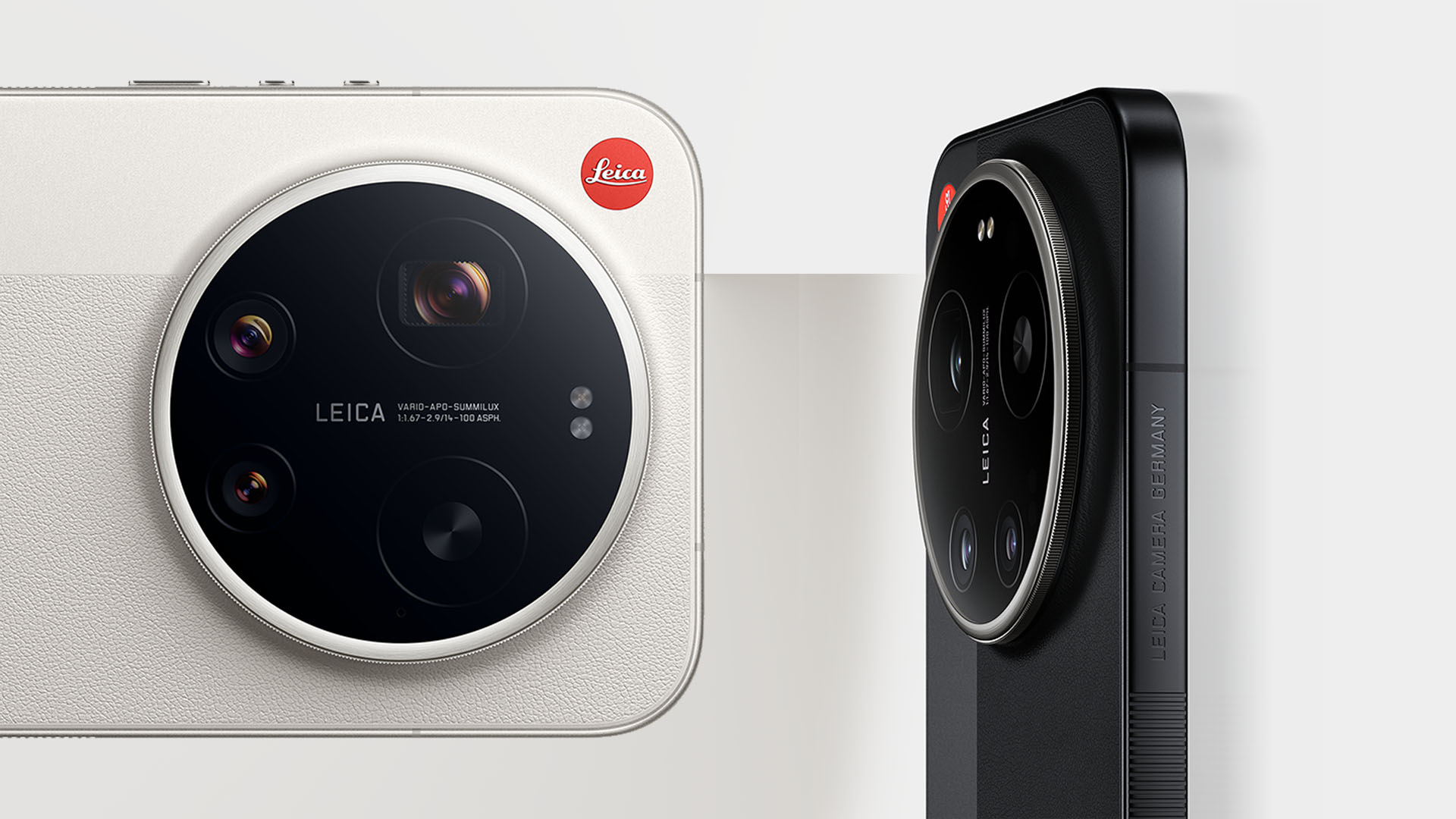
The Xiaomi 17 Ultra isn’t called “Ultra” for no major reason. Xiaomi’s all-new flagship boasts a mighty camera system in partnership with Leica.
First and foremost, there’s the Leica Optical Summilux High Speed Lens that’s backed by a 50MP f/1.67 main shooter powered by a 1-inch LightHunter 1050L image sensor.
ICYMI, the the Xiaomi 17 Pro and Pro Max feature a smaller 1/1.28-inch LightHunter 950L sensor.
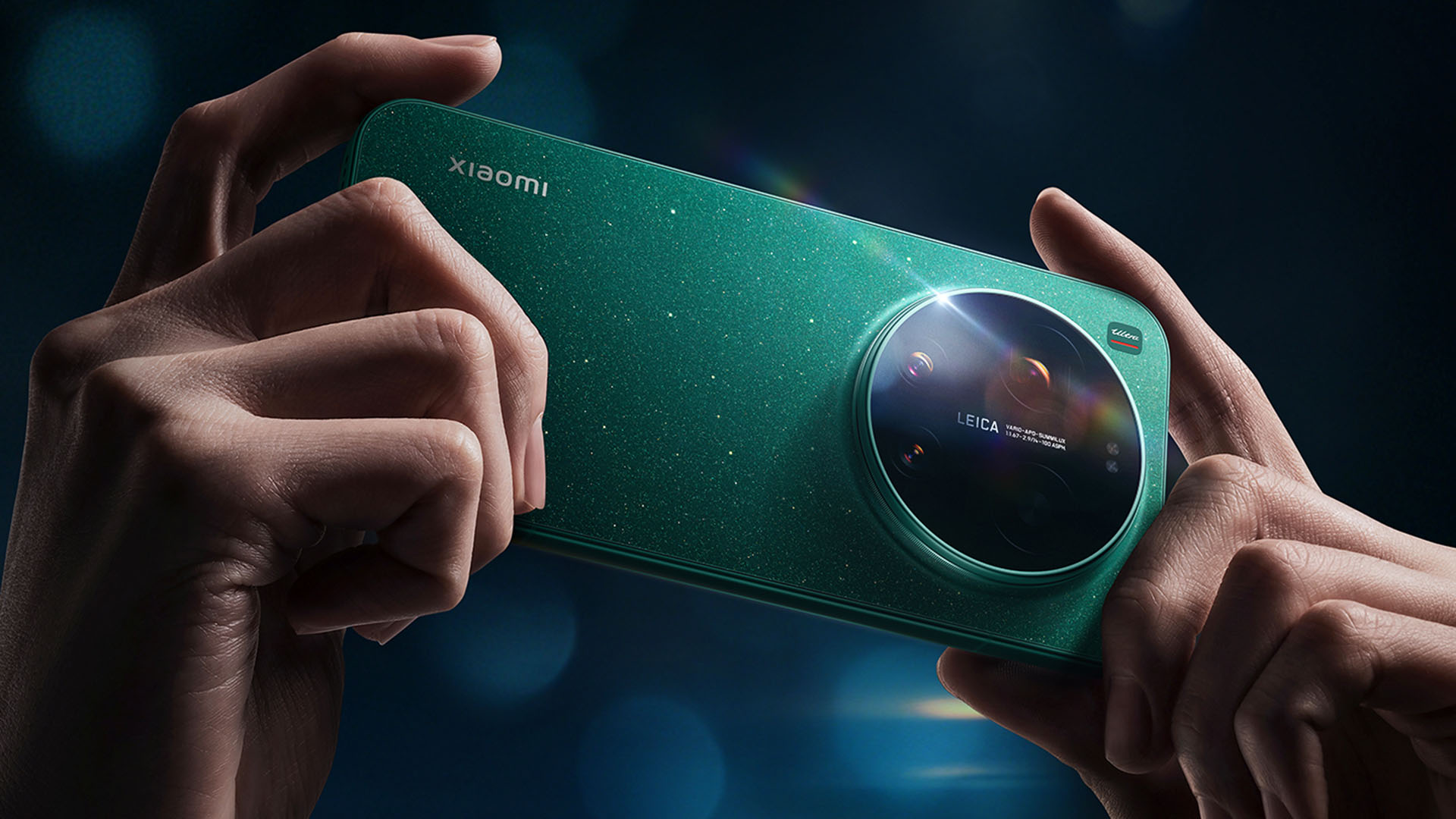
Furthermore, Xiaomi brings back that dual variable aperture they have removed from the Xiaomi 15 Ultra. However this time, they have incorporated it into the latest telephoto camera instead of the main sensor.
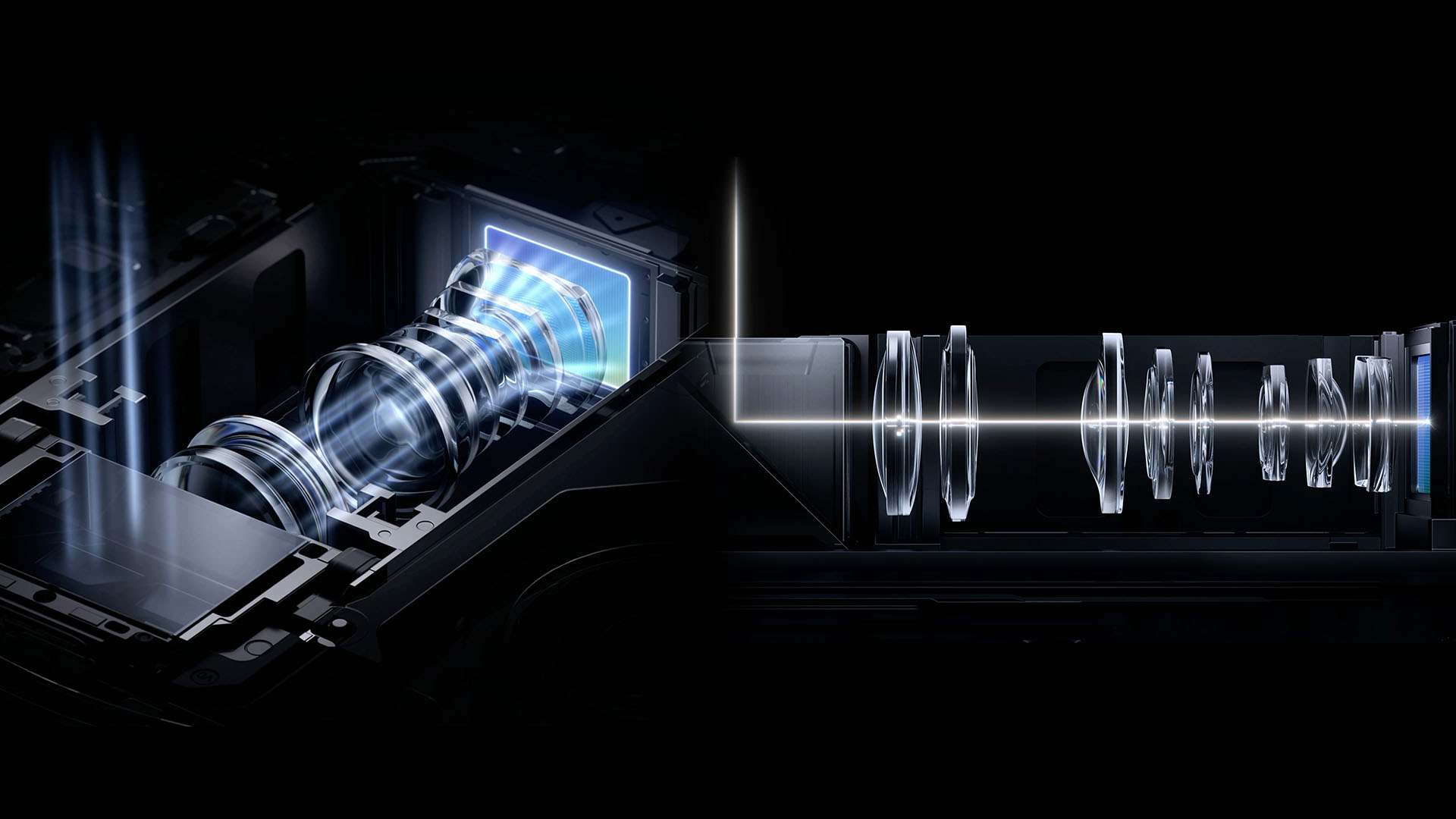
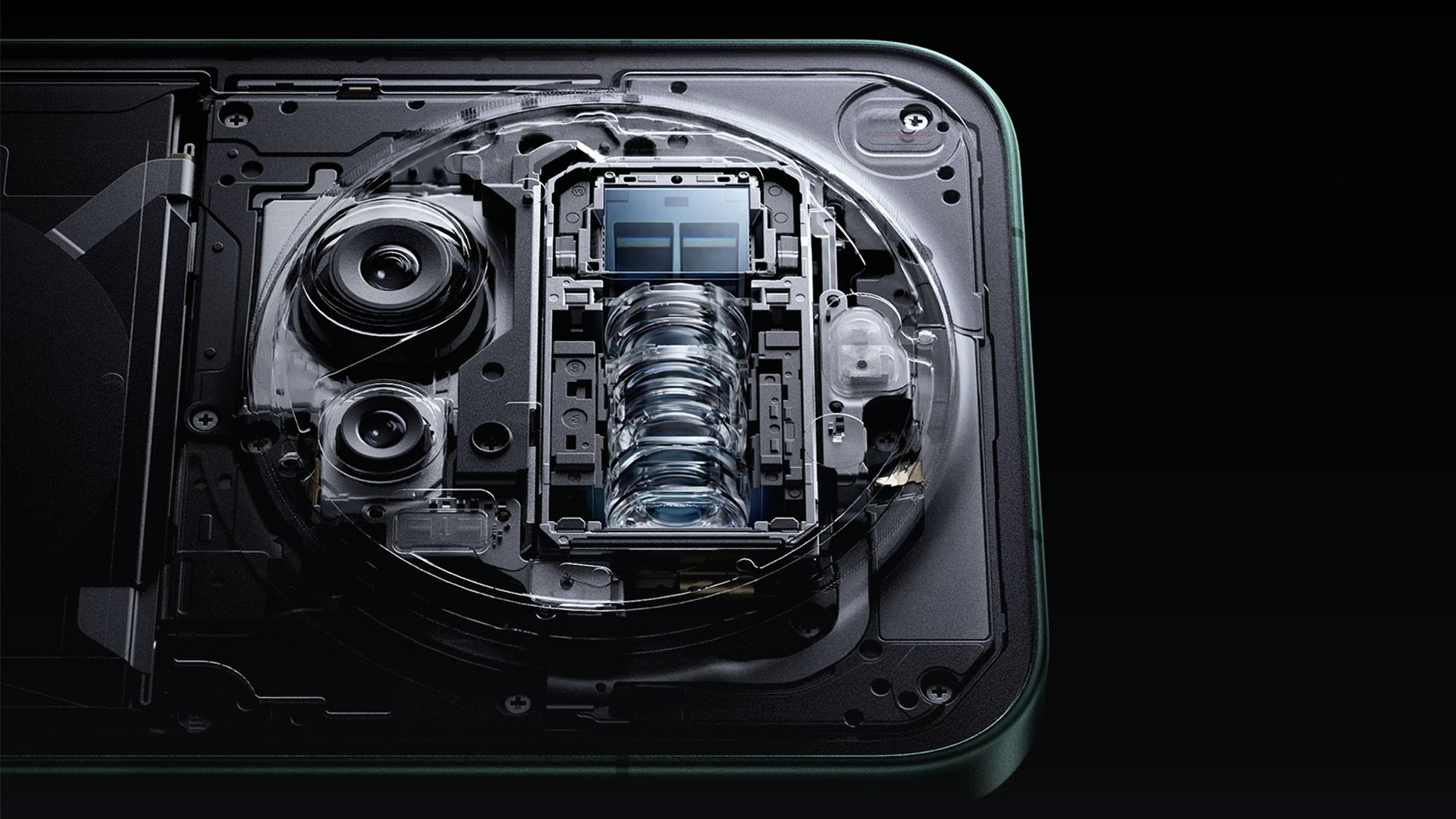
The Xiaomi 17 Ultra highlights its 200MP telephoto shooter with a 1/1.4-inch Samsung ISOCELL HPE sensor and an adjustable aperture of f/2.39 ~ 2.96.
It also has a “continuous optical zoom” feature between 3.2x to 4.3x range (75mm to 100mm equivalent).
Graphics by Vincenz Lee | GadgetMatch
And for the first time, there’s Leica’s APO Optical Certification.
Ultra-wide angle camera is capped at 50MP f/2.2 with a 115-degree FoV (Field of View).
Macro shooting is possible on both the UWA and telephoto modes with minimum shooting distance of 5cm and 30cm respectively.
 Front-facing camera is also a 50MP f/2.2 shooter but with a 90-degree FoV.
When it comes to video recording, the Xiaomi 17 Ultra is capable of shooting up to 8K / 30fps or up to 120fps in 4K resolution.
Toning it down to 1080p Full HD or 720p will give better slo-mo options ranging between 120, 240, 480, 960, and 1920fps.
Full-Fledged Flagship
As expected, the Xiaomi 17 Ultra runs the latest and greatest from Qualcomm: the Snapdragon 8 Elite Gen 5 3nm SoC.
That’s paired with either a 12/16GB of LPDDR5X memory plus a 512GB or 1TB of UFS 4.1 high-speed storage.
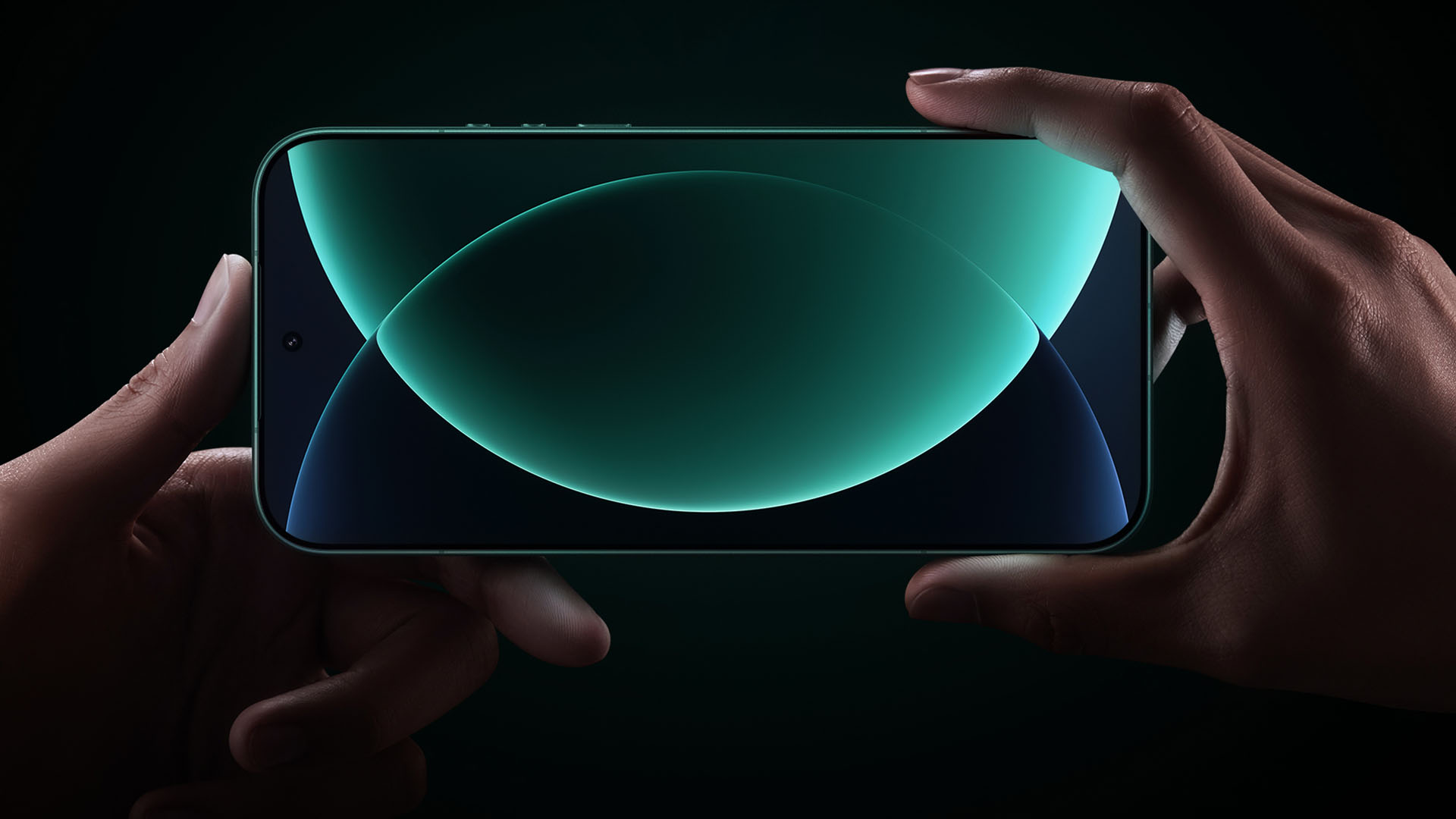
Display is never forgotten. It has a 6.9-inch AMOLED 120Hz 2D display with Superpixel technology.
It’s promised to be sharper than a 2K Pentile display. It’s also more battery efficient with its smaller 1.5K display resolution. Brightness levels can even go as low 1 nit.
Other pro-grade display features include the DCI-P3 Wide Color Gamut, DC Dimming, as well as support for HDR Vivid, HDR10+, and Dolby Vision content.
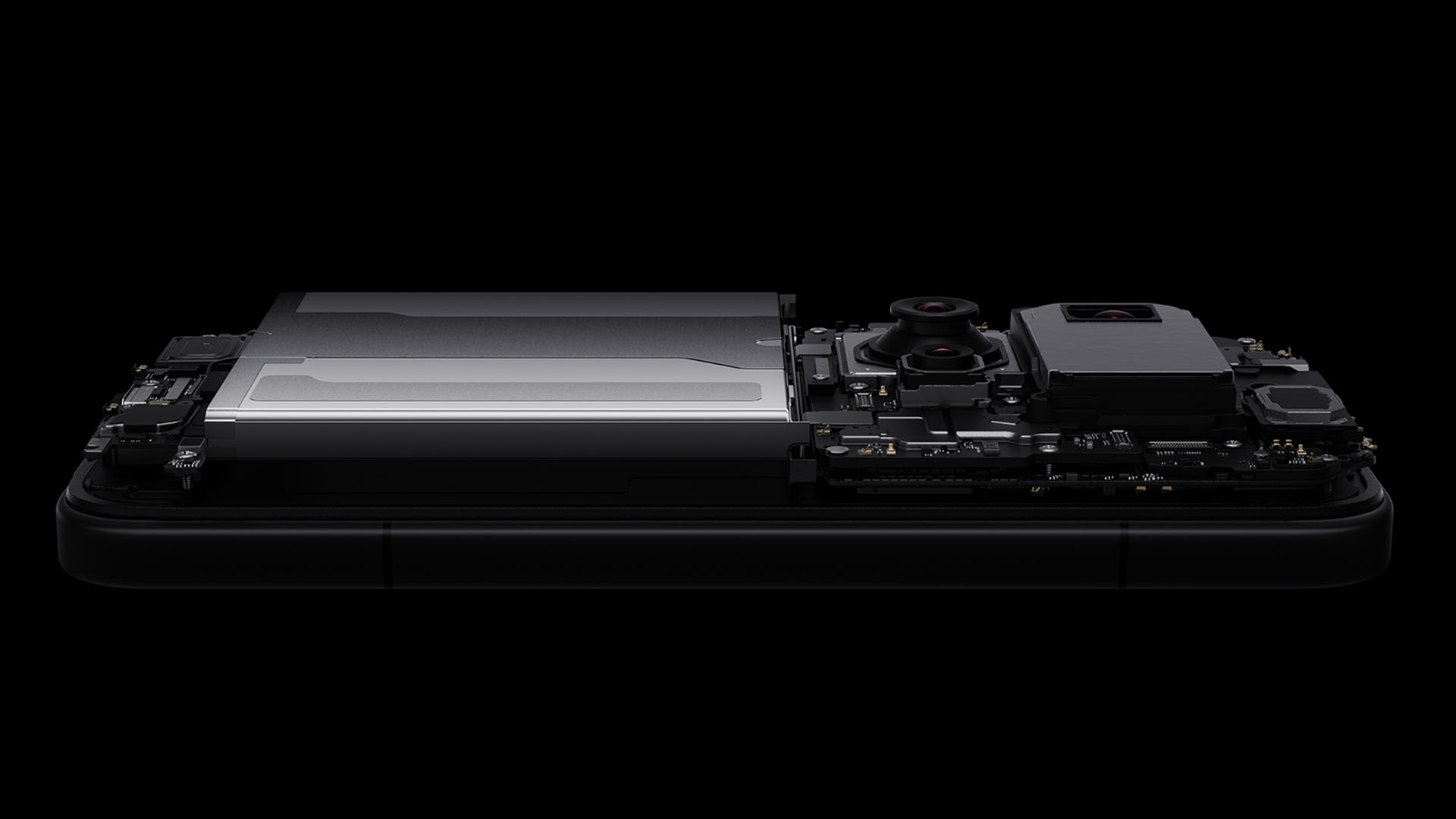
Weirdly, despite that massive display, the Ultra variant only has a 6800mAh Si/C battery. For context, the base 17 and 17 Pro Max are equipped with 7000mAh and 7500mAh respectively.
That can be topped up either via 90W wired HyperCharge or 50W wireless HyperCharge standards. USB-C PD, QC, and PPS wired charging protocols are supported as well for non-Xiaomi chargers.
For data transfers, it has USB-C 3.2 Gen2 support for faster speeds of up to 10Gbps.

Durability-wise, the front is protected by Xiaomi’s Longjing Glass 3.0. That’s then backed by the flagship-grade triple IP resistance rating: IP66, IP68, and IP69.
Xiaomi was also able to trim down the 17 Ultra’s waist to just 8.29mm (versus 15 Ultra’s 9.3mm). This makes their slimmest Ultra flagship so far.
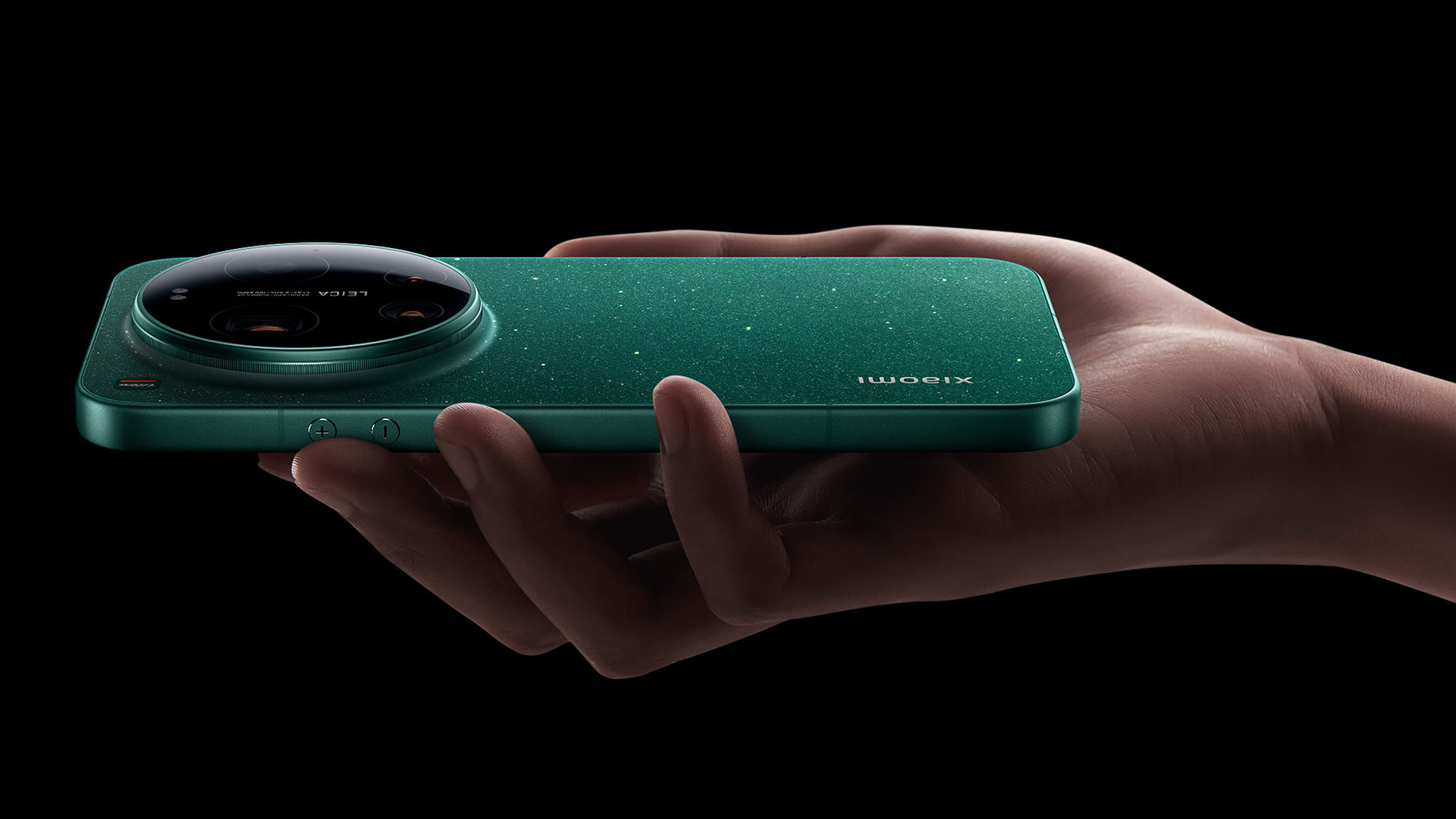
Lastly, it runs Xiaomi’s latest HyperOS 3 with all the new Android features and AI tools in mind. Cross-compatibility with Apple’s iOS, iPadOS, and macOS weren’t left behind.
Leica Limited
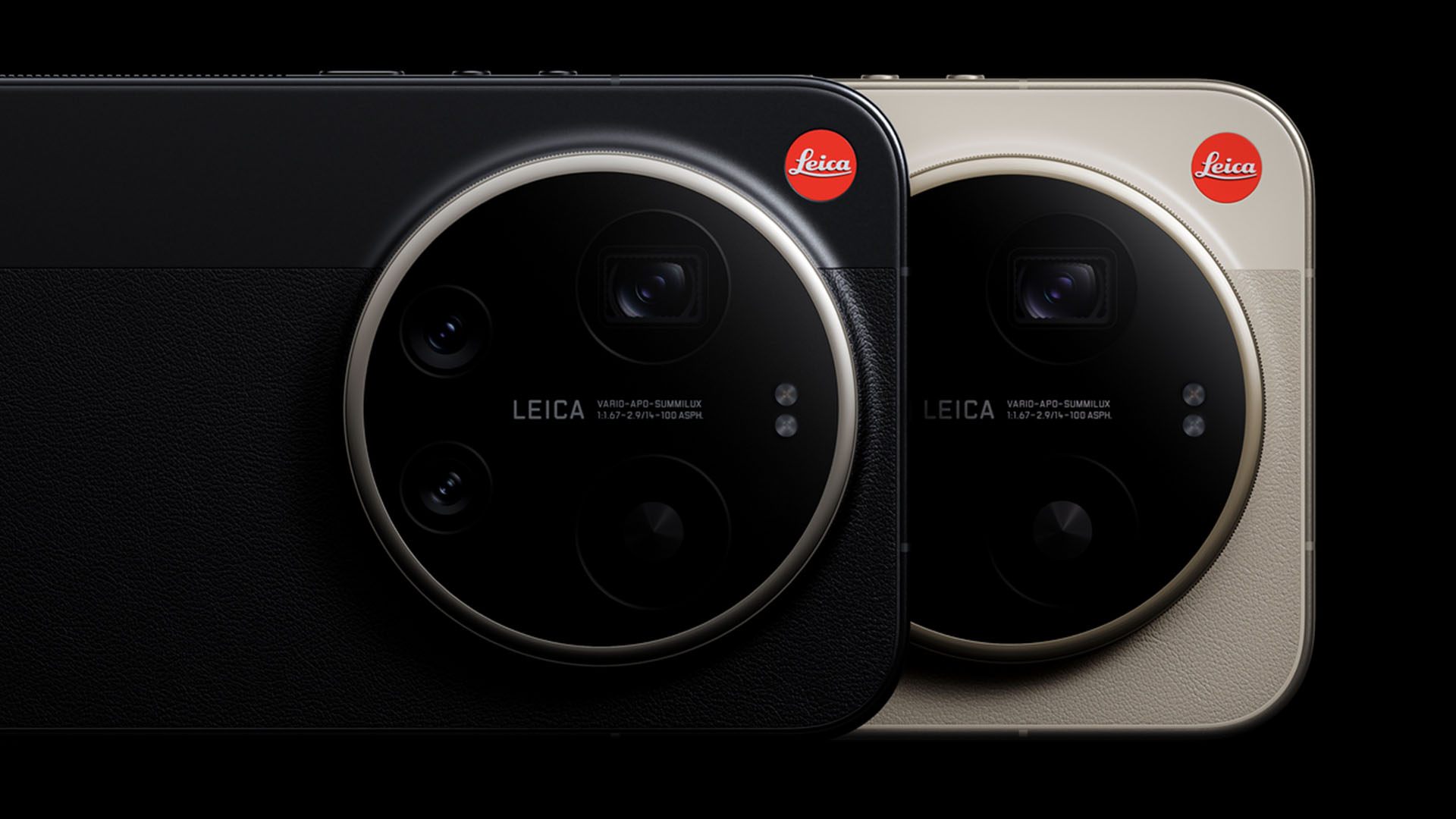
With the continuous partnership of the major Chinese AIoT brand and Germany’s premium camera maker, they have also launched a limited Xiaomi 17 Ultra by Leica.
The original Leica team was involved when making this Limited Edition unit. Thus, the inspiration of Leica M-series cameras.
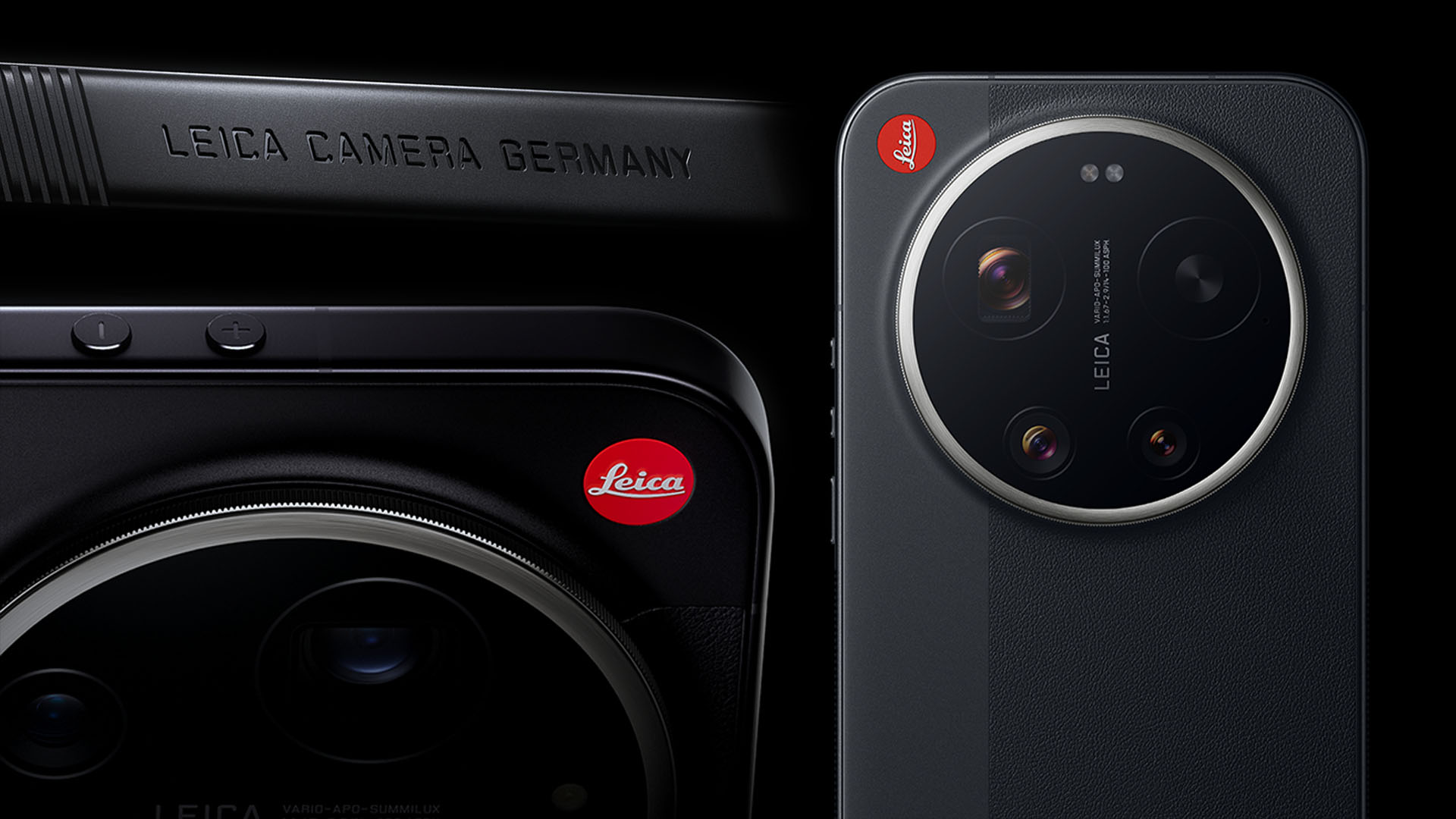
Graphics by Vincenz Lee | GadgetMatch
That dual-tone back panel incorporates a textured leather for added grip. The mid-frame then has the “LEICA CAMERA GERMANY” engraving that provides added anti-slip grip.
And, for the first time in forever, the signature Leica red dot badge is placed at the side of the camera instead of Xiaomi’s “Ultra” branding.
But, the highlight of the show has got to be the Leica Camera Ring*. This is their way of putting the focus ring directly onto the Xiaomi 17 Ultra’s circular camera bump, mimicking how mirrorless camera lenses work when focusing prior shooting.
It’s also user-customizable as settings can be set between switching into different focal lengths, change f-stop (aperture), EV (Exposure Value), even triggering the camera app by fast-twisting the mechanism when locked.
Xiaomi and Leica made it possible by embedding 20 high-strength ball bearings and an internal optical displacement sensor. Those not only gives the tactility, it also gives smooth, fast, and precise focusing.
* FYI, don’t expect this feature to be in the regular Ultra units. This is only limited to the Leica variant.
It doesn’t stop there! It also features an exclusive Leica Essential Mode. This recreates the looks of the iconic Leica M3 and M9 cameras.
As for the process itself, it’s never simple. Xiaomi trained a “RAW-to-RGB” Style Transfer model which gives the closest authentic look possible (such as the Leica MONOPAN 50 film) — more than what regular filters provide.
Lastly, Xiaomi 17 Ultra by Leica introduces the mobile industry’s first CAI Photo Authenticity Protection technology.
It just means that in a photo taken with a digital signature, the original attributes are also stored in the phone’s dedicated security chip. This further ensures that the photograph was really taken through the lenses of the special phone and not by Generative AI.
Pricing and Availability
The Xiaomi 17 Ultra comes in Black, White, Cold Smoke Purple, and Starry Sky Green colorways.
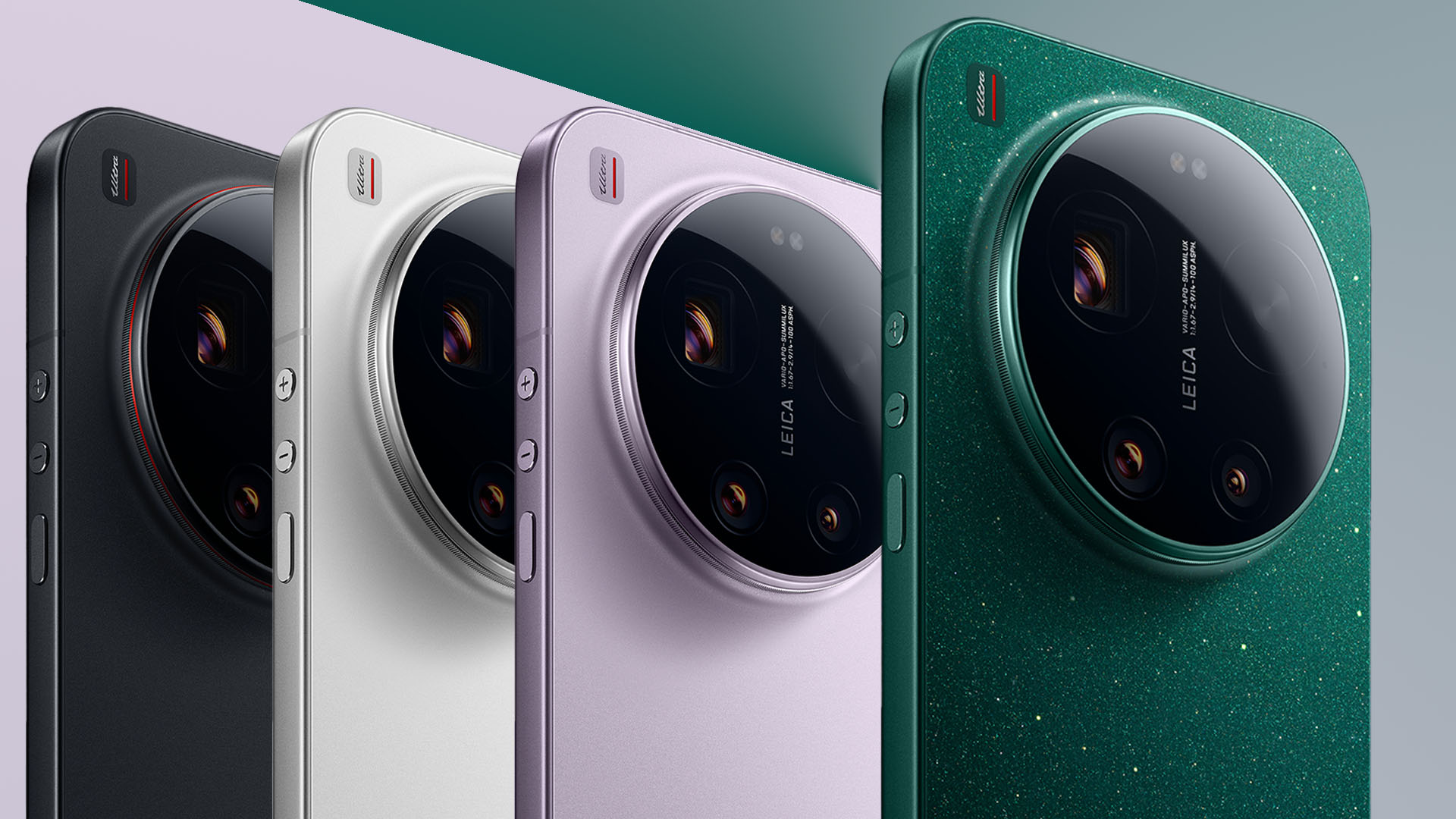
Graphics by Vincenz Lee | GadgetMatch
The latest smartphones comes in three configurations:
- 12 + 512GB = CNY 6999 (US$ 980 / EUR 835 / GBP 730 / SG$ 1260 / MYR 4130 / PhP 56,440 / INR 87,110)
- 16 + 512GB = CNY 7499 (US$ 1100 / EUR 900 / GBP 780 / SG$ 1345 / PhP 59,590 / INR 90,980)
- 16 + 1TB = CNY 8499 (US$ 1185 / EUR 1020 / GBP 870 / SG$ 1520 / PhP 67,670 / INR 101,930)
Leica Limited Edition is then available in Black or Off-White duotone shades with only two configurations:
- 16 + 512GB = CNY 7999 (US$ 1115 / EUR 960 / GBP 820 / SG$ 1430 / PhP 63,685 / INR 95,930)
- 16 + 1TB = CNY 8999 (US$ 1260 / EUR 1070 / GBP 920 / SG$ 600 / PhP 70,905 / INR 107,700)
* These are only estimated pricing conversions
The phone will be on-sale in Mainland China starting December 27, 2025 at 10AM. Global availability, just like Ultra releases of the past, were never mentioned.
Hopefully, they will consider international markets this time.
UPDATE: Global Release
Just today, the Xiaomi 17 Ultra makes its global debut in Barcelona, Spain. ICYMI, Xiaomi 13 Ultra was the last phone launched “globally.”
Pricing for the Xiaomi 17 Ultra starts at EUR 1499 with 512GB and 1TB options. However, purple is only China-exclusive as it did not make the cut for international markets.
Meanwhile, the Leica Edition (named Leica Leitzphone powered by Xiaomi) retails for EUR 1999 and only comes in black and 1TB storage.
The Photography Kit and Photography Kit Pro are also being sold for EUR 99.99 and EUR 199.99 respectively.
Additionally, those who will purchase the any of the Xiaomi 17 phones in eligible markets will enjoy these exclusive benefits with no additional cost:
- 3-month trial of Google AI Pro + 2TB Google cloud storage
- 3-month trial of YouTube Premium
- 4-month trial of Spotify Premium
Smartphones
Samsung Galaxy S26 Ultra OLED receives Privacy Display verification
Panel features Samsung Display’s Flex Magic Pixel

The display panel found exclusively on the latest Samsung Galaxy S26 Ultra has received UL Solutions’ “Privacy Display” verification.
You may have already heard about the flagship device’s innovative display feature, which makes it difficult to view content on the screen when tilted slightly.
Samsung previously said that the process took five years of engineering, testing, and refining, hence the careful and deliberate roll-out instead of a sudden one.
This process included studying how individuals use their phones, what they consider private, and how security should feel in everyday life.
The result, Samsung says, is a fusion of hardware and software expertly calibrated to protect users while on their phones.
The Privacy Display tech eliminates the need for such screen protectors; Samsung does it at the pixel level. More importantly, users can personalize the setting.
It can be toggled manually from the notification panel. Users can also activate it only for specific apps.
That means you can leave it off while watching YouTube, but turn it on automatically for banking apps, messages, or anything more sensitive.
This “anti-shoulder surfing” privacy feature was first teased ahead of the S26 series’ launch. Behind it is Samsung Display’s next-generation Flex Magic Pixel.
The panel-integrated privacy technology allows content to remain clear when viewed from the front, while appearing blurred or nearly invisible from side angles.
As per UL Solutions’ tests, the Samsung display had a side-to-front brightness ratio of 3.5% at a 45-degree side angle. It was reduced further to 0.9% or lower at 60 degrees.
Conventional smartphone panels typically maintain around 40% of their front-facing brightness when viewed from an angle. This makes on-screen content visible to others.





Forget the Phone: Xiaomi 17 Ultra Is A CAMERA!

Xiaomi Pad 8 review: Slab that slaps!

Xiaomi 17 Ultra is now available outside China

The Xiaomi Pad 8 series is now official

Samsung Galaxy S26 Ultra OLED receives Privacy Display verification


-
 News15 hours ago
Xiaomi 17 Ultra is now available outside China
-

 Accessories2 weeks ago
Apple AirTag 2 Review
-

 Camera Walkthrough1 week ago
OPPO Reno15 Pro: Camera Review
-
 First Look2 weeks ago
Match Pulse: Infinix NOTE 60 Pro
-

 Cameras1 week ago
Osmo Pocket 4 makes a surprising appearance in public
-

 Gaming2 weeks ago
LG unveils UltraGear evo, redefines 5K gaming with AI Upscaling
-
 News1 week ago
iPhone 17 Pro Max is somehow the most traded-in phone today
-

 News1 week ago
HUAWEI launches Mate X7, MatePad 11.5 S 2026, FreeClip 2