
Computers
Why Intel’s 7th-generation Kaby Lake processors matter


Every year around September, Intel releases a new set of processors that are significantly improved over the previous generation. This year’s Kaby Lake marks the seventh generation since Intel began the Core series of CPUs, and it’s going to make your next computer a lot faster.
Without even having to explain anything, the one absolute about the newer generation is the noticeable performance improvement in both real-world usage and benchmarks. You can also expect lighter power drain, which has been the case since mobile devices began becoming the center of internet consumption. As for Kaby Lake, it’s considered an overhauled successor to 2015’s Skylake. This year’s product carries over the same 14nm microarchitecture of Skylake, meaning the physical design remains the same, but the feature set is a step above.
What Intel strongly emphasized in their announcement is how Kaby Lake processors are specifically geared towards 4K Ultra HD and 360-degree videos, as well as Virtual Reality to an extent. This is the first time Intel processors are natively able to support 4K content, so you’re not obliged to purchase a dedicated video card for Ultra HD videos anymore. On top of that, the company claims much improved battery life over older units, but that’s something we hear every year, and we’ll find out for sure once we have actual retail units in our hands.
The gaming side of things has been given a boost, too. While it may not sound impressive, Kaby Lake is capable of outputting games such as Overwatch at 30 frames per second on Medium settings with a 1080p resolution. This can be done on a thin notebook without any discrete graphics card, so casual gamers will have access to a larger database of recent games.

An interesting thing to note is the absence of the Core m7 and m5 series, which were introduced just last year as top-end CPUs for laptops and tablets. Intel decided to release only revamps of the Core i7, i5, i3, and m3 models this year, while Core m7 and m5 will now be part of the Core i7 and i5 families, respectively. This is simply in line with Intel’s yearly restructuring of lineups, so there’s no need to worry about a lack of choices.
So, let’s set aside the features to ask the most important question: How exactly are consumers affected by this release? In order to be properly future-proofed, it’s advisable to always choose Kaby Lake when shopping for a new laptop or building a desktop PC. The benefits over older processors won’t be clear at first, since previous generations are actually still good enough by today’s standards, but as new types of content are produced, it’s best to own the latest technology.
To ensure you’re buying the right one, watch out for the number seven after the hyphen in the number sequence of the model name. For example, the Intel Core i7-7500U, Core i5-7200U, and Core m3-7Y30, are all 7th-generation variants. It goes without saying that the Core i7-6500U was released last year.
Intel claims that computers sporting Kaby Lake will begin shipping in early September, with a lot more arriving by the time the holiday season trickles in.
[irp posts=”9179″ name=”5 key features of Qualcomm’s Snapdragon 835 processor”]
Source: Intel






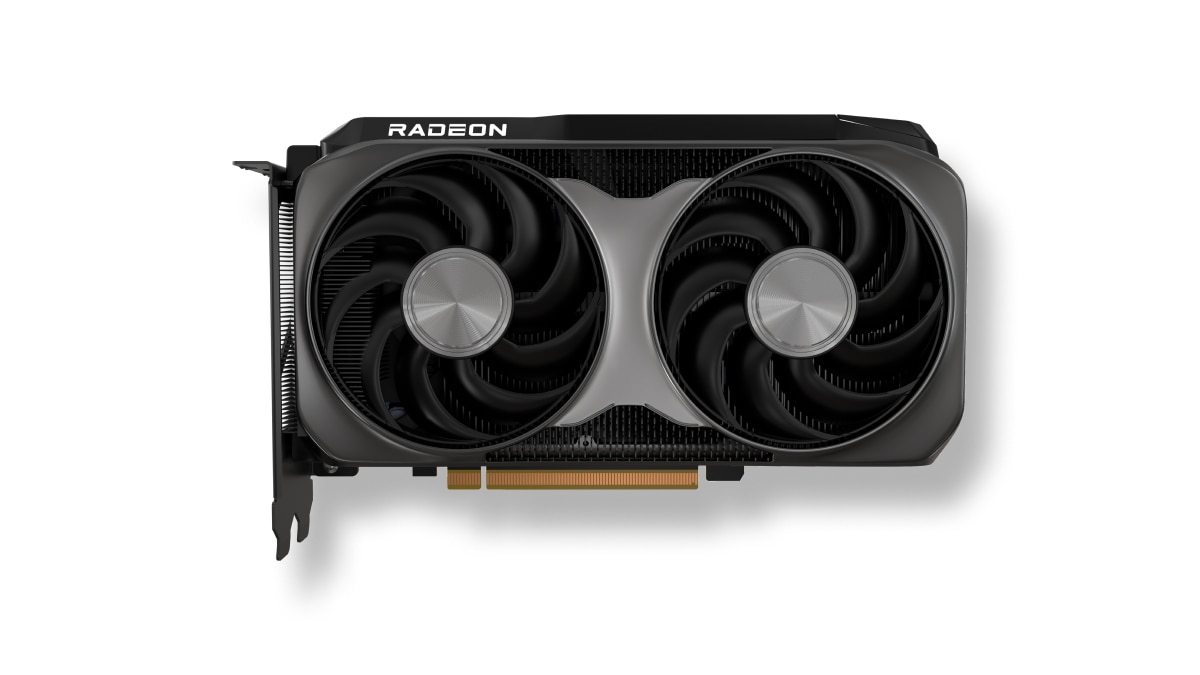
AMD has launched the new AMD Radeon RX 9050 graphics card, expanding the Radeon RX 9000 series with an affordable option.
This brings AMD RDNA 4 gaming technologies to mainstream gamers with a retail price of US$ 279.
The particular GPU is designed for responsive gameplay at 1080p. That’s for esports and modern AAA titles.
Some popular titles it can run at high frame rates on a 1080p resolution include: Cyberpunk 2077, Forza Horizon 6, Pragmata, Call of Duty: Black Ops 7, Valorant, and Tom Clancy’s Rainbow Six Siege, to name a few.
This highly efficient, drop-in upgrade features a 92W TBP and fully supports the latest AMD FSR technologies, next-gen raytracing, and high-quality AV1 video streaming.
Key specs:
- Architecture: AMD RDNA 4
- Compute Units: 16
- VRAM: 8GB GDDR6
- Game Clock / Boost Clock: 1.92 GHz / Up to 2.60 GHz
- TBP: 92W
In line with the Radeon RX 9050 launch, AMD has also released AMD Software: Adrenalin Edition 26.7.1.
This driver introduces official day-one support for Radeon RX 9050, alongside early multiplayer access for Gears of War: E-Day.
Users can download the software here.
Accessories
OBSBOT’s Meet Flip is your next best pocketable 4K webcam
Fold the Flip for further protection

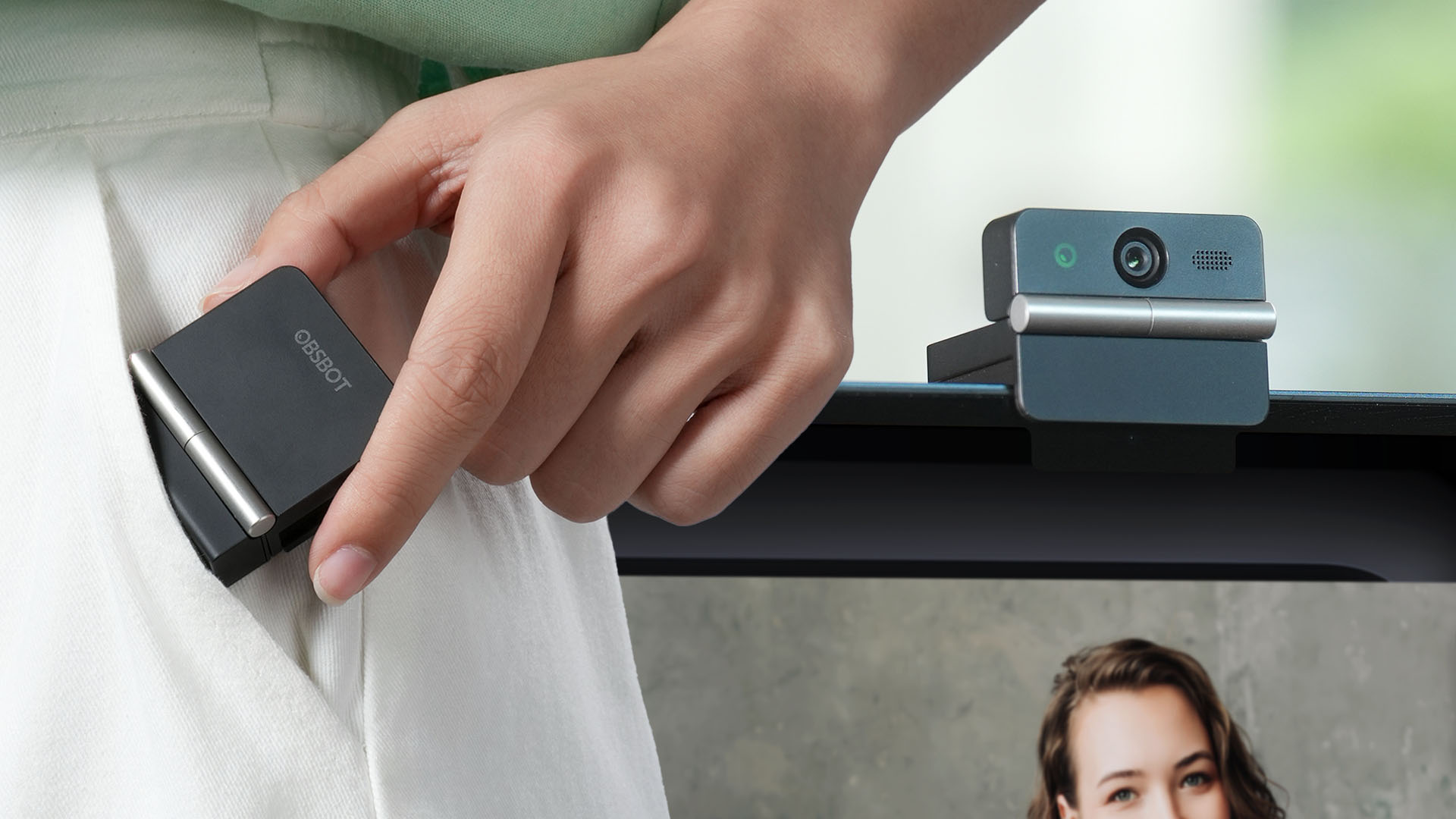
Several months ago, you might remember that OBSBOT revealed the Tiny 3 series of web cameras.
Six months after, they also unveil the all-new Meet Flip. From the name itself, it’s the company’s latest foldable 4K webcam that puts hardware privacy front and center.
Foldable and pocketable
Despite weighing just 37.7 grams, the Meet Flip aims to deliver premium webcam features for all types of users. Be it remote workers, professionals, or content creators.
Graphics by Vincenz Lee | GadgetMatch
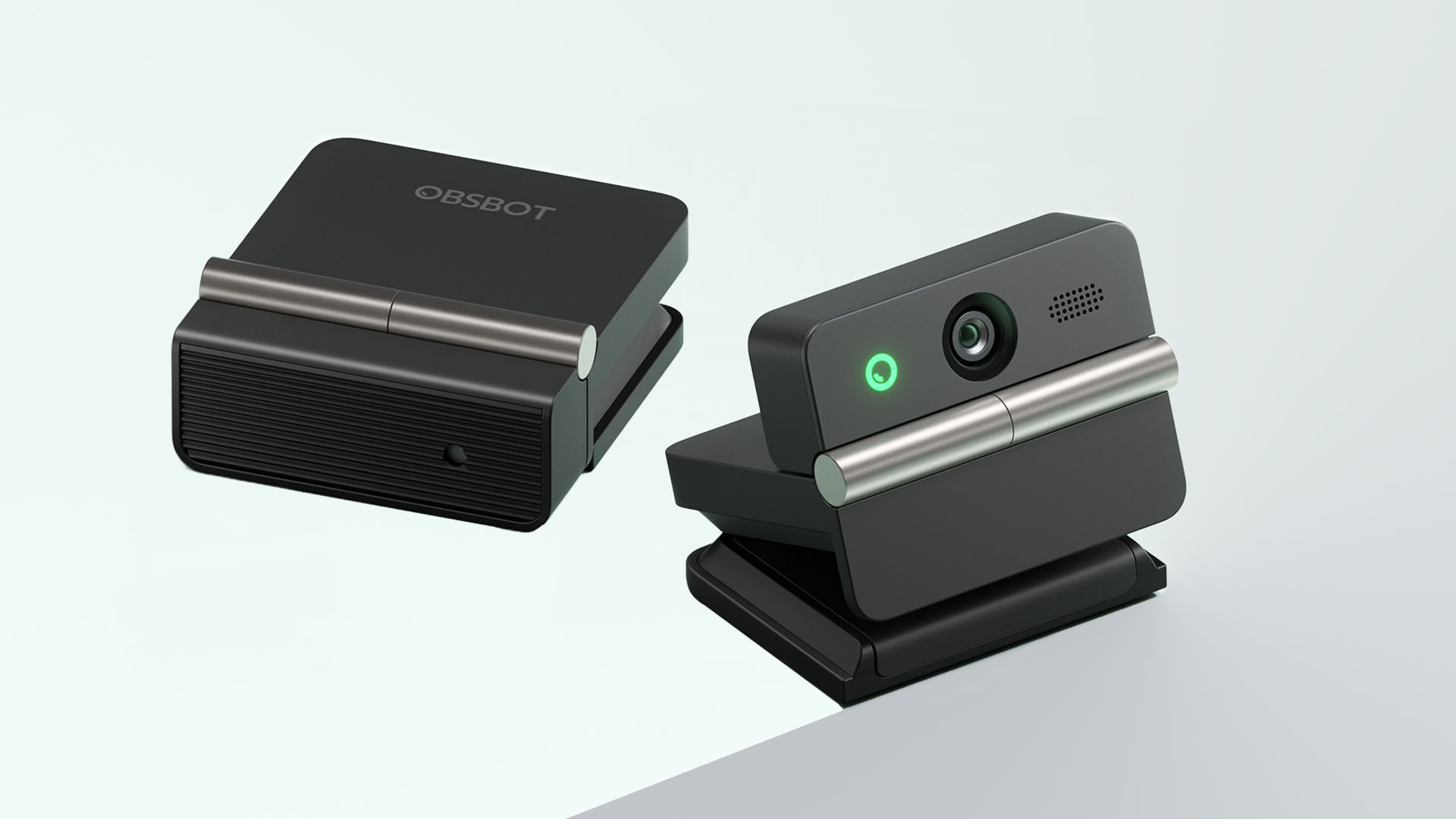
Undoubtedly, the biggest highlight has got to be the webcam’s folding design. Not only it’s portable, it protects your privacy too.
Closing the device physically blocks the lens, giving users a visual confirmation that the camera is no longer active. When it’s time for a meeting, simply unfold it and it’s ready to go.
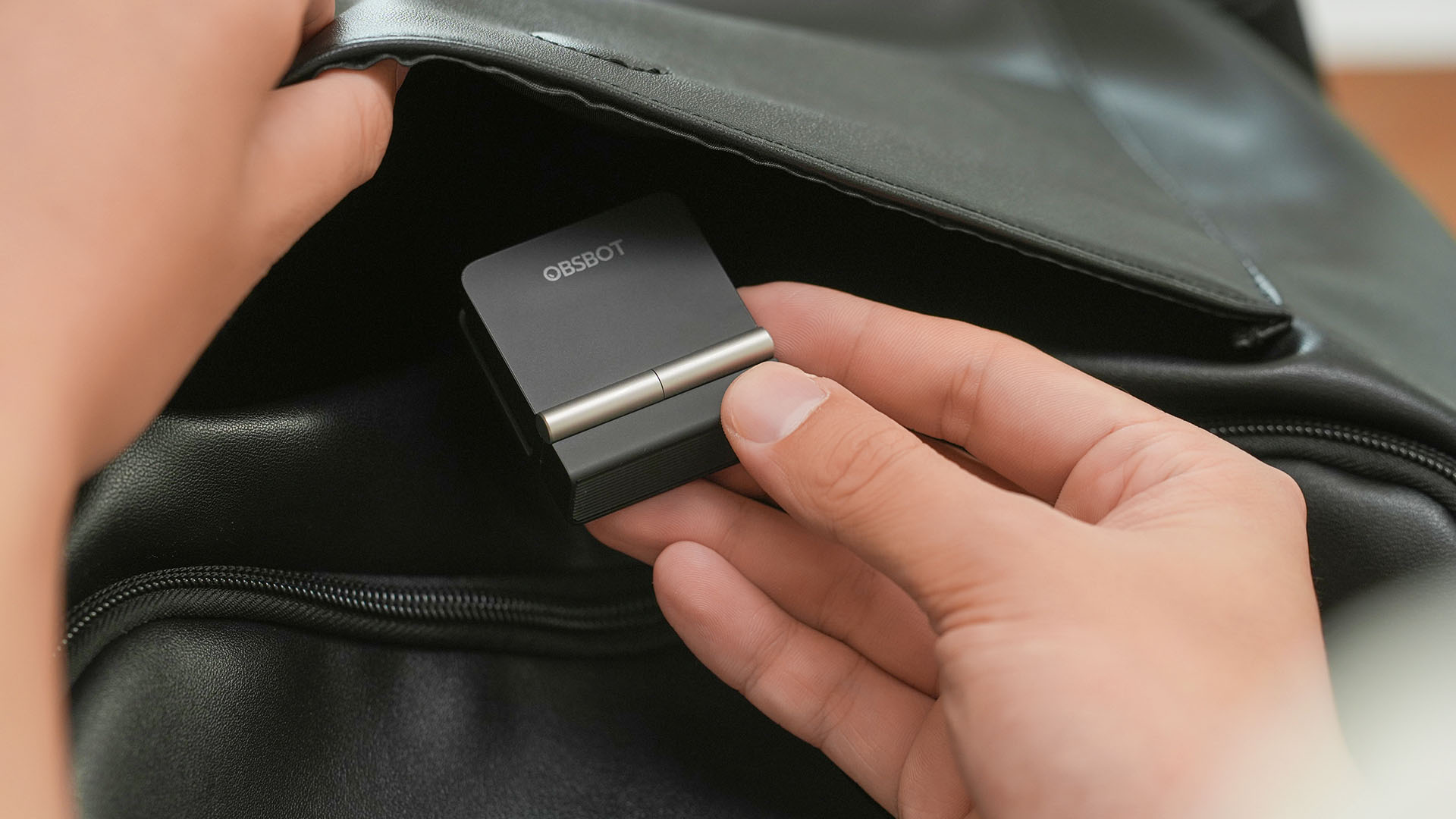
That lightweight body also features a built-in mounting clip that works with laptops, monitors, and tripods. Users can mount it in landscape, portrait, or even upside-down orientations depending on their setup.
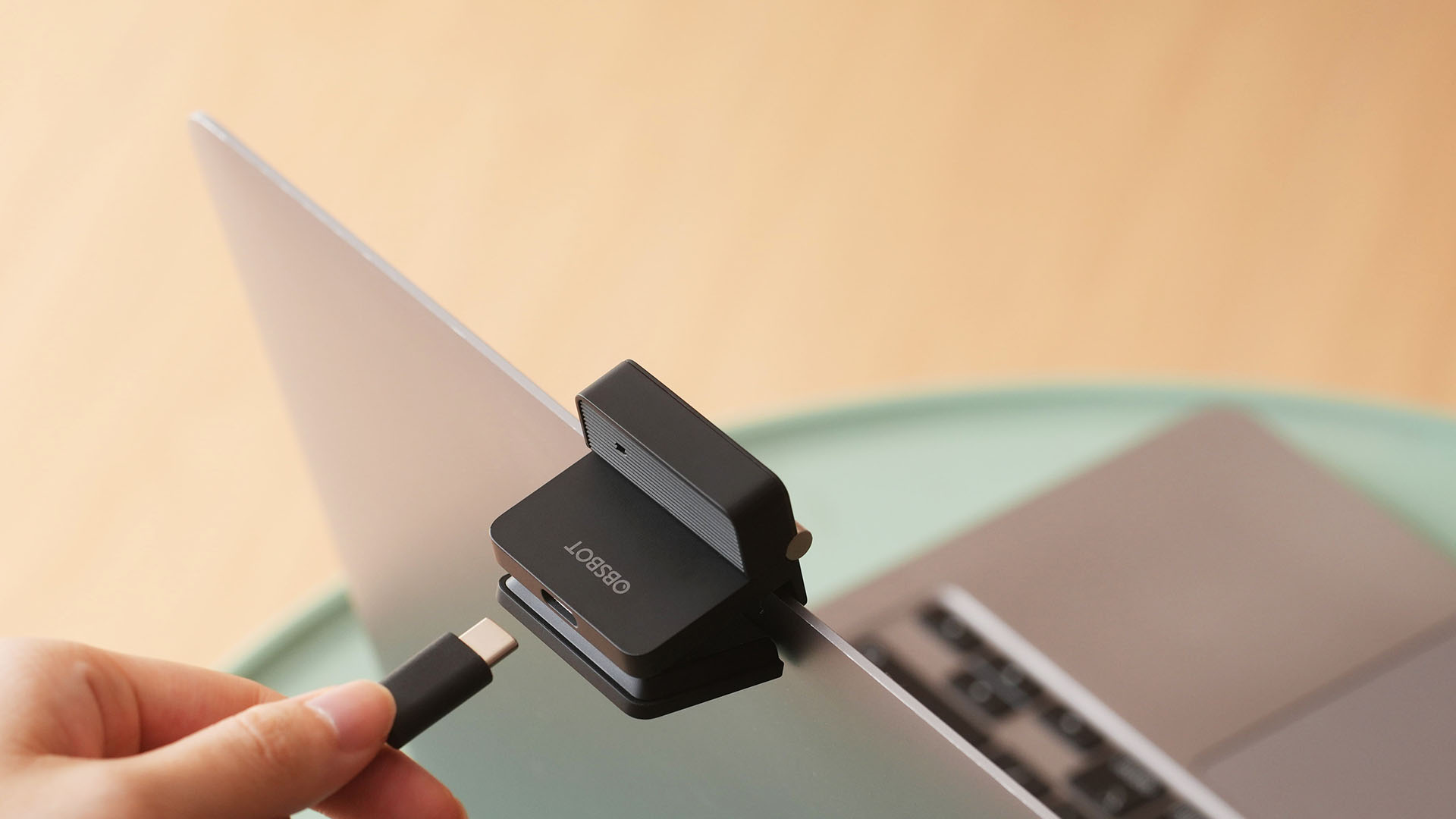
Despite that absurd amount of lightweightness, the OBSBOT Meet Flip is still able to house a 1/2-inch Exmor RS stacked CMOS sensor with Quad Bayer technology. That’s something more commonly found among bigger and higher-end web cameras.
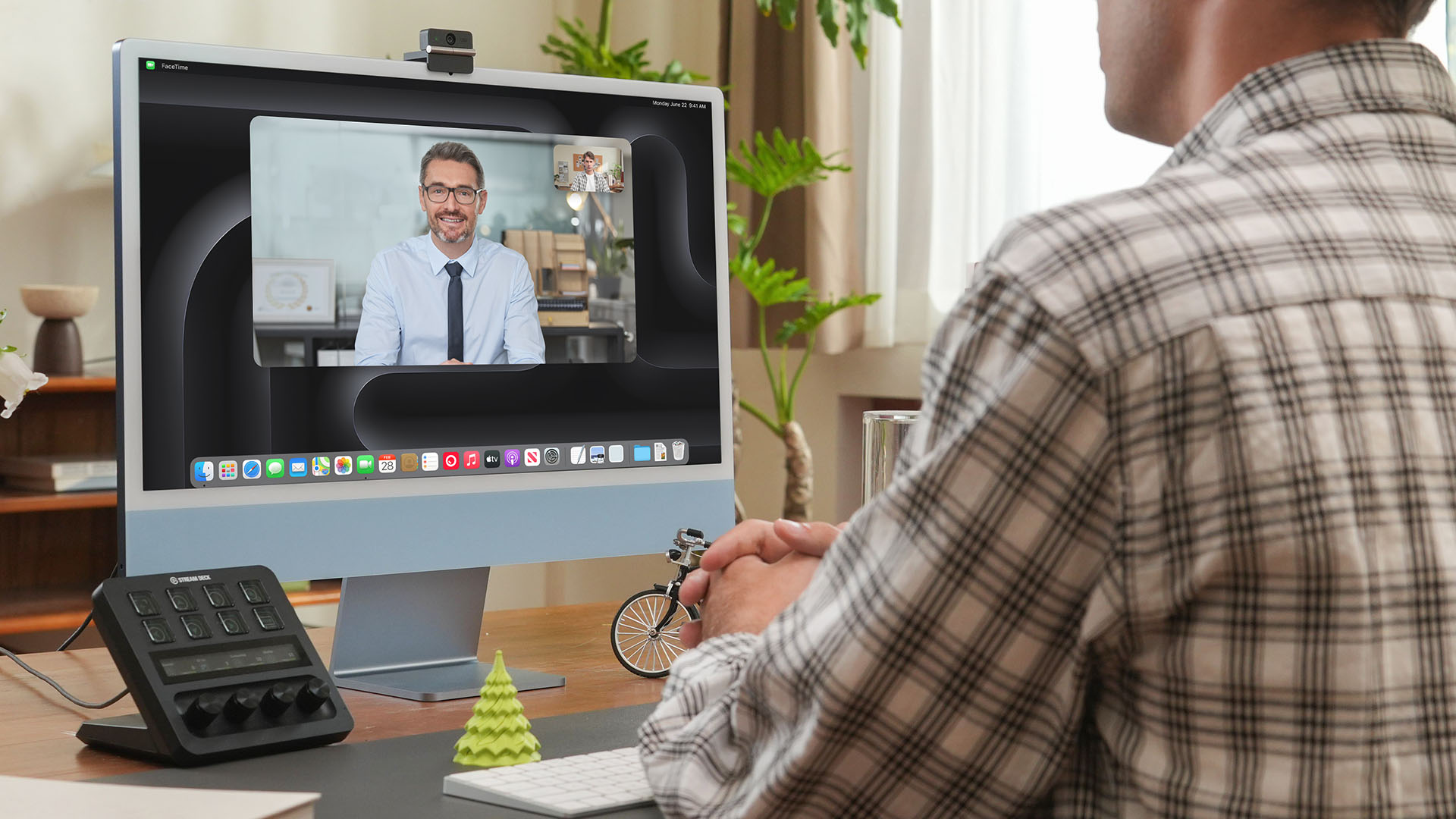
Other camera features include:
- 4K video recording / 30fps
- 1080p recording / up to 60fps
- HDR support for challenging lighting
- Phase Detection Autofocus (PDAF)
- 4x digital zoom
- f/1.8 aperture with ISO 100-6400 support for low-light environments
Beyond just video calls
The OBSBOT Meet Flip isn’t just packed with serious camera hardware, it’s seriously intelligent as well.
The Meet Flip supports AI Auto Framing. This automatically keeps users centered during meetings — regardless if they are presenting alone or with a group. Gesture controls also let users activate framing or adjust zoom without touching the keyboard or mouse.
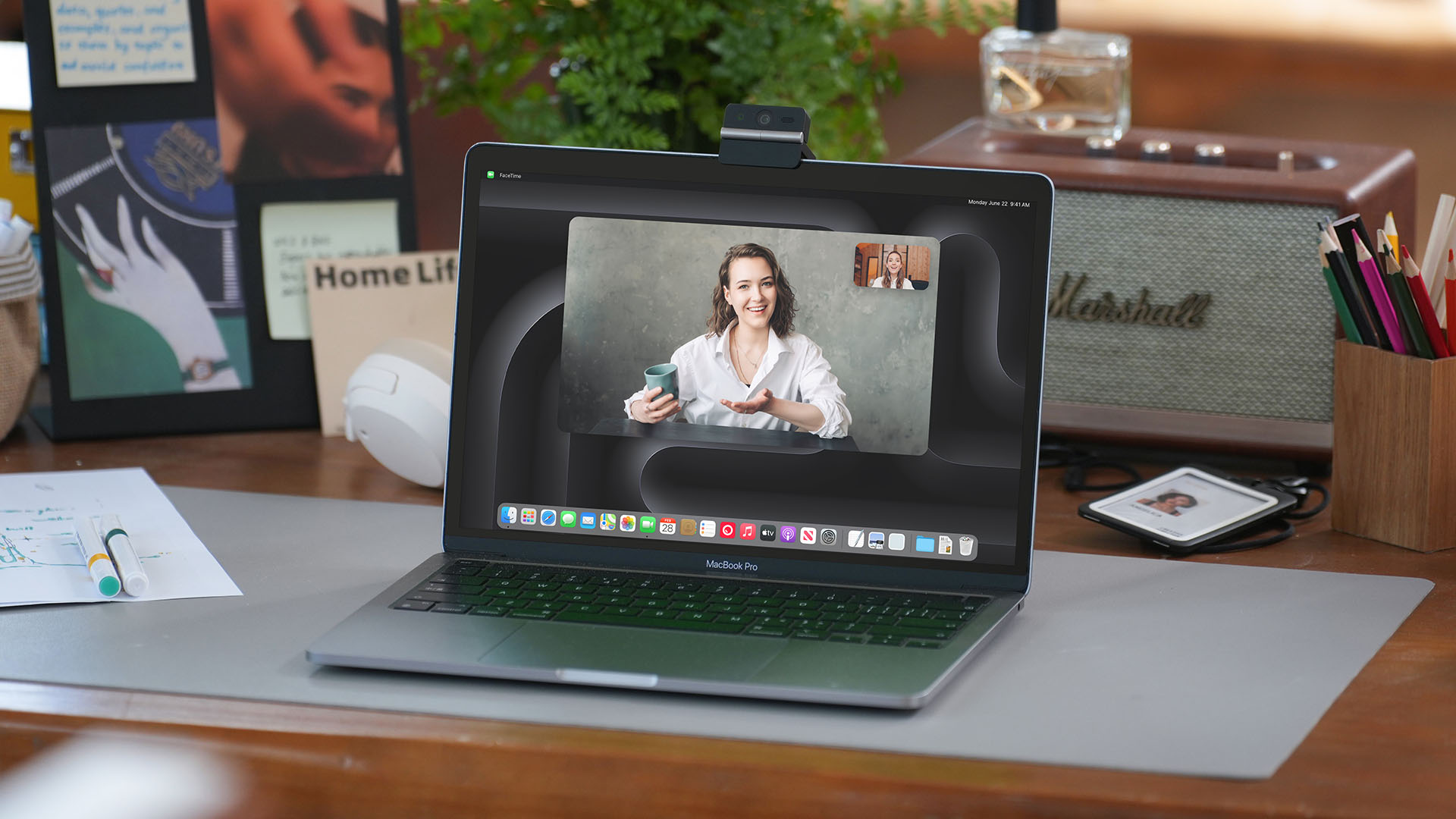
Another standout feature is AI Magic Notes which provides real-time meeting transcription and automatically generates summaries, action items, and key discussion points.
The feature works with Google Meet, Zoom, and Microsoft Teams through OBSBOT Center. Every webcam includes complimentary transcription of 120 minutes.

With that being mentioned, OBSBOT Center also makes users gain access to software features such as background blur, virtual backgrounds, beauty mode, and picture-in-picture overlays for presentations.
Those who want more advanced controls can enable Smart Eye Tracking, teleprompter support, and manual image adjustments.
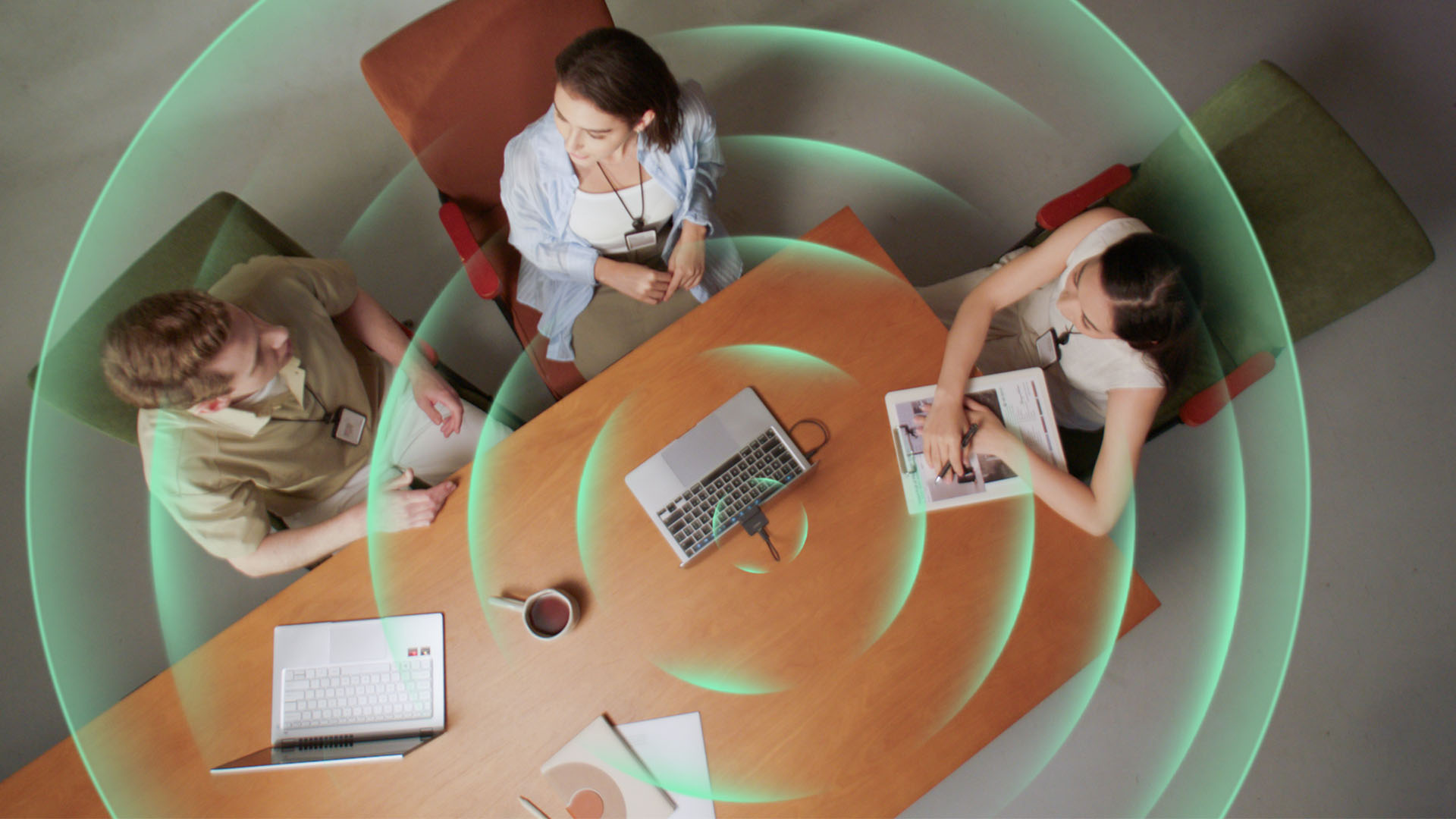
Audio also gets an upgrade through an intelligent dual-microphone system that offers four recording modes:
- Directional Mode / solo calls
- Dual-Directional Mode / interviews
- Smart Omni Mode / group meetings
- Pure Audio Mode / unprocessed stereo recording
AI Noise Reduction and Automatic Gain Control are also available across most modes to help improve voice clarity.
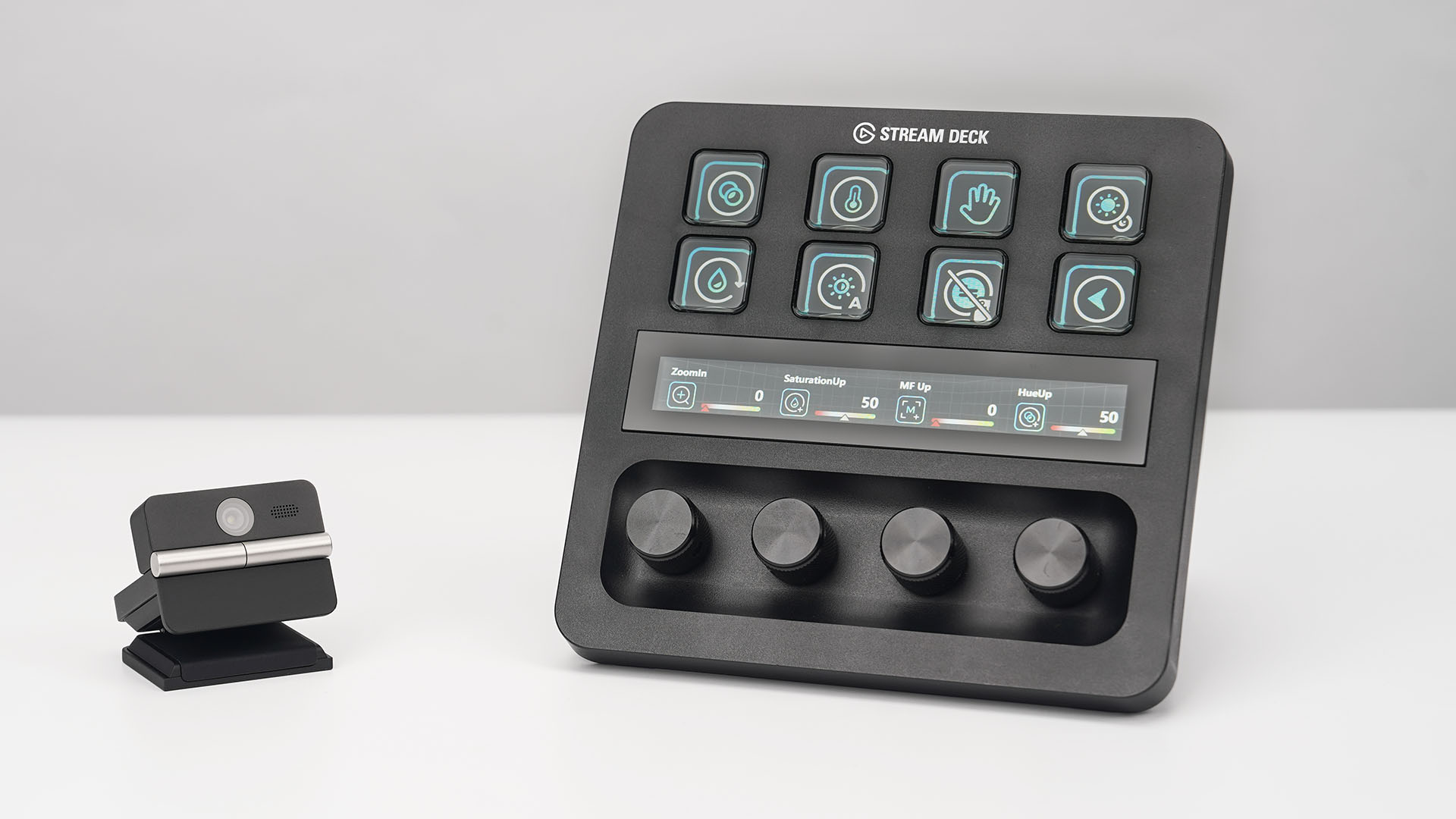
OBSBOT’s Meet Flip is also compatible with mobile devices through the OBSBOT Live app and supports integrations with accessories including Elgato Stream Deck, Nintendo Switch 2, and UVC-to-NDI/HDMI adapters.
Pricing and Availability
The OBSBOT Meet Flip is available starting today for US$119 through OBSBOT’s online store, Amazon US, and select retailers worldwide. Regional pricing may vary.
Computers
AORUS MASTER 16 Gen 2 2026 AI gaming laptop launches
For AI-powered performance, immersive gameplay

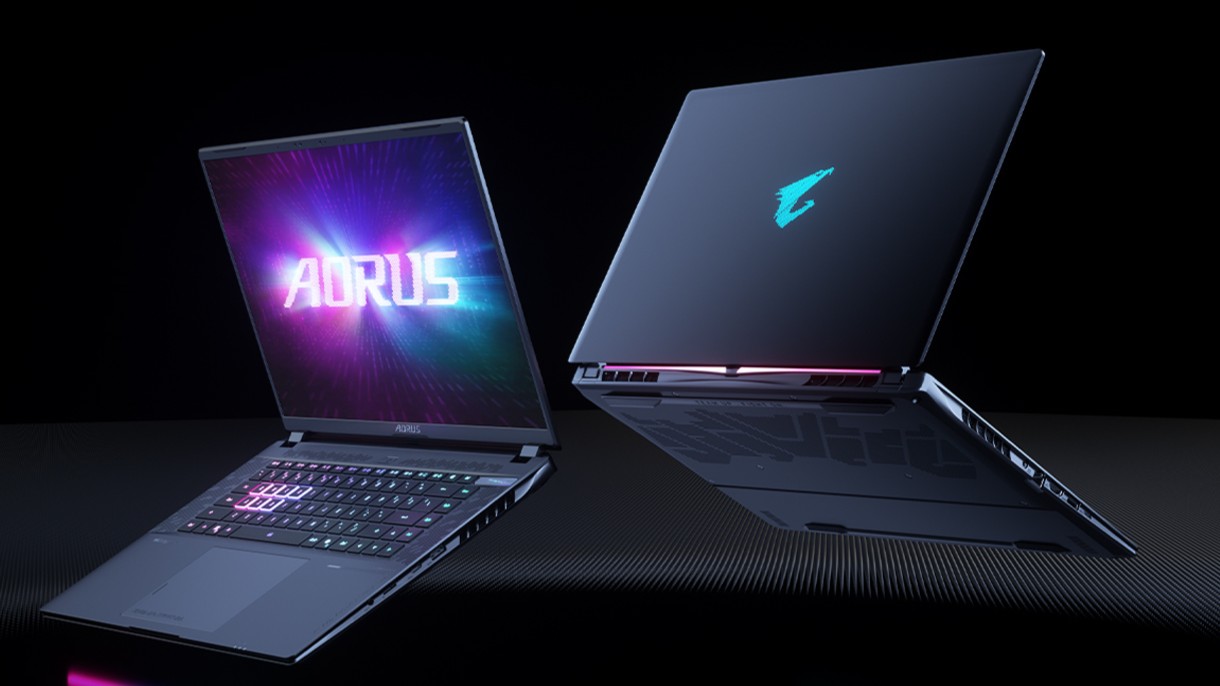
GIGABYTE has announced the availability of the AORUS MASTER 16 Gen 2 2026 flagship AI gaming laptop.
This machine combines desktop-class performance, advanced cooling, and an exclusive AI agent in an ultra-thin 19mm portable design.
It is configurable up to an AMD Ryzen 9 9955HX3D processor and up to an NVIDIA GeForce RTX 5090 laptop GPU. Together, these work to provide close to desktop-level power.
The model also supports MUX Switch to simplify integrated GPU or discrete GPU selection with fast mode.
Beyond gaming, with an advanced GPU AI capability of up to 1824 AI TOPS, the AORUS MASTER 16 Gen 2 2026 is built for next-gen AI-assisted creation and accelerated workflow.
The entire system also leverages the flagship WINDFORCE INFINITY EX thermal solution, featuring a vapor chamber design and the integrated Frost Fan 2.0.
In front is a 16-inch 16:10 2.5K 240Hz OLED display with creator-grade color accuracy. It has up to a 0.2ms response time, 100% DCI-P3, and a 1,000,000:1 contrast ratio.
Furthermore, it is Pantone Validated, TÜV Rheinland Certified, and VESA DisplayHDR 1000. Complementing this is Dolby Atmos and four dual-force speakers with Smart Amplifier.
At the center of the experience is the GiMATE exclusive AI agent. It is designed for more flexible and intelligent system control, streamlining performance management and introducing tools for modern workflow.
For instance, GiMATE Creator integrates generative image models into a manageable local workflow.
Meanwhile, GiMATE Coder supports natural-language code generation, correction, and optimization with Visual Studio Code auto-completion.


30 days later with the ASUS ExpertBook Ultra: Like seeing an ex
Felt exactly as I remembered.

ROG STRIX G16 Review: Building for the moment
Setting it up however you want to make the most out of it


realme C100: Enduring and durable in spite of entry-level realities
Enough power but needs more agility

New EV player XPENG to launch in the Philippines in September

Box office: Brand New Day set to surpass US$ 2 billion, drives Marvel’s Spider-Man 2 resurgence

Insta360 X6 brings 8K 360 Capture, AI-powered editing

Ghost of Yotei gets a story expansion in October

Pixel 11 Pro Fold brings an improved foldable experience

Hands-on: Samsung Galaxy Z Fold8, Flip8, Ultra

VinFast debuts two-wheeler models, opens 21 e-motorcycle showrooms

Garmin launches its first screenless fitness band

Samsung releases teaser with Spider-Man: Brand New Day Easter eggs

Most of the world’s PlayStations will be officially useless by 2028


-
 Automotive2 weeks ago
VinFast debuts two-wheeler models, opens 21 e-motorcycle showrooms
-

 Automotive2 weeks ago
Xiaomi debuts SkyNomad Series featuring new Kunlun platform
-

 News1 week ago
OnePlus officially leaves the United States and Canada
-

 Gaming2 weeks ago
Call of Duty: Modern Warfare 4 clip shows Losing Ground 1st look
-

 Automotive2 weeks ago
GAC launches new trio of MPVs
-

 News2 weeks ago
TECNO unveils the world’s first 0mm bezel-less phone
-

 Gaming2 weeks ago
Genshin Impact opens Snezhnaya in Version 7.0 this August 12
-
 News1 week ago
Google will force Android users to use Gemini next month