

Explainers
A phone’s water protection plan: IP ratings explained
It doesn’t give you the right to dunk it in water, though

If you plan to bring your phone to a beach trip with your friends, you normally bring a pouch with you. The main function of that pouch is to protect your phone from contact with any liquid while you enjoy the waves. Of course, it doesn’t fully guarantee that water won’t seep through it — especially when a big wave crashes on you and opens the pouch. But, it does give a sense of safety and security for your beloved smartphone.
That’s the whole concept behind an IP rating that’s given to most smartphones today. Nowadays, you hear a lot about these smartphones being advertised with IP68 ratings. But, what does an IP68 rating actually mean? Is it worth something to consider when buying a new smartphone?
What is an IP rating?
IP ratings are not new in the tech world. In fact, a lot of the electrical appliances and technologies you have at home come with it. An IP rating, or ingress protection rating basically tells you the level of protection any electrical device has against solid and liquid objects. It acts as a security measure to determine what objects the device can handle without malfunctioning.
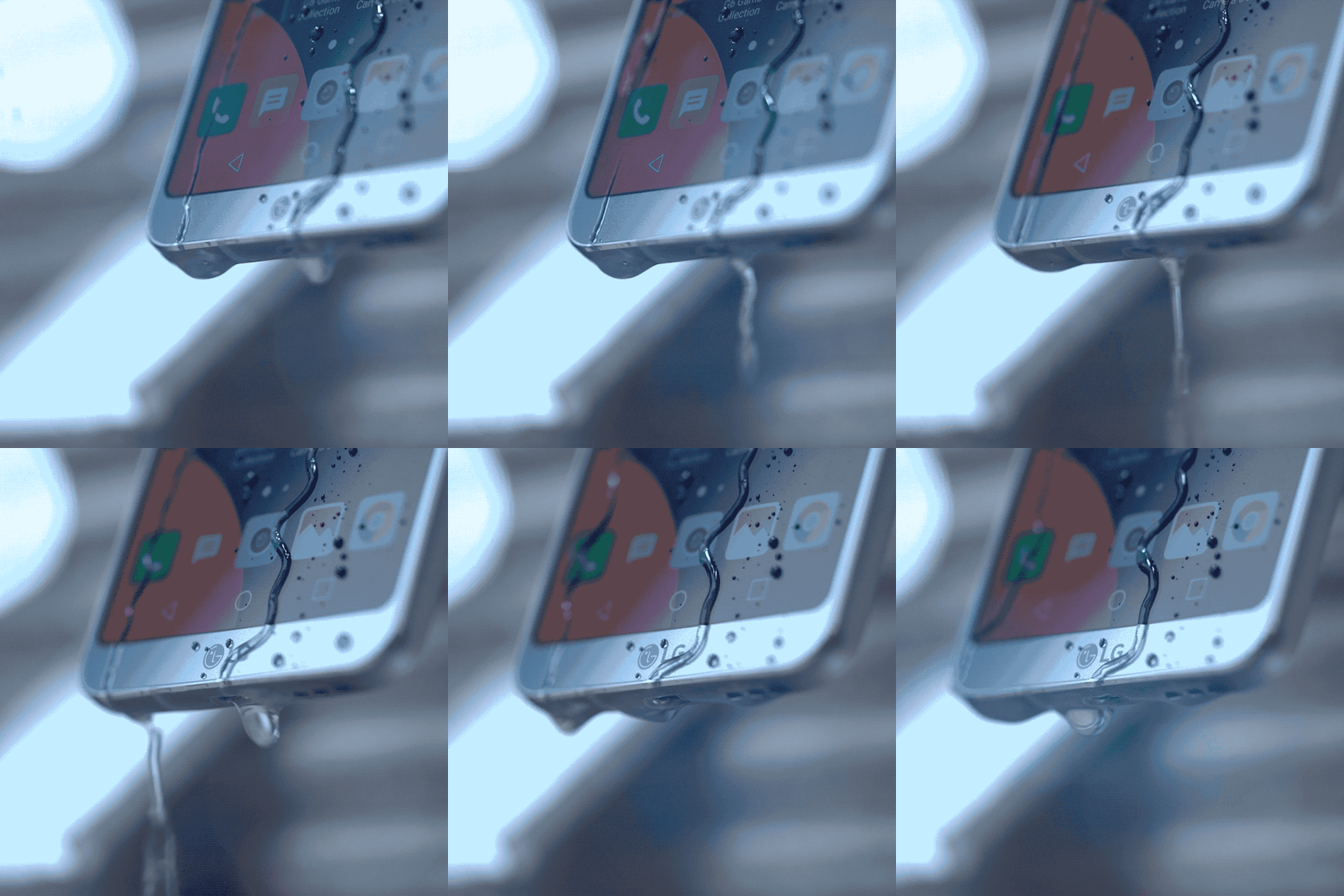
The International Electrotechnical Commission (IEC) gives out these ratings to manufacturers as a safety measure for production. It consists of two numbers that describe its protection against a vast number of objects, even human touch. The first number denotes a device’s protection against common solid objects and dust. Meanwhile, the second number denotes a device’s protection against liquids, even steam-jet liquids. The higher the number, the more protection it gets!
IP ratings are not just present in most recent smartphones. Things like electrical sockets, cameras, even phone cases come with IP ratings, as well.
The reason it exists
Manufacturers and consumers see an IP rating quite differently. Those two numbers ultimately stand for how well your device can stand against, well anything. For manufacturers, an IP rating basically gives them a standard to follow when producing more devices. Before shipping their latest smartphones, they subject their devices to numerous tests to validate their IP ratings.
Also, it gives a more concrete way of stating that their devices are resistant to such objects. When you come across smartphones that claim to be water resistant, oftentimes you tend to ask just how resistant it is. With manufacturers, the IP rating gives a more definitive measure to that claim. For example, a smartphone with an IP68 rating is heavily protected against dust, and you can submerge it in waters deeper than a meter — perfect for beach trips.

Las Cabanas Beach Resort, Maramegmeg Beach, El Nido
For consumers, the IP rating just provides a peace of mind when buying a new smartphone. It’s basically placed there to tell you that your phone can still be used even if you subject it to too much dust or water that’s too deep. You see this in most YouTube videos or channels that basically bend, scratch, and dunk phones in buckets of water. In the end, you won’t have to worry about destroying your phone that much when you go on that beach trip without a pouch.
Some manufacturers simply don’t need the rating
However, there are manufacturers that simply found the rating unnecessary or simply just a marketing tool. Companies like OnePlus even did an entire ad that showed off their new flagship devices, the OnePlus 7 and OnePlus 7 Pro without an IP rating. The whole issue sparked debates on whether or not IP ratings do make sense, or companies could simply do without them.
OnePlus argues that one reason their new smartphones don’t have an IP rating is because of the cost to get one. Even simply requesting for a phone for consideration costs a lot on the manufacturing side, which ultimately bumps up the phone’s price. Pete Lau, one of the co-founders of the company estimated the cost for getting an IP rating is at US$ 30. Of course, it is entirely up to the consumer’s view of its value to the overall product.
The other reason is because of the coverage of the device’s warranty, particularly towards water damage. OnePlus claims that even if smartphones have IP ratings that show how resistant they are to water, water damage isn’t fully covered by its warranty. This also furthers their argument on why they wouldn’t want to spend on getting one in the first place. An IP rating is not a legitimate reason for people to have their phones fixed for free after dunking them in buckets of water.
To them, it does not make sense to simply attach an IP rating onto a phone even as a marketing tool. It gives off the wrong impression that the device is waterproof when the rating basically leans towards phones being water resistant.
Do we really need to know the IP rating?
The IEC created IP ratings for everyone’s protection — from manufacturers to consumers. The whole purpose of having an IP rating is to provide a level of protection for anything electrical, smartphones included. It ensures the safety of everyone, but it’s not a way to bail anyone out when they dunk their phones in water.
While some may argue that it helps to know what your device’s IP rating is for better care, others just see it as a marketing ploy. It only seeks to sell a device perceived to be waterproof according to a standard. However, IP ratings were not meant to waterproof your phone by any means. It’s there to tell you that your phone can handle water, just possibly not too much.
At the end of the day, we have to ask ourselves whether we truly see the value in having these IP ratings. Whether or not your preferred device has an IP rating, just remember: it’s not a reason for you to exploit your phone.





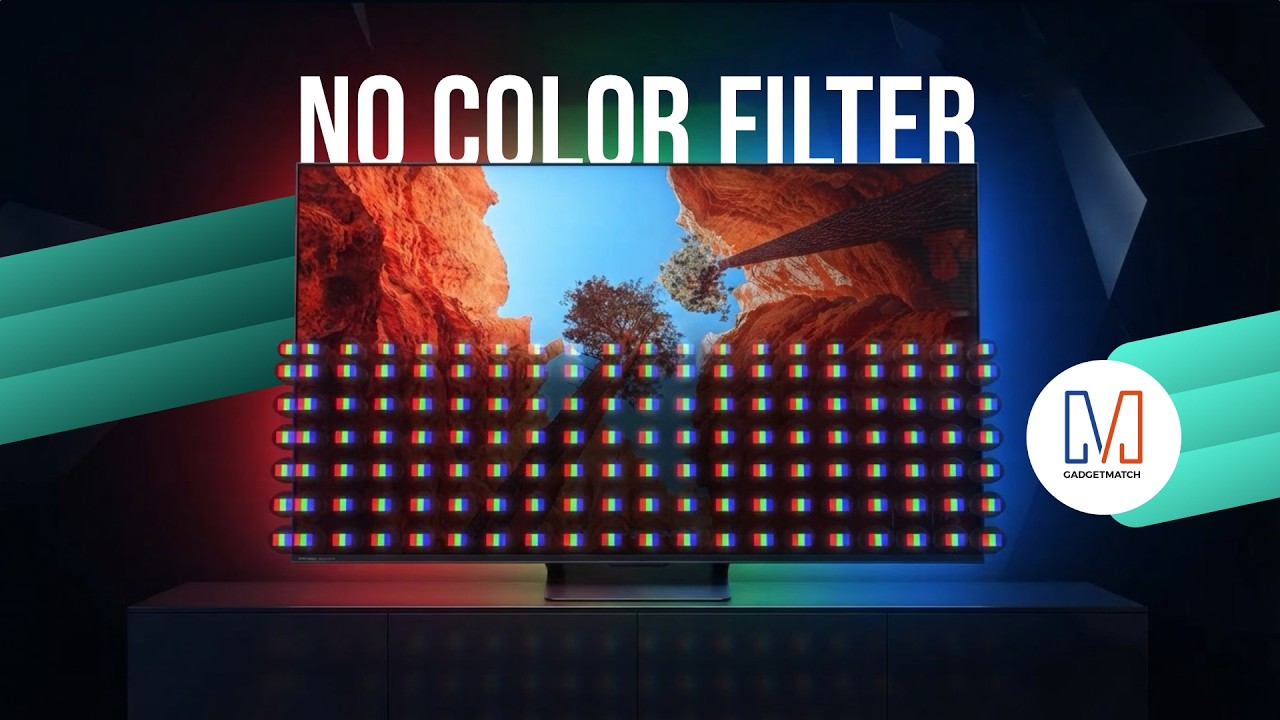
TV technology is changing in a way you can’t see. And it starts with how color itself is made.
Hisense’s new RGB MiniLED technology could change the way we see TVs.
Here’s our spotlight on their latest Hisense UR8 offering.
Check out the Hisense UR8 TV: https://bit.ly/4cxo6xl
Explainers
Everyone’s angry at PlayStation’s new no-disc policy, and this is why
It’s a tragedy for nostalgia, ownership, and preservation.

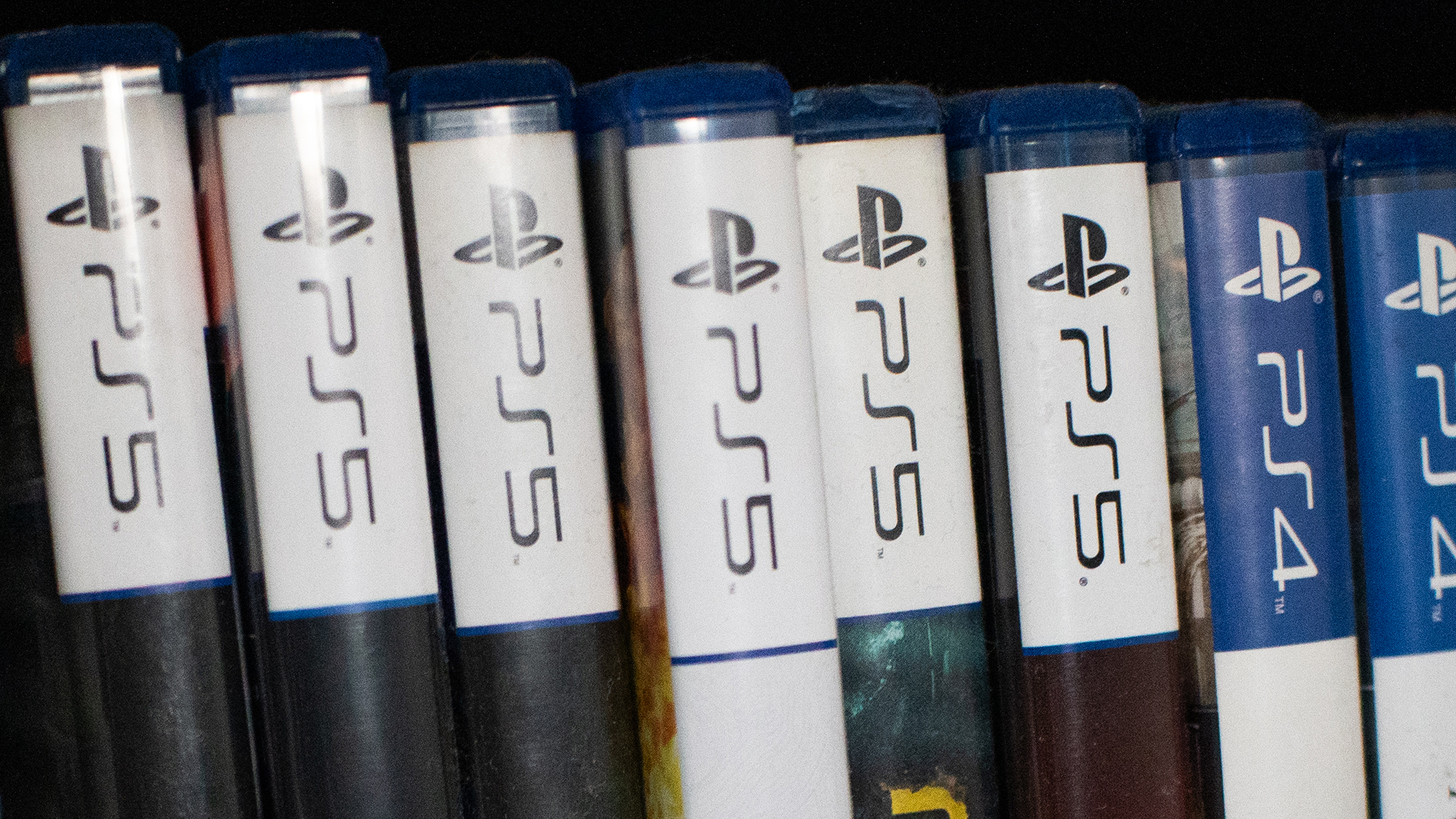
Check in with your gamer friends today. Today, a lot of gamers are up in arms over Sony’s decision to kill the physical game disc starting in 2028. But, if you’re a digital-only gamer or just not a gamer yourself, you might not understand the anger. If you want to understand the ire or just want to relate with your gamer friends, here’s a primer for you.
Ending the era of the physical media
Last year, Nintendo launched the Switch 2. Though the console still has a slot for physical cartridges, the Switch 2 also introduced the Virtual Game Card as a way to digitize your library of games.
Of course, the feature wasn’t positioned as a way to eliminate physical cartridges. In fact, Nintendo just wanted to add the flexibility of physical cartridges to the digital world. In the end, the feature strangely coincided with less cartridges. For example, Pokémon Pokopia, one of the most popular games this year, does not come with a cartridge even if you buy a “physical” copy in a brick-and-mortar store. It was a portent of things to come.
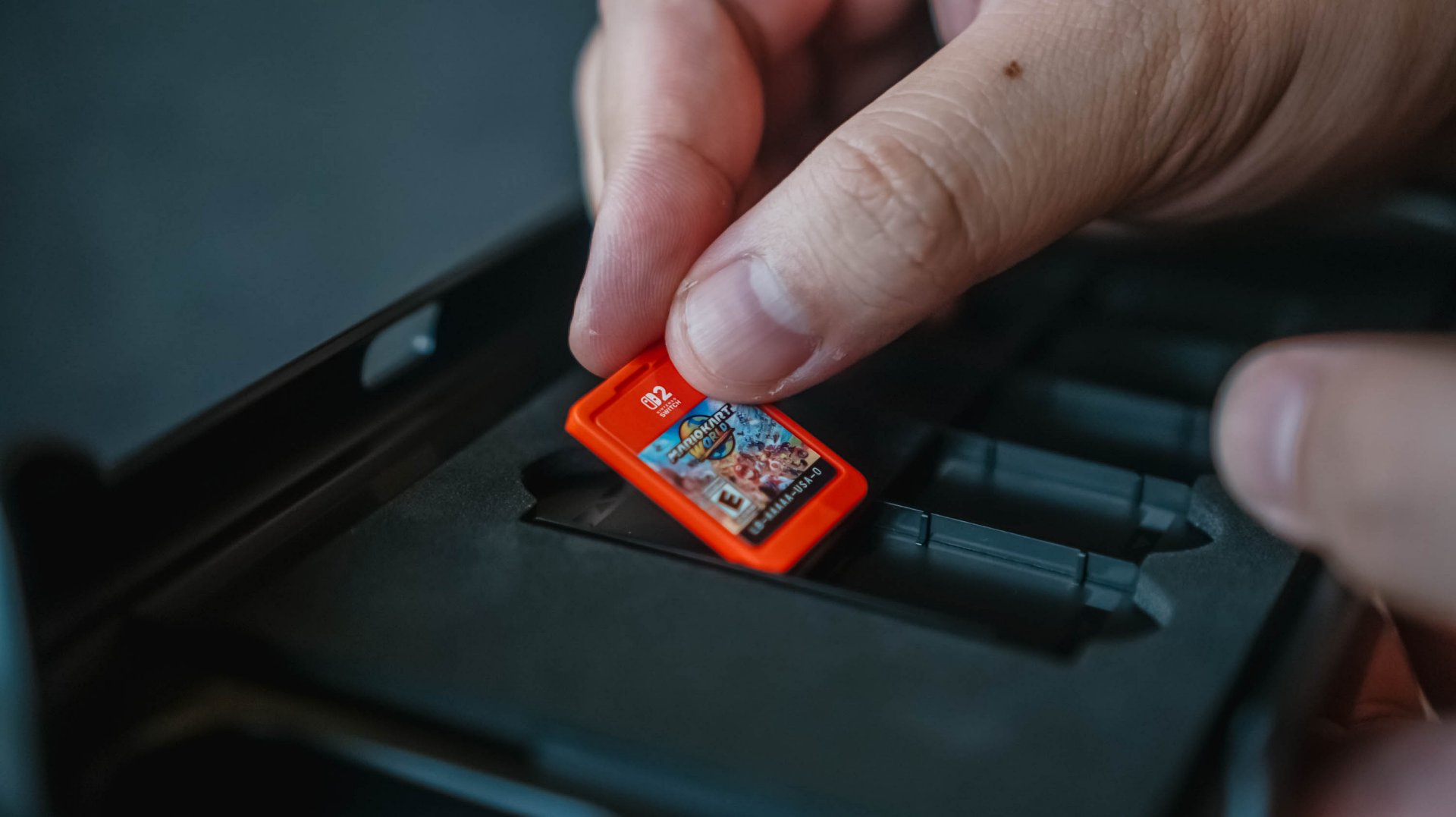
Fast forward to today, Sony has made the monumental decision to stop producing physical game discs starting in 2028. The PlayStation’s future is completely digital.
On a similar note, Microsoft is also experimenting with a disc-to-digital feature. Much like the Nintendo Virtual Game Card, the experiment will digitize libraries and attaches the digital copy to the physical game disc. It sounds awfully like a prelude to killing off the game disc.
Why this matters
The physical disc is synonymous with a simpler time. It represents a time when gamers camped out stores to anticipate midnight releases, when gamers can learn more about their games through an in-box manual, and when gamers can show off their fandom through a beautifully stocked shelf of games.
And yes, that’s part of why this situation sucks, but it’s not the only reason.
If you’re an outsider looking in, this nostalgia factor is the easiest to see. Then again, it’s also the most difficult to relate with, especially if you’ve never had the history of buying physical games.
The more crucial reason — and the one that most people will relate with — is media ownership. By not having a physical copy, you will no longer have ownership of what you bought digitally.
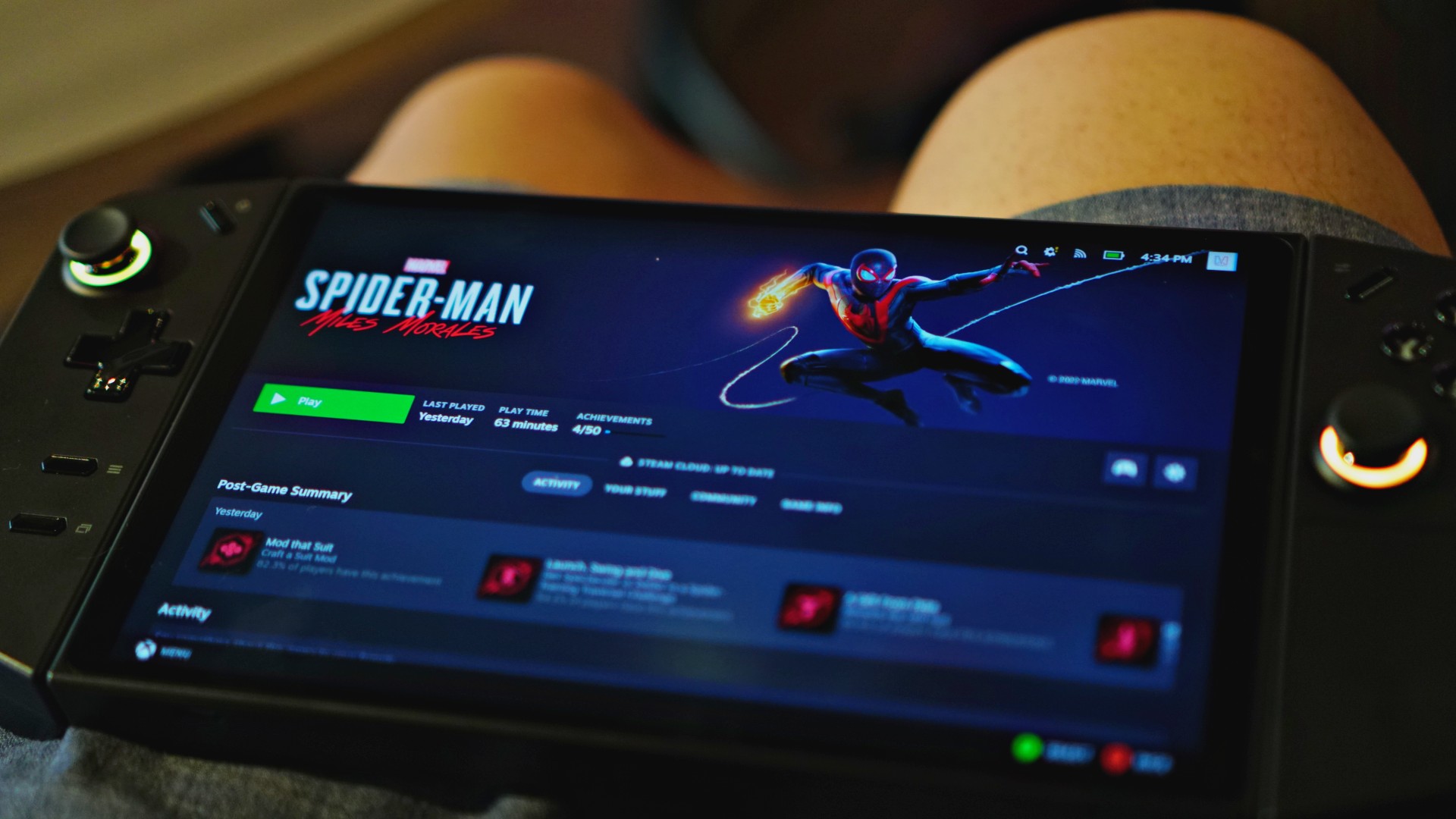
And it’s not an imaginary issue. In 2024, Steam amended its policies to reflect that players do not own the games they buy. Rather, they simply own a license to play the game.
In the same year, Ubisoft delisted The Crew, a sure sign that the new policy means business. Though Steam itself has a relatively good track record of prioritizing its customers, publishers and developers can get rid of games if they choose to.
That limitation doesn’t exist with a physical copy. As long as you have a working disc drive, you can install a game whenever you want, even if the publisher decides to pull it from stores.
Therein lies how much this is a touchy topic. Should you own digital goods in the same way as you own physical ones? If the answer is yes, then selling only the license for the good doesn’t make sense. But if it’s a no, we shouldn’t pay full price for something we don’t own anyway.
Will PlayStation actually delete games?
Now, just because they can, does it mean that they will?
Right now, it’s hard to say. You can certainly go by the optimistic hope that PlayStation would never do something as anti-consumer as that. And yes, there are times when you’d be right.
Plus, there is a good chance that governments, especially those in the European Union, will protect consumers if PlayStation even thinks about deleting a game that others have paid for. Governments have been known to intervene in the past, such as when the EU forced Apple to adopt USB-C as a standard. There are checks and balances available.

Then again, Sony has had recent history of deleting media from a user’s library.
Only a few days ago, PlayStation made headlines for deleting over 500 titles from their library. Starting September 1, users can no longer access movies distributed by Studio Canal, due to licensing agreements. Sony was unapologetic about unceremoniously deleting this content. No refunds, no apologies; just 500 movies, which you thought you bought, gone for good.
No matter how you angle it, Sony’s recent decisions just don’t bode well for media ownership.
You can argue that this is the price we’re paying for not buying enough physical games. Still, losing PlayStation discs, even as an option, is tragic for nostalgia, ownership, and preservation.
The world we live in
Unfortunately, this all comes with precedent. Unless you buy physical games and movies, we already don’t own anything in today’s world.
Outside games, Netflix and Disney+ remove the ownership of movies and shows from us. It’s already common practice for these platforms to remove titles regularly. Some platforms even give you a last chance to catch these titles before they go away. Moreover, they can even restrict access, like with Disney+, if you travel abroad.
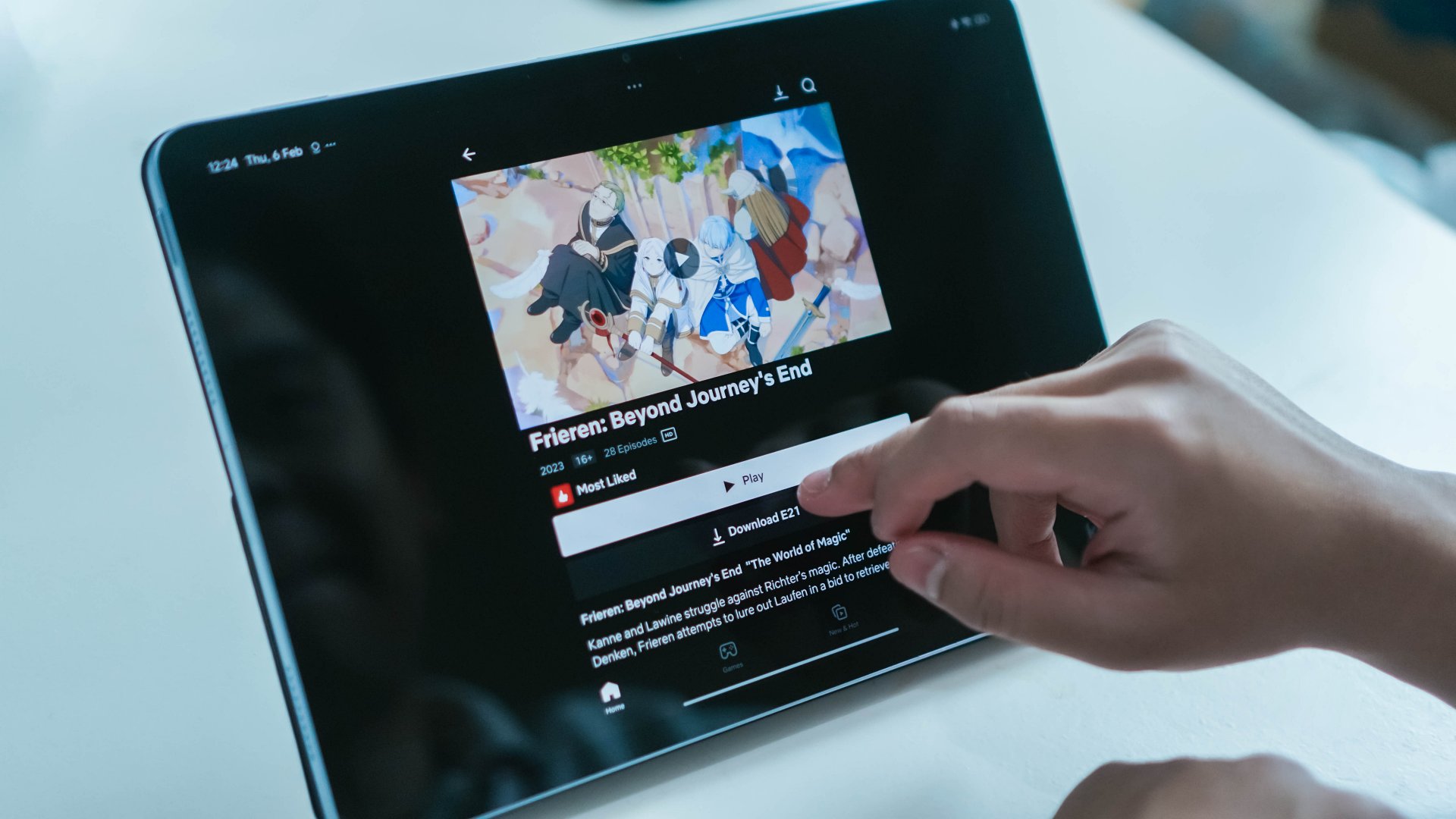
In exchange for convenience, subscription services and digital storefronts have made it all too comfortable to not own media. With a rental service like Netflix, that’s all expected, but we’re now at the inevitable stage when even bought games and movies are at the behest of our corporate overlords.
This is where the fury comes from. Companies are getting more brazen about taking more options from us. Between this and the increasing prices of RAM, it’s getting harder and harder to live as a tech-savvy citizen in today’s age.
Computers
Samsung’s SECRET That Made OLED Even Better
Say hello to the new QD-OLED Penta Tandem display tech by the Korean giant

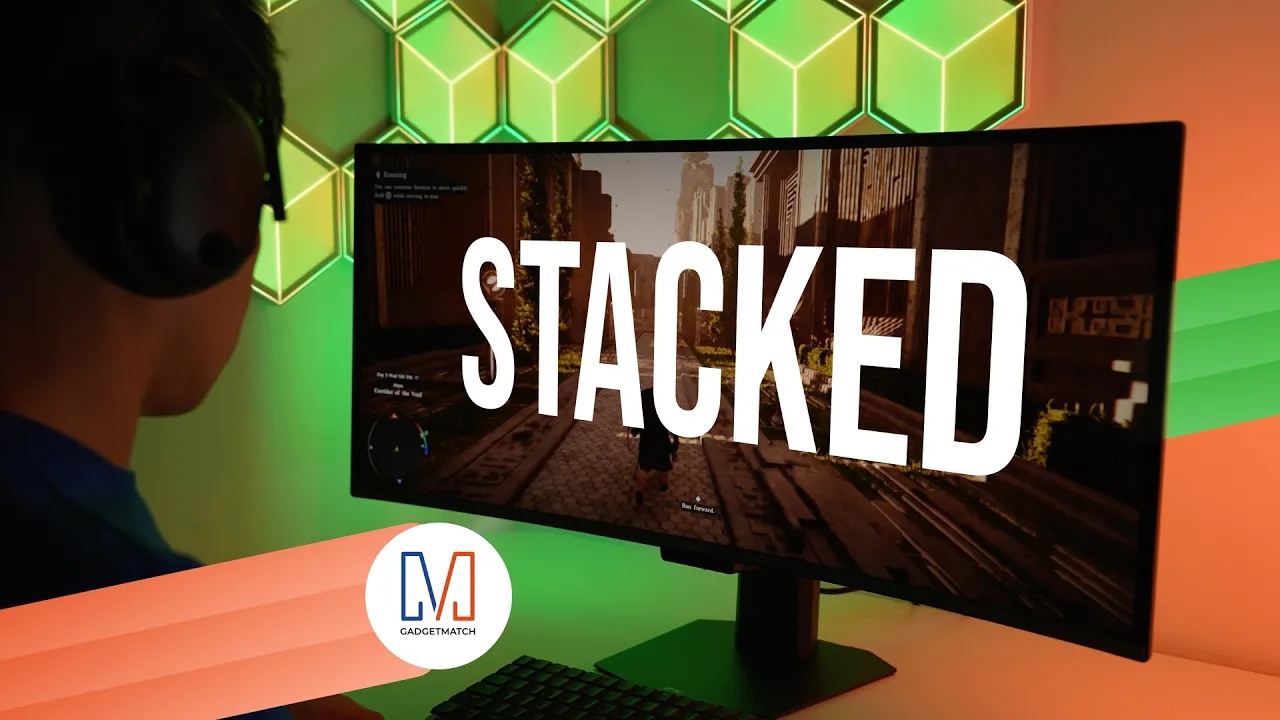
Samsung Display just unveiled QD-OLED Penta Tandem technology. This is a next-generation display structure that stacks five emission layers to improve brightness, efficiency, and overall OLED performance.
In this video, we simplify what Penta Tandem actually is, how it works, and show you two monitors that already have the technology — specifically from MSI and Dell.
For more details, check out Samsung Display here.


DJI Lito X1 review: Is this the best lightweight drone for creators?
Making a strong case as a travel companion and a capable B-cam!


REDMI Note 17 Pro Max review: A new breed born from AI greed
Welcome to the new normal


Marvel’s Wolverine review: When the claws come out
A brutal, cinematic superhero adventure

MediaTek launches the Dimensity 9600 Pro

Qualcomm unveils the Snapdragon 8 Elite Gen 6 series

OPPO Find X10 Pro Max is the first phone with a triple 200MP camera system

70mai launches the A900 series with 4K front, rear recording

Dune: Awakening makes it way to the PS5 and Xbox Series X

realme 16T 5G with 8000mAh battery, IP69 Pro rating launches in PH

HUAWEI Pura X View is 2026’s first WIDE slab-type smartphone

REDMI reveals the refreshed Note 17 and Note 17 Pro series

REDMI Note 17 Series: Price, availability in Singapore

The CAMON Slim 5G is TECNO’s latest ultra-slim smartphone


-
 News2 weeks ago
iPhone 18 Pro series: Price, availability in the Philippines
-
 Singapore2 weeks ago
iPhone 18 Pro series: Price, availability in Singapore
-
 News2 weeks ago
iPhone Duo: Price, availability in the Philippines
-
 News2 weeks ago
iPhone Duo: Price, availability in Singapore
-

 Accessories2 weeks ago
CASETiFY upgrades iPhone 18 cases, teases iPhone Duo lineup
-

 News2 weeks ago
HONOR teases Magic9 Pro Max at Venice
-
 Hands-On1 week ago
Apple iPhone 18 Pro Series Hands-on
-
Gaming2 weeks ago
Marvel’s Wolverine review: When the claws come out