

Gaming
Lenovo Legion Phone Duel 2 review: A mini content machine
A little bit of something for all types of gamers and creators

Mobile gaming is a thing of the present, and everybody wants in on it. Even with people opting to build PCs, a good mobile gaming device becomes part of the setup. It’s a platform that almost everybody in the world shares, and the device of choice is easily accessible too!
For Lenovo, playing games at a high level requires a device that will keep up with that. Apart from being an all-around device for everyday use, this particular smartphone should enhance your grind to Mythic or Conqueror. Not only that, this should also let you share your journey with your friends, and possibly the entire world.
This is what the Lenovo Legion Phone Duel 2 hopes to achieve, as the second iteration of the company’s flagship gaming smartphone. It seeks to provide mobile gamers a total package not just for gaming, but for content creation, as well. In essence, what you’re supposedly getting is a content machine on-the-go. Well, at least that’s what I initially thought.
What you’re getting in this black box
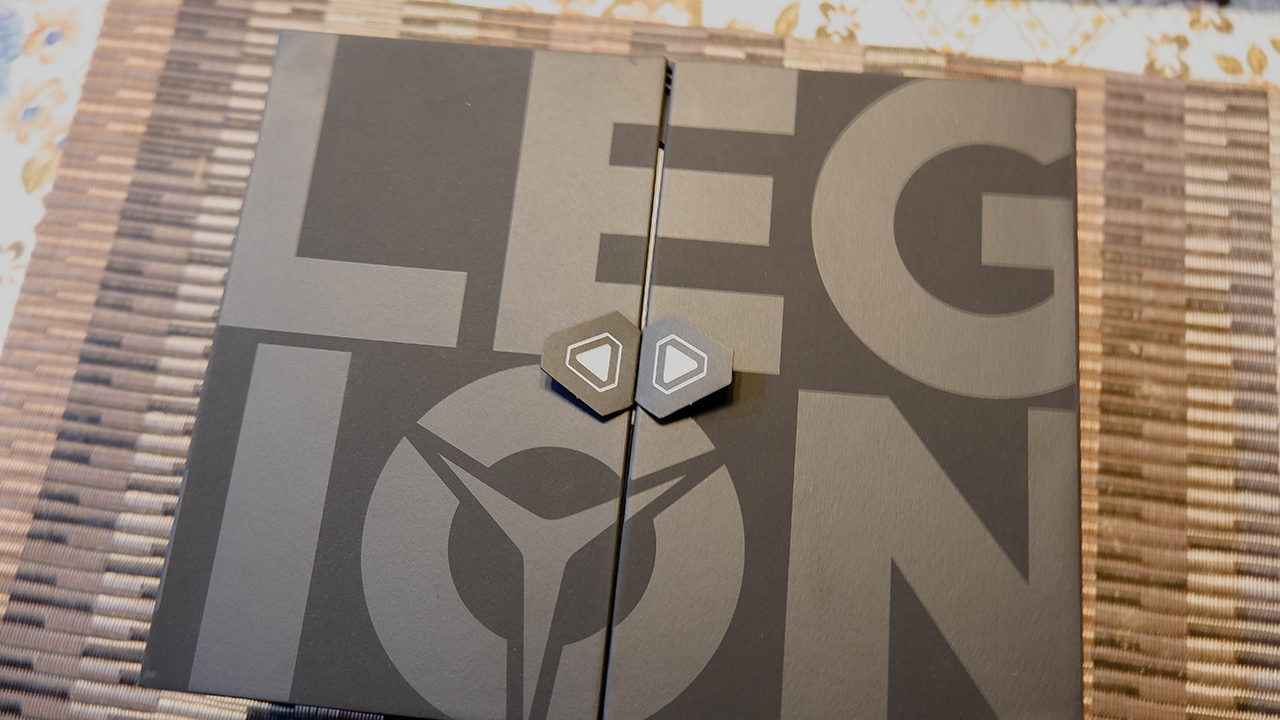
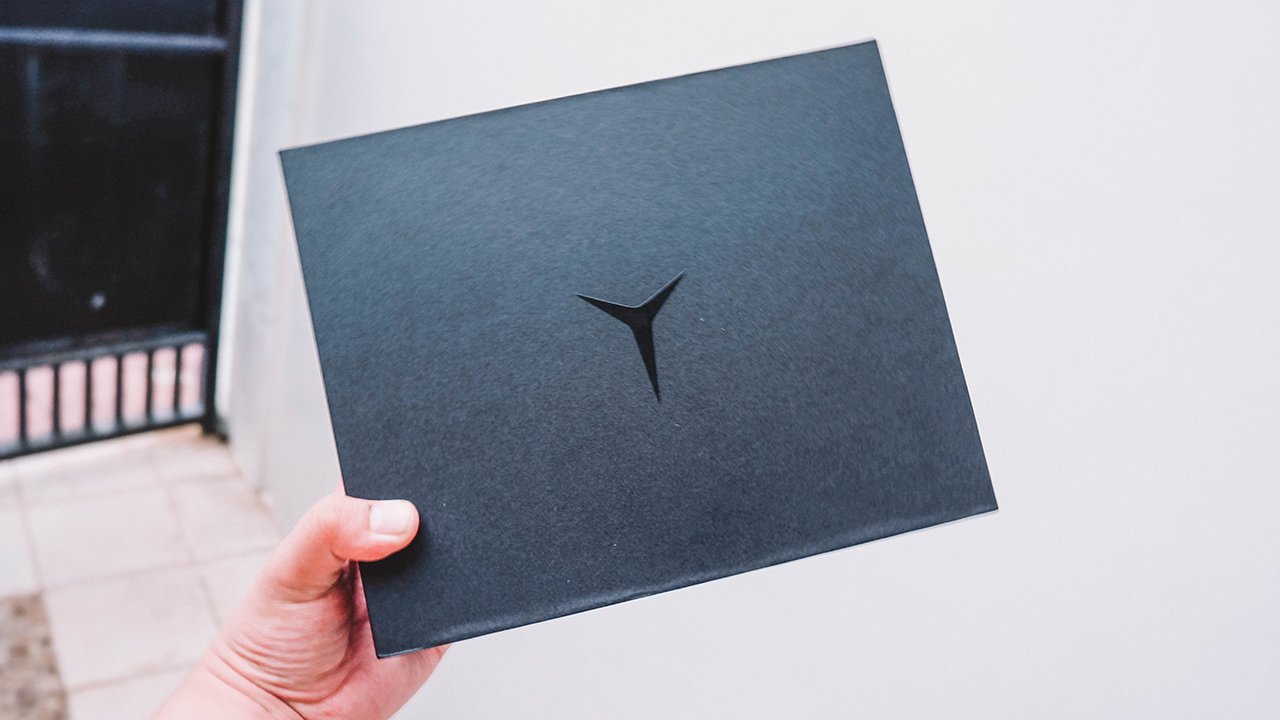
Before we get into the thick of things, let’s first discuss this black box. At first, I thought I was getting a 10-inch gaming laptop with the packaging they provided. It goes for subtlety, with the Legion logo on the top and lettering at the sides telling you exactly what you’re getting.
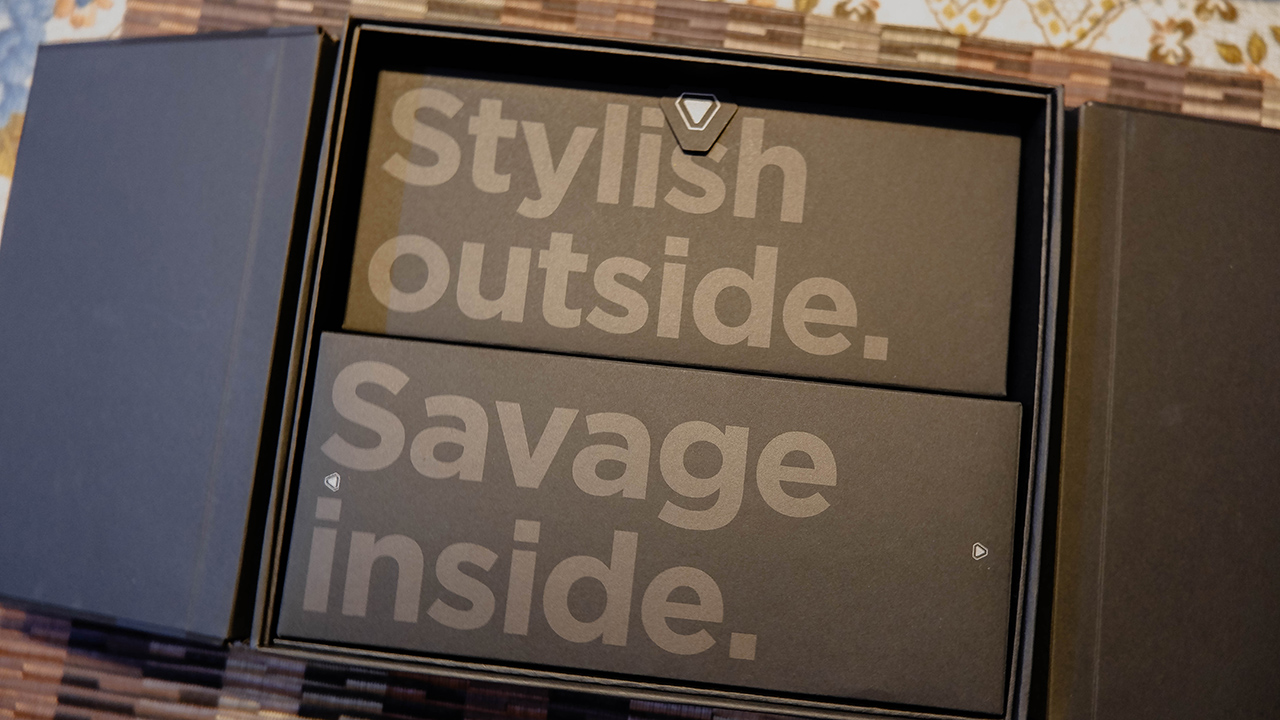
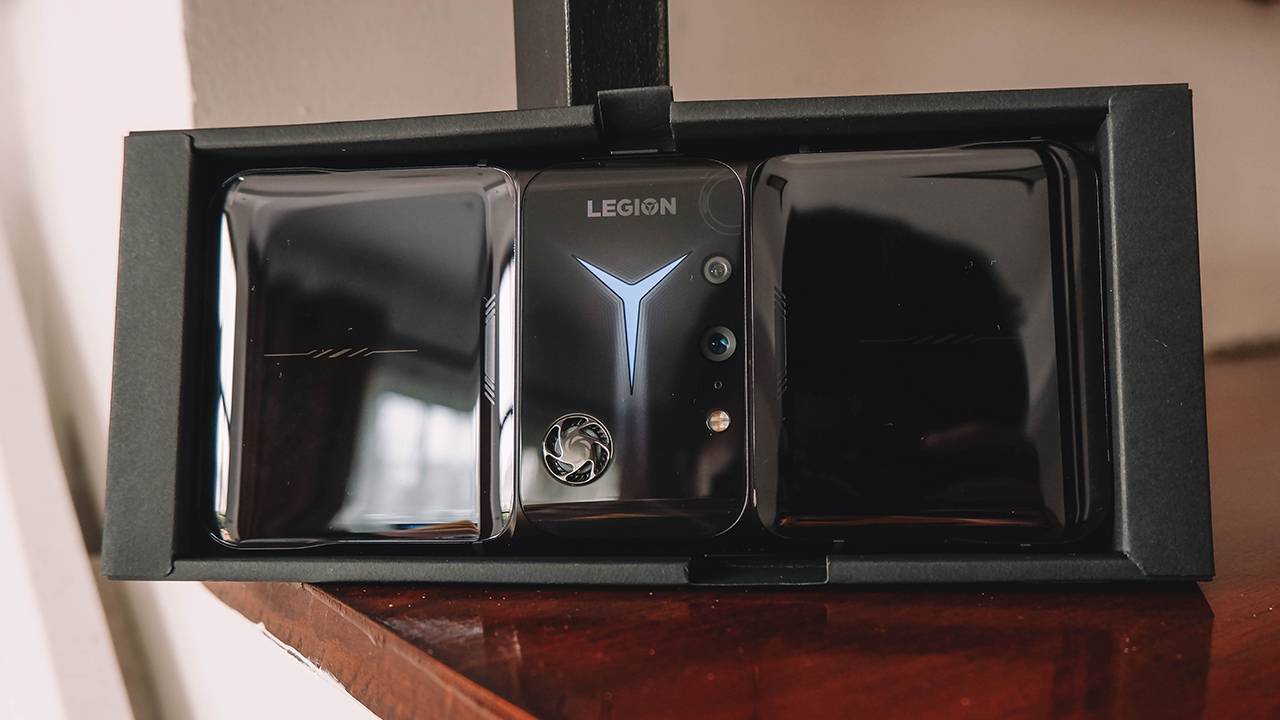
Inside the black box, you are greeted by the Legion Phone Duel 2 itself, with some choice words for you. These four words, “Stylish Outside. Savage Inside,” concisely get the message across, while also plastered on smaller compartments.
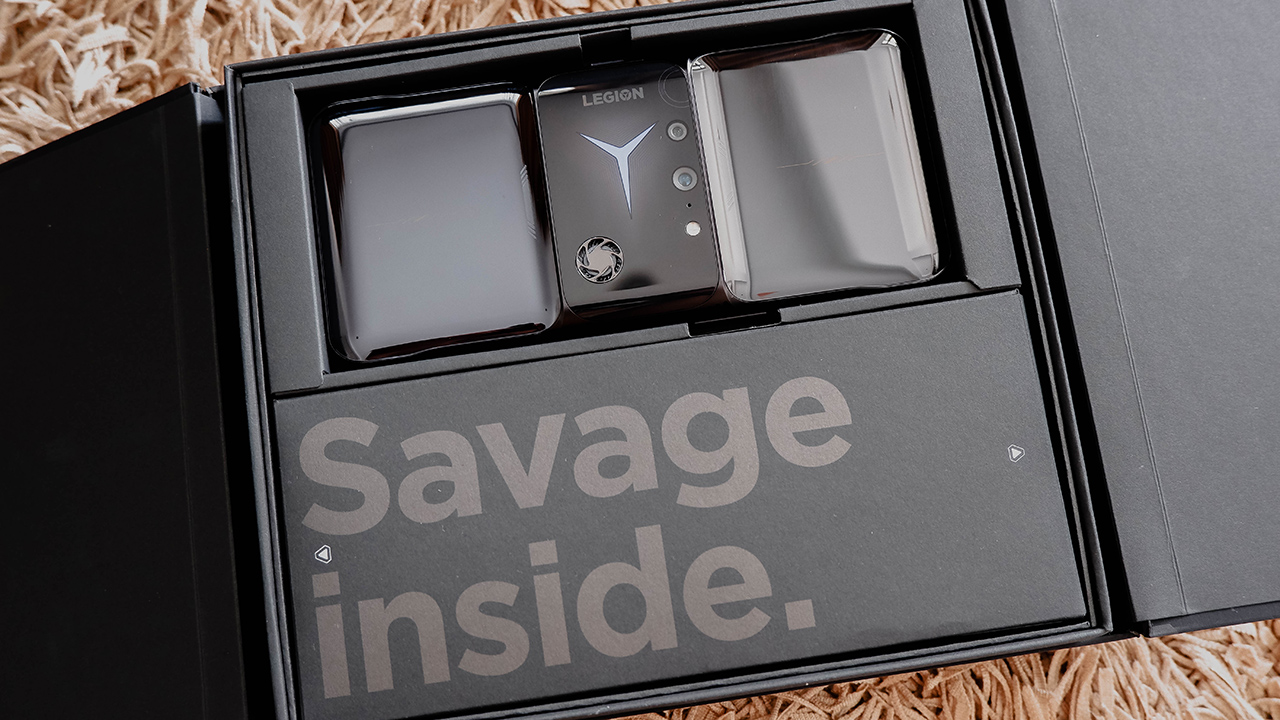
Now, my review unit came in the Ultimate Black colorway, but it also comes in Titanium White.
Along with the unit, you also get a 90W dual USB-C, fast-charging charger, a hard plastic phone case, a USB-C to 3.5mm headphone dongle, and a customized SIM ejector pin.

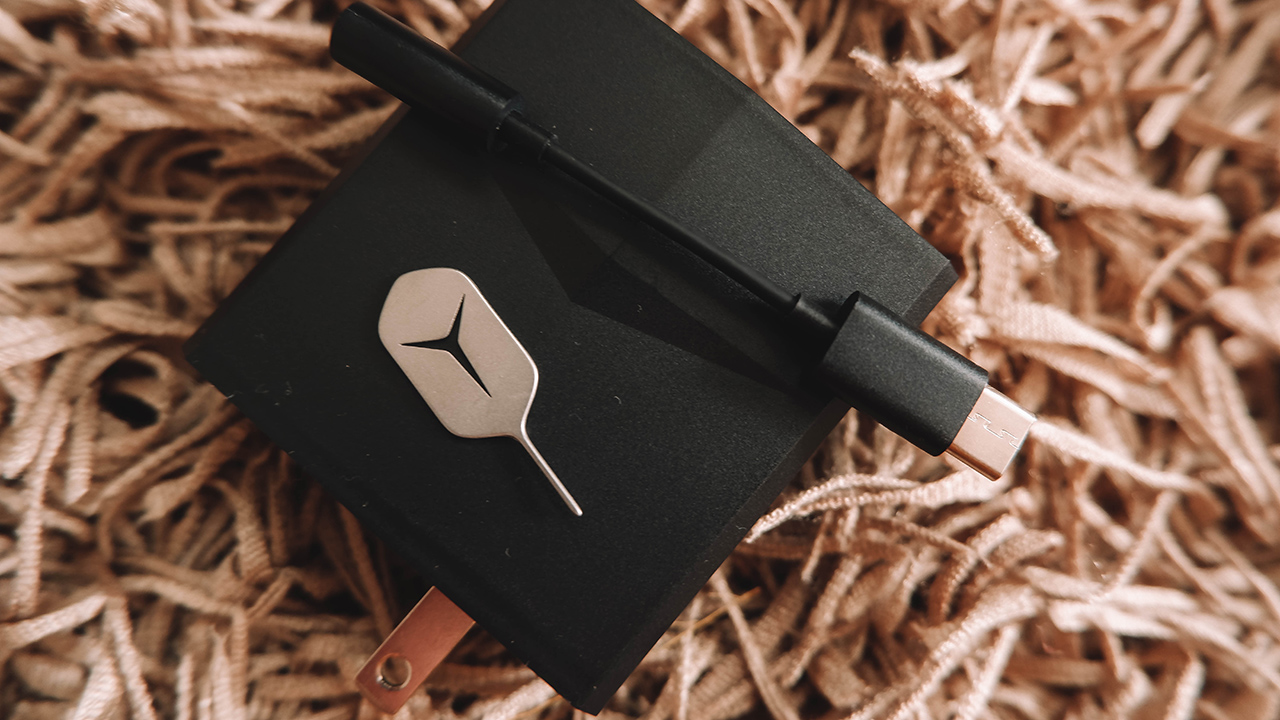
Honestly, this feels like a complete package for any gaming smartphone, and I didn’t mind that they didn’t have any over-the-top gimmicks.
A dedicated gaming machine in your pocket
Here’s the burning question on everyone’s minds: is the Lenovo Legion Phone Duel 2 one of the best gaming smartphones out there? My initial yet rather short answer to this was a definite yes, and the gaming performance backs this up quite well. Generally speaking, this device will literally play any game you throw at it.
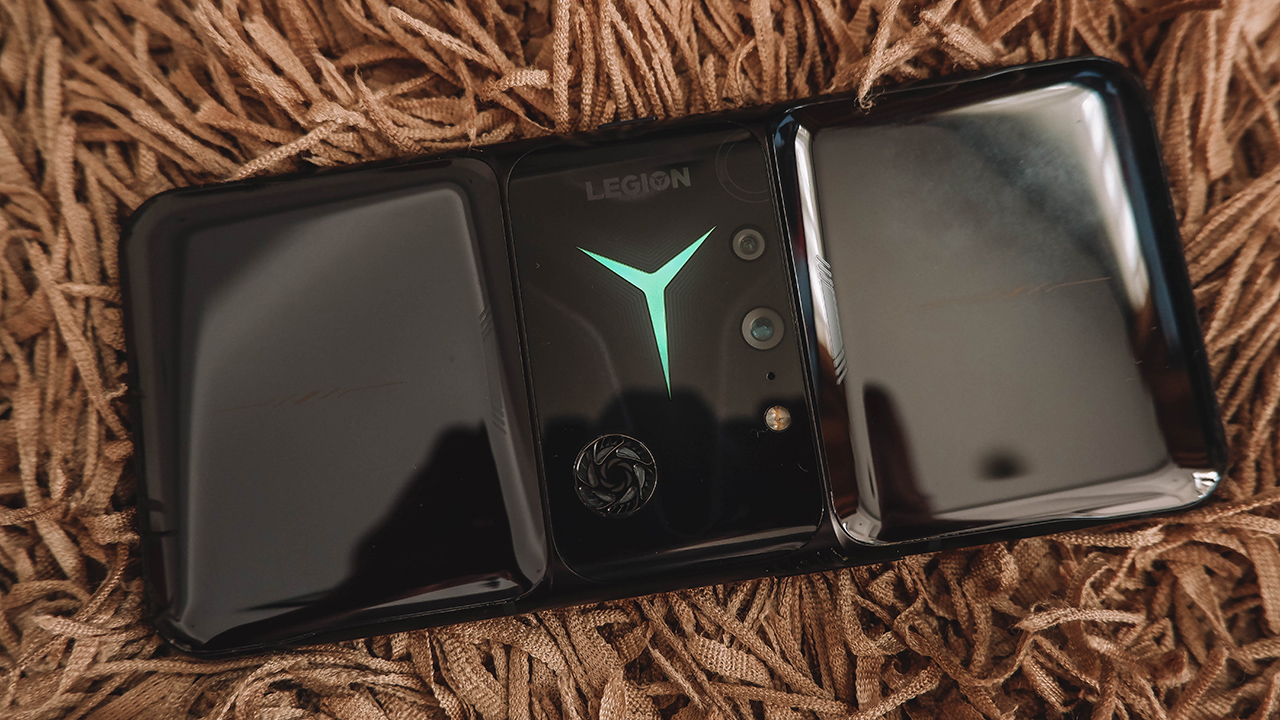
The components responsible for giving the Legion Phone Duel 2 its gaming power are the Snapdragon 888 CPU and the Adreno 660 mobile GPU inside. In essence, these two components allow you to maximize your gaming performance, and play at roughly higher frame rates for games that support it.
Also, you could activate this thing called Rampage Mode, which allows you to increase CPU usage to boost performance. This is great and all, but the obvious trade offs include higher temperatures and using more battery. Nonetheless, you will only have access to this by using the Legion Realm swipe-down menu.
Does the Legion Realm app aid the experience?
Speaking of, the Legion Realm app comes pre-installed when you set up the phone for the first time. What you’re getting out of it is just a one-stop shop for all the games that Lenovo recommends, based on the features of the Legion Phone Duel 2. Also, you have access to performance optimization options to boost gameplay and connectivity.

Apart from these, the Legion Realm app also allows you to customize the RGB lighting on the logo at the back of the phone. Whether you’re playing games, charging your device, or listening to music, there are lighting options dedicated for all of them. It even allows you to edit what features you want the swipe-down menu to include.

However, the app doesn’t do individual game optimizations, which was a bummer for me. I would have loved to have unique settings per game, instead of assigning a default configuration for all of them. Other than this, the Legion Realm app improves the gaming experience just a little bit.
Best suited for the shooters of all kinds
I mentioned before that the Legion Phone Duel 2 will play any game you throw at it, but I want to take it one step further. See, this phone comes with all sorts of features that simply throwing any game won’t allow you to maximize it as much as intended. To make the most out of what the Legion Phone Duel 2 offers, try playing shooter and sports games on it.
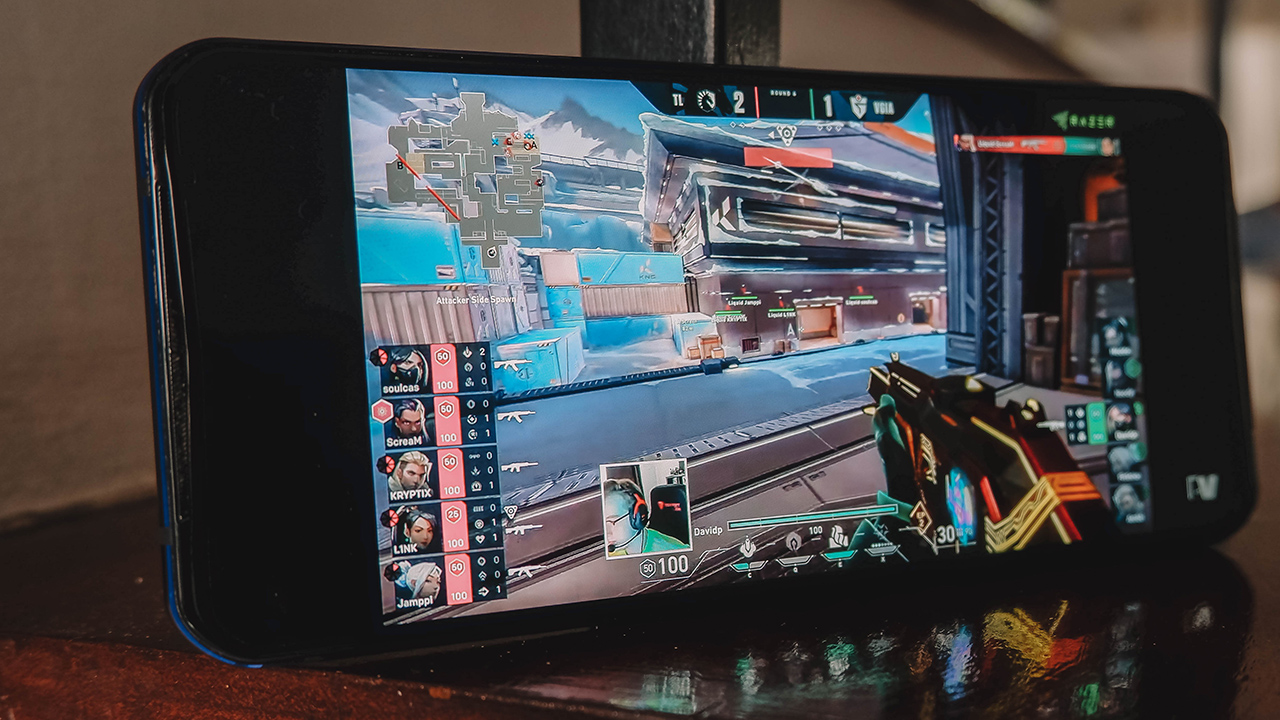
One key feature of the Legion Phone Duel 2 is the Octa-Triggers, which essentially act as trigger buttons on a controller. As the feature suggests, you have up to eight programmable air triggers that you can assign to in-game controls of your choice. Although, in my experience using them, you might have to apply a little bit of force for them to trigger properly.
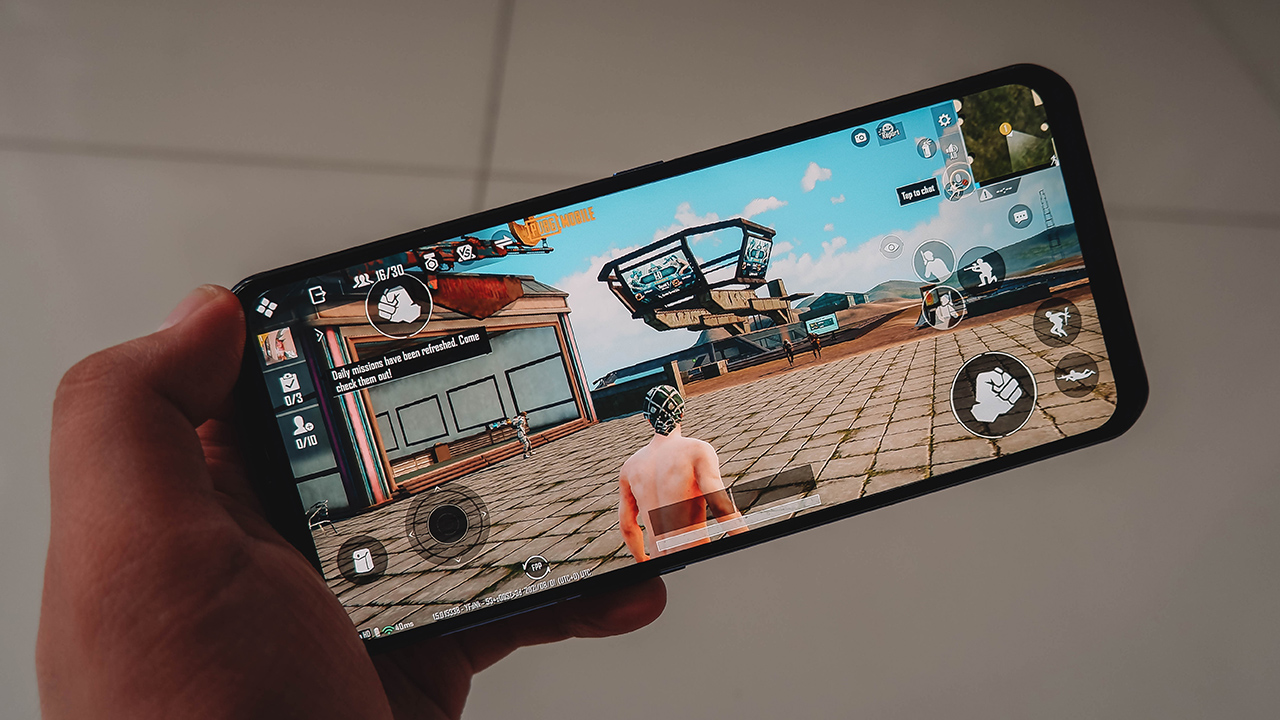
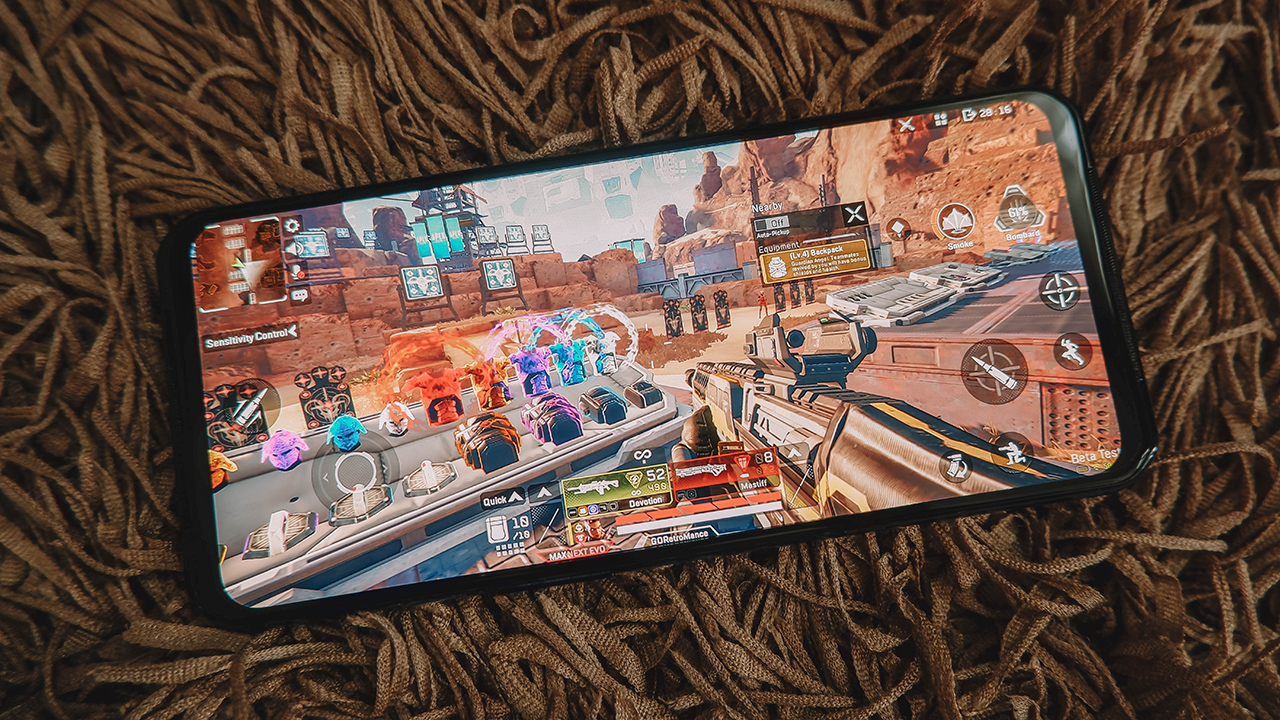
When you’re able to trigger them properly, shooter games like PUBG Mobile, Call of Duty Mobile, and even the recently released Apex Legends Mobile feel different. Also, I would argue that some sports games like NBA 2K are somewhat easier to play with them. Obviously, using these triggers takes some time to get used to, especially if you’re used to touch controls.
If it ain’t broke, stick to the touch
If the triggers aren’t your thing, that’s alright because even the touch controls in most games work well with the Legion Phone Duel 2. Now, the device rocks a 6.92-inch AMOLED display with a maximum of a 144Hz refresh rate. Naturally, I would assume that a higher refresh rate allows you to react to things a lot faster, especially with touch controls.
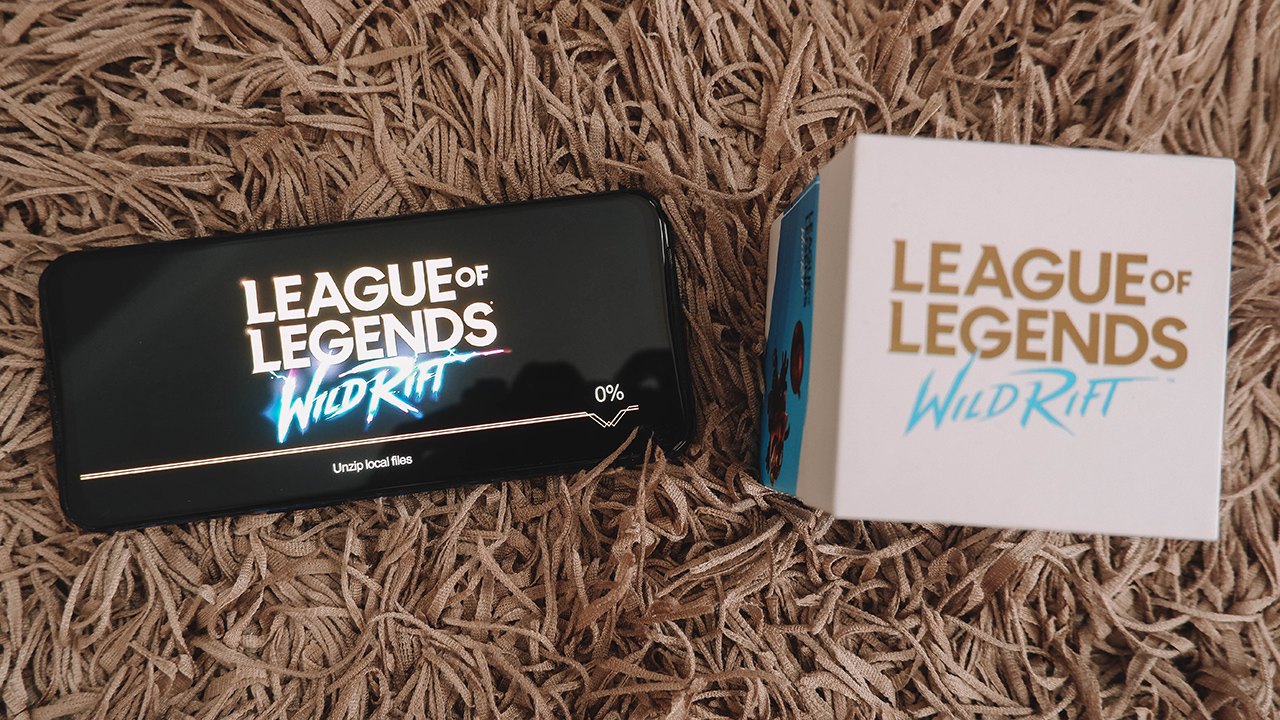
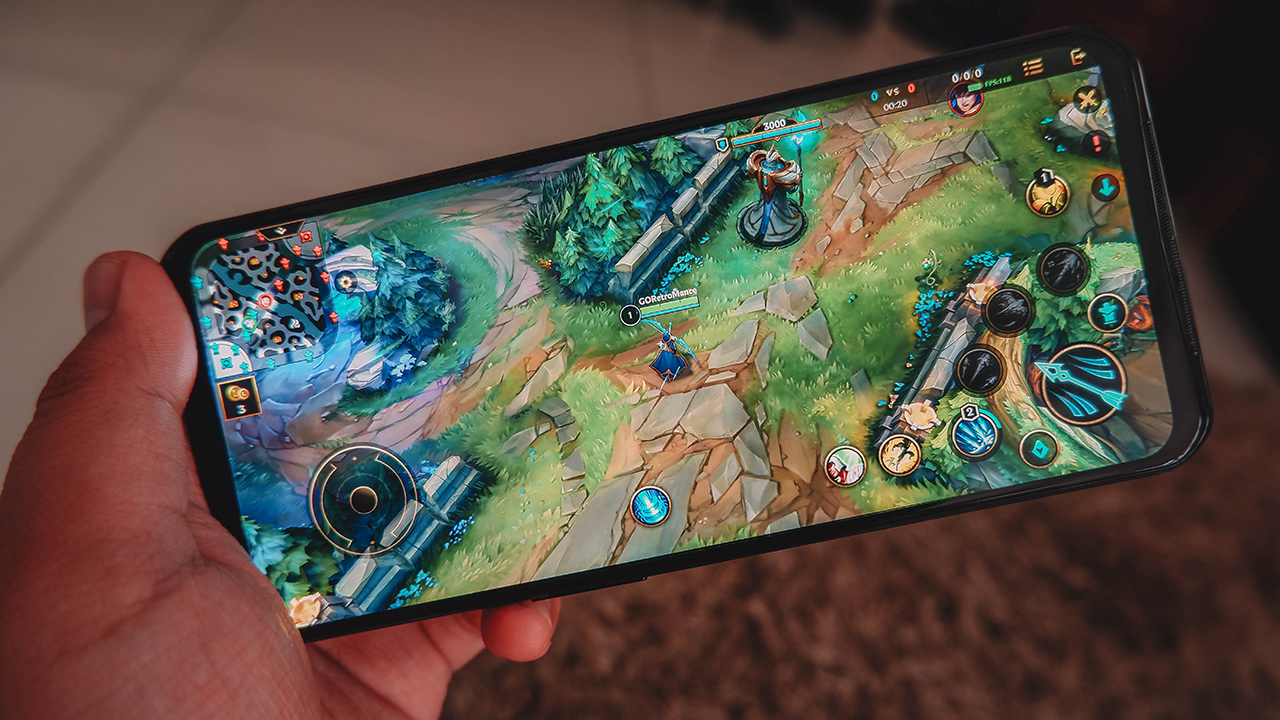
For the most part, this was the case for the games I felt are better off with touch controls. Whether it’s an MMORPG like League of Legends: Wild Rift or music games like SUPERSTAR, this device caters to all of them. If anything, you could play these games at frame rates that match the refresh rate of the display.
Hot like the rest of them
The thing is, like most smartphones, they get warm when you play for too long. In my usage, the phone shoots up in temperature around the area where the logo is pretty quickly. For instance, I immediately felt the warmth of the phone after one Apex Legends match, which took about 25-27 minutes.

Again, this is a necessary trade off for maximizing game performance, regardless of what refresh rate you’re playing on. This is especially true when you consider turning Rampage mode on, since it will put the CPU on overdrive and start pumping more performance. Even with the little fan near the logo, it still doesn’t stop this machine from being warm while playing.
Unfortunately, Lenovo doesn’t even provide you with any cooling accessory to subdue the heat. If anything, the hard plastic case that came with the phone helped out only little bit — especially near the area where your hands are. Honestly, I wished they took the opportunity to provide one.
For everything else, this phone is just overkill

Let’s say after a hard day’s worth of playing, you just want to relax a little bit through social media or watching videos. Well, the Legion Phone Duel 2 will handle all of those with relative ease. In fact, I feel that this phone is just total overkill for everything non-gaming related, that you don’t even need to use all of its power for these use cases.

Another aspect I wanted to highlight was how great it blasts sounds straight from the speakers. To be fair, these are Dolby Atmos speakers found on each end of the phone, and they’re pretty great for binge-watching videos on YouTube and Netflix. Even while playing games, the speakers are loud, but they still don’t allow you to hear footsteps as well as earphones would.
For once, the cameras were done a’ight
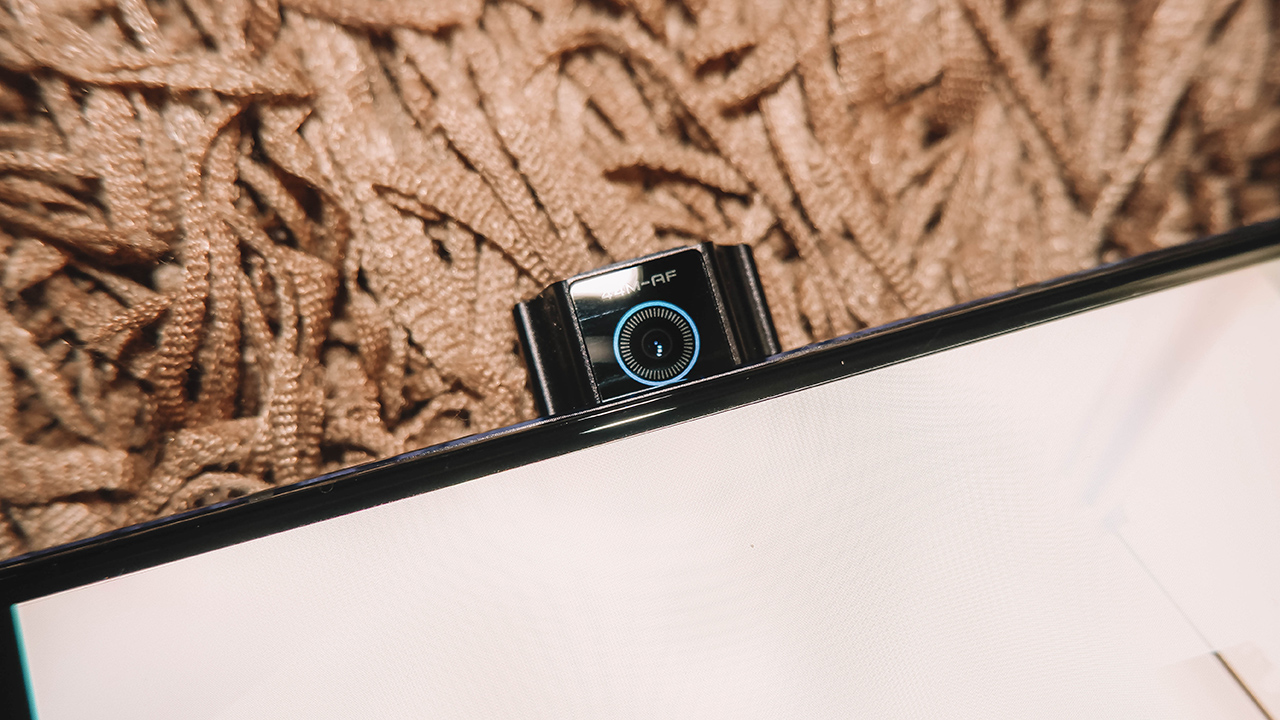
In terms of the camera situation, the Legion Phone Duel 2 comes with a rather improved setup for the front and back. For the rear cameras, it still comes with a 64MP main sensor and a 16MP wide-angle sensor, and it’s still placed beside the Legion logo. Meanwhile, the front camera now comes with a 44MP single lens hidden underneath the power button.
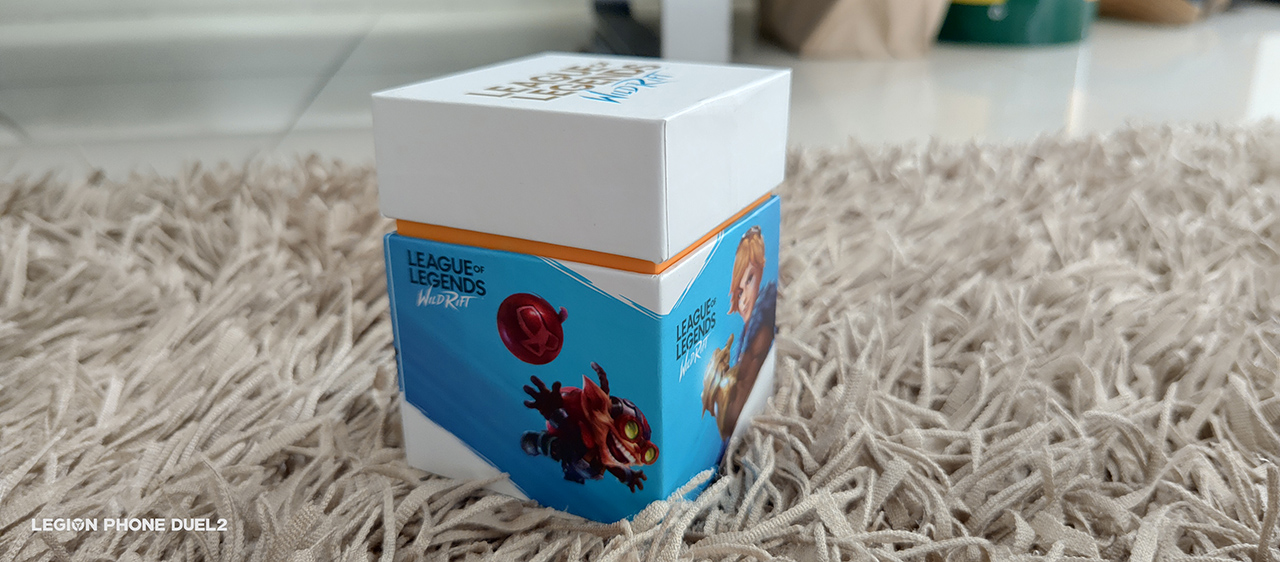

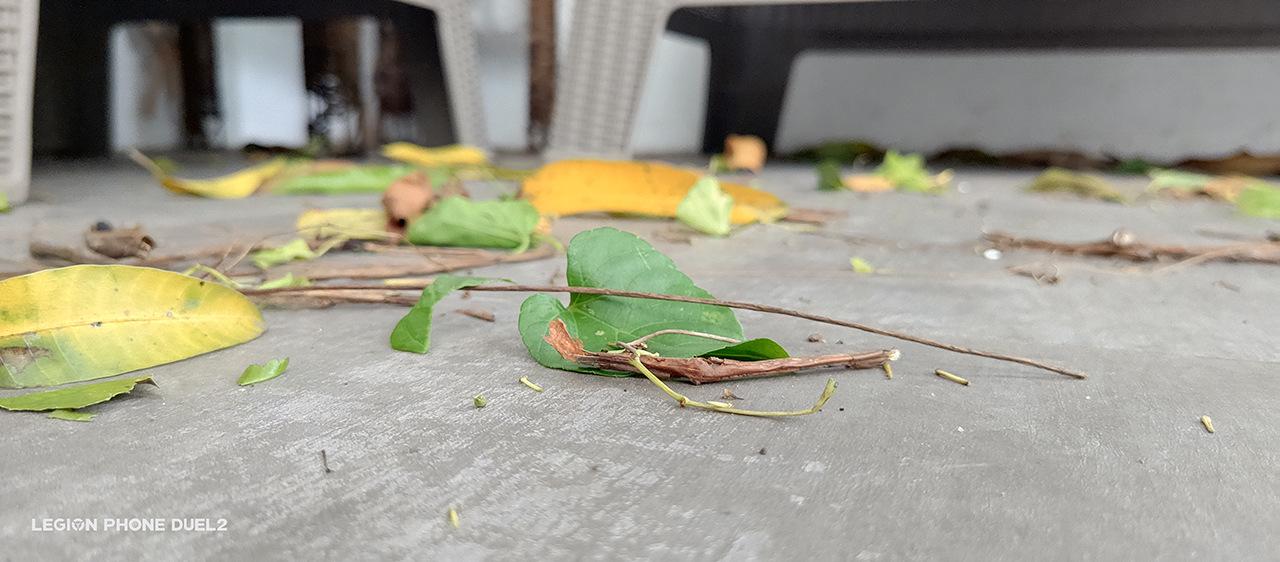

With the rear cameras, I honestly think they improved on the image quality just a little bit. When you’re just taking pictures of individual people or objects, it applies a decent bokeh effect. For wider shots, there is some effort to make the colors and details pop a little. During night time, it’s a bit of a mixed bag of “okay” and “probably needs more light.”


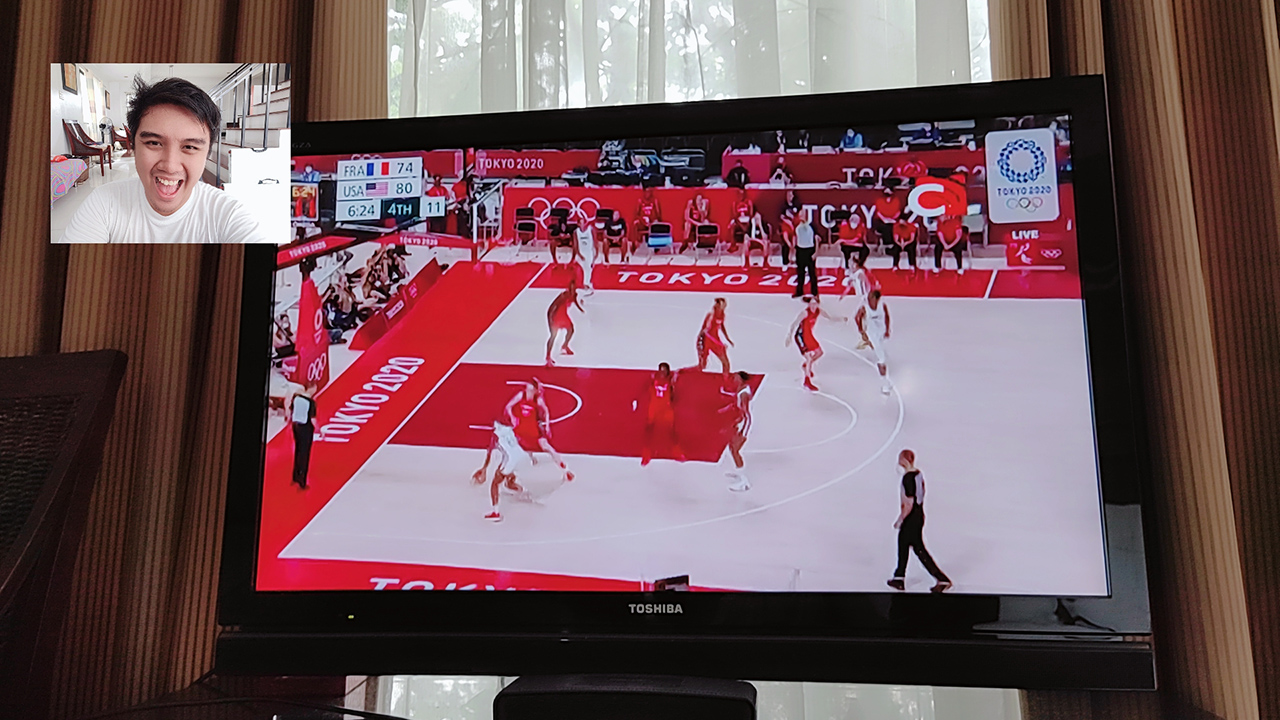
For the front camera, it’s pretty clear that there’s a step up in quality with the more powerful sensor. Honestly, if you needed a camera for video calls, this selfie camera provides much better quality than most PC webcams. Plus, you can even use this when you want to stream your gameplay through your preferred streaming service.
SEE: How to start streaming with the Lenovo Legion Phone Duel 2
As close to how most gaming laptops last, when gaming
As with most gaming smartphones, battery life is a key component to consider when you want something of this caliber. Throughout the entire time I was using the Legion Phone Duel 2, I managed to max it out in over 20 to 22 hours, which isn’t bad considering the hardware. Of course, this was when I was using it as any smartphone out there.
If you want to use this solely as a gaming phone at its fullest potential, I only got about four hours worth of total playtime before the phone battery went to zero. Dialing down some of the in-game graphics settings extends the battery by a couple of minutes, at best. In essence, this gaming smartphone lasts as long as most gaming laptops would.
Fortunately, the 90W dual USB-C charger helps you get back into the action when you run out of juice. When using one of the two charging ports, I managed to do a full charge within an hour and 20 minutes. If you plan to use both, the charge time just decreases by about 30 minutes, which is pretty great.
So, is this your GadgetMatch?
Starting at PhP 39,995, the Lenovo Legion Phone Duel 2 is a gaming device with a lot to offer for gamers and creators alike. The hardware pretty much speaks for itself when it comes to the power and performance it brings to the table. Whether you want to stream your gameplay or watch other gameplay, this phone gets the job done.

If you were looking for just any device to play casually, it overachieves in that regard. I felt that this device was truly built for those who crave to compete, while adding a bit of color to it. Of course, there are plenty of other options for those who just want a smartphone to game on from time to time. However, if you want to go for this device, you have to commit yourself to its potential.
The Lenovo Legion Phone Duel 2 takes pride in being a powerful machine for a select group of individuals. It’s not the only powerful machine out there, but it’s something worth considering.







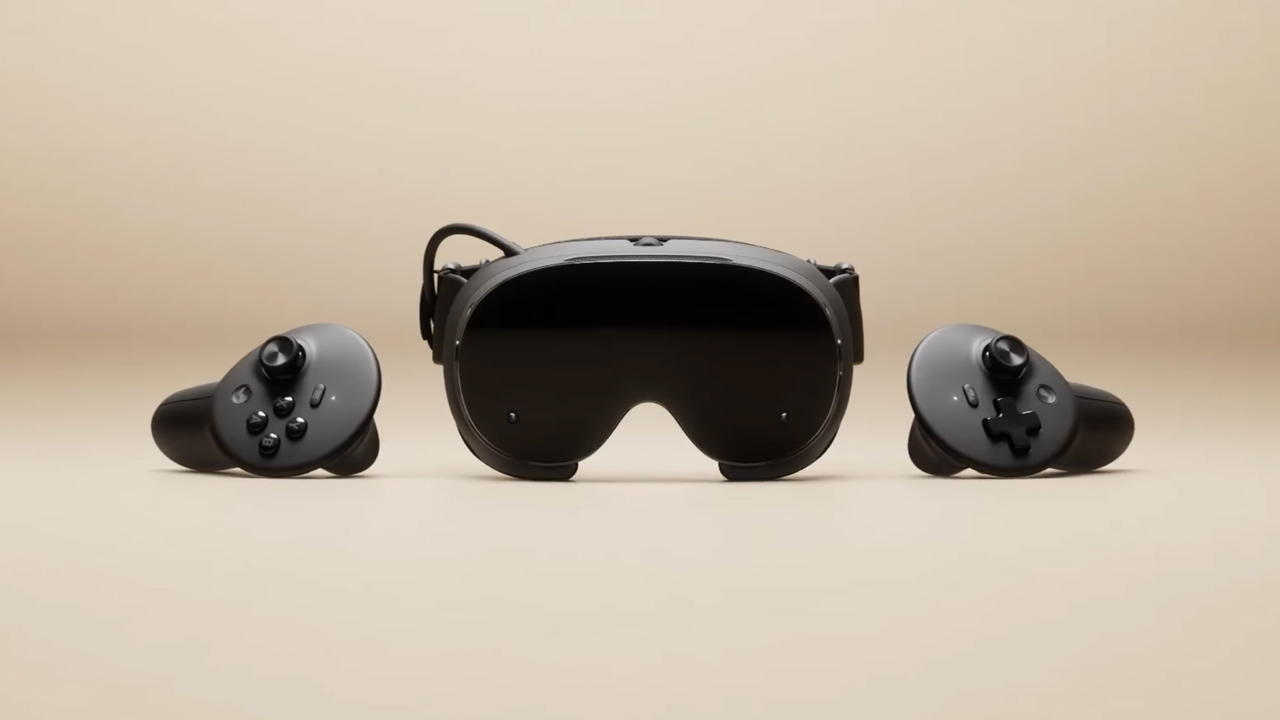
The trifecta is complete. Almost a year after announcing their new hardware, Valve has finally unveiled the price tag of the Steam Frame, complementing the Steam Machine and Steam Controller revealed a few months ago.
Whereas the Steam Machine is a console of its own, the Steam Frame is a traditional VR headset with a pair of controllers for both hands. Unfortunately, despite being in a different segment, the headset is not immune to the rising prices of technology. The Steam Frame will start at US$ 1,059 for a 256GB model and can go up to US$ 1,299 for the 1TB model. On the plus side, each box will come Half-Life: Alyx packaged along with the headset.
Here’s a more detailed rundown of what you’re getting. The Steam Frame will ship with the Snapdragon 8 Gen 3 chipset, paired with 16GB of RAM. Each eye comes with a 2160 x 2160 LCD screen, putting out images at up t0 a 144Hz experimental refresh rate. As mentioned above, the headset will start with 256GB of storage but can go up to 2TB. It will come packaged with SteamOS 3 and a rechargeable 21.6Wh battery.
This might be a hard buy for some. The industry currently has more affordable options, for one. Also, virtual reality isn’t the most thriving segment of gaming today.
If you’re still decided on buying one, however, Valve is using its lottery system. Interested customers can sign up from now until September 17. The company will then randomize the purchasing order. Those who draw the first ones in the lottery can get a purchase email as soon as September 18. Meanwhile, anyone who registers after September 17 will automatically be put at the back of the queue.
SEE ALSO: Valve announces its own console called the Steam Machine
Gaming
BlizzCon 2026 announces World of Warcraft: Forever and Diablo V
StarCraft, Overwatch, Hearthstone, and more also get news


Blizzard Entertainment kicked off BlizzCon 2026 with a packed Opening Ceremony featuring new games, major expansions, updates, and other announcements across its biggest franchises.
Blizzard Entertainment President Johanna Faries opened the event at the Anaheim Convention Center, celebrating the community behind the company’s games and the teams that bring its worlds to life.
World of Warcraft: Forever and Diablo V
The biggest announcement was World of Warcraft: Forever, a new World of Warcraft experience launching November 5 AEDT, with its beta beginning September 18 AEST. The new experience will feature three zones, more than 1,000 quests, nine dungeons, two raids, and a new Skyborne race.
Blizzard also officially announced Diablo V, marking the next era of the franchise. The game is set to launch in North America in Spring 2029, with Sanctuary having fallen and Diablo having won.
StarCraft is also returning with a new story-driven, open-world shooter. The game is currently planned for a Spring 2030 release in North America.
Beyond games, Blizzard revealed that an animated series set in the Diablo universe is in development with Netflix. The company says this is only the beginning of its plans to expand its universes beyond gaming.
For Warcraft III Reforged, the new Forsaken Kingdom campaign is available today. It marks the Warcraft RTS series’ first new storyline in more than 23 years and explores the fall of Lordaeron and the origins of the Undercity. The accompanying 3.0 update also brings graphical improvements and a revamped World Editor.
Heroes of the Storm is adding Xal’atath as its newest Hero. She arrives in the Nexus on September 29 AEST, with her PTR release scheduled for September 15 AEST.
Existing games updates
Meanwhile, Diablo IV is preparing for its next major content drop. Season of Hell’s Legacy begins September 16 AEST and celebrates the franchise’s 30-year history with the return of the Prime Evils and Deckard Cain, alongside themed rewards and gear.
The legendary Amazon class will also arrive in the first half of 2027 as part of Diablo IV’s first class pack. The Diablo IV: Age of Hatred Collection is additionally coming to Nintendo Switch 2 on September 16 AEST with cross-platform play and cross-progression.
For World of Warcraft, Blizzard teased the next major update for Midnight. Eclipse (12.2) will see Xal’atath move closer to her goal of claiming Azeroth’s Worldsoul. Blizzard also offered another look at The Last Titan, the next expansion in the Worldsoul Saga and a major culmination of more than two decades of Warcraft storytelling. More information is coming early next year.
Overwatch is getting a major update with Season 5. The season introduces new Support Hero Doctrine, reworks for Sombra and Roadhog, and the new Watchpoint: Grimsvötn map. It will also conclude The Reign of Talon, Overwatch’s first year-long narrative arc.
LE SSERAFIM & YOASABI
BlizzCon also featured performances from YOASOBI and LE SSERAFIM. YOASOBI will perform during the first-ever esports halftime show at BlizzCon, while LE SSERAFIM will return to the Main Stage to close the weekend. A new LE SSERAFIM in-game collaboration is available now, with another Overwatch Spotlight scheduled for February 2027.
Finally, Hearthstone is getting its first new class in more than six years. The Monk arrives in 2027, while the upcoming Reign of the Black Empire expansion takes players back to the earliest age of Azeroth. It introduces the Assemble keyword, which combines two cards into a new one. Battlegrounds is also adding Aberrations as a new minion type.
BlizzCon 2026 is now underway, with Blizzard promising more announcements and details throughout the weekend.
Gaming
Just Dance: Decades of Hits to launch on October 13
All-new Just Dance experience that brings every generation together

Just Dance: Decades of Hits will launch on modern consoles on October 13, Ubisoft has announced.
This will offer fans of the franchise a new experience across eras of music. The game will be available on PlayStation5 , Xbox Series X|S, and Nintendo Switch on the launch date.
Nintendo Switch 2 users, meanwhile, will be able to enjoy the title by November 10, 2026.
Just Dance: Decades of Hits brings together every generation to one dance floor with 25 iconic songs across six different decades:
- Mamma Mia by ABBA
- Uptown Girl by Billy Joel
- It’s Tricky by Run-DMC
- No Scrubs by TLC
- Wannabe by Spice Girls
- Bye Bye Bye by *NSYNC
- Feel Good Inc. by Gorillaz
- Turn Down for What by DJ Snake and Lil Jon
- Danza Kuduro by Don Omar feat. Lucenzo
- Manchild by Sabrina Carpenter
- NUEVAYoL by Bad Bunny
- And more!

Bringing every generation together
Songs, visuals, and an all-new Adventure Mode are all designed to immerse players in the spirit that made each decade unforgettable.
From the funky ’70s disco floors and the electrifying ’80s rock scene to the glossy 2000s pop and beyond, travel through time and share the joy of rediscovering iconic moments with friends and family.
In Adventure Mode, follow Lyra, Dr. Gigavolt’s daughter, in a playful journey through time to rescue her father.
Explore the decades through six themed worlds, enjoy fun mini activities, and unlock exclusive rewards.

For unpredictable, chaotic fun where the rules change every round, players can jump into Party Mode. Or they can get moving with the Workout Mode, which tracks calories burned with each dance.
Up to six players can dance locally in the game, with no extra accessories needed.
In addition those who own Just Dance: Decades of Hits as well as Just Dance 2023-2026 editions will be able access all their songs in one place on the same console without having to switch games or separate menus.
This also includes songs from purchased Music Packs and songs available through an active Just Dance+ subscription.


DJI Lito X1 review: Is this the best lightweight drone for creators?
Making a strong case as a travel companion and a capable B-cam!


REDMI Note 17 Pro Max review: A new breed born from AI greed
Welcome to the new normal


Marvel’s Wolverine review: When the claws come out
A brutal, cinematic superhero adventure

Manila turns up the volume at COVE

Epson Lifestudio Grand Plus EH-LS970B with 4K projection, more launches

Jackery Explorer 300D: Power and portability in one

Nike’s Alphafly 4 is built for the part of the marathon ~that actually hurts~

SEGA, Netflix announce Crazy Taxi film adaptation

realme 16T 5G with 8000mAh battery, IP69 Pro rating launches in PH

HUAWEI Pura X View is 2026’s first WIDE slab-type smartphone

REDMI reveals the refreshed Note 17 and Note 17 Pro series

REDMI Note 17 Series: Price, availability in Singapore

The CAMON Slim 5G is TECNO’s latest ultra-slim smartphone


-

 News2 weeks ago
iPhone 18 Pro series: Price, availability in the Philippines
-

 Singapore2 weeks ago
iPhone 18 Pro series: Price, availability in Singapore
-

 News2 weeks ago
iPhone Duo: Price, availability in the Philippines
-
 News2 weeks ago
HUAWEI Mate XT 2 tri-fold launches with Kirin 9050 Pro
-

 News2 weeks ago
vivo introduces refurbished versions of X300 FE, X300 Ultra for less
-

 News2 weeks ago
iPhone Duo: Price, availability in Singapore
-

 Accessories2 weeks ago
CASETiFY upgrades iPhone 18 cases, teases iPhone Duo lineup
-

 News2 weeks ago
HONOR teases Magic9 Pro Max at Venice