


Computers
LG 29WP500 UltraWide Monitor review: Bang for your buck
UltraWide goodness paired with LG’s display superiority

With the pandemic far from being over, people are buying monitors for school, work, or even gaming. However, there are a lot of monitors in the market and most people think they’re all the same.

Wasn’t able to shoot an unboxing. Other than the monitor, it also includes the power adapter and HDMI cable. There are also manuals, a warranty card, and a CD for all software and driver essentials.
It’s been a while ever since I reviewed one — and that was a monitor I’ve purchased due aid in my duties as GadgetMatch’s Associate Creative Producer. But as LG announced their newest 2021 monitor lineup, I honestly got excited to try one out — and they reached out to offer me their newest LG 29WP500 UltraWide monitor.
After weeks of waiting, I finally had one to test out. Stay tuned as I’ll tell you why it’s truly a “bang for your buck” monitor.
Almost Borderless Design

As the model name implies, the monitor has a display size of 29-inches that’s measured diagonally.

What makes this different from its predecessor (the LG 29WL500 from 2019) is that, it now has slimmer 3-virtually borderless bezels evident on its top part and sides.
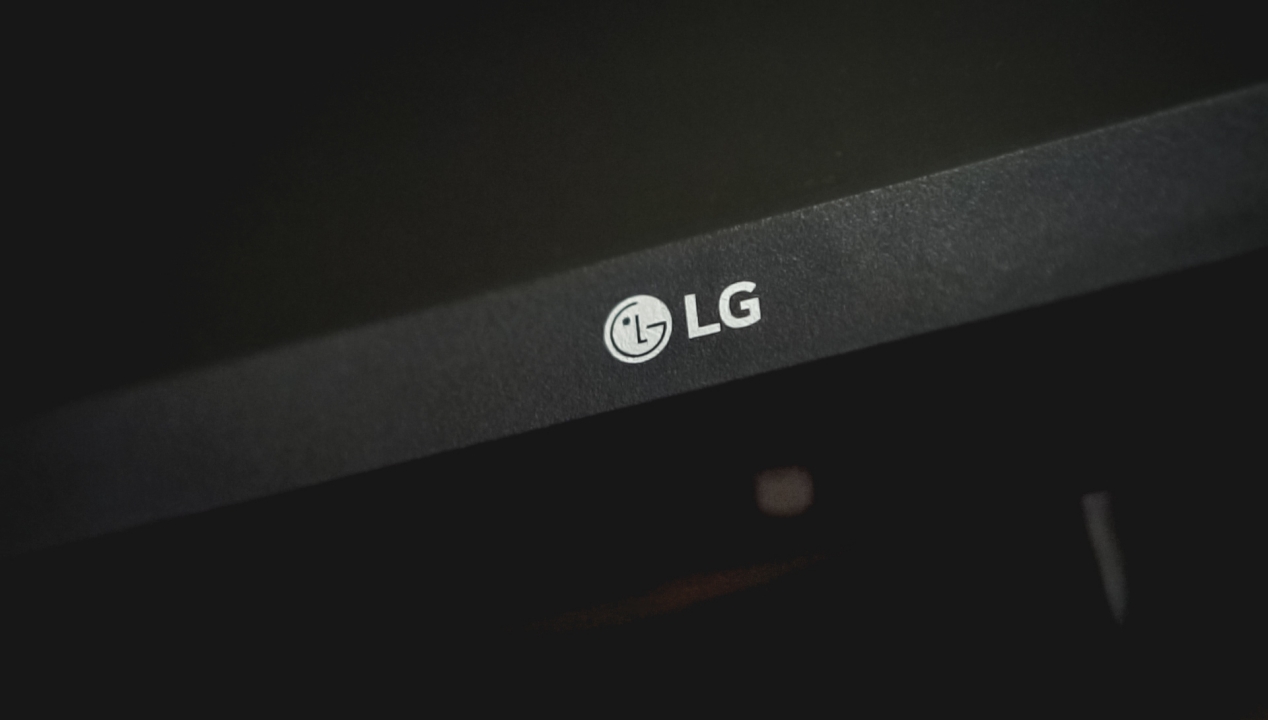
Meanwhile, the bottom or chin part is still “thicc”, making sure there’s enough room for the LG logo, joystick, and other set of components.

Just really hoping it would be sturdy enough when another earthquake hits
It also has a redefined stand design that’s made up of solid aluminum. The moment I put the monitor on my desk, it already felt secure as it can hold the monitor stable and sturdy enough even with minimal to no shaking at all.

This coating saved my eyes from seeing the reflection of my horrible face #SelfPity
To make it even better, it has an Anti-Glare Matte coating that’s helpful when your workstation is placed directly parallel to your windows. Annoying glossiness is something I encounter with my old monitor as well as my MacBook.
Connectivity

Unlike other high-end LG monitors like the UltraFine and UltraFine Ergo with a lot of ports including USB-C Thunderbolt and DisplayPort, LG’s 29WP500 only has two HDMI ports and an extra Audio Out port for any user to be able to plug in a set of earphones, headphones, sound bars or even speakers that still rely with a 3.5mm audio jack.
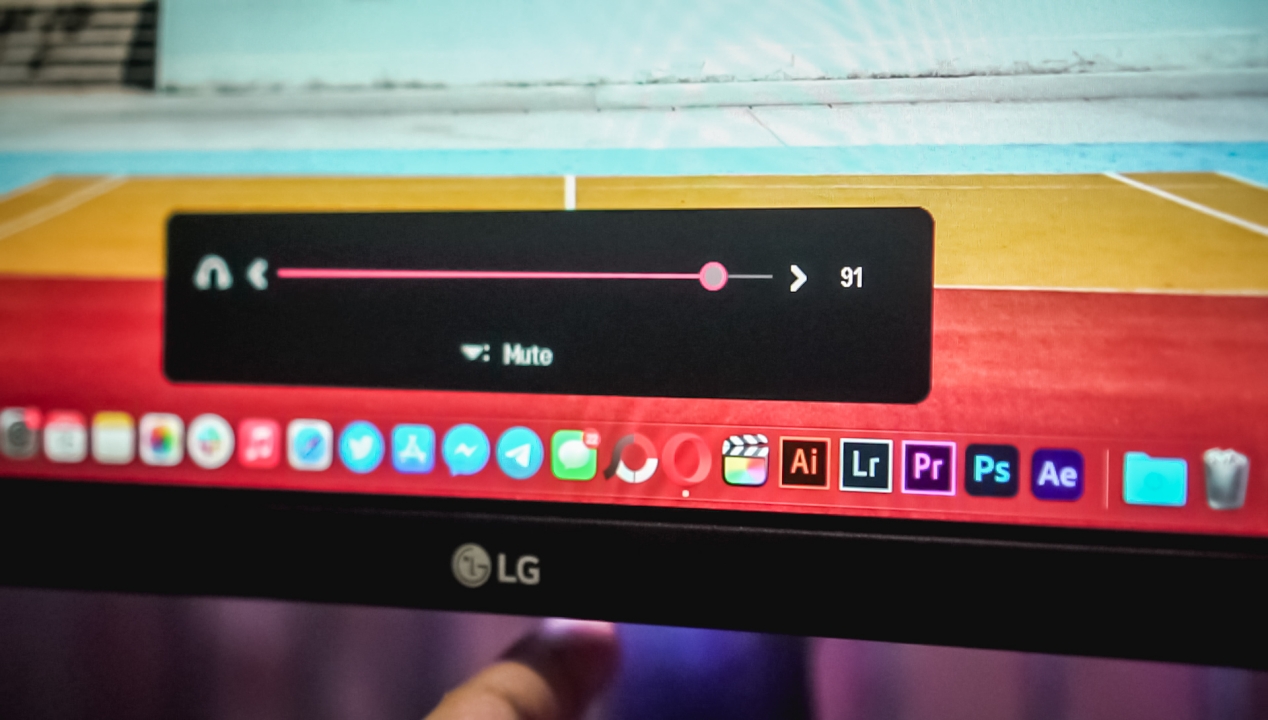
But if you want to cut all those pesky wiring, LG has built-in speakers with audio levels that can be controlled through its joystick below while being viewed through its OSD (On-Screen Display).
Efficient Display

If you worry about power consumption, the LG UltraWide monitor has an A+ Energy Star rating. This means you don’t have to worry even if it’s turned on for several days or even weeks. It can also turn off automatically when not in use. What makes it more efficient is its “Smart Energy Saving” that adjusts brightness depending on how bright or dark the elements are on the screen.

Other than those power-saving features, there are also the Reader Mode feature plus Flicker-Safe technology for reducing eye strain and fatigue when reading or consuming content in the dark.
LG’s Display Superiority
My eyes are quite sensitive to displays that aren’t color-accurate — specifically because I’ve been spoiled with Apple’s Retina Display and Samsung’s Super AMOLED technology for the past ten years.
As much as these brands hold up on their own, LG lives up to its billing of having the best displays out there with its true and unparalleled IPS technology. As a matter of fact, displays in the recent iPhones were produced by LG — and it’s not gonna stop in the iPhones yet to come.

Going literally “Dumb Dumb” for SOMI’s visuals and vocals
True to its words, this LG 29WP500 UltraWide monitor offers 99 percent sRGB color accuracy. For a creative like myself, it’s important that colors are displayed correctly and properly without any shifts in hue and saturation. Regular users might prefer the more vibrant output. But the case is different if you’re doing creative work.
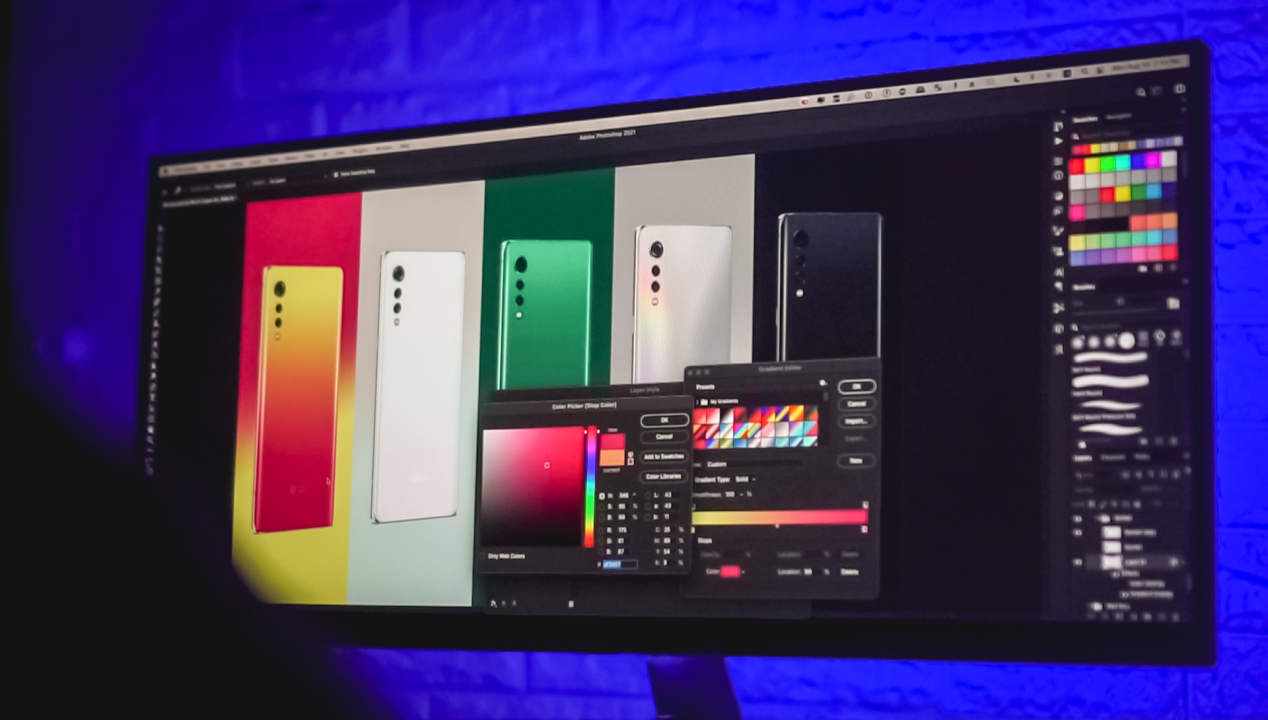
#NotSoFunFact: I realized my old monitor produced washed-out colors after opening this old PSD file I edited months ago.

Now, I don’t have to think twice color-grading clips for our YouTube videos.

Never thought post-processing photos in Lightroom could be a lot better with a color-accurate display.
-

- HDR10 Support
-
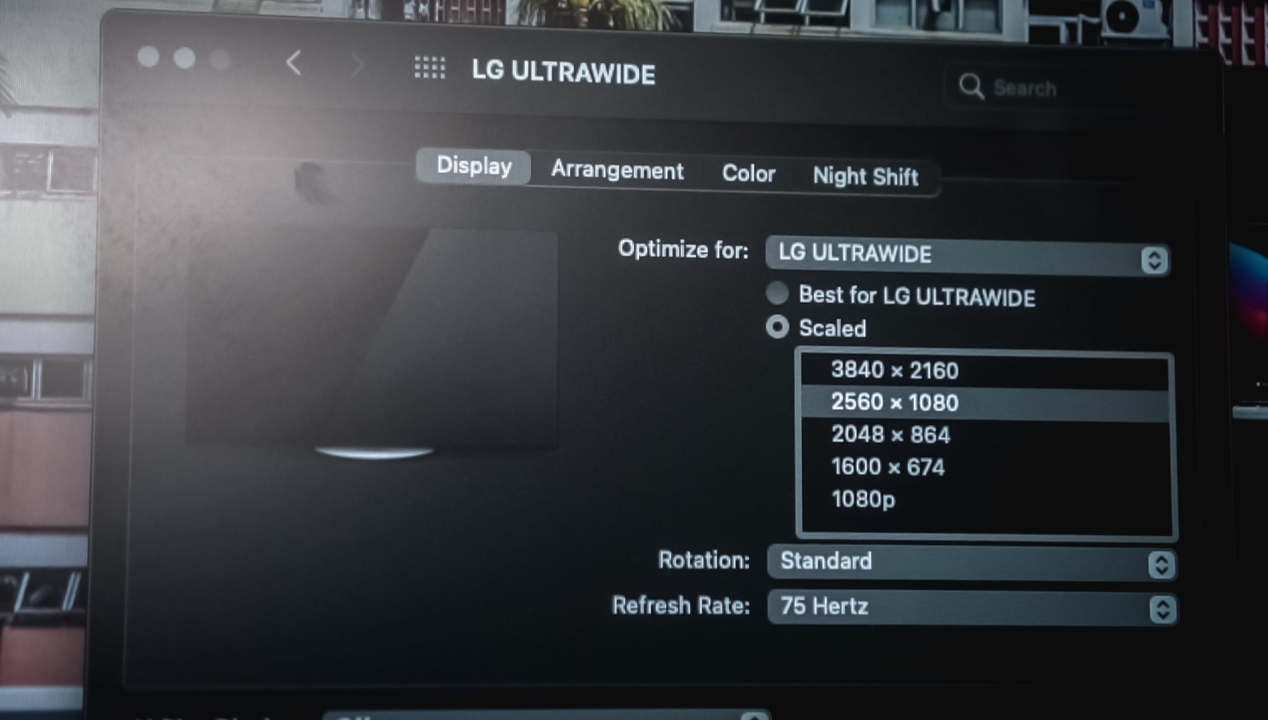
- Full HD+ resolution
Moreover, there’s HDR10 support for displaying less contrast-y elements and having a better dynamic range among content that supports it. While it only has Full HD+ resolution, watching 4K content (especially K-Pop music videos) is still a true feast for the eyes.

Whether that may be the color-rich music video of “Next Level” by aespa or the Greek Goddess war-like vibe with LOONA’s “PTT“, you can’t go wrong watching them through the LG 29WP500 UltraWide Monitor.

What’s with the “UltraWide” hype?

LG’s 29-inch UltraWide monitor versus a conventional 24-inch monitor
Regular monitors have a 16:9 aspect ratio — which is also the common thing for all content you can find around. But having an UltraWide monitor gives you a wider 21:9 aspect ratio. That’s 33% more screen real-estate than the conventional monitor. Not only it gives you a wider view, honestly, I can be immersed with what I’m watching.
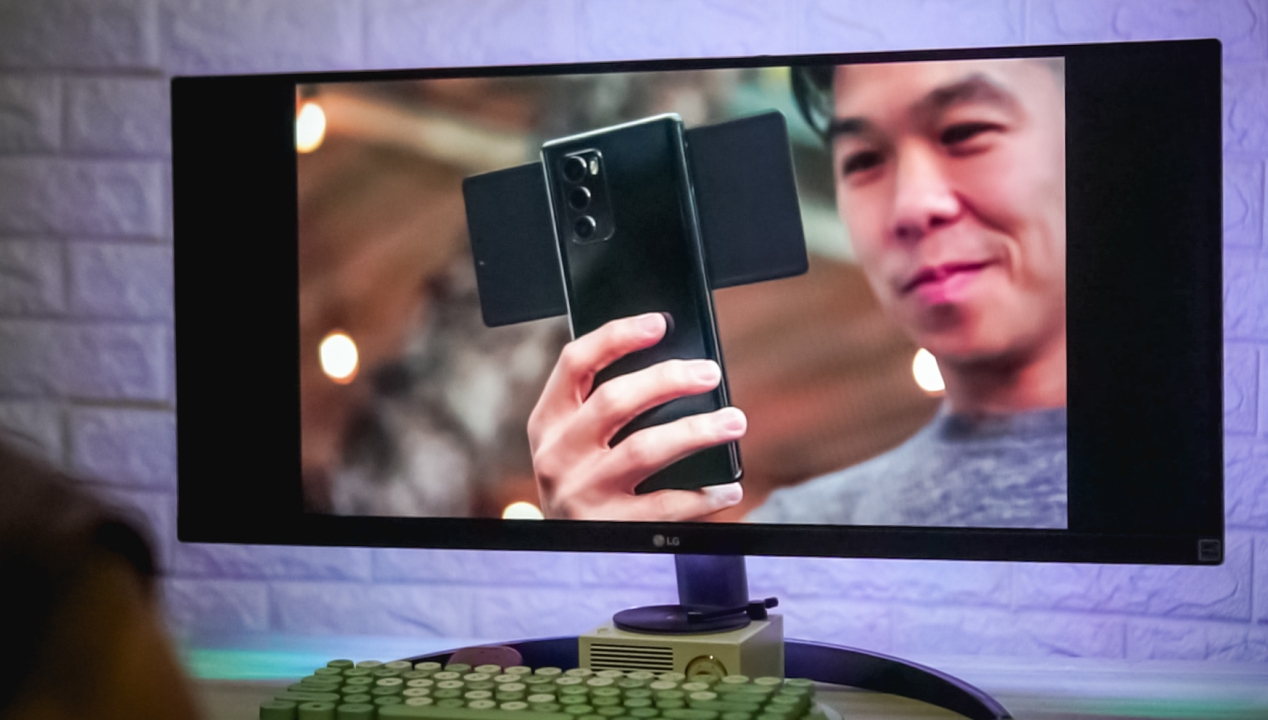
That’s not the case all of the time. In fact, there are still a lot of 16:9 content on the internet — including our GadgetMatch videos on YouTube as well as the review video I did for this monitor. But, realistically speaking, making 21:9 displays gives companies the idea to invest more on “unconventional-looking” UltraWide displays.

Honestly wishing for more Songhwa x Ijkun moments 🥺
Don’t fret. There are continuously a growing demand for videos using the UltraWide ratio — especially Netflix titles that I recently enjoyed watching through this monitor including Hospital Playlist 2, Racket Boys, and even Nevertheless,. That’s mainly because phone displays are now wider and haven’t stuck to usual 16:9 displays we used to have years ago.

Difference between a 16:9 vs 21:9 #GirlsPlanet999 performance on the LG 29WP500
Just to give you a clear difference of what it looks like, here’s how much you can maximize your screen. With it, you can immerse yourself with an even wider content.
MultitasKING
Speaking of maximized workspace, one of the biggest advantages of having an UltraWide monitor is being able to multitask faster and more efficient. Paired with LG’s OnScreen Control, partitioning several windows has never been so easy.

It’s very helpful when I edit YouTube videos while checking if it’s aligned with the script.
Or when I write articles while listening to my latest K-Pop playlist.

You can also do a seamless, three-window split with Microsoft Word, Excel, and Powerpoint.
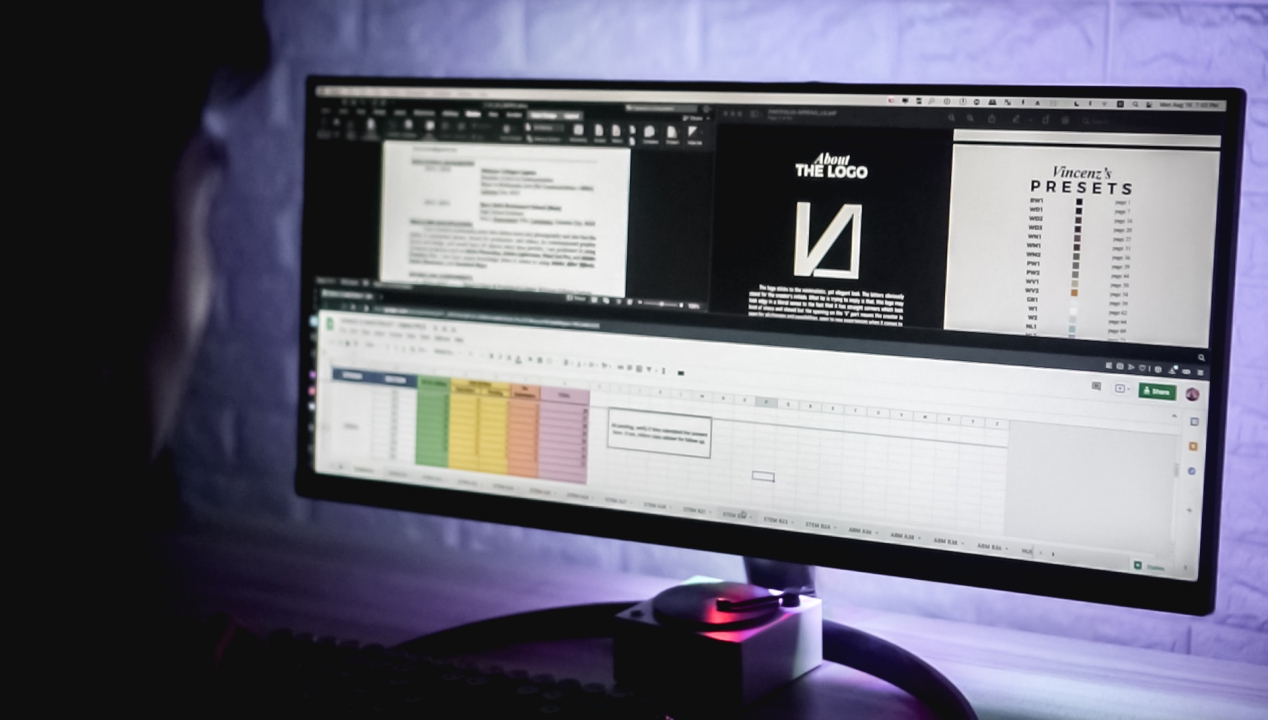
Even when checking for the latest Facebook updates of GadgetMatch, I can play YouTube while tweeting.
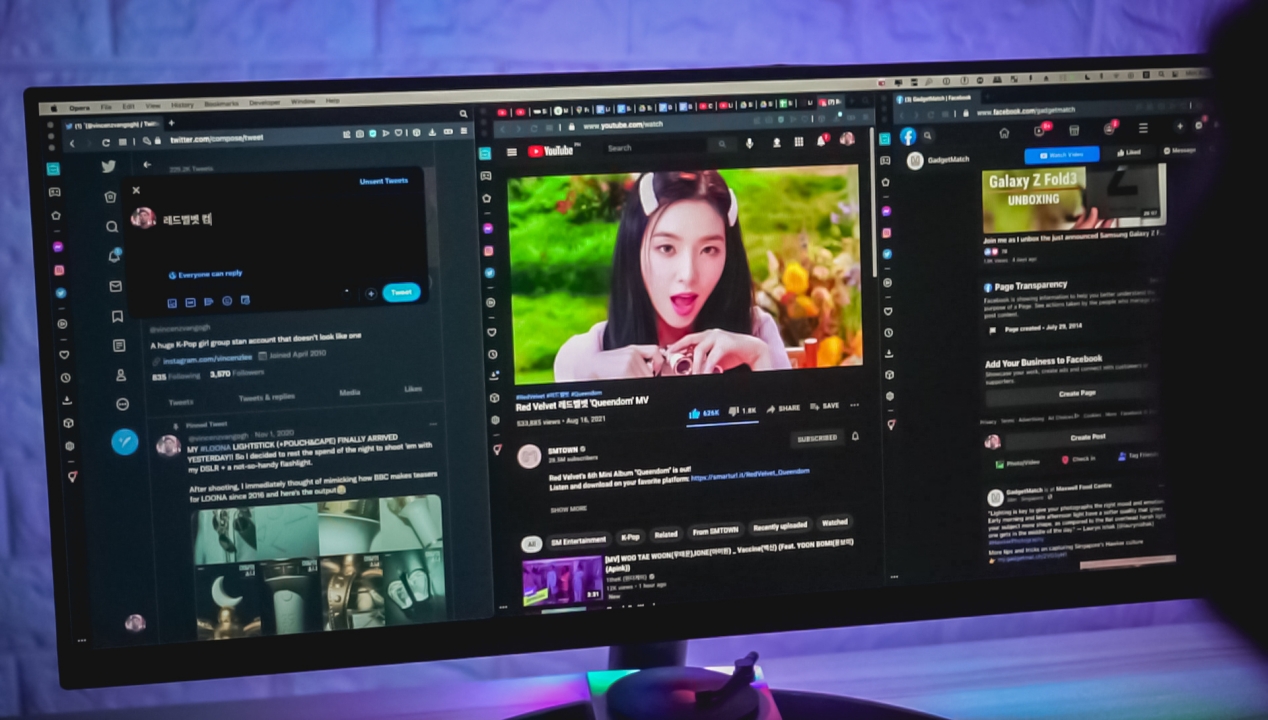
True queens and kings should stream Red Velvet’s Queendom! 👑
If you’re a hardcore multitasker, there’s a four-screen split for tasks like this. It’s great as long as your laptop can keep up.

More Immersive Gameplay

If you’re a console-type of gamer, you might want to look elsewhere. Even if this UltraWide monitor can run your PlayStation 4 and Xbox One series or even the newer PlayStation 5 and Xbox Series X, you’re out of luck as the games and the system itself is not optimized for an even wider gameplay in the long run — unless you wanna convince yourself that a stretched view when gaming looks somewhat fine.
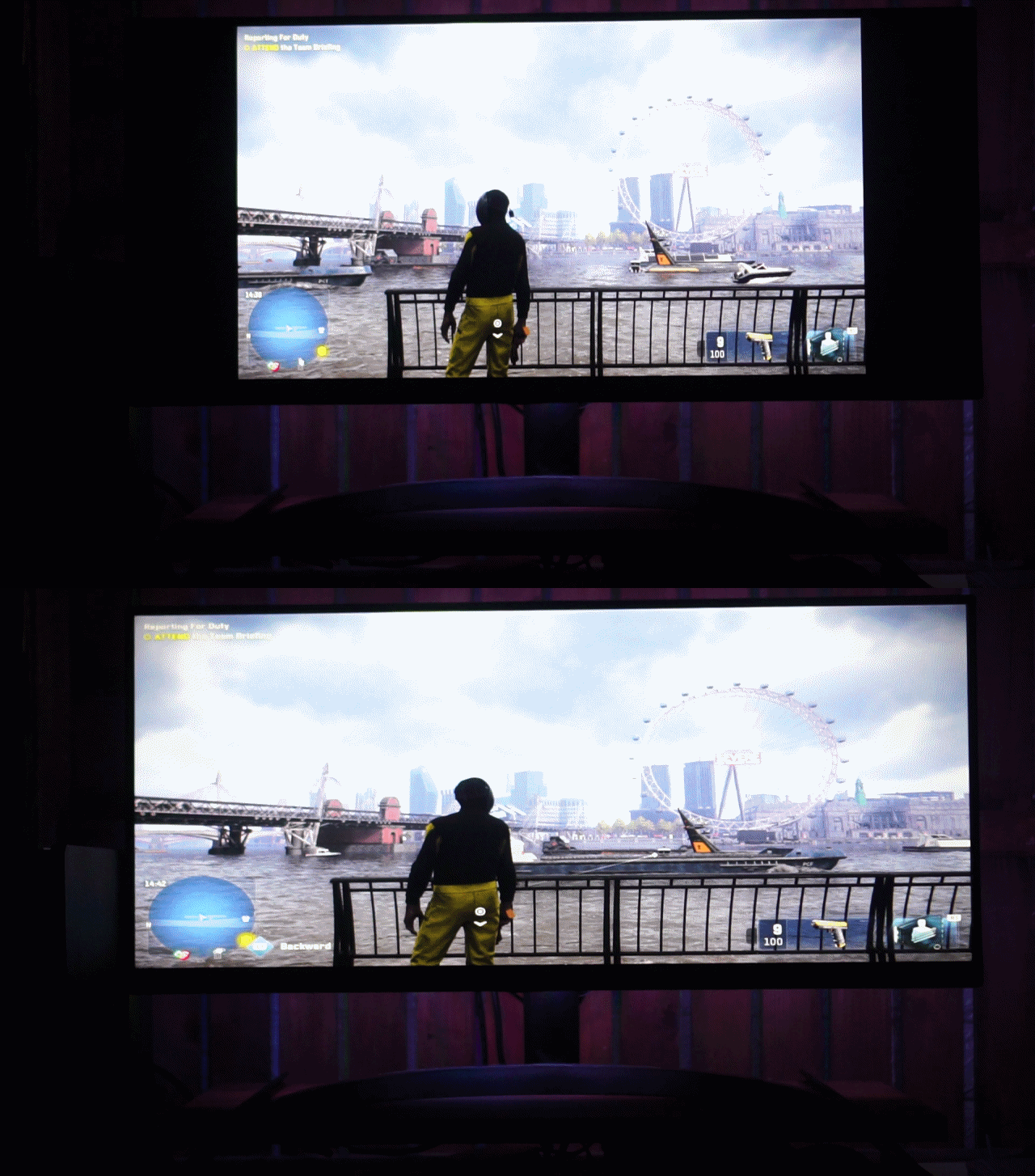
What a stretch on PS4’s Watch Dogs: Legion — quite literally
But if you heavily invest on PC gaming, you’ll love the LG 29WP500 monitor even more. The list of games that support UltraWide gaming continues to grow. Even if this isn’t a high-class gaming monitor like the LG UltraGear, LG has still managed to fit in valuable gaming features for this monitor.
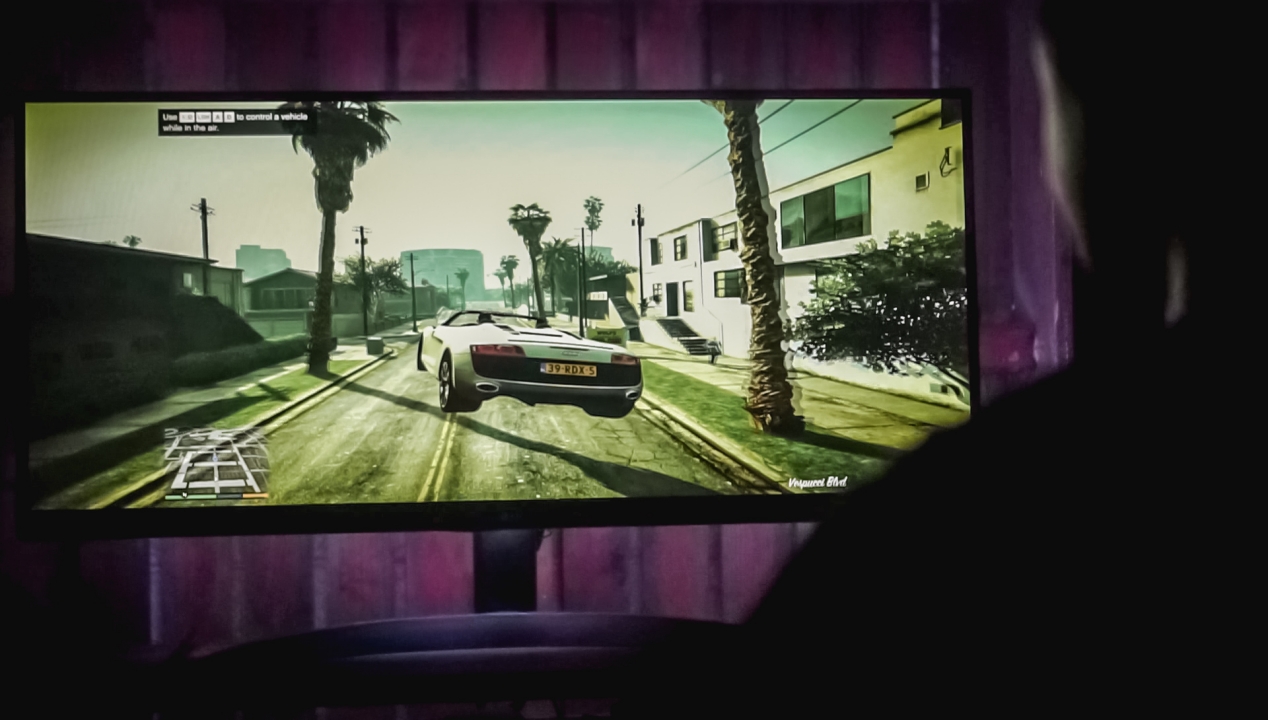
While it doesn’t have the buttery smooth 144Hz. 165Hz, or even as fast as 200Hz, its modest 75Hz refresh rate is already enough for our two naked eyes. To make it even better, this monitor supports AMD FreeSync so your device would just accordingly if it supports the feature when gaming. This reduces the tearing of objects in motion when playing.

That “Broken” wall graffiti best describes my life rn 🤩
Other than that, a great pair of having a 5ms response time, Dynamic Action Sync, plus Crosshair features that overall minimize the input lag especially when moving or shooting.
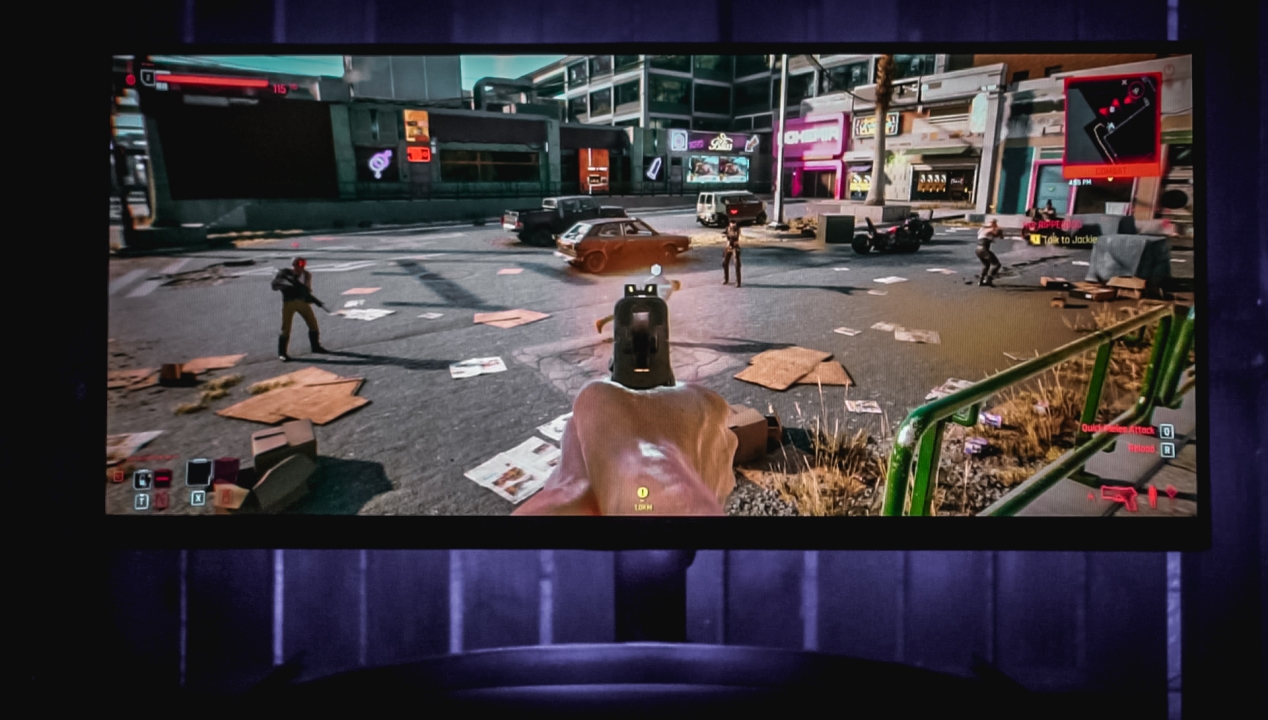
Finally, there’s a Black Stabilizer option for you to see better details against black elements or scenes. This is more advantageous (again) in FPS games especially with snipers around you.

Looks like a Final Destination scene to me 🥴
Not fond of action games? You can still enjoy this UltraWide view when driving huge trucks and buses…
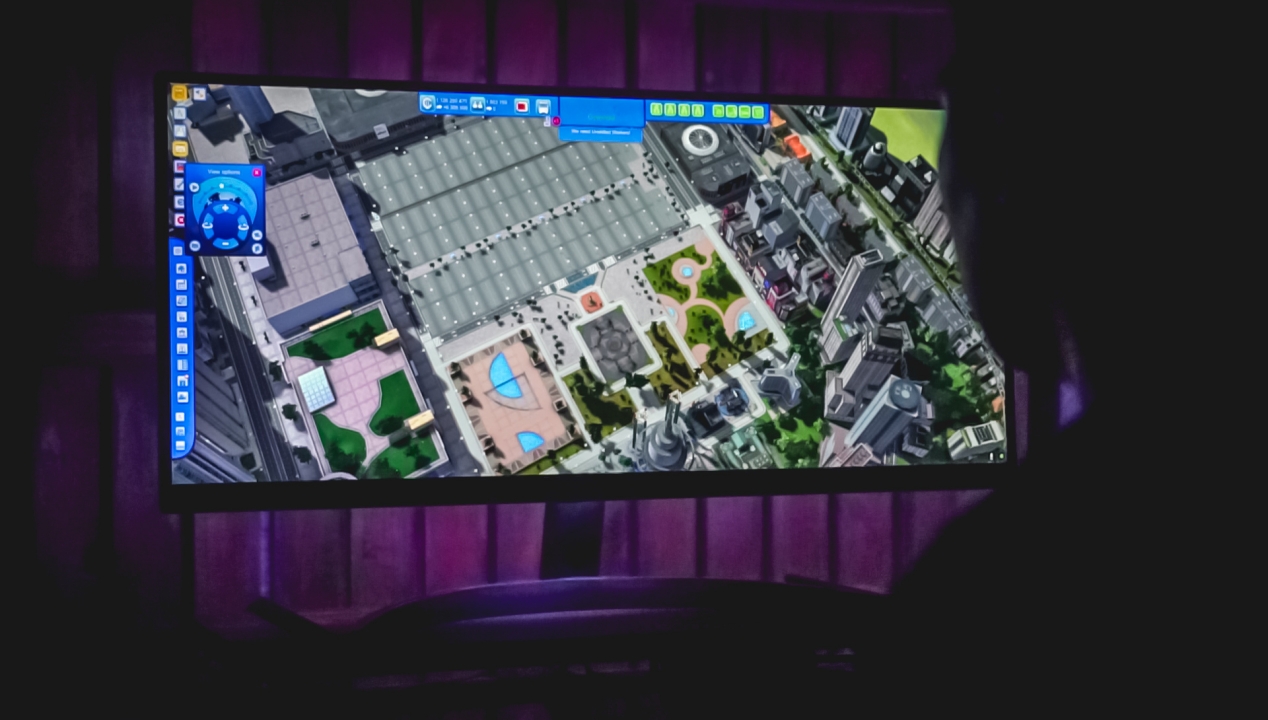
Imagine an old 2012 game, giving an even wider view with this beautiful display
…building humongous cities with lots of Megastructures and tall skyscrapers…
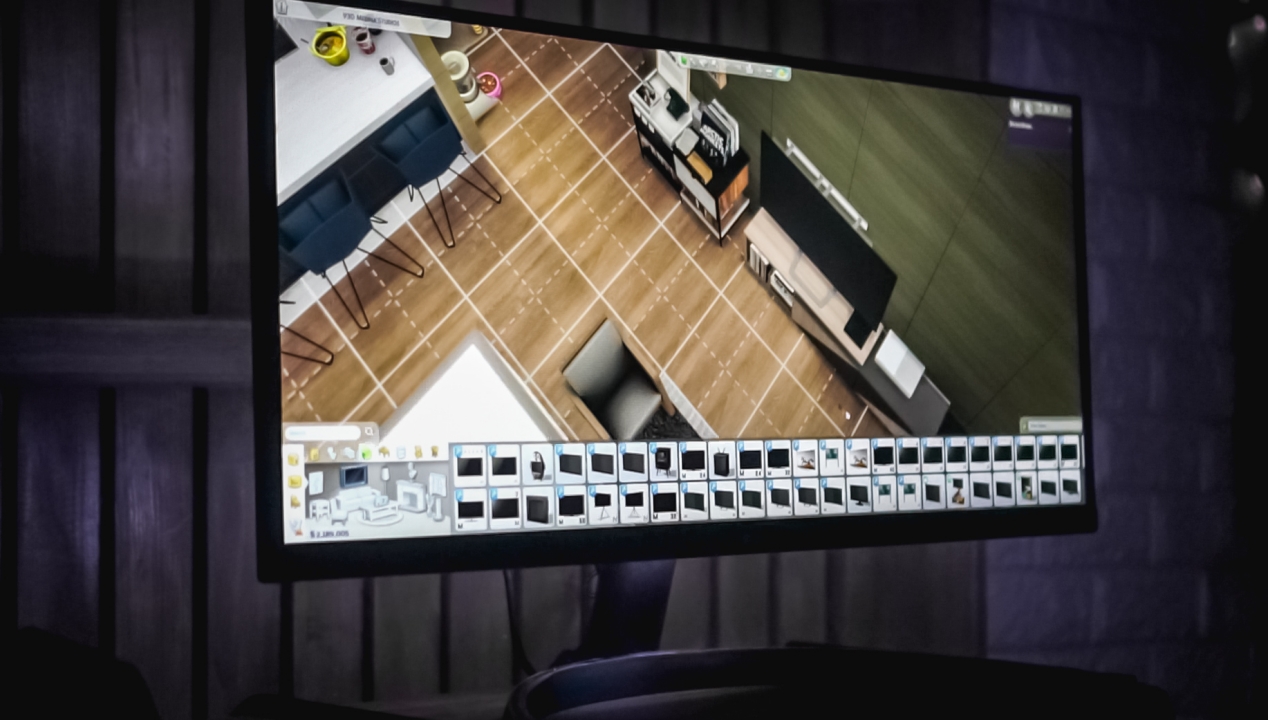
I just hope our house irl looked exactly like this
… or even constructing and buying items for your own virtual mansion.
Is this your GadgetMatch?

LG offers the WP500 UltraWide monitor in two sizes: a 29-inch and a bigger 34-inch version. In the Philippines, it retails for PhP 15,099 and PhP 19,899 respectively. You can buy the new line of LG UltraWide monitors through official LG stores or via their official Lazada and Shopee stores.

While 34-inch may be someone’s cup of tea, personally, 29-inch is the ideal screen size for an UltraWide monitor. Having to buy an ultrawide monitor is far from being cheap. But LG made it possible for almost everyone to experience the goodness of ultrawide without breaking the bank. Not only the LG 29WP500 is one of the cheapest ultrawide monitor options out there, it’s also a lot cheaper compared to the 34-inch LG UltraWide monitor we had last year.
What gives me the conclusion to say it’s a definite “bang for your buck” monitor? Aside from all those features combined, you get LG’s premium display tech hat has been proven over the years. It’s a display tech that’s relied upon even by some of the smartphones today.








Acer is expanding its storage lineup with the PA100 Portable SSD. It’s a compact external drive designed for users who need faster storage across multiple devices.
The PA100 uses USB 3.2 Gen 1 connectivity. It reaches sequential read speeds of up to 560MB/s and write speeds of up to 430MB/s. This makes it suited for everyday tasks such as transferring large files, backing up content, managing documents, and moving media between devices.
Up to 2TB of portable storage
The PA100 comes in three capacities: 500GB, 1TB, and 2TB. This gives users options depending on whether they need extra space for documents and schoolwork or larger collections of photos, videos, and project files.
Acer also designed the drive with mobility in mind. The PA100 has a slim 9mm profile and a lightweight build, while its reinforced construction is designed to withstand everyday travel and handling.
The drive comes with a 2-in-1 USB-C to USB-C and USB-A cable. This allows it to connect to compatible PCs, tablets, smartphones, and other devices without requiring a separate adapter. It also supports major operating systems and USB-C mobile platforms.
Designed for everyday use
Power efficiency is another focus. Acer says the PA100 uses less than 3W during operation, while idle power consumption can drop to as low as 0.62W.
The drive also features an optimized thermal design to help maintain stable performance during extended transfers and daily workloads.
The Acer PA100 Portable SSD is backed by a three-year limited warranty. Pricing and availability may vary by market.
Computers
New Mac mini starts at a whopping $899, only 256GB of storage
It comes with the M6 or the M5 Pro.


Almost two decades ago, Apple was infamous for being an anti-gamer brand. Though the company’s devices touted superior protection against viruses, they couldn’t play video games, alienating a significant chunk of the population and forcing them onto PCs. For a while now, the Mac has changed the status quo, bringing in more powerful hardware that can play games. Today, Apple is championing that cause further through the newly launched Mac mini.
Compared to the chunkier Macs, the Mac mini has a lithe 5” x 5” profile, emphasizing the “mini” in its name. Despite the size, the new mini will tout two flavors of Apple silicon: the M6 and the M5 Pro.
The M6 variant delivers with up to two times faster gaming performance with ray tracing when running Cyberpunk 2077: Ultimate Edition, compared to the previous M4 version. Meanwhile, the M5 Pro version touts up to 4.5 times faster rendering performance with ray tracing in Blender, compared to the M2 Pro. It will come with macOS 27 Golden Gate out of the box.
You won’t have to worry about connectivity, either. The Mac mini comes with compatibility for Wi-Fi 7, Bluetooth 6, and 2.5Gb Ethernet (going up to 10Gb in upgraded versions). It will also have two USB-C ports, three Thunderbolt 5 ports (but only Thunderbolt 4 for the M6 version), and HDMI port, an Ethernet port, and a headphone jack.
Unfortunately, price seems to be another thing that it’s getting from PCs. The new Mac mini has an increased starting price. Specifically, the M6 version starts at US$ 899 (with only 256GB of storage), and the M5 Pro version starts at US$ 1,699 (for 512GB of storage). Preorders are open now, but they ship out on September 22.
SEE ALSO: Apple raises the prices of iPad and MacBook lineups
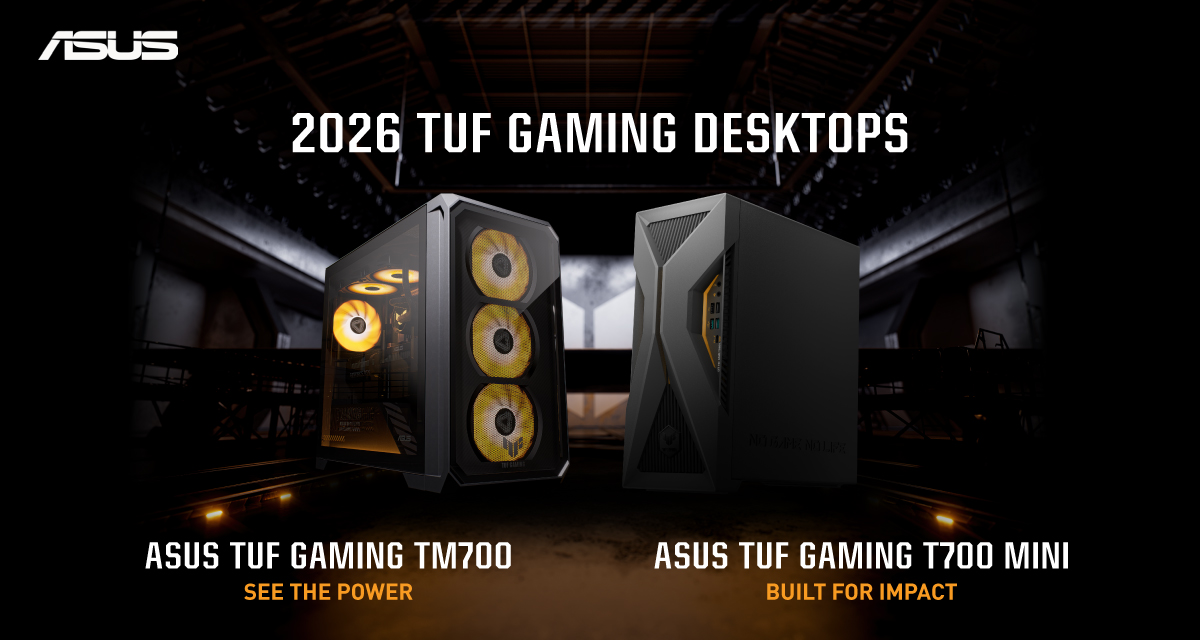
ASUS has announced the arrival of its latest TUF Gaming desktop lineup models: the TUF Gaming T700 and TUF Gaming T700 Mini.
These new offerings bring heavy-duty performance and military-grade durability to gamers, engineered to endure extreme operational demands while delivering rock-solid stability.
The new ASUS TUF Gaming T700, in particular, is engineered to take on modern AAA titles with its uncompromising performance.
It has an aggressive mecha-inspired MIL-STD chassis, including a transparent side panel to put powerful components on display. Vibrant orange ambient lighting also adds a bold finishing touch.
Inside is an AMD Ryzen 7 8700F processor and up to an NVIDIA GeForce RTX 5060 Ti GPU for high-frame rate gaming.
The T700 also features a robust thermal solution equipped with quad 65 CFM fans and a 240mm liquid cooler.
Meanwhile, the TUF Gaming T700 Mini is tailored for competitive gamers while maintaining a compact, battle-tested chassis.
It has an Intel Core Ultra 5 225F desktop processor, paired with with NVIDIA GeForce RTX 3050 graphics.
This combination provides seamless multitasking, crisp visuals, and reliable frame rates across today’s popular titles.
The internal hardware is cooled by a custom thermal matrix featuring dedicated copper heat pipes and a heavy-duty 90mm cooling fan.
True to the TUF Gaming legacy, the T700 Mini is likewise MIL-STD tested to endure extreme operational demands.


DJI Lito X1 review: Is this the best lightweight drone for creators?
Making a strong case as a travel companion and a capable B-cam!


REDMI Note 17 Pro Max review: A new breed born from AI greed
Welcome to the new normal


Marvel’s Wolverine review: When the claws come out
A brutal, cinematic superhero adventure

Smart launches LiveSmart App for exclusive deals
DJI Lito X1 review: Is this the best lightweight drone for creators?

Now Playing: Resident Evil

HONOR, Fidesmo partner for contactless payments across Europe, Middle East

Ford revs up Truck Month with extended 5-star care offers

TECNO MEGAPAD 2 review: Eyes on the size

realme 16T 5G with 8000mAh battery, IP69 Pro rating launches in PH

HUAWEI Pura X View is 2026’s first WIDE slab-type smartphone

REDMI reveals the refreshed Note 17 and Note 17 Pro series

REDMI Note 17 Series: Price, availability in Singapore


-
 News2 weeks ago
HUAWEI Pura X View is 2026’s first WIDE slab-type smartphone
-

 News2 weeks ago
The CAMON Slim 5G is TECNO’s latest ultra-slim smartphone
-

 News1 week ago
iPhone 18 Pro series: Price, availability in the Philippines
-

 IFA 20262 weeks ago
TECNO’s POVA 8 Pro gets a stealthy makeover
-

 Automotive2 weeks ago
Ford’s new Everest lineup brings V6 engine to the top, tech down the line
-

 Singapore1 week ago
iPhone 18 Pro series: Price, availability in Singapore
-

 Gaming2 weeks ago
Now Playing: Elden Ring Tarnished Edition
-

 Philippines2 weeks ago
Smart cuts 5G Home WiFi price