

Reviews
LG V60 ThinQ 5G Dual Screen review: 2020’s most underrated phone
Zero gimmicks, plenty of practical features

Two months ago LG unveiled its third phone to come with the Dual Screen case. With foldable smartphones sold at a premium and Android flagship smartphones retailing for over US$1000, the V60 ThinQ has become a compelling choice, now more than ever.
The phone’s full name is LG V60 ThinQ 5G Dual Screen, but for the sake of brevity I will refer to it as the V60 from here on out.
Outdated but solid looks

The V60 comes in a rather large package. It’s one of the biggest phones we’ve had the opportunity of reviewing this year. Its size is not for everyone and I personally prefer smaller form factors.
Since it’s not pretending to be a pocketable phone made for one-handed use, I found that my behavior and habits when it comes to using a smartphone changed with the V60. I no longer hold my phone in one hand when I go out for a supermarket run and instead keep it in my tote. I found myself being less glued to the screen — no longer mindlessly scrolling Instagram and Twitter — and only picking the phone up when I do need to use it.

Size and heft aside, the phone looks and feels premium with its glass and metal build, chamfered edges, and light gold accents around the camera and around the phone. They are subtle but make a world of difference.

The phone also comes in Classy White, with silver accents.
Volume buttons and Google Assistant button are found on the left, while the power button is on the right. I had the Google Assistant button turned off from day one since I don’t use voice assistants but I really wish that this was remappable to something else.
I did turn on the option to open the camera by double pressing either the power or volume down button. I also turned on the option to launch Screen off memo by double pressing the volume up button. This way when I’m making coffee in the morning and find out I’m out of milk, I can quickly take note of it without getting distracted by the notifications on my phone yet.

There are four microphones, double the number than on its predecessors. Having four microphones allows you to record natural ambient sound from various directions. There is also a new feature called Voice Bokeh, that minimizes background noise and boosts the user’s voice. There’s also ASMR mode in case anyone finds that useful.
At the bottom there are speaker grilles, USB-C port, and a 3.5mm headphone jack! Just when you think brands don’t care, LG actually listens or at least they insist that it’s a feature that’s always going to be there.

While we’re on the subject, just like its predecessors the V60 still has Quad DAC support. This means you can enjoy high-quality sound closer to the original. It’s a shame our unit does not come bundled with headphones. I remember getting a pair of Bang and Olufsen headphones from LG flagships before.
“This has the most impressive battery life of a phone that I’ve ever used.”
When you turn the phone around, you’ll see that the phone looks nothing like a 2020 flagship smartphone. When you think of the best phones other brands have on offer this year, what they all have in common is a great emphasis on immersive displays that curve on the edges. Some even fold or unfold to become bigger devices.
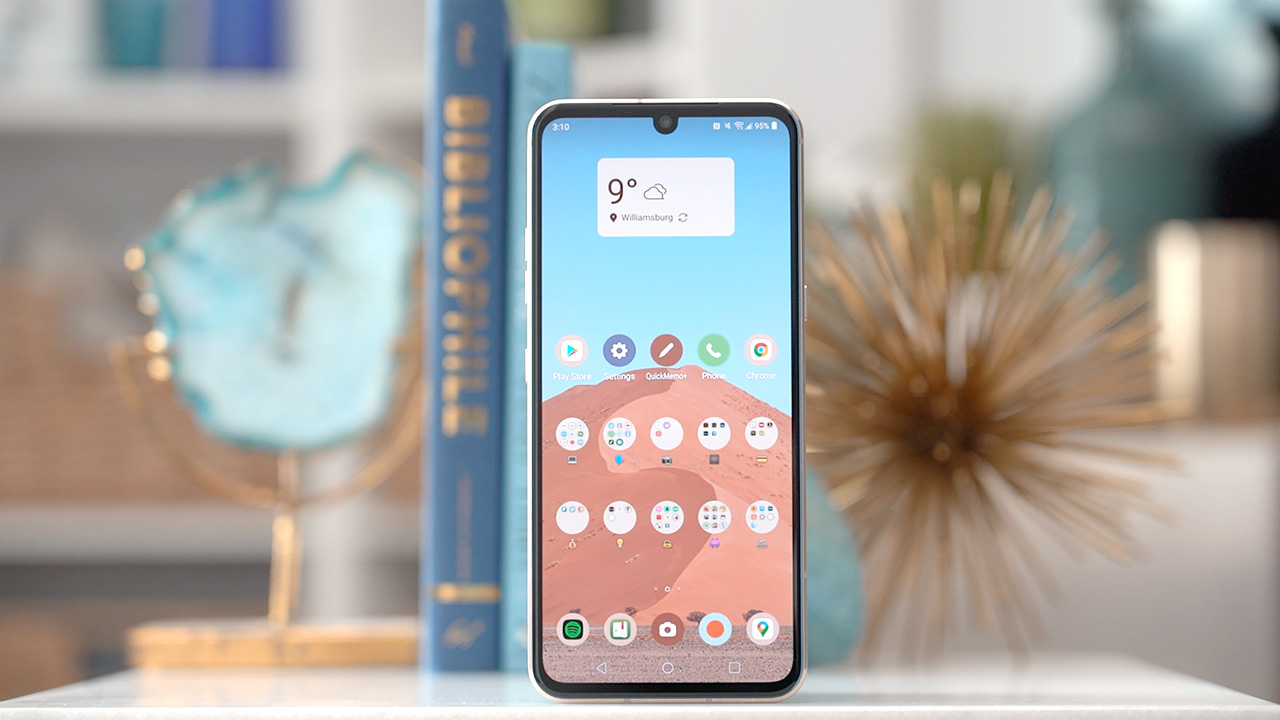
For LG’s top of the line smartphone, that’s not the case. It doesn’t have a smooth refresh rate that every Android flagship we’ve reviewed so far has.
Even though it looks a bit dated and not eyecatching, I don’t mind the flat display, bezels, and the notch. None of those take away from the experience. It’s still a solid phone with a good display, just not the best one out there.
“More importantly, LG opted to let go of those rather gimmicky features so that it can keep the one feature that every other manufacturer seems to have compromised on this year: price.”
If Apple bringing back the iPhone 8 chassis in 2020 is any indication, not everyone needs a phone with new looks and the latest and greatest display technology can offer.
The Dual Screen I never knew I needed
Despite the display and design being ordinary by today’s standards, what sets it apart from competition is the Dual Screen case. If you’ve seen our videos on the V50 and G8X last year, you’d know that we are fans of the idea.
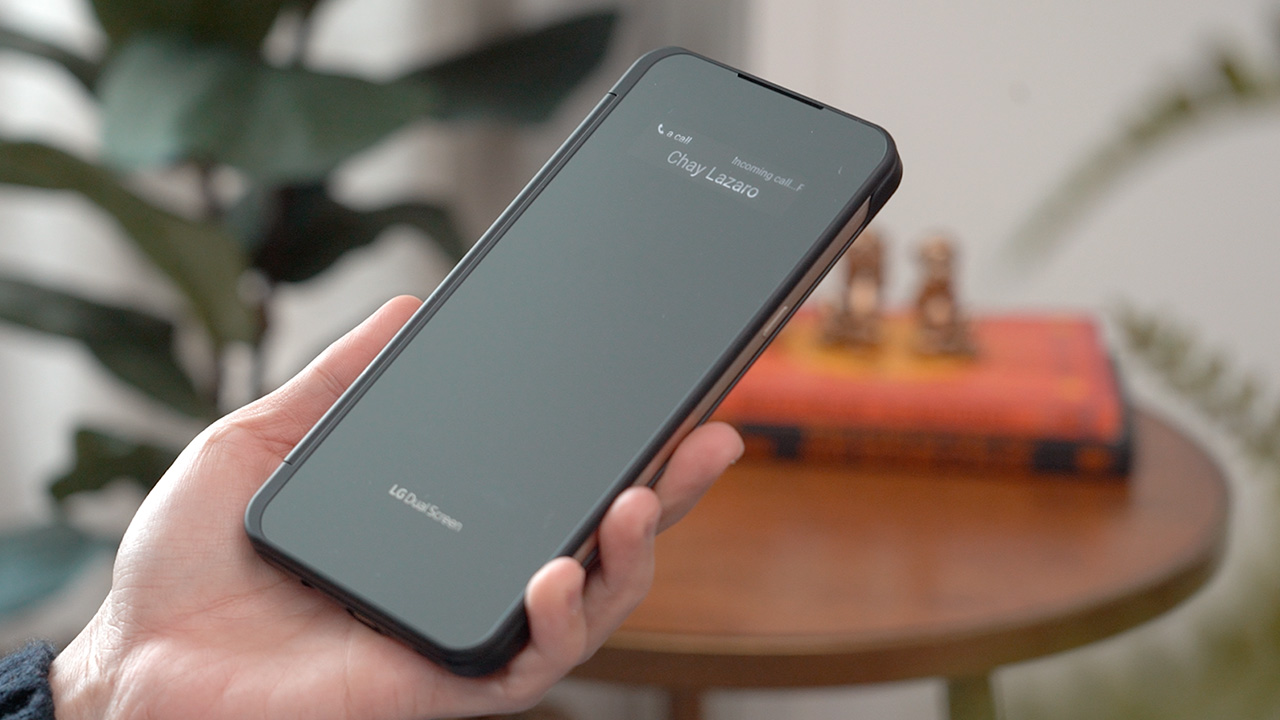
The huge 6.8-inch Full HD+ OLED display doubles when you use the Dual Screen case. You also get a third 2.1-inch Cover Display that shows the time and notifications. When you’re getting a call, it would show up here as well.
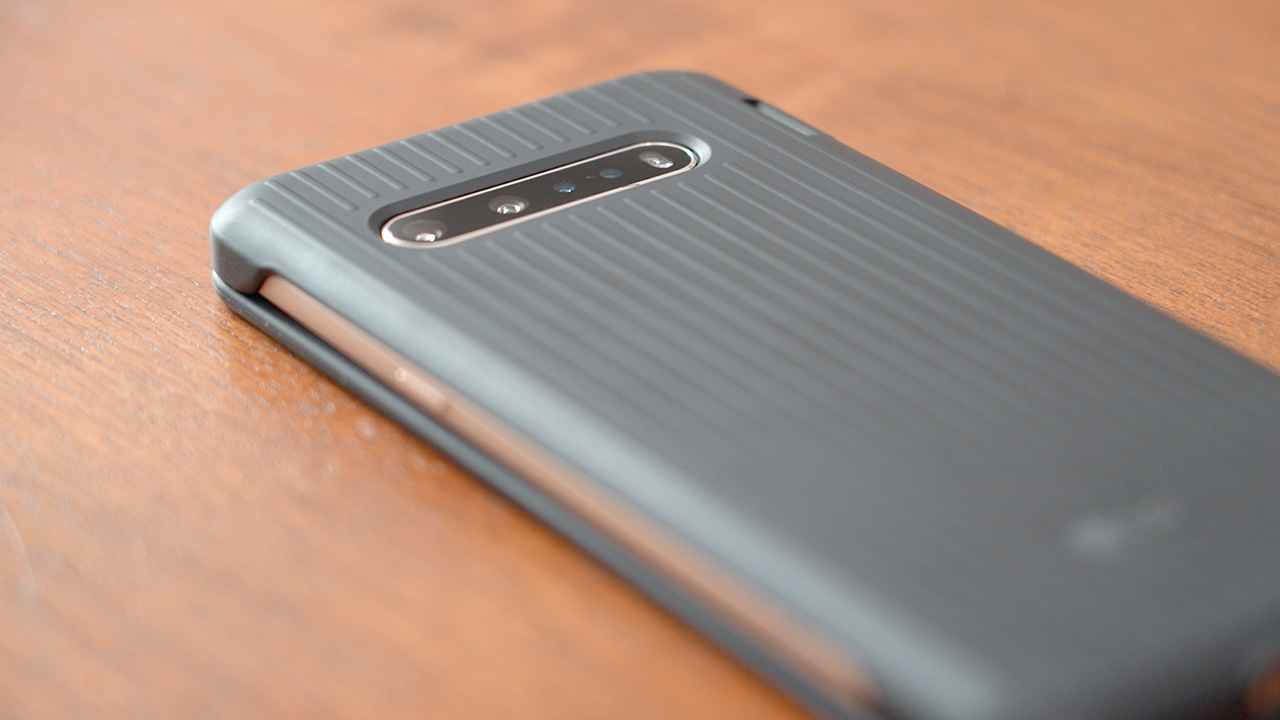
The back is more rugged than previous iterations. Its ridges reminds me of a Rimowa luggage.
Just like on a foldable phone where you get a phone that expands to a tablet for things like multitasking, there are many practical use cases for the Dual Screen. I enjoyed using it for every possible scenario and see myself using this form factor in the long term.
I typed more than half of this review on Google Docs while the phone is in what I’d like to call laptop mode. LG’s Smart Keyboard converts the phone into a mini laptop — when you move a document to the second screen by swiping three fingers, the keyboard shows up on the main display automatically as soon as you tap edit.

It’s obviously not an ideal or long term work setup. I made so many typos and probably took longer to write than I would have on a laptop.
When we first tried this on the V50 last year I thought it was just a cute novelty. Now, I think of it as a practical backup for when my laptop is about to die and I don’t have access to an outlet to charge. It’s also a good alternative when I’m flying economy and the tray table is too small for my 13-inch Mac — for when travel becomes possible again.
Of course you can always do all of this typing without the dual screen but I especially love that I can easily access the formatting tools that I use heavily when writing scripts.
Since the V60 screen is larger, typing also feels a bit more comfortable compared to the V50 and G8X. It would be a lot more comfortable if the keyboard was extended a bit more horizontally since there’s actually plenty of space on the edges.
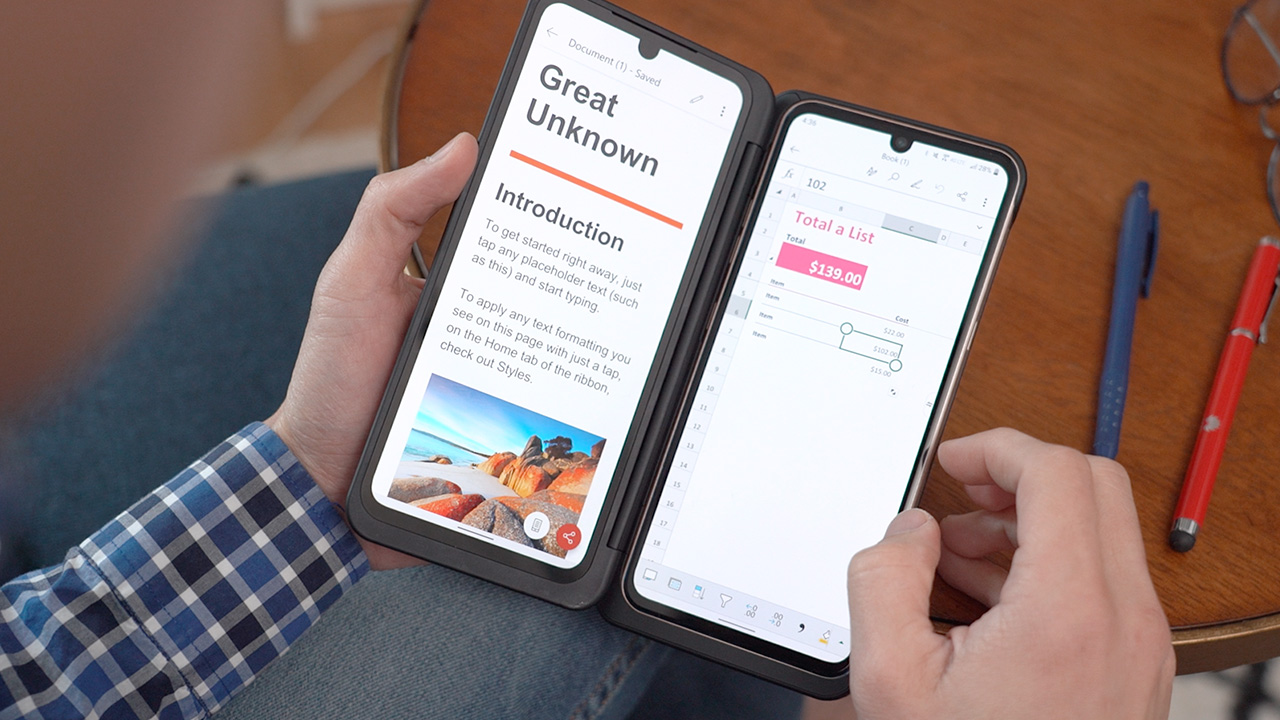
If Microsoft Office is what you use, the Dual Screen supports that too. Creating Excel sheets is manageable and it allows you to open documents simultaneously, which is especially helpful when you want to make cross references.
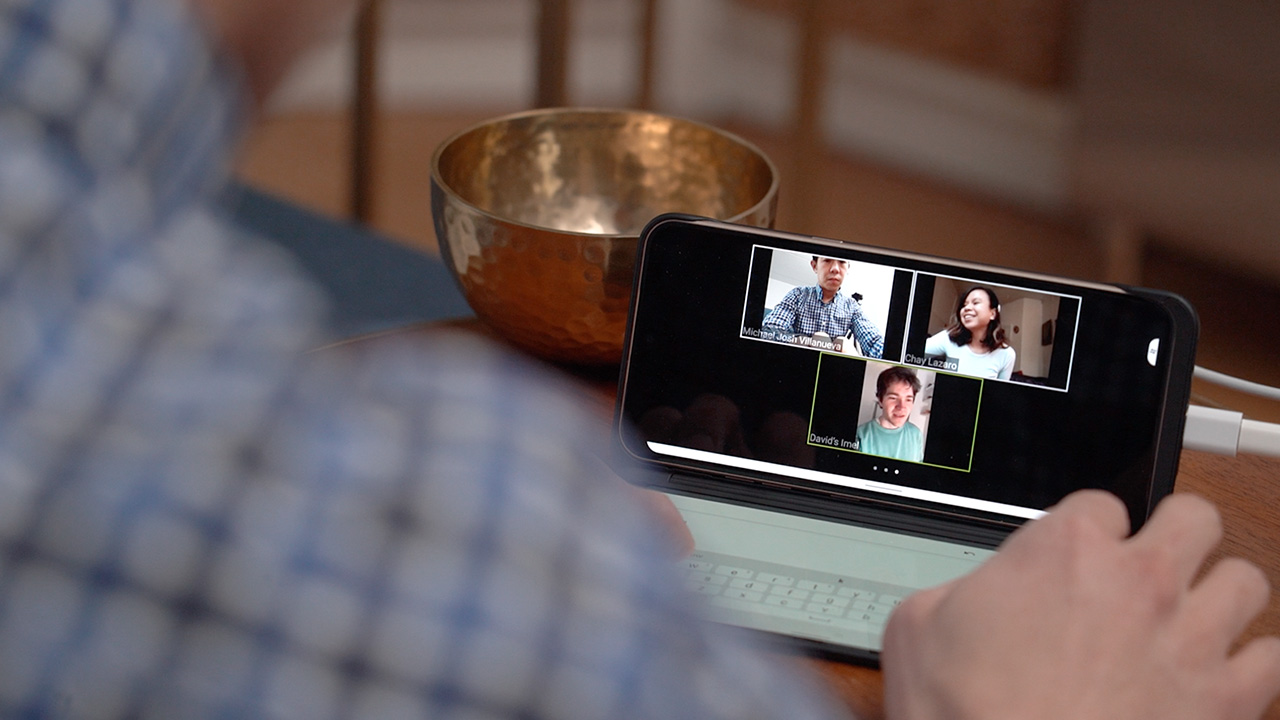
Oh and because all of us are in quarantine, there is something for those who are having virtual meetings that will appreciate. You can use the V60 for your zoom meetings or happy hours like you would a laptop, while still being able to take some notes on the second screen if necessary.
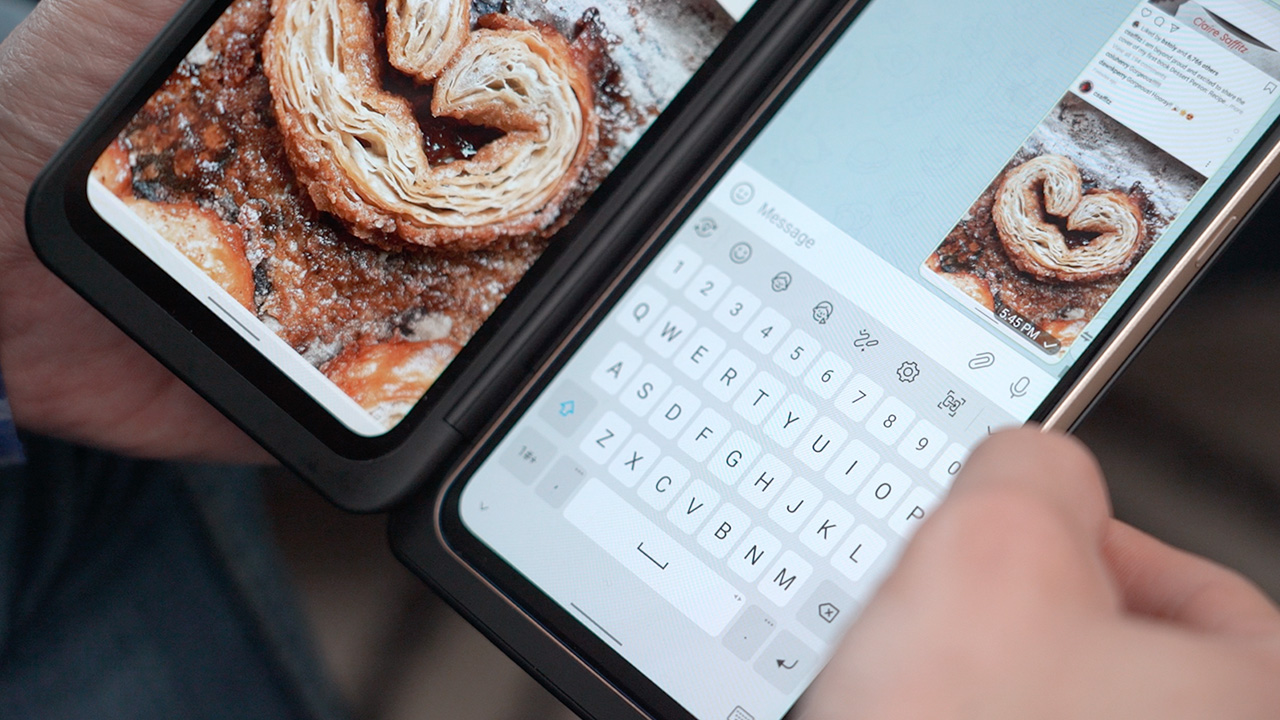
One of my favorite features is one that’s also built-in on the LG Smart Keyboard. When browsing Instagram and Twitter, or reading an article on one screen, I can easily send a screenshot using another chat app on the other screen, without it every being stored on the phone.
I can always do this without the case, by taking a regular screenshot, switching between two apps, then attaching the screenshot but with it built-in, screenshots will cease from taking up space in my gallery and instead will go directly to their intended recipient. This feature is especially helpful since I am guilty of taking a lot of screenshots that always end up as clutter in my gallery.
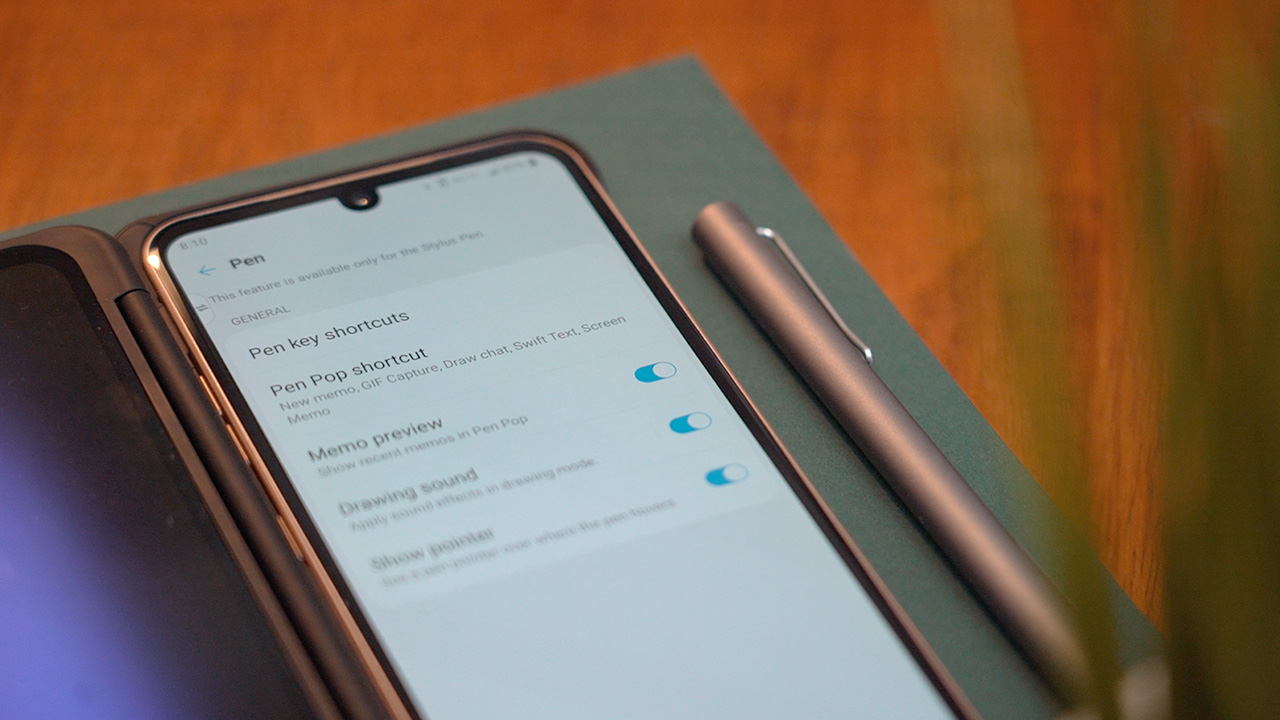
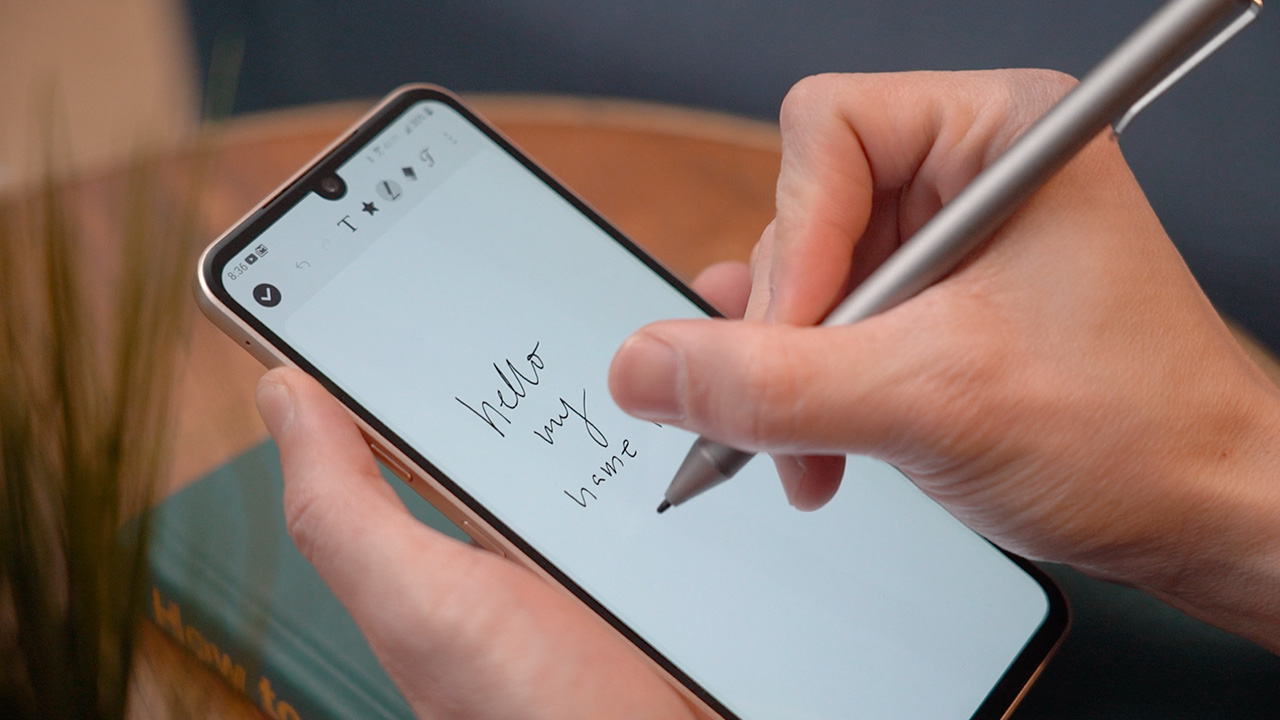
There is also pen support for the V60 and the dual screen. Any Wacom AES pens will work for a more traditional note taking or document signing experience. This makes the V60 the only “foldable” to have pen support.
But enough about work and productivity, that’s not all I use my phone for.

For people like me, nothing beats holding and turning pages on an actual book. Since we’re in isolation and bookstores are closed, the Dual Screen is the closest thing I can get to that experience. Document reader app Librera can mimic that by splitting two pages on each screen.
When you open an e-book, use book mode and switch to two pages. You also need Wide Mode for LG, a third party app that you can get on the Google Playstore. This way you can have the view of two pages on both screens just like you would on a real book. More than anything, this is what I see myself using the V60 for the most.
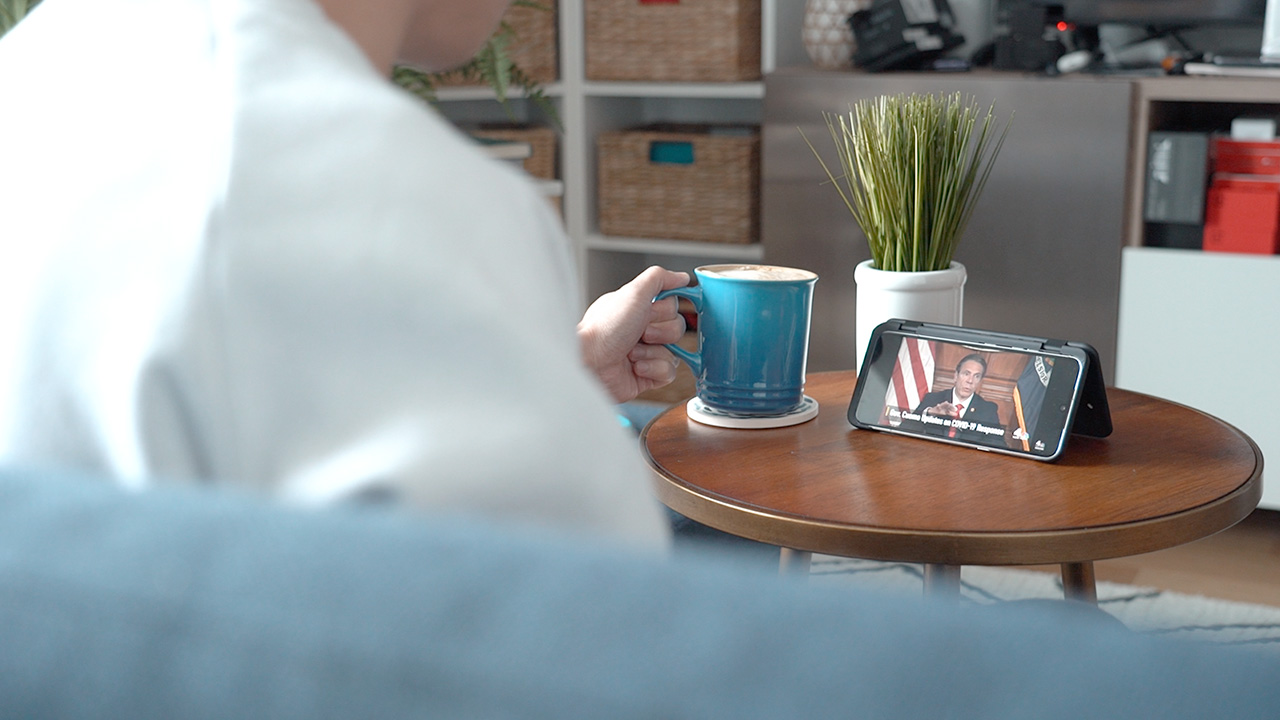
The case also makes watching Netflix a lot more convenient. I can just prop it up like I would a laptop or put it in tent mode so I don’t have to hold it when I’m in bed. I do this as well when I’m catching Governor Cuomo’s daily briefings while having coffee in the morning.

When I’m cooking in the kitchen and following a certain recipe, I can have both the video and the website open at the same time.
I am the most casual of gamers, if I could even be considered one. For the purposes of reviewing the V60, however, I downloaded a lot of games so I can try Game Mode. This gives me a virtual joystick that I can customize whichever way I want to depending on the game I’m playing.
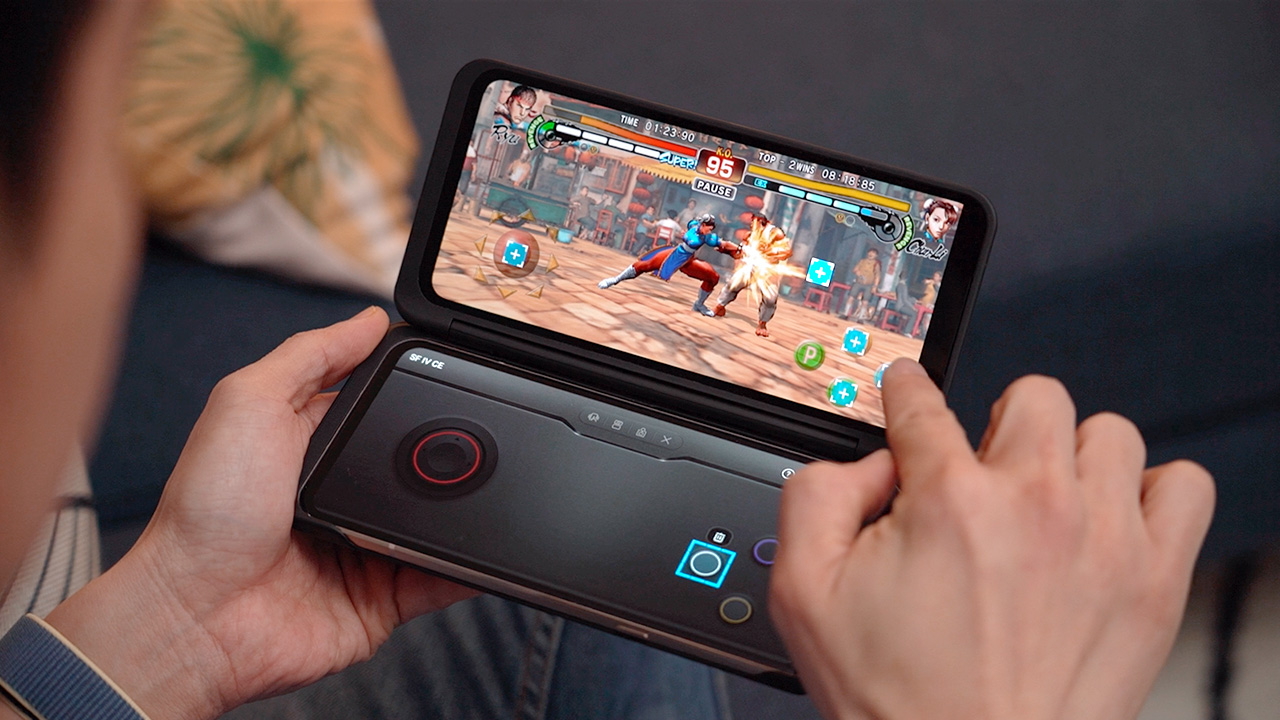
I used it on one of my childhood favorites, Street Fighter, and reached the fourth and final free stage — something I could never do without the virtual joystick.
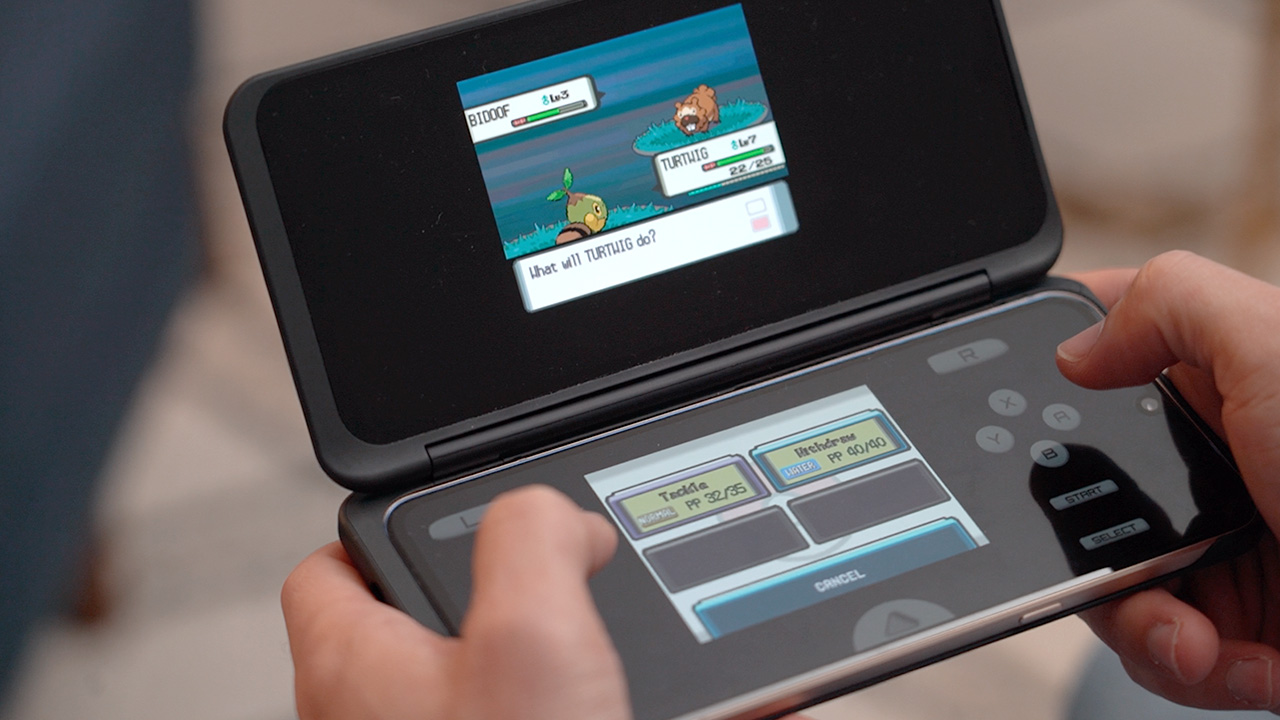
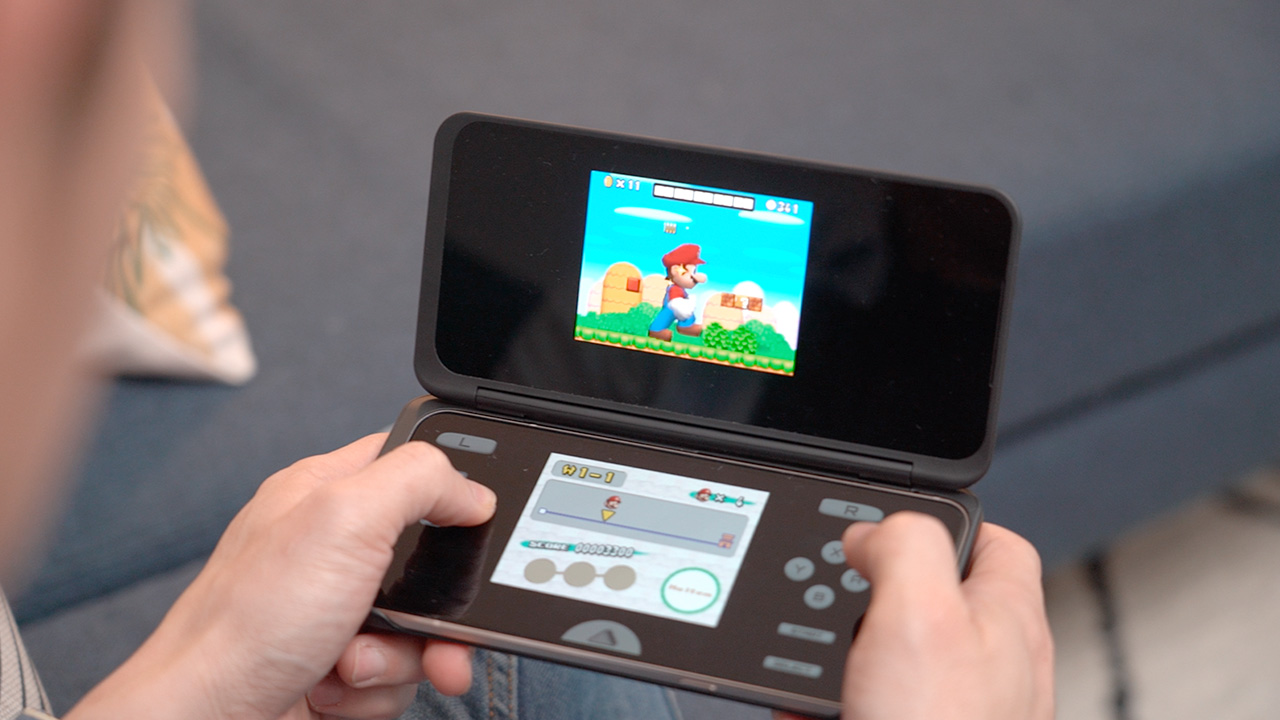
With a little bit of tinkering, I was also able to replicate the Nintendo DS experience on the V60. With third party apps Drastic DS and Wide Mode, I was able to play games like the Legend of Zelda: Phantom Hourglass, Pokemon Diamond, and New Super Mario Bros.
Selfie monitor is perfect for Instagram boyfriends and girlfriends. Being single and in isolation, this is not something I was able to take full advantage of at the moment but I see myself using this when taking photos of my friends when we can travel again one day.
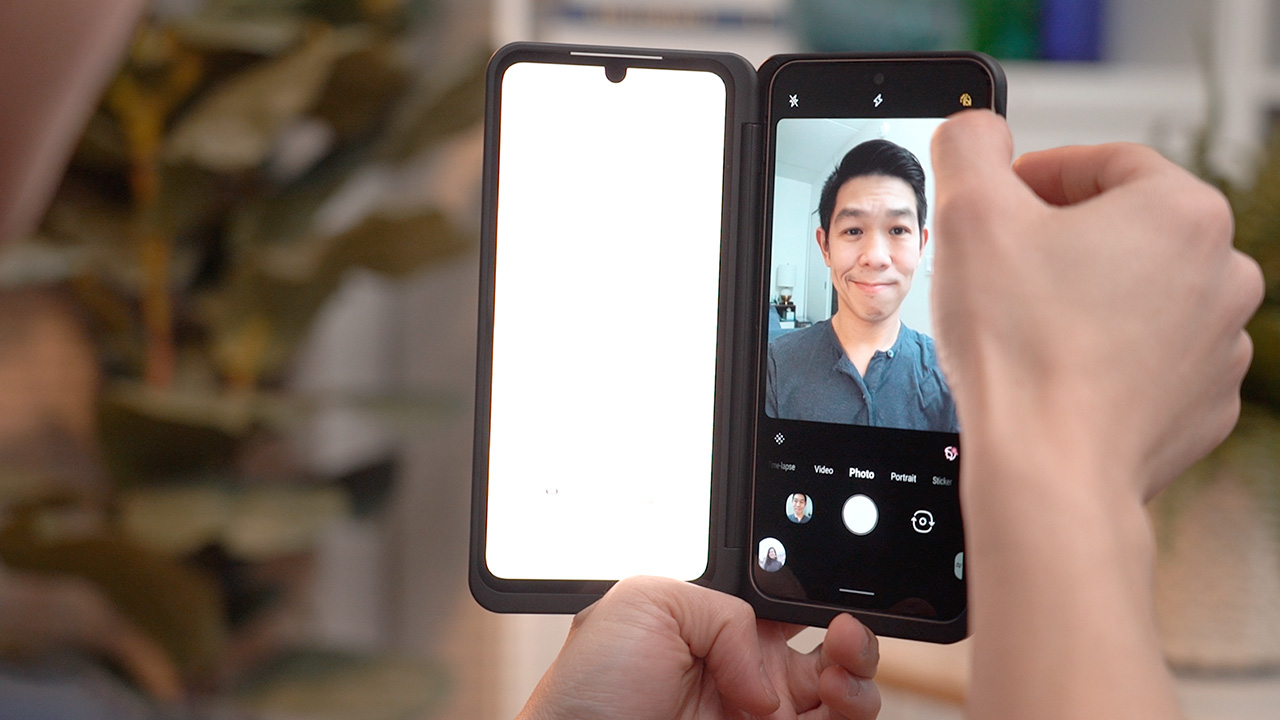
There’s also reflective mode, which changes the color tone of the second screen from white to warm. It acts as an additional light source when your selfies are a little too dark, which I’m sure SuperSaf will appreciate. 😝
Three lenses, zero gimmicks
Speaking of selfies and photos, the V60 has three rear cameras: A 64MP wide angle lens, a 13MP ultra wide angle lens, and a time of flight sensor. Up front is a 10MP selfie camera.
Now you’re probably thinking, where’s the zoom lens? Newsflash: unlike other Android flagships that have insane zoom capabilities, LG didn’t include a dedicated lens for it. Instead, when you zoom in, the V60 crops the 64MP image into a 16MP one.




Here’s what it looks like at 1x, 2x, 5x, and 10x.
Some of you would argue that ultra wide angle is more useful than an optical zoom lens so if you’re on the other side of that argument, you should look elsewhere; the V60 is not for you.






Otherwise the V60 takes great photos during the day outdoors and indoors.



I am a fan of the V60’s color reproduction. Oranges and reds on other smartphones tend to be oversaturated, but the V60 photos look as natural as possible and closer to real life.


The ultra wide angle camera, which LG first put on the G5 a few years ago, takes excellent photos as well.


At night the V60 also takes pretty good shots, especially when you switch to Night View, LG’s version of night mode.


Just note that when you take photos at night with the case on, it will create these line streaks from lights.


The front-facing camera also takes decent selfies as long as you have ample lighting.
Impressive battery life
The LG V60 comes with a huge 5000 mAh battery. That’s necessary because the secondary display actually draws power from it when it’s in use. When the phone’s battery is below 15% you won’t be able to use the dual screen anymore.
Battery life of course varies depending on usage; some apps just consume more juice than others. With the dual screen attached the V60 lasts an entire day of heavy use or about 9 hours of screen on time. That’s an hour of Netflix, Instagram, and Words with Friends 2, half an hour of YouTube, browsing, and reading Becoming using Librera, 2 hours of writing this review on Google Docs, and more.
Without the dual screen case, the 5000 mAh battery lasts more than 2 days — one time I got a whopping 12 hours of screen on time.
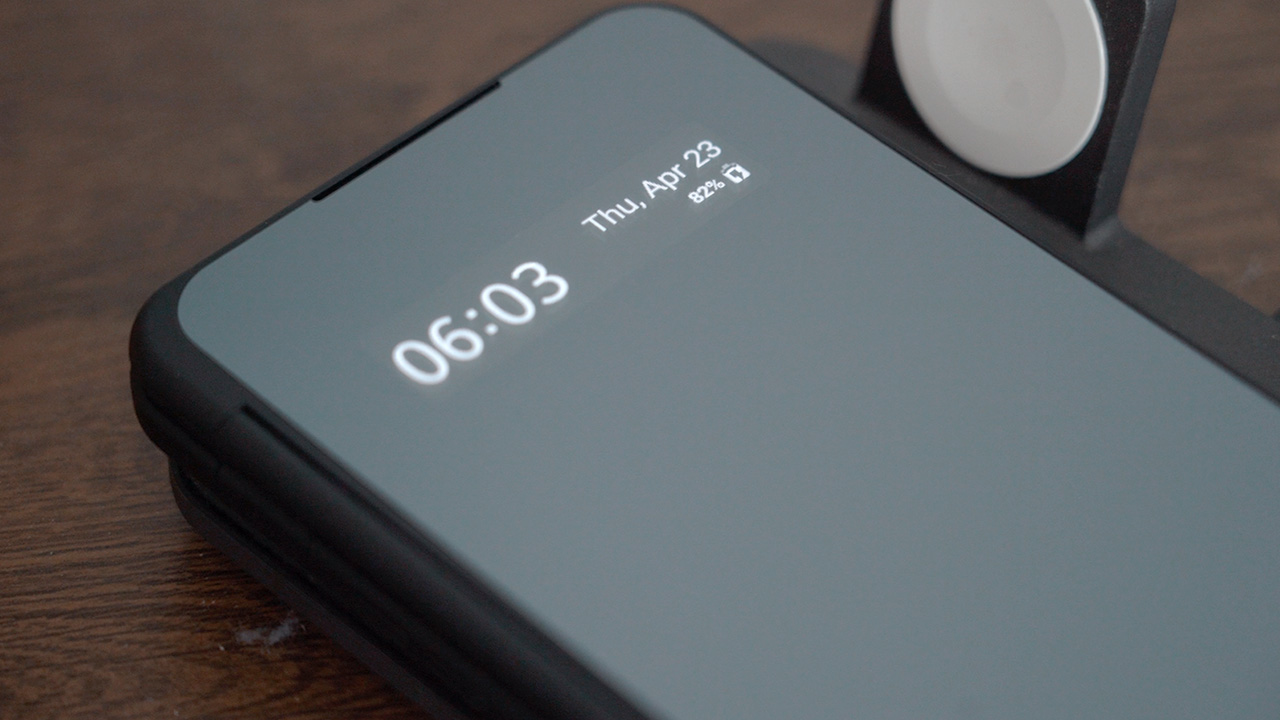
When it finally conked out, the bundled charger takes less than two hours to fully charge the 5000 mAh battery. The phone also supports Qi wireless charging and it works even with the case on. It’s just not as fast as those we’ve seen on the Mi 10 Pro and the OnePlus 8 Pro.
Needless to say, this has the most impressive battery life of a phone that I’ve ever used.
Disappointing biometrics
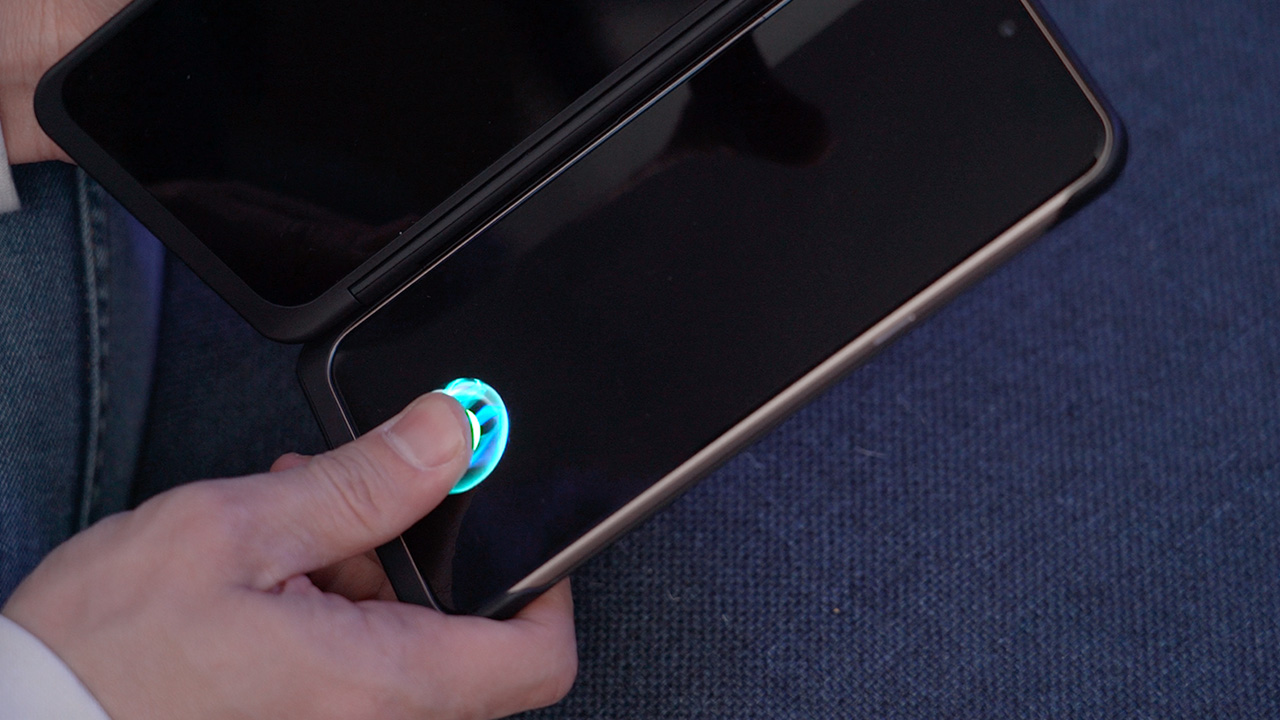
On a quick and more negative note, my biggest gripe about the V60 is its slow and unreliable in-display fingerprint scanner. This is also the only biometric security option available on the phone.
Is the LG V60 ThinQ your GadgetMatch?
First, let me get this out of the way: to my knowledge no other flagship smartphone has a 3.5mm headphone jack and Quad DAC support. So audiophiles, if those are important to you, the LG V60 is your GadgetMatch.
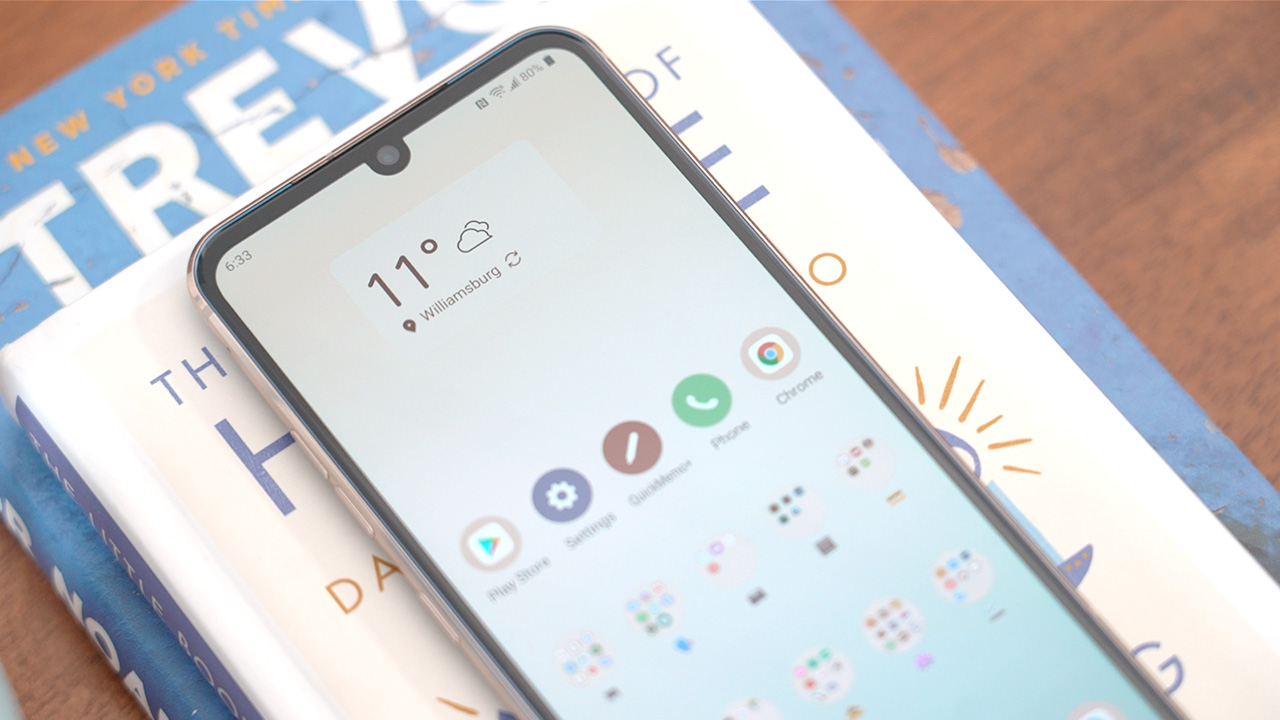
For everyone else, consider what’s important to you and your needs. LG did not included features that a lot of 2020 flagships are prioritizing like the edge to edge curved display, high refresh rate, and out of this world zoom camera capabilities.
The Korean company did, however, keep the things that other folks find to be essential: a big battery, the headphone jack, an ultrawide angle lens, water and dust resistance, and wireless charging.
More importantly, LG opted to let go of those rather gimmicky features so that it can keep the one feature that every other manufacturer seems to have compromised on this year: price.
You can get the LG V60 at US$ 799.99 from T-Mobile and US$ 899.99 if you want the Dual Screen case included. The T-Mobile version of the phone is optimized for Sub-6 5G networks, while Verizon offers the version optimized for mmWave networks which have faster speeds starting at US$ 949.99.

Do you need two screens? Nope. All of us can do virtually any mobile computing task on one slab of glass. You can do almost anything on the V60 too even without the case.
The add-on experience — the option to add a secondary screen, use your wired headphones, as well as a third party stylus — plus its top of the line specs, are things that you will not get from any other phone.
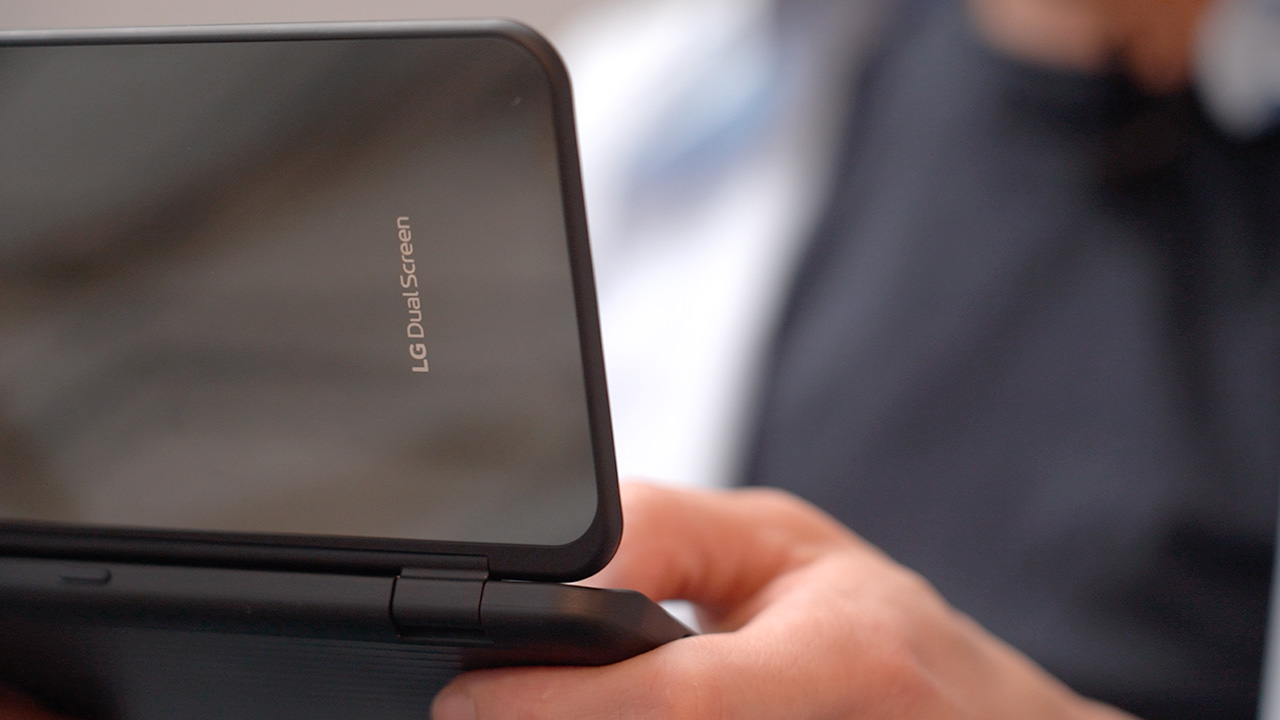
What you’re buying when you get the LG V60, is the choice to take your multitasking, productivity, and entertainment to another level whenever you want to.






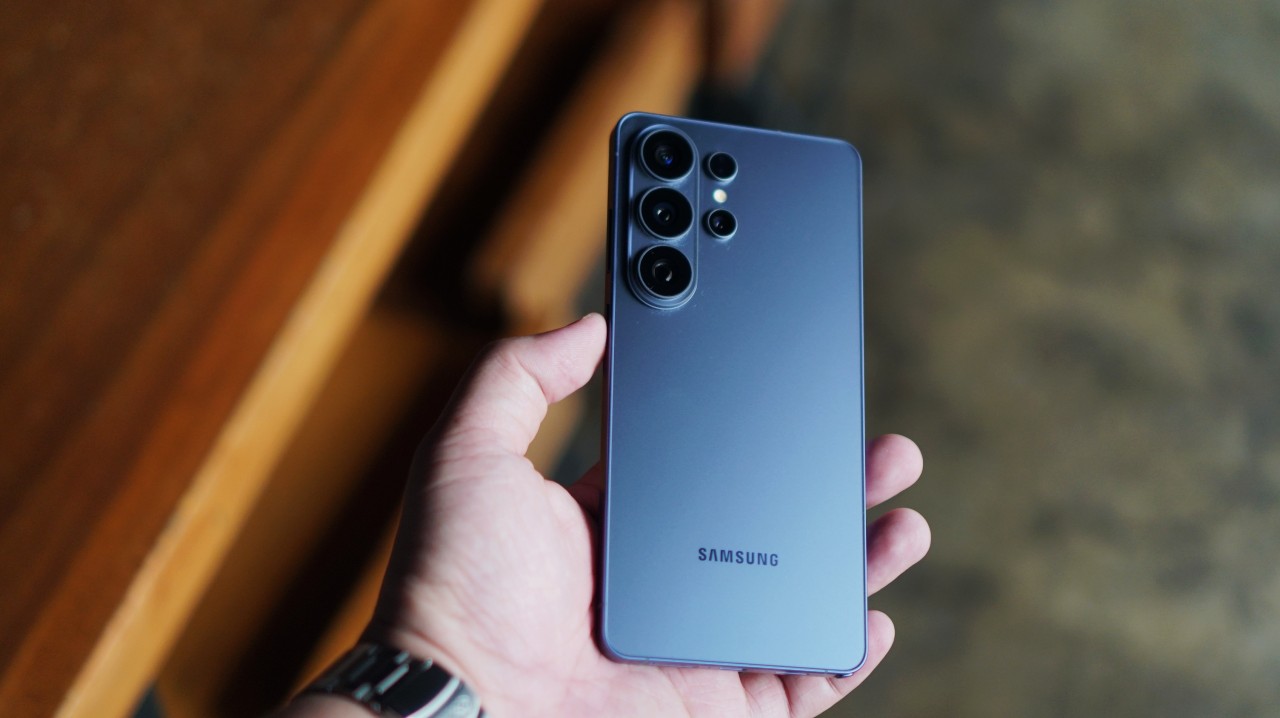
Not every flagship needs to reinvent the wheel.
Some phones try to wow you with dramatic hardware changes. Others focus on making the experience smoother, smarter, and easier to live with every day.
The Galaxy S26 Ultra falls squarely into the latter category.
At first glance, it doesn’t look dramatically different from last year’s model. But spend enough time with it — watching shows, listening to music, recording concerts, charging it between episodes — and the changes begin to make more sense.
A practical display trick
@gadgetmatch The Galaxy S26 Ultra introduces something we haven’t really seen on a mainstream smartphone before: a built-in Privacy Display. 🫣 #Unpacked #Unpacked2026 #SamsungGalaxyS26 #withGalaxy #GalaxyS26 ♬ original sound – GadgetMatch
The headline hardware feature this year is Privacy Display.
It’s one of those features that immediately feels useful in the real world. When activated, the screen limits viewing angles so people beside you can’t easily see what’s on your display.
Anyone who has ever used their phone on a train, plane, or crowded café will understand the appeal.
Some users might notice the display resolution dropping when the feature is active, but that’s a natural trade-off given the nature of the feature. Limiting light dispersion requires compromises, and Samsung appears to have struck a reasonable balance between usability and privacy.
More importantly, it’s a feature that solves an everyday problem instead of chasing a spec-sheet headline.
@gadgetmatch Say goodbye to prying eyes with Samsung’s newest built-in Privacy Display. 😎 #Unpacked #Unpacked2026 #SamsungGalaxyS26 #withGalaxy #GalaxyS26 ♬ original sound – GadgetMatch
A meaningful charging bump
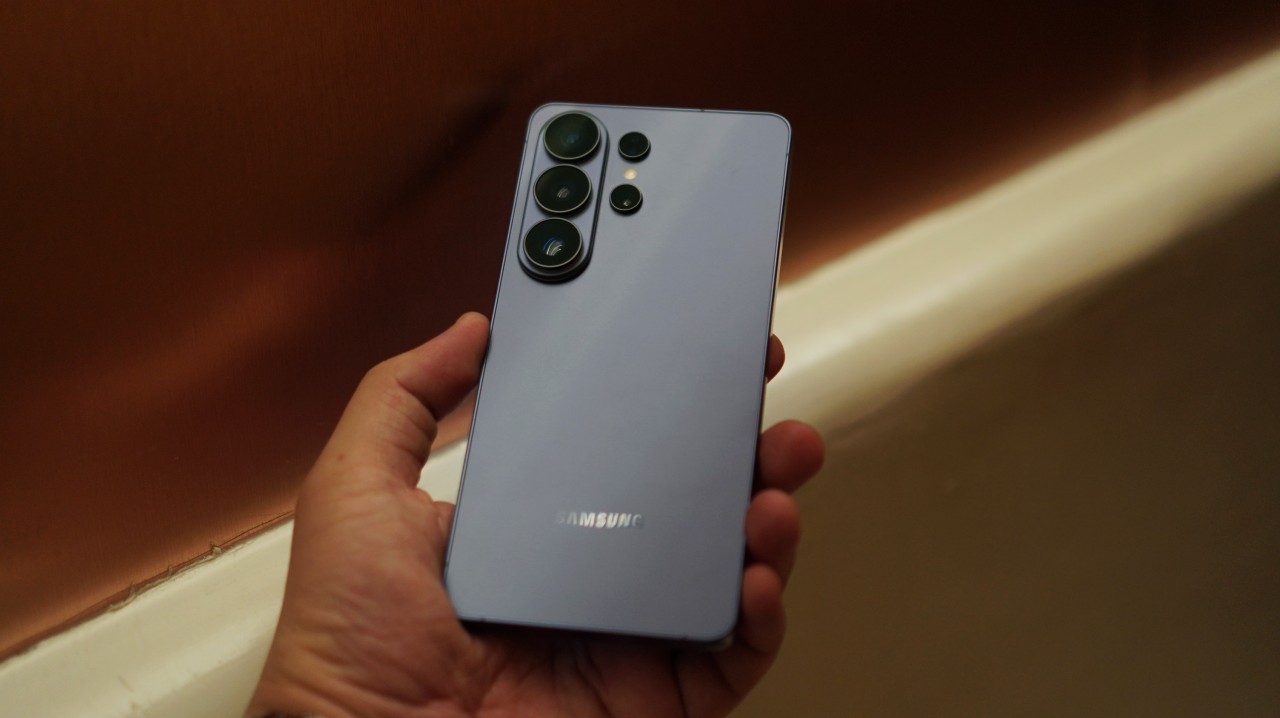
Another upgrade that quietly improves daily use is charging.
The jump from 45W to 60W charging feels significant.
Previously, I had to watch two anime episodes before the Galaxy S25 Ultra was fully charged from around 20-ish percent. With the Galaxy S26 Ultra, that’s down to roughly a single episode.
It’s a simple comparison, but it’s also how most people experience charging in real life: plugging in while watching something.
Faster charging means you spend less time thinking about battery levels and more time actually using the phone.
Now Playing: Jujutsu Kaisen Season 3
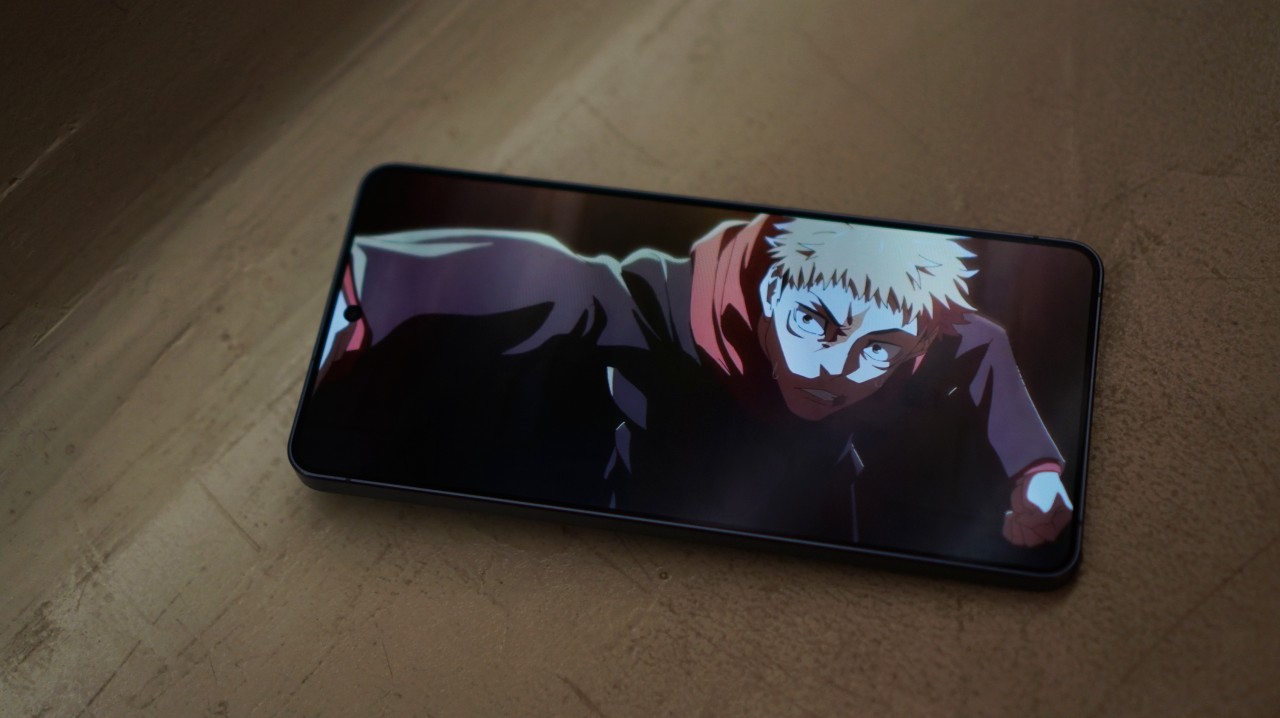
Speaking of anime, I used the phone to catch up on Season 3 of Jujutsu Kaisen.
The latest battle between Yuji Itadori and “Judge Man” Higuruma looked absolutely stunning on the large Ultra display. As is to be expected.
Samsung has long been known for excellent smartphone displays, and that reputation continues here. The panel remains one of the easiest ways to enjoy streaming content on a mobile device.
Now Playing: Steal on Prime Video
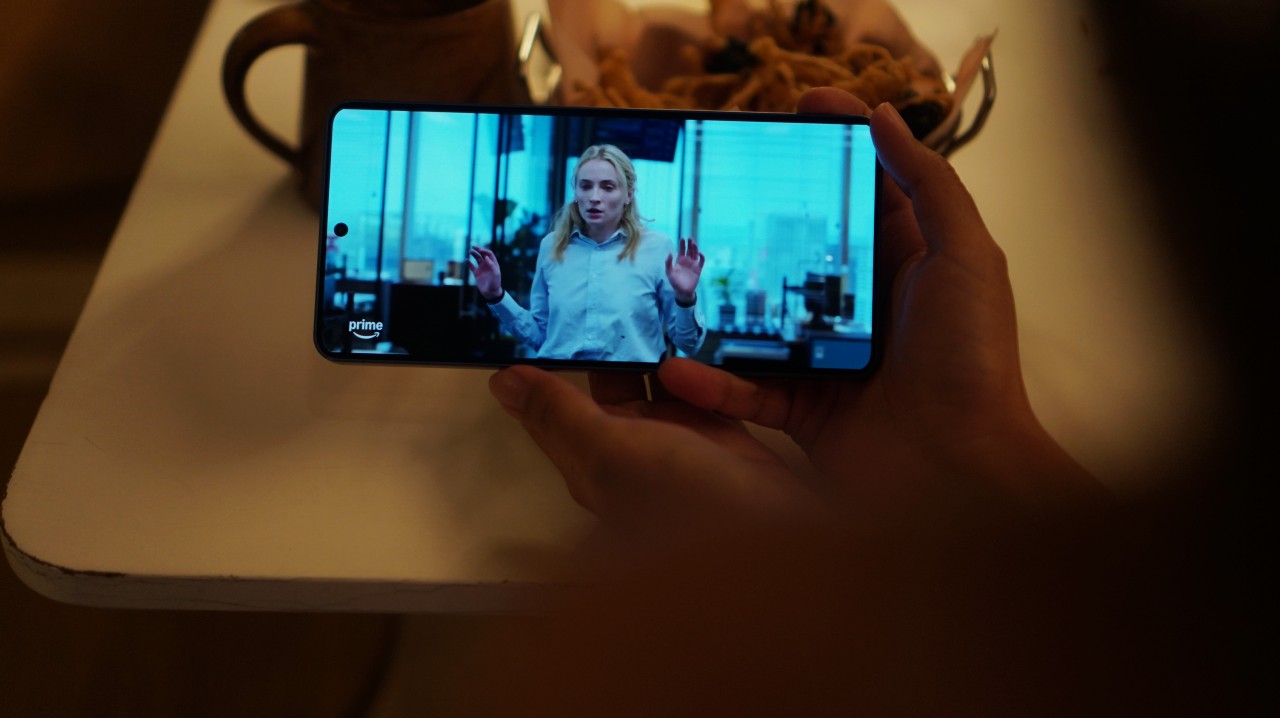
The phone also became my late-night streaming companion.
I spent a few evenings watching Steal on Prime Video as I wind down at night. It stars Sophie Turner as a rank and file investment company employee caught in a high stakes hostage situation.
It’s a steady thrill watch – one you can finish in a weekend – where you can watch Turner on Prime before she shifts gears into tomb raiding.
Phones like the Galaxy S26 Ultra increasingly double as our primary personal screens, and the large display makes that transition feel effortless.
@gadgetmatch Audio Eraser now works on third-party apps! 🤩 #Unpacked #Unpacked2026 #SamsungGalaxyS26 #withGalaxy #GalaxyS26 ♬ original sound – GadgetMatch
This also feels like the kind of scenario where Samsung’s Audio Eraser could come in handy. The feature can reduce background noise from videos — even from clips on apps like Instagram or YouTube.
While we’ve demonstrated it as a feature that works, I never really felt the need to use it during my week with the phone. Still, it’s nice knowing the tool is there if you ever need to clean up a noisy clip.
Paired with Galaxy Buds4 Pro
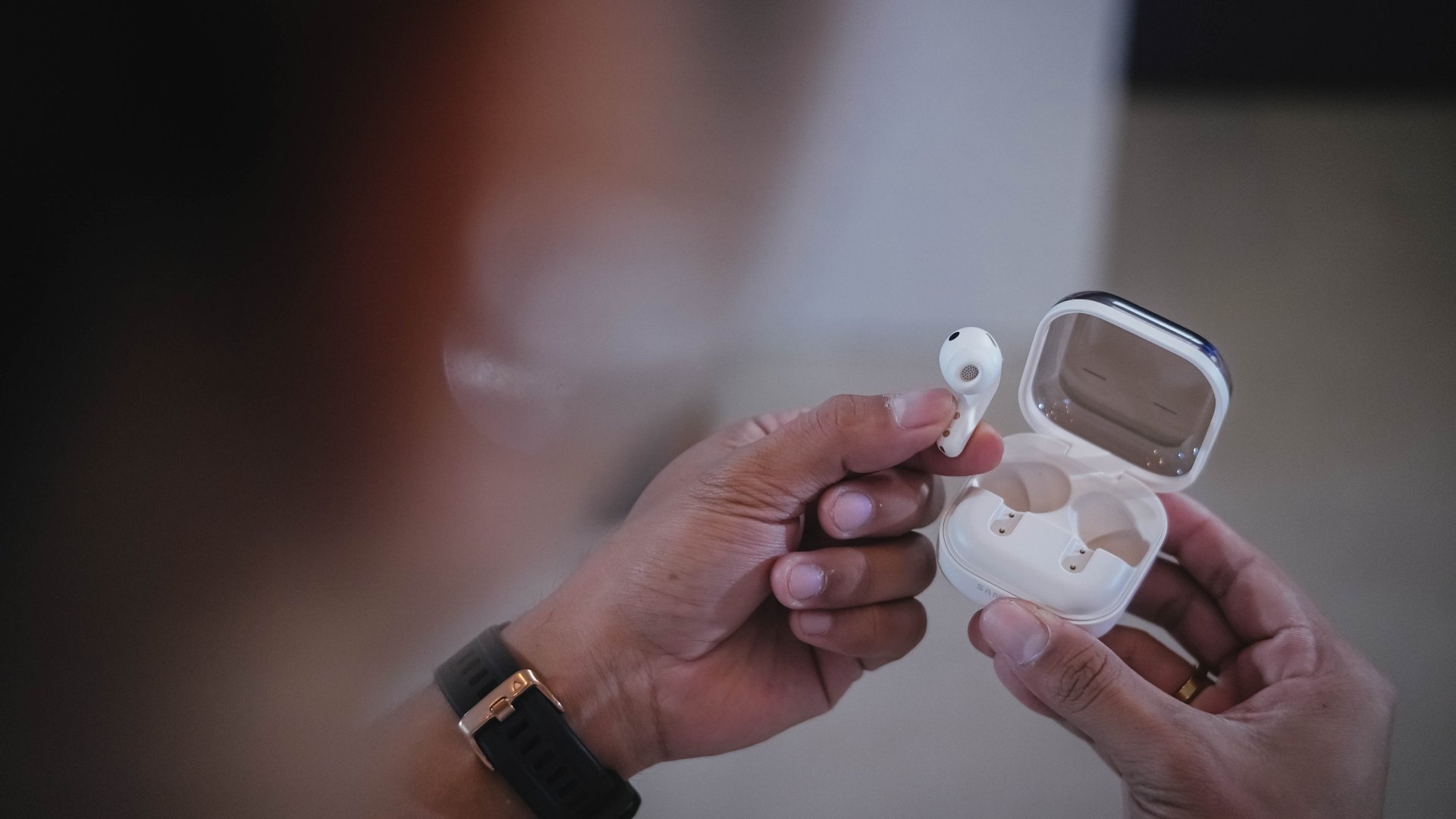
Paired with the Galaxy Buds4 Pro, I also started hearing stuff I didn’t usually hear when listening to my MyOPM playlist on Spotify.
The quality certainly feels a step higher than usual and a lot closer to lossless tracks I hear on Apple Music with my usual headphones.
It’s a subtle improvement, but one that adds up when you listen to music throughout the day.
Cameras: consistent, not dramatic
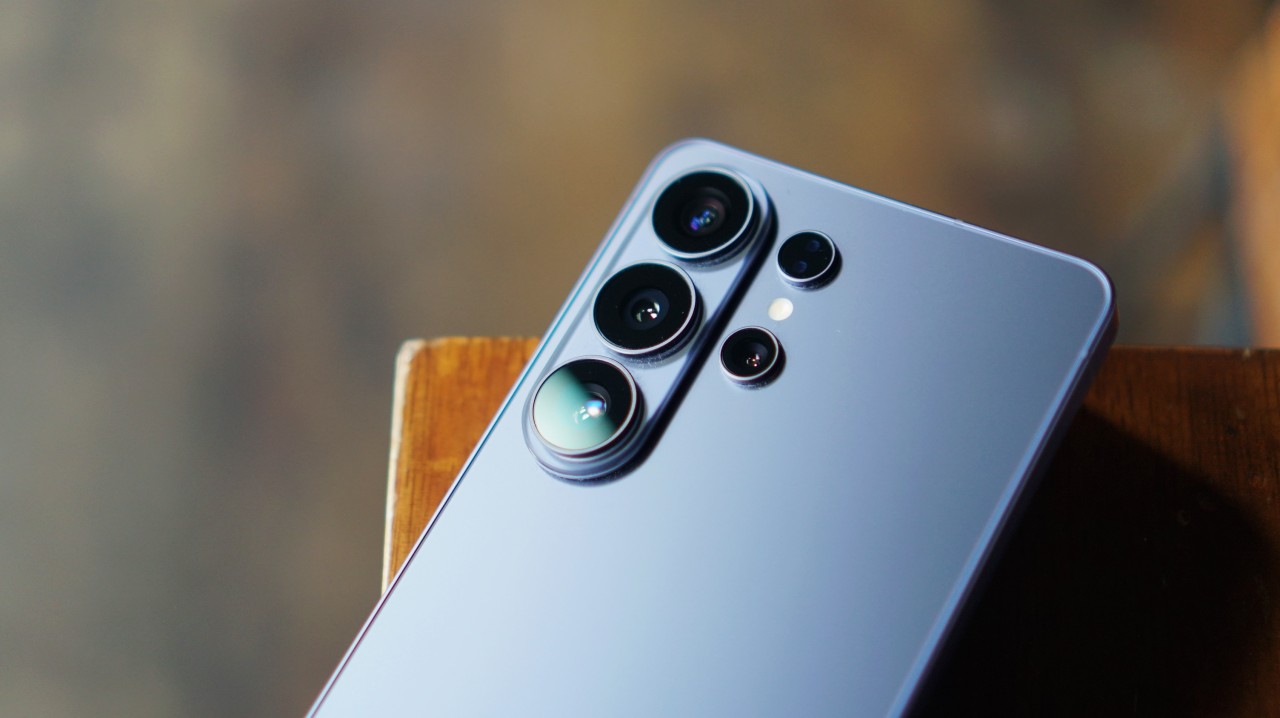
Camera performance remains largely unchanged.
The larger aperture does make a difference somewhat. But you’ll only really notice it if you’re scrutinizing the images.
View this post on Instagram
Magic8 Pro vs Galaxy S26 Ultra
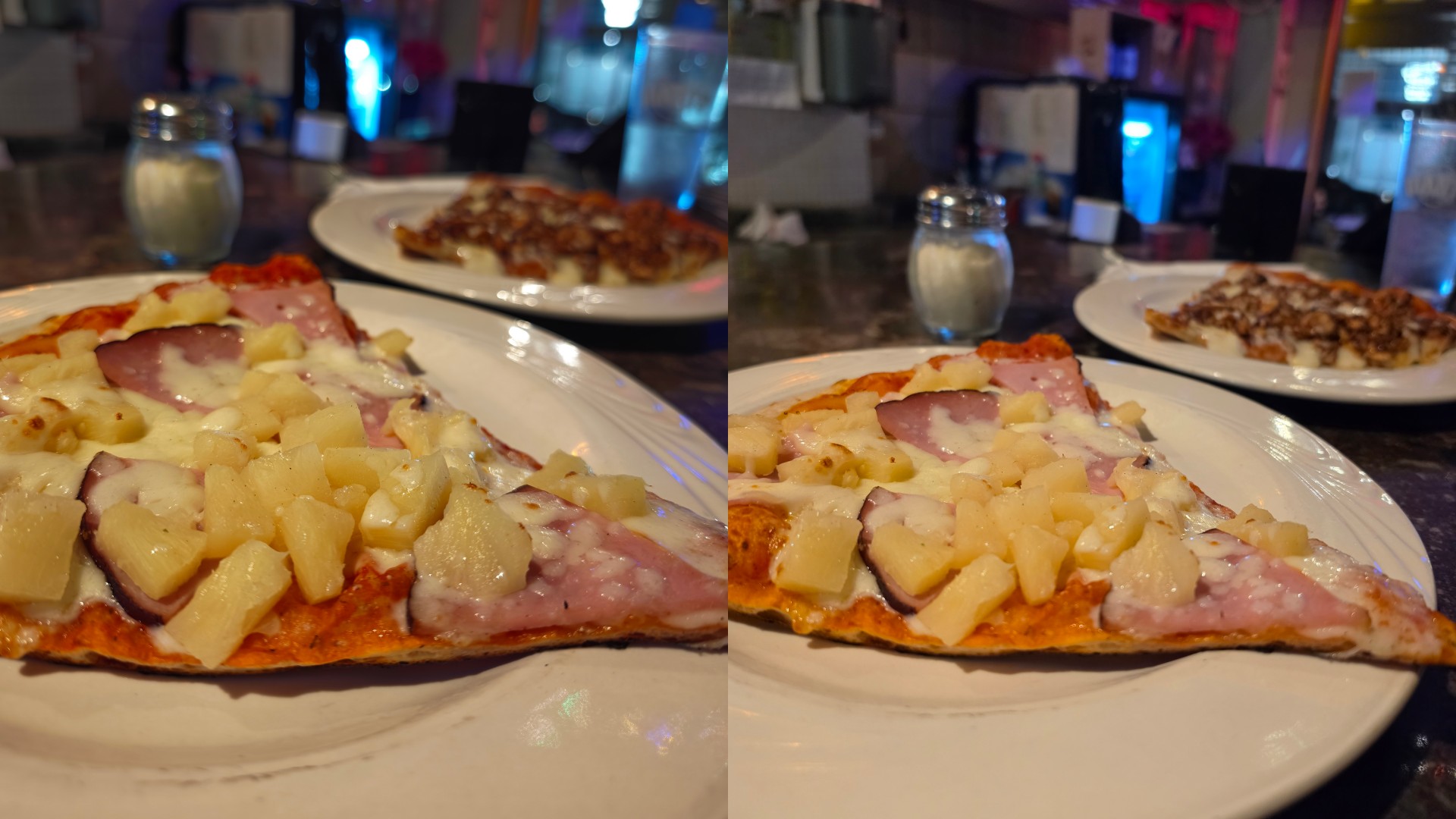
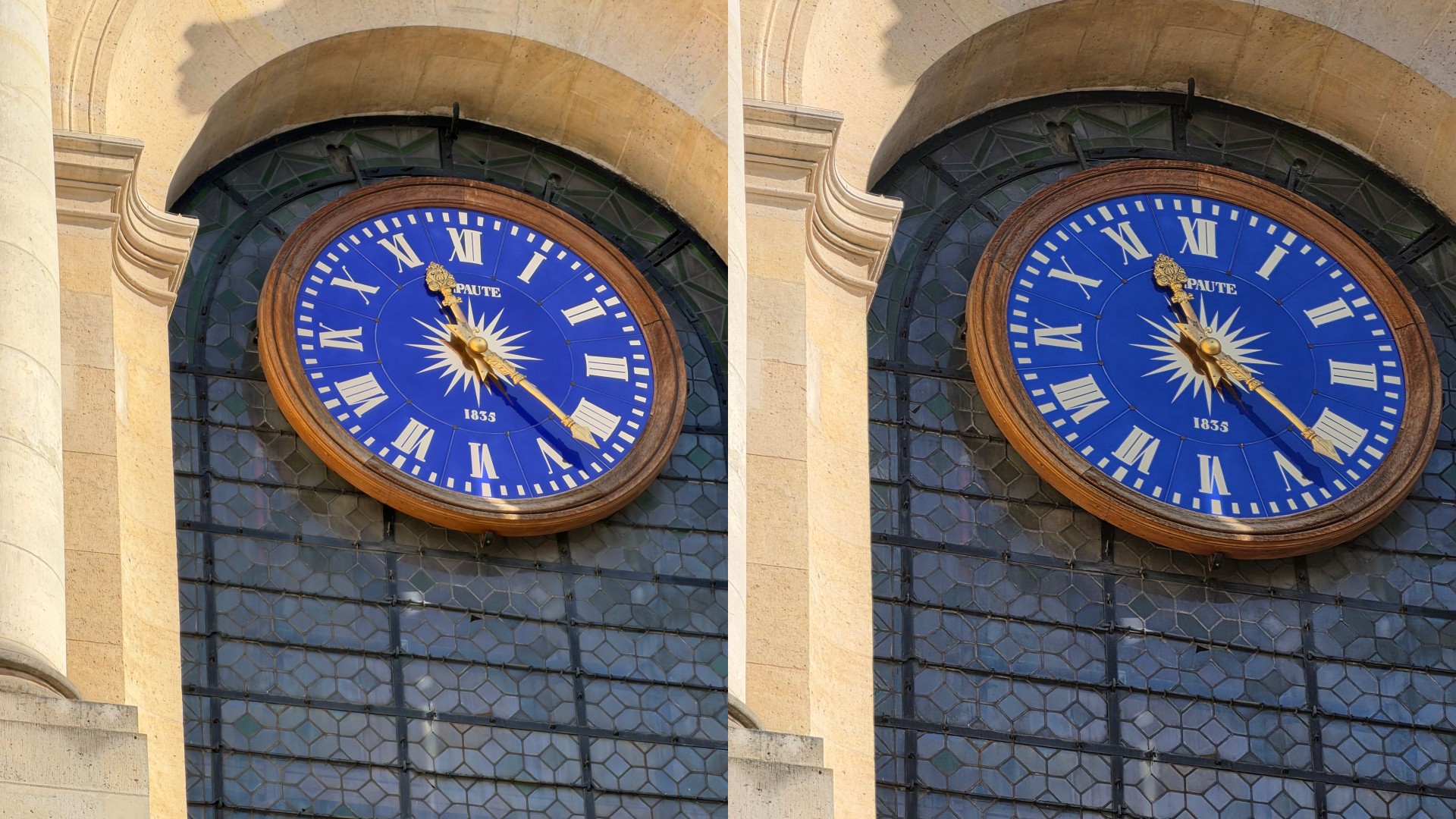
I compared it with my personal smartphone camera of choice right now – the HONOR Magic8 Pro – and the difference in color science is staggering.
We’re not going to go in-depth here, but you’ll see that even with its Vibrant shooting filter, the Magic8 Pro’s photos tend to look warmer. They also have more character, especially when you shift to the Authentic filter.
Meanwhile, the photos produced by the Galaxy S26 Ultra tend to look closer to what you see in real life. They’re also flatter.
Some photos lose character when the highs, lows, and mids look a little too close to each other. The preset filters don’t help either. They’re just there for the sake of it.
All photos on the left are from the Magic8 Pro. The Galaxy S26 Ultra are on the right.




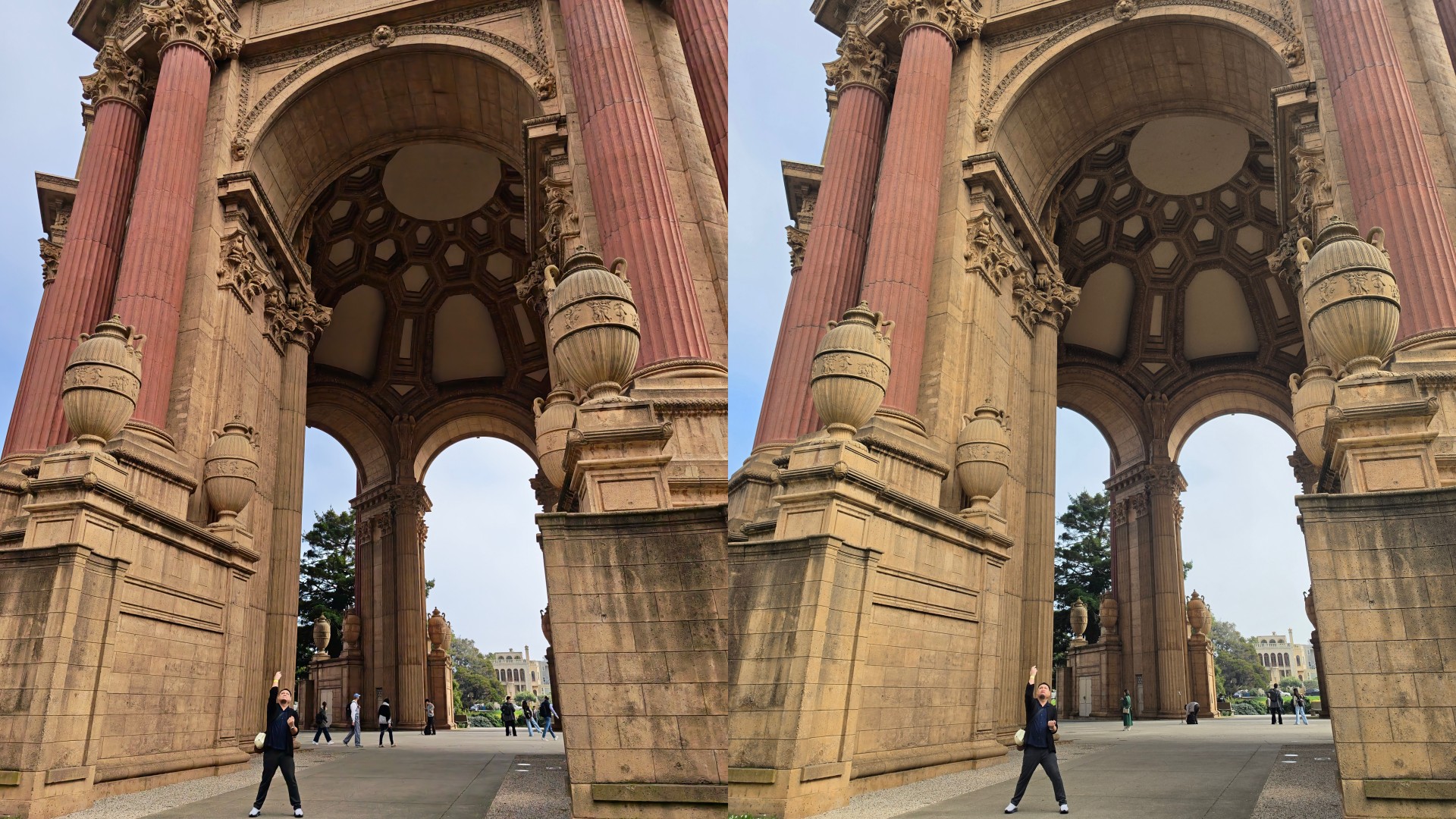

iPhone 17 Pro Max vs Galaxy S26 Ultra
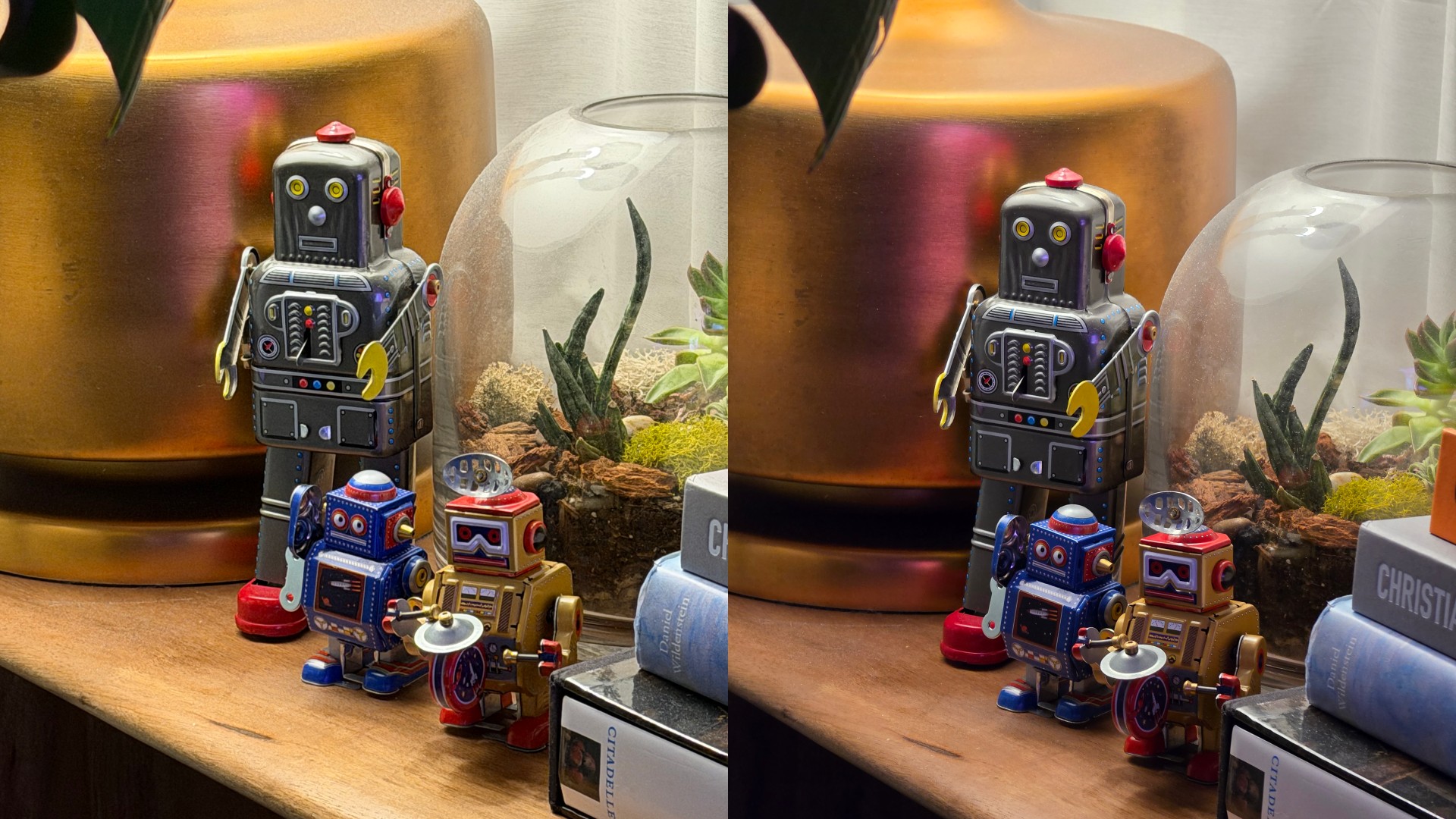
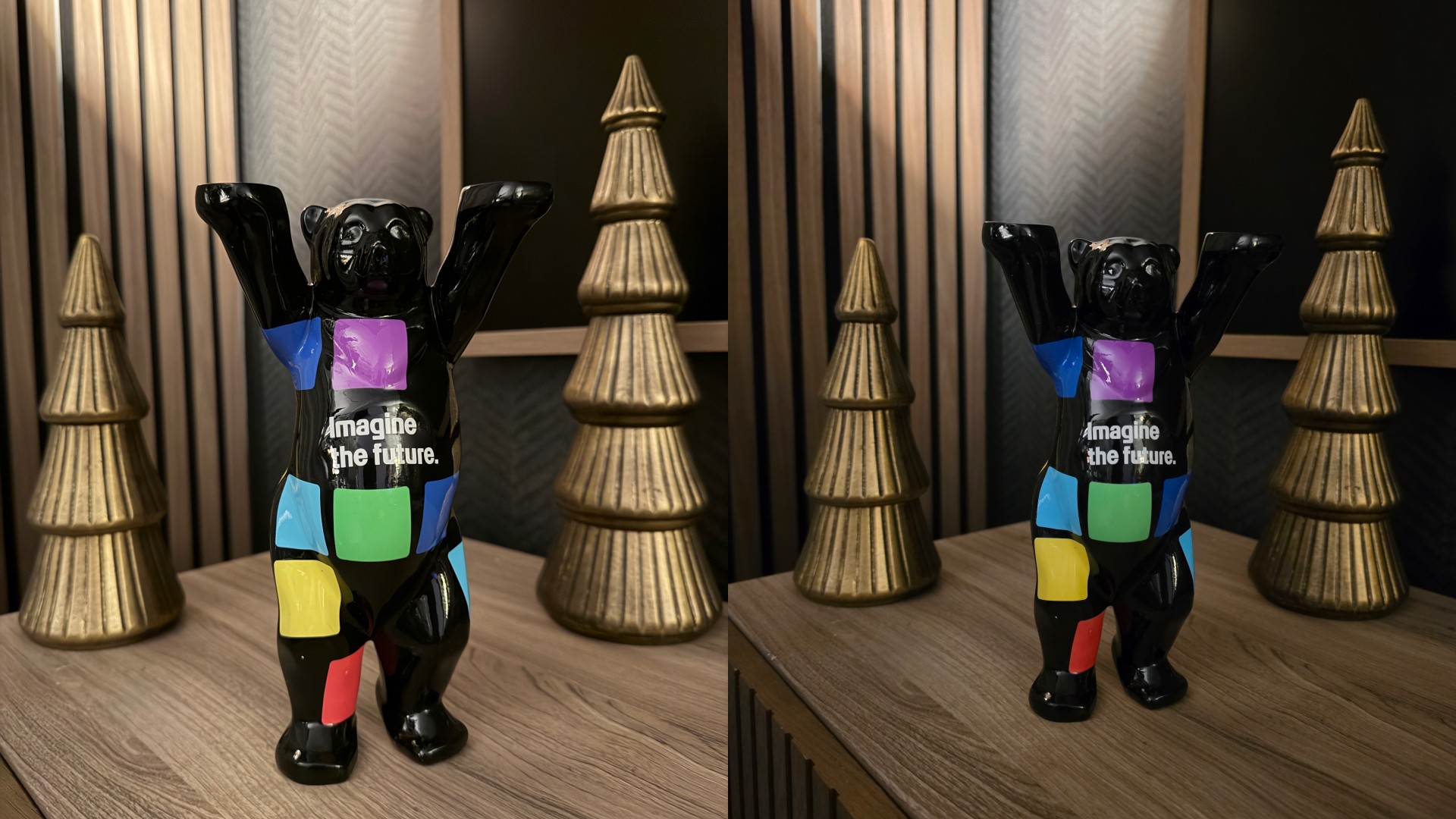
In terms of color reproduction, it’s a lot closer to the iPhone 17 Pro Max. Less warm and more true-to-life. After close examination, the Galaxy S26 Ultra photos — especially in broad daylight — tend to be brighter. That’s what causes it to look a lot more flat and feel a little soul-less.
All photos on the left are from the iPhone 17 Pro Max. The Galaxy S26 Ultra are on the right.




Still a concert buddy
That said, the zoom video capabilities are definitely still as reliable as they have always been.
If I’m going to a concert and I’m seated nowhere near the barricade, I’m making sure I have the Galaxy S26 Ultra with me to record the experience.
The Horizon Video lock is also impressive. While use-case will vary depending on the activities you engage in, it’s a nice-to-have tool in your video-taking arsenal.
Galaxy AI in daily use
View this post on Instagram
Samsung continues to push Galaxy AI as the defining layer of its latest flagship, and the Galaxy S26 Ultra adds a few new tricks to that toolkit.
One of them is Now Brief and Now Nudge, which aim to surface contextual suggestions depending on what you’re doing.
So far, Now Brief still doesn’t feel as essential as it should. But some Now Nudge suggestions already available during our week with the Galaxy S26 Ultra are actually nice.
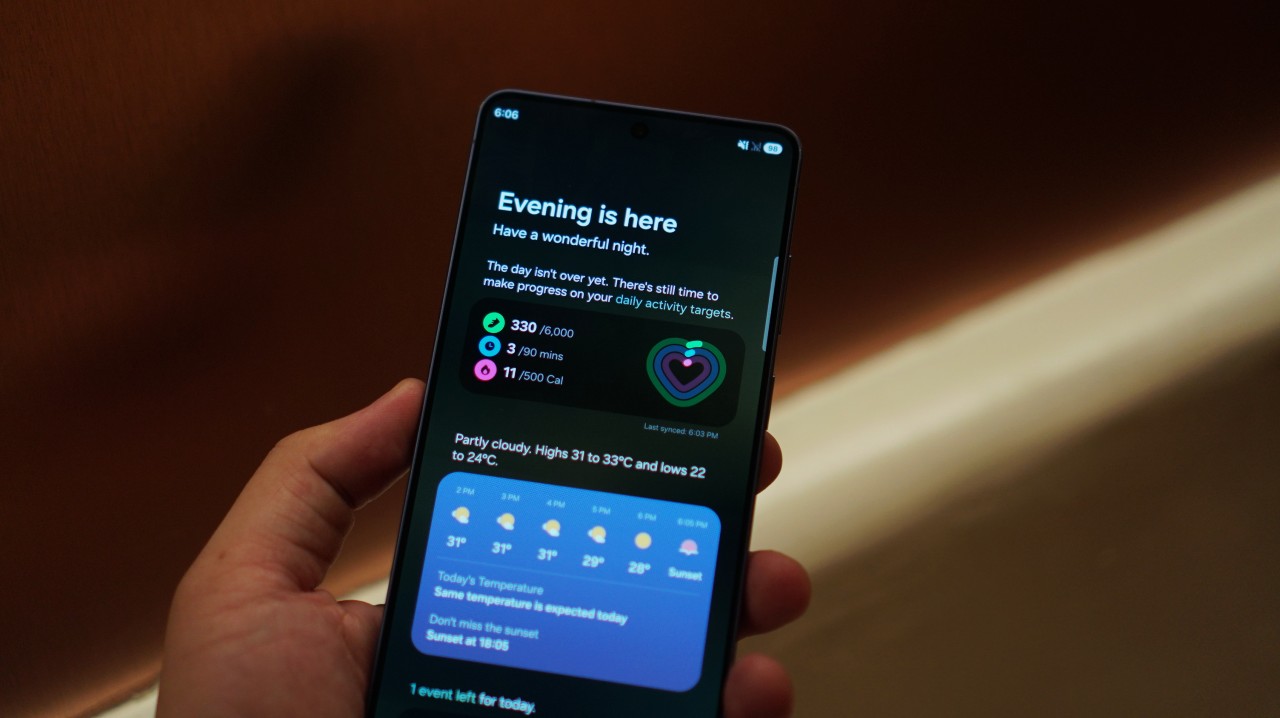
When a colleague suggested setting a meeting over on WhatsApp, the phone immediately pulled up the Calendar. It also showed if there’s a schedule conflict so you can adjust accordingly.
Next, my colleague asked if my San Francisco photos were ready and the phone immediately showed the Gallery app.
These aren’t dramatic features, but they do save a few taps. Over time, that convenience could add up.
This feature has potential. And it should only get better with time.
AI Photo Assist: promising but limited
I was less enthused by AI Photo Assist.
I thought it was promising at first but the text prompt is limited to 100 characters so you can’t really do super specific prompts.
That opens short prompts to a lot of interpretation by the AI and with my experience so far, it isn’t great.
I’d stick to using Gemini Pro for more detailed prompts and your usual photo editing apps for specific photo edits.
AI Photo Assist may improve over time, but right now it feels more like an experiment than an essential editing tool.
Heating observations
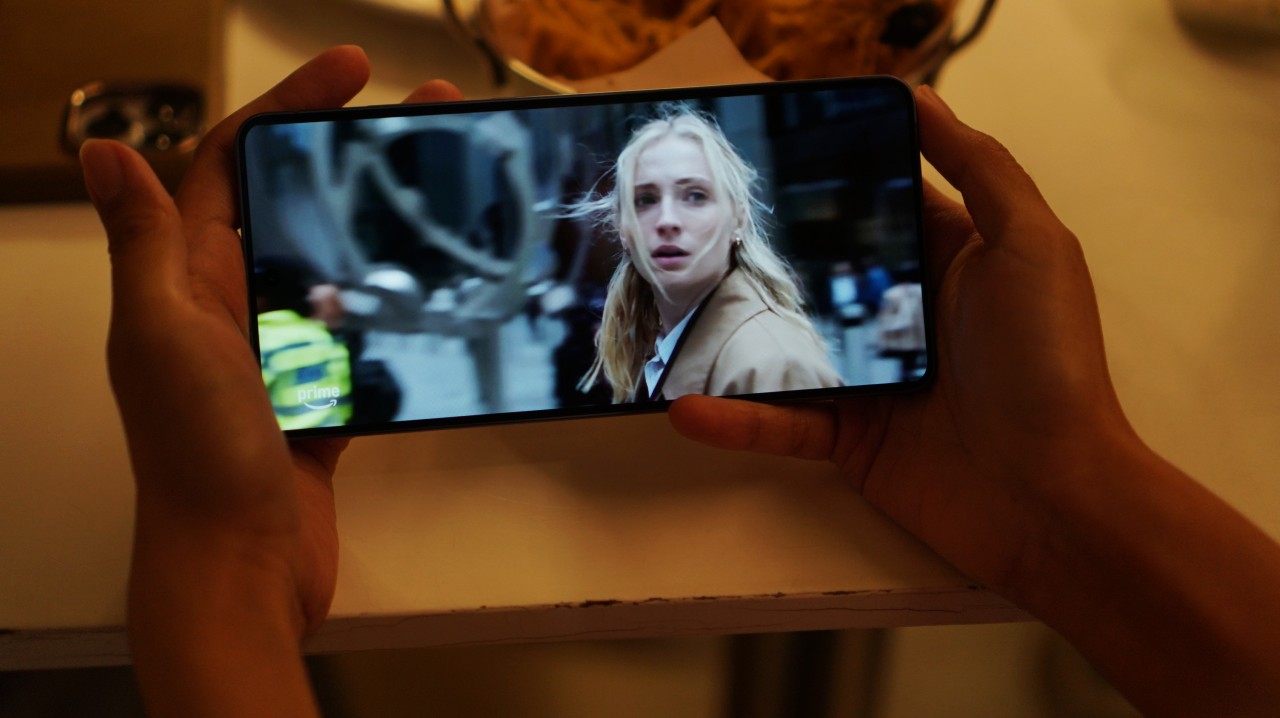
One thing worth noting is thermal behavior. The phone isn’t uncomfortable to use, but heating is definitely noticeable even when just watching a livestream. It also happens when gaming.
Interestingly, I experienced this type of heating recently on another Snapdragon 8 Elite Gen 5 device as well. It may simply be the reality of running increasingly powerful chips in compact devices.
It’s not a dealbreaker, but it’s something power users may want to keep in mind.
A phone that still feels good to hold
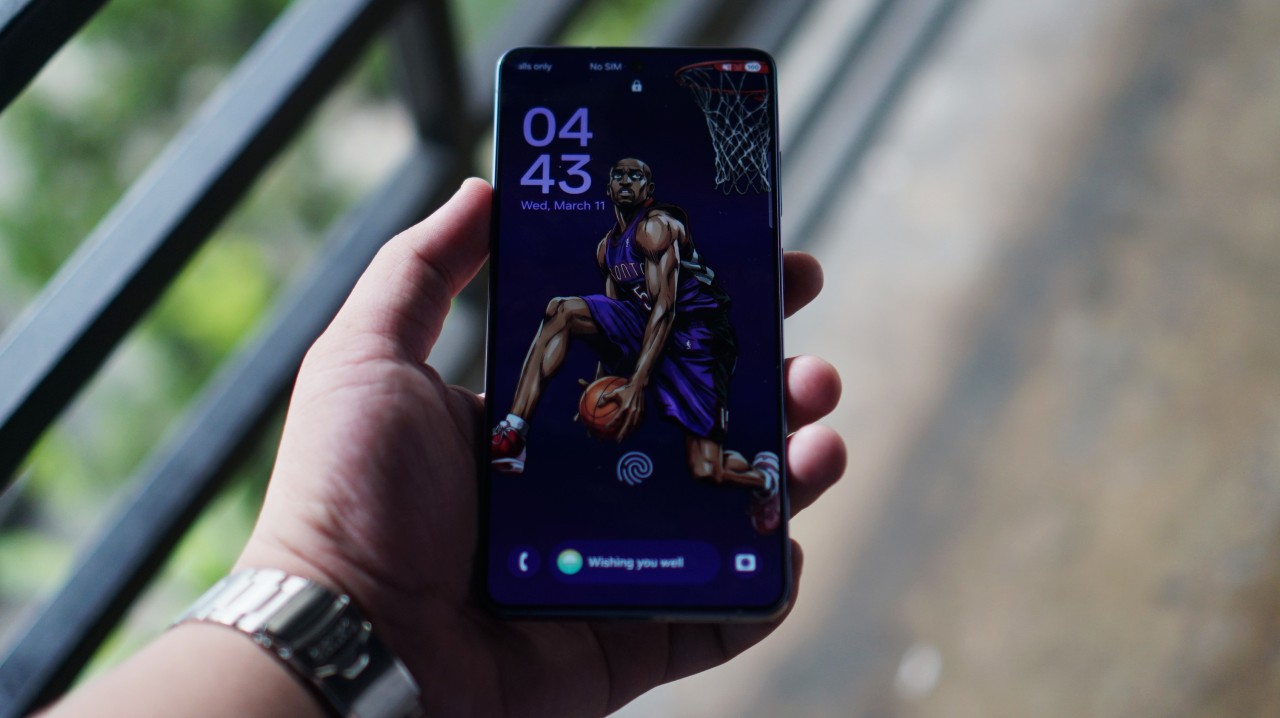
Last year I ultimately kept picking up the Galaxy S25 Ultra because of how good it feels to hold.
That aspect remains largely unchanged.
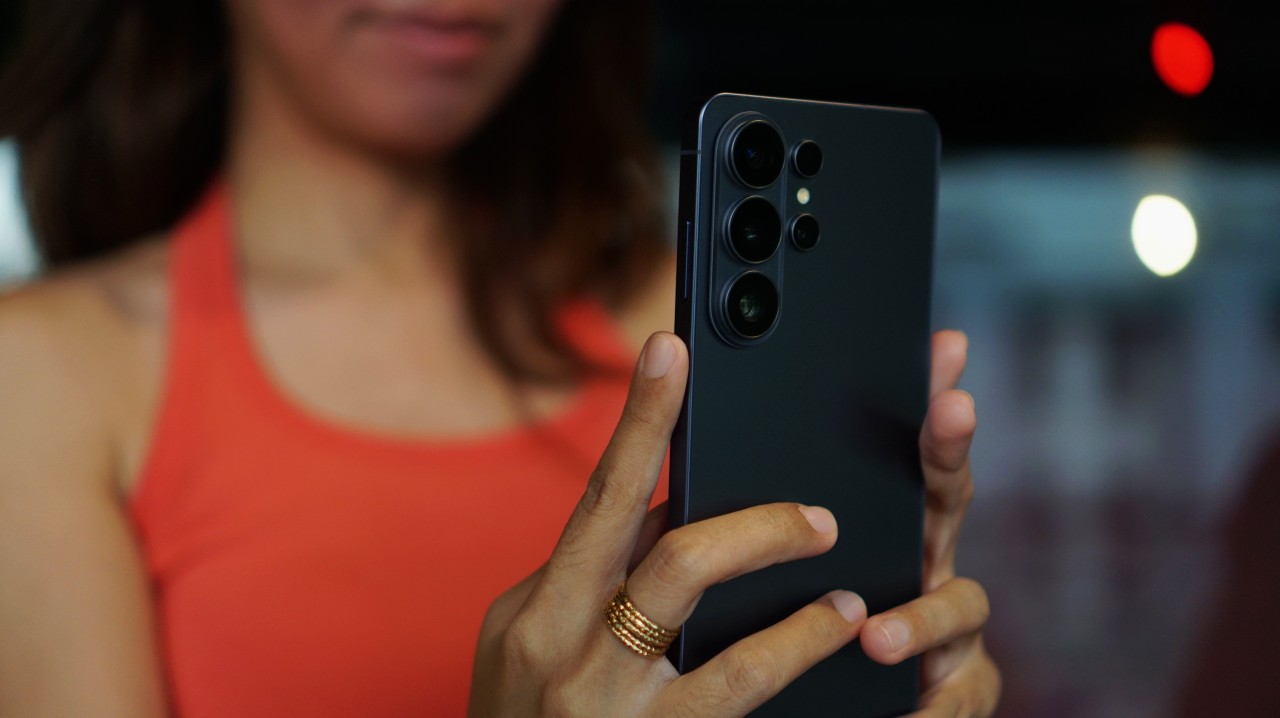
In fact, the Galaxy S26 Ultra feels slightly lighter and easier to hold. That’s true even if you add one of Samsung’s official cases with MagSafe compatibility.
Alternatively, you can use one of CASETiFY’s cases for extra protection. It’s going to feel bulkier, but that’s the tradeoff for adding to your defense stats.
Is the Galaxy S26 Ultra your GadgetMatch?
I wrote about Samsung’s philosophy of not chasing specs anymore. And while it’s a defensible direction, it’s not the “sexy” approach. At least perhaps not one that leads to massive sales or new customer acquisition.
But for anyone who’s been with the Galaxy S series for a while, they know what they’re getting – a reliable, ultra overall performer – one with kickass zoom cameras and now a nifty display trick.
Anyone coming from the Galaxy S23 Ultra or older, this is an easy swipe right.
If you’re into discount hacks and are coming from the Galaxy S25 Ultra, you might be surprised at how much you’ll save if you decide to upgrade.
The Galaxy S26 Ultra still offers good value.
Its overall balance remains the benchmark that most users will measure Android flagships by.
For that reason, Samsung’s flagship is still a Swipe Right.

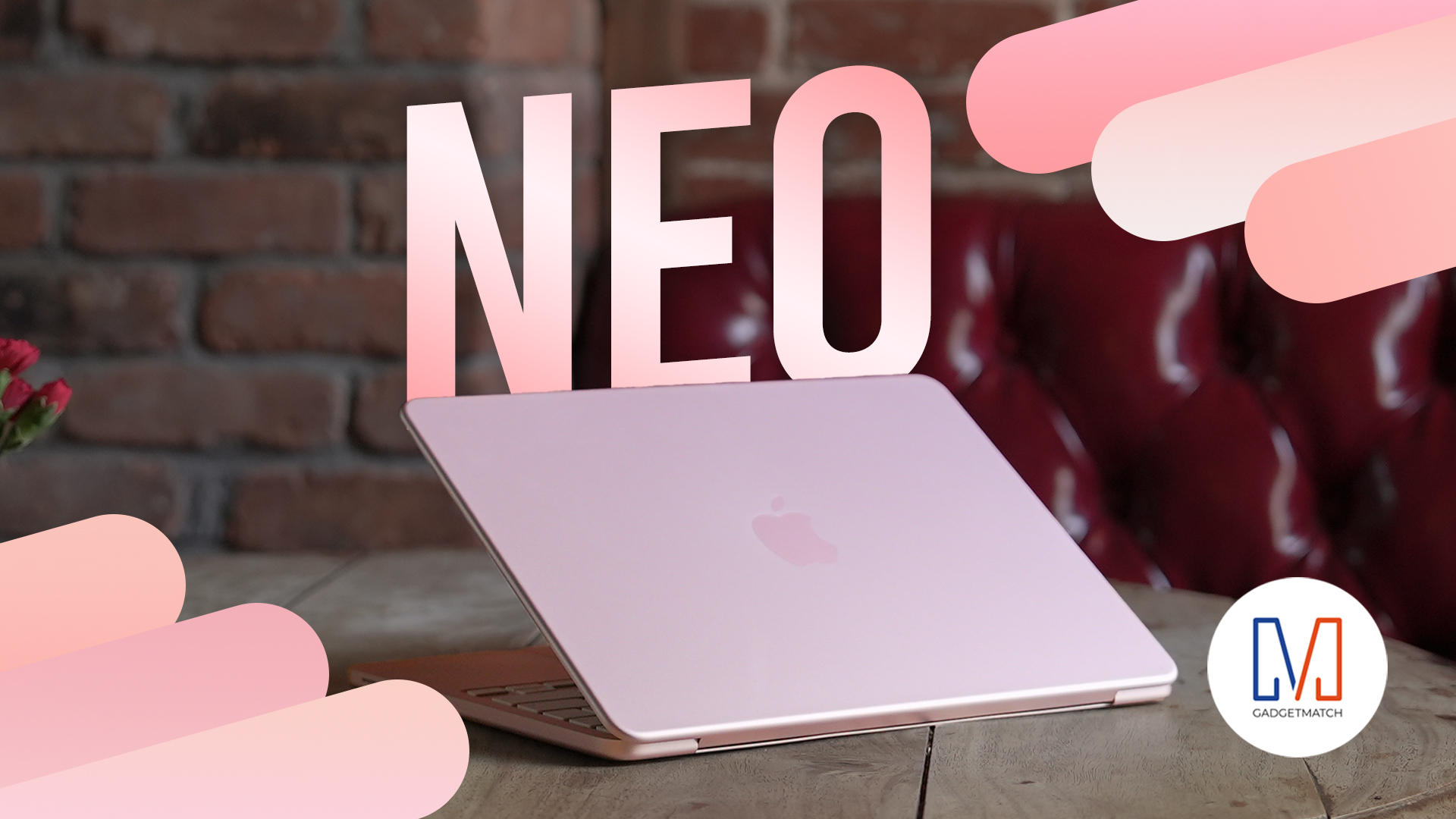
Apple disrupts the industry with their latest MacBook — an affordable to say the very least.
If you’re a student, a first-time Mac owner, someone who’s been priced out of this ecosystem their whole life, someone who just needs a laptop for basic tasks but one that looks great, without slowing them down, this is it!
Or maybe you’re torn choosing between the MacBook Neo and the more powerful M5 MacBook Air?
Well, that’s what we’re here for. Here’s our review with the all-new MacBook Neo.
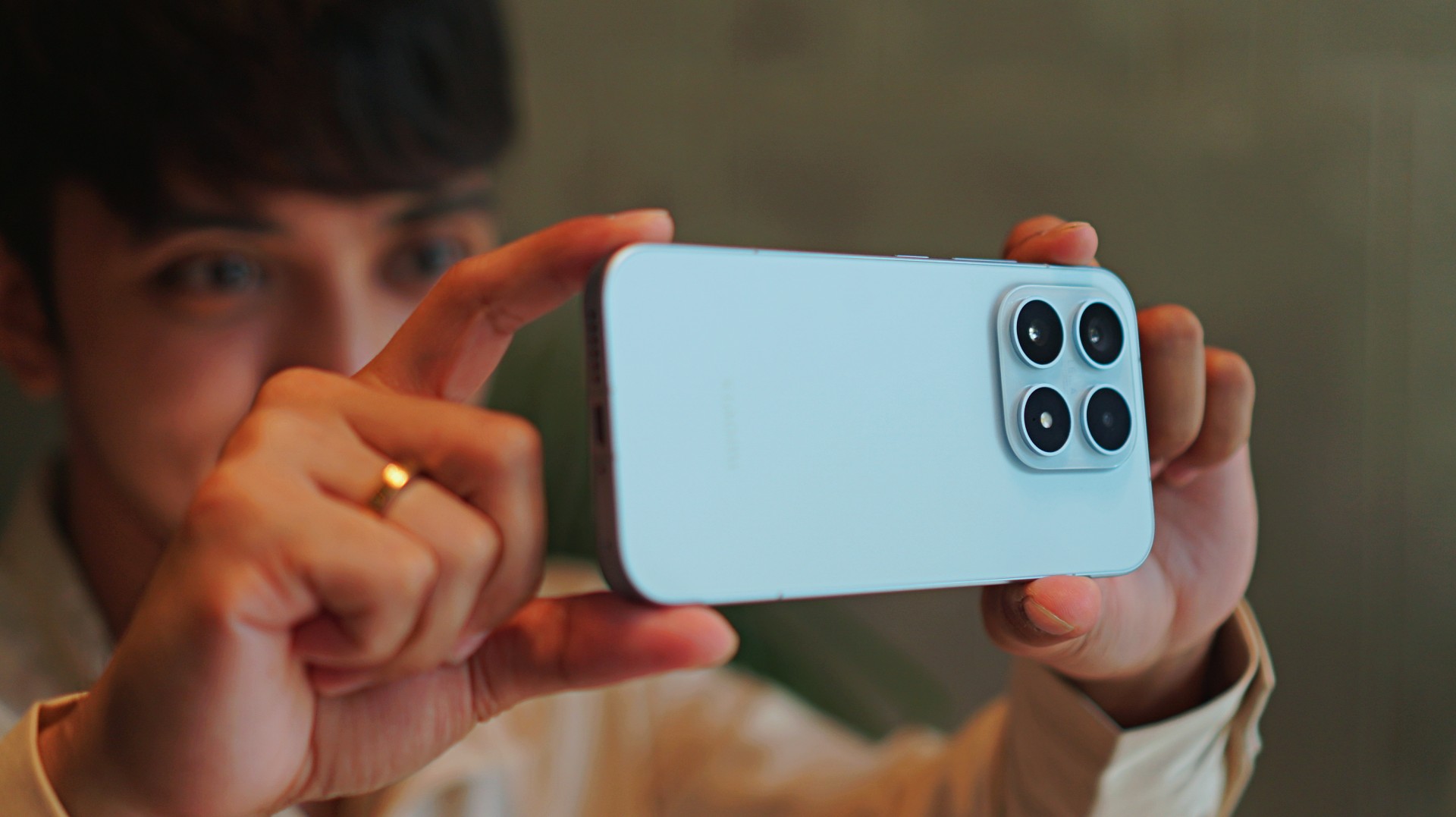
Base models are often an afterthought — even among flagship phones. And with a flashy, attention-grabbing Ultra variant in the lineup, it’s easy to overlook the smaller Xiaomi 17.
But like the base models that came before it, the Xiaomi 17 is a tiny but mighty true flagship. One that quietly delivers the core flagship experience without demanding the size, weight, or price of its bigger sibling.
It’s compact, powerful, and surprisingly capable. And perhaps more importantly, it’s a phone that makes mobile photography feel fun again.
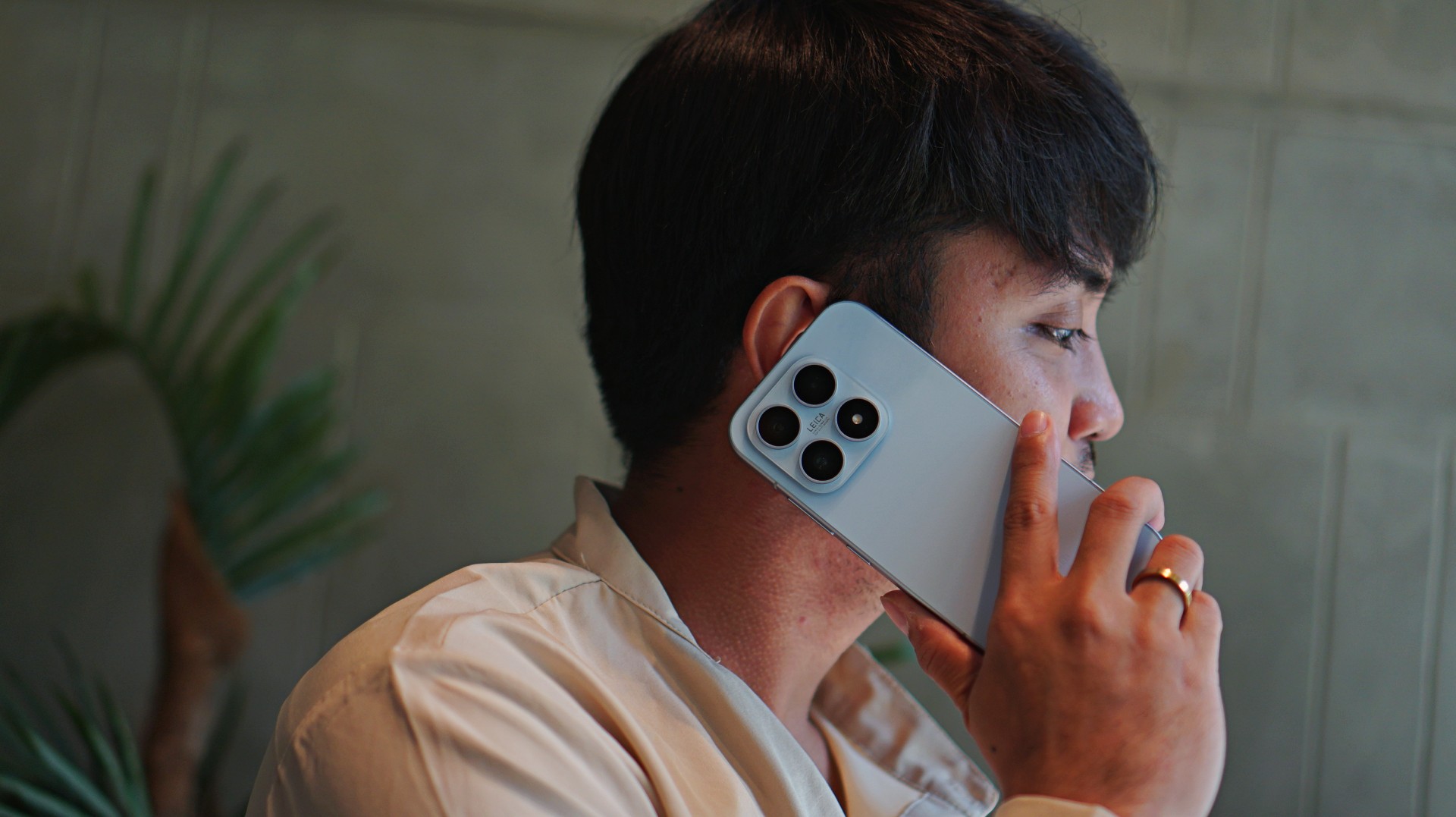
For creators and photography enthusiasts who want a capable camera always within reach, the Xiaomi 17 feels like carrying a Leica-inspired camera in your pocket.
A phone that feels like a pocket camera

The first thing you notice about the Xiaomi 17 is how comfortable it feels.
Smartphones have steadily grown larger over the years, but the Xiaomi 17 brings things back to a more manageable size. It’s easy to grip, easy to carry, and easy to operate with one hand.
That might sound like a small thing, but it makes a big difference when you’re using the phone to take photos.
Pull it out of your pocket, frame the shot, press the shutter. The whole thing feels effortless. In many ways, it behaves more like a compact camera than a traditional flagship smartphone.
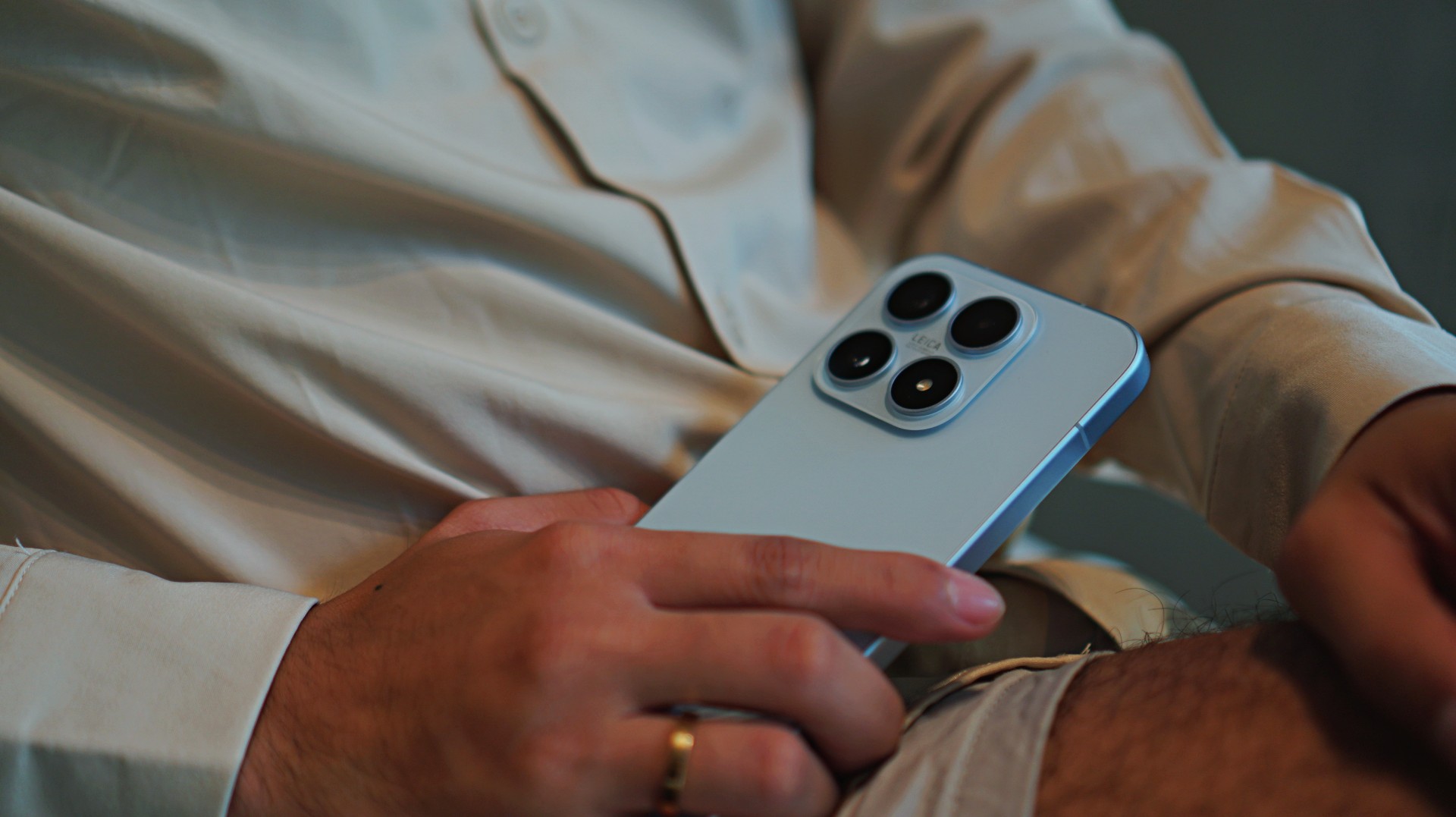
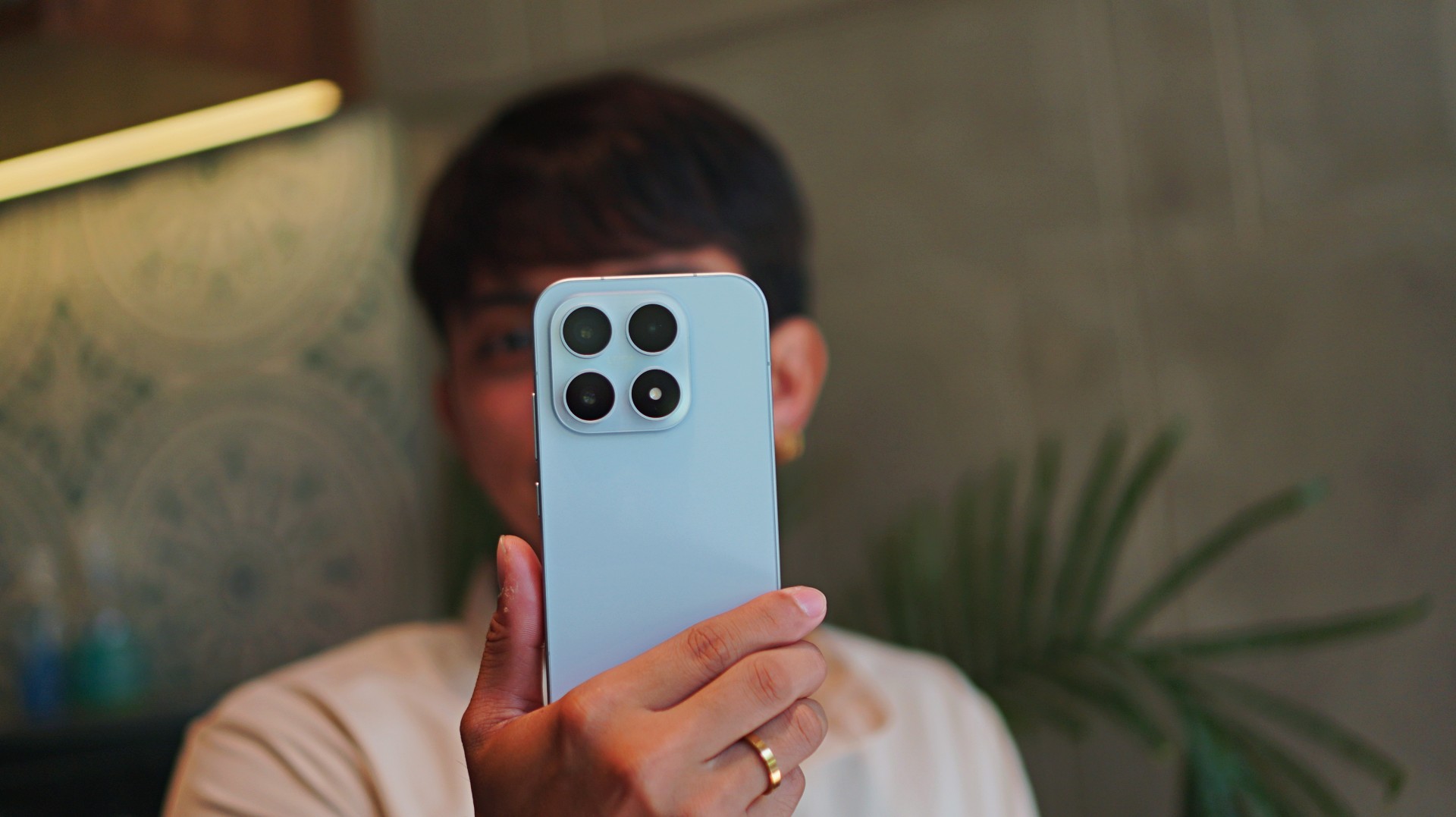
The design itself leans into that idea as well. The phone’s minimalist aesthetic, clean camera module, and smooth curves give it a polished but understated look.
Even the edges feel thoughtfully shaped, making the phone sit comfortably in your palm during longer shooting sessions.
It’s the kind of phone that doesn’t scream for attention — but once you start using it, it becomes difficult to put down.
Essential Leica imagery
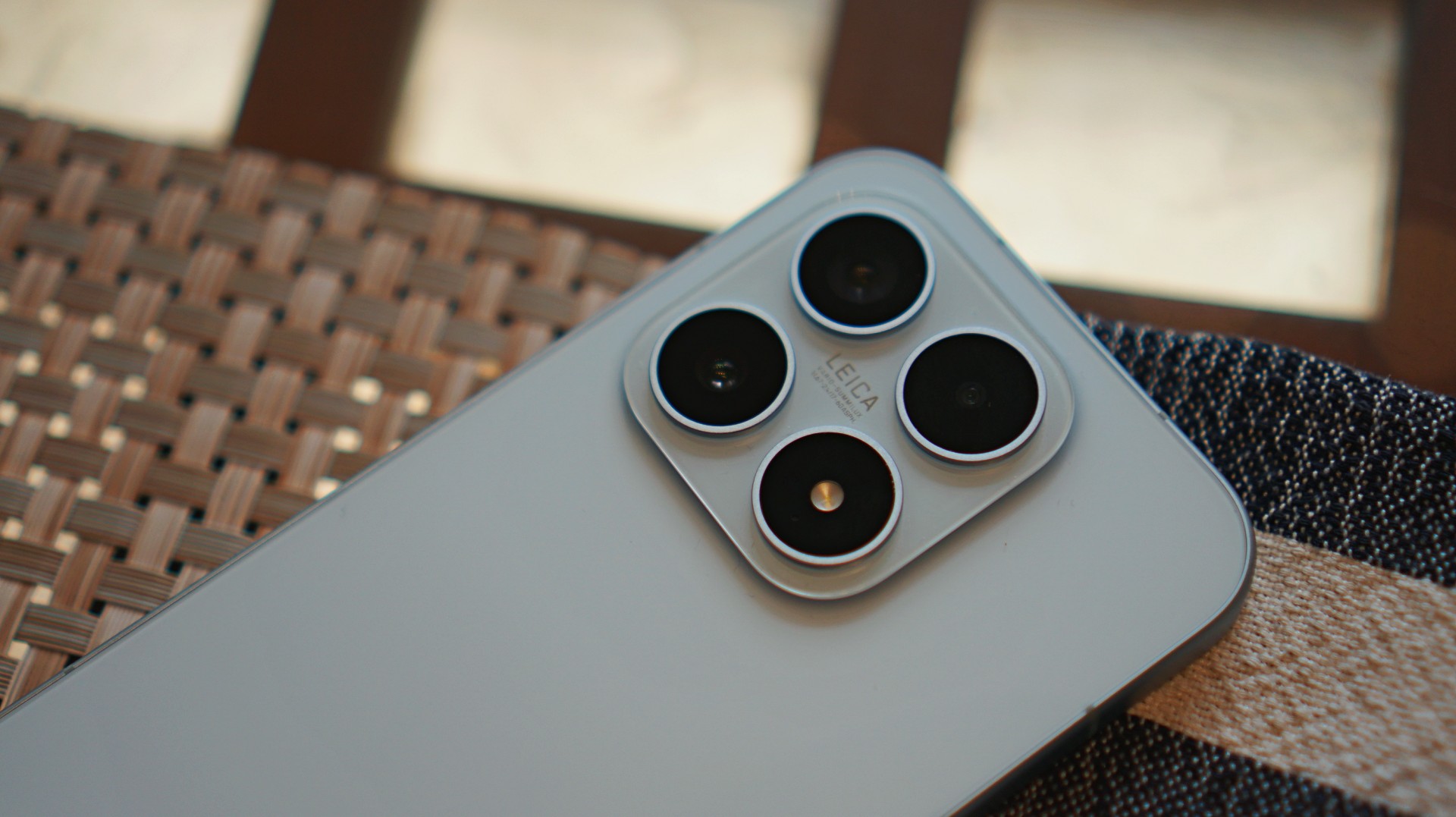
Mobile photography is where the Xiaomi 17 really shines.
It’s the kind of camera that inspires you to keep shooting. To keep capturing life stills with intent. And when the shots start coming together, that’s when you realize the Xiaomi 17 truly shoots Leica dream.
Co-engineered with Leica, the camera system focuses on capturing images with rich detail, balanced lighting, and distinctive color science.










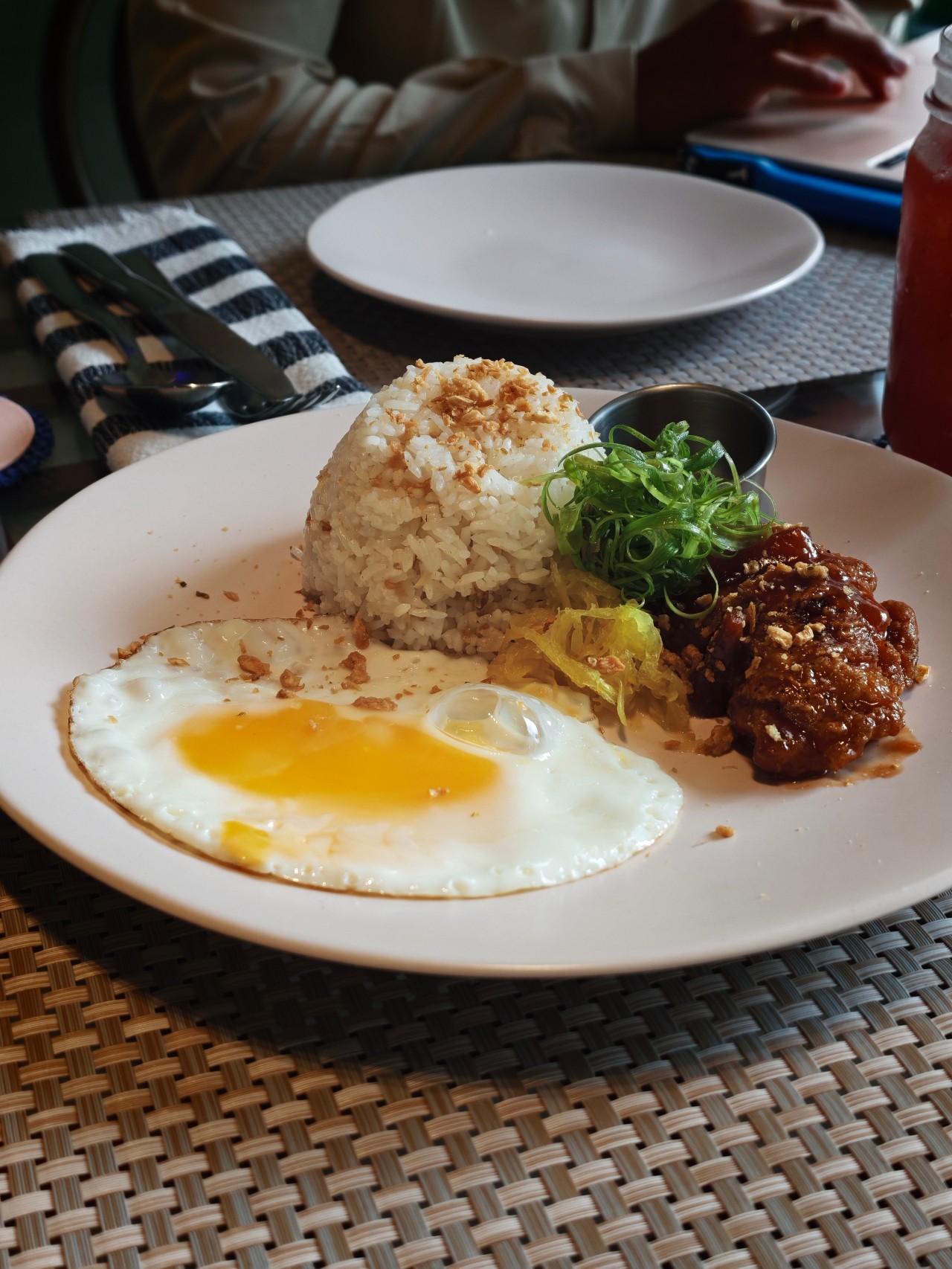
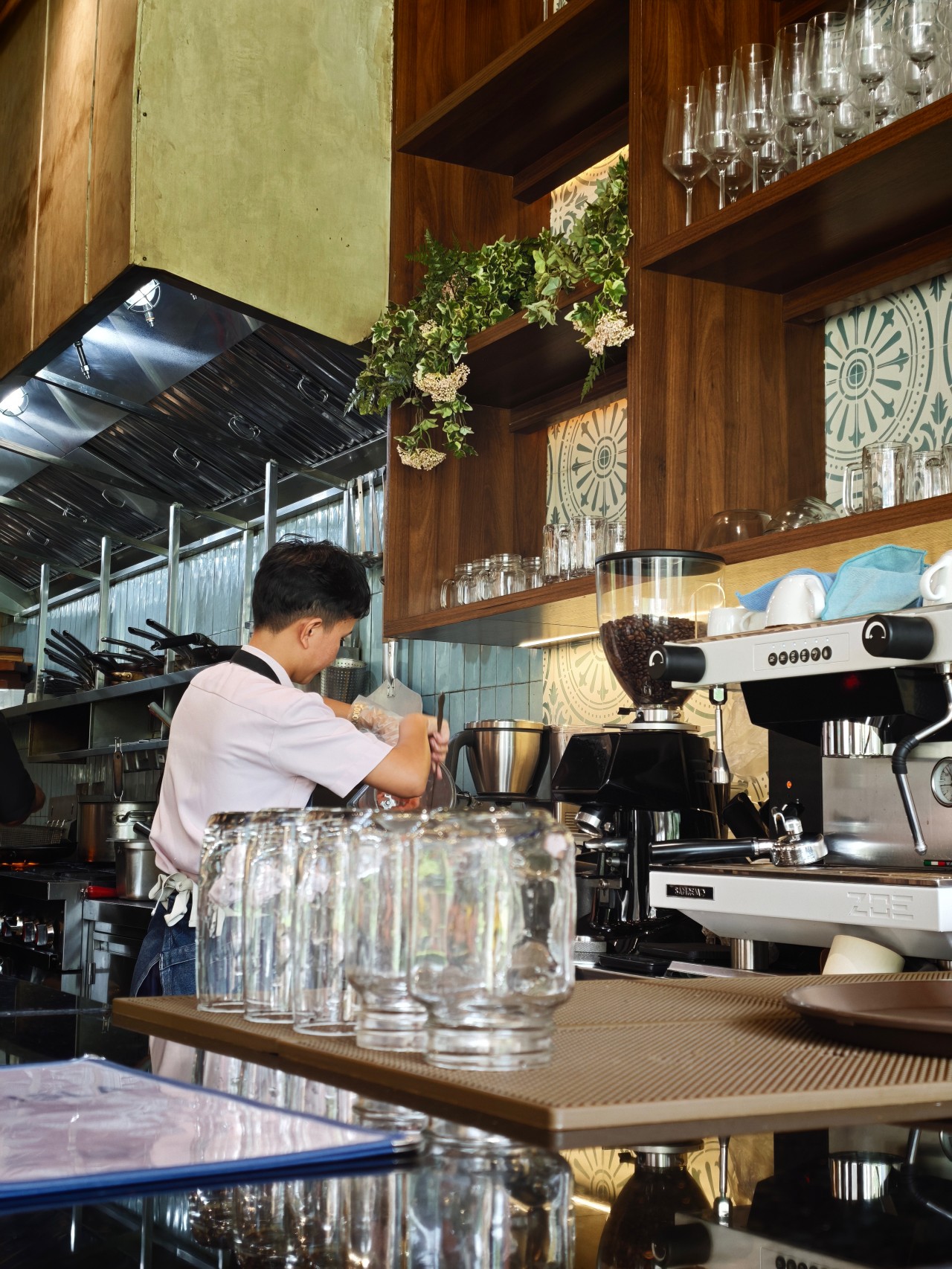
Shots from the main camera look vibrant without feeling overly processed. Highlights stay controlled, shadows retain depth, and colors carry that signature Leica look — slightly dramatic, but still grounded in realism.
For everyday photography, the Xiaomi 17 excels.
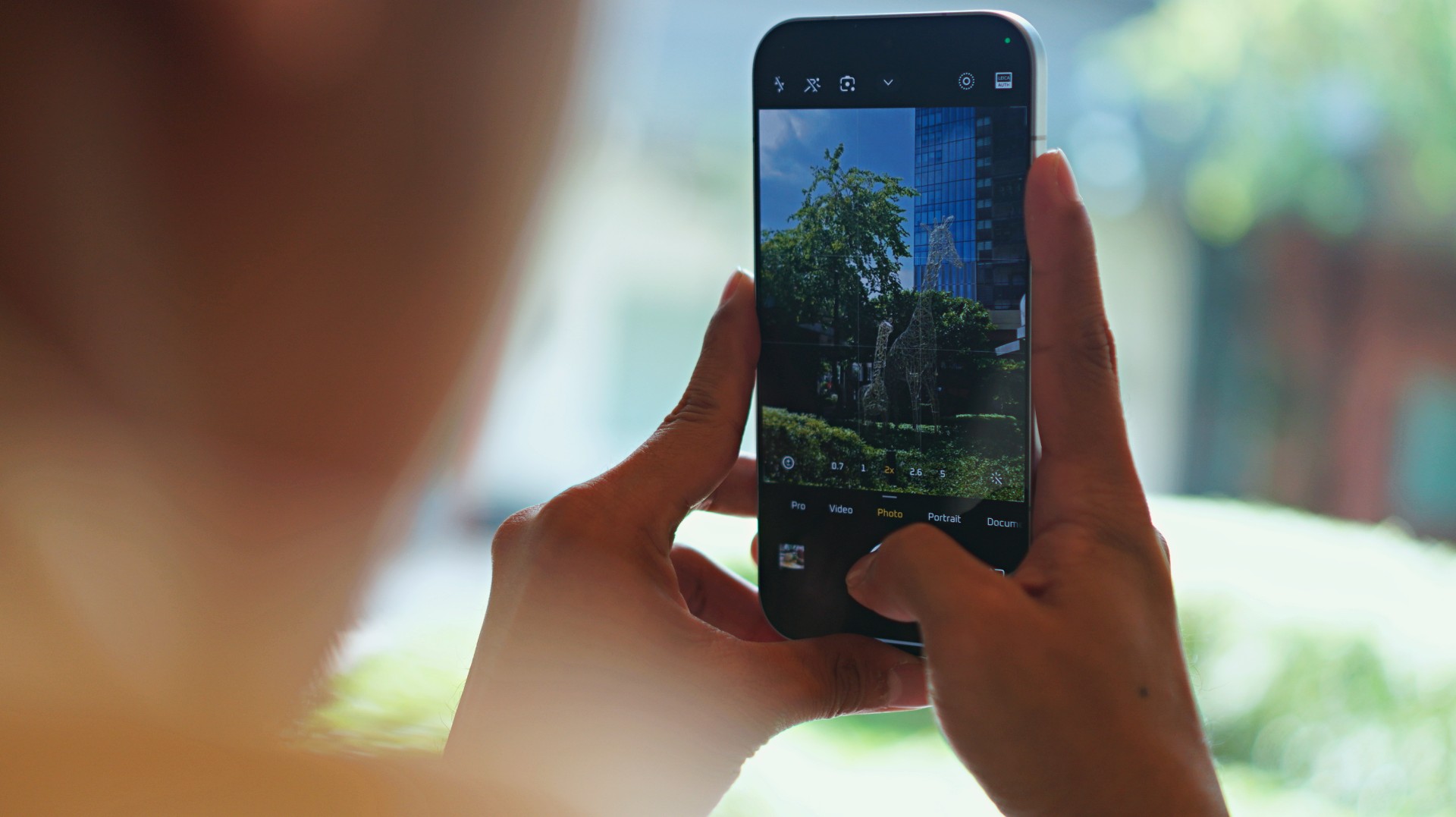
During my time with the phone, I mindlessly walked around San Francisco taking as many sample photos as I could. Most of the time I was in a bit of a hurry, just snapping shots between stops. But even then, a surprising number of those photos still turned out pretty great. It’s the kind of camera that quietly saves moments you didn’t even think twice about capturing.












The zoom range isn’t the most extensive out there, but for most real-world scenarios — especially street photography and mid-range subjects — it delivers more than enough flexibility.
And because the phone itself is so comfortable to hold, it encourages you to take photos more often.
Changing the vibe after the shot
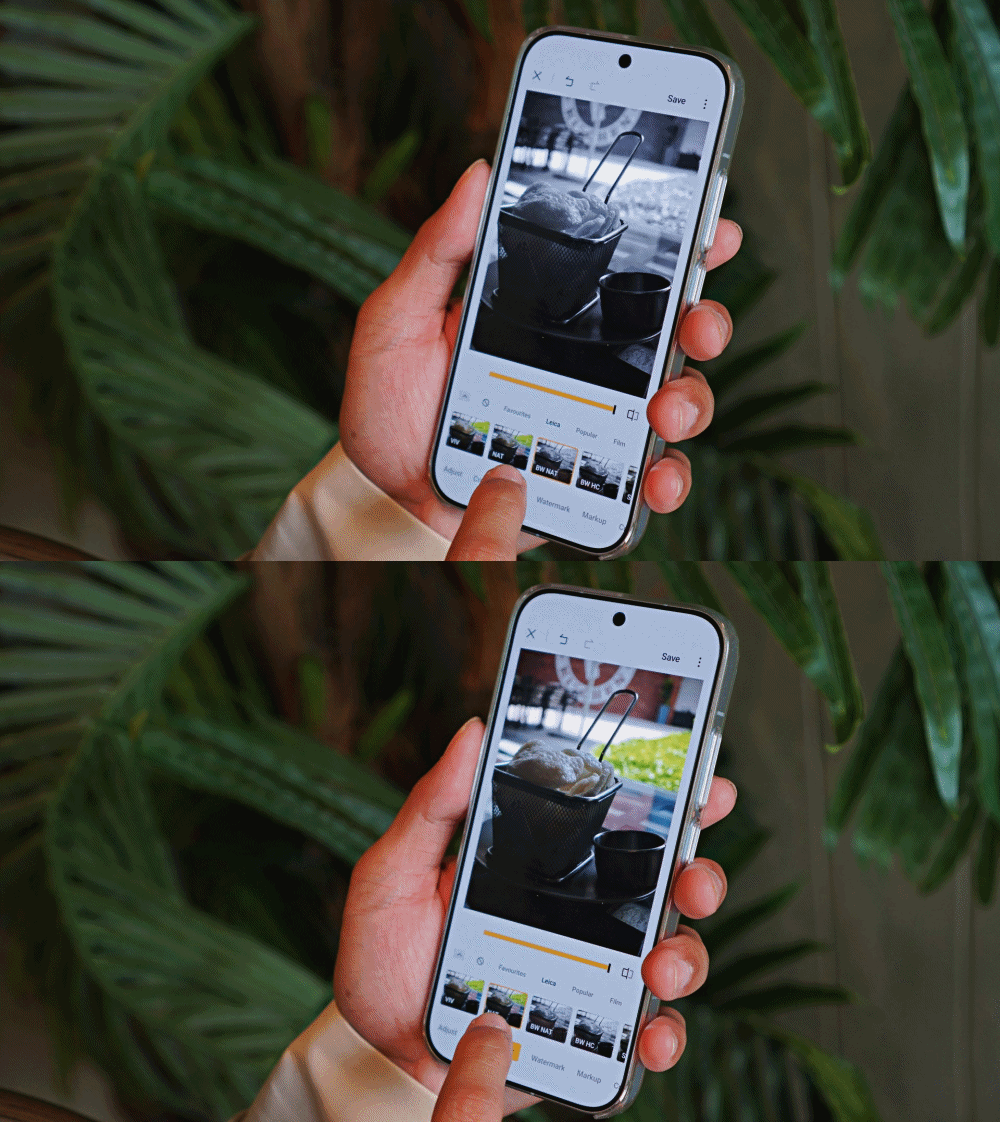
One of the coolest parts of the Xiaomi 17 camera experience is how playful it can be.
The Leica color profiles already give photos a distinctive look, but the phone also includes several creative filters that can dramatically change the mood of an image.
The existing filters look terrific. Aside from the Leica ones, personal favorites include Rhodium, Blues, Gourmand, and Cyberpunk.
What makes them even better is that you’re not stuck with the filter you used when taking the photo. After capturing the image, you can still change the style and instantly shift the entire vibe of the shot.

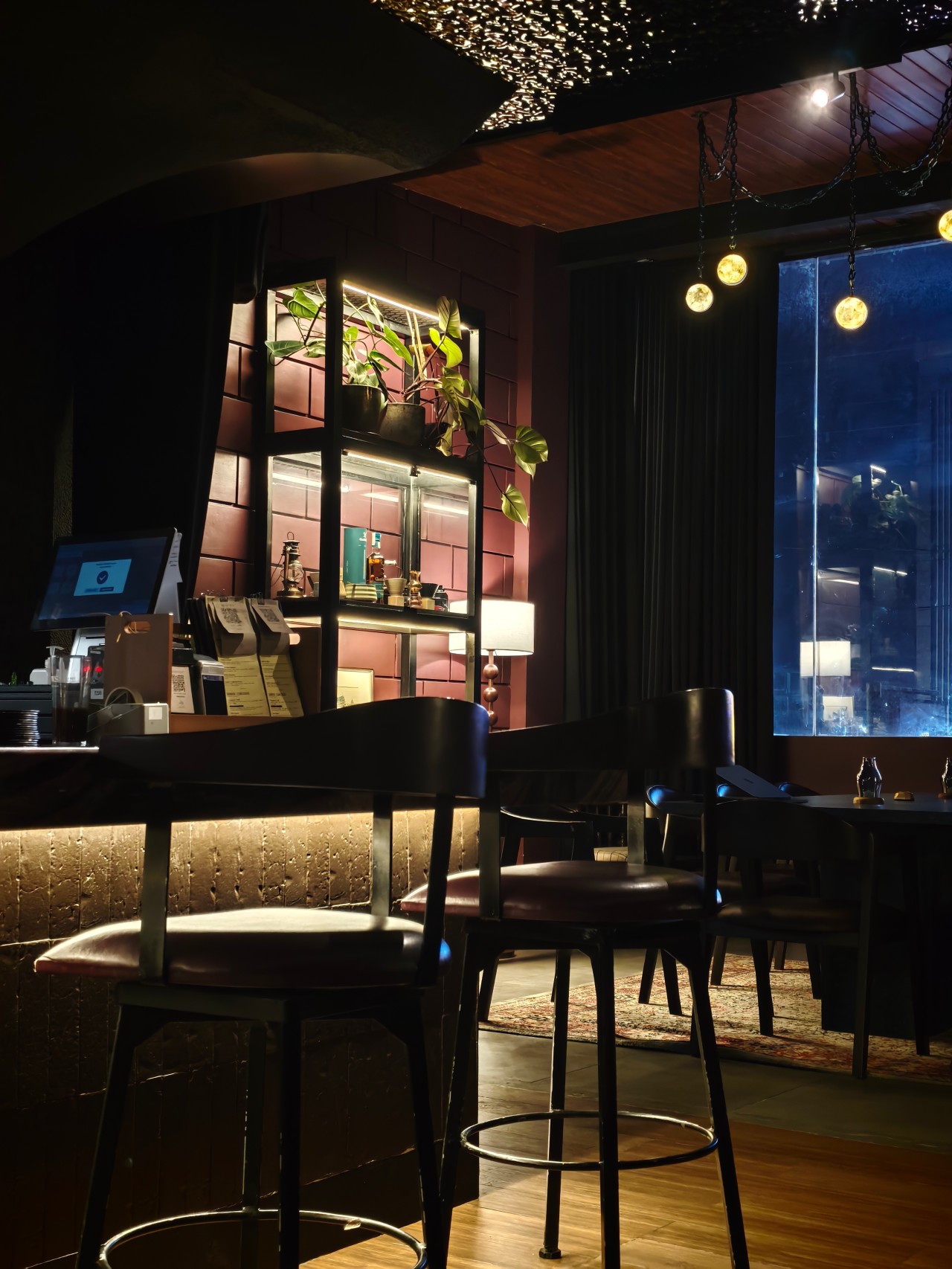
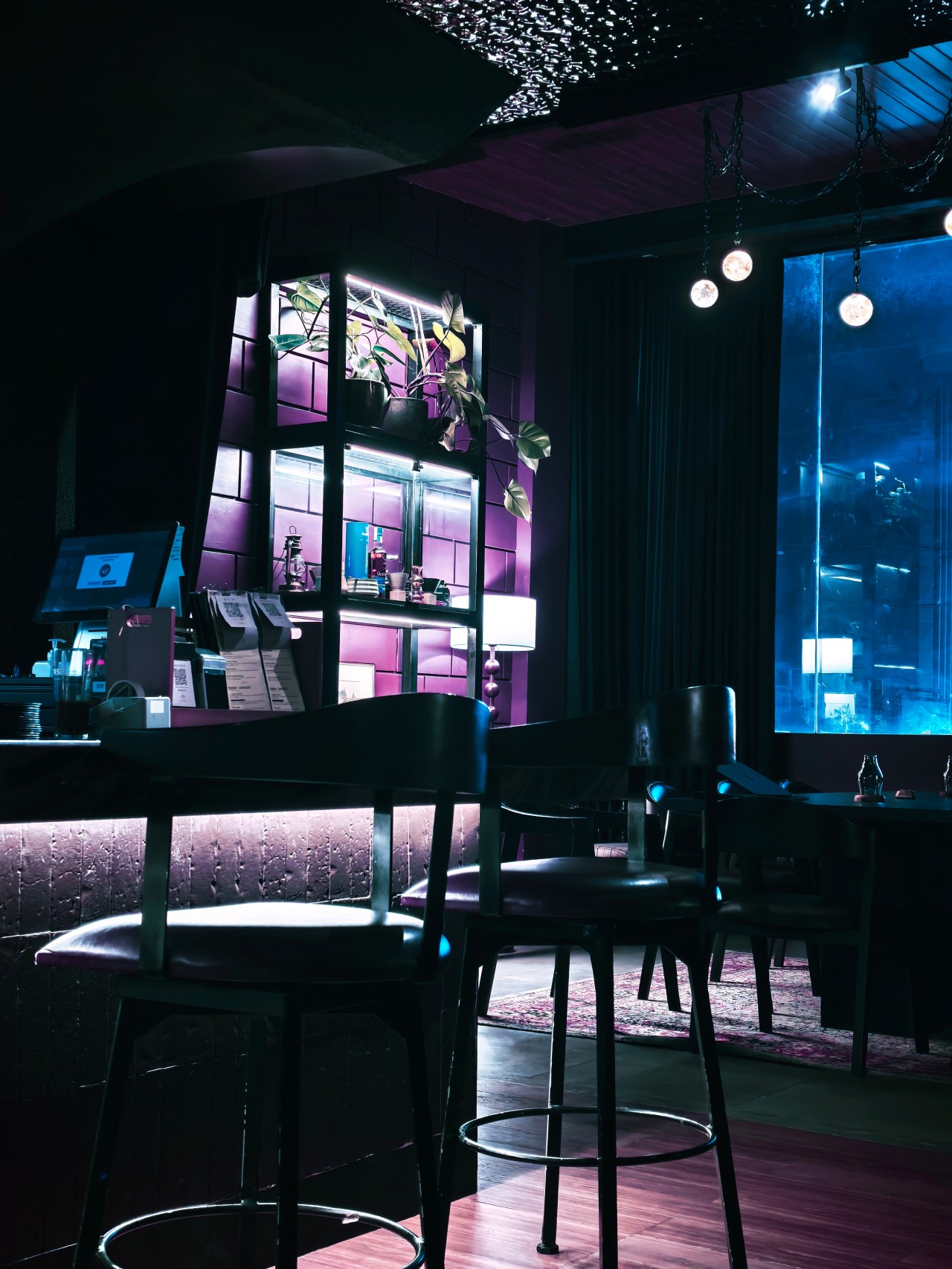



A photo that originally looked warm and cinematic can suddenly feel cooler and more dramatic. Another might turn vibrant and neon-like with a single tap.
It’s a simple feature, but it adds a lot of creative freedom to the photography process. And it turns editing into something enjoyable instead of something you feel obligated to do.
A compact phone with flagship power
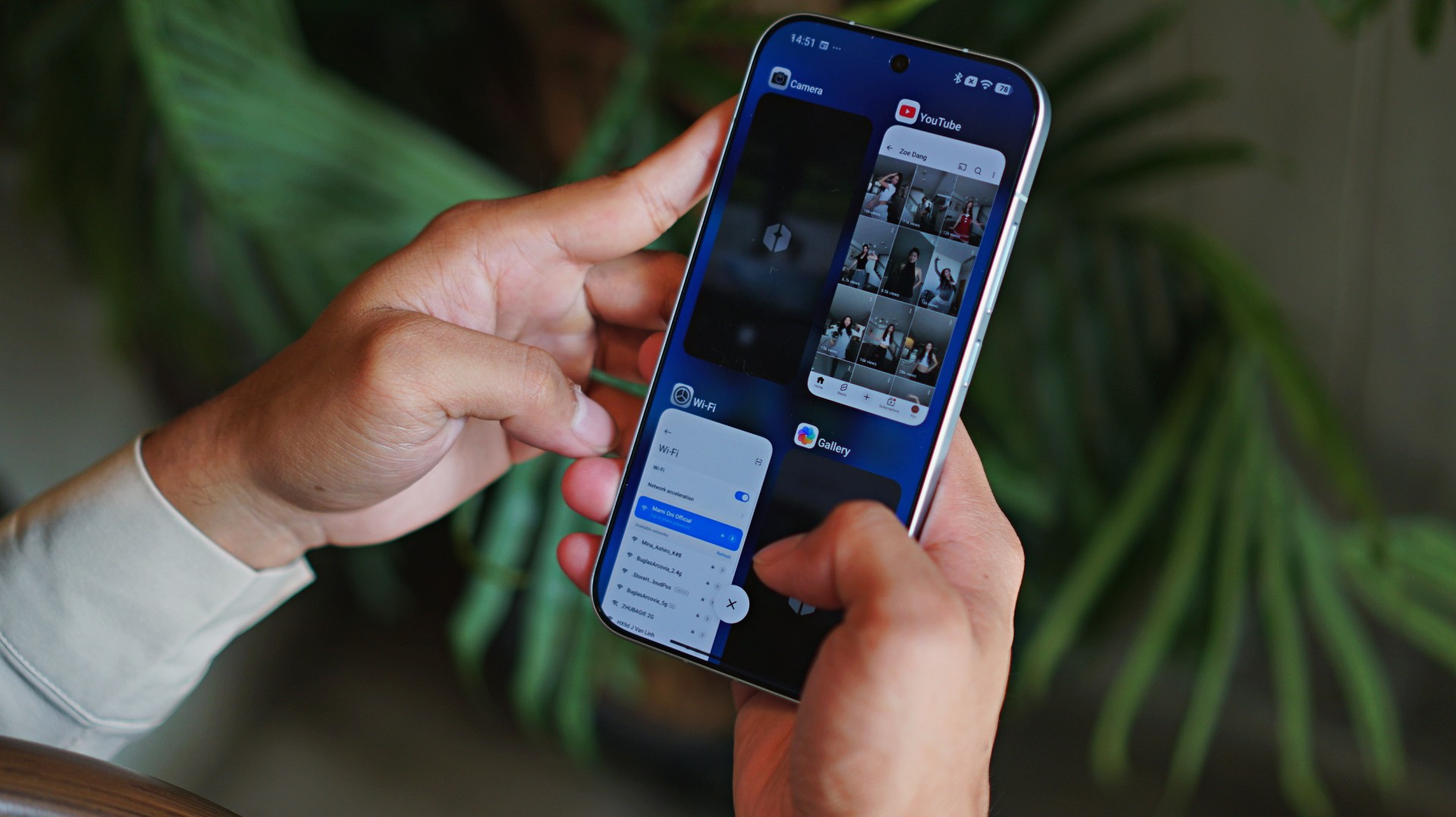
Of course, great cameras are only part of the story.
The Xiaomi 17 runs on Qualcomm’s latest Snapdragon flagship processor, and in everyday use, that power is immediately noticeable.
Apps launch quickly. Multitasking feels smooth. Games run without hesitation.
More importantly, the performance feels consistent. Whether you’re editing photos, recording videos, or jumping between several apps, the phone rarely feels like it’s struggling to keep up.
It’s the kind of performance you expect from a flagship device — just delivered in a more compact body.
Although, during a humid day but still indoors, it did uncharacteristically heat up after taking a series of photos. Happened only once but worth taking note of.
Surprisingly strong media experience
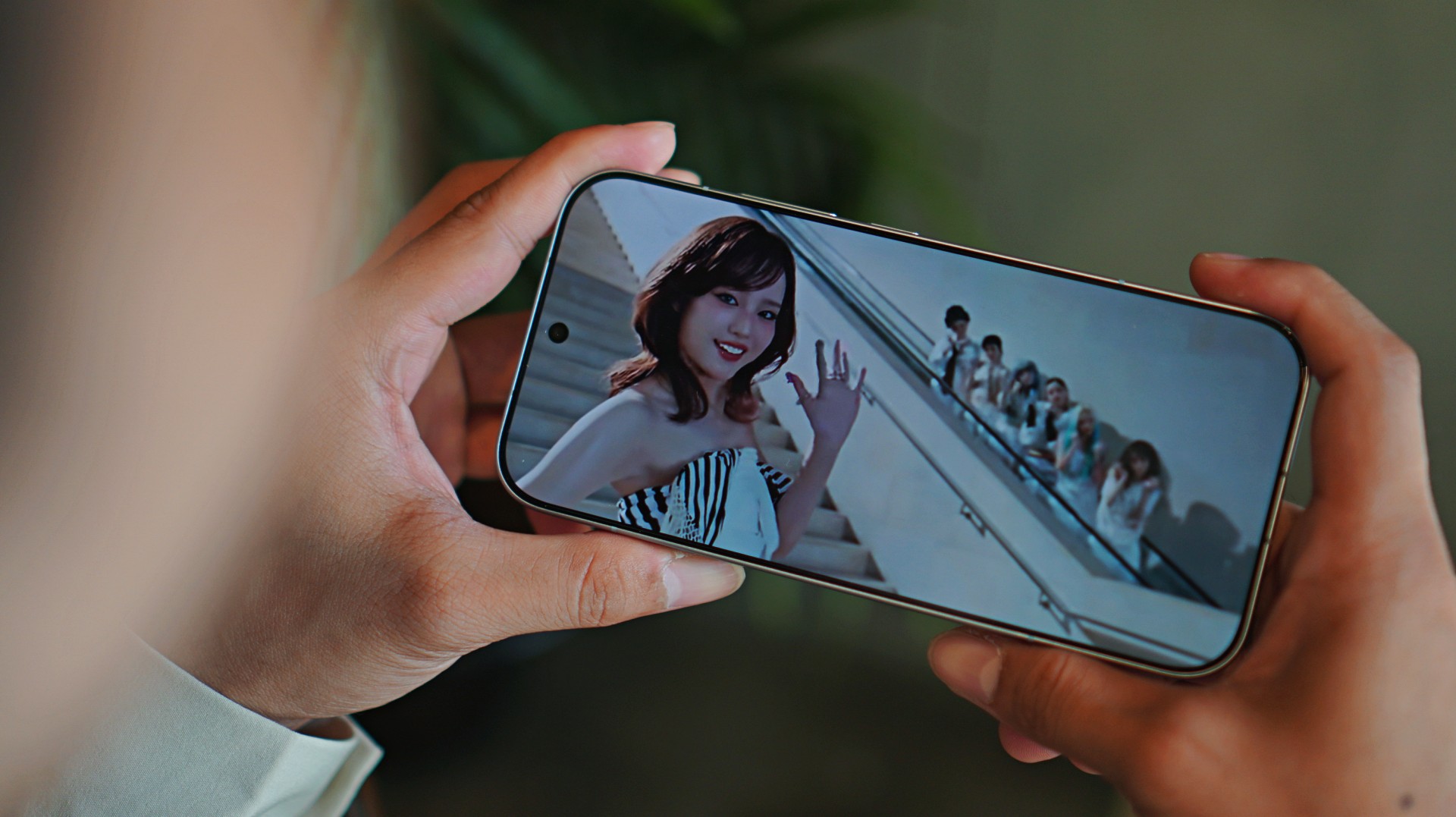
The Xiaomi 17 may be smaller than many modern smartphones, but it still manages to deliver a strong media experience.
The display is bright, colorful, and smooth. Watching videos or browsing social media feels fluid and immersive.
Interestingly, I found that the screen works best in quieter, more relaxed moments.
When held at a distance, the compact display can sometimes make smaller details harder to see. But late at night, when the lights are down and you’re catching up with shows or doom-scrolling through your feeds, the experience becomes surprisingly cozy.
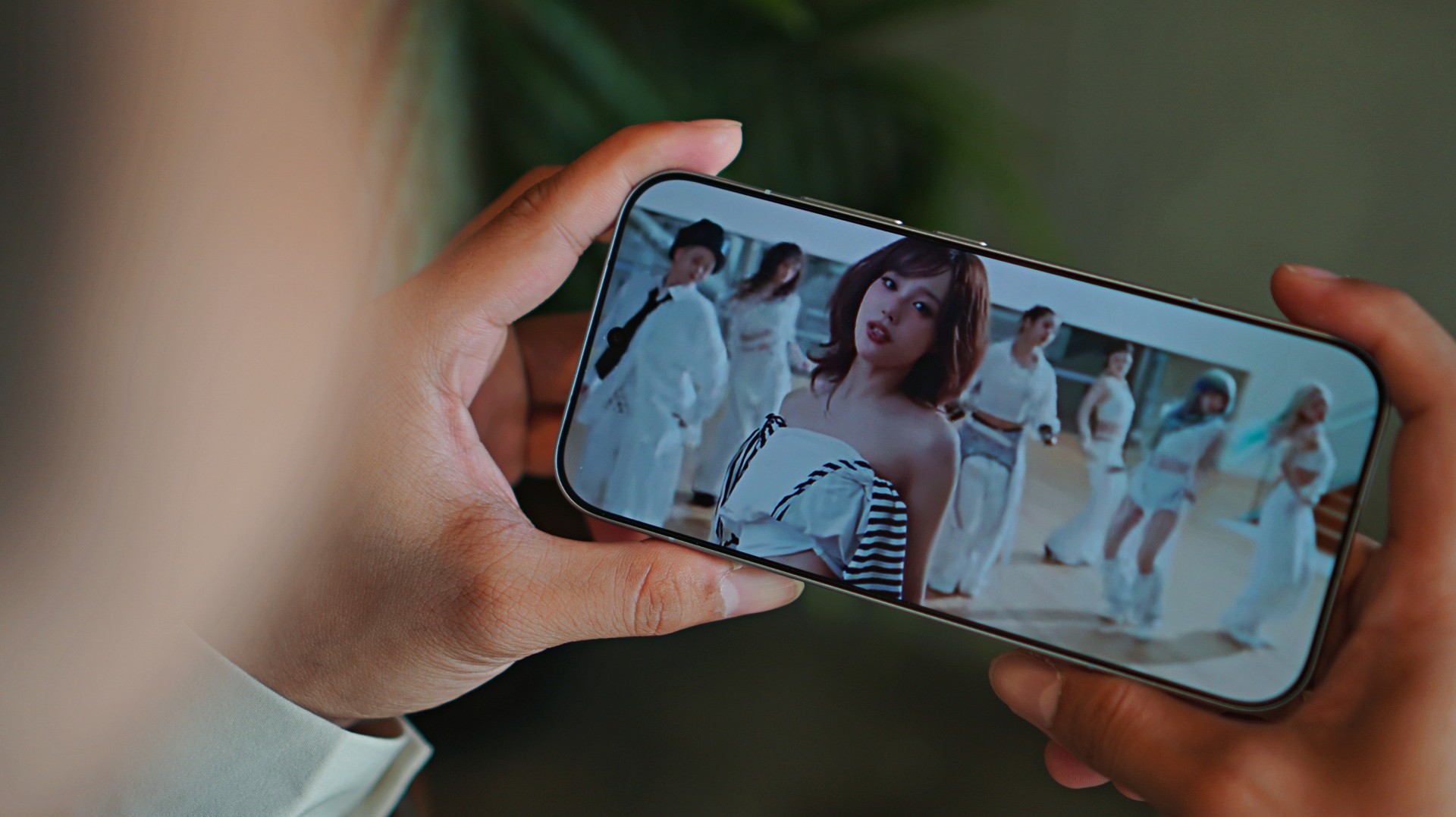
I used it mostly to catch up with what XG has been putting out lately. Their track “Rock the Boat” is going platinum on my playlist.
The stereo speakers deserve a shout-out too.
Despite the phone’s more diminutive size, the speakers pack a surprising amount of punch. Music, videos, and games all sound fuller than you might expect from a phone this compact.
Battery life that keeps up
Compact phones sometimes struggle with battery life, but that’s not the case here.
The Xiaomi 17 packs a large battery that easily carries the phone through a full day of typical use.
Photography sessions, social media browsing, streaming videos, and occasional gaming didn’t seem to drain it too aggressively.
And when you do need to recharge, Xiaomi’s fast charging technology means the phone powers up quickly.
Short charging sessions can already restore a significant amount of battery life, making it easy to keep the phone ready throughout the day.
HyperOS and the familiar Xiaomi quirks
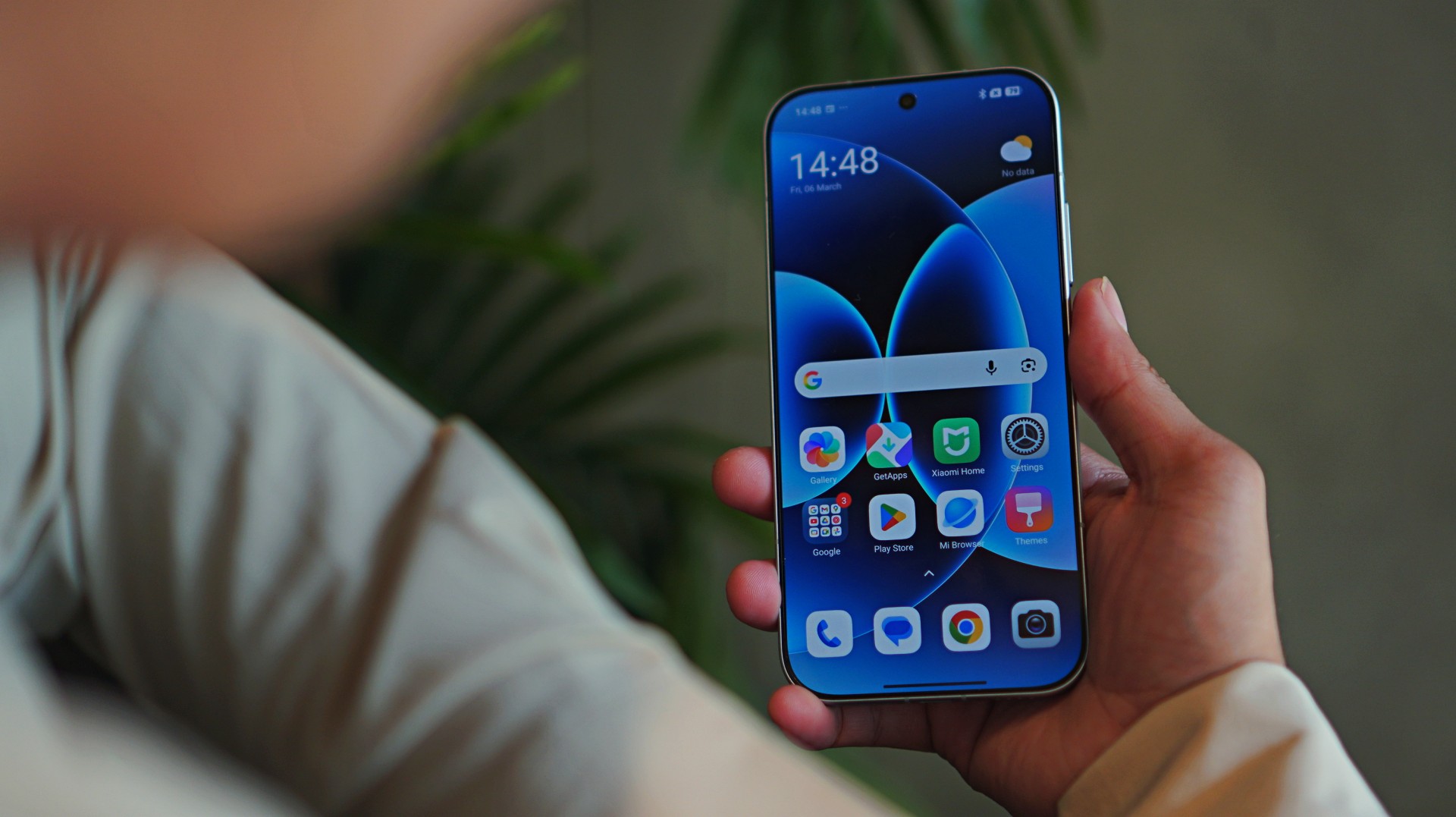
The Xiaomi 17 runs on HyperOS, Xiaomi’s latest software platform designed to connect its growing ecosystem of devices.
The system is fast and visually polished, but it does come with some familiar quirks.
By now, many users are already familiar with the bloatware and occasional ads that appear within certain system apps.
It’s something that has long been associated with Xiaomi’s software experience, and while it has improved over time, it hasn’t disappeared entirely.
Another observation is how the interface design can sometimes feel reminiscent of older smartphone aesthetics.
These are relatively minor nitpicks in the grand scheme of things, but they are still worth mentioning.
Thankfully, they don’t get in the way of the phone’s core strengths.
Xiaomi 17 specs
Display: 6.3-inch OLED, 1–120Hz refresh rate
Processor: Snapdragon 8 Elite Gen 5
RAM: 12GB
Storage: 256GB / 512GB
Battery & Charging: 6330mAh, 100W wired charging, 50W wireless charging
Size: 151.1 x 71.8 x 8.06mm, 191g
Cameras
- 50MP main camera
- 50MP telephoto
- 50MP ultra-wide
- 50MP front camera
Is the Xiaomi 17 your GadgetMatch?
The Xiaomi 17 works because it focuses on the right things.
It delivers strong performance, dependable battery life, and a camera system that genuinely encourages creativity.
More importantly, it makes photography enjoyable.
Between the Leica color science, the flexible filters, and the comfortable size, it’s a phone that invites you to take photos more often.
If you care a lot about mobile photography without compromising overall performance, the Xiaomi 17 is an easy Swipe Right.
It’s also a great option for people who prefer smaller phones but still want something that feels like a true flagship.
And if the idea of carrying a Leica-inspired camera in your pocket sounds appealing, the Xiaomi 17 might be exactly that.
A phone that turns everyday moments into photos that feel a little more Leica dream.



Zenless Zone Zero Version 2.7 available on March 24

Infinix expands SEA footprint with more official MLBB tourney partnerships

Samsung Galaxy S26 Ultra review: A phone you live with

DJI’s Inspire 3 Basic Package make 8K aerial filmmaking more accessible

Disney+ launches a TikTok-coded vertical feed called Verts


-
 Reviews2 weeks ago
TECNO CAMON 50 Ultra review: End of an era?
-
 MWC 20262 weeks ago
Infinix NOTE 60 Ultra makes a motorsport-inspired debut
-
 MWC 20262 weeks ago
TECNO launches the all-new CAMON 50 series
-
 MWC 20262 weeks ago
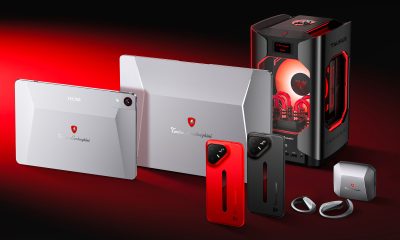
TECNO unleashes Tonino Lamborghini collection
-
 Computers2 weeks ago
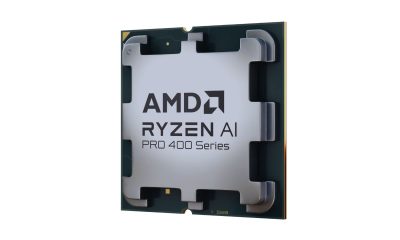
AMD announces Ryzen AI 400, AI 400 PRO series at MWC 2026
-
 MWC 20262 weeks ago
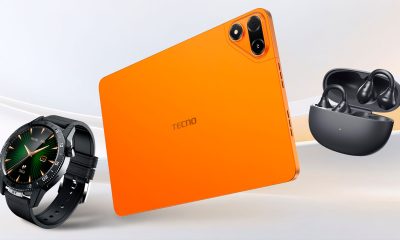
TECNO debuts latest devices, HiOS 16, upgraded Ella at MWC 2026
-

 Automotive2 weeks ago
Xiaomi Vision Gran Turismo makes global debut at MWC 2026
-

 Reviews1 week ago
The Xiaomi 17 shoots Leica dream