
News
MediaTek eyes video generative AI for mobile, next-gen sat broadband, more
MediaTek sets its eyes on the future


Without question, AI-powered features have been integral for smartphones nowadays. And although it’s still “limited” what users can do with AI on their phones, MediaTek is trying to bring more advanced capabilities to mobile devices. This, as the semiconductor company is eyeing video generative AI for mobile, as part of its goals for the near future.
A few months ago at MWC 2024, MediaTek showcased on-device generative AI video diffusion powered entirely by its Dimensity 9300 processor. This leading smartphone chip incorporates the world’s first hardware-based generative AI Engine with secure, personalized AI. It is capable of bandwidth reduction, LoRA Fusion, and 8X faster generative AI performance, compared to MediaTek’s preceding AI processor.
Sooner rather than later, users can perhaps elevate the short video-editing experience on their smartphones by leveraging video generative AI, something reserved for heavyweight devices and software programs for now.
World’s first 5G-advanced satellite broadband
Aside from video generative AI on mobile devices, MediaTek is working on improving connectivity across various technologies. For instance, the company is working on a 5G-NR-NTN satellite chip that can deliver broadband speeds of up to 100mbps. They are working with Rohde & Schwarz for this innovation. One industry that will surely benefit from this is the automotive industry, with MediaTek utilizing advanced LEO satellite support over the Ku-band.
New platforms for 5G IoT, wearables
Meanwhile, the newly-announced MediaTek T300 platform will make it easy for IoT designers to transition to 5G-NR especially for applications requiring ultra-efficient connectivity and long-lasting battery life. This includes wearables, lightweight AR devices, and always-connected IoT devices. MediaTek likewise demonstrated at MWC 2024 how it can achieve consistent low latency for AR and IoT devices. This was made possible by the company’s new RedCap RFSoC using the Keysight UXM5G Wireless Test Platform.
5G CPE for better performance
Moreover, MediaTek showcased its latest 5G CPE devices powered by the T830 platform. Using three transmission antennae (3TX) applicable across 5G NR band combinations, MediaTek eyes performance enhancements for Wi-Fi routers, promising low latency, low loss, and a significant reduction in network delay.
Auto industry collaborations
Earlier in the year, MediaTek also released AI-driven chipsets specifically for smart cars. This is another aspect the company wants to build on. Using OpenSynergy Hypervisor technology, MediaTek wants advanced safety-first features through a virtualized OS within the vehicle. Additionally, MediaTek and ACCESS Twine4Car are working together to develop richer multiscreen entertainment and interactive services. Of course, the former already has the Dimensity Auto smart cockpit and infotainment platforms working to provide highly capable processing.
These platforms can handle demanding processes. These include multiple operating systems, wireless connectivity feeds, and multiple concurrent video playbacks. It can even support advanced 3D graphics and generative AI for the driver and passengers in the vehicle, elevating the overall smart car experience.
Smart home IoT connectivity
Lastly, MediaTek is envisioning a “home gateway” concept which it calls “Ambient Computing.” This will allow users to manage their network of IoT devices in a better, faster, and more direct manner. This will be done by having the technology solve the indoor-outdoor network barrier through bypassing third-party networks.
In other words, users will be able to control everything from their mobile device, minus third-party services. And because multiple devices are working together, a user may technically use a PC to accelerate tasks on the smartphone — beyond what’s possible on a mobile chip. That extends the phone’s life considerably, too.




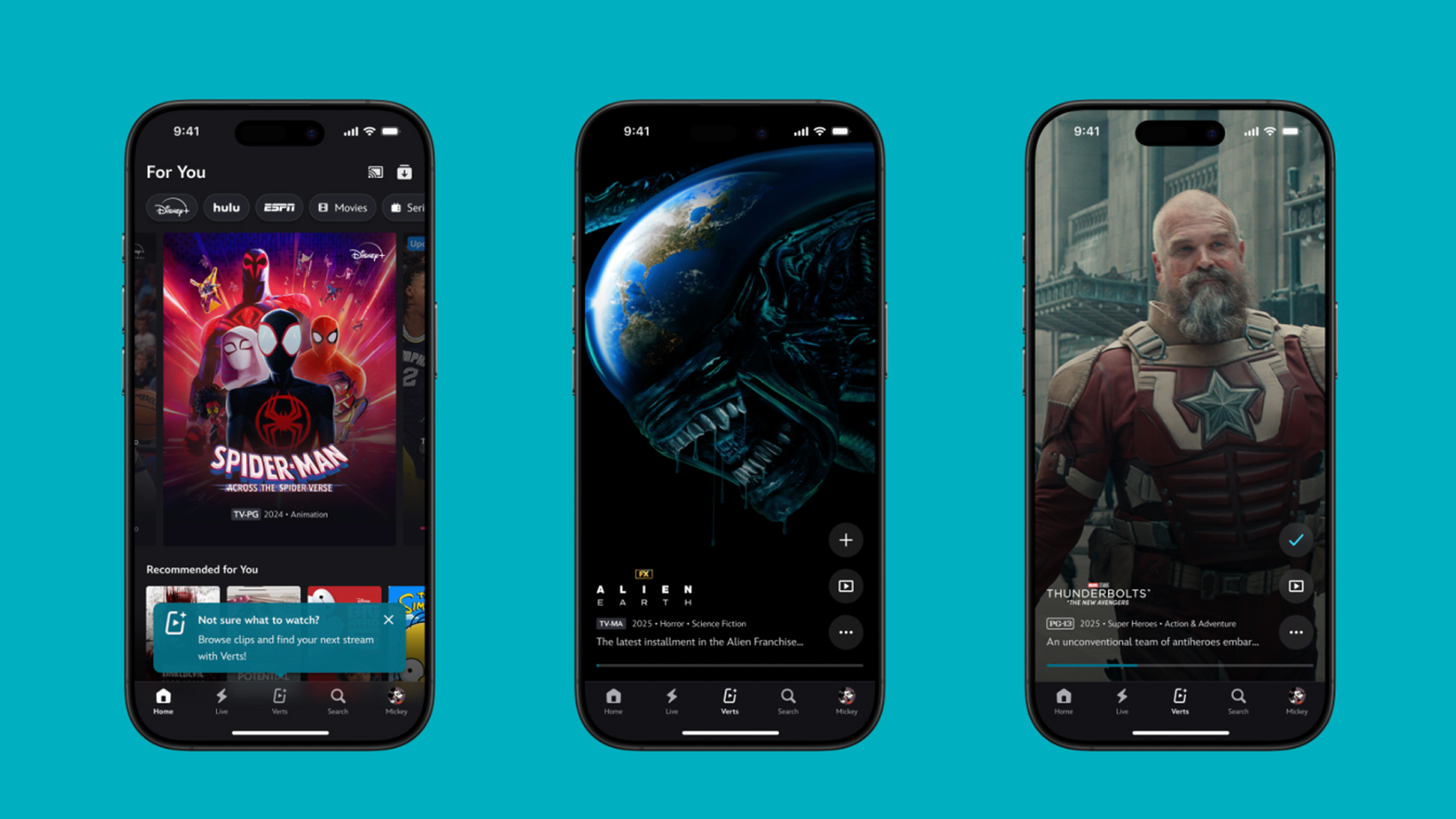
TikTok has changed how we consume media. Everything is now vertical. Even the most established streaming services, often a bastion for traditionally horizontal content, is adopting the different format. Now, Disney+ is getting a vertical feed called Verts.
Like its contemporaries, Verts presents a continuous feed of content but tailored to show the plethora of titles from the Disney+ library. This might include the first scenes of shows or notable highlights. The hope, of course, is to direct users to the longform content.
Directly from the Verts feed, users can easily add the respective title to their watchlist or go straight to the title’s page. In turn, the feed is accessible from the homepage since it has its own tab.
According to Disney, early experiments with the feature have driven engagement to available content. Right now, the feed is mostly for clipping enticing content from shows. However, the platform will experiment further with the format for new ways to tell stories.
Though Verts surely stands for “verticals” in this case, “adverts” might fit better as its full government name. Still, it might be a useful tool if you’re figuring out what to watch for the night.
Currently, Verts is available for Disney+ subscribers in the United States. Disney also has plans to expand the feature to ESPN for sports-related content.
SEE ALSO: Live NBA action on Disney Plus now available in the Philippines
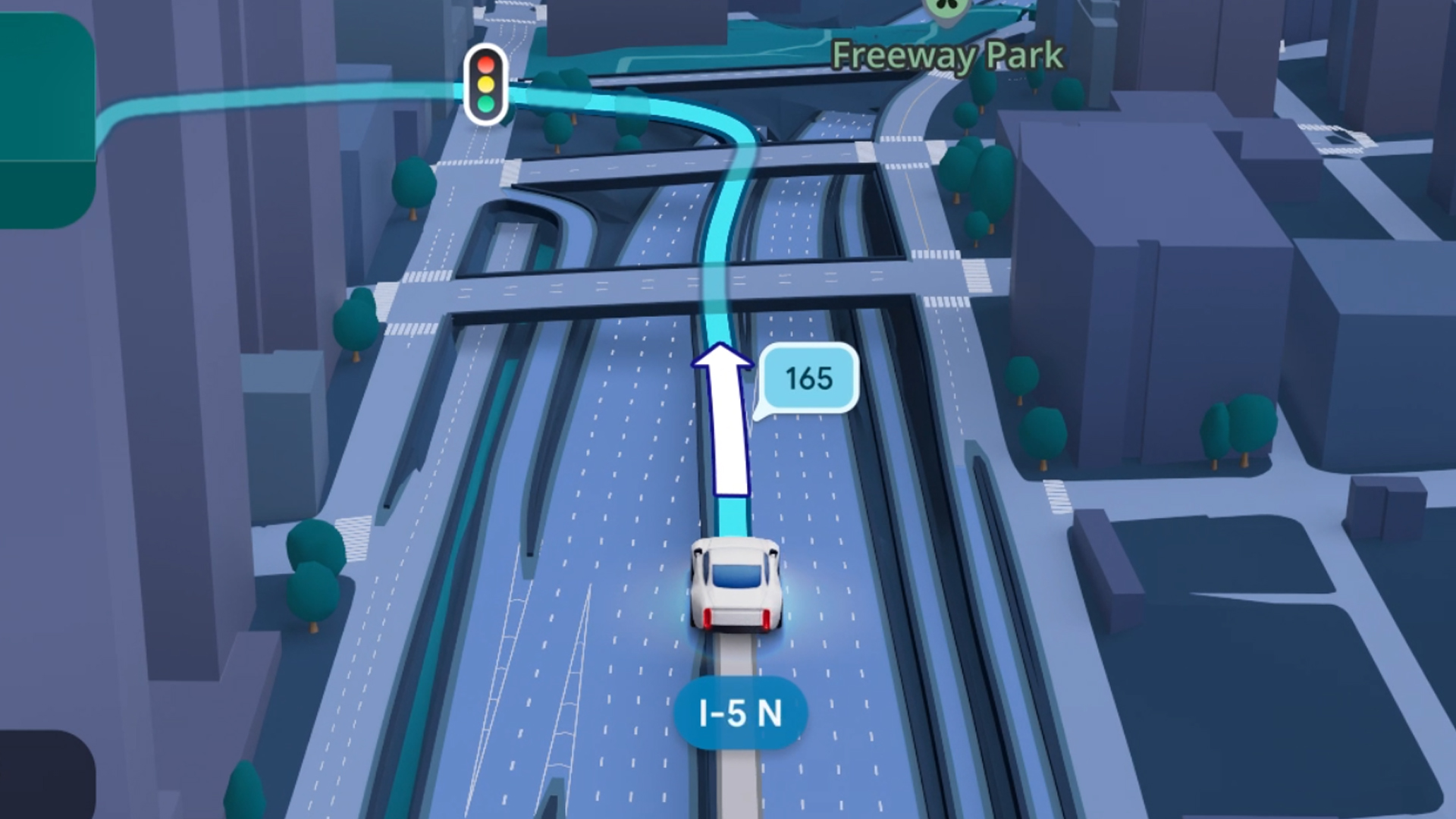
Some of today’s navigation apps are living in the future. Instead of a two-dimensional map, these apps render the user’s surroundings in 3D. It’s a nifty upgrade that helps drivers more accurately visualize directions on the fly. Finally, Google Maps is getting a much-needed upgrade and will take navigation to the third dimension.
In a new update rolling out today, the new Immersive Navigation feature will bring your surroundings to life. The 3D view creates a render of the surrounding buildings, overpasses, and terrain around the car. It takes the guesswork out of navigation by showing precisely where to turn and what landmarks to look out for.
In the same vein, you can now use Street View to preview your destination before you arrive. Google Maps will also highlight your destination’s entrance, side of the street, and nearby parking.
Outside of how the map is visualized, Google Maps is also infusing its service with Gemini. The new Ask Maps feature will let you engage with the app in a conversational manner. For example, if you’re in the middle of a long drive, you can now ask Maps where the best place is to stop over and have a coffee break. Ask Maps will provide directions, a potential itinerary, and even helpful links to book a reservation ahead of time.
Now, availability for both of these features is still a bit limited. Immersive View is rolling out today to compatible devices and vehicles in the United States. Further, availability will expand over the coming months.
Meanwhile, Ask Maps is available now in the United States and India for Android and iOS. A desktop version is coming soon.
SEE ALSO: Google Maps is finally getting a power saving mode
Entertainment
KPop Demon Hunters is officially getting a sequel
Maggie Kang and Chris Applehans will return to write and direct.


This feels like a formality at this point. Netflix and Sony have officially confirmed that KPop Demon Hunters is getting a sequel.
If you feel like you’ve read this exact title before, then you’re not alone. Since its massive success last year, the hit animated film constantly spawned talks of a potential franchise. It probably helped that the title quickly became Netflix’s most-watched film of all time. From the last we’ve heard of the rumors, Netflix was reportedly eyeing a 2029 premiere for the sequel.
Now, it’s official. As posted by Netflix itself, KPop Demon Hunters will get a sequel soon. Even better, the follow-up will be written and directed by the same duo, Maggie Kang and Chris Applehans.
Kang, who celebrated the first movie’s ability to tell a Korean story, says that there’s a lot more to explore in the film’s universe. “There’s so much more to this world we have built and I’m excited to show you. This is only the beginning,” she said.
Right now, the plot’s sequel is still unknown, especially since the Saja Boys were defeated in the first film.
Given how big the original movie got, the sequel is no surprise. Besides bagging the top spot on Netflix’s charts, the film also got an eventual release in theaters. KPop Demon Hunters is up for a potential Oscars win after it was nominated for Best Animated Feature. Its hit song, “Golden,” is also nominated for Best Original Song.
SEE ALSO: KPop Demon Hunters is now Netflix’s most-watched movie


Disney+ launches a TikTok-coded vertical feed called Verts

Google Maps is finally getting a 3D mode

KPop Demon Hunters is officially getting a sequel

Bringing Care-a-Lot to my daily carry

Galaxy AI on the Samsung Galaxy S26 Ultra


-
 News2 weeks ago
Xiaomi 17 Ultra is now available outside China
-
 MWC 20261 week ago
Infinix NOTE 60 Ultra makes a motorsport-inspired debut
-
 Reviews2 weeks ago
TECNO CAMON 50 Ultra review: End of an era?
-
 MWC 20262 weeks ago
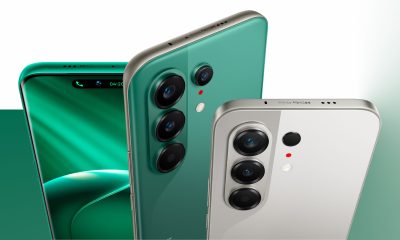
TECNO launches the all-new CAMON 50 series
-
 MWC 20262 weeks ago
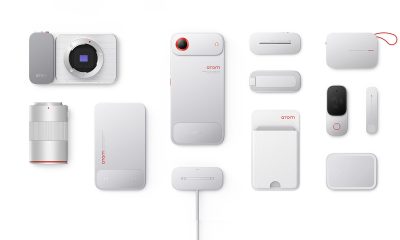
TECNO showcases cool concepts at MWC 2026
-

 Reviews2 weeks ago
Xiaomi Pad 8 review: Slab that slaps!
-
 Reviews2 weeks ago
Forget the Phone: Xiaomi 17 Ultra Is A CAMERA!
-
 MWC 20262 weeks ago
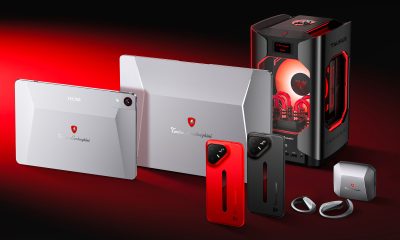
TECNO unleashes Tonino Lamborghini collection