
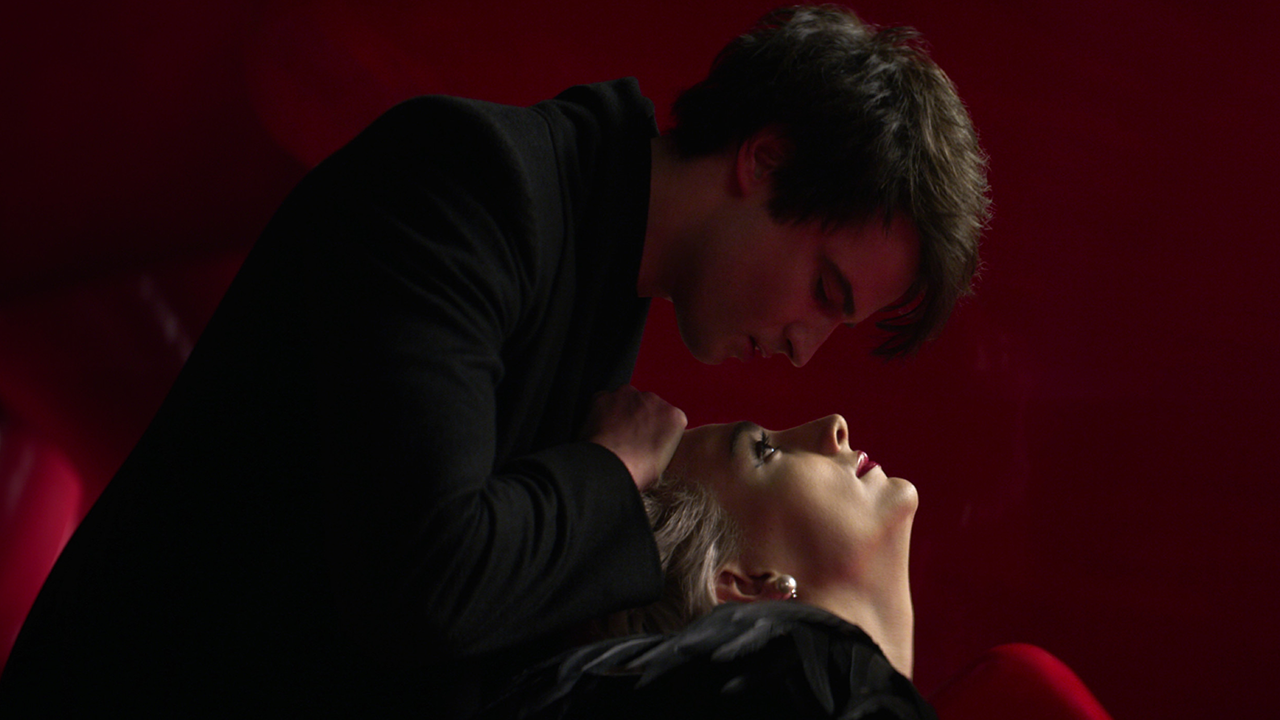

That will not last. The Great Stories will always return to their original forms.
It’s one of the most enduring quotes from the Sandman’s 75-issue run. Talking to the immortal Hob Gadling in the 18th century, Dream, the eponymous Sandman, comments on the transience of a new ending attached to Shakespeare’s King Lear written centuries past. It’s a testament to the endurance of stories despite the ravages of time.
In an age dominated by adaptations, The Sandman’s quote rings ever truer. The past few years have seen countless adapted titles dropped because of lackluster reception. The original forms, whether it be books or series made years past, have won time and time again. However, despite history weighing down against it, one adaptation has seemingly prevailed against Dream’s cautionary warning: The Sandman itself.
Enter the Dreaming
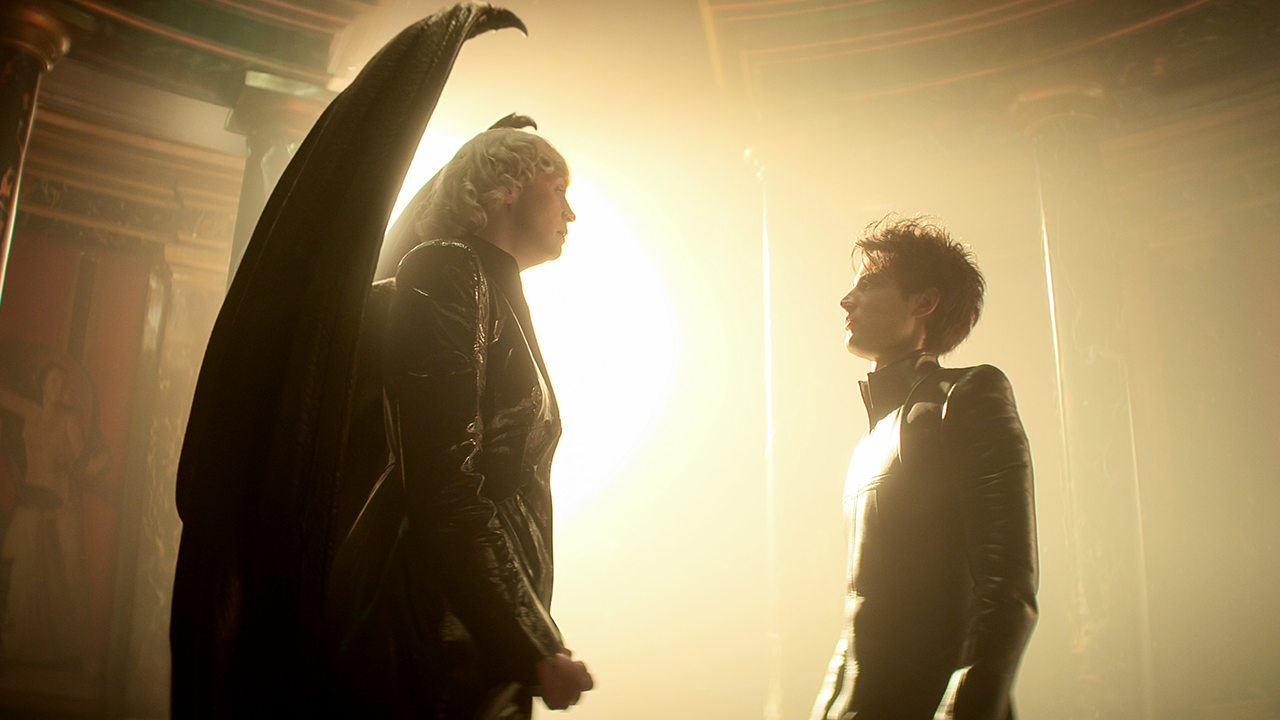
Premiering on Netflix, The Sandman adapts the first few story arcs from the original comic book run. The series stars Tom Sturridge as the titular character, complemented by a lively cast from television’s finest including Doctor Who’s Jenna Coleman as Johanna Constantine and Game of Thrones’ Gwendoline Christie as Lucifer. Plus, most critically, Neil Gaiman himself, the series’ author, is directly involved with the series, along with David S. Goyer.
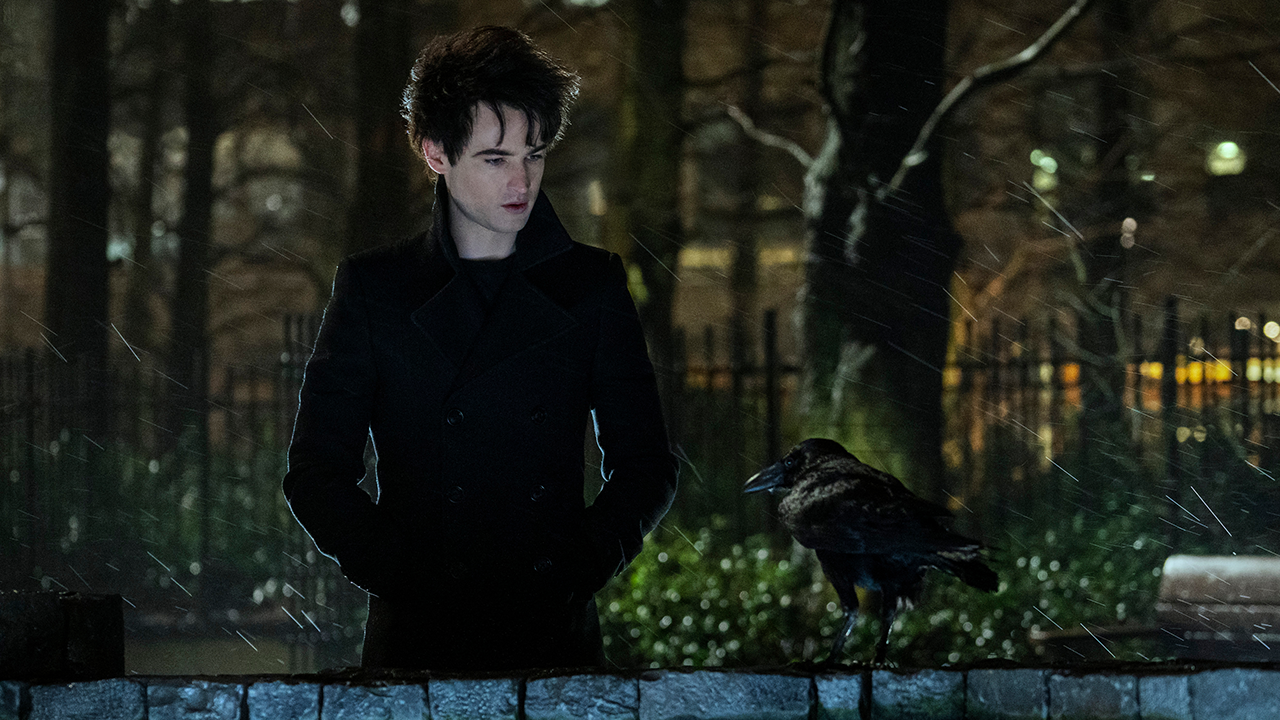
The series itself is a long time coming. Since the original run ended, filmmakers and producers have sought to adapt the title for Hollywood. However, for all of 30 years, Gaiman rejected all efforts to create a Hollywood-friendly version of the popular series. Now, fresh from the success of the adaptations of American Gods and Good Omens, the acclaimed author is taking the reins himself to create the first good adaptation of Sandman. And why not? The title’s tales of inclusivity, responsibility, and story-making still ring true today.
A dream of me: a personal history
When I first read The Sandman, I was in high school. My sensibilities and interests were naturally different from what they are today. They were hardly mature enough to understand the intricacies of the series. In fact, my young mind was more interested in how Dream was an all-powerful protagonist capable of blowing his enemies away in a literal puff of sand. For me, Sandman was no different from Superman. Can you blame me? I was a teenager, after all.
While it’s fair to read the series in that way, The Sandman was so much more. More than a decade later, I reread the entire series, picking up hundreds of tidbits I missed my first go-around. I learned about the power of dreams on our reality and how dreams pervade regardless of culture or identity.
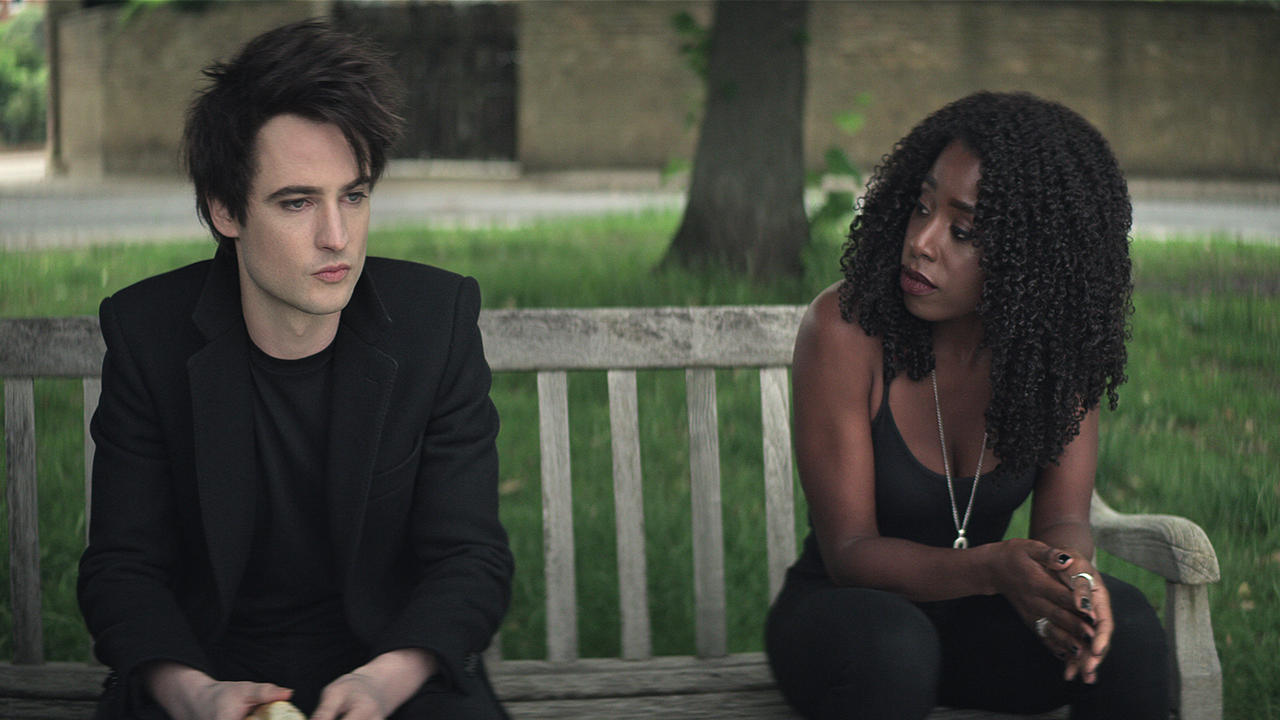
Now, if you’ve read The Sandman at any point in your life, you’ll understand how the series endured all these years as an essential fragment of the world’s literary oeuvre. If you haven’t read the series, however, you’ll still understand how things we’ve read or watched as children rarely look the same when we reread or rewatch them as adults.
The Sandman, as both a comic book and a television series, is no different.
A dream of change
A traditional comic book has around 20 to 30 pages from cover to cover. While the number is usually enough to tell a captivating story, it does have limitations. Stories and themes have to be summarized into small speech bubbles or boxes. In contrast, a television episode allows for more nuances: an actor’s expressions, additional dialogue, movement.
While the Netflix series maintains fidelity in adapting its source material, it also expands what was presented on the page. Instead of a static image of Dream brooding in captivity, you see the evolution of emotion from stoicism, hatred, to hope.
Further, you’ll see the evolution of Gaiman from an early-career author to an acclaimed one revisiting past works. When the series was first written, Neil Gaiman was a relatively fresh creator. As such, he was still exploring his literary voice. The early Sandman books reflect that, seesawing between different genres and tones. Now, decades after first writing the series, Gaiman has an opportunity to change and expand what he wrote before. The end result is magical.
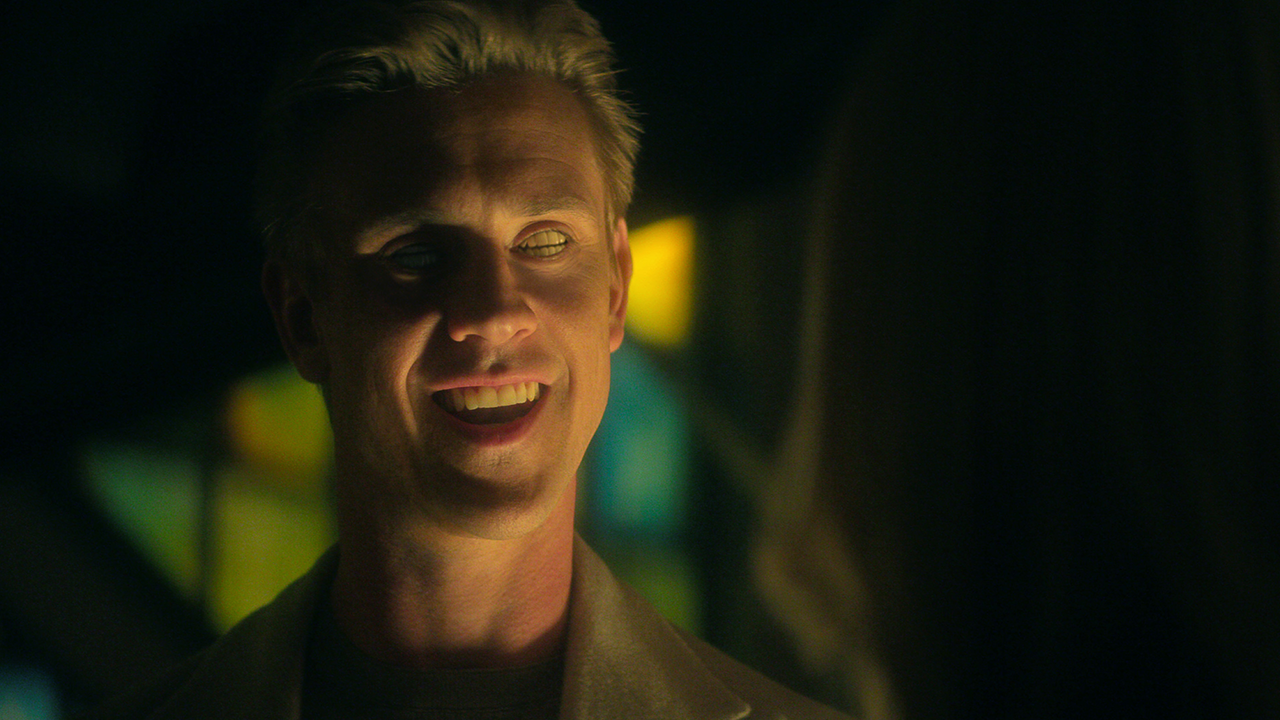
For one, characters were made to be more inclusive. Instead of white men or women, iconic characters are played by characters who are Black, female, or both. For example, Kirby Howell-Baptiste and Gwendoline Christie slay as Death and Lucifer, respectively. Likewise, otherwise-detached stories are connected and expanded in new ways that make sense in the over-arching plot. It’s a change in fidelity, but one that is welcome in today’s ever-changing world. It expands Gaiman’s vision for a more inclusive reality in and out of dreams.
Netflix’s The Sandman is an evolution of both the book’s format and its themes. It pulls double duty, alluring both long-time readers and new visitors to the land of dreams. As such, you’ll find both readings — as a fantastical adventure and as a thematic exploration of humanity — in the television series.
Though Dream said that great stories will always return to their original forms, it’s time to evaluate what The Sandman’s original form is. Maybe this is what it was always meant to be. Maybe “original” doesn’t always mean the first one.
Should you watch The Sandman?
Absolutely.
If you’ve read the series before, you already know why. If not, The Sandman is a dark fantasy series. In essence, it’s a collection of stories spanning decades and centuries, loosely connected by the character called Dream and our own smaller dreams — to live forever, to be recognized for who we are, to be free, to just be. Just as the comic book had me turning the page endlessly, the Netflix series will have you clicking that Next Episode button until you reach the end.
SEE ALSO: New ‘Sandman’ trailer showcases the king of dreams



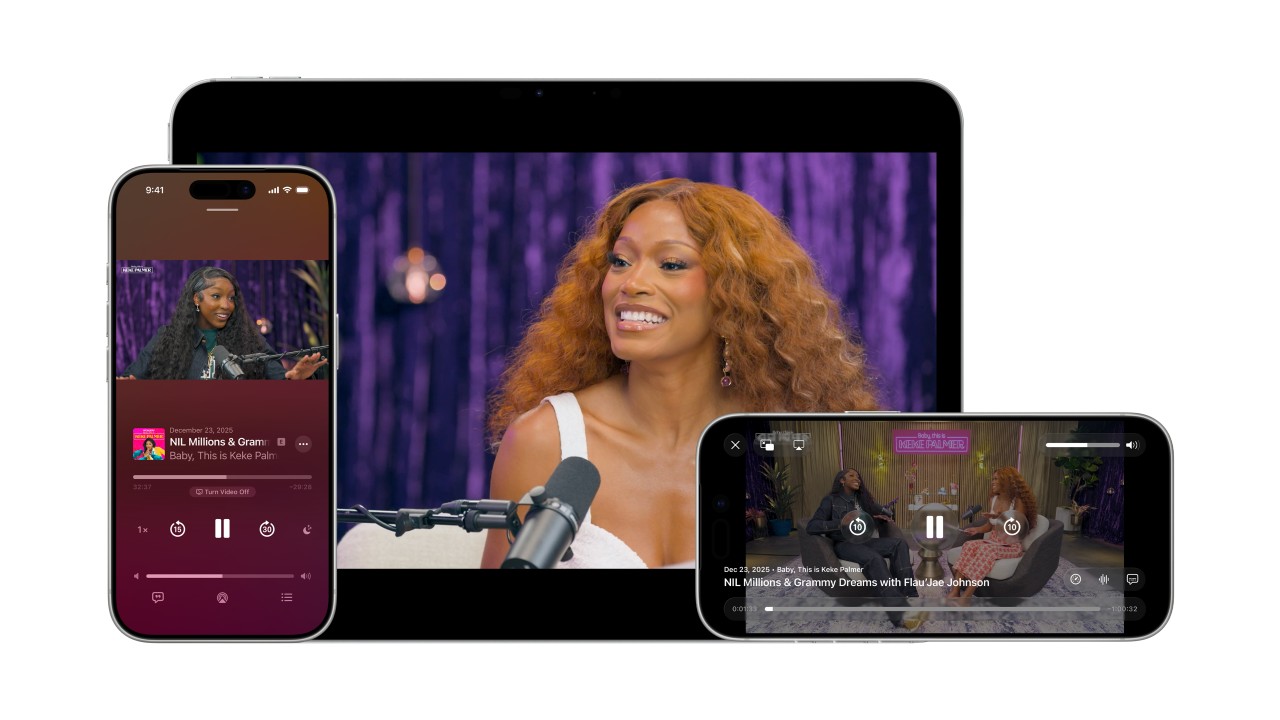
Apple is adding a new video podcast experience to Apple Podcasts this spring, powered by HTTP Live Streaming (HLS).
The update lets users switch seamlessly between watching and listening inside the app. They can watch in full screen, rotate to horizontal view, and download episodes for offline viewing. HLS automatically adjusts video quality based on network conditions, whether on Wi-Fi or cellular.
Video episodes will also integrate with existing features. That includes personalized recommendations and editorial curation in the New tab and Category pages.
Apple says the move gives creators more control over distribution and monetization. Participating hosting providers and ad networks will support HLS video at launch, including Acast, ART19, Triton Digital, and SiriusXM.
For the first time on Apple Podcasts, creators can dynamically insert video ads, including host-read spots. This opens access to the broader video advertising market while keeping creative control in the hands of publishers. Video integrates into existing shows without affecting followers or downloads.
Apple does not charge hosting providers or creators to distribute podcasts on Apple Podcasts, whether via traditional RSS/MP3 or HLS video. However, the company will introduce an impression-based fee for participating ad networks that deliver dynamic ads in HLS video later this year.
The feature builds on Apple Podcasts’ existing reach across more than 170 countries and regions. The app supports features such as Enhance Dialogue, adjustable playback speeds from 0.5x to 3x, auto-generated chapters, timed links, and transcripts across more than 125 million episodes in 13 languages. Users can also subscribe to premium channels for exclusive content and ad-free listening.
HLS video podcast support is available starting today in beta versions of iOS 26.4, iPadOS 26.4, and visionOS 26.4. The feature will roll out to iPhone, iPad, and Apple Vision Pro users, as well as on the web, later this spring.

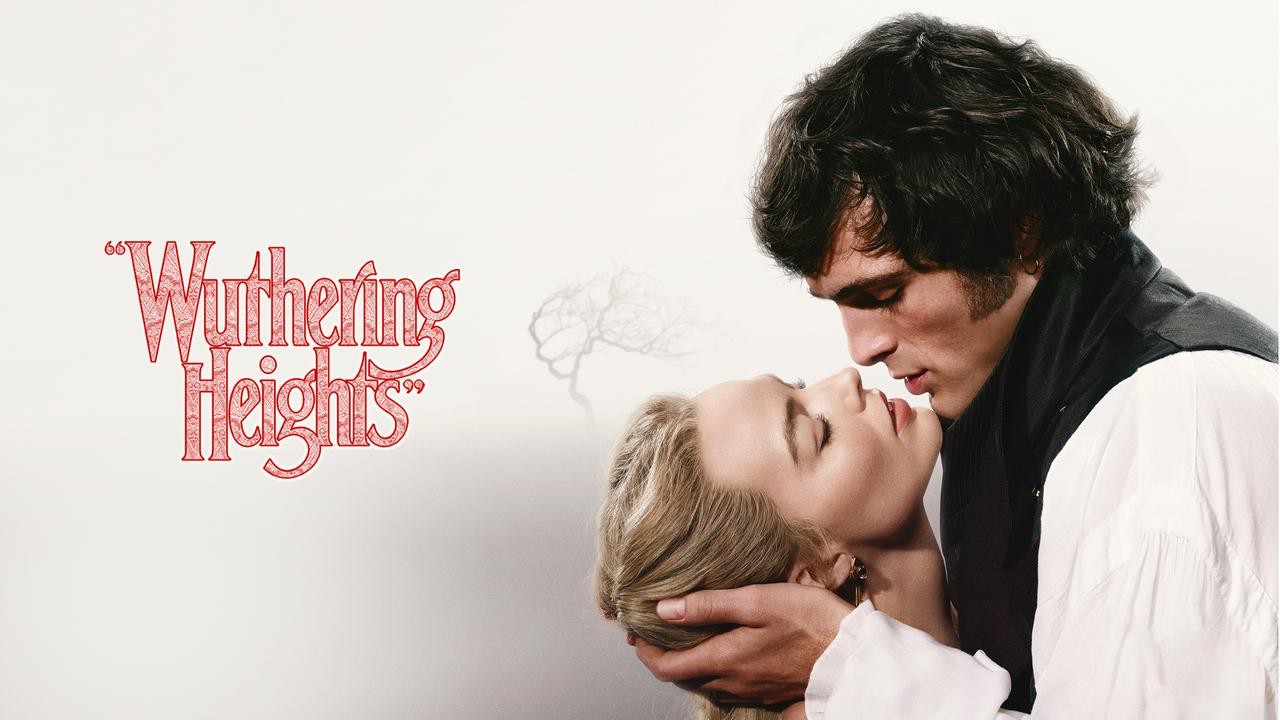
I don’t quite recall the exact line, but there’s a scene in “Wuthering Heights” where Catherine (Margot Robbie) speaks to Nelly (Hong Chau) and finally verbalizes how she feels about Heathcliff (Jacob Elordi). She says they share the same soul. Or something very close to that.
I remember thinking how beautiful it sounded. Passionate. Honest. But also painful — because even as she admits it, she believes they can’t be together.
That felt like the key scene of the film. Everything that follows spirals out of that moment.
Love, class, and a half-heard sentence
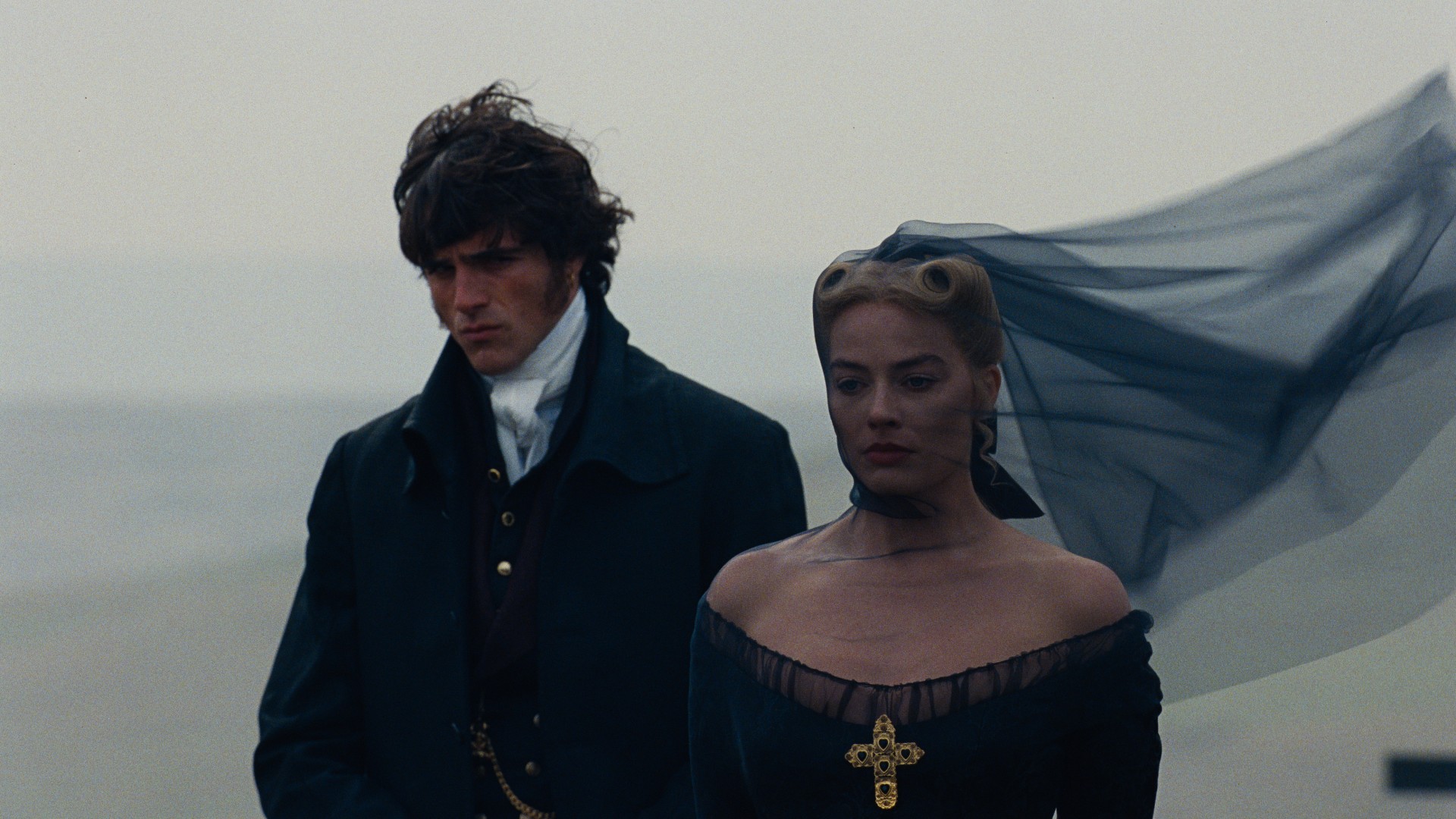
Heathcliff isn’t just a romantic lead. He’s a servant in the Earnshaw household. He grows up alongside Catherine and Nelly, but he never truly belongs. They run wild together as children. They share a bond that feels deeper than friendship. But social class lingers in the background, quietly dictating what is acceptable.
On paper, Edgar Linton (Shazad Latif) is the right choice. He’s affluent. Proper. Stable. Choosing him preserves Catherine’s stature. Choosing Heathcliff, in her mind, would degrade it.
The tragedy is that Heathcliff only overhears part of this conversation. He hears Catherine say that being with him would degrade her. He doesn’t hear the part about shared souls. And that partial truth is enough. He leaves.
From there, the film unfolds like a prolonged consequence of a single misunderstood sentence.
Yearning that feels real
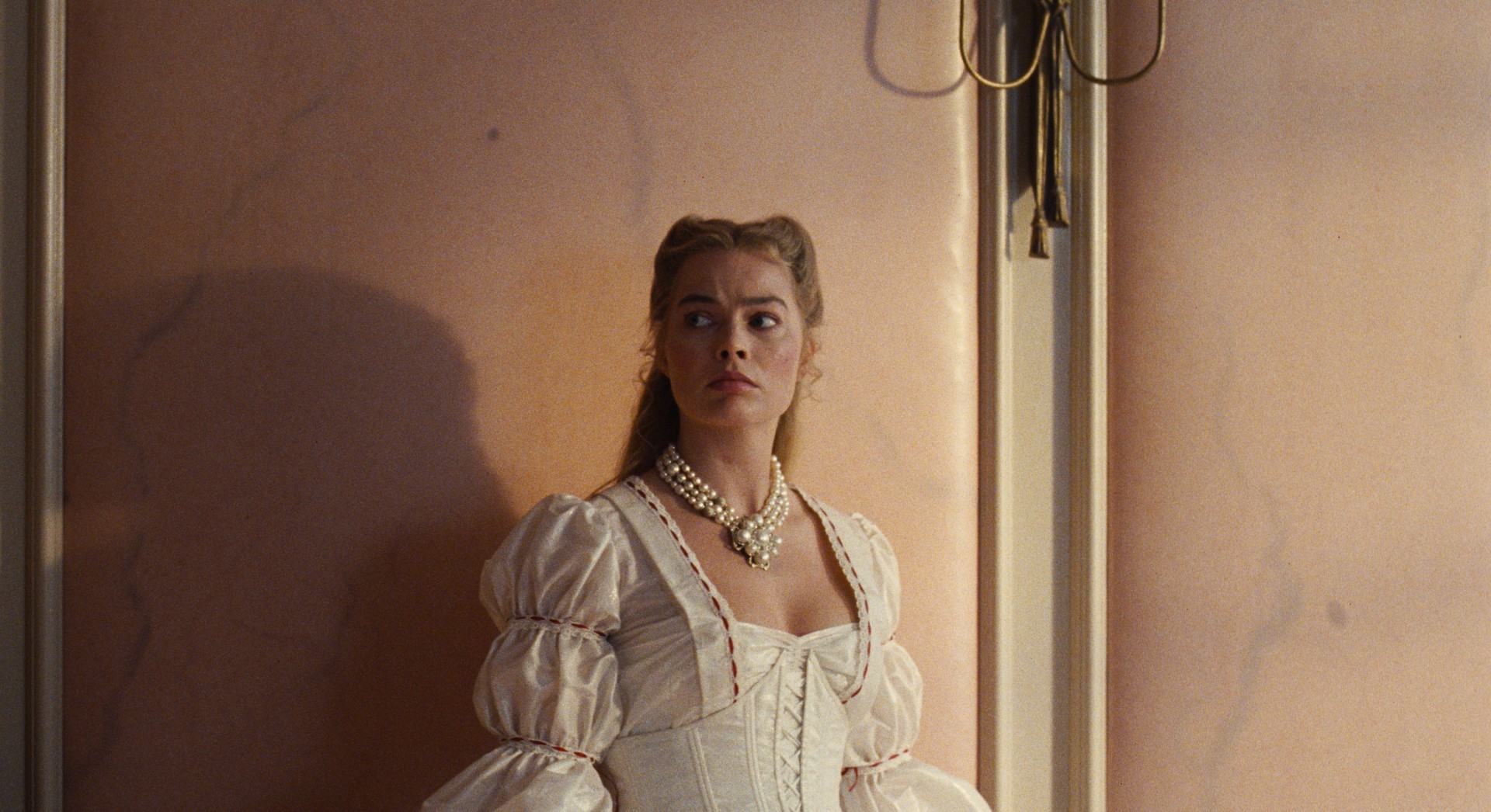
Margot Robbie plays Catherine with an earnest playfulness that makes her easy to love and frustrating at the same time. She’s energetic. Mischievous. She often pulls Heathcliff into compromising situations without hesitation. But there’s calculation underneath. She understands the world she lives in, even if she wishes she didn’t have to.
Elordi’s Heathcliff starts off reserved and protective. He doesn’t say much, but you feel how deeply he feels. Later on, when he returns, that restraint shifts. He gives in to his desires. His love turns into something sharper. Tunnel visioned. Almost self-destructive.
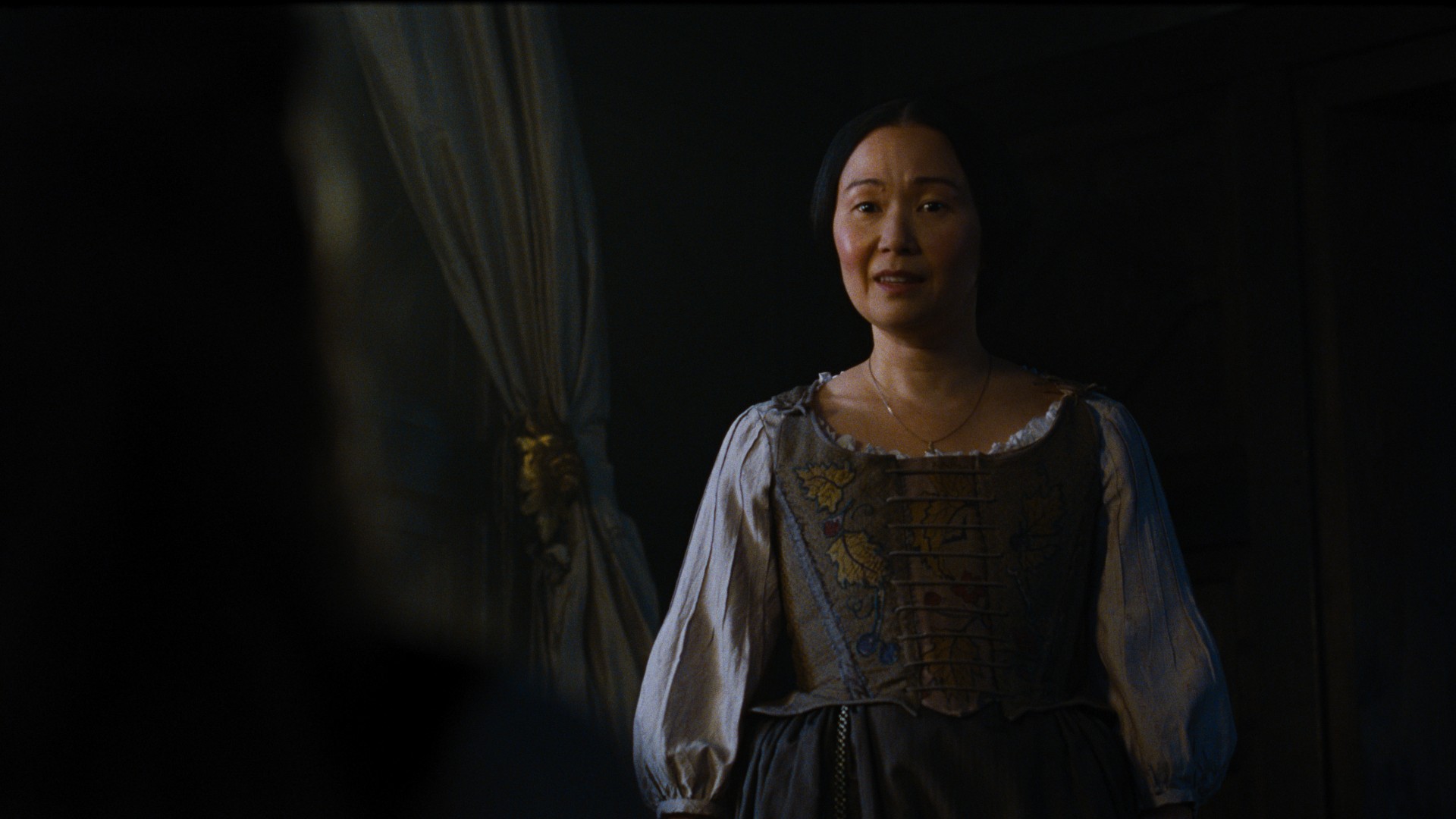
Nelly, meanwhile, operates in quieter ways. She observes. Nudges. And positions herself as concerned, but there’s a subtle self-centeredness to her actions. Not diabolical. Just human. Which makes the unraveling feel even more inevitable.
Frames that look like paintings
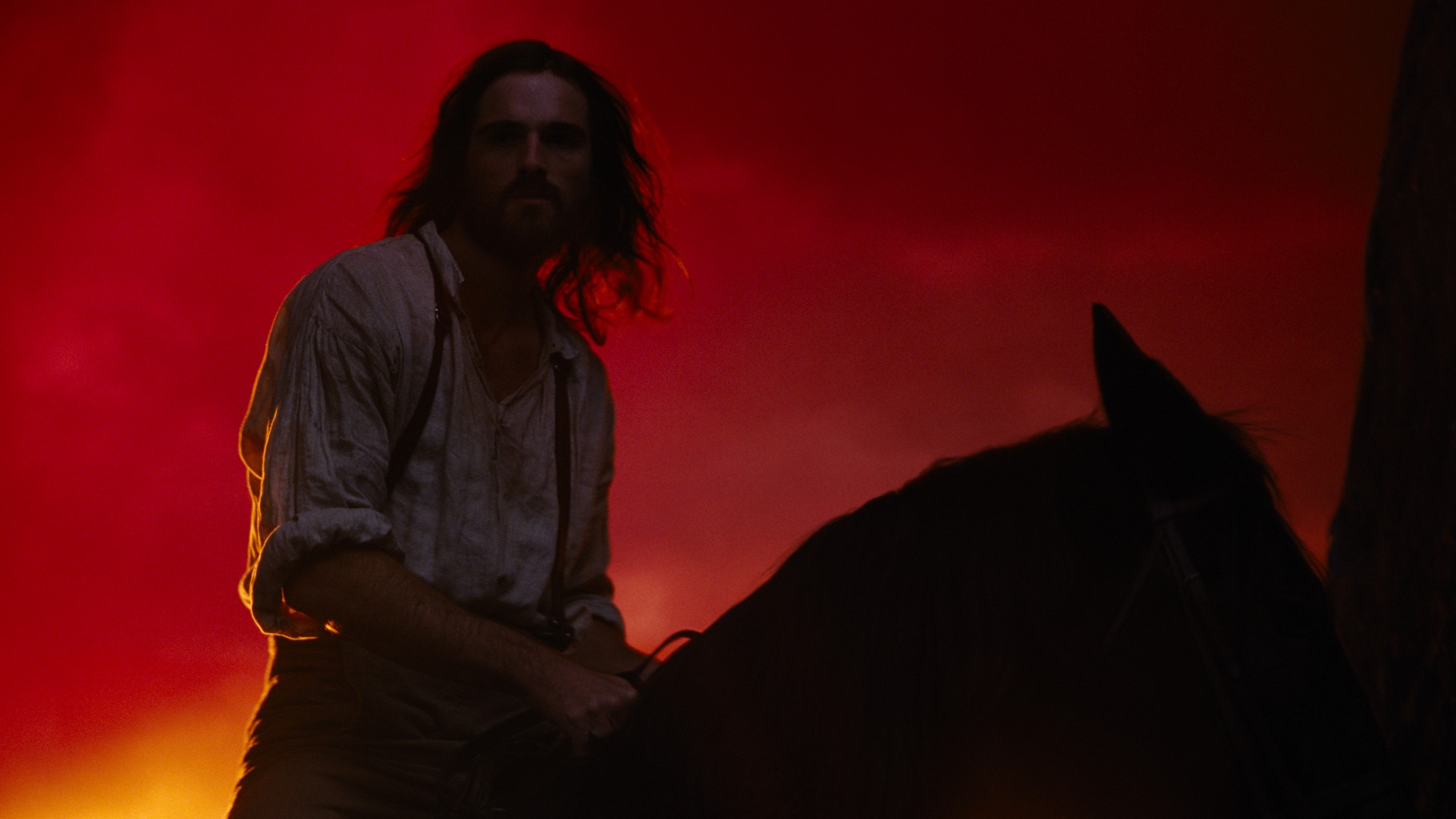
Visually, the film is dramatically composed. It rarely feels like a straightforward recreation of that time period. Instead, many scenes look like moving paintings. The frames feel intentional. Almost interpretive — like artists reimagining history rather than documenting it.
The contrast between households is especially clear. Wuthering Heights feels contained and middle class. The Linton estate is spacious and luxurious, even down to how distinctly their servants are dressed. The class divide isn’t subtle. It’s embedded in the architecture.
There are also transition shots that feel symbolic, even if I can’t fully unpack them after a single watch. The pig being slaughtered stands out the most. It lingers in a way that feels deliberate. There were several moments like that — images that seem to foreshadow something darker.
A runtime that never overstays
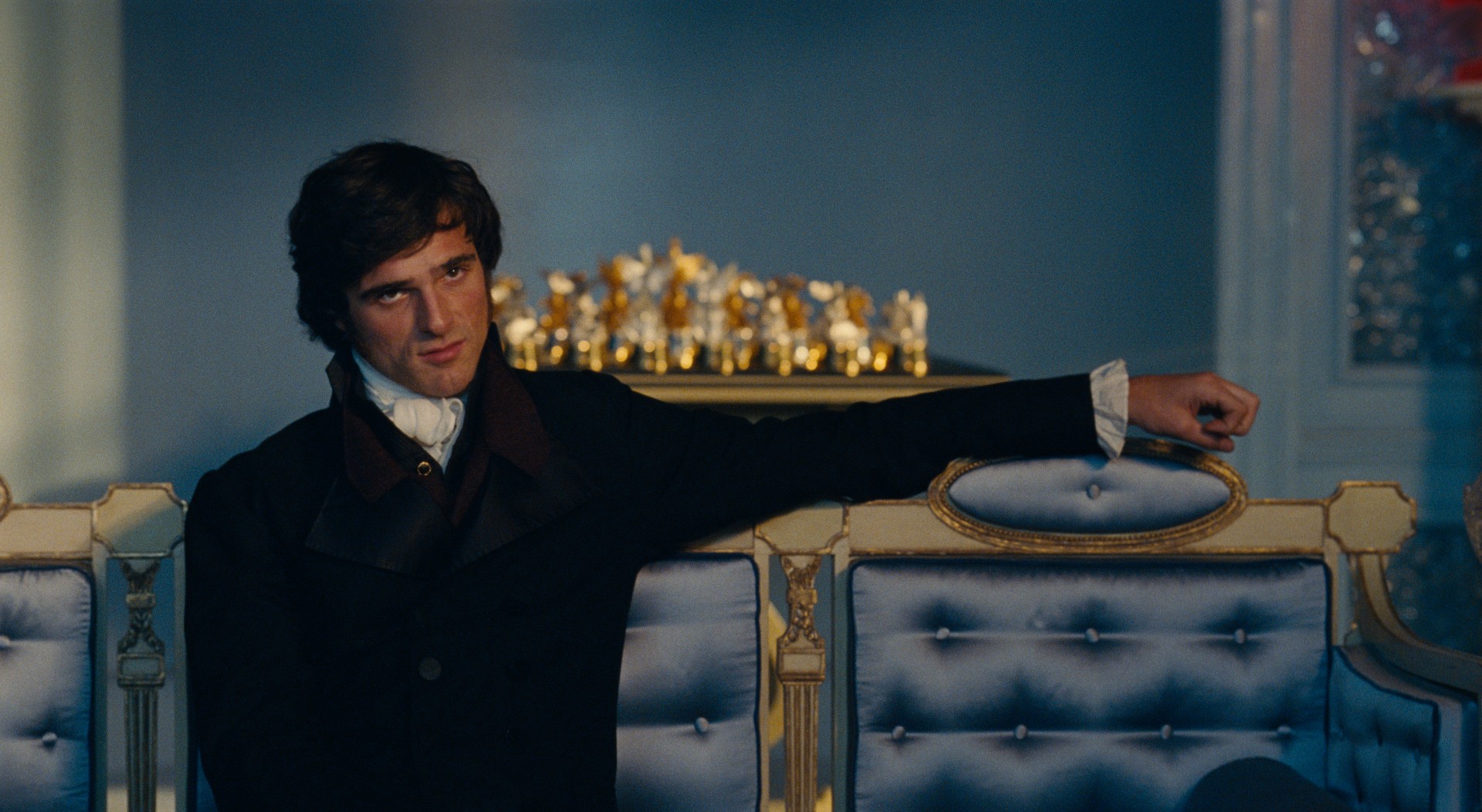
Despite its over two-hour runtime, I never felt the film drag. The montages used to signify time passing cut at the right moments. It never lingered too long, and it never rushed past something important. The pacing felt controlled.
Understandable isn’t the same as justified
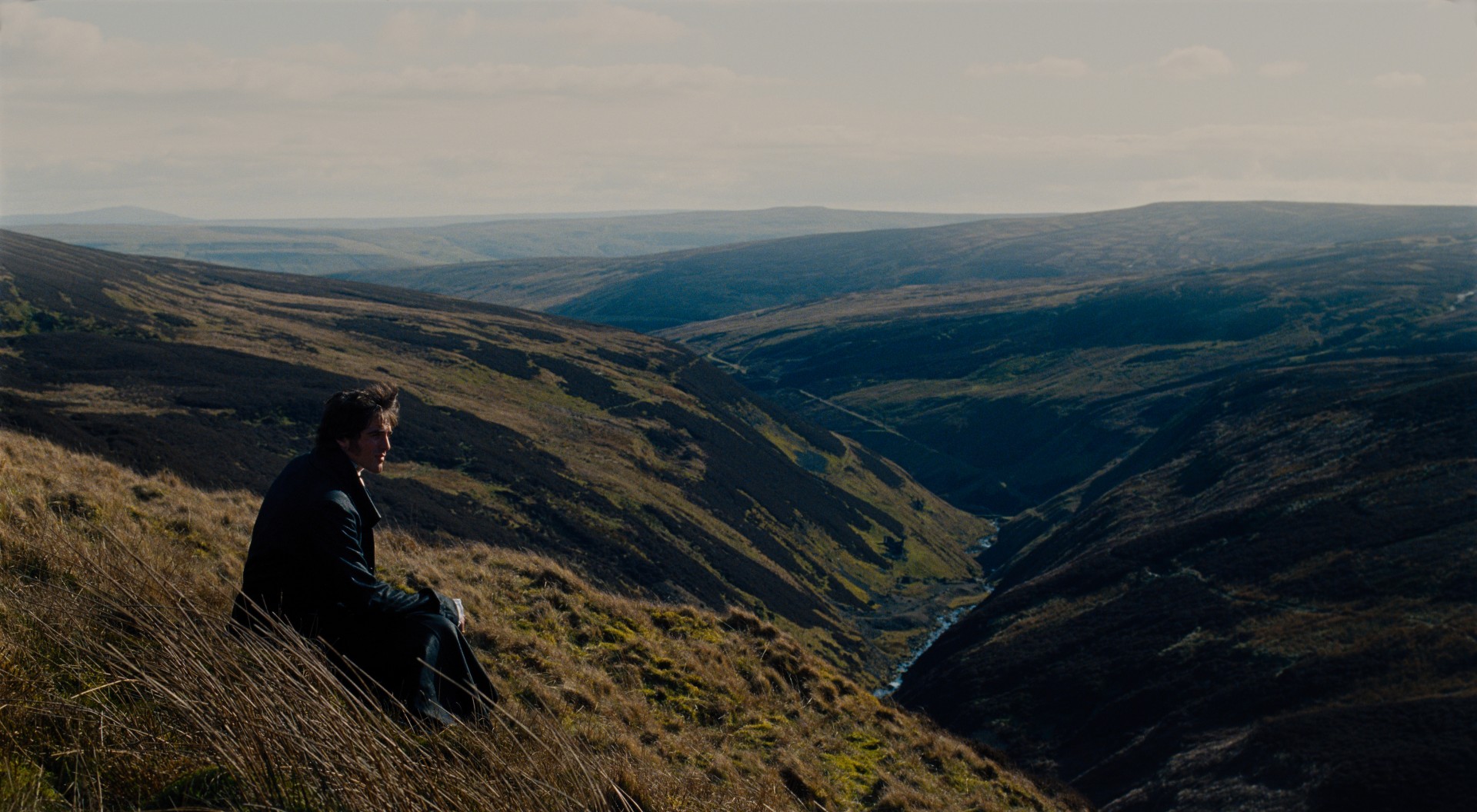
After posting a quick exit reaction, I inevitably heard from friends who’ve read the novel. The responses were varied. Some were protective of the source material. Others were more open. As someone engaging with Wuthering Heights substantially for the first time, I can only speak to the film on its own terms.
And on its own, it works.
It even made me want to read the novel. Realistically, I might never get around to it. But the film did its job.
What I do worry about is how some viewers might walk away feeling that the protagonists’ actions were justified. They’re understandable, to a certain extent. The yearning Robbie and Elordi portray is so effective that it might transport you to a time when you felt overwhelmingly about someone.
But understandable isn’t the same as justified.
As the credits rolled, what stayed with me wasn’t the estates or the costumes or even the more dramatic confrontations. It was that earlier line about sharing the same soul. The idea that two people can recognize something that powerful — and still let it slip because the world, and their own decisions, get in the way.
That’s what lingered.
Entertainment
Jason Momoa will star in upcoming Helldivers film adaptation
Justin Lin is set to direct.
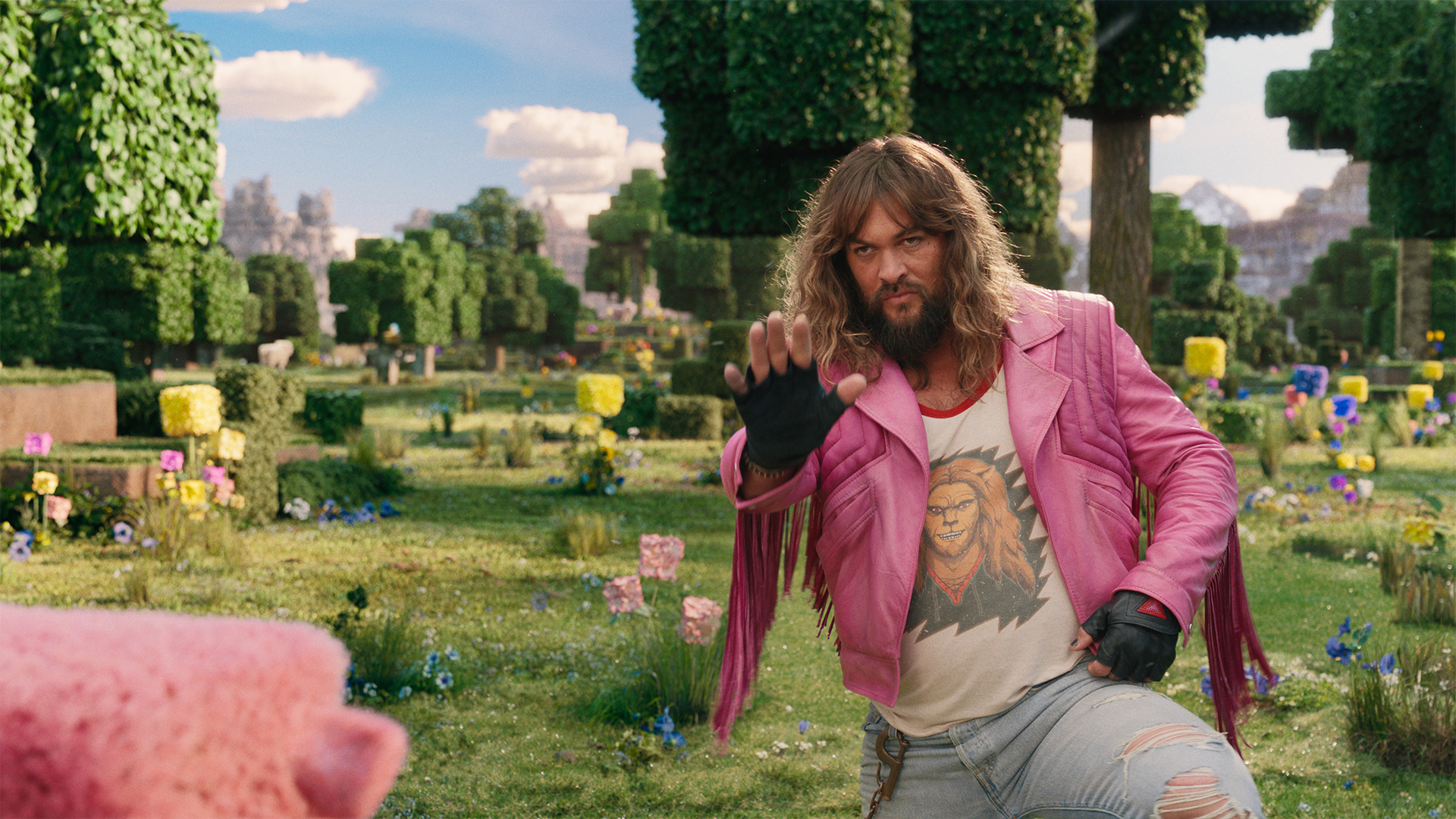
PlayStation’s State of Play is about games. However, there are a few times when the semi-regular event can spawn hype for something outside the realm of gaming. Today is one of those times. Sony Pictures and PlayStation have released more information about the upcoming Helldivers movie adaptation.
Early last year, Sony teased a variety of upcoming adaptations for its tentpole franchises. This announcement included Horizon Zero Dawn, Ghost of Tsushima, and Helldivers.
Today, as reported by Variety, the Helldivers film finally has a leading man. Jason Momoa, who starred in the Minecraft adaptation previously, will star in the film.
Since the franchise isn’t really known for a specific main character, it’s unknown who the star will play. We also don’t know his co-stars yet.
Alongside Momoa, Justin Lin will direct the film. The director is known for his work with the Fast and Furious franchise.
Plot-wise, the Helldivers franchise seems tailor-made for the movies. It’s not a supremely story-driven game, but its premise is endlessly adaptable. The games always revolve around a group of soldiers called Helldivers, who protect Super Earth from a host of alien threats. These threats include rogue robots and bug-like creatures.
The film, whatever it might tackle, will premiere on November 10, 2027.
Helldivers 2 launched back in 2024. At the time, the game was exclusive for the PlayStation and PC. However, it recently launched on the Xbox, too.
SEE ALSO: Helldivers 2 review: SIP ON SOME LIBER-TEA!



Nothing releases first look at Phone (4a)

Dyson PencilWash makes wet cleaning feel effortless

Jackery portable power solutions makes appearance at Doraemon Run

OPPO Reno15 Pro: Camera Review

Capcom to hold Resident Evil Requiem launch event in Jakarta

Breaking up with Adobe Photoshop after 20 years

TECNO will showcase the CAMON 50 and POVA 8 series at MWC 2026

PlayStation, LE SSERAFIM Chaewon team for the ‘Love of Play’ campaign

New DRAGON BALL game project “AGE 1000” for 2027 announced

VinFast updates battery subscription policy for large upfront savings


-
 News2 weeks ago
TECNO will showcase the CAMON 50 and POVA 8 series at MWC 2026
-

 Reviews2 weeks ago
The art of being in and behind the frame
-
 Gaming2 weeks ago
Now Playing: Yakuza Kiwami 3 & Dark Ties
-

 India2 weeks ago
TECNO POVA Curve 2 5G packs an 8000mAh battery
-

 Gaming2 weeks ago
God of War Greek trilogy remake in development, Sons of Sparta out now
-

 First Look2 weeks ago
Match Pulse: OPPO Reno15 Pro
-

 Accessories2 weeks ago
Sony WF-1000XM6 is out now: Price, availability
-
 Gaming2 weeks ago
New Resident Evil Requiem trailer teases a return to the RPD