
Entertainment
Now Playing: Avatar: Fire and Ash
Imperfect finale leaves room for more

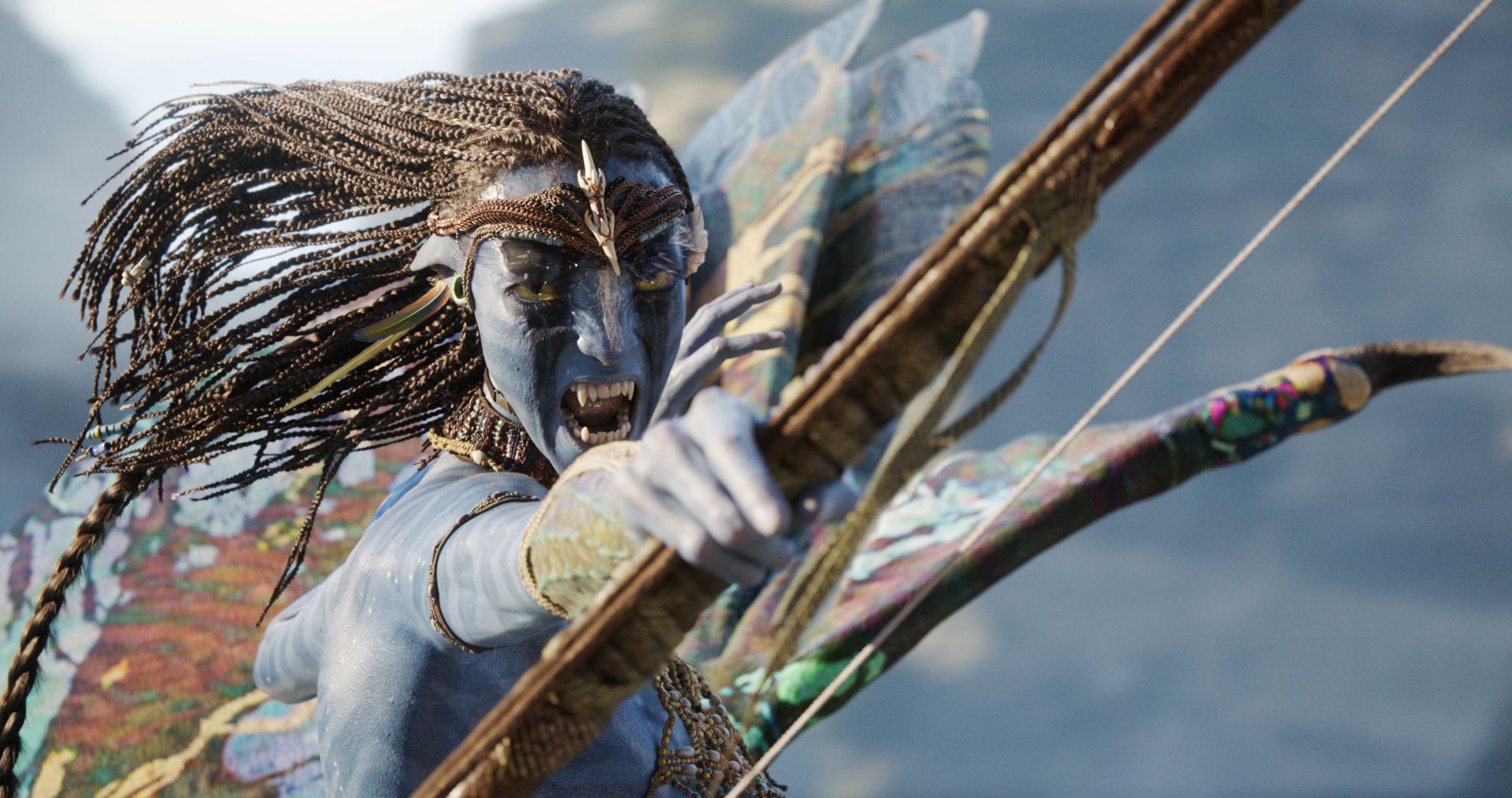
If this truly marks James Cameron’s farewell to the franchise, then Avatar: Fire and Ash does deliver a gripping finale that caps the saga’s first arc.
Moviegoers are assured of a visual masterpiece that is even better in 3D, to say the least. Story wise, the film ties up loose ends from Way of Water and culminates in a ginormous battle Pandora’s fate. That’s all while leaving the door open for future chapters.
Execution could have been more polished, but the box office blockbuster franchise’s third entry still remains worth the trip.
As a standalone movie, viewers will find it enjoyable without much knowledge of the first two installments.
Decisions, consequences
Avatar: Fire and Ash is set just weeks after the events of Way of Water. And just like the second installment, the conflict begins with a seemingly harmless decision.
Amid their grief, Jake, Neytiri, and the Sullys decide Miles “Spider” Socorro — son of Col. Miles Quaritch — can no longer stay with them.
This leads to them accompanying him aboard a passing flying merchant ship. Along their trip supposedly back to the human scientist camp, the film introduces the Mangkwan.
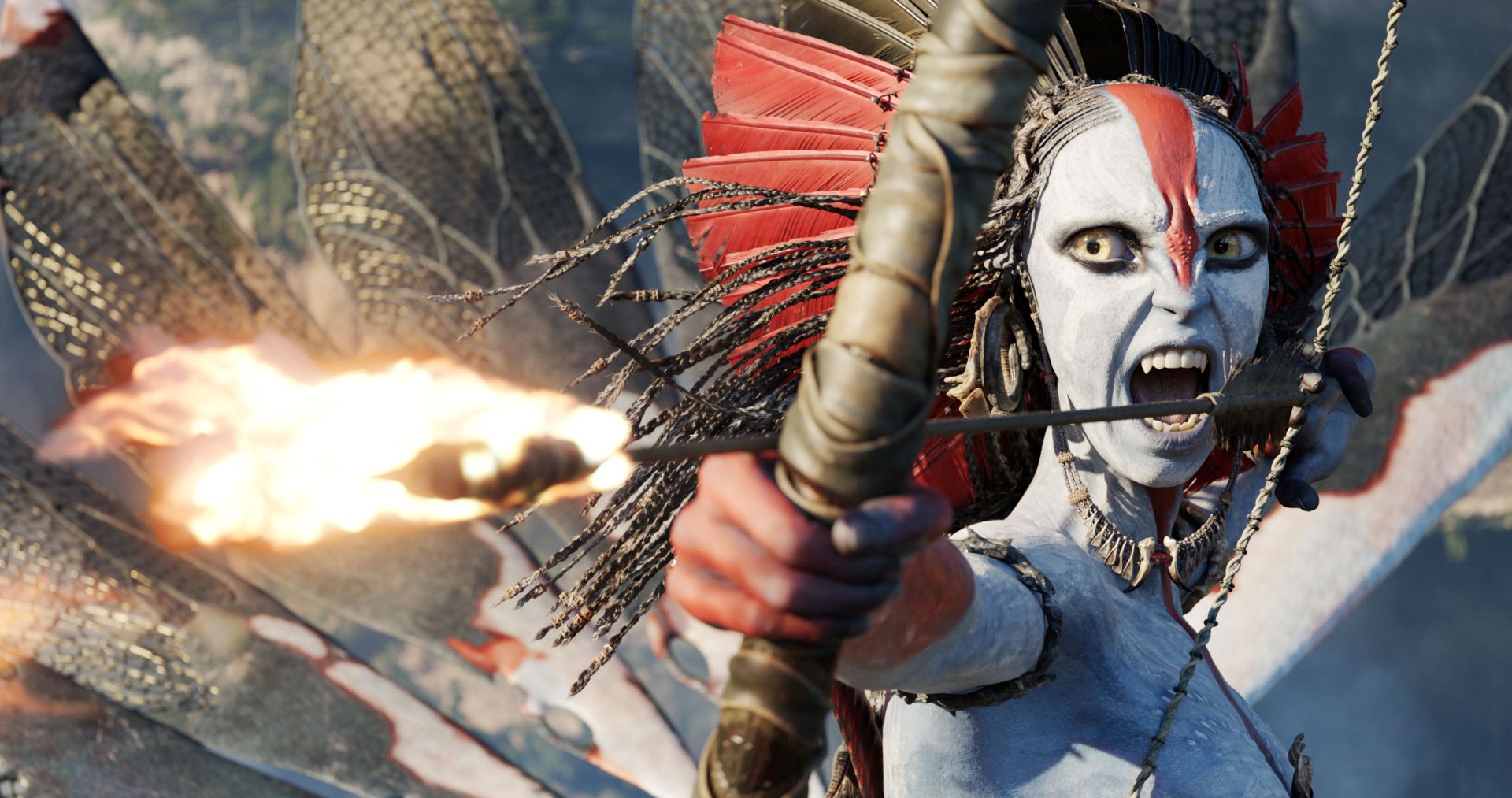
This isolated Na’vi tribe who reject Eywa is spearheaded by their tsahik, Varang. From the initial look, they seek domination over Pandora. They also happen to reject Eywa, as bared later on, with Varang showcasing control of fire.
Chaos erupts as the Mangkwan attacks the flying merchants, leaving almost everyone dead. The encounter also causes the Sullys to be separated.
While the tribe ravages the hapless merchants, Col. Quaritch and his team remain hellbent on exacting revenge on Jake, as was his central goal from the past film.
In his pursuit of Jake, a three-way conflict pushes the movie to be tense from the get-go. All parties have their goals they need to accomplish. And a radical new threat stands in the way too.
Enemy of the enemy

Quaritch and his right-hand, Cpl. Lyle Wainfleet, only find Jake tied up in the aftermath of the Mangkwan’s attack.
Persuaded by Jake who knows where to find Jake, Quaritch decides to spare his nemesis temporarily.
They set out on a search for the Mangkwan, while the film highlights the tribe’s radical, if not extremist nature. There’s unsettling rituals and Varang’s thirst for power.
This starts to deepen the narrative as now, it’s a matter of ironically joining forces with your foe. And in spite of the vengefulness inside Quaritch, his side as a father to Spider lets him postpone his payback plans.
Jake and Quaritch team up momentarily to save the former’s children. But Quaritch also realizes the potential in forming an unlikely alliance with Varang, which he does.
A incomprehensible power within
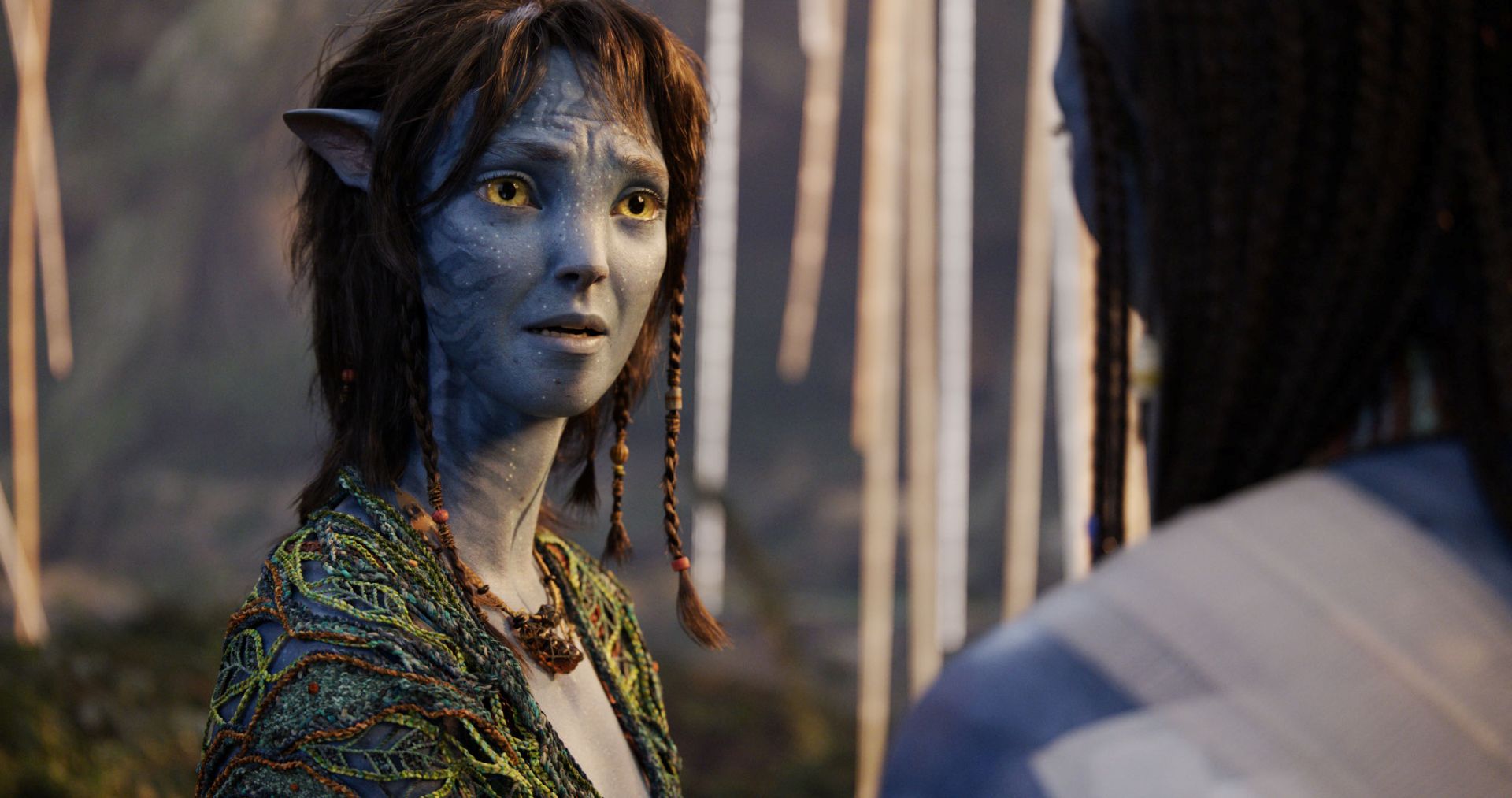
After the first hour or so, Avatar: Fire and Ash gradually builds up on Kiri’s mysterious abilities. She was key to the children escaping from the Mangkwan when she commanded the fauna to kill some fighters.
This was also highlighted more when she bonded with the ground to help Spider survive and turn him sort of into half-Na’vi, being able to breath without an oxygen mask.
But her powers are incomprehensible even to herself. She even tries to commune with Eywa, but to no avail. It was clear at this point that the movie intended to set her up as an integral warrior to what was brewing.
Expanding conflict
Back in the RDA lab, corporate greed takes over anew as scientists find out hundreds of Tulkun whales will be gathering for their mating season.
This would bring them billions in profit if they could harvest large volumes of the amrita substance, threatening Pandora’s ecosystem in the process.
The subplot adds to an already complex web of conflicts. Although, Quaritch’s vendetta against Jake still remains the enduring, central thread, sustaining tension throughout the runtime.
Each chapter just provided constant cliffhangers, somehow keeping viewers glued in spite being three hours long. About two hours in, Quaritch and Varang’s alliance (and relationship) and Jake’s surrender evoked trouble across Pandora.
Humanity amidst the struggle

Adding to that long runtime was exploring the Sullys’ human side. Standing out was Neytiri’s extended grief over the loss of Neteyam.
Her anger toward Spider and general hatred for humans from the first film created an ethical dilemma when she wanted Quaritch’s son dead. Ultimately, the couple decided not to kill Spider, showing how humanity prevailed amidst the struggle.
Neytiri’s sorrow was an aspect the filmmakers arguably could have utilized better. Early on, her grieving lingered over and over. It didn’t help that she was injured from the initial Mangkwan attack too.
While it was already heartbreaking to see Neytiri in such a state, it could have been shown better how she channels this into anger and showing the sky people what they’ve done.
Make no mistake, her clever disguise as a Mangkwan member that helped free Jake and Spider was a great touch.
Yes, the was emotional balance from Zoe Saldana’s character to complement action sequences, but a different direction could have pushed it further.
Climactic finish

Eventually and expectedly, Avatar: Fire and Ash finale sprawls into a dramatic battle that involves all parties. Jake assumes the mantle of Toruk Makto once more, and rallies all known Na’vi tribes, knowing what’s at stake.
This was setup aptly given all conflicts were unveiled at different parts of the movie. I’ll give them the cohesion. But still, it should have been presented with more chaos.
For a film that was titled “Fire and Ash”, you would have expected ruins and lots and lots of burning. Perhaps even some volcanic explosions to set up the end of Pandora.
Anyway, the Tulkuns and Na’vi take care of business initially against the profit-blinded RDA ambush. But combined forces of the now heavily-armed Mangkwan and Quaritch turn the odds to the antagonists’ favor.
Casualties were aplenty; the sudden deaths of key allies felt apt with how straightforward they cut through viewers’ chests. Instantly dead if that’s how their fates should be sealed.
By now, most loose ends have been addressed. Kiri has likewise finally connected with Eywa, whom she asks for help.
Similar to Way of Water, family members were once again held hostage inside an RDA ship. Thankfully, Neytiri overpowers Varang, who decides to flee.
Everything boiled down to Quaritch and Jake confronting each other amid the chaos. Spider aids Jake, but his conflicting loyalty culminates in him saving his biological father.
Repetitive?

Visually, the entire final sequence dazzles, with the sheer volume of moving parts making up for an epic scene at part with those in other trilogies. But the length might have caused fatigue too.
At the same time, if you are going with such an exhaustive screen time, might as well incorporate newer elements related to the Mangkwan.
Or Neytiri and Varang could have had their own distinct one-on-one combat to add to what’s going on.
Even better, Neytiri should have led from the get-go for a refreshed take while the Jake-Quaritch conflict remained a lasting subplot.
There were missed opportunities especially in a final battle that once again took place ocean-bound.
Room for more?
In what was the film’s final cliffhanger for more potential installments, Quaritch decides to jump off the floating rock shortly after getting cornered by the Sullys.
It appeared Jake still wanted to say something, or perhaps convince him to redeem himself before it’s too late.
Instead, we can only assume Quaritch has fallen to his death… not unless the suddenly disappeared Varang saved him on a Banshee. Such ambiguity leaves space for possibly more.
The epilogue was poignant; the underwater spirit trees were a nice touch with cameos from past characters welcoming Spider for his full transition to a Na’vi. The same could be said for Neytiri and Ronal warming up to each other after being reluctant towards each other.
Overall, Avatar: Fire and Ash is a visual spectacle that weaves several dilemmas throughout. It’s not that it wasn’t coherent nor cohesive, but missed opportunities held it back.
Though it’s a worthy, if imperfect, finale to Cameron’s first saga.






Entertainment
Forgotten Island is an upcoming film based on Filipino culture
The film features the talents of H.E.R., Liza Soberano, and Lea Salonga.

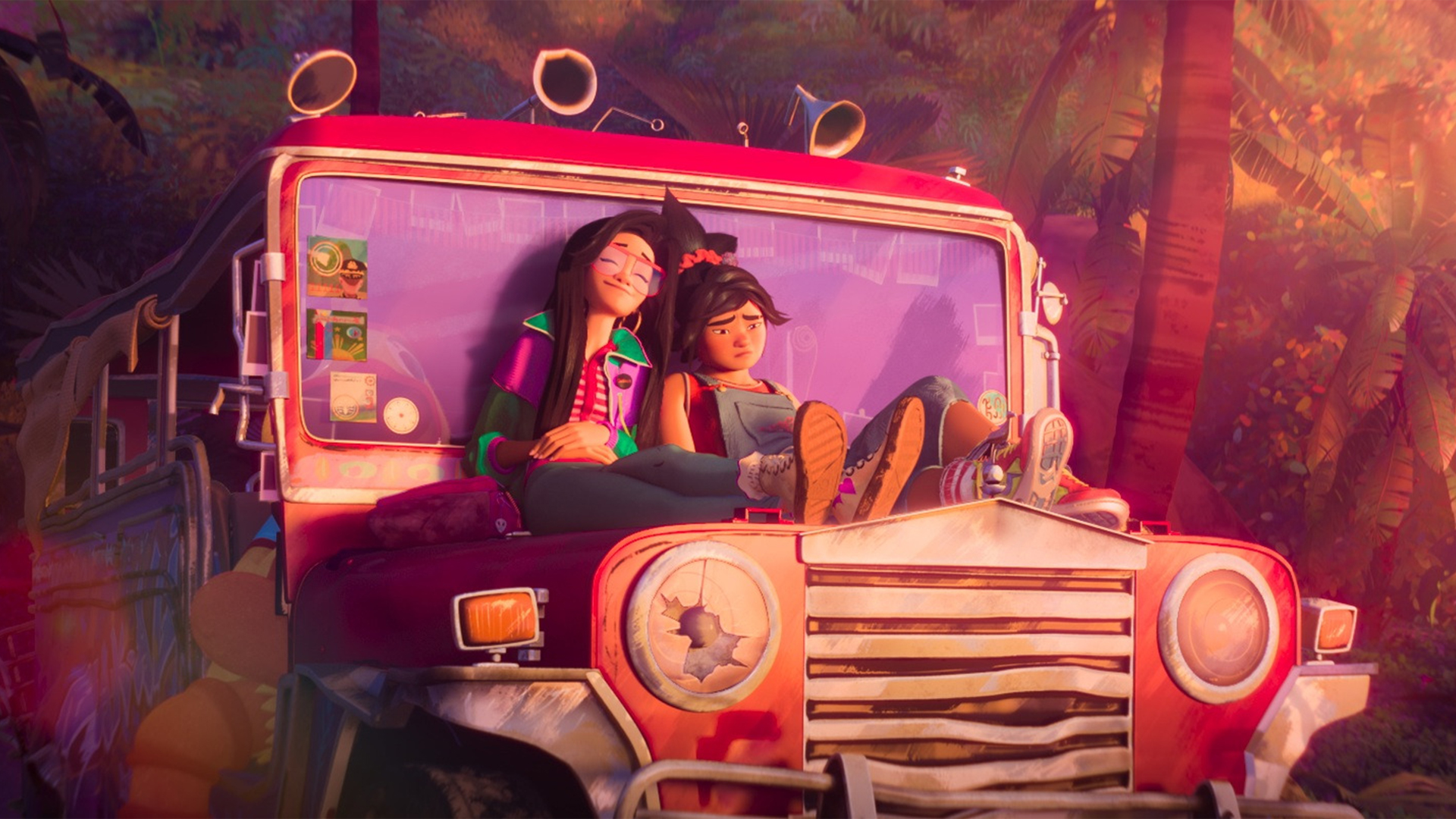
Despite all the Filipino actors in Hollywood today, it’s still difficult to feel scene in an industry where Filipino stories aren’t as abundant. Now, it’s time for the Philippines to shine. DreamWorks Animation has just released the first trailer for Forgotten Island, an upcoming animated film based on Filipino culture.
Played by H.E.R. and Liza Soberano, Jo and Raissa are childhood best friends about to go their separate ways after one decides to study abroad. However, during their last night together, they discover a magical portal that takes them to Nakali, the Forgotten Island.
The island calls itself home to an army of creatures from Philippine mythology including The Dreaded Manananggal (voiced by Lea Salonga). Dave Franco also plays a weredog named Raww.
Besides the presence of all these monsters, the island has an even more dangerous quirk. The longer that Jo and Raissa stay on Nakali, the more of their memories are erased until they eventually forget each other. It then becomes a race to find their way home before they lose memories of their friendship forever.
Supporting the main cast, the film will feature the voice talents of Manny Jacinto, Jenny Slate, Jo Koy, Dolly de Leon, Amielyn Abellera, and Ronny Chieng. It will be made by Joel Crawford and Januel Mercado, the prolific team behind the critically acclaimed Puss in Boots: The Last Wish.
Forgotten Island premieres in Philippine cinemas on September 23.
Entertainment
Marvel’s Wonder Man greenlit for a rare second season
The first season holds a 91% rating on Rotten Tomatoes.
Is the Marvel Cinematic Universe back? After years of floundering through Phases Four and Five, Marvel Studios is poised to get its mojo back from a flurry of much-awaited Phase Six projects this year, including the second season of Daredevil: Born Again, Spider-Man: Brand New Day, and Avengers: Doomsday. And it all started this year with the critically acclaimed Wonder Man. Now, after the success of that series, a second season is officially in the works.
When its first trailer came out, Wonder Man did not look like anything that Marvel Studios has worked on before. For one, it was incredibly grounded, perhaps overshadowed only by Daredevil: Born Again. Second, it was about the reboot of a fictional superhero movie, itself called Wonder Man.
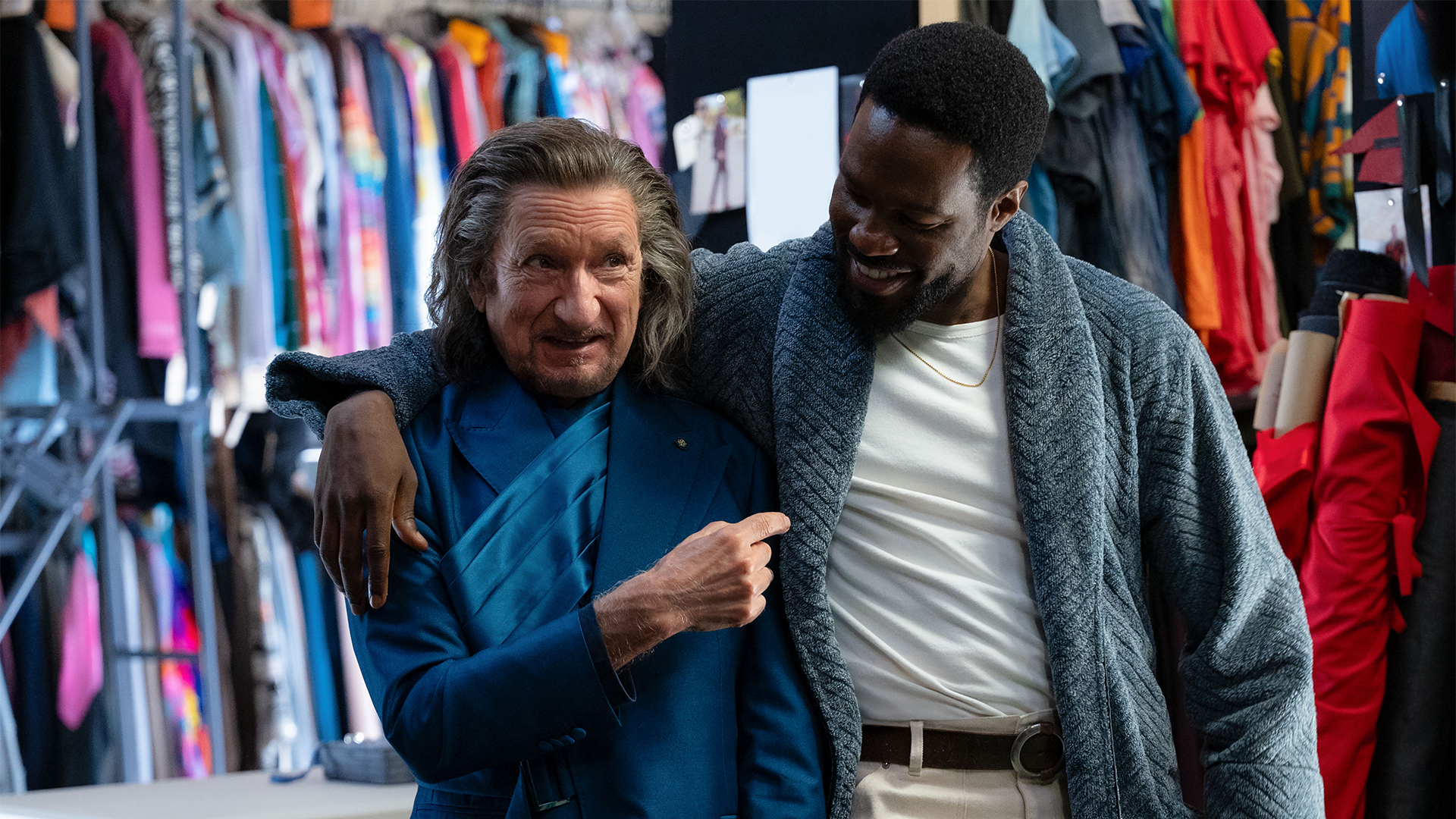
Actor Simon Williams (played by Yahya Abdul Mateen II) wants to energize his career by performing in the upcoming Wonder Man revival from acclaimed director Von Kovak (Zlatko Burić). Helping the former is the returning Trevor Slattery (Ben Kingsley), who you might remember as the fake Mandarin from Iron Man 3.
Despite how different it looks compared to previous Marvel Studios projects, the series is one of the most acclaimed, currently holding a 91 percent approval rating on Rotten Tomatoes. Because of this, Wonder Man has received the green light for a second season, via Variety.
A second season is relatively rare for Marvel Studios with its history of one-and-done series. There are some exceptions, though. Loki, for example, ended its run with a second season. Daredevil: Born Again will air its second season very soon (with a third one potentially in the works already).
SEE ALSO: Marvel’s Wolverine gets a release date
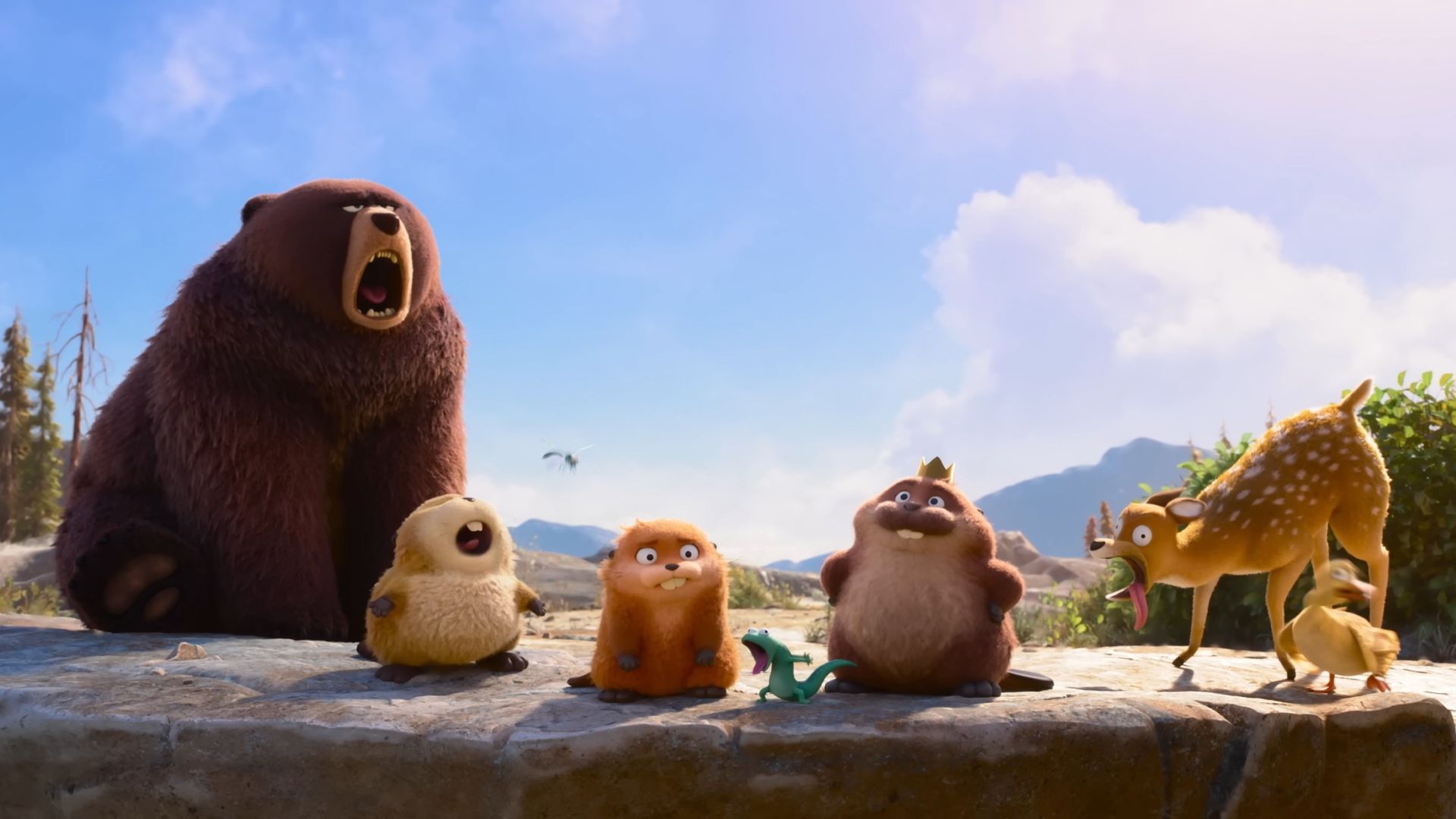
There is a part of me that wants to say, if you want a feel-good, wholesome movie experience, go see Disney Pixar’s Hoppers.
But on the flip side, if you want an absurd, humorous, nonsensical-yet-totally-makes-sense dark comedy masked in an animated adventure, then you especially need to see it.
We can always argue that Pixar titles — and animated films in general — cater to adult audiences.
However, slotting in We Bare Bears creator Daniel Chong to helm this latest Disney Pixar masterpiece makes for a spectacularly unique ride.
It’s interestingly odd for a Pixar film, though not so far removed from the family-friendly, “happy ending” trope that feels unrecognizable.
I just personally loved Chong’s approach, driving the narrative with unpredictable humor, sharp twists, and a sci-fi premise that, come to think of it, isn’t actually theoretically impossible.
It’s so entertaining that you briefly forget you’re watching a Pixar movie. There are no dull moments and just a great ride from start to finish.
Nature vs. development
The premise is a familiar real-life dilemma we’ve seen for decades. In Hoppers, the suburban town of Beaverton where our protagonist Mabel lives, is under constant development.
Specifically, there’s the “Beltway Project”, an initiative by Mayor Jerry Generazzo, to connect residential areas to the town center via an elliptical highway.
As in reality, progress comes with collateral damage. In the film’s case, it’s the animals living in the local greenery.
Mabel isn’t going to let that happen. The movie quickly establishes her origin story in the first few minutes.
It shows how her relationship with her aging grandmother formed her special bond with “The Glade”. This lush forest was their favorite hangout as Mabel grew up. And that’s where she begun appreciating and caring for animals deeply.
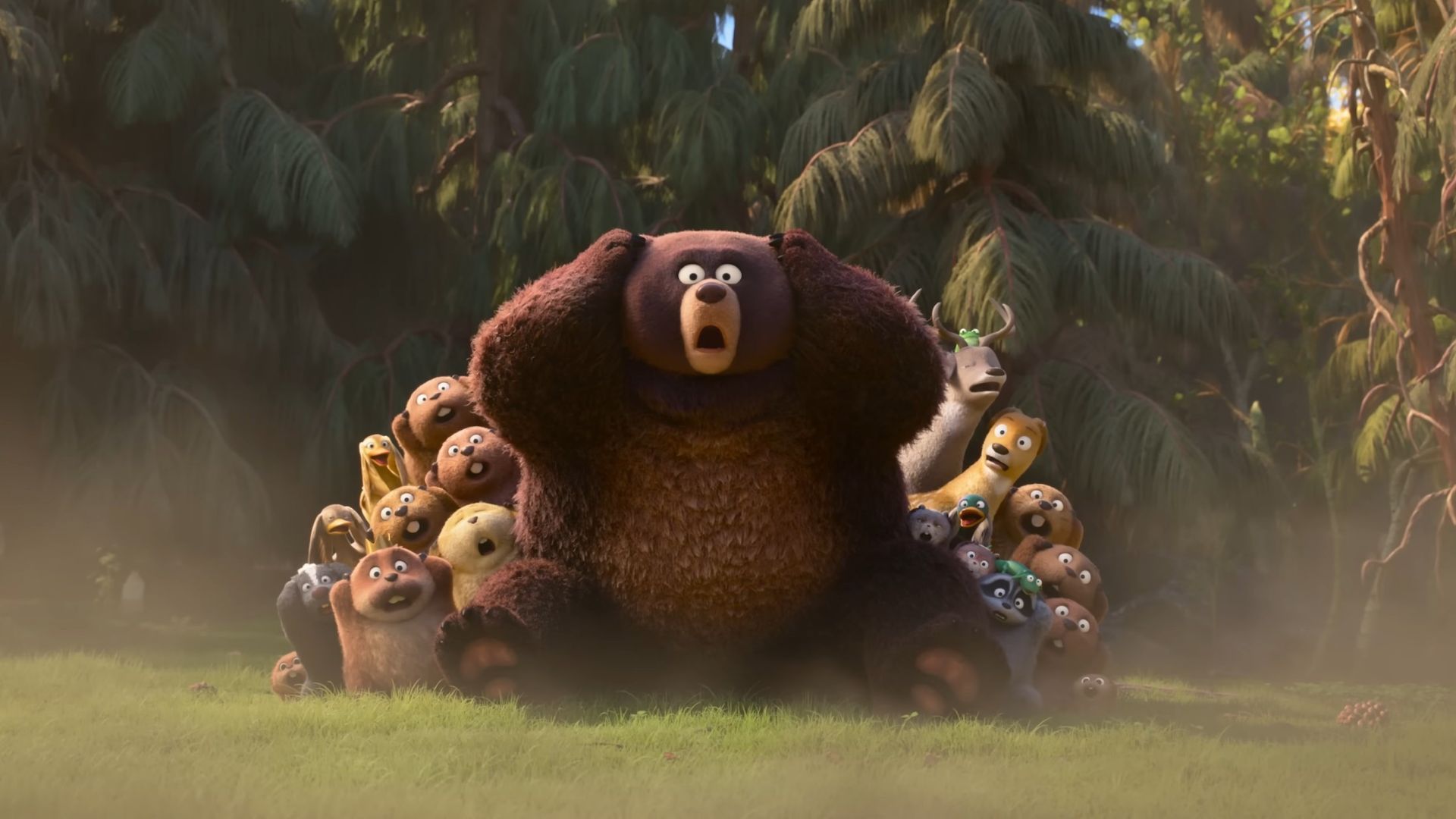
Years have passed, and Mabel is now a fervent college student activist stopping at nothing to ensure the animals she grew up with can still live peacefully.
She has done a lot, from petitions to convincing people to support her cause. Without that many teammates by her side, she ultimately confronts the mayor herself. This is where she gets challenged to “make something happen” in 48 hours to convince the mayor to call the project off.
From ‘real’ to ‘sci-fi’
At this point, the movie dramatically switches from grounded reality to high-concept sci-fi. Mabel accidentally discovers her professor, Dr. Sam Fairfax, has developed an ambitious machine capable of transferring your consciousness into a robotic animal.
It was meant to observe animals harmlessly from a closer POV, and I guess you can give the professor the benefit of the doubt.
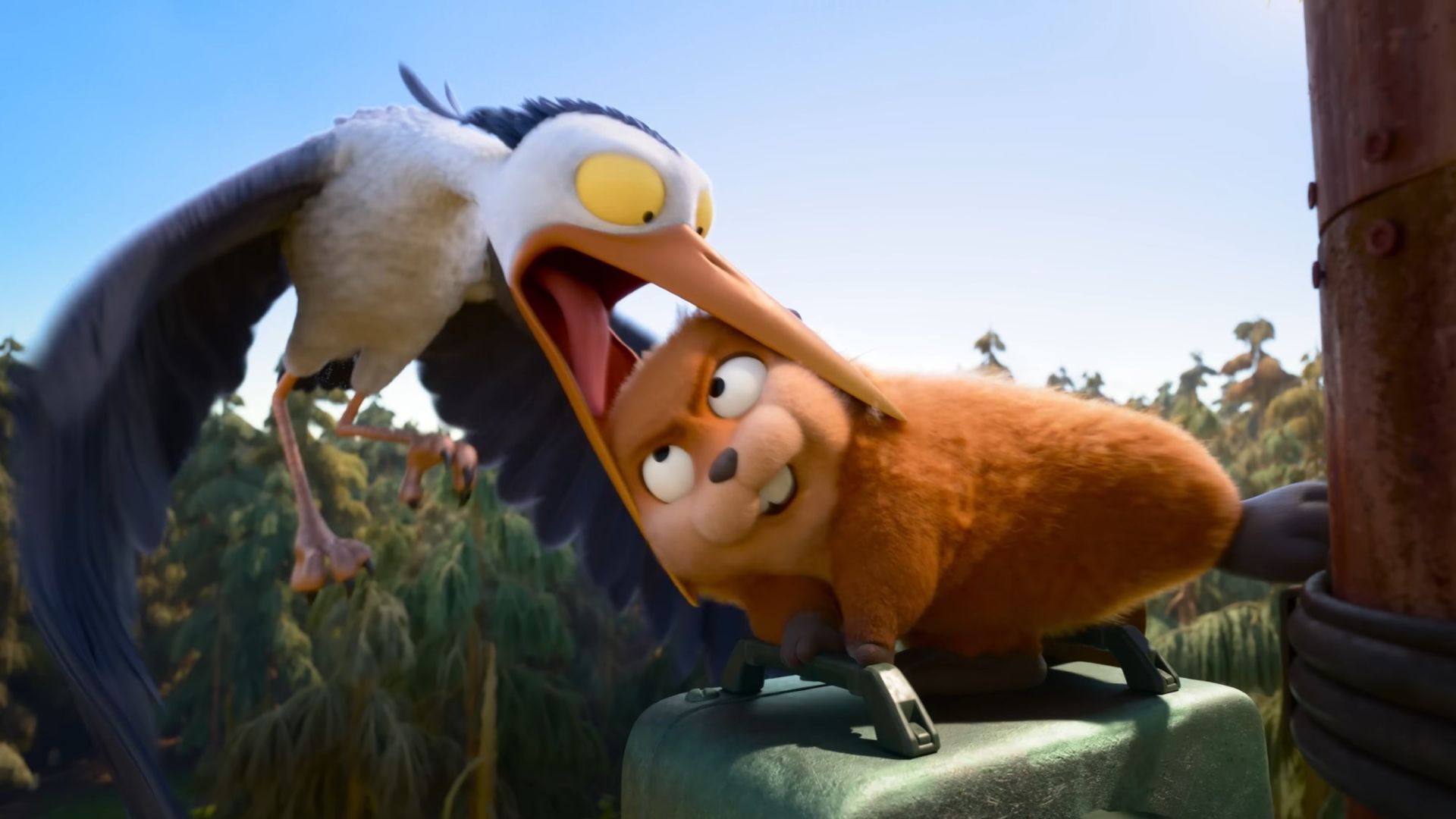
The entire scene reminded me of Jordan Peele’s Get Out briefly, but the tone shifts when Mabel ends up transported into a robot beaver body herself.
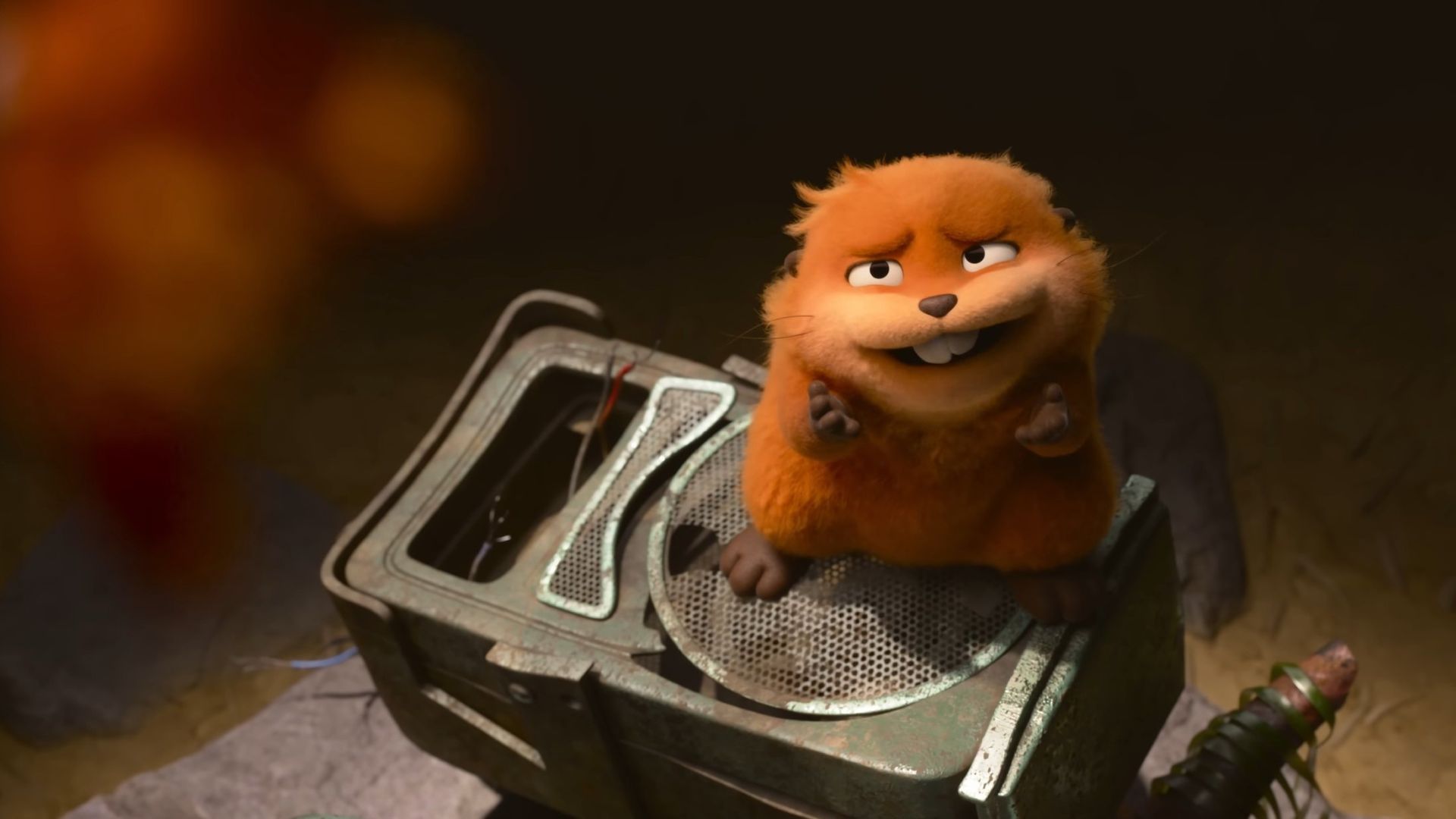
There’s an undeniable, hilarious callback to James Cameron’s Avatar here, from the disorienting “syncing” process to Mabel navigating the world in a body that isn’t hers. The only difference, obviously, is she isn’t a blue alien but rather a cute, child-visual-friendly beaver.
She finds new hope with this tech. But just as she thinks she can simply “communicate” with nature, she is slapped with the reality that in the wild, it’s survival of the fittest.
Logic takes a backseat
From then on, logic takes a backseat, yet it’s the kind of film where suspending your disbelief actually is helpful.
The “pond rules” were the only remaining glimmer of scientific accuracy but then, soon, you realize it would have been total chaos in the pond community just from a food chain standpoint.
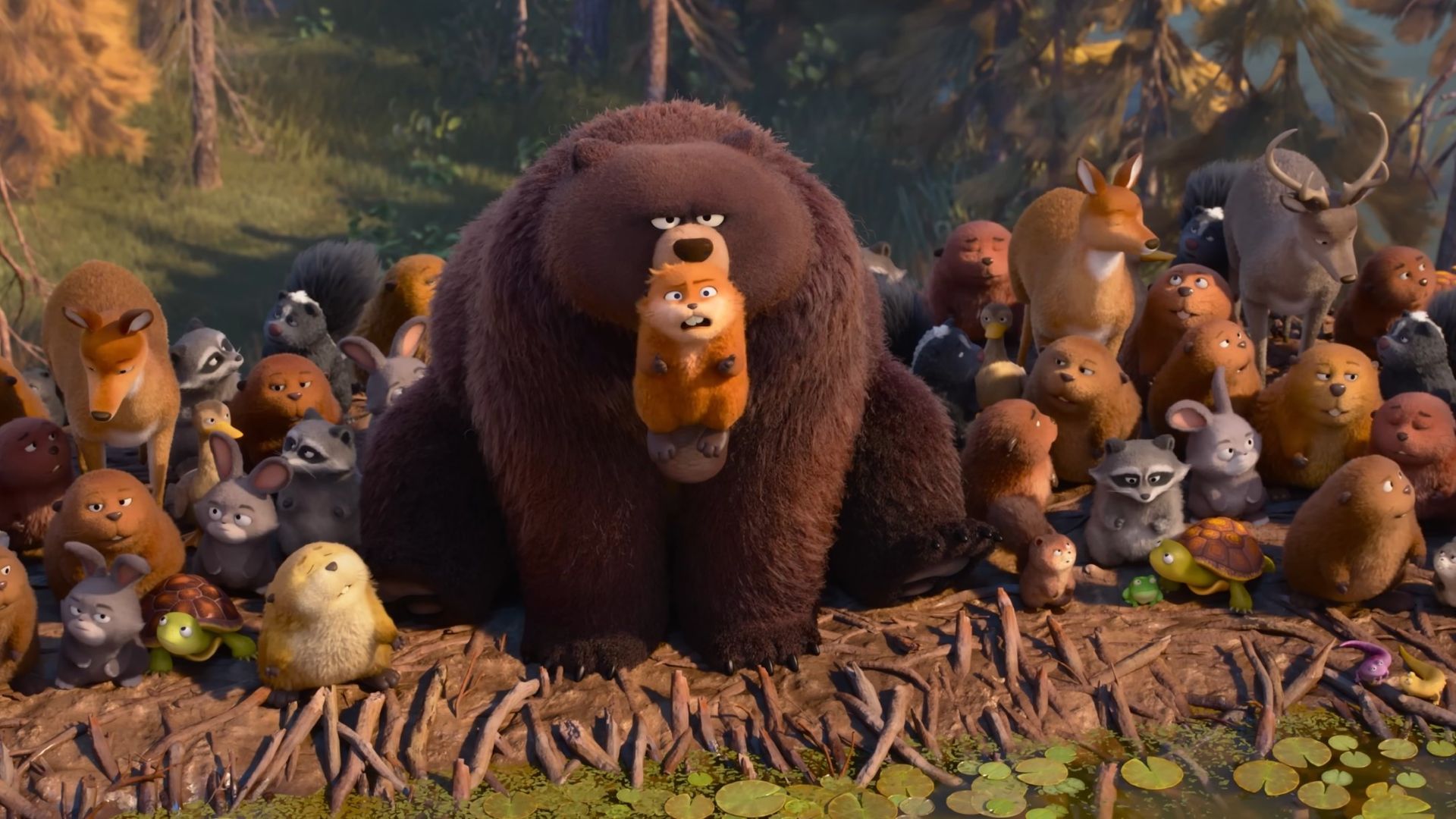
Mabel gets introduced to King George and the inner workings of the community. There’s even a later chase when a flock of seagulls carry Diane, the gigantic shark referenced as the group’s “apex predator”, which is obviously impossible.
There’s just so many dumb rules (or lack of) that the internal logic made up for an even funnier film. It’s like Zootopia logic, but cranked up to an even more non-sensical level.
Dilemma
Anyway, Mabel discovers that the cause of the animals’ exodus are fake noise trees blasting high-pitched sounds. These are all the work of Mayor Jerry, doing it on purpose so the Beltway Project gets finished.
Mabel’s audacity leads to an Animal Council meeting, which was unlikely to begin with. Here, the leaders who each represent major animal classes come together.
The Insect Queen and her eventual Insect King son Titus get presented as the real antagonists, with a thirst for domination.
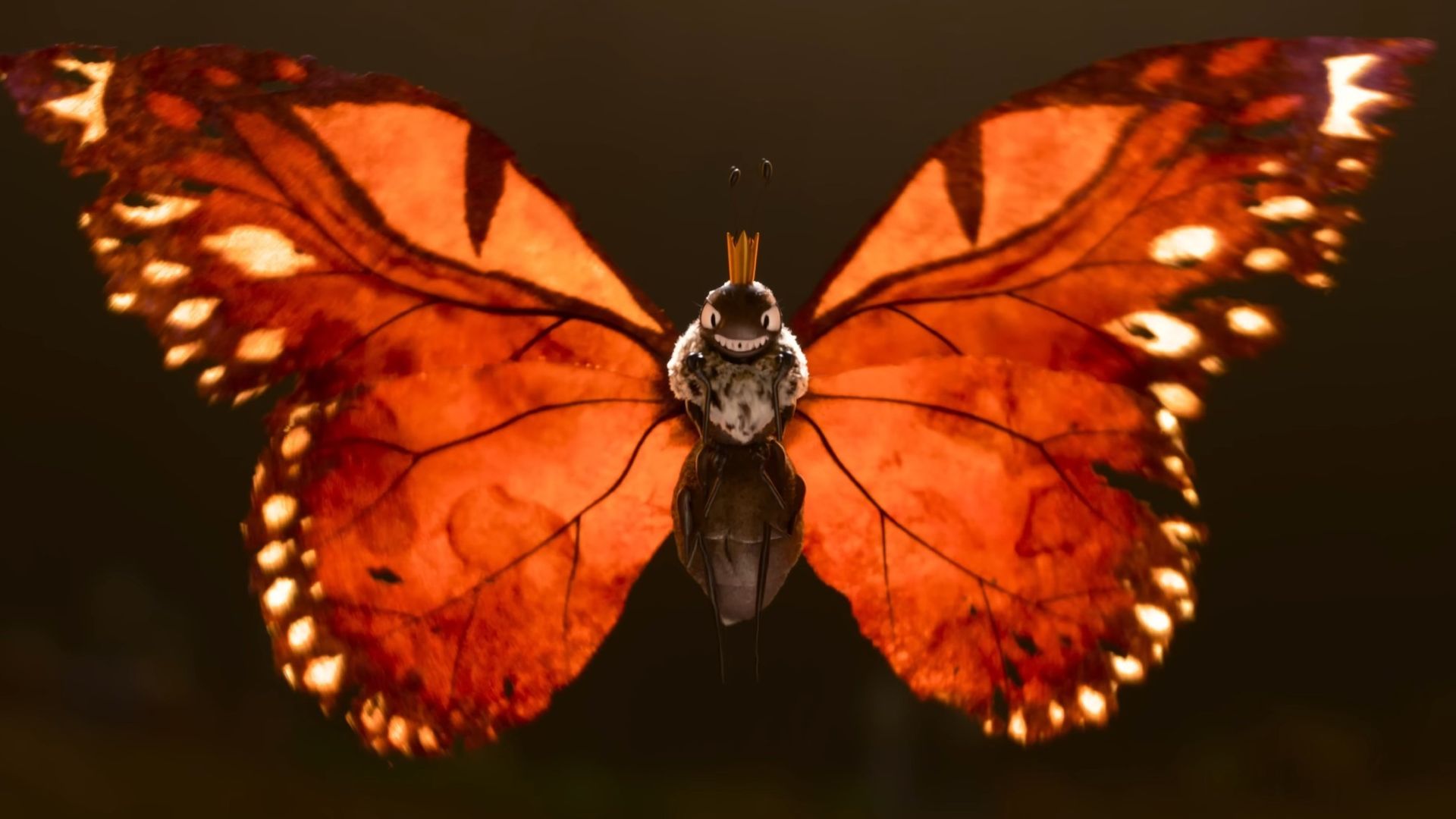
Mabel merely suggested scaring the Mayor back, but the animals decide on a dark uprising. With this, Mabel soon realizes the mayor is in danger.
The conflict is triggered further by her own human instinct when she kills the Insect Queen who annoyingly got into her face. This moment sends Titus into a vengeful rage even more.
This deepens Mabel’s dilemma as she now ironically has to side with the humans — including Mayor Jerry — while navigating the animals’ survivalist and territorial tendencies.
Standstill, unlikely team-up
However, after a long chase, and attempts to communicate with the mayor funnily with her impromptu-formed rag-tag squad, Mabel’s robot beaver eventually gets caught.
The Animal Council eventually discovers the humans’ experimental tech and turns it against them. Under the tutelage of Titus, the animals hold the scientists hostage and forces them to create a robotic clone of Jerry.
Titus’ goal was to use the mayor’s own noise trees meant to scare the animals away from The Glade against the humans gathered for a rally.
Just when all seems lost, the real Mayor Jerry shows a sudden flash of compassion. And perhaps with some Messianic complex involved, he hero-balls his way into a robotic beaver himself for a last-ditch effort to stop Titus.
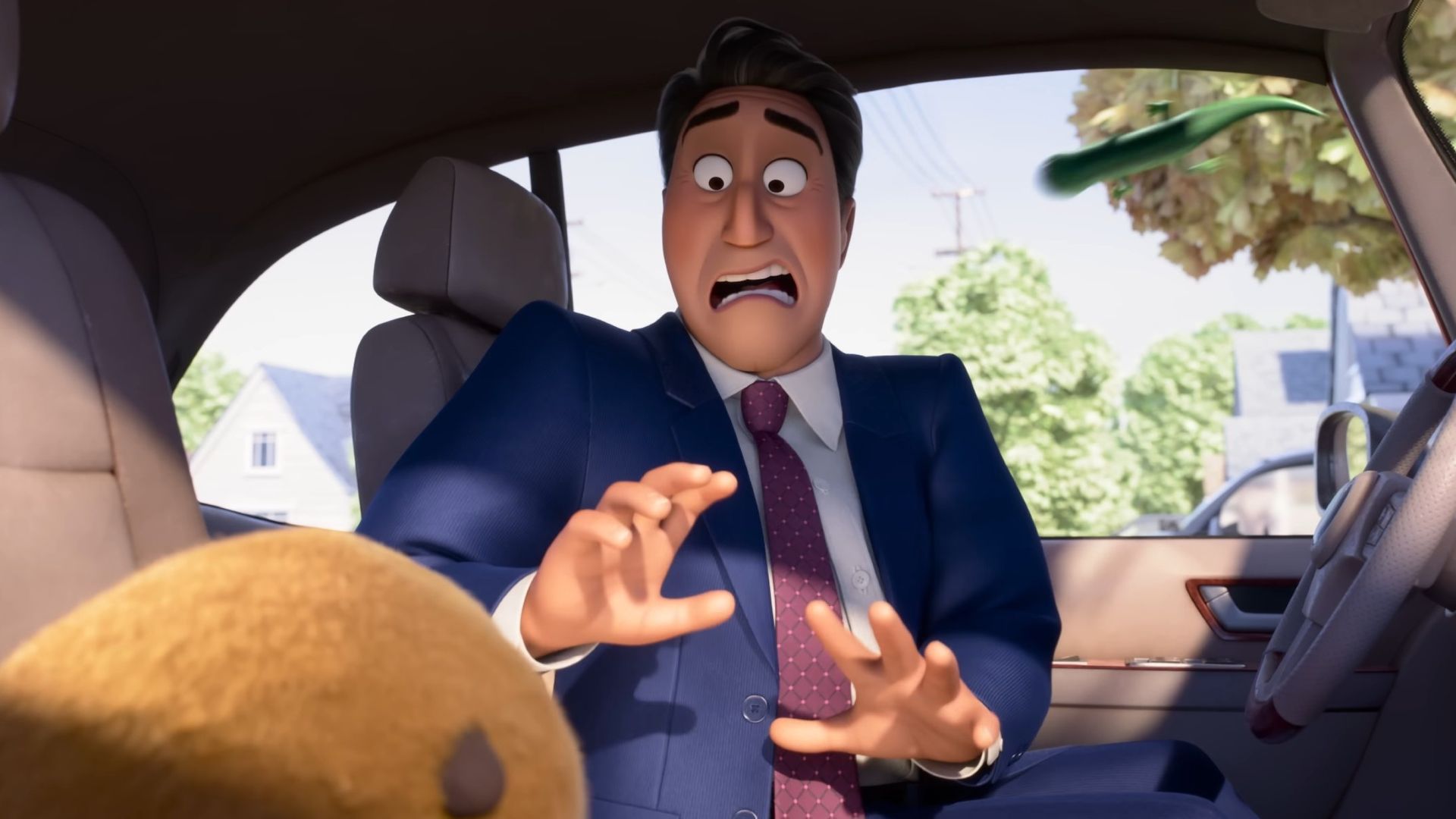
A lot happened in between, presented with a hefty dose of comedy that keeps you guessing the characters’ fates.
Ultimately, the other animals realize Titus’ purely selfish and evil goals, and his plan backfires when he gets eaten by the Amphibian King.
In the end, the animals team up to destroy their community dam to flood a wildfire inadvertently started by Titus moments earlier.
Then, it’s a classic happy ending: The Glade is restored as a protected area, Mabel and Mayor Jerry reconcile, and the protagonist graduates with a job offer from Dr. Sam herself.
Absurdity ’til the end
The absurdity does not even end when the credits roll. In the post-credits scene, we see the elderly man Mabel previously encountered, who mistook her petition form for a grocery list.
After she takes care of her business at The Glade, Mabel sweetly fulfills the elderly man’s simple errand.
And handing the eggs, milk, and bread back to the man? Ants.
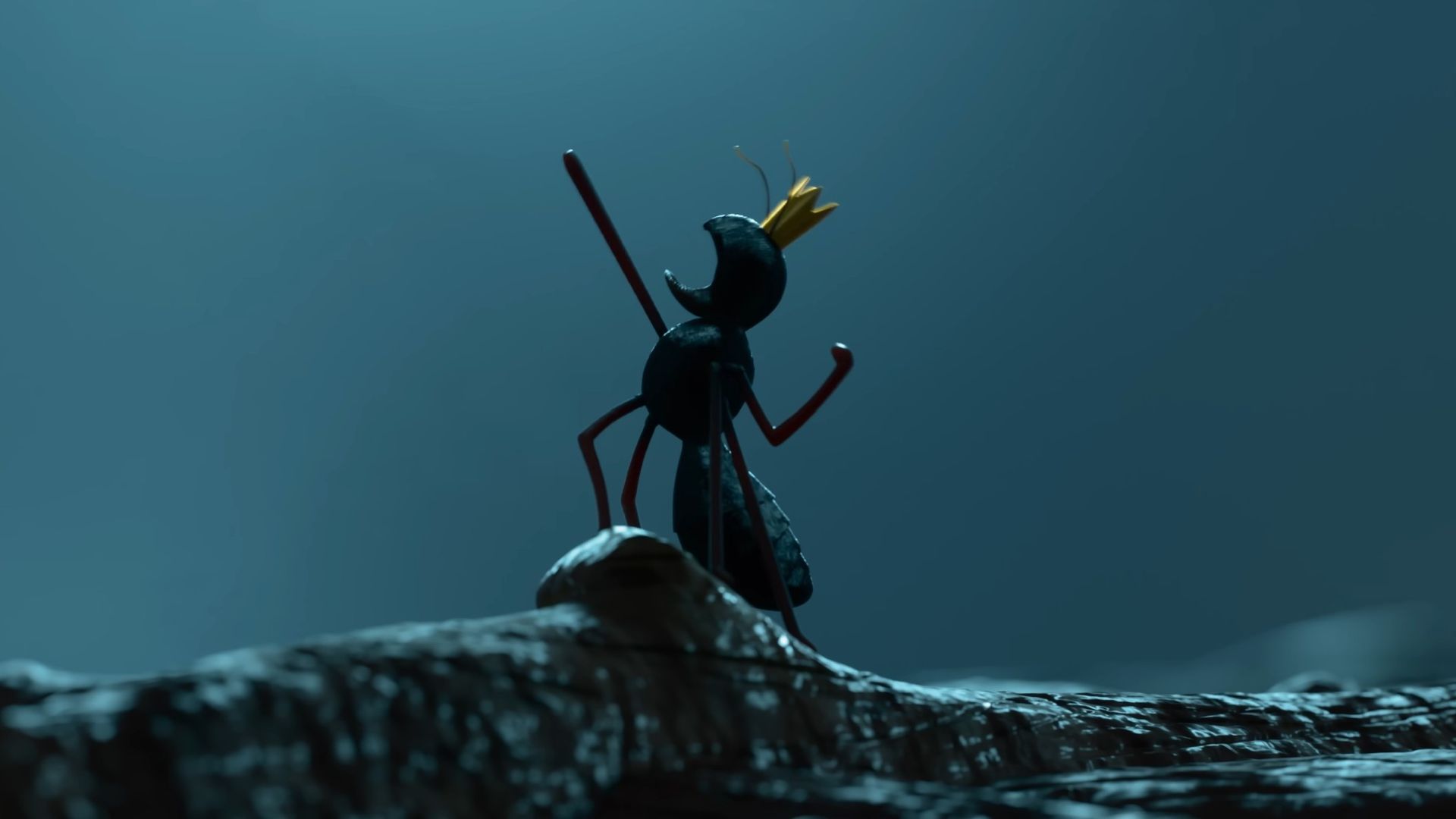
It’s as if it was a delightful Ant-Man nod, especially with the parallels between the logic there and in the MCU wherein a neurotransmitter is needed to lead ants in performing such tasks.
Perhaps, a final wink from Daniel Chong, whose direction makes up for a spectacularly good laugh.


Galaxy Buds4 Pro review: I thought I was done with in-ears
This Buds4 you


WWE 2K26 lets you live out all the fantasy matches you could want
But you have to play for hours and hours to unlock everyone.


The HONOR X8d is serviceable
Steady but slow?

DJI officially launches the Avata 360 with 8K immersive imaging

The Changan Eado Plus officially lands in the Philippines

PLDT Home, Samsung team up for exclusive entertainment deals

Maya waives withdrawal, InstaPay transfer fees for Middle East remittances

Nintendo will make it cheaper to buy digital games than physical


-

 Reviews1 week ago
POCO X8 Pro Max review: A new beast from the far east
-

 News1 week ago
POCO X8 Pro Series: Price, availability in the Philippines
-

 Features2 weeks ago
Galaxy AI on the Samsung Galaxy S26 Ultra
-

 Apps2 weeks ago
Google Maps is finally getting a 3D mode
-

 Reviews1 week ago
POCO X8 Pro Iron Man Edition review: Midrange phone in superhero armor
-

 Reviews2 weeks ago
Samsung Galaxy S26 Ultra review: A phone you live with
-

 News1 week ago
POCO introduces X8 Pro Series with Dimensity 9500s
-

 Automotive1 week ago
VinFast extends free unlimited charging in 3 markets amid rising fuel prices