
Entertainment
Now Playing: Nevertheless, Death’s Door, and more
Everything from live action and animated romance to nostalgic games


It’s been a while since we compiled things you can watch, listen to, and read. But with Metro Manila entering another two-week lockdown due to the rising cases of the Covid-19 Delta variant, now is as good a time as any for these recommendations. We have everything from live action and animated romance to games that will make feel nostalgic. Here’s the latest edition of Now Playing.
Games to play
FANTASIAN
Rodneil: This was one of the 2021 headliners of Apple Arcade made by none other than Final Fantasy creator Hironobu Sakaguchi. The gameplay is a throwback to the late 90s, early 2000s JRPG style but playable on all devices where you can access Apple Arcade. It’s the type of game I grew up playing and it’s nice to see it come to mobile.
Scarlet Nexus
Rodneil: BANDAI NAMCO’s crack at an original intellectual property (IP) is off to a good start. Scarlet Nexus opens possibilities of how anime games can explore the single-player action RPG style instead of the hundreds of arena fighters we see. The game itself is enjoyable with its engaging combat and twist-filled story. I’m hoping against hope that this approach is applied to existing Anime IPs.
Death’s Door
Leez: Death’s Door is a charming indie game that’ll inexplicably take you back to action-adventure games of the ’90s like the SNES classic Legend of Zelda — A Link to the Past. The game is gorgeous and worth every moment. Developed by just a team of 5 (Acid Nerve), you’ll play this game while scratching your head. If you have a soft spot for indie games, you NEED to play this. Just… trust me.
Shows to binge-watch
Ginny & Georgia
MJ: If you’re in for comedy, drama, and a bit of rage then Ginny & Georgia is your pick — a story following a single mom and a teenager’s life as they settle down in a fictional town called Wellsbury. Over time, you’ll find Ginny annoying unless you’re that kind of teenager. But Georgia, oh Georgia, she carried the whole show on her shoulders. Netflix may always fail at representing teenagers at their shows, but the way they wrote all the mothers here — they’re realistic and on point.
Nevertheless,
Rodneil: I really only wanted to watch this because I thought Han So Hee is pretty gorgeous. I didn’t watch her run at the World of the Married because stories of cheating trigger me. Nevertheless, deals more with grappling with attraction, emotions, and where those two things intertwine. Plus the Sol-Jiwan wlw side story is becoming a fan favorite.
Time To Twice — Tdoong Forest
Rodneil: When the pandemic struck and outside activities were limited, TWICE started their own Reality/Variety series called Time To Twice. The latest season titled Tdoong Forest has the nine members doing simple activities at what appears to be a resthouse. It’s a nice break from all the assault-on-your-senses content and has been my source of “healing” these past weeks.
Horimiya
Rodneil: Young love at its finest and purest. There’s nothing groundbreaking about Horimiya. It’s simply a nice story told about high school romance. It’s a nice and easy watch that’s for anyone who’s looking to reminisce about what it’s like to be young and in love.
Masters of the Universe Revelation
Rodneil: Gotta admit, I only checked this out because of the online uproar it caused online, plus I’m a fan of Kevin Smith’s works. I think the title itself, which excluded “He-Man”, was a big enough clue on how this show will turn out. I think Smith is taking the franchise to a new, interesting direction and I’m all for it.
Eden
Rodneil: This one likely flew under everyone’s radar but it’s worth checking out. Directed by Yasuhiro Irie (Fullmetal Alchemist), Eden showcases a world governed and populated by robots. Curiously, two robots meet and eventually raise a human child who eventually tries to learn the truth of what really happened to the planet. It’s a nice, touching, quick watch (four episodes) that can surprisingly tug at your heartstrings.
Move To Heaven
Vincenz: You may have never heard of being a “trauma cleaner.” Not only is it a tough job for cleaning the items of the deceased, but it’s also a heart-wrenching job for knowing each and every story of the dead. Each episode is a story to tell. While they are different on their own, it gives us a lesson: don’t take life for granted and enjoy it while it lasts.
Racket Boys
Vincenz: I’m not fond of sports but this series shows the reality of badminton against a baseball-driven nation. This is a refreshing take on K-Dramas that is full of romance, drama, and terror. You get the reality of badminton from both the youngsters and oldies and how it’s underrated and less supported either emotionally or financially. It also shows how being inspired and fully driven truly affects the overall capacity of an individual in fulfilling his/her dream of becoming young national athletes that either represent their respective regions or their nation as a whole.
Movies to see
Ruruoni Kenshin Live Action films on Netflix
Rodneil: Easily the best Live Action Film adaptation of any Manga or Animé, all five films of the Rurouni Kenshin franchise are now available for binge-watching on Netflix. Even if you didn’t read the manga or watch the animé, I’d wager this is still a good way to enjoy Kenshin’s story.
The Witcher: Nightmare of the Wolf
Rodneil: This one isn’t coming out until August 23 on Netflix but we were lucky enough to get a screener. The story builds on the lore of The Witcher franchise. It serves as a prequel to the live action adaptation starring Henry Cavill and provides a nice little backstory about how Witchers come to be Witchers.
The animation is super high quality reminiscent of Nickelodeon’s Avatar: Legend of Korra and DreamWorks’ Voltron: Legendary Defender. It had me daydreaming about an X-Men Animated Series reboot in this specific art style.
Albums/Songs/Podcasts to listen to
Perfect World by TWICE
Rodneil: “Perfect World” the song is one of their best Japanese comebacks. It showcased the really dark and edgy side of TWICE that some fans have been longing to see. The rest of the album features previously released singles along with gems like “Good at Love” which is again a surprising track from the nine-member girl group as well as the feel good “PIECES OF LOVE” and the emotional “Thank You, Family” and “PROMISE.”
Taste of Love by TWICE
Rodneil: Released earlier than their Japanese comeback, Taste of Love is a splash of TWICE in Summer. This whole mini album, headlined by the title track “Alcohol Free”, feels like a refreshing drink you take in under the heat of the sun. It embraces TWICE’s bright image and color but one that feels more grown up compared to the cuter tracks from their earlier years.
Dance On My Own by LOONA
Vincenz: All songs in LOONA’s [&] EP are all worth the hype but for any newbies who are still transitioning from Western to K-Pop, this is a great song to listen to.
Even though the lyrics are emotional, the song is actually fast-paced and energetic to the point that it’ll move you to grooves. None of the members are native English speakers but the lyrics are clear and audible. LOONA is really destined to go big globally.
Si Fueras Mía / It’s Love by D.O
Vincenz: D.O’s Empathy album, no doubt, is one of the best K-Pop albums out there. Not only does it include an English track, there’s also a Spanish song that truly made me think he knows how to speak the language.
Other than the inclusion of its Korean song counterpart called “It’s Love /다시,사랑이야 (Dashi sarangiya)”, “Si Fueras Mía” gives a different vibe due to the chosen lyrics. These titles are truly worth listening to.
Moodswings In This Order (MITO) by DPR Ian
JP: DPR Ian’s debut EP features DPR Live and CL (former K-pop group 2NE1 leader) in one of the tracks called “No Blueberries.” The album’s central theme is the personification of Ian’s struggle with Bipolar Disorder and other life experiences into a fictional character named Mito.
MITO is an introspective album that combines lyrical and auditory components with engaging visuals. This multidisciplinary approach makes for an utterly immersive album with widely relatable representations.
I Just by Red Velvet
Gab: It’s an old B-Side track from Red Velvet, but with the recently concluded promotions of the now out-of-hiatus SM girl group, they brought it back. It’s a banger for a B-Side, and it’s good music to listen to when you play games at a high level, or maybe that’s just me. Also, ROCKSTAR WENDY!
The Mismatch by The Ringer
Rodneil: NBA off-season is in full swing and with it comes a plethora of player movement. The Mismatch with Kevin O’Connor and Chris Vernon shares pretty sober takes and well-researched analysis on the NBA landscape.
Books to read
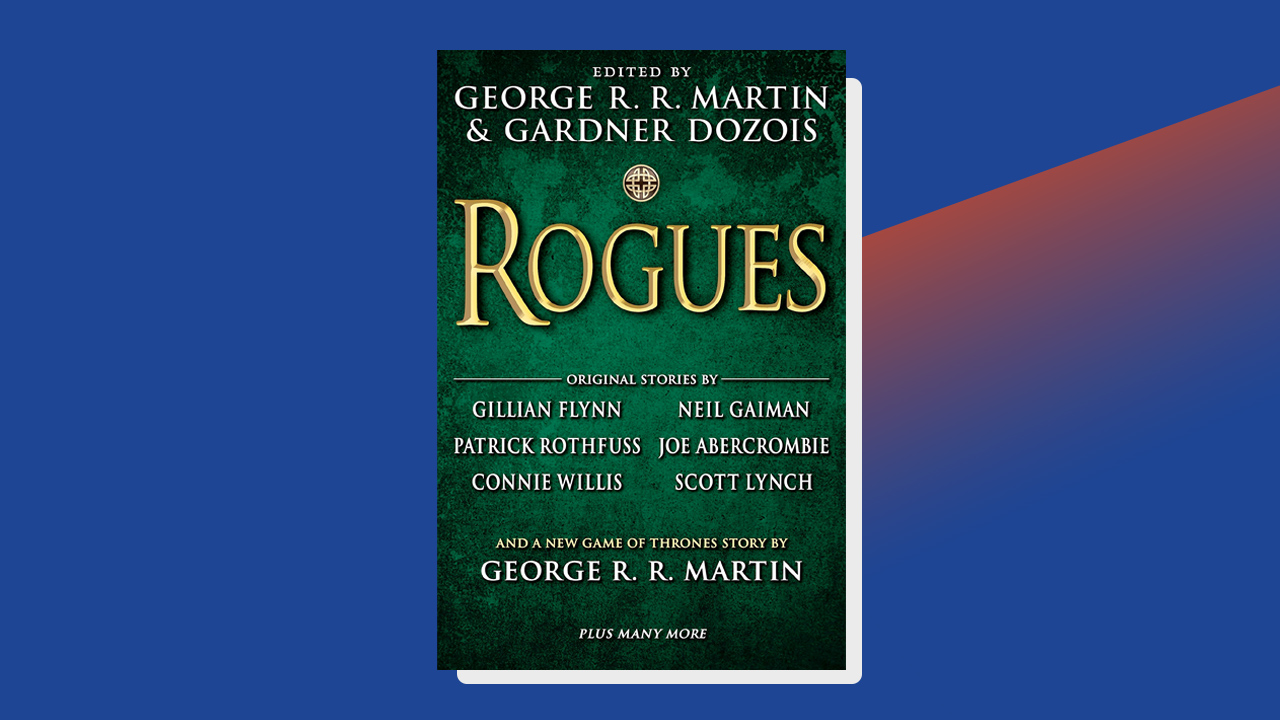
Leez: Rogues is an anthology featuring 21 original short stories from various authors. The book has been edited by George R. R. Martin and Gardner Dozois. Released in 2014, the book is worth multiple reads and revisits. It’s got sci-fi mystery, historical fiction, epic fantasy, sorcery, comedy, tragedy, and crime stories. Where, rogues, cads, scalawags, con men, thieves, and scoundrels get the spotlight of their enthralling moral obscurity. What’s not to love?
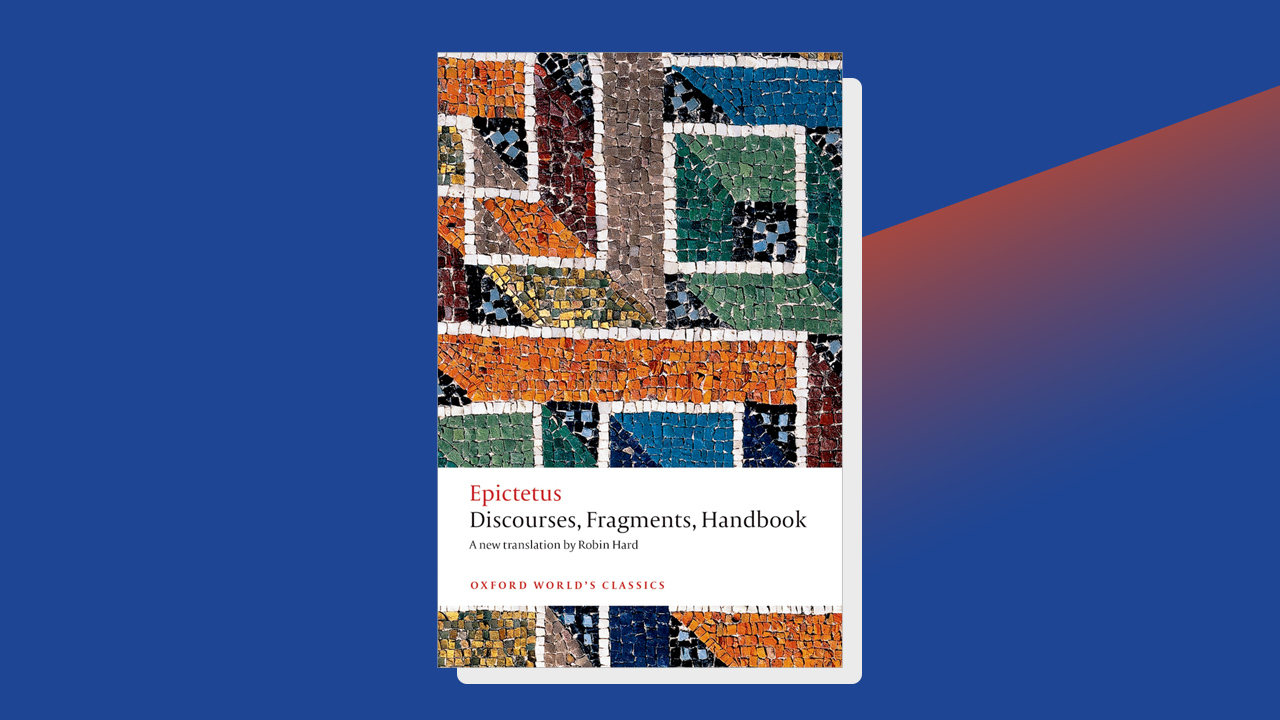
Discourses, Fragments, Handbook (Oxford World’s Classics)
JP: Epictetus was a reek Stoic philosopher who taught philosophy as a way of life and not just a theoretical discipline. In a chaotic time like this pandemic, stoicism is a good compass for overcoming challenges and reinforcing mental and emotional strength. This book relays Epictetus’ core principles in a language and manner that’s clear and relatable even to modern readers.






Entertainment
SEGA, Netflix announce Crazy Taxi film adaptation
1st in planned slate of film adaptations, including Sonic and STRANGER THAN HEAVEN

SEGA and Netflix have announced a new Crazy Taxi film adaptation. This will usher in a new collaboration era with the parties also developing adaptations for Sonic and STRANGER THAN HEAVEN.
Such a slate of future adaptations reflects the range of SEGA’s library as it draws on Netflix’s experience bringing beloved game worlds to new audiences.
The first project features Crazy Taxi, which will be written by Dan Gregor and Doug Mand. The beloved writing duo was behind the 2025 reboot of The Naked Gun.
Also on board to help helm the production are the same visionaries behind the Sonic franchise: Neal H. Moritz, Toby Ascher, and Toru Nakahara.
Crazy Taxi has been an arcade hit since 1999, putting players behind the wheel of a fearless cabbie racing the clock through chaotic city streets.
There’s flying off ramps, dodging traffic, and chasing tips with punk-rock energy that has become the series’ signature.
The latest title in the franchise, Crazy Taxi: World Tour, is set for a 2027 release. You can watch its trailer below:
Entertainment
Now Playing: Resident Evil
Horror and comedy join forces in Zach Cregger’s latest masterpiece.

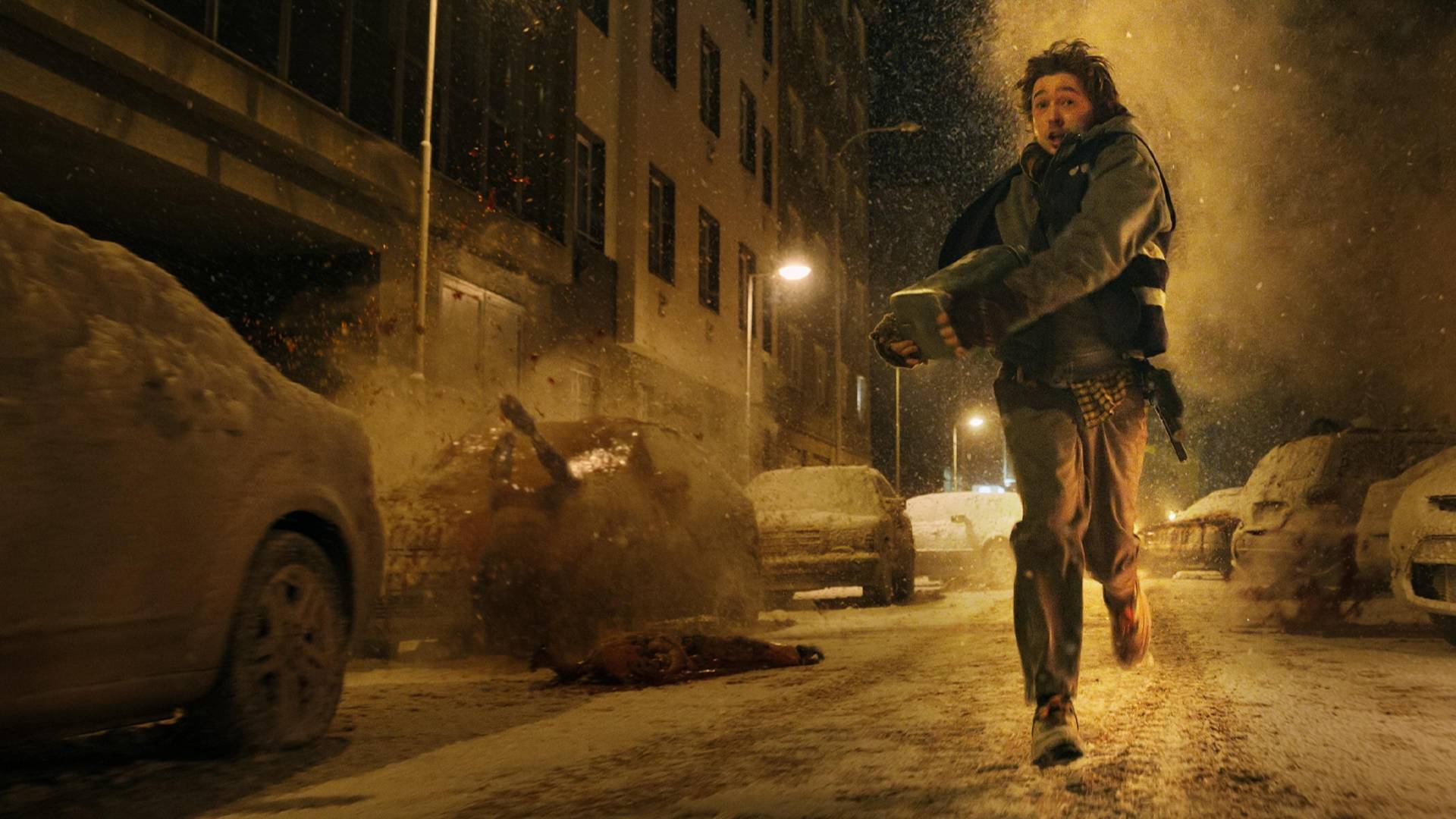
The intersection between horror and comedy is separated by a thin wall of air. In modern times, we’ve seen comedy legends, such as Jordan Peele and John Krasinski, make the successful jump into horror. Some have theorized that laughter is a pain response, which links it to the adrenaline-filled thrill of experiencing horror. Personally, I believe that mastering comedic timing also complements the timing of scary moments in horror. Comedy-trained directors just get it. That’s why the melding of the two genres is always something to look for, and that’s why Zach Cregger’s Resident Evil is a must watch.
Coming from last year’s Weapons, Cregger established himself in the annals of horror history, despite learning the art of filmmaking from cult comedy classics like Miss March and The Whitest Kids U’Know. Weapons (and Barbarian before it) expertly balances the essentials of horror with dark comedy. If you’ve seen either of these movies, then you know what you’re in for with Resident Evil.
Based on the games or the past movies?
Resident Evil is tagged as second reboot of the movie franchise after 2021’s disastrous attempt, starring Kaya Scodelario, which barely registered a hiccup in the oeuvre of Resident Evil films. However, like 2021’s failure, Cregger’s take bases itself primarily on the events of the games, specifically around the plot of Resident Evil 2.
Bryan, a medical courier played by Austin Abrams, is tasked with delivering a top-priority package to Raccoon City. Unbeknownst to him, the way leading into Raccoon City (and the fabled city itself) is already overrun with mutated monstrosities.
And so, Bryan, a courier inexperienced with combat (much less surviving against zombies), must fight his way into the city to deliver his charge.
A worthy protagonist
Over the years, the franchise has seesawed between capable action heroes, like Leon Kennedy, and those who can barely survive, like Biohazard‘s Ethan Winters. On that scale, Bryan falls deeply into Winters’s side of the spectrum. He’s ill-equipped to survive a zombie apocalypse. He even admits that his barebones knowledge of guns comes from videogames. He attempts to shoot locks, thinking they’d work as they do in games. He is not a character you’d want to follow if you’re looking for a gruff man gunning down hordes of zombies with a machine gun.
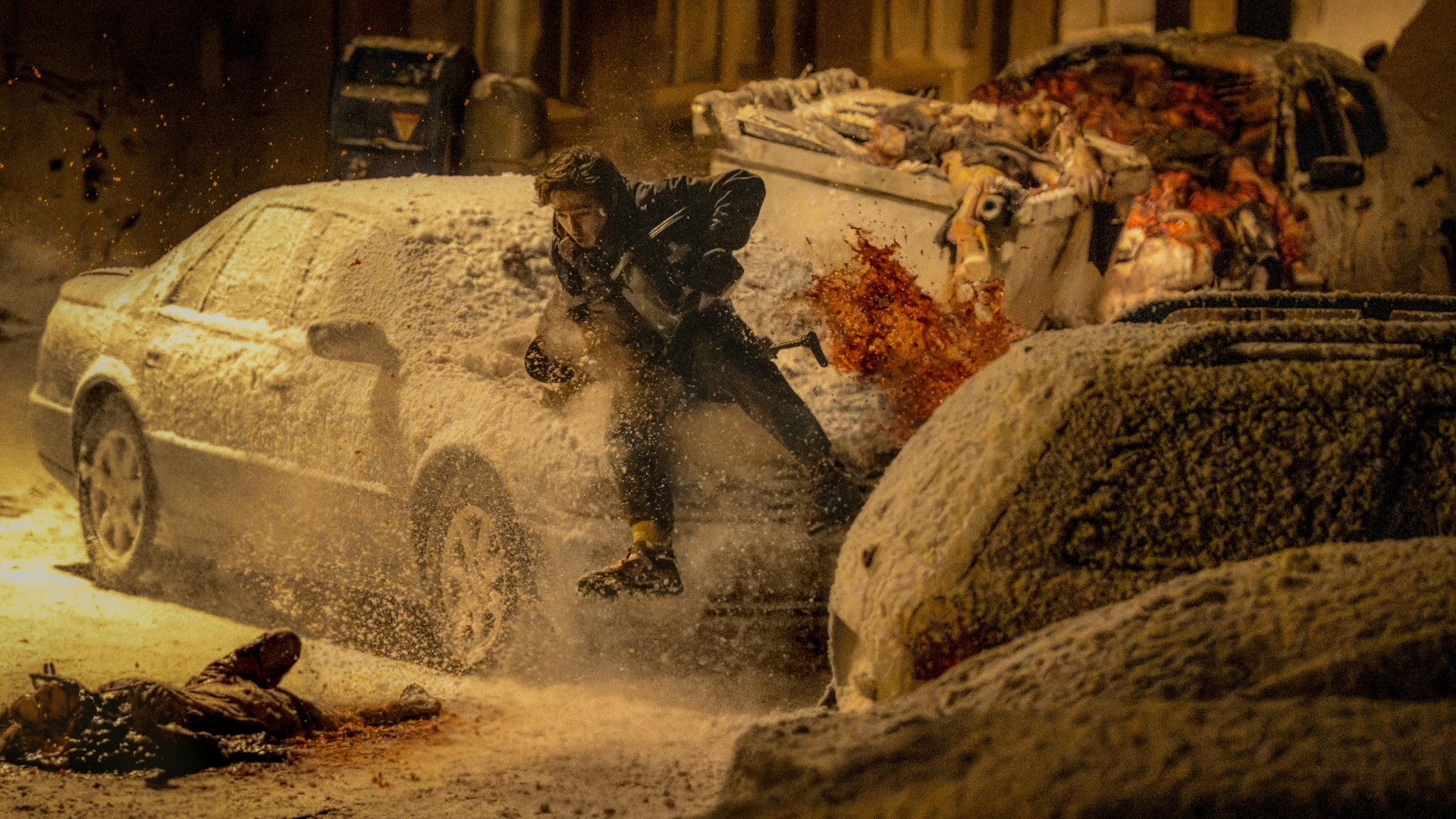
But that’s exactly what makes this horror film worth watching. Bryan is us. Though there were times I was screaming at the screen because he wouldn’t do the obviously logical thing of running away from blatant traps, our fragile protagonist mimics how we would all react in a horrific situation: a deer in the headlights stuck staring.
Every situation feels more frightful. You don’t know how you’d react. He doesn’t know how he’d react. We’re just stuck trailing along for his ride. If he lingers too long looking at a zombie about to bite him, you have no choice but to look along with him. As a horror protagonist, he’s perfect.
When a camera does the work
Of course, inept protagonists aren’t new to horror. Practically all good horror films will feature a helpless hero standing up to the monster. See: the “final girl” era of horror.
Resident Evil elevates this trope by allowing the camera to do the heavy lifting. The film’s expert transitions into first-person perspectives and over-the-shoulder ones amp up the frights. When Bryan sweeps a room with a gun, the camera takes you down to the muzzle. You become the one sweeping along with him. You see the darkness as he does. The style creates an impressive layer of immersion that brings you into his trauma. Plus, if we’re going with comparisons, the transitions feel like a game taking you from a cutscene back into control of your character.
And it’s not just the perspectives, too. The film mimics several tense moments oft found in horror games, like gingerly creeping through a thin ledge when one false move can mean plummeting to your death. Resident Evil also has scenes in a dark tunnel, the sewers, and an overrun hospital. It’s a veritable who’s who of horror settings. But they all just work. It’s like you’re in a Resident Evil game.
When goofy becomes scary
But that’s enough of how the movie was made. How scary is it?
Taking them from their respective contexts, each monster is goofy. There’s an infirm zombie spewing acid bile that Bryan just bullies around. There’s a seemingly innocent young girl with a tentacle foot. There’s a zombie katamari.
And if that’s not enough, the casting is filled with masters of comedic timing like Paul Walter Hauser, Zach Cherry, and Austin Abrams himself. The first two play bumbling representatives of Umbrella Corporation, people who are too incompetent to do their job. Abrams is the bumbling everyman who can’t make heads or tails of what’s happening. Comedy is a living, breathing presence in this film.
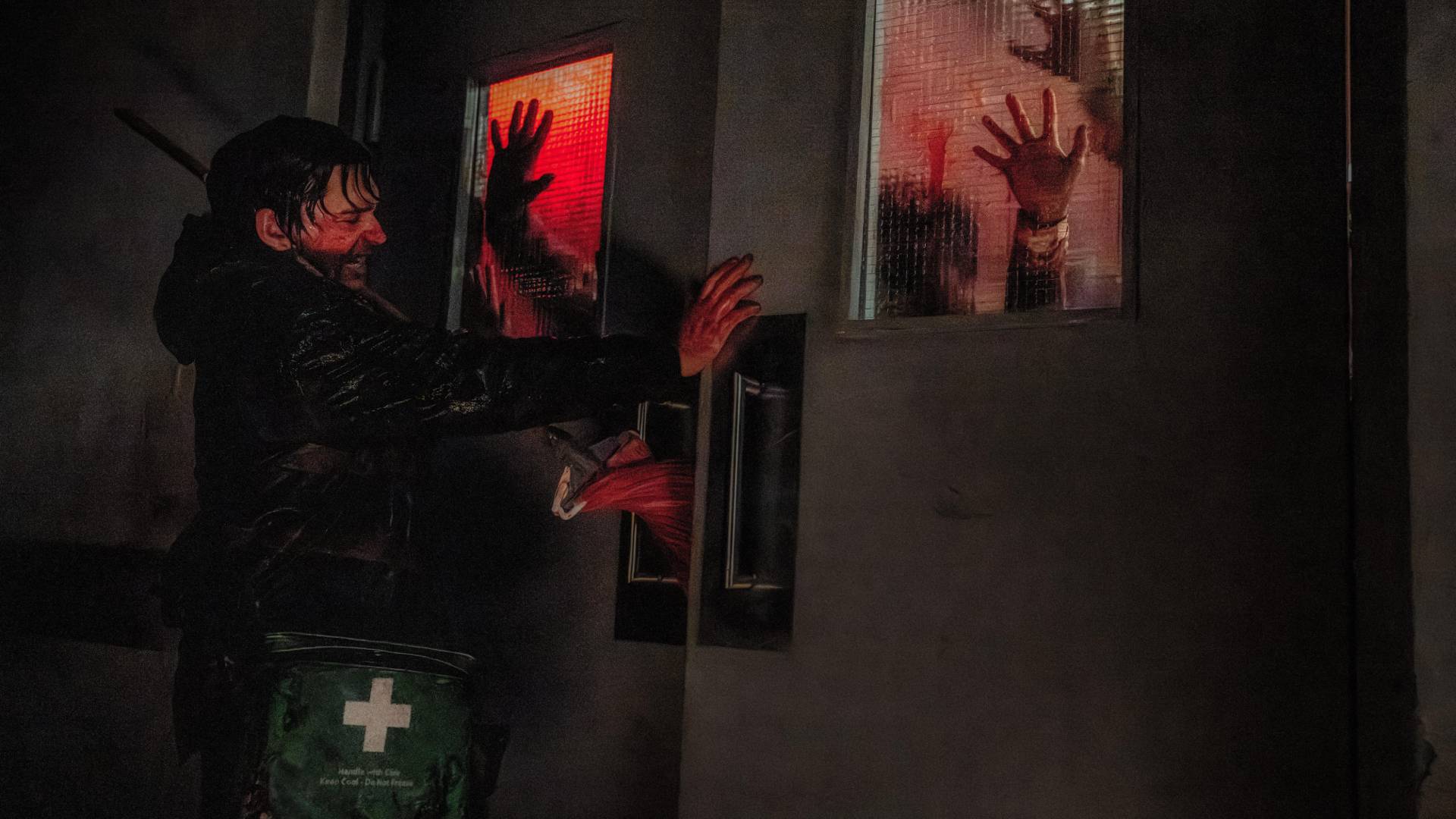
But that’s not to say that this is a comedy film. The horror is still top notch. Cregger just knows how to time everything right.
Unlike modern films today, like in The Conjuring universe, Resident Evil is not a scare-a-minute film. It will not bombard you with jumpscares.
Now, to be fair, there are a fair bit including fakeouts. In fact, under normal circumstances, I’d dislike how many there are. But here, each jumpscare comes with a lengthy period to catch your breath. The film gives you time to relax, to laugh, and, eventually, lower your guard for the next scare. It’s a balanced pace that’s kept up throughout the entire film.
This is exactly how you should pace a horror movie.
Should you watch Resident Evil?
Even with its uniquely comedic style, Resident Evil is one of the most faithful adaptations of a video game I’ve ever seen. Like a game, Cregger’s pacing knows when to let you, the viewer, breathe and when to thrust you back into its monstrosities.
Humor will always go hand in hand with horror. Though the responses to these two categories are technically different, they’re both genres about facing the unexpected. On the box, Resident Evil says that it’s a horror film, but it’s so much more. If you want to laugh, cry, and cower in fear all in the same movie, this is the movie to watch.
Entertainment
Max vs 100 will feature Max Verstappen race against 100 go-karters
The live event will stream at midnight on September 17.

As a child, one of my favorite thought experiments is to imagine who would win in a fight between my favorite characters at the time and a number of other random beings. For example, will Superman prevail against 100 Magnetos? Those are the ways I kept my young mind occupied. Now, as a former child, I still do the same thing but with more realistic people, like imagining if Steph Curry can win against 100 high schoolers. This week, ESPN and Disney+ are making one of those imaginary fights real: Formula 1 legend Max Verstappen versus 100 go-karters.
In an upcoming live event streaming exclusively on Disney+, Max vs 100 will pit the four-time world champion against 100 go-karters from everywhere in pop culture. This gaggle of 100 will include popular content creators such as Twitch streamer ExtraEmily, car photographer Larry Chen, and NBA shooting coach Chris Matthews.
All 101 drivers will race around one of the most iconic tracks in Formula 1 history, Silverstone in England. The track will be reconfigured to match the special race.
Of course, this is more than just a parade of go-karts. Max Verstappen will start at the back of the grid, meaning he has to overtake all 100 racers to win. Now, the Dutch driver is no stranger to winning from the back. In 2024, he won the Sao Paulo Grand Prix despite starting from P17 (out of 20 racers). Max vs 100, though familiar for the driver, presents a different challenge. Can he overtake 100 times to win the race?
Max vs 100 will stream live through Disney+ on September 17, 12:00am PHT.
-

 News1 week ago
vivo X500 Series launches with major imaging upgrades
-

 News1 week ago
OPPO Find X10 Pro Max is the first phone with a triple 200MP camera system
-

 Automotive3 days ago
BYD says that way better EV batteries are coming next year
-

 Singapore2 weeks ago
Epson Lifestudio Grand Plus EH-LS970B with 4K projection, more launches
-

 News1 week ago
vivo introduces OriginOS 7 with smarter multitasking and AI features
-

 News3 days ago
HONOR Magic9 Pro Max launches in China with ARRI-powered imaging
-

 Smartphones5 days ago
When TECNO-logy meets Tonino Lamborghini legacy
-

 Accessories1 week ago
70mai launches the A900 series with 4K front, rear recording