
CES 2018
Oculus and Xiaomi partner up for Oculus Go and Mi VR Standalone
No need for a smartphone or extra cables


There are two major drawbacks to most VR headsets in the market: You either need a separate smartphone to make them work or messy cables are required. Oculus, in partnership with Xiaomi, has found a way to solve these issues and even keep the price to a minimum.
With Xiaomi as their hardware partner, Oculus has created the Oculus Go, which is a US$ 199 VR headset that’s as simple to use as it looks. With it, you can do the usual functions, such as playing games with a controller, watch movies like in a theater, and interact with other folks in a virtual world.

It’s powered by a Snapdragon 821 processor, which is what powered most high-end smartphones in 2016. It’s still a capable chipset, and it helps keep the weight and temperatures of the Oculus Go as low as possible.
Every vital piece of hardware is built in, from the high-resolution screens and lenses to the spatial audio speakers and comfy fabric straps. All you have to do is go into the Oculus Store, choose what you want to install, and play away.

Since Xiaomi is a major part of this project, they have their self-branded Mi VR Standalone for the Chinese market. Hardware-wise, it’s identical to the Oculus Go; the only real differences are the placement of the logos on the headsets and access to different app stores (the Mi VR Standalone has the Mi VR Store for localized content).
No exact shipping date has been disclosed yet, but the two companies promise a rollout happening in early 2018.




In this first epidose of GadgetMatch Podcast we talk about the 2018 Consumer Electronics Show (CES 2018) which just wrapped up in Las Vegas. Michael Josh and Isa share behind the scenes challenges of covering the world’s largest tech show. And the team talks about the most attention grabbing tech from the show including an entire range of Artificial Intelligence and Google Assistant gadgets, Vivo’s new phone with an in-display fingerprint sensor, Sony’s new robot dog, and Razer’s Project Linda.


The future of smart appliances is upon us.
LG has not only dared to venture into connected kitchen technology, they’ve taken it a step further with their newest smart appliances. We got to see all this at CES.
The InstaView ThinQ is the fridge of the future. It’s equipped with the smart voice assistant Alexa which means you will be able to talk to it — the better to figure out what you want to eat! Not only that, it will suggest recipes depending on what food items you have stored. The best part is that it can be connected to your phone and all your other smart appliances for a seamless everyday home experience.
SEE ALSO: LG builds a smart kitchen that ‘talks’ to you and your home
CES 2018
Best of CES 2018: Project Linda, Smart Display, and more!
From prototypes to full-fledged products


CES 2018 gave us a glance at all the wonderful consumer tech that’s in store for us — not just this year, but for the years to come. The show had tons of products, almost too many to count, so we came up with this video compiling the most interesting gadgets that caught our attention.


DJI Lito X1 review: Is this the best lightweight drone for creators?
Making a strong case as a travel companion and a capable B-cam!


REDMI Note 17 Pro Max review: A new breed born from AI greed
Welcome to the new normal


Marvel’s Wolverine review: When the claws come out
A brutal, cinematic superhero adventure

Jackery Explorer 300D: Power and portability in one

Nike’s Alphafly 4 is built for the part of the marathon ~that actually hurts~

SEGA, Netflix announce Crazy Taxi film adaptation

Smart launches LiveSmart App for exclusive deals
DJI Lito X1 review: Is this the best lightweight drone for creators?

TECNO MEGAPAD 2 review: Eyes on the size

realme 16T 5G with 8000mAh battery, IP69 Pro rating launches in PH

HUAWEI Pura X View is 2026’s first WIDE slab-type smartphone

REDMI reveals the refreshed Note 17 and Note 17 Pro series

REDMI Note 17 Series: Price, availability in Singapore


-
 News2 weeks ago
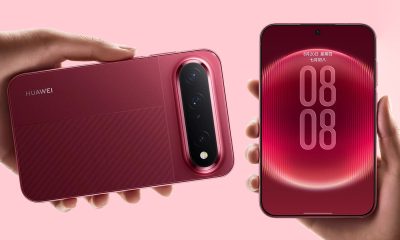
HUAWEI Pura X View is 2026’s first WIDE slab-type smartphone
-

 News2 weeks ago
The CAMON Slim 5G is TECNO’s latest ultra-slim smartphone
-
 News1 week ago
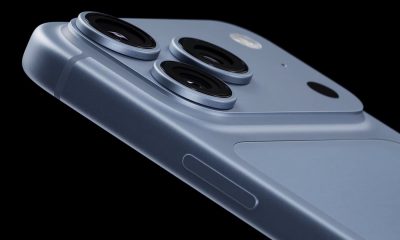
iPhone 18 Pro series: Price, availability in the Philippines
-
 Singapore1 week ago
iPhone 18 Pro series: Price, availability in Singapore
-

 Automotive2 weeks ago
Ford’s new Everest lineup brings V6 engine to the top, tech down the line
-
 News1 week ago
iPhone Duo: Price, availability in the Philippines
-
 IFA 20262 weeks ago
XGIMI announces AURA 3 Series 4K 120Hz UST projectors
-

 Philippines2 weeks ago
Smart cuts 5G Home WiFi price