


OPPO is all about selfies or is it? The latest OPPO F7 is already out and once again, the company promotes the phone’s high-resolution front camera and AI-powered beauty mode. But, is there something more to love about it?
I already made a brief hands-on of the F7, which you may read here to know more about the physical aspects of the phone. Since then, I’ve used the phone as my daily driver, and here’s my review.

A nicely designed midrange phone
Flagship phones have shifted from aluminum unibodies back to sandwiched glass designs. This is to enable some features like wireless charging and also to give phones a more sophisticated premium look. Midrange phones will follow this trend, of course, and the F7 is no exception. OPPO has to cut some corners to keep pricing in check by using acrylic for the rear, but the front is still glass and a screen protector is already applied out of the box.

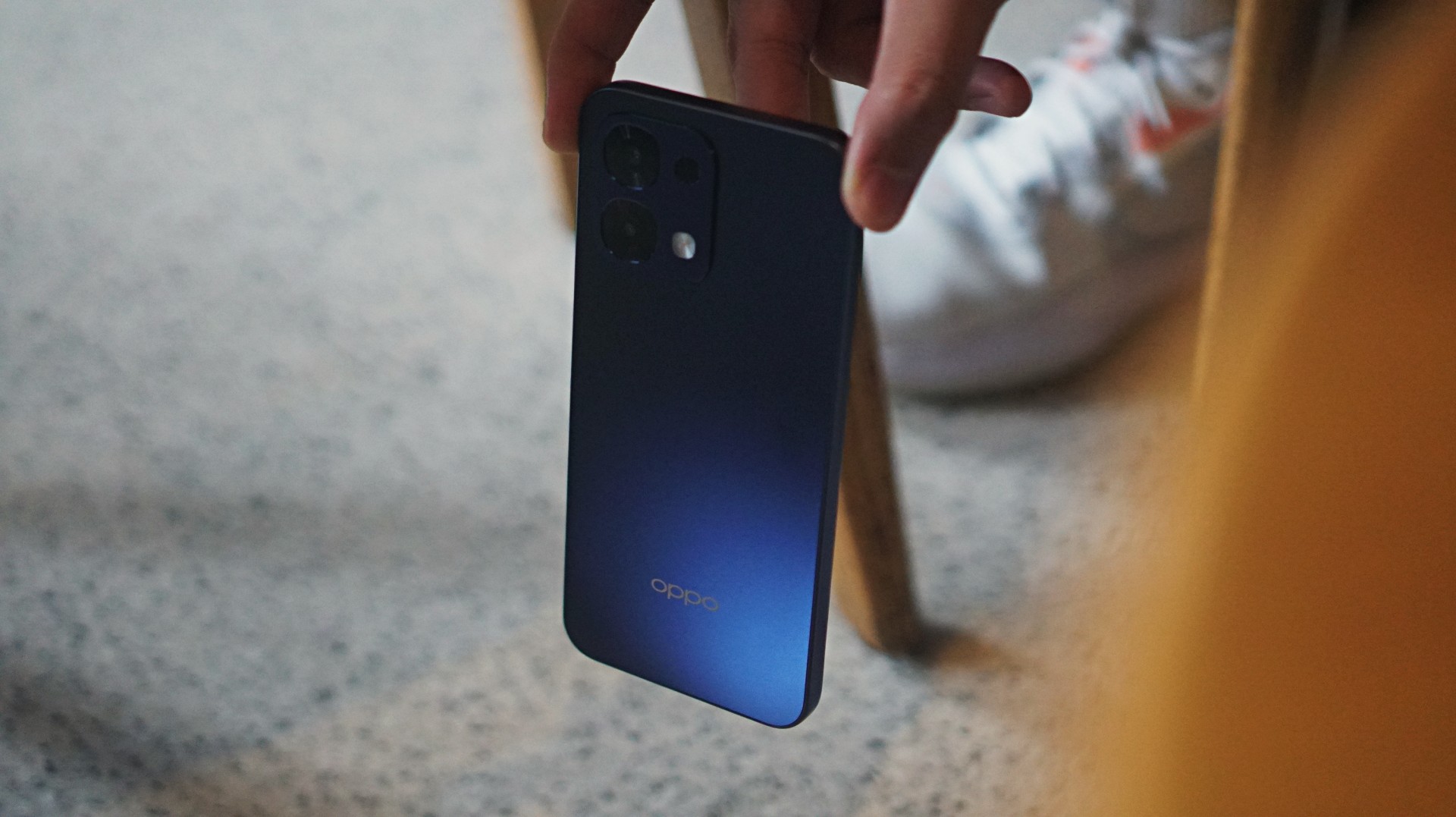
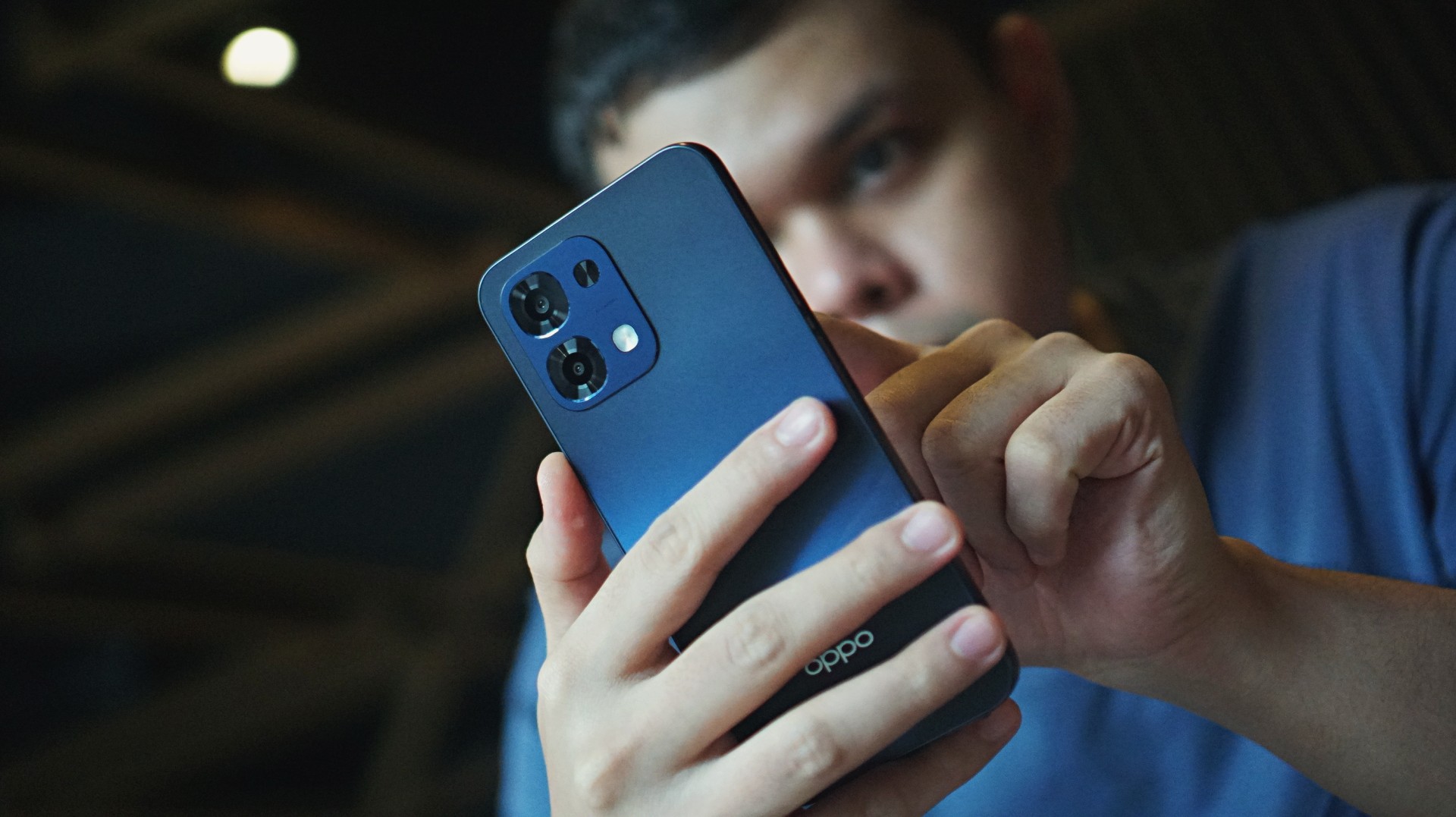
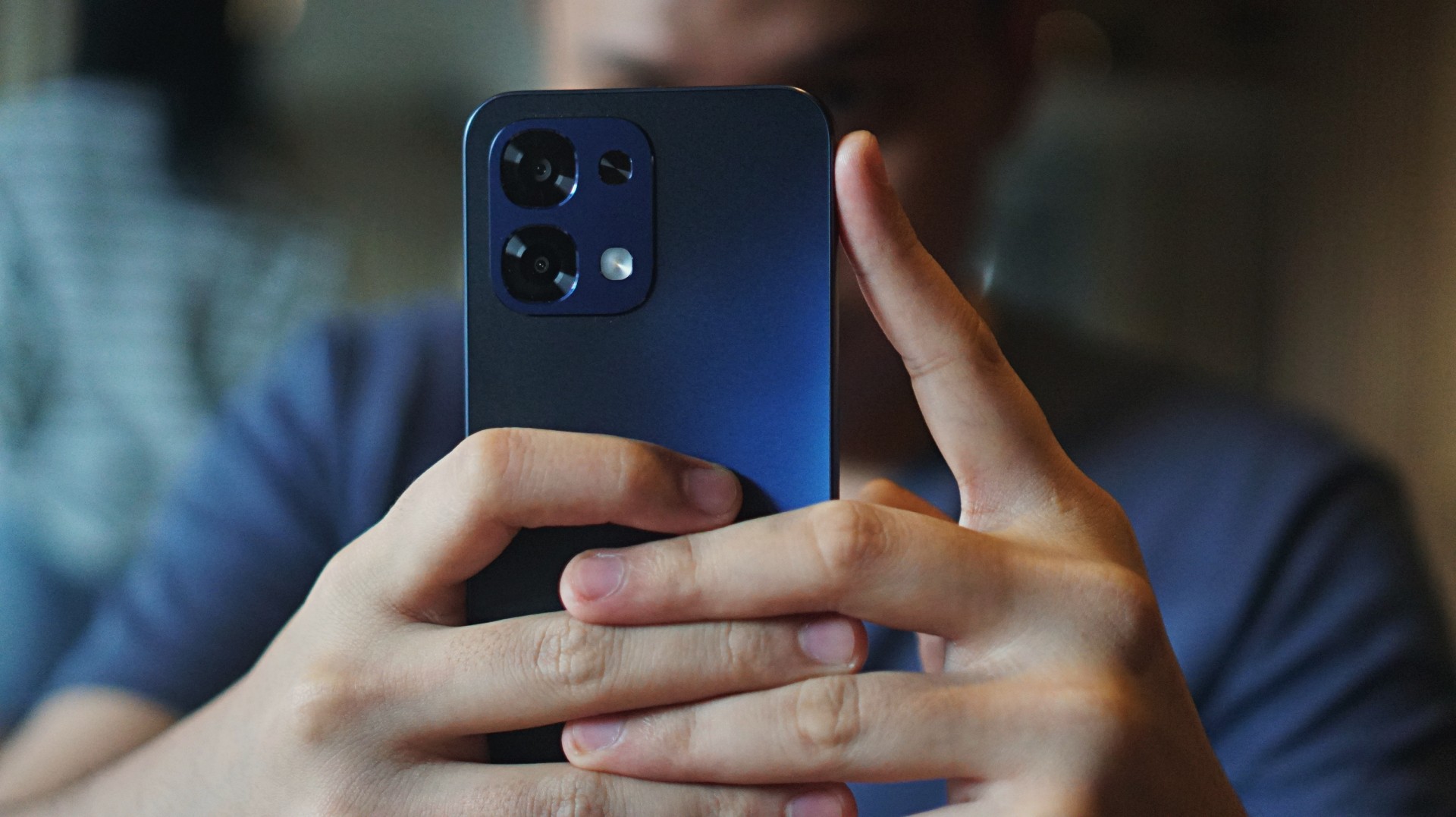
The F7 comes in two regular color variants — Solar Red and Moonlight Silver — and a special version dubbed Diamond Black. The unit I have here is the silver one but it kinda looks like a pale version of blue. The rear of F7 has a dotted pattern that interplays with light which is a nice touch. The phone is well-built but the material choices could have been better to make it more premium. I’m definitely not a fan of its slippery chrome-like plastic sides. While using the included case provides better grip, it doesn’t do justice to the looks of the phone.

OPPO R15 Pro, OPPO F7, and OPPO F5
Overall, the F7 is a reminiscent of the old Xperia phones with its squarish body, slabs of glass or acrylic, and sharp edges. The previous F3 and F5 have more ergonomic bodies, but OPPO has to make sacrifices for the F7 to stand out. It’s a trade-off that some might like, some might not. I just wish they opted to use an aluminum frame.
The beautiful body hides the beast inside
Since the release of the F5 last year, I started to appreciate OPPO’s strategy of launching powerful midrange phones with the focus on selfies. To meet the demand of processing power without an overly expensive price tag, OPPO embraces MediaTek processors. MediaTek may not be as well-received as Snapdragon chipsets, but MediaTek processors have great price-to-performance ratios which benefit users and manufacturers alike — something that the new Helio P60 on the F7 proves.

OPPO markets the F7 more as a selfie phone to beat, but little did unsuspecting users know that it’s more than just for selfies. The F5’s Helio P23 processor is already a step up against its competitors the Huawei Nova 2i and Vivo V7 from last year; the F7’s new Helio P60 widens the performance gap further along with 4GB of memory. The Helio P60 is MediaTek’s latest midrange processor paired with Mali-G72 MP3 graphics to handle intensive gaming. OPPO claims an 80 percent increase in overall performance compared to the F5, so if you like doing benchmark tests on your phone, you’ll definitely get higher numbers.
Gaming-wise, you can throw virtually any game at the F7 as long as you dial the graphics setting down by a bit. It can run most intensive titles available on the Play Store like my favorite — Asphalt Xtreme — and also NBA 2K18 on high graphics. There are some hiccups after hours of continuous gaming which is probably due to throttling. So far, I’ve not yet encountered any overheating issue but the phone does get warm.

Thankfully, the phone has Android 8.1 Oreo out of the box that’s skinned with ColorOS 5.0, the latest version of OPPO’s custom UI. ColorOS 5.0 looks a lot cleaner than its previous version but not much has changed — it’s still an iOS copycat with some stock Android features. The most noticeable difference though is the control panel which is now accessed by swiping down from the top just like with most Android phones. If you’re a fan of the simplicity of iOS, you’d feel at home, but the Android user in me just feels constrained and confused while navigating through the interface. There’s no search in the Settings menu which is truly disappointing.
It’s an OPPO phone, so it’s a selfie phone
No matter how beefy the specs of an OPPO phone are, it’ll always be for taking selfies. The F7 has a whopping 25-megapixel selfie camera paired with AI Beauty Technology 2.0. OPPO claims that the F7 can distinguish between male and female subjects in a selfie and adjust the effect accordingly.


Props to OPPO for greatly improving their AI beauty mode but its results still depend on the preference of the user. The max beauty setting (Level 6) still transforms you to a life-like doll though, so be careful with that.


As for the rear camera, we still have a 16-megapixel f/1.8 shooter that’s the same as the F5’s. The large aperture opening helps aid in low-light shooting, thus you can take brighter shots even in the dark. The f/1.8 lens also helps in creating smooth and natural bokeh for close-ups. Depth effect is available on either cameras of the phone, but the effect looks unnatural — at least with the rear.








AI is also present in the main camera and it can recognize 16 scenes and objects such as sunsets, food, sky, dogs, and cats. During the course of my review though, the phone didn’t do so well in this regard. During the course of my review, the phone’s AI couldn’t identify certain scenes and objects in the frame well. It took some adjustments for the camera to know that I’m taking a photo of my food, but it’s pretty consistent in knowing that I’m shooting the sky. A software update should be able to fix this. While we’re at it, I hope they will add a few more objects to recognize like flowers and plants which are undoubtedly common photo subjects.
One for the road
With a 3400mAh non-removable battery, the F7 can take a beating when it comes to endurance. Most phones with 3000mAh batteries and above are already worthy to be a road companion, and you can trust the F7 to last the whole day. My phone usage varies day to day (moderate to heavy), but the F7 has been consistent in lasting at least 10 straight hours before asking for a charger.
Speaking of the charger, there’s no quick charging feature for the F7 but the included adapter can be considered to be a fast charger with a 5V=2A output. Using the bundled charger, it took me 13 minutes to reach 15 percent and about 30 minutes to get 30 percent of charge. More or less, a full charge will take about an hour which is not that bad.
Is this your GadgetMatch?
If you love selfies, then it surely is. That’s already expected, so what are the other reasons that could make the F7 your GadgetMatch? First is its performance: The F7 is one of those midrange phones that performs like a flagship. Second, it has a long battery life. And lastly, it’s just a pretty phone to place on a table. Too bad it doesn’t feel premium on hand, but we’ll take it anyway.

The OPPO F7 has its drawbacks, but its advantages have convinced me that it’s a great option, especially for those who prefer to get phones from brands with strong presence.
The phone retails for PhP 17,990 in the Philippines and INR 21,990 in India.
SEE ALSO: OPPO R15 Pro hands-on review: The screen is notch the same





Reviews
OPPO A6 Pro: Adequate tool, no definitive punch
Ample, all-around, just alright — you name it — but no definitive punch anew

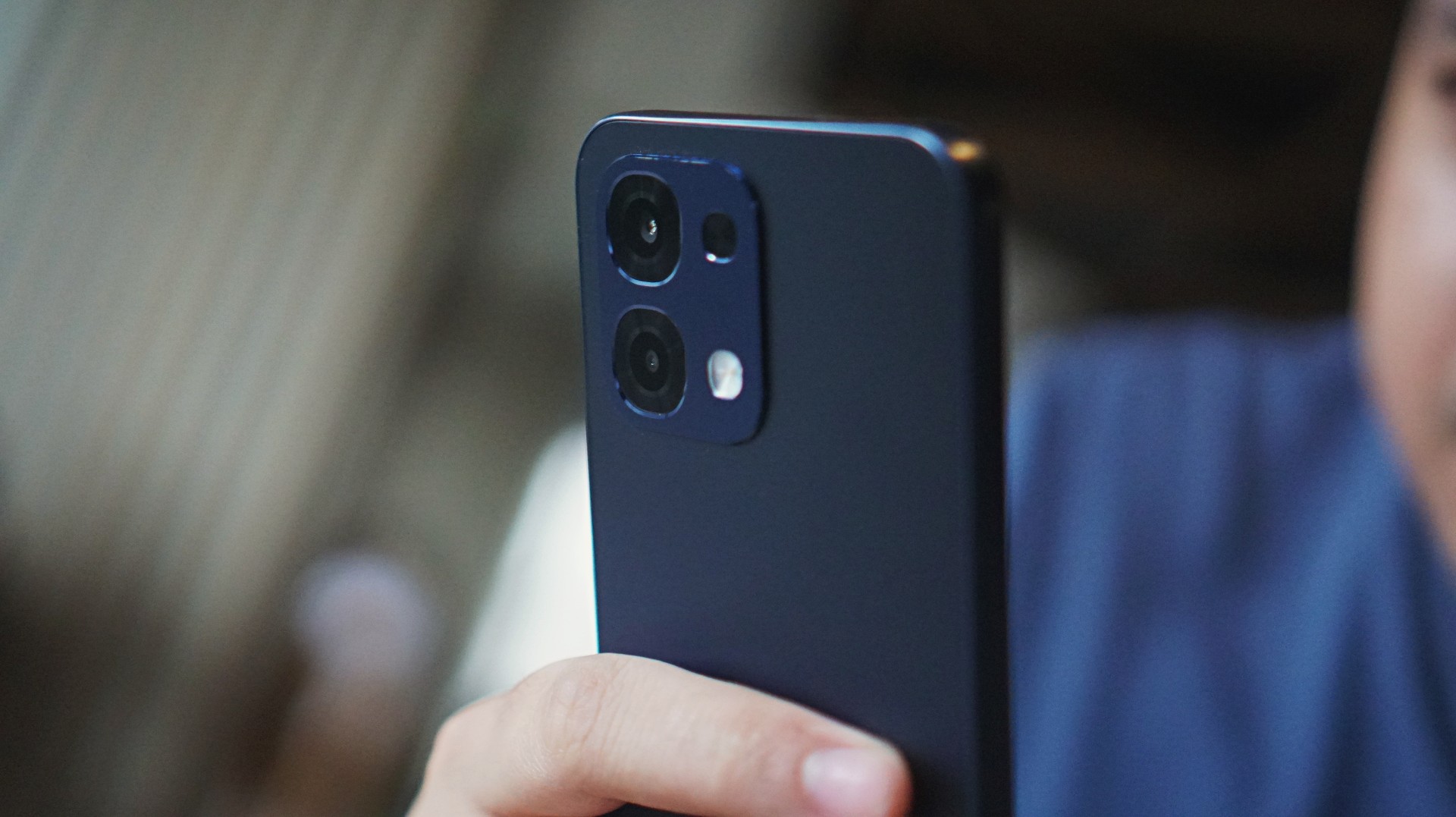
I’ve thought of several adjectives starting with “a” to accurately describe the OPPO A6 Pro 5G. After narrowing them down, I came up with adequate, ample, all-around, and (just) alright.
This smartphone cuts above the budget segment with a mix of performance, camera, durability, and advanced features.
Yet none of these adjectives are tantamount to exceptional nor impressive. You see, there still aren’t enough arguments to make the A6 Pro a standout midrange device.
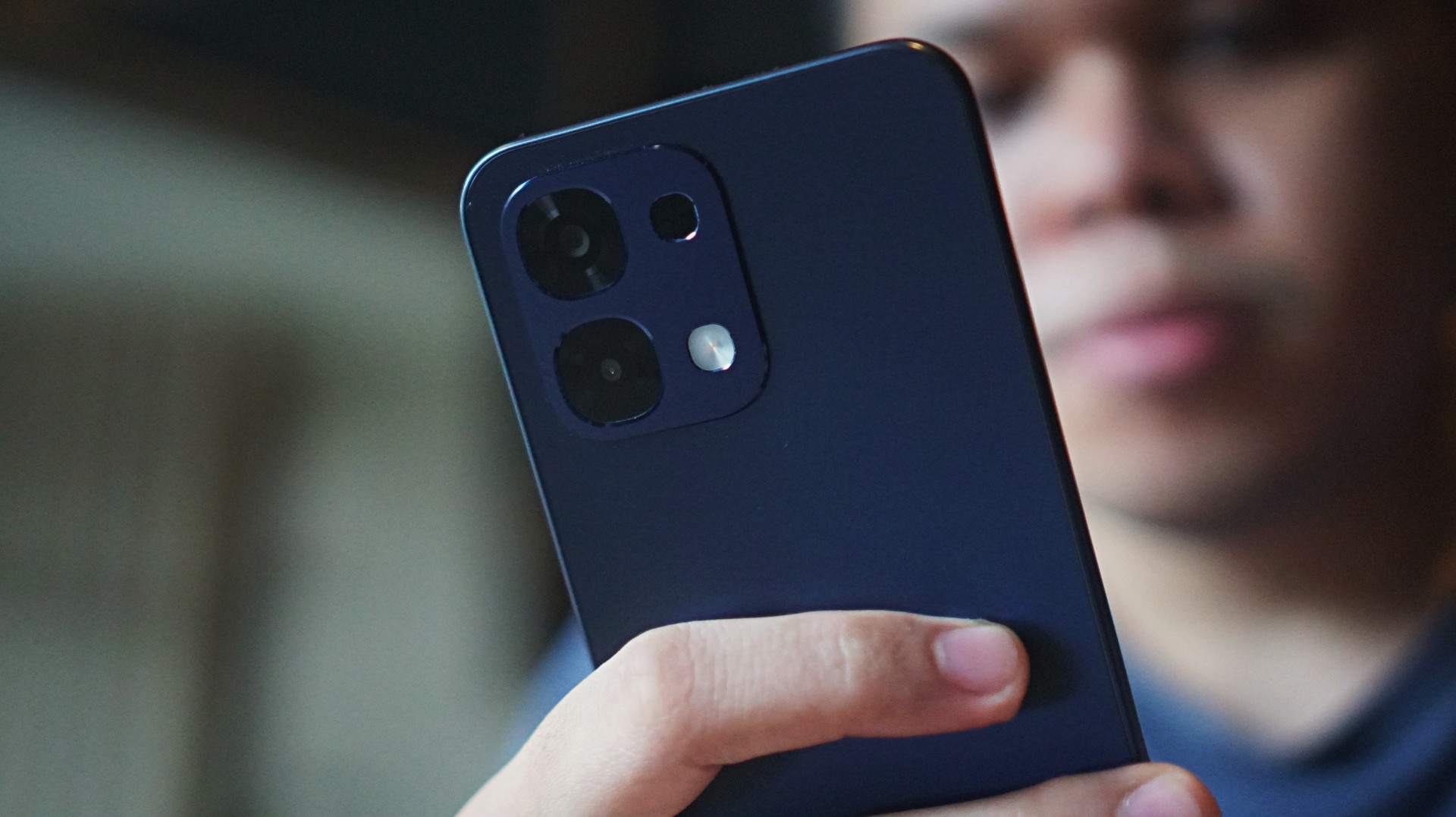
More than enough, yes. But much like the previous A5 Pro, the definitive punch is missing — especially at its asking price. Still, it’s useful, and here’s what you can expect.
Adequate performance
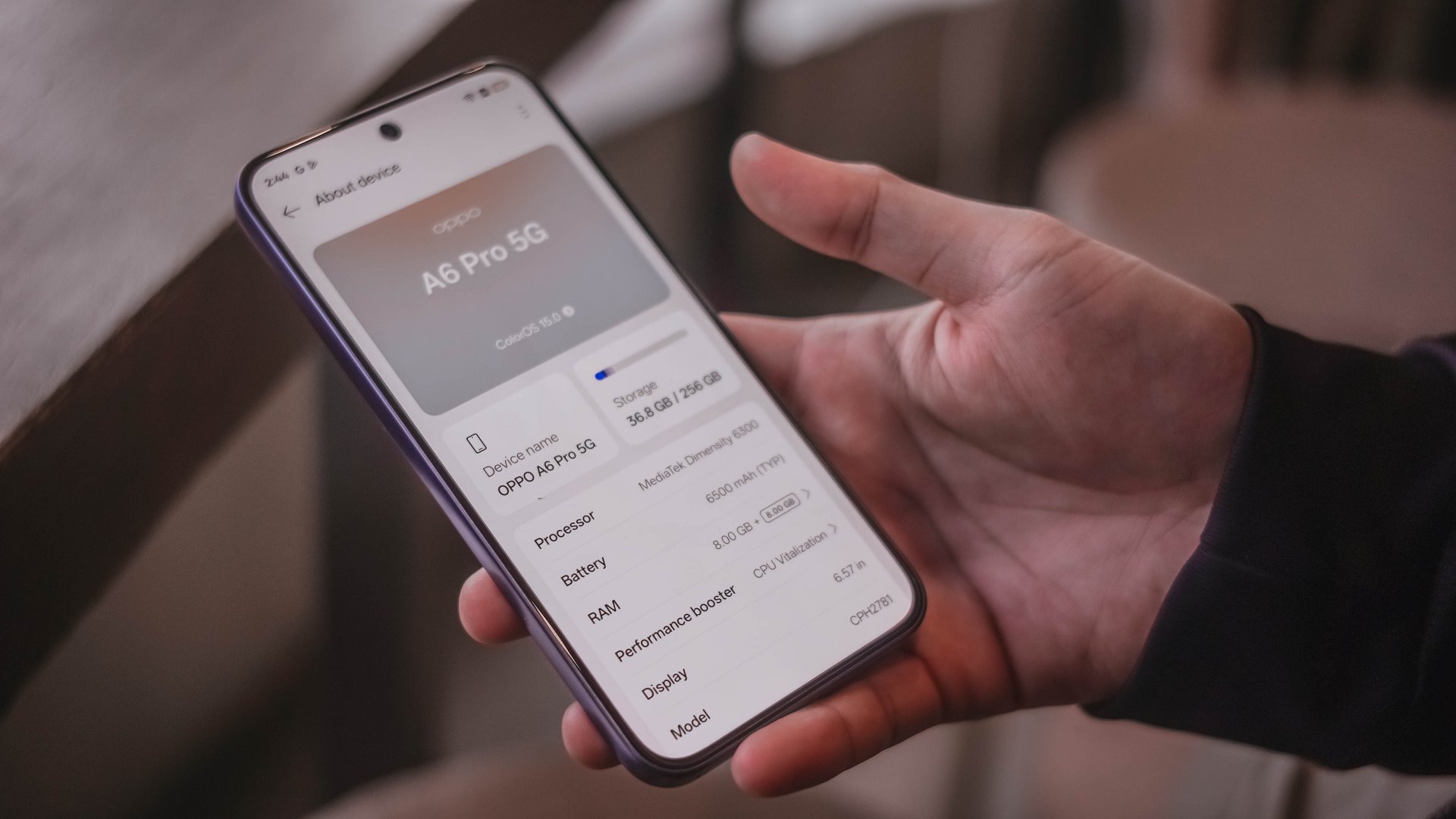
The OPPO A6 Pro 5G is powered by a MediaTek Dimensity 6300 processor. You can expect smoother everyday performance compared to US$ 100 devices if you want to upgrade.
For simple browsing and multitasking, the handset holds up well. Paired with a 6.57-inch 120Hz AMOLED display, swipes, scrolls, and navigating feel a lot more fluid and responsive.
However, it’s hit-or-miss for gaming and heavier workloads.
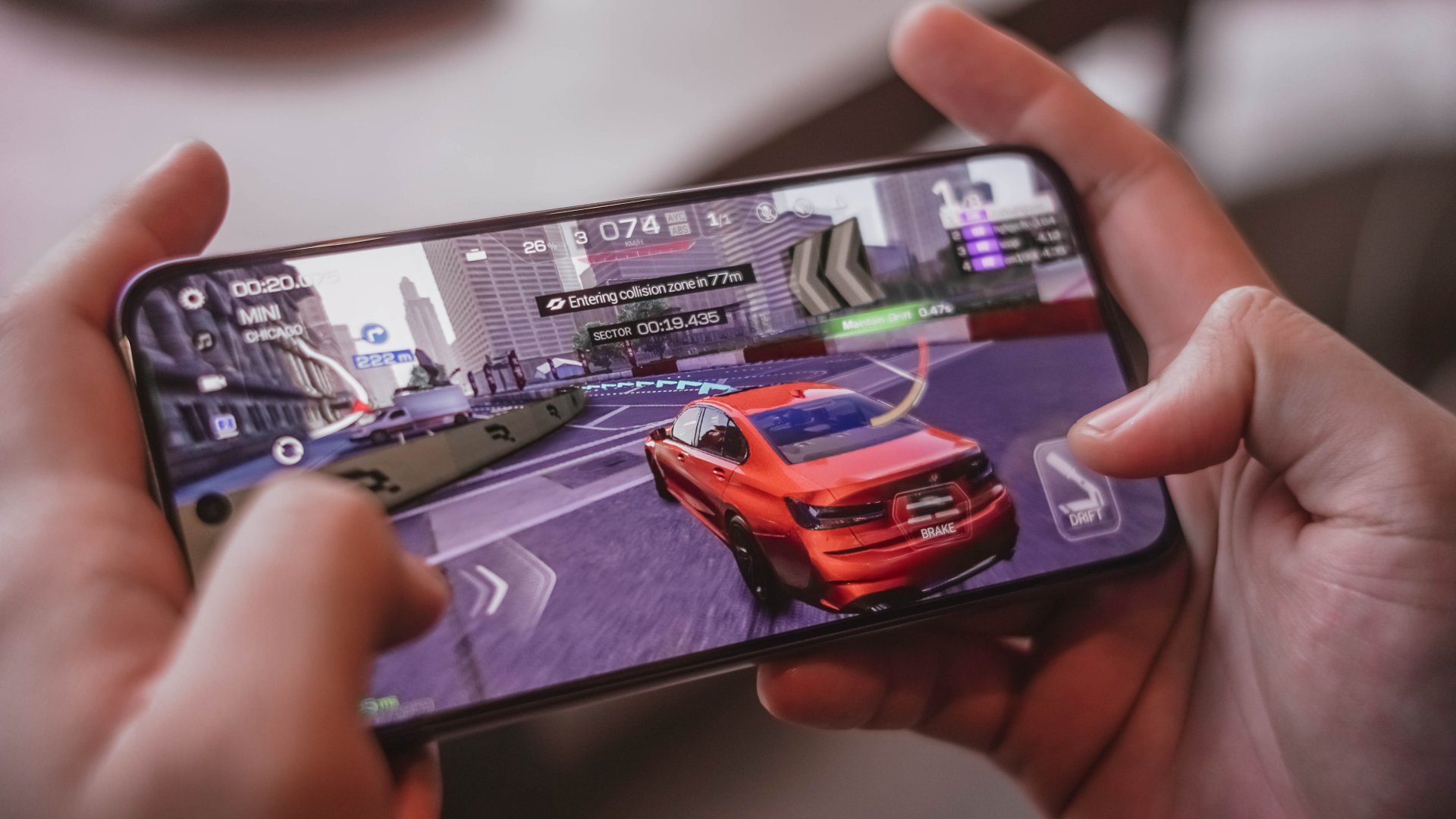
I once played Mobile Legends: Bang Bang on high graphics settings and saw a few frame drops. That’s in spite of a dedicated mode for better load distribution.
Demanding titles like Call of Duty Mobile and Racing Master still work, but graphics settings default to medium, so it lessens the immersive experience — if that matters.
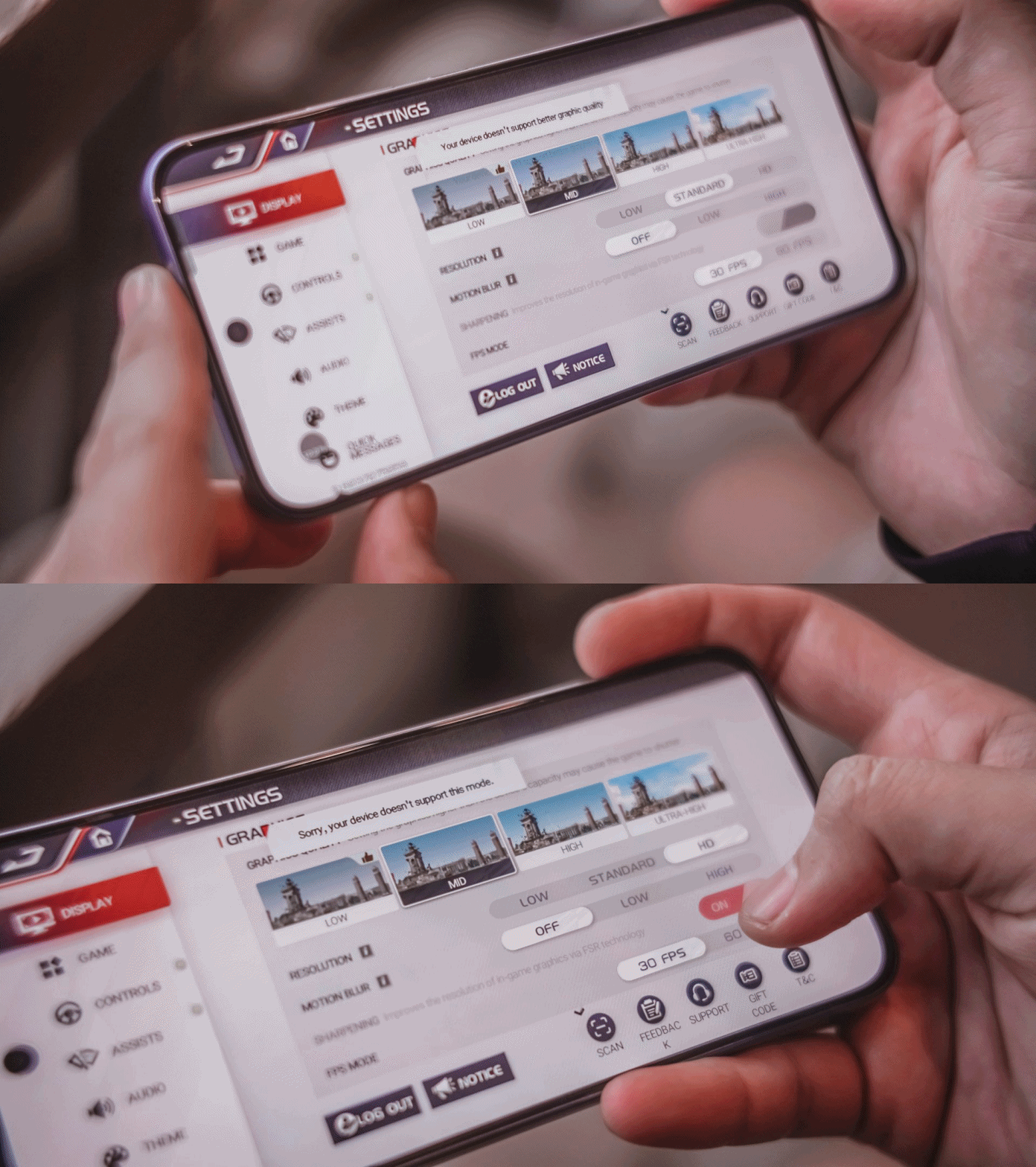
To its credit, none of these titles crashed. Keep settings at medium or low to be able to enjoy stable play. You wouldn’t be able to set the graphics to high in some cases to begin with, anyway.
Perhaps, what you can appreciate is that it hardly heats up, thanks to its SuperCool VC System. Battery drain is more modest too, losing just about 5% in a 30-minute session on Wi-Fi.
Of course, that’s aside from the 6500mAh battery. I like the fact that it is complemented by an 80W SUPERVOOC charger.
Replenishing the battery power from 1% back to full takes roughly about an hour and 20 minutes, which is pretty darn nice given the capacity.
Ample audiovisuals
The OPPO A6 Pro’s display offers a 397ppi pixel density and up to 1400 nits maximum brightness.
Video playback is noticeably better on this panel compared to cheaper devices.

Moreover, the phone lets users select a 300% volume mode which is helpful when outdoors or in crowded areas. The audio quality is decent, but don’t expect it to rival those from upper mid-rangers.
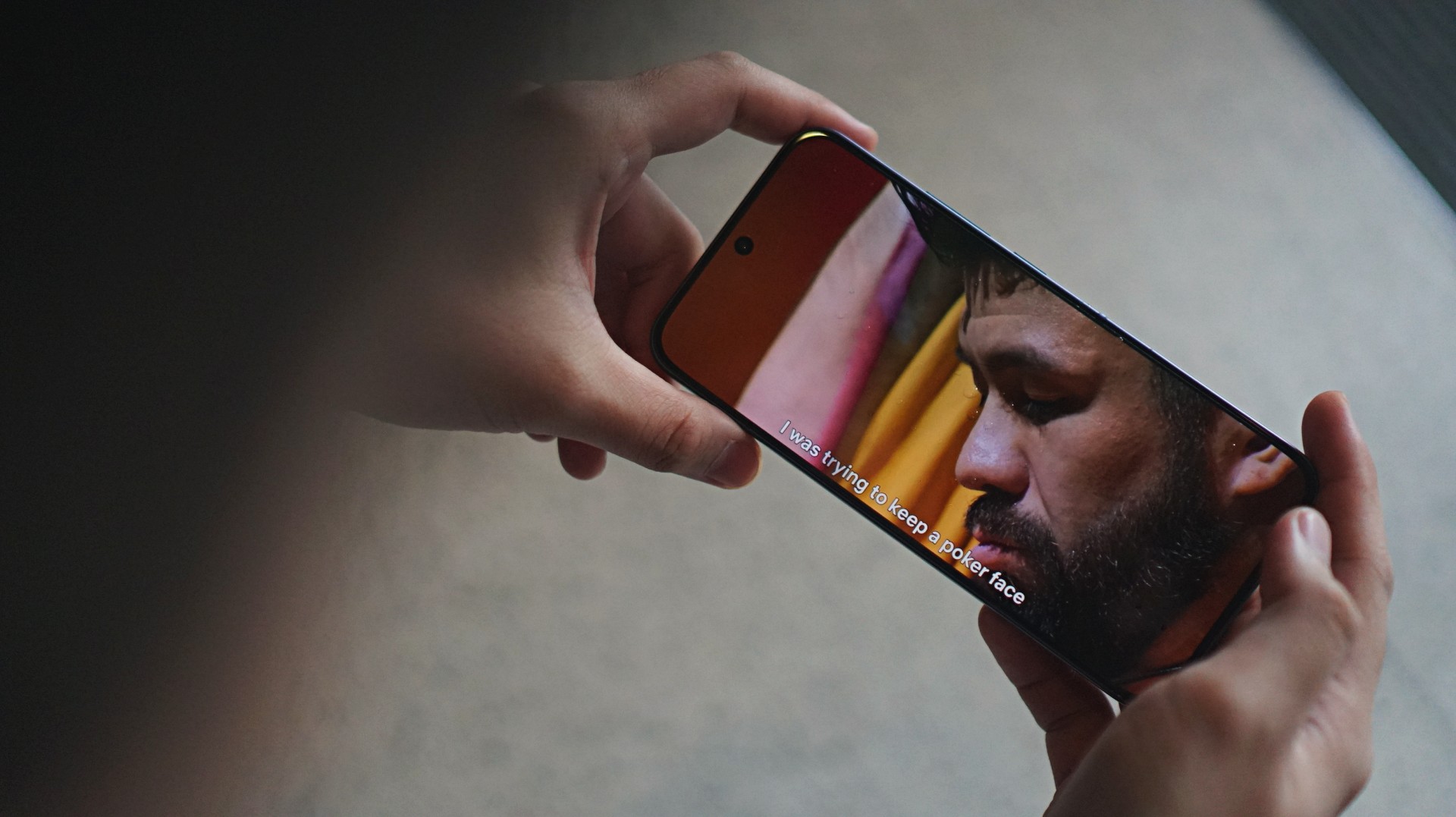
I just spent time on the phone watching a lot of sports, WWE and Physical: Asia on Netflix. The 93% screen-to-body ratio keeps the bezels out of sight, letting you focus more on the content.
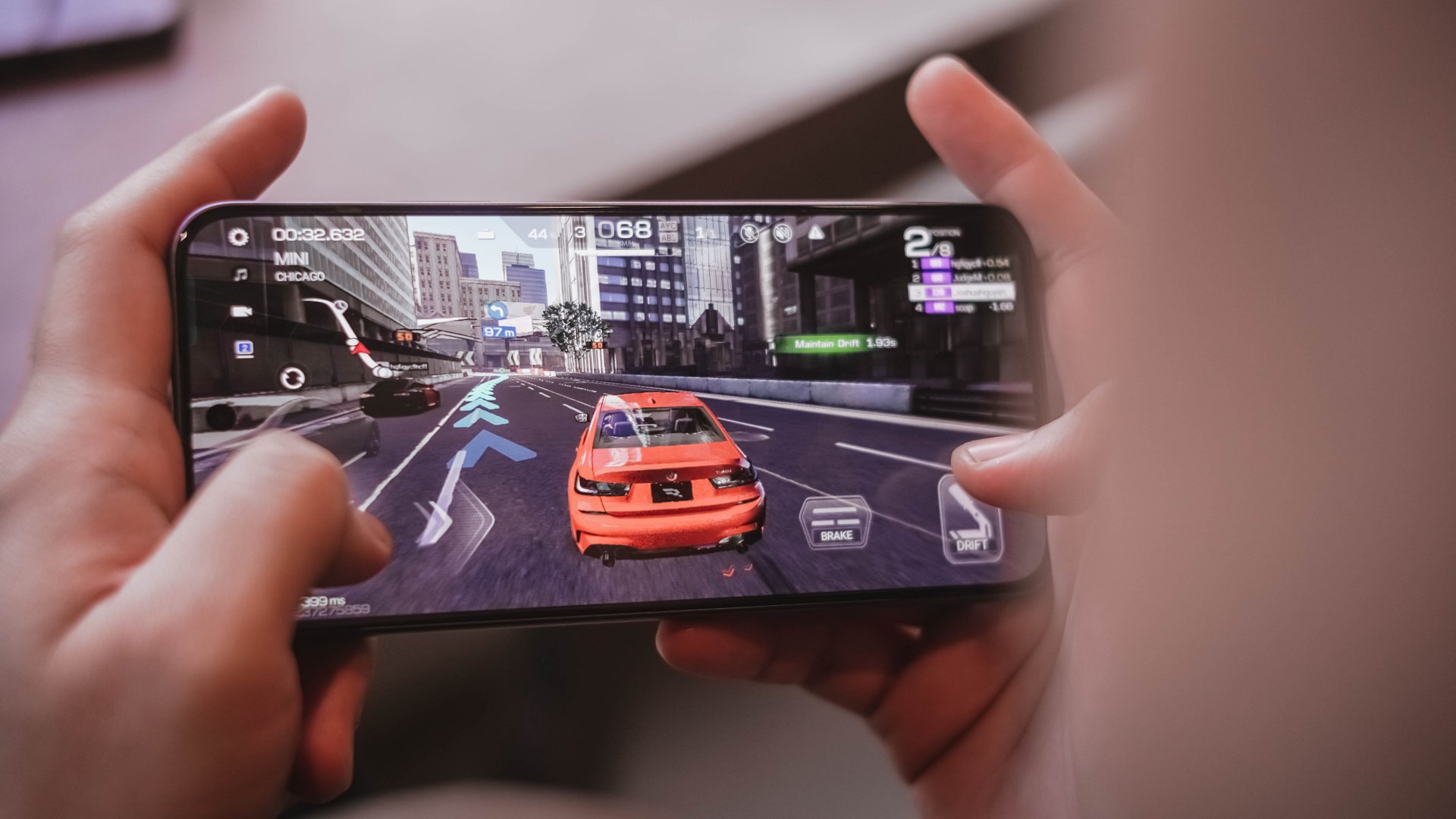
Gaming visuals sometimes sees jagged details, like the cars in Racing Master. It’s a reminder the phone does not punch above its weight.
AI LinkBoost: No significant improvement?
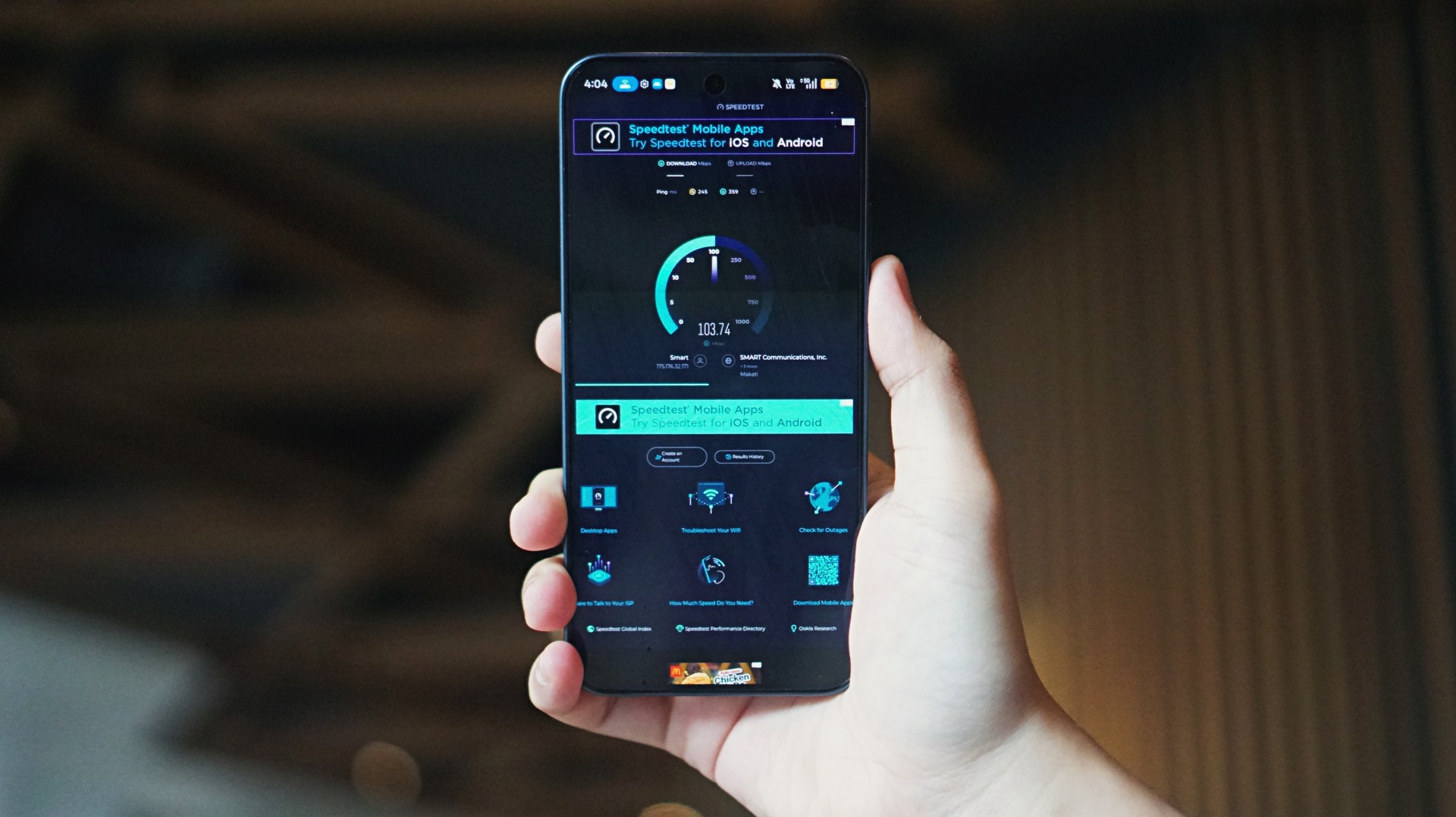
One of the features OPPO retained for the A series is AI LinkBoost, which is now in its third generation.
But compared to my experience with the A5 Pro last year, I felt the network optimization feature didn’t give significant support to the A6 Pro.
Yes, mobile data speeds still reached about 300mbps and above at times. But network struggled in the same toll booths and underground MRT stations where the A5 Pro was able to will itself better.
Perhaps, the aluminum frame plays a role, although OPPO insists on paper that it should complement the antennas.
All-around durable daily driver
Not new to the A series is durability and water and dust resistance, and these are chiefly still the strengths of the OPPO A6 Pro 5G.
There’s Military-Grade Shock Resistance plus reinforced materials to easily shrug off drops. It also boasts of an IP69 dust and waterproofing, enabling it to resist high-pressure water jets, spills, and even accidental soaks.

Beyond those, the phone’s display is optimized for touches even when there are droplets. They just dry out, as in the case with previous iterations, creating friction.
There’s also a Glove Touch feature when you’ve got gloves on while cycling, camping, or other outdoor activities.
More AI
For productivity, the phone comes with an AI Assistant for Notes and Documents, plus Gemini integration.
Photo tools include AI Eraser 2.0, AI Reflection Remover, and AI Unblur.
Cameras: Just alright
Speaking of photos, the phone features a 50MP f/1.8 main camera and a 16MP f/2.4 front shooter.
I just captured a lot of food, selfies, and cats during my time with the phone. Which is exactly what you’re supposed to do with a serviceable camera package: document your daily life.


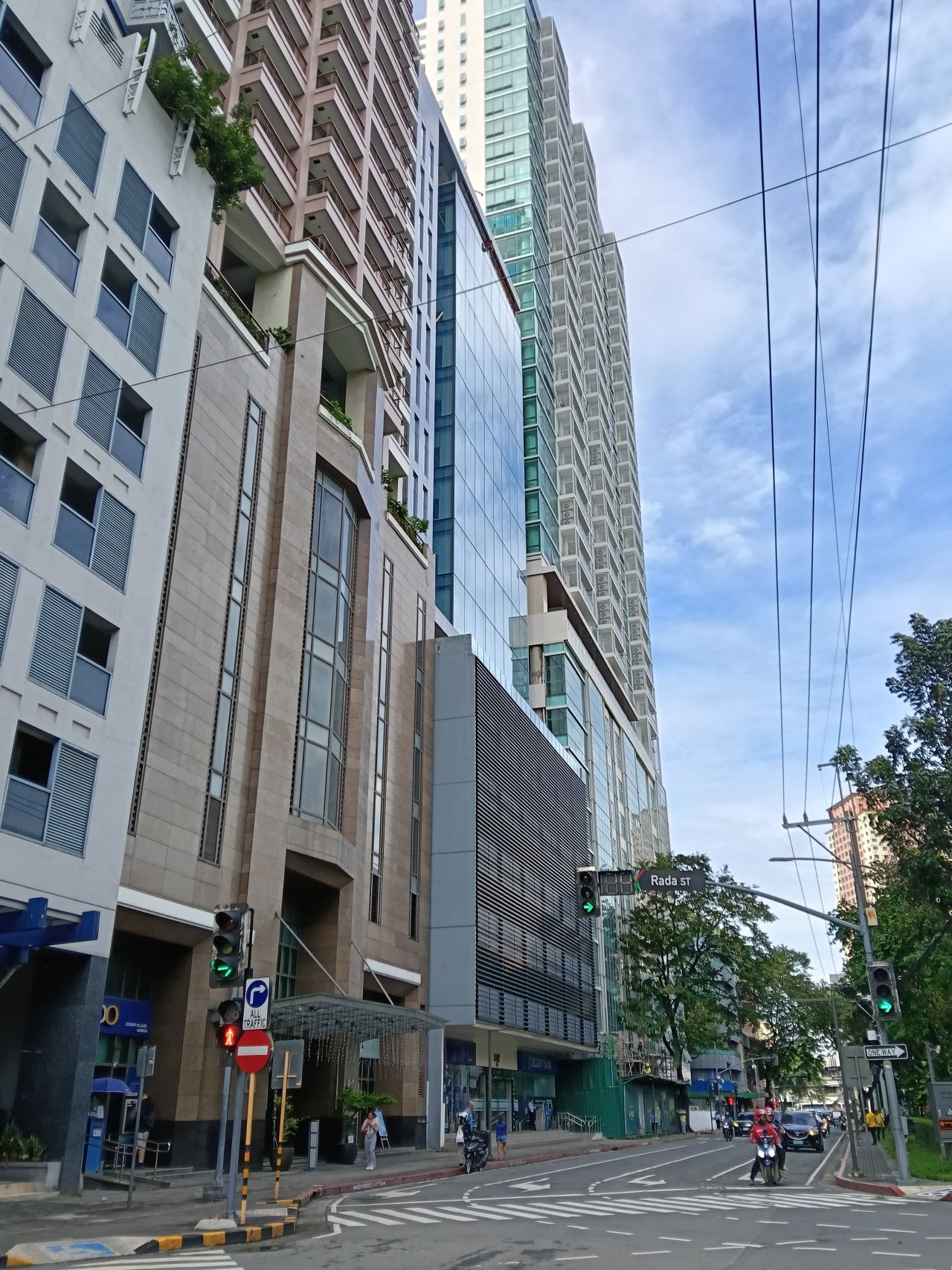









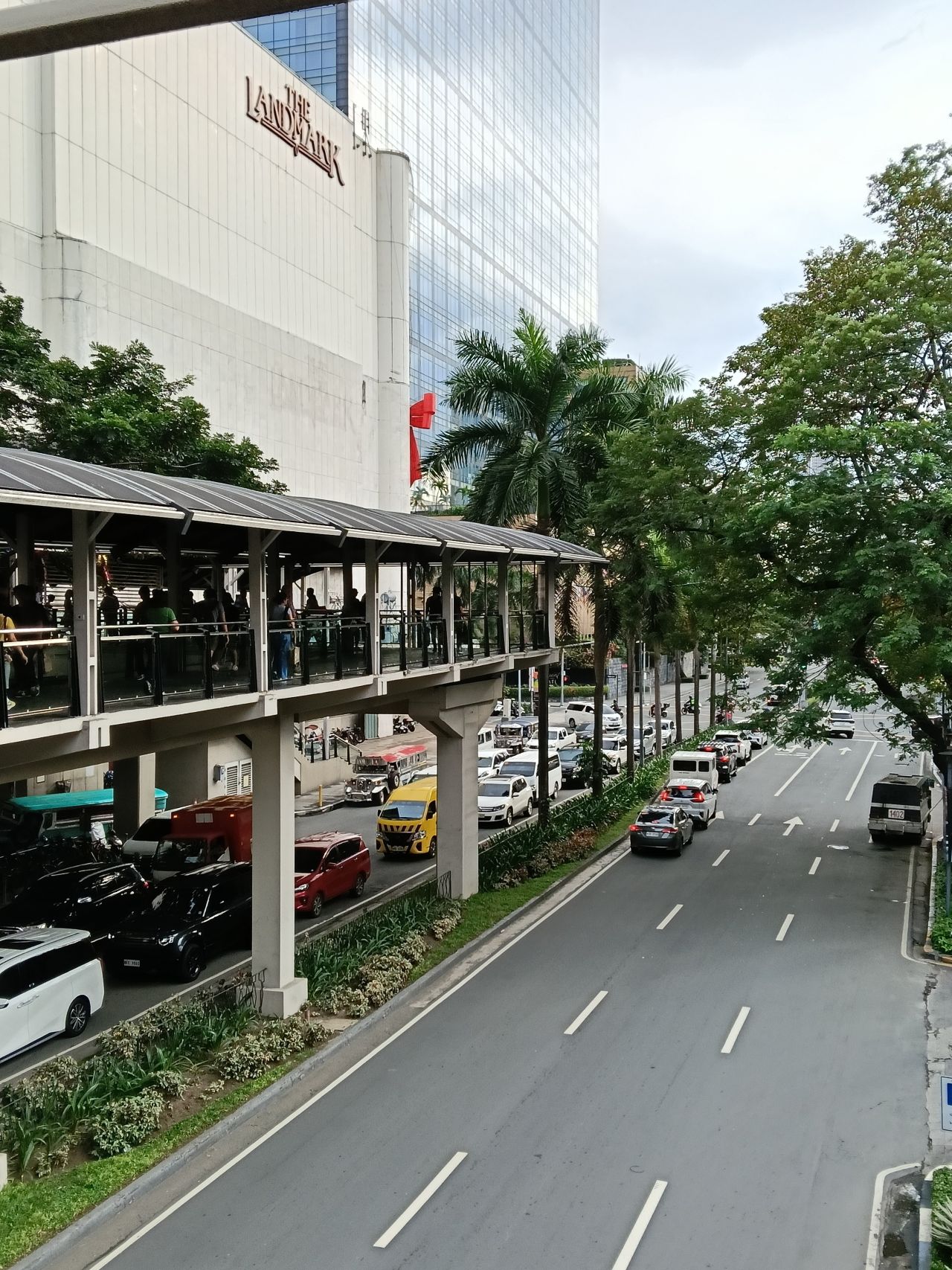



The color science still leans on the paler, more “natural” side, with skin tones a bit inaccurate at times.
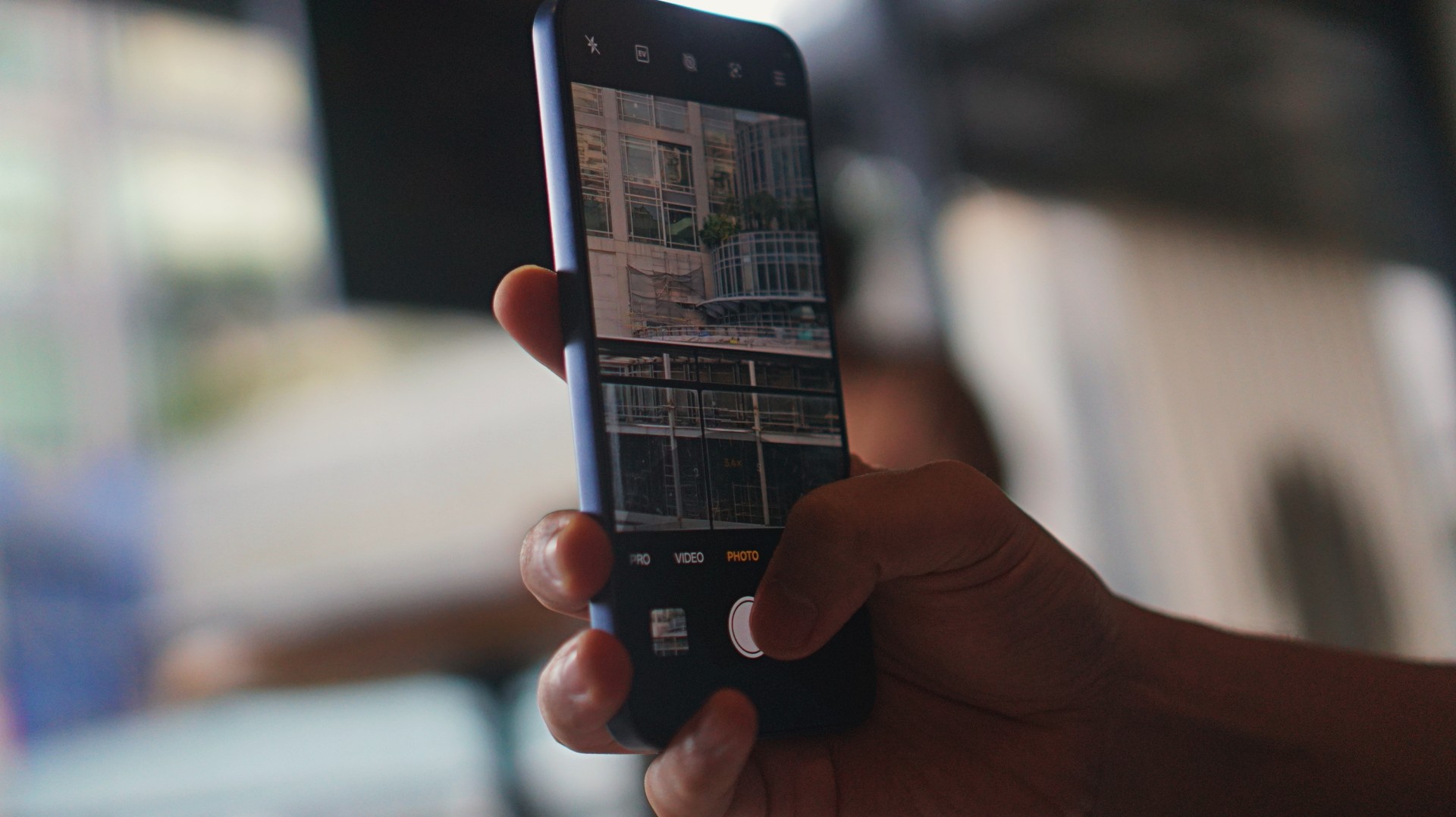
You’ll have to do some editing for added vibrancy. The sharpness and detail are there, but they’re not instantly share-worthy.
To its credit, detail seems to have been improved, especially with foliage. At least, compared to the A5 Pro. There is also depth by default, which is further elevated with Portrait Mode.






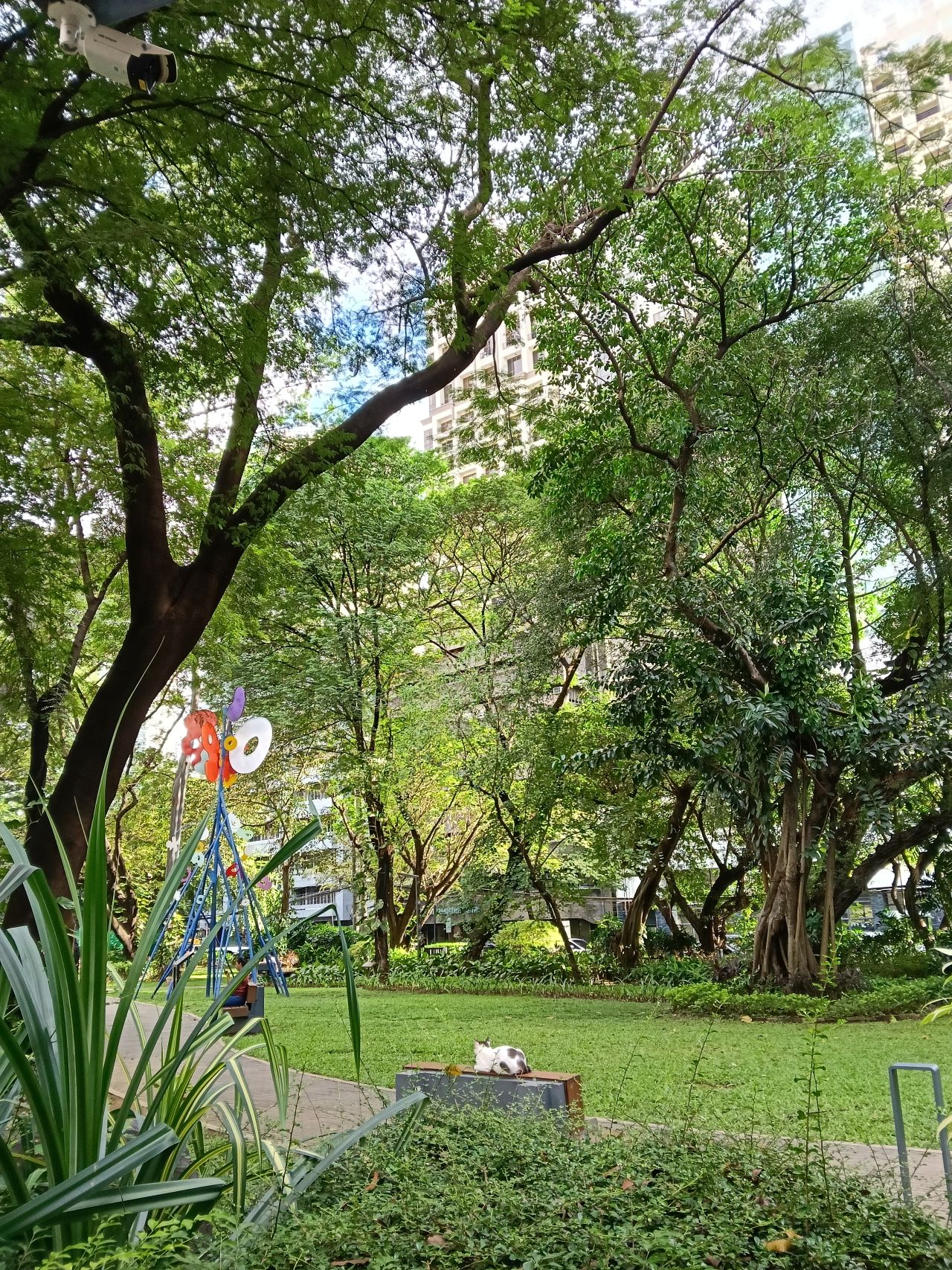














But a waterloo is Night Mode, as well as taking photos of, say, neon signs, candles, or light bulbs. Be wary of backlights or clear skies that might lead to glare or overexposure.
Furthermore, recording videos can be shaky without OIS. I was willing to trade a higher frame rate so long as there was stabilization, so this tool isn’t ideal for budding content creators as well.
Improved feel
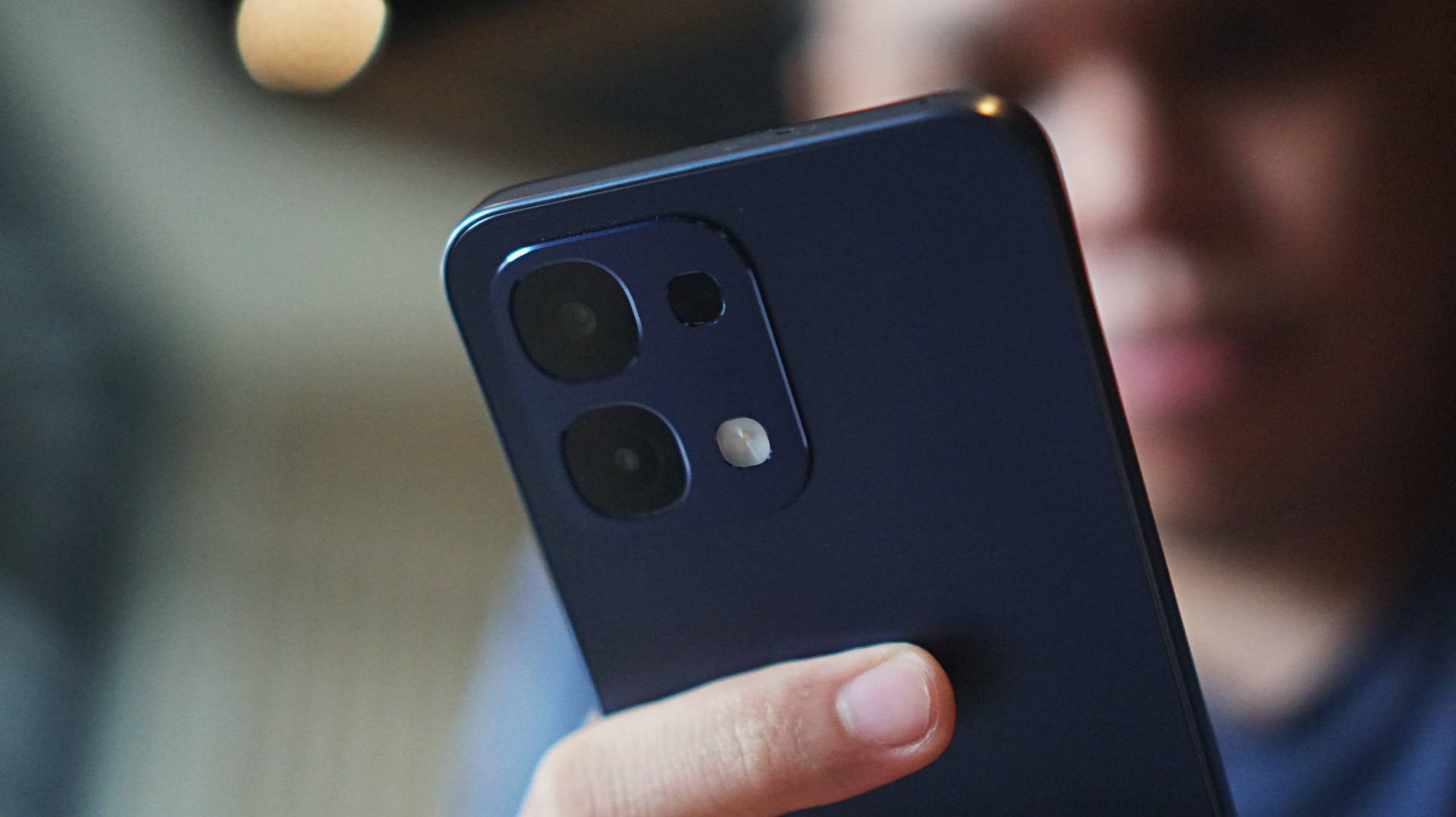
On the positive end, the grip on the OPPO A6 Pro feels a lot better and more secure. The model I got came in Stellar Blue, which blends with neutral-colored outfits.
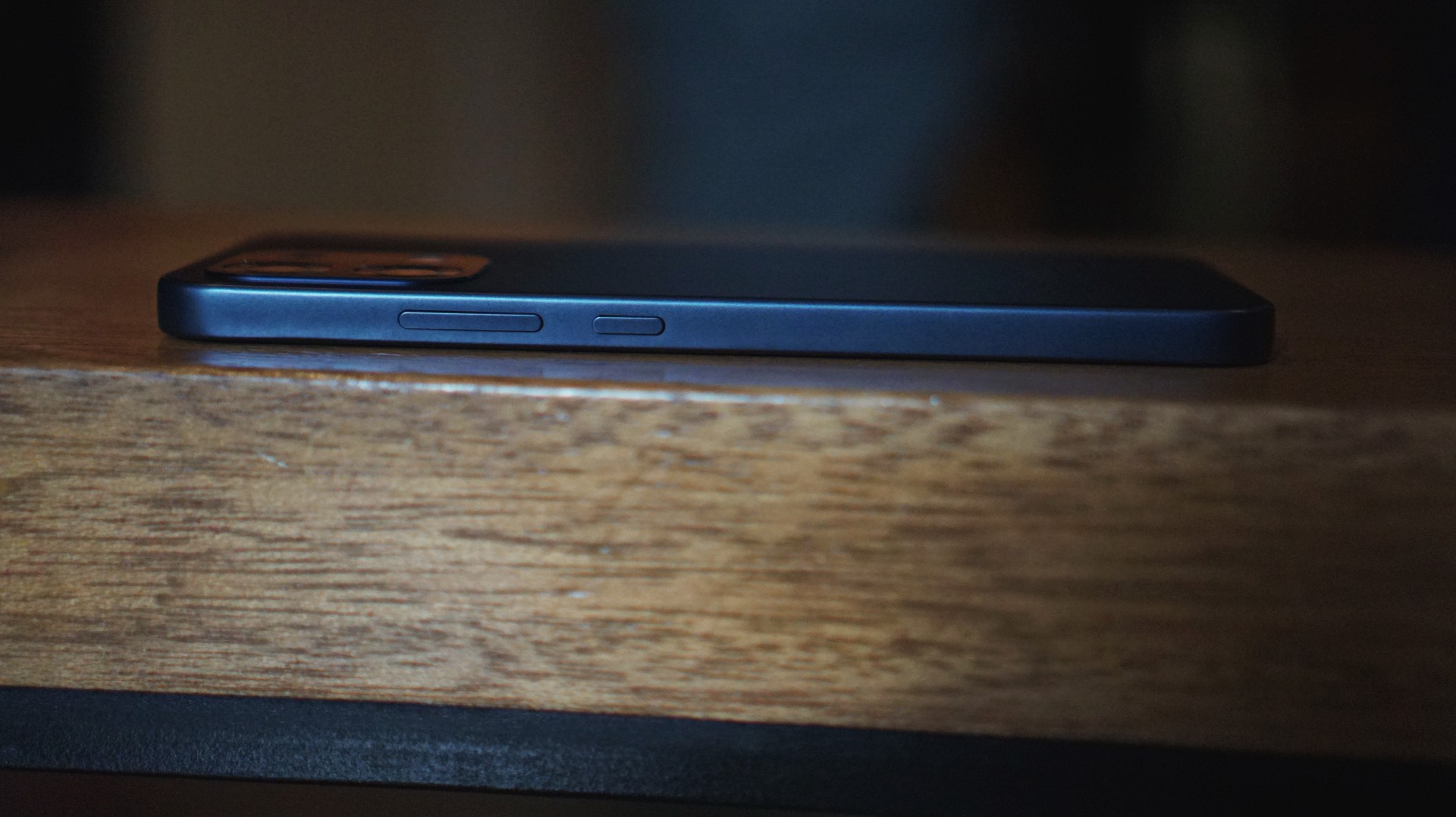
The phone looks squarish on the edges and a bit curved on the corners. I’m not a fan of the latter as they could crop out some gaming UI elements.
Nevertheless, there is a good balance between being long and thick. The cameras have now shifted to a squarish shape rather than circular.
Bloatware remains, and there’s even more pre-installed apps than expected, which I don’t see the need to use in the future.
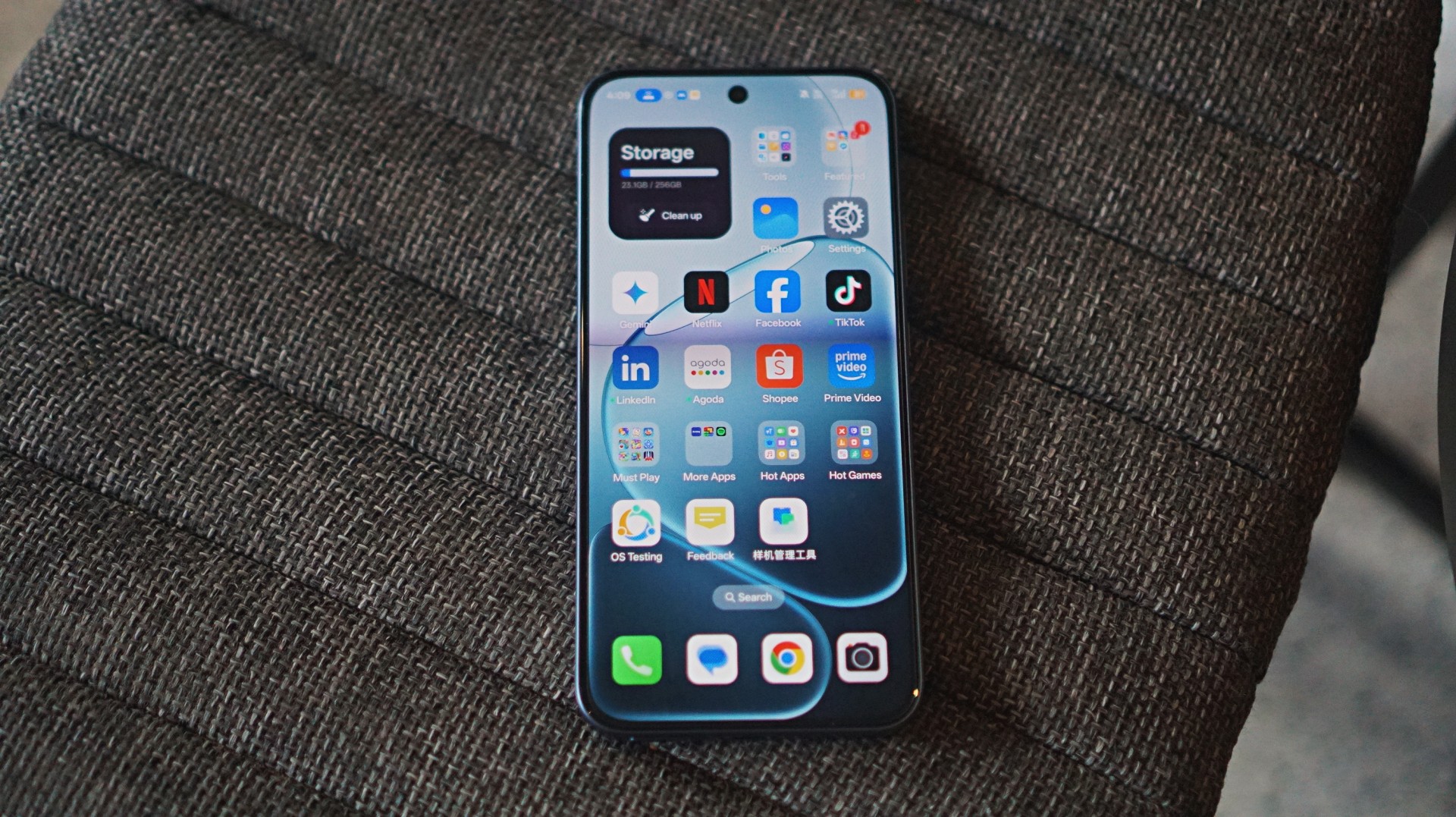
Beyond these, ColorOS looks neat and clean overall.
Is this your GadgetMatch?
There’s no question the OPPO A6 Pro offers an intriguing overall package and still gets a Swipe Right. However, there’s stiff competition in the PhP 12,000 to PhP 15,000 (~US$ 200 to US$ 250) category.
If you have such budget, in my opinion, niche devices at lower prices may be better for gamers. For daily drivers, cheaper phones with larger storage options also exist, if you’re just after function.
Add just a few more bucks and you can get phones with more superior camera packages, including telephoto lenses and better color reproduction.
Automotive
Inside the Next-Gen Ford Ranger Wildtrak 4×4
A closer look at the cabin that makes this truck feel smarter and more comfortable than expected.

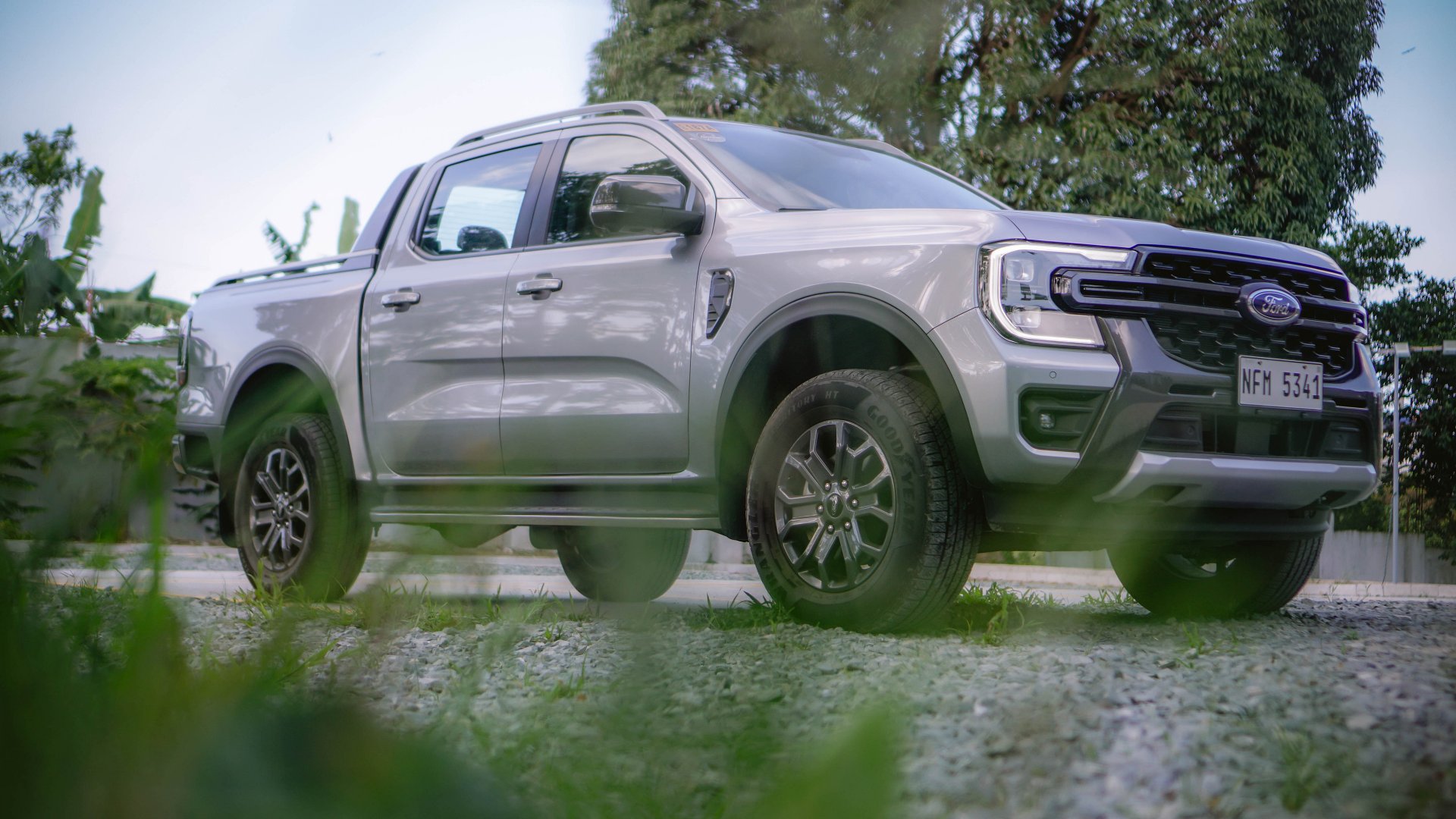
They call it a truck, but the moment you step inside, you understand why that word no longer feels enough.
The Next-Gen Ford Ranger Wildtrak 4×4 carries a tough, ready-for-anything energy you’d expect from a pickup. It looks like it was built for mud or long highways that stretch beyond the city.
But inside, it tells a different story. One about comfort and knowing exactly how people live with their cars now.
Inside the Ranger is the kind of cabin that doesn’t ask you to brace yourself. Rather, it invites you to settle in.
Comfort with consideration
The first thing you notice is how easy it is to find your place behind the wheel.
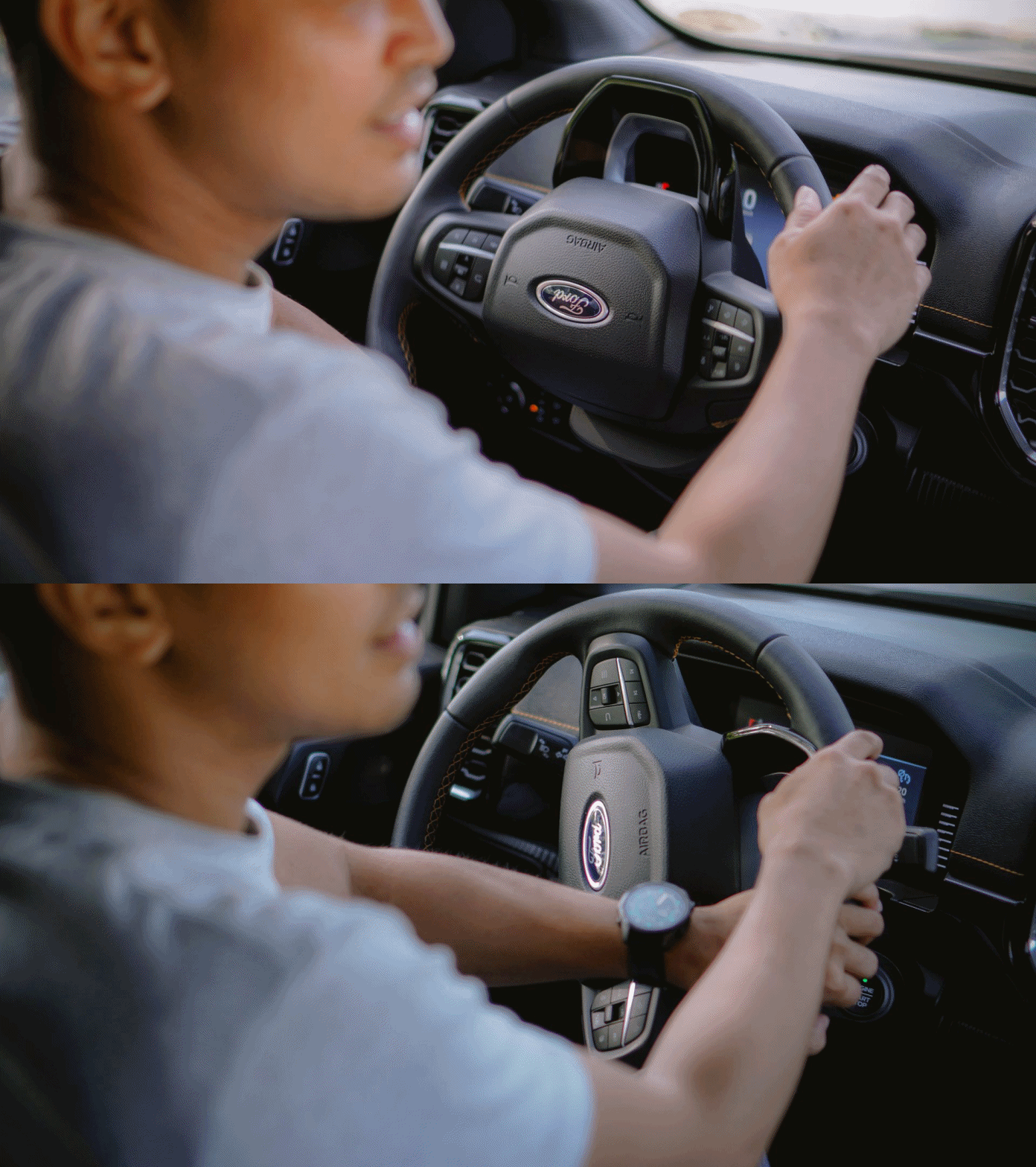
The driver’s seat adjusts in eight ways, which means posture never feels like a compromise. The front passenger seat gets four-way adjustment, which still feels thoughtful rather than basic.
A combination of leather and synthetic leather seats add a softness that immediately changes your mood, the moment you sit down. It’s as if they were designed for long drives that accompany you in heartfelt conversations and unplanned detours.
Temperature never becomes a discussion inside the Wildtrak. With Dual-zone electronic automatic climate control, both sides of the cabin stay exactly how the people inside will want it.
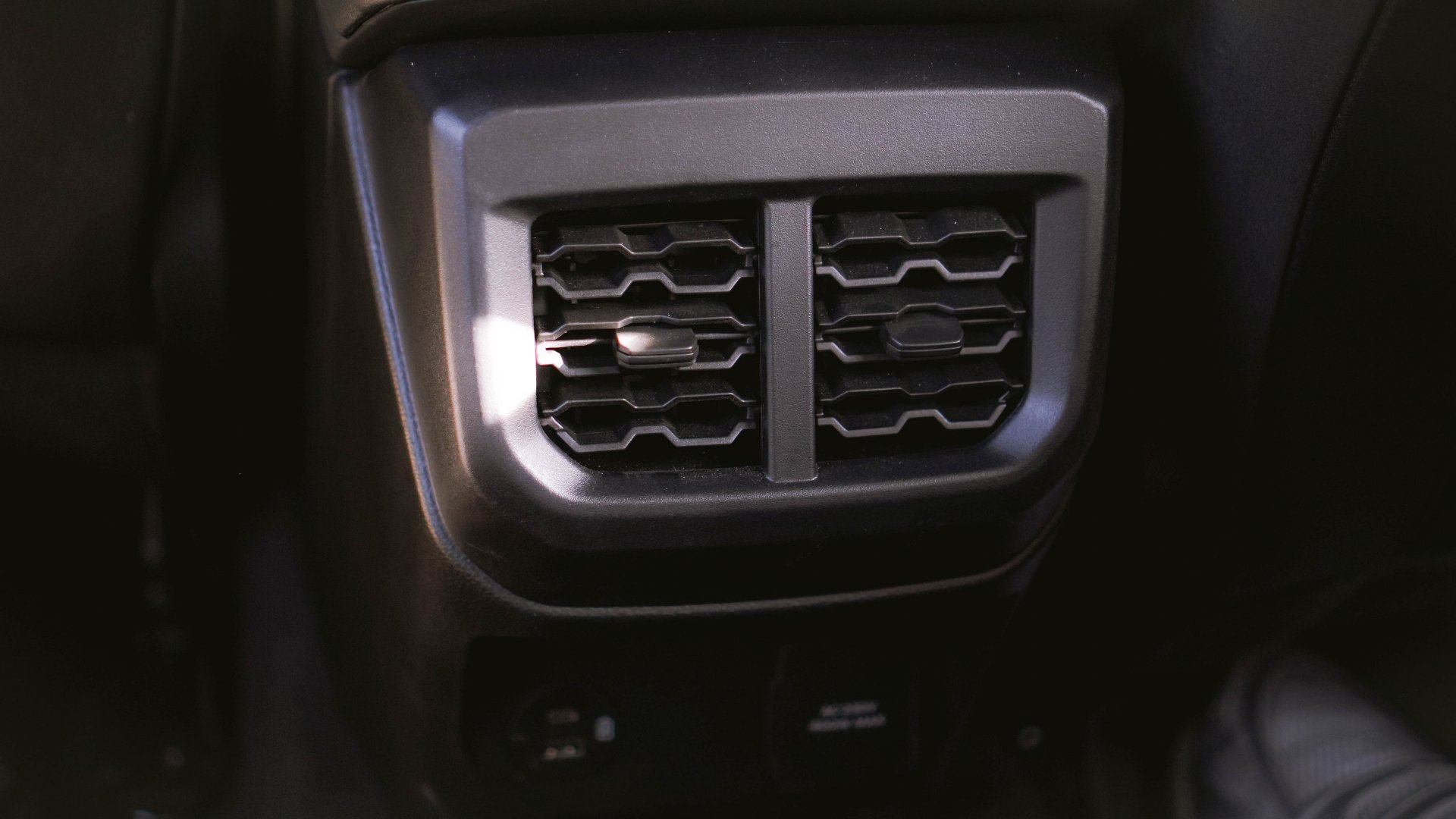
Rear passengers get their own air vents, too, which reinforces the idea that this truck is meant to be shared. Everyone rides comfortably, no matter where they sit.
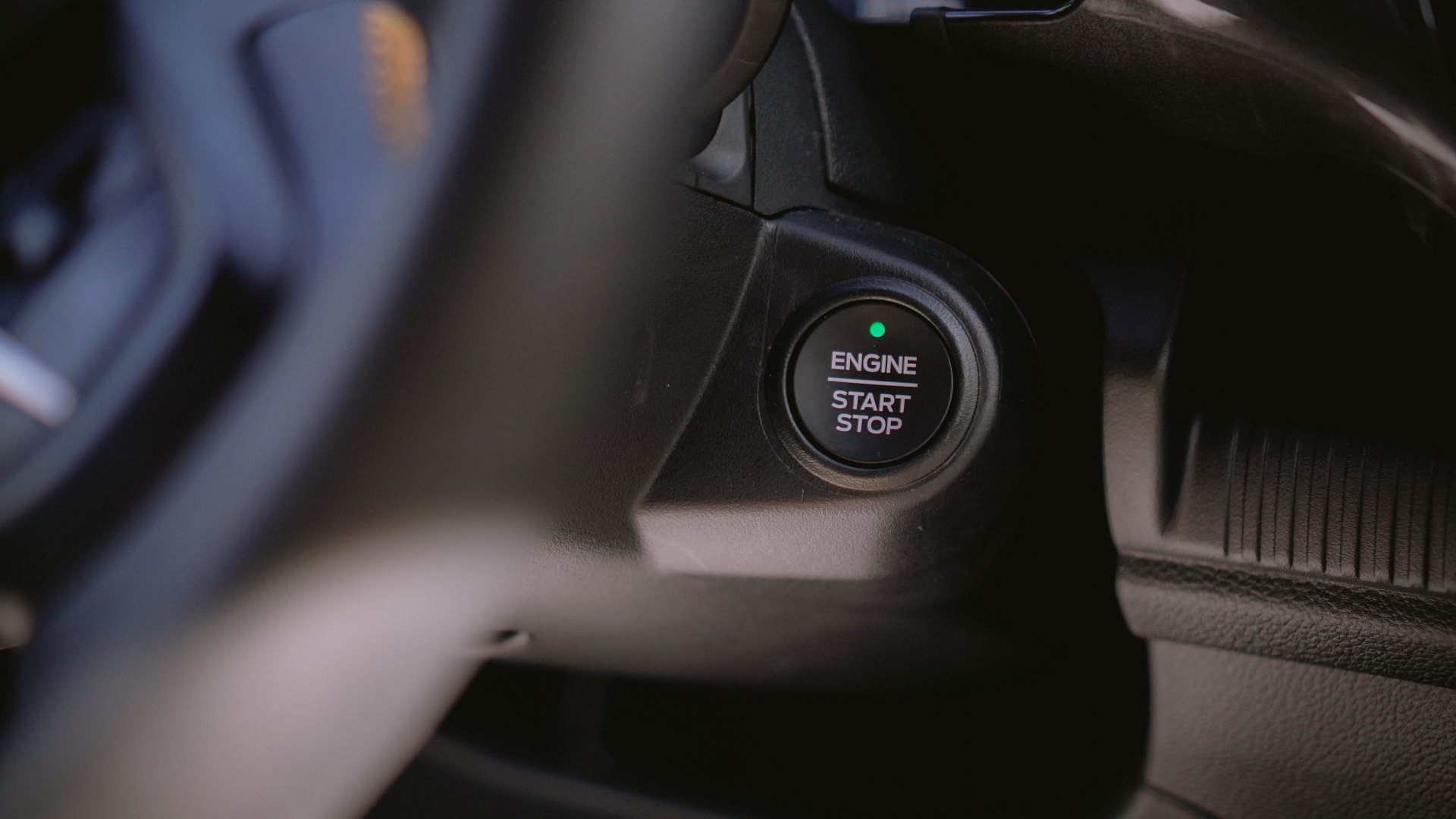
Even the small conveniences matter here. For instance, I love how the smart keyless entry and push-button start make it easy to start the car. The auto-dimming rearview mirror also takes care of harsh headlights, especially at night.

This cabin understands technology
Taking center stage is the 12-inch portrait touchscreen running SYNC 4A. The Wildtrak’s display feels intuitive and easy to trust, especially with how quickly it responds to inputs.
Voice commands work naturally, allowing your eyes to stay on the road where they belong. Wireless Apple CarPlay and Android Auto connect almost instantly, and once you experience that kind of seamless pairing, cables start to feel unnecessary.
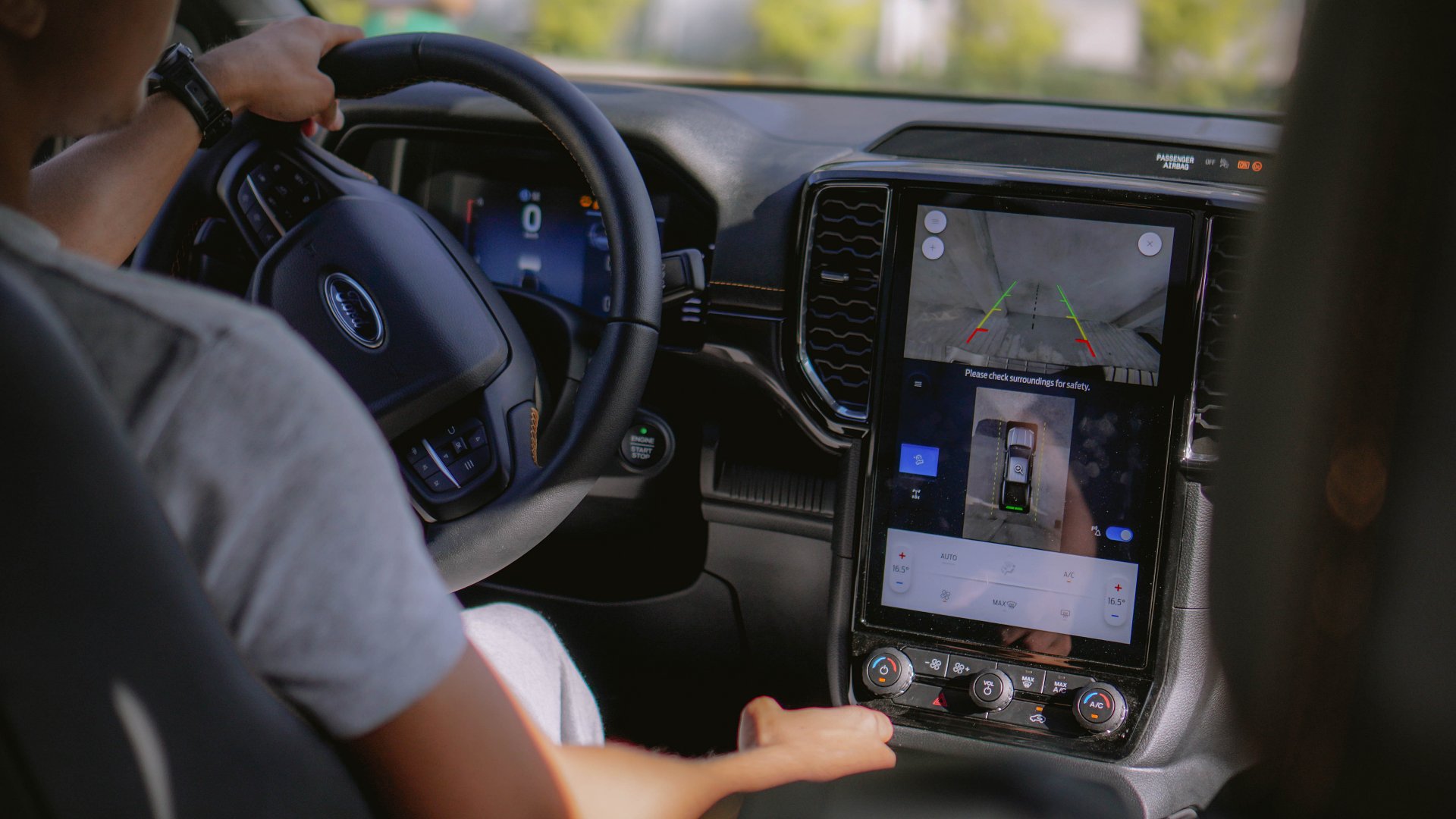
In real-world use, I did notice that my Android devices occasionally disconnected, which eventually pushed me to plug them in for longer drives. Google Maps is non-negotiable for me, especially when I am navigating unfamiliar routes.
On the other hand, my iPhones connected more consistently and only tended to lose signal in congestion-heavy areas, like certain stretches of the South Luzon Expressway.
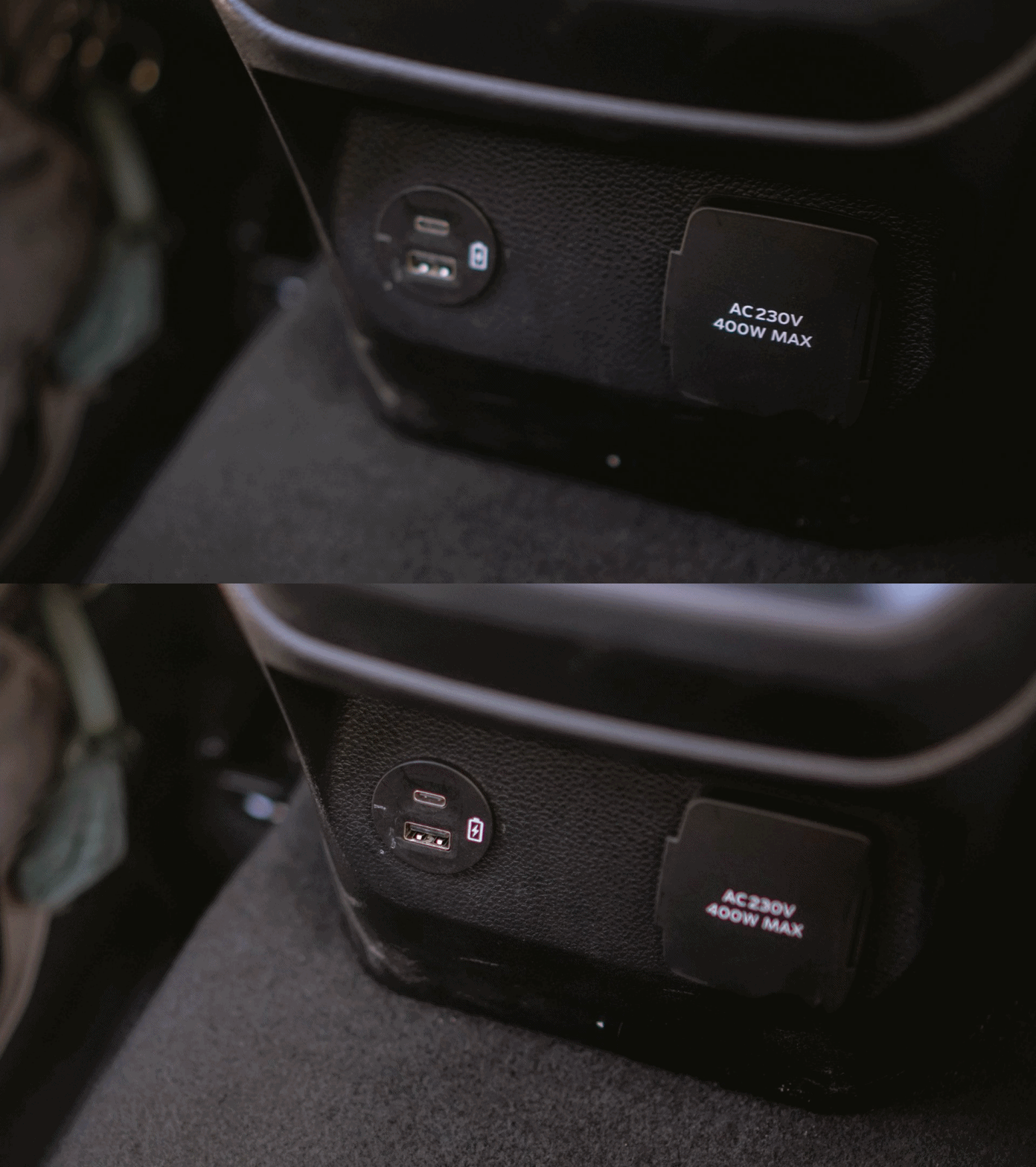
Still, the Wildtrak makes it easy to stay powered and connected. There is a wireless charging pad ready for your phone, along with multiple USB ports placed exactly where you expect them to be.
The six-speaker sound system is controlled directly from the steering wheel, which means music is always within reach. It also means I can comfortably get through Taylor Swift’s “The Tortured Poets Department” whenever traffic slows everything down.
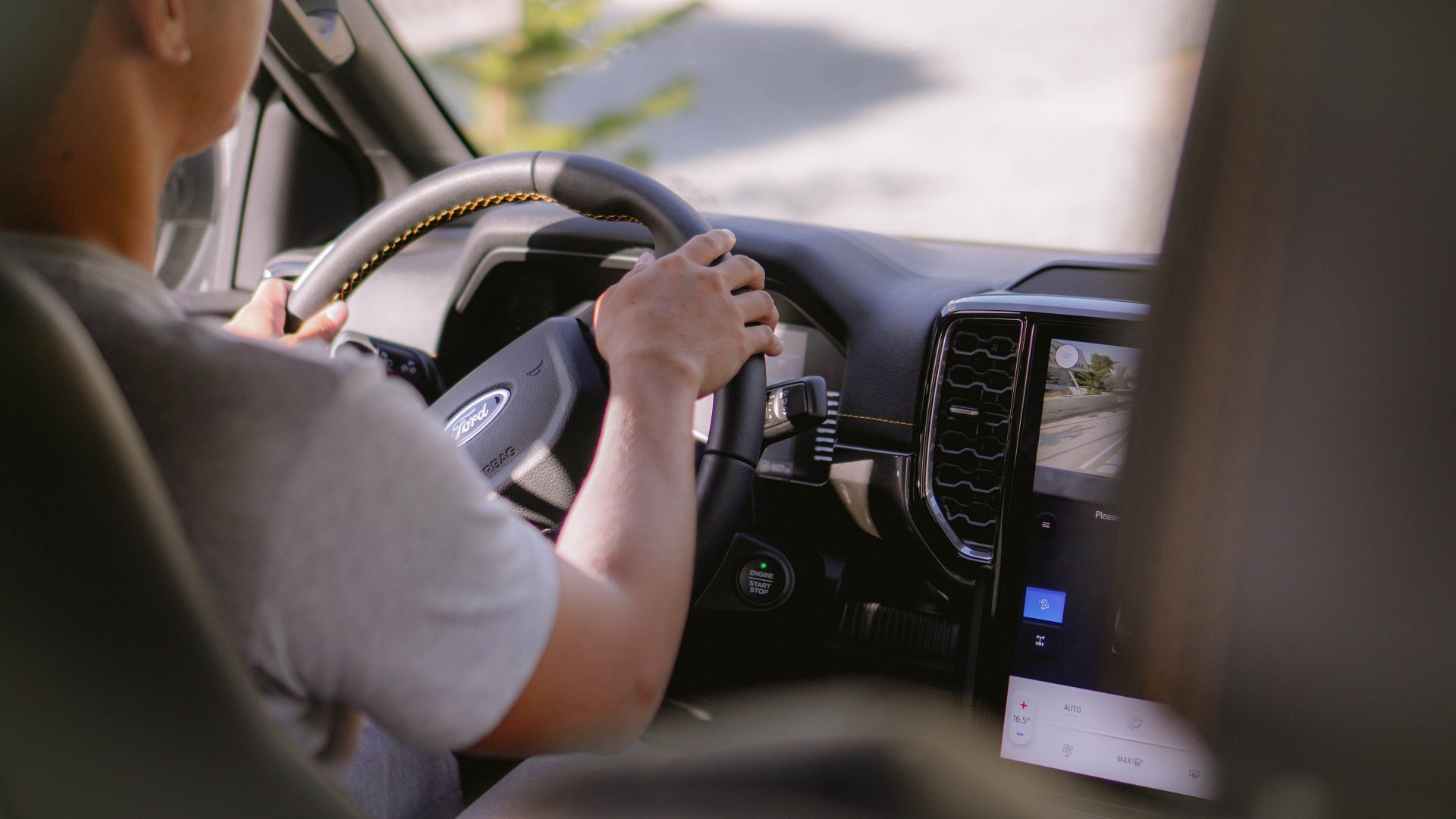
Everything feels accessible without ever feeling crowded. That includes the 8-inch digital instrument cluster, which presents all the information you need in a clean and reassuring way, without overwhelming the driver.
Driving with confidence
Out on the road, the Wildtrak feels like it is constantly looking out for you. Adaptive Cruise Control with Stop and Go takes the edge off heavy traffic, especially during bumper-to-bumper moments when the drive feels longer than it should.
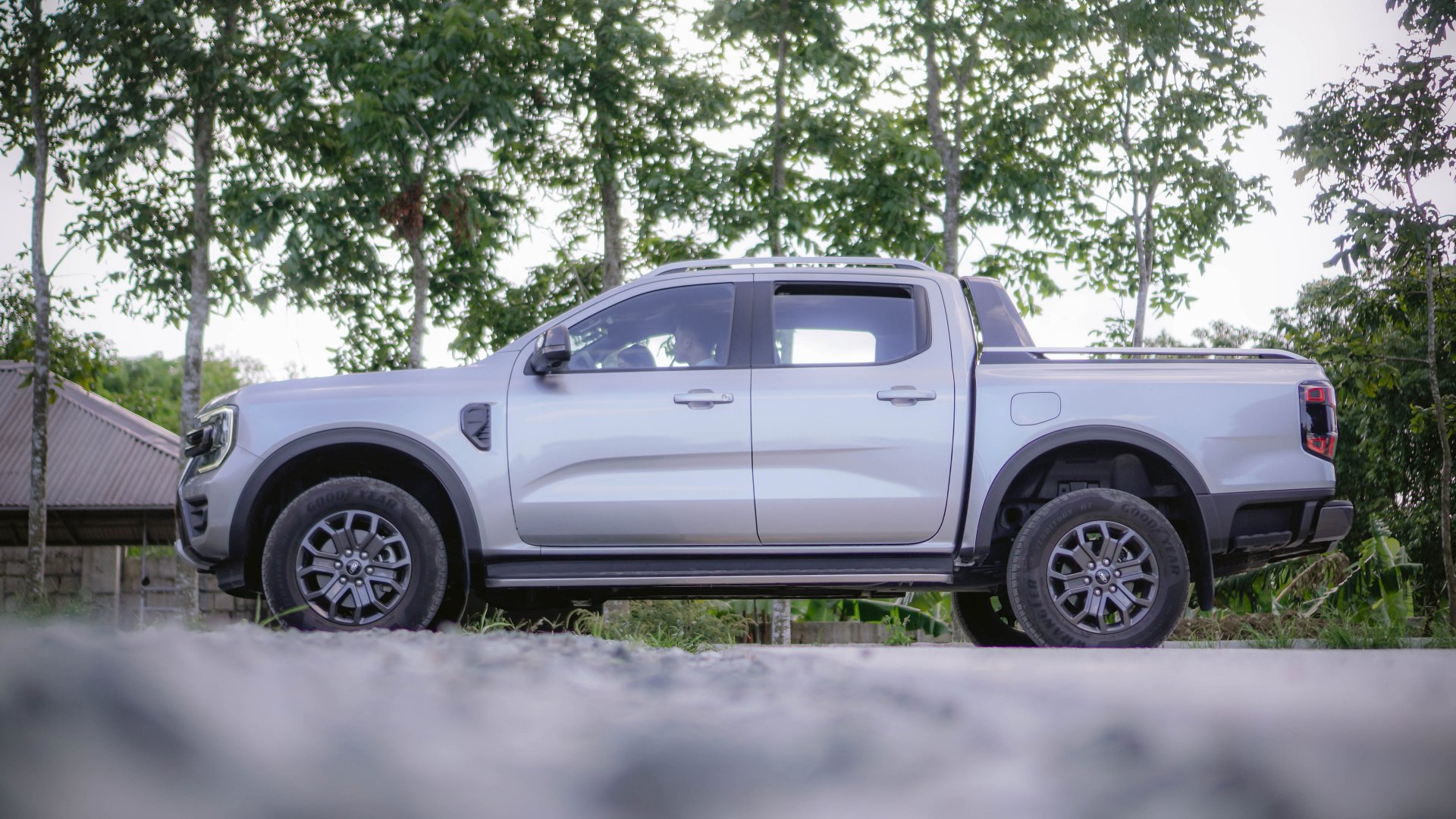
Once you hit the freeway, the Wildtrak feels composed and confident, like a Beast let loose. Features like Lane Centering and Evasive Steer Assist help keep everything steady and controlled, particularly on long southbound drives where fatigue can creep in.
In the city, Autonomous Emergency Braking with Pedestrian Detection becomes one of those features you hope you never need, yet deeply appreciate once you understand how quickly it reacts. It responds faster than instinct, which matters when every second counts.
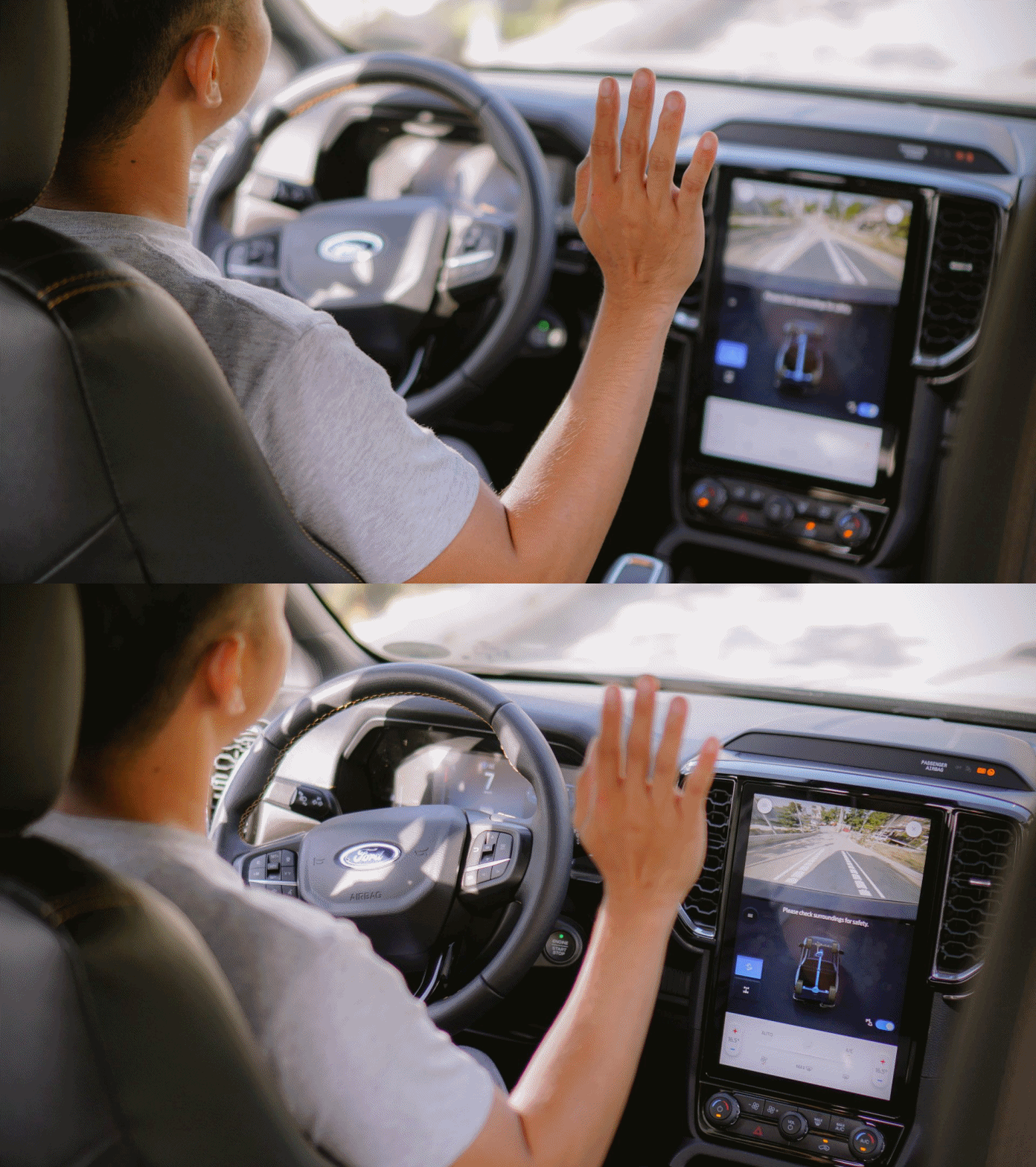
Add Hill Descent Control, Hill Launch Assist, and the Electronic Locking Rear Differential, and the Wildtrak feels prepared for situations you cannot always predict. Even the rear parking sensors earn their keep, especially when backing into tight spaces where visibility is limited.
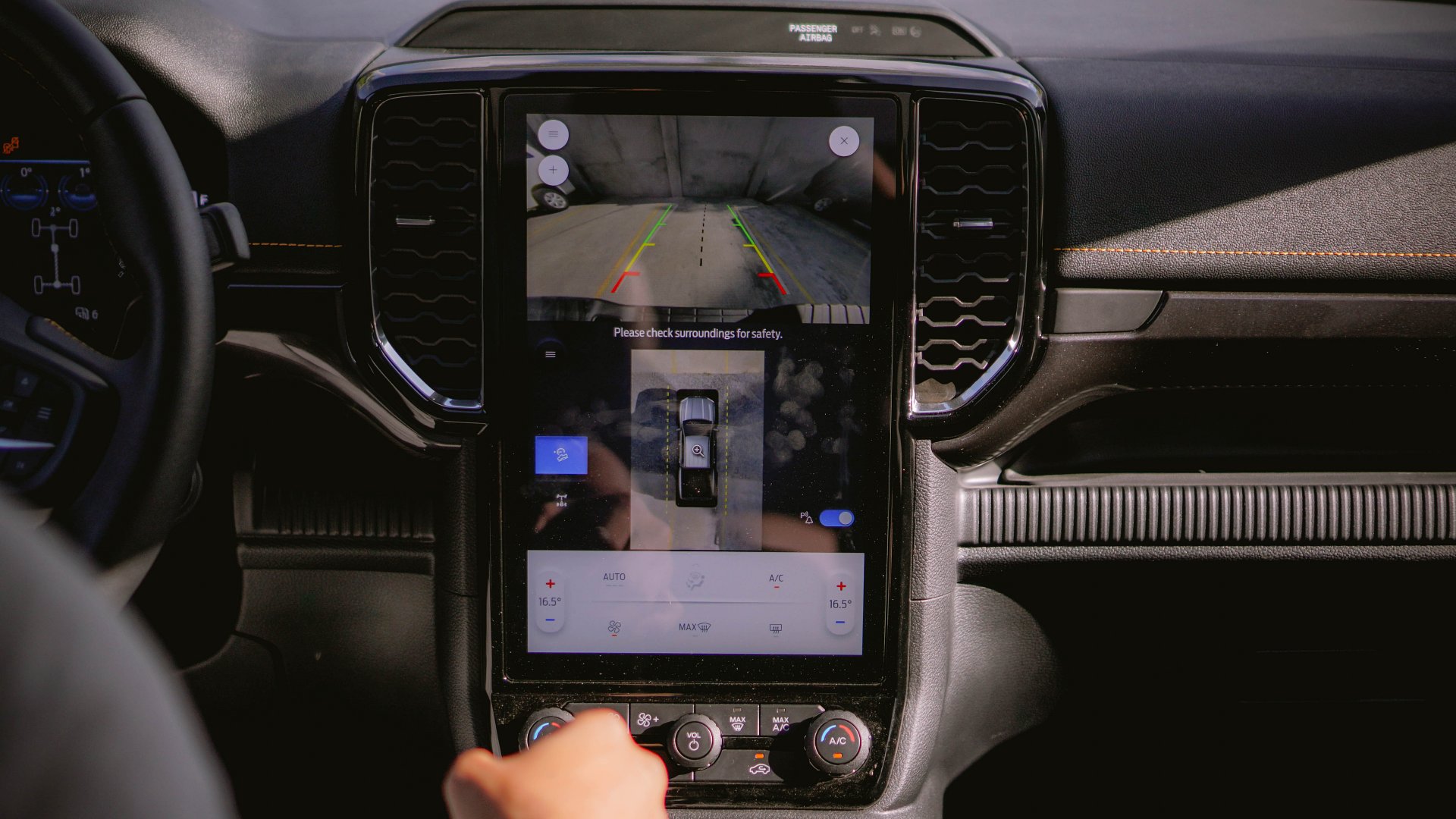
Despite its imposing size, parking never feels intimidating. The 360-degree camera quickly becomes a trusted companion, making tight spots manageable and reducing the stress that often comes with driving a large vehicle.
It’s especially reassuring for drivers who love big trucks but are still getting used to their presence on city streets.
More than a truck
The Next-Gen Ford Ranger Wildtrak 4×4 feels like it understands modern life.
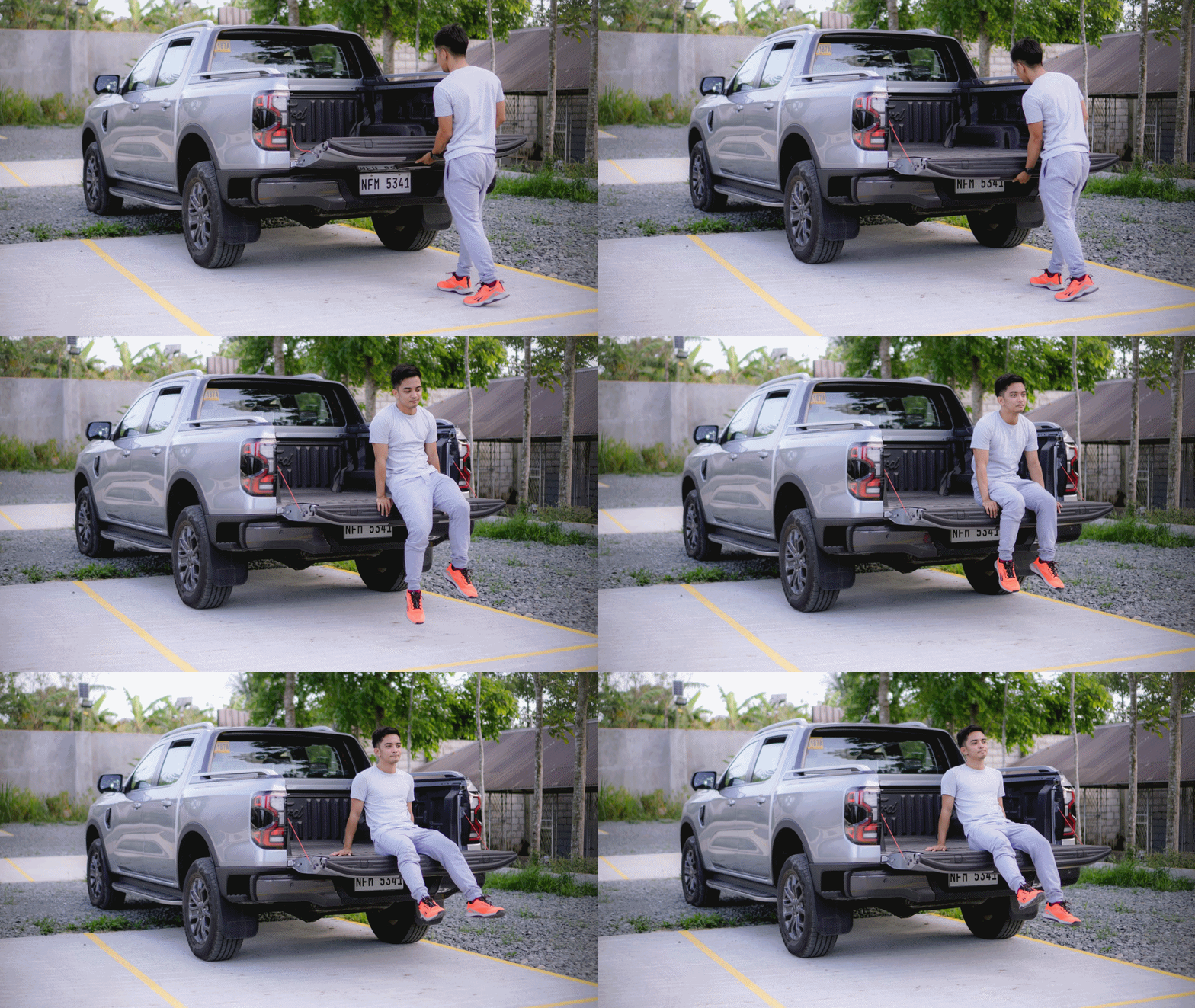
It balances being tough with power and comfort. It feels ready for anything, whether it’s a weekday traffic or a weekend escape.
If you’re looking for a truck that feels like it already knows what you need, this one makes a strong case without ever raising its voice.
This is what it feels like inside the Next-Gen Ford Ranger Wildtrak 4×4.
Reviews
iQOO 15 review: Made for players who take performance seriously
For people with endless games in between

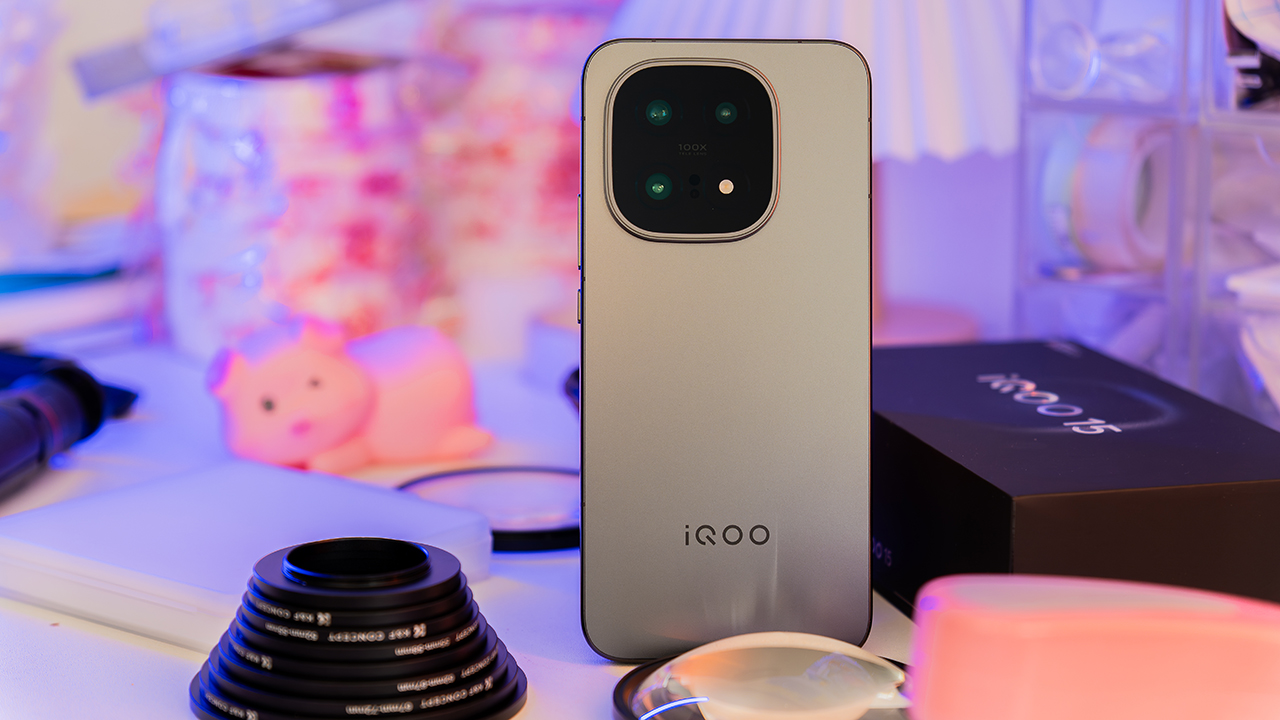
There are phones that try to look powerful and there are phones that simply are, like the iQOO 15.
It feels like a device built for people who live long nights with endless games in between, blurring the line between a hobby and a lifestyle.
Build
The first moment I held the iQOO 15, it felt like a phone created intentionally for a specific market.
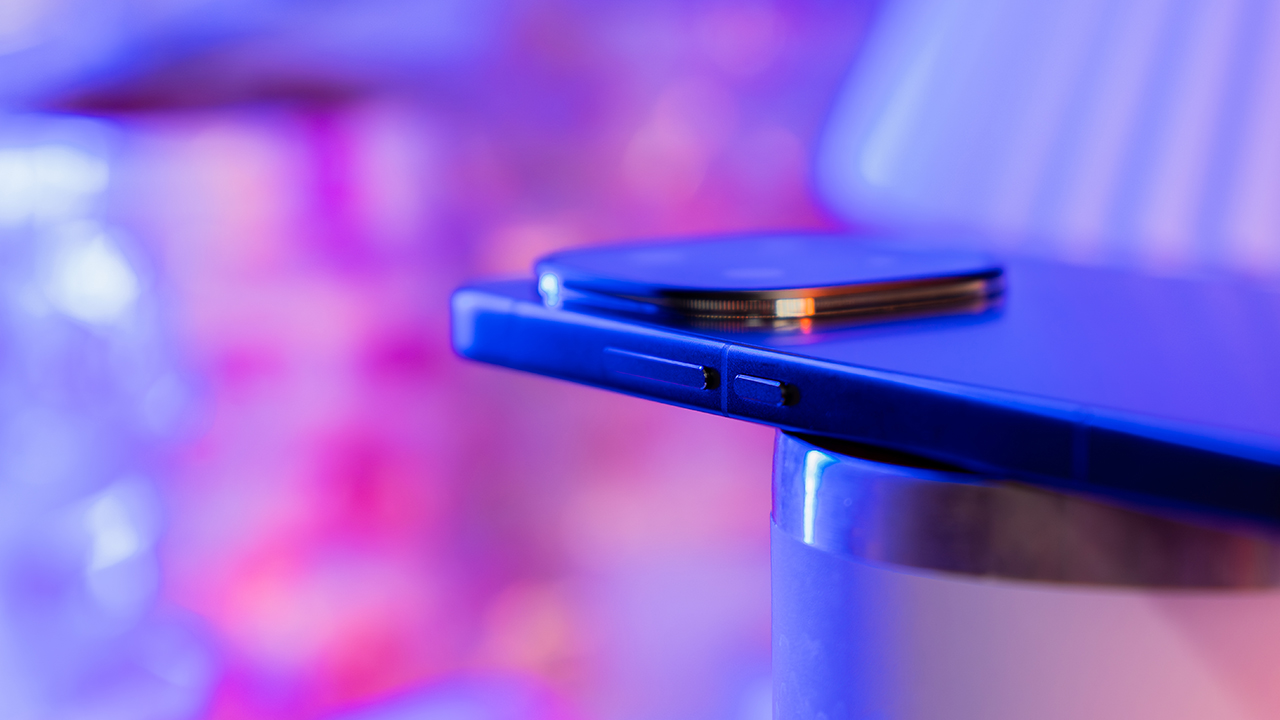
The metal frame feels cool in the hand, while the matte finish adds a premium texture that stays clean and comfortable. It feels solid with no flex and no hollow points.
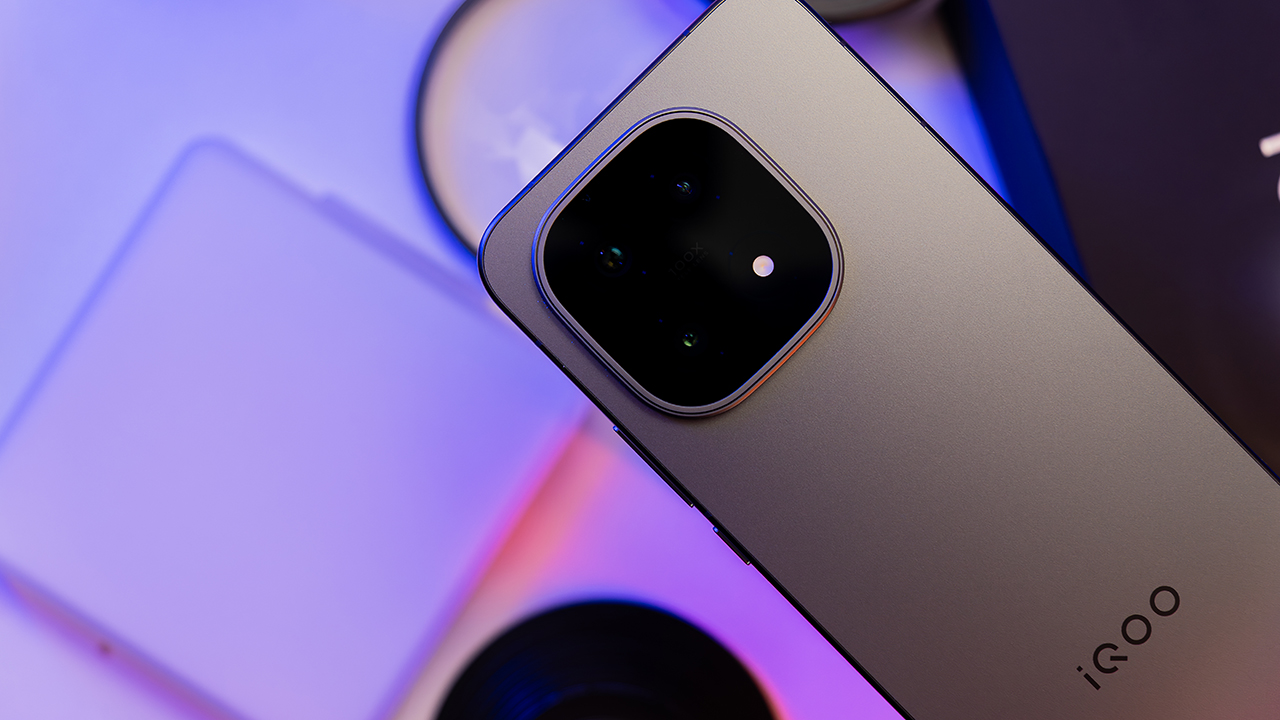
Even the camera module keeps everything clean and simple with a flagship presence that makes sense on this design.
It leans slightly heavier than usual, although the weight is balanced well. It settles into your hand in a way that feels reassuring during long gaming sessions or long hours of multitasking.
Everything about this build tells you the device was made for people who actually use their phones vigorously.
Display
Turn on the screen and everything changes. The 6.85-inch 2K LTPO AMOLED display pulls you in with bright, vivid colors and a smoothness that immediately stands out.
Fast-paced content feels clean at 144Hz with no ghosting or motion issues even during heavy gameplay.
Meanwhile, outdoor brightness is impressive. The screen stays readable under direct sunlight, and the colors look lively without looking artificial.
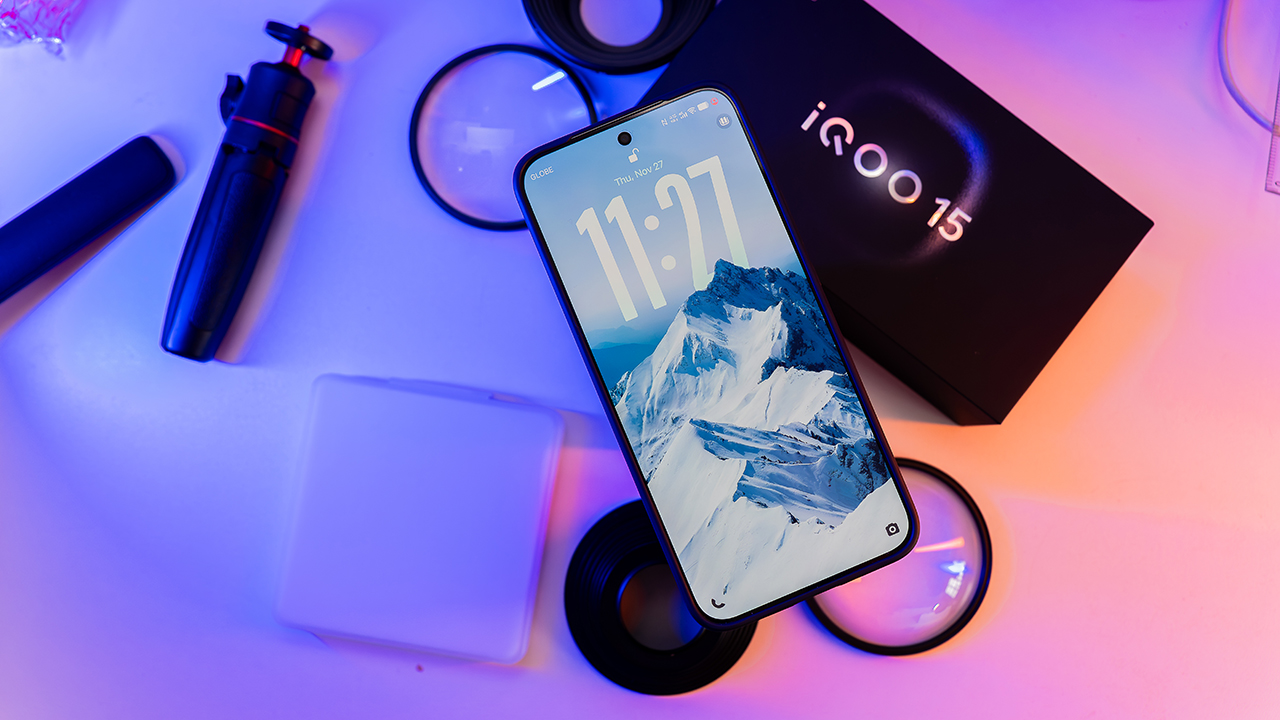
Whether you are watching videos or playing games, the overall viewing experience feels premium and immersive.
Performance
Performance is the part where the iQOO 15 proves its point. The Snapdragon 8 Elite Gen 5 handles everything with confidence.
Heavy workloads, editing, multitasking, and switching between apps feel natural. The device stays fast even after long hours of continuous use.
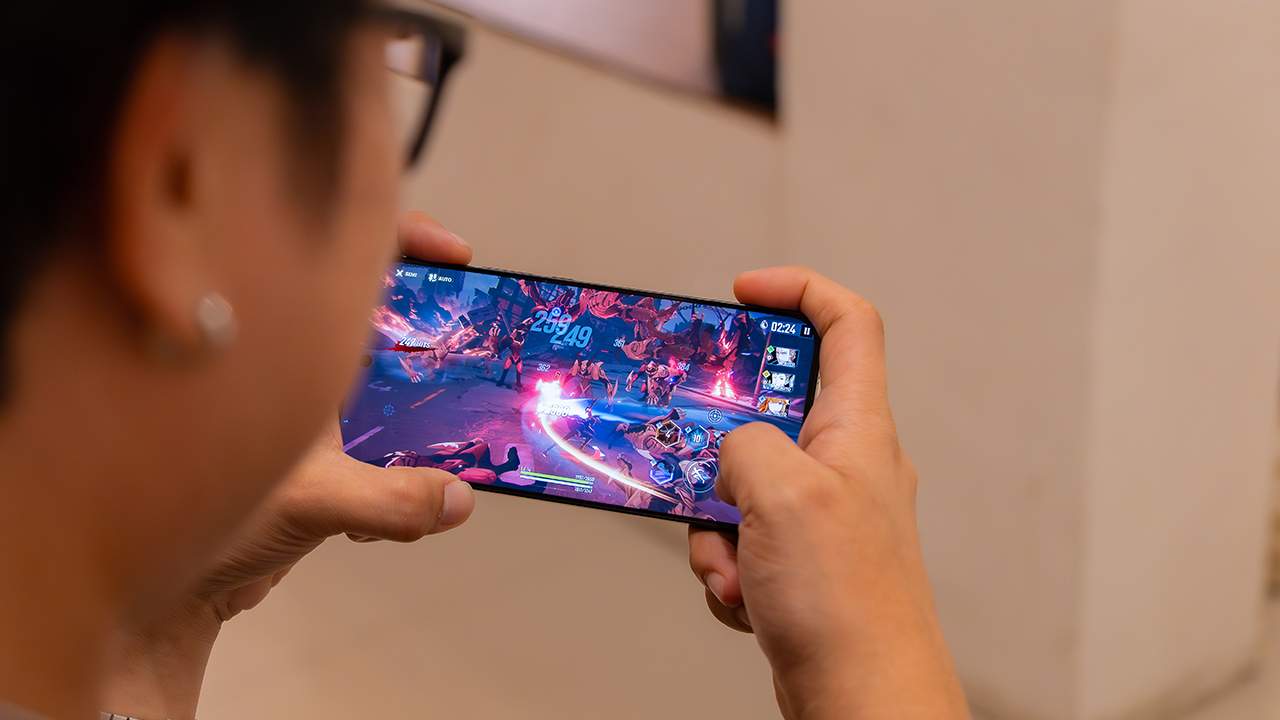
Gaming is clearly its comfort zone. Titles like Genshin Impact, Diablo Immortal, and Solo Leveling run smoothly with stable frame rates and reliable touch response.
The cooling system manages heat well, and the phone warms up during long sessions but stays within a level that feels safe and comfortable. Thermal dips are minimal, so you can keep your momentum without interruptions.
Camera
The camera on the iQOO 15 is reliable and consistent. It opens quickly and locks focus well.
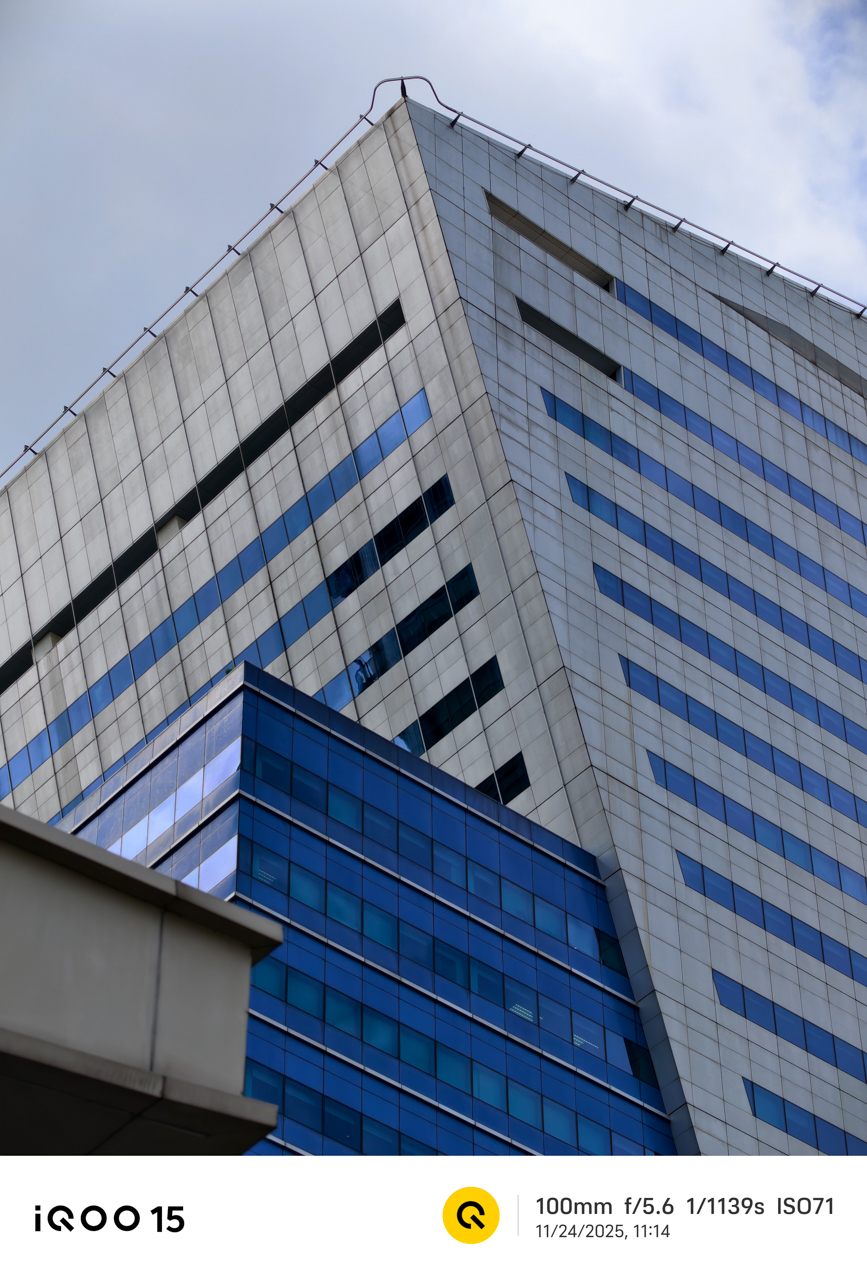
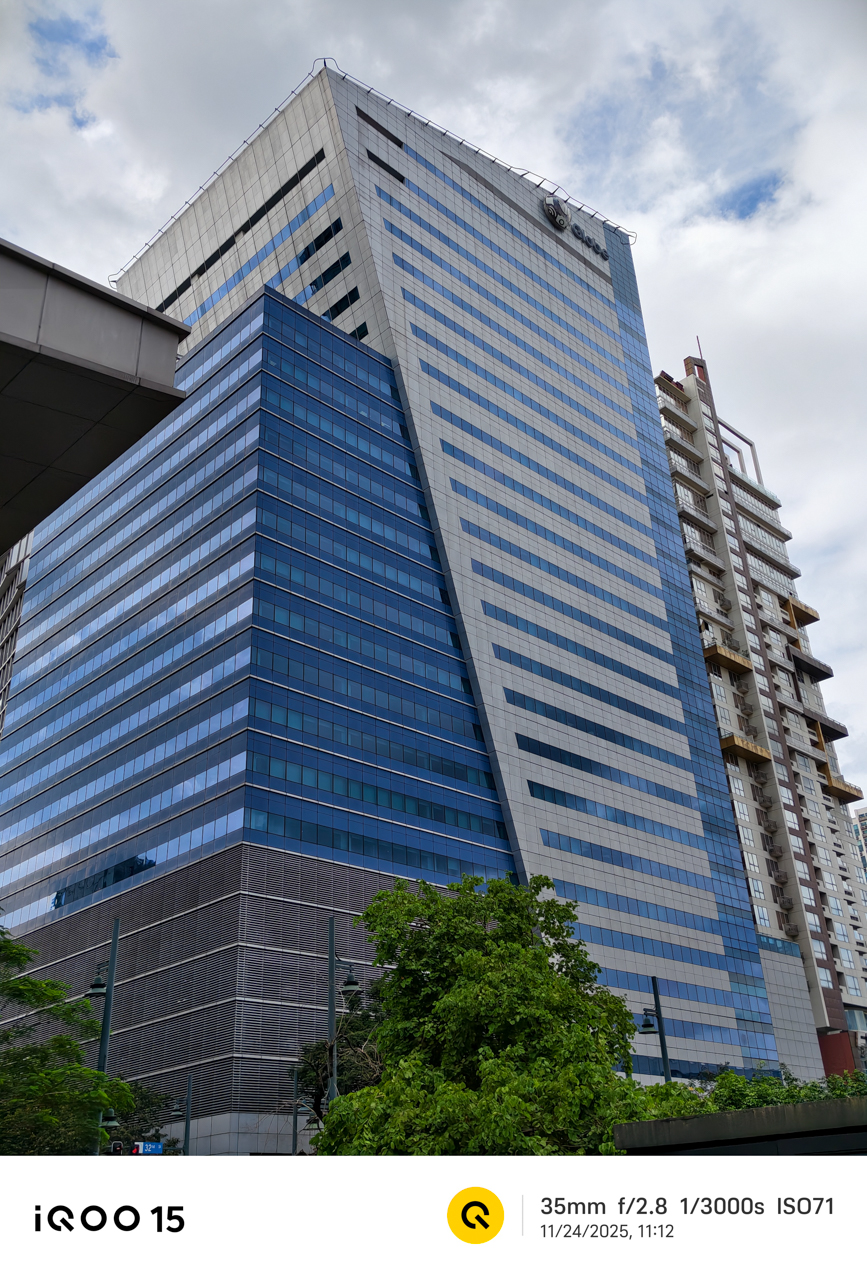
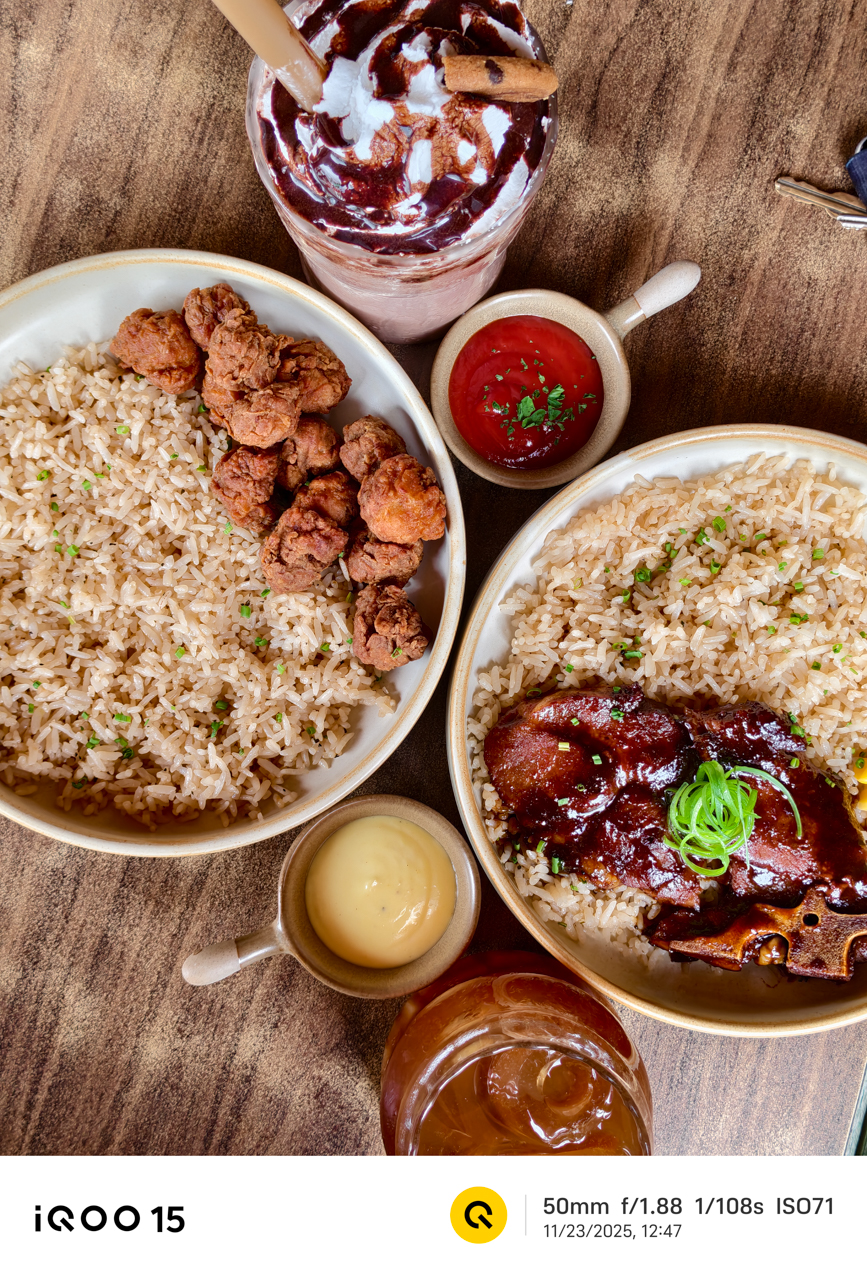

Daylight photos are sharp with natural colors and pleasing contrast. The main sensor shines when given proper lighting.


What surprised me was the Super Macro mode. It captures small details with a clarity that feels more flagship than expected.


The textures, patterns, and tiny subjects come out sharp and visually interesting. Also, taking photos using the Portrait Mode show good separation and smooth background blur.

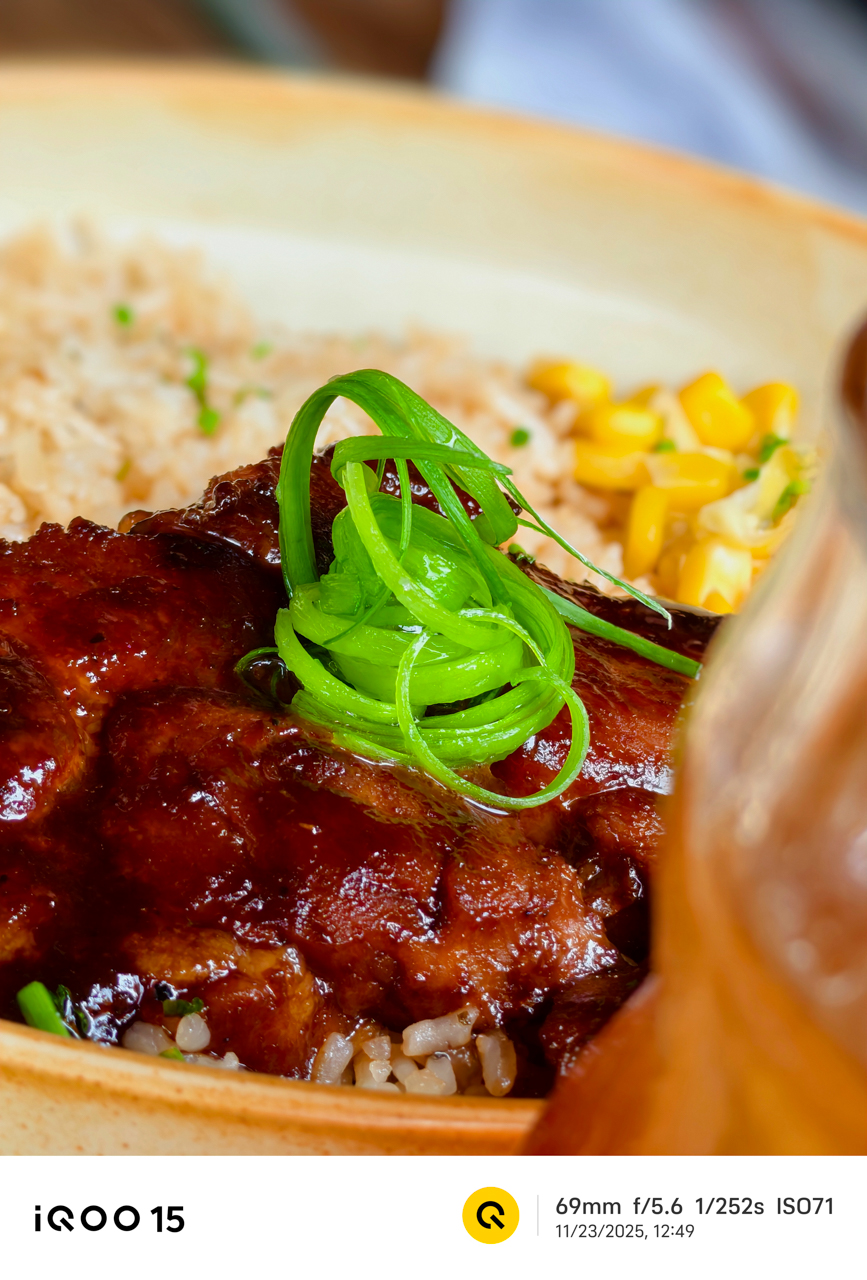
Night shots hold up well, too. The phone brightens scenes while keeping colors accurate. Although phones with larger sensors still lead in extreme low light, the iQOO 15 performs better than you would expect from a performance-first device.
And if you take a lot of videos, the clips stay stable thanks to effective stabilization.
Battery
Battery life lasts a full day with mixed use.
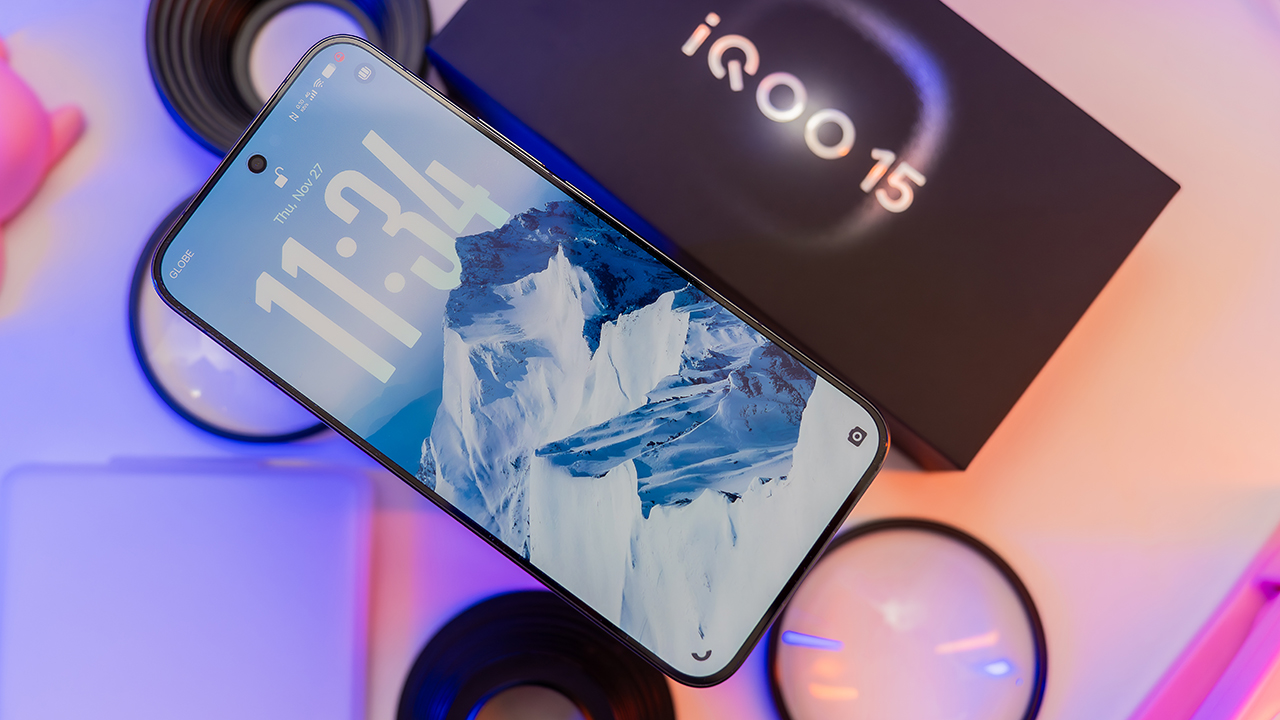
Even on gaming days, it survives better than expected for a device with a 2K display and flagship power.
Charging is fast. Depending on your charger and settings, it takes about 35 to 65 minutes to fill the battery. The phone warms up slightly while charging but never becomes uncomfortable.
It’s the kind of phone you can top up quickly before leaving the house without feeling stressed.
Software
The software feels clean and manageable. Animations are smooth and transitions feel natural. Multitasking is effortless. There are a few pre-installed apps but nothing overly intrusive.
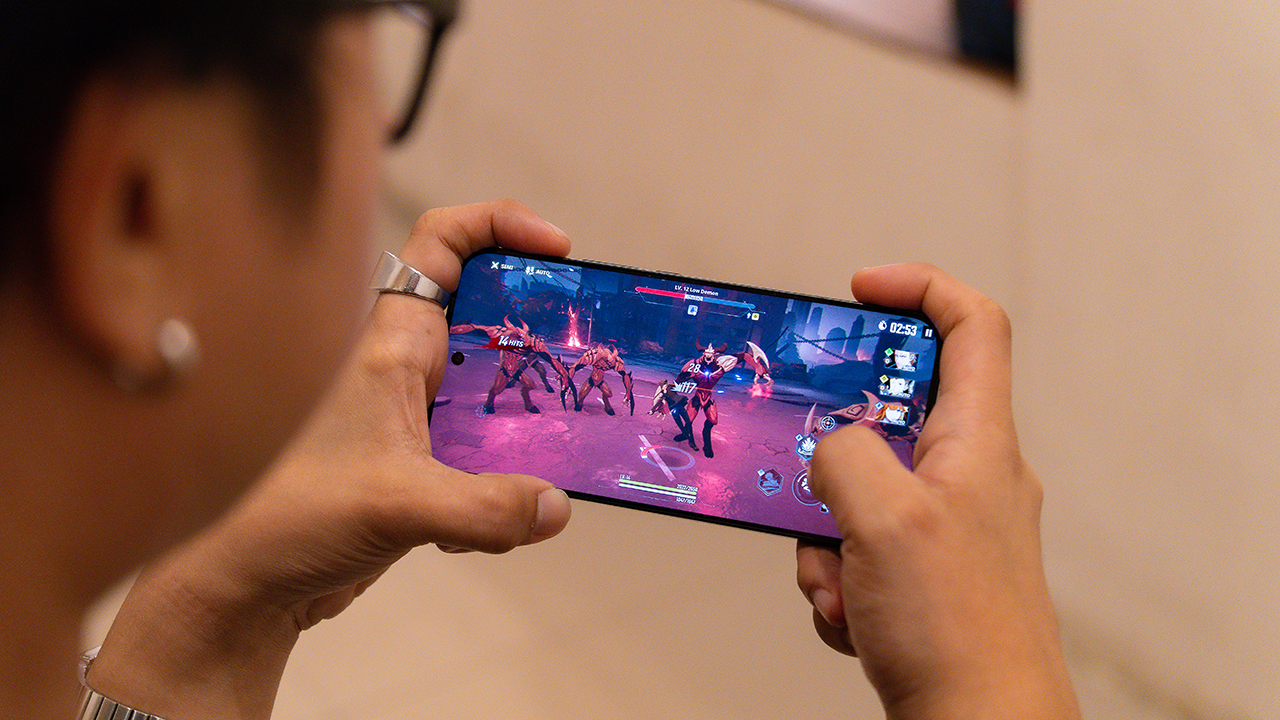
Features like gaming tools, quick gestures, and UI customization options feel helpful rather than overwhelming. The interface complements the hardware well and creates a smooth, polished user experience.
Is the iQOO 15 your GadgetMatch?
The iQOO 15 excels in the areas that matter. The display is outstanding, the performance is consistent, and the gaming experience feels confident and stable.
Its weight, slightly busy software, and the limits of low-light photography are worth noting, although they do not overshadow the strengths of the device.

For its expected price, it is worth considering if you want a flagship that delivers power with personality. The iQOO 15 fits gamers, power users, and anyone who spends long hours on their phone and needs a partner that can keep up.
If that sounds like you and you want a performance-first flagship built for long gaming sessions, this is easily a Swipe Right.
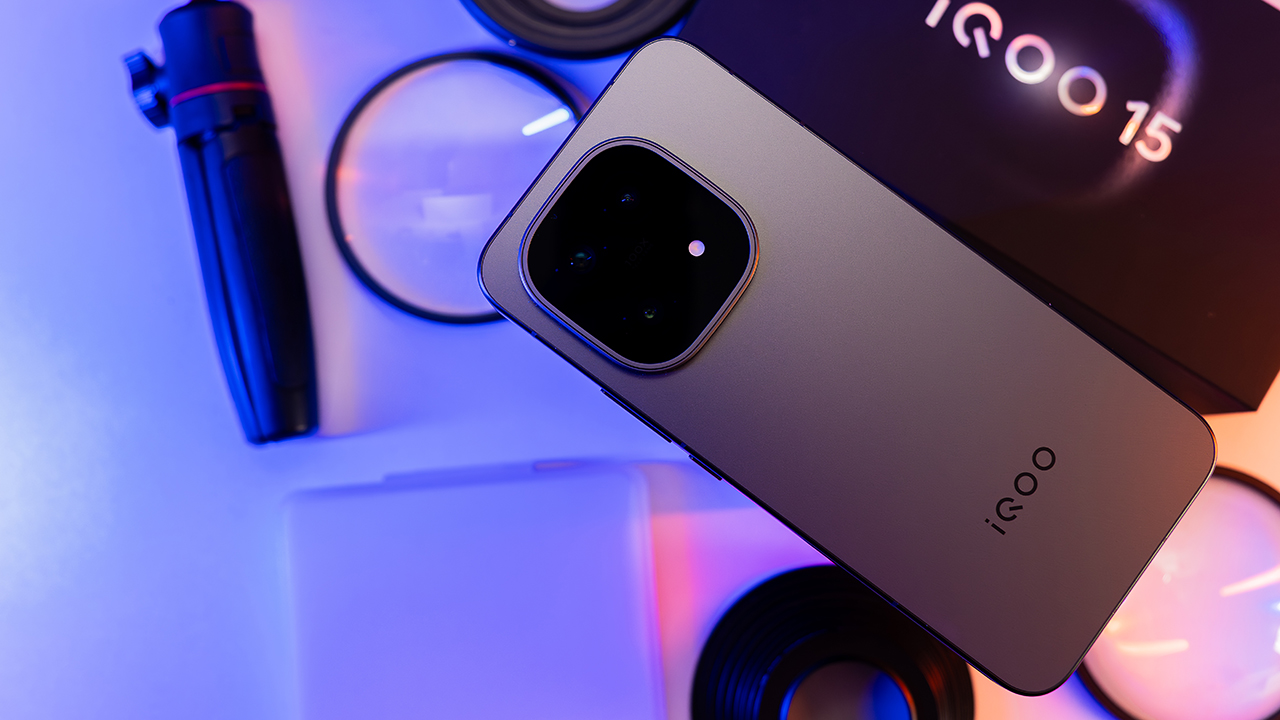
However, Swipe Left if you prefer lighter phones that disappear in your pocket, and you want the absolute best when it comes to low-light camera performance.
But if you’re looking for those features, you’re probably looking at the wrong device. After all, iQOO is made for those who value power and performance.


OPPO A6 Pro: Adequate tool, no definitive punch
Ample, all-around, just alright — you name it — but no definitive punch anew


Inside the Next-Gen Ford Ranger Wildtrak 4×4
A closer look at the cabin that makes this truck feel smarter and more comfortable than expected.

iQOO 15 review: Made for players who take performance seriously
For people with endless games in between
OPPO A6 Pro: Adequate tool, no definitive punch

The GadgetMatch Team’s Favorite Picks of 2025

Now Playing: Avatar: Fire and Ash

Why an air conditioner became my first real priority after moving out

Lifestyle Favorites of 2025


-

 Accessories1 week ago
Razer teams up with BLACKPINK for limited-edition gear
-

 Editors' Choice2 weeks ago
Favorite Laptops of 2025
-

 News1 week ago
HONOR WIN headlines the first 10,000mAh smartphone with built-in fan
-
Automotive2 weeks ago
Inside the Next-Gen Ford Ranger Wildtrak 4×4
-

 News1 week ago
Xiaomi 17 Ultra debuts as 2025’s last full-fledged flagship
-
Reviews2 weeks ago
iQOO 15 review: Made for players who take performance seriously
-

 Editors' Choice2 weeks ago
Favorite Wearables of 2025
-

 Gaming2 weeks ago
Favorite Games of 2025