
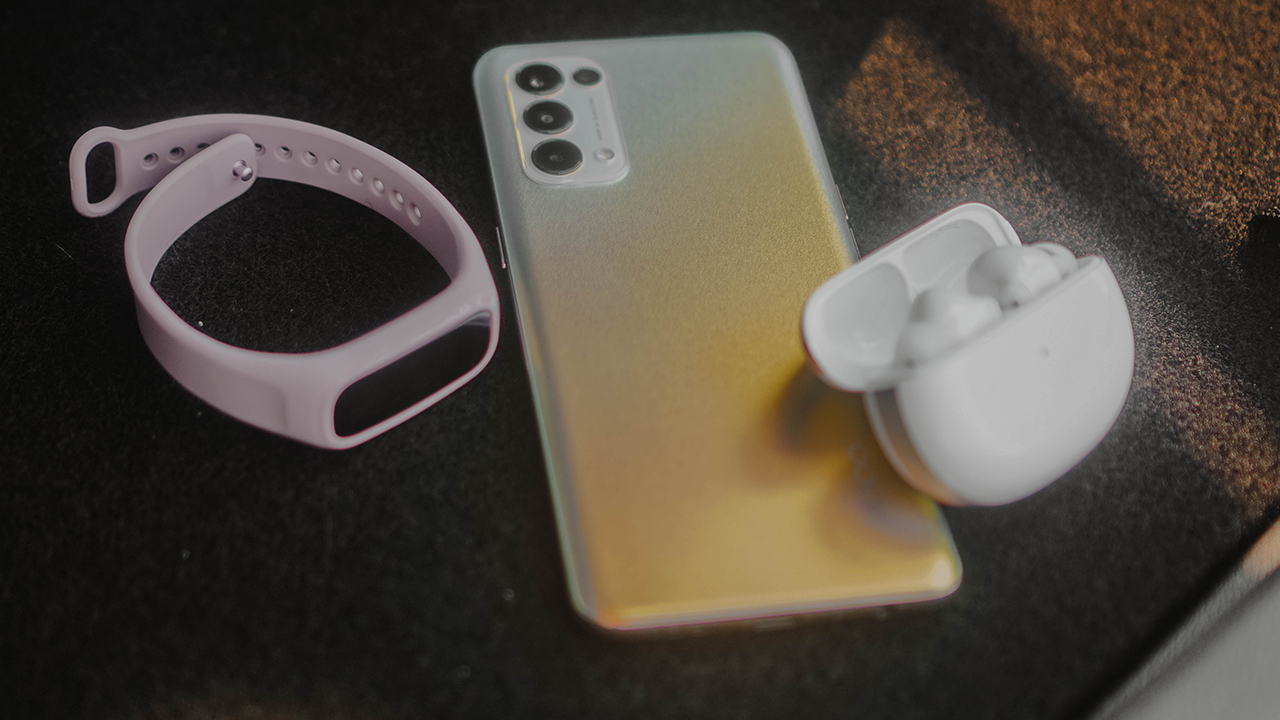

Here are the latest prices of OPPO devices in the Philippines. We listed the devices according to their categories.
Last update: June 2021
Smartphones
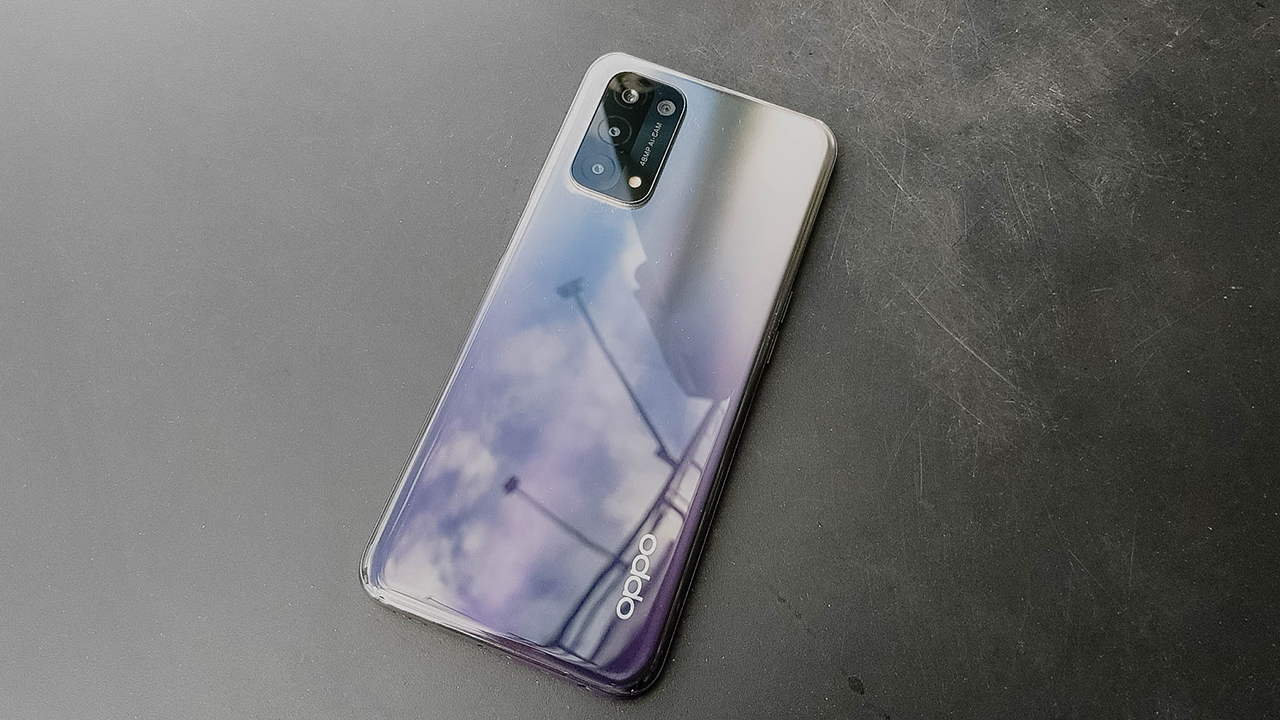
Premium (PhP 30,000 and up)
- OPPO Reno 10X Zoom (8GB/256GB) — PhP 32,999
Upper-Midrange (PhP 20,000 to PhP 29,999)
- OPPO Reno5 5G (8 GB / 128 GB) — PhP 23,499
Lower-Midrange (PhP 10,000 to PhP 19,999)
- OPPO Reno5 4G (8 GB / 128 GB) — PhP 16,990 (until June 30 only)
- OPPO Reno4 (8GB / 128GB) — PhP 15,999
- OPPO A92 (8 GB/ 128 GB) — PhP 13,999
- OPPO A94 (8 GB / 128 GB) — PhP 13,599
- OPPO A74 5G (6 GB / 128 GB) — PhP 12,999
- OPPO A74 4G (6 GB / 128 GB) — PhP 11,999
Budget (PhP 9,999 and below)
- OPPO A54 (6 GB / 128 GB) — PhP 9,999
- OPPO A54 (4 GB / 128 GB) — PhP 9,499
- OPPO A15s (4 GB/64 GB) — PhP 7,999
- OPPO A15 — PhP 6,499
- OPPO A12 4G (4 GB / 64 GB) — PhP 5,999
- OPPO A12 3G (3 GB / 32 GB) — PhP 4,999
Wearables

- OPPO Watch W6 — PhP 10,999
- OPPO Enco X — PhP 6,999
- OPPO Enco Air — PhP 2,990
- OPPO Band B1 — PhP 1,699
- OPPO Enco Buds — PhP 1,699
- OPPO Encore W11 — PhP 1,690
You may also check out our best smartphones guides. We shortlisted our chosen premium, upper-midrange, lower-midrange, and budget handsets to help you find your next smartphone.
We also have various reviews, news, and feature articles for OPPO devices which you can check out here.
We update the prices of OPPO devices from time to time, so make sure to bookmark this page and check back once in a while.





Finance
EastWest rolls out Google Pay access for debit cardholders
For fast, seamless, and secure payments

Eastwest continues to make banking easier as its EastWest Debit Card is now on Google Pay. This enables users to pay with just the tap of their phone.
The integration brings a globally accepted payment experience closer to home. With Google Pay now supporting EastWest Debit Cards, customers can add their card to Google Wallet to enjoy fast, seamless, and secure payments.
That’s whether for everyday purchases, online shopping, or even when traveling overseas. Specifically for Eastwest Priority clients who travel frequently, Visa Infinite Debit Cardholders can enjoy more benefits, like:
- Low foreign exchange fees of 1.7% (with no foreign exchange bank conversion fees promo until March 31)
- Waived interbank domestic withdrawal fees
- Up to 10 free international ATM withdrawals per year (with free and unlimited international ATM withdrawals promo until March 31)
- 24/7 access to Visa Infinite Concierge
From casual cafe purchases to grocery checkouts and even online purchases and international trips, having EastWest on Google Pay transforms the smartphone into a secure, all-in-one wallet.
As with other banks offering the same capabilities, users do not need to carry their physical card with them anymore. A simple tap with a compatible Android device or wearable completes the transaction.
EastWest’s Debit Cards are powered by Visa, and are accepted at millions of merchants worldwide.
News
Globe postpaid opens pre-orders for Samsung Galaxy S26 series
Enjoy a double the storage promo and more perks
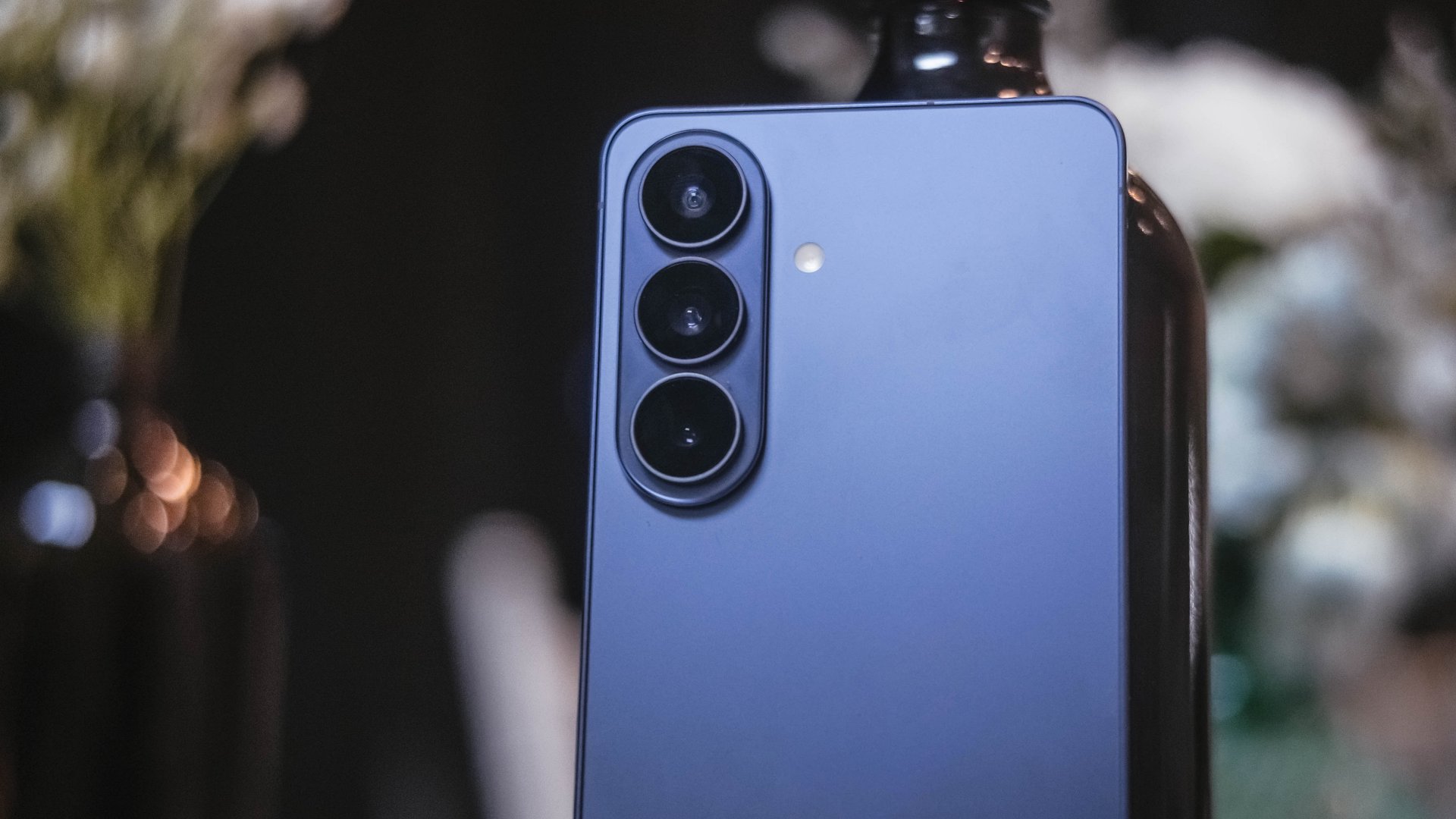
Globe has officially opened pre-orders for the Samsung Galaxy S26 series through its postpaid plans.
Customers can choose from three different models: the Samsung Galaxy S26, the Galaxy S26 Plus, and the Galaxy S26 Ultra.
As with Globe GPlans with previous flagship releases, the higher the postpaid plan you avail, the less you have to shell out as a one-time cashout fee.
Postpaid plans start at just 599 pesos, with a 24-month lock-in period and reward points for corresponding expenditures.
And as part of Globe’s pre-order offer, customers can enjoy double the storage when they avail of any device until March 17.
Here’s a quick breakdown of how much you will spend depending on the plan you choose:
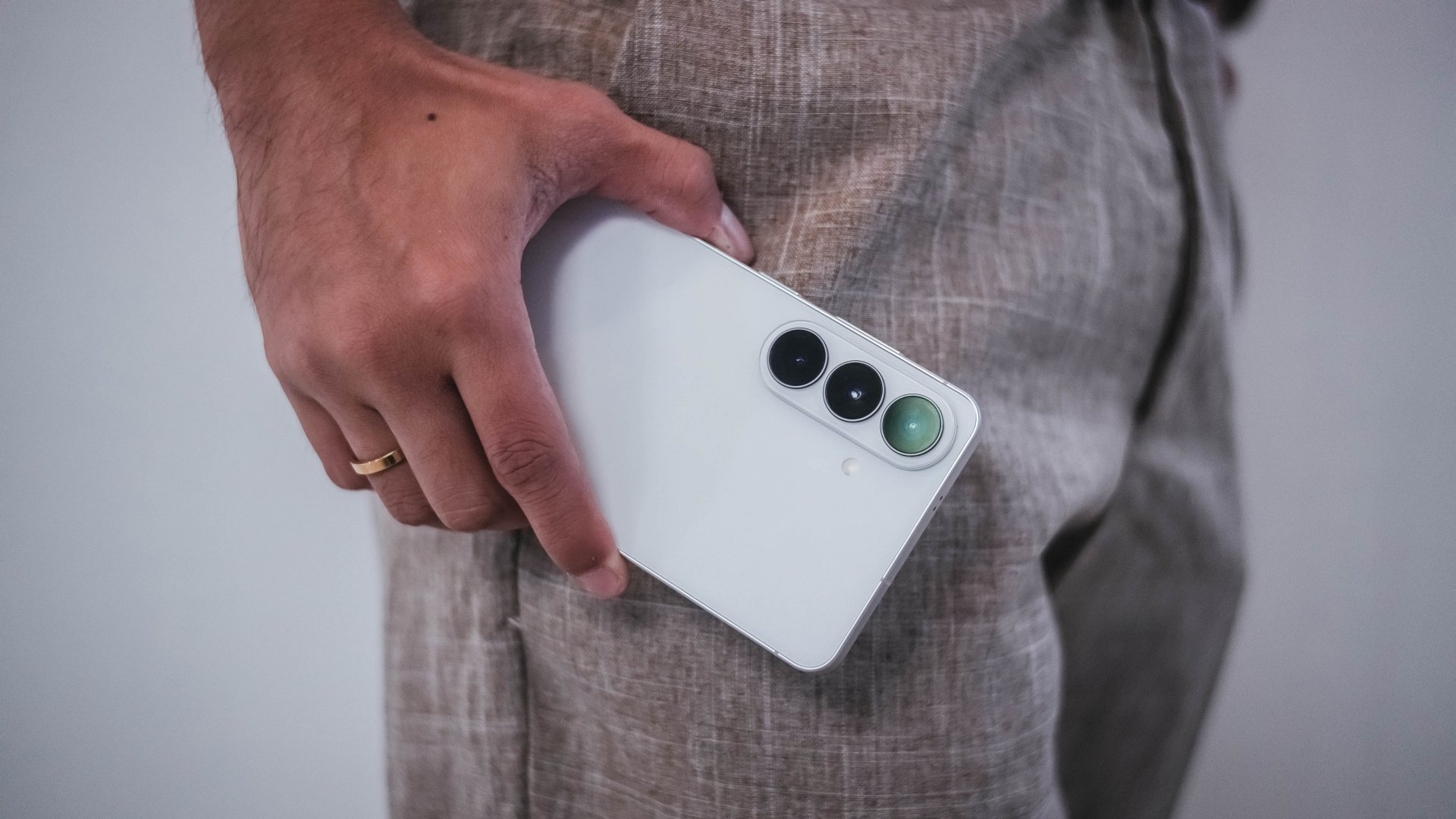
Globe GPlan 599
Inclusions: 2GB data, 100 minutes mobile and landline calls, 100 minutes all-net texts
- Galaxy S26 (512GB): PhP 47,400 cashout
- Galaxy S26 Plus (512GB): PhP 59,400 cashout
- Galaxy S26 Ultra (512GB): PhP 67,400 cashout
Globe GPlan 799
Inclusions: 3GB data, unlimited all-net calls (including landline) and texts
- Galaxy S26 (512GB): PhP 46,000 cashout
- Galaxy S26 Plus (512GB): PhP 58,000 cashout
- Galaxy S26 Ultra (512GB): PhP 66,000 cashout
Globe GPlan 999
Inclusions: 5GB data, unlimited all-net calls (including landline) and texts
- Galaxy S26 (512GB): PhP 44,000 cashout
- Galaxy S26 Plus (512GB): PhP 56,000 cashout
- Galaxy S26 Ultra (512GB): PhP 64,000 cashout
Globe GPlan 1299
Inclusions: 8GB data, unlimited all-net calls (including landline) and texts
- Galaxy S26 (512GB): PhP 42,000 cashout
- Galaxy S26 Plus (512GB): PhP 54,000 cashout
- Galaxy S26 Ultra (512GB): PhP 62,000 cashout
Globe GPlan 1499
Inclusions: 10GB data, unlimited all-net calls (including landline) and texts
- Galaxy S26 (512GB): PhP 38,600 cashout
- Galaxy S26 Plus (512GB): PhP 50,600 cashout
- Galaxy S26 Ultra (512GB): PhP 58,600 cashout
Globe GPlan 1799
Inclusions: 13GB data, unlimited all-net calls (including landline) and texts
- Galaxy S26 (512GB): PhP 35,300 cashout
- Galaxy S26 Plus (512GB): PhP 47,300 cashout
- Galaxy S26 Ultra (512GB): PhP 55,300 cashout
Globe GPlan 1999
Inclusions: 15GB data, unlimited all-net calls (including landline) and texts
- Galaxy S26 (512GB): PhP 33,000 cashout
- Galaxy S26 Plus (512GB): PhP 45,000 cashout
- Galaxy S26 Ultra (512GB): PhP 53,000 cashout
Globe GPlan 2499
Inclusions: 25GB data, unlimited all-net calls (including landline) and texts
- Galaxy S26 (512GB): PhP 28,500 cashout
- Galaxy S26 Plus (512GB): PhP 40,500 cashout
- Galaxy S26 Ultra (512GB): PhP 48,500 cashout
In addition, customers can enjoy 0% interest installment up to 36 months via select bank credit cards, like UnionBank, BDO, BPI, Metrobank, EastWest, Chinabank, and more.

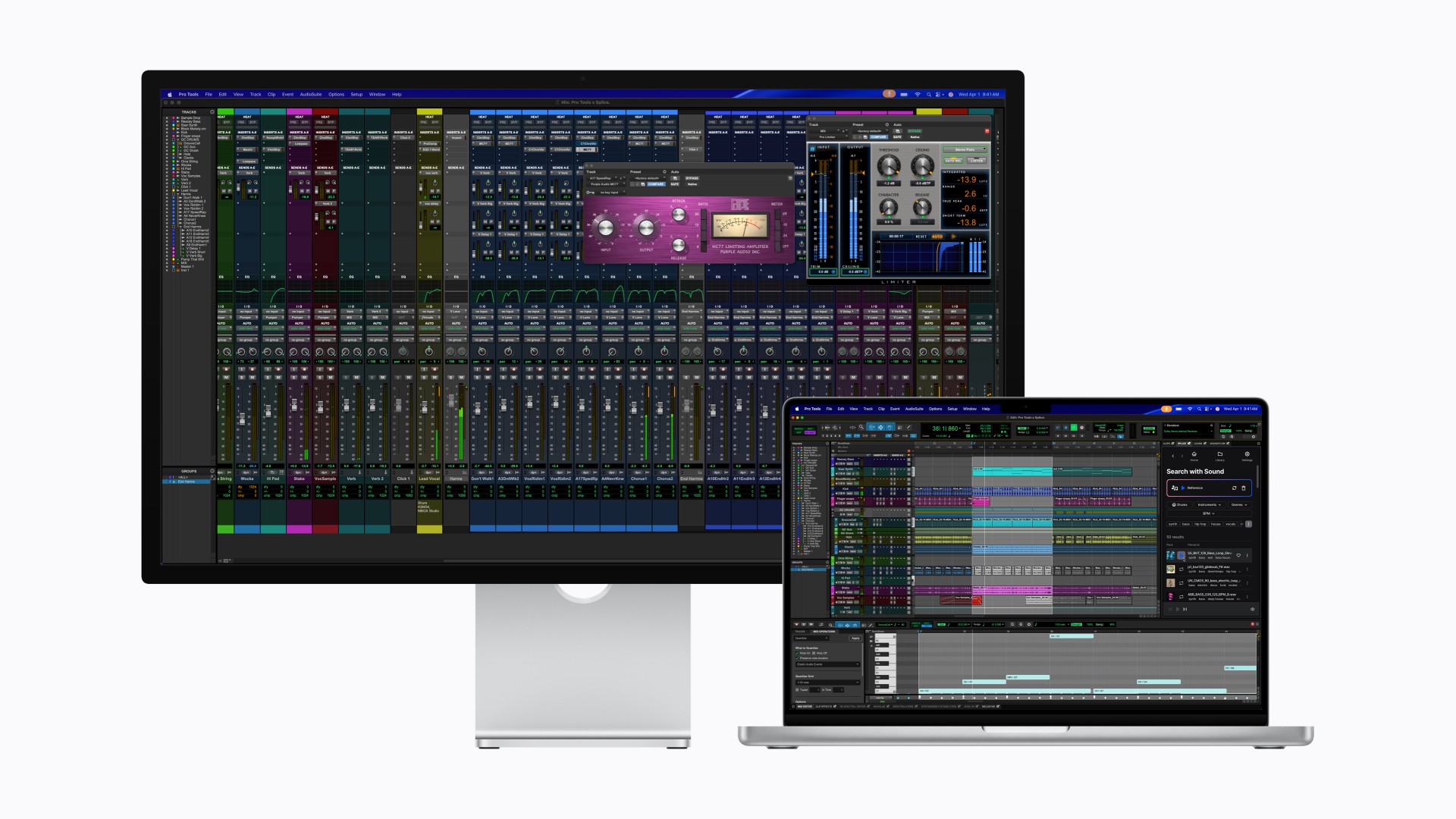
After taking the MacBook Pro to Super Saiyan levels, Apple is now doing the same for the display it pairs with.
With its latest Studio Display family, Apple is splitting the lineup into two clear tiers. The regular Studio Display already feels powered up. The all-new Studio Display XDR transforms.
If this were Dragon Ball Z logic, the Studio Display is Super Saiyan. The Studio Display XDR is Super Saiyan Blue — calmer, more controlled, and operating on an entirely different plane.
A strong base form
The new Studio Display sticks to what already worked: a 27-inch 5K Retina panel with over 14 million pixels, 600 nits of brightness, and P3 wide color. It’s sharp, bright, and more than capable for photo editing, design work, music production, and daily tasks.
Apple upgrades the experience around the screen, too. There’s now a 12MP Center Stage camera with improved image quality and Desk View support. The three-mic array and six-speaker system return, this time with deeper bass and Spatial Audio support.
Connectivity jumps to Thunderbolt 5, allowing users to daisy-chain up to four Studio Displays for nearly 60 million combined pixels. It also delivers up to 96W of charging power for a connected MacBook Pro.
It’s the dependable powered-up form. Strong. Confident. Already more than enough for most creators.
The controlled transformation
Then there’s Studio Display XDR.
This is where Apple goes full Super Saiyan Blue.
The 27-inch 5K Retina XDR panel uses a mini-LED backlight with over 2,000 local dimming zones. It pushes up to 1000 nits of SDR brightness and 2000 nits of peak HDR brightness, alongside a 1,000,000:1 contrast ratio. Highlights hit harder. Blacks stay deep. Blooming stays minimal.
The display also adds Adobe RGB support on top of P3, covering more than 80 percent of Rec. 2020 for HDR workflows. For video editors, colorists, and print professionals, this shifts the XDR from “great display” to “reference-grade tool.”
Motion gets smoother, too. A 120Hz refresh rate with Adaptive Sync dynamically adjusts between 47Hz and 120Hz, reducing latency and making everything from scrubbing timelines to gaming feel more fluid.
Apple even introduces DICOM medical imaging presets and a Medical Imaging Calibrator for diagnostic radiology use in the U.S., pending FDA clearance. It’s a reminder that this panel isn’t just about aesthetics. It’s about precision.
Built for the pro desk
Both displays share the same upgraded 12MP Center Stage camera, studio-quality microphones, six-speaker Spatial Audio system, and Thunderbolt 5 connectivity. The XDR model goes further with up to 140W charging power and additional downstream ports, effectively acting as a high-speed hub.
Pricing and availability
In the U.S.
The new Studio Display starts at $1,599 (U.S.) and $1,499 for education, while the Studio Display XDR begins at $3,299 (U.S.) and $3,199 for education. Both models can be pre-ordered starting tomorrow, March 4, with availability beginning March 11 in select Apple Store locations and authorized resellers.
In Singapore
Pre-orders open on March 9 via apple.com/sg/store and the Apple Store app. Pricing starts at S$2,199 for the Studio Display (S$2,059 for education). The Studio Display XDR begins at S$4,499 (S$4,359 for education).
Optional accessories such as the Magic Keyboard, Magic Trackpad, and Magic Mouse remain available in white and black color options. Apple also offers nano-texture glass and adjustable stand configurations for professional setups.
The message from Apple is consistent: the base Studio Display remains a strong professional companion, while the Studio Display XDR targets workflows demanding reference-grade performance and HDR capability. Pre-orders go live soon, with deliveries and in-store availability following in mid-March.
In the Philippines
Customers can pre-order starting March 4 at apple.com/ph/store.
Studio Display starts at ₱104,999, and ₱97,990 for education. Studio Display XDR replaces Pro Display XDR and starts at ₱219,999, and ₱212,990 for education.
Additional technical specifications, including nano-texture glass and a choice of stand options, are available at apple.com/ph/store.
Magic Keyboard with Touch ID and Numeric Keypad (from ₱10,490), Magic Trackpad (₱6,990), and Magic Mouse (₱5,490) in black or white color options are available at apple.com/ph/store.


Crime on Prime: Streaming platform unveils powerhouse crime, thriller slate

New medieval action RPG, Echoes of Aincrad, out July 2026

GIGABYTE collaborates with Capcom for RE Requiem custom PC

OPPO Find N6 global launch set for March 17

Samsung is done chasing specs, says TM Roh

Xiaomi 17 Ultra is now available outside China

TECNO will showcase the CAMON 50 and POVA 8 series at MWC 2026

The art of being in and behind the frame

HUAWEI MatePad 11.5 S 2026: The better-than-ever 4-in-1 productivity tablet

TECNO showcases cool concepts at MWC 2026


-
 News1 week ago
Xiaomi 17 Ultra is now available outside China
-
 MWC 20261 week ago
TECNO showcases cool concepts at MWC 2026
-
 MWC 20266 days ago
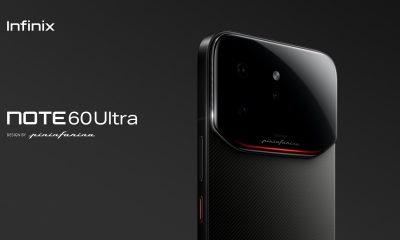
Infinix NOTE 60 Ultra makes a motorsport-inspired debut
-

 MWC 20262 weeks ago
TECNO resurrects modular phones with this new concept
-
 MWC 20267 days ago
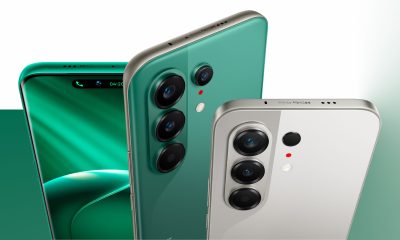
TECNO launches the all-new CAMON 50 series
-

 Reviews7 days ago
TECNO CAMON 50 Ultra review: End of an era?
-

 Reviews1 week ago
Xiaomi Pad 8 review: Slab that slaps!
-

 Reviews1 week ago
Forget the Phone: Xiaomi 17 Ultra Is A CAMERA!