
Enterprise
Philippine Internet turns 22 today, but it hasn’t aged a lot


Today marks the 22nd anniversary of the Philippines’ connection to the World Wide Web, which might set off waves of nostalgia for some of you who may be old enough to remember the infancy of Internet culture in the country.
But enough about me, let’s talk about how where the Philippines is right now in terms of Internet adoption. Spoiler alert: Things don’t look rosy if the latest State of the Internet Report by networking-services company Akamai Technologies is to be believed. In fact, judging by how local Internet service providers have performed the past quarter, you could argue that the Philippines hasn’t matured enough with time. Which is a bit like saying the rest of the world has moved on to HTML5, whereas we’re still collectively living in the Adobe Flash Player era. Or that we’re rooting for Michael Jordan and the 90’s Chicago Bulls to win the NBA championship in 2016.
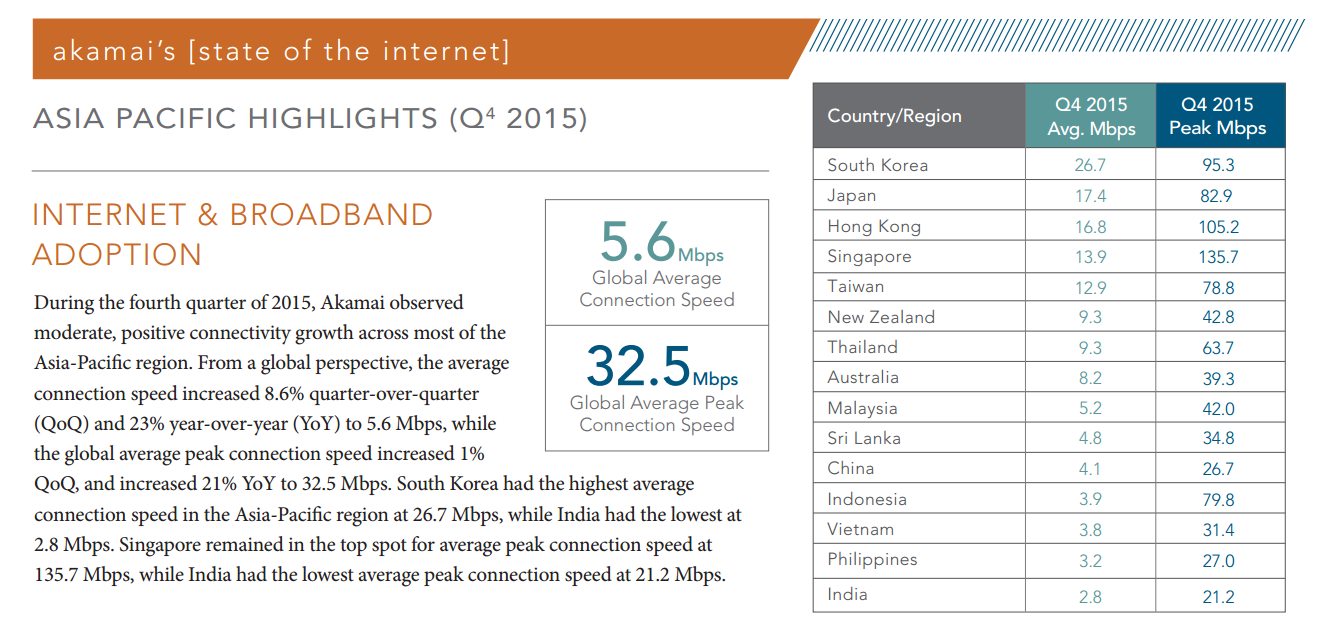
PH ranks second-worst in terms of average download speed in the Asia-Pacific region
The Philippines, based on Akamai’s Q4 2015 survey, has the second-worst average broadband connection speed in the Asia-Pacific region, barely besting only India (3.2Mbps vs. 2.8Mbps). The country’s peak download speed of 27Mbps also trails most of its Asian neighbors, with only China and India faring worse. On a slightly positive note, the numbers have improved drastically year-over-year, which might indicate better days are ahead. Or at least I’d like to think so, what with the proliferation of residential fiber-broadband access and increasing competition between service providers. And I don’t mean the kind of competition that’s led to Australian telecom giant Telstra waving the white flag on a joint venture with San Miguel Corporation, as unfortunate as the situation with the local telecom industry is.





Enterprise
realme is reportedly going back to being an OPPO sub-brand
All scheduled phones will still launch on time, though.

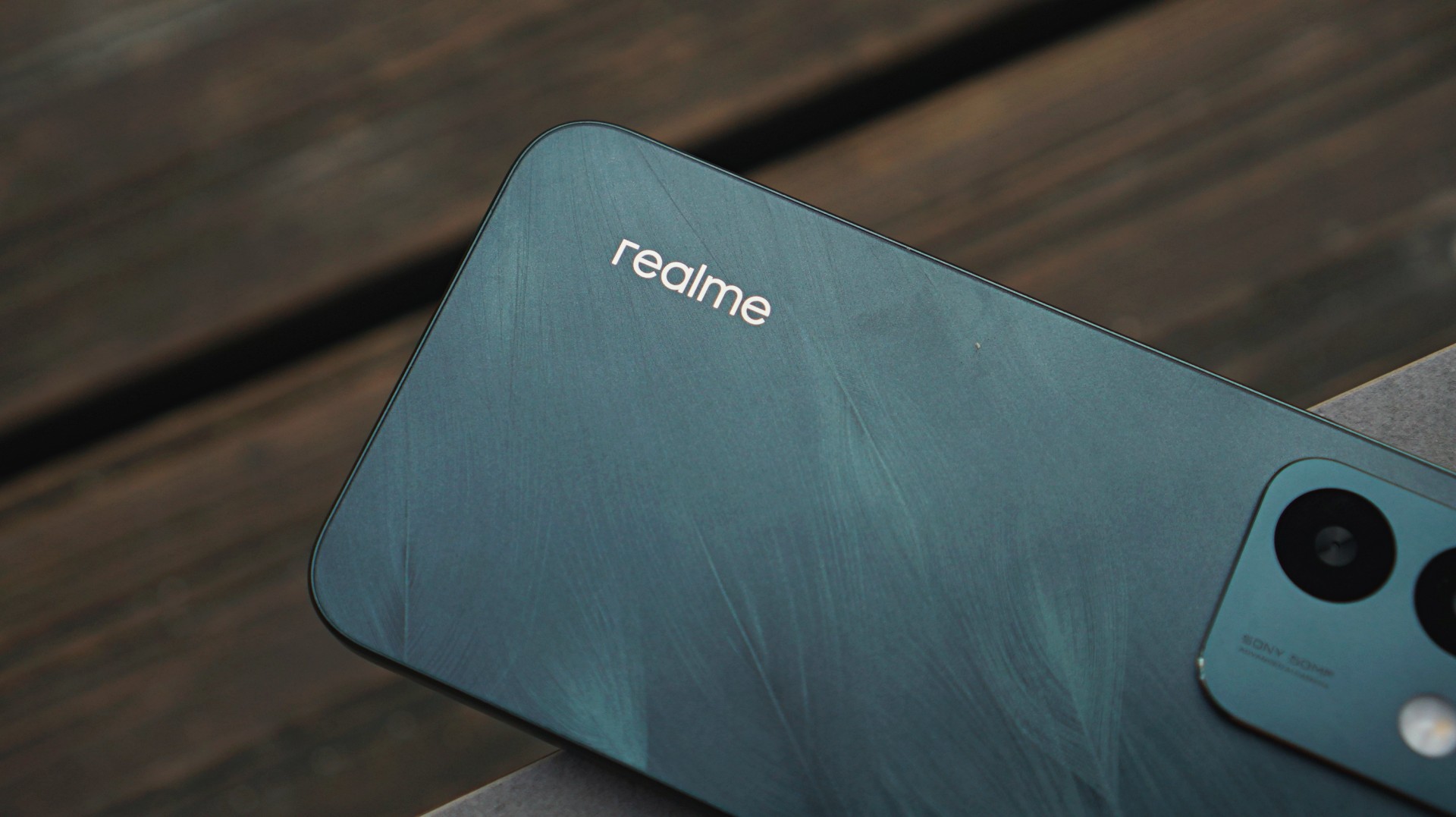
A popular story among Chinese smartphone brands is whenever a sub-brand spinning off into its own independent entity. A less common one is when an independent entity suddenly merges back into the main entity. And yet, that’s the story we have today. realme is reportedly going back to being a sub-brand of OPPO.
If you don’t remember realme’s time as a sub-brand, then it’s hardly your fault. It’s been a long while since realme was considered a sub-brand. In 2018, the brand spun off on its own to form one of the most popular names in the Chinese smartphone space.
Today, via Leiphone, realme will return to OPPO as a sub-brand. Current realme CEO Sky Li will still retain his responsibilities heading the brand. Plus, all products on the current release schedule will still come out as planned.
However, starting this year, realme will start reintegrating back into OPPO, particularly through the latter’s after-sales programs. OnePlus will also follow the same structure going forward.
Currently, realme has not officially announced the move. That said, we also don’t know how the brand will address the reported change. It’s possible that the shift is just internal and has no effect on how the brand faces the public. For now, only time will tell.
SEE ALSO: realme C85 with 7000mAh battery, 5G connectivity officially launches
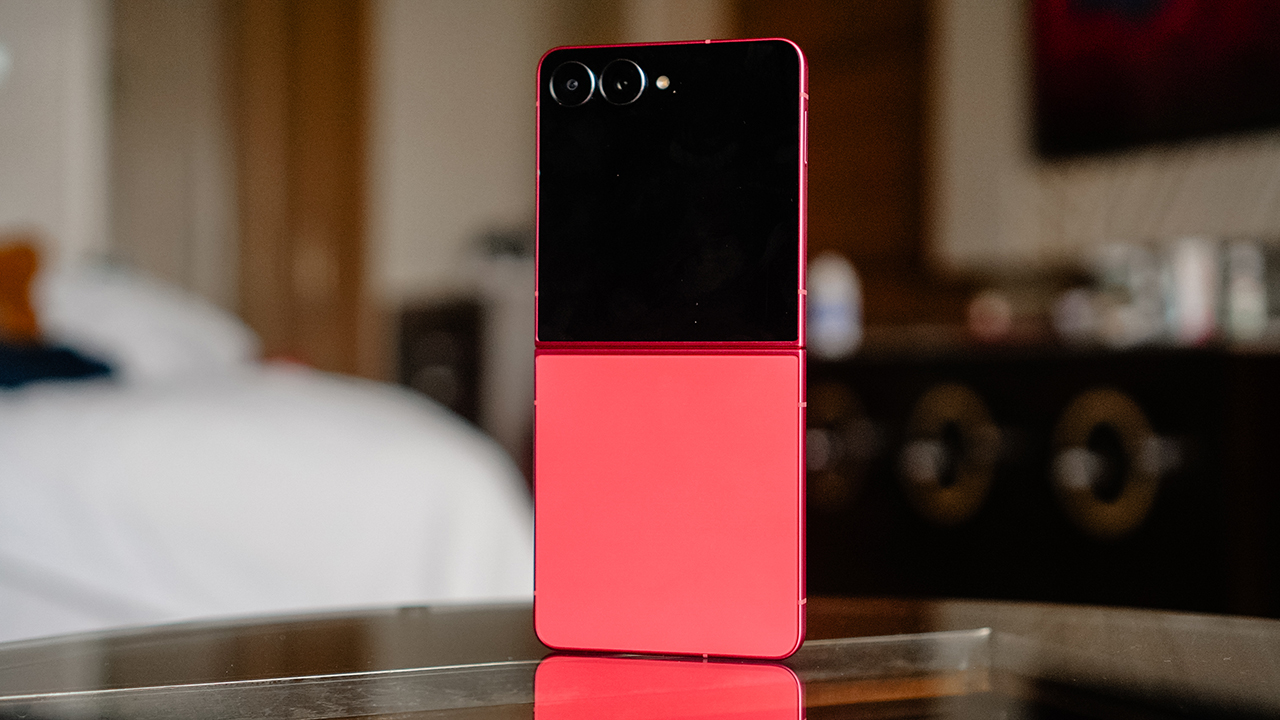
The big story late last year was the skyrocketing prices of chips. Analysts are predicting that the demand for RAM will cause the entire industry to experience hikes this year. Some users, especially in the PC building scene, are already feeling the burn. PCs won’t be the only victims, though. Xiaomi is already expecting hikes across the board. Now, Samsung is adding its voice to the growing list of warnings about price increases.
During CES 2026, Wonjiun Lee, Samsung’s global marketing chief, confirmed that the memory shortages are, in fact, real (via Bloomberg). Moreover, the company is now evaluating whether more price hikes are needed this year for its products. Though Lee expressed regret over pushing the prices to consumers, the state of the industry might force the company’s hand.
Samsung’s opinion has a lot of weight. While other brands have also voiced out their opinions lately, Samsung itself is a producer of chips. If a chip supplier is already warning users of prices affecting them, the effect will likely cascade even more when it comes to device manufacturers.
The ongoing shortage of chips is a result of the overwhelming demand from companies looking to build and bolster AI-based servers. The business-to-business demand is notably different from how regular consumers, who will soon find it hard to buy their own devices, see it.
At the very least, Samsung has not confirmed any price increases yet. However, all eyes are on the next Galaxy Unpacked, when Samsung will launch its newest Galaxy products. Will prices increase or stay the same?
Enterprise
TikTok finally gets a buyer in the United States
The deal targets a closing date in late January.
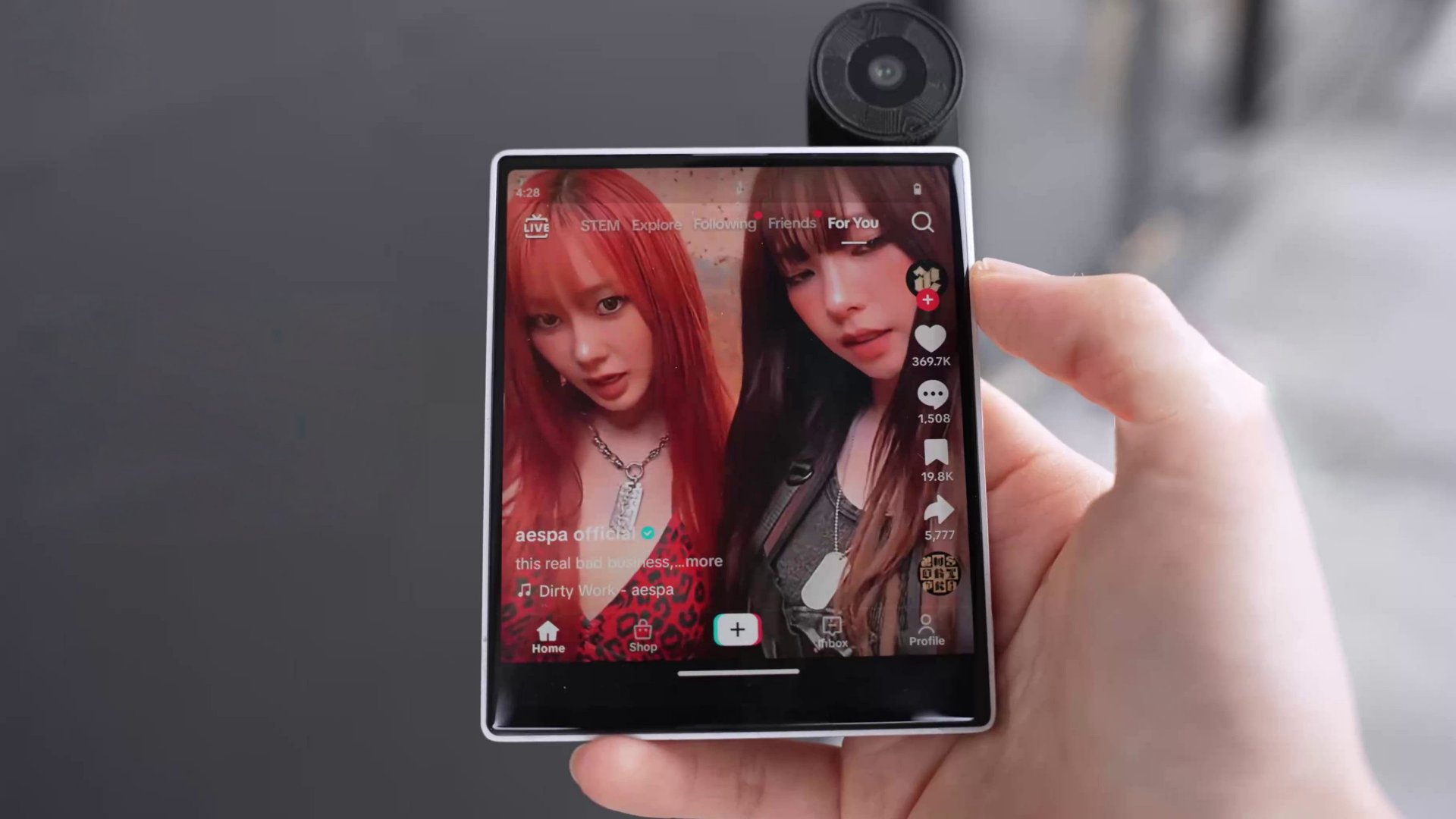
The year started with a ban. A day before Donald Trump started his second term, TikTok went dark, in anticipation of an impending ban. The platform quickly went back online, leading to an ultimatum that saw TikTok hunt for an American buyer to full stave off a definitive ban in the United States. Now, as the year ends, a buyer is finally here.
Via CNBC, TikTok has reportedly inked a deal to finalize a deal in the United States, as stated in an internal memo from CEO Shou Zi Chew. The memo, which was sent just this week, details a plan that will see the deal close by January 26, 2026.
Fifty percent of TikTok’s newly restructured U.S. arm will be held by a collection of American investors including Oracle, Silver Lake, and MGX. Meanwhile, already existing investors of TikTok will hold 30.1 percent. Finally, ByteDance will retain 19.9 percent.
Additionally, TikTok’s algorithm in the United States will be retrained with American data. The American arm will also handle the country’s “data protection, algorithm security, content moderation, and software assurance.” Oracle will be the “trusted security partner” in charge of making sure the company keeps within regulations in the country.
With a deal pushing through, the long-running TikTok saga in the United States might finally come to a close.

nubia V80 Max: Long battery, marginal upgrades, casual budget phone
Upgrades here and there, but is the price increase worth it?


Breaking up with Adobe Photoshop after 20 years
Wedding planning and Apple Creator Studio made me realize it was time


Now playing: Final Fantasy VII Remake INTERGRADE on Switch 2
Final Fantasy VII Remake, handheld again

What a day at Masungi GeoReserve taught me about a smartphone’s durability

The Nintendo Switch is now Nintendo’s best-selling console ever

Globe introduces The Loop, a portable 5G Wi-Fi hotspot

New Civilization VII update will address everyone’s biggest issue

CM Punk graces cover of WWE 2K26

HONOR X9d 5G launches in the Philippines: Price, preorder, availability

POCO M8 Pro review: Goin’ loco over this POCO

Infinix NOTE Edge debuts: High-end features for accessible pricing

HONOR Magic8 Pro review: What sorcery is this?

Redmi Note 15 Pro+ 5G review: The midrange fashion piece


-

 Reviews2 weeks ago
HONOR X9d 5G review: Tougher, more long-lasting and optimized
-
Gaming2 weeks ago
Now playing: Final Fantasy VII Remake INTERGRADE on Switch 2
-

 Accessories2 weeks ago
Razer fully unwraps these limited BLACKPINK Edition gaming gear
-

 Gaming2 weeks ago
Forza Horizon 6 launches on May 19
-

 Gaming2 weeks ago
Nintendo’s latest toy is Super Mario Wonder’s Talking Flower
-

 Gaming2 weeks ago
You can now race as teams in Mario Kart World’s Knockout Tour
-

 Accessories2 weeks ago
G-DRAGON is CASETiFY’s first ever Global Brand Ambassador
-
 News2 weeks ago
nubia joins durability competition with launch of V80 Max