
Virtual Reality
Play for Dream announces the first Apple Vision Pro competitor
It’s the Play for Dream MR


The Vision Pro introduced a new product segment to the entire world. For the first time, mixed-reality headsets are available for the general public — that is, if you have more than three grand to spare. Now, the race is on to create a more affordable headset. Today, Play for Dream is crossing that finish line with the world’s first competitor to Apple’s headset.
Compared to more traditional virtual-reality headsets, a mixed-reality headset combines the virtual world with the real world. As such, the segment can realize a lot of uses for a person’s day-to-day life including watching movies and doing office work.
With its new device, Play for Dream is building on the segment even more. The company, founded in Shanghai, has years of experience in virtual-reality headsets. Now, spatial computing is the name of the game.
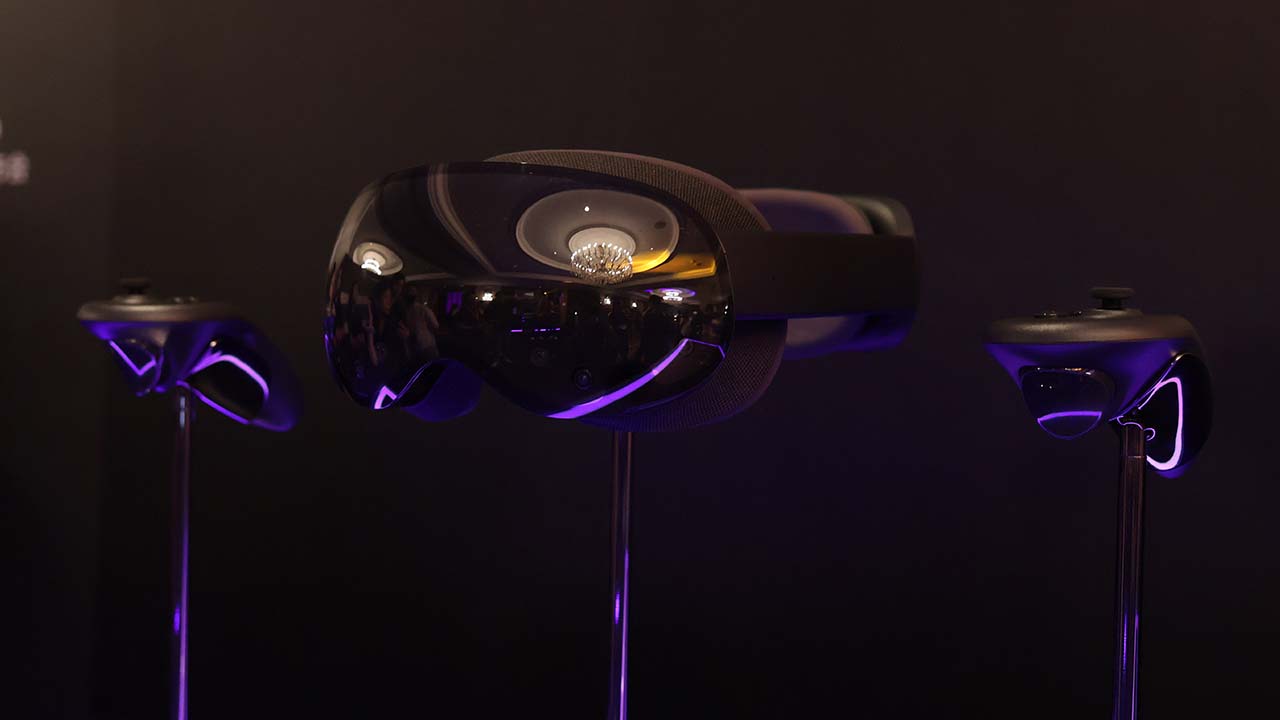
Introducing the Play for Dream MR
The Play for Dream MR augments the world around you with a flurry of technologies. The first device to rock the Snapdragon XR2+ Gen 2, the headset brings spatial computing to a whole new level. Underneath, it has 11 high-performance cameras, 7 sensors, and 22 LEDs. A 32-megapixel camera can shoot immersive memories for future perusal. It also has 1TB of internal storage.
Plus, even when seen through a camera, the real world is just as crisp. The headset comes with two 4K Micro OLED screens, totaling its capabilities to 8K resolution. Both will deliver images at 3882ppi and 45ppd. IMAX and DTS are also lending their technologies to the headset for the most immersive media viewing experience.
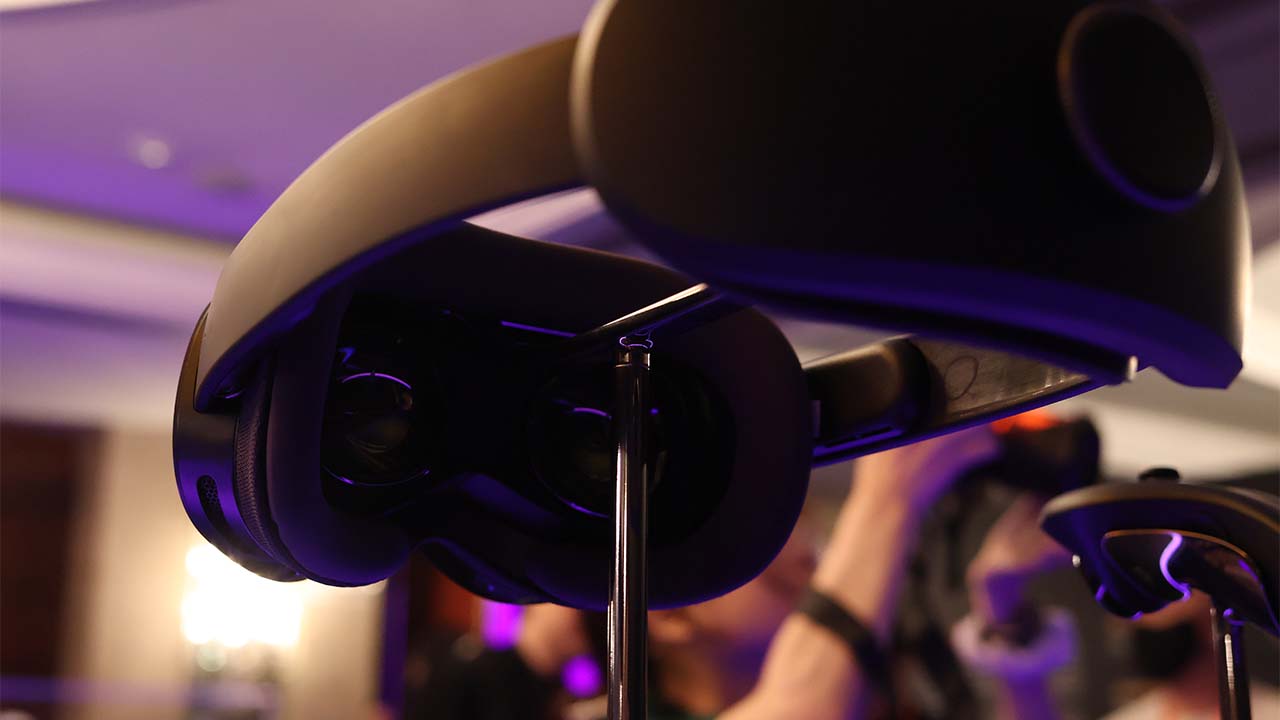
For comfort, the Play for Dream MR is around 21 percent thinner than the company’s other headsets. It has also been engineered to put minimal pressure around the user’s head.
Oh, and it’s a lot cheaper than the Vision Pro. It’s only set for a US$ 1,X99 tag. (Play for Dream is still hiding the third digit ahead of its projected launch later this year.)
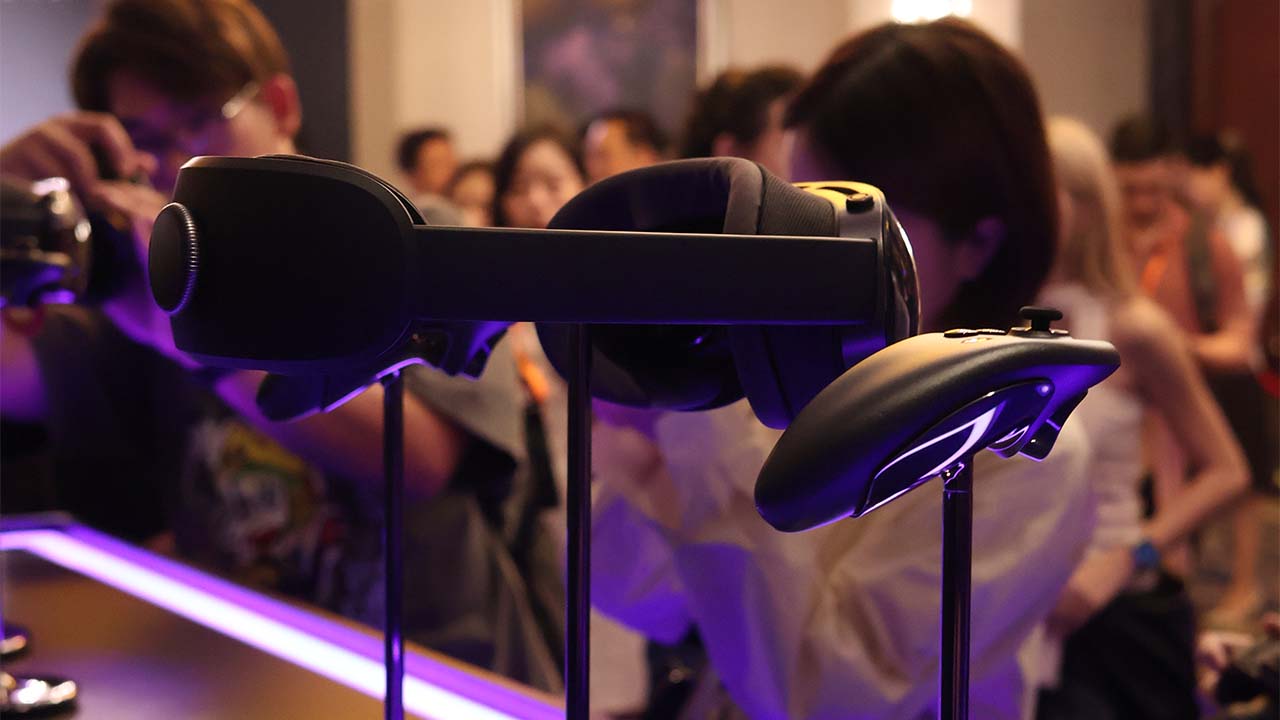
What can it do?
The Play for Dream MR is more than just a collection of different technologies. It can put in the work.
Obviously, the most prominent use for the headset is for entertainment. It can project a 1000-inch screen right in front of you. Even during transit, you can watch in style. Plus, the headset can simulate another location. Instead of projecting a screen out in the real world, you can watch a whole movie under a simulated night sky.
Users can also take and watch immersive videos with the headset. These videos can make you feel as if you’re reliving memories from the past.
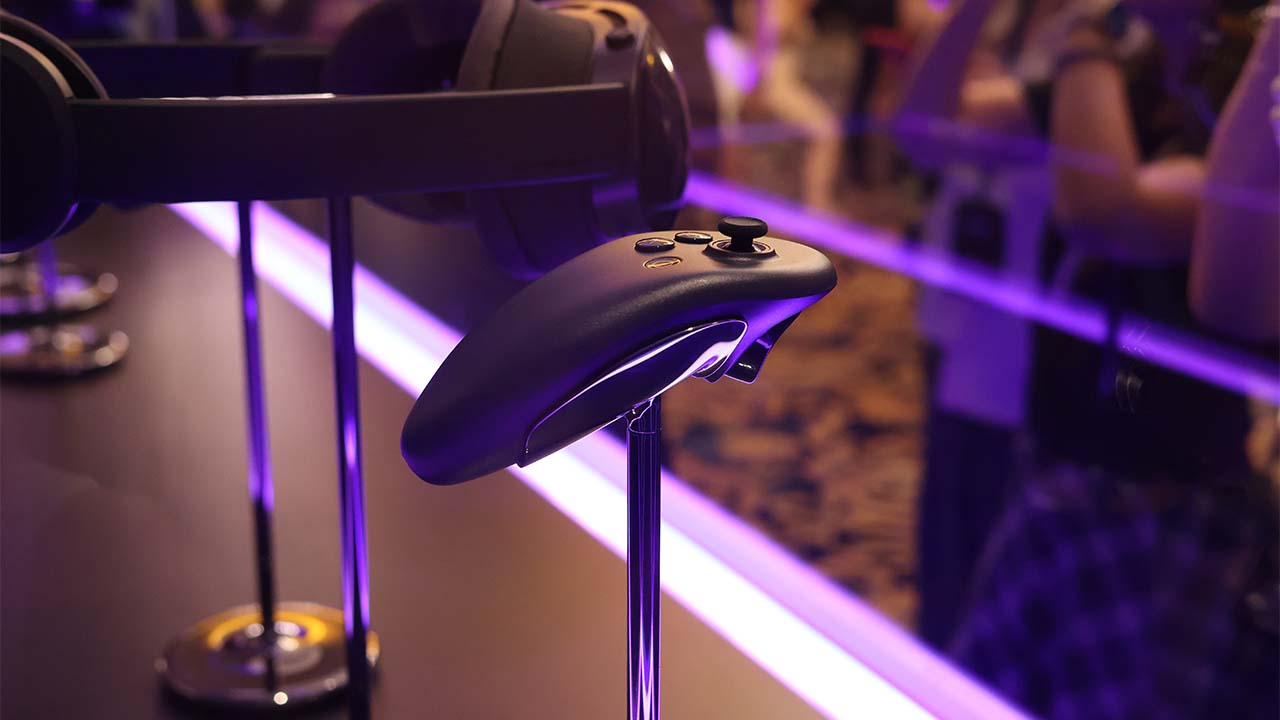
Another natural use of the headset is gaming. Besides how immersive the display is, the two controllers are ergonomically designed for comfort. Whether you’re playing a fighting or a sports game, the Play for Dream MR introduces a more immersive way to play.
Finally, the headset can do basic office work. By projecting screens on the screen, users can continue their work even while using the headset.
Taking it for a spin
During the headset’s reveal in Singapore, Play for Dream brought out a prototype for me to try. The first thing I noticed was how comfortable it fits on my face. Unlike other headsets, it doesn’t feel clunky. Though seeing the world through a camera is jarring at first, my eyes quickly adjusted to the augmented reality. Latency wasn’t an issue, either. The screen showed what was in front of me in real time.
The first demonstration involved an immersive video set at a convention with several cosplayers. The feature instantly transported me away from the demo room. The resolution was crisp, enhancing the immersion further.
They also showed how the headset can project a huge screen in front of me. Although the sample video (a trailer for Avatar: The Way of Water) had less resolution, I’m still interested to see how the headset can handle videos in 4K and 8K resolution.
The second thing they showed was how the Play for Dream MR can project virtual objects as if they were right in front of me. The sample showed a virtual aquarium set right into the room’s wall. It also showed jellyfish floating around the room. In terms of use, it’s difficult to see what it can be used for, but it was great technology, nonetheless.
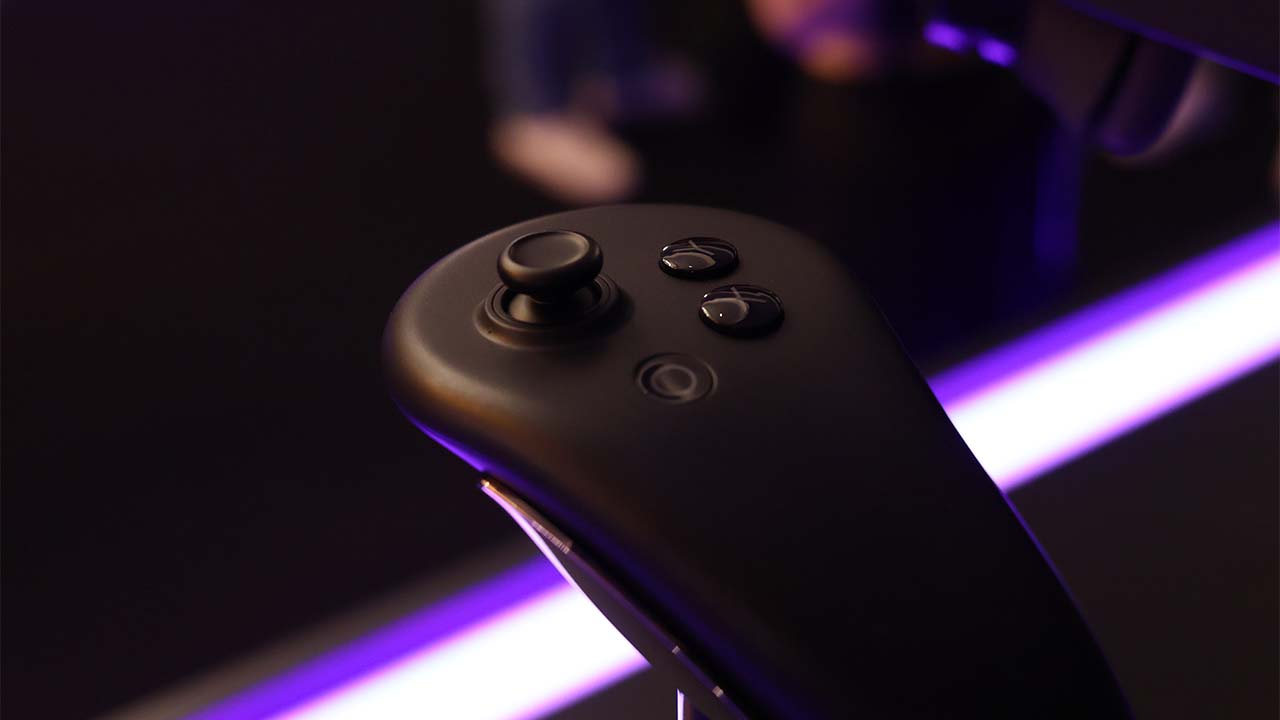
Also, the demo showed off how the headset plays games. I played a short fighting game and a table tennis match. The fight game, pitting me against a series of tall robots, was fun. It got me moving, and it’s obviously fun to beat up a bunch of tall hustlers.
The table tennis game was a bit harder, though. It was difficult to measure how hard to hit the ball. Regardless, it was still immersive to have a virtual board in front of me.
Finally, the demonstration showed off the headset’s office capabilities. Even without a monitor, it can project multiple screens for me to focus on. I had two when I tried it, but I imagine it can handle more. It’s perfect if you don’t have space for a multi-monitor setup.
The verdict
Especially because of its price tag, I always though that the Vision Pro was a product reserved only for dedicated early adopters. We’re still far away from Apple’s dream of replacing a smartphone with a mixed-reality headset.
That said, the Play for Dream MR shows a lot of promise. It’s a lot more affordable and can offer much of the same capabilities as the Vision Pro. While there’s still room for improvement, this is a first salvo in an eventual race for mixed-reality headsets.

Singapore
Sony’s mobile motion capture system, mocopi, is coming to Singapore
Full-body motion tracking with compatible smartphone or PC

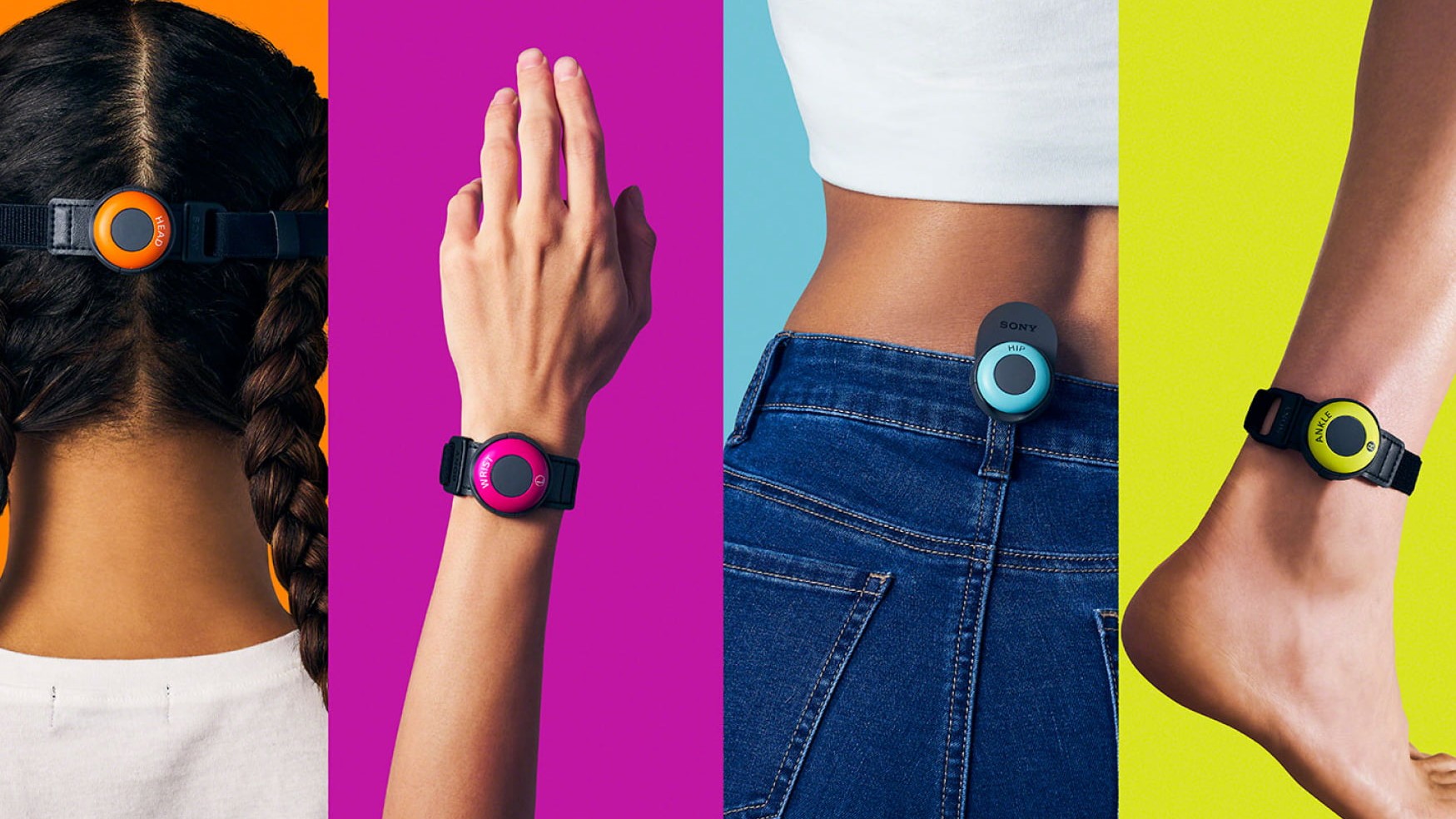
Sony has announced the launch of its mobile motion capture system, mocopi (QM-SS1) in Singapore.
With small and lightweight sensors and dedicated apps available for iOS, Android, and Windows, mocopi enables full-body motion tracking using Sony’s proprietary technologies.
Users can track movements indoors or head outdoors and create own 3D motion content wherever they go.
The small and sleek sensors are driven by Sony’s unique, proprietary algorithm. They fit comfortably on various parts of one’s body. And all users need are compatible smartphones and the mocopi app.
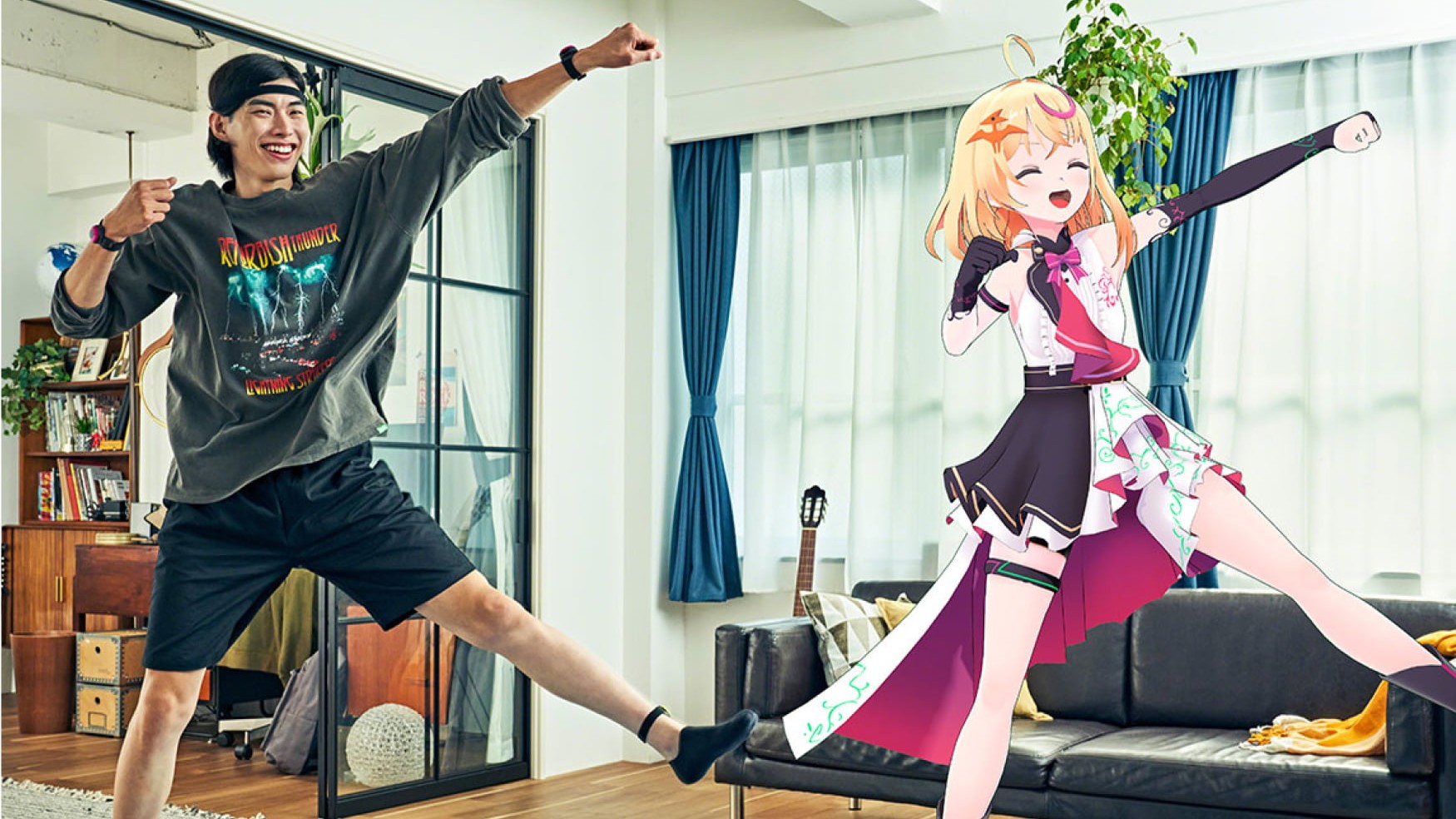
The end-to-end process includes creation, motion data-logging, recording, saving, and finally, transferring.
On the app, users can simply pair the sensors with their phone. Then, after putting sensors on parts like their wrists, ankles, hip, and head, users will only have to calibrate them.
With this system, it’s easier than ever for users to produce content they desire.
In addition, there’s also a mocopi PC app to deliver seamless and efficient motion capture experience for 3D content creators.
They can record in FBX format, in addition to BVH format. Motion data can be synchronized with external data like facial capture or video by adding timecode from time code generators and NTP.

Sony mocopi demo, experience
Starting October 31, Sony Stores in Singapore will feature a dedicated mocopi demo unit. Visitors can dive into the future of engaging and dynamic content creation with the in-store demo.
Furthermore, the Sony Store at 313@somerset lets visitors explore the mocopi Experience Zone. This is designed for creators who want to dive deeper into what mocopi can do.
They can get hands-on with the suite of advanced programs, including the PC app and XYN Motion Studio. This will allow participants to witness how the motion capture system integrates into professional workflows.
mocopi will be available in Singapore from November 2025 for SG$ 599.
News
Introducing Galaxy XR: Opening new worlds
Samsung debuts first Android XR device built for multimodal AI

Samsung has unveiled Galaxy XR. It’s the company’s first product built on the Android XR platform developed with Google and Qualcomm. It marks the start of the Android XR ecosystem. It introduces a new category of AI-native devices designed for immersive discovery, play, and work.
Built for the AI era
Gemini AI powers Galaxy XR and runs at the system level, enabling natural interactions through voice, vision, and gesture. The headset sees what you see, hears what you hear, and responds conversationally. It acts less like a tool and more like a companion. It also offers human-like interactions that make tasks faster and more intuitive.
Designed for long-term comfort
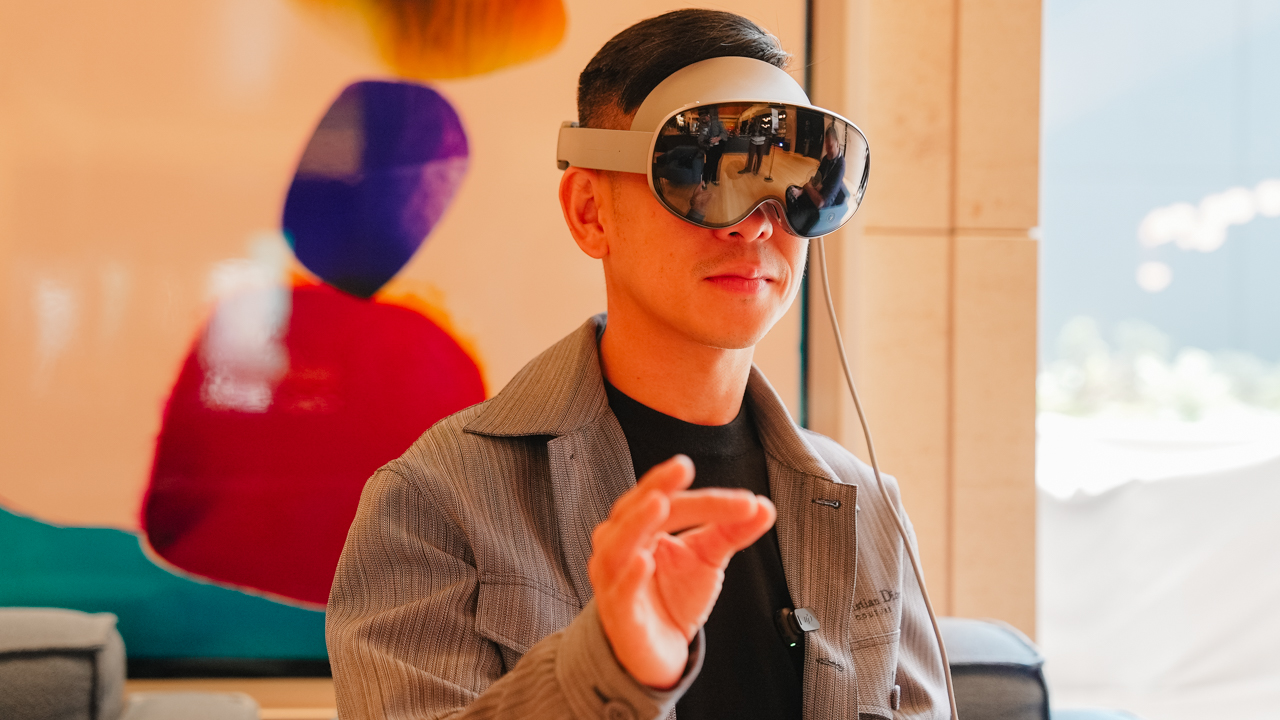
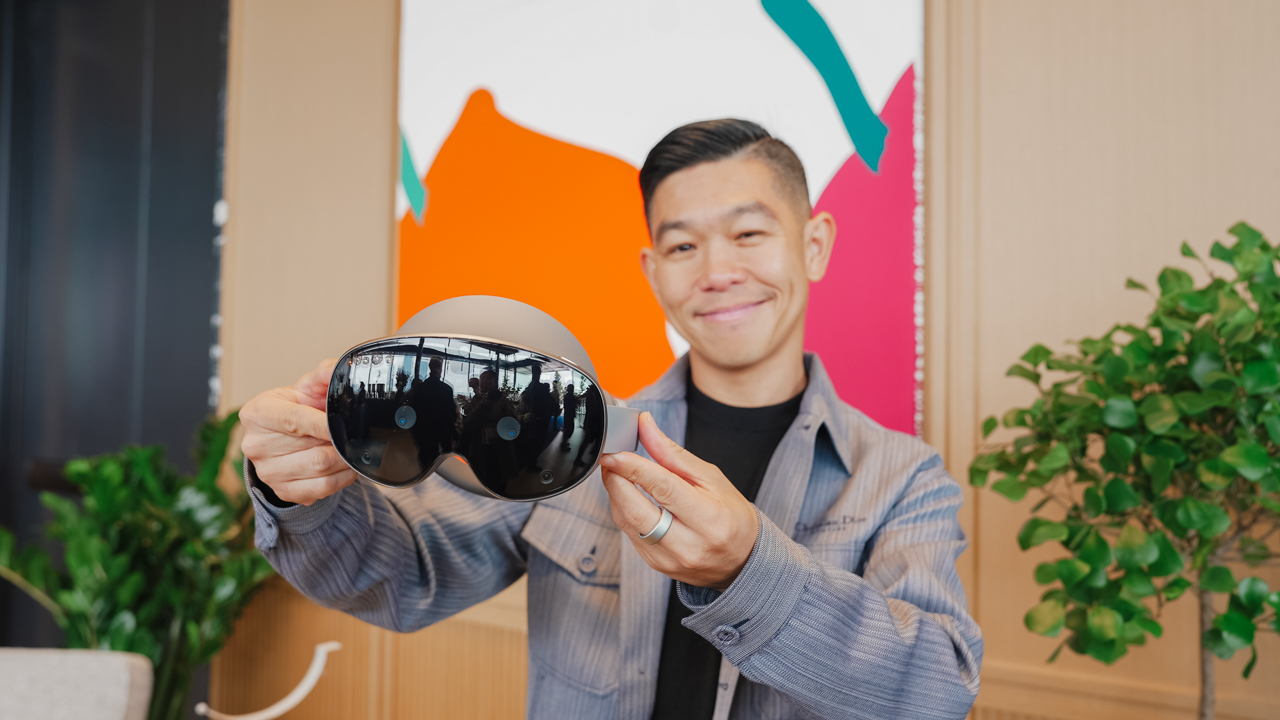
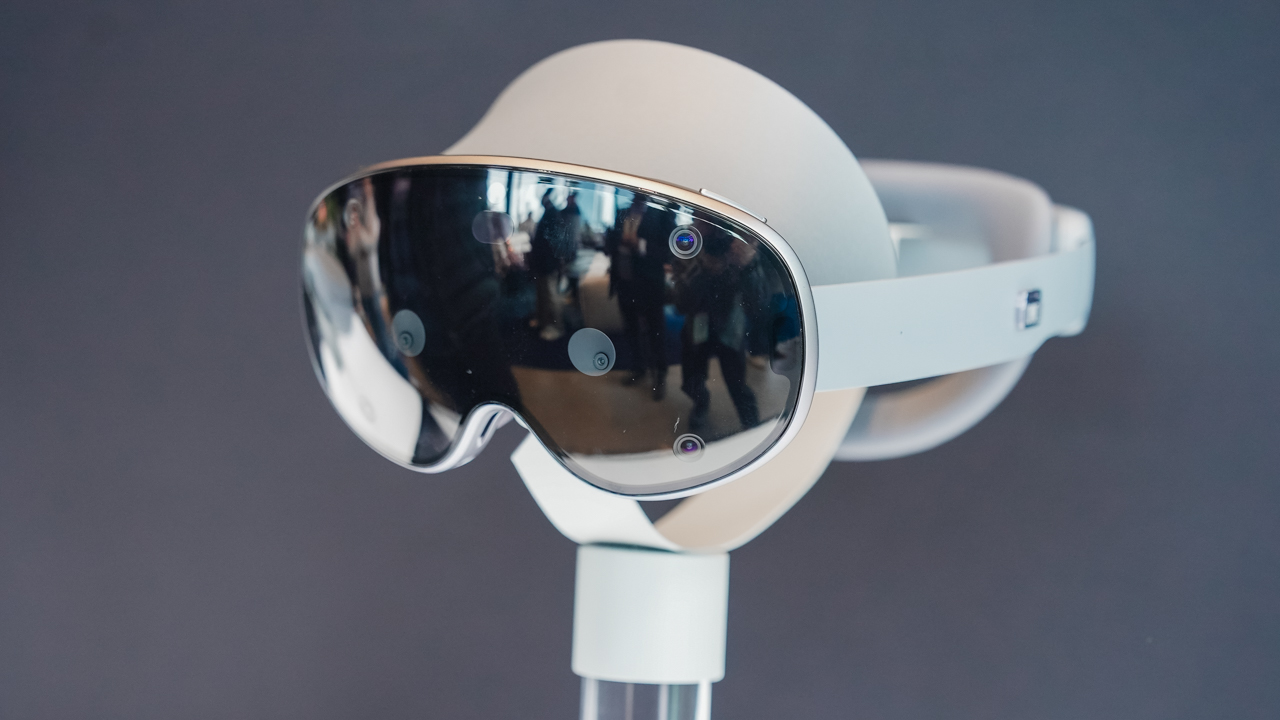
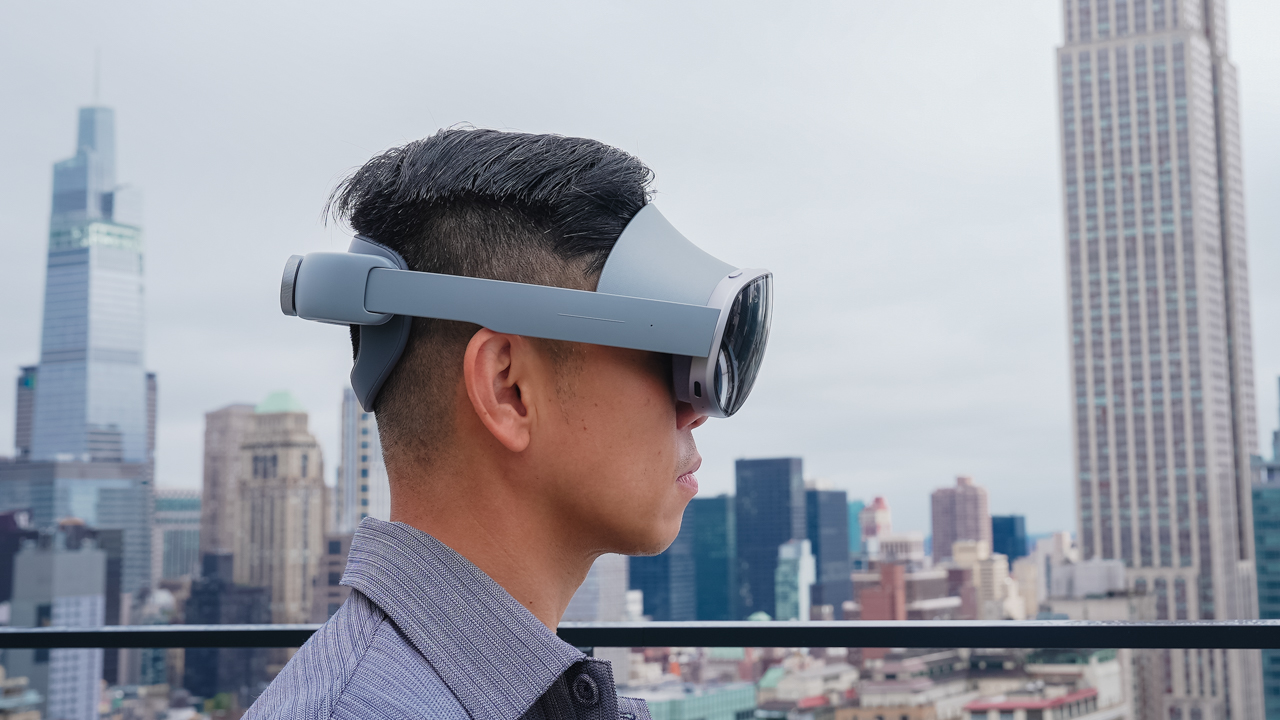
Galaxy XR’s lightweight frame balances comfort and durability. The headset distributes pressure evenly across the head, and Samsung separated the battery pack to make the fit more compact and comfortable. A detachable light shield blocks external light for deeper immersion or removes easily for open-air use.
Powered by Snapdragon XR2+ Gen 2
Inside is Qualcomm’s Snapdragon XR2+ Gen 2 chip, driving advanced sensors, precise motion tracking, and AI processing. The headset features 4K Micro-OLED displays, immersive sound, and clear voice capture through strategically placed microphones. Battery life lasts up to 2.5 hours of continuous playback.
All your favorite Android apps
Built on OpenXR standards, Galaxy XR works with existing Android apps out of the box. Developers using OpenXR, WebXR, or Unity can easily bring their experiences to the platform. Popular apps like Google Maps, YouTube, Circle to Search, and Google Photos are optimized for XR from day one.
- Navigate in 3D: Use Gemini as a personal guide on immersive Google Maps.
- Watch smarter: Ask Gemini for more info about videos on YouTube.
- Search naturally: Draw a circle in the air to search anything in view.
- Relive memories: Auto-spatialize photos and videos in 3D via Google Photos.

Built for discovery, play, and work
Galaxy XR delivers new levels of immersion for entertainment, gaming, and productivity.
- Watch anywhere: Stream shows in a personal 4K theater.
- Play smarter: Get AI coaching and tips mid-game.
- Create in 3D: Edit videos with Adobe Project Pulsar, layering depth and graphics.
Samsung is also expanding Galaxy XR into enterprise training and collaboration, partnering with Samsung Heavy Industries and Qualcomm Spaces to create business-ready XR solutions.
Expanding the ecosystem
Samsung’s XR roadmap extends beyond headsets. The company is developing AI glasses in collaboration with Google, Warby Parker, and Gentle Monster, combining technology, comfort, and style under the open Android XR platform.
Price and availability
Galaxy XR is available today in the U.S. for USD 1,799.99 at samsung.com and Samsung Experience Stores, with 24-month financing options available.

Buyers before year-end will receive The Explorer Pack (worth over USD 1,000), which includes 12 months of Google AI Pro, YouTube Premium, Google Play Pass, and an XR content pack.

Apple has introduced the upgraded Apple Vision Pro, now powered by the M5 chipand equipped with the Dual Knit Band for improved comfort.
This latest version delivers faster performance, sharper display rendering, longer battery life, and new experiences through visionOS 26, which introduces widgets, updated Personas, and new Apple Intelligence features with expanded language support.
M5 chip brings faster AI and sharper visuals
The M5 chip, built on third-generation 3-nanometer technology, introduces a 10-core CPU and GPU that boost performance across the system. Apps launch faster, web browsing feels more responsive, and visuals appear sharper with 10% more pixels rendered on Vision Pro’s micro-OLED displays.
The new GPU supports hardware-accelerated ray tracing and mesh shading. It brings lifelike lighting and reflections to games like Control. Vision Pro now supports refresh rates up to 120Hz. It reduces motion blur and delivering smoother experiences for Mac Virtual Display users.
The high-performance battery extends use to 2.5 hours of general activity or 3 hours of video playback on a single charge. Meanwhile, the 16-core Neural Engine accelerates AI-powered tasks up to 2x faster than before. Developers can now use Apple’s Foundation Models framework to create smarter on-device AI experiences.
Dual Knit Band offers improved comfort
Apple introduces a redesigned Dual Knit Band, crafted from 3D-knitted fabric for a more cushioned and balanced fit. It uses flexible ribs embedded with tungsten inserts for counterweight and stability, while the dual-function Fit Dial enables fine-tuned adjustments.
The Dual Knit Band is available in three sizes (S, M, L), sold separately, and compatible with previous Vision Pro models. Users can find their best fit through the Apple Store app for iPhone.
visionOS 26 expands spatial experiences
With visionOS 26, Vision Pro adds immersive new ways to work and play. Widgets can now stay anchored in your space, Personas look more natural in FaceTime, and spatial photos use AI to add realistic depth.
Vision Pro also supports 180° and 360° video playback from Canon, Insta360, and GoPro. This lets creators and users relive footage the way it was captured. Later this year, the Vision Pro app for iPad will launch. It will give users another way to browse and manage spatial content.
Expanding apps, games, and immersive content
Vision Pro users can explore over 1 million apps, with 3,000+ made specifically for visionOS. Lifestyle and design apps like HomeByMe, Balenciaga, and Christie’s Select join entertainment titles like Epic Earth and Space Vision.
Apple Immersive continues to push storytelling boundaries with new titles from Audi F1 Project, BBC, HYBE, and Red Bull. There are also 3D movie hits like Jurassic World Rebirth and Wicked on the Apple TV app.
Gaming also levels up with support for PlayStation VR2 Sense controllers. It unlocks tactile gameplay with six degrees of freedom and haptic feedback.
Built for creators and professionals
Pro users can use Vision Pro for advanced workflows — from 3D design and photography to film production and live collaboration. The new Logitech Muse stylus offers pixel-level precision in apps like Crayon and Sketch Pro. Enterprises such as CAE, Porsche, and UC San Diego Health are already adopting Vision Pro to power simulation, visualization, and healthcare innovation.
Pricing and availability
The upgraded Apple Vision Pro with M5 chip and Dual Knit Band starts at SGD 4,999, available in 256GB, 512GB, and 1TB storage options.
Pre-orders in Singapore begin October 17, with availability in Apple Stores starting October 22.
The Dual Knit Band can be purchased separately for SGD 149, the Vision Pro Travel Case for SGD 299, and ZEISS Optical Inserts for SGD 149 (Readers) or SGD 219 (Prescription). The Logitech Muse stylus is priced at SGD 179 and will be available alongside the new Vision Pro.
Customers can book demos online, featuring the new Vision Pro and its latest features, including Genmoji, Writing Tools, and new Apple Immersive experiences like Tour De Force and MotoGP.



Apple unveils Studio Display and all-new Studio Display XDR

Apple unveils MacBook Pro with M5 Pro and M5 Max

Apple debuts M5 Pro, M5 Max to supercharge pro workflows

Apple introduces MacBook Air with M5

TECNO CAMON 50 Ultra review: End of an era?

Xiaomi 17 Ultra is now available outside China

TECNO will showcase the CAMON 50 and POVA 8 series at MWC 2026

PlayStation, LE SSERAFIM Chaewon team for the ‘Love of Play’ campaign

The art of being in and behind the frame

HUAWEI MatePad 11.5 S 2026: The better-than-ever 4-in-1 productivity tablet


-
 News3 days ago
Xiaomi 17 Ultra is now available outside China
-
 Camera Walkthrough2 weeks ago
OPPO Reno15 Pro: Camera Review
-
 First Look2 weeks ago
Match Pulse: Infinix NOTE 60 Pro
-

 Cameras2 weeks ago
Osmo Pocket 4 makes a surprising appearance in public
-

 Gaming2 weeks ago
LG unveils UltraGear evo, redefines 5K gaming with AI Upscaling
-
 Gaming2 weeks ago
PlayStation 6 reportedly delayed to 2029 because of RAM shortage
-
 News2 weeks ago
iPhone 17 Pro Max is somehow the most traded-in phone today
-

 News2 weeks ago
HUAWEI launches Mate X7, MatePad 11.5 S 2026, FreeClip 2