



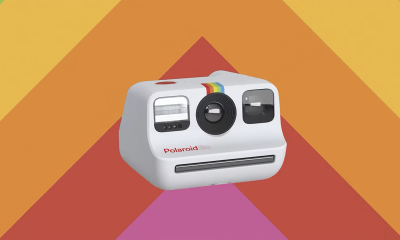
When the Polaroid OneStep 2 debuted, I didn’t know what to expect. All I knew was that it was one pretty camera so logically I was instantly drawn to it. (I like beautiful things and quirky cameras.) I previously reviewed the Fujifilm Instax SQ10 and the Polaroid SnapTouch so I was quite curious as to what this classic brand had to offer.
Background
The OneStep 2 is the brainchild of Polaroid Originals. It’s technically that same iconic camera brand but also, it’s technically different. Let me explain.
Throughout the years, Polaroid has made itself known for its cameras — hence the reference in that OutKast song and the reason why Instagram’s very first logo was influenced by a Polaroid camera.
The rise of digital photography, however, wasn’t the best development (pun intended) for a classic camera manufacturer and pretty soon, Polaroid was going out of business — until a startup called Impossible Project swooped in.
Impossible Project was no stranger to the Polaroid brand. It was the same company that kept the film manufacturing process alive when Polaroid announced that they would cease doing so. In 2017, Impossible Project’s main shareholder purchased the Polaroid brand and intellectual property giving birth to Polaroid Originals.
Now, enough of this history lesson and on to the actual camera.
Picture perfect
If you think the OneStep 2 looks familiar, you’re right… and you’re also probably old.
The OneStep 2 is the successor to Polaroid’s original OneStep camera manufactured in the 1970s — one of America’s bestselling ones at the time.

The resemblance is uncanny: The Polaroid OneStep and the Polaroid OneStep 2

Just like the OneStep, the OneStep 2 is an analog camera. Only, there’s a 21st-century twist — namely a lithium-ion battery with a micro-USB port for charging. There are no frills or special functions on this camera, just pure old-school goodness.
Setting up
The camera is pretty straightforward. The big red button up front is the shutter button, there’s a timer switch on the left of the lens and finally, there’s a yellow lighten/darken switch which allows you to adjust photo exposure. On the back of the camera, there’s an on and off switch, a flash override button, and the micro-USB port for charging.
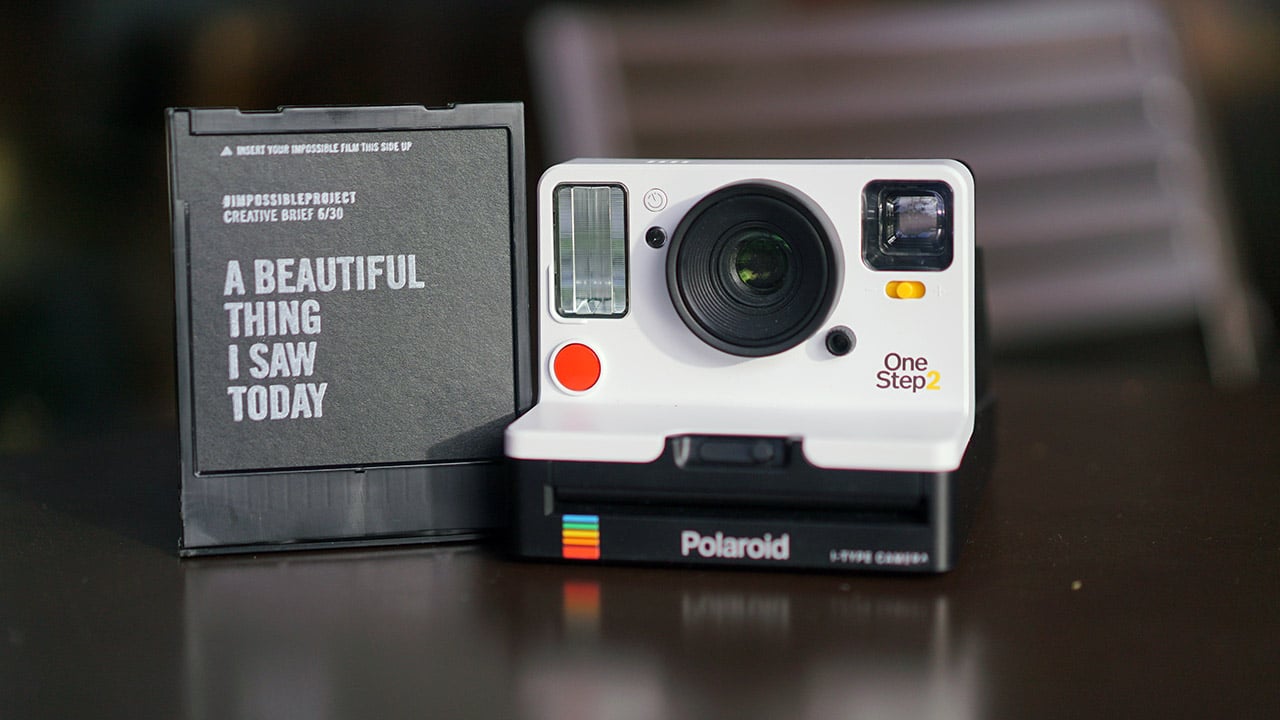
The Polaroid OneStep 2 side by side with a film cartridge
Before anything else, you’re going to need a pack of film. The OneStep 2 uses i-Type film which come in cartridges that house eight shots each.

To load the film, slide the cartridge into the camera. That tiny latch up front opens the film door. It may sound complicated but it isn’t as hard after the first try.
Ready, set, shoot!
The OneStep 2, true to its analog roots, only has a no-frills viewfinder. This can make picture taking pretty tricky; you need just the right angle to take a perfectly framed photo. It also doesn’t help that said angle entails half of your made-up face to be on the back of the camera. (Que horror!)
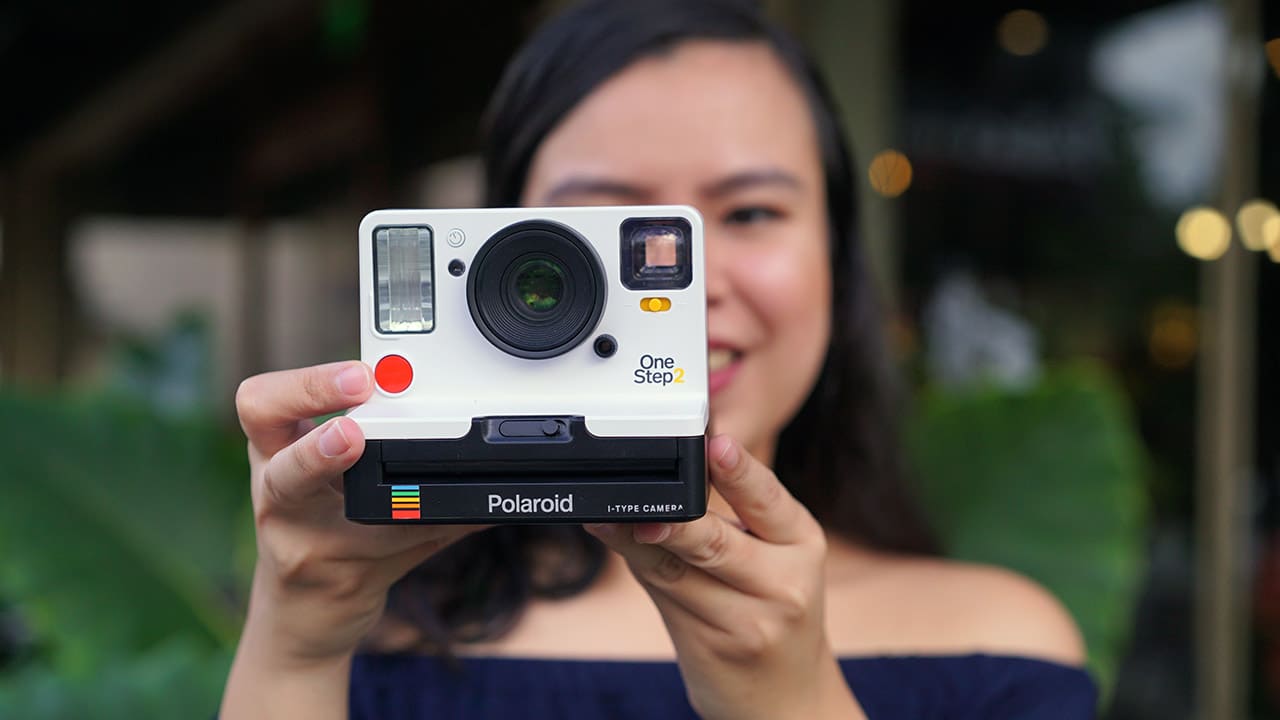
Press and hold the red button to take a photo and the image will immediately print. There’s no option to edit or save. All you really do after you press the shutter is hope you framed your photo right.
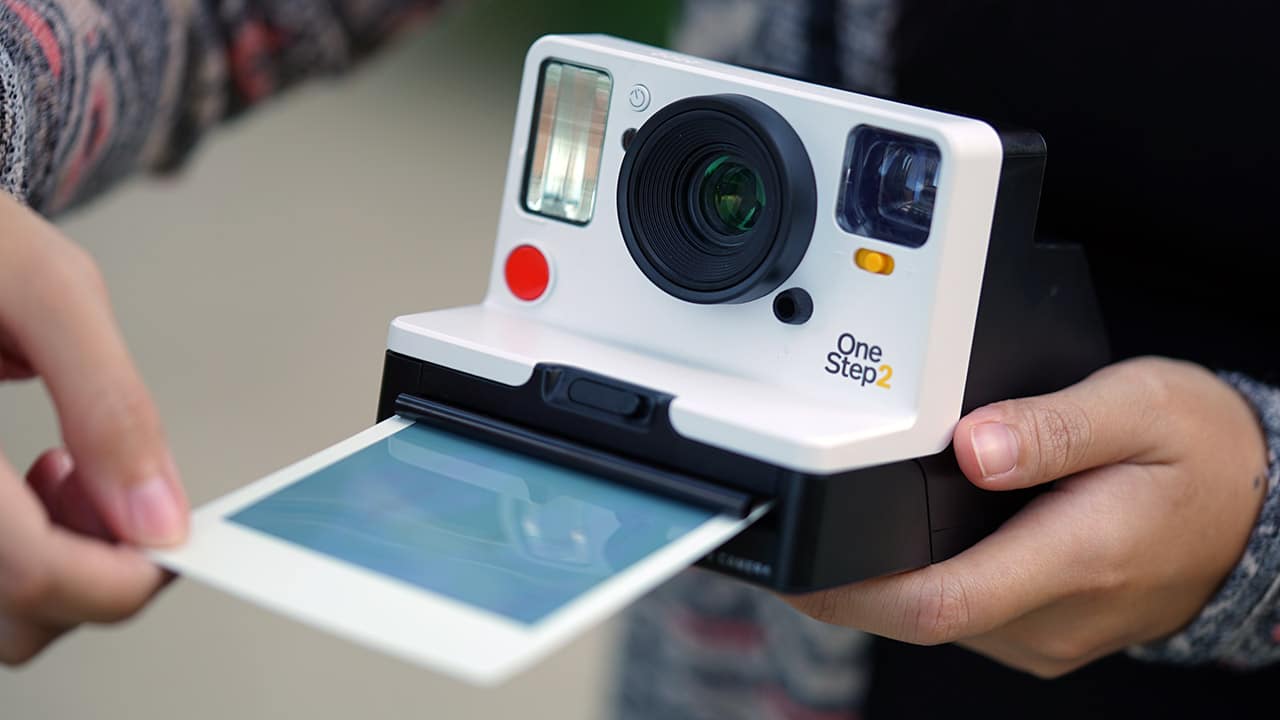
The film comes out of the camera’s front, and now you sit and wait. It takes a few minutes for the photo to develop.
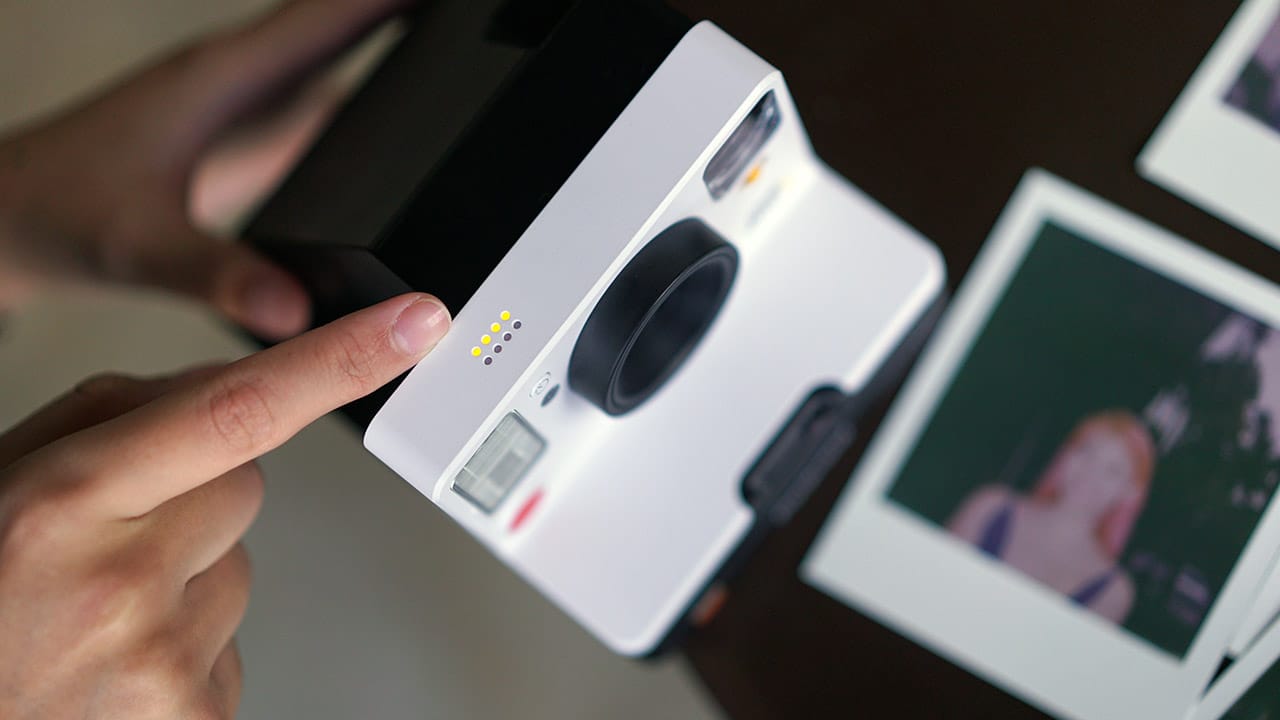
But all that considered, photo taking on this thing is still very fun — that is, if you don’t run out of film. Eight shots is not a lot when you’re still fumbling with a camera that prints each picture automatically. These lights will tell you how much film you have left.
Verdict
Without knowing what the OneStep 2 can do, I am immediately drawn to it. I mean, look at it! It’s so Instagrammable, we probably took more photos of it than from it.
However, if you’re looking for a shooter that will give you the clearest instant print, it won’t be this camera. There’s a certain learning curve on this thing and it takes a while to perfect taking photos — in our case, more than a pack’s worth of film.

Not the most perfect prints but memories nonetheless
I have to be completely honest, though: I enjoyed playing with this camera a lot. There’s just something about instant cameras that make them all so appealing to me.
Now, some might argue that an instant camera launched in this decade should, at least, have more functions. This is what other brands have done in an effort to evolve. But, to apply that standard to the OneStep 2 is completely missing the point. This camera release relives the simple times and takes us back to the nostalgic glory of the Polaroid OneStep. It reminds us of the sentimentality that old-school photography used to have and allows us to experience the same.





Cameras
Canon PhotoMarathon returns, introduces video, open categories
Happening on April 18 in BGC, Taguig


The Canon PhotoMarathon is officially returning this year and is introducing more categories for enthusiasts to join in.
The 2026 edition, the 19th in the Philippines, will happen on April 18 at the BGC Amphitheater in Taguig City.
For the first time, Canon is opening the competition to non-Canon users. Even those with just smartphones can register. The brand has also added a video category.
Here’s a quick breakdown of the contest categories and their corresponding prizes:
Main Category (Photo)
- Open to Canon users only
- Prize: Canon EOS R6 Mark III with RF24-105mm f/4-7.1 IS STM
Open Category (Photo)
- Open to all camera brands
- Prize: Canon EOS R8 with 24-50mm
Video Category
- Open to all camera brands
- Canon Prize winner: Canon EOS R50 V
- Non-Canon Prize winner: Canon Powershot V1
The full mechanics will be announced on the day of the competition itself to make it even more challenging for those taking part.
To join, simply download the Canon PH Delightful app, create an account, go to the Events tab and select the Canon PhotoMarathon banner. Registration is already open.
To build up hype for the upcoming event, Canon will host photowalks, school tours, and regional tours leading up to the PhotoMarathon.
These are designed to engage photographers at every skill level. Admission is free and open to all digital camera users.
Cameras
Canon EOS C50 cinema camera price in the Philippines
Smallest, lightest cinema camera made for today’s filmmakers, creators

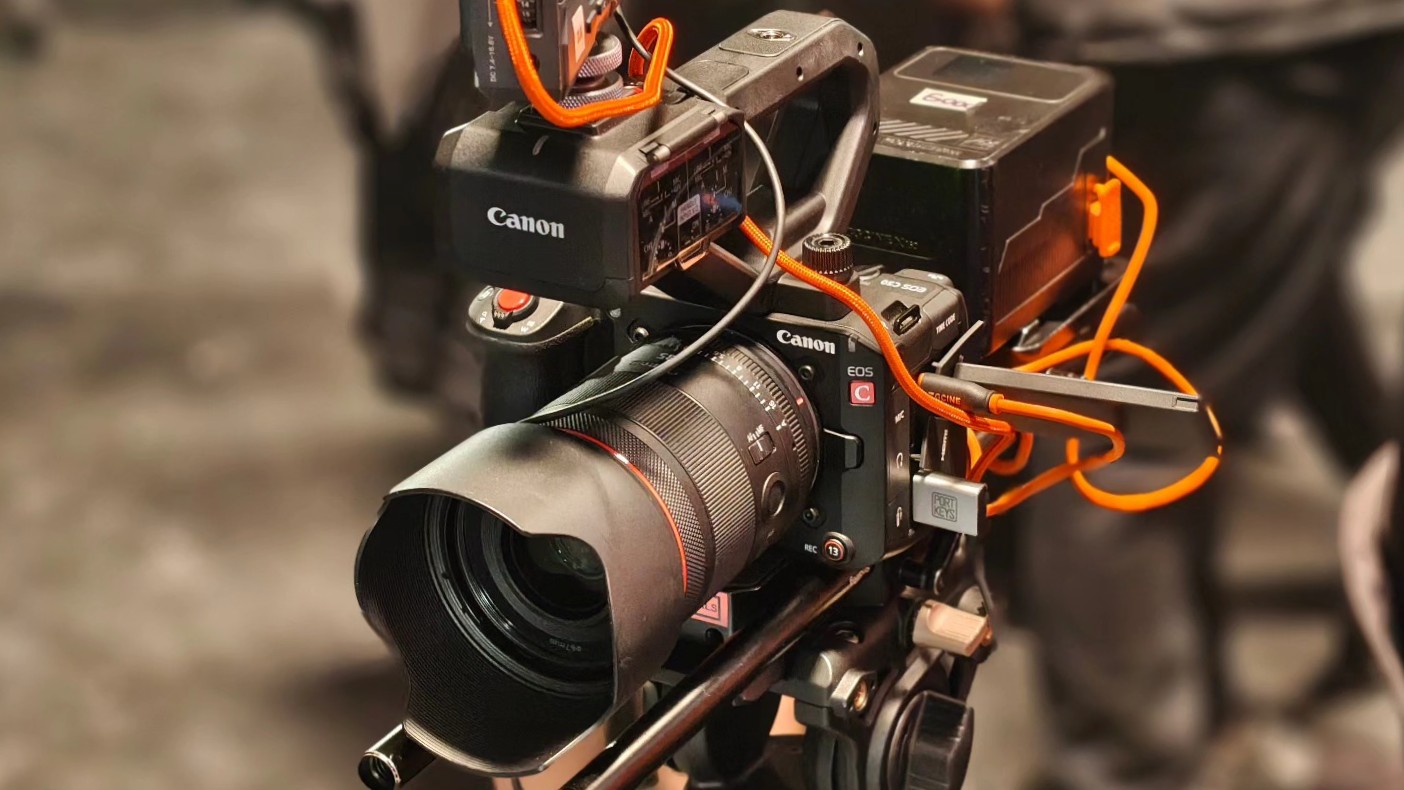
Canon Philippines is capping the year strong with the release of the Canon EOS C50 in the market. The cinema camera is priced at PhP 189,998 for the body along with an XLR handle.
The Canon EOS C50 is designed for both filmmakers and creators who need mobility and professional-grade quality.
It has the same 3:2 Open Gate recording feature also on the EOS R6 Mark III, which gives users flexibility for post-production.
Creators can extract full 4K footage along with cropped 2K vertical or square versions from the same capture with the Simultaneous Crop Recording feature.
This is ideal for producing multi-platform content, like 16:9 landscape videos for YouTube then vertical shortform videos for social media.
Also, an added edge is the up to 7K 60p RAW recording capability on the C50, compared to just 7K 30p for the Mark III.
Filmmakers can also record at up to 4K 120fps should they need high frame rate captures. Recording in 4:2:2 10-bit is also available for rich color and flexibility in post-production.
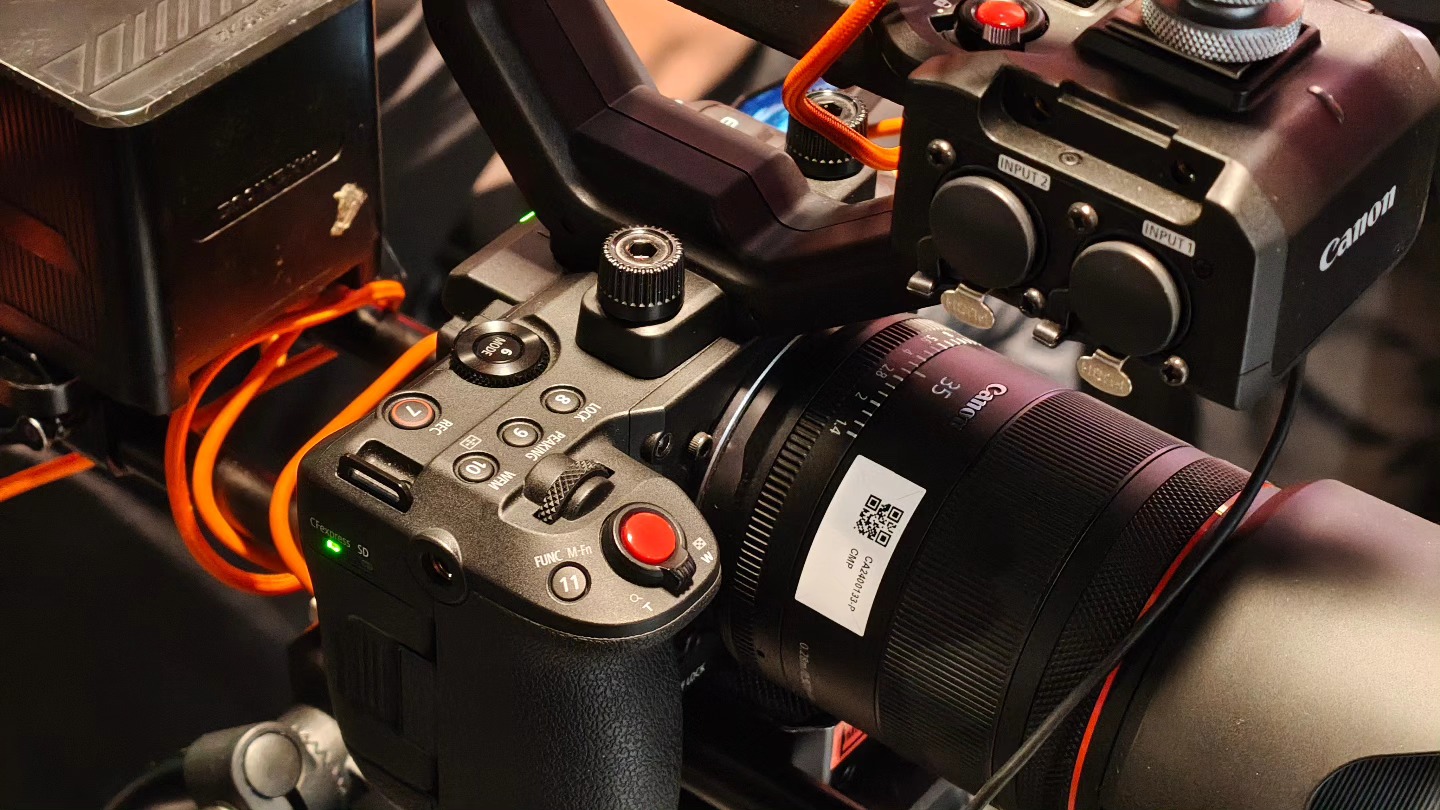
In addition, the EOS C50 features dual CFexpress and SD card slots. 7K RAW can be saved to CFexpress while other formats can be saved to the SD card.
Different format, resolutions, and color sampling can be assigned for backup, distribution, or quicker edit-ready files.
Photo performance
For stills, users can take advantage of the 32MP CMOS sensor for capturing up to 40 shots per second (with electronic shutter).
The camera also supports pre-continuous shooting and AF performance improvements with its Dual Pixel CMOS AF II.
Enhancements include Auto setting, animals, vehicle priority, and eye AF, as well as the new left/right priority.
Moreover, the camera features Dual-Base ISO with Auto Selection, automatically switching between ISO 400 and ISO 3200 depending on the scene.
This ensures the highest signal-to-noise ratio while maintaining a wide dynamic range. Users can also manual select the ISO to match lighting conditions.
Professional interface
Onto its controls, the EOS C50 has a TIME CODE terminal, which is perfect for seamless multi-camera setups. It also features two XLR terminals and a handy control dial for professional audio input.
There are 14 assignable buttons, each thoughtfully positioned for quick, instinctive access while filming. There are about 100 customizable functions available so the camera can match a user’s workflow.
During the launch event, Canon Philippines demonstrated a wide range of scenarios for the EOS C50, including multi-angle live broadcasts with just one camera.

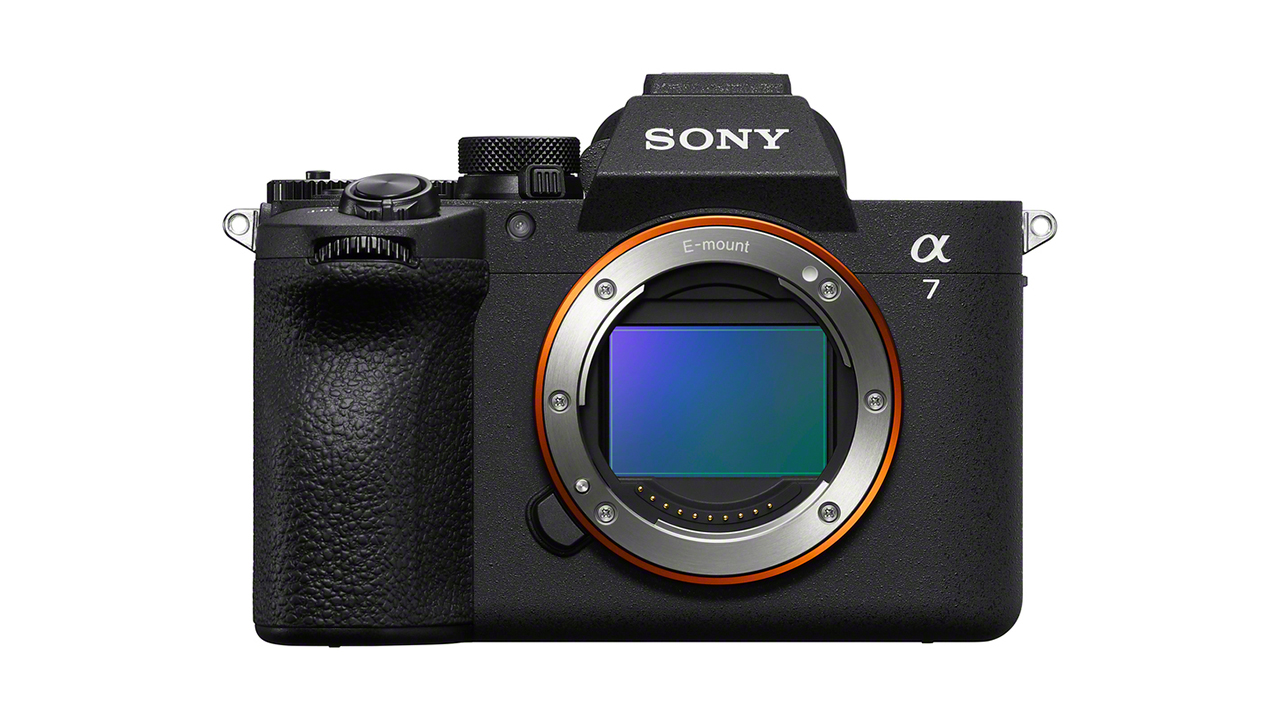
Are you still wondering what to get yourself for Christmas? If you have a good amount of leftover money after shopping for everyone else, Sony has a new camera just for you. Right on the cusp of the holiday season, the Sony Alpha 7 V is here.
The Sony Alpha 7 V is the fifth generation of the aforementioned series. The full-frame mirrorless camera uses a partially stacked Exmor RS CMOS image sensor to take photos with 33.0 effective megapixels.
Further, the new BIONZ XR2 image processing engine uses the Alpha series’ AI technology to deliver better imaging, Real-time Recognition Auto-Focus, and Real-time Tracking. To add to this, Sony is also launching the FE 28-70mm F3.5-5.6 OSS II full-frame zoom lens to support the camera.
For connectivity, the camera supports Wi-Fi 6E GHZ for data transfers. It also supports USB-C connections for wired transfers.
To ease usage no matter the scenario, the Alpha 7 V comes with vertical format support and an adjustable electronic shutter sound. It also has a 4-axis multi-angle monitor for shooting in various angles. Finally, it has a better grip for stability.
For those long shoots, the camera has better power management. It also has a Monitor Low Bright mode to preserve the battery.
The Sony Alpha 7 V body is available from the end of December. Meanwhile, the kit and the lens will be available on February 2026. The body costs SGD 3,699. From now until December 31, customers will get a free 240GB CEA-G Series CFexpress Type A memory card.
SEE ALSO: Sony’s mobile motion capture system, mocopi, is coming to Singapore


My Hero Academia: All’s Justice: A familiar Final War, made playable
Reliving the Final War


nubia V80 Max: Long battery, marginal upgrades, casual budget phone
Upgrades here and there, but is the price increase worth it?


Breaking up with Adobe Photoshop after 20 years
Wedding planning and Apple Creator Studio made me realize it was time

Horizon Hunters Gathering is an upcoming co-op roguelite spinoff

Report: HONOR tops global smartphone shipment growth in 2025

Valve is delaying the launch of the Steam Machine

No new NVIDIA GPUs this year, report says

HONMA x HUAWEI WATCH GT 6 Pro for golf launches

HONOR X9d 5G launches in the Philippines: Price, preorder, availability

Infinix NOTE Edge debuts: High-end features for accessible pricing

POCO M8 Pro review: Goin’ loco over this POCO

HONOR Magic8 Pro review: What sorcery is this?

Redmi Note 15 Pro+ 5G review: The midrange fashion piece


-

 News2 weeks ago
nubia joins durability competition with launch of V80 Max
-

 Gaming2 weeks ago
New DRAGON BALL game project “AGE 1000” for 2027 announced
-
Apps6 days ago
Breaking up with Adobe Photoshop after 20 years
-

 Gaming1 week ago
Blizzard will host four major game showcases starting this week
-

 Gaming4 days ago
PlayStation, LE SSERAFIM Chaewon team for the ‘Love of Play’ campaign
-

 Automotive1 week ago
VinFast updates battery subscription policy for large upfront savings
-

 Gaming1 week ago
Xiaomi SU7 Ultra makes Gran Turismo 7 debut
-

 Accessories3 days ago
Sony WF-1000XM6 was accidentally leaked online