



Ratchet & Clank: Rift Apart PC has been out for over a month as of writing. Performance Reviews are out and we encourage you to check those out for a more by-the-numbers detailed look.
For our part, we played the game on three (3) different devices to find out how it runs, what the experience is like, and to make a recommendation on whether you should pick it up or not.
Before we share what those devices are, here are the system requirements and some reminders to run Ratchet & Clank: Rift Apart for PC.
System requirements
| Minimum | Recommended | High | Amazing Ray Tracing | Ultimate Ray Tracing | |
| Avg Performance | 720p @ 30 FPS | 1080p @ 60 FPS | 1440p @ 60 FPS (4K @ 30 FPS) | 1440p @ 60 FPS (4K @ 30 FPS) | 4K @ 60 FPS |
| Graphics Preset | Very Low | Medium | High | High
Ray Tracing High* |
High
Ray Tracing Very High* |
| GPU | NVIDIA GeForce GTX 960
or AMD Radeon RX 470 |
NVIDIA GeForce RTX 2060
or AMD Radeon RX 5700 |
NVIDIA GeForce RTX 3060 Ti
or AMD Radeon RX 6800 |
NVIDIA GeForce RTX 3070 | NVIDIA GeForce RTX 4080 |
| CPU | Intel Core i3-8100
or AMD Ryzen 3 3100 |
Intel Core i5-8400
or AMD Ryzen 5 3600 |
Intel Core i5-11400
or AMD Ryzen 5 5600 |
Intel Core i5-11600K
or AMD Ryzen 5 5600X |
Intel Core i7-12700K
or AMD Ryzen 9 5900X |
| RAM | 8 GB | 16GB | 16 GB | 16 GB | 32 GB |
| OS | Windows 10 64-bit (version 1909 or higher) | Windows10 64-bit (version 1909 or higher) | Windows 10 64-bit (version 1909 or higher) | Windows10 64-bit (version 1909 or higher) | Windows 10 64-bit (version 1909 or higher) |
| Storage | 75 GB HDD space (SSD Recommended) | 75GB SSD space | 75 GB SSD space | 75GB SSD space | 75 GB SSD space |
Sony PlayStation also made sure to note that while it will indeed run in the minimum requirements, they still encourage players to play, at least, on an SSD to best experience the fluid dimension-hopping feature.
We were also reminded to update our GPU’s drivers. Outdated ones could cause issues.
The 3 devices
Naturally, we played on devices that meet the requirements as indicated above. The three devices are as follows, listed with the relevant specs:
Steam Deck
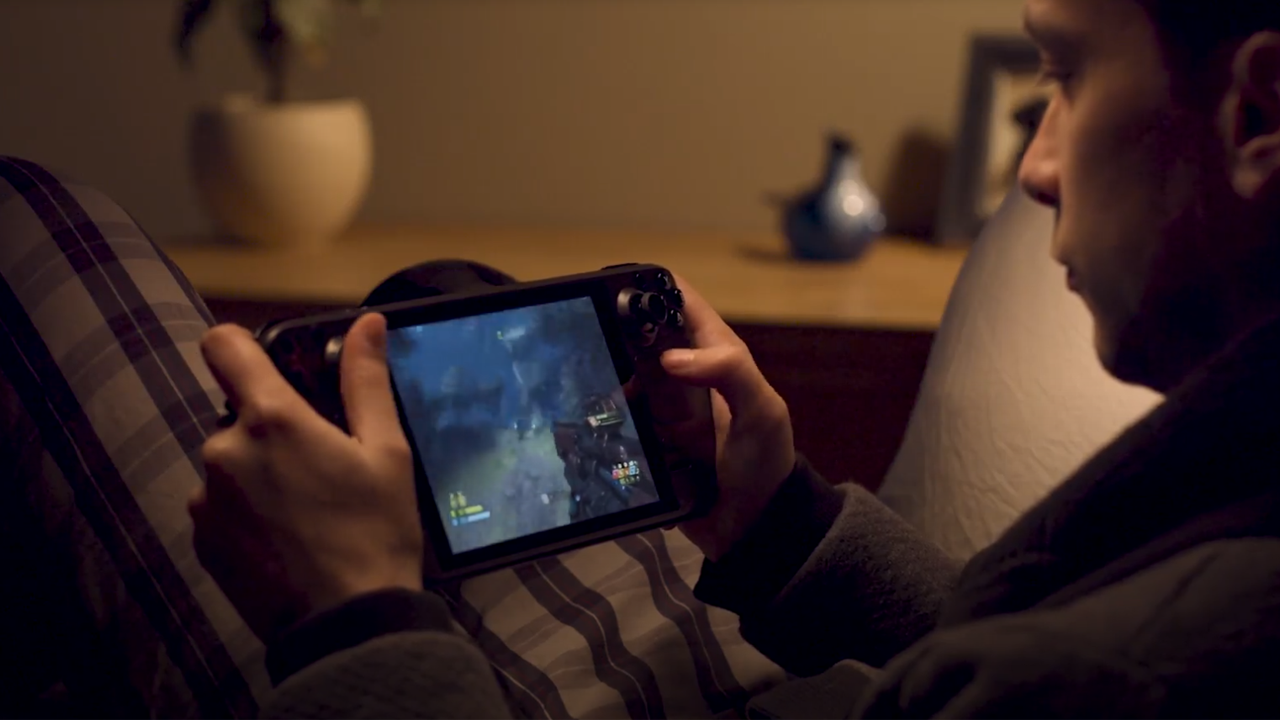
- AMD APU
- CPU: Zen 2 4c/8t, 2.4-3.5GHz (up to 448 GFlops FP32)
- GPU: 8 RDNA 2 CUs, 1.0-1.6GHz (up to 1.6 TFlops FP32)
- APU power: 4-15W
- 16 GB LPDDR5 on-board RAM (5500 MT/s quad 32-bit channels)
- 256 GB NVMe SSD (PCIe Gen 3 x4 or PCIe Gen 3 x2*)
ROG Flow X13 (2021)

- AMD Ryzen 9 5900Hs with Radeon Graphics 3.30Hz
- NVIDIA GeForce GTX 1650 Laptop GPU, 4GB GDDR6 VRAM
- On board LPDDR4X RAM 4266MHz 16GB x 2 Dual channel
- 1TB M.2 2230 PCIe 3.0 x4 SSD
- With ROG XG Mobile (eGPU+)
- NVIDIA GeForce RTX 3080 16GB GDDR6 (150w)
ROG Zephyrus G14 (2023)
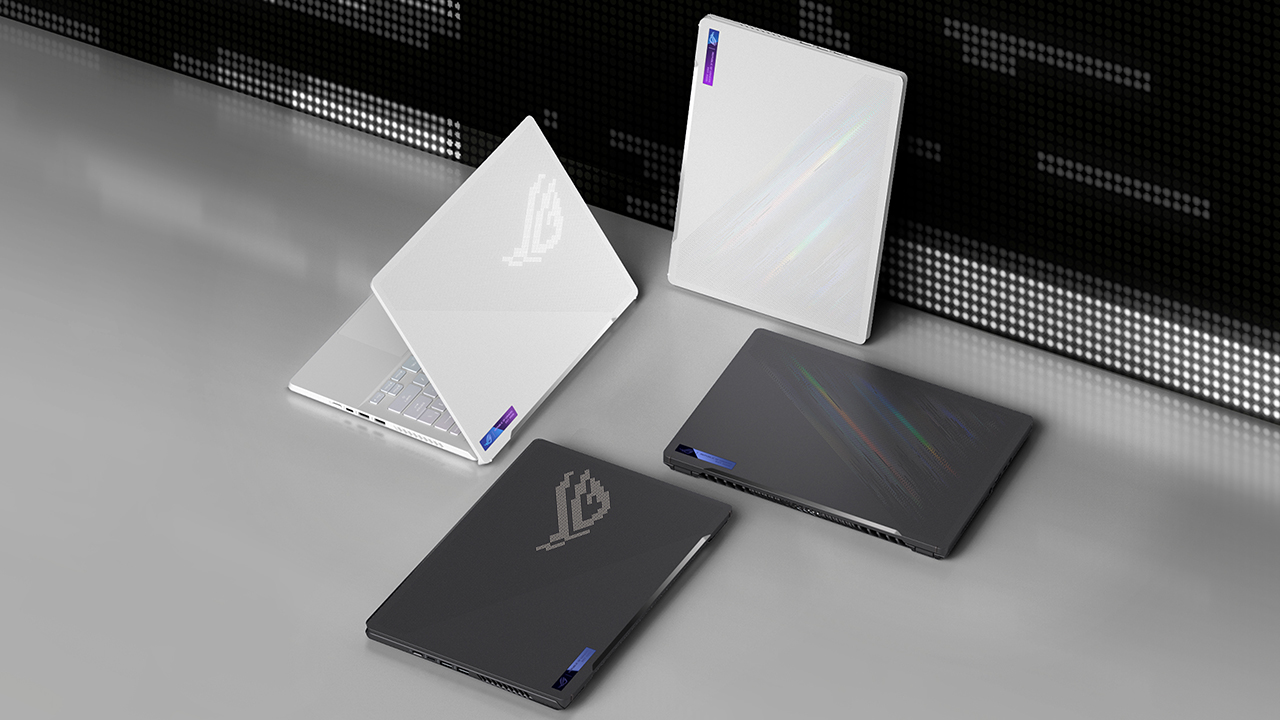
File Photo: Zepyhrus G14 (2020)
- AMD Ryzen 9 7940HS Mobile Processor (8-core/16-thread, 16MB L3 cache, up to 5.2 GHz max boost)
- NVIDIA GeForce RTX 4070 Laptop GPU
- ROG Boost: 2030MHz* at 125W (1980MHz Boost Clock+50MHz OC, 100W+25W Dynamic Boost)
- 16GB DDR5 on board
- 1TB PCIe 4.0 NVMe M.2 SSD
Experience per device

Just by looking at the specs, you can kind of picture already, at the very least, the graphical fidelity and general performance that each of the devices offered. Yes, to keep things simple, Steam Deck is on Medium, ROG Flow X13 is on High (with some caveats), and ROG Zephyrus G14 on Ultimate Ray Tracing.
For the most part, each device was automatically on the most ideal graphical settings as you fire up the game. We didn’t have to bother too much with tweaking things here and there. But that’s just us. The beauty of playing on PC is that you can make adjustments to your heart’s content. But we just wanted to play right away and stuck with the mostly vanilla settings.
Steam Deck
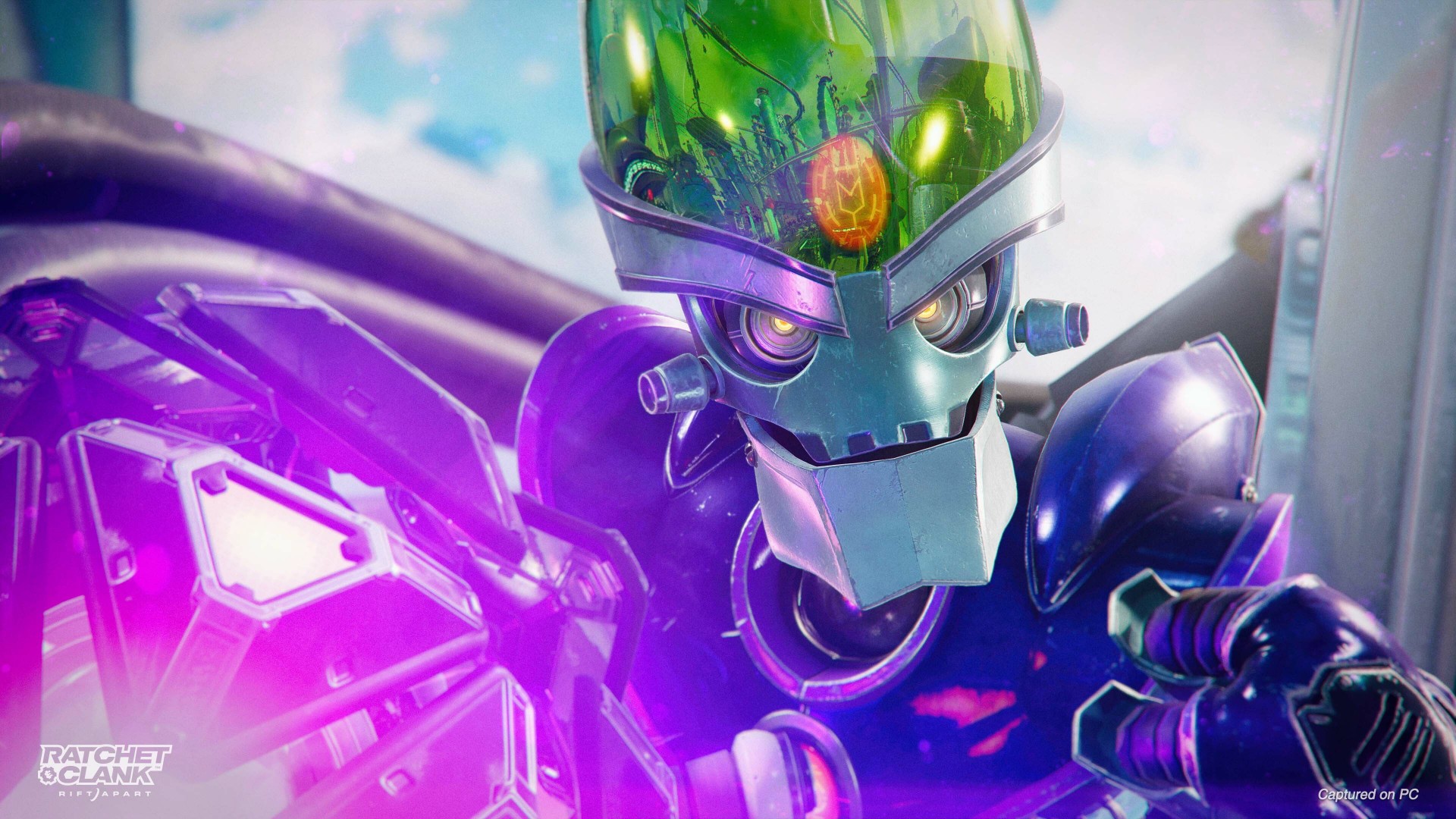
As a Steam Deck verified title, Ratchet & Clank: Rift Apart PC ran pretty well. Only a few things really stood out. This being a AAA title, you can expect to play for about two hours max if you’re unplugged.
You won’t enjoy the mind-bending visuals present when you play on the PS5. The graphics look closer to a late cycle PS3 game. It still looks fantastic which is a testament to the game’s overall art style. In the simplest terms, it’s like watching a video in 540p as opposed to the 4K, ultra-fine detail on its mother console.
The dimension-hopping didn’t feel as seamless as it did on the PS5 and that was to be expected. Still, the game ran mostly with just minor hiccups, never crashed, but we did have to force close it once when we missed a platform and it seemed like Ratchet was just falling endlessly into the void.
ROG Flow X13 (2021)

On the ROG Flow X13, the game was automatically on High settings even without the ROG XG Mobile plugged in. But the experience was rather dicey. There were plenty of graphical glitches when we played. Do note that we also did this unplugged. During that session, the laptop struggled to play on High. The game ran better when we switched to Medium later on.
Later on, in much more optimal conditions and with the ROG XG Mobile plugged in, Ratchet & Clank: Rift Apart PC ran exactly like how we expected it to. We even dated to bump it up to High Ray Tracing and enjoyed an experience that’s incredibly close to the one on the PS5.
In case you’re curious, we played using a GameSir G7 Wired Controller. It felt just like a regular Xbox controller but wired. If you’re used to the PS5 Dual Sense controller, it might take a few hours to get used to the feel. But the longer adjustment will be the face buttons, especially since both feature an “X” but on a different button placement.
ROG Zephyrus G14 (2023)
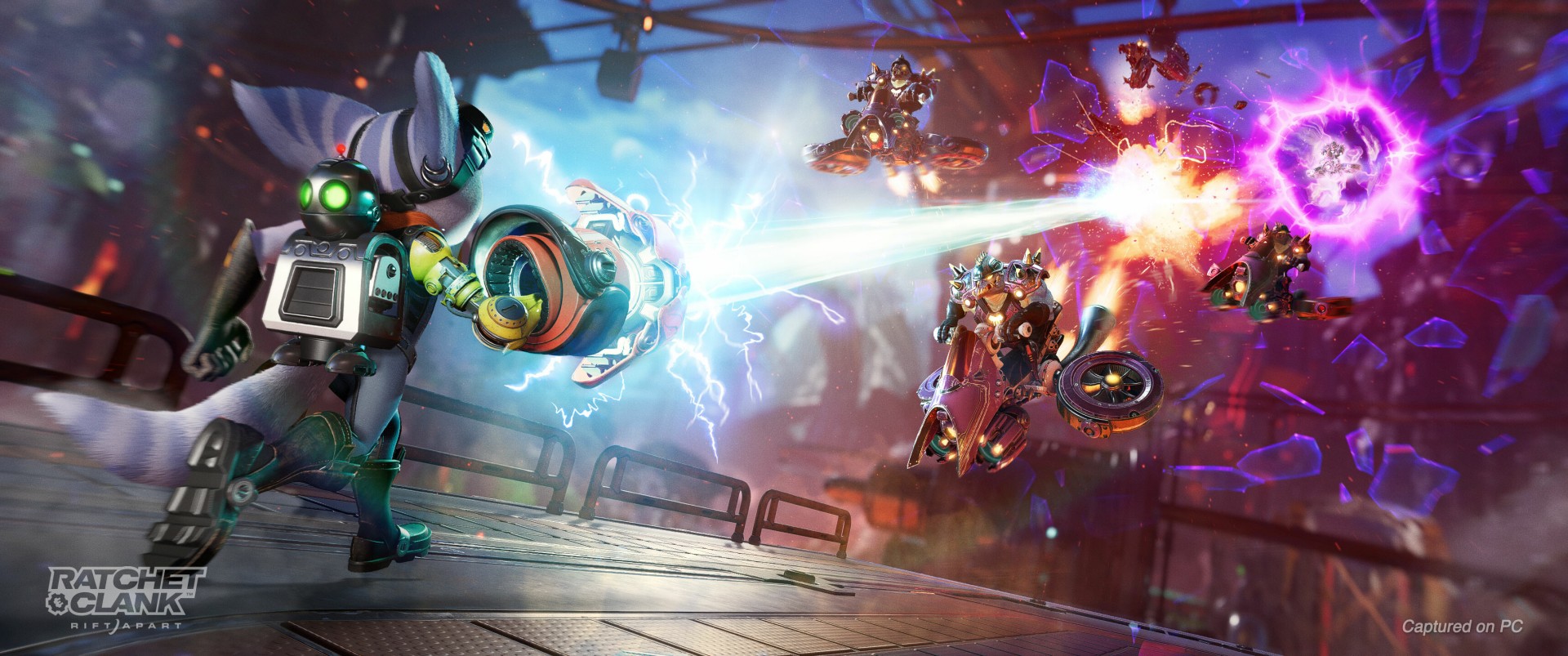
This is a review device that came in later and is the reason why we waited a little bit longer before publishing. And well, it was worth the wait. Playing on the latest Zephyrus G14 felt like a one-to-one recreation of the PS5 experience.
To truly match the console-like feel, we hooked up the laptop to a 55-inch 4K TV for good measure. Save for the controller, this was the closest we got to how we experienced the game back when it first came out. Graphically and performance-wise, there was hardly any difference.
It’s a shame we didn’t have an ultra-wide gaming monitor during the review period to see how well the game translates visually on that kind of display.
Should you play Ratchet & Clank: Rift Apart PC?

This seems like an easy enough question to answer, but there are plenty of things to consider. First of all, do you already own a machine that can run the game and where in the graphical and performance settings does your machine fall?
At Medium, it feels like you’re getting only about 50-60% of what the game has to offer. It’s a visual marvel as much as it is a virtual adventure worthy of pouring over 20 hours on. When it first came out, many reviewers called it a “Pixar movie that you can play.” You won’t get that experience if you’re only playing on the Medium to High range.
But if you’re only in it for the story and gameplay – both of which are very much worth your time, then by all means jump right in. We do, however, recommend that you hold out for a sale to get the most bang for your buck.
SEE ALSO: Ratchet & Clank: Rift Apart Review: A damn good time







Valve has been embroiled in an odd war as of late. A few weeks ago, the New York Attorney General filed a lawsuit against the gaming company for allegedly encouraging children to gamble through loot boxes primarily found in Counter-Strike 2. Today, Valve is fighting back by declaring how little its loot boxes have to do with gambling.
For years, governments have had a problem with loot boxes. To them, the mechanic makes it too easy for gamers to fall into a gambling addiction. In essence, loot boxes are earnable packs that contain a single or a number of random items that the player can use for their game. Most of the time, these items are purely cosmetic and don’t give a gameplay advantage.
Like Blizzard before it, Valve is also defending its loot boxes as non-essential to how players engage with their games. “There is no disadvantage to a player not spending money,” their statement reads.
Additionally, Valve says that their loot boxes are no different from Pokémon cards and Labubu blind boxes. As such, the company is also defending their users’ right to transfer obtained items to other users, as with two players trading cards or Pop Mart figurines.
Now, these items have monetary value in the market. In the same way, a rare Counter-Strike 2 skin can fetch thousands of dollars. However, Valve says that they are already proactive in shutting down accounts made only to gamble and avoiding pro-gambling businesses.
Valve is capping off its statement by saying that the NYAG is forcing the company to collect more information from its users, especially those using VPNs to prevent being located in New York. The company says that it will continue to protect user data, despite the demand.
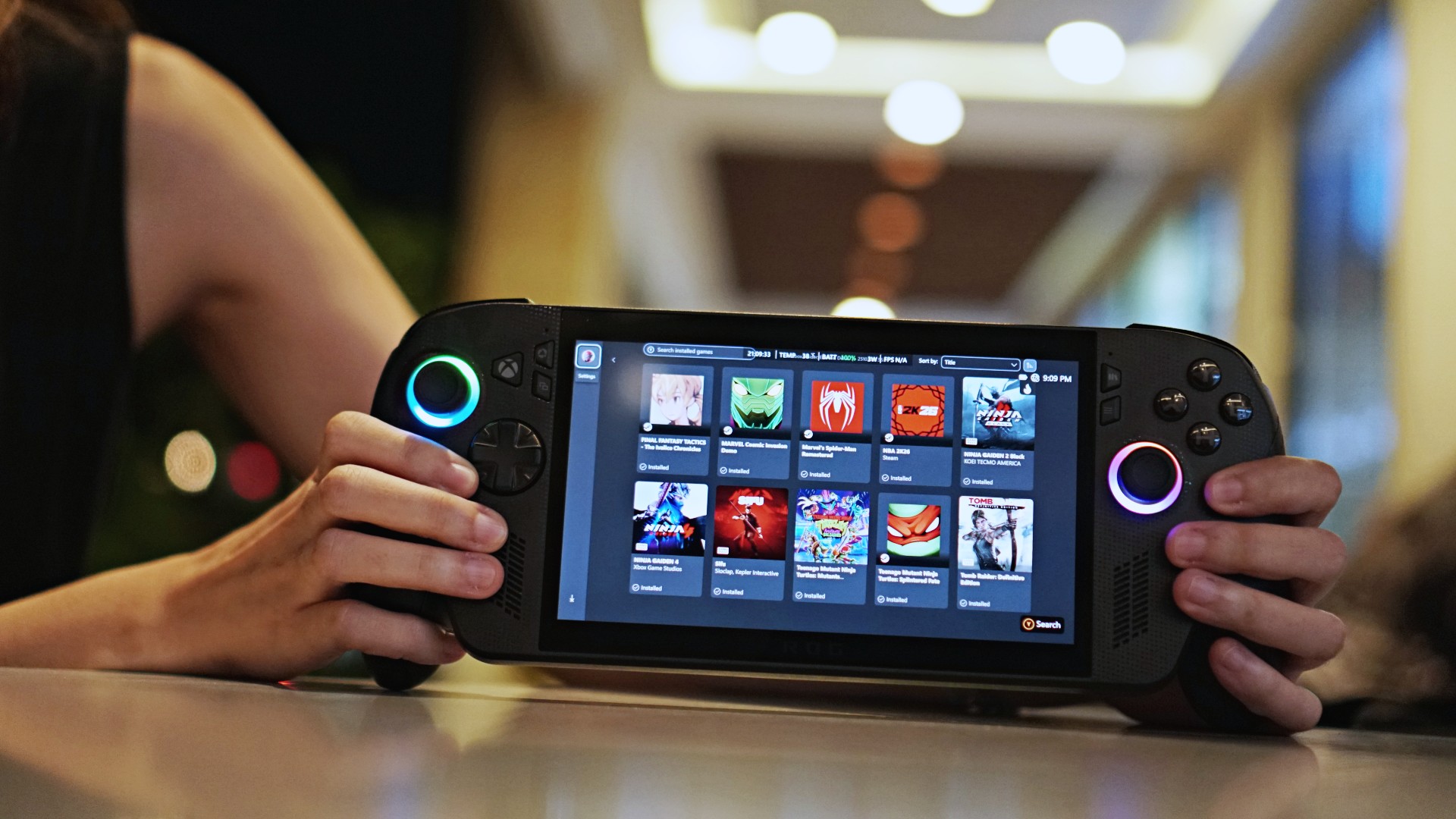
What is an Xbox? For the past year and a half, Microsoft will tell you that anything can be an Xbox. Now, with Project Helix on the horizon, Xbox wants to bring the idea of playing anywhere to the next level. Microsoft will start rolling out its new Xbox Mode to PCs in April.
Since the very first device out in the market, handheld consoles have changed how people play games. Naturally, a lot can already be said about the portability and the convenience of its hardware. But the software needs a special shoutout, too.
Though they are essentially PCs at heart, these consoles are built explicitly for gaming. Fiddling around with Windows isn’t ideal. Instead, they have special software that can collate all of a user’s games into one hub.
The new Xbox Mode, adapted from the ROG Xbox Ally X’s Xbox Full Screen Experience, will do just that but on an actual PC. As announced via an official blog post, Xbox will release the new mode to Windows 11 devices in April, starting with select markets. Like the software used in handheld consoles, Xbox Mode should include all the available games from the Game Pass, Steam, and the Epic Games Store.
Right now, the feature will likely go up against Steam’s Big Picture Mode, which does the same thing but only for Steam titles. However, it should also transition neatly to Project Helix. Xbox is now ramping up the development of its next-generation console codenamed Project Helix. The upcoming machine will be a high-end PC and a gaming console rolled into one, making it perfect for Xbox Mode.
SEE ALSO: Project Helix is Xbox’s next console, and it plays PC games
Gaming
Resident Evil Requiem will get a story expansion
There’s no word yet on when the story expansion will drop.


Resident Evil Requiem, Pokémon Pokopia, and Slay the Spire 2. Between these three, gamers today are eating well and good. Or rather, they’re not, because of how addicting of a time sink these titles are. The latter two especially are built to be played over and over for weeks and months. Now, Resident Evil Requiem is working on something, so you also won’t forget about it in a few months’ time.
Via an official post on Resident Evil’s social media platforms, Capcom has confirmed that a story expansion is coming to the horror game. Currently, the base game doesn’t take long to beat, especially when compared to other RPGs today. The expansion should add more content to explore the story’s world.
Right now, Capcom can’t share a timeline for the update’s launch. However, in the meantime, the developers are cooking up a few minor updates to keep the game alive. For one, the game will receive performance updates to improve the smoothness of gameplay and fix bugs. It will also get a photo mode for all you Leon-holics out there.
Finally, in May, the base game will get a “minigame” added to the main game. There’s no word as to what this minigame is, so we’ll have to wait for when it drops.
Resident Evil Requiem is out now on all major platforms. The game features the survival horror style of the modern Resident Evil games, while serving up the classic action gameplay with the return of Leon S. Kennedy as a co-protagonist with Grace Ashcroft.
SEE ALSO: Resident Evil Requiem is out now



Disney+ launches a TikTok-coded vertical feed called Verts

Google Maps is finally getting a 3D mode

KPop Demon Hunters is officially getting a sequel

Bringing Care-a-Lot to my daily carry

Galaxy AI on the Samsung Galaxy S26 Ultra


-

 News2 weeks ago
Xiaomi 17 Ultra is now available outside China
-

 MWC 20261 week ago
Infinix NOTE 60 Ultra makes a motorsport-inspired debut
-

 MWC 20262 weeks ago
TECNO showcases cool concepts at MWC 2026
-

 MWC 20261 week ago
TECNO launches the all-new CAMON 50 series
-

 Reviews1 week ago
TECNO CAMON 50 Ultra review: End of an era?
-

 Reviews2 weeks ago
Xiaomi Pad 8 review: Slab that slaps!
-

 Reviews2 weeks ago
Forget the Phone: Xiaomi 17 Ultra Is A CAMERA!
-

 MWC 20261 week ago
TECNO unleashes Tonino Lamborghini collection