


Reviews
realme 8 5G review: Your all-around budget 5G companion
The brand hopes to change the game with speed.

Anytime a phone is called a game-changer, we look for one quality that makes it stand out among the rest. It can be an emphasis on gaming, battery life, or for most phones nowadays, camera hardware.
With the realme 8 5G, the brand hopes to change the game with speed. It’s a rather vague promise, but one that should excite plenty of consumers. Does it live up to the hype?
Don’t Sleep on Mediatek
The name Mediatek comes with quite the baggage, especially for Filipino consumers. But don’t fear. Long gone are the days where Mediatek processors sacrifice quality to reduce costs. The Mediatek Dimensity 700 5G is a more than capable performer for your day-to-day tasks.

Going through emails and using social media was a breeze, even with multiple apps open. Browsing through Facebook and Twitter while running YouTube in the background (thanks YouTube Premium!) was a delight.
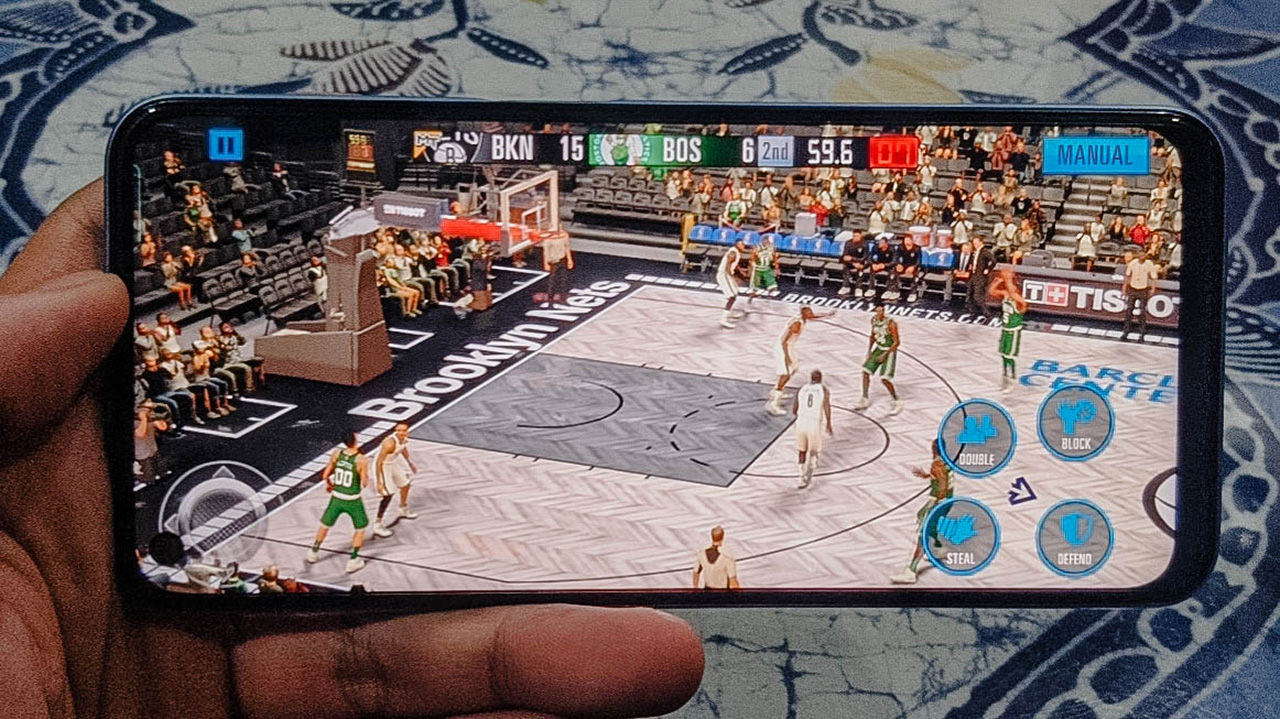
Just don’t expect too much out of its capability to play graphic-intensive games. I tried running NBA 2K Mobile on Medium graphics and there were some stutters. Thankfully, they weren’t anything drastic that the entire experience was ruined.
If there’s one thing to be concerned about with the phone’s performance, it’s battery life. On light usage, you can stretch its 5000mAh cell to one and a half days. But with heavy usage of mobile data, social media, and navigation apps such as Waze, the midranger’s battery life went from 100 to 20 by 10PM. For hardcore gamers and workers who always have their mobile data on, it would be best to keep a power bank, just to be on the safe side.
realme UI 2.0 is a great balance
Phones from Chinese brands tend to get flak for straying too far away from Stock Android. Icons are colorful to a fault and too many unnecessary things are baked into these devices. Thankfully, that isn’t the case with realme’s flavor of Android 11.
There’s still bloatware. It wouldn’t be a phone from a Chinese brand without it. There are also annoying notifications from these apps. It’s a good thing you can disable these through System Settings.
Otherwise, realme UI 2.0 is an offering that feels more stock than most devices in the midrange market. It just works, and it isn’t cumbersome to use for any kind of consumer. Sometimes, that’s all you need out of a device’s software. Extra and unnecessary toppings aside, realme UI 2.0 was a delight to use.
5G and its 90Hz display are the cherry on top of this delicious sundae
While 5G and 90Hz displays are leading most phone’s marketing campaigns, they shouldn’t be a consumer’s primary reason for a buying a device as of the moment. 5G still has limited coverage and its differences with 4G LTE are minimal. 90Hz displays can only go so far. It eventually reaches a point where using it doesn’t feel all that special anymore.
At the core of a good smart phone are still its processor of choice and how its software operates. 5G and 90Hz are role players. A phone’s processor and software are its franchise cornerstones. On that note, the realme 8 5G has a team that blends together extremely well. You should consider them a championship contender in this segment of smartphones.
A camera that captures many possibilities, just not infinite
Capture Infinite Possibilities with 5G. It’s a very bold statement coming from realme to promote this device.
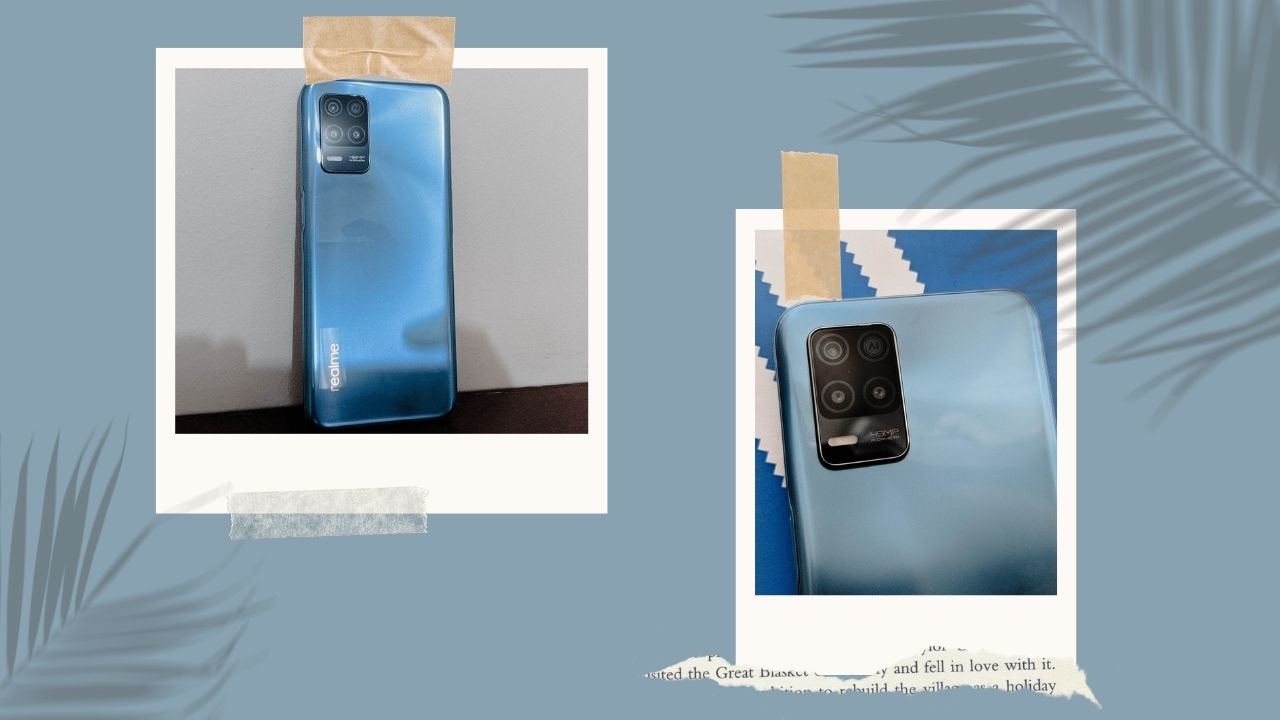
On that end, the realme 8 5G isn’t able to live up to that lofty promise just because of how limited its camera array is. Its triple camera setup consists of a 48-megapixel wide main camera, a two-megapixel macro camera, and a two-megapixel depth camera. In this day and age, a macro sensor and a depth sensor don’t provide much use to the overall camera experience. They’re nice-to-haves, but they don’t enrich the experience by much. A wide-angle lens and a telephoto would have helped users capture more possibilities with realme’s newest midranger.

At the very least, the phone is able to capture many finite possibilities thanks to its 48MP main camera. It’s a solid lens that performs well on all kinds of lighting conditions.
Its post-processing is a double-edged sword because of how it saturates and adds contrast to its images. Sometimes, pictures come out very good and natural. However, there are instances when images can look quite unnatural because of how it’s processed.




I showed one image to my girlfriend, and she likened the background to a painting. If you’re trying to capture art, maybe that works. But you’re trying to capture realistic images. Thankfully it’s nothing extreme to the point where you wouldn’t want to use the device’s camera. It’s just something to take note of as a user.


The selfie shooter came out with similar results, with a few hiccups here and there in dealing with the bokeh effect of Portrait Mode. However, if there was one weakness that was quite glaring, it was how it blended together the colors of its subject and background.

In one particular image, the colors came out as quite unnatural and it didn’t process the incoming tricycle in the background well. Again, like the main camera, its main weaknesses aren’t extreme to the point where you’d avoid using it at all costs.
You’ll be capturing many possibilities with this shooter. Just not infinite.
Is this your GadgetMatch?
Priced at PhP 11,990, the realme 8 5G can be confidently called a steal. You can even go as far as to say that it deserves its lofty tag as a game-changer. It’s able to achieve this in a manner we aren’t used to seeing in this price segment.
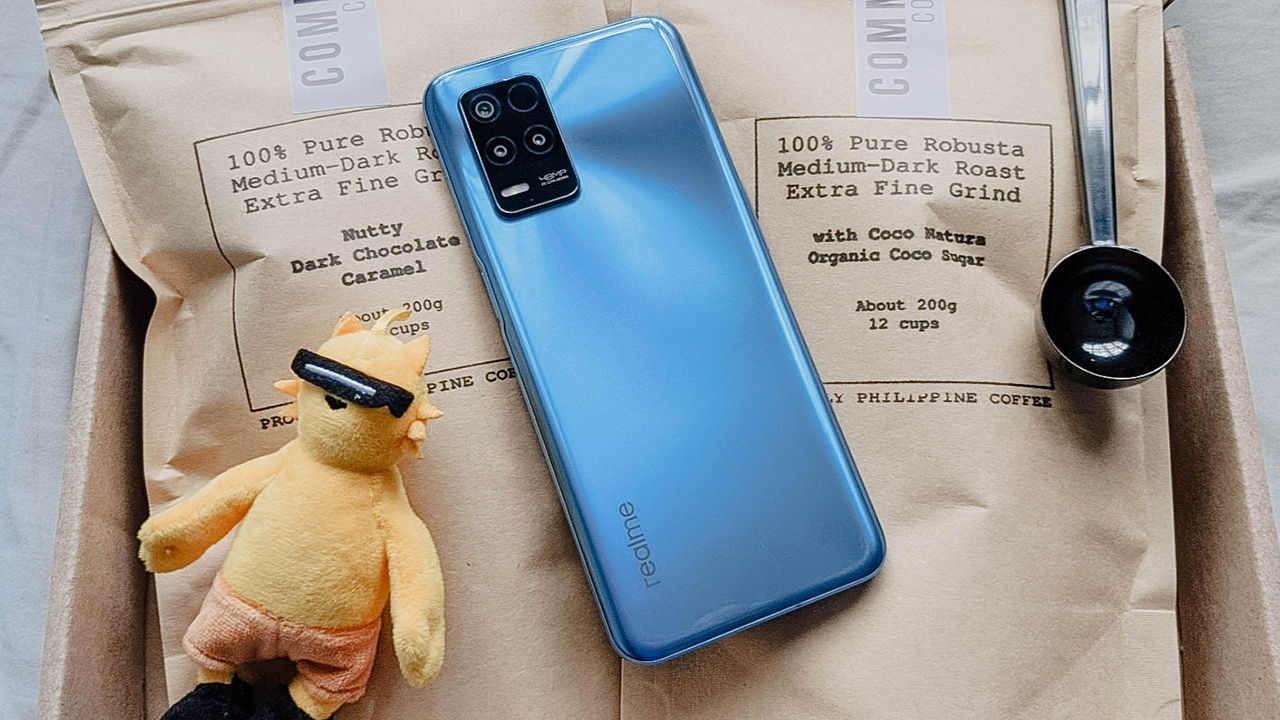
Far too often do we see midrangers that champion raw power or large battery cells, while sacrificing overall user experience. This isn’t the case with the realme 8 5G.
The highlight feature of this device is its 5G connectivity, but instead of solely focusing on this brand-new feature, it uses it to enrich the experience brought by the phone’s processor and software.
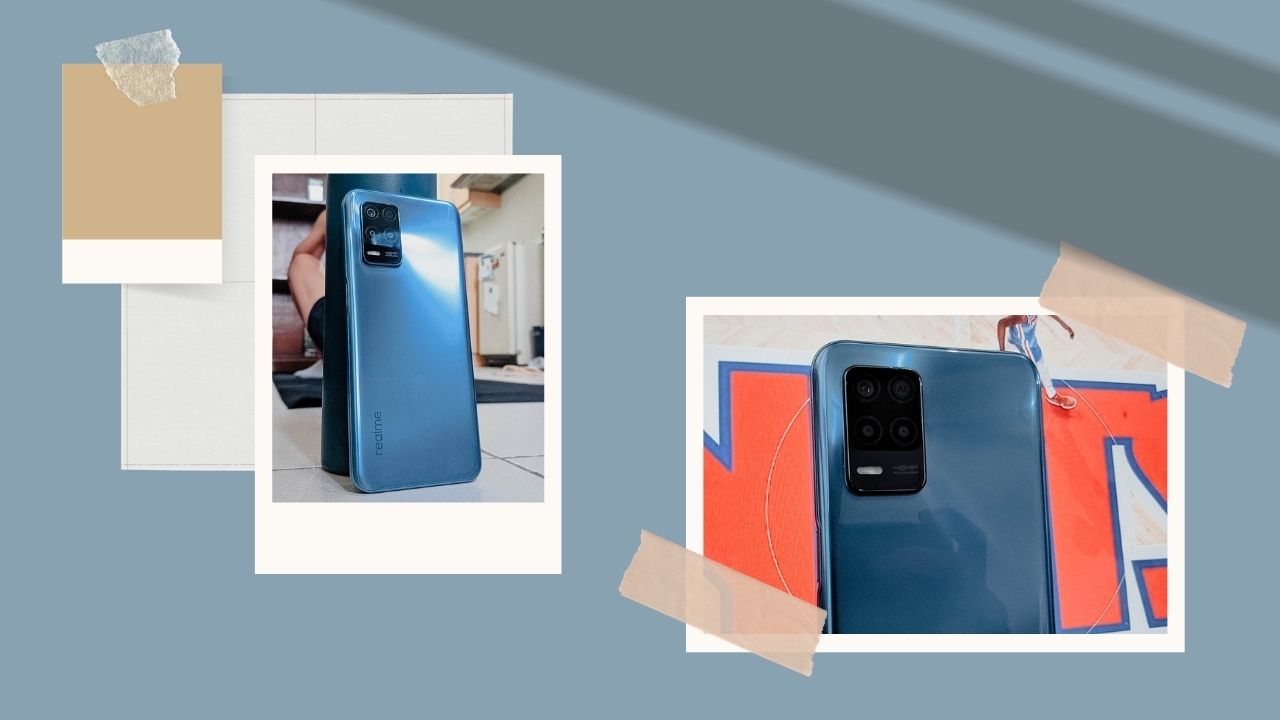
This is a phone that can be used by any kind of user, but especially for the young professional who’s looking for a versatile device for all kinds of tasks at a low price. It’s not a clear-cut champion, but it can be called one of the favorites in an incredibly competitive midrange segment.






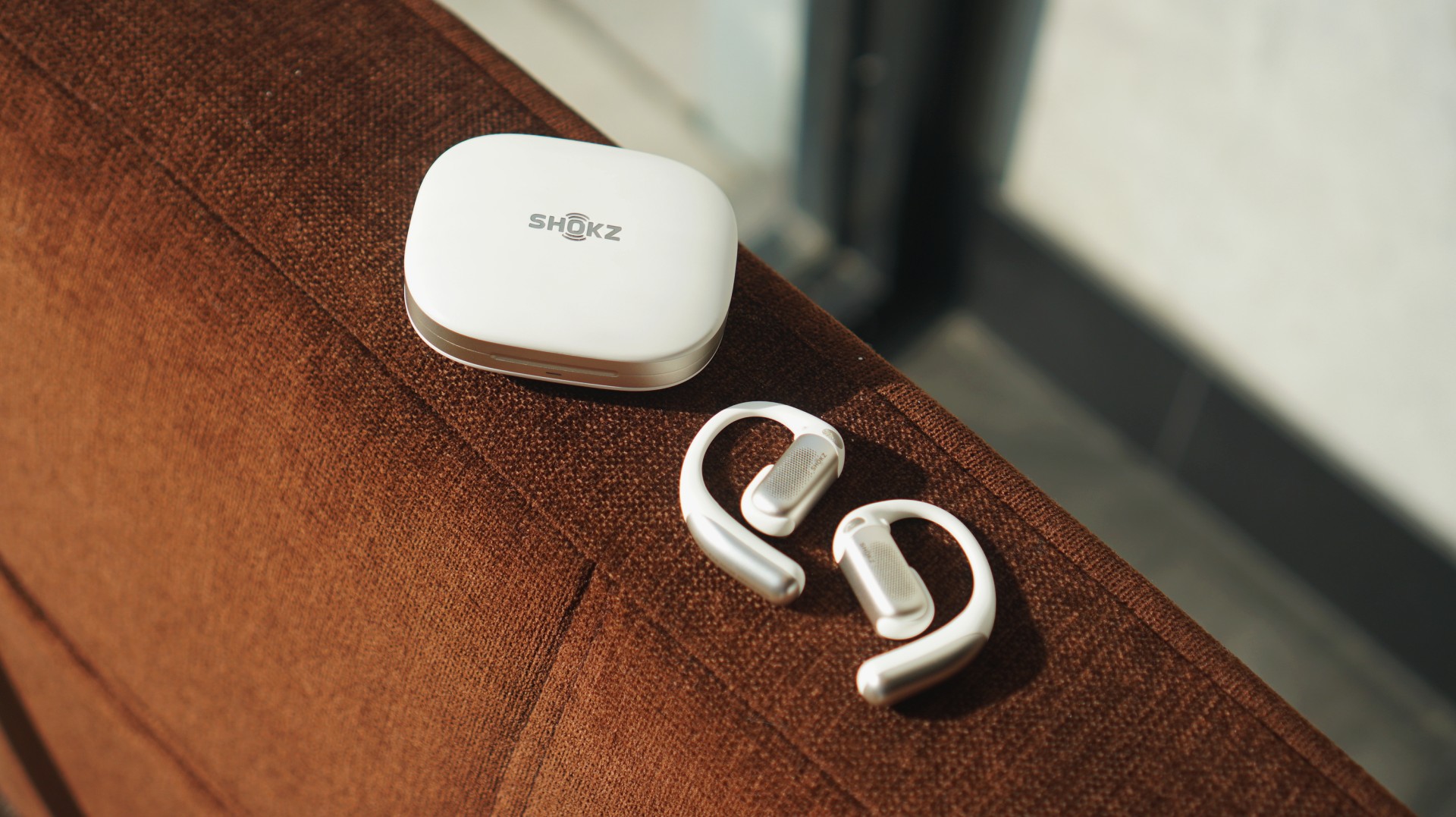
Somewhere between “stay aware” and “tune things out.” That’s exactly where the Shokz OpenFit Pro lands. It didn’t fully make sense to me at first. But after about a week of using it almost everywhere, it started to click.
First impressions: familiar, but better
For context, I’ve only used a couple of open-ear options before — the HONOR Earbuds Open and the Shokz OpenDots One. I also heard from a colleague that “Pro” versions tend to feel heavier.
That wasn’t my experience here.
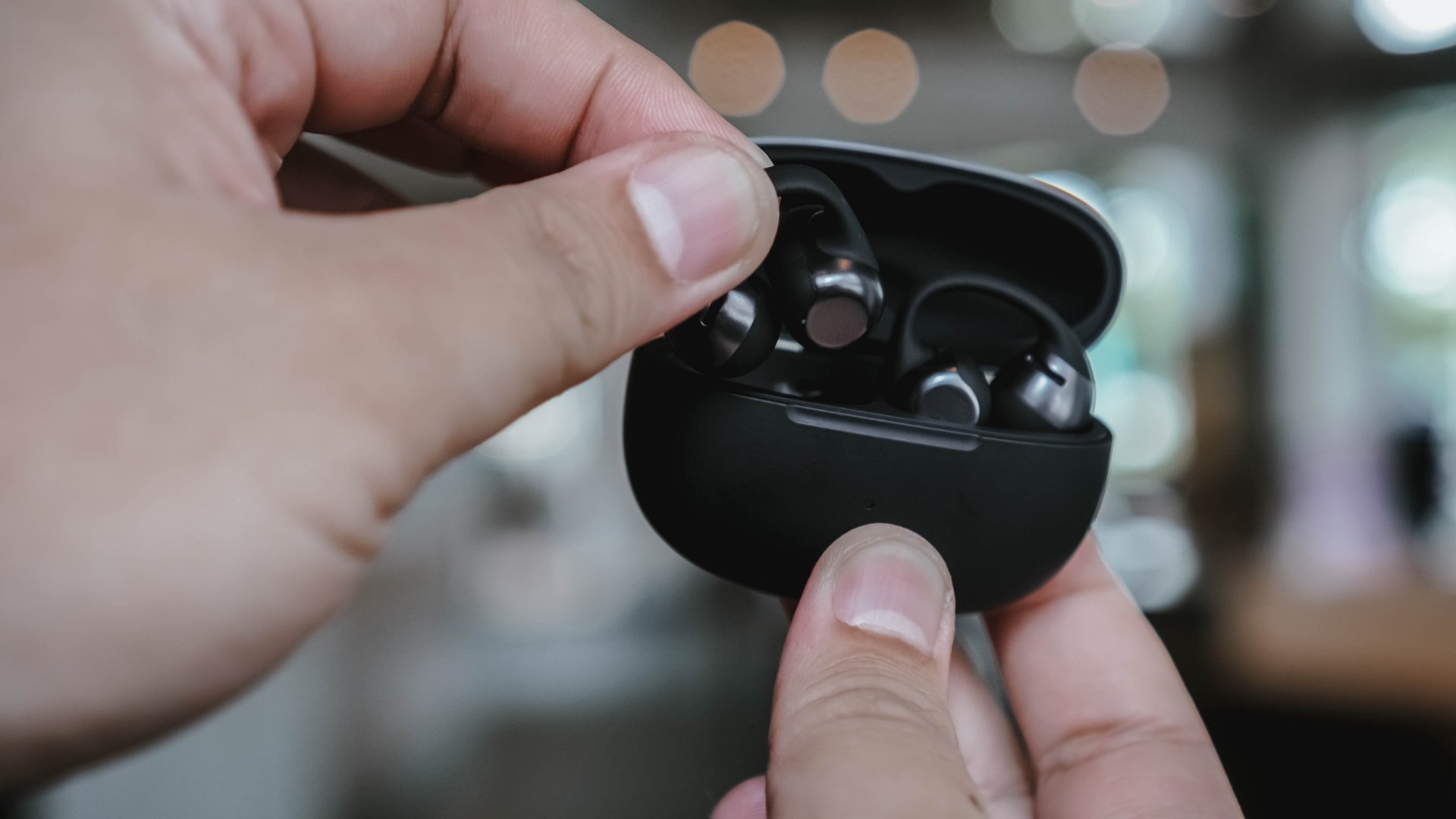
The first few minutes with the OpenFit Pro felt just right. Not too heavy, not awkward. Just… there. In a good way.
What stood out more immediately was how visible they are. These aren’t the kind of earbuds that blend in or pass off as accessories. If someone looks at you, they’ll know you’re wearing earphones.
And then there’s the sound.

I could immediately tell they were better than both the Earbuds Open and OpenDots One. That was the first real “okay” moment.
It just fit into my day

Since unboxing, I’ve kind of just been using the OpenFit Pro everywhere.
I worked at a café for about four hours with it on. Took calls — both work and casual. Wore it while walking around.
In the week or so that I’ve used it, it felt appropriate in pretty much every scenario I found myself in. Mostly casual ones, but still.
There are moments where I’d still reach for something like the OpenDots One — especially when I want something more subtle, like at events or even on a date.
But lately, I’ve been picking up the OpenFit Pro more. Mostly because of the sound quality and the flexibility you get with the noise reduction options.
The kind of sound that lets you sit in it
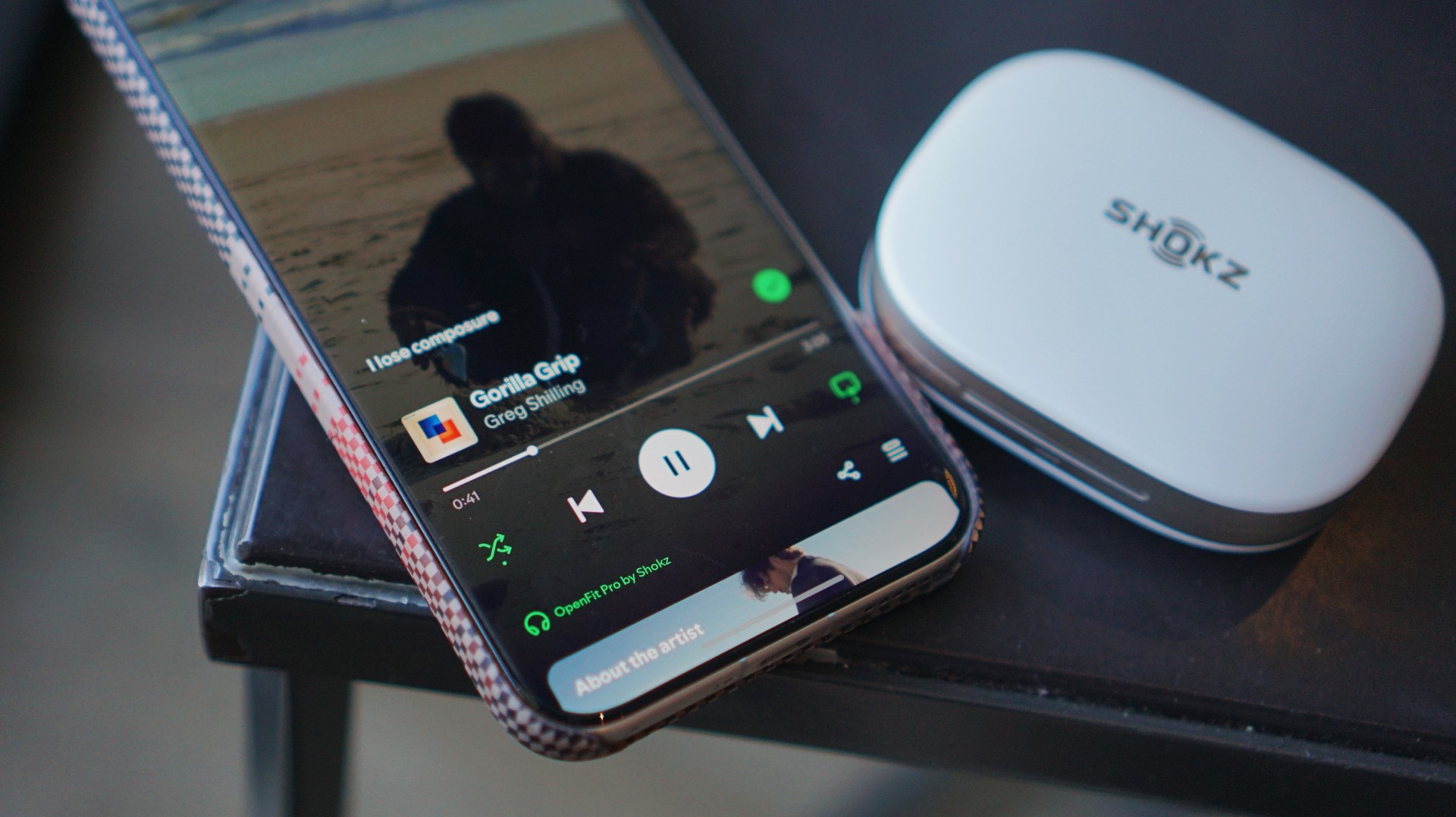
I’ve been stuck on a single playlist lately — a mix of chill neo soul and indie pop. Tracks like “Gorilla Grip” by Greg Shilling and “Psychosomatic” by Azkal. That’s been my vibe and the OpenFit Pro fits right into that.
At this price point (PhP 14,990 / USD 249.95), I expected it to sound good. Thankfully, it does.
The sound is clean, clear, and crisp. That’s really the best way to describe it.
Bass doesn’t hit you in a physical, “thumpin’” way, but it’s present. It rings. It sits where it should.
I usually test with “Turn It Up” by TWICE and “Summer Romance (Anti-Gravity Love Song)” by Incubus, and both come through nicely.
What I appreciated most is how easy it is to isolate sounds in your head. If you’re the type to mentally pick apart layers in a track, this makes that easy.
Dolby Atmos adds another layer to that experience. Tracks like “Sobakasu” by Judy and Mary and “⅓ No Junjo Na Kanjo” by Siam Shade feel like they move around you.
It’s the kind of sound that makes you want to move a little. Nothing dramatic. Just enough to groove.
Noise reduction, but still open

The main feature here is open-ear noise reduction. I turned it on right away during a café work session. It works best for tuning down general noise — conversations, ambient chatter, the usual café sounds. It doesn’t eliminate them, and that’s the point.
Vehicle noise gets reduced too, but to a lesser extent. It doesn’t fight your music. It just sits behind it. I wouldn’t say it feels weird or unnatural. It just does what it says it does.
You still hear the world. Just… less of it when you want to.
Awareness that feels intentional

This is probably the core of the experience. It never really felt like I was “half-present.” It felt intentional.
If I’m semi-engaged in conversation, I can turn noise reduction off and just let everything in. If I want a bit more focus, I turn it on.
Walking was where I appreciated it most.
I walked quite a bit with these on, and it helped me stay aware of my surroundings. I moved pretty much the same way I normally would — just with a bit more awareness in the background.
And if I’m locked into work, the outside noise fades anyway.
Comfortable, with a presence

On my first day, I wore it for four straight hours and honestly forgot about it.
After that, I started to feel it around the two-hour mark — not in a bad way. More like a reminder that it’s there.
But it never got to the point where it felt tiring or uncomfortable.
It only fell off once, and that was after taking off a helmet from a moto taxi. Outside of that, it stayed put no matter how I moved.
And I didn’t exactly take it easy either — there was some random dancing in the elevator and a bit of headbanging in my room.
It held up.
Calls that just work

I took several calls using the OpenFit Pro — all indoors, mostly with minimal background noise.
Here’s the feedback I got:
“It was pretty clear. There wasn’t much noise except for during the start of the call. It’s like there’s just one layer. Then noise cancellation was good because there was no background noise. I wouldn’t know if phone or earbuds in that sense.”
That last part stands out. If the person on the other end can’t tell whether you’re using earbuds or just your phone, that’s usually a good sign.
I’d trust this for important calls.
Battery that just exists
Battery life is one of those things I didn’t really have to think about.
I used it throughout the day and charged it when I got home. That’s it.
There was even a day I forgot to charge it, and it still had enough battery for my usual usage the next day.
No stress. No adjustments needed.
The trade-offs are mostly visual

If there’s one thing you’re giving up here, it’s subtlety. These are not discreet. People will notice you’re wearing them. If that matters to you, this might be a dealbreaker.
The black version helps if you want something more low-key. The white one stands out more — which I personally like.
Beyond that, there weren’t any real frustrations. Maybe the price, but given the tech and overall experience, it makes sense.
A lifestyle fit that makes sense
This feels like it’s made for people who move around a lot and don’t mind being seen.
Active, unbothered, always in motion.
It’s so easy to use and comfortable enough that I found myself listening to more music during short walks. I didn’t have to worry about it falling off the way I sometimes do with in-ear options.
It just fits into that kind of lifestyle naturally.

The moment it clicked
For me, it clicked right after setup. I connected it to the app, tried the head tracking, toggled noise cancellation on and off, even tested it without anything playing. Shook my head like a crazy person. The works.
From there, everything just lined up.
I liked the sound immediately. The comfort made sense. The controls were simple and easy to learn.
It felt like something I’d actually want to keep using.
Is the Shokz OpenFit Pro your GadgetMatch?

At this price, the OpenFit Pro positions itself as a main pair of earbuds — and it can absolutely be that.
It fits into most situations where you’d want to wear headphones.
Especially if you’re someone who likes music as a constant companion — whether you’re working out, walking around, or just moving through your day like you’re in your own little movie.
For people like that, this is a Swipe Right.
If the open-ear look isn’t your thing, though, that’s an easy Swipe Left.
Bonus: choosing this over traditional earbuds

This is funny, but I haven’t picked up my Galaxy Buds4 Pro at all since I started using the OpenFit Pro. The Buds4 Pro are still better in terms of overall sound and features. But I just find open-ear headphones more comfortable to wear.
At the end of the day, it comes down to comfort and how you want to show up. And right now, this is the one I keep reaching for.
Practical Smart Home
Why this 180-degree gimbal projector is a “small win” for solo living
At $200, the XGODY N6 Pro transformed my one-bedroom apartment into a sanctuary of independence

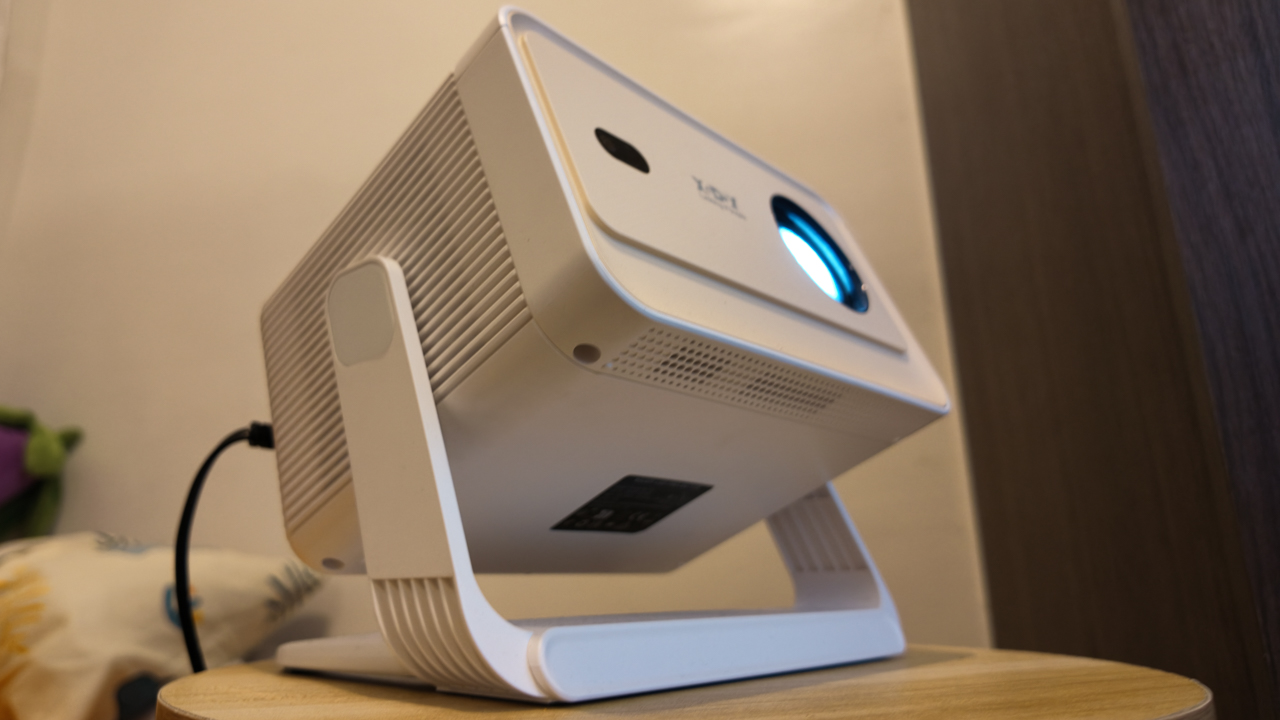
For a long time, I didn’t have a home entertainment setup.
As a young adult navigating the nuances of solo living, my iPad Pro was my constant companion. It was my theater and my window to the world, especially on those nights when the silence of a one-bedroom apartment hit a little too hard.
I’ve spent countless hours with that 11-inch screen as my only guest, filling the void with comfort shows while I worked, even though my space was perfectly capable of housing a real Smart TV.
But buying a TV felt like… commitment. A TV is a centerpiece you decorate around; an invitation for people to gather.
If you walked into my apartment, you’d see it doesn’t scream “hosting duties.” It screams sleep, train, grind, recover, and repeat.
There is no plush couch, no mahogany entertainment center. While it might look unusually sparse to others, it is mine.
And one of the best parts of living alone is making the final call on what actually fills your space. On one of my loneliest nights, the XGODY N6 Pro arrived, and suddenly, it shifted my state of mind from merely surviving to actually thriving in the life I built.
$200 of freedom
At US$ 200, the XGODY N6 Pro isn’t a casual purchase. When you’re living independently, every dollar is a tactical decision. There’s no safety net, no “calling home” if the budget breaks.
But even when you’re grinding, you deserve to have small luxuries; something that makes your life feel bigger than the room you are in.
For instance, watching your favorite shows projected across your own walls is the ultimate treat after a day spent exhausted.
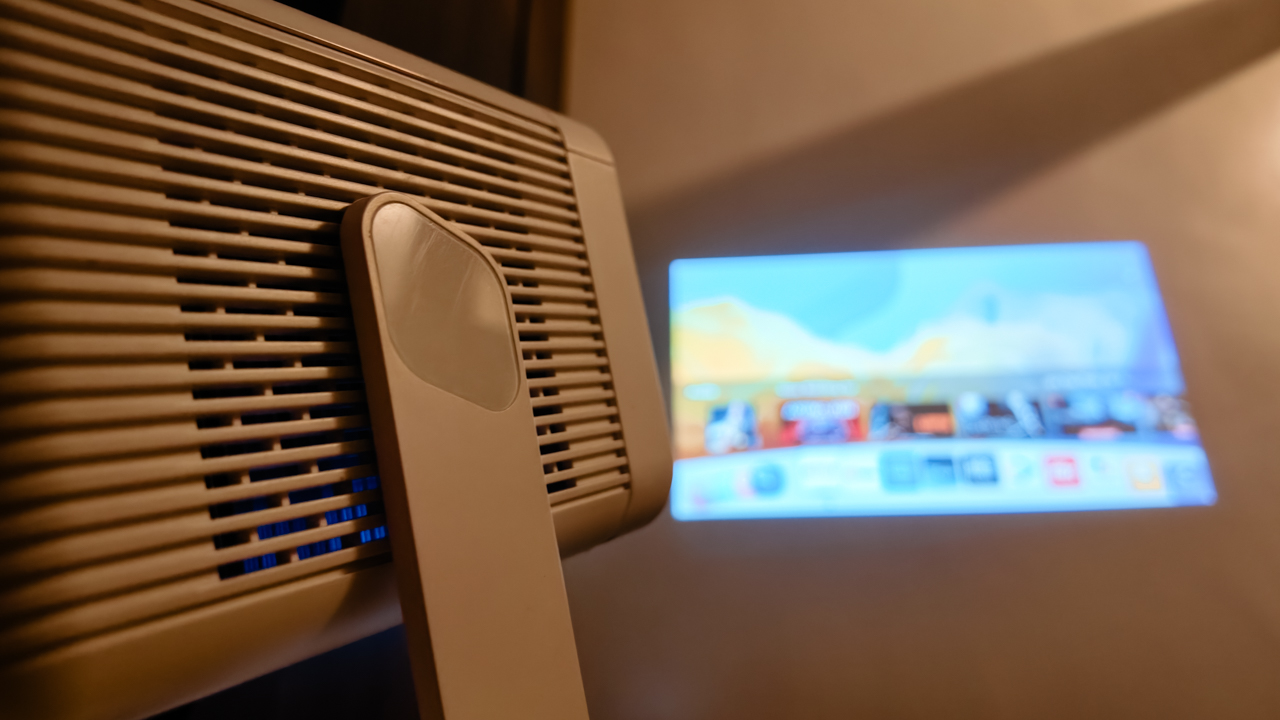
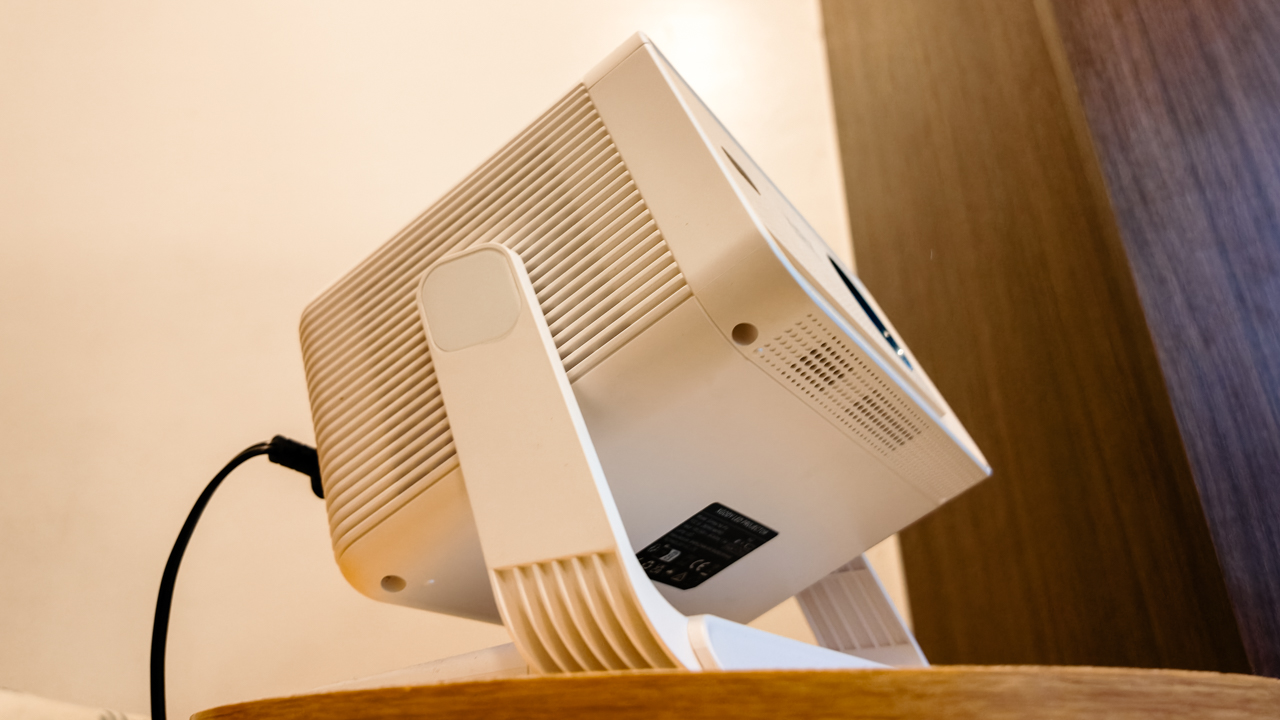
What surprised me most was how the projector adjusted to me, not the other way around. The 180-degree gimbal design sounds technical, but in reality, it simply means freedom.
I don’t have a proper tech setup, so I used my bar stool as a stand. It didn’t matter. Whether I’m sitting on my fabric gaming chair or tucked into bed, I just pivot the lens to whatever surface works best.
For once, I’m not craning my neck over a screen and I’m not adjusting myself to fit the device. It fits into my life exactly as it is.
Seamlessly self-sufficient
Independence changes the way you see technology. When your brain is fried from a long day, you just need life to be a tad easier. I don’t want complicated or demanding; I just want things that do their job so I can breathe.
The remote-controlled electric focus and Auto Keystone Correction, in a way, are life-savers. I didn’t have to do anything, because the N6 Pro automatically squares the image as I pivot from wall to ceiling.
Its screen can stretch up to 200 inches, which still feels surreal to say out loud, though it’s smart enough to shrink if it detects an obstruction like a light switch.
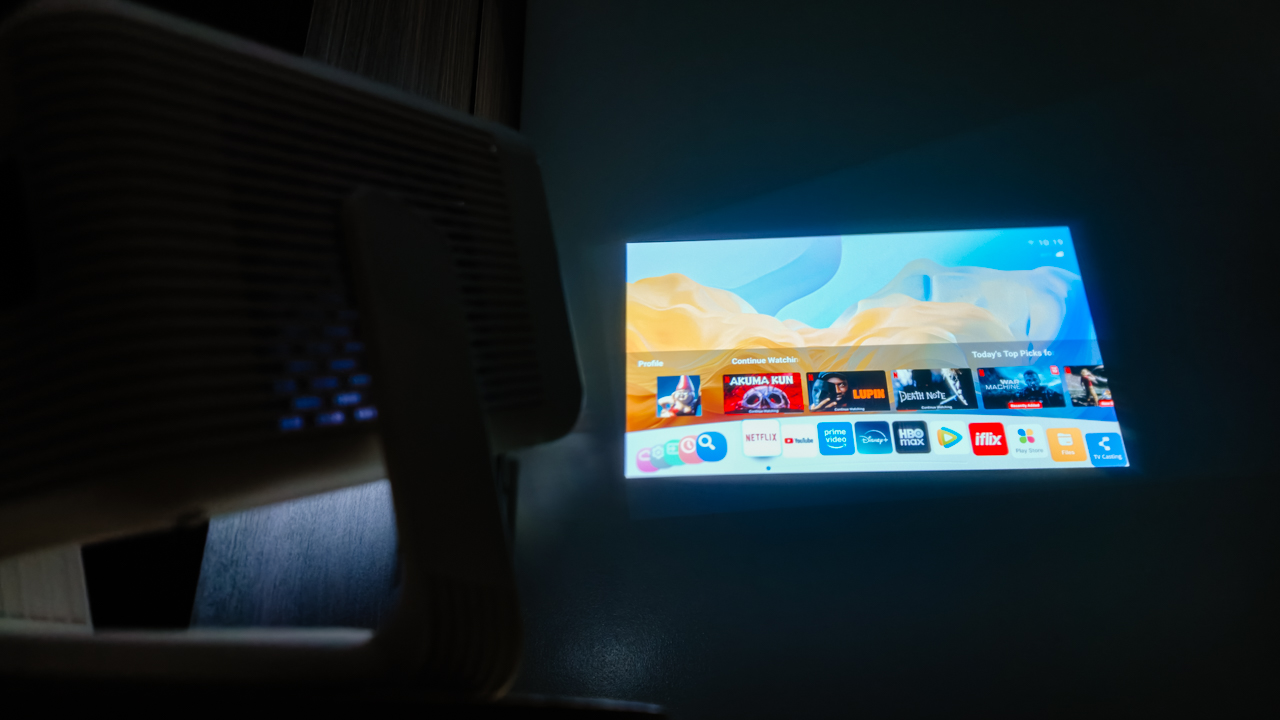
Sometimes, it takes a moment to fully lock into clarity, though I have learned to appreciate that pause. It reminds me that not everything has to be instant to be worth it. (Especially since this is a budget device, I don’t want to ask too much.)
What truly impressed me was the WiFi 6 support. Streaming is smooth, and screen mirroring feels effortless. It reduces lag significantly, meaning my comfort shows never buffer.
With WhaleOS and 8,000+ apps built-in, I have everything I need right there.
Now Playing: People We Meet On Vacation
While I was getting used to the XGODY N6 Pro, Netflix dropped People We Meet On Vacation. And somehow, it felt personal.
Poppy, the main character, spends her life chasing the next experience. Her avoidance of settling mirrors my own desire for freedom. Always “catching flights, not feelings.”
Right now, every home is just a layover before my next destination. But having a projector like the N6 Pro makes me feel like I can take my sanctuary anywhere.

Poppy eventually found her happy ending, but I’m still in the chapters where I enjoy meeting new people and seeing new places.
For now, this projector is a companion; it’s there for the mundane moments when I return home from a long trip and need to decompress after the vacation ends.
Turning into a ritual
Even with 15,000 lumens, let’s be real: this is a creature of the night. It’s vibrant and clear in a dark room, but like most budget LEDs, it struggles when the sun peaks in.
I’ve turned my movie time into a ritual: closing the curtains and letting the night soak in, so I can watch the colors come alive.

The 10,000:1 contrast ratio and 4K decoding provide enough depth to make the scenes feel sincere. Though, I’m happy with the 1080p native resolution already.
While the built-in 5W Hi-Fi speaker isn’t going to shake the walls, it’s enough for the eerie silence of a solo apartment. With Bluetooth 5.2, I usually pair my JBL Charge 6 for a fuller sound, but honestly, there are nights where the built-in audio is just enough.
Is the XGODY N6 Pro your GadgetMatch?
Living alone is made up of small wins.
Cooking your own meals. Keeping your space clean. Learning how to sit with yourself. And sometimes, turning a blank wall into your own home theater.
At US$200, the XGODY N6 Pro projects the pride of a life built on my own terms. It’s a reminder that you don’t need a massive living room to live a massive life.
Swipe Right if you’re a young adult trying to make it in the city, living in a space where every square inch is precious real estate.
It’s for the independent soul who wants the “Smart TV” experience through Android TV 11 and WiFi 6 without the bulky furniture that usually comes with it. It offers an excellent price-to-performance ratio for anyone who treats their home like a sanctuary, or a temporary layover.
Swipe Left if you are the kind of person who needs absolute technical perfection to feel satisfied. Similarly, if you’re an audiophile who expects a 5W built-in speaker to mimic a Dolby Atmos theater, you’ll find the sound a bit thin.
This isn’t the device for those who want a permanent, high-end home theater installation; it’s too scrappy and mobile for that kind of rigidity.
As I look up at the ceiling, I appreciate how far I’ve come from that 11-inch screen. And I realize I am no longer passing through. I am home.
The XGODY N6 Pro is available through its official website and online retailers like Amazon.

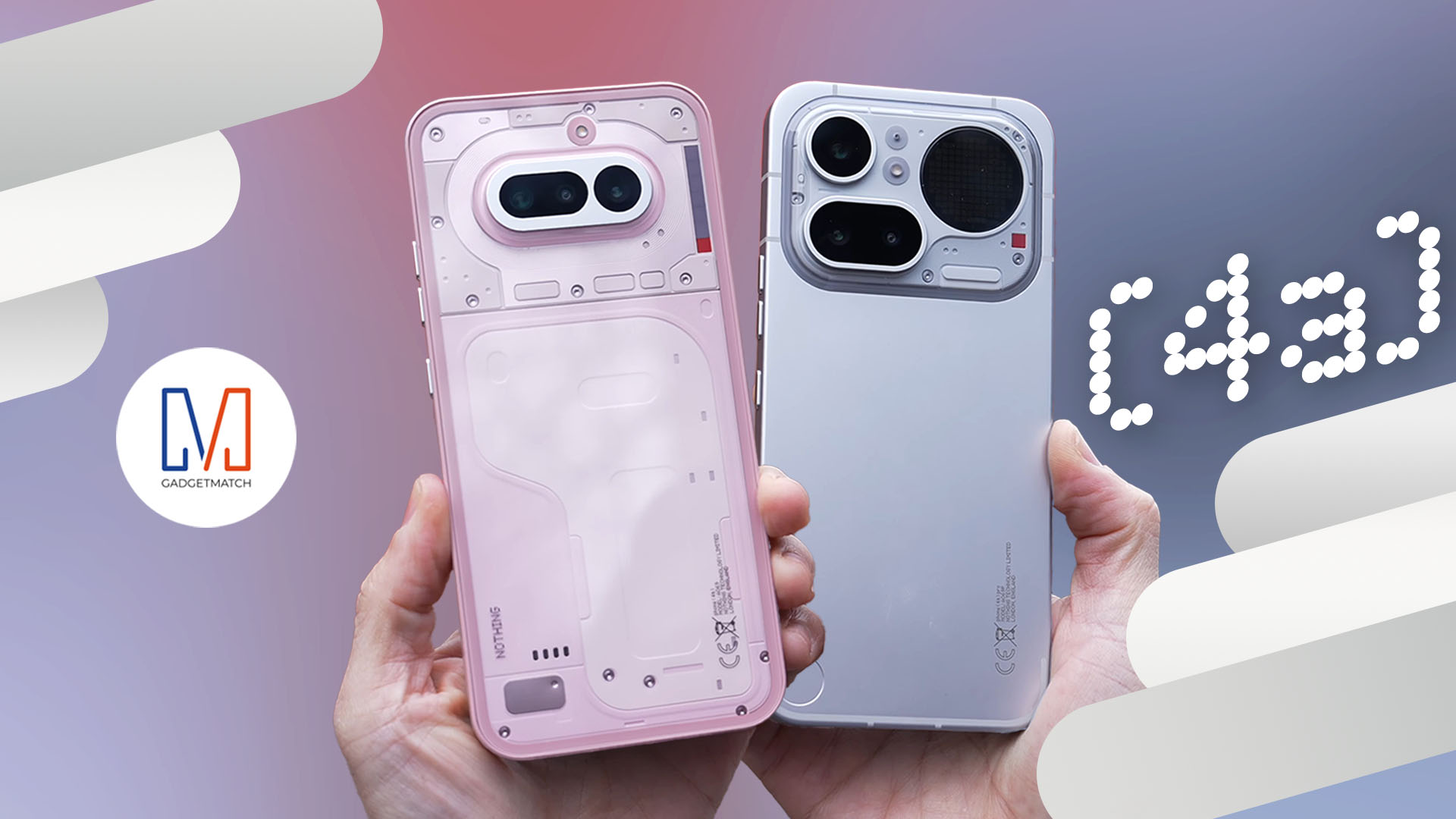
Starting at $499, the Nothing Phone (4a) Pro is taking a massive swing at Apple’s iPhone 17e and Google’s Pixel 10a.
With a new aluminum unibody, a 50MP periscope telephoto camera, and a slightly toned-down Glyph Matrix, Nothing is making a case that “mid-range” doesn’t have to mean “boring.”
And, after testing these on the streets of London and New York, can a brand that prides itself on being “different” actually survive?
In this Nothing Phone (4a) + (4a) Pro review, we’re going deep not just on its design and upgraded cameras, we also want to talk about how Nothing is becoming the “Balenciaga of Tech” under Charlie Smith’s vision — or LOEWE’s former executive.

Shokz OpenFit Pro: Somewhere between awareness and focus
Find your balance

Why this 180-degree gimbal projector is a “small win” for solo living
At $200, the XGODY N6 Pro transformed my one-bedroom apartment into a sanctuary of independence
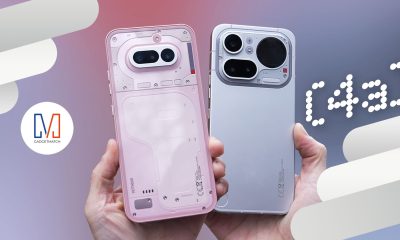

Nothing Phone (4a) + (4a) Pro review
Is "different" actually better?

LE SSERAFIM Chaewon flexes Galaxy S26 Ultra Privacy Display

Power Mac Center opens 1st branch in Boracay

Samsung develops QuantumBlack: Low-reflection, high-durability QD-OLED film

vivo X300 Ultra wants to beat the iPhone 17 Pro Max in pro video
Shokz OpenFit Pro: Somewhere between awareness and focus


-
 Reviews2 weeks ago
POCO X8 Pro Max review: A new beast from the far east
-

 News2 weeks ago
POCO X8 Pro Series: Price, availability in the Philippines
-

 Reviews2 weeks ago
POCO X8 Pro Iron Man Edition review: Midrange phone in superhero armor
-

 Automotive2 weeks ago
VinFast extends free unlimited charging in 3 markets amid rising fuel prices
-
 Philippines2 weeks ago
The HONOR X8d is serviceable
-
 News2 weeks ago
POCO X8 Pro Series launches in Singapore with early bird prices
-

 Gaming1 week ago
WWE 2K26 lets you live out all the fantasy matches you could want
-
 News2 weeks ago
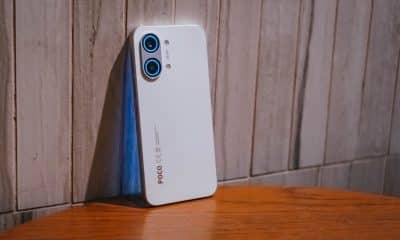
POCO introduces X8 Pro Series with Dimensity 9500s