
Accessories
realme Buds Q, Watch launch in Singapore
Welcome the first realme Watch and realme Buds Q created with José Lévy of Hermès

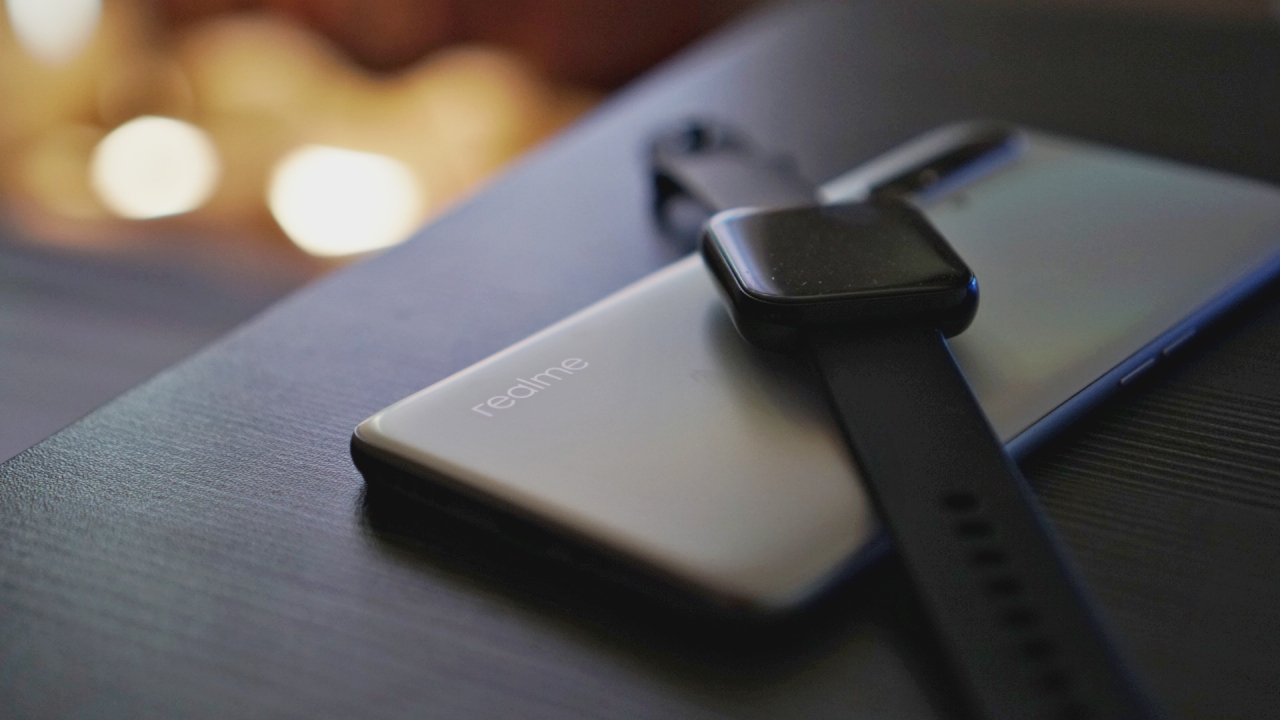
Coming to Singapore are two new realme IoT products — the realme Buds Q created in collaboration with José Lévy of Hermès and the brand’s first ever realme Watch.
Creating its first bean-shaped earbuds
Inspired by cobble and realme’s trendsetting design, José Lévy of Hermès and the realme team focused on turning the earbuds into a masterpiece of curves that fit perfectly in the ear.

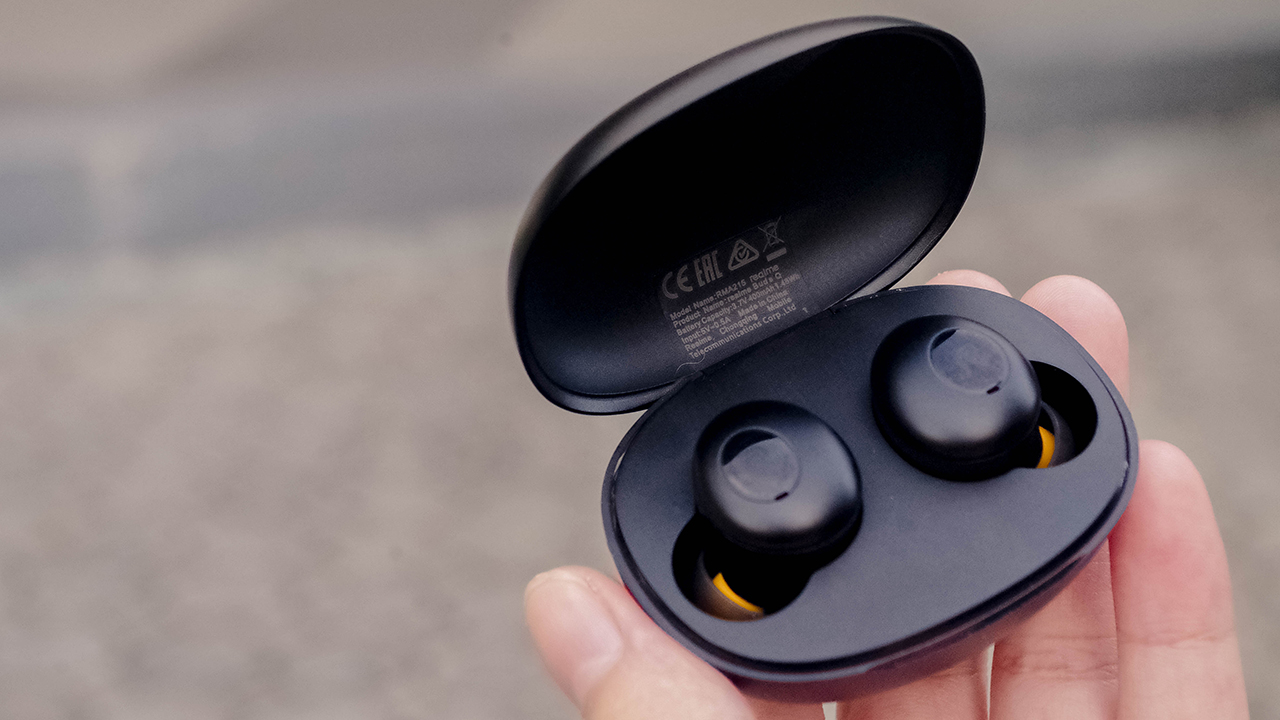
realme Buds Q is light and compact while delivering extraordinary performance. Powered by a customized R1Q chip to deliver 119ms super low latency, similar to the wired headsets. It supports 3-hours of talk time or 4.5 hours of music playback. With the charging case, it has a battery life of 20 hours.
The realme Buds Q comes in Black colour and adopts a leading 10 mm bass enhancement large unit of the same class, together with a special polymer composite diaphragm composed of PEEK that can emit clear and mid-range treble and PU that emits thick and elastic bass. It has been certified IPX4 level waterproof, making it more durable and able to go anywhere.
SEE ALSO: realme Buds Q: Keeping up with the ‘new normal’
Aiming to be the world’s fastest growing AIoT brand with the first realme Watch
Featuring a 3.5cm large color touchscreen with 12 built-in watch faces, the realme Watch is the brand first smartwatch offering and the next in its plan to create a smart ecosystem.
With a high resolution of 320 pixels and PPI up to 323, the realme Watch is protected by Corning Gorilla Glass and with a brightness of up to 380nits.
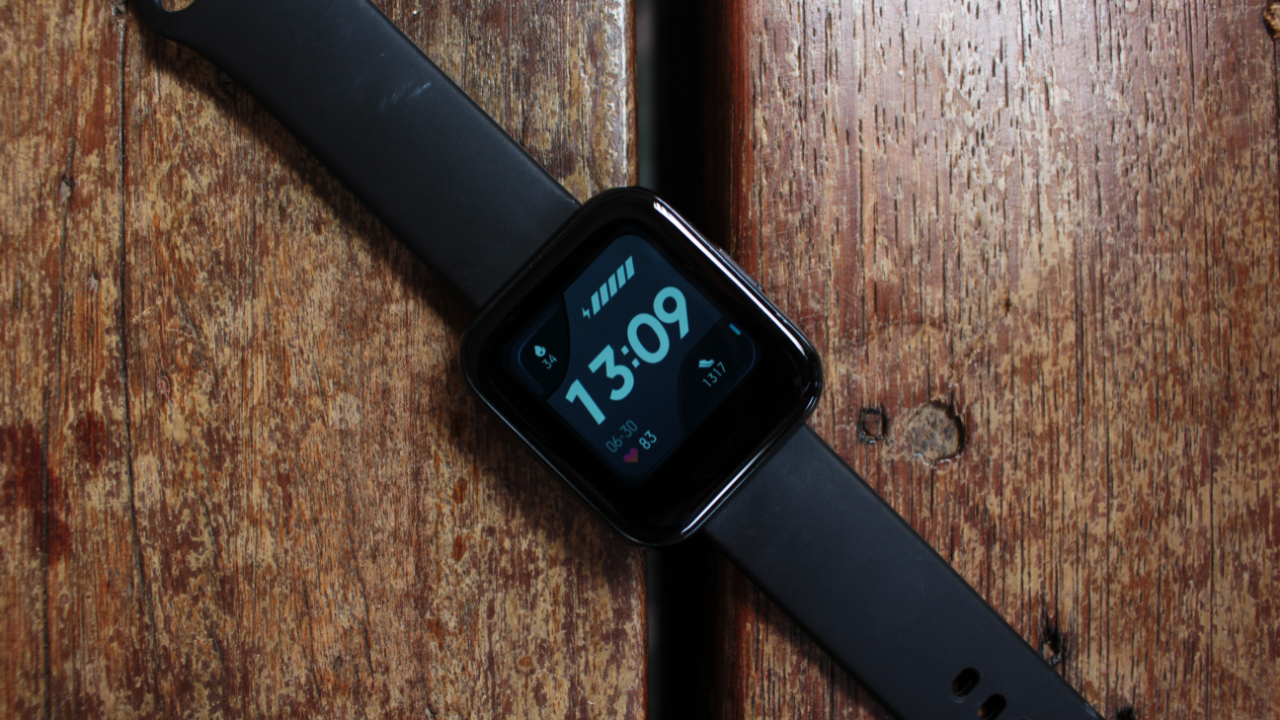
The realme Watch is set to meet the unique demands of its users. Coming in a sleek black color, users can change up their look with over 100 watch faces that can be downloaded.
As a health assistant, the realme Watch is equipped with a high-precision PPG optical heart rate sensor, supporting 24/7 uninterrupted heart rate monitoring to track heart rate quickly and precisely. Users will be alerted if heart rates become is too high or too low at any time.
It also supports 14 sports modes, blood-oxygen level monitor, aerobic ability test, accurate step counting algorithm, sedentary reminder, water drinking reminder, sleep monitoring and meditation exercise.
Using the realme Link App, users can not only record exercise and body data but turns realme products into the hub of any smart life to control earphones and other home appliances.
SEE ALSO: realme Watch review: It gets fitness tracking right
Sales information
The realme watch will come in Black and priced at $149. It will be available from October 15 at realme’s official online flagship store on Lazada and Shopee.
The realme Buds Q will come in Black, priced at $69. It will be available from October 15 at realme’s official online flagship store on Lazada and Shopee.



Accessories
Sony ships its LinkBuds Fit Hatsune Miku edition to the United States
It will come with the special acrylic stand.


Hatsune Miku is finding her way everywhere. Last year, the pop icon built partnerships where you might have least expected one. Now, a recent collaboration has made it to new shores. Sony is shipping its recent partnership with Hatsune Miku in the United States.
In the middle of last year, Sony released a limited edition of the LinkBuds Fit featuring Hatsune Miku. Inside, the special variant is indistinguishable from the original series. However, it will have special colorway options, including the icon’s signature green.
Now, the limited edition is now available in the United States. It will be available for US$ 249.99.
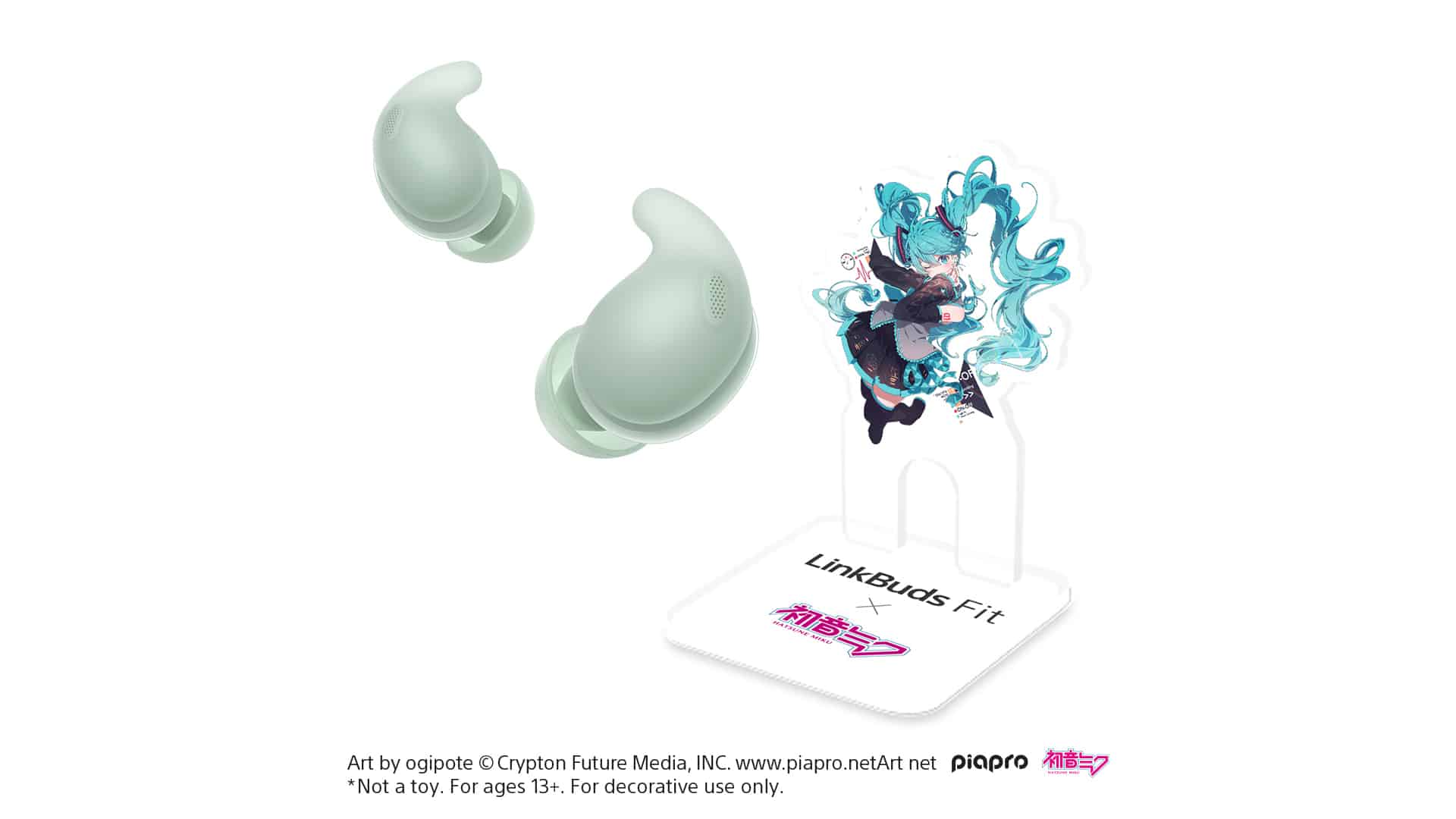
Like the first launch, buying the special edition of the earbuds will give fans a limited-edition acrylic earbud stand featuring newly illustrated artwork by Ogipote. It also features two original HoloModels of the character.
Further, those who purchased the device will get access to a special campaign song called “BELIEVE DAY” and an animated performance of the same song. Fans need only to register their product and install the HoloModels app.
SEE ALSO: Sony PH offers limited-time LinkBuds Fit x Hatsune Miku bundle

Razer has teamed up with iconic Korean girl group BLACKPINK for a collaboration as bold as their performances.
The BLACKPINK x Razer collection features exclusive, limited-edition co-branded gear that merges cutting-edge performance with bold, pink-forward aesthetics.
Designed to celebrate individuality and creativity, the product lineup gives both gamers and BLINKs new ways to express themselves.
There haven’t been a lot of details yet regarding the collaboration, except a short teaser video on the Razer official website.
Plus, there’s a playful line referencing BLACKPINK’s 2018 album as the product lineup will be “in your area” soon.
The full collection will be revealed soon. Given Razer’s history of collaborations, fans can expect a BLACKPINK-themed headphones, keyboard, mouse, and even mousepad.
For now, fans can look forward to exclusive pop-up fan activations during the group’s upcoming World Tour <DEADLINE> Pop-Up Store in Hong Kong early next year.
BLACKPINK will be performing in Hong Kong on January 24, 25, and 26 at the Kai Tak Stadium.

New Year’s resolutions don’t always have to be extreme to be meaningful. Sometimes the most impactful changes come from scrolling less and just being more present. What if you leaned into healthier routines, making your environment better, and small side quests? This guide focuses on building habits and routines that feel good even after January.
1. Build strength and cardio

Getting more active at the start of the year doesn’t have to mean drastic routines or intimidating gym memberships. The most sustainable fitness habits are the ones that fit naturally into your day.
The NovaRow R50 Air Resistance Rower from Merach offers a low-impact workout that blends strength and cardio in one efficient motion. Exercises like rowing makes it easier to show up, even on your busiest days. It’s accessible at any fitness level because it’s easy to pick up and is gentler on the body while still offering a full-body workout.
The best part is you’re getting a professional-grade rowing machine so you can do your workouts at the comfort of your own home; you get to engage 86% of your major muscle groups even when the weather isn’t cooperating.
Speaking of comfort, the NovaRow R50 is thoughtfully designed with adjustable footplates and an extra cushioned ergonomic seat. When paired with the Merach app, workouts feel more engaging thanks to interactive games and scenic rowing routes.
Once you’ve built the habit, you can increase your workout intensity. It’s got a 10-level air resistance system that offers up to 110 lbs of peak resistance to support long-term progress.
It’s available on Amazon as well as merachfit.com, with an extra 10% discount using the code GADGET.
2. Track your progress

Moving your body more is one of the most universal New Year’s resolutions and one of the easiest to abandon when life gets busy halfway through the year. The key to sticking to a fitness resolution isn’t intensity, but awareness and consistency.
A smartwatch like the Amazfit Balance 2 helps track steps, workouts, sleep, and recovery. Whether you’re a beginner or an advanced HYROX athlete, it’s got over 170 workout modes to support you.
Want to try golf next year? It has 40,000 downloadable maps of golf courses. Got scuba certification on your bucket list? The Balance 2 has pro-grade waterproofing and certification for that too.
With up to 21 days of battery life, it can keep you accountable without being intrusive. It also tracks your rest and recovery to help you understand your body better without overdoing your workouts. Being aware of fitness metrics makes progress visible and more tangible, so you get more motivated to keep going.
As a bonus, it’s casual enough that you can wear it even when you’re not working out. It’s currently 10% off on Amazon.
3. Train anywhere

Showing up is often the hardest part of any fitness goal, especially when travel interrupts your momentum. Centr’s Home Workout Kit is an all-in-one resistance training system that adapts to your lifestyle and environment.
Whether you’re at home, at the gym, on a work trip, or on vacation, progress continues, no excuses. Each kit includes 3 fabric bands, 5 tube bands, 2 ankle straps, 2 D-handles, a dual-hook bar, and a door anchor, and a travel-friendly carry bag. It retails for $66.99 on shop.centr.com.
4. Hydrate
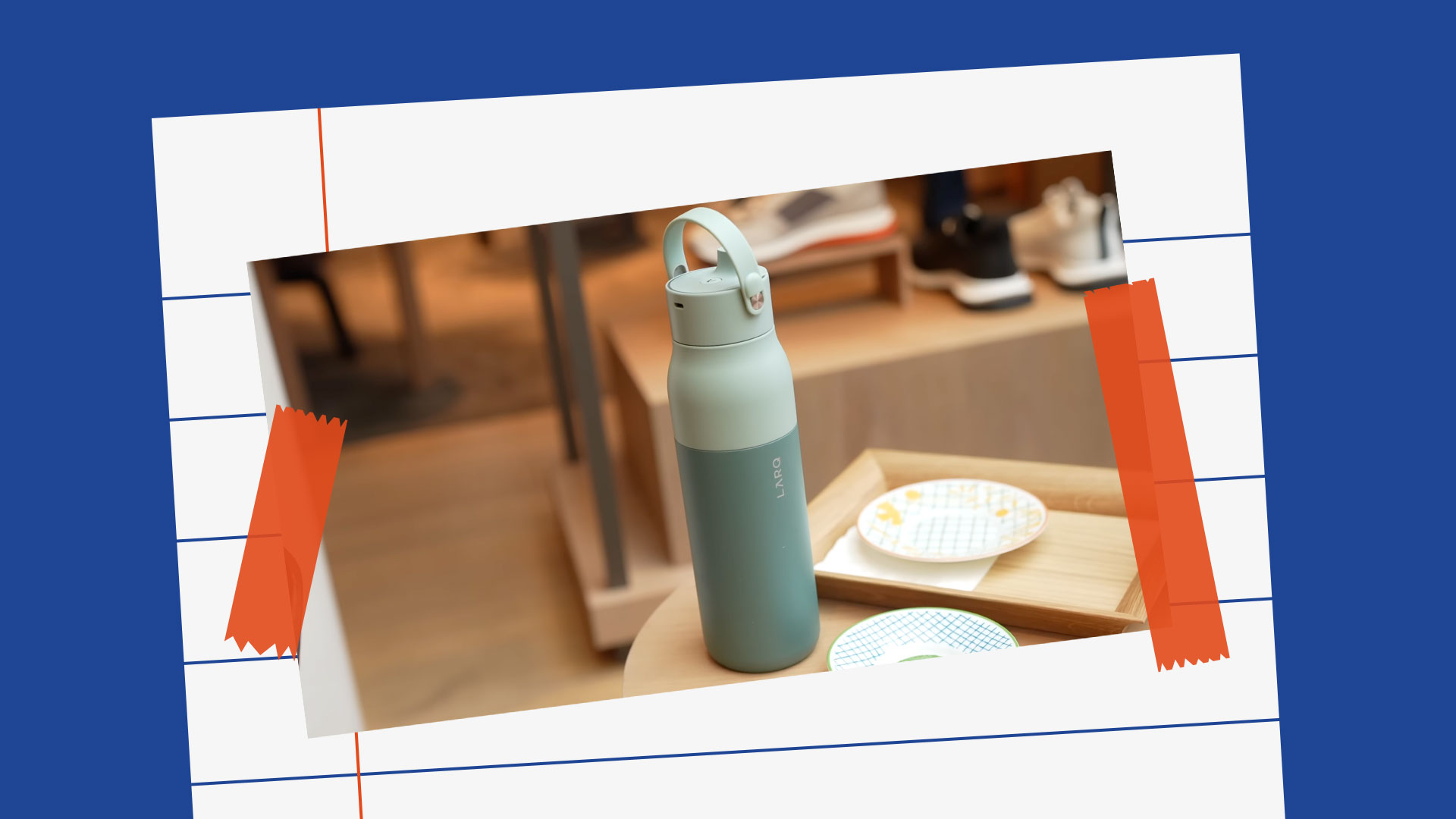
Staying hydrated sounds simple, yet it’s one of the most commonly overlooked wellness habits. Studies show 75% of Americans are actually dehydrated. Maybe it’s because tap water doesn’t always taste great or because we worry about what’s actually in it.
The LARQ PureVis 2 helps turn hydration into a habit by tracking your intake and reminding you to drink throughout the day. The built-in UVC light eliminates most contaminants by automatically activating every two hours and the Nano Zero Filter removes common pollutants.
Apart from making sure you’re water’s clean it also keeps it cold, making it more enjoyable to stay hydrated. Using a reusable bottle like the PureVis 2 also means fewer plastic bottles headed to landfills — an impact you can also track on the LARQ app. Get one on bylarq.com/gadgetmatch
5. Sleep better
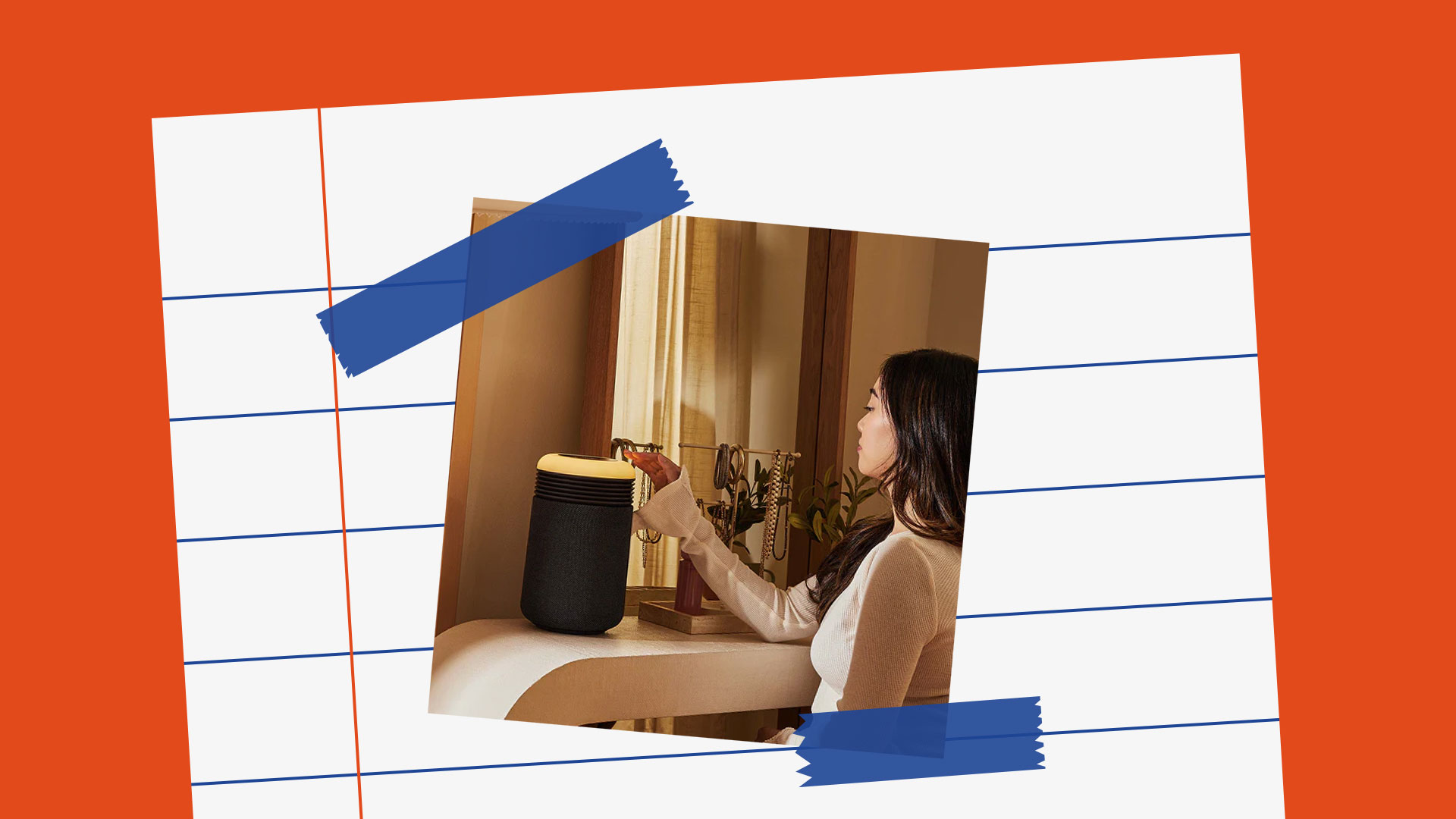
Everyone wants better sleep, yet it can feel frustratingly out of reach. While you can’t control everything, improving your bedroom environment is one simple change that can make a real difference. Clean air and gentler mornings can dramatically change how you feel throughout the day.
The BlueAir Mini Restful Sunrise Clock Air Purifier creates a healthier sleep setup that supports deeper rest and calmer wake-ups. By combining air purification with a gentler wake-up helps you feel more rested and less rushed in the morning. It’s a resolution that starts at night and pays off all day.
It’s $200 and is available in two colors that easily blend in with your home decor: Coastal Beige and Midnight.
6. Read more
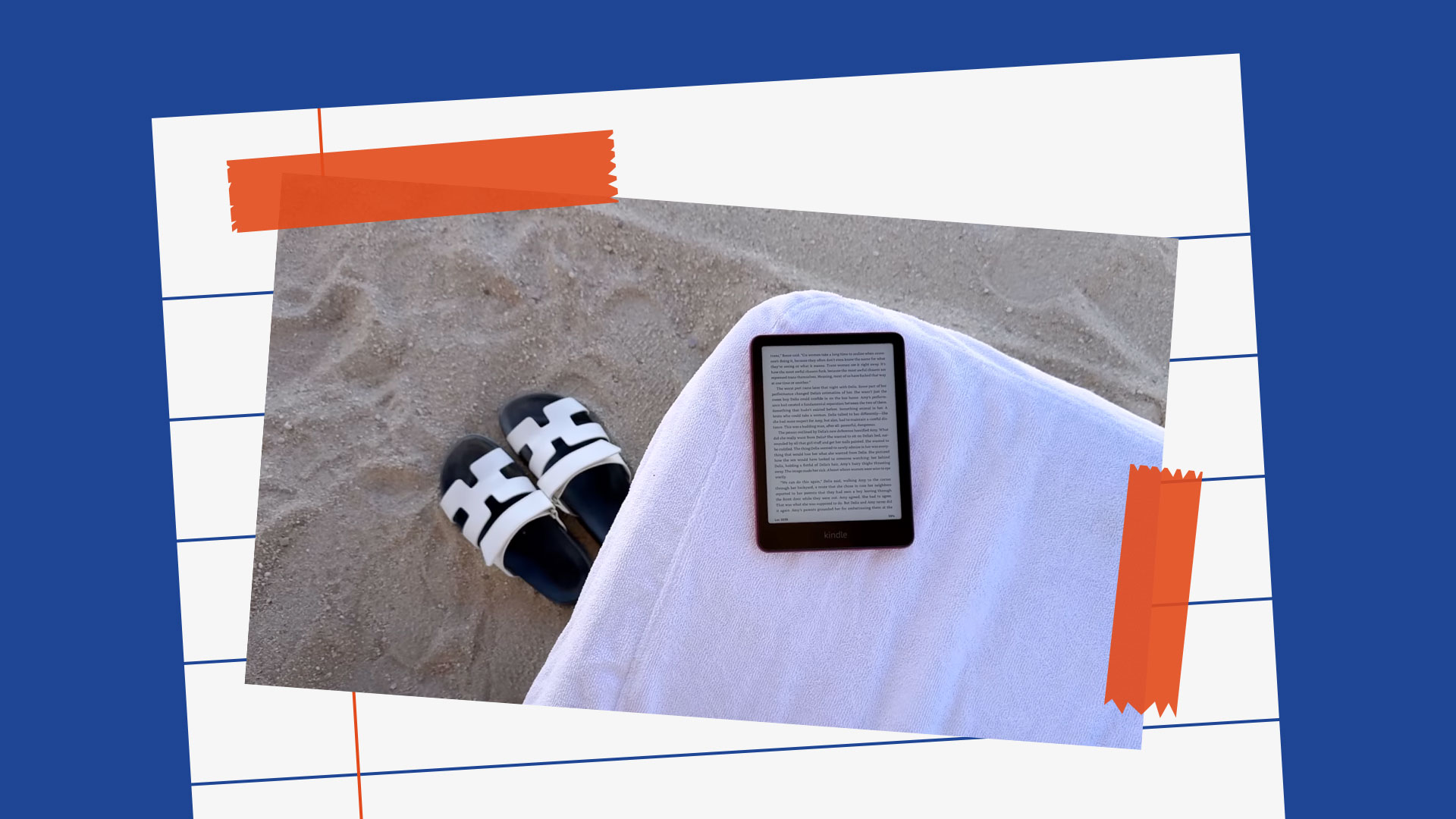
Doomscrolling is one habit we should all leave behind coming into the new year. Reading, on the other hand, slows the mind, builds focus, creates space for deeper thinking, and oftentimes, sparks imagination.
If getting physical books feels intimidating, an e-reader like the Kindle Paperwhite and apps like Libby make it easy to browse and borrow titles from public libraries. One lightweight device and zero notifications make it easy to pick up a book whenever you have a quiet moment.
The Kindle Paperwhite starts at $135, while both the Libby app and a public library card are free.
7. Grow your food
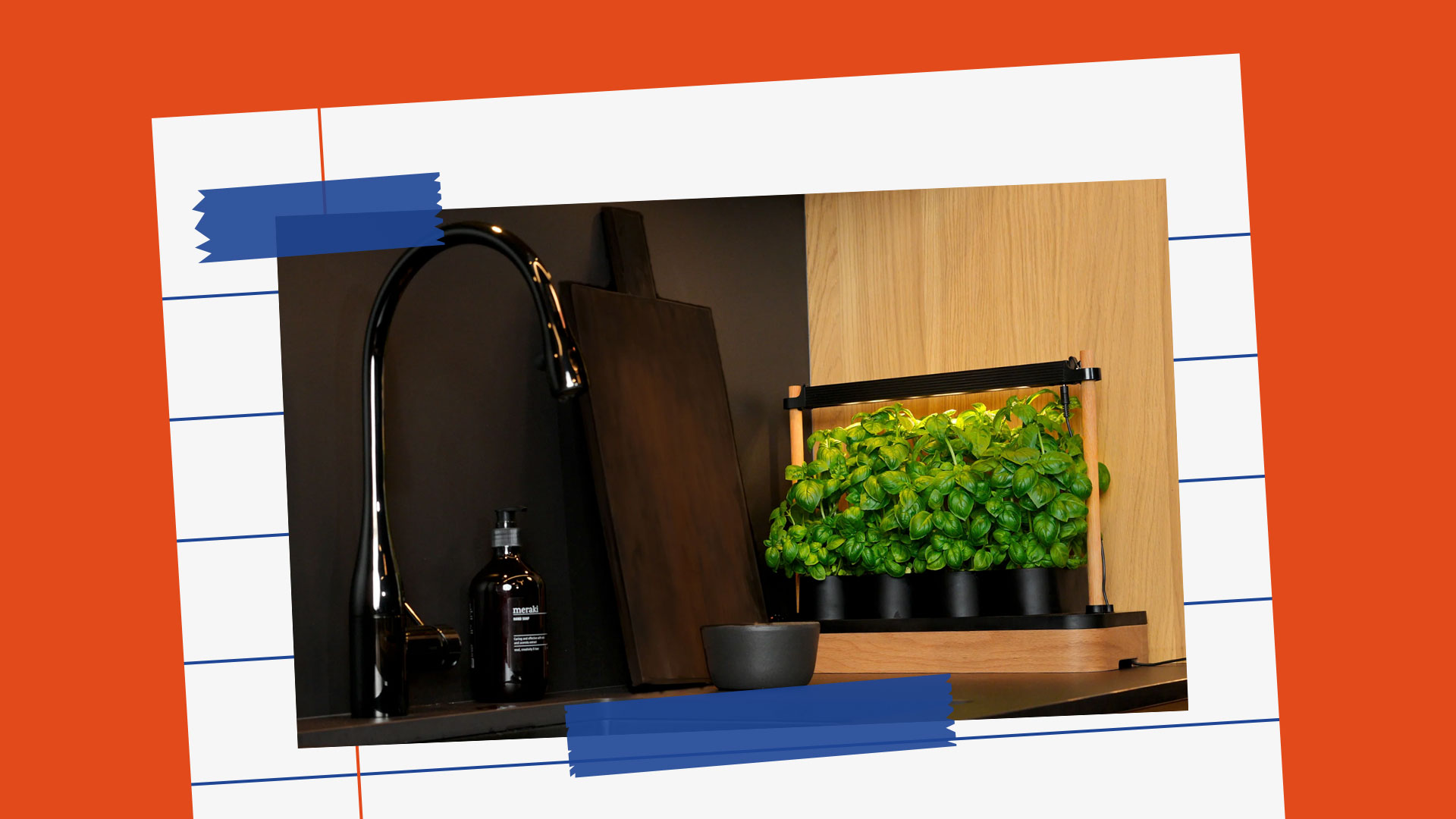
Who says growing your own food has to be complicated? Spending time around plants has a calming effect, yet many people don’t even try because they assume gardening requires space, sunlight, or experience.
The Auk Mini is a smart indoor garden that removes the guesswork with automated lighting and watering. This makes it easy to grow your own food even when you live in a small apartment.
While the bundle comes with basil and parsley seeds, it supports anything that sprouts and grows, with other herbs and leafy greens thriving especially well, along with tomatoes and chilies. You can use their Auk-certified seeds or your own so you’re not locked into the system.
Most herbs and salads are ready to harvest in 4–6 weeks, while tomatoes and chilies typically take 8–12 weeks. Like a lot of indoor plants, pruning and harvesting from the top encourages new growth, keeping your plants productive.
Maintenance is also intentionally minimal. You only need to refill water and nutrients and harvest regularly. If you want to start a new crop, you can simply remove the old plants, clean the unit, and replant.
The Auk Mini Bundle is $219 with free shipping.
8. Make more sustainable choices

Living more sustainably doesn’t require perfection. Small swaps, especially for everyday essentials, can make a meaningful impact over time.
Switching to cotton-lined diapers like Kudos is a big step in itself. While still disposable, it offers a more eco-conscious option by using 100% cotton lining instead of plastic. They’re also made without lotions, fragrances, latex, parabens, phthalates, or chlorine.
Kudos’ award-winning DoubleDry technology also ensures 12 hours of leak protection, making them reliable. Designed by an MIT engineer and responsibly made in the US, these diapers prove that choosing better-for-the-planet options doesn’t mean sacrificing comfort or peace of mind.
A monthly subscription is $84, with 120-210 diapers in each box depending on the size.
9. Invite more light into your home

Your environment plays a huge role in your mood more than you realize. Small upgrades that improve light and cleanliness can make your space feel calmer and more intentional.
The Ecovacs Winbot W2 Pro Mini takes care of one of the most neglected chores. By keeping your windows clean, you’ll let in more natural light into your space. Designed for effortless, one-pass cleaning, it features an upgraded three-nozzle wide-angle spray system that easily dissolves dirt and grime quickly. Its WIN-SLAM 4.0 intelligent path planning also adapts to different window types.
It’s got a 10-level protection system, including multiple layers of fall prevention, intelligent safeguards, and accidental damage insurance. The upgraded steady-climbing system ensures stable, slip-free movement even on wet surfaces, while ultra-fast edge detection adjusts cleaning paths in real time for seamless coverage in any lighting condition.
The result is brighter, cleaner windows, and more natural light. It’s a simple way to elevate your home and uplift your mood, with very minimal effort on your part.
The Ecovacs Winbot W2 Pro Mini is currently under $300.
10. Ask for help (without hesitation)
Many New Year’s goals fail not because of lack of effort, but because they’re too vague. Clarity and accountability make progress feel achievable.
A strawberry.me life coaching subscription pairs you with a coach who helps turn manifestations into more concrete steps. Even when you think you don’t need help, getting an outsider’s perspective can help you see what you can’t see for yourself. After all, even the most successful people get help.
Try it and get half off your first session using https://strawberry.me/GadgetMatch
11. Be more introspective
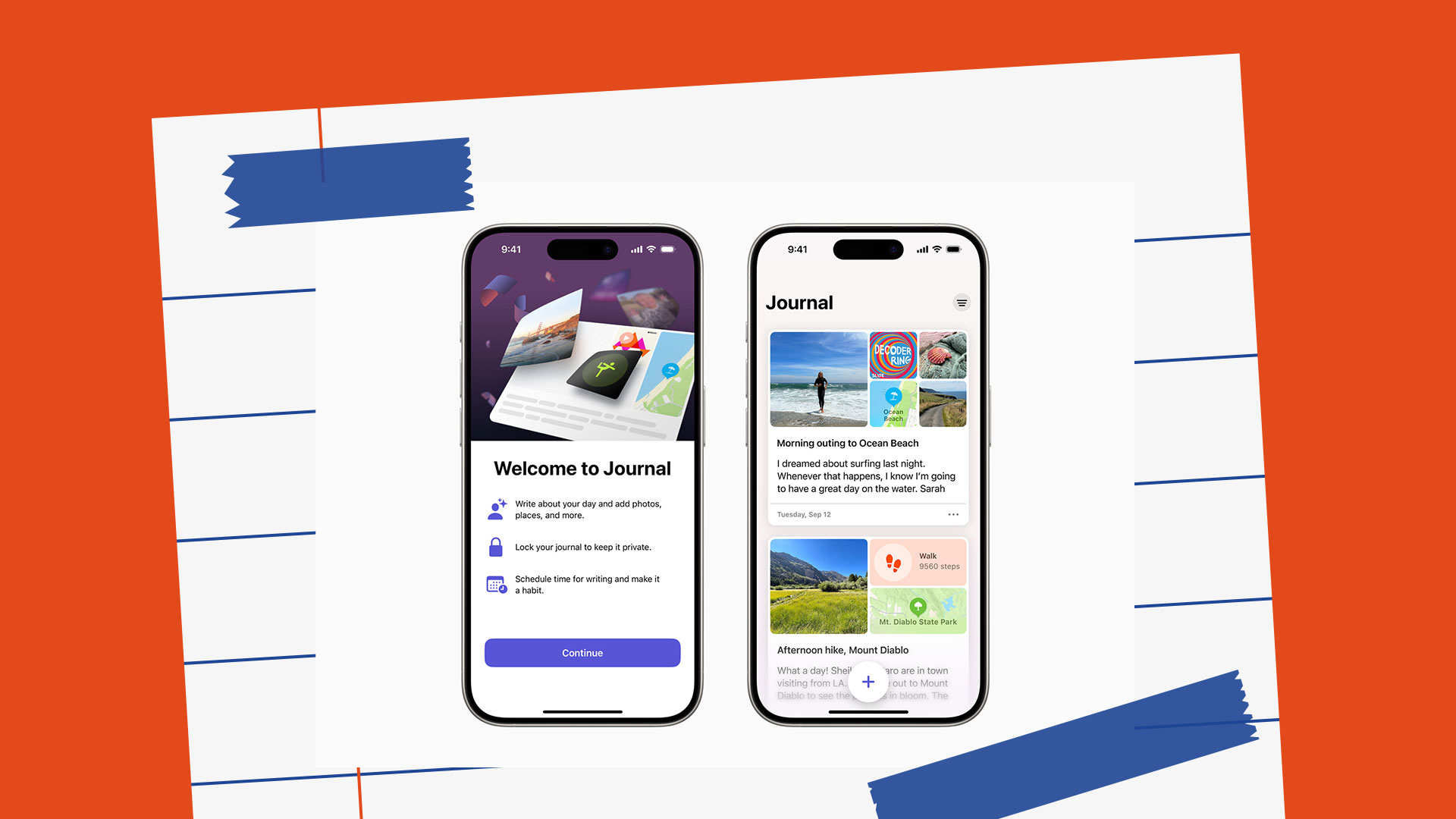
Taking time to reflect after each day can help turn experiences into lessons, and goals into actionable plans. Journaling doesn’t need to be time-consuming or intimidating.
While it still adds to your screen time, Apple’s free Journal app for iPhone makes reflection more approachable with simple prompts and quick entries. Whether you jot down a quick thought, something you’re grateful for, or something that annoyed you, it helps you slow down and process your day. Building this habit add up to greater clarity and emotional balance over time.
13. Try a new side quest
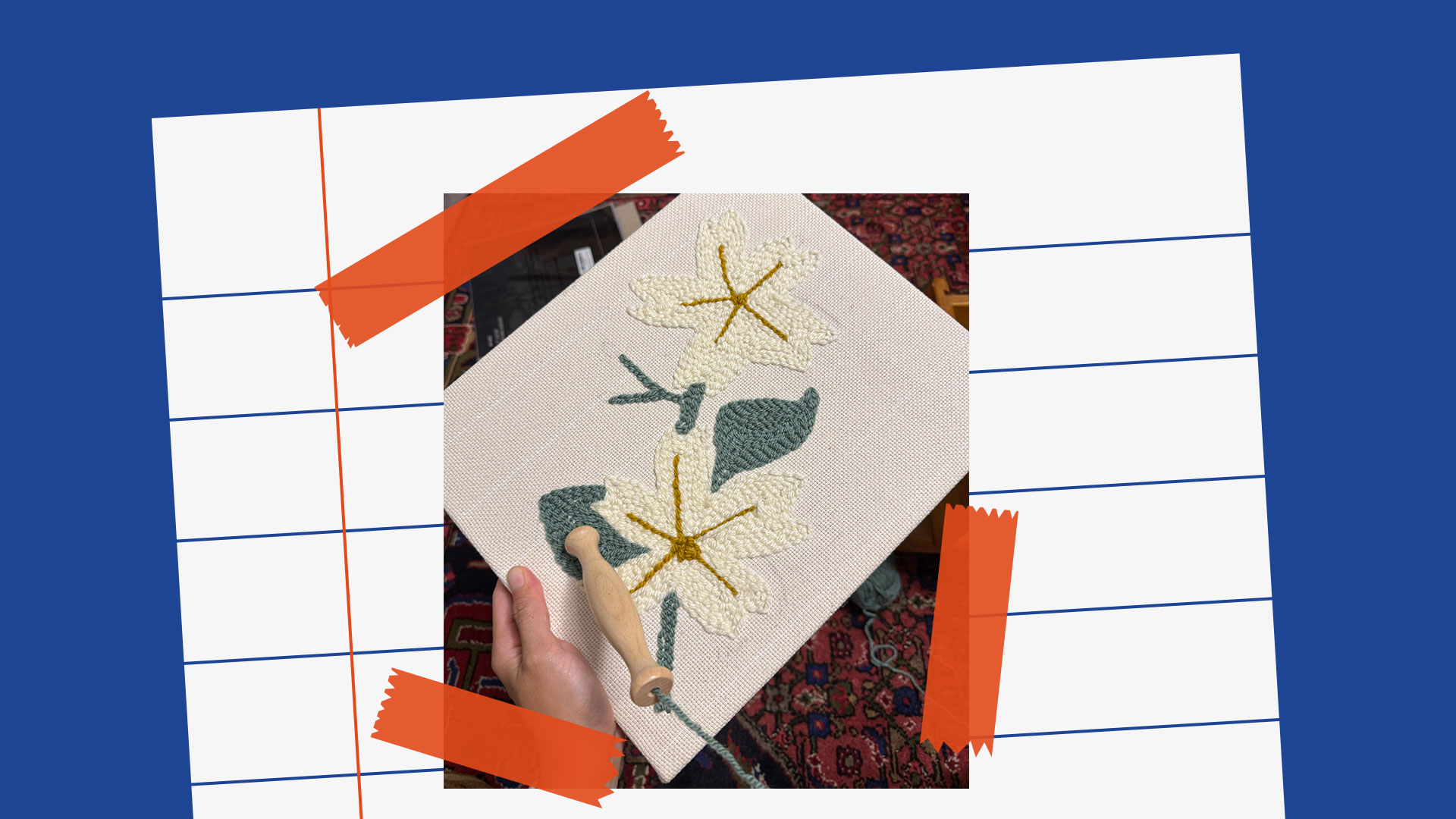
Not every resolution needs a measurable outcome. Trying a new side quest is about curiosity, creativity, exploration, and doing something simply because it’s fun.
That can mean getting crafty with pottery, punch needle or embroidery. Or you can choose something with a tangible end like baking or candle making.
If you’re craving a creative outlet, trying watercolor or photography can open up new ways of seeing the world and testing your patience. Looking to learn new skills? Consider signing up for a language class or trying a new sport.
If you feel like you don’t have extra time or budget for side quests, you can also build it into your daily work commute. If you drive to work, try leaving earlier on a Wednesday, parking somewhere different, and walking the rest of the way. Not only will you discover new neighborhoods, walking different routes also keeps your brain sharp and alert.
If you take public transportation, you can bring knitting materials, write poetry about the people you see, or play the New York Times Crossword.
Starting something new helps break routines and even build confidence over time. The great thing about side quests is there’s no pressure to be good at it or to keep doing it. You can do it by yourself, with a friend, or a big group. The only requirement is that you try.

Redmi Note 15 Pro+ 5G review: The midrange fashion piece
Work-ready and style-friendly!


Mijia Smart Audio Glasses review: Immerse yourself in the music
Here's a unique way to listen to music.

POCO M8 Pro review: Goin’ loco over this POCO
POCO starts 2026 with some bang

Sony and TCL eye joint future for BRAVIA TVs

Beyond the Box, Digital Walker turn over Tesla Model Y to iPhone 17 raffle winner

BYD expands PH presence with entry of DENZA luxury EVs

ASUS is leaving the smartphone industry

realme launches the world’s first 10,001 smartphone battery

Razer teams up with BLACKPINK for limited-edition gear

HONOR WIN headlines the first 10,000mAh smartphone with built-in fan

HONOR X9d 5G launches in the Philippines: Price, preorder, availability

Inside the Next-Gen Ford Ranger Wildtrak 4×4

Favorite Laptops of 2025


-
 News2 weeks ago
HONOR X9d 5G launches in the Philippines: Price, preorder, availability
-
 Reviews2 weeks ago
HONOR Magic8 Pro review: What sorcery is this?
-

 Camera Walkthrough2 weeks ago
HONOR Magic8 Pro Stage Mode at a TWICE concert
-
Reviews1 week ago
POCO M8 Pro review: Goin’ loco over this POCO
-

 CES 20262 weeks ago
Lenovo Legion Pro Rollable Concept was possible thanks to TCL
-
 Gaming2 weeks ago
The Switch 2 is getting its first Joy-Con color variant
-
 News2 weeks ago
Upgraded POCO M8 Series launched globally
-

 CES 20262 weeks ago
Anker, eufy, soundcore unveil next-gen products at CES 2026