


Lifestyle
43-inch realme Smart TV review: Picture-perfect quality within reach
The basics and features of premium TVs made more accessible

Smart. That’s how I’ll describe life in 2021 and beyond. From phones, vehicles, appliances, and even a toothbrush — everything’s getting smarter. But smart devices almost always come at an expensive price tag. There may be affordable options but there’s always a compromise. Sometimes, you’ll just have to say, “you really get what you pay for.”
Say no more, folks. Popular smartphone maker realme expands its portfolio, bringing in smart devices as part of realme TechLife. And we know they make lots of affordable devices that won’t break your bank.
In lieu of this, realme aims to make technology more accessible so we can enjoy living a smart, connected life. One of realme’s key products is its Smart TV lineup — a centerpiece for every connected home.
Wait, what? realme has a Smart TV lineup?
Yes, you read that right. Just a refresher in case you haven’t been making GadgetMatch.com your daily habit, realme launched its Smart TV lineup last 2020. It comes in two sizes: a 32-inch and 43-inch model, with varying differences.
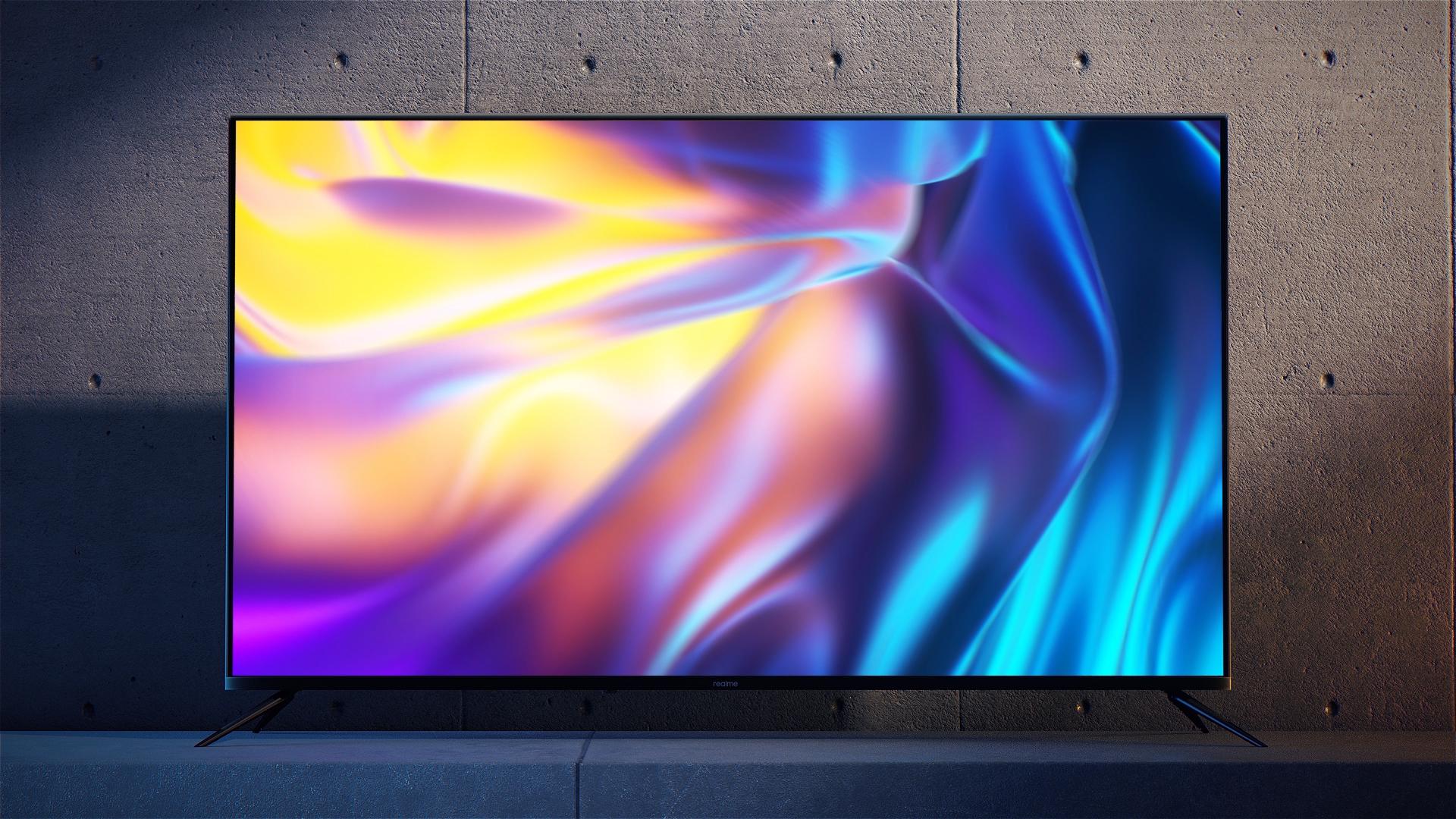
Both models found their way to the Philippine archipelago, and we’ve got our hands on the 42-inch variant. And from here on, I’m going to share my experience with realme’s latest Smart TV.
Setting it up
Let me preface this story by saying that I’m the type of person who would ask for help. It’s simply because I’m too lazy or I don’t want to use my brain cells in trying to figure out how something works.
When I unboxed the package, I took out the 43-inch Smart TV which weighed 6.7kg, enough for most people to carry on their own.
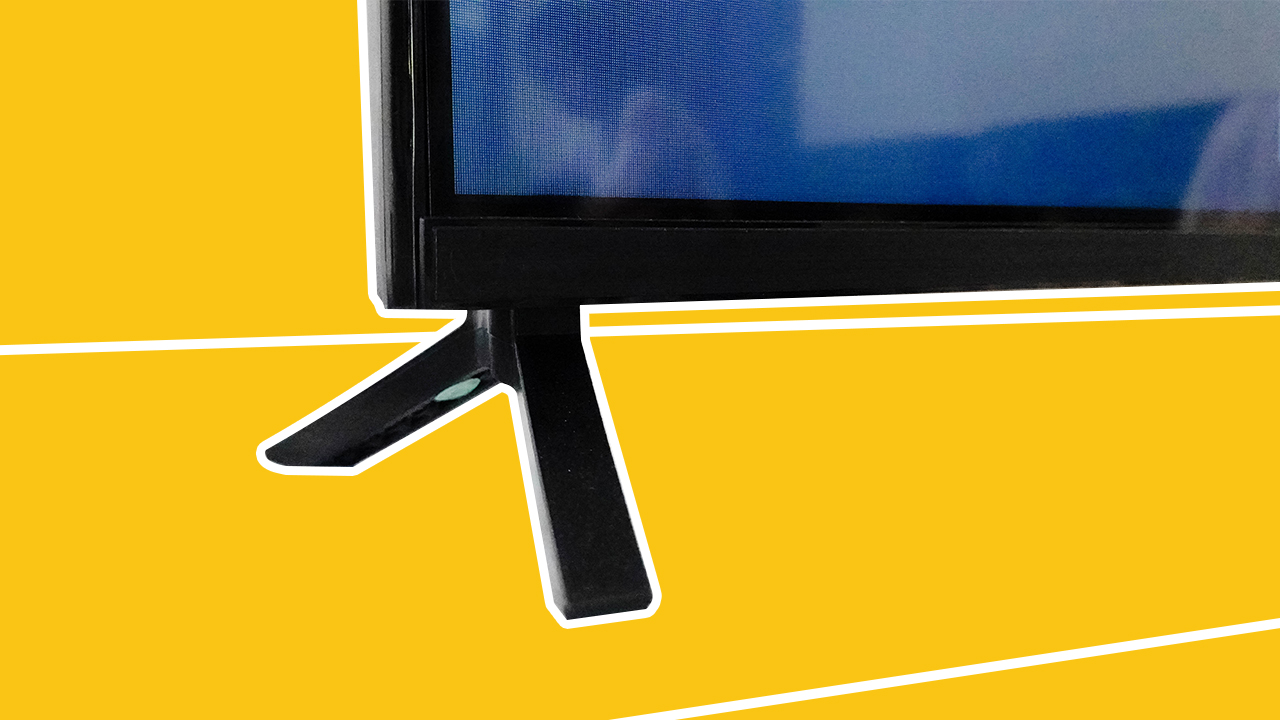
On the inside, you can find two base stands and four screws that you’ll need for installation. There’s also a quick start guide, instruction manual, and a warranty card.
What I really loved right away is the remote control — it’s small and looks neat with its minimalistic approach. But don’t let its size fool you: It’s fast, responsive, and made navigating the TV easy.
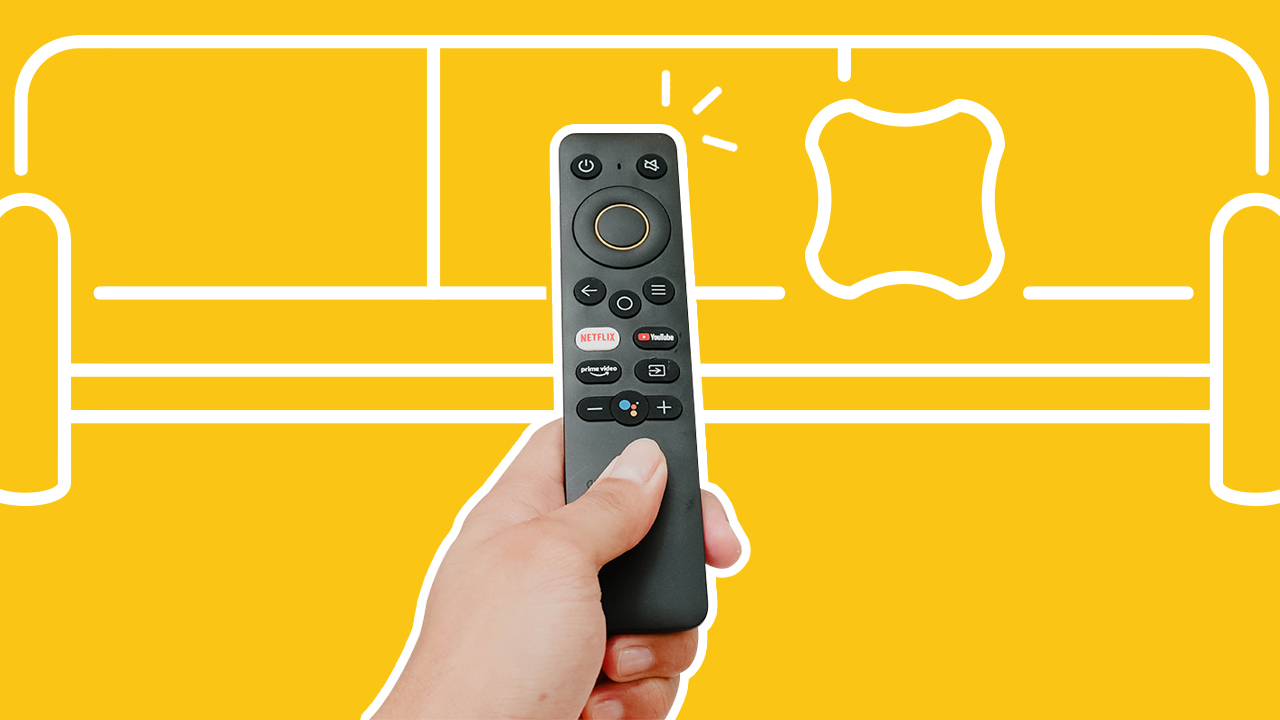
Since it was an Android TV, I signed in with my Google account fairly easily. It also instantly connected to the WiFi, and happy to report it maintained a stable connection and didn’t disconnect abruptly unlike some of your ex-lovers.
The installation and setup were relatively easy for someone who doesn’t want to think. It also boosted my self-esteem, seeing how proud my self-proclaimed strong, independent self was, for being able to set everything up on my own.
Connectivity and customization
I mentioned that the Smart TV instantly connected to the WiFi, but in case you need to know, it supports 2.4GHz Wi-Fi, Infrared, and Bluetooth 5.0 for different wireless connections.
You can pair your Bluetooth-powered speakers, game controllers, and microphones. It also comes with three HDMI ports, two USB SPDIF ports, DVB-T2 for your digital TV, and Ethernet ports — for your wired connectivity needs.
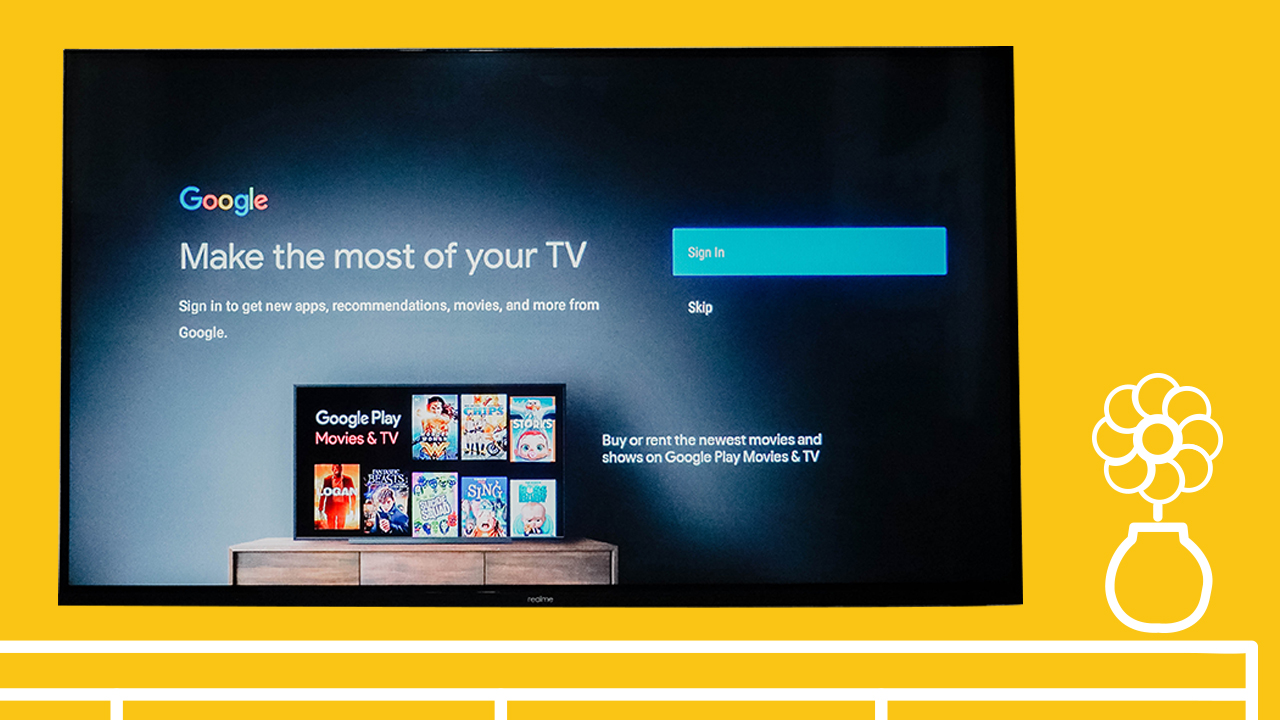
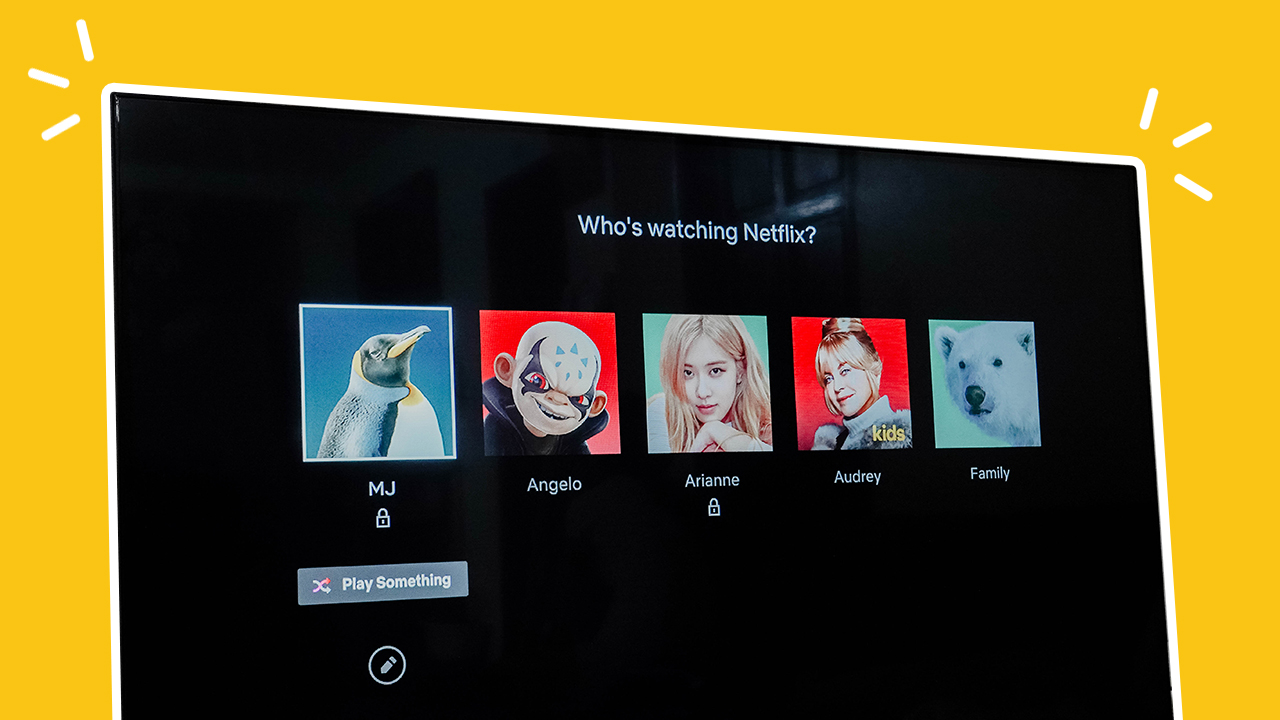
Going back to my point about it being an Android TV, it’s because it runs Android TV OS based on Android 9.0 — which makes the interface simple and easy to navigate. It also personalizes and modifies recommended content based on your viewing and search history, and of course, to your liking.
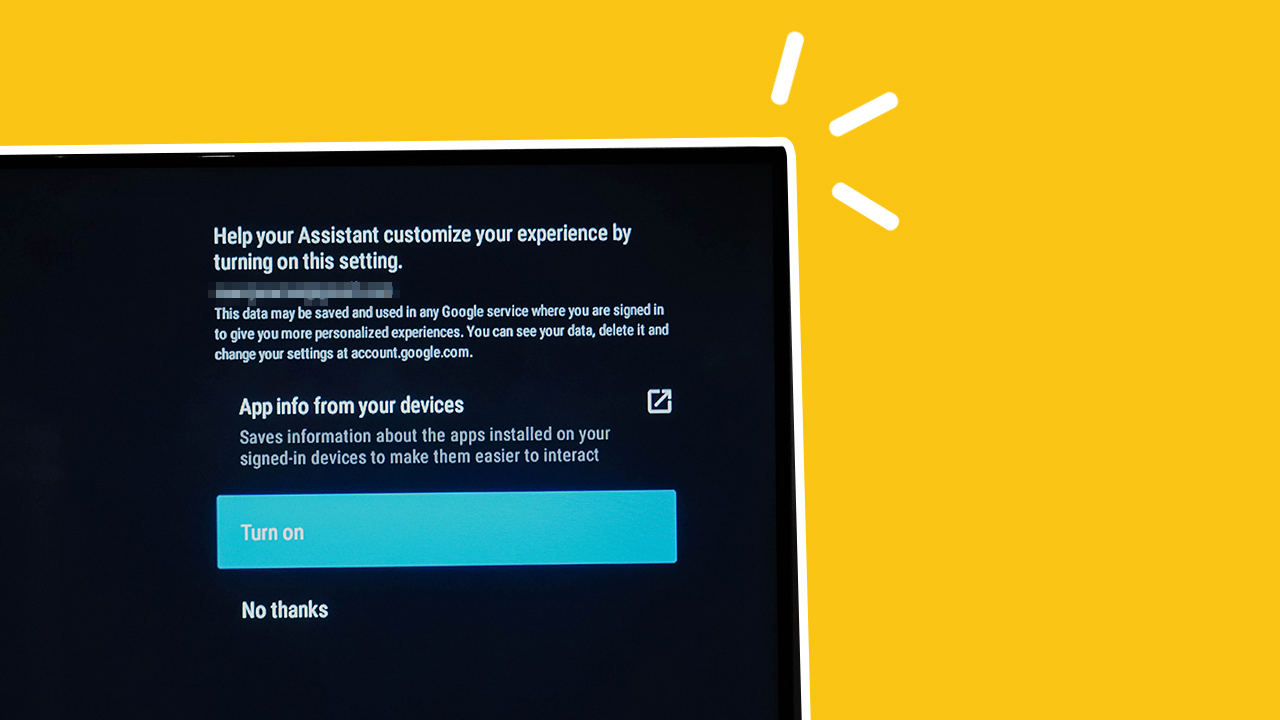
The remote control or even your smartphone can also access the TV’s Google Assistant, which lets you customize your whole experience using your voice.
Picture-perfect viewing
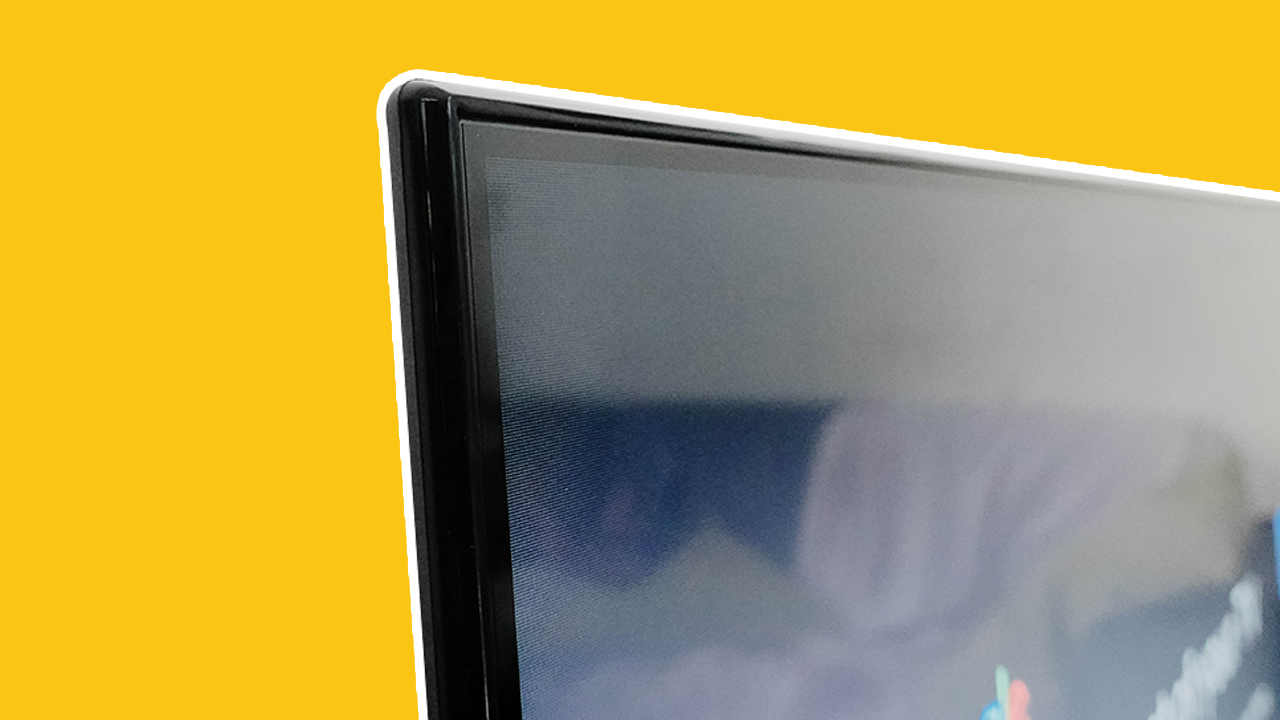
The Smart TV evoked a premium-looking impression with its thin, inconspicuous bezels and edge-to-edge panel. It also gave an immersive experience even with just a 1920×1080 resolution.
Thanks to its Chroma Boost technology, the overall picture quality looks magnificent. In case you didn’t know about it, realme’s smartphone cameras use the same tech — improved brightness, color, contrast, and clarity — which result in high-quality photos and stunning output.
With this, the Smart TV’s picture tuning looked visually appealing especially with its vibrant colors and ultra-high brightness of up to 400+ nits. I didn’t have trouble watching any shows even when harsh sunlight enters my living room. The picture quality looked even more alive at night or when the room is dark.
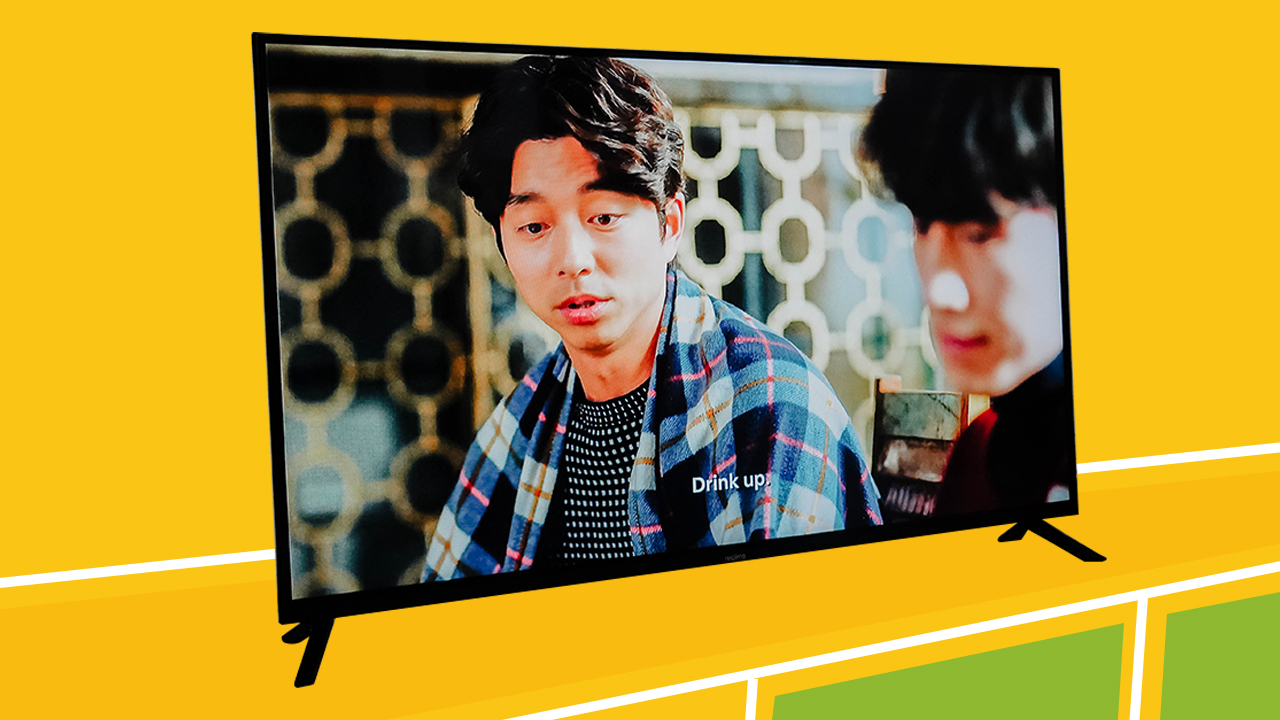
Viewing angles weren’t a problem, too. You can see the content clearly, thanks to its visual angle of up to 178 degrees. To provide a pleasant experience to different users, the TV lets you choose from seven display modes: Standard, Vivid, Sport, Movie, Game, Energy-Saving, and User.
Chromecast
One of my favorite features on the realme Smart TV is the built-in Google Chromecast technology. Ever since I discovered this feature from my techie friends, I’ve always loved using it on all applicable devices.
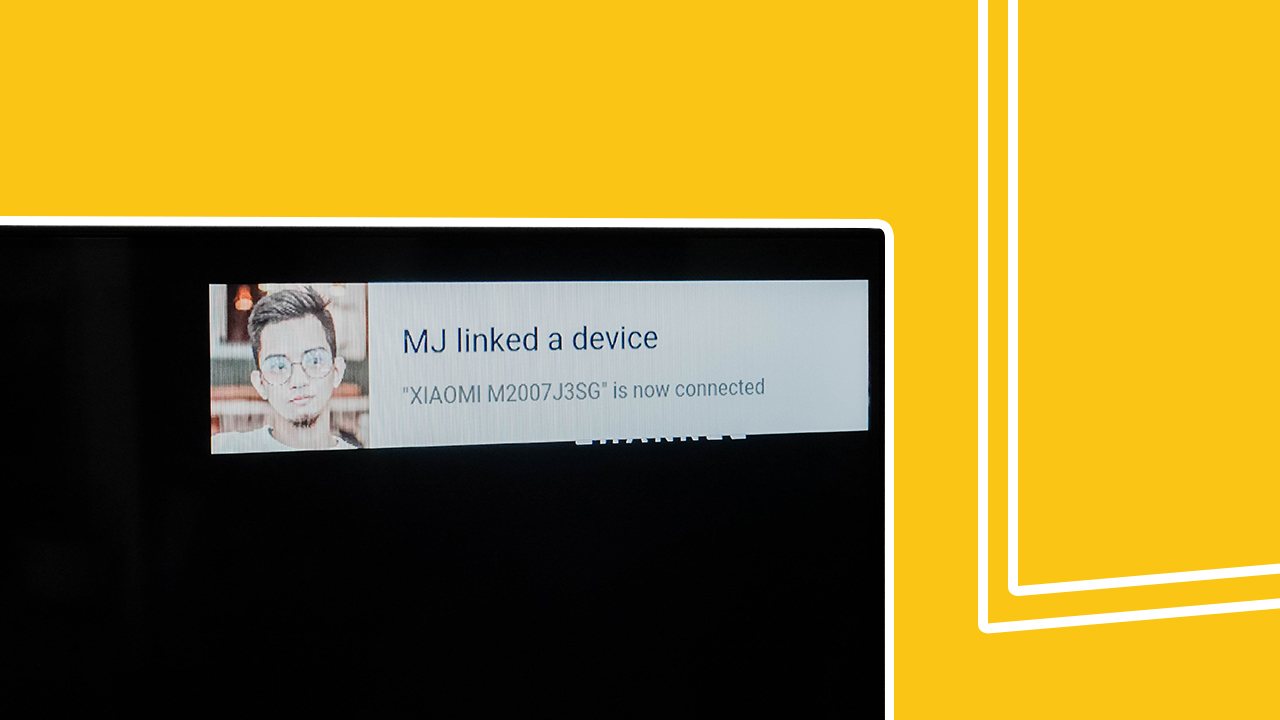
Anyhoo, you won’t bother using your brain cells with Chromecast. You can easily connect your smartphone with the Chromecast button (if it shows up) and link your TV. If both devices can’t see each other, you can proceed to the TV’s Settings option and get the code that you’ll input using your smartphone.
Once you’re done, voila! Enjoy using your smartphone as the host or navigator for all your entertainment needs. When I’m alone at home, I stream Taylor Swift’s concerts on YouTube which were remastered in 4K on the TV. I know it only has a Full HD resolution, but we all can agree that having Taylor Swift’s videos is worth playing on whatever screen.
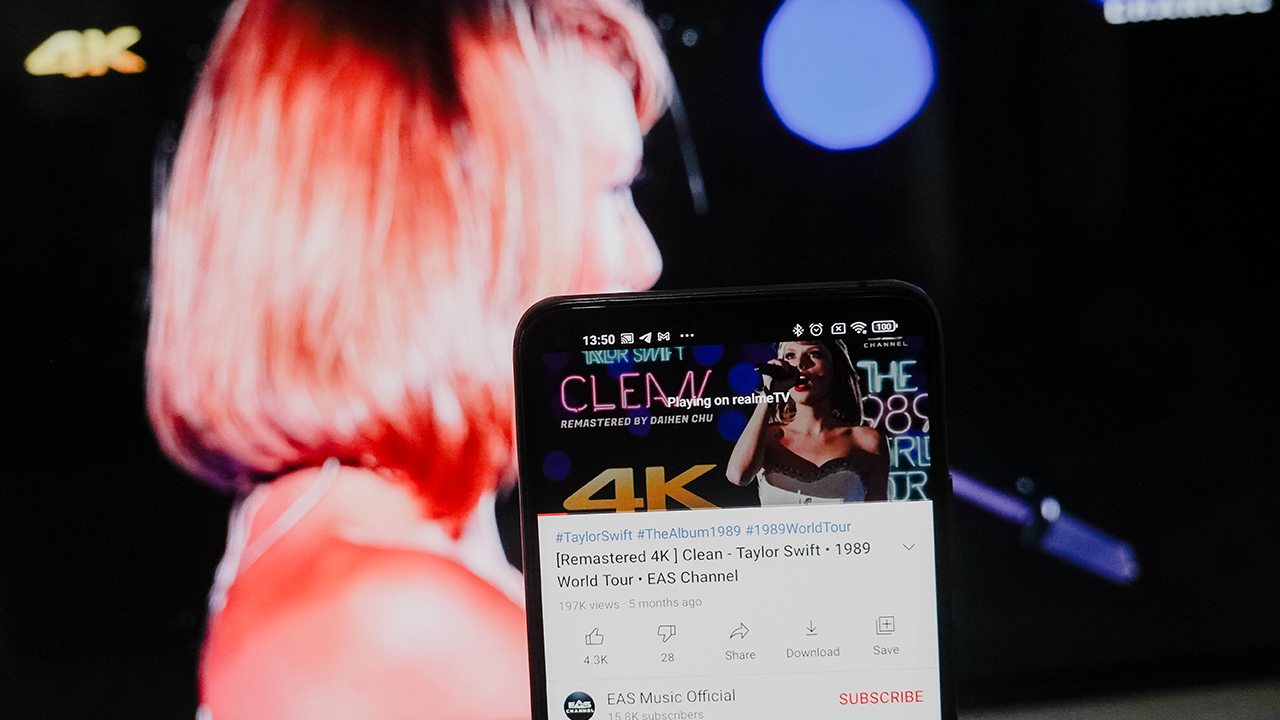
Plus, the main issue here was the sound experience, which brings me to my next point.
Surround sound or just really loud?
Playing Taylor Swift’s concerts on the realme Smart TV is like being at a live concert. I streamed Swift’s videos while I clean the house or when I wash the dishes, singing and belting my heart out as she tearfully sings “All Too Well”.
And there’s a reason why it felt like I was at a live concert: the realme Smart TV uses 24W Quad Stereo Speakers with Dolby Audio MS12B solution. Sounds martian, right?
Basically, the speakers expand the bass frequency and high-frequency width, resulting in balanced audio even at the highest volume possible. It doesn’t sound cracked and distorted even if it reaches a frequency of 20,000Hz — the highest frequency that any human ear can listen to. For comparison, most TVs can only reach a frequency of 11,000Hz.

But for a sensitive person like me, the loud audio can be discomforting sometimes, especially for days when I just want to relax and watch some feel-good movies. My neighbors also complained since I live in a quiet neighborhood, and they didn’t like hearing what I was playing on my television.
Though the Dolby Audio solution fine-tunes the quality, controls the loudness levels and volume changes in a content’s audio, and creates surround sound to make it palatable to our audible range, it’s still recommended to use a soundbar for an enhanced sound experience. Especially if you want it to be really cinematic.
Is this your GadgetMatch?
The 43-inch realme Smart TV has a lot to offer. It houses a MediaTek processor, sports a Full HD LED Display, equipped with Dolby Audio-tuned 24W speakers, and comes with Android TV out of the box. It presents a picture-perfect quality perfect for a theatrical experience at home, without paying for an exorbitant price.

Simply, this Smart TV made the basics and features of any premium TVs accessible at an affordable price, for any consumer to experience. The 43-inch realme Smart TV retails for PhP 18,990 and will be available on realme’s official channels and authorized stores and retailers.
Shopee Mega 3.3 Shopping Sale
Heads up! The realme Smart TV will be available on Shopee, in time for the 3.3 Mega Shopping Sale happening on March 3, 2021, at 12:00 AM (GMT+8).
Both models will get PhP 3,000 off; the 32-inch model with an SRP of PhP 11,990 will be available for PhP 8,990 while the 43-inch model with an SRP of PhP 18,990 will be available for PhP 15,990.
Make sure to use the voucher code: GADGETZONE8 before you check out. On another note, ten lucky buyers of the realme Smart TV will get a free realme Soundbar. Meanwhile, first-batch buyers of the TV will get free 12 months extended warranty worth PhP 3,990.
SEE ALSO: realme Smart TV: Price and availability in the Philippines





Entertainment
Max vs 100 will feature Max Verstappen race against 100 go-karters
The live event will stream at midnight on September 17.


As a child, one of my favorite thought experiments is to imagine who would win in a fight between my favorite characters at the time and a number of other random beings. For example, will Superman prevail against 100 Magnetos? Those are the ways I kept my young mind occupied. Now, as a former child, I still do the same thing but with more realistic people, like imagining if Steph Curry can win against 100 high schoolers. This week, ESPN and Disney+ are making one of those imaginary fights real: Formula 1 legend Max Verstappen versus 100 go-karters.
In an upcoming live event streaming exclusively on Disney+, Max vs 100 will pit the four-time world champion against 100 go-karters from everywhere in pop culture. This gaggle of 100 will include popular content creators such as Twitch streamer ExtraEmily, car photographer Larry Chen, and NBA shooting coach Chris Matthews.
All 101 drivers will race around one of the most iconic tracks in Formula 1 history, Silverstone in England. The track will be reconfigured to match the special race.
Of course, this is more than just a parade of go-karts. Max Verstappen will start at the back of the grid, meaning he has to overtake all 100 racers to win. Now, the Dutch driver is no stranger to winning from the back. In 2024, he won the Sao Paulo Grand Prix despite starting from P17 (out of 20 racers). Max vs 100, though familiar for the driver, presents a different challenge. Can he overtake 100 times to win the race?
Max vs 100 will stream live through Disney+ on September 17, 12:00am PHT.
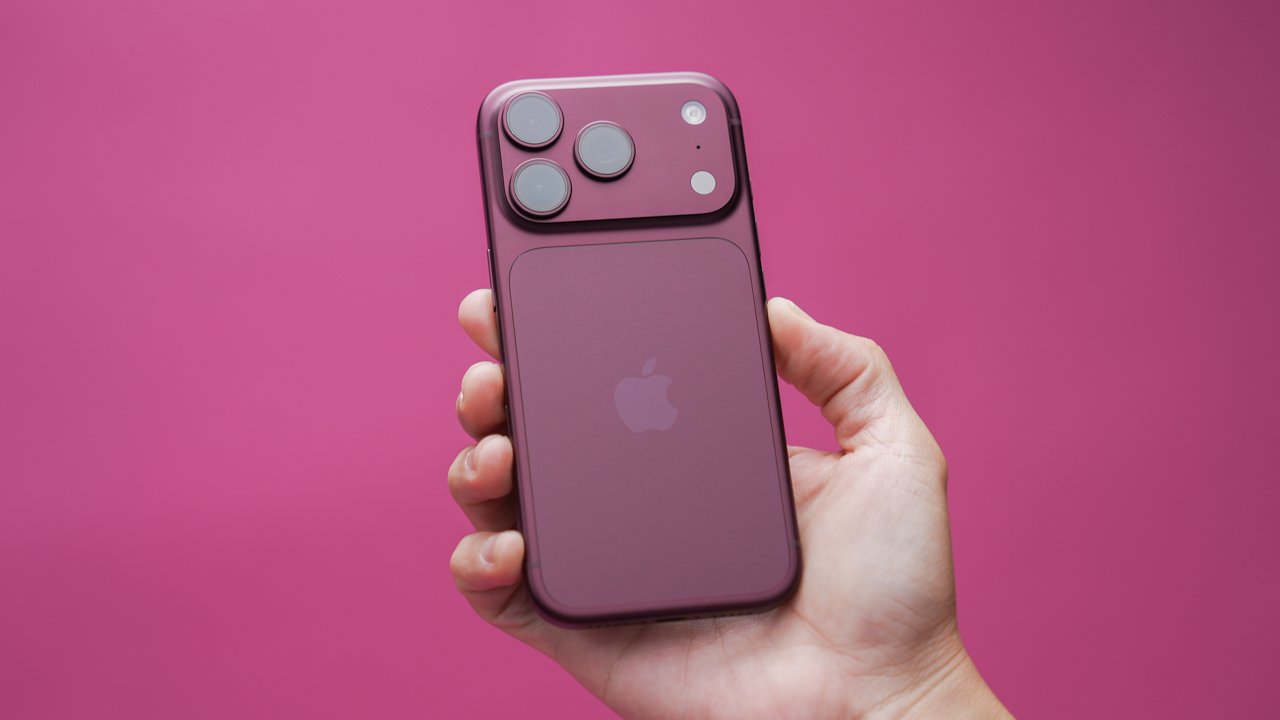
Cosmic Orange had a good run. For one generation, Apple’s “brave” iPhone Pro color turned into the flex color of 2025, and Android brands spent the better part of a year chasing that same citrus glow on everything from budget phones to tablets.
That cycle just repeated itself, except this time the copying started before the original even launched.
Apple made it official recently: the iPhone 18 Pro’s flagship shade is Burgundy, a deep red that leans warm and shifts toward purple depending on the light.
It’s the successor to Cosmic Orange, and Apple’s own language calls it “sophisticated.” Fair enough.
But Burgundy didn’t sneak up on the industry when Apple’s event wrapped. It’s been the worst-kept secret in tech since spring, when the first “dark cherry” and “deep red” leaks started making rounds.
By the time Apple actually confirmed the color on stage, at least four other phone makers had already shipped something wine-toned of their own.
Xiaomi got there first, on purpose
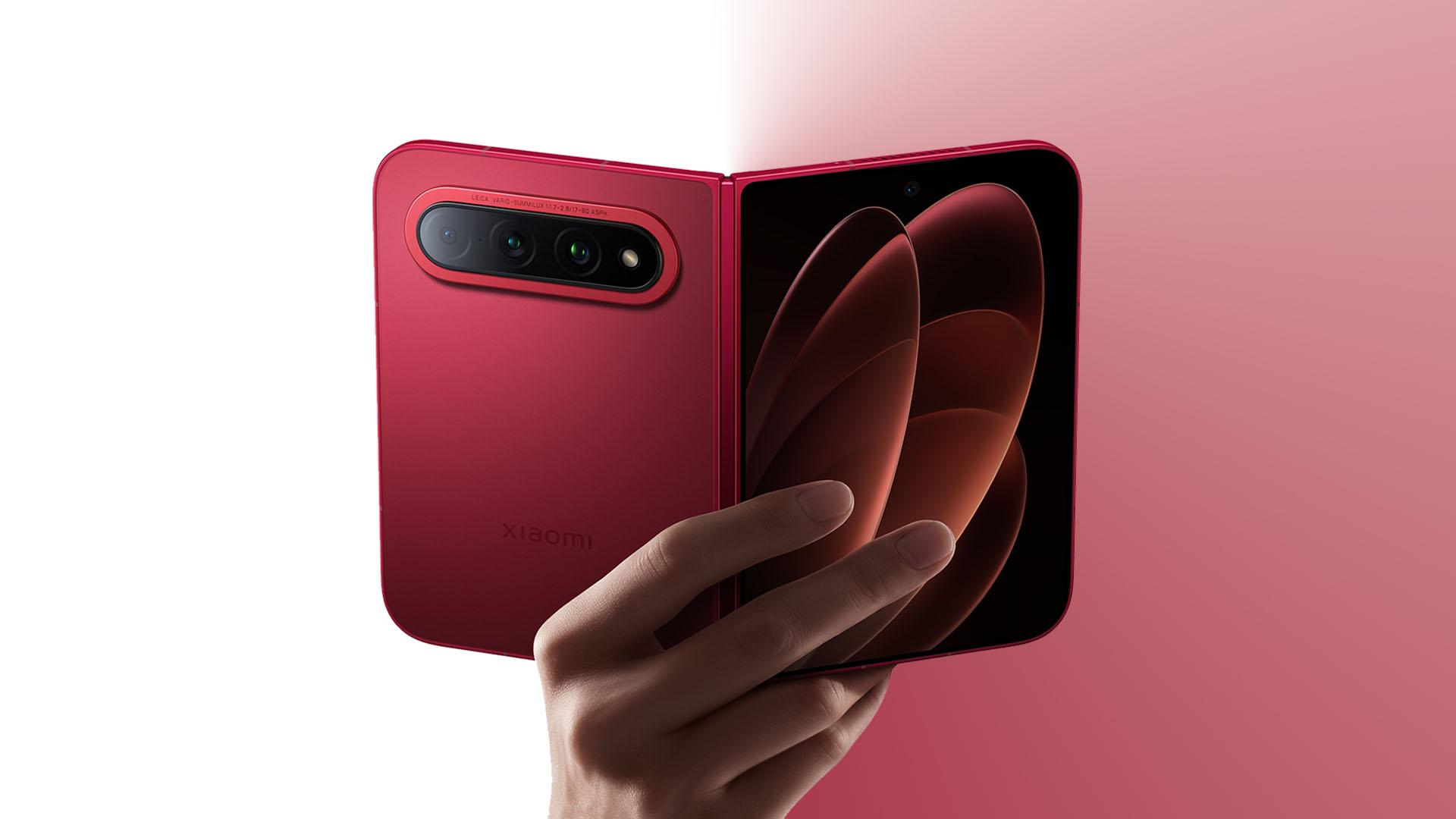
The Xiaomi 18 Fold, the company’s first wide-format foldable, launched with a Cherry Red colorway that multiple outlets pointed out looked a lot like Apple’s rumored shade, months before Apple confirmed anything.
Graphics by Vincenz Lee | GadgetMatch
Xiaomi timed the whole announcement to land just ahead of Apple’s own event, essentially racing to market with the same design language and a matching color story.
Whether that’s coincidence or a very calculated troll depends on how cynical you want to be about the smartphone industry, and honestly, you should be pretty cynical about it.
HUAWEI’s been circling this shade for a while
HUAWEI didn’t need to react quickly because it was already in the neighborhood.
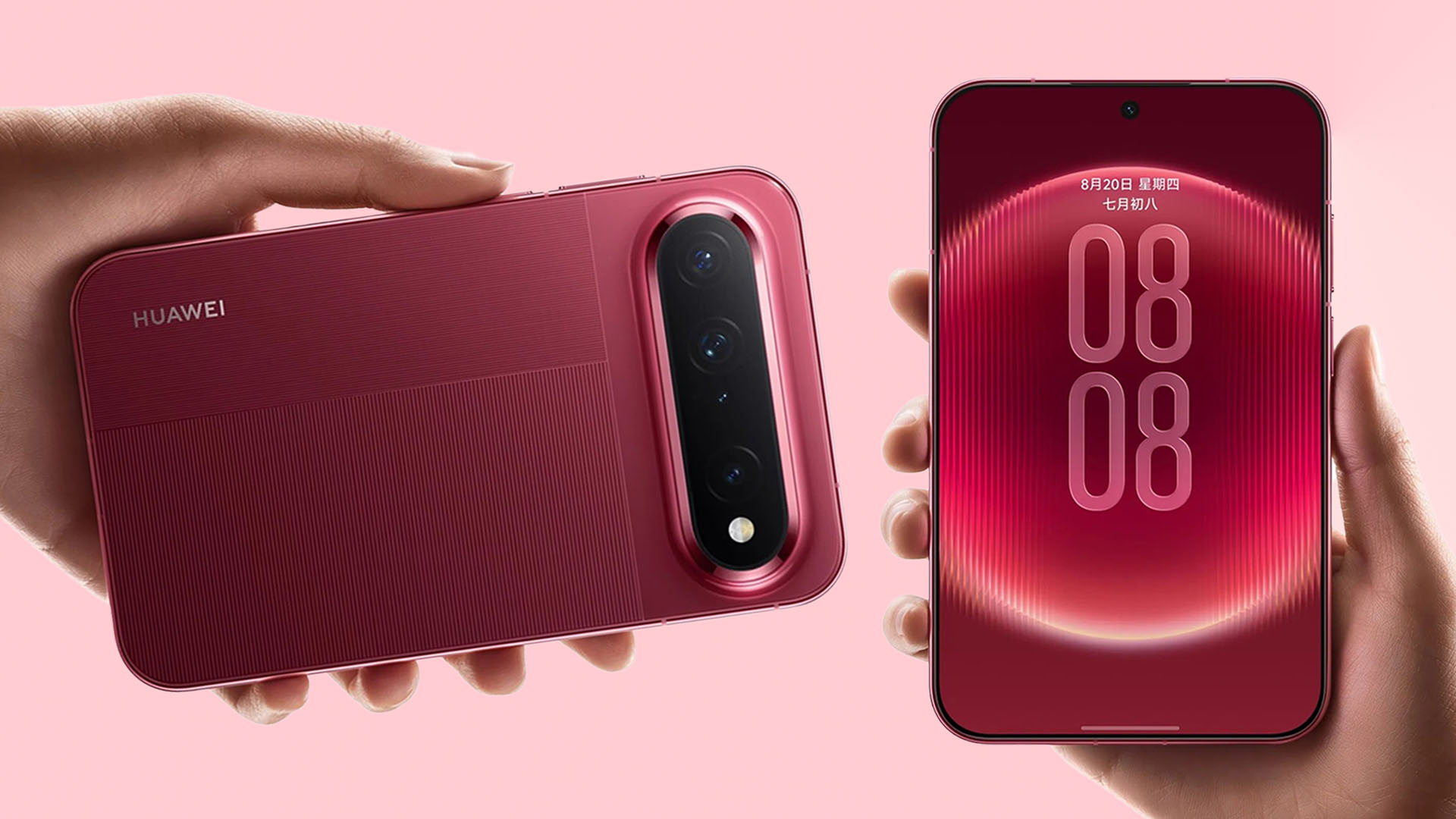
The Pura X Max shipped in a Bordeaux Red, and the newly launched Pura X View came in a Shadow Red variant that sits comfortably in the same wine family.
Graphics by Vincenz Lee | GadgetMatch
HUAWEI has actually been rotating red-adjacent colorways across the Pura X lineup since last year, with Stylish Red and Stylish Orange finishes added as running refreshes rather than one-off marketing stunts.
TECNO didn’t just match the color, it named the reference
The TECNO Camon Slim 5G might be the most self-aware entry in this whole cycle.
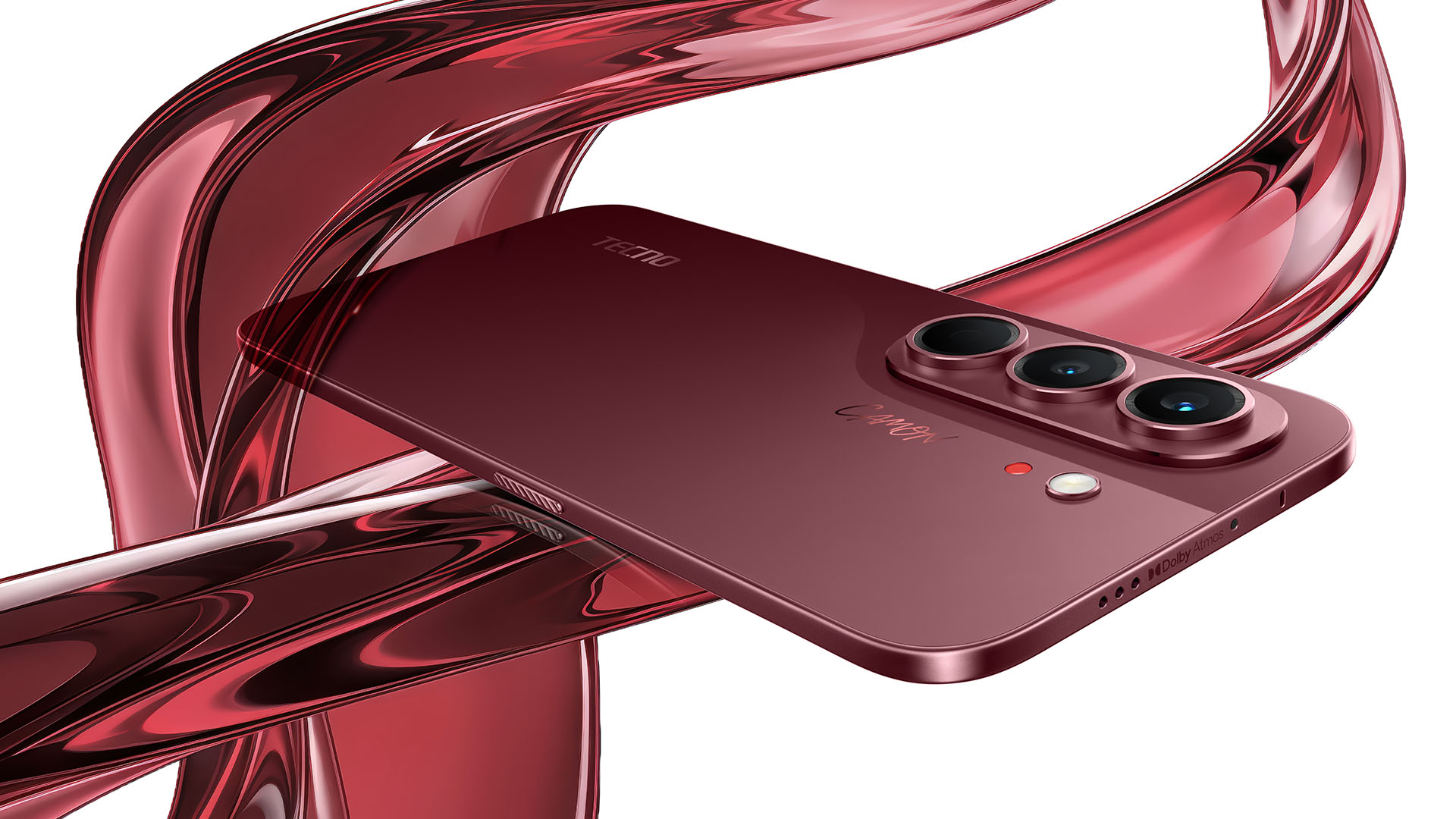
It launched at IFA with a Burgundy Red option sitting alongside artist-inspired finishes like Van Gogh Blue and Neo Mondrian, and GSMArena‘s own unboxing coverage flat out called the color “iPhone 18-anticipatory.”
TECNO wasn’t hiding what it was doing. It saw the leaks, built the phone, and then, shipped it before Apple’s event even happened.
This isn’t Burgundy’s first lap
Wine-colored phones aren’t new, they just don’t usually get a moment like this.
Samsung quietly ran a Burgundy Red Galaxy S8 as a limited South Korea release back in late 2017, then brought the same shade back for the Galaxy S9 and S9+ the following year alongside Sunrise Gold.
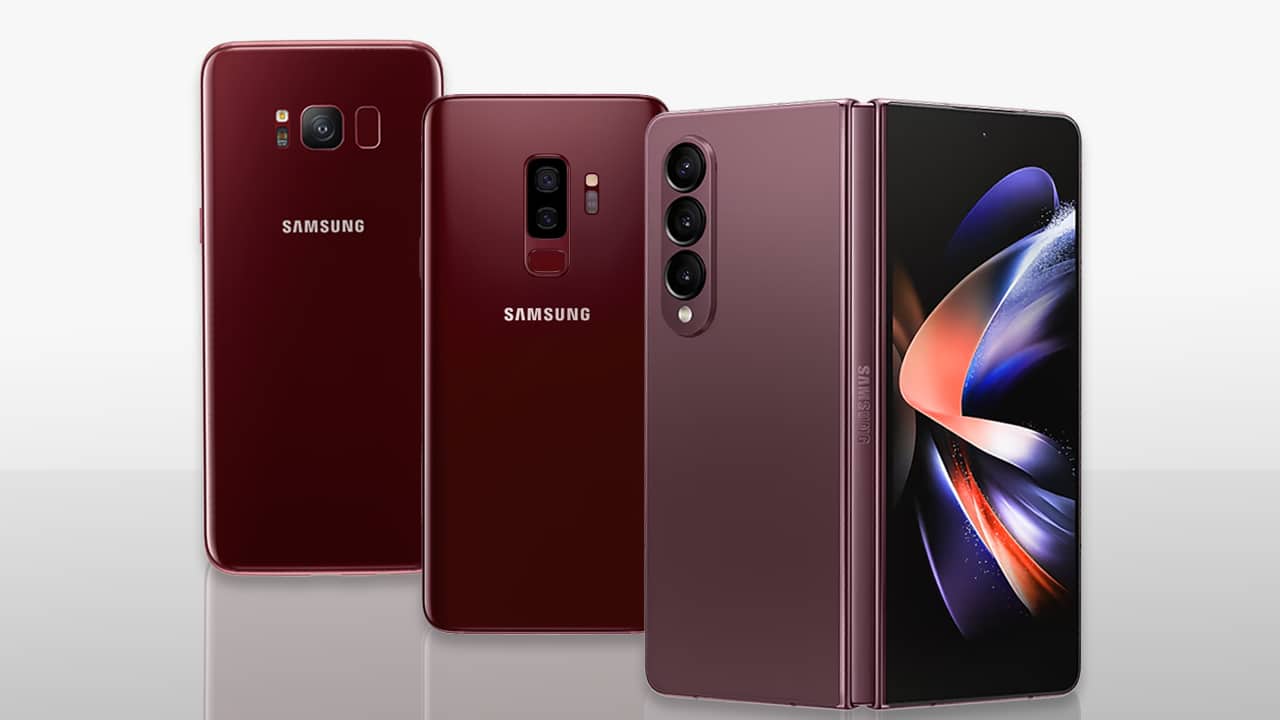
A Burgundy Galaxy Z Fold4 later became an online-exclusive color that didn’t cost extra despite the exclusivity. None of those got the fanfare Apple’s version is getting now, mostly because Samsung treated Burgundy as a nice-to-have rather than the hero shade.
Burgundy used to be the tasteful alternative color buried three options deep in a lineup. Now, it’s the one every brand wants on the box art.
Why burgundy, and why now?
The appeal is pretty straightforward once you look at what came before it. Bright colors like Cosmic Orange photograph well but can feel a little loud on a device you’re carrying around all day.
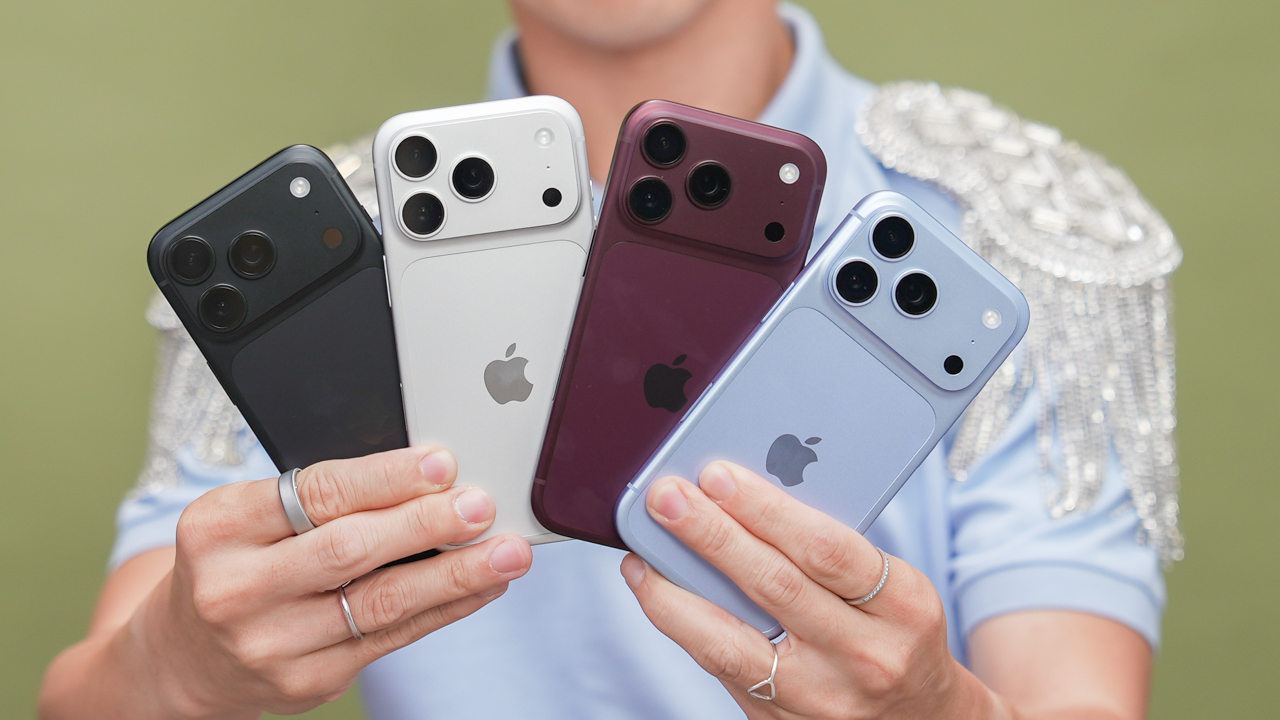
Burgundy splits the difference. It reads as premium in product shots and it doesn’t look like a toy in person. Yet, it still stands out next to a wall of black and silver phones on a shelf.
It’s the color equivalent of a phone trying to look expensive without trying too hard. And after a year of neon everything, that’s clearly what buyers and brands both wanted.
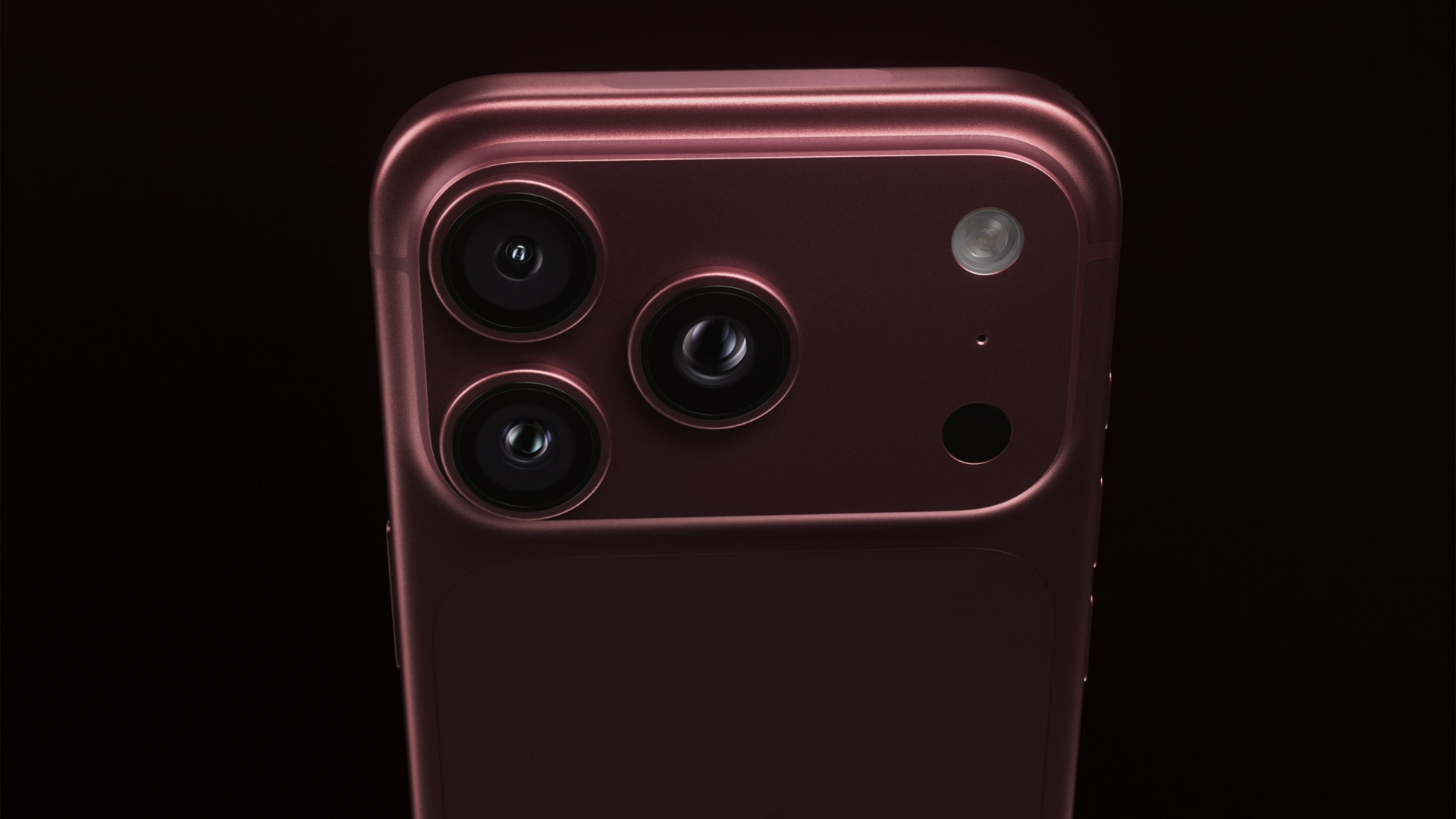
Whether Burgundy becomes as inescapable as Cosmic Orange did remains to be seen. But for a color Apple hadn’t even confirmed until its event, it’s already had one of the busiest years any smartphone shade has had in a while.
Entertainment
PH to celebrate 1st ever National Cinema Day; movies start at less than $2
Watch a movie on September 12 for a fraction of the cost


The Philippines will be celebrating its first ever National Cinema Day on September 12. On this day, movie tickets will go for as low as PhP 100 (US$ 1.60) at regular 2D cinemas.
The campaign aims to make moviegoing more accessible to audiences. This includes families, friends, students, and cinephiles in general.
Such initiative has been a staple in other countries, like the United States, United Kingdom, Spain, Germany, Australia, New Zealand, and more. The same concept applies, with movie tickets going on sale for a lot less.
What’s great about the celebration is that all movies scheduled for exhibition on September 12, whether local or international, shall get the special admission price.
Advanced tickets sales have already begun. Customers can purchase through participating box offices, official websites, mobile apps, and authorized platforms.
Tickets will be sold on a first-come, first-served basis and remain subject to theater capacity. Prices vary for other viewing formats like Director’s Club or IMAX, for instance.
The campaign is organized by the Cinema Exhibitors Association of the Philippines (CEAP), along with industry and government partners.
The initiative is supported by the Film Academy of the Philippines (FAP), Film Development Council of the Philippines (FDCP), Movie and Television Review and Classification Board (MTRCB), and the Metro Manila Film Festival through the MMDA.
Participating cinemas include Ayala Malls Cinemas, SM Cinemas, Robinsons Movieworld, CityMall Cinema, Megaworld Cinemas, and more.


Marvel’s Wolverine review: When the claws come out
A brutal, cinematic superhero adventure

Setting your bedsheets ablaze with the Lovense Solace Pro
The closest proxy I could find where I'm guilty as sin


Now Playing: Elden Ring Tarnished Edition
Is the Switch 2 port worth the price?

Max vs 100 will feature Max Verstappen race against 100 go-karters

Apple’s best feature to cure motion sickness is finally on Android

Valve unveils price of the Steam Frame

Match Pulse: Passport-sized foldables

Burgundy is the new Black!

TECNO MEGAPAD 2 review: Eyes on the size

realme 16T 5G with 8000mAh battery, IP69 Pro rating launches in PH

HUAWEI Pura X View is 2026’s first WIDE slab-type smartphone

REDMI reveals the refreshed Note 17 and Note 17 Pro series

REDMI Note 17 Series focuses on long-term reliability


-
 News1 week ago
HUAWEI Pura X View is 2026’s first WIDE slab-type smartphone
-

 News1 week ago
The CAMON Slim 5G is TECNO’s latest ultra-slim smartphone
-
 Cameras2 weeks ago
DJI Osmo 360 II review: Going all-in on the ecosystem
-

 IFA 20262 weeks ago
TECNO MEGABOOK T15 360 unveiled at IFA 2026
-

 Gaming2 weeks ago
NBA 2K27 review: A two-way All-Star
-

 News6 days ago
iPhone 18 Pro series: Price, availability in the Philippines
-

 IFA 20262 weeks ago
TECNO’s POVA 8 Pro gets a stealthy makeover
-

 Automotive1 week ago
Ford’s new Everest lineup brings V6 engine to the top, tech down the line