
Wearables
Samsung has announced the Galaxy Watch 3 Titanium
Its first titanium smartwatch


Though much of the spotlight is on Apple today, another company has quietly launched a new smartwatch variant today. Samsung has announced the Galaxy Watch 3 Titanium, marking the first titanium-based smartwatch for the company.
Whereas the first Galaxy Watch 3 models came with the traditional straps, the Titanium variant ships with military-grade titanium. Despite the new variant’s rugged design, the new model is both elegant and durable, making it perfect for both active and casual wear. The included aluminum strap sports a Mystic Black finish and a matte texture. It is also easily adjustable according to your wrist’s needs.
Underneath the new design, users will enjoy the same features available in the regular Galaxy Watch 3. Balanced with an improved Health app (with up to 120 video workouts), the smartwatch has advanced health detectors including VO2 max readings and on-demand SpO2 measurements. For safety, it also comes with fall detection, which contacts authorities automatically if the users is unresponsive.
More technically, the Galaxy Watch 3 ships with a dual-core Exynos 9110 processor, 1GB of RAM, and 8GB of internal storage. It also comes with the Tizen-based Wearable OS 5.5.
The regular Galaxy Watch 3 still starts at US$ 399.99. Meanwhile, the Galaxy Watch 3 Titanium will start at US$ 599.99 starting October 2. It will launch in a 45mm Bluetooth variant.
SEE ALSO: Samsung Galaxy Z Fold2: Philippine price and availability



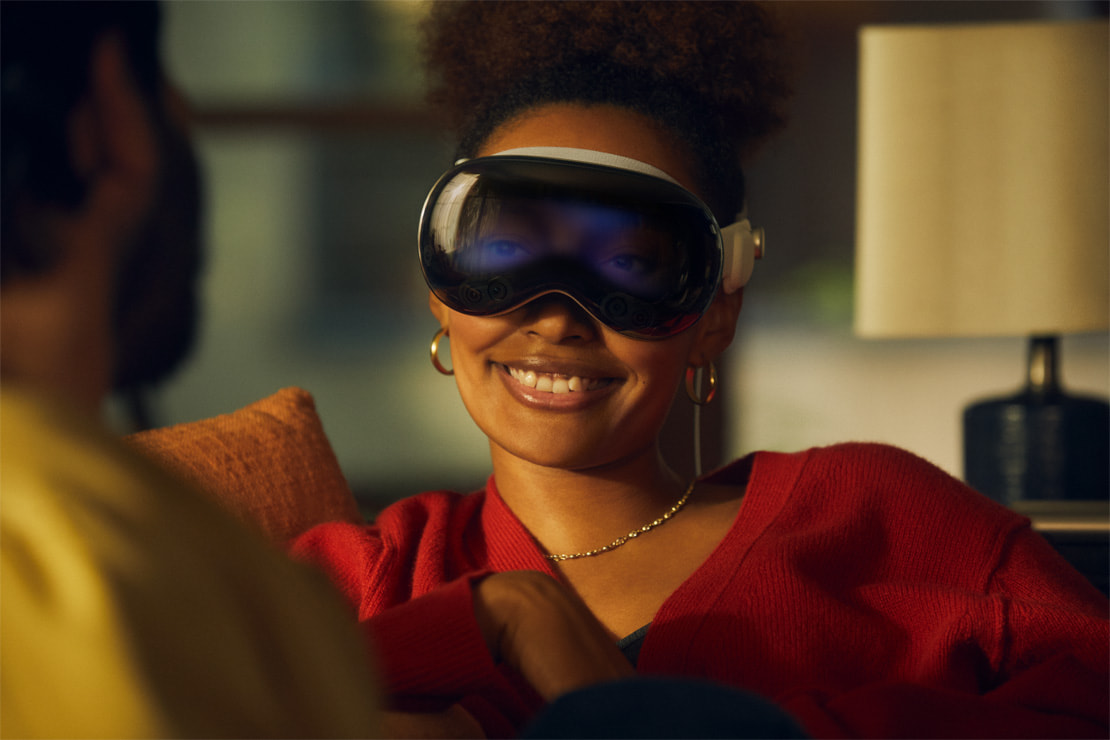
All eyes are on the iPhone Duo. After months of speculation, Apple finally unveiled its first-ever foldable smartphone. Now, because of that reveal, the spotlight (or what little of it remained) drifted away from Apple’s other unique device, the Vision Pro. To the company’s dismay, the wearable never really took off. The company isn’t done with it, though. According to a new report, Apple is still working on new concepts for a mixed-reality headset.
Years ago, Apple unveiled the Vision Pro, a mixed-reality headset that the company desperately wanted to turn into the next big thing after the iPhone. Because of the wearable’s exorbitant pricing and the lack of substantial development from third-party developers, the Vision Pro didn’t really take off.
Today, according to Bloomberg, Apple is still working on four future concepts for the wearable. One of those concepts will reportedly take inspiration from Meta’s VR glasses. The improvements will likely focus on the wearable’s weight and battery pack. Though the heft of wearables today isn’t as nightmarish as the past, the current slew of wires and batteries is still a burden on your head.
There are still a few routes that the Vision Pro can take. If none of the four exploratory options make it out of the drawing board, Apple still has plans for a thinner pair of smart glasses late next year.
Videos
HUAWEI WATCH GT 7 Pro: What’s actually under the hood?
GPS, heart rate test, and a look at the health features doing the heaviest lifting.

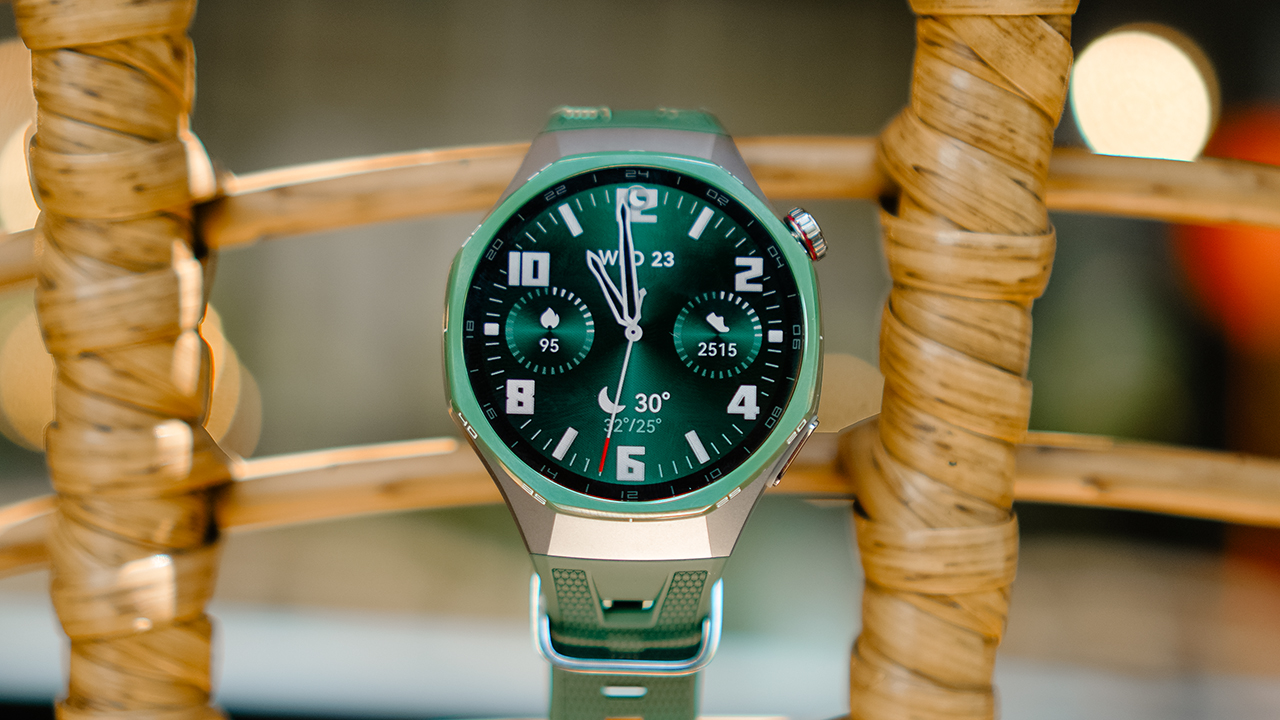
The HUAWEI WATCH GT 7 Pro promises accurate health tracking, AI coaching, and up to 21 days of battery life. These are big claims. Specs on paper only mean so much until they face real-world testing.
We put the HUAWEI WATCH GT 7 Pro up against two tough references: the Garmin Forerunner 970 and the Polar H10 chest strap. The Polar H10 remains the industry benchmark for heart rate accuracy.
Design, build
The HUAWEI WATCH GT 7 Pro uses aerospace-grade titanium alloy for scratch and corrosion resistance. It features a nanocrystal ceramic bezel and sapphire glass. It is built to take a beating.
The display reaches 3,000 nits and stays readable under direct sunlight. An IP69 rating protects against dust, heat, and high-pressure water.
Comfort matters as much as durability during long wear. The HUAWEI WATCH GT 7 Pro’s EasyCross strap uses a quick tuck-under design instead of a traditional buckle.
It stays locked in during intense workouts. The Forerunner 970 uses a traditional quick-release silicone band. It is lighter and easy to swap, but it lacks that same locked-in fit.
The Polar H10 skips wrist wear entirely to set the industry standard for heart rate accuracy.
Putting GPS and heart rate to the test
The HUAWEI WATCH GT 7 Pro uses AI-XDR Sunflower Positioning to maintain GPS signals near tall buildings, tunnels, and underpasses. We wore both watches side by side on identical routes across Metro Manila.
The two watches stayed within 100 meters of each other. That is a gap under 1%, even among Makati’s high-rises. Huawei’s positioning system kept the route track clean. Garmin’s auto-pause held elapsed time slightly longer at street crossings, which caused minor pace variations between the two.
To test heart rate, we ran a high-intensity interval session. We compared the HUAWEI WATCH GT 7 Pro’s TruSense wrist sensor directly against the Polar H10 chest strap.
Both devices logged an identical peak heart rate of 195 BPM. Average heart rate was 180 BPM on the Polar H10 and 179 BPM on the HUAWEI WATCH GT 7 Pro.
Wrist sensors often struggle with rapid recovery drops. The HUAWEI WATCH GT 7 Pro tracked all four recovery valleys in real time alongside the chest strap with zero lag. It also recorded a 19 BPM heart rate recovery within two minutes post-workout.
Sports tracking
The HUAWEI WATCH GT 7 Pro supports over 100 sport modes. It includes climbing management, professional cycling plans with safety turn alerts, trail running, ski turn analysis, and full-color maps for over 17,000 golf courses. It also supports free diving down to 40 meters.
For racket sports, the HUAWEI WATCH GT 7 Pro tracks tennis, pickleball, and badminton via apps like PickleX and Tennix. It also includes mini-workouts built for quick exercise sessions.
Health tracking
This is where the HUAWEI WATCH GT 7 Pro stands out. It runs the Philippines’ first Coronary Heart Disease Risk Study. Coronary heart disease is a leading, often asymptomatic cause of death. The study flags potential risks early for medical follow-up.
It also features a Diabetes Risk Study based on Stanford research published in Nature Medicine. The wrist sensor reads 21 seconds of pulse signals to detect subtle blood flow changes. AI analyzes this data over 3 to 14 days of wear to estimate low, medium, or high diabetes risk.
Diabetes is a primary risk factor for heart disease. Early detection provides a critical warning for cardiovascular health. The HUAWEI WATCH GT 7 Pro adds CE-Certified ECG analysis and arterial stiffness tracking.
The On-wrist Health Community feature lets users monitor family members remotely. It automatically flags abnormal readings.
These non-diagnostic screening tools require at least 3 days of wear. They form part of 20 physical and mental health metrics tracked by the watch. They offer health context over time rather than a medical diagnosis.
Smart functions
The HUAWEI WATCH GT 7 Pro analyzes training over time. AI Workout Analysis evaluates form after every session, while personalized AI Running Plans adapt as fitness changes.
A daily Physical Readiness Score summarizes recovery using sleep and strain data. Garmin uses several separate metrics, whereas Huawei merges them into one clear score.
Battery life lasts up to 21 days with light use. It supports 44 hours of continuous cycling or 51 hours of trail running, outperforming the Forerunner 970. The HUAWEI WATCH GT 7 Pro supports Android 9.0+ and iOS 13.0+.
For local payments, the HUAWEI WATCH GT 7 Pro supports GCash QR codes on the wrist. Garmin Pay relies on credit or debit cards instead. Both watches sync seamlessly with Strava.
Verdict
The HUAWEI WATCH GT 7 Pro matched the Forerunner 970 within 100 meters (under 1%) across all GPS test routes. For heart rate, it matched the Polar H10 chest strap’s peak reading exactly and came within one beat on average.
Huawei successfully holds its ground against top industry benchmarks. Accuracy is no longer a drawback for Huawei sports watches.
The HUAWEI WATCH GT 7 Pro combines a titanium and ceramic build with comprehensive sports tracking. It adds unique health risk screenings, AI coaching, and 21-day battery life.
Availability
From September 25 to October 2, a PhP 500 deposit at the HUAWEI Store comes with a PhP 3,000 discount.
An early bird voucher worth PhP 2,500 follows from October 3 to 31. On Shopee, Lazada, and TikTok Shop, vouchers run at PhP 1,000 from October 2 to 10, and PHP 500 from October 11 to 31.
This feature was produced with Huawei Philippines.
Features
When your body talks, the Galaxy ecosystem listens
The Galaxy Watch Ultra2 and Galaxy Z Flip8 turn training, recovery, and everything in between into something you actually understand.

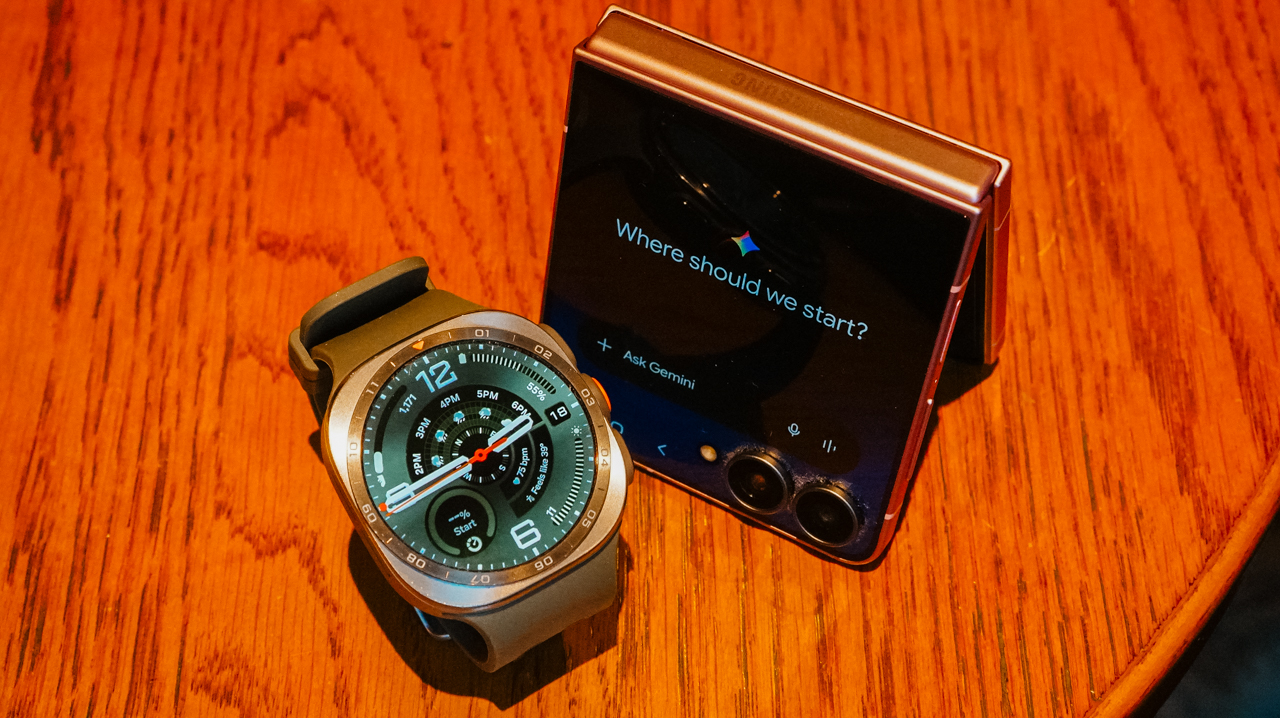
For a long time, my idea of training harder was simple. I wanted to work out more, run faster, and figure out the rest along the way. It took a while to realize that approach only works until it doesn’t.
The days I felt strongest weren’t always the days I trained hardest. More often, they were the days I actually knew what my body could handle before I asked it to handle anything.
That is the shift the Galaxy Watch Ultra2 has made in how I train. It doesn’t push me harder. Instead, it gives me a clearer picture of where I actually stand before I decide how hard to push at all.

Listening before I move
Every morning before I head out, I check Samsung Health. Galaxy AI takes the data the watch has been collecting overnight and over the previous days.
It looks at my heart rate, sleep, and activity load. It then turns those metrics into something I can read at a glance instead of a wall of numbers I would otherwise ignore.
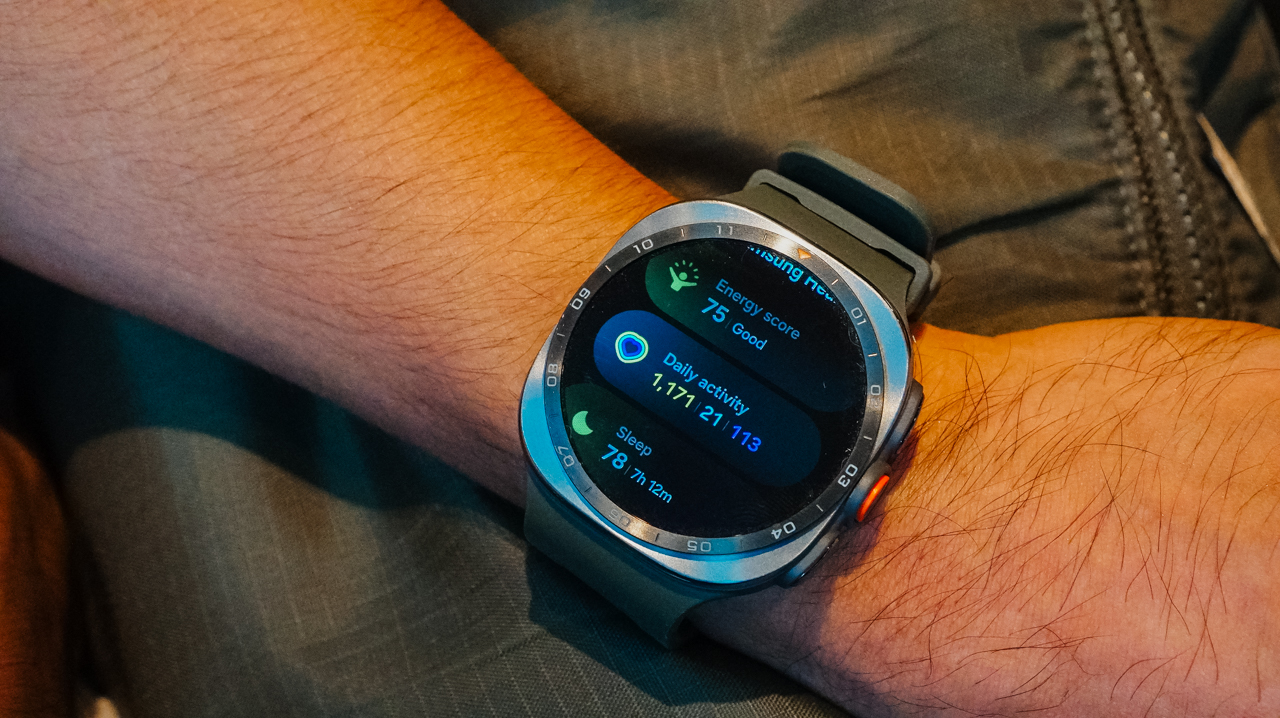
The Heart Health Score gives me a sense of how my cardiovascular system is holding up over time. It offers more than just a snapshot of the moment I glance at my wrist.
The Fitness Index tracks where my overall conditioning is trending. I am no longer guessing whether a plateau is real or just a rough week that will pass on its own.
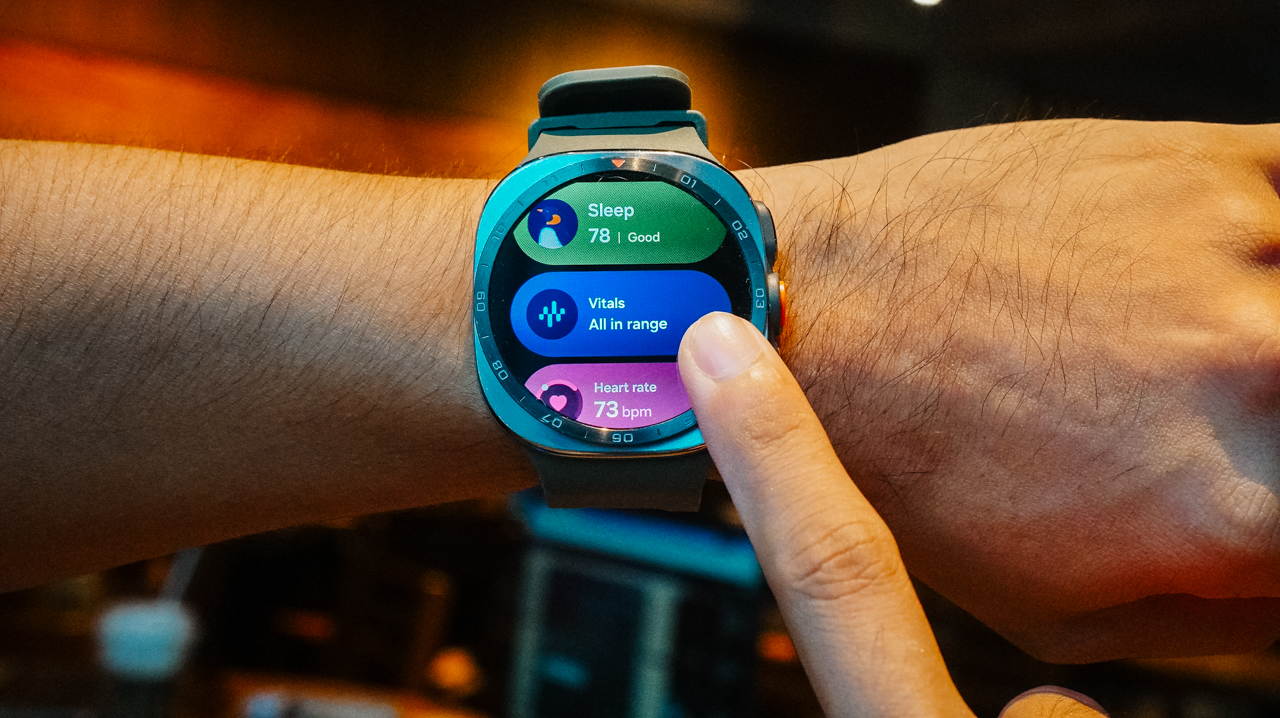
Daily Cardio Load tells me how much stress I have already put on my body recently. This matters more than people think when deciding whether today is a day to push or back off.
Finally, Vitals rounds it out with the basics I check without even thinking twice anymore, such as resting heart rate, blood oxygen, and skin temperature. These numbers used to mean nothing to me, and now they mean almost everything.
None of this replaces how a workout feels. A watch cannot tell you that your legs feel heavier than usual for no clear reason, or that today is the day everything just clicks.
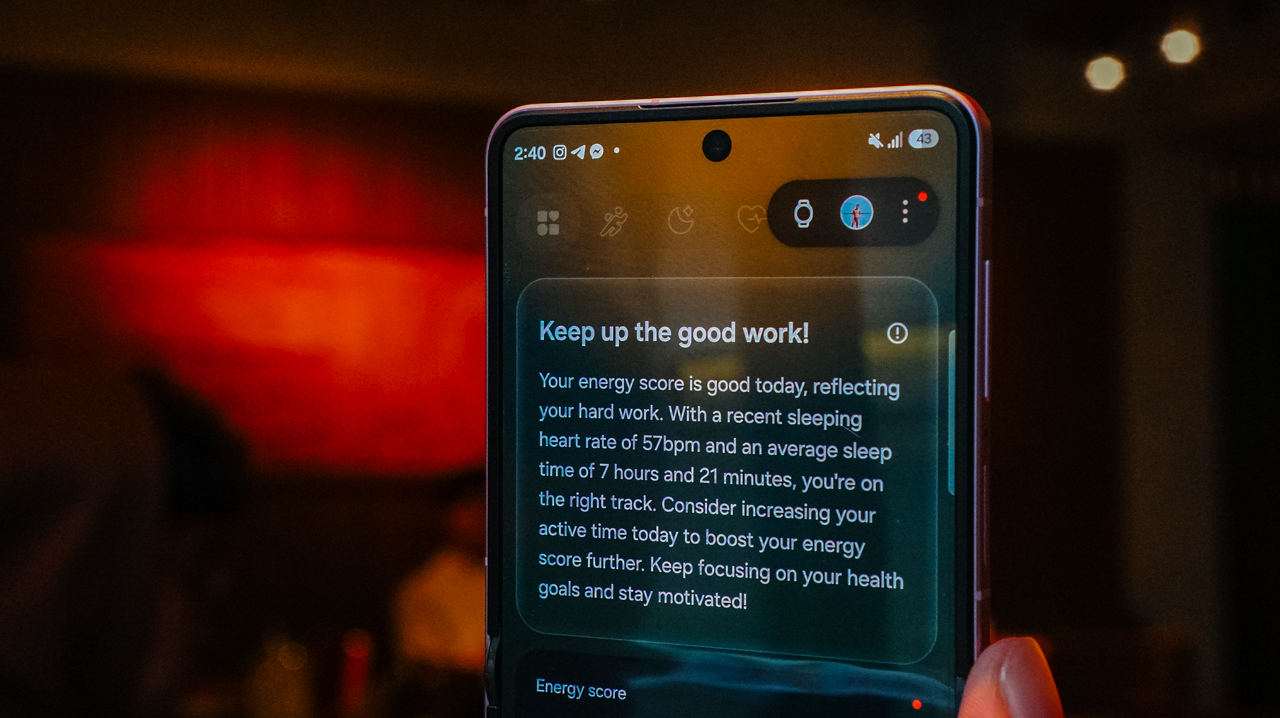
It simply fills in the parts that feeling alone cannot tell me. These are the parts I used to override with willpower alone because I lacked anything better to go on.
I have skipped sessions I would have pushed through a year ago. The data made it clear my body needed the rest more than my training plan needed the mileage.
I have also pushed harder on days I might have held back out of habit, because everything pointed to my body being more ready than I assumed it was.
That’s the real value here: It’s not about following the numbers blindly, but finally having a second opinion that isn’t just my own stubbornness talking.
Turning runs into conversations
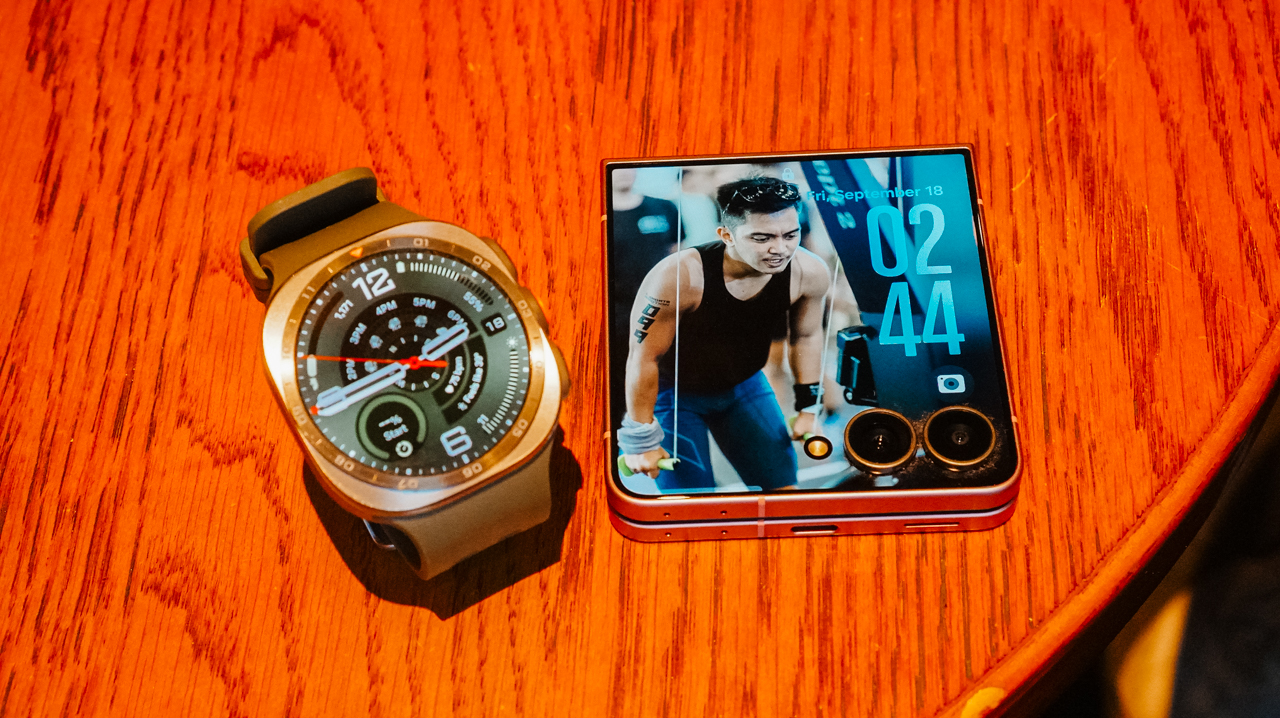
When I am running, the watch keeps tracking in real time. Distance, pace, heart rate, and effort are all available with a quick glance at my wrist without breaking stride.
That part matters during the run itself. However, the more valuable moment usually comes after the run is done and the real analysis starts.
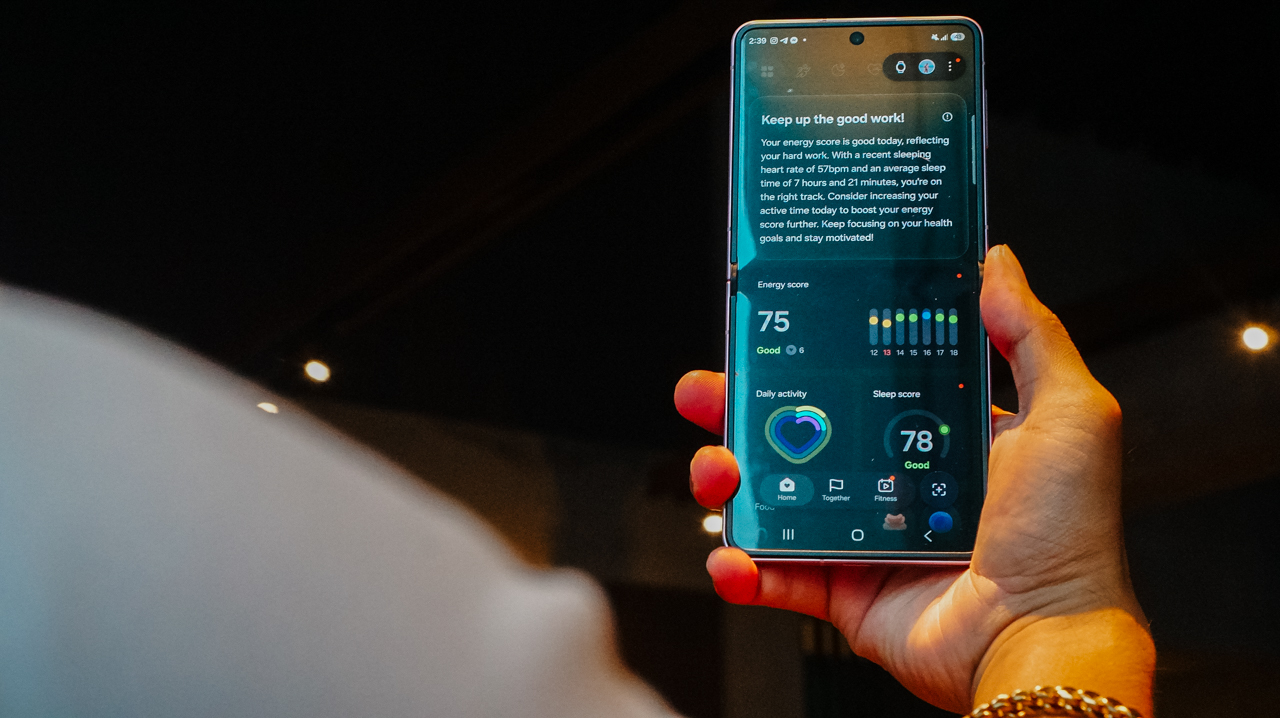
Back on my Galaxy Z Flip8, I go through the full picture. I review the route I took and the training data the watch collected. I look at how the session fits into the recovery and load trends I have watched all week.
Seeing it laid out on a bigger screen, connected to everything the watch already tracked, makes it easier to spot patterns I would otherwise miss while glancing at a wrist display mid-run.

I can easily spot a string of high cardio load days without enough recovery in between. I notice a week where my resting heart rate crept up slightly before I even felt tired.
Small signals that used to slip past me entirely now show up clearly. This happens because the watch and the phone are working from the same data instead of two separate stories.
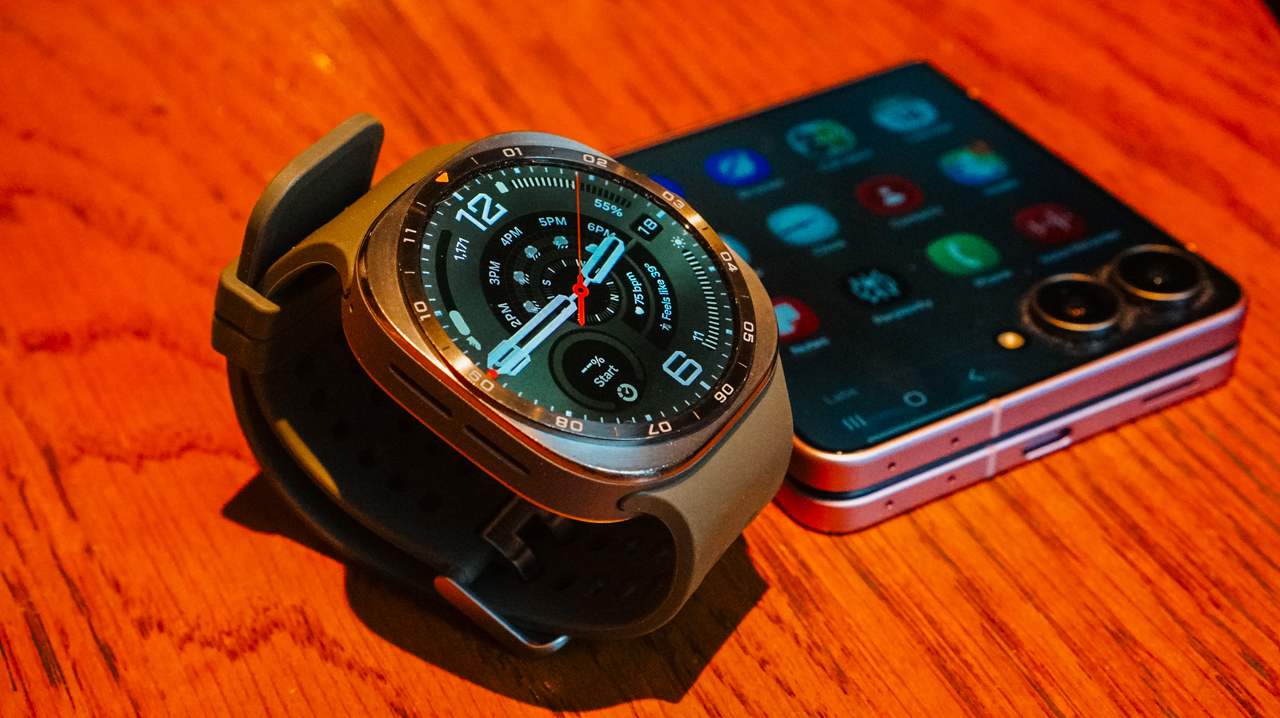
That’s the part that has changed the most for me. Performance used to be something I chased mid-run. I sought a harder pace, a longer distance, and whatever it took in the moment to feel like I had earned the effort.
Now, performance starts long before I ever lace up. It starts with understanding what my body is actually ready for that day. It continues long after the run ends, as I actually sit with the data instead of moving straight on to the next session.
A clearer path forward
The Galaxy Watch Ultra2 doesn’t train for me. It just makes sure I am not training blind. I am no longer guessing at recovery the way I used to and hoping I guessed right.

Once your health data, your training data, and your devices are all working from the same picture, you no longer have to rely on scattered memories and gut feelings.
Every decision you make gets a little more confident. That holds true whether the decision happens on the trail, in the middle of a recovery week, or the night before a race when you are deciding how hard tomorrow should really be.
Better performance starts with better information. See how the Galaxy Watch Ultra2 and Galaxy Z Flip8 work together to help you train harder and recover smarter.
Explore the Galaxy Watch Ultra2 | Discover the Galaxy Z Flip8





Linkin Park: Unshatter is the band’s kintsugi

Bambu Lab opens first Authorized Store in the Philippines

Lenovo tech behind DreamWorks Animation hit ‘Forgotten Island’

Samsung joins the clip-on earbud trend with the Galaxy Buds On

vivo X Fold6 makes global debut with 200MP camera and 6900mAh battery

HUAWEI Pura X View is 2026’s first WIDE slab-type smartphone

The CAMON Slim 5G is TECNO’s latest ultra-slim smartphone

iPhone 18 Pro series: Price, availability in the Philippines

vivo X500 Series launches with major imaging upgrades

iPhone 18 Pro series: Price, availability in Singapore


-
 News2 weeks ago
vivo X500 Series launches with major imaging upgrades
-

 News2 weeks ago
OPPO Find X10 Pro Max is the first phone with a triple 200MP camera system
-
 Automotive1 week ago
BYD says that way better EV batteries are coming next year
-

 News2 weeks ago
vivo introduces OriginOS 7 with smarter multitasking and AI features
-
 News7 days ago
HONOR Magic9 Pro Max launches in China with ARRI-powered imaging
-

 Smartphones1 week ago
TECNO CAMON Slim 5G teases an ultra-slim design ahead of launch
-
 Accessories2 weeks ago
70mai launches the A900 series with 4K front, rear recording
-

 Philippines4 days ago
TECNO CAMON Slim 5G: Price, availability in the Philippines