
News
The Galaxy Fold fails a crucial folding test
Breaks before Samsung’s promised 200,000 folds

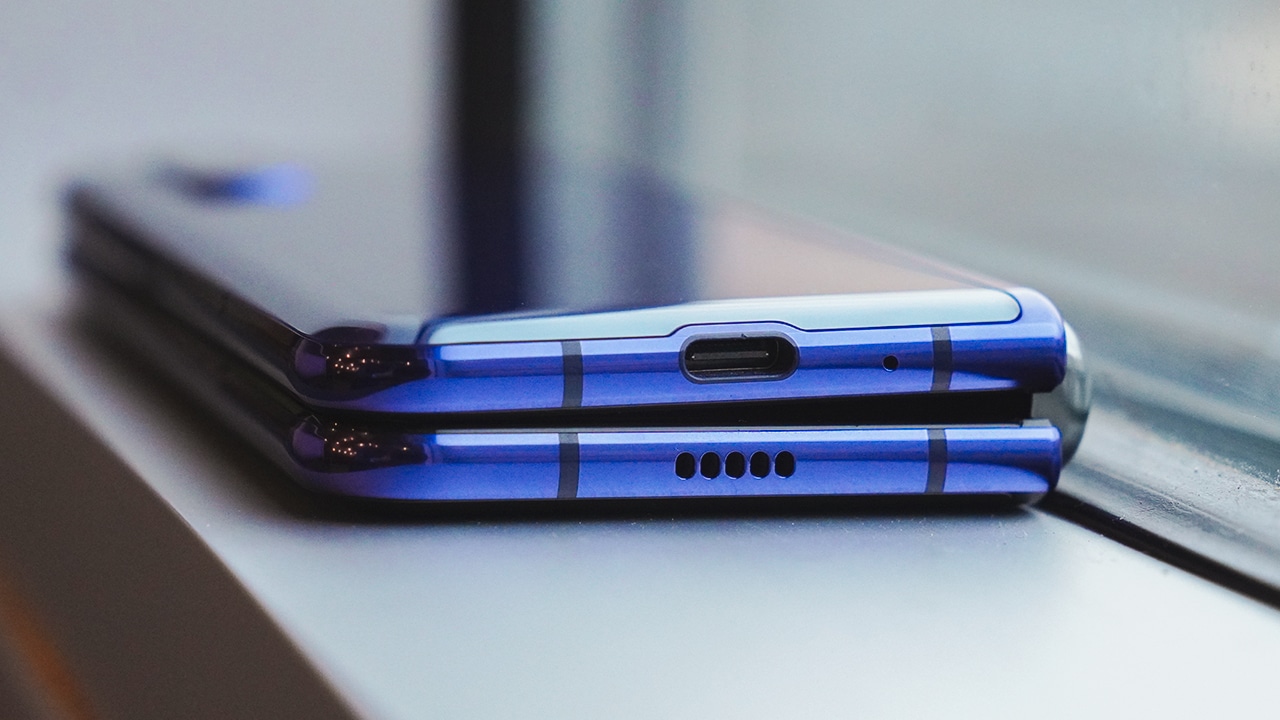
Earlier this year, the Samsung Galaxy Fold launched with a lengthy shopping list of promises — durability, innovation, creativity. As we know now, Samsung has failed in a crucial category: durability. After much controversy, the company pulled the revolutionary phone from its stated release schedule. The foldable smartphone was given a little more time to marinate.
Unfortunately, despite all the reworks, the Galaxy Fold is still a bit undercooked. For one, Samsung has already admitted the device’s persisting weakness in the durability category. The company has urged users to keep being careful with their new devices.
Naturally, Samsung’s warning was an easy target for phone testers. CNET has recently subjected the foldable smartphone to a folding torture test. The test involved a customized machine that folded the smartphone repeatedly until it broke. The Galaxy Fold’s goal was to last through Samsung’s promise of 200,000 folds. According to Samsung, the Galaxy Fold lasted 200,000 folds in internal testing.
Spoiler alert: the 14-hour test ended in failure. The Galaxy Fold broke around 120,169 folds, far from its goal. Half of the Fold’s screen blinked out of existence. Based on average phone usage, the Galaxy Fold will last around two to three years. (People usually check their phones between 80 to 200 times per day, on average.)
Notably, both tests are under controlled circumstances. Though the tests indicate otherwise, the Galaxy Fold in real-world circumstances will likely last longer than two to three years. Additionally, users don’t even have to open the Fold every time they check their phone.
Still, Samsung’s promises are already in question. Will the Galaxy Fold last as Samsung says? Unfortunately, only time will ultimately tell.





Automotive
BYD says that way better EV batteries are coming next year
Solid-state batteries will debut with higher-end models in 2027.

With gas prices reaching the edges of believability, electric and hybrid vehicles are turning into worthy upgrades. That said, the more casual consumer still has a lot of questions about going electric, primarily about the durability of the battery and range anxiety. Well, a major battery technology upgrade is coming in the next few years, and BYD has just committed to it for next year.
Via the Spanish outlet Carwow, BYD EVP Stella Li confirmed that the company will launch its first vehicle with a solid-state battery in 2027. Now, if you’re a regular consumer, a solid-state battery probably doesn’t make much sense to you. But here’s the basics: it’s smaller, safer, and can last longer on a single charge.
If you’re fine with technical explanations, a solid-state battery uses more solid components, as opposed to the liquid solution used by the current standard of lithium-ion batteries. Because it’s more solid, it has better energy density. Higher energy density means a smaller size is needed to achieve the same battery capacity as modern batteries. In turn, this means that a vehicle can pack more batteries inside, allowing for better capacity. Oh, and let’s not forget that these batteries are generally safer and less prone to incidents.
In the same interview, BYD says that the first model will arrive next year. Unfortunately, because of the battery’s cost to produce, the component will likely debut with the company’s higher-end models. Still, it’s an exciting sight to behold. The electric and hybrid market is already quite the temptation for users, so an even better battery will further push the segment to better heights.
Laptops
Microsoft gives up on the Copilot+ PC
The company is quietly stepping away from the branding.

The Copilot+ PC is finally coming to an end. After a few years of advertising the lineup as the next big thing, Microsoft is stepping away from the branding.
Through a new interview with Windows Central, Microsoft has confirmed that the company is slowly stepping back from the Copilot+ branding. Despite launching a series of new Surface PCs that fit the bill of such a brand, the company has not affixed any of these devices with the usual branding of the AI-infused series.
“These are not called Copilot+ PCs. They do meet all the requirements of our previous bar for what Copilot+ devices are. We still lean into the narrative around AI on the edge and being able to have a hybrid solution out there,” Microsoft Surface CVP Brett Ostrum said.
Now, the Copilot+ PC programs hasn’t been a massive success for Microsoft. For all the time that it’s been out in the market, the series hasn’t really made much of an impact. TOPS is still a difficult metric to measure. The Copilot button is still one of the most unusable buttons on a modern keyboard. Even worse, Recall, the lineup’s most highly touted feature, crashed and burned practically the same moment it came out because of privacy concerns.
Microsoft had a lot of hopes for the Copilot+ lineup. Prior to today’s deteriorating perceptions about AI, the lineup imagined a string of devices united with a focus on AI-supported performance. However, we know better today. At best, AI PCs provide moderately boosted performance without the need for top-of-the-line hardware. At worse, they’re a privacy nightmare that places an unnecessary burden on the entire industry.
SEE ALSO: Microsoft continues to shove Copilot where it’s not wanted
News
Xiaomi 18 Pro series is launching globally, Xiaomi confirms
Xiaomi’s phone with two screens is finally going global.
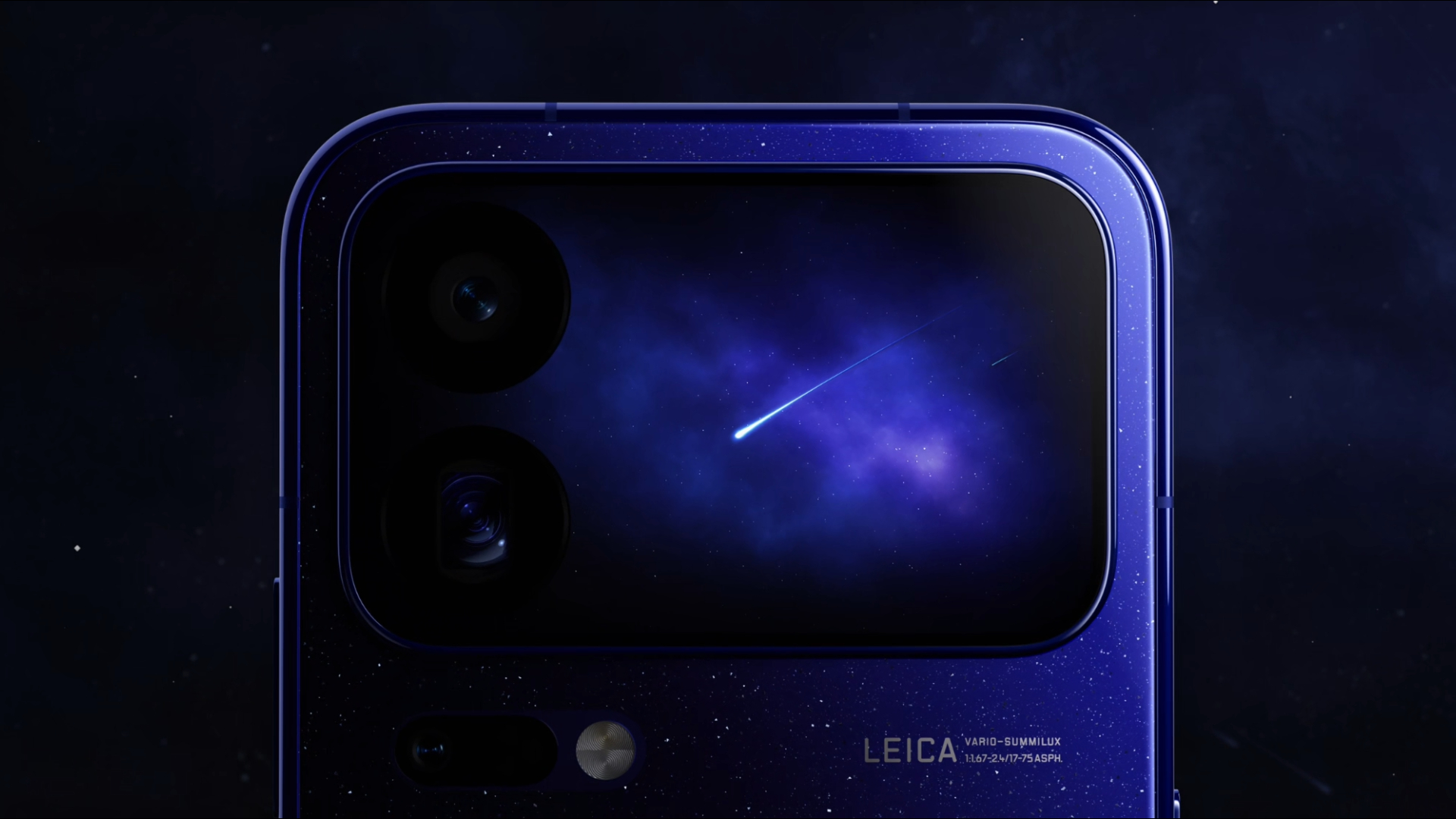
As you can probably read from our reviews, we were impressed with the Xiaomi 17 series. Like previous years, the Chinese brand knows how to make impressive flagships. Unfortunately, despite our raving, the world didn’t get the complete flagship experience because the Xiaomi 17 Pro and Pro Max were exclusive for Chinese users. This year, however, the Xiaomi 18 Pro and Pro Max will finally grace the entire world with their presence.
Recently, Xiaomi unveiled the Xiaomi 18 Pro duo. Normally, the launch of the Pro series doesn’t make waves outside of China because of the exclusive release. However, soon after the series’ debut, Xiaomi CMO Xu Fei officially confirmed that the duo will make a global debut sometime this year.
Now, the launch of the two smartphones should catch your eye. While the regular Xiaomi 18 series belongs to the more traditional form factors for smartphones, the two Pro models feature a smaller 2.7-inch (or a 2.9-inch) LTPO AMOLED rear screen, adding that extra bit of spice even if the phone is facing downwards. Other than that, the series comes with up to a Snapdragon 8 Elite Extreme Gen 6 chipset, up to 16GB of RAM, and up to 1TB of storage. It also features a trio of rear cameras including a 200-megapixel main sensor, a 200-megapixel periscope lens, and a 50-megapixel ultrawide sensor. In front, it has a 50-megapixel selfie shooter. Finally, the series goes up to an 8500mAh battery.
To be clear, there is a chance that the global version won’t match these specs. Regardless, it’s surely an impressive phone when it does launch elsewhere.


Now Playing: ACE Combat 8: Wings of Theve
A refreshing change of pace


TECNO POVA 8 Pro Tonino Lamborghini review
Truly a rare gem in 2026


DJI Lito X1 review: Is this the best lightweight drone for creators?
Making a strong case as a travel companion and a capable B-cam!

BYD says that way better EV batteries are coming next year

Globe records fastest average download speed of 2026 in August
Now Playing: ACE Combat 8: Wings of Theve

Now Playing: Total War: Warhammer III – Lords of the End Times

Microsoft gives up on the Copilot+ PC

realme 16T 5G with 8000mAh battery, IP69 Pro rating launches in PH

HUAWEI Pura X View is 2026’s first WIDE slab-type smartphone

The CAMON Slim 5G is TECNO’s latest ultra-slim smartphone

iPhone 18 Pro series: Price, availability in the Philippines

DJI Osmo 360 II review: Going all-in on the ecosystem


-

 News7 days ago
vivo X500 Series launches with major imaging upgrades
-

 News6 days ago
OPPO Find X10 Pro Max is the first phone with a triple 200MP camera system
-

 Reviews2 weeks ago
REDMI Note 17 Pro Max review: A new breed born from AI greed
-

 Singapore1 week ago
Epson Lifestudio Grand Plus EH-LS970B with 4K projection, more launches
-

 News7 days ago
vivo introduces OriginOS 7 with smarter multitasking and AI features
-
Drones2 weeks ago
DJI Lito X1 review: Is this the best lightweight drone for creators?
-

 Gaming2 weeks ago
Valve unveils price of the Steam Frame
-
 Philippines2 weeks ago
REDMI NOTE 17 Series: Price, availability in the Philippines