


Reviews
Samsung Galaxy S20 FE review: Premium phone you can afford
Premium experience at a palatable price!

This is the Galaxy S20 FE (Fan Edition). It’s not the most exciting phone of the year, but possibly one of Samsung’s most important. It isn’t awe-inspiring like the Galaxy Z Fold 2.
But what it lacks in its ability to be attention-grabbing, it more than makes up for with its more affordable price point. All while delivering on the most beloved features of the S20 series.
Of course, a cheaper price tag means there has to be compromises somewhere. In this review, we’ll take a look at the choices Samsung made, and whether or not the S20 FE deserves to be a part of this high-end lineup. Or if it’s just a fancy name on a mid-range phone?
Unboxing
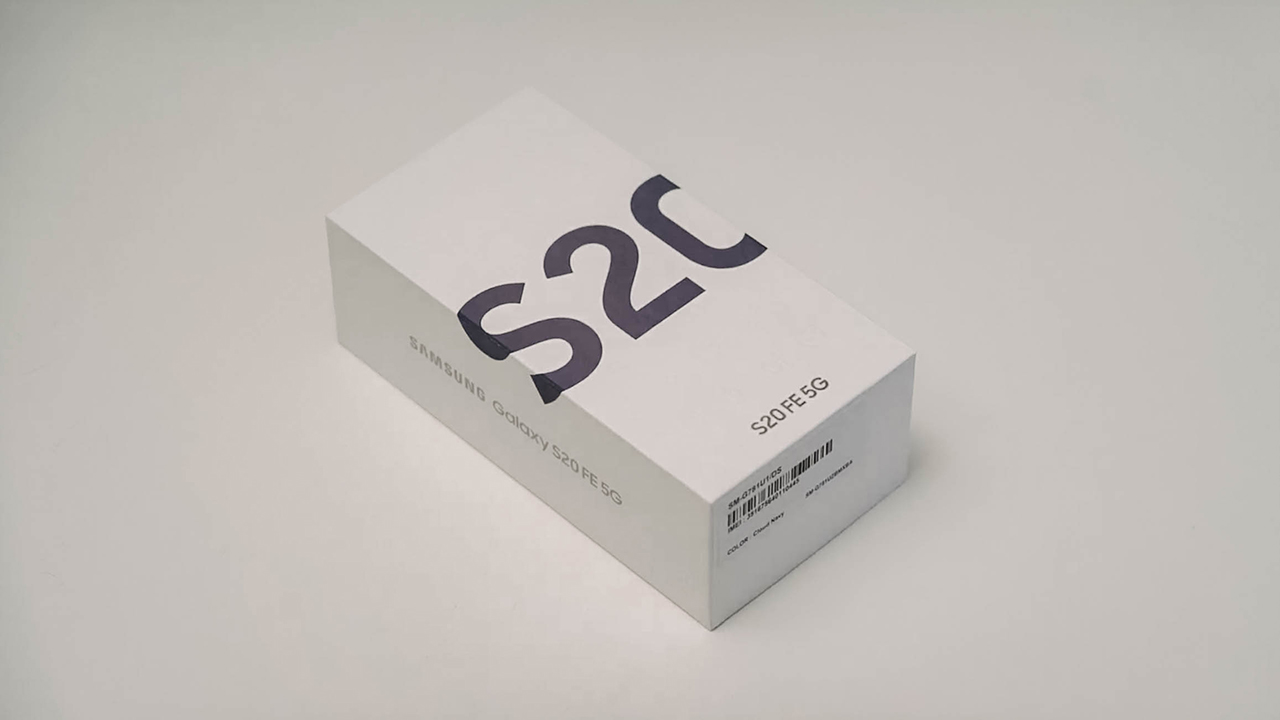
Unlike the rest of Samsung’s S20 lineup that comes with black boxes, the S20 FE comes in this white box. The text styling is very much the same. If you look closely, there are icons engraved on the box. The packaging order is also pretty standard.
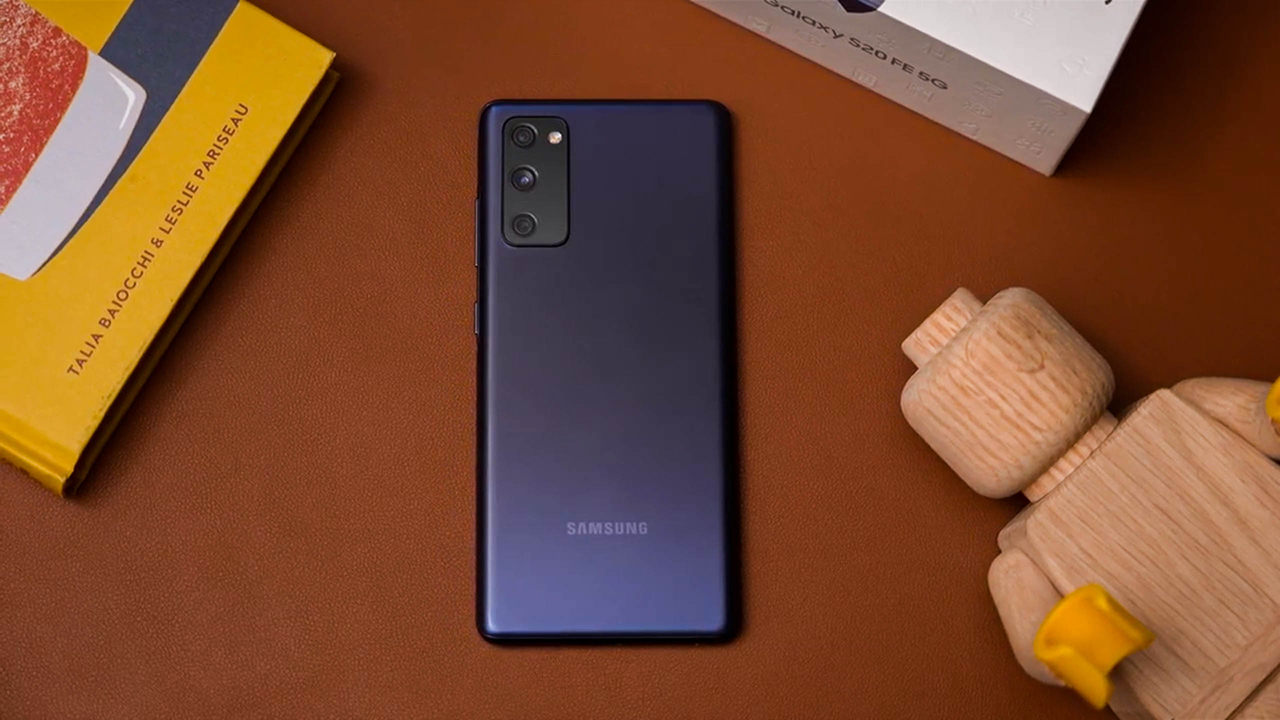
Our unit comes in a sleek, Cloud Navy color. If Navy isn’t your thing, there are five more color options to choose from: Red, White, Lavender, Mint, and Orange.
In the box are the SIM tray ejection pin, the usual quick start guide, a 15W travel adapter, and a USB-C to USB-A cable.
Part of the family?
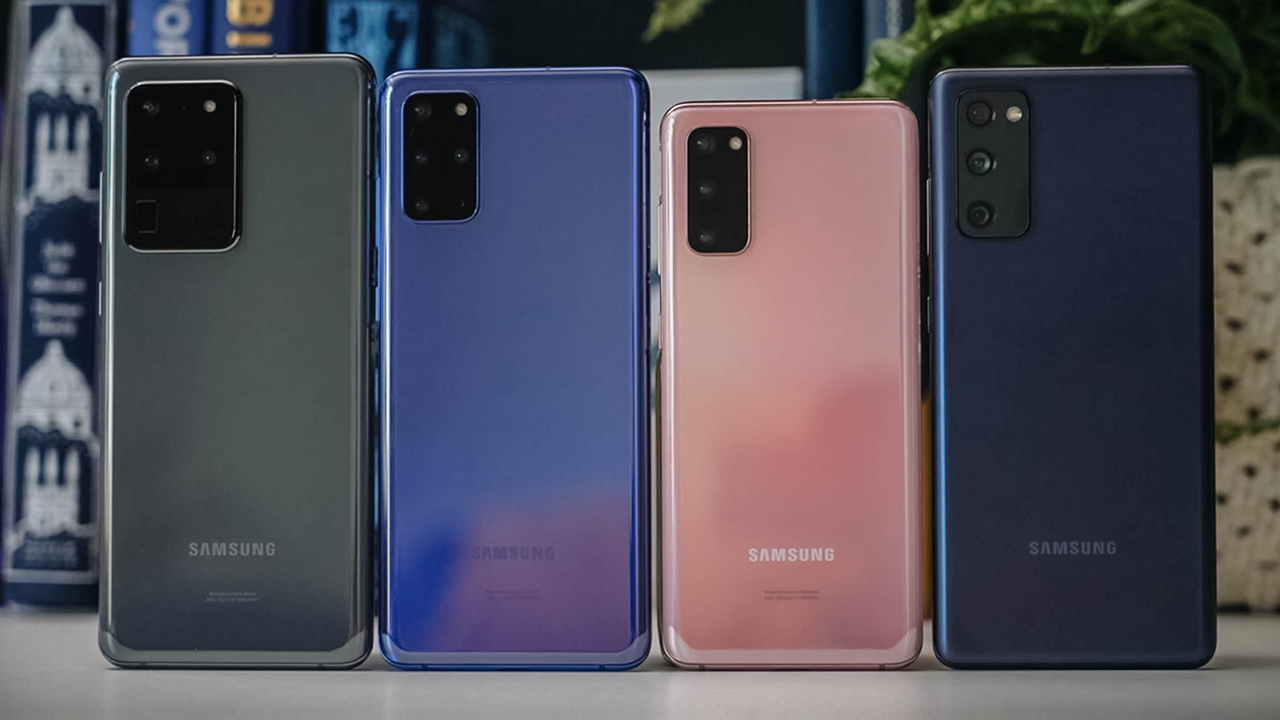
On the outside, you’ll find the Galaxy S20 FE sharing the same design ID as the S20, S20+, and S20 Ultra. The same rounded corners, same shaped aluminum frame, same placements for its button ports, and antenna lines.

It also got the same Infinity O display with a punch-hole for the selfie camera. The much loved 120Hz refresh rate is here, as well.
The handset also carries the same top-of-the-line processors: Snapdragon 865 for the 5G variant, and Exynos 990 for the LTE-only model. It has triple cameras, too! Wide, Ultra Wide, 3X Zoom, Night Mode, Pro Mode, and Space Zoom.
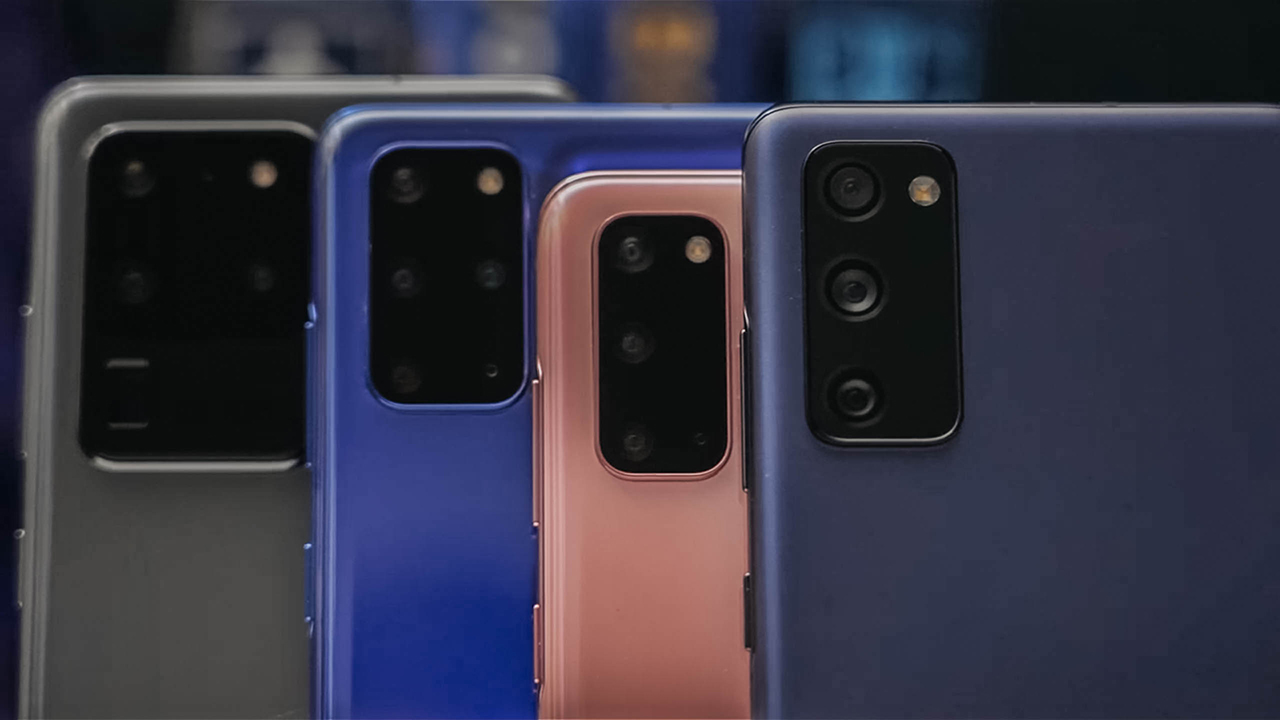
Additionally, it has a pretty large battery, stereo speakers, an IP rating for water and dust resistance, and even a micro SD card slot for expandable memory.
Whoever told you plastic is cheap is seriously disturbed
For it to be priced at US$ 300 less than the S20, Samsung had to make cuts, but we think they chose wisely.
First, its body is made of polycarbonate plastic instead of gorilla glass. Plastic, when done right, doesn’t have to look or feel cheap.

Just like the Note 20, the S20 FE doesn’t feel nor look cheap, especially with those eye-candy colors.
Of course, the all-glass S20 definitely feels more premium, but slap a case and you wouldn’t notice a difference. But then again, you probably don’t even need a case when a phone has a plastic back.
Learning to compromise
While the S20 FE prides itself on a 120Hz display, its resolution maxes out at Full HD+. It isn’t a deal-breaker though. Even if the first S20 trio all have Quad HD+ displays, you’re stuck at Full HD+ if you want to enjoy that high refresh rate.

Speaking of displays, the S20 FE has a flat display — which to some is actually better. It has a 6.5-inch screen that’s slightly larger than the S20, and almost as big as the S20+ because of its larger bezels.
Despite the size, it’s still comfortable for one-handed use. And that bigger screen is always a plus when it comes to watching videos or playing games.
Half the memory
The S20 FE has half the amount of RAM as the regular S20. But it doesn’t mean that it’s lackluster when it comes to its performance. For everyday tasks like surfing, watching YouTube and/or Netflix, or scrolling through Instagram, the RAM size won’t even matter.
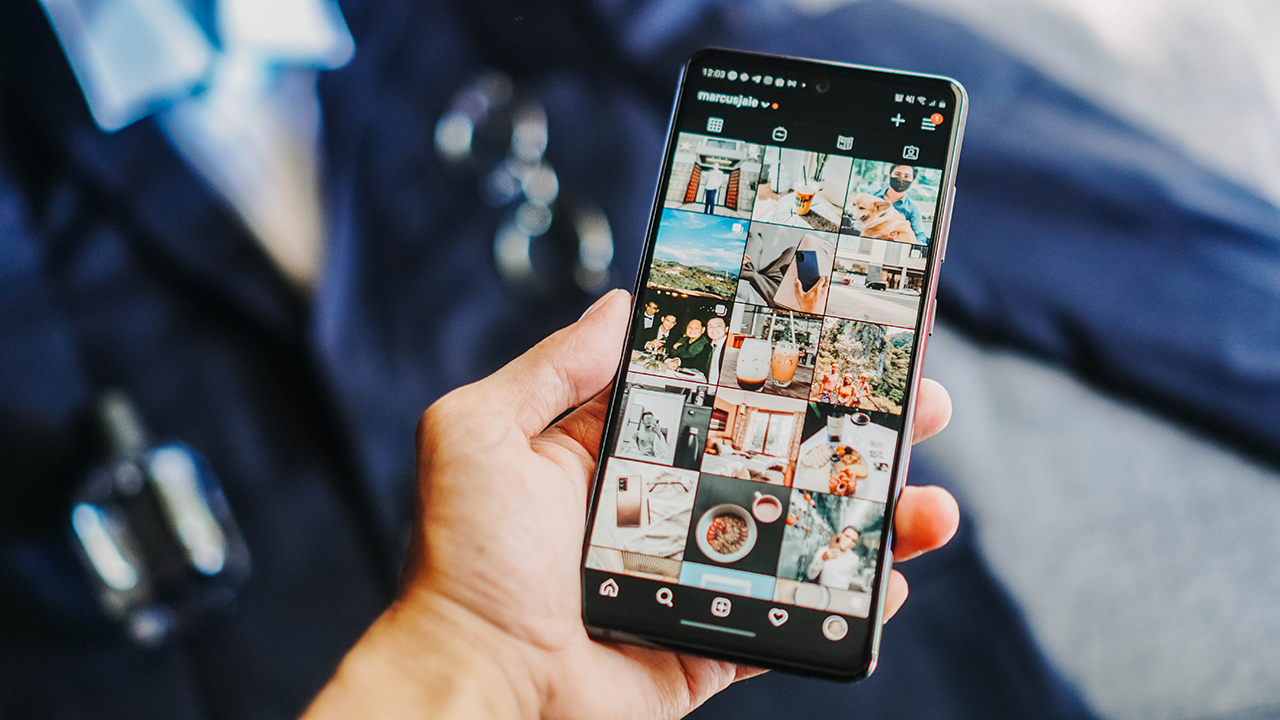
RAM will only matter when you’re multitasking or when you quickly switch between several open apps, one after the other. Despite the reduced RAM size, it still shares the same top-of-the-line processors as its more expensive siblings. It’s still a heavy lifter, performance-wise.
In fact, the phone worked just like any other during our stint — whether it’s watching Start-Up on Netflix, switching between multiple messaging apps, or playing League of Legends: Wild Rift.
Faster unlock
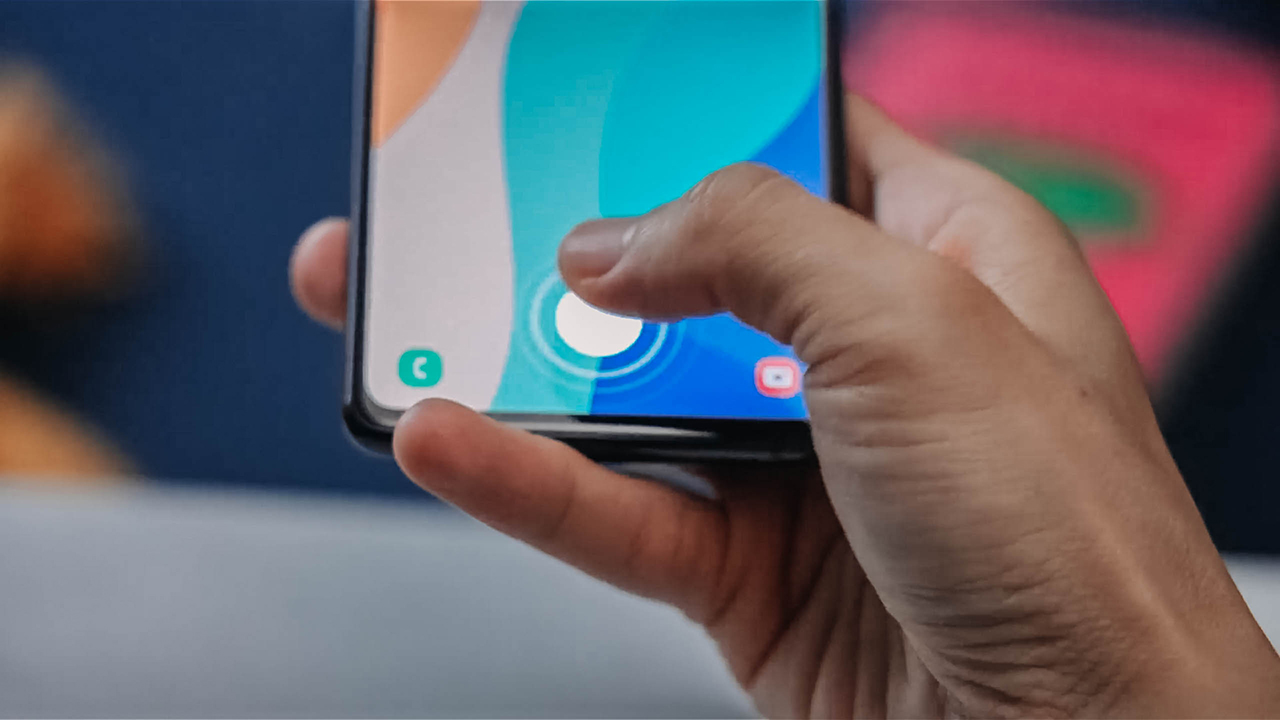
Instead of using Qualcomm’s Ultrasonic Fingerprint Scanner, the S20 FE uses an optical — still under-display scanner — from a company called Goodix, which also makes them for the OnePlus 8 and Huawei P40 series.
Surprisingly, the Galaxy S20 FE unlocked more consistently than the Galaxy S20.
The same triple camera setup
In every phone review, the most exciting part is testing and comparing the phone’s cameras. The Galaxy S20 FE has the same standard triple camera setup, offering you wide, ultra-wide, and telephoto.
It has a 12-megapixel main camera with a 123-degree field of view, a 12-megapixel wide camera same as the S20 and S20+, and an 8-megapixel telephoto camera.
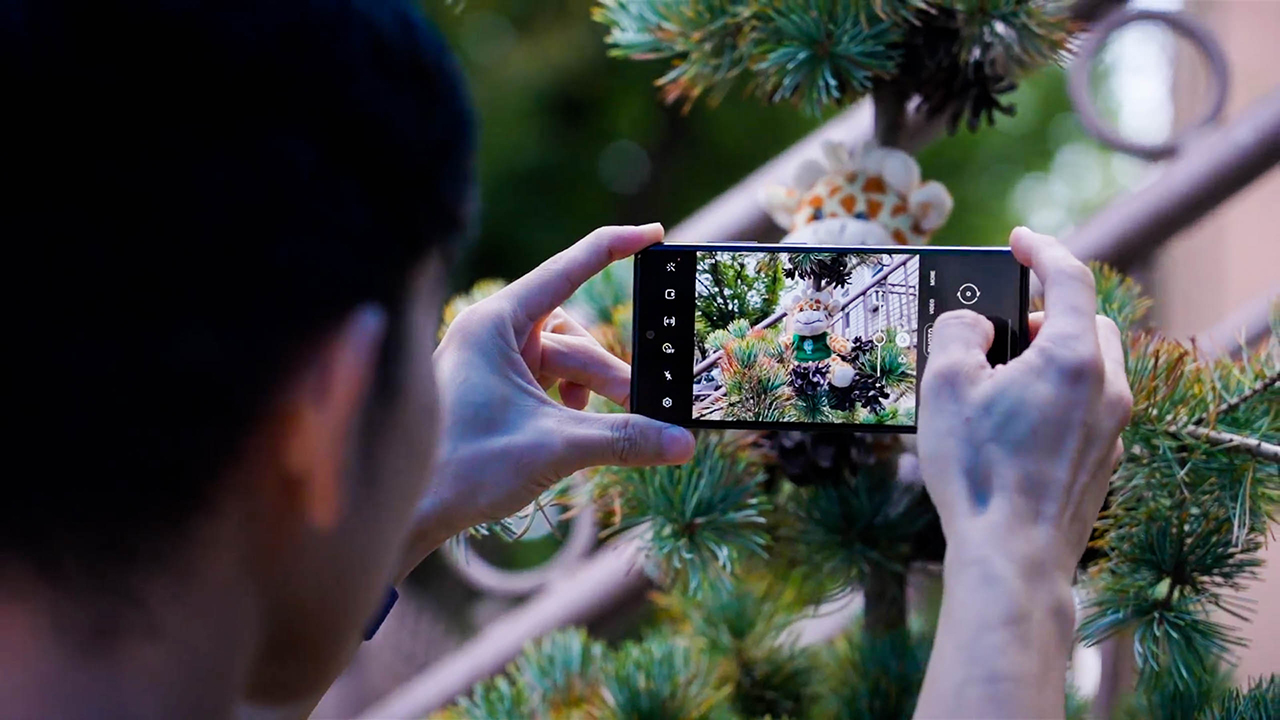
Although, it doesn’t have the exact same hardware so it produced slightly different shots compared to its siblings.
Playing around with the rear camera





The first thing you’ll notice in these photos is the balance — both in color and contrast. These sample photos taken using 1x Auto mode were neither cool nor warm, and shadows are balanced evenly along with the highlights.

The HDR balances the exposure and highlights, too. If you’ll look at the photo above, the clouds didn’t appear blown out.

Bokeh — even without portrait mode — looks seamless, crisp, and clean.


When taking photos close to dusk, and even in the blue hour, the S20 FE produces lesser noise but the loss in quality is noticeable when you zoom in.

The loss in quality is even more evident when you use the telephoto lens at night.


When it gets really dark, Night Mode kicks in. Compared to the S20, the S20 FE’s long exposure results in brighter photos with more color and detail.
If you can see the vibrant TukTuk and the food shot in a Thai restaurant, the S20 FE packed some punch when taking photos in low light.

Even when you subject the camera to an extremely low light test (without using Night Mode), the results are still astounding.


Now, let’s move over to the ultra wide-angle lens. The S20 FE has a slightly wider field of view, albeit looking dull, cooler, and gloomy.



Meanwhile, using the 3X Optical Zoom lens can have a different result depending on the photo. Sometimes, it takes brighter photos. But more importantly, there is lesser noise even when using zoom.
On paper, the S20 and its siblings have more superior camera, but the S20 FE doesn’t fall behind. Personally, we didn’t feel we’re using less of a smartphone camera, seeing how we’ve used the Galaxy S20 and Galaxy Note 20 Ultra this year.
The only disadvantage would be the S20 FE’s ability to shoot videos only in 4K. Frankly, we don’t think most users will mind if they can’t shoot in 8K. We personally don’t.
Selfies we enjoy



Upfront, the S20 FE has a better selfie camera — which makes sense based on the user this phone targets. Both in day and night (and in a pandemic wedding using a pink stage light), the S20 FE surely delivers.
We’re happy since our faces didn’t wash up. Some smartphones — even without beauty mode — beautifies your face and it’s annoying AF.
Battery that delivers
The Galaxy S20 FE packs the same 4500mAh battery as the S20+. During our stint, the phone lasted a solid day of moderate use, with some left-over for the next morning. About six to seven hours of Screen on Time switching between WiFi and Cellular.
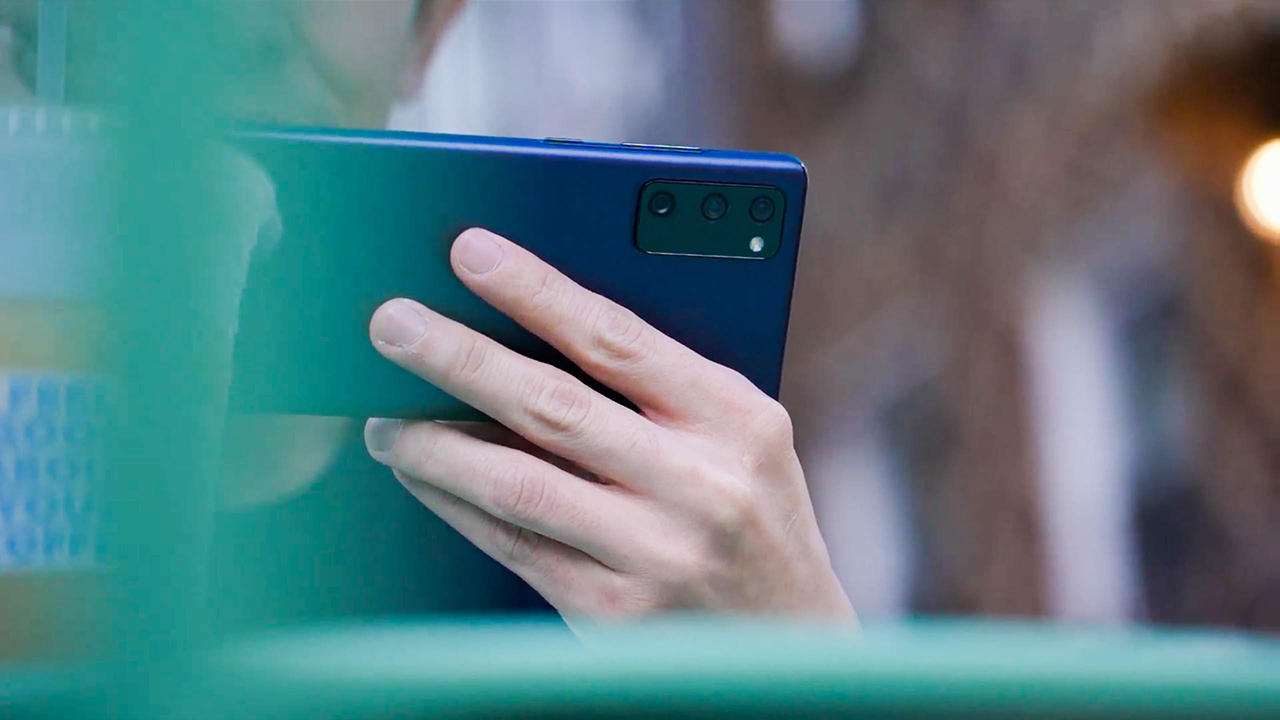
It’s a big deal that the Galaxy S20 FE delivers on battery life. Imagine having to charge your phone before the end of the day. So. Inconvenient.
The phone only ships with a 15W charger in the box, but it does support 25W fast charging. With the bundled charger, the phone got to 13 percent in 10 minutes, 36 percent in 30, and a full charge in 90 minutes.
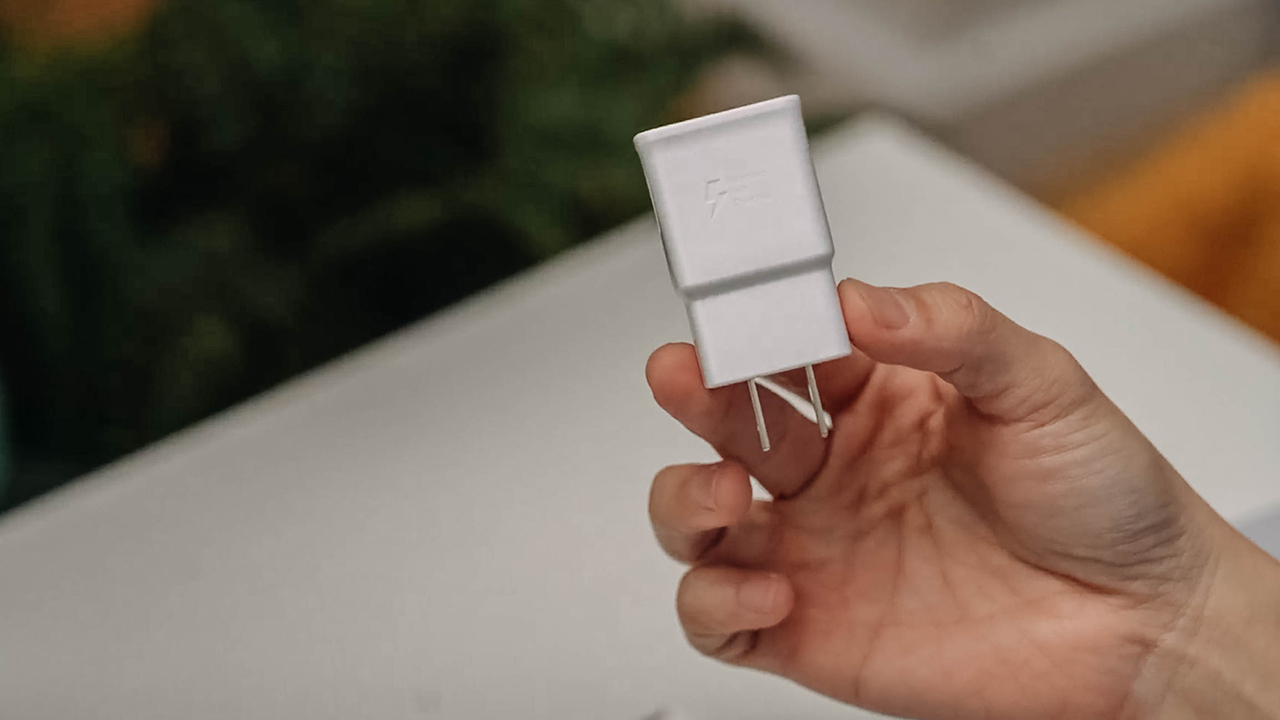
Samsung’s 25W charging adapter is an optional US$ 34.99 purchase, although we found it on Amazon for US$ 13.99. Using that fast charger, you can get to 23 percent in 10 minutes, 50 percent in 30 minutes as claimed, and 100 percent in 65 minutes.
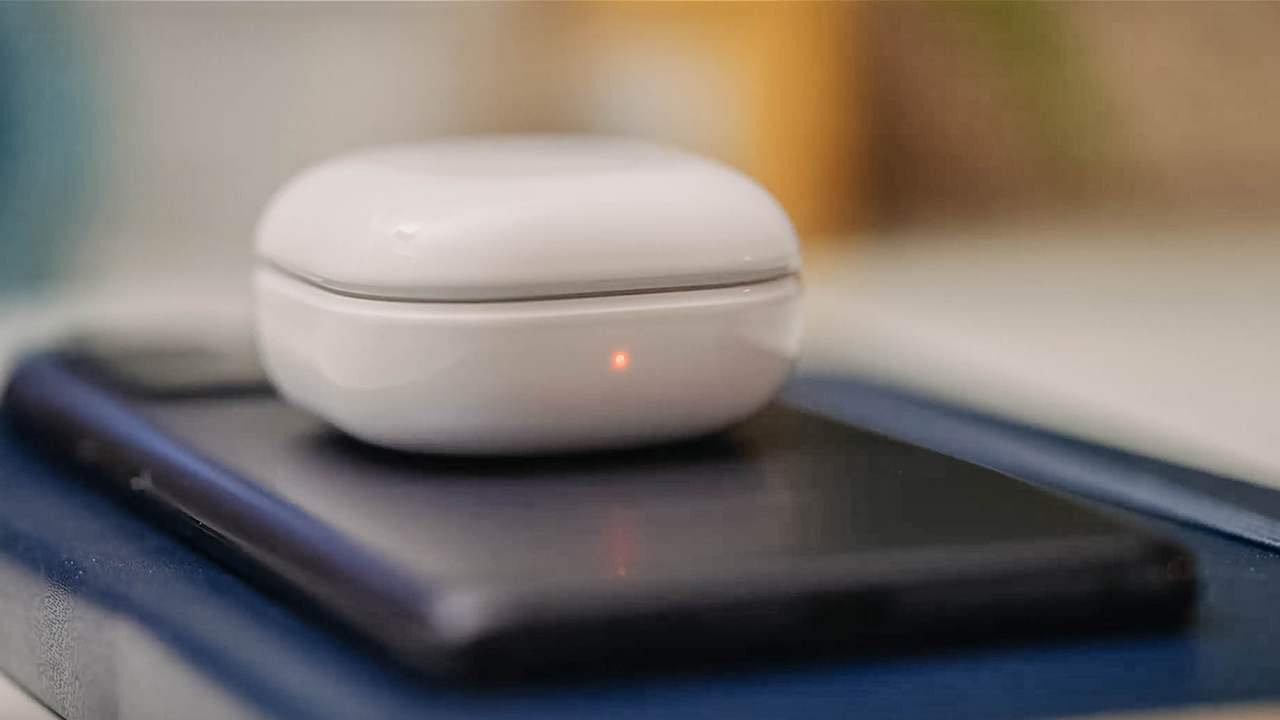
Furthermore, the Galaxy S20 FE supports up to 15W wireless charging, and reverse wireless charging, in case you need to recharge your Galaxy Buds Live.
Final thoughts
The arrival of the S20 FE is a sign of good things to come. If for anything, it’s an acknowledgment that users who have come to love the S Series, just aren’t willing to pay a thousand dollars for it anymore.
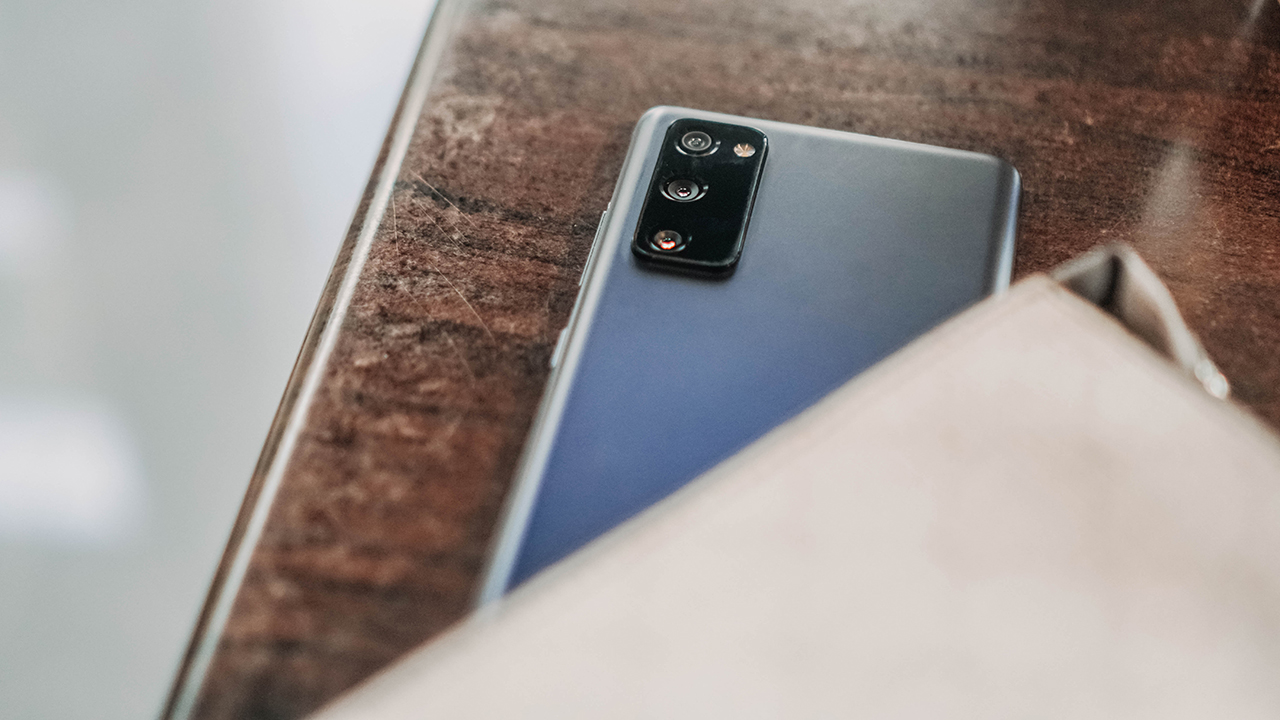
Should Samsung release a follow-up, they should make an adjustment to the S21’s base price.
This year, we’ve seen companies offer a less prestigious processor — the likes of the premium midrange Snapdragon 765G — seen on the likes of the LG Velvet, OnePlus Nord, and the Pixel 5.
Is this your GadgetMatch?
At the end of the day, it all boils down to what you as a user value most. Frankly, we think Samsung did all the right things here.
By satisfying the needs of the spec-obsessed who need the best processor and the fastest display, and those of the everyday user who will benefit most from long battery life, and almost-as-good camera — at a more palatable US$ 700 price tag.
And for that, we gave it the GadgetMatch Seal of Approval.

In the Philippines, the Samsung Galaxy S20 FE retails for PhP 35,990. It’s available on Samsung’s Online Store, Samsung’s official physical stores, and authorized retailers. The Galaxy S20 FE is also available via Smart’s Signature Plans.






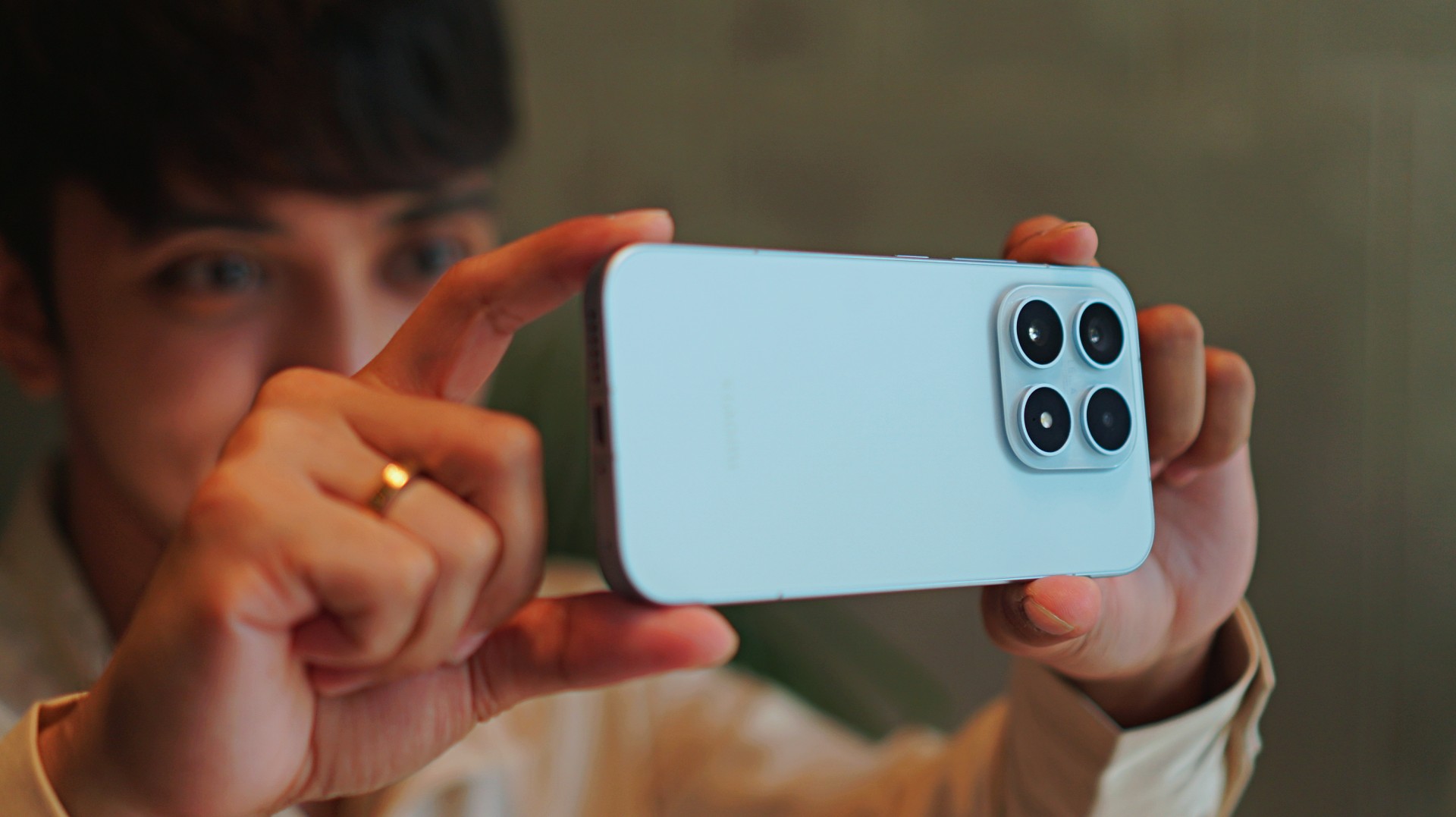
Base models are often an afterthought — even among flagship phones. And with a flashy, attention-grabbing Ultra variant in the lineup, it’s easy to overlook the smaller Xiaomi 17.
But like the base models that came before it, the Xiaomi 17 is a tiny but mighty true flagship. One that quietly delivers the core flagship experience without demanding the size, weight, or price of its bigger sibling.
It’s compact, powerful, and surprisingly capable. And perhaps more importantly, it’s a phone that makes mobile photography feel fun again.
For creators and photography enthusiasts who want a capable camera always within reach, the Xiaomi 17 feels like carrying a Leica-inspired camera in your pocket.
A phone that feels like a pocket camera

The first thing you notice about the Xiaomi 17 is how comfortable it feels.
Smartphones have steadily grown larger over the years, but the Xiaomi 17 brings things back to a more manageable size. It’s easy to grip, easy to carry, and easy to operate with one hand.
That might sound like a small thing, but it makes a big difference when you’re using the phone to take photos.
Pull it out of your pocket, frame the shot, press the shutter. The whole thing feels effortless. In many ways, it behaves more like a compact camera than a traditional flagship smartphone.

The design itself leans into that idea as well. The phone’s minimalist aesthetic, clean camera module, and smooth curves give it a polished but understated look.
Even the edges feel thoughtfully shaped, making the phone sit comfortably in your palm during longer shooting sessions.
It’s the kind of phone that doesn’t scream for attention — but once you start using it, it becomes difficult to put down.
Essential Leica imagery
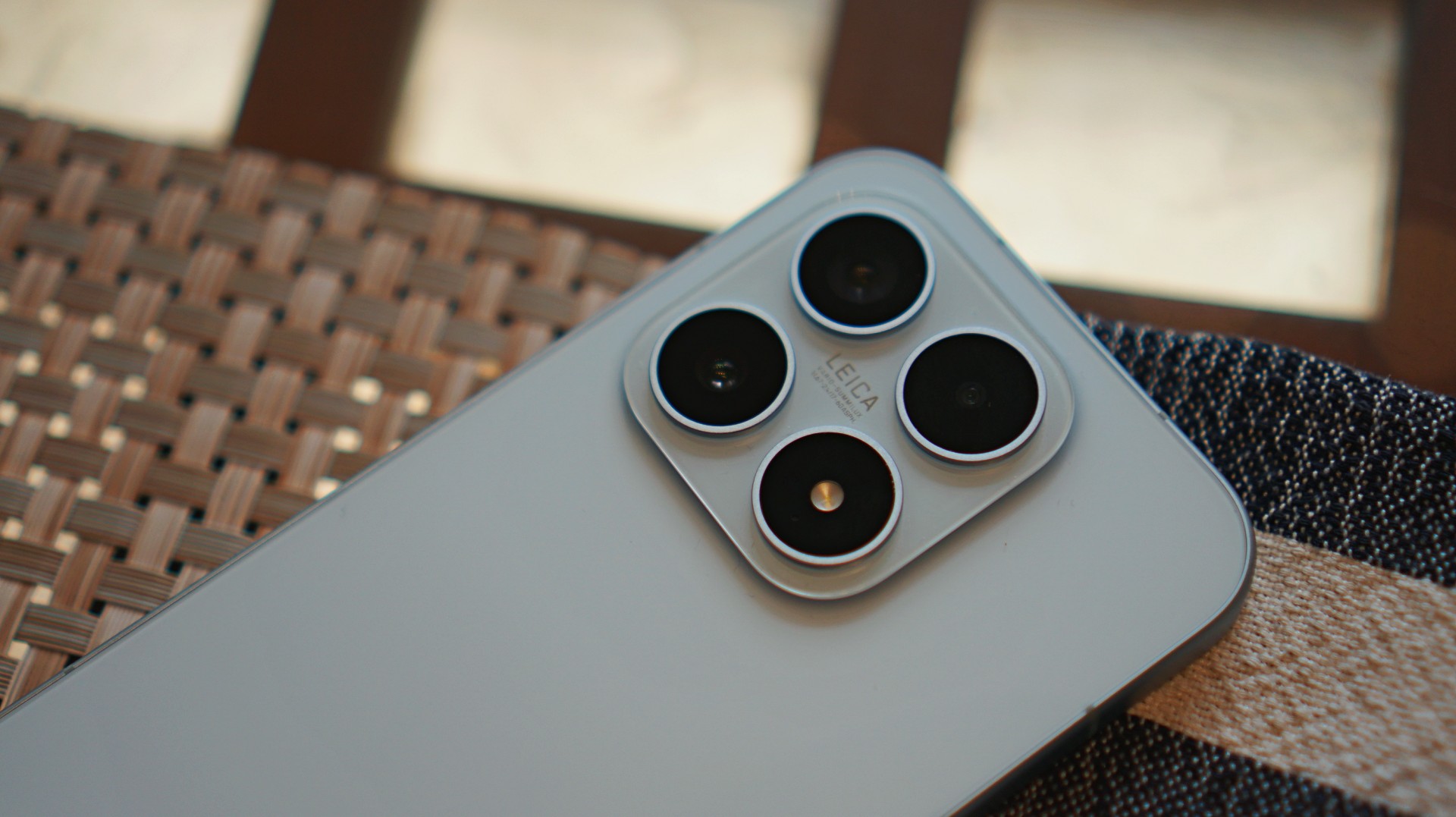
Mobile photography is where the Xiaomi 17 really shines.
It’s the kind of camera that inspires you to keep shooting. To keep capturing life stills with intent. And when the shots start coming together, that’s when you realize the Xiaomi 17 truly shoots Leica dream.
Co-engineered with Leica, the camera system focuses on capturing images with rich detail, balanced lighting, and distinctive color science.










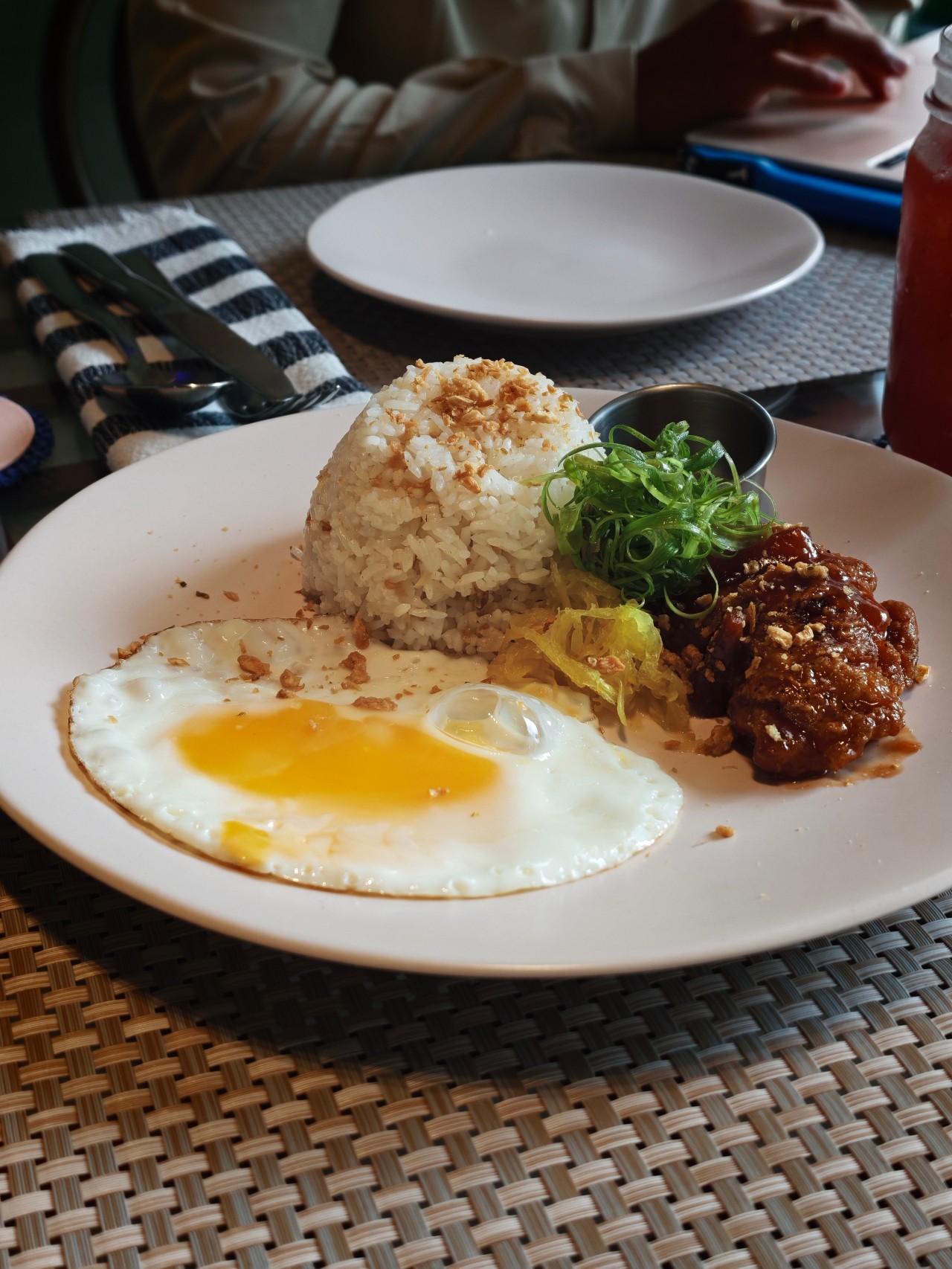

Shots from the main camera look vibrant without feeling overly processed. Highlights stay controlled, shadows retain depth, and colors carry that signature Leica look — slightly dramatic, but still grounded in realism.
For everyday photography, the Xiaomi 17 excels.
During my time with the phone, I mindlessly walked around San Francisco taking as many sample photos as I could. Most of the time I was in a bit of a hurry, just snapping shots between stops. But even then, a surprising number of those photos still turned out pretty great. It’s the kind of camera that quietly saves moments you didn’t even think twice about capturing.












The zoom range isn’t the most extensive out there, but for most real-world scenarios — especially street photography and mid-range subjects — it delivers more than enough flexibility.
And because the phone itself is so comfortable to hold, it encourages you to take photos more often.
Changing the vibe after the shot
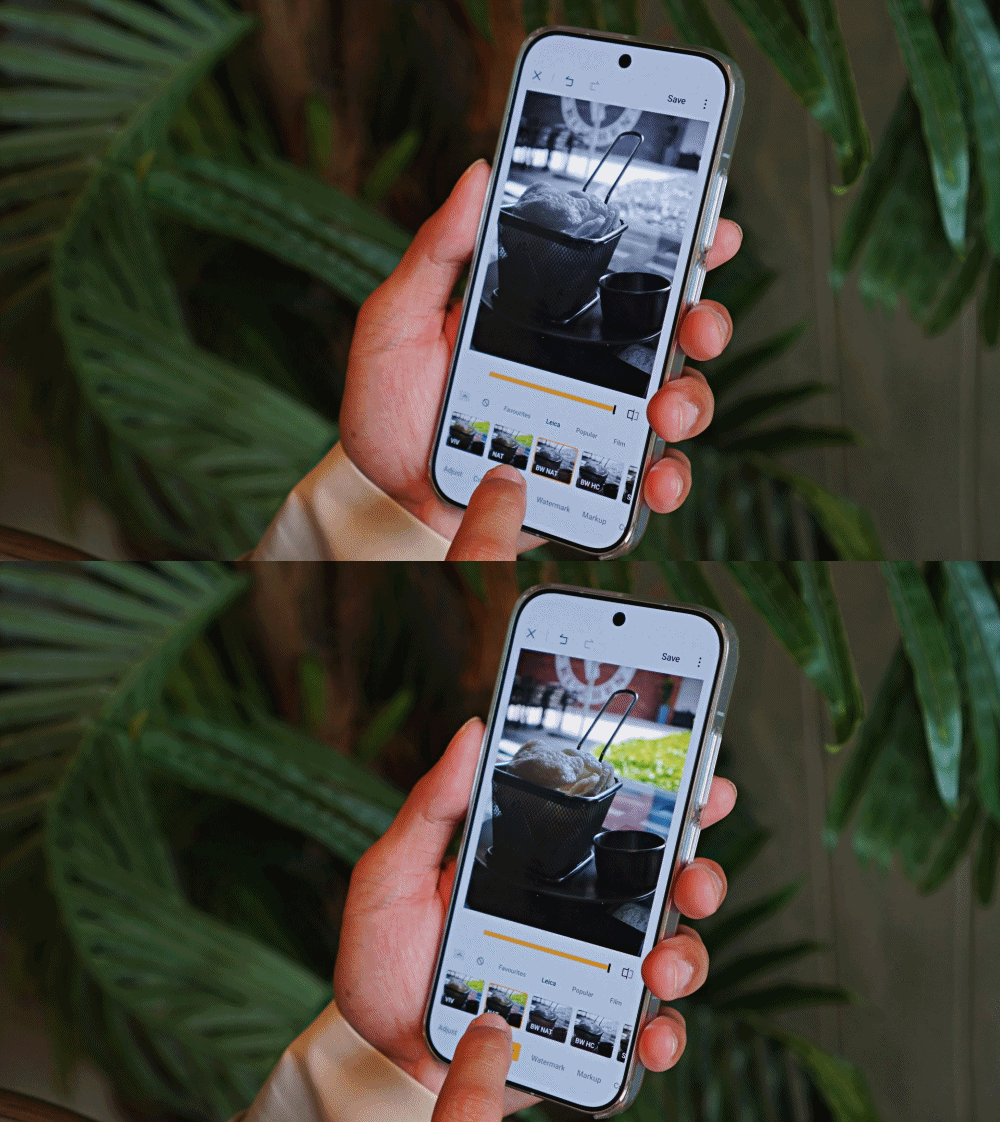
One of the coolest parts of the Xiaomi 17 camera experience is how playful it can be.
The Leica color profiles already give photos a distinctive look, but the phone also includes several creative filters that can dramatically change the mood of an image.
The existing filters look terrific. Aside from the Leica ones, personal favorites include Rhodium, Blues, Gourmand, and Cyberpunk.
What makes them even better is that you’re not stuck with the filter you used when taking the photo. After capturing the image, you can still change the style and instantly shift the entire vibe of the shot.






A photo that originally looked warm and cinematic can suddenly feel cooler and more dramatic. Another might turn vibrant and neon-like with a single tap.
It’s a simple feature, but it adds a lot of creative freedom to the photography process. And it turns editing into something enjoyable instead of something you feel obligated to do.
A compact phone with flagship power
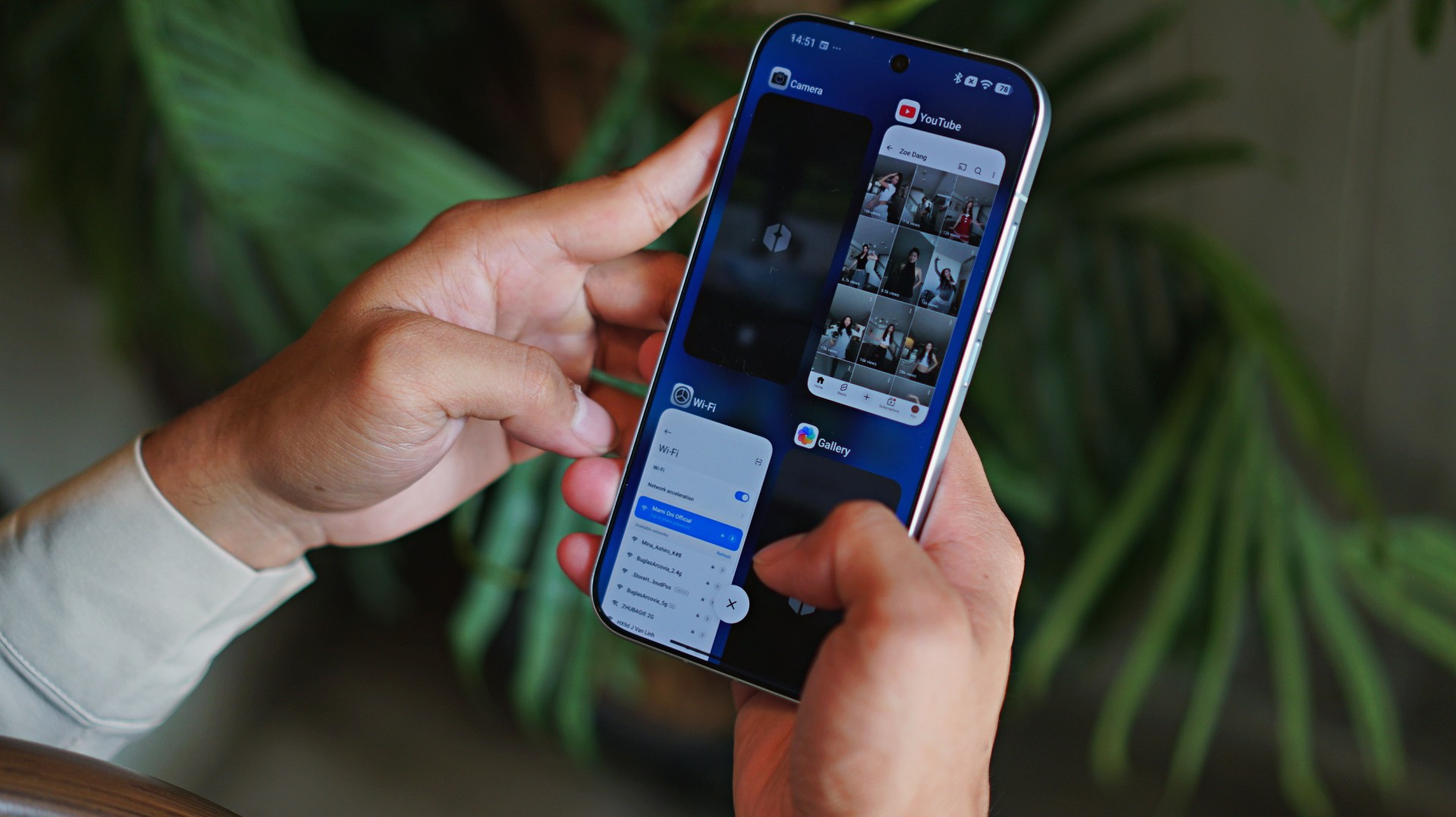
Of course, great cameras are only part of the story.
The Xiaomi 17 runs on Qualcomm’s latest Snapdragon flagship processor, and in everyday use, that power is immediately noticeable.
Apps launch quickly. Multitasking feels smooth. Games run without hesitation.
More importantly, the performance feels consistent. Whether you’re editing photos, recording videos, or jumping between several apps, the phone rarely feels like it’s struggling to keep up.
It’s the kind of performance you expect from a flagship device — just delivered in a more compact body.
Although, during a humid day but still indoors, it did uncharacteristically heat up after taking a series of photos. Happened only once but worth taking note of.
Surprisingly strong media experience

The Xiaomi 17 may be smaller than many modern smartphones, but it still manages to deliver a strong media experience.
The display is bright, colorful, and smooth. Watching videos or browsing social media feels fluid and immersive.
Interestingly, I found that the screen works best in quieter, more relaxed moments.
When held at a distance, the compact display can sometimes make smaller details harder to see. But late at night, when the lights are down and you’re catching up with shows or doom-scrolling through your feeds, the experience becomes surprisingly cozy.

I used it mostly to catch up with what XG has been putting out lately. Their track “Rock the Boat” is going platinum on my playlist.
The stereo speakers deserve a shout-out too.
Despite the phone’s more diminutive size, the speakers pack a surprising amount of punch. Music, videos, and games all sound fuller than you might expect from a phone this compact.
Battery life that keeps up

Compact phones sometimes struggle with battery life, but that’s not the case here.
The Xiaomi 17 packs a large battery that easily carries the phone through a full day of typical use.
Photography sessions, social media browsing, streaming videos, and occasional gaming didn’t seem to drain it too aggressively.
And when you do need to recharge, Xiaomi’s fast charging technology means the phone powers up quickly.
Short charging sessions can already restore a significant amount of battery life, making it easy to keep the phone ready throughout the day.
HyperOS and the familiar Xiaomi quirks
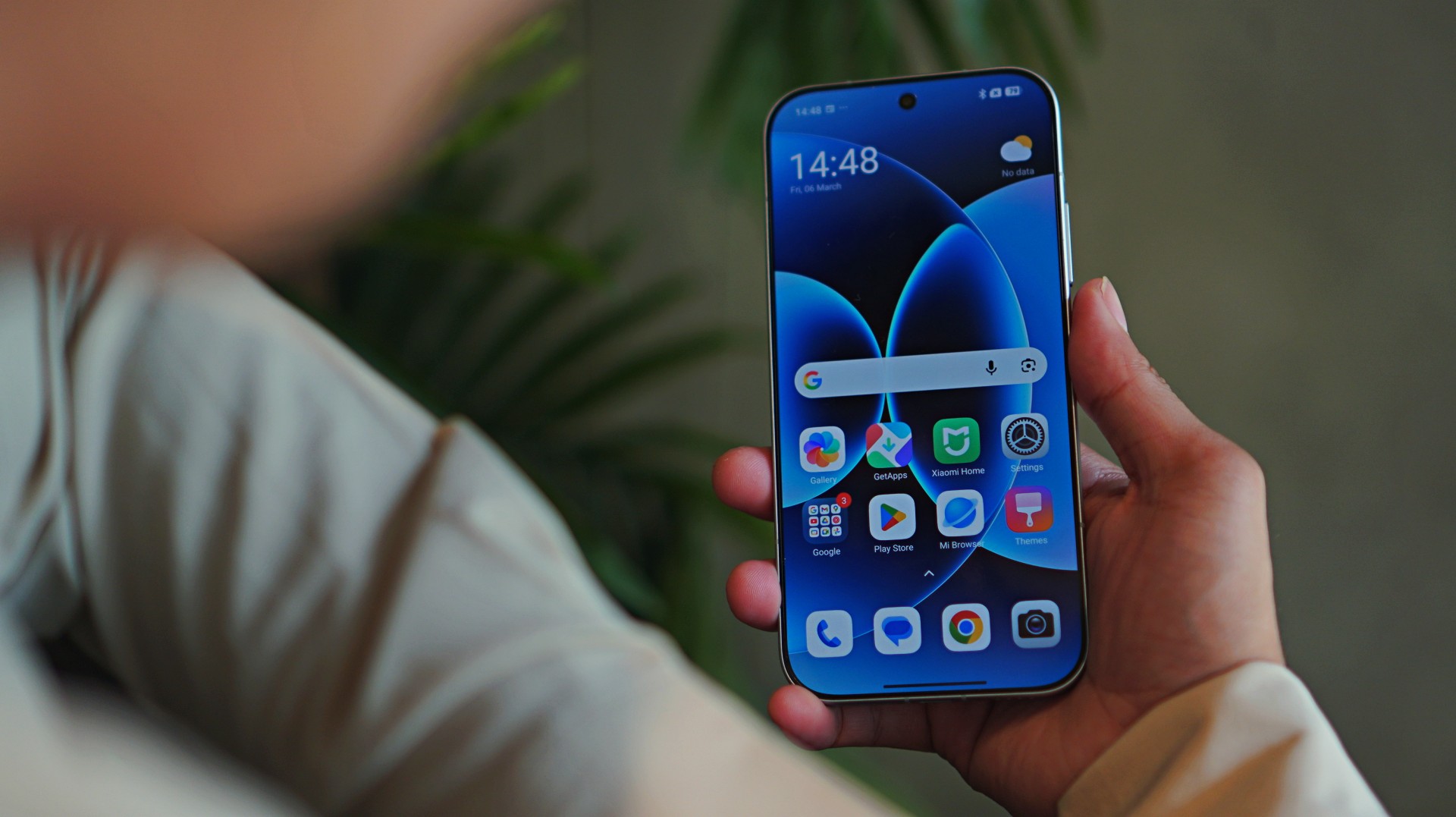
The Xiaomi 17 runs on HyperOS, Xiaomi’s latest software platform designed to connect its growing ecosystem of devices.
The system is fast and visually polished, but it does come with some familiar quirks.
By now, many users are already familiar with the bloatware and occasional ads that appear within certain system apps.
It’s something that has long been associated with Xiaomi’s software experience, and while it has improved over time, it hasn’t disappeared entirely.
Another observation is how the interface design can sometimes feel reminiscent of older smartphone aesthetics.
These are relatively minor nitpicks in the grand scheme of things, but they are still worth mentioning.
Thankfully, they don’t get in the way of the phone’s core strengths.
Xiaomi 17 specs
Display: 6.3-inch OLED, 1–120Hz refresh rate
Processor: Snapdragon 8 Elite Gen 5
RAM: 12GB
Storage: 256GB / 512GB
Battery & Charging: 6330mAh, 100W wired charging, 50W wireless charging
Size: 151.1 x 71.8 x 8.06mm, 191g
Cameras
- 50MP main camera
- 50MP telephoto
- 50MP ultra-wide
- 50MP front camera
Is the Xiaomi 17 your GadgetMatch?
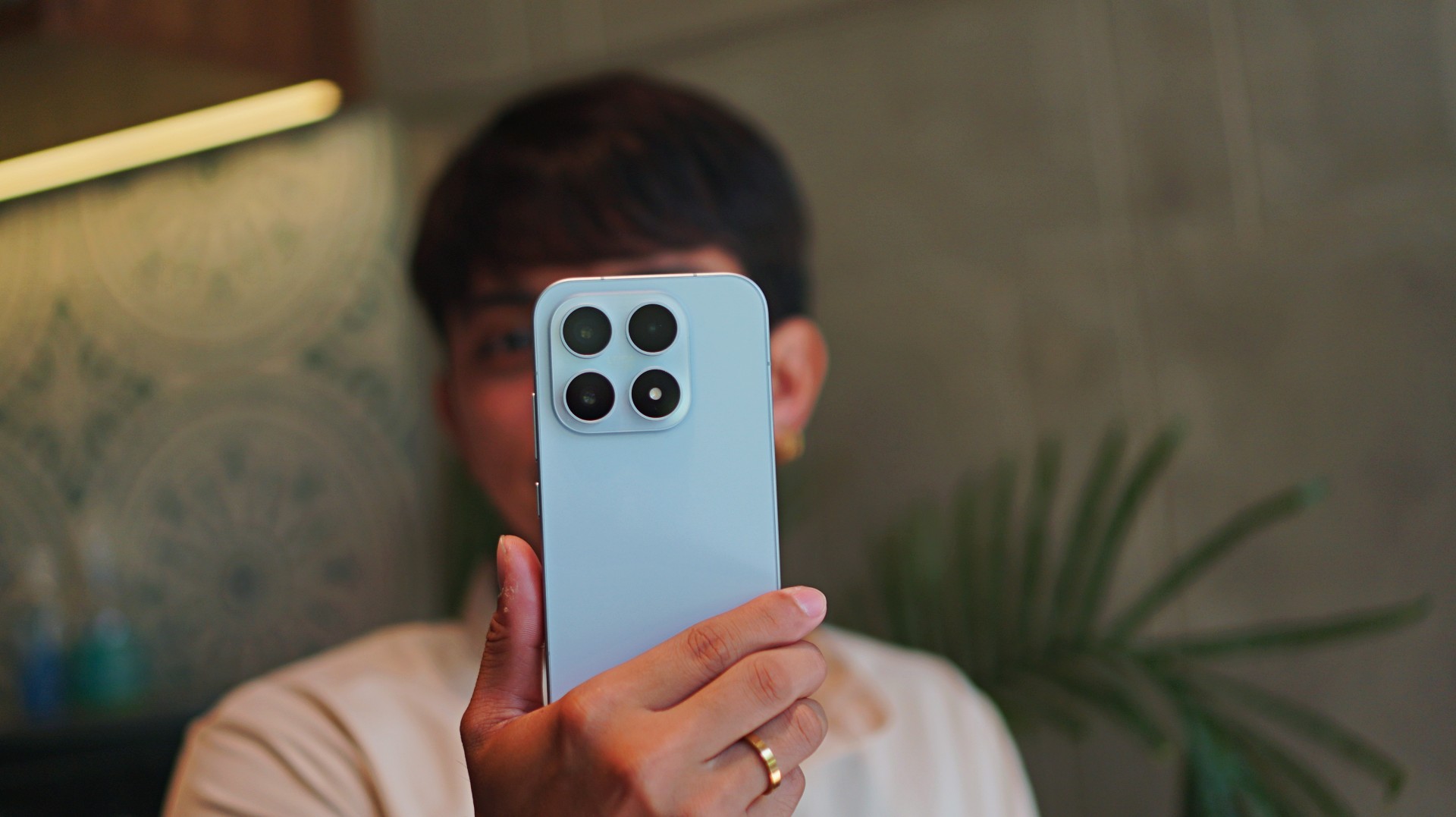
The Xiaomi 17 works because it focuses on the right things.
It delivers strong performance, dependable battery life, and a camera system that genuinely encourages creativity.
More importantly, it makes photography enjoyable.
Between the Leica color science, the flexible filters, and the comfortable size, it’s a phone that invites you to take photos more often.
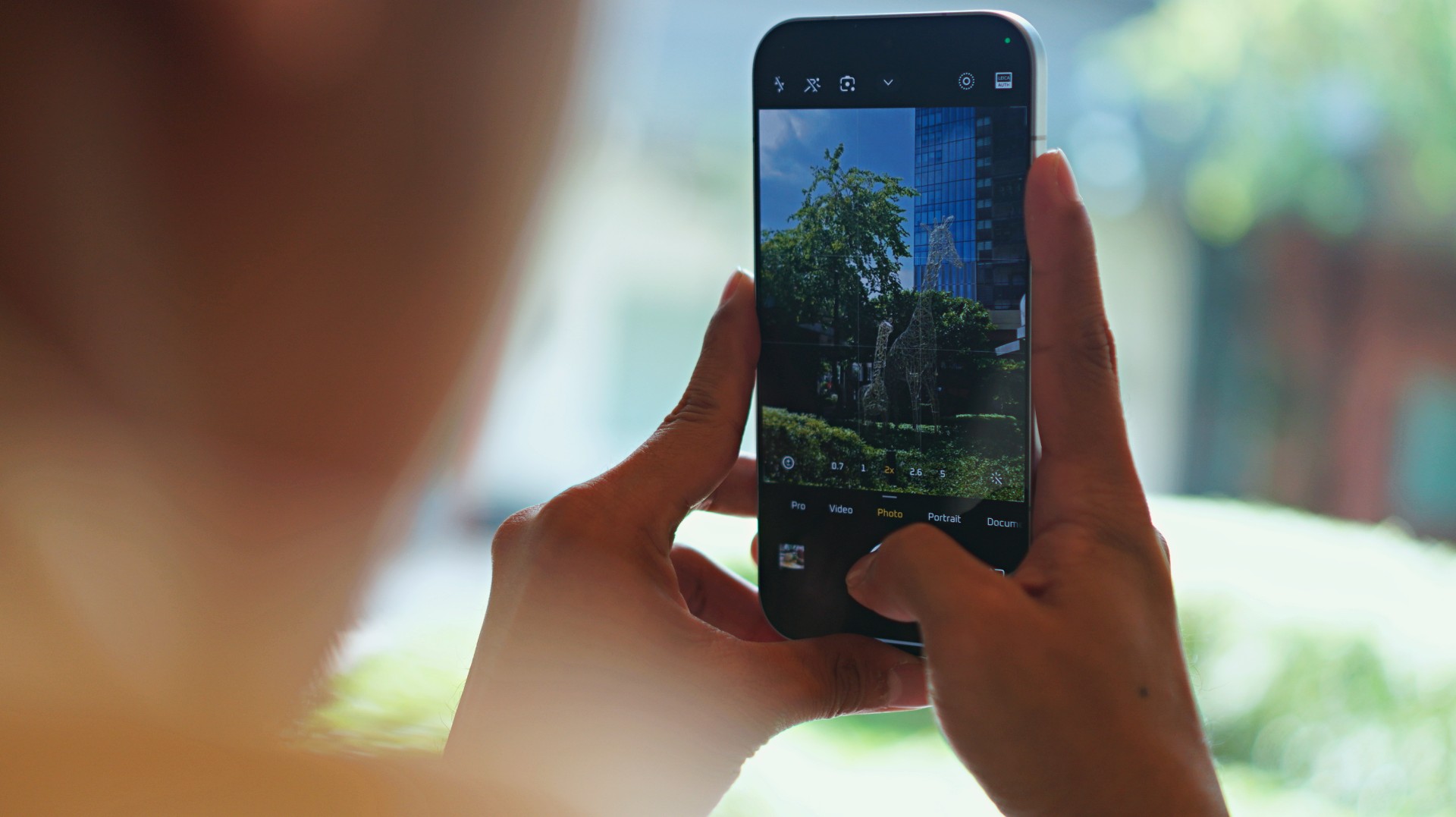
If you care a lot about mobile photography without compromising overall performance, the Xiaomi 17 is an easy Swipe Right.
It’s also a great option for people who prefer smaller phones but still want something that feels like a true flagship.
And if the idea of carrying a Leica-inspired camera in your pocket sounds appealing, the Xiaomi 17 might be exactly that.
A phone that turns everyday moments into photos that feel a little more Leica dream.

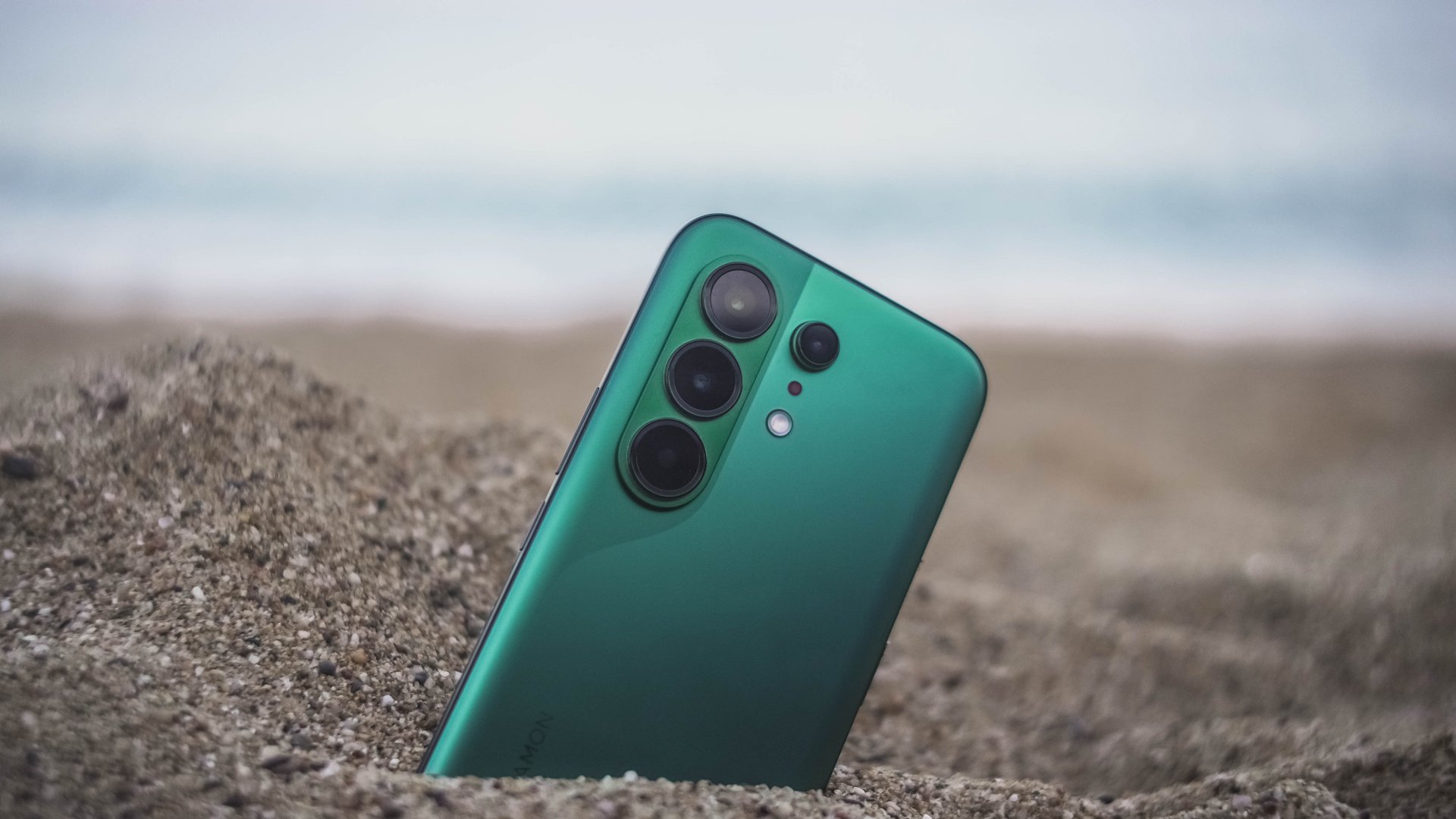
With phone brands suddenly changing their naming scheme superlatives, TECNO also decides to jump on the bandwagon with the ubiquitous “Ultra” labeling.
Ditching that truly unique “Premier” branding, 2026 ushers in a new era with the all-new CAMON 50 Ultra. But is it “Ultra” enough to dissolve its Premier line?
Felt that svelte
After having to experience the last two premium midrangers by TECNO, I was surprised by how they’ve shaken things up.
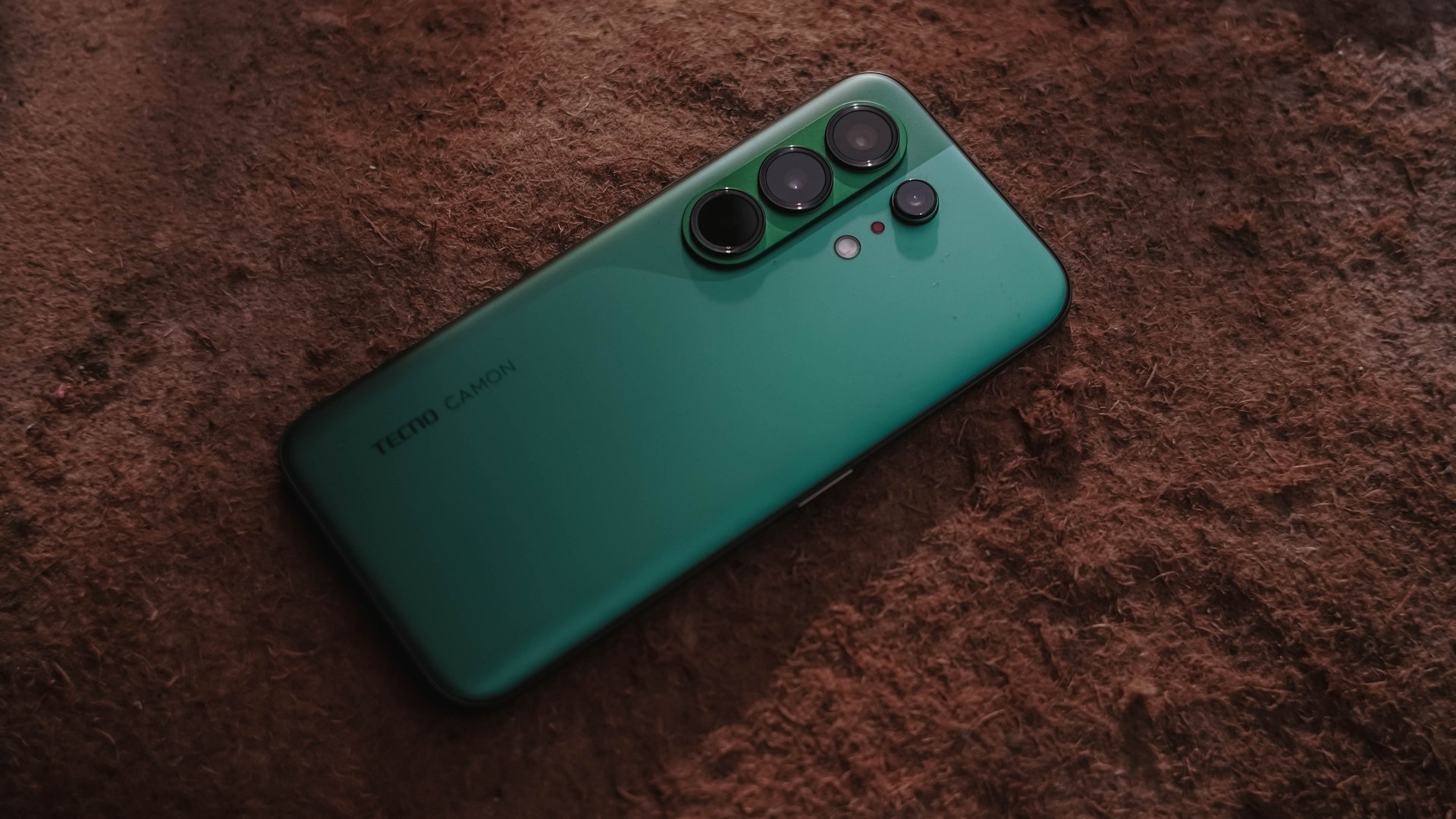
The most evident change is its back. This year’s CAMON 50 series all share the same design cues, regardless if it’s the base, Pro, and the newer Ultra model.
This not only ditches that signature, premium-looking circular camera cutout two generations in a row, all models are also hard to distinguish from one another.

As a visual guy, it felt like TECNO’s CAMON 40 and Samsung’s Galaxy S26 had a forbidden relationship — with the CAMON 50 being the child out of wedlock.
Still, I’m glad TECNO kept that distinct swan-neck curve which I truly admire since the CAMON 30 lineup.
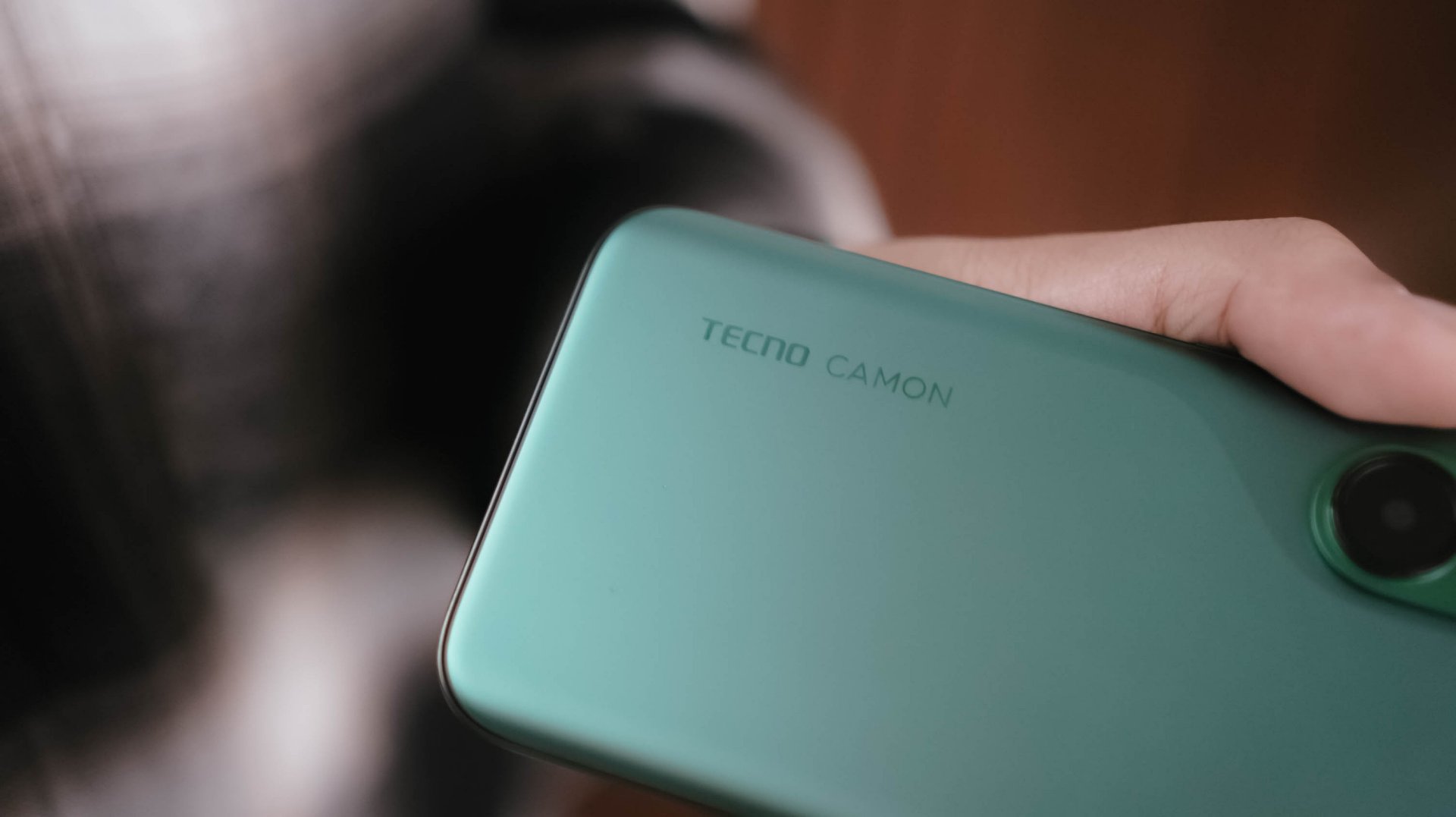
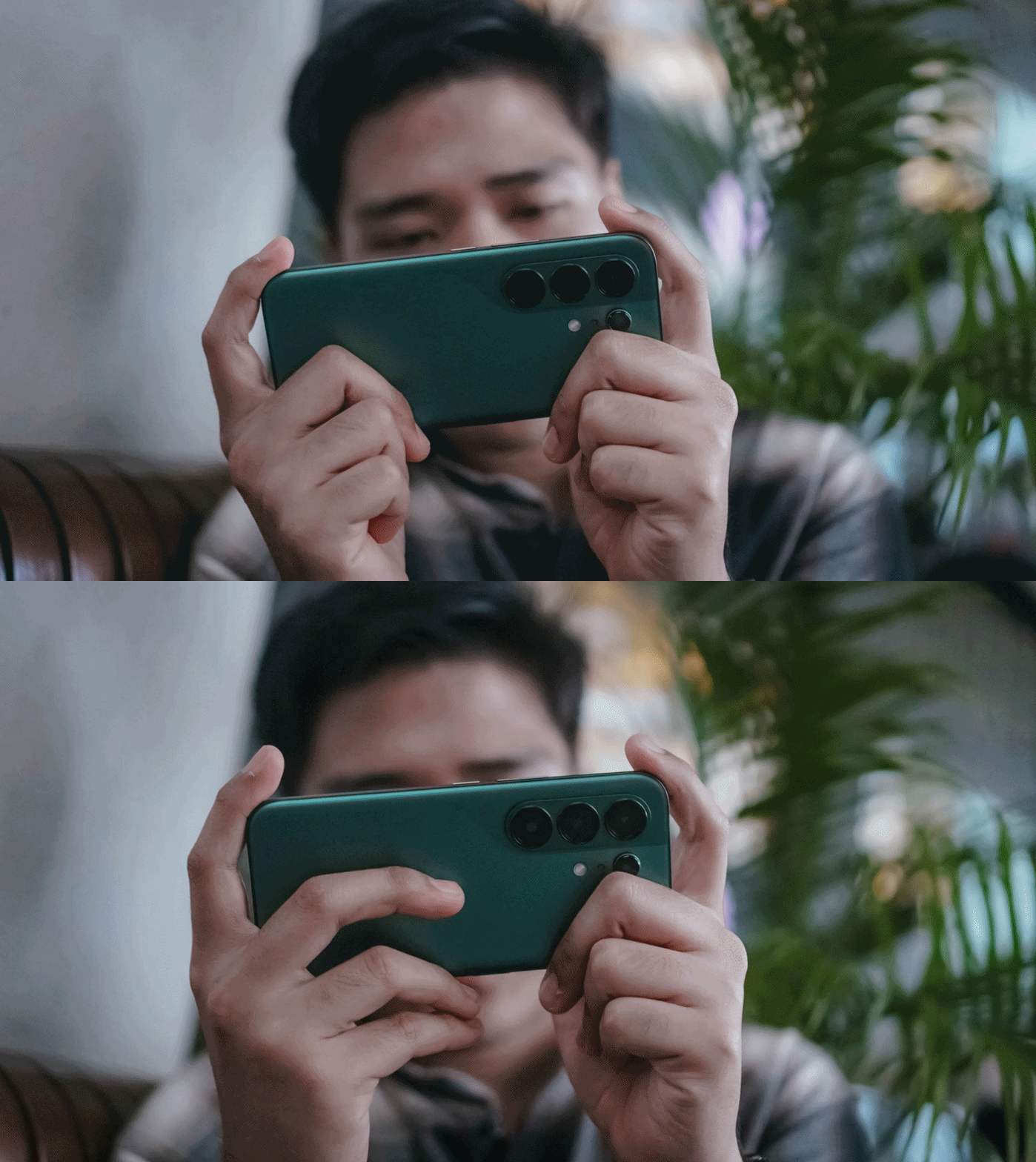
However, looks are just part of the story. The moment I held the CAMON 50 Ultra for the first time, I felt nothing but featherweight lightness. While it’s subjective, personally, I love how I was able to hold it without feeling too bummed by its sheer size.
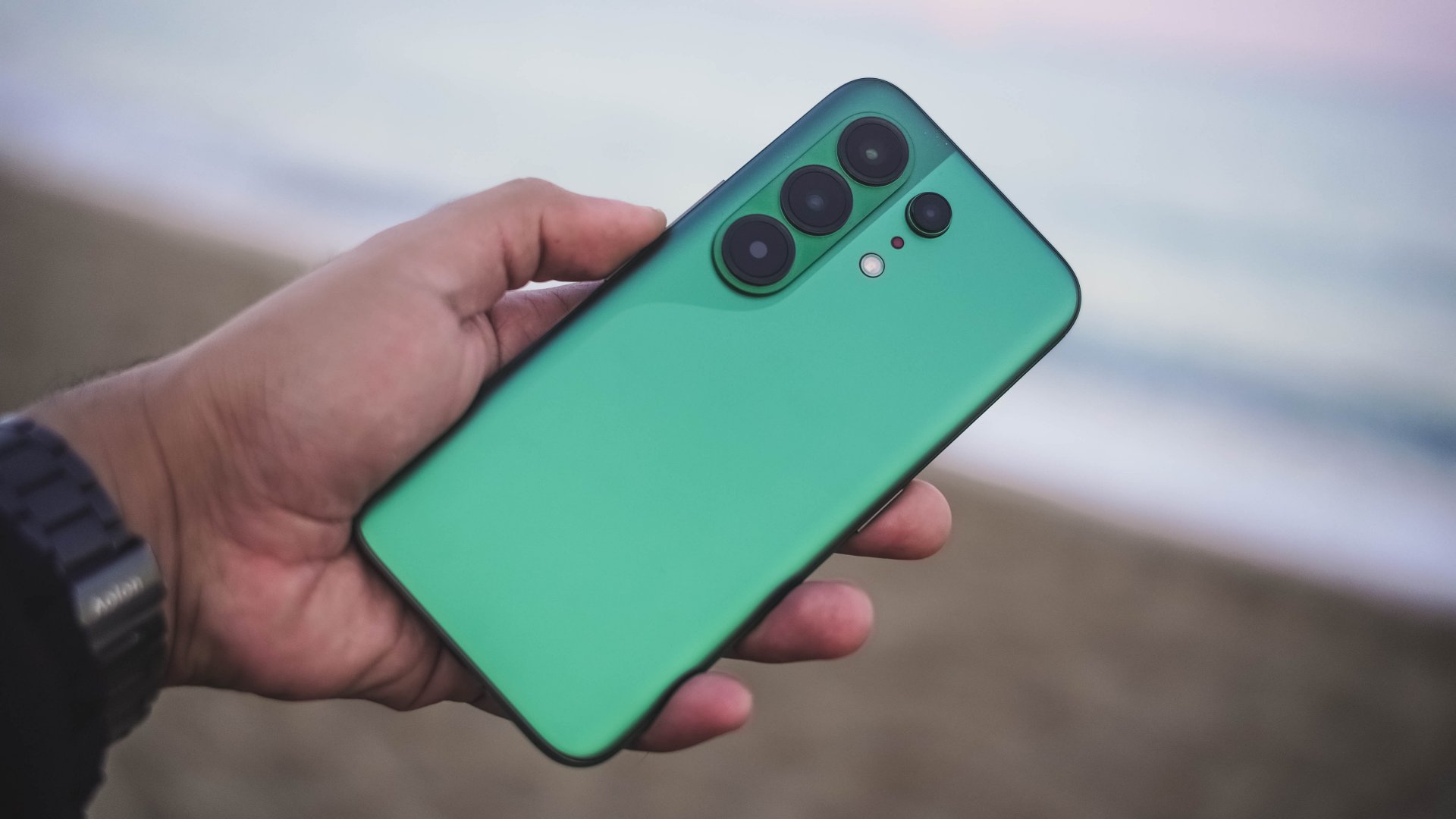
And, even with that lightweight-ness, holding it for long still felt premium to the touch — especially with its glass back.
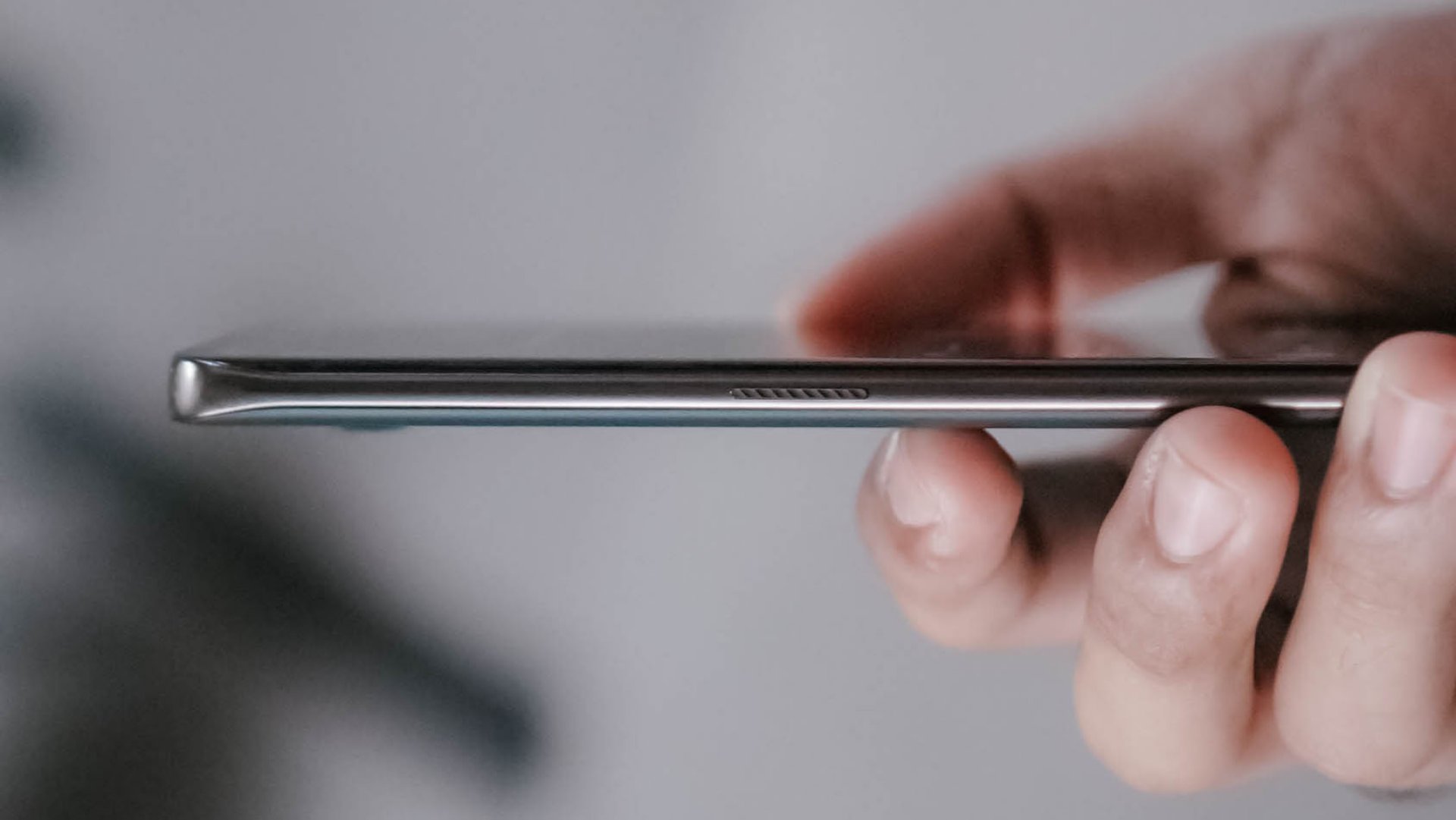
Those dual-curved edges don’t feel sharp and are gentle in my palms.
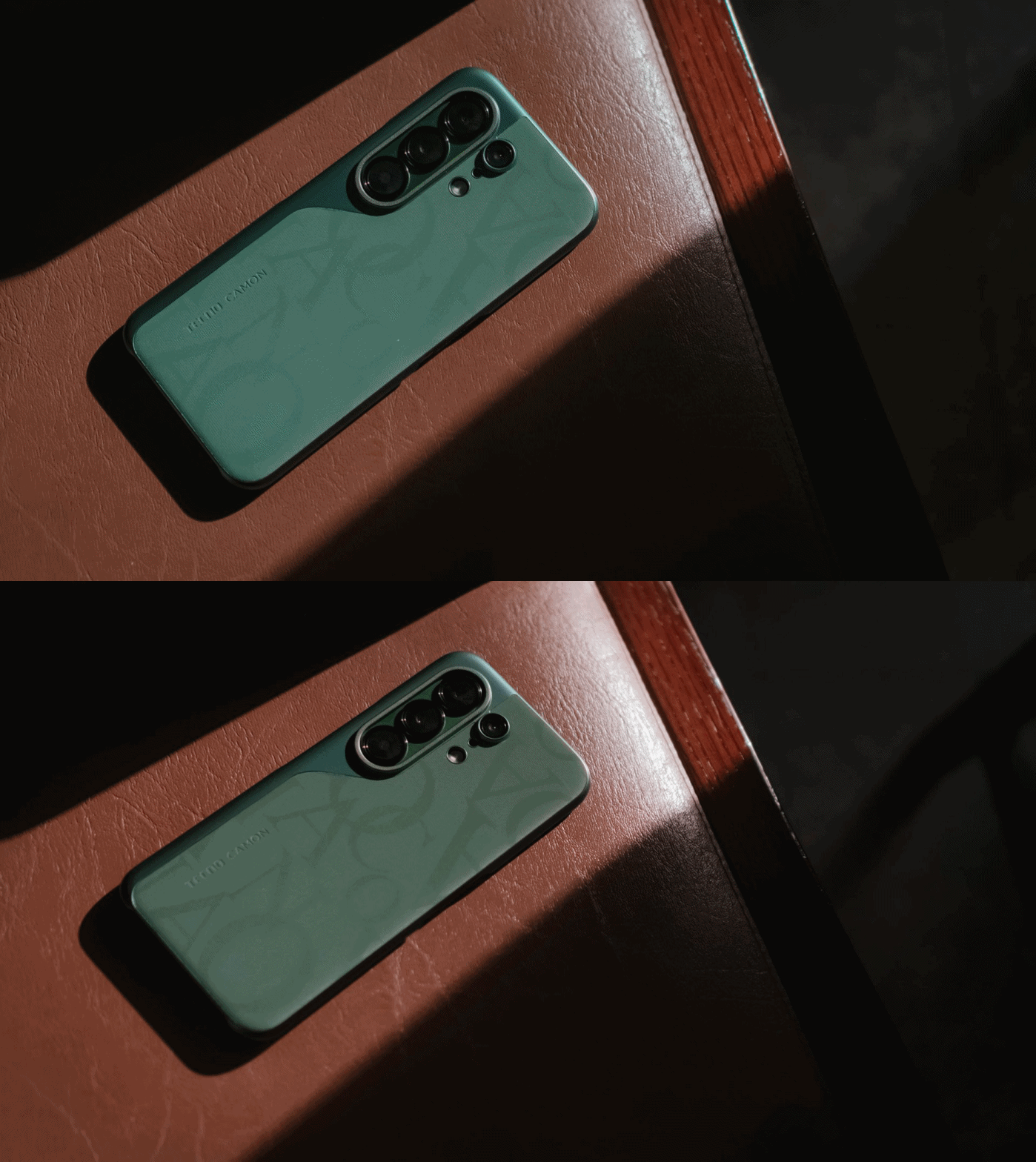
And while we’re still here, I want to commend how TECNO bundled this lavish-looking case that most (if not all) phone brands fail to provide.
Praiseworthy performer
Beneath that premium-feeling backing lies MediaTek’s Dimensity 7400 Ultimate SoC.
For those who keep stereotyping chip makers saying MediaTek is always a step behind from Qualcomm, it’s your brand bias kicking in.
As we always say, we don’t rely on benchmarks here. Still, here’s the list if you wanted to deep dive into all that nerdy stuff.
With that out of the way, let me be precise and concise with my real-life experience. Setting the bar high, this 4nm Dimensity chip is still a better performer than the Snapdragon 7s Gen 4-equipped POCO M8 Pro I reviewed at the start of 2026.
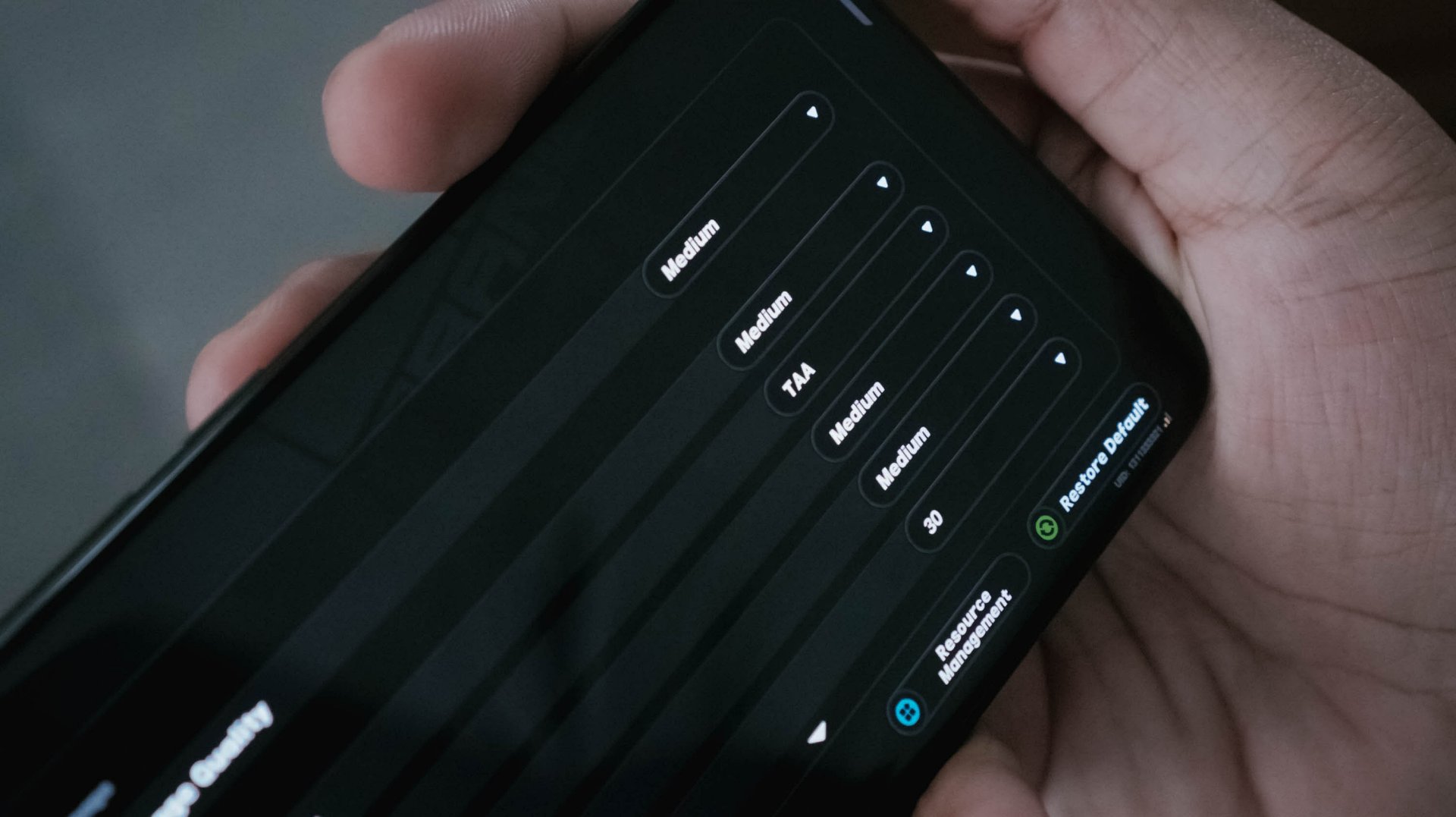
With HoYoverse’s Zenless Zone Zero as a prime example, I was able to run the game here in a more modest Medium settings. The Snapdragon chip I mentioned? It runs in the lowest resolution by default.
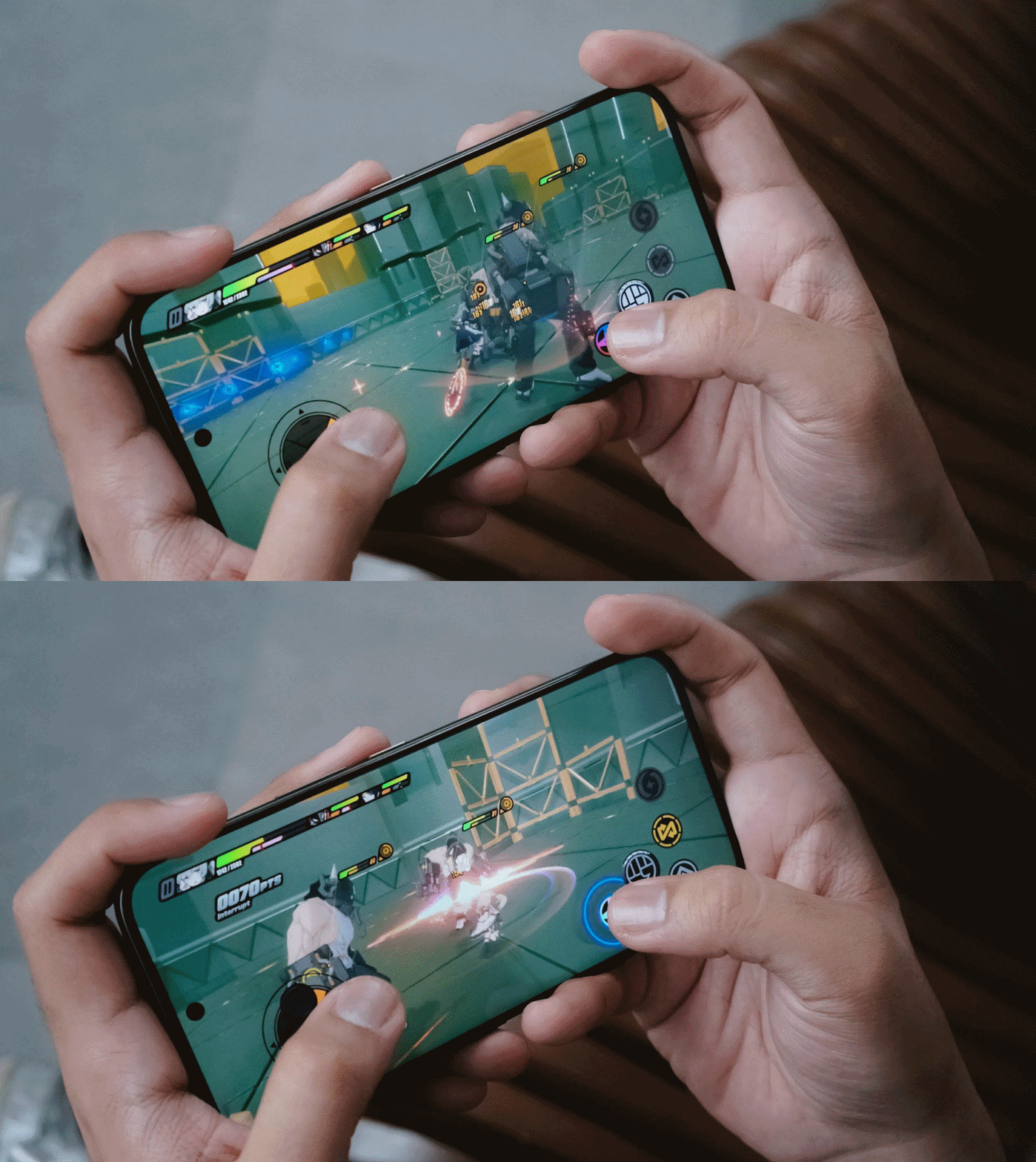
Result? The CAMON 50 Ultra performed smoother with less game hiccups compared to its POCO rival.
For utmost fairness, I also played two other games I’ve played in that previous write-up.
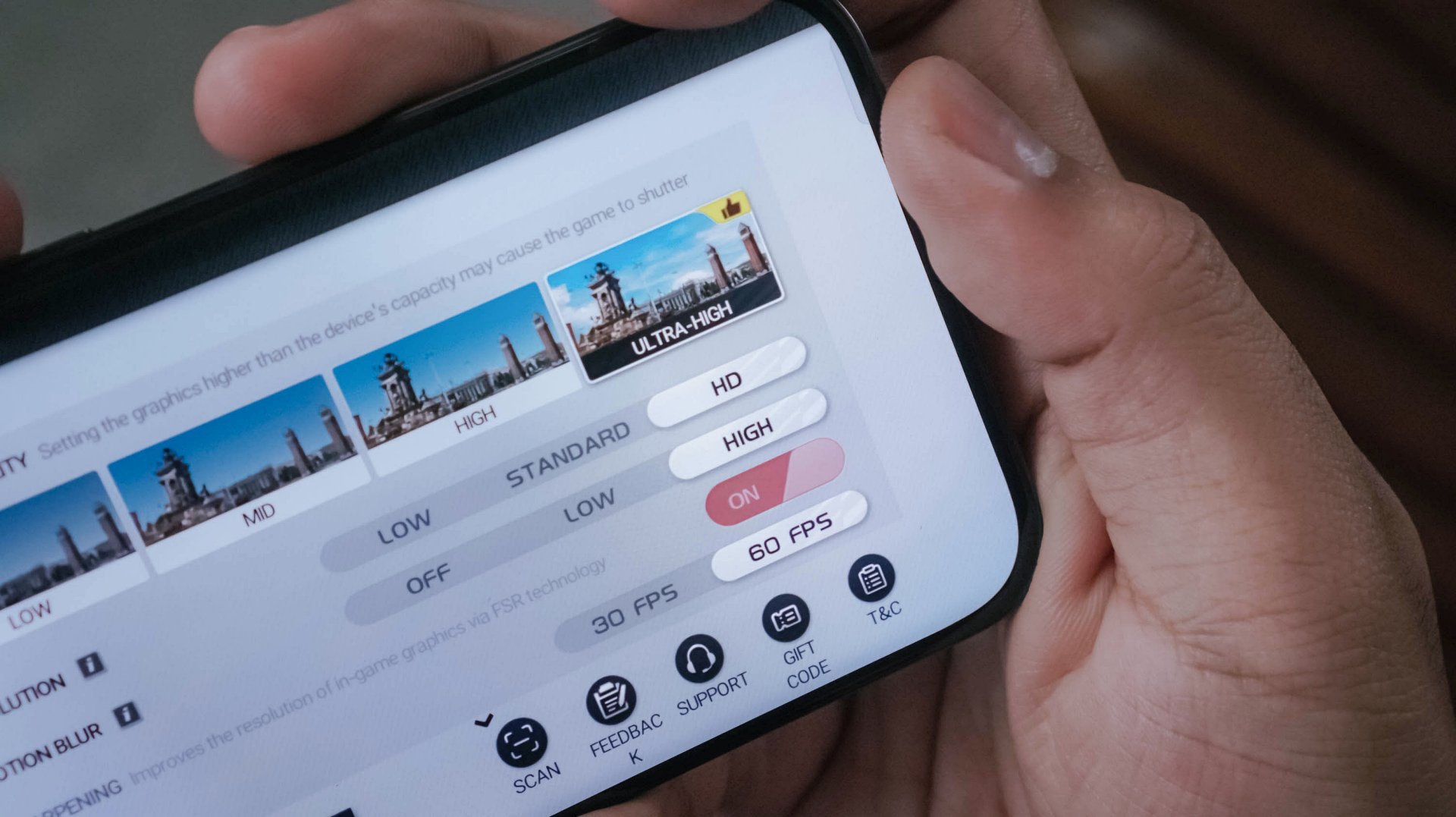
Another one is Racing Master running on Ultra-High graphics along a 60fps frame rate.
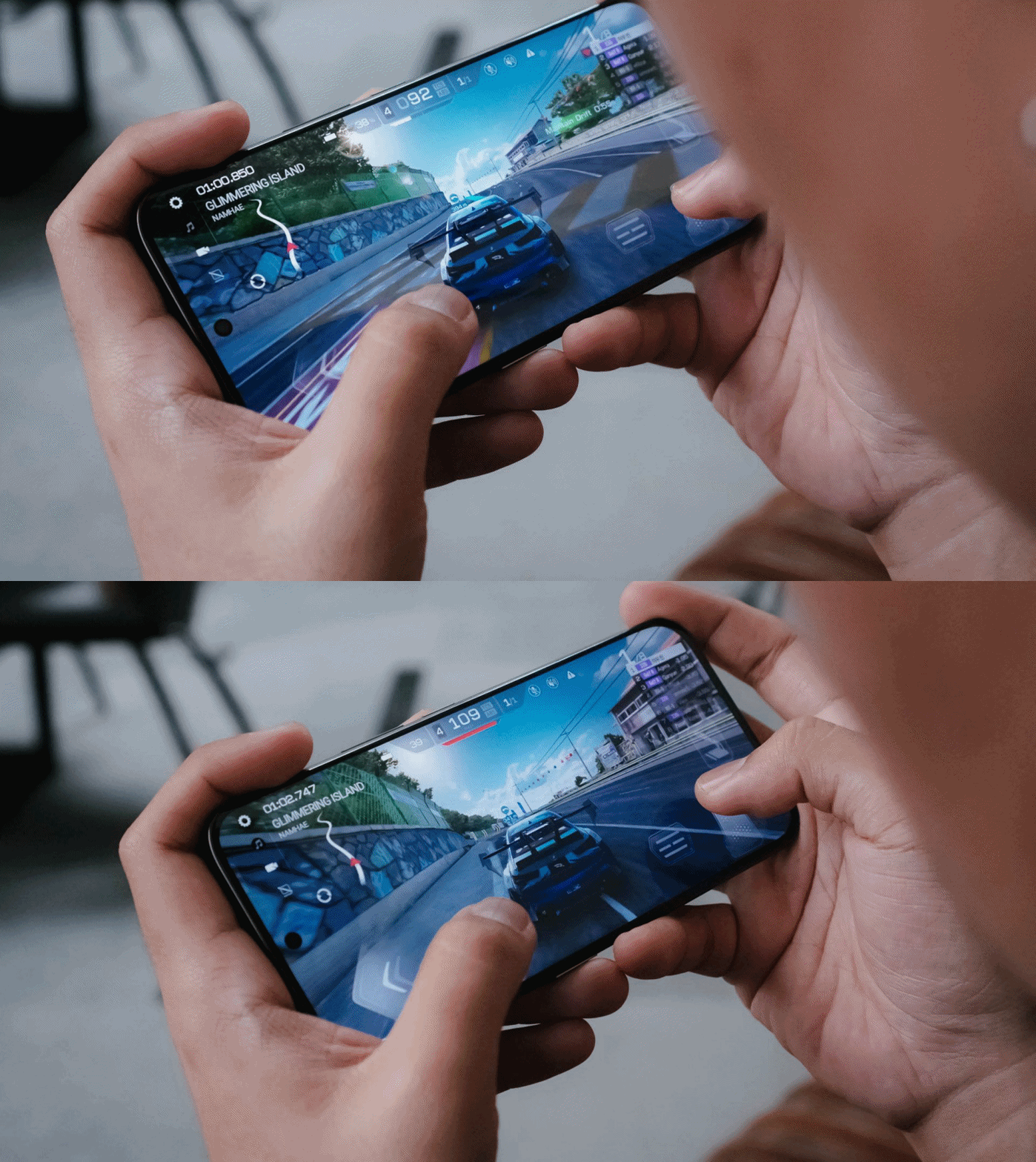
While the POCO M8 Pro suffered heavily during the first two ranked races with severe throttling, the CAMON 50 Ultra breezed through with ease.
It’s given though that CoDM (Call of Duty: Mobile) will run well in both phones. Luckily, the CAMON 50 Ultra also offers that slippery-smooth 144Hz refresh rate to fast-track opponents’ movements without jitters.
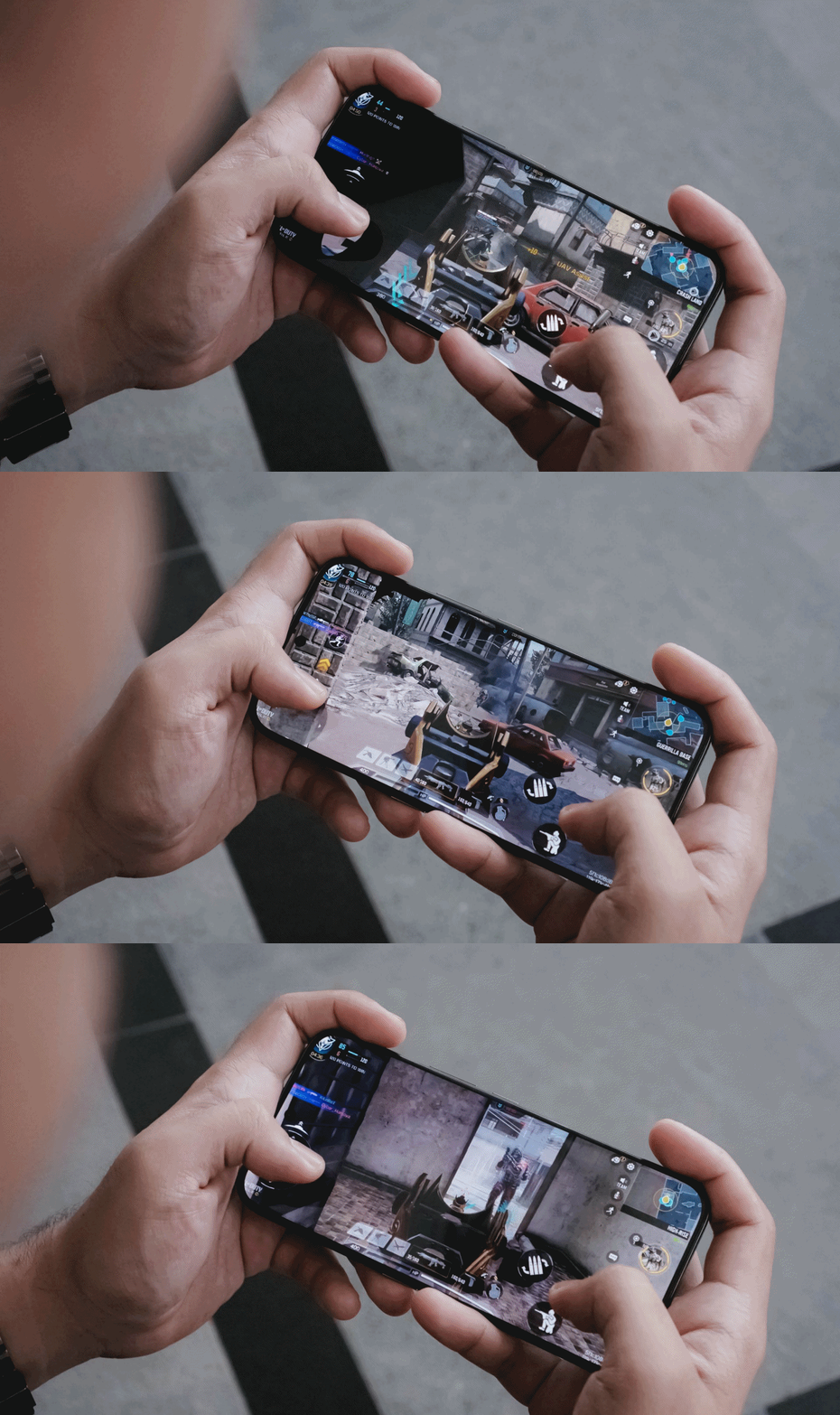
Heat is always the by-product of energy. For an hour of gaming, of course that heat can be felt especially when your games run in the most extreme setting possible.
The only downside for me is, again, the lack of a bigger 512GB storage. With all the chunk of data we get nowadays, it’s easy to fill up that storage. Also, the lack of eSIM support which further hinders network compatibility when used in other countries.
Fascinating familiarity
Love it or not, phone brands have followed the “Liquid Glass” trend. TECNO isn’t an exception to that with the newly-refined HiOS 16 based on Android 16.
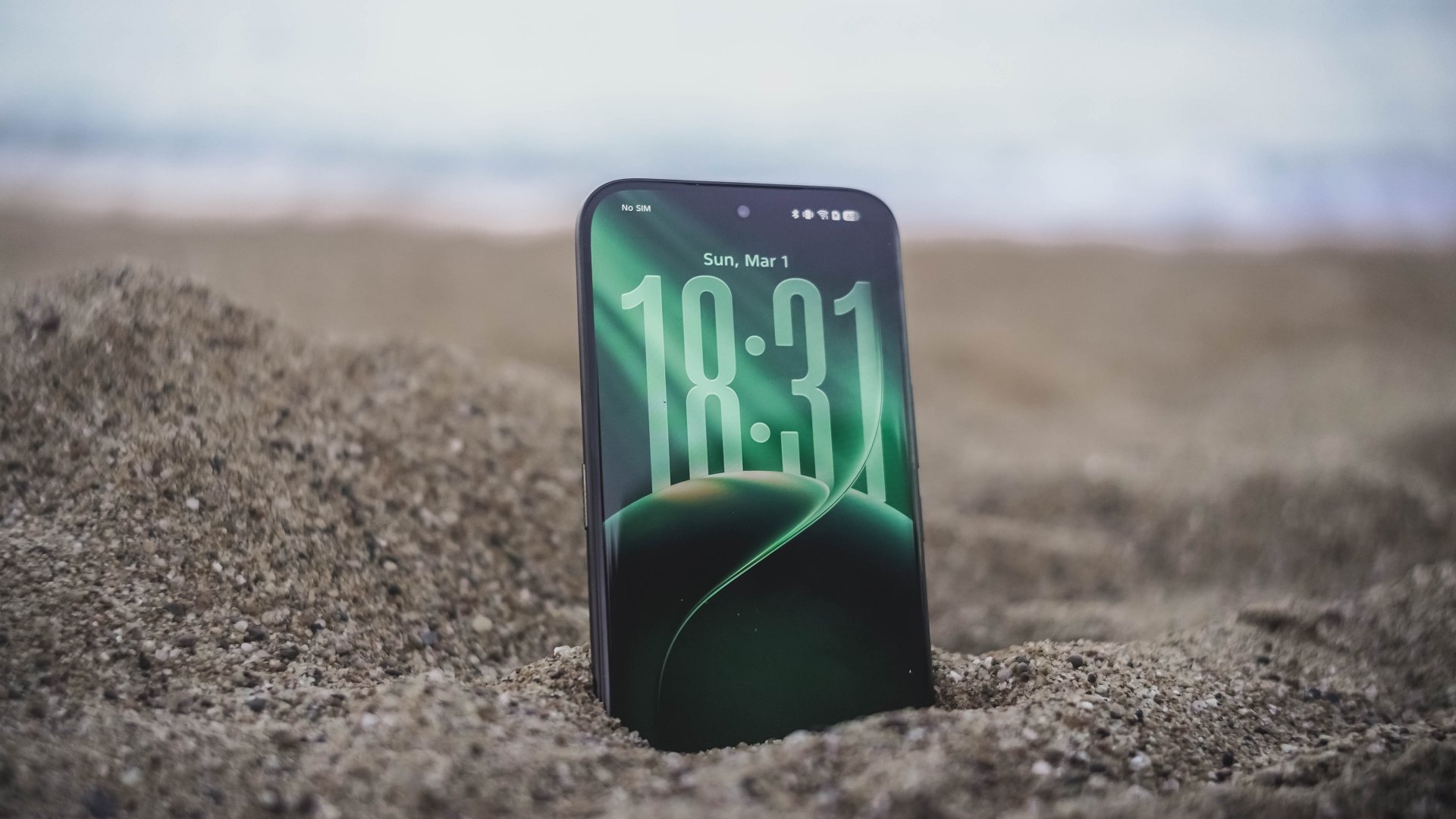
This is a welcome change I’m willing to embrace. Apple bringing back Frutiger Aero-like aesthetics is honestly a breath of fresh air. After all, I’ve been a huge fan of such translucency most especially during its peak with Windows Vista back when I was in 4th grade.
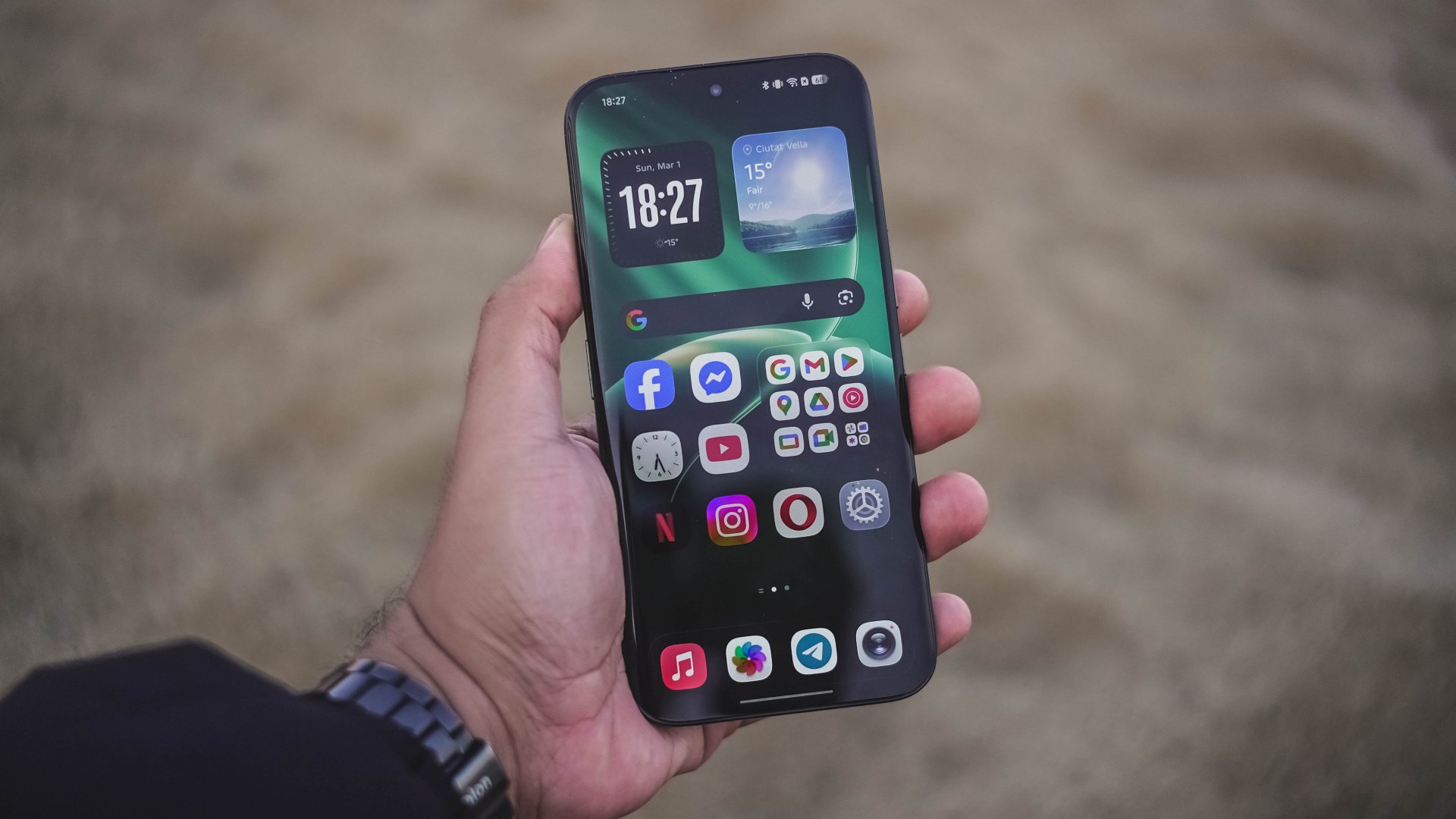
Also, maybe I just got fed up when minimalism dominated each and every part of the world like a wildfire.
Sentiments aside, HiOS 16 isn’t just about polished looks and keeping up to the trend. Overall feel is smoother and more responsive compared to its past releases.
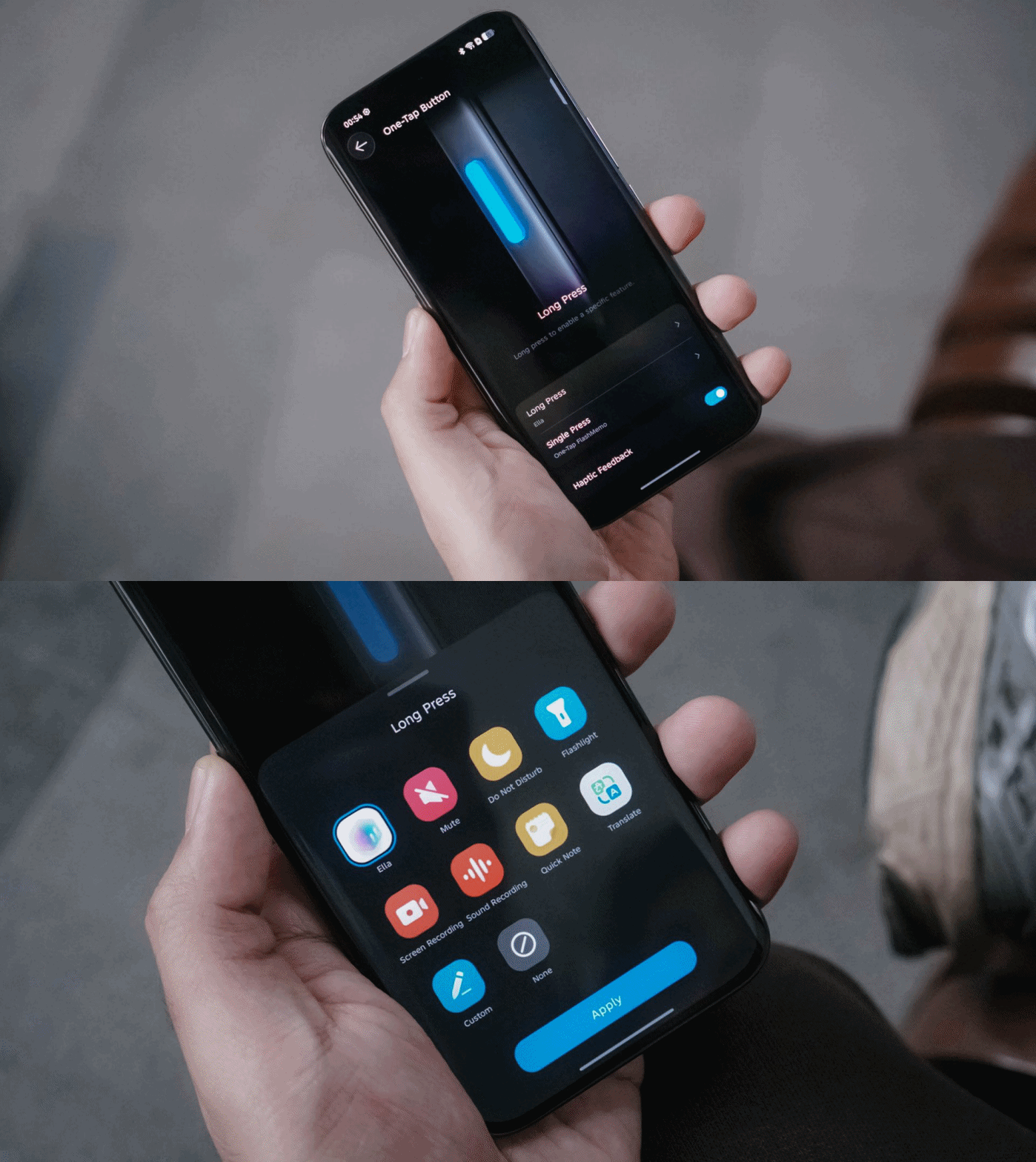
They have also kept the best things around — including the One-Tap button found on the phone’s left side that can be triggered through single or long presses.
Single press activates the new One-Tap FlashMemo. This is where TECNO AI analyzes what’s on your screen and stores it in its megamind.

The latter is system-configurable — even if it’s a game you wanted to play. That’s something other brands will hinder you from doing so.
Unlike last year though, TECNO moved the button further down so it’s more reachable by everyone’s fingers.
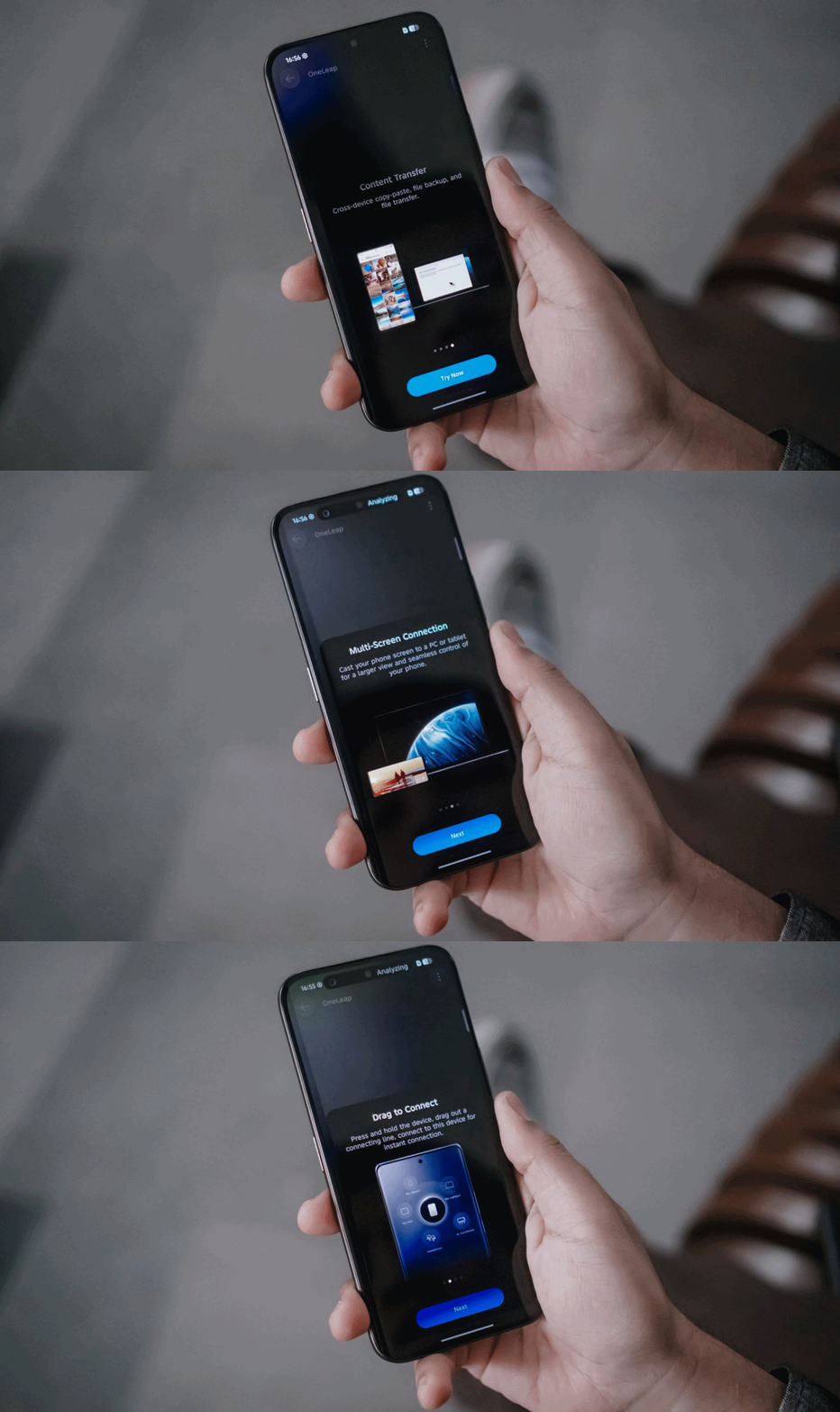
Another direction TECNO tries to move forward with: cross-connectivity between your host of devices.
With OneLeap Collaboration, this enables you to manage multiple devices into one. It enables both content transfer and multi-screen connection in just one hub.
And no, this isn’t limited to just TECNO devices. It even stores info of my appliances that can be controlled through the phone itself via IR (Infrared).
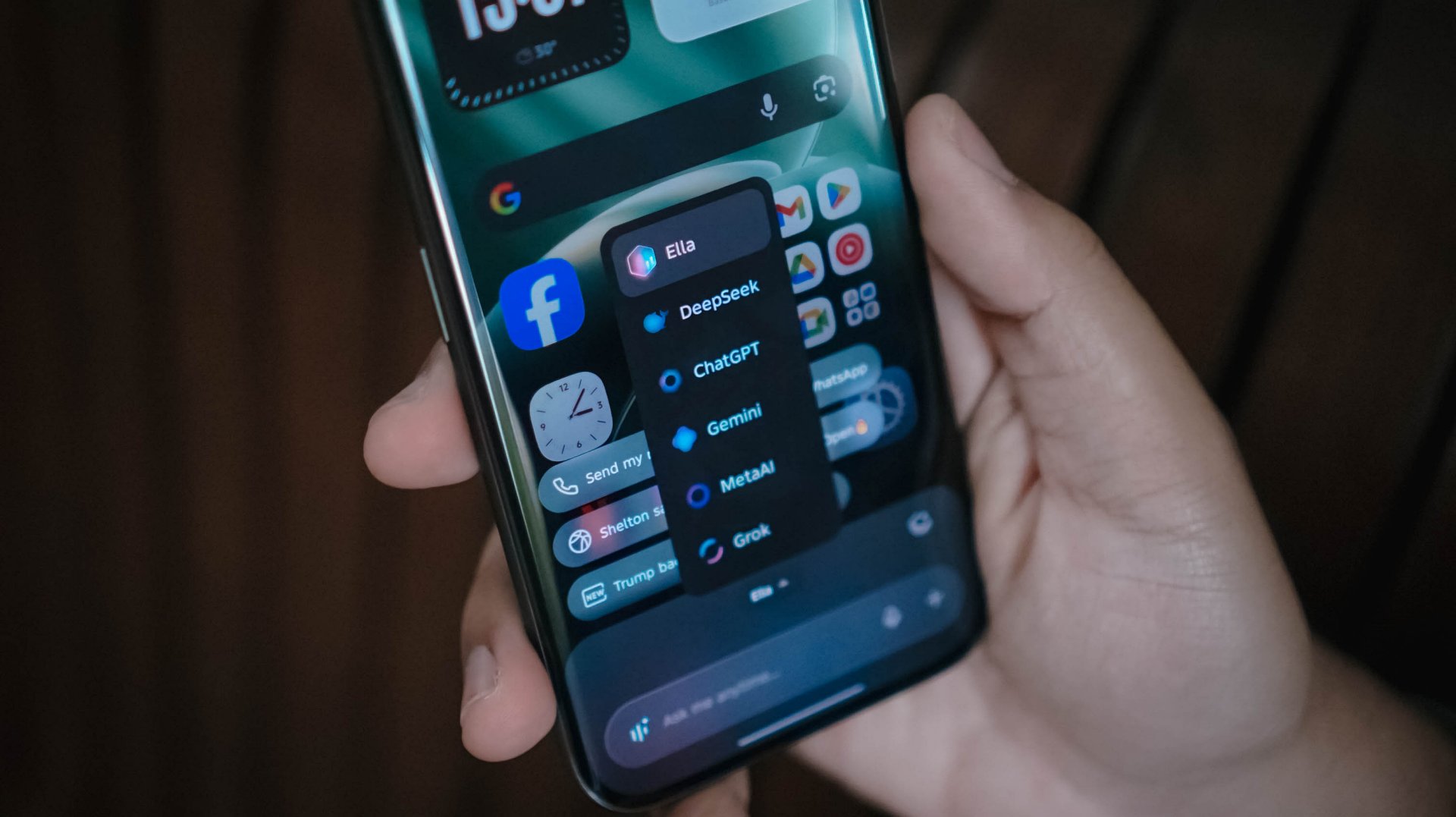
Other than the presence of Google’s Gemini and Circle to Search, Ella is still here to stay. By default, it can be summoned by long-pressing the power button.
And, unlike other AI assistants, TECNO gives you the freedom to choose whatever AI engine you prefer, whether that’s ChatGPT, DeepSeek, Gemini, MetaAI, or the ever-intriguing Grok.
Now Playing: The Art of Sarah
One K-Drama after another, The Art of Sarah instantly hooked me in during its Netflix premiere.
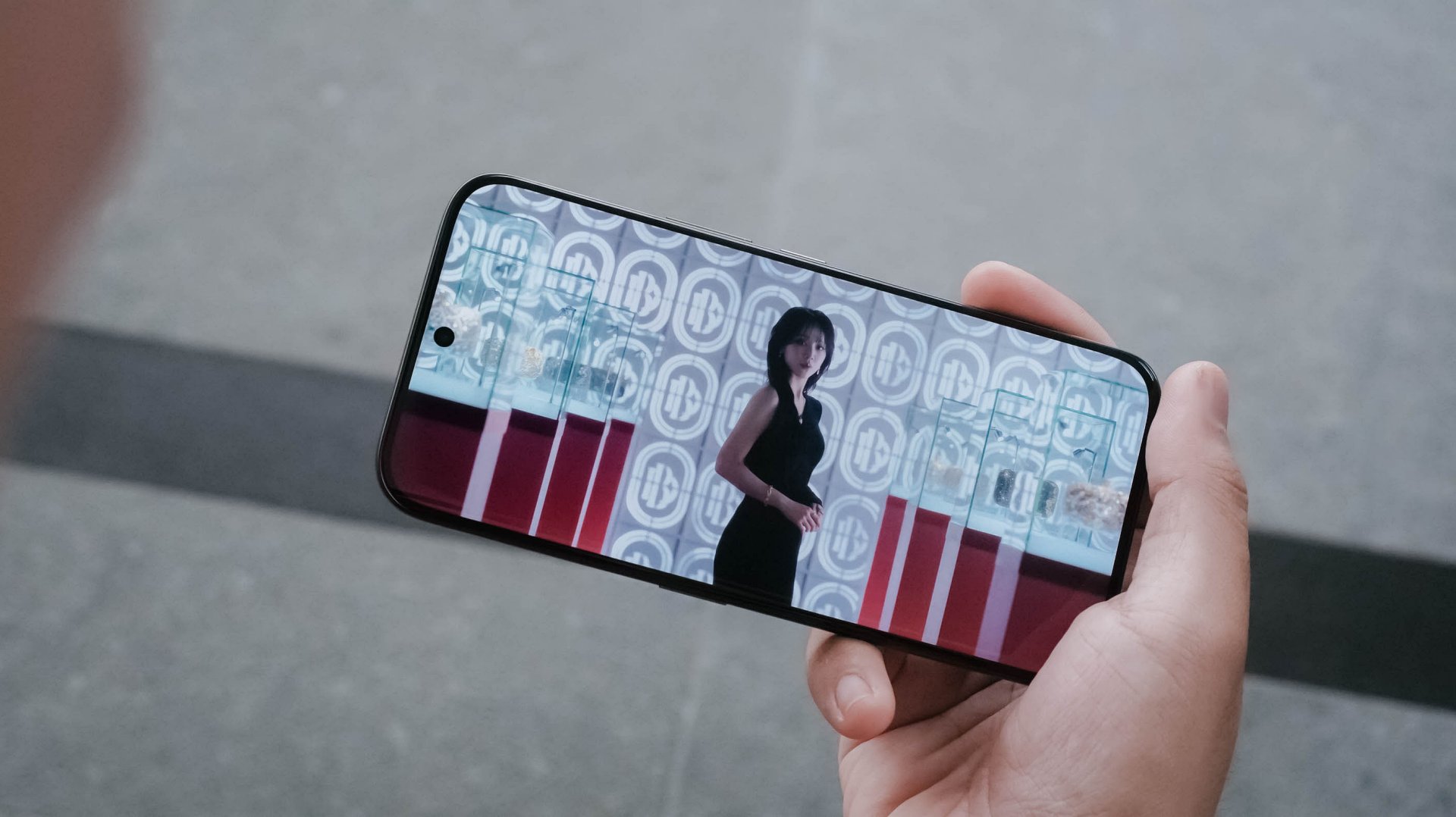
Much like how auspicious Sarah Kim is (and all her persona), the 6.78-inch AMOLED display of the CAMON 50 Ultra is crazily alluring to the eyes with some tomfoolery going on.
The bezels, while not as thin like the rest of the competition, still feels right for the eyes.
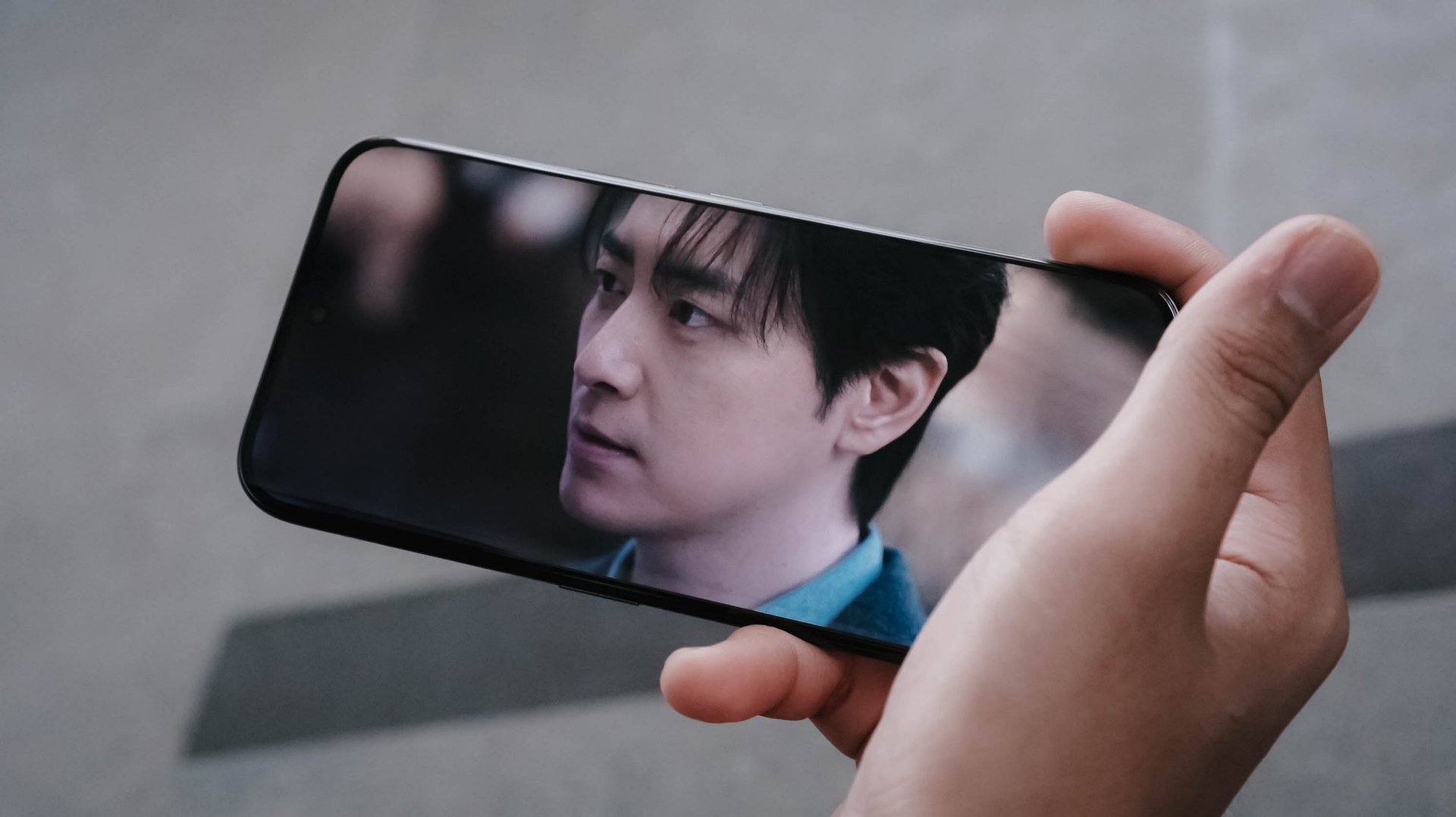
The 41-year-old Lee Junhyuk is aging like fine wine. I MEAN, LOOK!
Despite those gloomy and sulky tones, the three actors in the drama made me watch the series even more — which made me admire how fine their visuals are.
And unlike the cold corpse of “Sarah Kim” in the sewer who failed to survive that cold temperature, this phone is of the opposite. TECNO’s CAMON 50 Ultra can withstand temperatures as cold as -20ºC and as extreme as 45ºC.
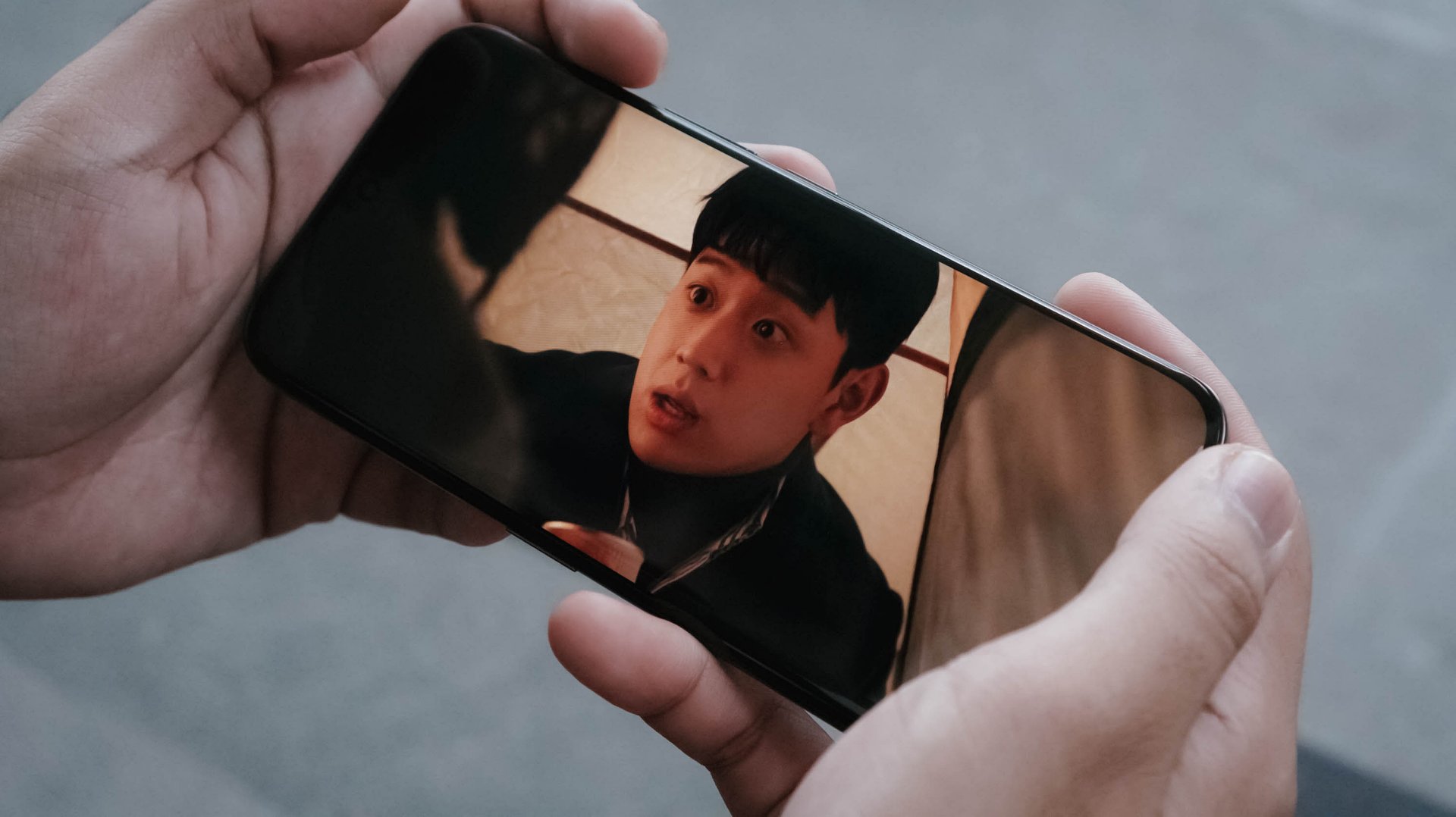
New celebrity crush (again)
The CAMON 50 Ultra’s front is protected by Corning’s Gorilla Glass 7i. For an affordable midranger, that’s still a big win as others of the same league have nothing at all.
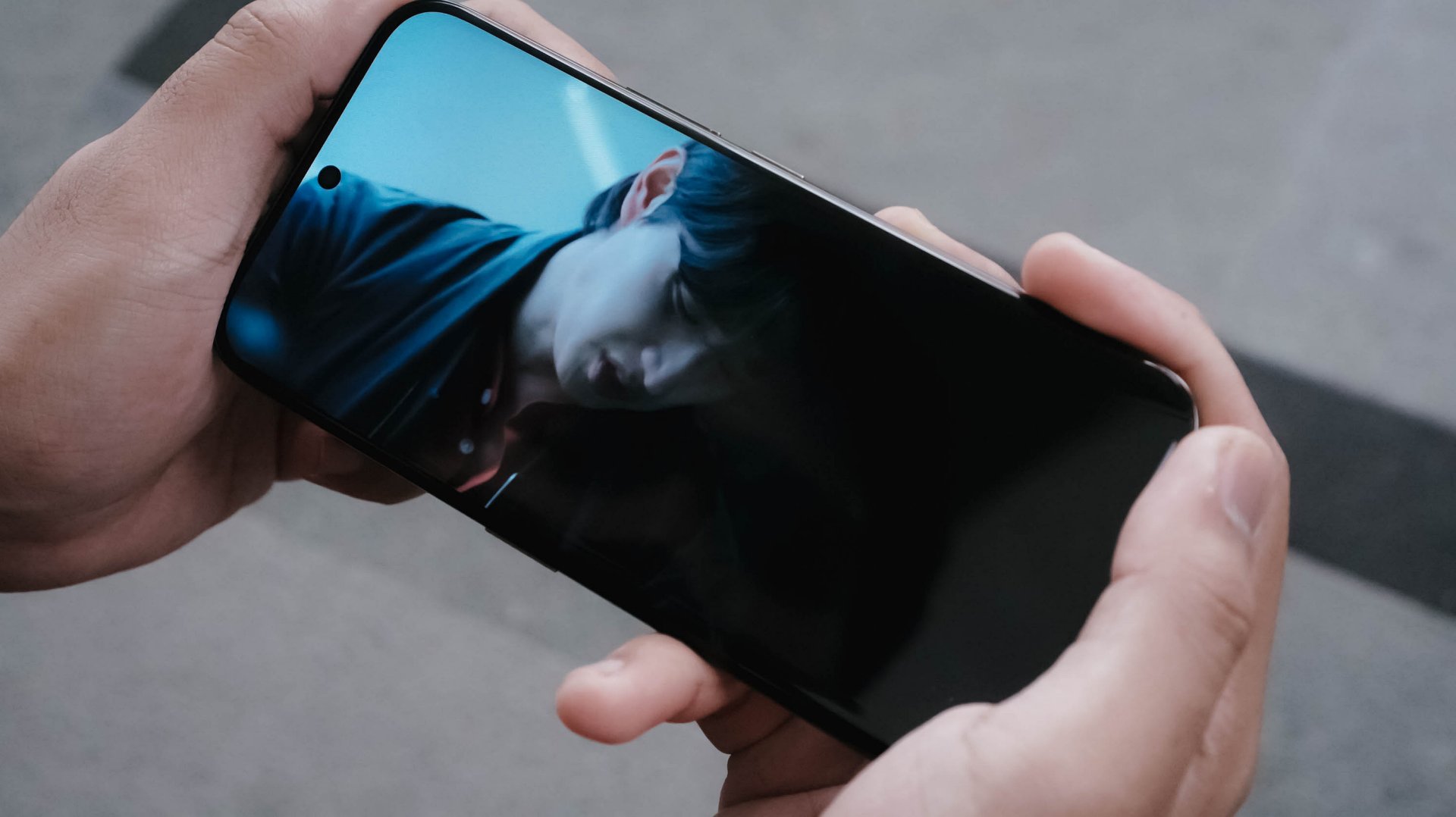
Now that we’re here, it’s also worthy to point out that the CAMON 50 Ultra not only boasts IP68 and IP69 water and dust resistance ratings, it’s also improved to IP69K. This makes it a tougher phone that can withstand even high-pressure water jets or sprays.
On Queue: Hearts2Hearts’ RUDE! + XG’s THE CORE
Of course, it wouldn’t be complete without testing out its speakers. On paper, it has a stereo speaker setup powered by Dolby Atmos.
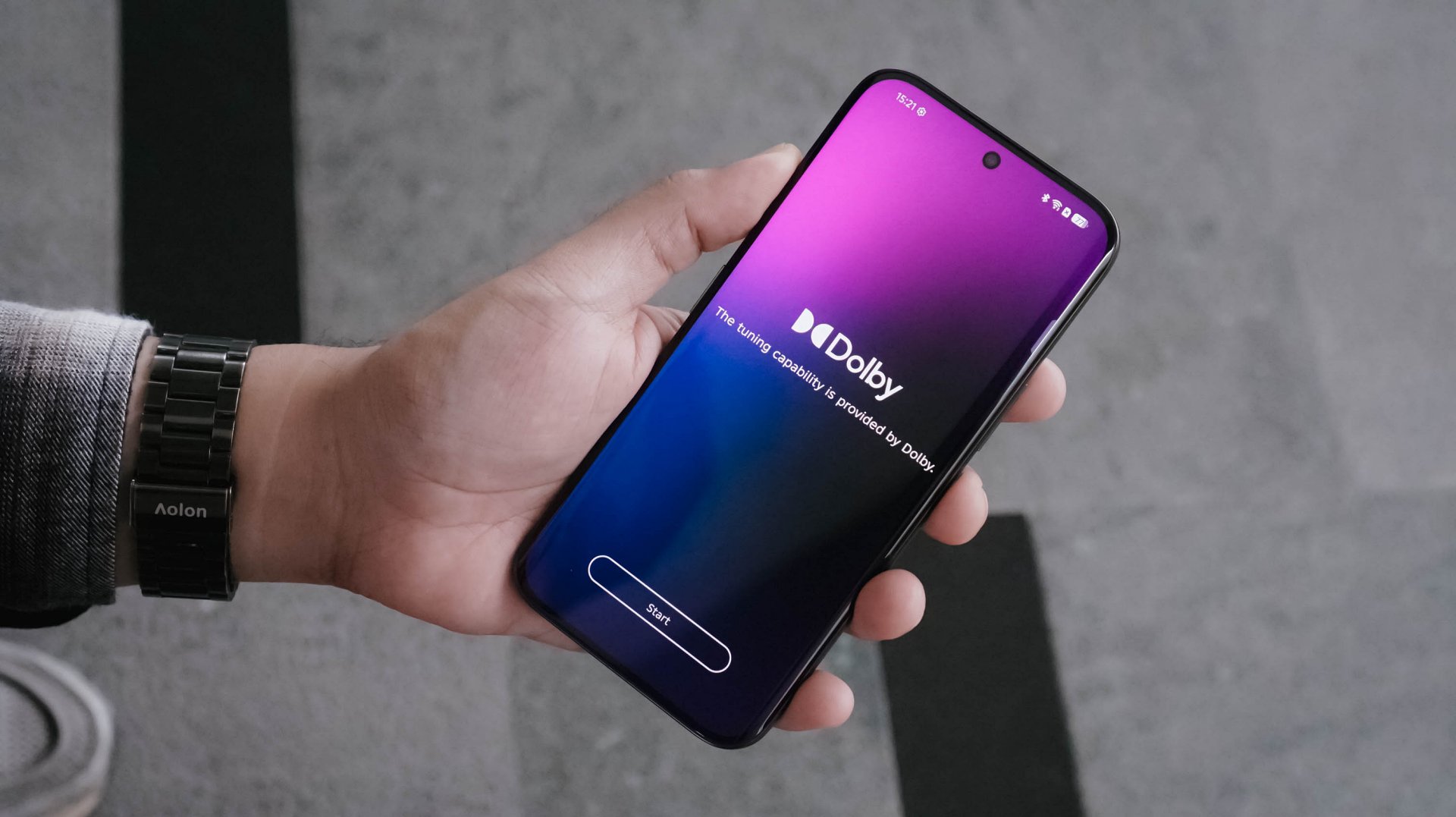
As the iconic line of Hearts2Hearts’ (H2H’s) “Stella” in RUDE! : “Boy, does it look like I could care? I couldn’t even care less!” It felt like the CAMON 50 Ultra embodies the same spirit. As long as it’s loud enough, it begs to get in all the way.

In real-life, the speakers are loud enough to fill in your empty room. However, my nitpicky ears can easily tell that the bass isn’t that deep. More so, sound gets distorted once it reaches above 80%.
I tried comparing it to my other phones and my observations were right all along.
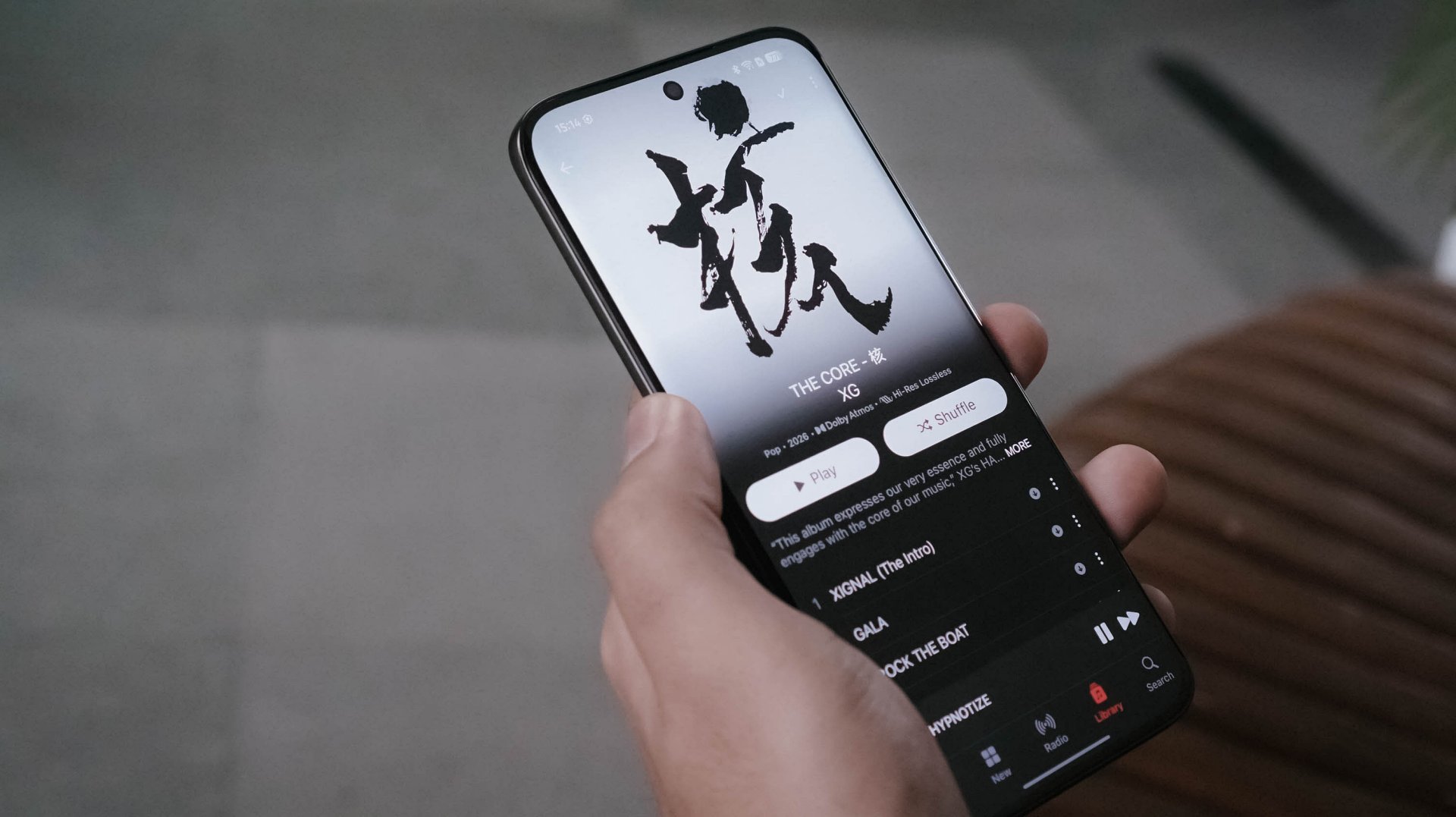
Even when I tried playing lossless versions of the full THE CORE album by XG in Apple Music, the same thing persists.
In songs like 4 SEASONS and TAKE MY BREATH, that loudness sounds alright as the songs are more into the solemn side. However, playing tracks like GALA and O.R.B, they instantly become a sore in the ears. Highs, mids, and lows all get distorted.
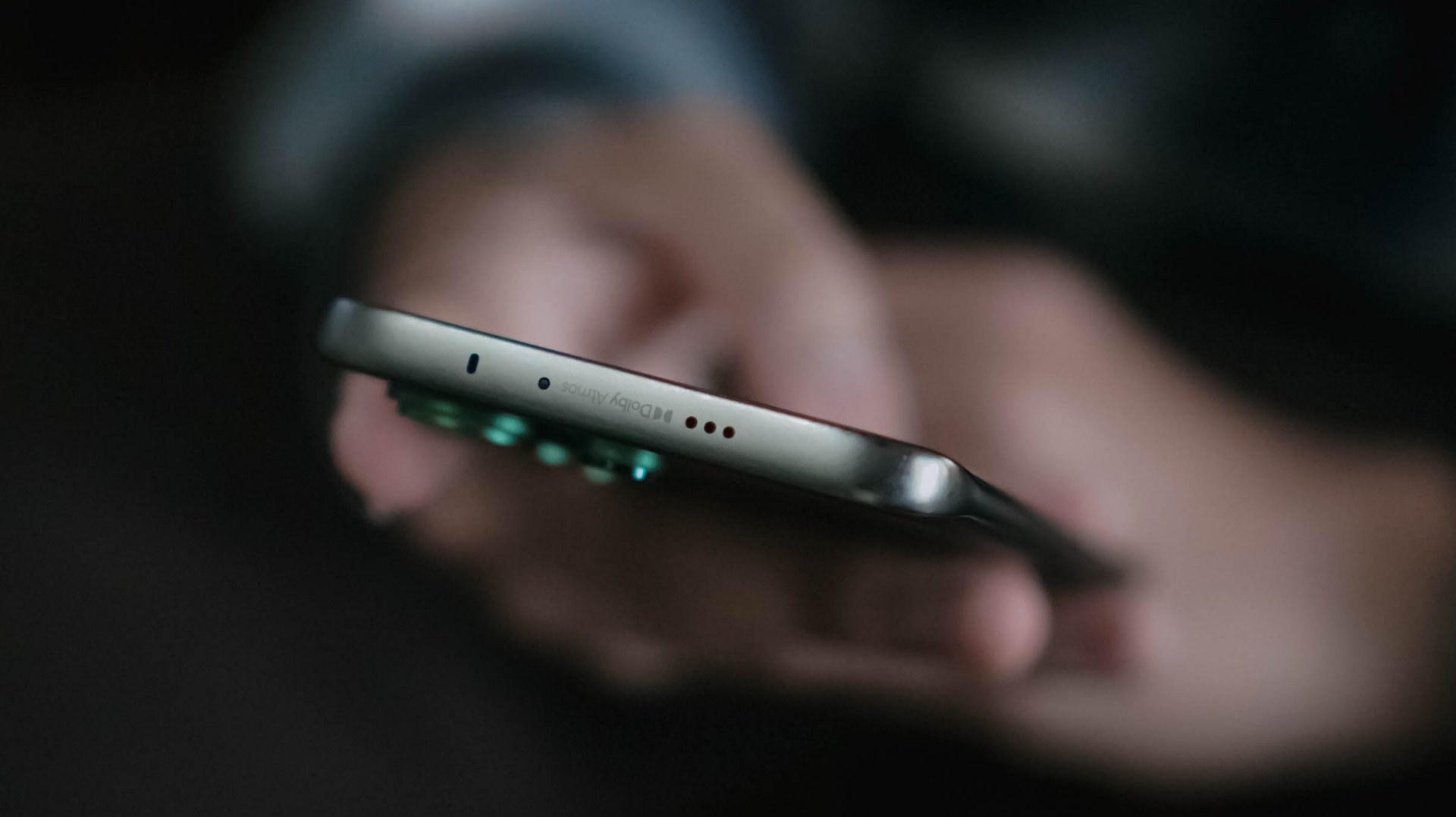
Not sure if this is just my unit though. Hopefully, TECNO can also work on improving their phones speakers in future iterations.
Still that solid snapper
ICYMI, TECNO’s CAMON 40 series last year (except Premier) all shared the same main camera sensor.
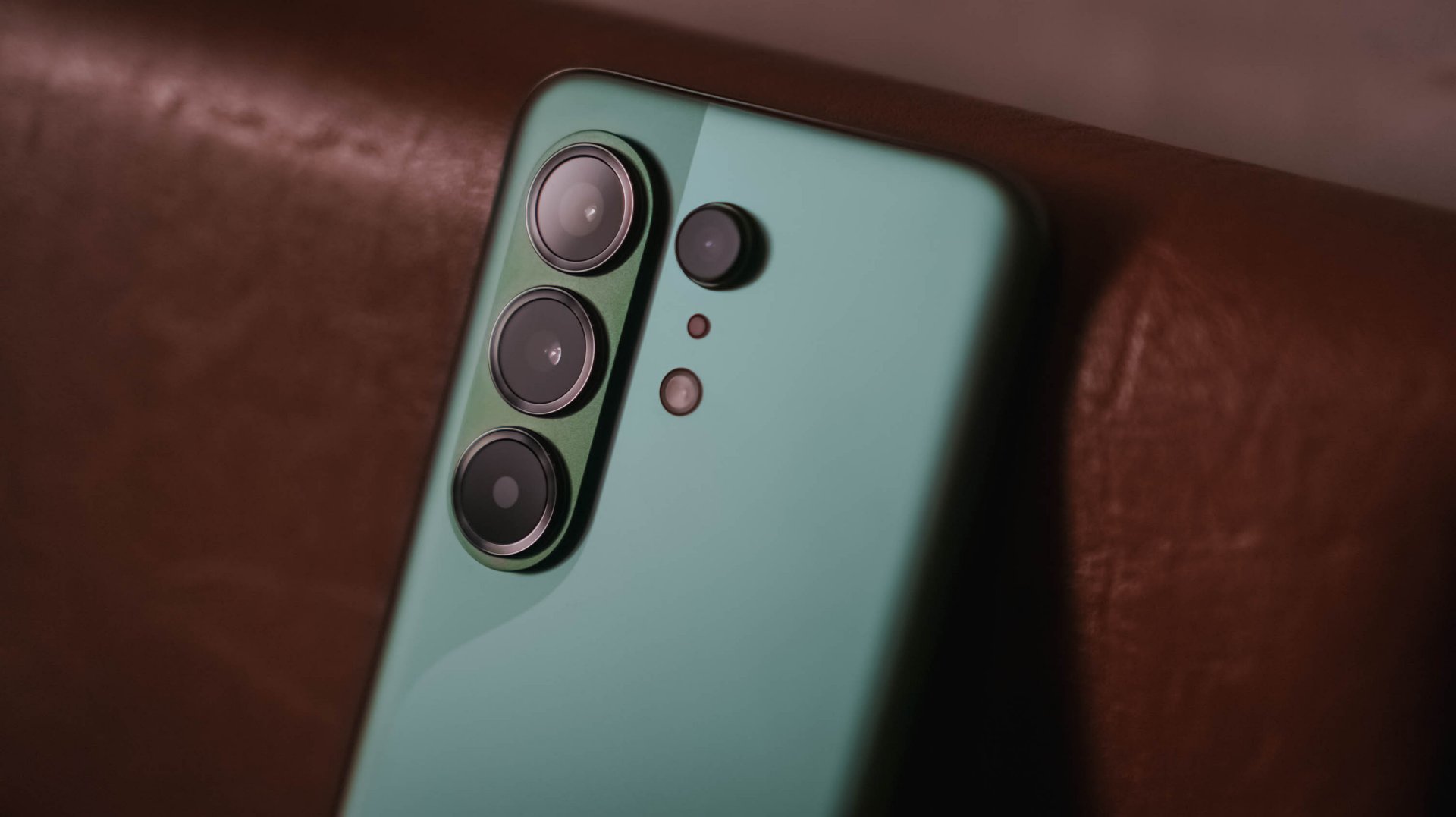
The same story happens this year as all CAMON 50 models are still equipped with a 50MP Sony LYT-700C image sensor. As the saying goes: if it ain’t broke, don’t fix it.


And with the same sensor, the CAMON 50 Ultra will still be able to provide crisp and rich 2x shots even if it relies on in-sensor cropping.


Surprisingly, CAMON 50 Ultra’s 50MP 3x telephoto zoom module (85mm equivalent) is also found in the CAMON 50 Pro. Last year’s Pro models don’t have any.


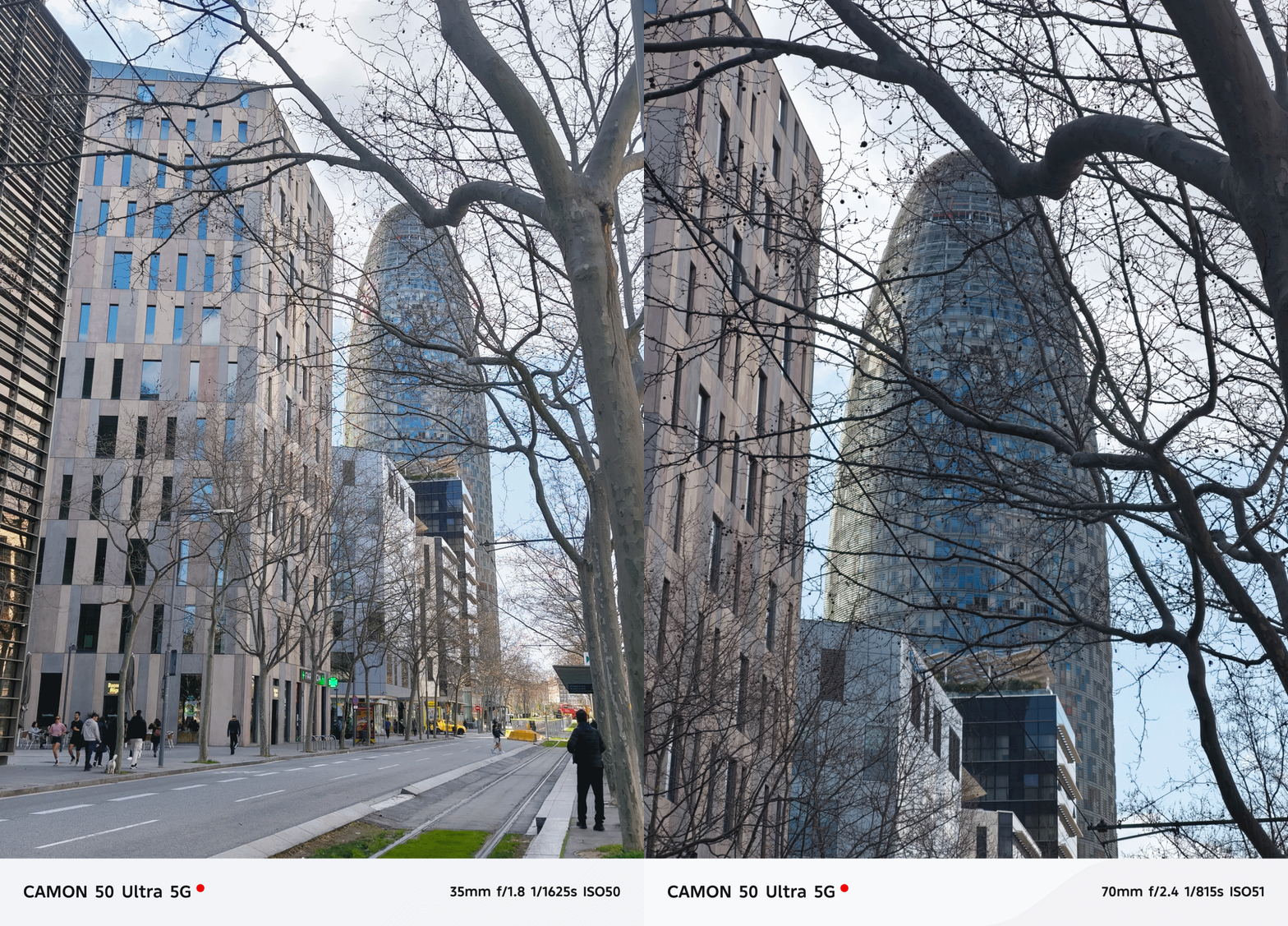

In subjects that are really far away, the CAMON 50 Ultra delivers consistently.

While other brands fail to provide consistent colors between its cameras, the CAMON 50 Ultra begs to differ.



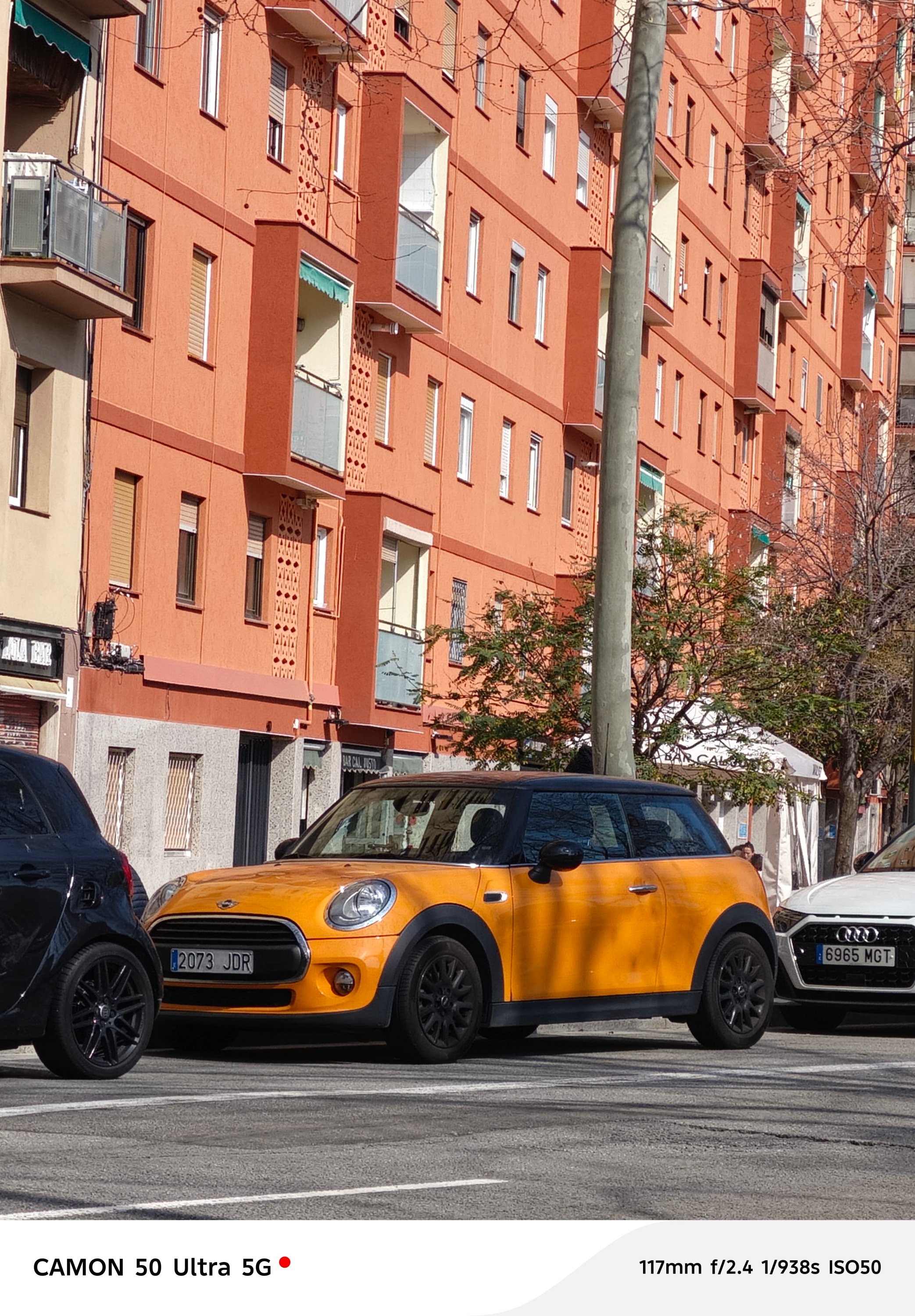

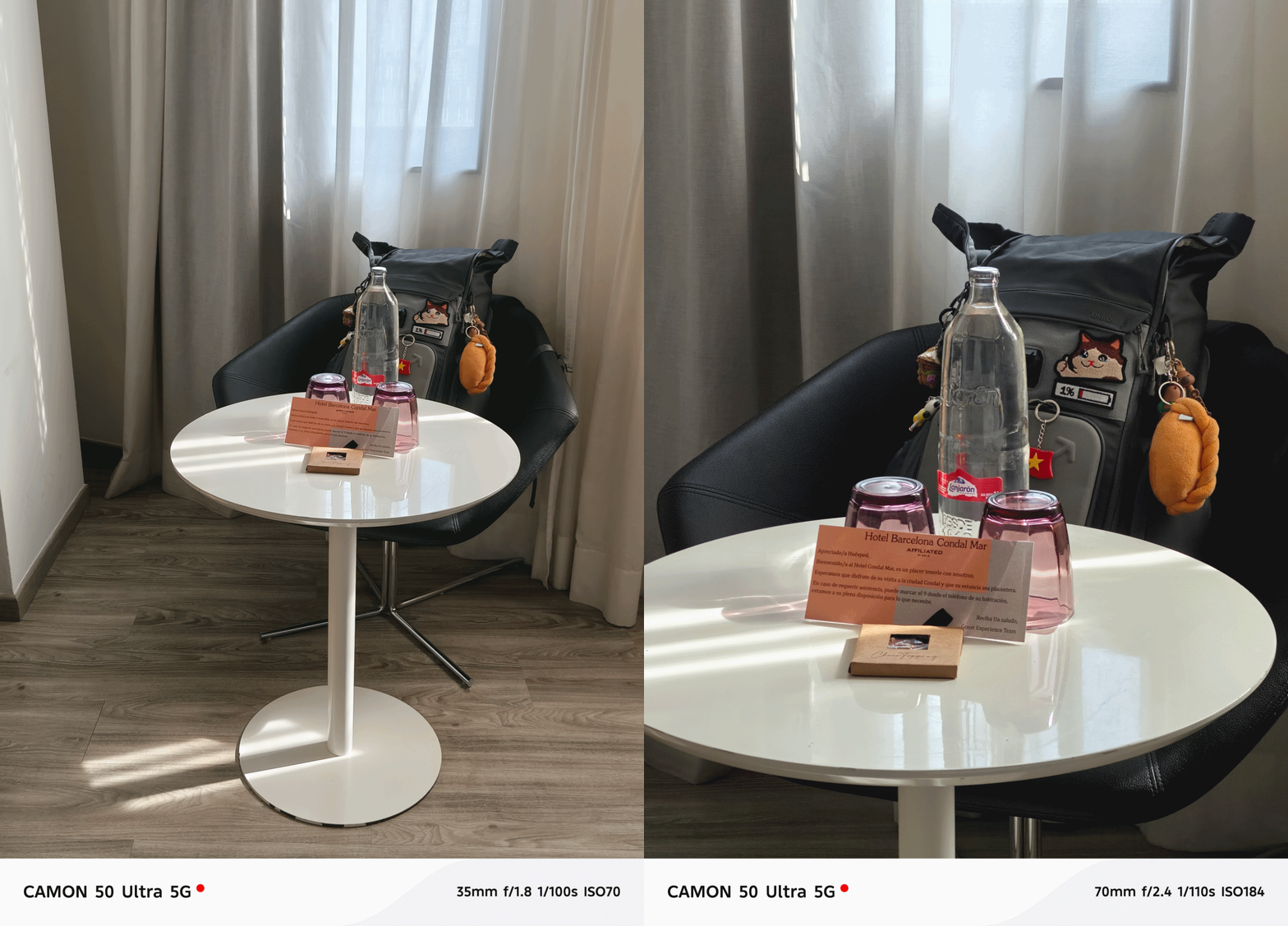
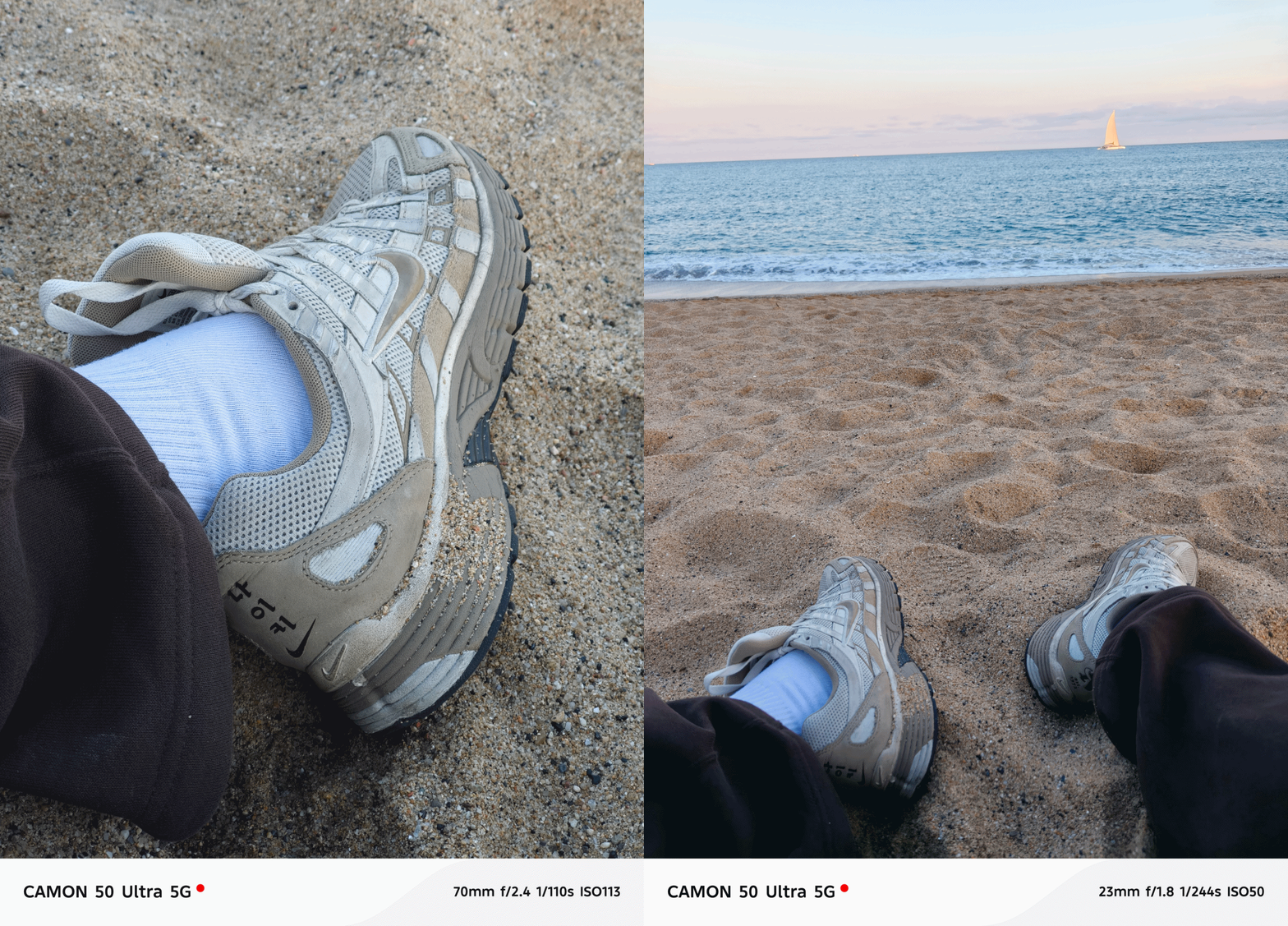

Speaking of color consistency, TECNO’s trio color styles (or profiles) are still there. However, it’s now tucked inside the lower collapsable menu unlike before where it’s exposed at the upper right top.
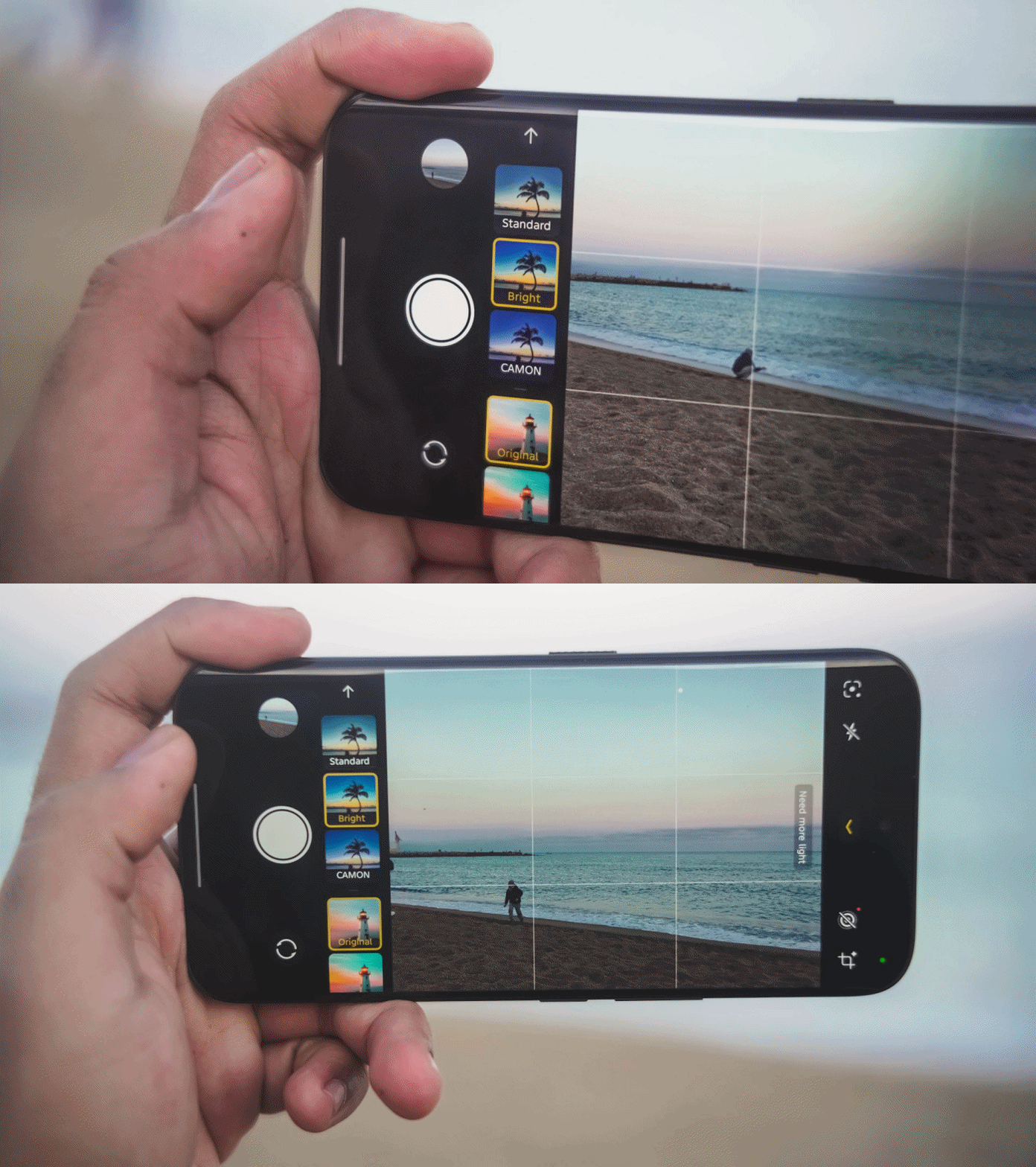
That has been replaced by a new feature they call “AI Auto Zoom” for better re-framing of shots even without hitting the shutter button.
Regardless, the looks are still the same like previous generations: Standard for a balanced look, Bright for more vibrant shots, CAMON for that subdued, soulful look.

Regardless of the focal length you choose, these color profiles should work.

One complaint when using the telephoto zoom? Its minimum focusing distance.
Other smartphones have telephoto zoom that works within closer ranges. But, the CAMON 50 Ultra struggles when doing so. It clearly reminded me of the periscope telephoto shooter found in last year’s CAMON 40 Premier with the same issue.


The only “fix” for this is to switch to the 85mm focal length (instead of 70mm). By backing up from your subject a little bit, you can take zoomed shots that are still closer in distance.
But, the best camera feature found in this midranger wonder? Its none other than its FlashSnap capabilities that lets the phone snap photos even before you click that shutter release.



I wouldn’t able to take these stellar shots without TECNO’s wonderful feature. Barcelona’s beach gulls are the (un)paid actors here for letting me snap these picture-perfect photos in a time freeze.


They have improved it this year too as it’s now capable of zooming in as much as 5x. It was limited to 3x on last year’s CAMON 40 Premier and 2x on the Pro model.


BONUS: Instant time-freeze with these crazy-fast toy cars during TECNO’s Booth Tour at MWC 2026

Low-light shots work wonders too. I didn’t expect it too look this good despite the SoC used that usually affects the overall quality of the night shot.





I didn’t even realize I took a lot more than what I have thought.




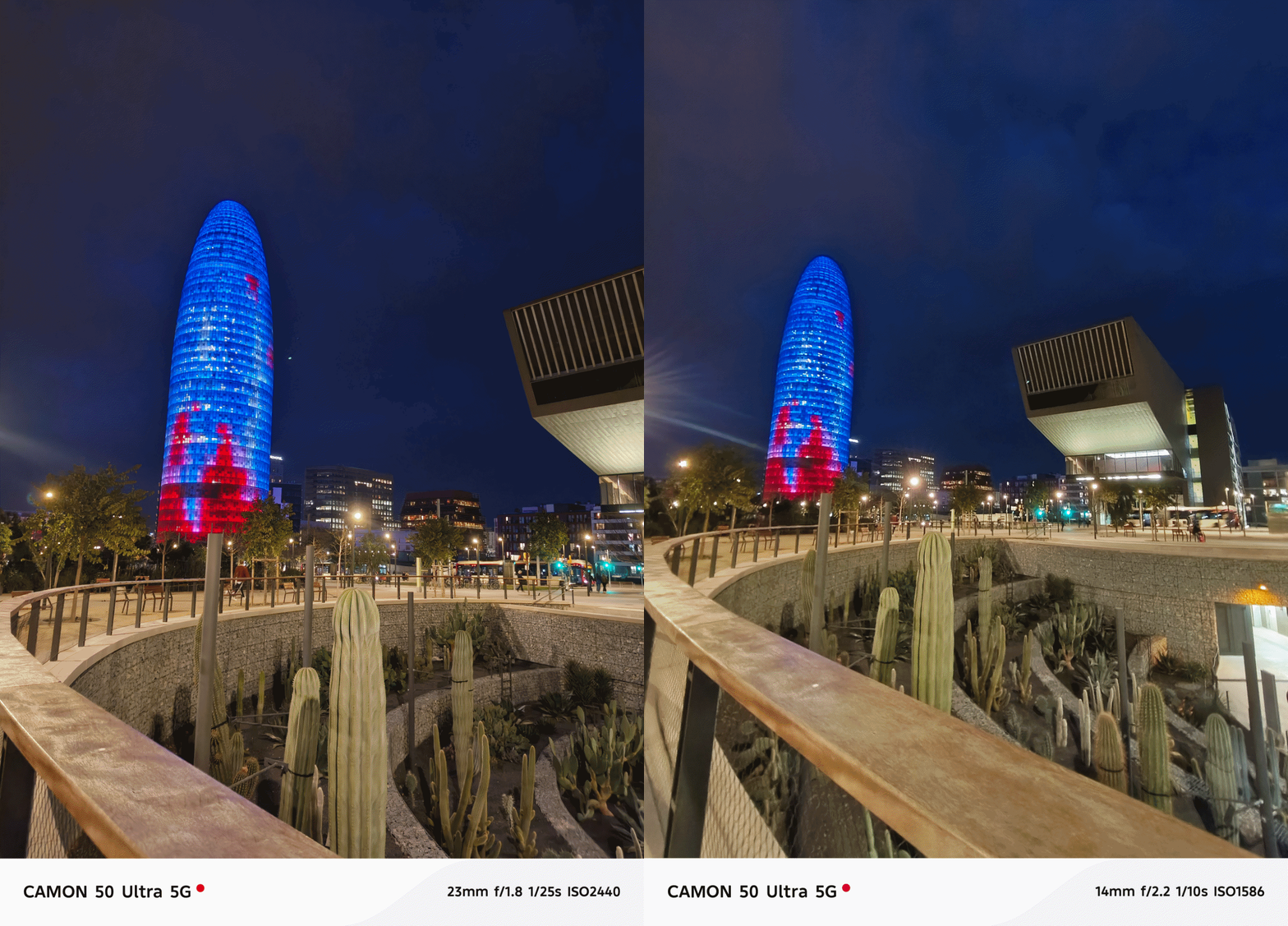

And before I forget, the ultra-wide performs well too at night even though it’s just the standard 8MP camera with a 112-degree FoV (Field of View).


Portraits aren’t that perfect — but should work day and night.



Now, the only things that draw the line (other than the the chip and lack of 5G connectivity) is the 50MP front-facing camera of the Ultra.
Both the base and Pro CAMON 50 models only have 32MP without AF (Auto Focus), only relying on FF (Fixed Focus).

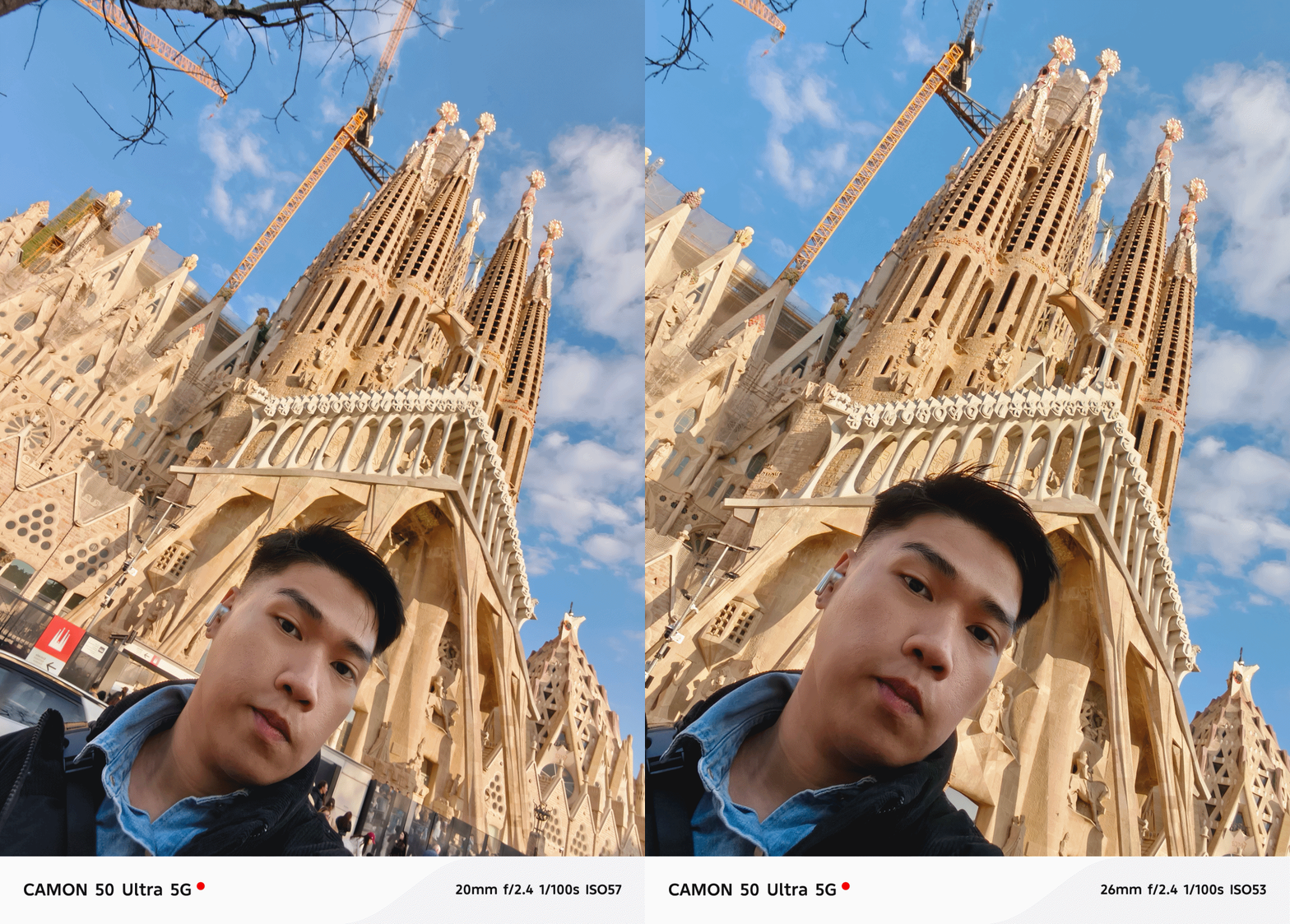
Even if selfies are always against my will, here are some references.
Badly-needed battery boost
After handling various TECNO phones throughout my career, battery endurance is where it ultimately suffers. I felt it hard when using my PHANTOM V Fold2 from 2024 that keeps draining even on standby.
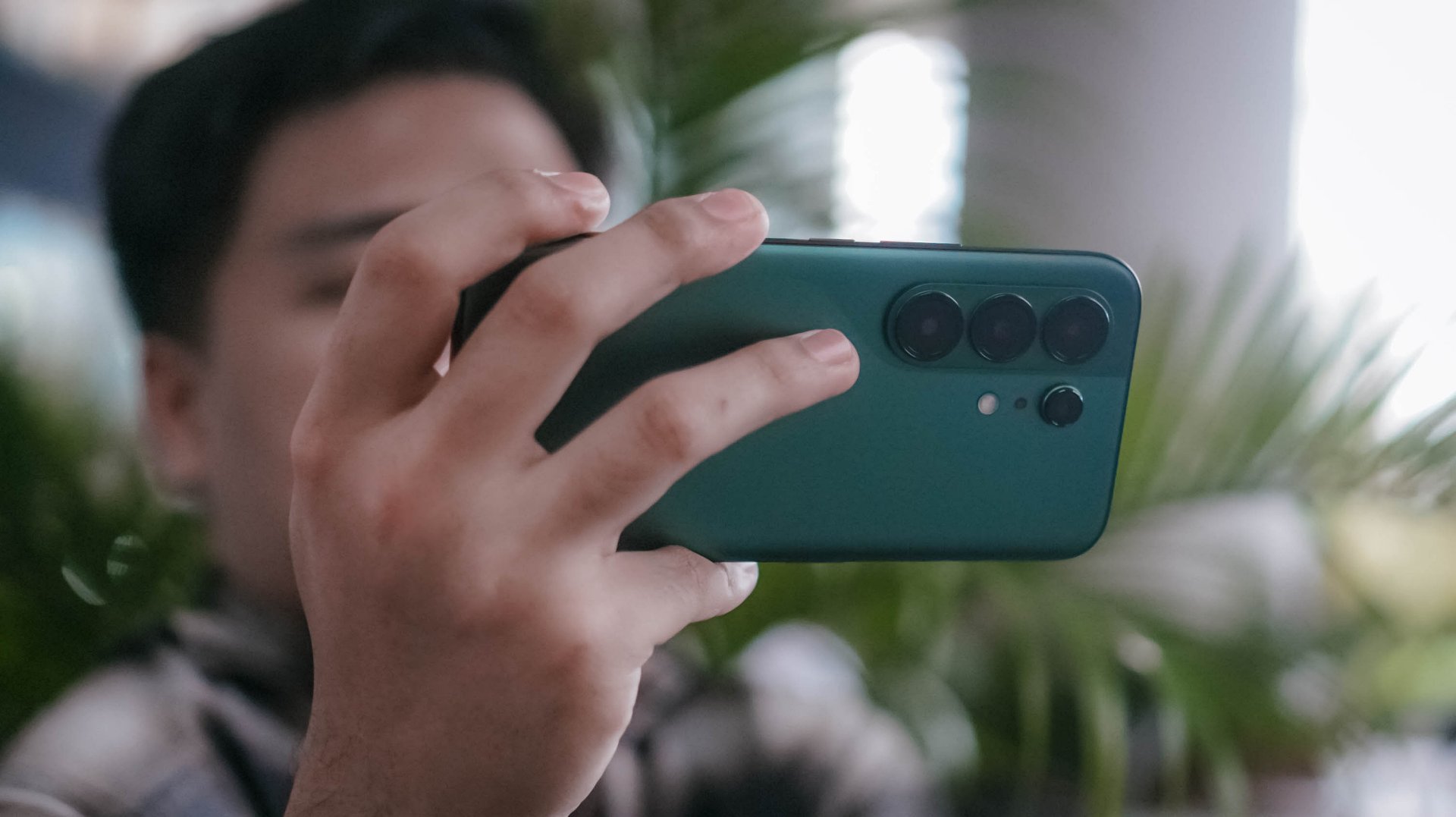
While this isn’t TECNO’s largest battery in a smartphone (as the award goes to the POVA Curve 2 5G with its monstrous 8000mAh capacity) this 6500mAh single-cell battery is something I’ve been wanting to have for long.

I’m also fortunate enough as other regions have a slightly downsized 6150mAh dual-cell battery. Still, both are heaps larger than last year’s 5100~5200mAh range. It’s even a milestone as the newly-launched Samsung Galaxy S26 series never got the battery bumps they all deserved.
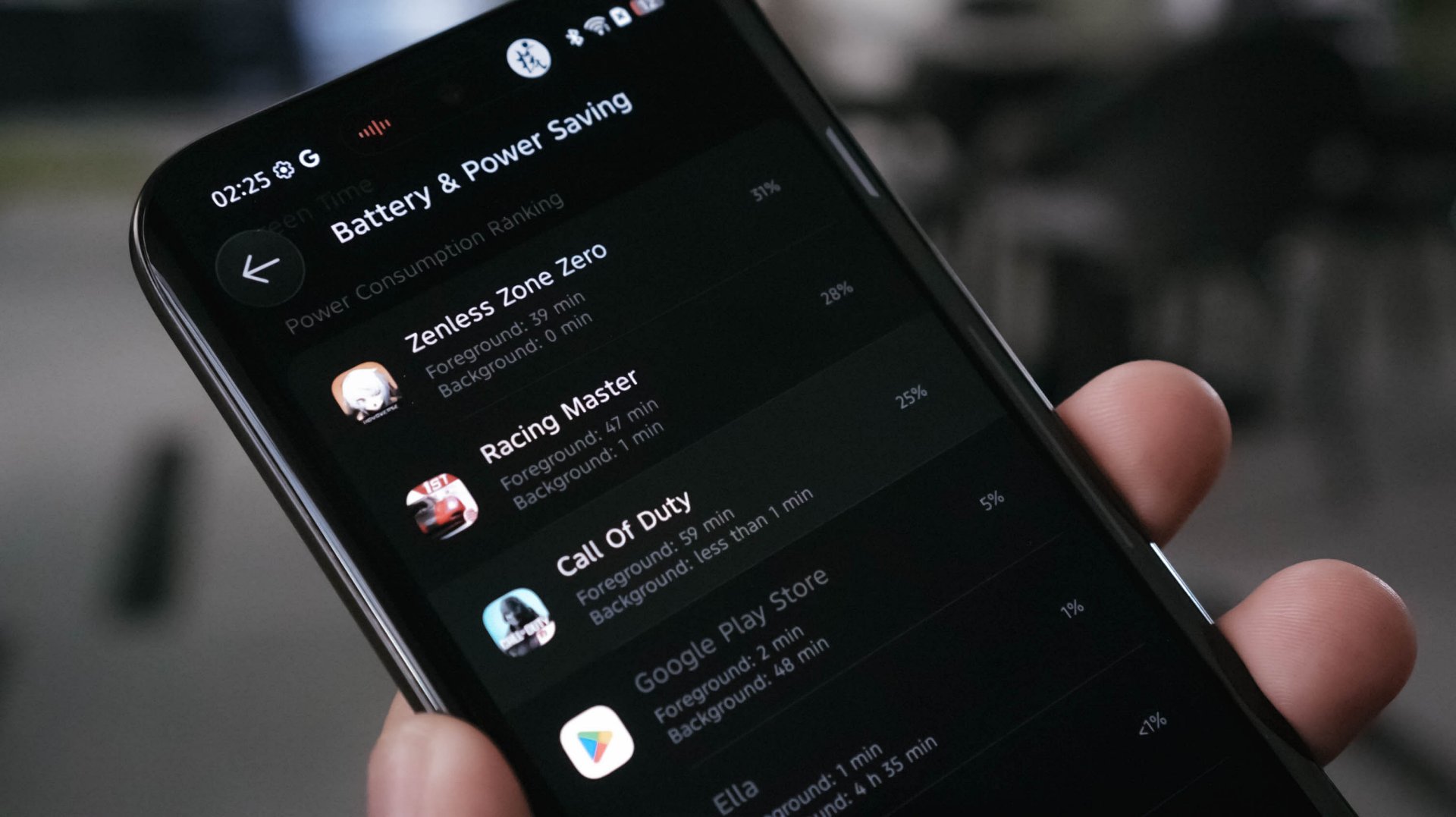
With heavy-hitting tasks, the CAMON 50 Ultra ultimately consumes juice. A total of 145 minutes (or around 2.5 hours) of gameplay means losing as much as 84%. Three to four hours of binge-watching? That’s only a 8~10% deduction though. Streaming music for another hour? A mere 5% depletion.
In the moderate, regularly-mannered use-case, this phone lasts you through a full day with around 10% to spare.
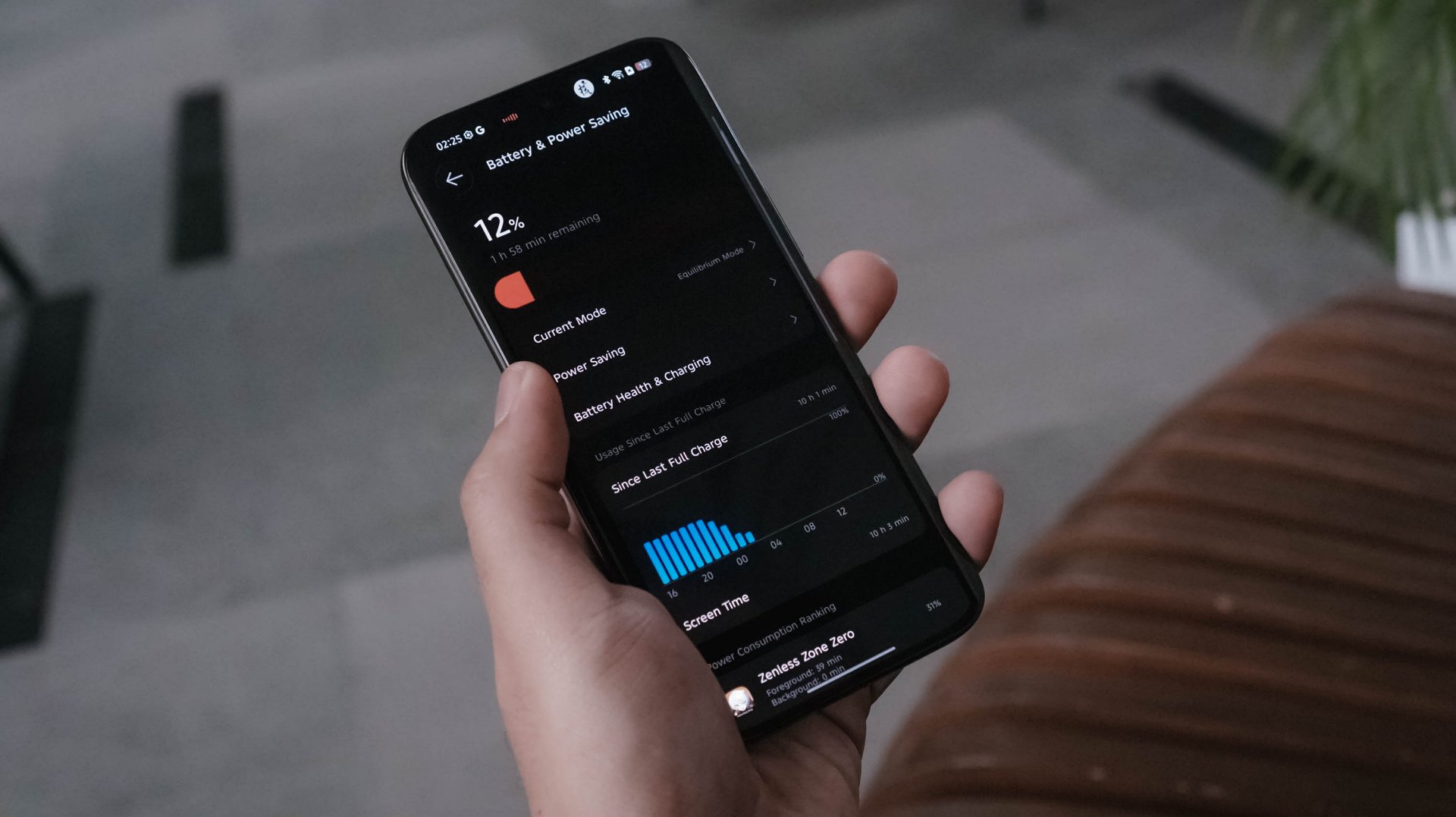
Best of all? Standby time can last up to 3 or 4 days! My other TECNO phones usually die after a day or two even without doing anything.
TECNO says it will still maintain its 80% capacity after 2000 charging cycles (or about five years). Only time can tell.

Once it totally depletes, the CAMON 50 Ultra can be filled up through its bundled 45W charger.
View this post on Instagram
At first, that sounded like a disappointment. However, my initial testing actually shows that the speeds are somewhat similar to the 90W speeds of my vivo X-flagship.
My GadgetMatch Charge Test further proves that point:
TECNO CAMON 50 Ultra
|
vivo X300 Pro
|
|
START TIME (From 0%) |
4:34PM |
1:59PM |
3 minutes |
4% |
1% |
5 minutes |
6% |
3% |
10 minutes |
12% |
10% |
15 minutes |
21% |
18% |
20 minutes |
30% |
24% |
30 minutes |
43% |
38% |
45 minutes |
65% |
57% |
1 hour |
85% |
71% |
1 hour 15 minutes |
99% |
99% |
END TIME |
5:51PM1 hour 16 minutes |
3:15PM1 hour 16 minutes |
So how is that even possible? Only the amazing people behind the tech can explain it.
As the reviewer myself, I am both in awe yet still in disbelief: are charging speed labels the real deal or are they’re just labeled for the sake of saying it’s “fast” enough?
Is the TECNO CAMON 50 Ultra your GadgetMatch?
As of this writing, TECNO has not provided exact pricing. But, for a phone still positioned below the US$ 600 / EUR 400 pricing range (approx. below PhP 30,000), the TECNO CAMON 50 Ultra is still one of those midrangers aimed towards users with a lean budget who also happens to value mean performance.
Swipe Left only if a curved edge display and 45W wired charging are dealbreakers for you — even if my charge test says otherwise.
Personally, it’s still a Swipe Right and a Super Swipe for me.
Its slender chassis, battery capacity boost, and solid shooting experience are already given. The combo of a reliable hardware plus refined OS are more reasons why the CAMON 50 Ultra is a phone worth checking out.
I may not have the consensus but, it seems like TECNO values what their community is saying.
For one, most of us wanted a bigger battery not just by numbers, it delivered a long-lasting endurance too.
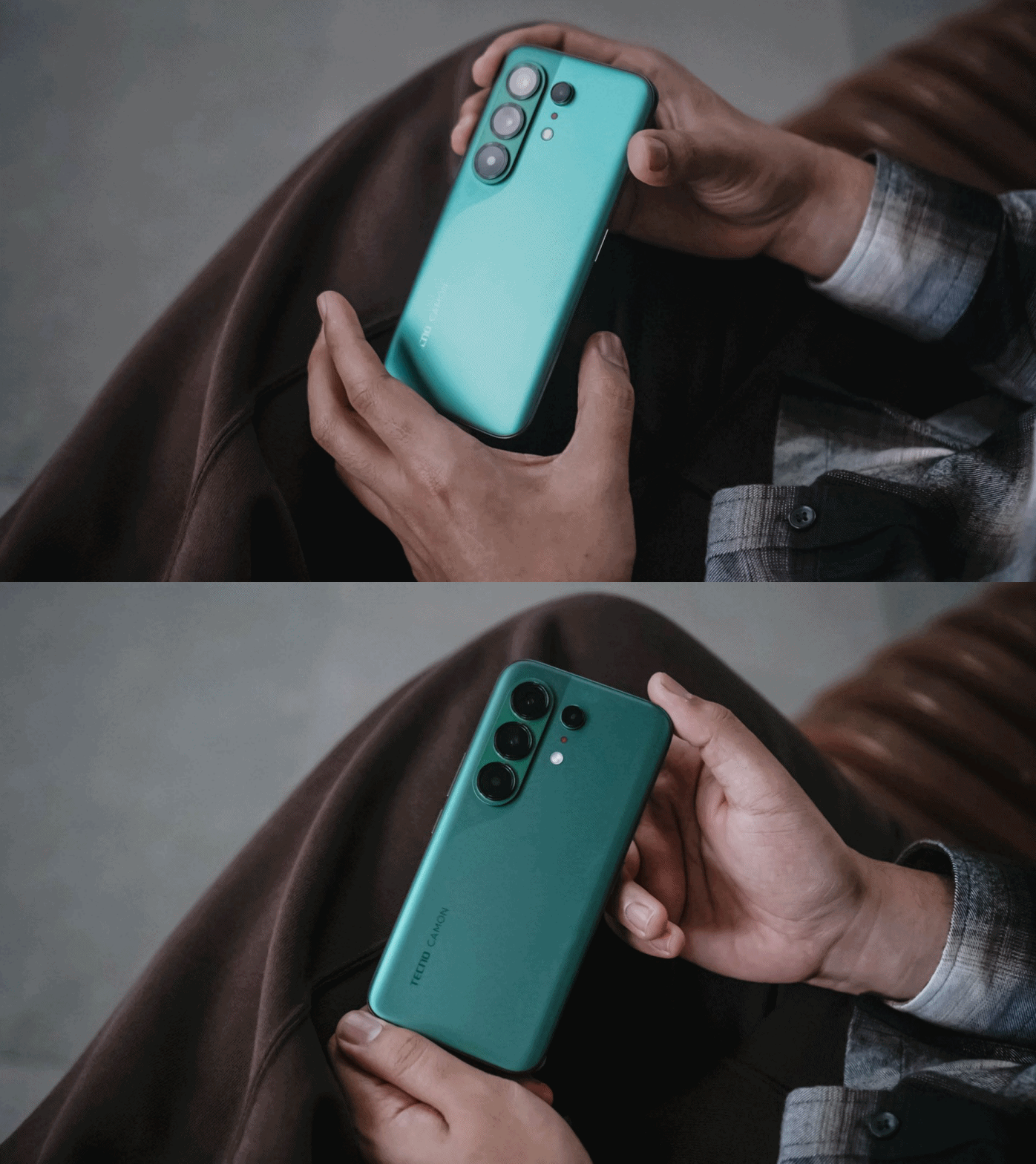
Others pointed out that smaller and flat display on last year’s CAMON 40 Premier. This year, they brought back that bigger 6.78-inch curved display tech.
Last but definitely not the least, a streamlined and ever-fluid OS compared to what it was from two years ago.
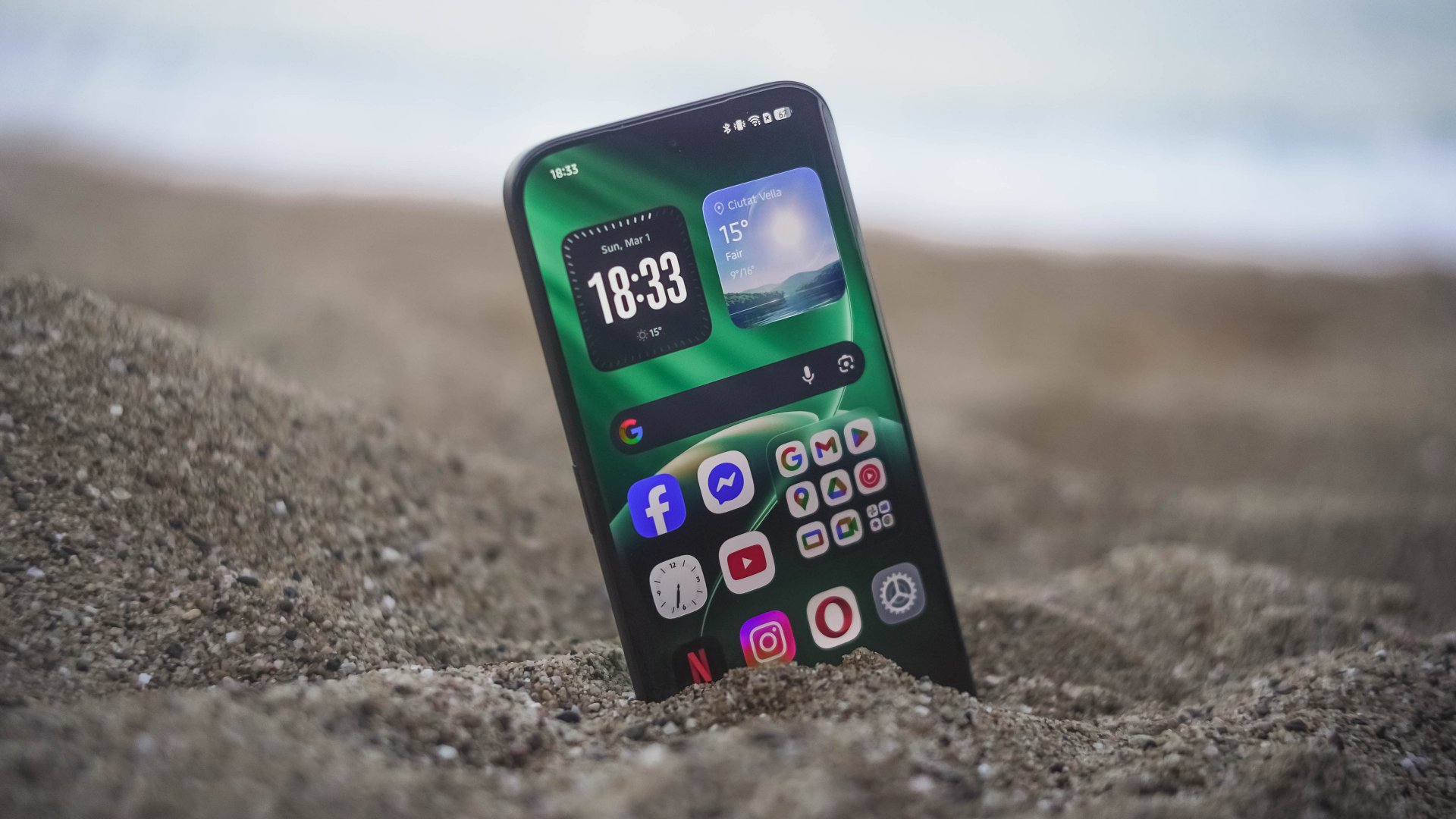
If only they bring back 75W charging, a larger 512GB storage configuration, and even eSIM support, the next CAMON will instantly crush the mid-class.
Now, is the price bump from last year’s CAMON 40 line justifiable? Well, I am still blaming the AI-ddiction that led to component shortages as well as price hike craze.
404 Premier Not Found: The new era
As I still can’t get over how extremely catchy KiiiKiii’s latest hit track 404 (New Era) is, it inspired me to realize what TECNO did with its latest CAMON 50 series line. This might mark as the new era for TECNO — a bittersweet new beginning if I must insist (or resist).
Other than the company itself, no one knows why they went with this route. Based on my observation alone, it seems like TECNO is trying to play it safe this time, though not in a bad way.
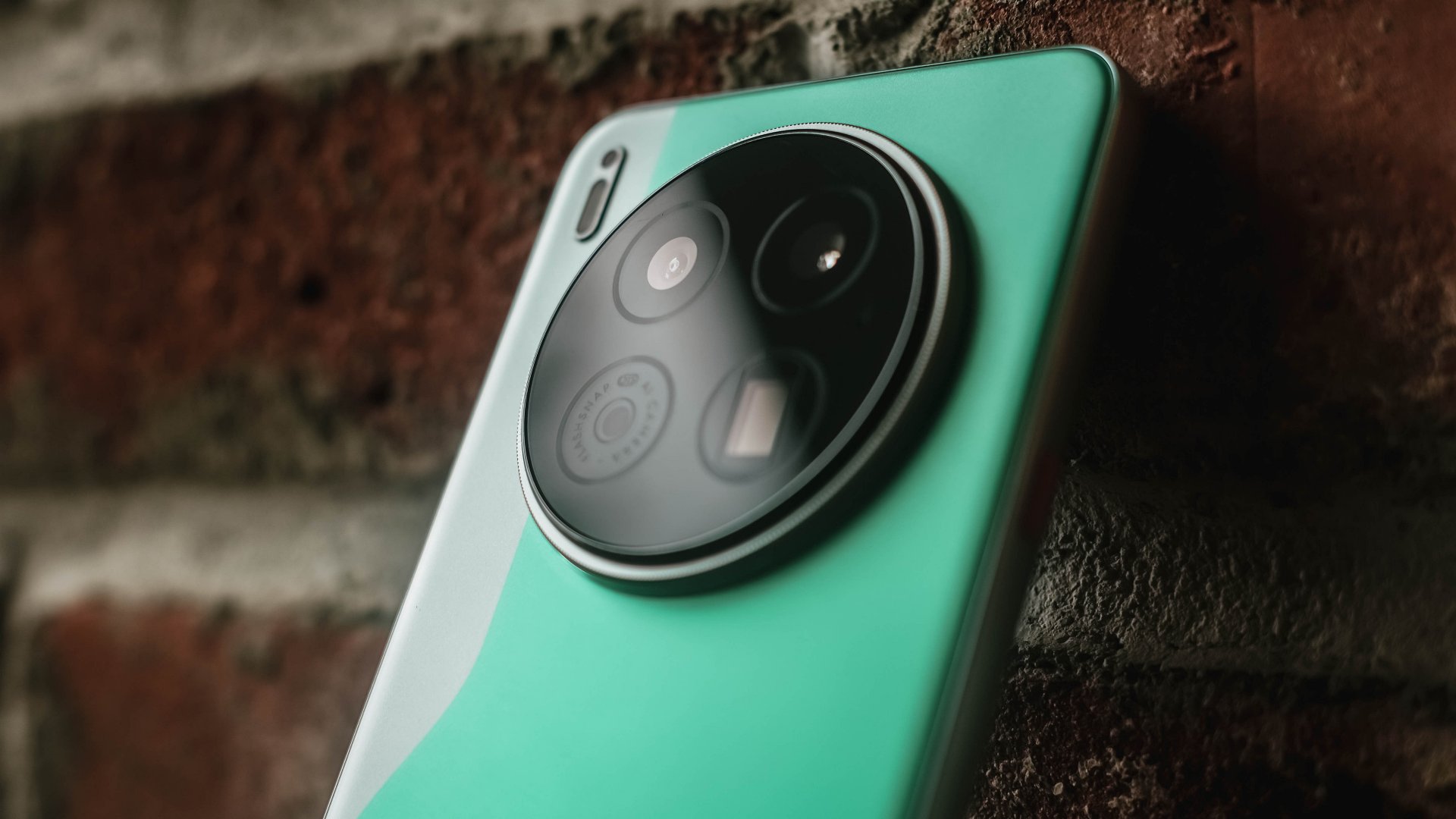
TECNO CAMON 40 Premier | 2025
They want to upkeep with the demands of their aimed market without having to spend more for production and/or raise the overall price of its new line of smartphones two to threefold. And based from the spec sheet alone, the CAMON 50 Ultra is more of the successor to last year’s CAMON 40 Pro 5G rather than being the total replacement of the CAMON 40 Premier.
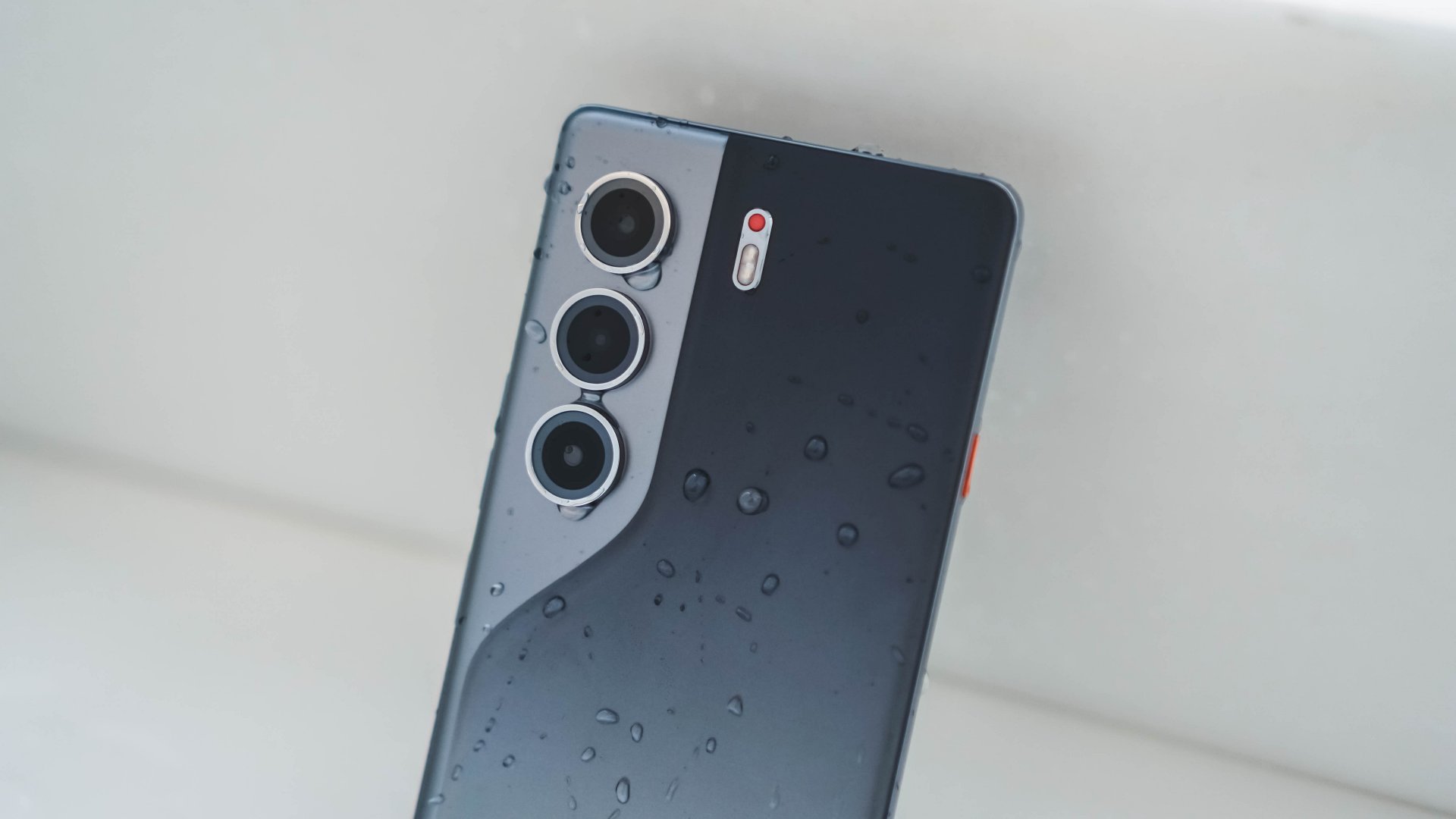
TECNO CAMON 40 Pro 5G | 2025
Also maybe, TECNO just wanted to “simplify” their model naming by omitting the “4G” and “5G” titles of the CAMON Pro lineup, making it sound cleaner and less confusing. But, that change still confuses a lot (myself included) with the “Ultra” being a newcomer — all while the signature “Premier” is nowhere in attendance.
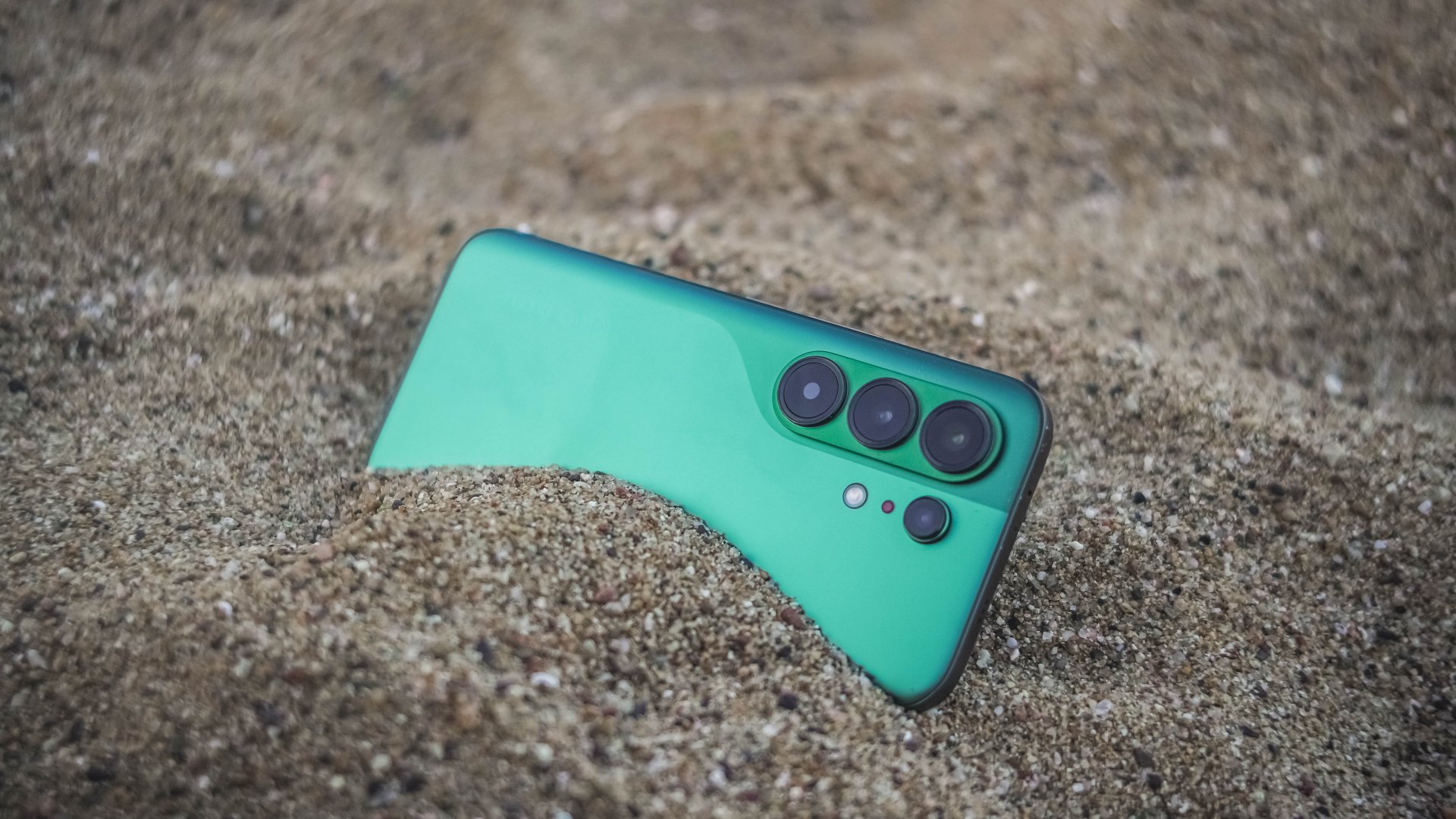
Now, despite my sentiments of truly missing their Premier line, this new midranger still is a compelling choice. I never even thought I would enjoy the CAMON 50 Ultra as much as I would. It’s a well-refined piece of slab culminated by TECNO’s continuous strive to innovation.
I’m just wishfully thinking TECNO is just hiding the CAMON 50 Premier up in its sleeves and brings out that wild card on the deck months after this release. Hopefully, it doesn’t end up like their flagship PHANTOM X series that was never heard of since 2022.

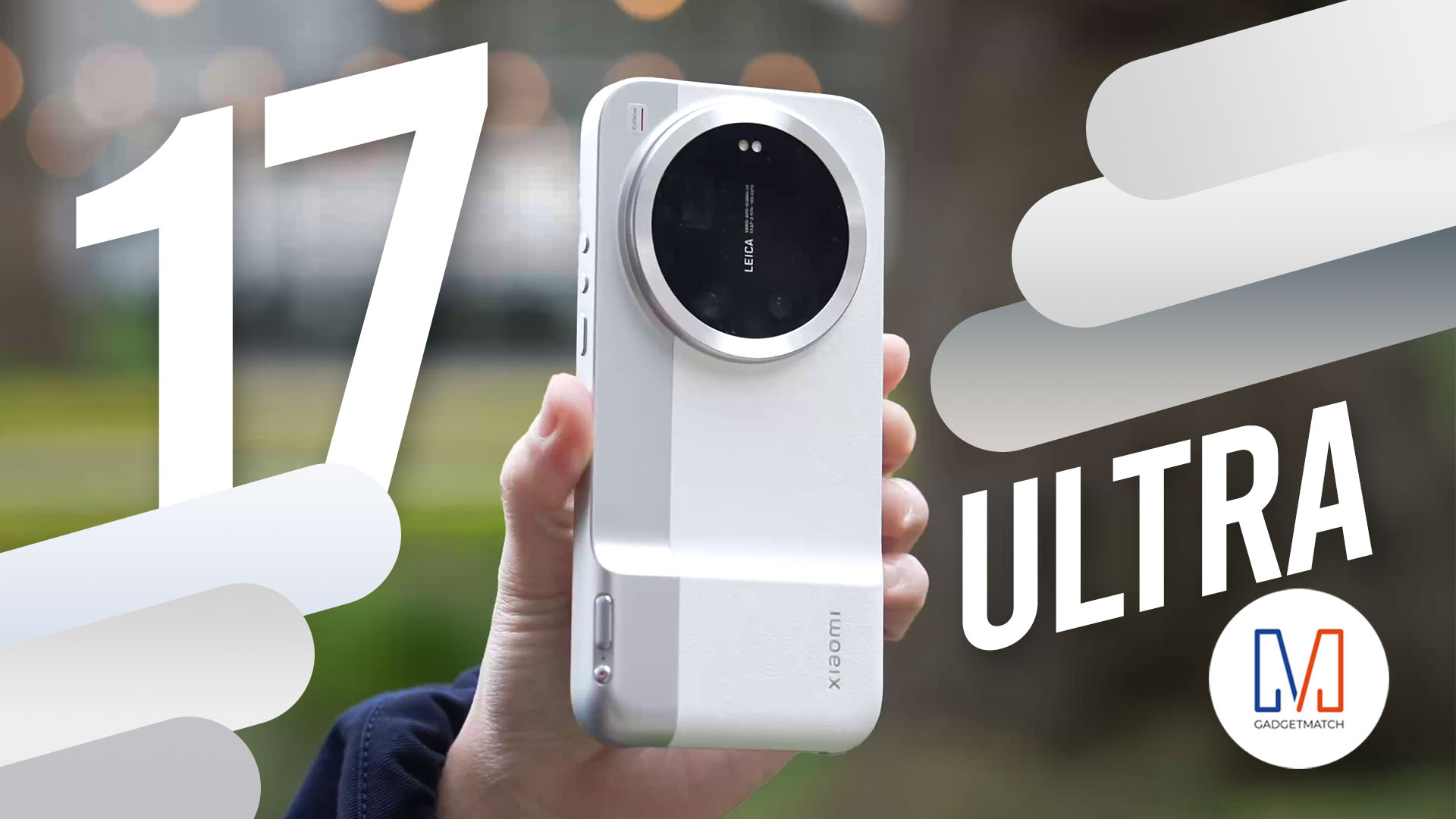
The all-new Xiaomi 17 Ultra isn’t perfect. But as a camera?
With a 1-inch sensor, continuous optical zoom, and Leica color science — this might be the most exciting camera phone Michael Josh has used in years.
If you care about photography more than a polish, you’ll want to watch this review.
Here’s our in-depth Xiaomi 17 Ultra review.


Cinema in a box: PLDT Home Life unveils StreamTV+

Crime on Prime: Streaming platform unveils powerhouse crime, thriller slate

New medieval action RPG, Echoes of Aincrad, out July 2026

GIGABYTE collaborates with Capcom for RE Requiem custom PC

OPPO Find N6 global launch set for March 17

Xiaomi 17 Ultra is now available outside China

TECNO will showcase the CAMON 50 and POVA 8 series at MWC 2026

The art of being in and behind the frame

HUAWEI MatePad 11.5 S 2026: The better-than-ever 4-in-1 productivity tablet

TECNO showcases cool concepts at MWC 2026


-
 News1 week ago
Xiaomi 17 Ultra is now available outside China
-
 MWC 20261 week ago
TECNO showcases cool concepts at MWC 2026
-
 MWC 20266 days ago
Infinix NOTE 60 Ultra makes a motorsport-inspired debut
-

 MWC 20262 weeks ago
TECNO resurrects modular phones with this new concept
-
 MWC 20261 week ago
TECNO launches the all-new CAMON 50 series
-
 Reviews1 week ago
TECNO CAMON 50 Ultra review: End of an era?
-

 Reviews1 week ago
Xiaomi Pad 8 review: Slab that slaps!
-

 Reviews1 week ago
Forget the Phone: Xiaomi 17 Ultra Is A CAMERA!