


Entertainment
Tech jargons in Start-Up that you should know
From Sand Box to Silicon Valley, we’ve got you covered

Over the past few weeks, there was a lot of hype surrounding Netflix and tvN’s Korean Drama entitled Start-Up. If you’re still unaware, this series revolves around the world of tech “Start-Ups”.
Other than the star-studded cast starring Bae Suzy, Nam Joohyuk, and Kim Seonho, the show is also popular for its life lessons that will either make or break an individual in their quarter-life crisis (I’m including myself in that narrative).
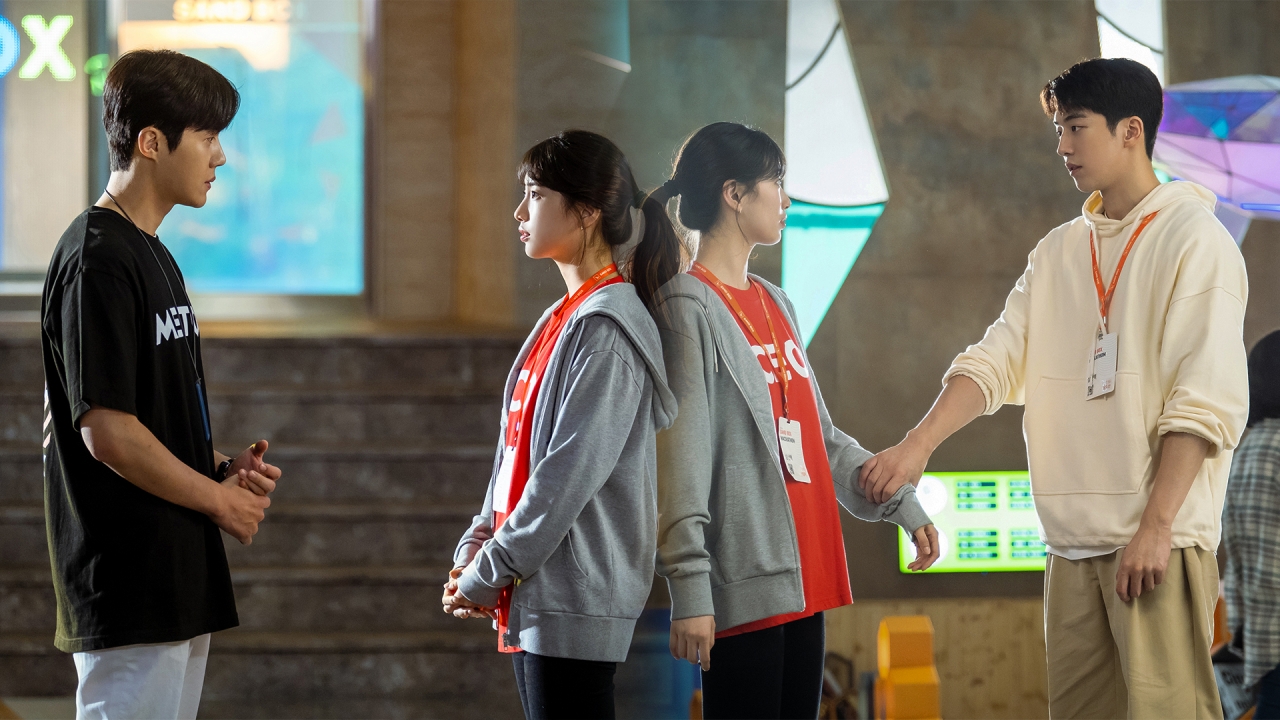
#TeamJiPyeong or #TeamDoSan? | Image by GadgetMatch
Frankly speaking, viewers focused more on the love triangle involving the real and fake Do-san, and Dal-mi. At the same time, most viewers cared less about the “tech” segments of the series because most of them have little to no knowledge about the tech jargons used. Even my friends and acquaintances who are Hallyu fans weren’t familiar with them.
To make it worse, the tiny and super quick information glances being displayed per episode isn’t enough to feed us the necessary information.

In this article, I’ve listed down the tech terms I caught and defined them in a manner most of you will understand. It may not cover all the terms used but to simply put it, this gives fans, non-viewers, and even tech nerds, a taste of what Start-Up is like.
This listicle only covers tech-related terms used in the drama. Listing specific business terms would entirely be out of the topic.
Tech-Biz
Terms that would fall down under the tech-business setup.
Start-Up

From the word itself, it’s a company or project made by several individuals (commonly young entrepreneurs and programmers) who want to start developing a product and bring that technology to where it’s mostly needed.
Think of it as a seed. A start-up is like a budding plant. After ample time, energy, and resources used, it will soon be a fruit/crop that is ready for harvesting that will be brought to a market for consumers to buy.
Scale-Up

If you think you’re doing so much work in a small scale when harvesting your crops, it’s time to level up, add to your workforce, and build a bigger farm.
With that example, a Scale-Up is the stage in your Start-Up company or project where you’ll get more people or teams to continually evolve and making your start-up ambitions a reality for the general population.
Hackathon

It is a short term for “hacking marathon”. This is an event where a software development team composed of programmers, project managers, plus graphic and interface designers, come up with a software/hardware solution and present them through a crowd after hours of coding and managing design and data altogether.
Demo Day
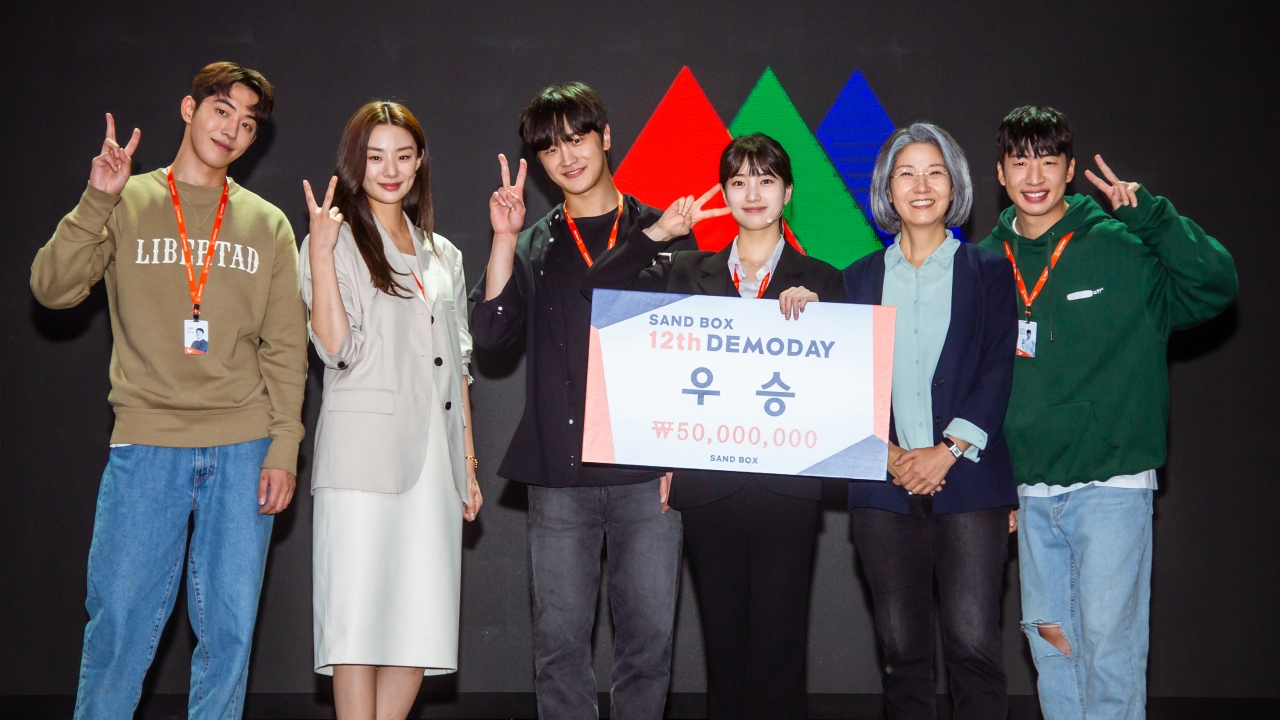
It’s like the “showcase” of a start-up. This is the day where several start-ups pitch their business in front of the investors in hopes of a securely-funded investment and be able to push through with their future projects as a recognized start-up company.
One-Click Website

As portrayed through a pre-millennium website ‘www.baedal.com‘ made by Dal-mi’s dad, it showed a glimpse that one-click viewing and purchasing is possible and can be accessed through the website all at once. That’s how a one-click website works.
Software
This is the collection of codes, program instructions, and data that are stored in your device’s internal storage.
AI (Artificial Intelligence)
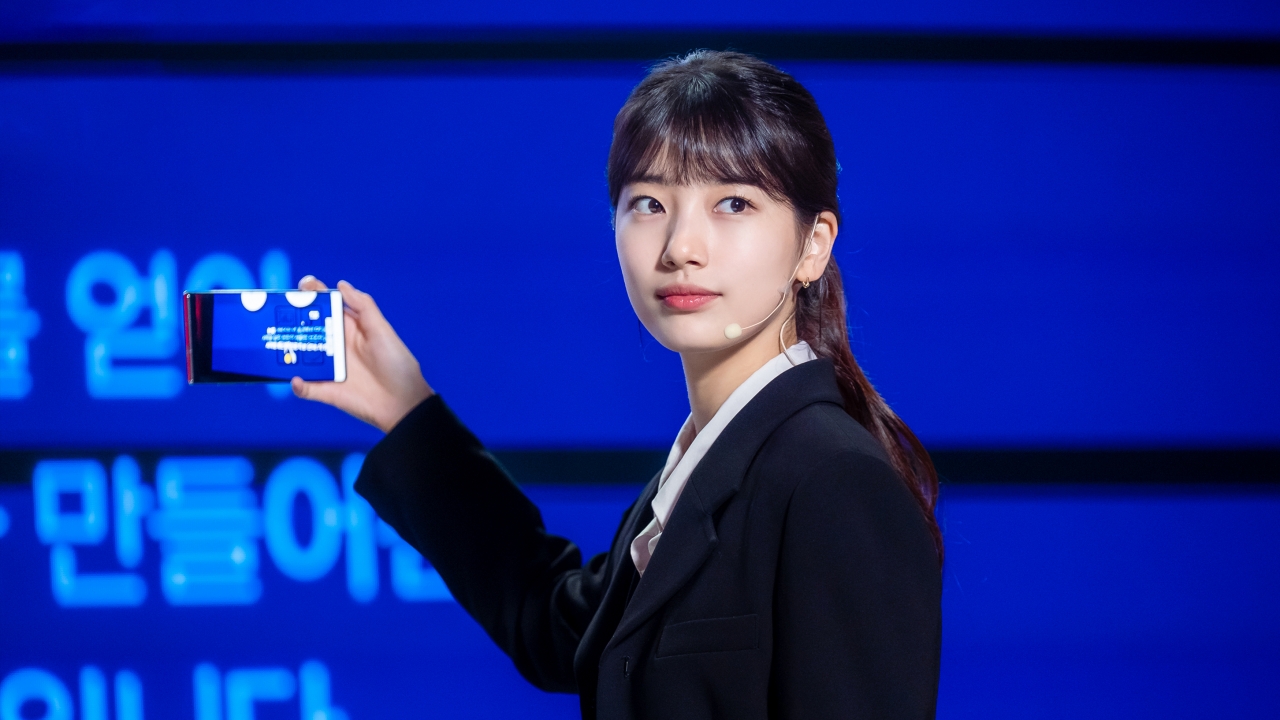
Unlike Do-san’s dad, you shouldn’t confuse it with Avian Influenza. Artificial Intelligence is the ability of a computer, robot, or even your smartphone to do tasks that only human’s intelligent behavior can differentiate. Learning, logical/rational thinking, and self-improvement are crucial in AI programming.
VR (Virtual Reality)
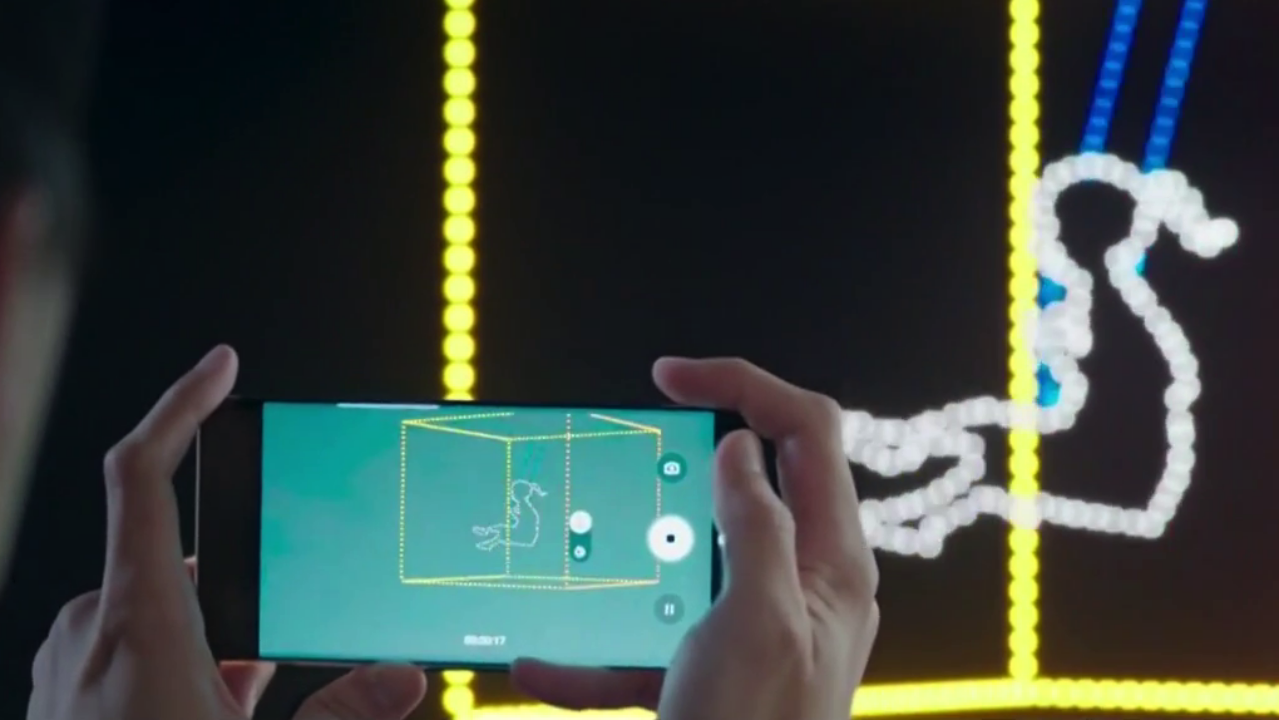
Coming from its literal sense, it gives the user a “virtual” reality that can be viewed through the use of monitors, smartphone’s screen, or even specific VR headsets to fully-maximize the sense of all-around audio-visual experience.
With the use of special equipment and sensors, a user can also interact with three-dimensional objects in a tiny, digital world.
ALSO: Mother reunites with her deceased daughter through Virtual Reality
Image Recognition
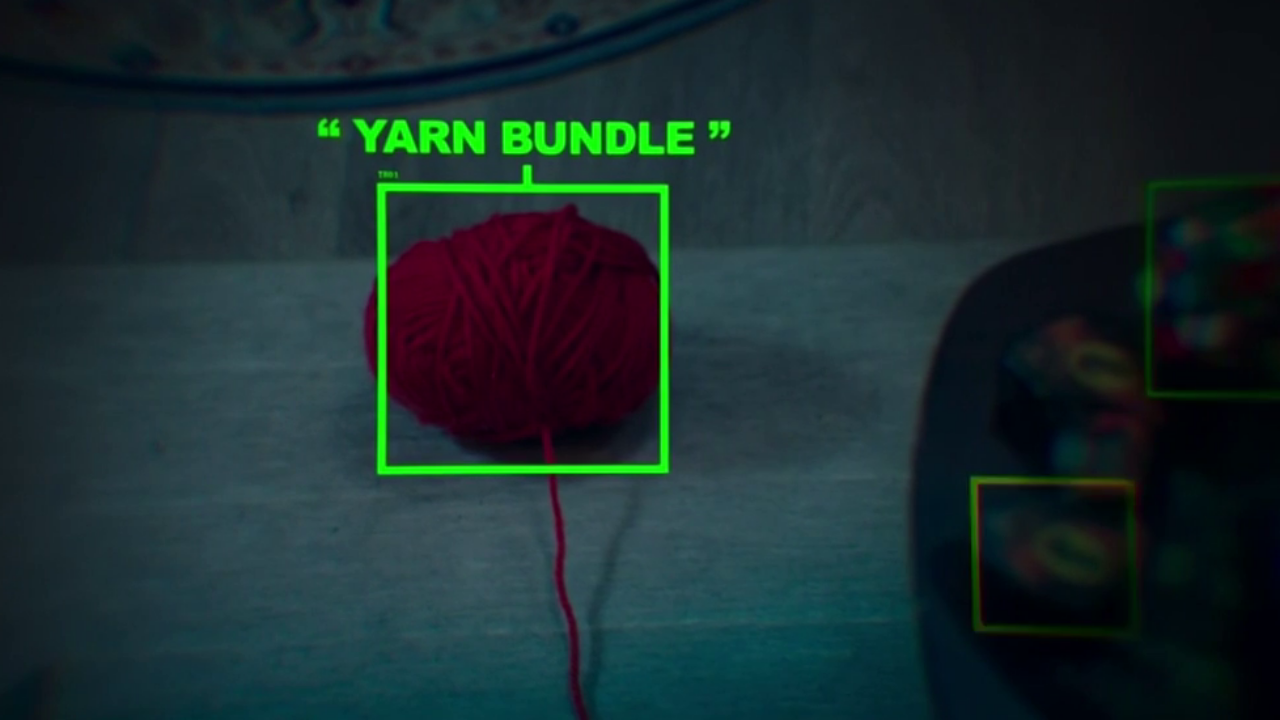
With the use of camera, it is the ability of a software system to recognize objects based on a cluster of pixels and/or images alone.
Facial Recognition

This is a specific type of image recognition that focuses more on a human being’s facial features. Some systems can even “identify” or guess a person’s age and mood.
ALSO: AI Facial Recognition continues to scare me
OCR (Optical Character Recognition)
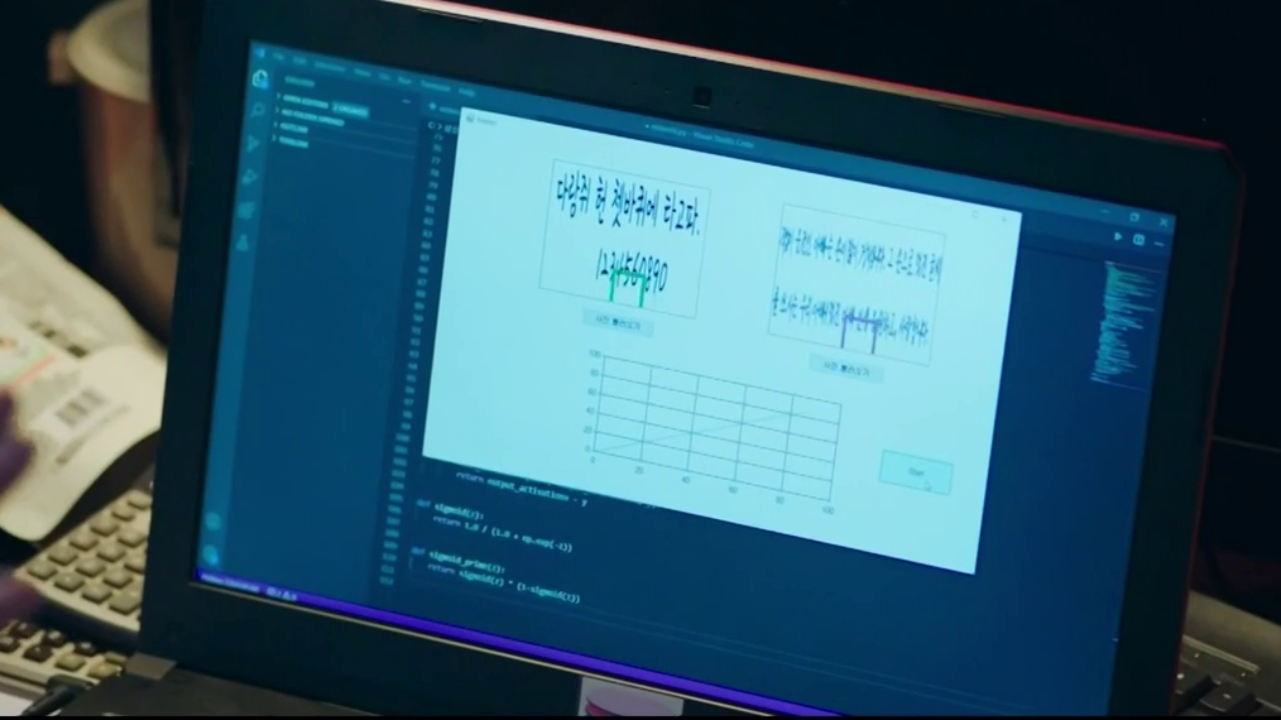
This is another type of image recognition that detects special characters and numbers in scanned and digital documents and converts them into readable and editable data.
ML (Machine Learning)
This is nowhere related to the mobile game ML (Mobile Legends), rather a technology that uses algorithms to analyze generic data. After learning from that gathered information, it will then create informed decisions based on what it has learned.
As explained by Do-san through his own take with metaphor, it’s like Tarzan giving Jane certain objects and learning from it based from her facial expressions.
Deep Learning
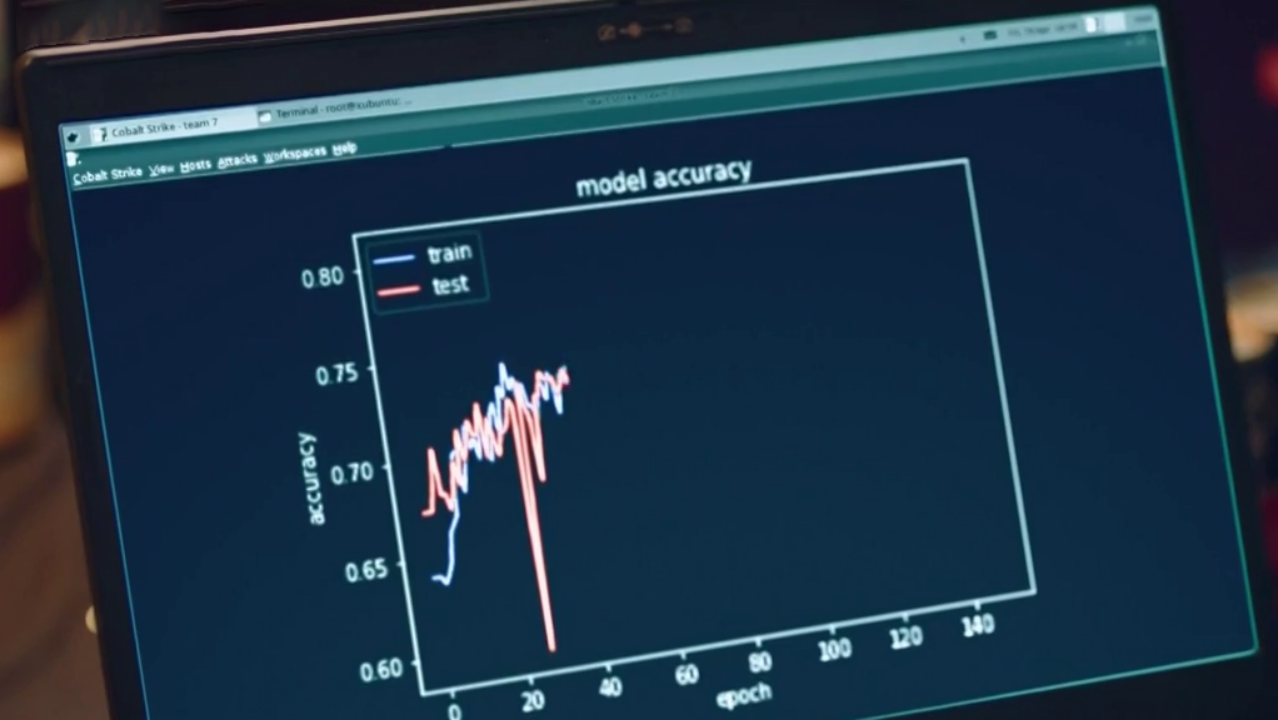
Not to confuse with Machine Learning, Deep Learning is a sub-category of ML that does more of “human-like” artificial intelligence such as speech recognition, object detection, language translation, and more. Its structures algorithms in layers to create ANN (Artificial Neural Networks).
Algorithm
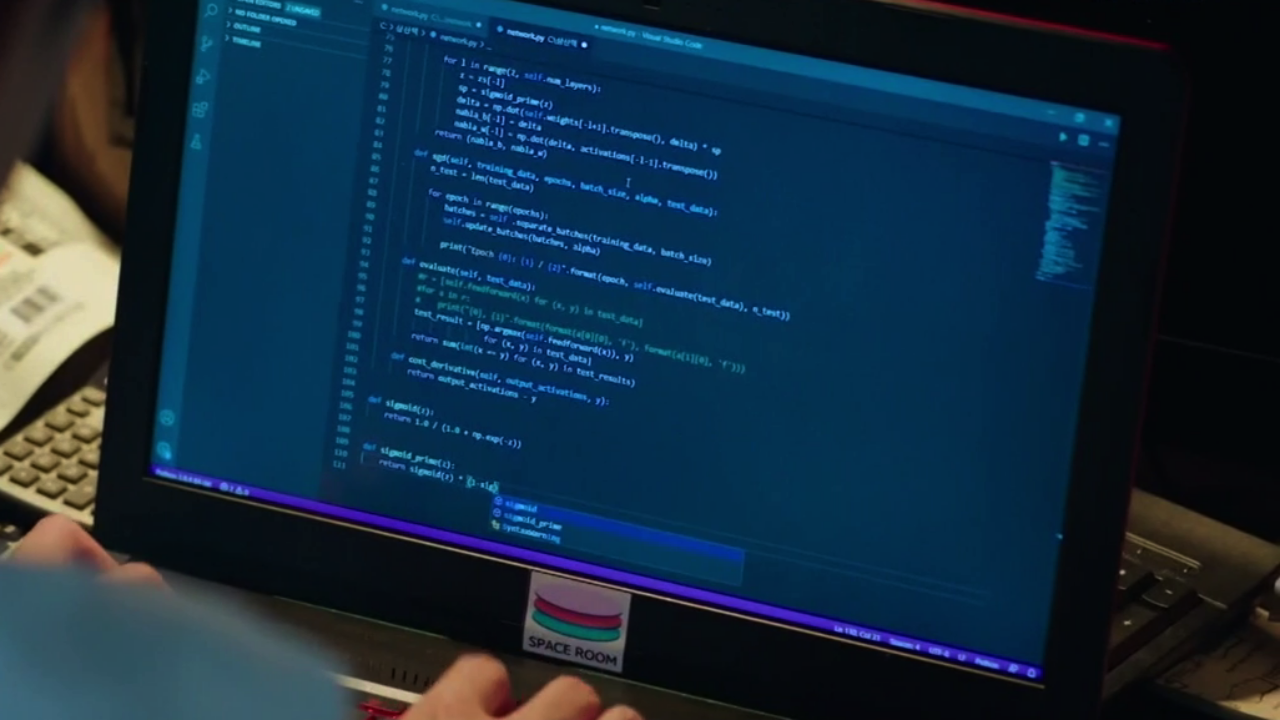
Not limited to mathematical equations, algorithm in tech works by setting a set of instructions in performing a simple or even a complex task before the program completely processes it.
ANN (Artificial Neural Networks)
These are needed for recognition systems in solving complex problems by adapting to internal and external factors around them.
ANNs got the inspiration from the neurons in our brain. It’s like how our brain tries to learn complex movements. With repeated training and testing, the neural networks learn from it and be able to come up with a definite solution and even prediction on a certain problem in the near future.
API (Application Program Interface)
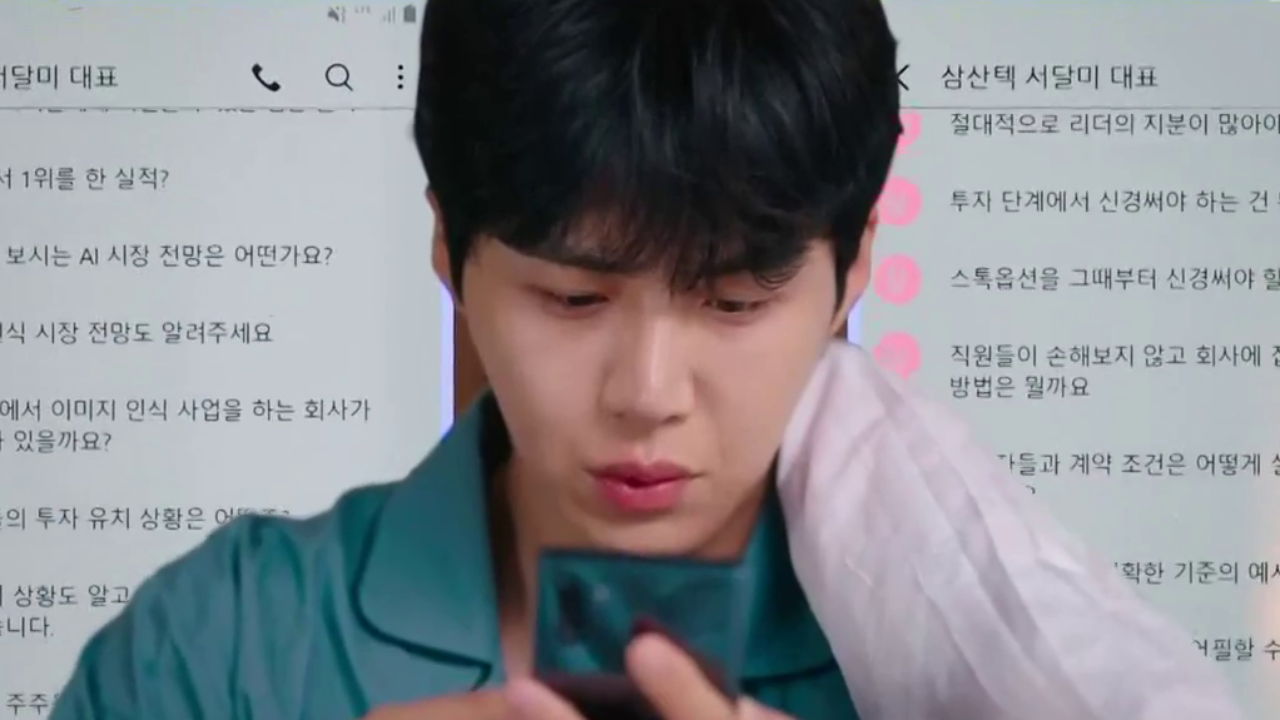
It is a set of tools in which programmers can make use of when creating a software and allows them to deliver solutions rapidly without ever worrying how to execute it.
It also serves as the software medium between two apps to simultaneously communicate and work together — such as replying to a text message (from your crush) or checking the weather.
Bug
Just like a real bug that destroys crops just right before harvesting, a bug in a program is a coding error or a fault in the end of the programmer. These bugs may even cause serious issues within the system if not solved or eradicated.
QR Code

Whether you go to malls or restaurants, the most common thing you see nowadays are these codes in a box. Dubbed as ‘Quick Response’ codes, it uses the camera to quickly go to a specific website and displays all the data supplied.
Hardware
Meanwhile, these are the physical devices that make up a unit. Unlike software, these things can be held with our bare hands.
CPU (Central Processing Unit)
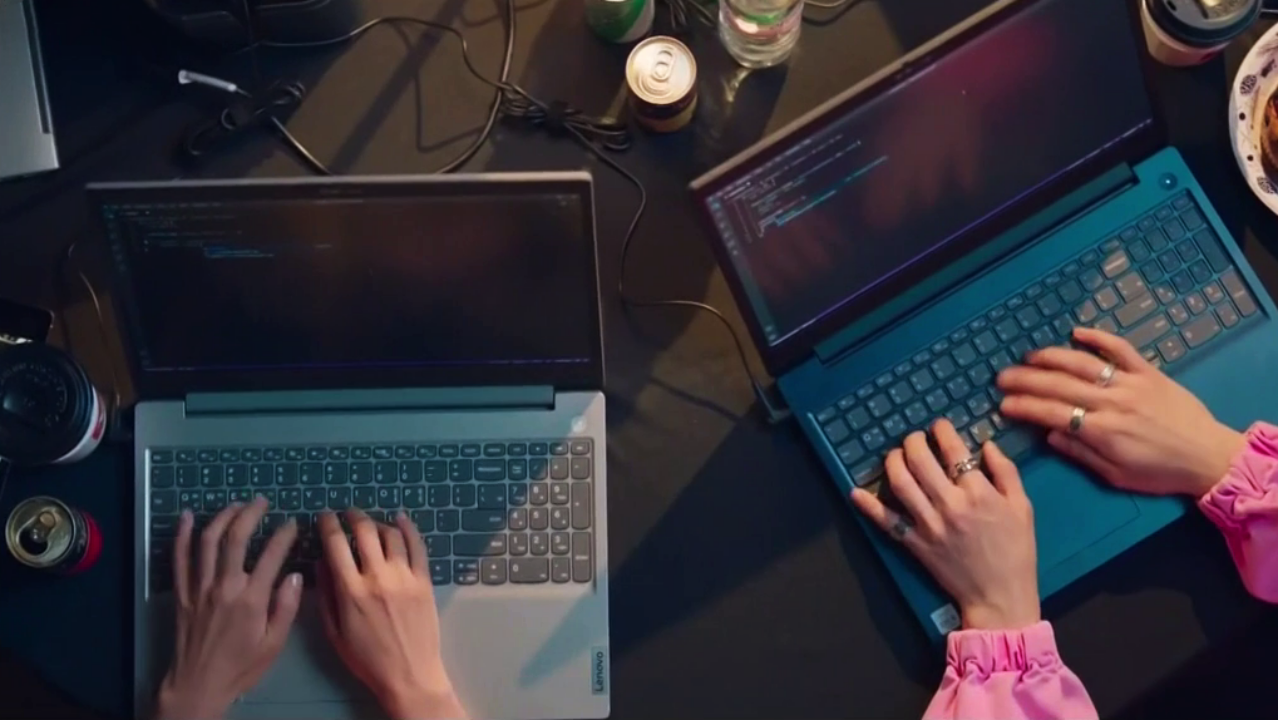
The CPU is a crucial part of a system that does general tasks such as playing games, browsing the web, or even typing texts and documents with ease. It’s needed for a machine to respond — even if the task is as simple as turning on and shutting down a computer.
GPU (Graphics Processing Unit)

This is a specialized processor for tasks that include rendering graphics. This is essential in improving the graphic performance of a device.
NPU (Neural Processing Unit)
Unlike a CPU that does most (if not all) of the generic tasks, the NPU is solely focused on ML and AI workloads. Basically, it is a dedicated chip for keeping AI apps run efficiently, especially in smartphones.
GPS (Global Positioning System)
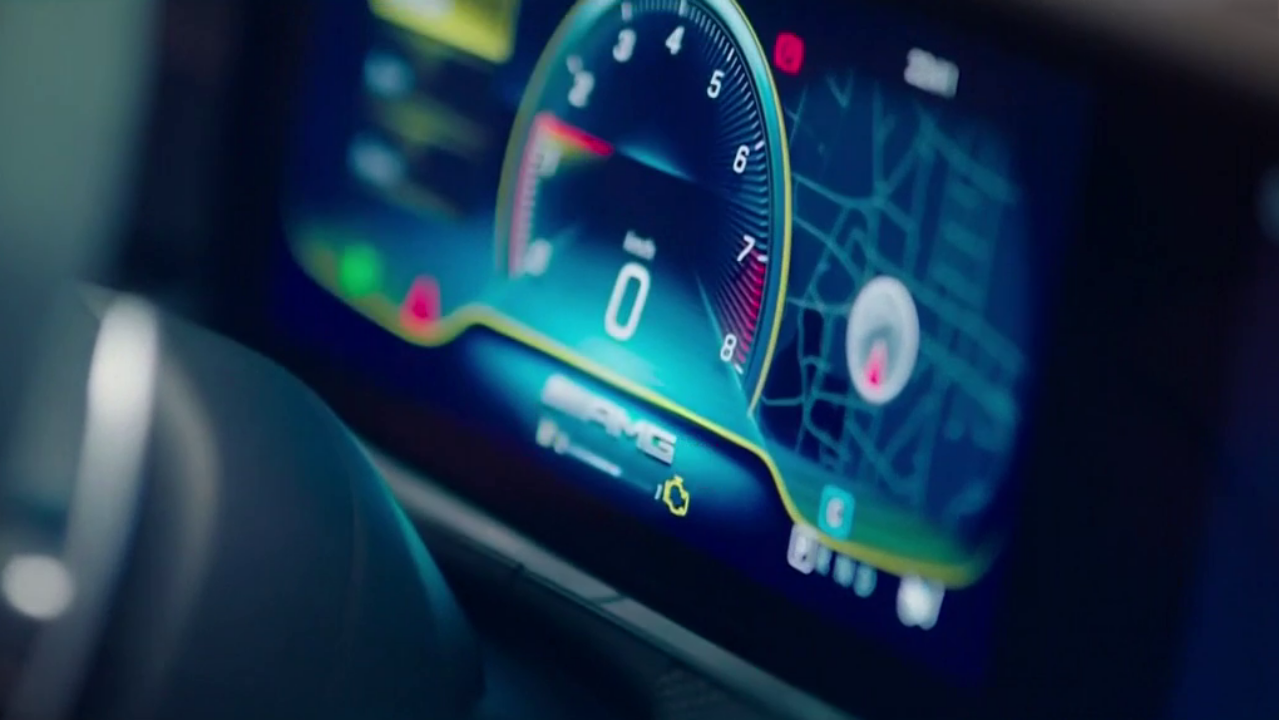
These work through GPS receivers and artificial satellites outside earth that give enough information about map layouts and satellite images. Through GPS software and the use of systems, they’re all able to pinpoint precise location and navigate through road directions with accuracy.
Prototype
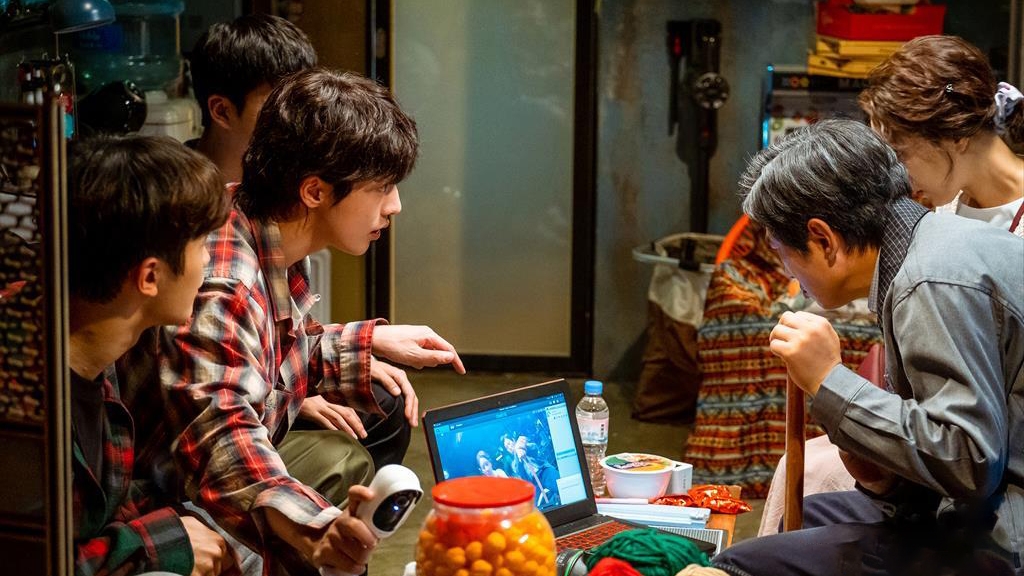
This is an early model or sample of a product that is subjected to a series of tests and processes before the final product gets released to the public.
Pulse Oximeter
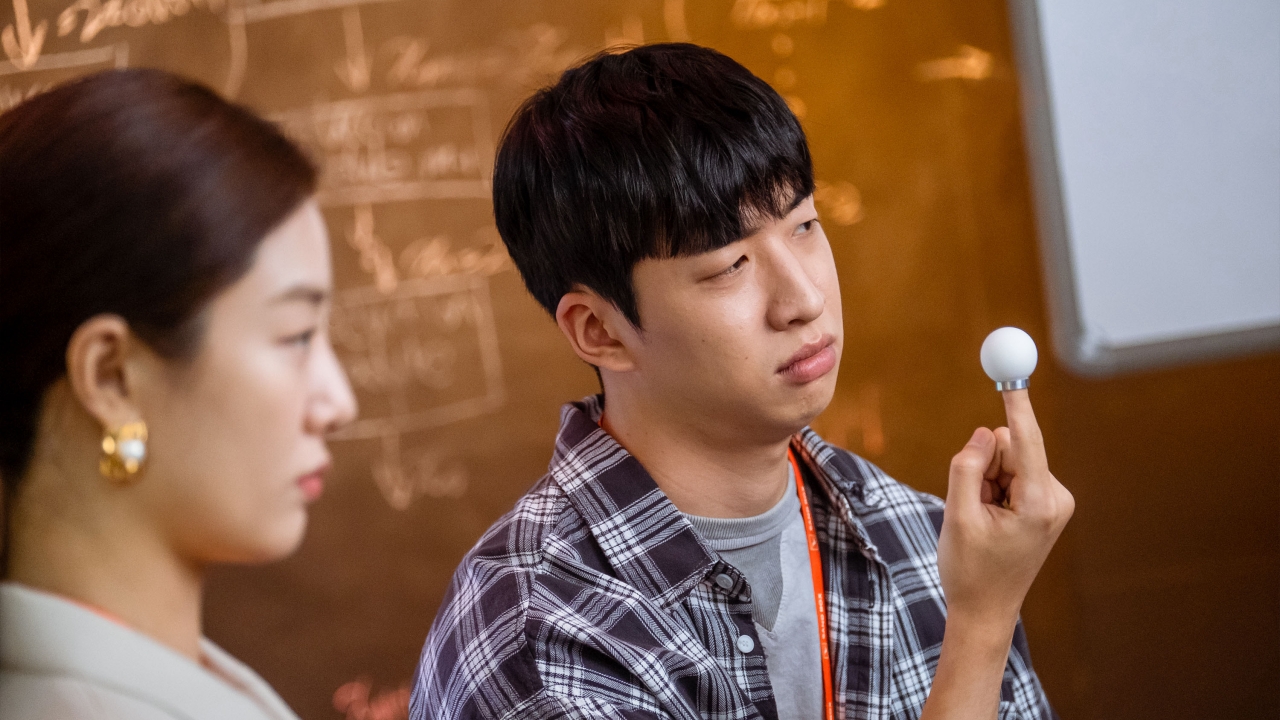
It is a tiny device that can be inserted in your fingers or clipped on your ears and detects the blood oxygen levels through infrared light.
The latest Apple Watch Series 6 is the only smartwatch so far that can detect Blood Oxygen levels like a pulse oximeter.
Data
Without data, both the software and hardware wouldn’t function at all.
Server

This is designed to deliver data to other computers and systems through a series of LAN (Local Area Network) or WAN (Wide-area Network) cables. Not all servers are the same as they run through specific server software depending on where they’re mainly used (such as web, file, or even mail).
Dataset
It is a collection of data, often presented in table that consists of fields with specific attributes as records with certain values.
Database
This is the organized collection of structured data and/or multiple datasets that are stored and accessed generally through a computer system and can be override anytime.
It’s like a huge container that holds all your datasets and other structured information that may also consist of certain triggers and commands.
Security
Just like humans, software and hardware also need security to be able to securely store data without anyone’s vicious attempt of breaking it.
Encryption

Encryption is all about converting your files or data in a format or code that cannot be read by other users other than you. This is to prevent unauthorized access and conceals sensitive data.
Decryption
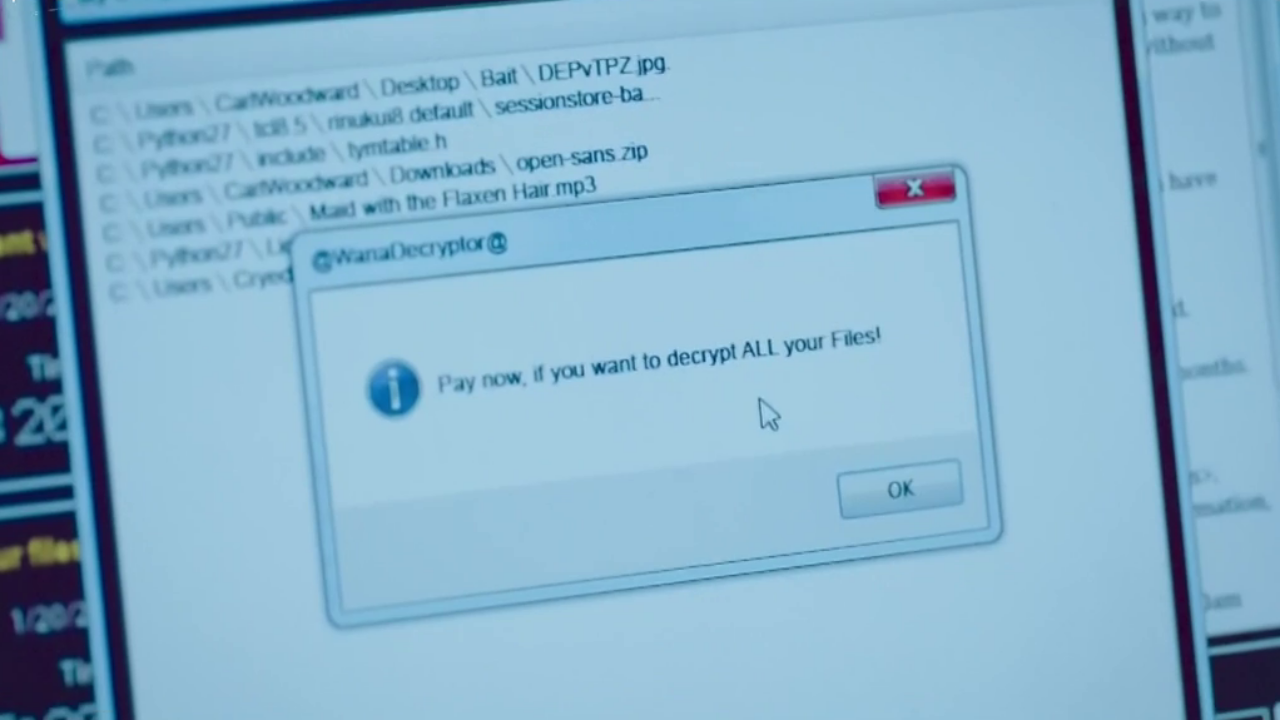
This is basically just the reverse process of encryption. You can do so if you or someone else owns the digital key (either a PIN or a lengthy password with various characters) to gain access to the encrypted files.
Cybermoney

From the word itself, it is money represented in the cyber world or through electronic form. This is mainly used for transactions made in the internet where on-hand cash couldn’t be accepted.
Blockchain
It is a system of recording information that will be stored into blocks and are linked to form a chain with other blocks of similar information. Using the Blockchain system makes it difficult or harder to change or hack the system.
Ransomware
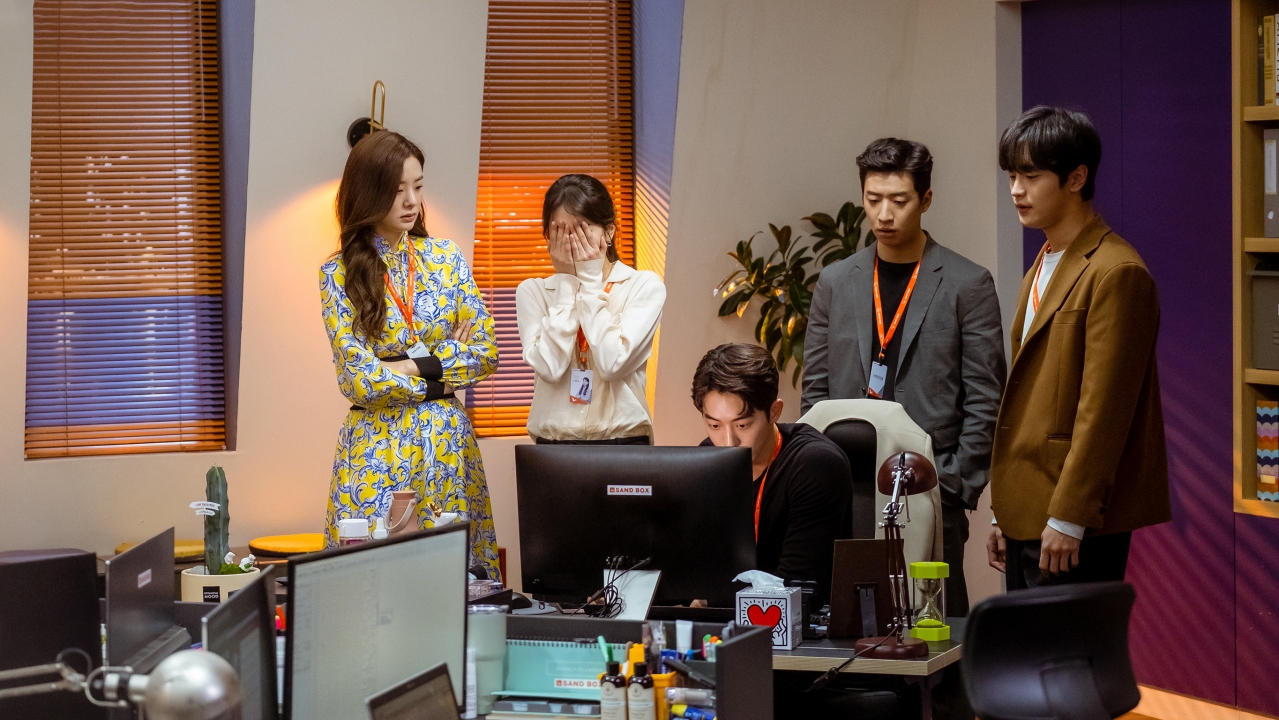
A severe type of malware infection in computer systems that threatens a certain individual or a company by exposing and leaking private data. In return, they need to pay the desired amount the culprit/hacker wants before they can get their files back.
Playback Time
This section has spoilers. You’ve been warned.
Samsan Tech (삼산텍)
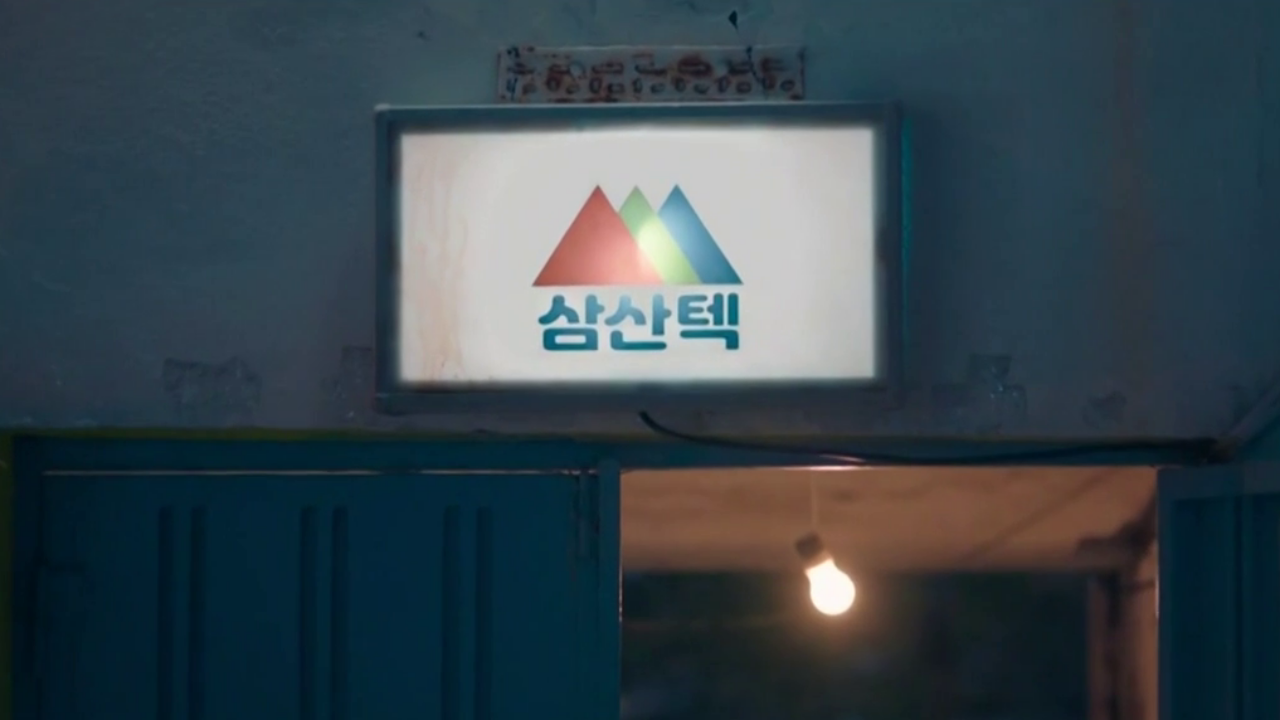
Originally founded by Nam Do-san as Dosan Tech, but with the unexpected recruitment of his colleagues Lee Chul-san and Kim Yong-san — one start-up company, three names that end with -san. Thus, Samsan Tech!
In a literal sense ‘Samsan‘ directly translates to three (삼/sam) mountains (산/san). The “mountains” in the logo are in red, green, and blue to emphasize ‘RGB’ or the primary colors in the color wheel.
Sand Box (샌드박스)
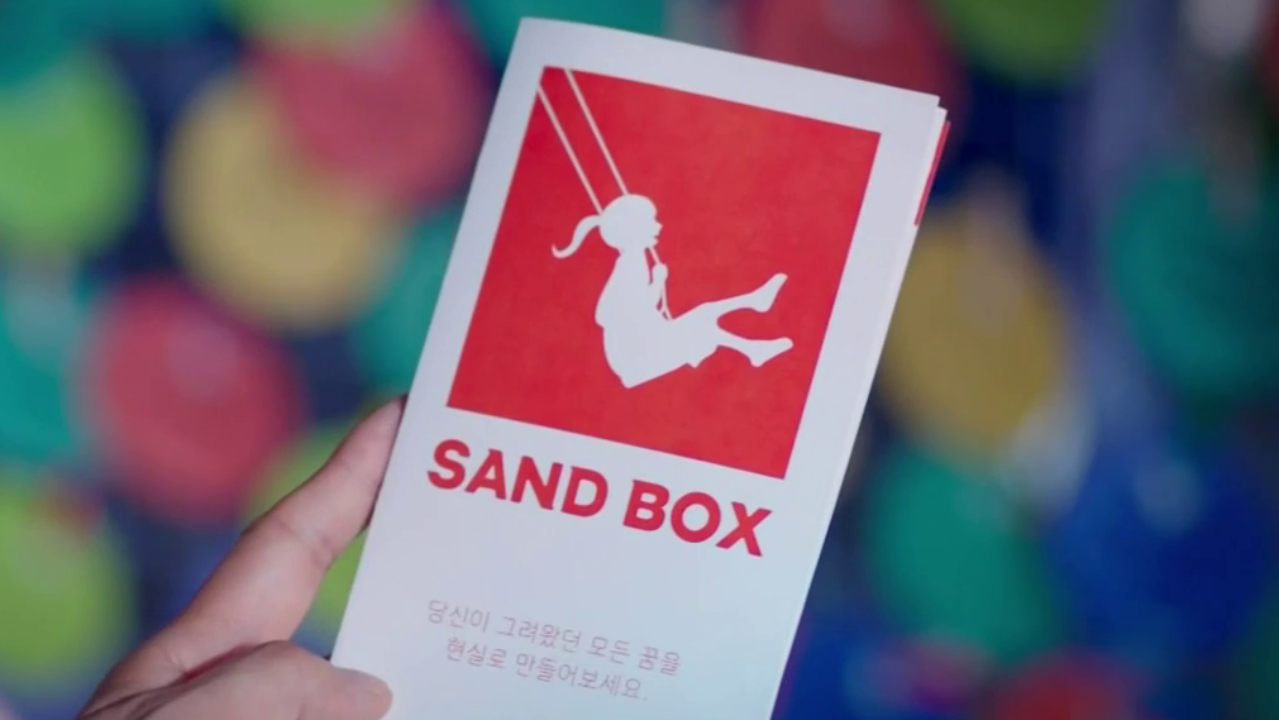
Dubbed as “Korea’s Silicon Valley”, Sand Box is where the imaginary Korean tech giants such as SH Venture Capital and Morning Group reside. This is also where most start-ups flourish and get funded by investors depending on how viable their companies and projects are in the long run.
It’s for you to find out how Sand Box was formed but I would just want to point out that this majestic technopark was filmed at three different locations in Korea: (1) Robot Land in Incheon (2) Nodeul Island in Seoul; and (3) Oil Tank Culture Park also in Seoul.
Silicon Valley
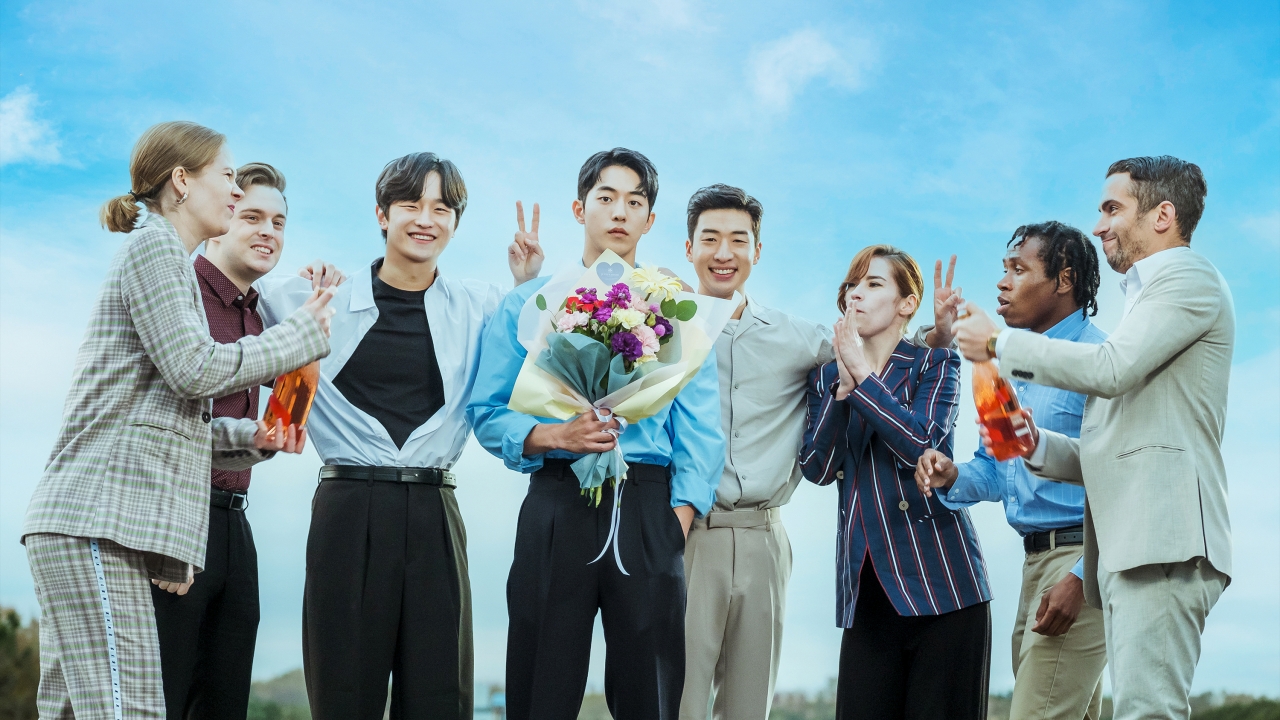
2STO (where the original Samsan guys joined after winning the annual “Demo Day”) may just be a made-up company, but Silicon Valley is a real haven for geeks, developers, programmers, and software engineers alike.
It is located in the southern part of San Francisco, California where most of the tech start-ups and gigantic tech headquarters such as Apple, Google, and Facebook are all located. Even Netflix’s HQ is also in Silicon Valley.
AlphaGo

Mentioned by Dal-mi’s grandma halfway through the third episode, AlphaGo is the first AI-developed program by DeepMind Technologies that defeated the professional Korean Go player Lee Se-dol and made headlines not just in South Korea, but worldwide. Go is a popular board game among Koreans for its complexity. It was first originated in China.
Jang Yeong-sil (장영실)

Yeong-sil (pronounced as “yong-shil”) is a fictitious voice assistant slash AI speaker by Koreans and for Koreans. To simply put it into context, it’s like a Korean equivalent of Amazon’s Alexa.

Spoiler alert: Yeo Jin-Goo (in his EP16 cameo character Hong Jin-seok) is the voice behind Yeong-sil. He also starred in last year’s Netflix/tvN K-Drama ‘Hotel del Luna‘ together with the K-Pop singer and actress, IU.
NoonGil (눈길)

NoonGil is a make-believe accessibility app that helps the blind recognize objects around them with the help of their smartphone. The app works through Samsan Tech’s Image Recognition algorithm coupled with Yeong-sil’s voice recognition.
Tarzan (타잔)
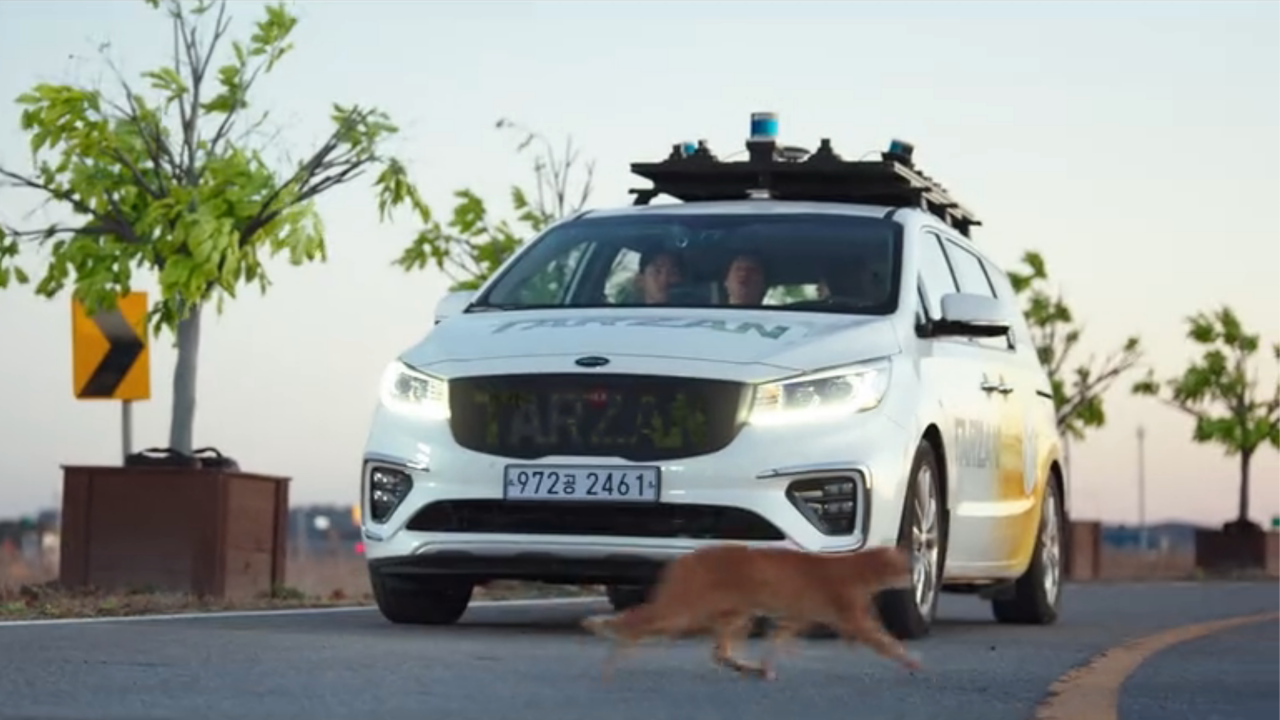
Tarzan is a self-driving car system headed by Seo Dal-mi under Cheongmyeong Company (청명컴패니), which is a subsidiary of Injae Company (인재컴패니) founded by her sister Seo In-Jae (formerly Won In-Jae).
This is in response to Tarzan (the original Disney character) being able to learn by grasping objects from his environment. Thus, Tarzan, an autonomous driving system, does the same thing through machine learning and image recognition.
CODA

Not to confuse with the G-Suite alternative Coda, CODA (just like the ending couple) is also a fictional event where software developers around the world participate in bringing the best when it comes to machine learning. Just like how the Samsan team described it, it’s like an “Olympics for A.I.”.
If you still haven’t watched Start-Up, it’s streaming in most (if not all) countries that Netflix supports.
P.S: I’m #TeamGoodBoy :)





Entertainment
UNDERTALE: The Determination Symphony gets two more shows
Both shows will be held on the next day.

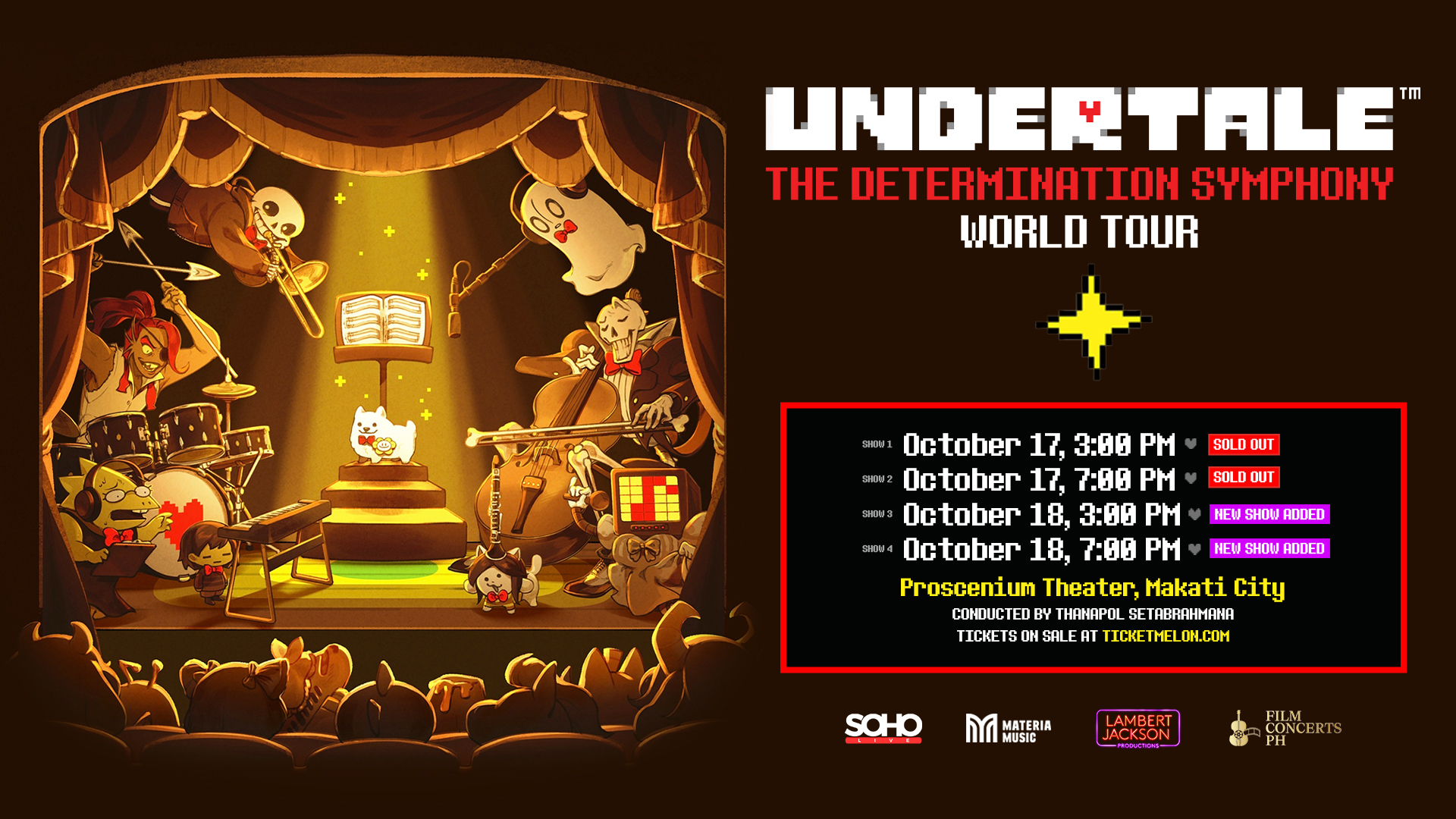
The Philippines has an unquenchable love for game-based concerts (so *wink wink* please bring more of them). Though these concerts do generate a lot of hype, the drawback is that they often sell out way before most fans can grab tickets. If you’re an UNDERTALE fan, that experience might be rocking you right now, as both shows have already sold out. But fear not: UNDERTALE: The Determination Symphony has just opened two more shows.
Late last month, Film Concerts PH, in partnership with SOHO Live, announced UNDERTALE: The Determination Symphony happening on October 17. As expected, both shows, at 3pm and at 7pm, sold out very quickly after sales opened.
Today, the concert experience is opening two more shows on the next day, October 18. Like the original date, the two shows will happen at 3pm and at 7pm, allowing more fans to experience the concert.
The concert will be performed by the Filharmonika Orchestra and conducted by Thanapol Setabrahmana. Personally curated by creator Toby Fox and developed by Lambert Jackson with Materia Music, the concert experience showcases the game’s most recognizable tunes laid over gameplay footage playing simultaneously. Plus, for the world tour, the experience will have expanded scoring.
Tickets are available through Ticketmelon. Both dates will be held at The Proscenium Theater in Makati.
SEE ALSO: UNDERTALE: The Determination Symphony hits Makati in October
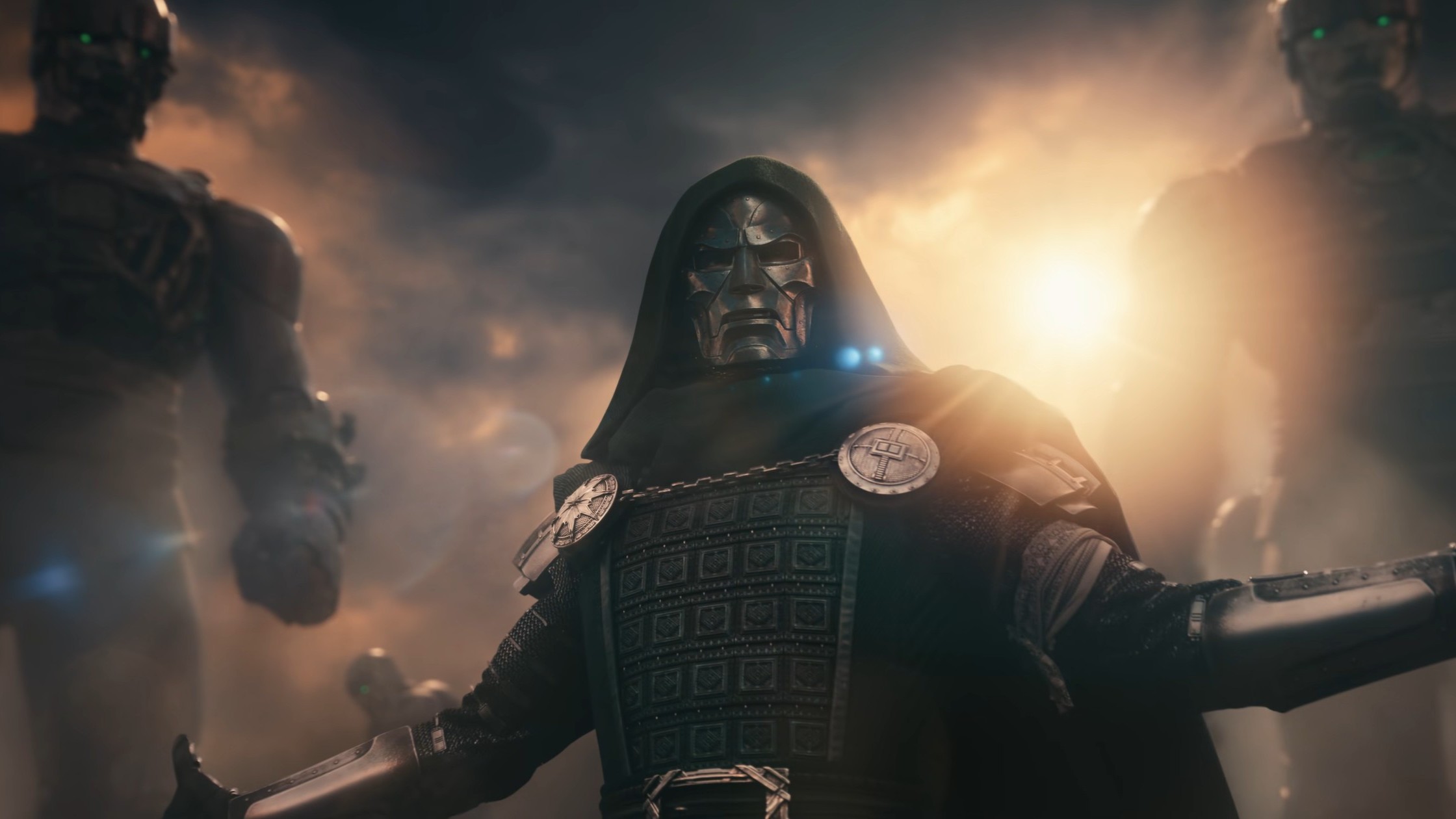
As of today, the entirety of the Marvel Cinematic Universe will take around 650 hours to watch. So, if you wanted to catch up with everything before this December’s Avengers: Doomsday, you would need to allot around 5 hours per day to watch content from Marvel. For a lot of us, that sort of commitment is completely untenable. Thankfully, Marvel has released an official watchlist, paring the list down to something much more manageable.
Before the MCU got as big as it is today, it was fun to do a movie marathon heading into a major Marvel release. For example, when Avengers: Endgame came out, some theaters held continuous marathons lasting a few days. Take note that this was before Marvel officially included every TV show and legacy movie (like the X-Men universe).
Now, heading into Avengers: Doomsday, Marvel will not ask you to devote the rest of your year just for homework. Instead, here’s an official list you can use to catch up:
- X-Men
- X2
- Captain America: The First Avenger
- The Avengers
- Avengers: Infinity War
- Avengers: Endgame
- Loki
- Shang-Chi and the Legend of the Ten Rings
- Spider-Man: No Way Home
- Black Panther: Wakanda Forever
- Captain America: Brave New World
- Deadpool & Wolverine
- Doctor Strange in the Multiverse of Madness
- Thunderbolts
- The Fantastic Four: First Steps
Compared to the extensive list of everything Marvel, this official list is much more manageable, especially since there’s only one show (Loki). It’s also a veritable who’s who of the MCU, so it’s hard to get bored.
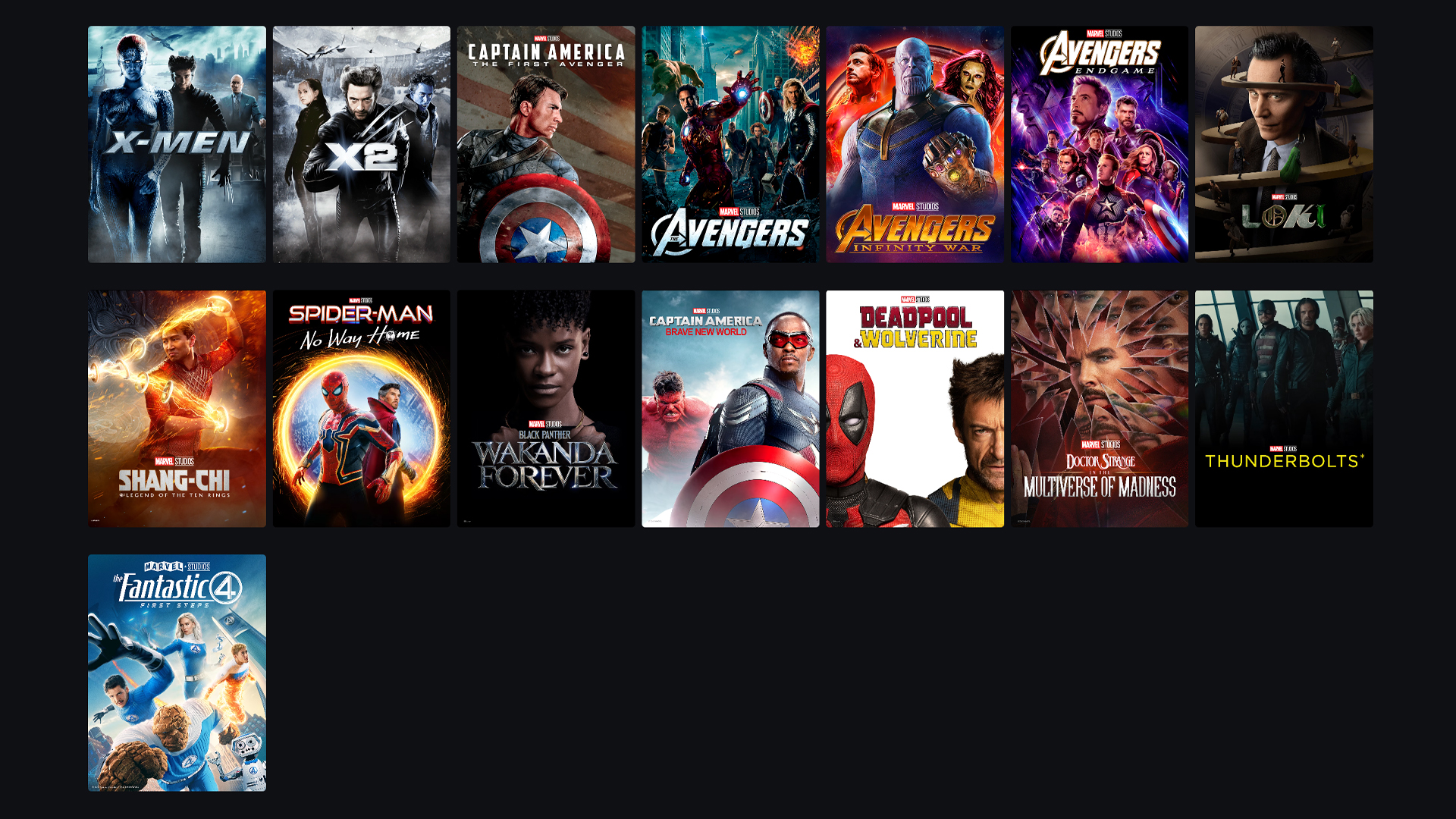
The official list as seen on Disney+
There are, however, a few surprises and spoilers. For one, if you’ve been avoiding the teasers and trailers, the X-Men films might be a shock to you. Likewise, the inclusion of the critically panned Brave New World is interesting.
The exclusions are just as noteworthy, too. Though the two earliest X-Men films are included, the list doesn’t add Days of Future Past, one of the first Marvel films to use time travel. Thor: Love and Thunder isn’t on here, despite Love, Thor’s adopted daughter, appearing in the trailers. Brand New Day is also missing, but that’s likely because the movie isn’t on Disney+ yet.
Avengers: Doomsday premieres in cinemas on December 18. Four months should be enough time to catch up on these titles.
Entertainment
Marvel Studios unveils new X-Men cast
Adam Driver, Inde Navarette, more join Sadie Sink for film set for May 2028


At the D23 Disney fan event, Marvel Studios has officially unveiled the cast of the new X-Men movie, which has been announced for a May 5, 2028 premiere.
Marvel Studios head Kevin Feige and director Jake Schreier were joined onstage by Sadie Sink, who made her debut as Jean Grey in Spider-Man: Brand New Day, for the showcase.
The trio then welcomed Sink’s new co-stars: Kit Connor as Scott Summers/Cyclops, Christopher Abbott as Professor Charles Xavier, Samara Weaving as Emma Frost, Inde Navarrette as Rogue, and Maya Boyd as Storm.
Finally, Adam Driver crashed the panel with one final video surprise, where he revealed that he will be playing a very sinister figure named Nathaniel Milbury, a.k.a. Mister Sinister.
Mister Sinister has been a recurring antagonist throughout various X-Men media, including in Season 2 of the 1992 animated series and in the first season of X-Men ’97.
Now, he will serve as the main villain in the new X-Men film that jumpstarts the Marvel Cinematic Universe’s Mutant Saga.
Given the initial cast, this X-Men reboot will be set in the earlier stages of the team’s lifecycle, taking audiences back to how the school built its foundation for a faithful setup based in the comics. Although within the MCU chronology, it will be set in the present day.
The rebooted X-Men film is now the third confirmed feature film in the post-Multiverse Saga MCU, after Black Panther 3 and Ghost Rider.
-
 Laptops2 weeks ago
ROG STRIX G16 Review: Building for the moment
-
 Singapore6 days ago
REDMI Note 17 Series focuses on long-term reliability
-

 Laptops2 weeks ago
30 days later with the ASUS ExpertBook Ultra: Like seeing an ex
-
 News6 days ago
realme 16T to come with 8,000mAh battery, 7-year battery health guarantee
-

 Philippines2 weeks ago
Smart opens HUAWEI Pura 90s Series pre-orders with exclusive freebies
-

 News2 weeks ago
TCL expands mobile lineup with latest NXTPAPER series
-
 Gaming2 weeks ago
Marvel Wolverine Limited Edition PS5 bundle SEA pricing
-
 Reviews1 week ago
Samsung Galaxy Z Fold8 Review