
Wearables
Samsung Galaxy Watch8 series: Comfort and smarts that fit your life
Designed for all-day comfort

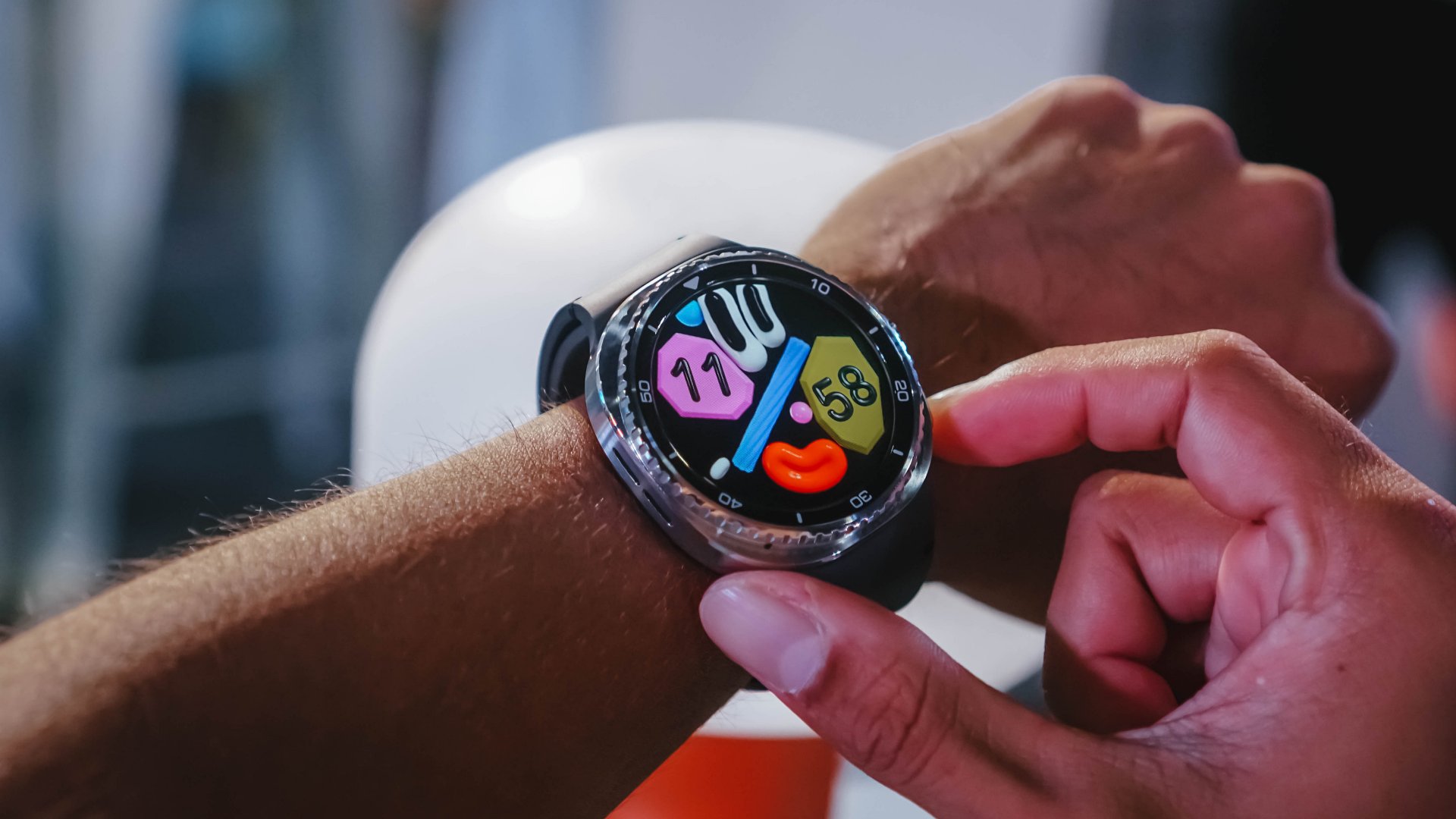
Samsung just dropped the Galaxy Watch8 and Watch8 Classic. They’re setting a new bar for what a smartwatch can be.
Building on the popular cushion design from the Galaxy Watch Ultra, this series is officially the thinnest and most comfortable Galaxy Watch yet. They are designed to be worn all day, every day, while keeping a close eye on your health.
Comfort is the name of the game here. Samsung completely reworked the internal structure to make the Watch8 thinner (by about 11%) than before.
Plus, the Dynamic Lug system helps the watch move naturally with your wrist. The result? A fit that’s snug but never restrictive, and sensors that get even more accurate readings.
Whether you’re hitting the gym or running errands, it’s made to keep up with you comfortably.
Brighter display and powerful performance
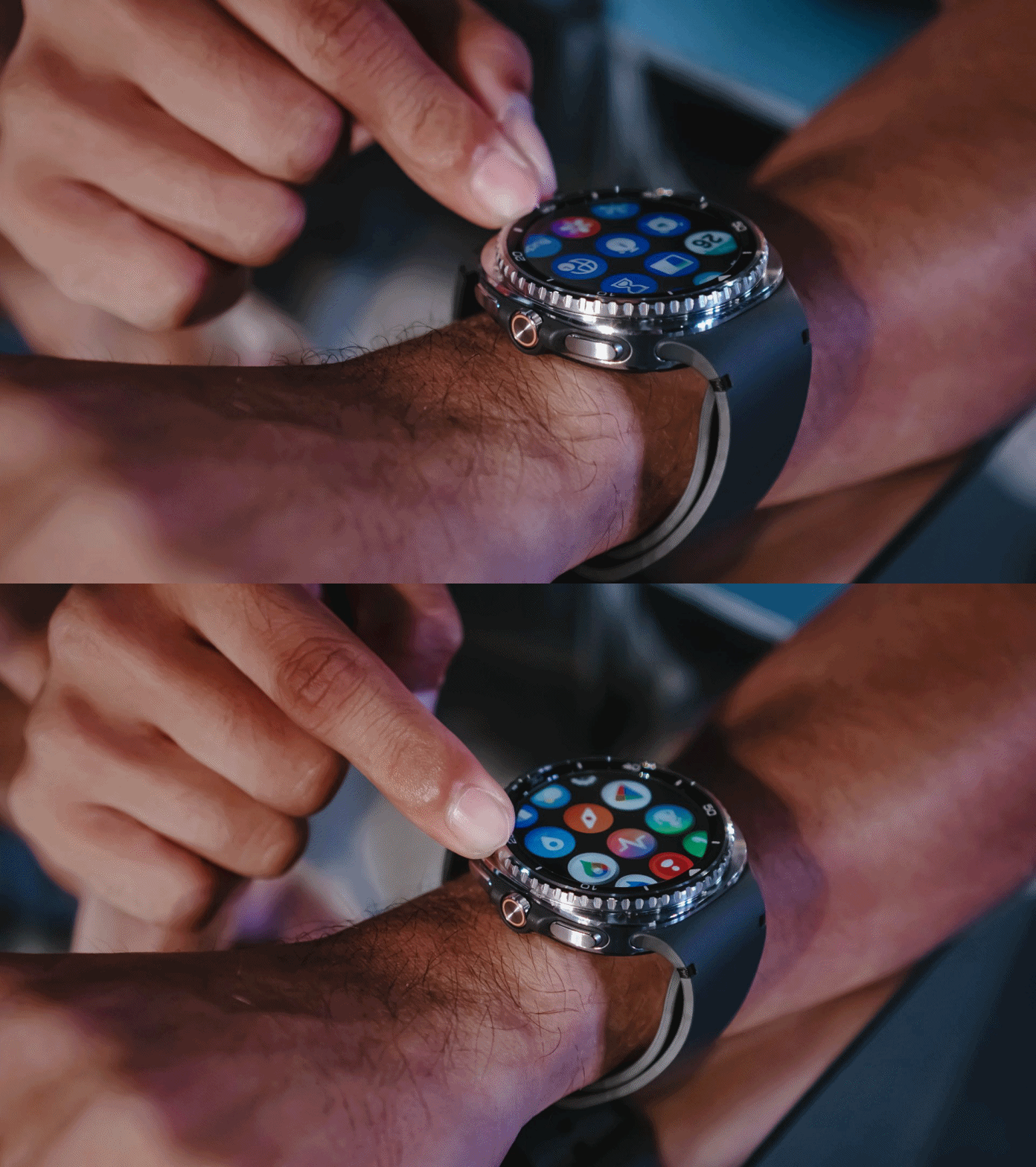
The display also got a serious boost. It’s 50% brighter, reaching up to 3,000 nits. No more squinting even when you’re outside on a bright day.
With dual-frequency GPS, your location tracking is sharper and more reliable.
Under the hood, the latest 3nm Exynos processor means faster performance and better battery life. It won’t slow down or run out on you when you need it most.
Smarter health tracking

On the health front, Samsung’s BioActive Sensor is smarter than ever, offering deeper insights into your wellness.
From improved sleep coaching that can even pick up signs of sleep apnea, to tracking how much stress your vascular system is under during sleep, it’s all about giving you a clearer picture of your overall health.
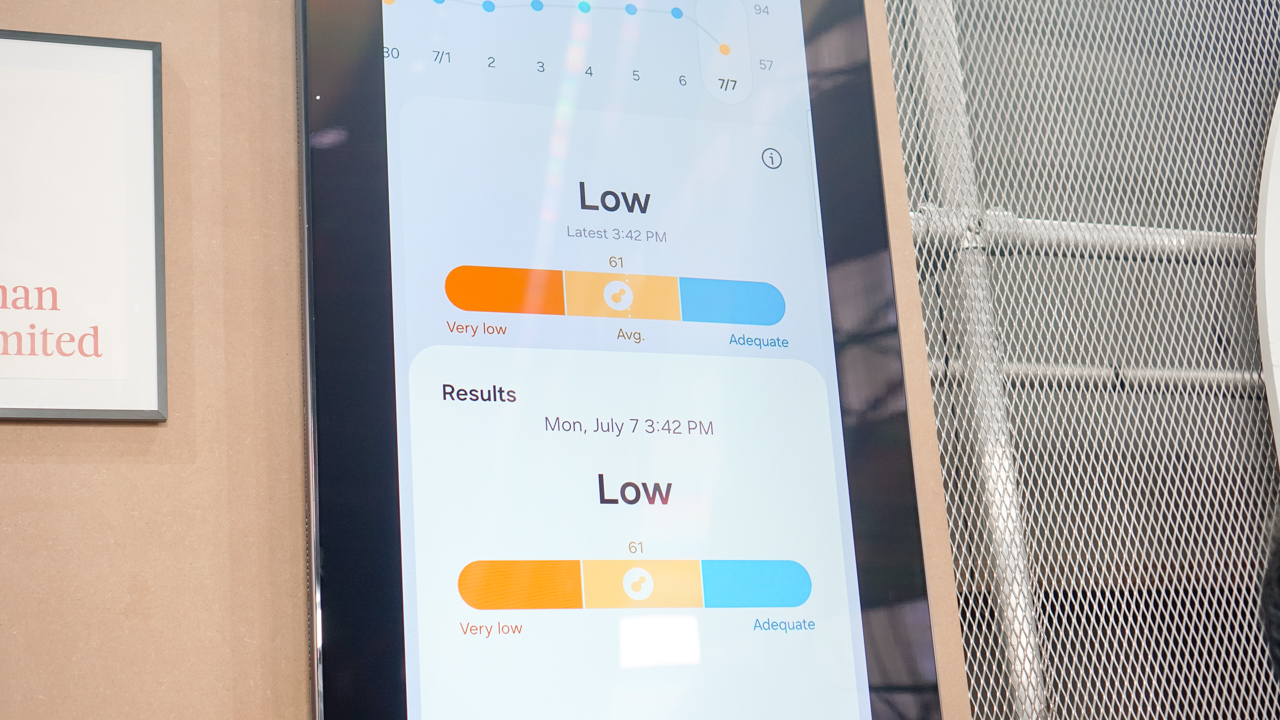
One feature that really stood out during demos was the new Antioxidant Index. It measures carotenoid levels in just five seconds, giving you a simple way to monitor oxidative stress and make lifestyle tweaks for healthier aging.
Fitness and stress management made easy
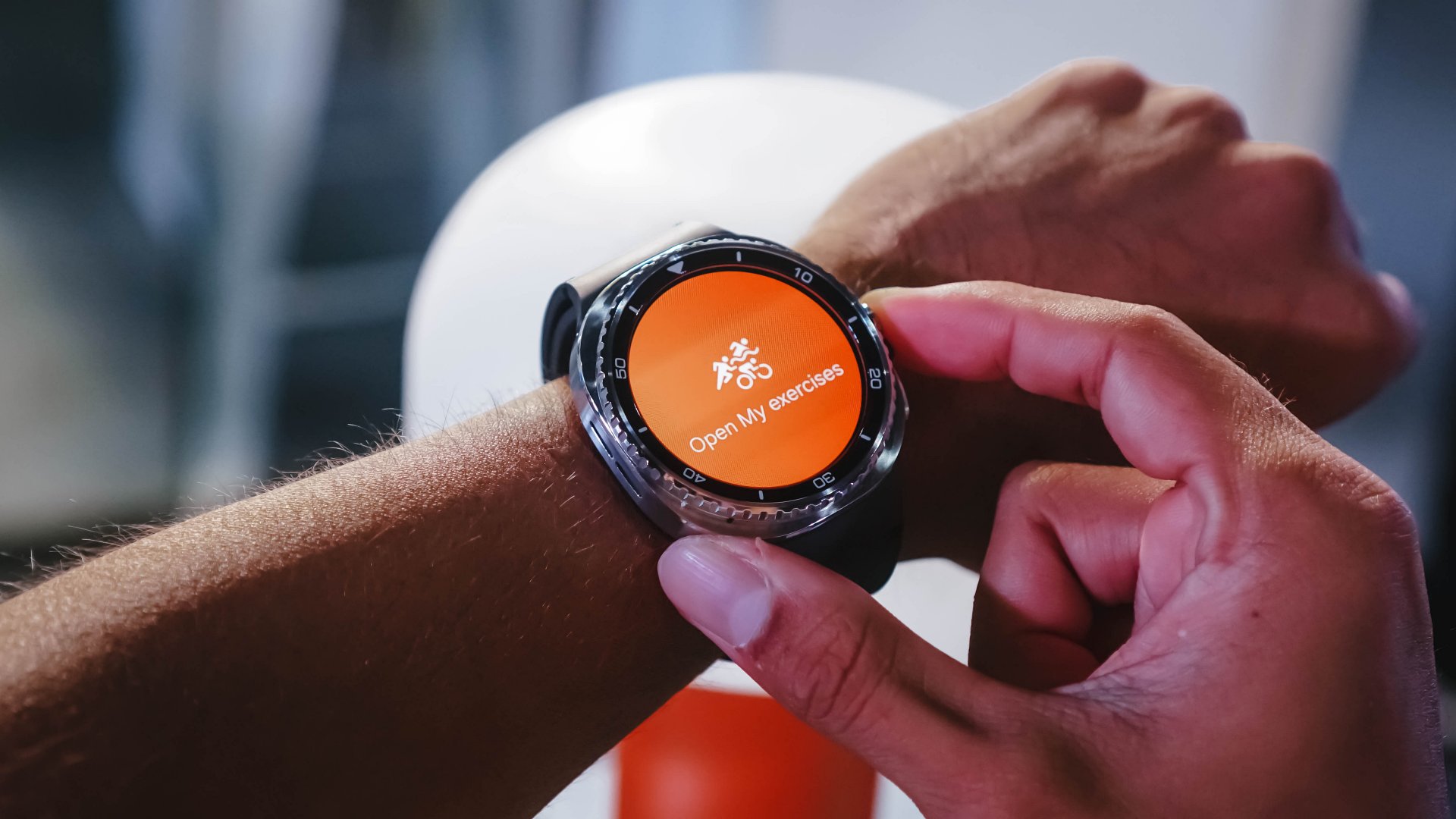
Fitness lovers won’t be disappointed either. The Running Coach tailors training plans to your level, complete with real-time advice. The updated Together feature lets you compete with friends to keep motivation high.
For those moments when stress hits hard, the watch sends High Stress Alerts and offers guided breathing exercises through its Mindfulness Tracker — all on your wrist.
Seamless voice control and intuitive interface
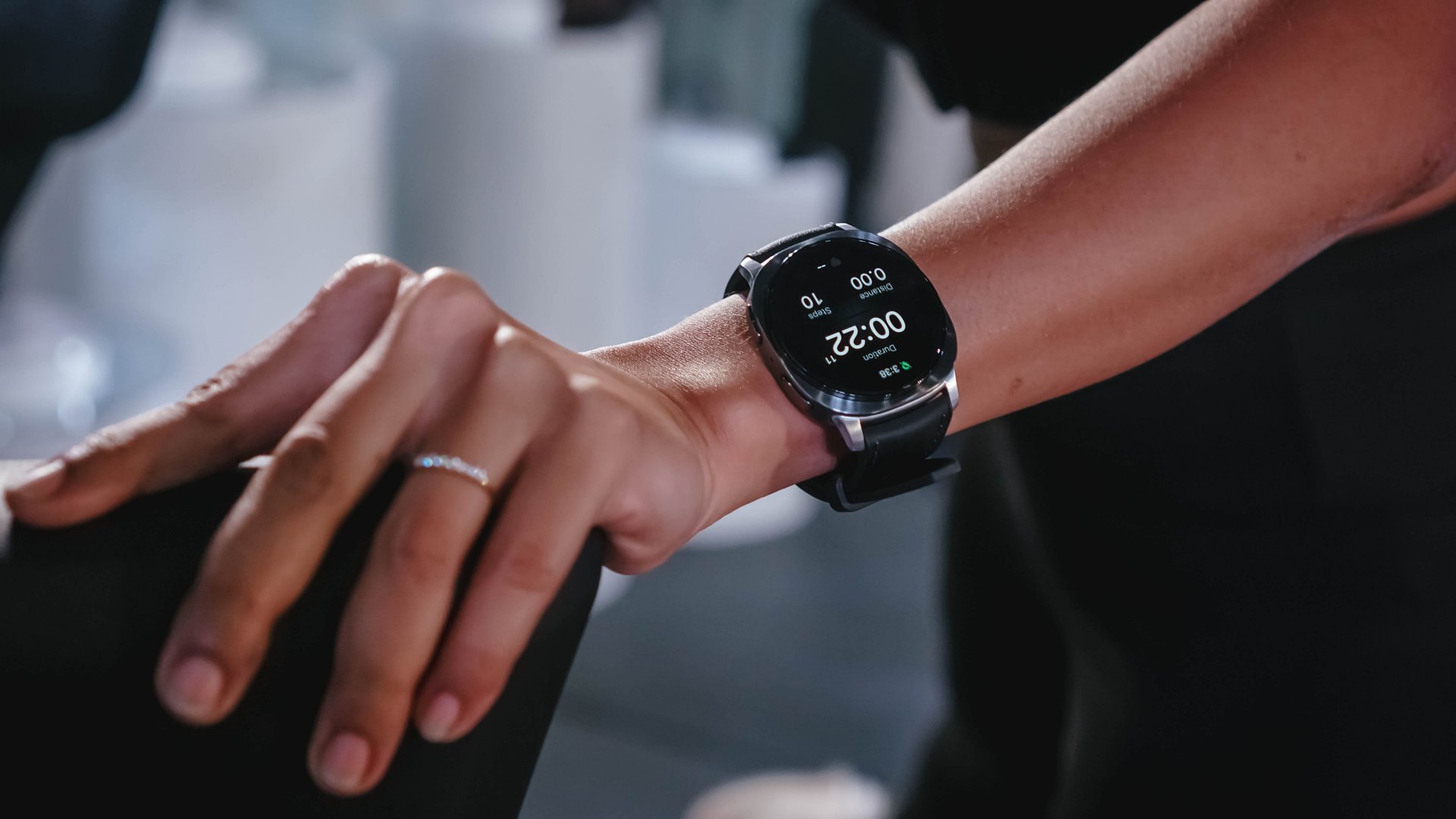
The Galaxy Watch8 runs on Wear OS 6 with Google’s new Gemini AI assistant built in. That means you can use your voice to control apps, send texts, get reminders, or start workouts without lifting a finger.
The One UI 8 Watch interface makes everything easy to find. You have Multi-Info Tiles that put your health stats, weather, and events all in one place, plus clean, clear notifications so you don’t miss a thing.
Availability and options

The Galaxy Watch8 is now available for pre-order. General sales starting August 1.
It comes in 40mm and 44mm sizes in Graphite and Silver, while the Classic model sports a 46mm case in Black or White with a handy rotating bezel.
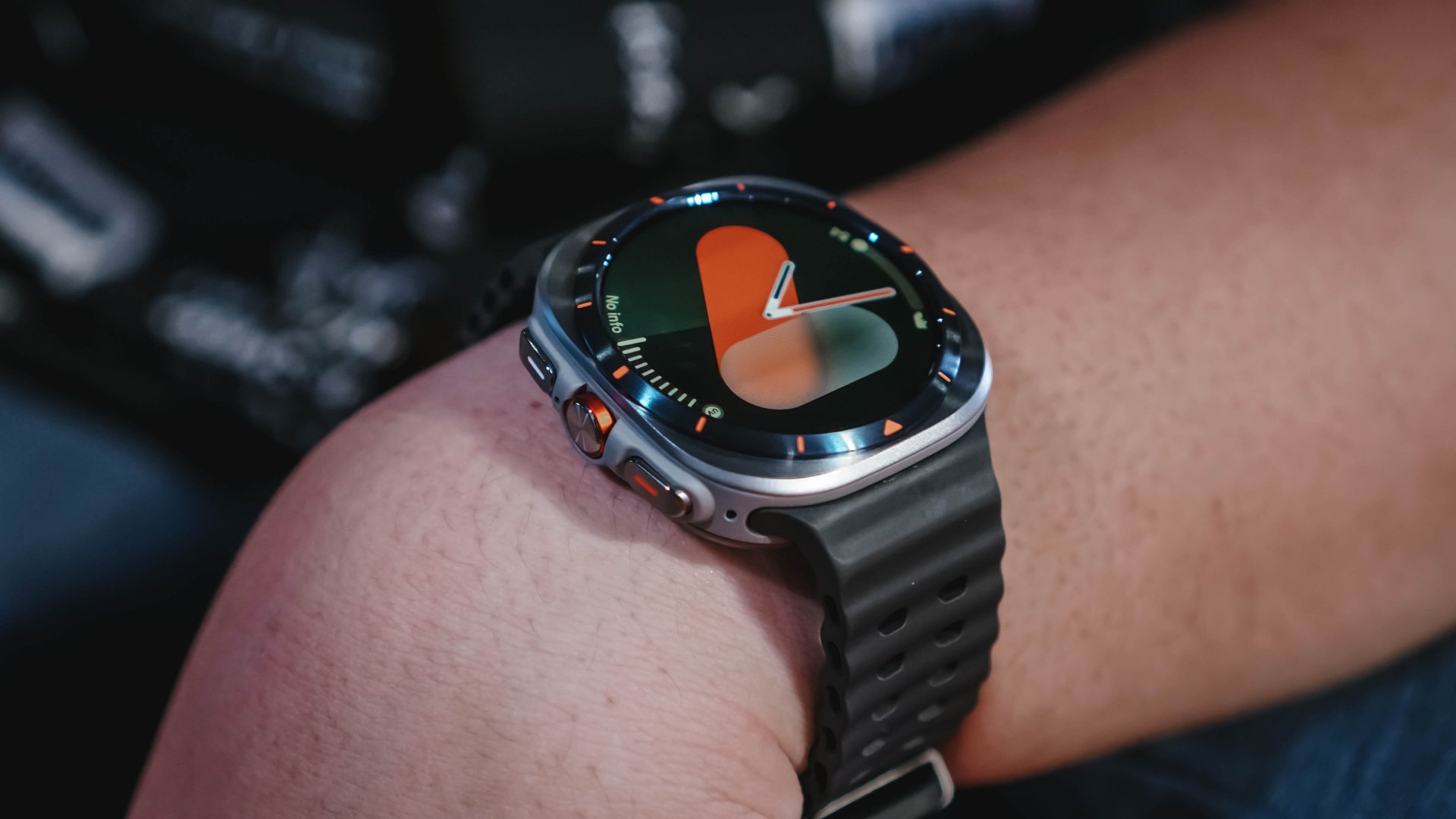
For outdoor adventurers, the Galaxy Watch Ultra offers rugged durability, longer battery life, and sleek titanium finishes.




Features
When your body talks, the Galaxy ecosystem listens
The Galaxy Watch Ultra2 and Galaxy Z Flip8 turn training, recovery, and everything in between into something you actually understand.

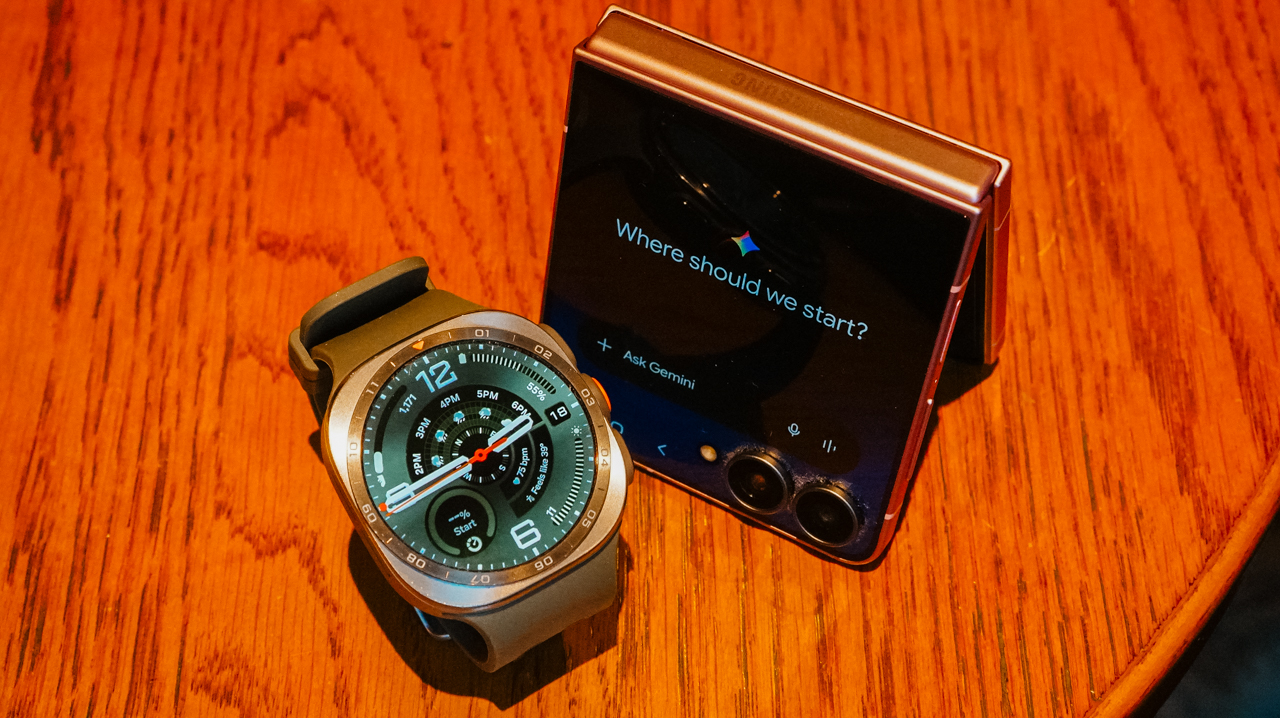
For a long time, my idea of training harder was simple. I wanted to work out more, run faster, and figure out the rest along the way. It took a while to realize that approach only works until it doesn’t.
The days I felt strongest weren’t always the days I trained hardest. More often, they were the days I actually knew what my body could handle before I asked it to handle anything.
That is the shift the Galaxy Watch Ultra2 has made in how I train. It doesn’t push me harder. Instead, it gives me a clearer picture of where I actually stand before I decide how hard to push at all.

Listening before I move
Every morning before I head out, I check Samsung Health. Galaxy AI takes the data the watch has been collecting overnight and over the previous days.
It looks at my heart rate, sleep, and activity load. It then turns those metrics into something I can read at a glance instead of a wall of numbers I would otherwise ignore.
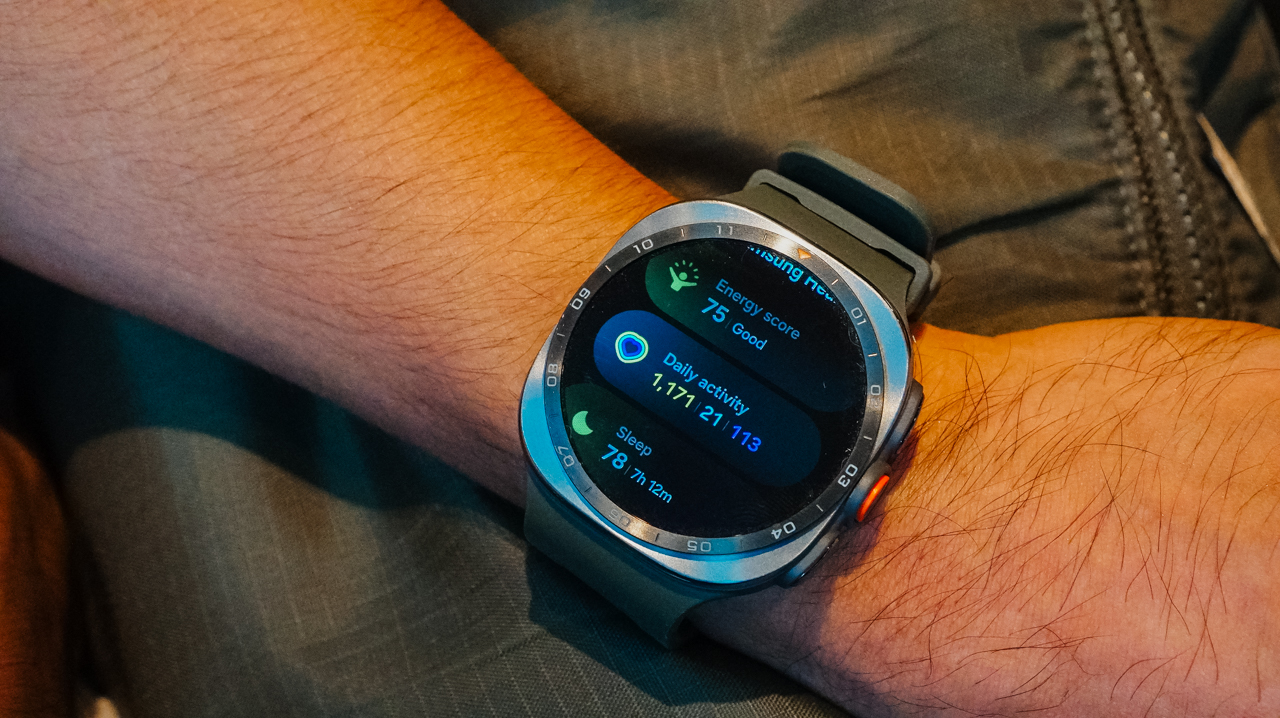
The Heart Health Score gives me a sense of how my cardiovascular system is holding up over time. It offers more than just a snapshot of the moment I glance at my wrist.
The Fitness Index tracks where my overall conditioning is trending. I am no longer guessing whether a plateau is real or just a rough week that will pass on its own.
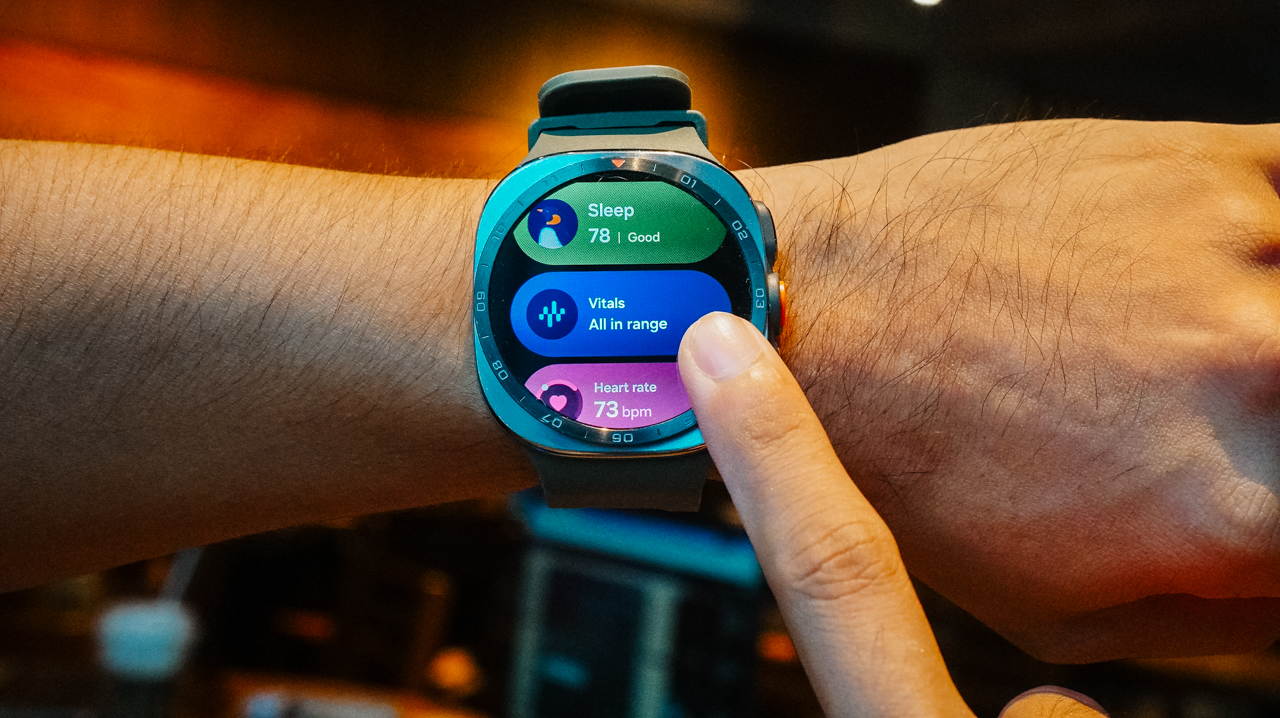
Daily Cardio Load tells me how much stress I have already put on my body recently. This matters more than people think when deciding whether today is a day to push or back off.
Finally, Vitals rounds it out with the basics I check without even thinking twice anymore, such as resting heart rate, blood oxygen, and skin temperature. These numbers used to mean nothing to me, and now they mean almost everything.
None of this replaces how a workout feels. A watch cannot tell you that your legs feel heavier than usual for no clear reason, or that today is the day everything just clicks.
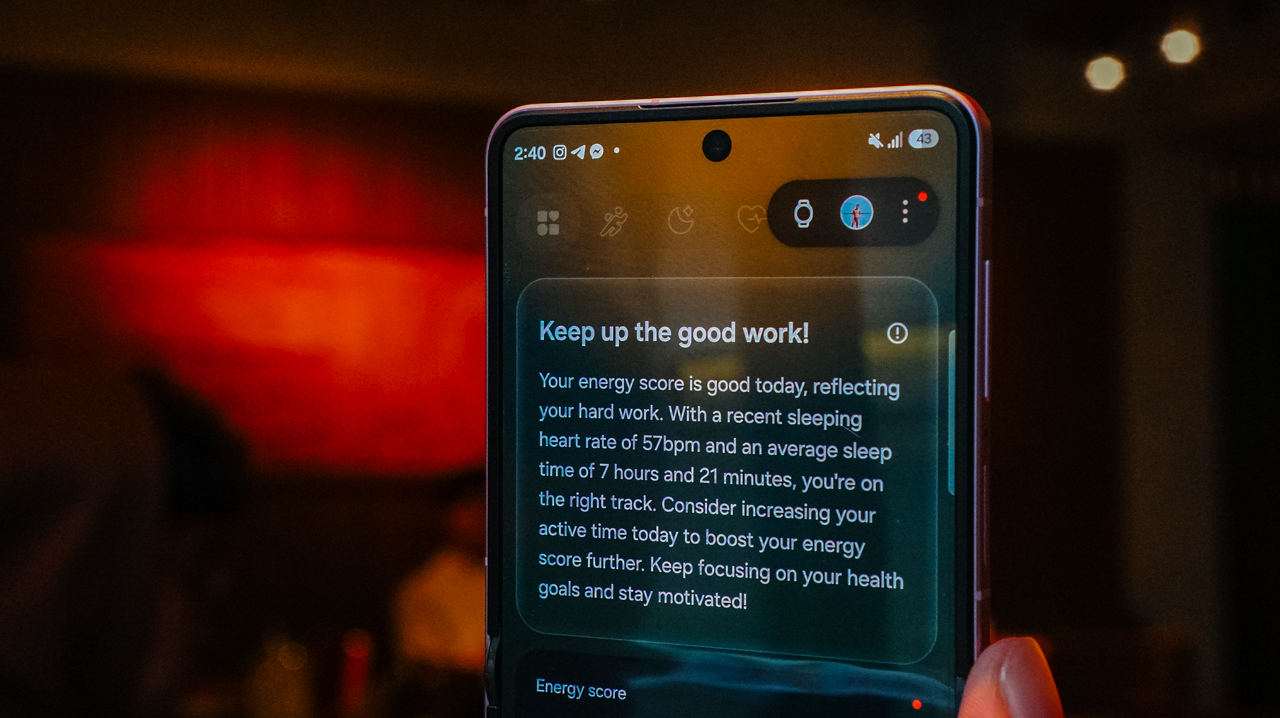
It simply fills in the parts that feeling alone cannot tell me. These are the parts I used to override with willpower alone because I lacked anything better to go on.
I have skipped sessions I would have pushed through a year ago. The data made it clear my body needed the rest more than my training plan needed the mileage.
I have also pushed harder on days I might have held back out of habit, because everything pointed to my body being more ready than I assumed it was.
That’s the real value here: It’s not about following the numbers blindly, but finally having a second opinion that isn’t just my own stubbornness talking.
Turning runs into conversations
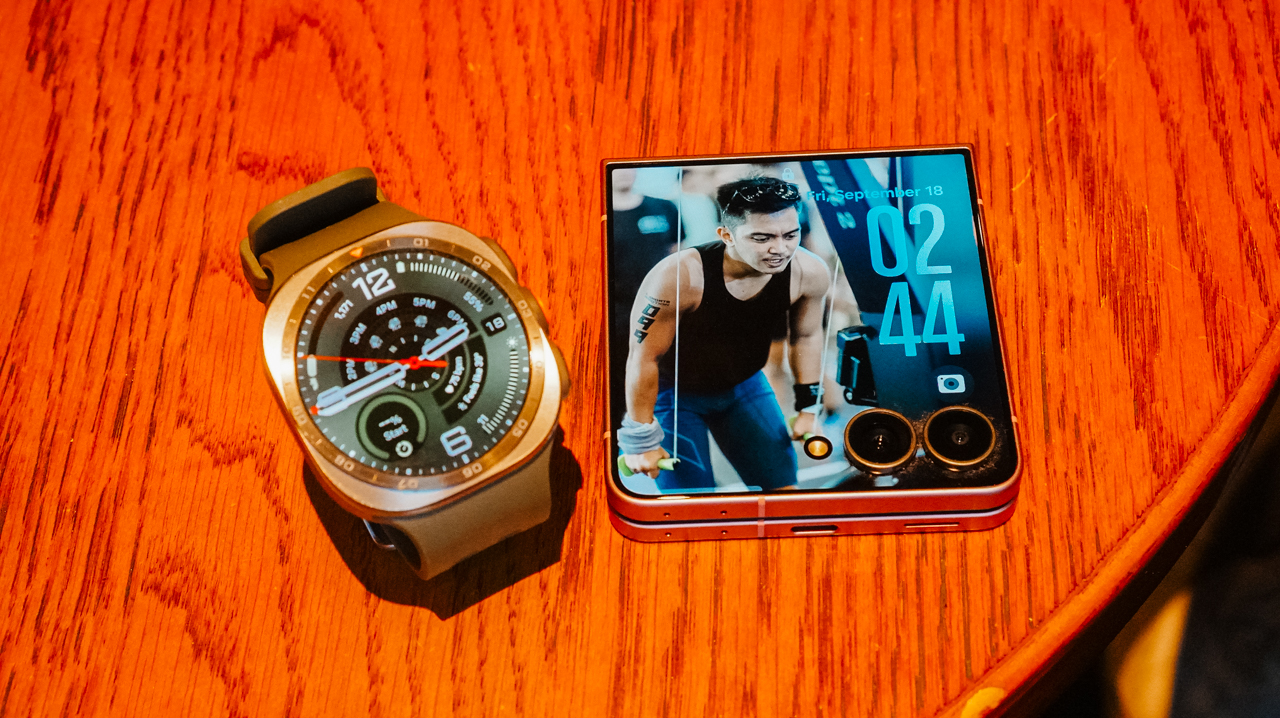
When I am running, the watch keeps tracking in real time. Distance, pace, heart rate, and effort are all available with a quick glance at my wrist without breaking stride.
That part matters during the run itself. However, the more valuable moment usually comes after the run is done and the real analysis starts.
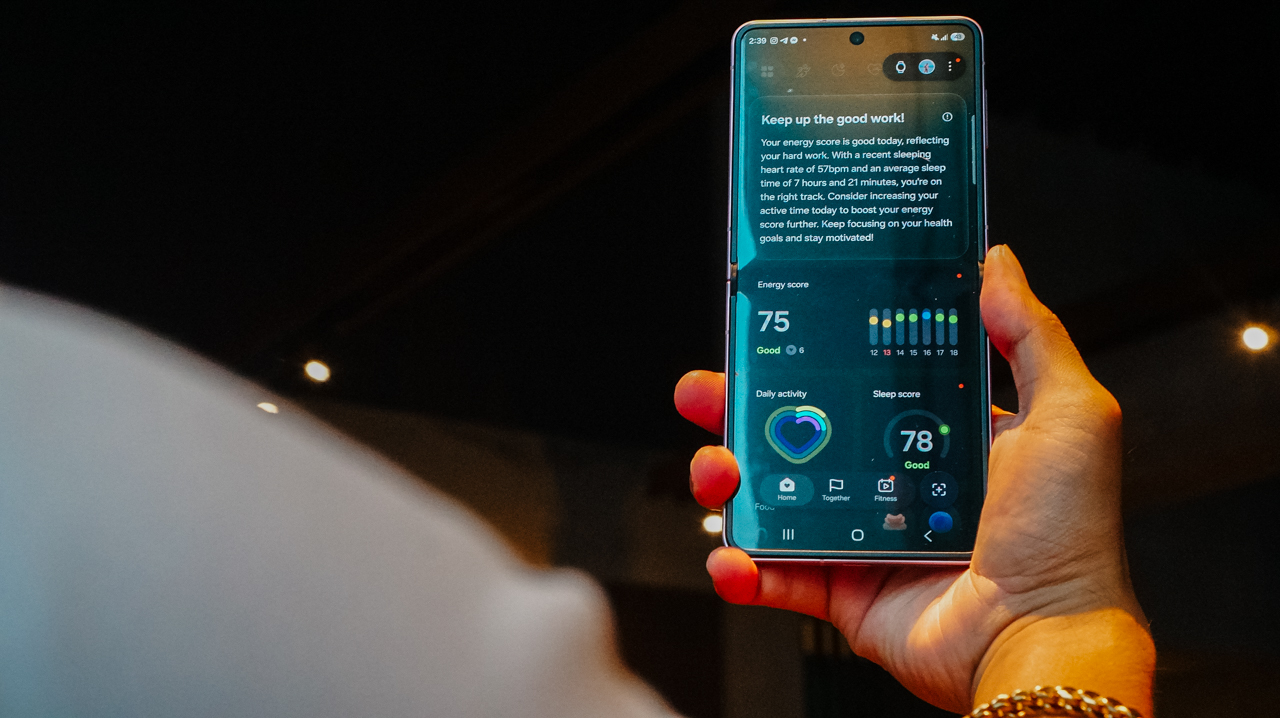
Back on my Galaxy Z Flip8, I go through the full picture. I review the route I took and the training data the watch collected. I look at how the session fits into the recovery and load trends I have watched all week.
Seeing it laid out on a bigger screen, connected to everything the watch already tracked, makes it easier to spot patterns I would otherwise miss while glancing at a wrist display mid-run.

I can easily spot a string of high cardio load days without enough recovery in between. I notice a week where my resting heart rate crept up slightly before I even felt tired.
Small signals that used to slip past me entirely now show up clearly. This happens because the watch and the phone are working from the same data instead of two separate stories.
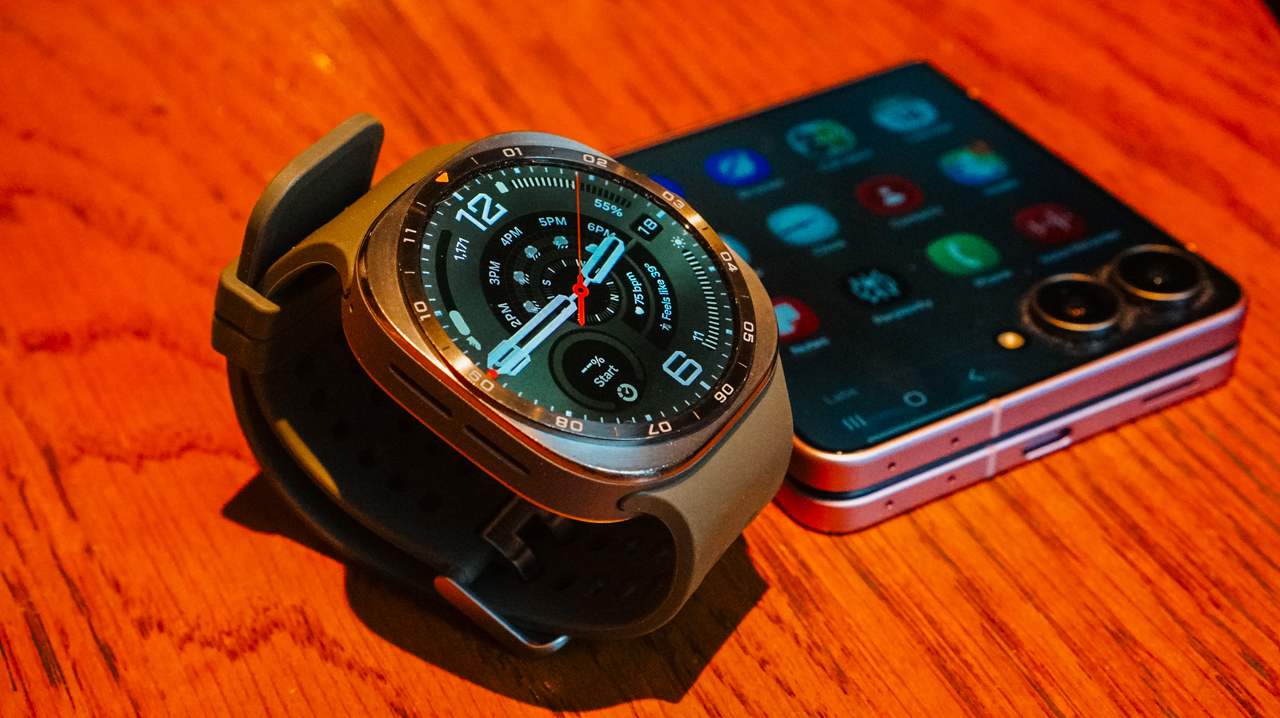
That’s the part that has changed the most for me. Performance used to be something I chased mid-run. I sought a harder pace, a longer distance, and whatever it took in the moment to feel like I had earned the effort.
Now, performance starts long before I ever lace up. It starts with understanding what my body is actually ready for that day. It continues long after the run ends, as I actually sit with the data instead of moving straight on to the next session.
A clearer path forward
The Galaxy Watch Ultra2 doesn’t train for me. It just makes sure I am not training blind. I am no longer guessing at recovery the way I used to and hoping I guessed right.

Once your health data, your training data, and your devices are all working from the same picture, you no longer have to rely on scattered memories and gut feelings.
Every decision you make gets a little more confident. That holds true whether the decision happens on the trail, in the middle of a recovery week, or the night before a race when you are deciding how hard tomorrow should really be.
Better performance starts with better information. See how the Galaxy Watch Ultra2 and Galaxy Z Flip8 work together to help you train harder and recover smarter.
Explore the Galaxy Watch Ultra2 | Discover the Galaxy Z Flip8
Hands-On
Apple iPhone 18 Pro Series Hands-on
And everything announced during Apple’s September 2026 Event

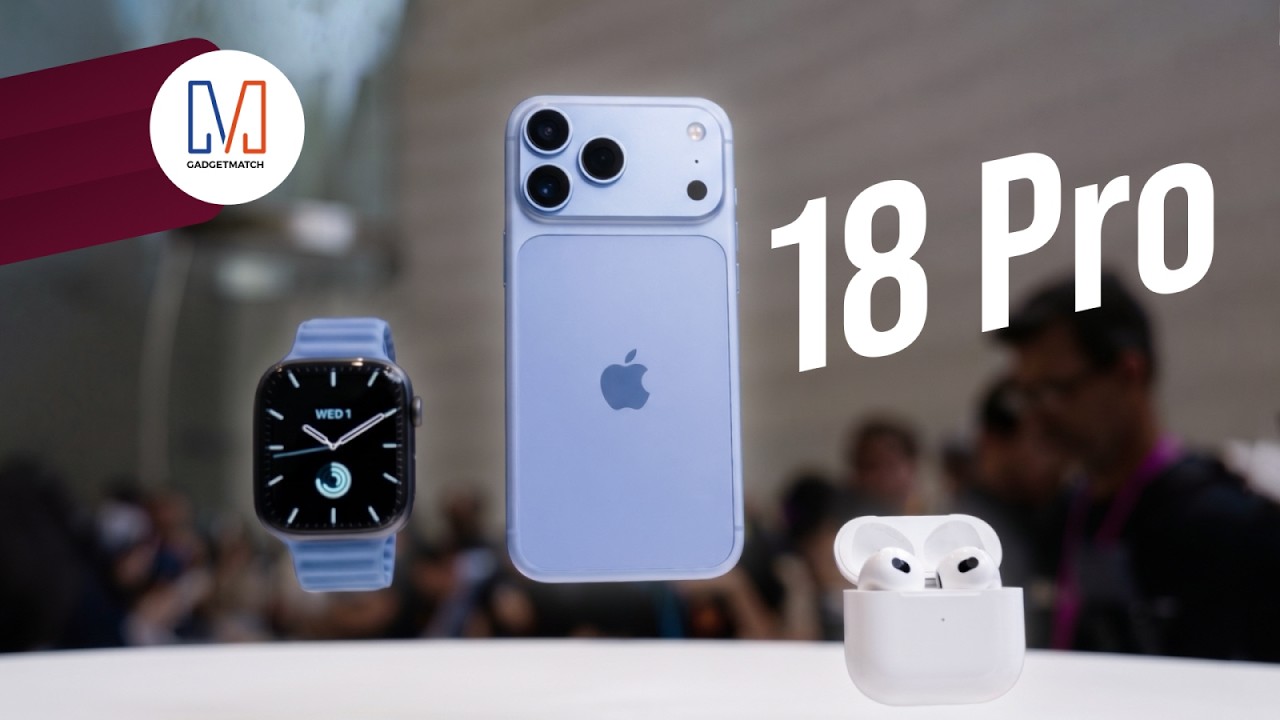
The latest Apple event isn’t just about the shiny new Apple Duo. There’s a lot to talk about!
In this video, we break down everything Apple has announced during their September 2026 keynote.
First, there’s the updated iPhone 18 Pro and 18 Pro Max. That’s alongside their design and color changes, battery and performance improvements. Even that massive camera upgrade.
There’s even the ANC-infused AirPods 5 alongside the newer Apple Watch Series 12 and Apple Watch Ultra 4. Plus, the latest software updates coming to both these wearables.
So, are these worth the upgrade?

Smart Communications is expanding its smartphone-free connectivity options with Apple Watch, letting subscribers stay connected, track their health, and make payments from their wrist.
The latest Apple Watch lineup, including the Apple Watch SE 3, Apple Watch Series 11, and Apple Watch Ultra 3, is now available through Smart Postpaid Plans with Device starting at Plan 999.
The Apple Watch SE 3 starts at P692 per month, while the Apple Watch Series 11 starts at P1,321 per month. The Apple Watch Ultra 3 starts at P2,275 per month. Customers can also choose 0% installment plans through participating bank partners.
Smart Device Link lets Apple Watch users share their primary mobile number and plan with their smartwatch for P199 per month. This allows them to make calls, send texts, and use mobile data even when their iPhone isn’t nearby.
First-time Smart Device Link users can get a free six-month trial until September 30. Smart says activation instructions are available through its website.
Apple Watch
Beyond connectivity, Apple Watch offers health, fitness, safety, and wellness features that vary by model. These include heart rate and sleep tracking, ECG, Sleep Score, workout tracking, Crash Detection, and Emergency SOS.
Users can also make secure, contactless payments directly from their Apple Watch with Apple Pay.
The Apple Watch SE 3 focuses on essential health, fitness, safety, and connectivity features. The Series 11 adds more advanced health and fitness capabilities, while the Ultra 3 is designed for demanding sports and outdoor activities.
Smart 5G further supports connectivity across Apple Watch, iPhone, and other digital services, whether users are at work or on the go.
Smart was also recently recognized by Ookla for having the Best Mobile Video Experience in the Philippines for the first half of 2026. It posted a Video Score of 72.82, the highest among mobile operators in the country.
The Apple Watch SE 3, Series 11, and Ultra 3 are available through Smart’s Postpaid Plans with Device starting at Plan 999 via the Smart Online Store and Smart Stores.


Now Playing: ACE Combat 8: Wings of Theve
A refreshing change of pace

TECNO POVA 8 Pro Tonino Lamborghini review
Truly a rare gem in 2026


DJI Lito X1 review: Is this the best lightweight drone for creators?
Making a strong case as a travel companion and a capable B-cam!

TECNO and Angélica Dass visit the Philippines next for its grand portrait project

BYD says that way better EV batteries are coming next year

Globe records fastest average download speed of 2026 in August
Now Playing: ACE Combat 8: Wings of Theve

Now Playing: Total War: Warhammer III – Lords of the End Times

HUAWEI Pura X View is 2026’s first WIDE slab-type smartphone

The CAMON Slim 5G is TECNO’s latest ultra-slim smartphone

iPhone 18 Pro series: Price, availability in the Philippines

DJI Osmo 360 II review: Going all-in on the ecosystem

iPhone 18 Pro series: Price, availability in Singapore


-
 News7 days ago
vivo X500 Series launches with major imaging upgrades
-

 News6 days ago
OPPO Find X10 Pro Max is the first phone with a triple 200MP camera system
-

 Reviews2 weeks ago
REDMI Note 17 Pro Max review: A new breed born from AI greed
-

 Singapore1 week ago
Epson Lifestudio Grand Plus EH-LS970B with 4K projection, more launches
-

 News7 days ago
vivo introduces OriginOS 7 with smarter multitasking and AI features
-
Drones2 weeks ago
DJI Lito X1 review: Is this the best lightweight drone for creators?
-
 Gaming2 weeks ago
Valve unveils price of the Steam Frame
-
 Philippines2 weeks ago
REDMI NOTE 17 Series: Price, availability in the Philippines