
News
Singapore will make Coronavirus tracking app technology freely available
One small step for man, one giant leap for mankind – Neil Armstrong


Singapore will soon open-source (open up) a smartphone technology that helps track citizens’ encounters with Coronavirus carriers. Called TraceTogether, it’s developed by the government to prevent community-spread of the fatal virus that has killed thousands worldwide.
The government is urging citizens to run so that if they encounter a Coronavirus carrier, it’s easier to trace who else may have been exposed to the virus. Why run? Because that plunges your chances of contracting the virus since the encounter will barely be a second. Not to forget, it’s an excellent way to exercise. This way, health authorities are in a better position to detect, treat, and quarantine affected patients.
To reserve a user’s privacy, Singapore’s app is opt-in and doesn’t track users through space, instead, it records who you have encountered. If you come across someone who was exposed, the app will exchange four essential bits of information — a timestamp, Bluetooth signal strength, the phone’s model, and a temporary identifier or device nickname.
On the other end, If a user has diagnosed positive, they enable the health authorities to access their app data to identify people who had close contact with the infected individual.
Addressing privacy concerns, the government has assured that the user’s data is never accessed and all their personal details remain safe. If you’re still paranoid, you can simply check the app settings to confirm whether the app has access to your files, contacts, and other essential hardware.
Now, Singapore is ready to share their app and its back-end technology with the whole world.
From Israel to South Korea to China, governments around the world are using technology to track the Coronavirus outbreak as they race to stem its spread. In China, government-installed CCTV cameras pointed towards the apartment door of those under a 14-day quarantine to ensure they don’t leave.
Germany hopes to launch a similar smartphone app within weeks to help trace Coronavirus infections. Even they’ve shown interest in replicating the Singaporean model. And now that the technology is freely available, it’ll be easier for countries to adopt and adapt than to start from zero.
The Indian government has also launched an app called Corona Kavach (literally meaning Corona Shield) to track individuals by their smartphone locations and curb the community spread of Coronavirus. It’s built on the same concept that Singapore’s government has worked on. But, it’s still in beta. With a population of 1.3 billion and one of the worst healthcare systems, the country is highly vulnerable to the virus. Again, the government promises data privacy.
SEE ALSO: How to disinfect your tech from the coronavirus | Coronavirus porn is trending on Pornhub | Here’s how Facebook is trying to fight coronavirus
As general rules, the CDC or The Centers for Disease Control and Prevention listed these to help with preventing the spread of COVID-19:
- Stay home when sick
- Cover coughs and sneezes
- Frequently wash hands with soap and water
- Clean frequently touched surfaces








All eyes are on the iPhone Duo. After months of speculation, Apple finally unveiled its first-ever foldable smartphone. Now, because of that reveal, the spotlight (or what little of it remained) drifted away from Apple’s other unique device, the Vision Pro. To the company’s dismay, the wearable never really took off. The company isn’t done with it, though. According to a new report, Apple is still working on new concepts for a mixed-reality headset.
Years ago, Apple unveiled the Vision Pro, a mixed-reality headset that the company desperately wanted to turn into the next big thing after the iPhone. Because of the wearable’s exorbitant pricing and the lack of substantial development from third-party developers, the Vision Pro didn’t really take off.
Today, according to Bloomberg, Apple is still working on four future concepts for the wearable. One of those concepts will reportedly take inspiration from Meta’s VR glasses. The improvements will likely focus on the wearable’s weight and battery pack. Though the heft of wearables today isn’t as nightmarish as the past, the current slew of wires and batteries is still a burden on your head.
There are still a few routes that the Vision Pro can take. If none of the four exploratory options make it out of the drawing board, Apple still has plans for a thinner pair of smart glasses late next year.
News
HONOR Magic9 Pro Max launches in China with ARRI-powered imaging
ARRI tech meets mobile filmmaking

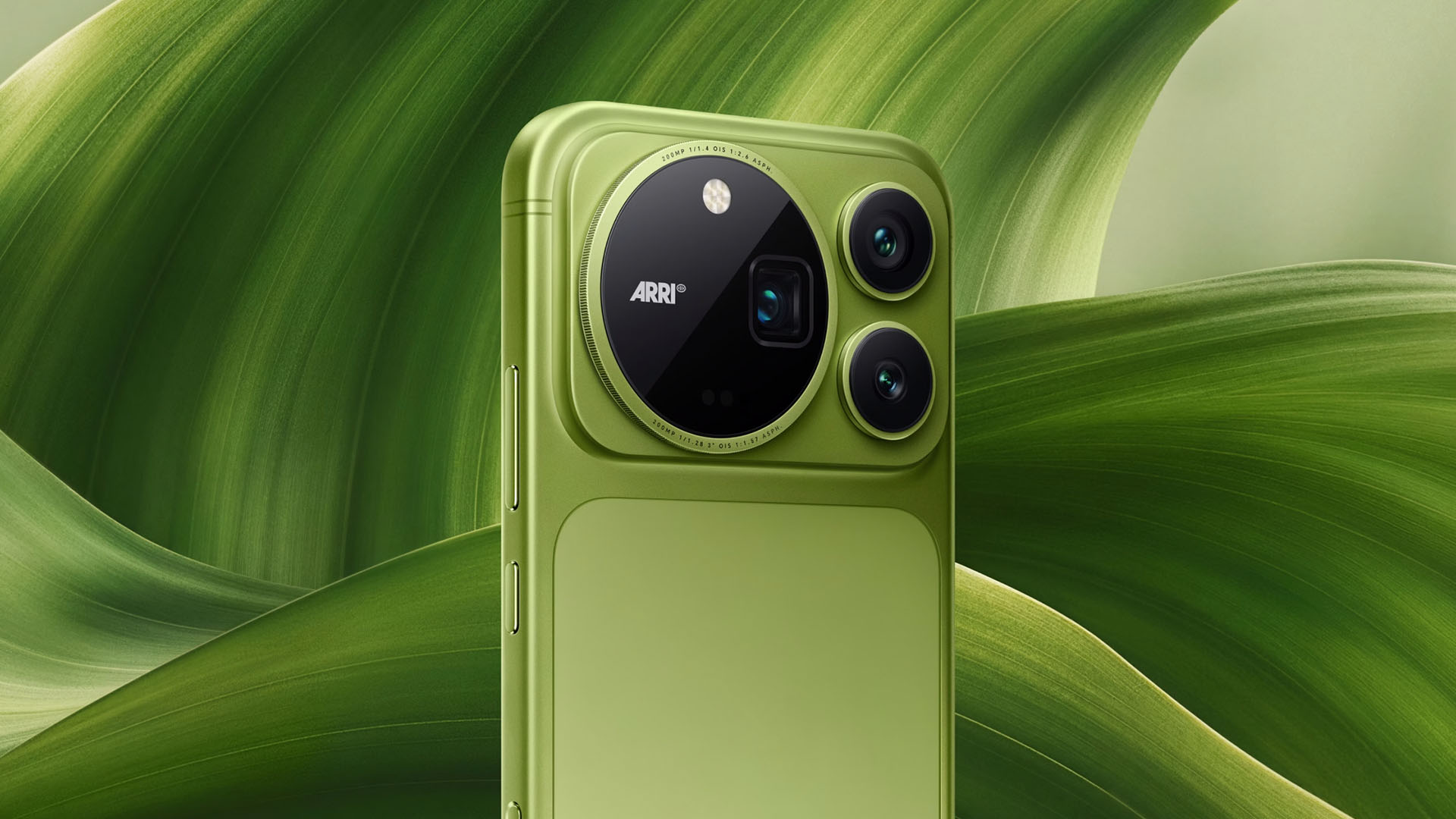
HONOR has launched the Magic9 Pro Max in China. It’s the company’s latest flagship with an end-to-end professional cinema workflow co-engineered with ARRI.
The Magic9 Pro Max is positioned as a handheld cinema system, combining Dual 200MP cameras with selected elements of ARRI Image Science. The system includes ARRI LogC3, 10-bit color depth, ARRI Wide Gamut 3, and ARRI Looks.
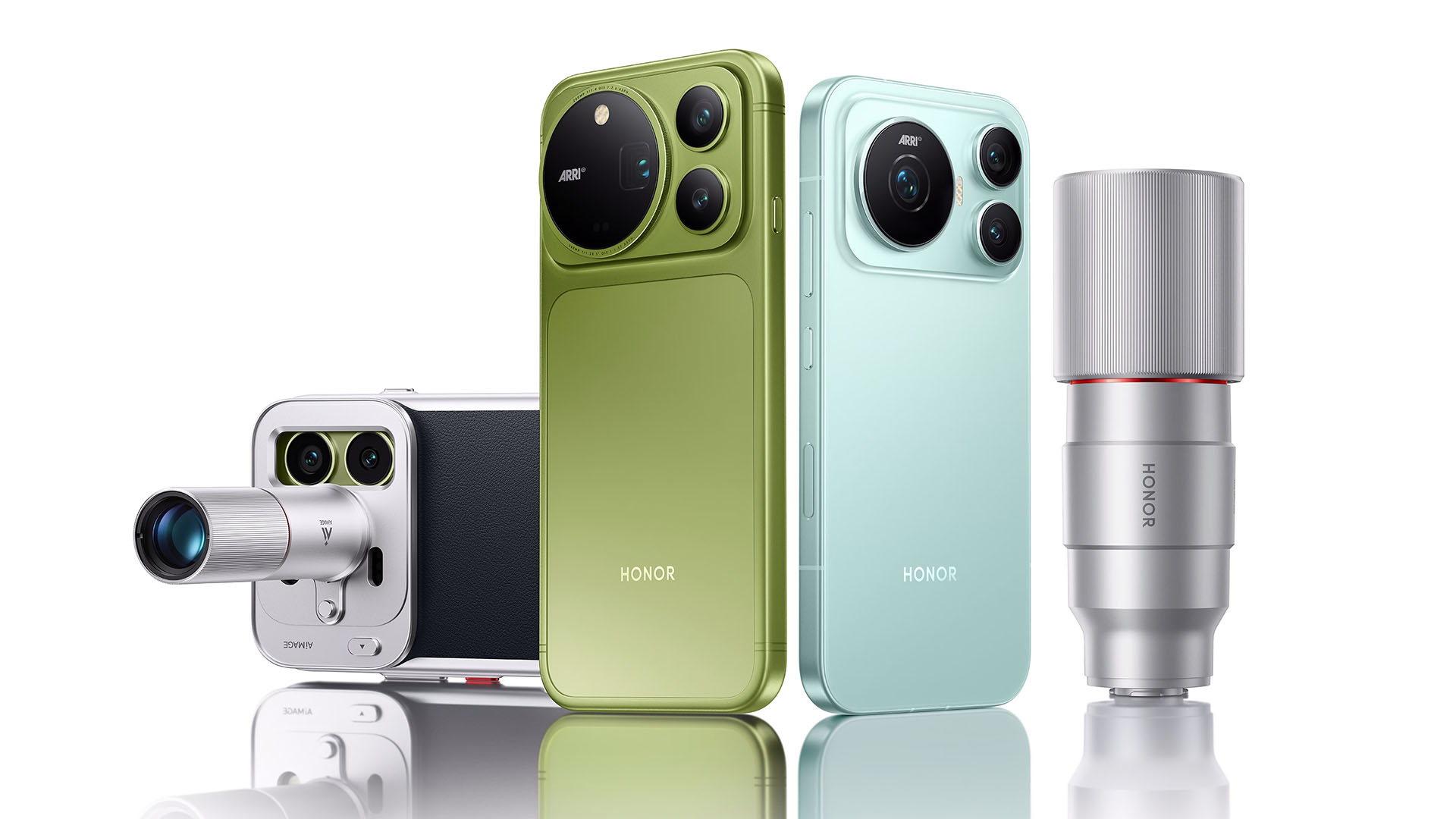
Its 200MP Ultra Night Main Camera uses a 1/1.28-inch sensor, f/1.57 aperture, OIS, and 3-degree gimbal-level stabilization. It is paired with a 200MP Ultra Night Telephoto Camera with a 1/1.4-inch sensor, f/2.6 aperture, and OIS, alongside a 50MP ultra-wide camera. Both 200MP cameras achieve CIPA 8.0 stabilization performance.
The phone’s HONOR Imaging Chip H1 processes AI noise reduction in the RAW domain. HONOR says its testing showed an 8dB improvement in signal-to-noise ratio and support for up to 14 stops of cinematic dynamic range under defined test conditions.
ARRI CINEMA
For video, ARRI CINEMA Mode supports recording at up to 4K 60fps. The phone also includes 14 preset ARRI Looks, with the ARRI Look Library offering 87 predefined creative color gradings.
HONOR also adds Cinematic LiveVideo, which captures a three-second moving moment after the user presses and holds the record button. It supports up to 4K resolution. The phone also features a four-microphone Cinematic Directional Microphone system and Stereo Dual 1216 Speakers.
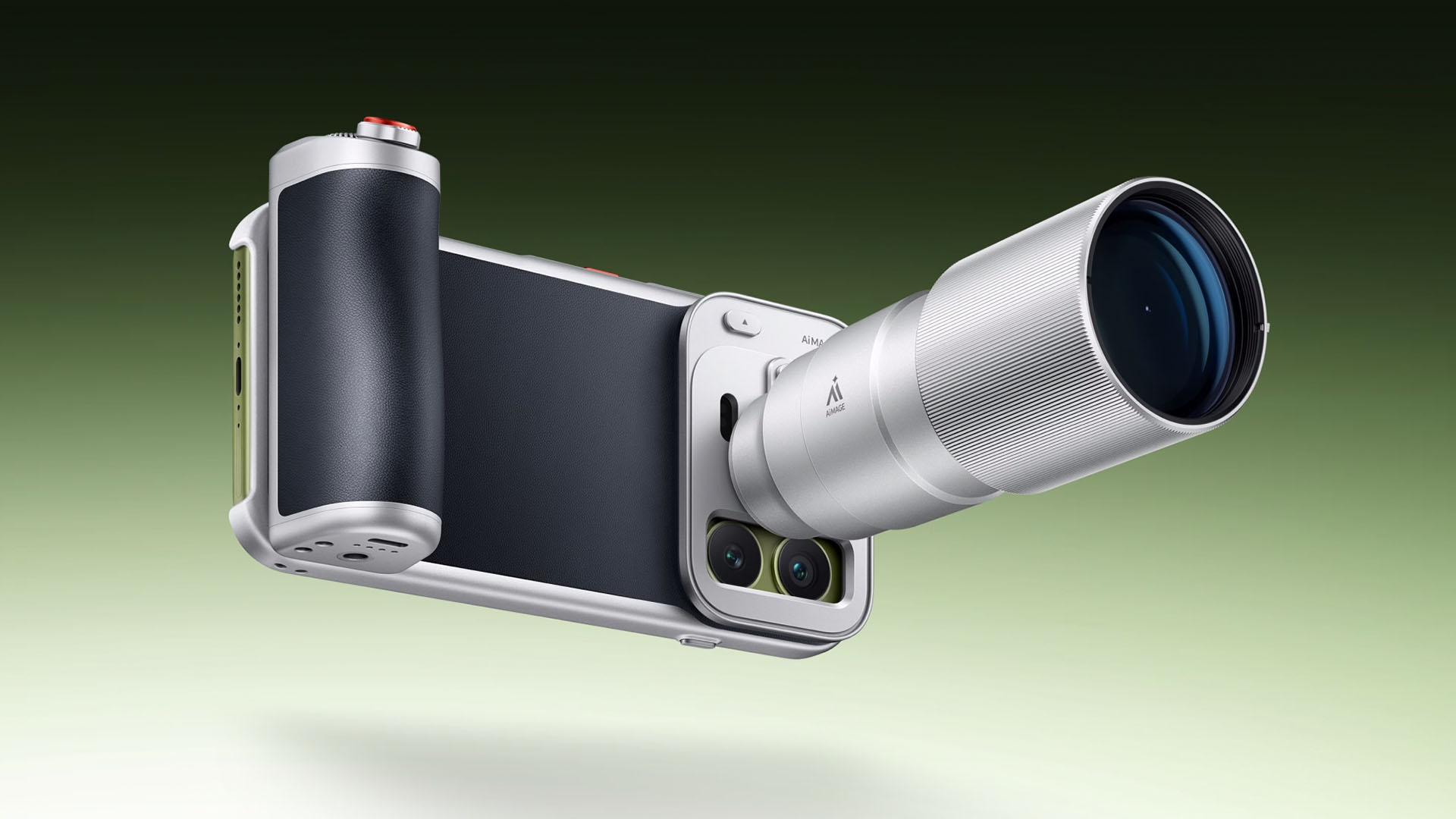
The cinematic workflow extends to optional accessories, including the HONOR SmallRig Mobile Video Kit and HONOR Teleconverter G200 and G500.
HONOR has also redesigned the Magic9 Pro Max around cinema-camera heritage. Its rear camera layout draws inspiration from ARRI’s three-lens turret ARRIFLEX cameras. The main, telephoto, and ultra-wide cameras arranged in a 1+2 configuration.
The phone is powered by the Snapdragon 8 Elite Extreme Gen 6 Mobile Platform and features an 8,800mAh battery with 100W wired and 80W wireless charging.
It also packs a 6.8-inch LTPO OLED display with up to 10,000 nits peak brightness, while MagicOS 11 introduces features such as YOYO Memory, Video Highlights, and YOYO Tasks.
Pricing and Availability
The HONOR Magic9 Pro Max is available in China in Shadow Black, Glacier Silver, and Moss Green.
It comes in four memory and storage configurations, with prices starting at CNY 6499.
HONOR says regional launches across Europe, Middle East and Africa, Southeast Asia, and other markets will be announced soon.
Her GadgetMatch
TECNO and Angélica Dass visit the Philippines next for its grand portrait project
100 Faces, 100 Stories


A portrait can show what someone looks like, but what about the story behind the face?
TECNO and visual artist Angélica Dass are exploring that question through “100 Portraits of Becoming,” a two-year global portrait project featuring 100 people across Kenya, the Philippines, Saudi Arabia, Türkiye, and Brazil.
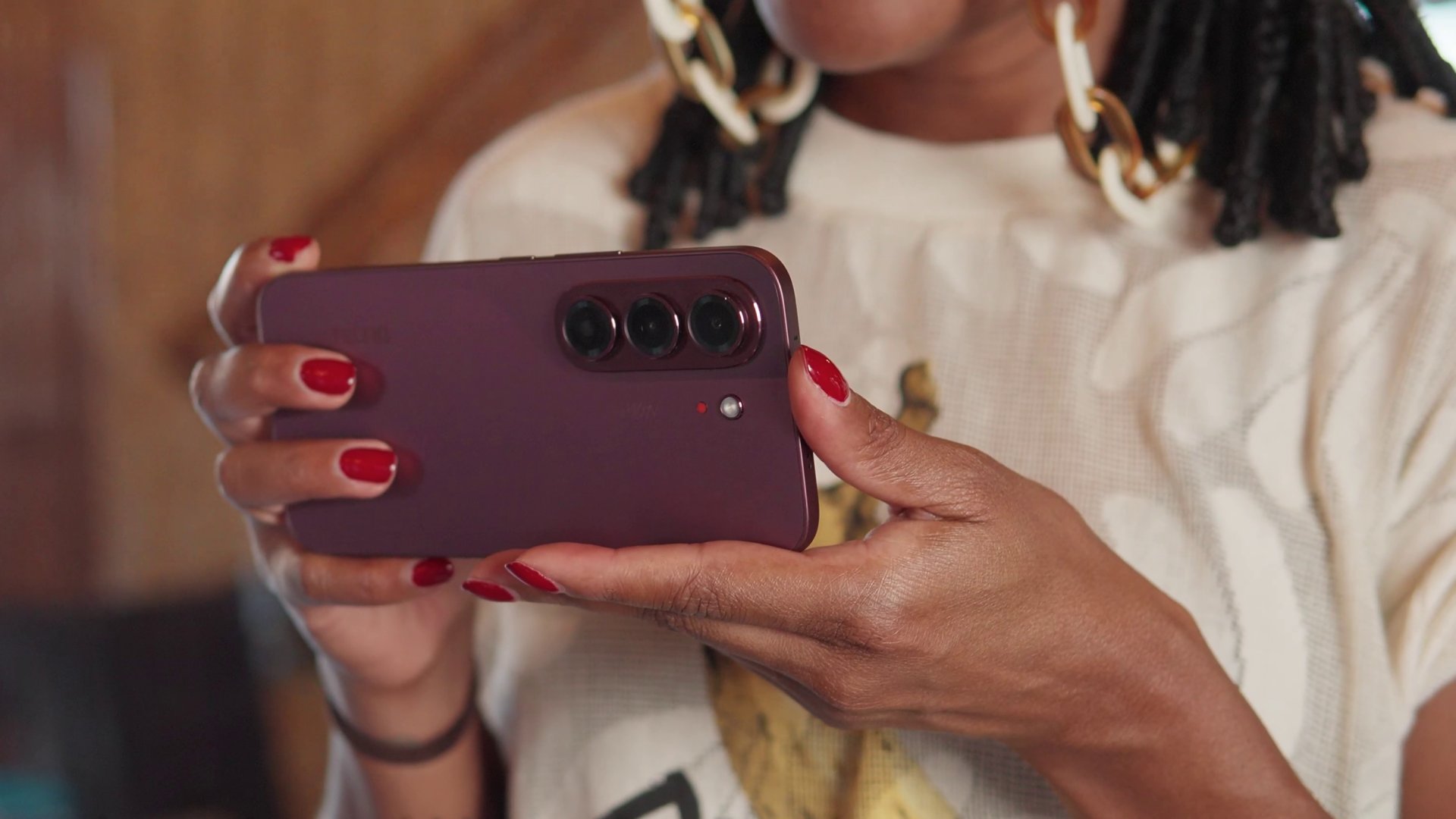
The project begins with 20 portraits from Kenya, each paired with a personal story about identity, choices, change, and growth. Rather than having participants represent an entire culture or generation, the project focuses on their individual experiences.
Beyond inclusive imaging
The project builds on TECNO’s work with Universal Tone, its imaging technology designed to represent diverse skin tones more naturally and accurately.

But “100 Portraits of Becoming” takes that idea further. With AI increasingly involved in capturing, recognizing, and generating images of people, TECNO and Dass want to explore how technology can better represent the individual behind the image.
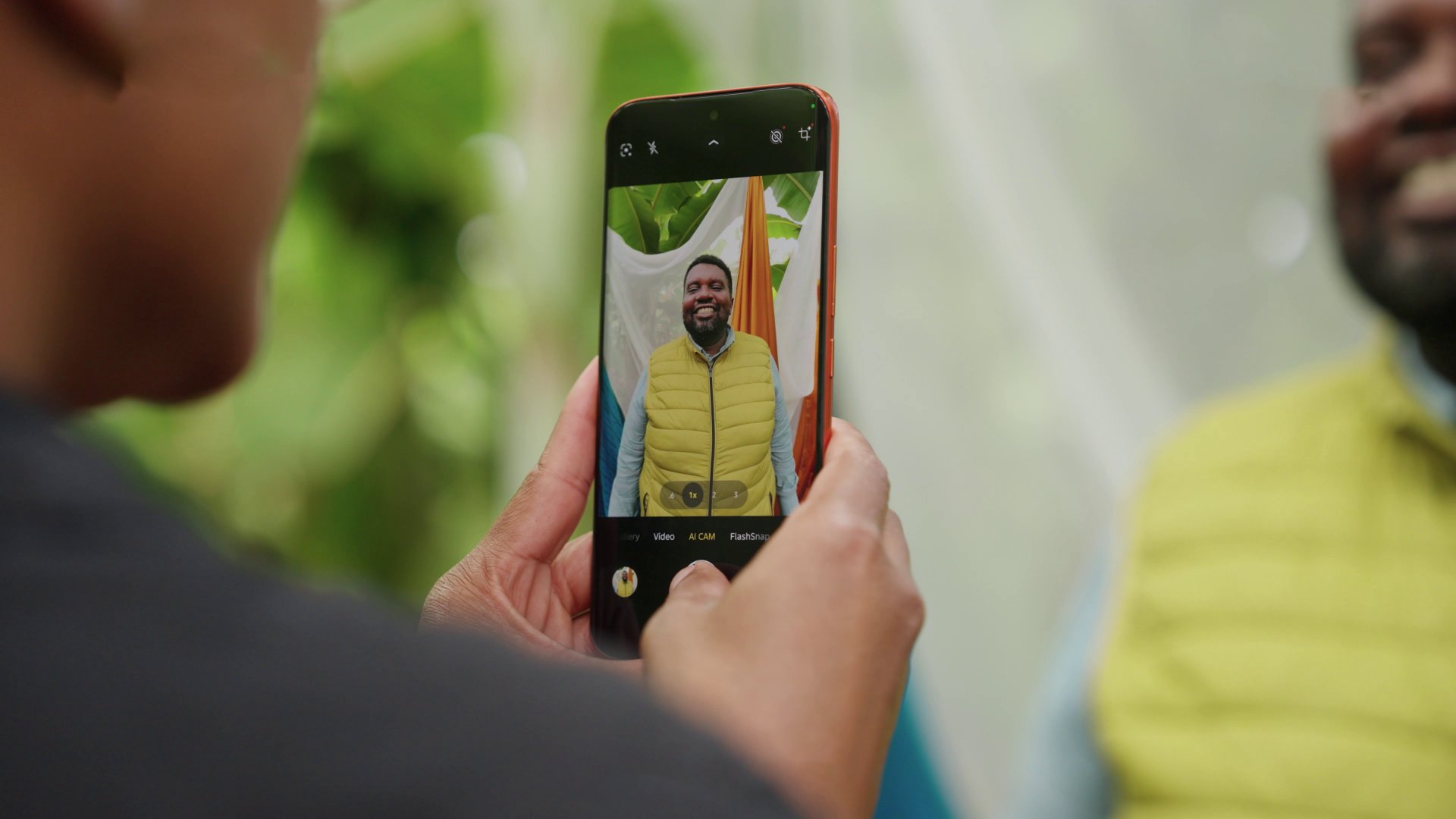
For Dass, meaningful portraiture starts with human connection.
“Meaningful portraits are never created by technology alone.”
She says her experience in Kenya reinforced the importance of trust, listening, and the willingness of people to share their stories.
The Philippines is next
Following Kenya, the project heads to the Philippines for a chapter called “Beyond Many Labels.”
It will feature 20 individuals, including working solo mothers and people whose lives are closely connected to solo parenthood.
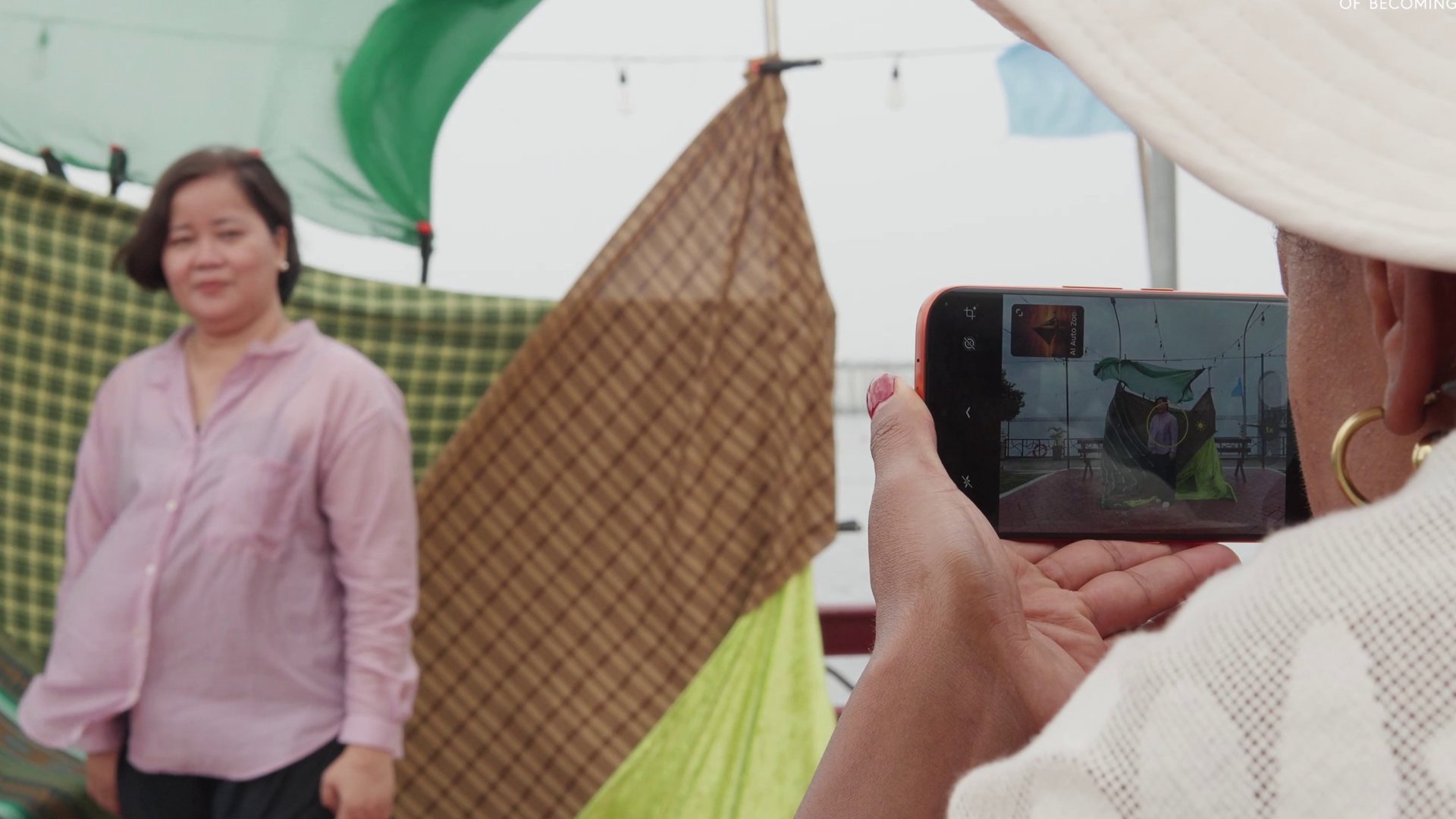
Their stories will look beyond labels such as “single mother,” “breadwinner,” and “strong woman,” while exploring their ambitions, relationships, and personal growth.
The chapter will also explore “diskarte” — the ways Filipinos adapt, make choices, and find practical ways forward in everyday life.
After the Philippines, “100 Portraits of Becoming” will continue to Saudi Arabia, Türkiye, and Brazil.
By the end of the project, TECNO and Dass hope the 100 portraits will offer exactly what the title suggests: 100 different ways of seeing humanity.


Now Playing: ACE Combat 8: Wings of Theve
A refreshing change of pace
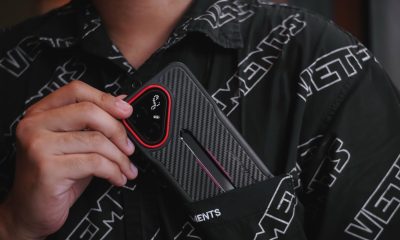

TECNO POVA 8 Pro Tonino Lamborghini review
Truly a rare gem in 2026


DJI Lito X1 review: Is this the best lightweight drone for creators?
Making a strong case as a travel companion and a capable B-cam!

Apple might not have given up on the Vision Pro yet

ROG brings out the ultra-stylish G1000 gaming desktop

God of War Laufey pre-orders are now live

Nothing launches the Headphone (1) Pro

HUAWEI WATCH GT 7 Pro: What’s actually under the hood?

HUAWEI Pura X View is 2026’s first WIDE slab-type smartphone

The CAMON Slim 5G is TECNO’s latest ultra-slim smartphone

iPhone 18 Pro series: Price, availability in the Philippines

DJI Osmo 360 II review: Going all-in on the ecosystem

iPhone 18 Pro series: Price, availability in Singapore


-
 News1 week ago
vivo X500 Series launches with major imaging upgrades
-

 News1 week ago
OPPO Find X10 Pro Max is the first phone with a triple 200MP camera system
-

 Singapore1 week ago
Epson Lifestudio Grand Plus EH-LS970B with 4K projection, more launches
-
Drones2 weeks ago
DJI Lito X1 review: Is this the best lightweight drone for creators?
-

 News1 week ago
vivo introduces OriginOS 7 with smarter multitasking and AI features
-

 Automotive1 day ago
BYD says that way better EV batteries are coming next year
-
 Smartphones3 days ago
When TECNO-logy meets Tonino Lamborghini legacy
-
 Finance2 weeks ago
HONOR, Fidesmo partner for contactless payments across Europe, Middle East