
News
The Sony Xperia 1 III is your ultimate all-in-one smartphone
World’s first 4K 120Hz smartphone display, Alpha-grade cameras, world-class audio and gaming experience


Sony is a leader both in entertainment and hardware technologies — whether it’s the Sony Alpha, PlayStation, and even their audio products. But with LG’s sudden exit from the mobile division, people were speculating that Sony suffer the same fate. But today, Sony has debunked all those rumors and announced the Xperia 1 III.
A typical 2021 flagship
Just like other flagships released this year, the Xperia 1 III isn’t a stranger to power-packed hardware. It rocks the latest Snapdragon 888 processor with 5G support and Adreno 660 graphics. It also boasts 12GB of RAM and comes in either 256GB or 512GB storage options.

Image by GadgetMatch
While the 4,500mAh battery may sound small nowadays, Sony’s Adaptive Charging technology gives you the best of power and performance. They’re also promising a 3-year longer lifespan battery compared to conventional smartphone batteries.
It also supports Qi wireless charging and has IP65-68 water/dust resistance just like its predecessor.
First 4K 120Hz smartphone display
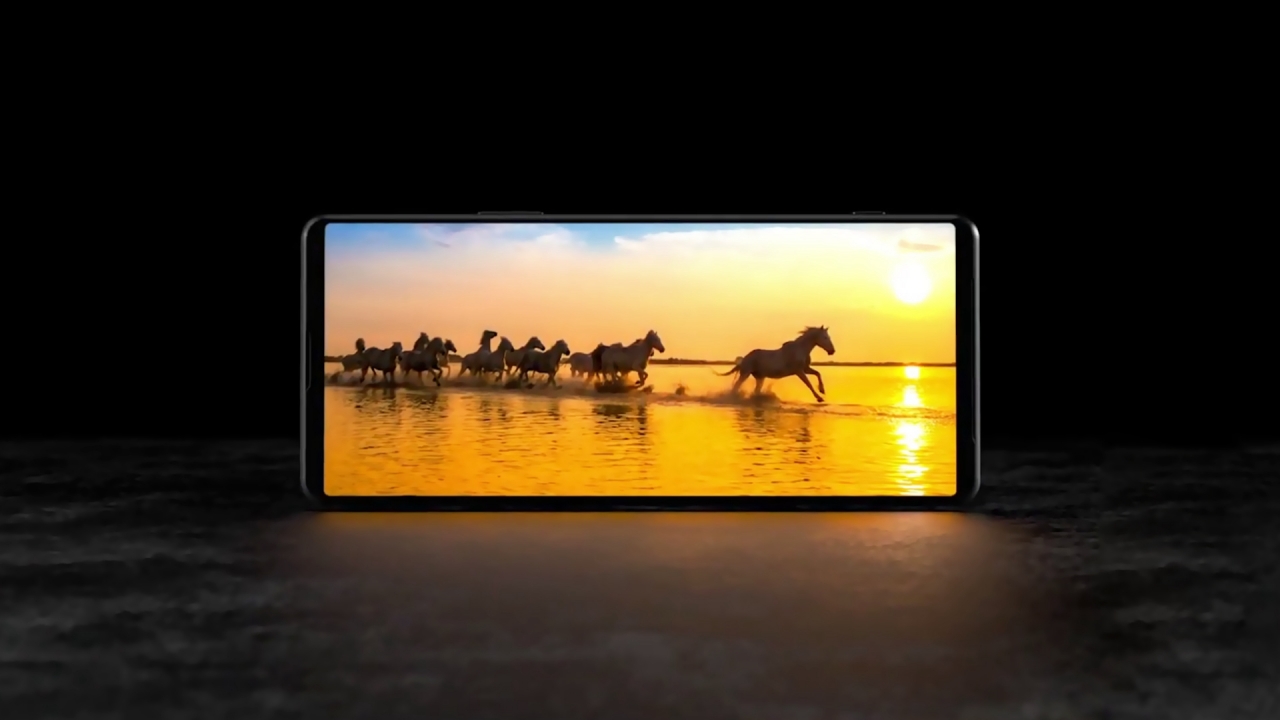
Image by GadgetMatch
Sony’s Xperia line are the only smartphones that have 4K displays. This year, they made it even better as the Xperia 1 III boasts 120Hz refresh rate with 4K resolution — a first in any smartphone today.
Other than that, it supports 120fps games and has 240Hz touch scanning rate for better game input and less lag.
With its 6.5-inch 21:9 OLED HDR display, expect stunning colors and contrast — especially with the help of their X1 Mobile HDR Remaster technology that’s only found among high-end Sony BRAVIA TVs.
Serious photography on a smartphone
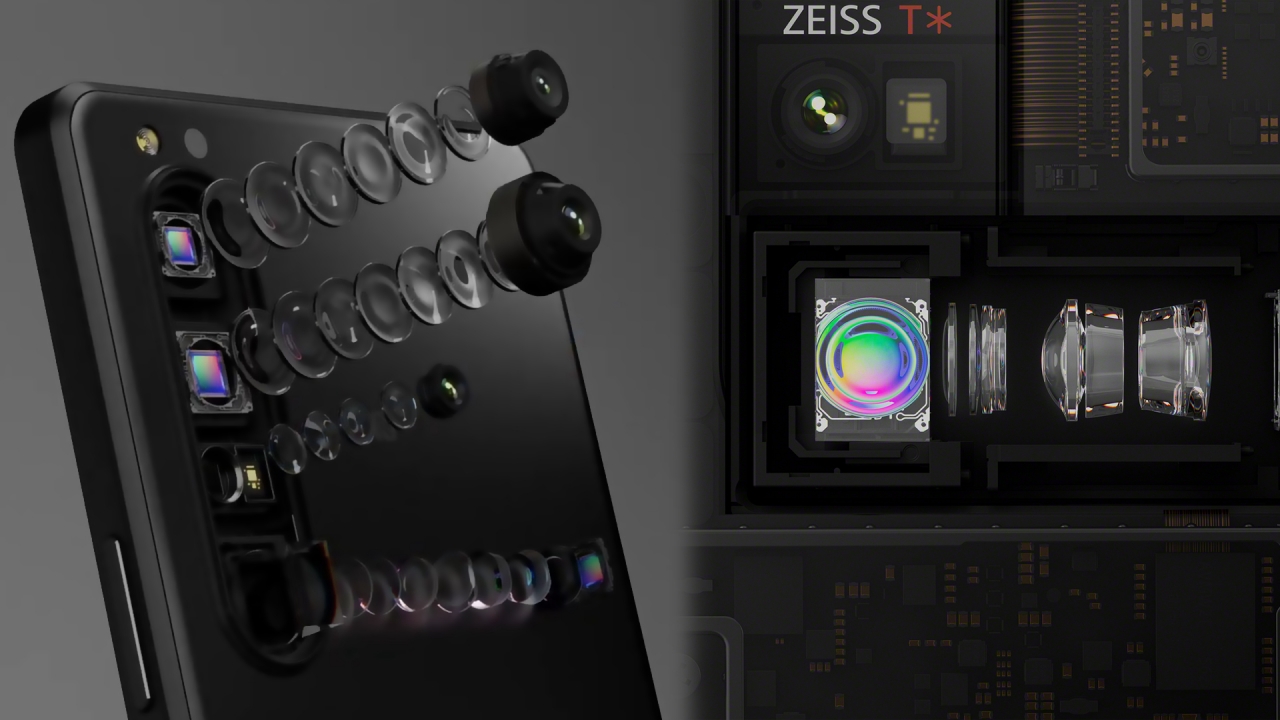
Image by GadgetMatch
Just like its predecessor, the Xperia 1 III has triple 12-megapixel cameras for its wide (f/1.7), ultra-wide (f/2.2), and telephoto (f/2.3-2.8) lenses, plus an extra 3D iToF Sensor. But another first in this list is Sony’s variable telephoto lens that supports 70-105mm focal length (equivalent to 2.9x and 4.4x zoom) that can zoom up to 300mm (12.5x) digitally. Samsung’s Galaxy S21 Ultra has two different lenses for different focal lengths.
Other than that, it’s also the world’s first smartphone that’s capable of shooting 20fps burst mode and has the new Real-time Tracking technology that can focus on moving subjects while shooting. It’s different from the existing Real-time Eye AF that only focuses on human’s eyes. You won’t run out of autofocus coverage areas as it covers 247 AF points (70% of the frame).
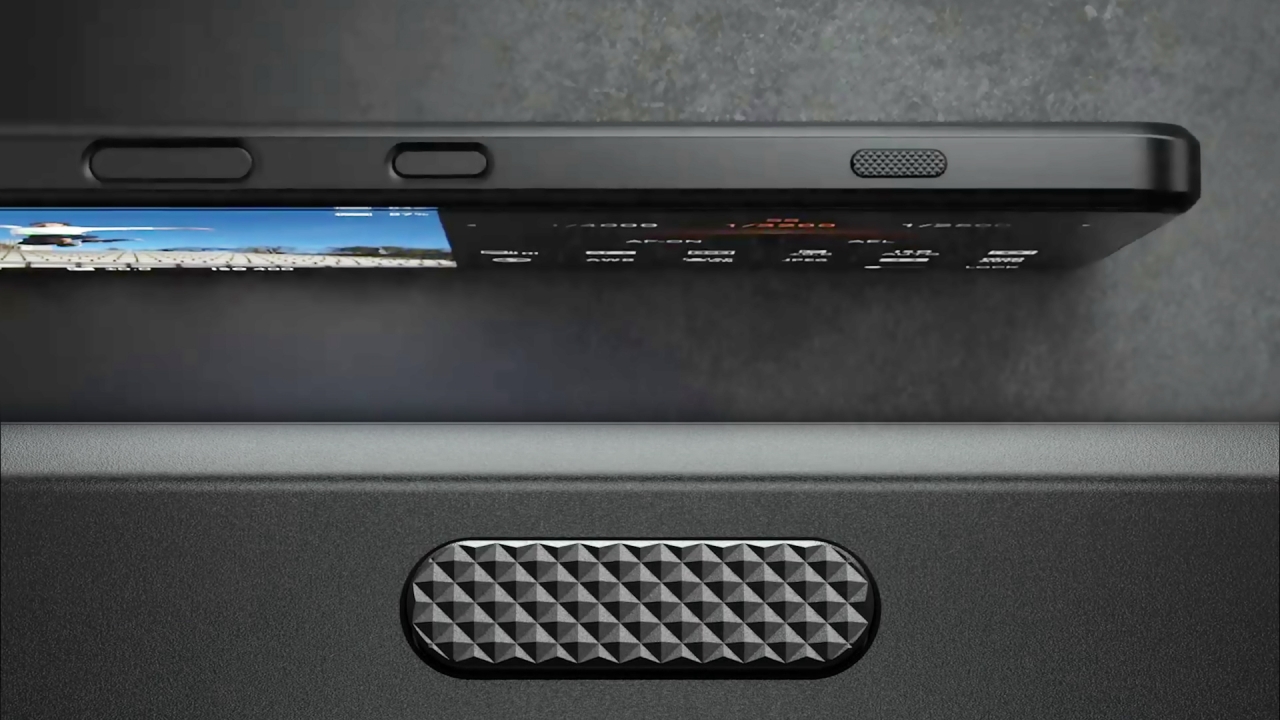
Image by GadgetMatch
Sony hasn’t omitted the dedicated shutter button to make the experience similar to its existing alpha lineup. Speaking of, ZEISS T* coating (found on most Sony alpha lenses) is still here despite ZEISS having to share that same lens coating on the new vivo X60 Pro+. This is helpful for reducing glare and reflections when shooting.
Professional cinematography on the go

Image by GadgetMatch
For amateur and professional filmmakers, this smartphone is also capable of shooting Hollywood-style films. There’s a new Intelligent wind filter that reduces wind and outdoor noise when shooting in forests or fields.
It supports 4K HDR between the regular 24fps (frames per second) or up to 120fps slow motion that can even go slower of up to 5 times. For a more professional look and feel, there’s the Cinematography Pro app where you can manually adjust controls based on your shooting scenario. It also has built-in 8-look color filters for on-the-spot color grading.
The ultimate device for audiophiles
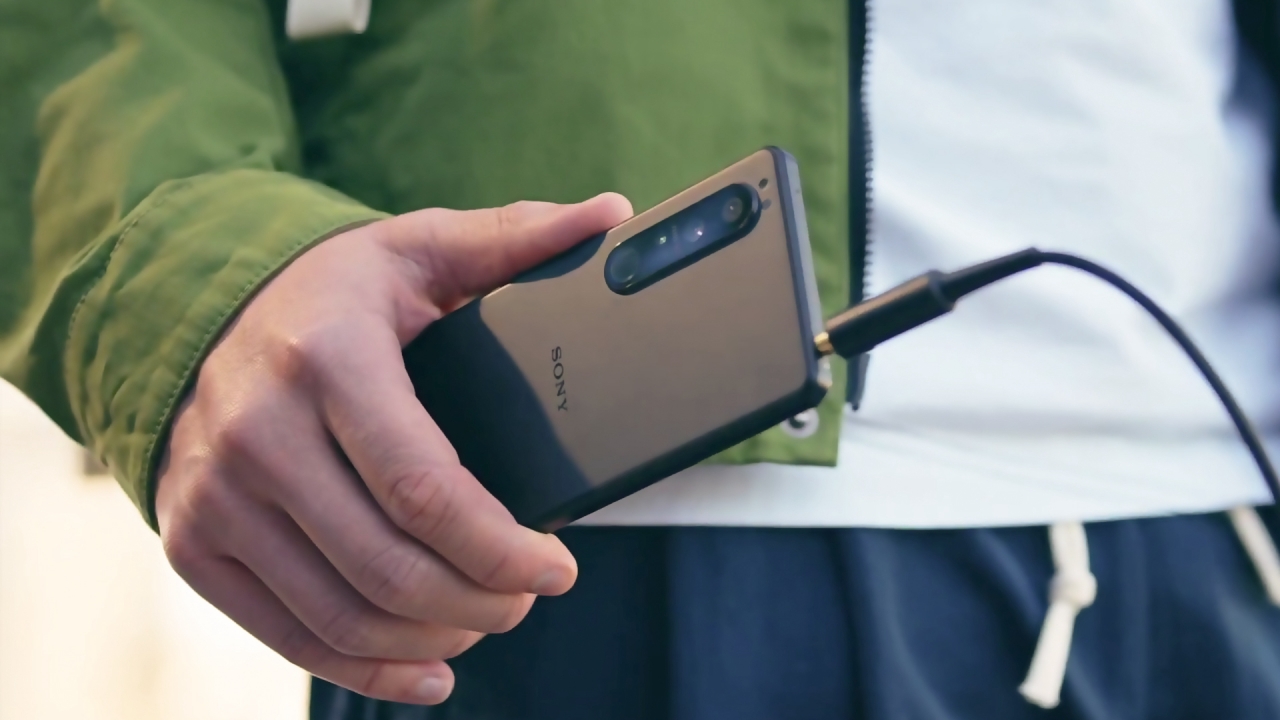
Long-live audiophiles! Sony still has the 3.5mm audio jack, making it the flagship smartphone that’s capable of doing so.
There’s an AI-based DSEE Ultimate sound optimization technology that’s capable of producing hi-res audio even when playing compressed audio files. This goes hand-in-hand with Sony’s Hi-Res audio support (whether wired or wireless) as well as support for LDAC.
For a more immersive audiovisual experience, there’s Dolby Atmos, 360 Spatial Sound, and 360 Reality Audio also found on high-end Sony headphones such as the WH-1000XM4.
Pricing and Availability
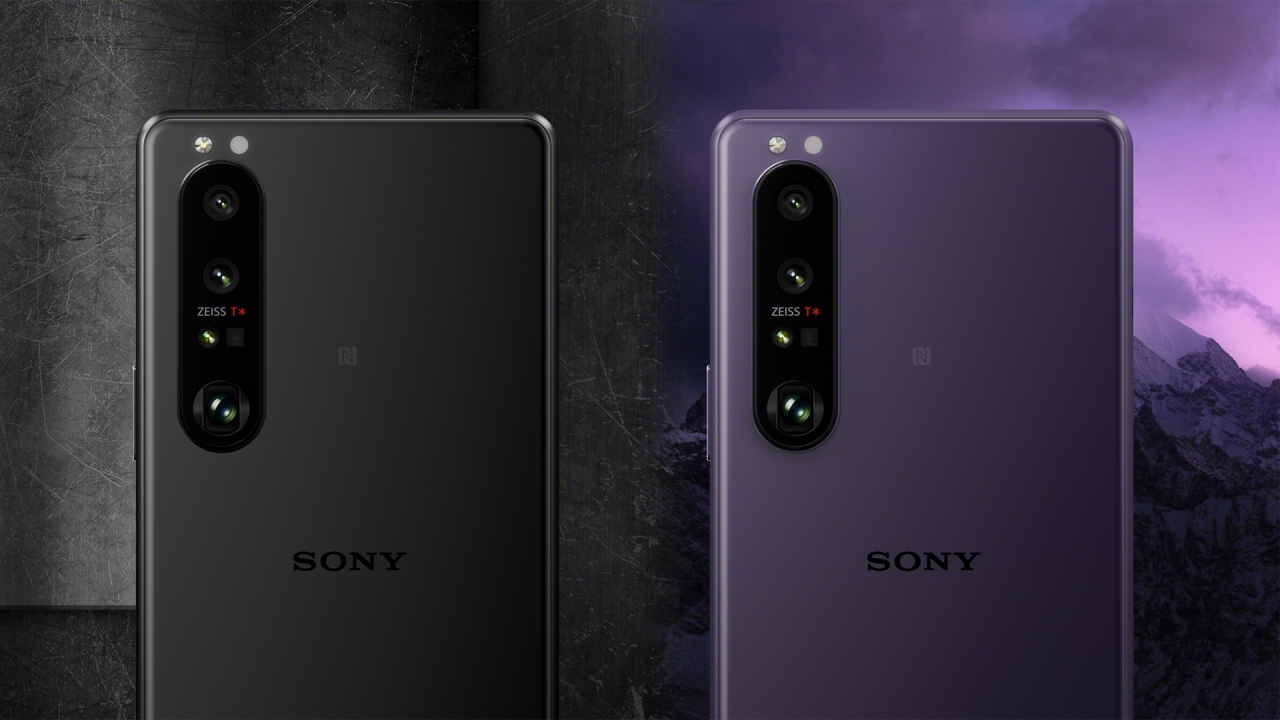
The Xperia 1 III comes in three shades: Frosted Black, Frosted Gray, and Frosted Purple. Singapore will only have the black and purple options.
Pricing wasn’t revealed by Sony during its live announcement but it will be available in early summer (or third quarter) of 2021 in countries where the Xperia line is readily available.
Stay tuned for more pricing updates.





Computers
AMD expands Ryzen AI Embedded P100 series lineup
Scalable, efficient AI compute for industrial, edge solutions


AMD has recently announced the expansion of its AMD Ryzen AI Embedded P100 Series processor lineup.
This enables scalable and power-efficient AI compute tailor-built for industrial and AI edge systems. Scenarios include factory automation, physical AI in mobile robotics, and other AI-driven edge applications.
With eight to 12 high-performance Zen 5 cores, AMD ROCm support, and up to 80 total system TOPS, the new x86 embedded APUs deliver up to:
- 2x more CPU core counts
- 8x higher GPU compute
- 36% higher system TOPS
This way, developers and system designers get an expanded and scalable portfolio of power-efficient edge computing solutions. These processors support real-time AI from vision to control and reasoning, as well as offer advanced graphics capabilities.
On a single chip, clients get up to 80 TOPS physical AI acceleration, AMD RDNA 3.5 graphics for real-time visualization, and an NPU based on the AMD XDNA 2 architecture.
Moreover, the processors can withstand industrial temperature ranges (-40° C to 105° C) and can support continuous 24/7 operations for up to 10-year life cycles. That’s along with low-latency and power-efficient AI inference.
Real-life applications include intelligent factories, autonomous robots, and medical imaging devices. For instance, the processors can deliver CPU performance required for real-time inspection and process optimization.
For mobile robots, meanwhile, processors can manage navigation, motion, control, and route planning while the GPU processes multi-camera feeds for spatial awareness.
Furthermore, for 3D health imaging, the processors can enable the powering of 3D imaging for ultrasounds, endoscopes, tissue classification, and tumor detection at the edge. This is done with models like U-Net, nnU-Net, and MONAI.
The processors then accelerate image-to-report workflows with MedSigLIP and support clinical reasoning and Q&A with Med-PaLM 2.


Valve has been embroiled in an odd war as of late. A few weeks ago, the New York Attorney General filed a lawsuit against the gaming company for allegedly encouraging children to gamble through loot boxes primarily found in Counter-Strike 2. Today, Valve is fighting back by declaring how little its loot boxes have to do with gambling.
For years, governments have had a problem with loot boxes. To them, the mechanic makes it too easy for gamers to fall into a gambling addiction. In essence, loot boxes are earnable packs that contain a single or a number of random items that the player can use for their game. Most of the time, these items are purely cosmetic and don’t give a gameplay advantage.
Like Blizzard before it, Valve is also defending its loot boxes as non-essential to how players engage with their games. “There is no disadvantage to a player not spending money,” their statement reads.
Additionally, Valve says that their loot boxes are no different from Pokémon cards and Labubu blind boxes. As such, the company is also defending their users’ right to transfer obtained items to other users, as with two players trading cards or Pop Mart figurines.
Now, these items have monetary value in the market. In the same way, a rare Counter-Strike 2 skin can fetch thousands of dollars. However, Valve says that they are already proactive in shutting down accounts made only to gamble and avoiding pro-gambling businesses.
Valve is capping off its statement by saying that the NYAG is forcing the company to collect more information from its users, especially those using VPNs to prevent being located in New York. The company says that it will continue to protect user data, despite the demand.
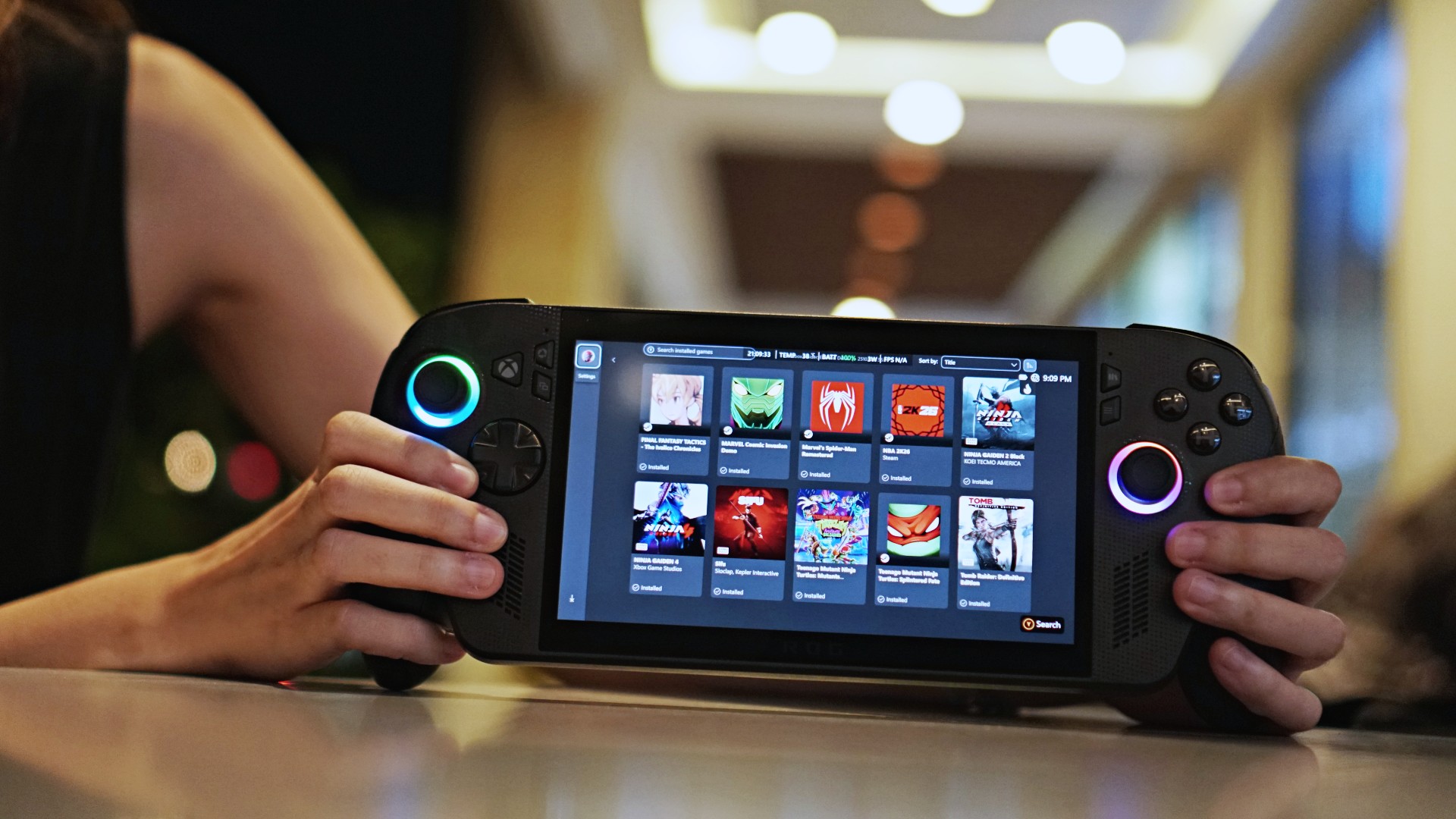
What is an Xbox? For the past year and a half, Microsoft will tell you that anything can be an Xbox. Now, with Project Helix on the horizon, Xbox wants to bring the idea of playing anywhere to the next level. Microsoft will start rolling out its new Xbox Mode to PCs in April.
Since the very first device out in the market, handheld consoles have changed how people play games. Naturally, a lot can already be said about the portability and the convenience of its hardware. But the software needs a special shoutout, too.
Though they are essentially PCs at heart, these consoles are built explicitly for gaming. Fiddling around with Windows isn’t ideal. Instead, they have special software that can collate all of a user’s games into one hub.
The new Xbox Mode, adapted from the ROG Xbox Ally X’s Xbox Full Screen Experience, will do just that but on an actual PC. As announced via an official blog post, Xbox will release the new mode to Windows 11 devices in April, starting with select markets. Like the software used in handheld consoles, Xbox Mode should include all the available games from the Game Pass, Steam, and the Epic Games Store.
Right now, the feature will likely go up against Steam’s Big Picture Mode, which does the same thing but only for Steam titles. However, it should also transition neatly to Project Helix. Xbox is now ramping up the development of its next-generation console codenamed Project Helix. The upcoming machine will be a high-end PC and a gaming console rolled into one, making it perfect for Xbox Mode.
SEE ALSO: Project Helix is Xbox’s next console, and it plays PC games



Apple MacBook Neo Review

Logitech expands G3 series with G325 LIGHTSPEED

LG announces new Top Load Washing Machines

AMD expands Ryzen AI Embedded P100 series lineup

The internet is thirsting over the One Piece Season 2 cast


-

 News2 weeks ago
Xiaomi 17 Ultra is now available outside China
-
 MWC 20261 week ago
TECNO showcases cool concepts at MWC 2026
-

 MWC 20261 week ago
Infinix NOTE 60 Ultra makes a motorsport-inspired debut
-

 MWC 20261 week ago
TECNO launches the all-new CAMON 50 series
-

 Reviews1 week ago
TECNO CAMON 50 Ultra review: End of an era?
-

 Reviews2 weeks ago
Xiaomi Pad 8 review: Slab that slaps!
-

 Reviews2 weeks ago
Forget the Phone: Xiaomi 17 Ultra Is A CAMERA!
-

 MWC 20261 week ago
TECNO unleashes Tonino Lamborghini collection