
Gaming
TECNO ventures into AR gaming with Pocket Go
A unique AR headset-gaming handheld combo

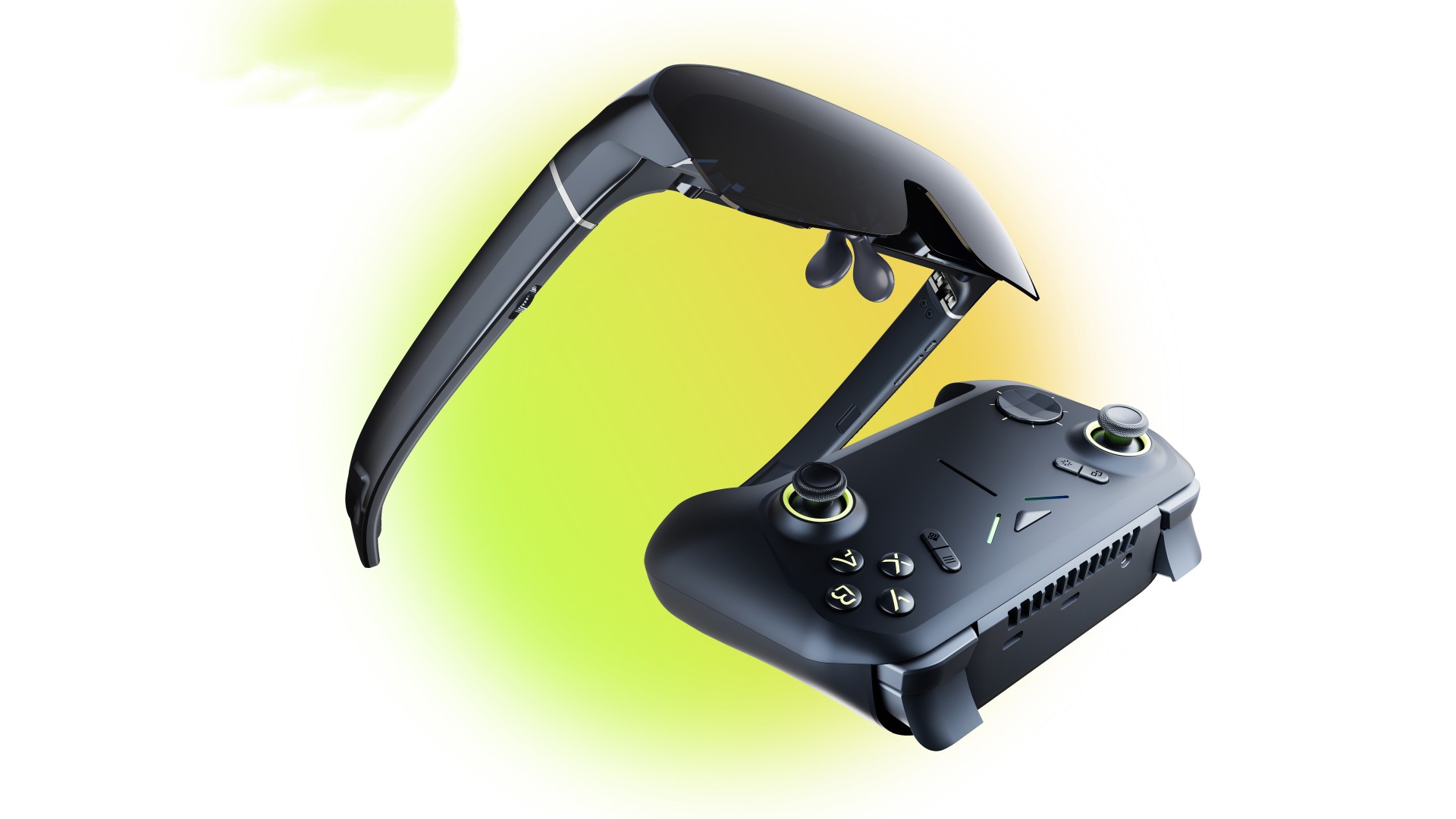
TECNO has ventured into AR gaming with the announcement of the TECNO Pocket Go at MWC 2024.
The TECNO Pocket Go is a unique combination of a Windows AR headset called Pocket Vision and a portable AR Windows handheld device.

This lightweight combo eliminates having to stay in a fixed location to enjoy AR gaming. With this, TECNO promises to bring a new immersive experience to users on the move.
Compact design, expansive view
The Pocket Go set features a compact Windows handheld that resolves the limitations of bulky Windows handhelds. It works together with the AR Pocket Vision headset so the Pocket Go can provide an immersive 6D experience.
The Pocket Vision is equipped with a 0.71-inch micro-OLED screen. This screen replicates the feel of staring at a 215-inch television from six meters away. Users may also adjust the diopter settings up to 600 degrees to suit their visual requirements right from the headset.
Meanwhile, the Pocket Windows handheld redefines portability with a significantly reduced size. It is 50% smaller and 30% lighter than standard handhelds. It has a convenient form factor and combines ergonomic elements for an effortless grip.
The Pocket Go comes with a TECNO Smart Box which serves as a central hub for managing games and settings.
Users may even utilize the Pocket Go beyond gaming. It can be a part of a smart ecosystem as it connects with TECNO devices like smartphones. They may likewise watch movies on the Pocket Vision.

Ultimate gaming power
More than its aesthetics, the Pocket Go is engineered for on-the-go high-FPS AAA gaming. It sets a new standard with a gaming CPU featuring eight cores, 16 threads, and turbo frequencies of up to 5.1GHz.
The Windows handheld, in particular, has effective heat dissipation with its PC-level large cooling fan and three copper pipes.
Bringing the game to life
Furthermore, the Pocket Go brings games to life with both accurate visual and tactile feedback. The Pocket Vision has a six-axis gyroscope and leverages a powerful AI algorithm to capture head movements from the glasses precisely.
TECNO’s unique vibration enhancement algorithm also converts in-game sounds into nuanced vibrations to make the experience feel more alive.
On the other hand, the Pocket Windows handheld has an oversized X-axis linear motor. It also has a proprietary audio vibration algorithm, providing immediate feedback to bass vibrations. Moreover, Hall Effect joysticks and triggers offer precise control, elevating the immersive feel.






Gaming
The Switch 2 is getting its first Joy-Con color variant
It’s not as showy as the first Switch’s Joy-Cons.

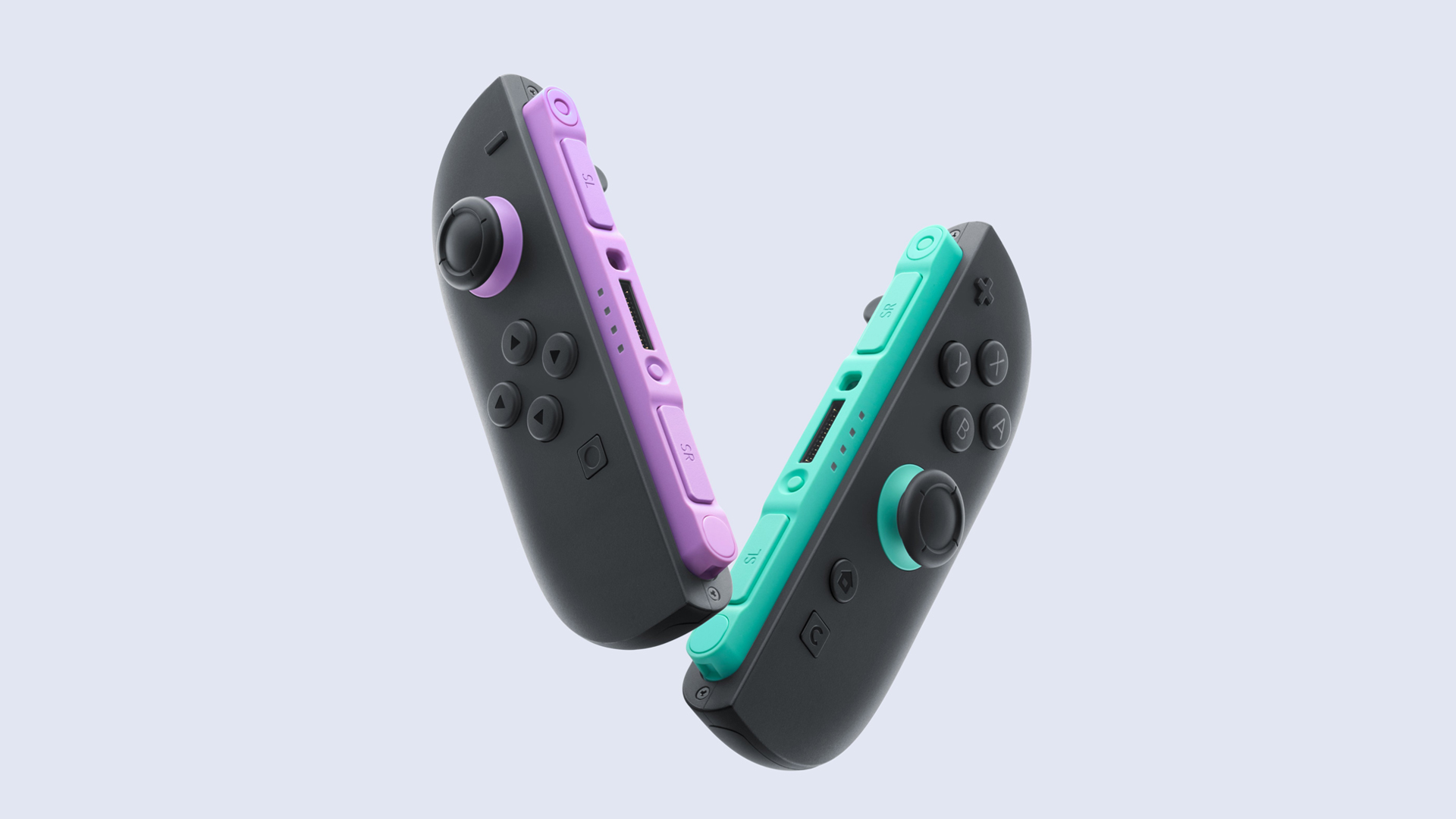
When the Nintendo Switch 2 and its almost-all-black Joy-Cons launched, you might have wondered about how the dual controllers will rock other colors. After all, the original Switch’s ecosystem constantly tempted users with quirky color options. Because the Switch 2 uses a black shell, will future Joy-Cons look just as tempting? Now, we have our answer.
Today, Nintendo has announced its first color variant for the Switch 2 Joy-Con. We should have seen this coming, but the new variant will not have a completely redesigned shell. Instead, the controller will change the colors of the inner rails and the rings around the joysticks. This pair will rock light purple for the left Joy-Con and light green for the right one.
As you enjoy #MarioTennisFever, you’ll also have the opportunity to give your #NintendoSwitch2 a new look!
The first new colored Joy-Con 2 controllers—Light Purple and Light Green—also arrive Feb 12.
Pre-purchase now: https://t.co/xoK6jsePMp pic.twitter.com/JoE8r4oOQl
— Nintendo of America (@NintendoAmerica) January 8, 2026
It’s a tad bit disappointing, especially when you’re comparing it to the previous model. It’s practically impossible to rep the new colors out in public because the inner rails are hidden by the Switch 2. It also doesn’t help that the console itself will still have its red and blue colors, clashing with the new variant.
That said, the Joy-Cons still look pretty cool when separated from the console. But it all depends on when the console gets more games that use only a single Joy-Con.
Thankfully, that’s coming soon. The color variant will launch alongside the upcoming Mario Tennis Fever, the perfect game for single Joy-Cons. Both will come out on February 12.
The new colors will sell for an eye-watering US$ 99.99.
SEE ALSO: Yes, someone made a fries holder for your Nintendo Switch 2
CES 2026
Lenovo Legion Pro Rollable Concept was possible thanks to TCL
Also responsible behind the foldable display of the new motorola razr fold

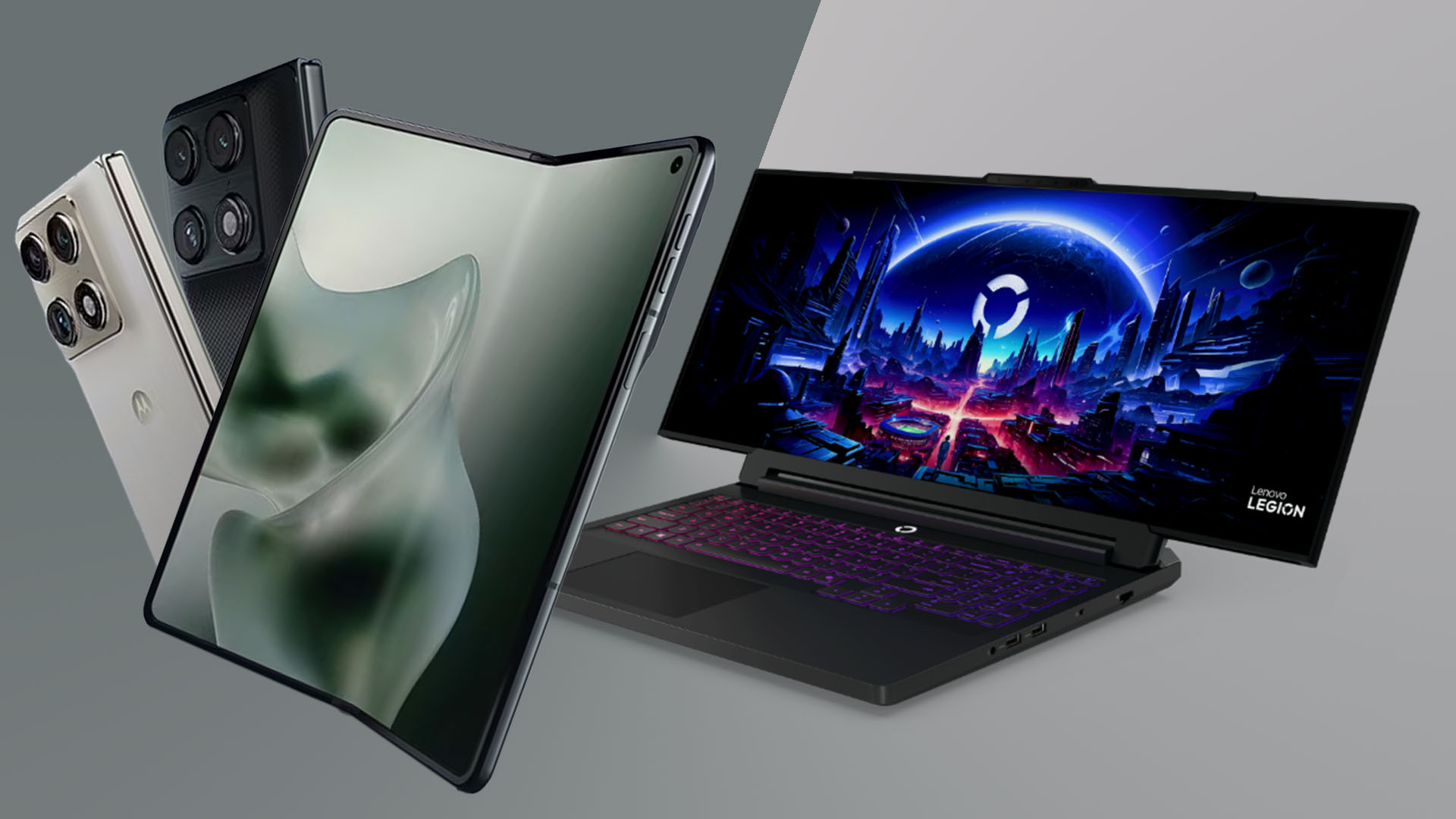
At this year’s CES 2026 in Las Vegas, TCL CSOT (China Star Optoelectronics Technology) and Lenovo have further proved their long-term partnership. The newest Lenovo Legion Pro Rollable Concept and the motorola razr fold are equipped with displays by TCL CSOT.
Lenovo Legion Pro Rollable Concept
The continuous collaboration of the two mighty Chinese companies bring out something that has been envisioned in laptops for quite a while now.
Ever imagined of a conventional laptop with standard 16:9 display that can instantly stretch into a 21:9 widescreen monitor? Well, the Lenovo Legion Pro Rollable Concept proves it’s more than possible.
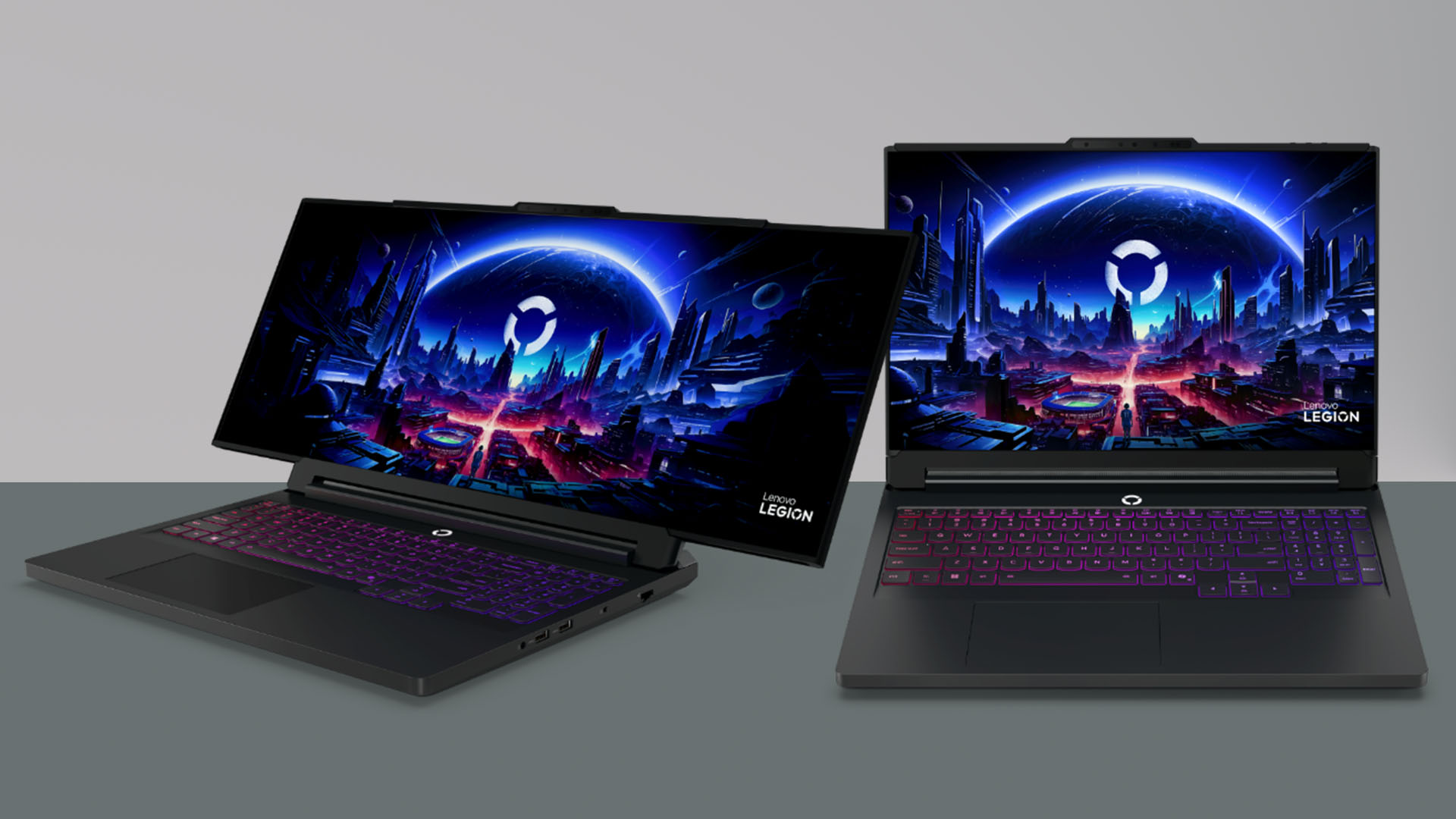
Graphics by Vincenz Lee | GadgetMatch
Pioneering this partnership starts with TCL CSOT’s rollable display. Dubbed as the Lenovo PureSight OLED Gaming display. From a regular 16-inch 16:9 display, it completely transforms into an ultra-wide screen — stretching between 21.5 all the way to 24 inches.
For gamers and even e-sports athletes who seek visual flexibility (literally and figuratively), the display adapts to three (3) different training phases.
- Focus Mode (16 inches) for honing reflexes
- Tactical Mode (21.5 inches) for enhanced situational awareness
- Arena Mode (24 inches) for full-scale competitive simulation
Behind that rollable display tech by TCL CSOT lies a dual-motor, tension-based system. This not only means that the rollable display can unroll smoothly, the expansion is not just controlled, its contraction also delivers minimal vibration and noise.
There’s also a dedicated tensioning mechanism that ensures consistent tautness across the OLED panel. Low-friction materials then secures durability throughout the rolling cycle.
motorola razr fold
Finally, after a long wait, motorola finally unveils their first-ever book-style foldable.
The motorola razr fold headlines TCL CSOT’s 8.1-inch 2K LTPO flexible inner display. And unlike most foldable offerings in the market today, it supports a stylus!

When closed, its 6.6-inch external display delivers the familiarity of a candy-bar smartphone. Furthermore, its sleek, striking, and slim silhouette will feel comfortable in one’s hands.
Not much has been shared but more details will soon be unfolded by motorola.
The Co-Innovation Legacy
The steady legacy of TCL CSOT and Lenovo has already delivered consumer-ready products past the convention center show floor showcase.
Those include the Lenovo Yoga Slim 9i with a flexible 4K OLED display unveiled at CES 2025. Even the motorola razr 60 series flip-style foldables launched last July 2025 was not missed.
And, with the introduction of the Legion Pro Rollable Concept and the motorola razr fold, both companies continue to turn advanced display research into practical, user-focused products — setting new standards for performance, comfort, and sustainability.

With past display innovations, these newer advancements offer a more immersive viewing experience, better eye comfort, and flexiblility across various user applications.
This continuous collaboration highlights the companies shared commitment to advancing display technology and elevating the visual experience for users worldwide.
TCL CSOT’s constant strive for innovation is mainly driven by their APEX values:
- A-mazing Display Experience
- P-rotective of Eye Health
- E-co-Friendly to build and use; and
- X-Unlimited Imaginative Potential
Jun Zhao, the Senior Vice President of TCL Technology and CEO of TCL CSOT, states that the company is dedicated in providing Lenovo high-quality displays and custom diplay solutions that turn advanced technology into something “We are dedicated to providing Lenovo with high-quality, custom display solutions that turn advanced technology into everyday excellence, and
He also says “they look forward to exploring new frontiers together.”
CES 2026
This Razer AI companion can tell you how much of a noob you are
The brand also unveiled an AI headset and an immersive gaming chair.
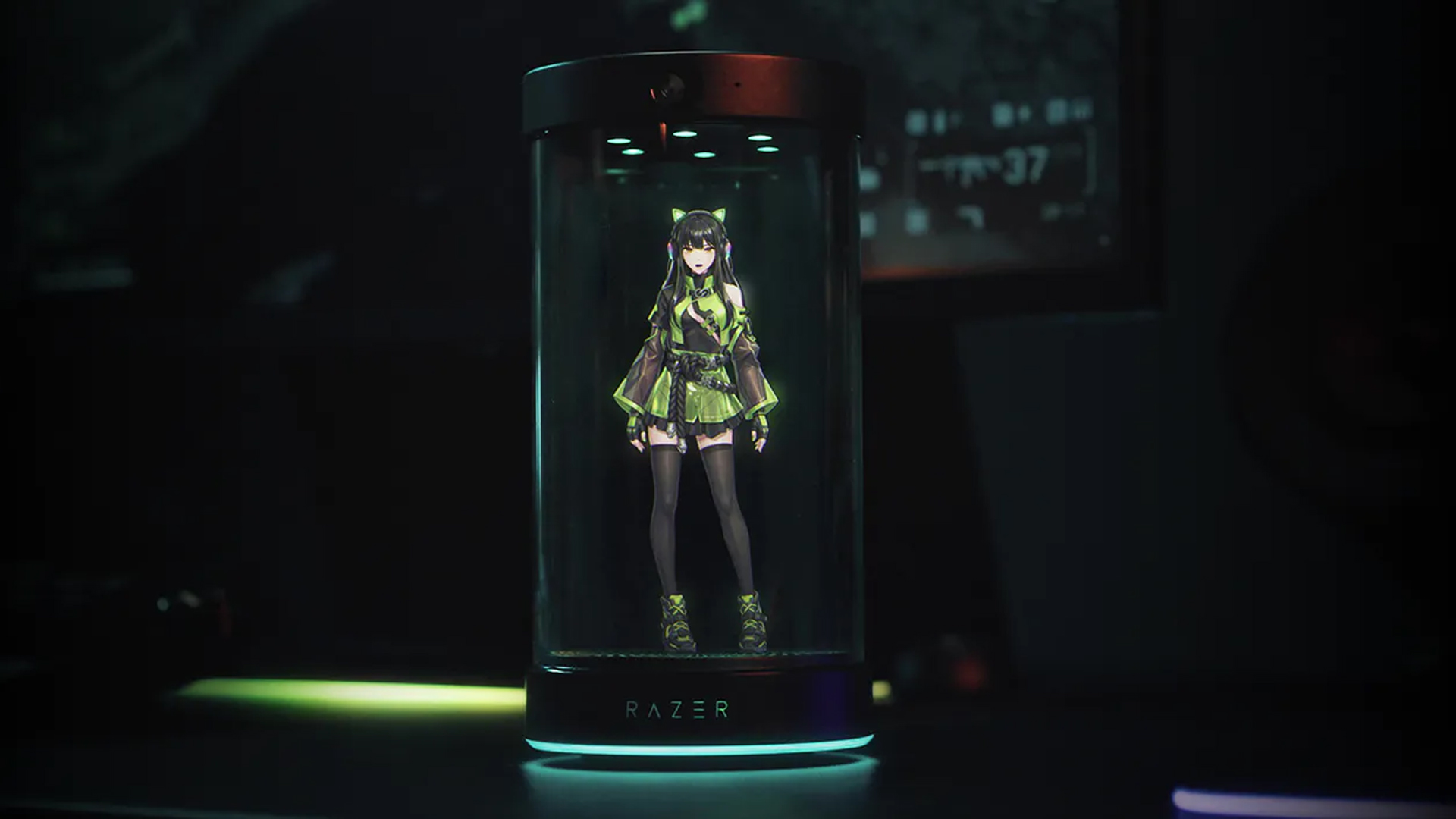
Whenever you’re playing a single-player game, do you miss the toxic banter of teammates telling you how bad you are? Sometimes, it feels impossible to play without another voice in your ear. For those moments, Razer reintroduced Project AVA, an AI desk companion designed to keep you company while gaming and for more.
Project AVA
Technically, Razer already introduced the AI companion during last year’s CES 2025. This year, however, the brand has added more functionalities to the upcoming product, turning the device from a mere esports coach into an actual companion.
Previously, the assistant can use your camera, eye-tracking, audio input, and the screen to tell you how to get better in your chosen game. Now, Razer has added the ability to help you with everyday tasks like organizing schedules and suggesting fits.
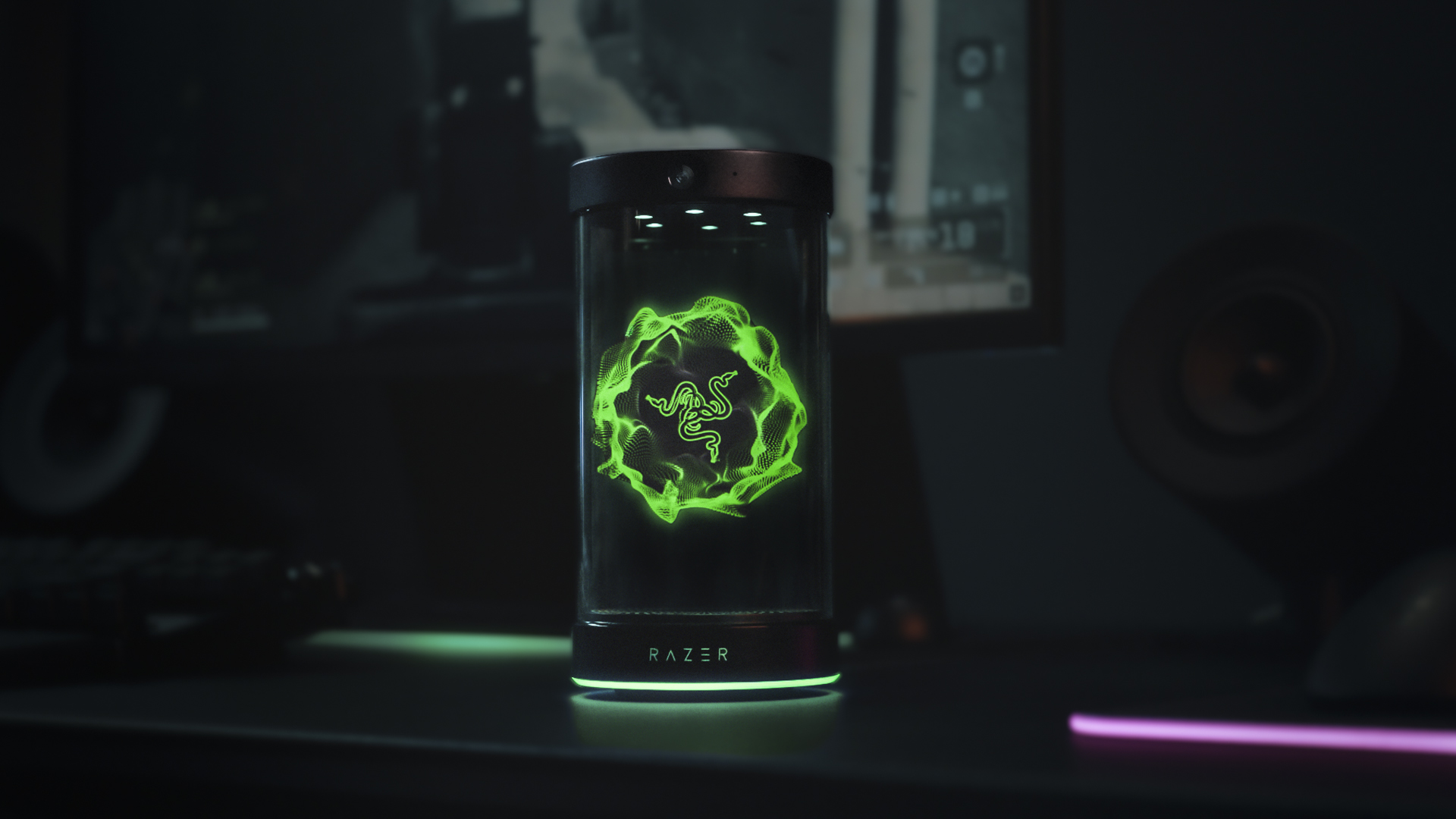
Additionally, users can choose between a variety of 5-inch animated holograms as avatars, such as Kira, Zane, and even Japan’s favorite salary woman SAO. Users can also pick personalities for them from sassy to friendly.
Since it’s still a concept, there’s no word on when Project AVA will be available as a finished product.
Project Motoko
Last month, we reviewed the BlackShark V3 Pro, one of the most comfortable gaming headsets we’ve tried. Not content with prioritizing comfort, Razer has now added AI to a headset.
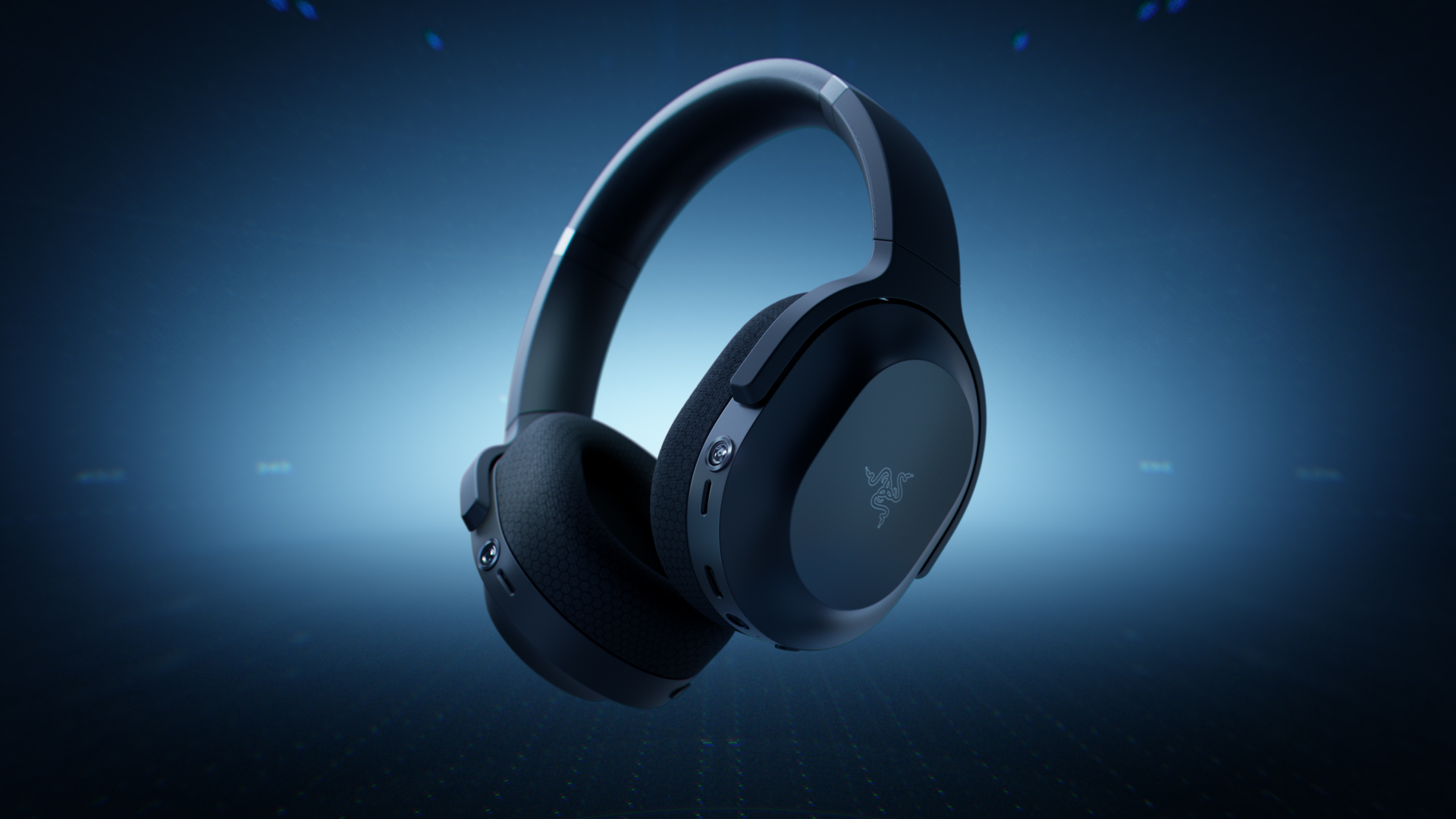
Project Motoko showcases a headset that uses AI technology to anticipate your needs. Besides a flurry of microphones, the headset uses two cameras positioned at eye level to analyze your surroundings. Razer says it can even track how many reps you’ve done at the gym and summarize a document you’re looking at.
Because the software is specifically designed to detect your surroundings, it can reportedly heighten your senses and find things you might have missed from your peripheral vision. Additionally, it can heighten your hearing and amplify conversations and sounds you might find important.
Project Madison
To cap it all off, Razer also unveiled an immersive gaming chair. Project Madison is a chair that uses lighting, audio, and haptic feedback to deliver an immersive gaming experience.
First of all, the chair uses Razer’s iconic Chroma RGB to simulate your surroundings while playing a game. With 16.8 million colors, it makes you feel visually immersed in your game.
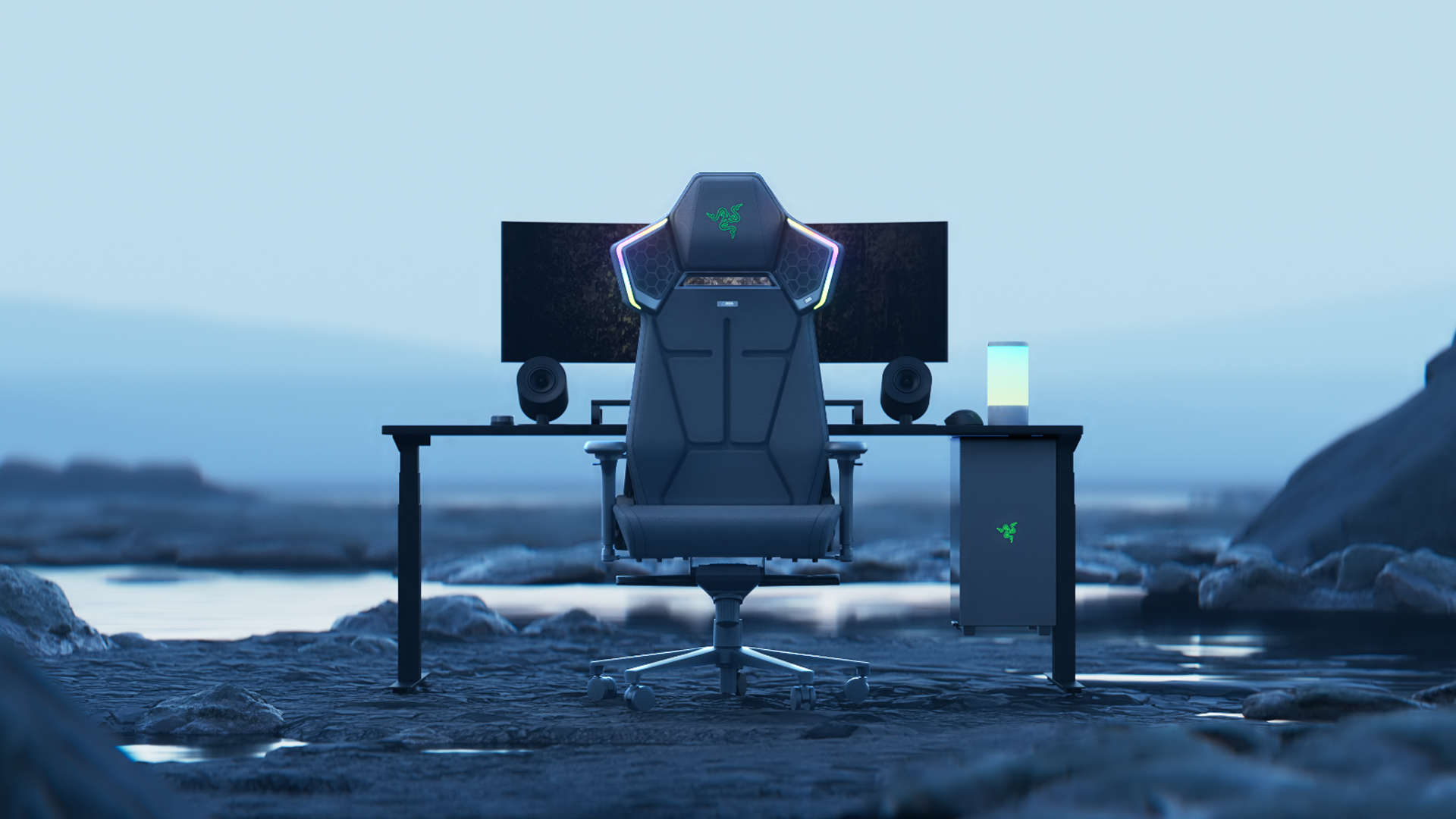
Secondly, the chair has THX Spatial Audio. On its own, the chair’s speakers can provide audio immersion. Further, if you pair it with front speakers, you can upgrade this to a 7.1 surround sound system.
Thirdly, Project Madison features Razer Sensa HD Haptics to deliver a tactile sensation that makes you feel every impact and explosion.


HONOR Magic8 Pro Stage Mode at a TWICE concert
Good… with room to grow


HONOR Magic8 Pro review: What sorcery is this?
Looks incremental on paper. Feels like magic in real life.


OPPO A6 Pro: Adequate tool, no definitive punch
Ample, all-around, just alright — you name it — but no definitive punch anew

Anker, eufy, soundcore unveil next-gen products at CES 2026

Rokid integrates Alipay+ GlassPay into wearables

LG showcases CLOiD home robot at CES 2026

Leion Hey2, world’s 1st AR Translation Glasses, launched at CES 2026

HONOR X9d 5G launches in the Philippines: Price, preorder, availability


-
Reviews1 week ago
OPPO A6 Pro: Adequate tool, no definitive punch
-
 News3 days ago
HONOR X9d 5G launches in the Philippines: Price, preorder, availability
-

 Blog2 weeks ago
The GadgetMatch Team’s Favorite Picks of 2025
-

 Editors' Choice2 weeks ago
Lifestyle Favorites of 2025
-

 Entertainment2 weeks ago
Now Playing: Avatar: Fire and Ash
-
Reviews4 days ago
HONOR Magic8 Pro review: What sorcery is this?
-
 CES 20261 week ago
Samsung thinks AI works best together
-
Camera Walkthrough4 days ago
HONOR Magic8 Pro Stage Mode at a TWICE concert