
News
vivo finally reveals the X100 Pro in China
With a monstrous 5400mAh battery, super-fast LPDDR5T memory, and floating telephoto lens design


Usually, vivo updates its smartphones every six (6) months. But that wasn’t the case this 2023.
Although the vivo X90 models were launched globally last February 2023, the series was introduced first to China last November 2022.
And after a year, vivo has finally revealed the X100 and X100 Pro — their newest flagship phones.
Full-Fledged Flagship

The vivo X100 Pro is making its pledge with MediaTek as the full-fledged flagship rocks the latest Dimensity 9300 chipset based on a 4nm (nanometer) process. This promises improved CPU performance of up to 40% and reduced energy consumption by 33%.
Its new Immortalis-G720 GPU also assures 46% performance improvement with 40% reduction in power.

Another first on its class is the new LPDDR5T RAM. It was first introduced by SK hynix last October 2023. In layman’s term, it’s the fastest memory in a smartphone just yet. Paired with a speedy-fast UFS 4.0 storage, the vivo X100 Pro is the dream flagship you might want to consider in your bucketlist.
Again, another first on any phone is the display being able to achieve 3000nits of peak brightness. While technically not the very first one as the iQOO 12 Pro got launched with it first, the X100 Pro still counts.

And while on the topic, flagship display features still remain such as its 6.78-inch LTPO AMOLED Full HD+ display with 2.5D curved glass, 120Hz adaptive refresh rate, 20:9 aspect ratio, 2160Hz PWM Dimming, 452ppi Pixel Density, 93% StB (Screen to Body) ratio, support for 1.07 Billion Colors, HDR10+, and 100% DCI-P3 Wide Color Gamut.
This being announced in China, it’s expected that the phone runs the latest Origin OS 4 based on Android 14.
Behemoth Battery
For Android flagships, 5000mAh batteries are no big deal. But for an Android flagship, it is a big deal after all.
The vivo X100 Pro packs a 5400mAh battery — a behemoth for any flagship in existence.

And if that’s not enough to satisfy your hunger for power, it supports a faster wired charging via its 100W FlashCharge adapter plus 50W wirelessly. Last year’s X90 Pro+ only supported 80W FlashCharge.
Photography Powerhouse

The X100 Pro continues to be a smartphone meant for photography as it packs a triple 50-megapixel camera setup.
The main (wide) camera has an aperture of f/1.78 and a 1-inch sensor size based on Sony’s IMX989 sensor just like its X90 Pro and Pro+ predecessors.
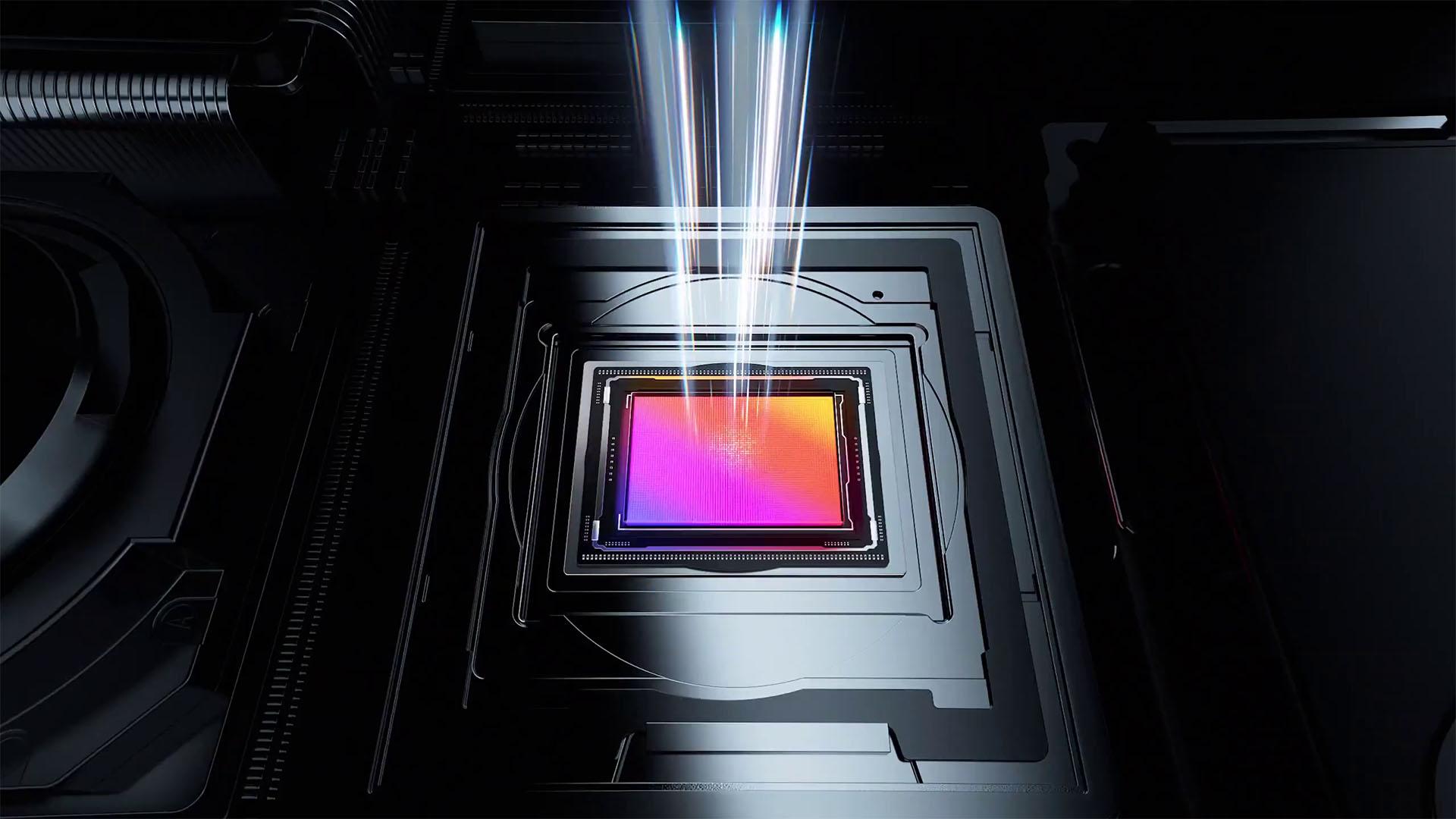
There’s also the ultra-wide lens with an opening of f/2.0 and a sensor size of 1/2.76-inches.
Lastly, there’s the 32-megapixel f/2.0 front camera for self-portraits.

A newer flagship also means a newer ISP (image signal processing) chip. Thanks to vivo’s in-house V3 chip, it promises better imaging and AI algorithms and also features better energy efficiency.
Twice the ZEISS
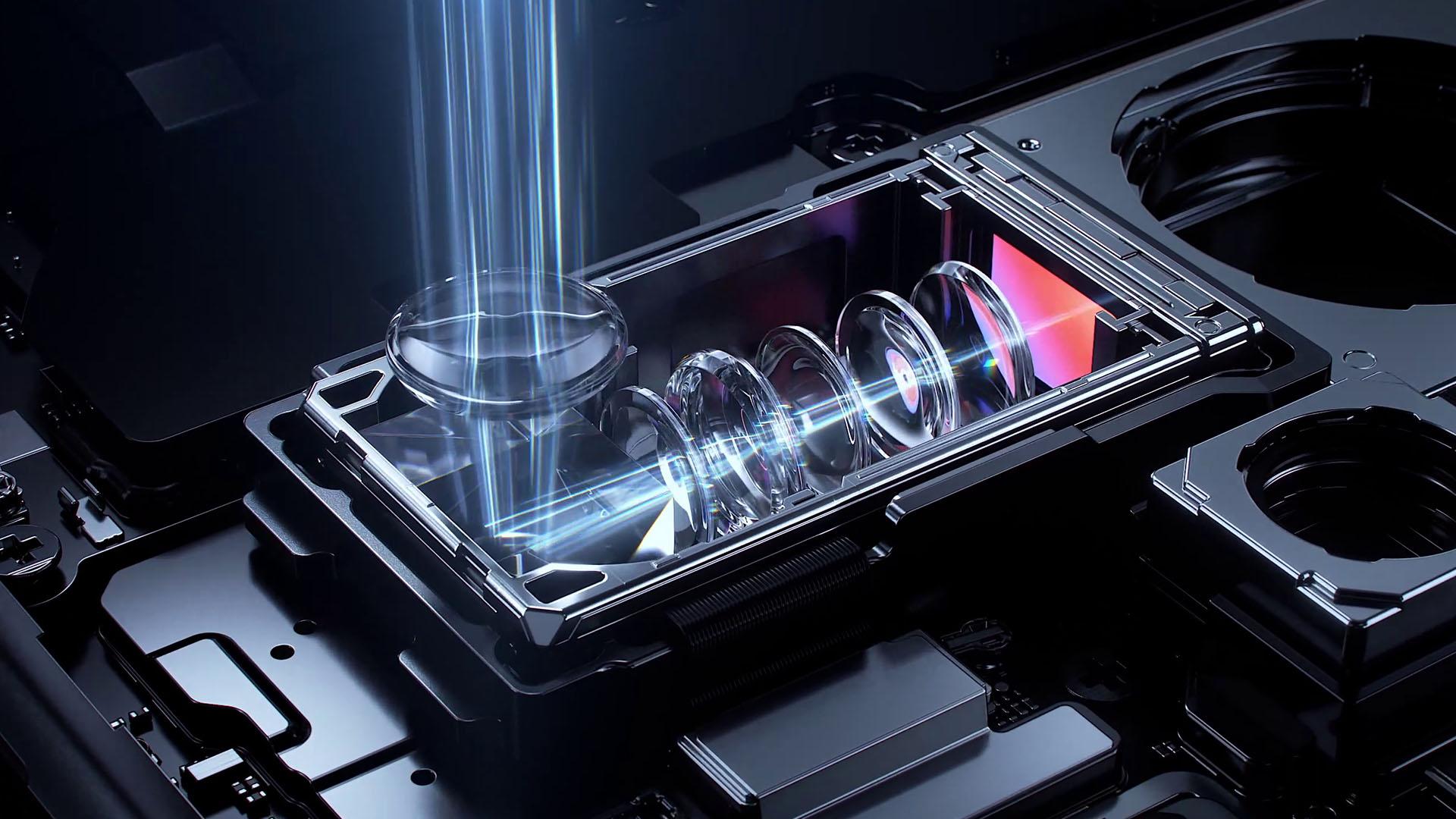
To top everything, its 50-megapixel 4.3x telephoto camera now features ZEISS Vario-APO, a new floating lens structural design for long-zoom shooters — which is another first in any smartphone.

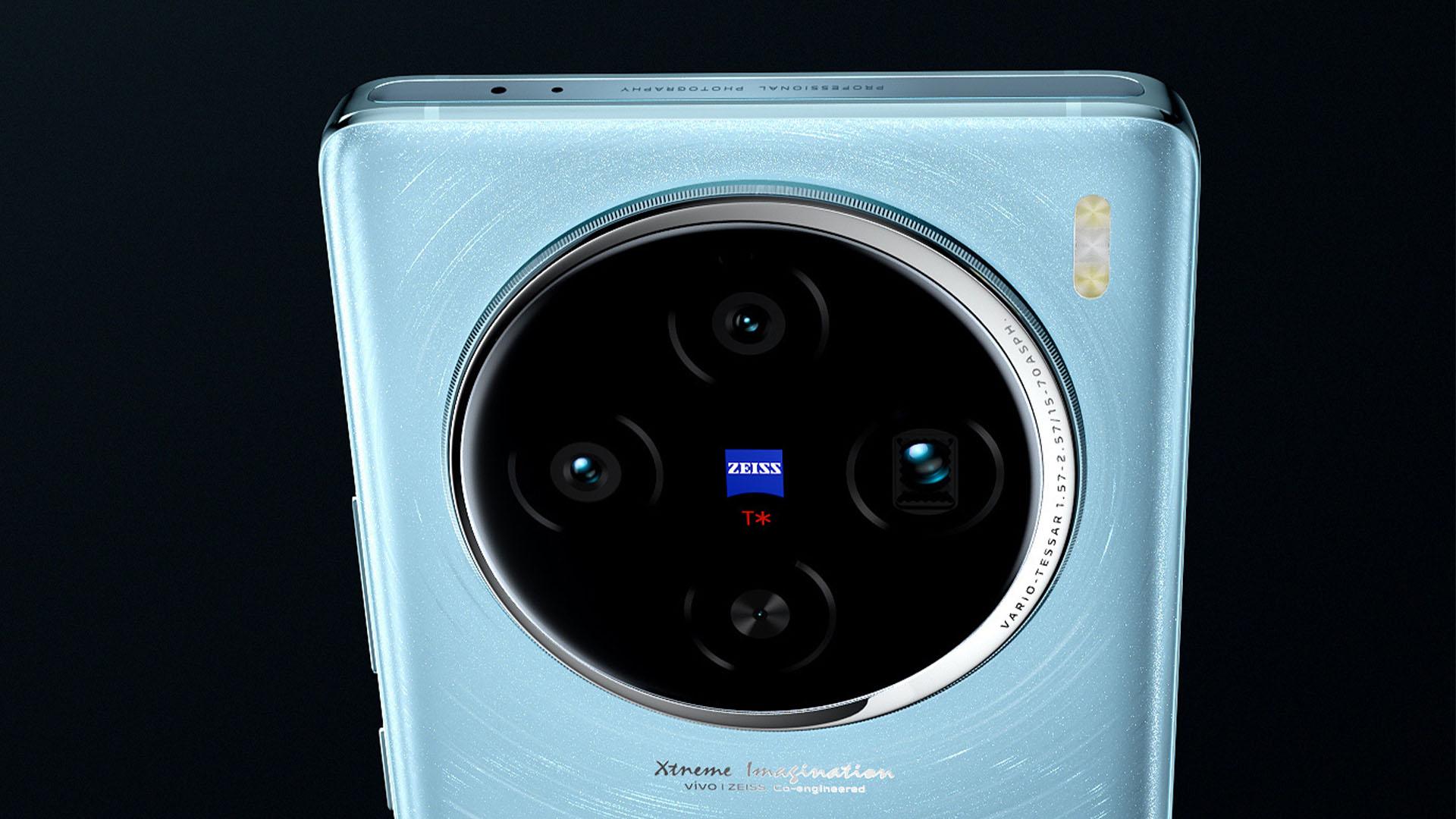
Not only it promises excellent chromatic aberration control capabilities but also makes picture quality better with more vivid colors. Of course, there’s the signature ZEISS T* lens coating to make every photo crystal clear.
It wouldn’t be complete without the ZEISS Full Focus Portrait Master. This unlocks the full potential of the X100 Pro’s cameras by incorporating the classic ZEISS lenses through software magic: 24mm Distagon, 50mm Biotar, 85mm Sonnar, and 100mm Planar.
4K Magic
For mobile videographers, the X100 Pro can now shoot 4K footages with a 2.39:1 movie frame. There’s also the cinematic depth of field blur and the ability to edit it post-shooting.

More 4K video features include textured portraits, layered color LUTs, masterful focus transitions and five distinctive Movie style presets with 3DLUT import support, and a super-sensing “Night Vision” capability.
It also shoots 8K just in case you’re that resolution-savvy video shooter.
The base X100
Of course, it wouldn’t be complete without announcing a base flagship variant.

To make it short and concise, the non-Pro variant of the vivo X100 still rocks the same chipset albeit with a smaller 5000mAh battery but has a faster 120W FlashCharge support. Wanting a smaller display? Well the X100 packs the same display as its Pro sibling.
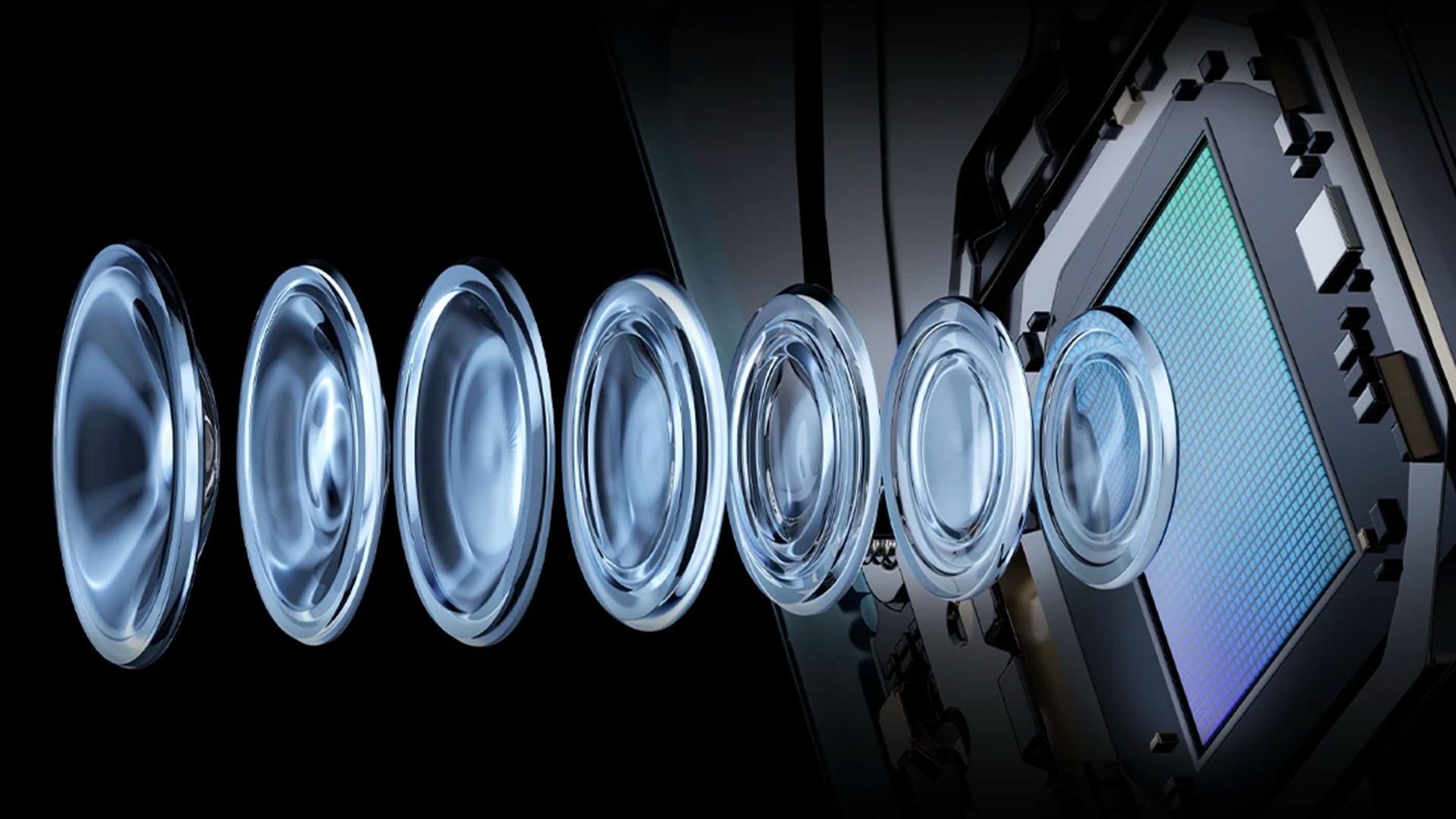
It also ditches the 1-inch Sony IMX989 sensor in favor of a 50-megapixel super photosensitive VCS bionic main camera at 1/1.49-inches. It might look like a typo but the Pro has an even wider aperture of f/1.57 instead of X100 Pro’s f/1.75.

The telephoto shooter has a larger megapixel count at 64 megapixels but only optically zooms in to 3x and doesn’t feature the new ZEISS APO floating design. Still, it’s a ZEISS Super Long Throw camera and up to 100x digital zoom. Lastly, it has the vivo V2 ISP instead of the latest V3 chip.
Its 50-megapixel ultra-wide angle camera and 32-megapixel selfie camera both remain unchanged.
These compromised features may not be a big deal to users who want to own a flagship Android phone without spending too much.
Pricing and Availability
It looks like vivo offers a very compelling flagship series this 2023 — at least in China.
Graphics by Vincenz Lee
The current base pricing for the vivo X100 Pro just starts at CNY 4999 with the typical 12GB + 256GB configuration.
- 12GB + 256GB = CNY 4999 (US$ 686 / EUR 642 / GBP 561 / SG$ 932 / PhP 38,311 / INR 57,120)
- 16GB + 256GB = CNY 5299 (US$ 727 / EUR 680 / GBP 595 / SG$ 988 / PhP 40,610 / INR 60,547)
- 16GB + 512GB = CNY 5499 (US$ 754 / EUR 706 / GBP 617 / SG$ 1026 / PhP 42,142 / INR 62,833)
- 16GB LPDDR5T + 1TB = CNY 5999 (US$ 823 / EUR 770 / GBP 674 / SG$ 1119 / PhP 45,974 / INR 68,546)
For reference, the vivo X90 Pro+ was launched for CNY 6499 having the same configuration. With that price, you can buy the maxed-out configuration of the vivo X100 Pro.
Meanwhile, the vivo X100 has five different configurations in mind:
- 12GB + 256GB = CNY 3999 (US$ 549 / EUR 514 / GBP 449 / SG$ 746 / PhP 30,647 / INR 45,693)
- 16GB + 256GB = CNY 4299 (US$ 590 / EUR 552 / GBP 483 / SG$ 802 / PhP 32,946 / INR 49,121)
- 16GB + 512GB = CNY 4599 (US$ 631 / EUR 591 / GBP 516 / SG$ 858 / PhP 35,245 / INR 52,549)
- 16GB + 1TB = CNY 4999 (US$ 686 / EUR 642 / GBP 561 / SG$ 932 / PhP 38,311 / INR 57,120)
- 16GB LPDDR5T + 1TB = CNY 5099 (US$ 700 / EUR 655 / GBP 573 / SG$ 951 / PhP 39,077 / INR 48,262)
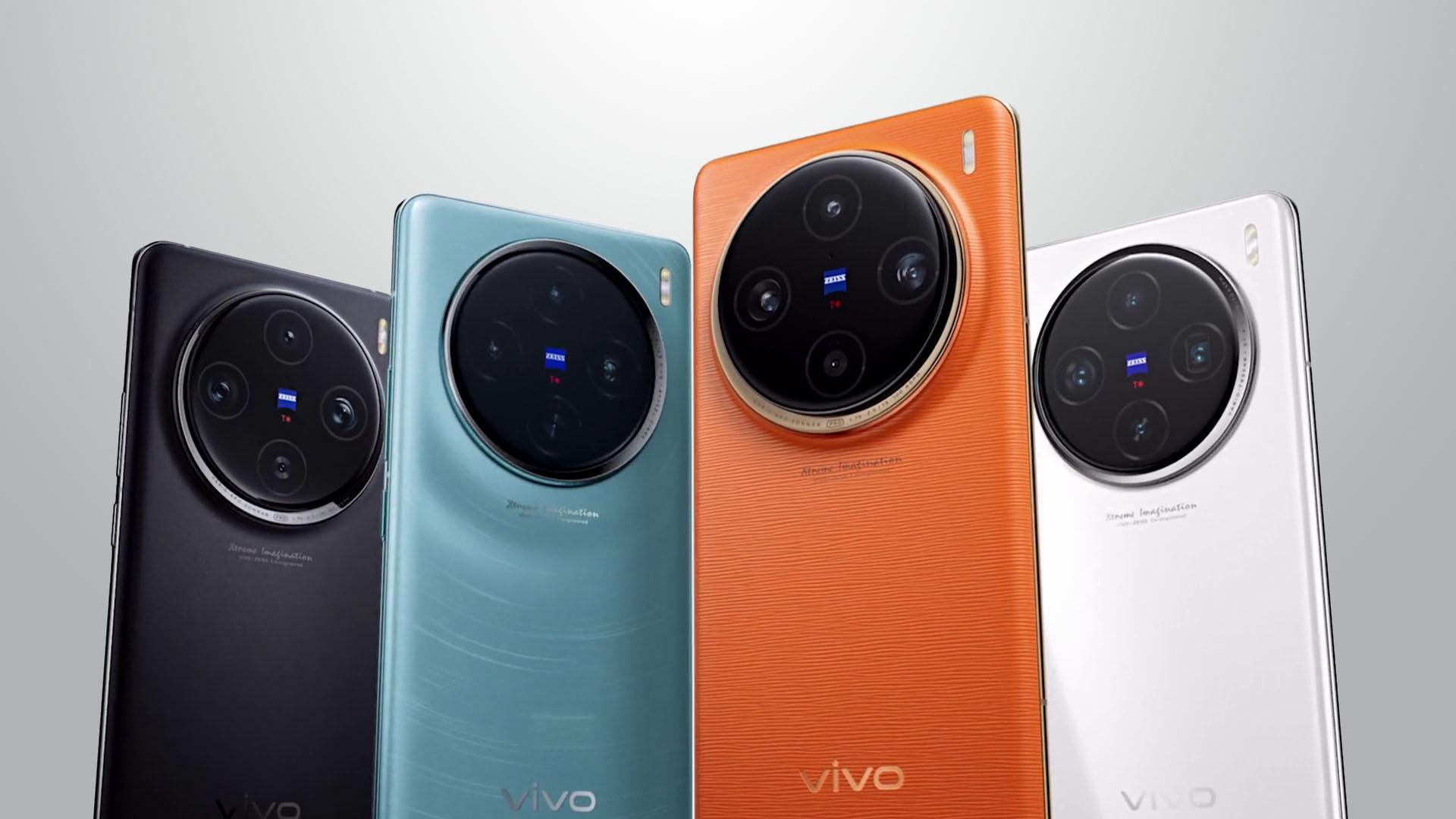
Both the vivo X100 and X100 Pro are available in four different colorways: Sunset Orange, Star Track Blue, White Moonlight, and Nightfall.






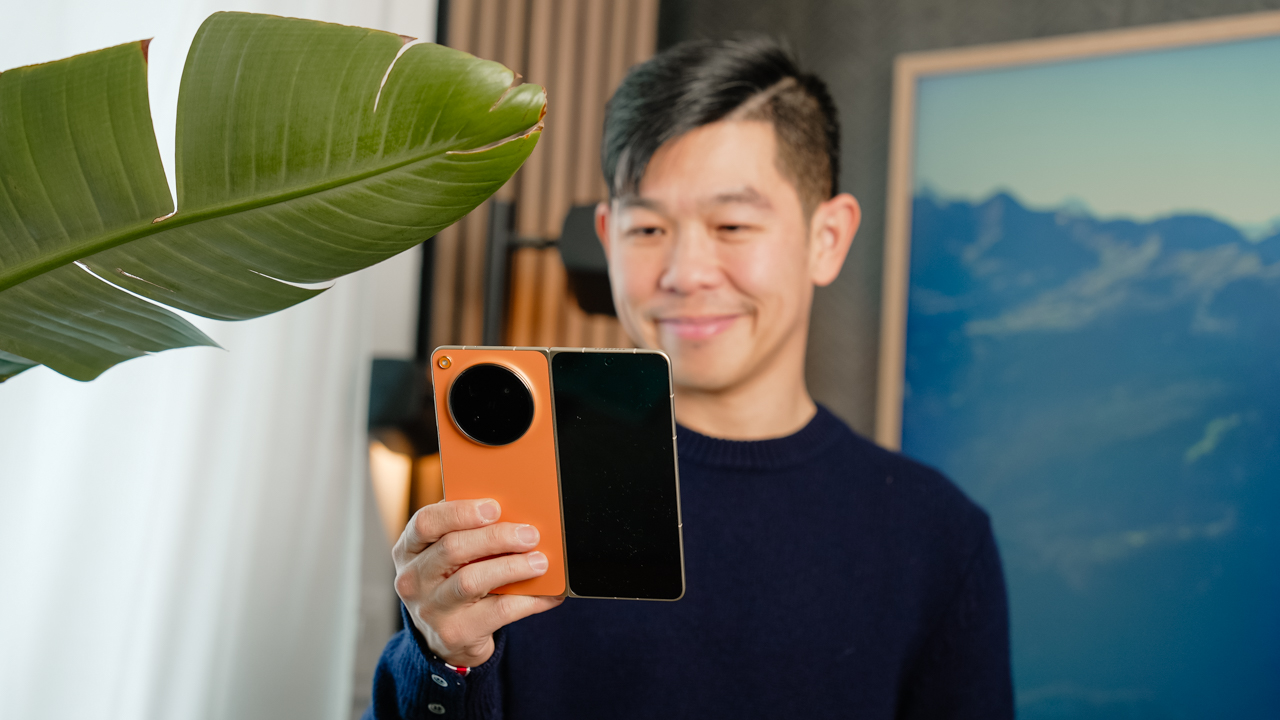
OPPO has officially unveiled the Find N6, its latest foldable flagship designed to push the category further with a near crease-free display, powerful hardware, and productivity features tailored for large screens.
The device introduces what OPPO calls a “Zero-Feel Crease,” a new hinge and display structure designed to minimize the visible fold line and deliver a flatter inner screen experience over time.
The foldable was introduced at OPPO’s Binhai Bay Campus in China and will become globally available starting March 20, 2026.
Design and durability upgrades
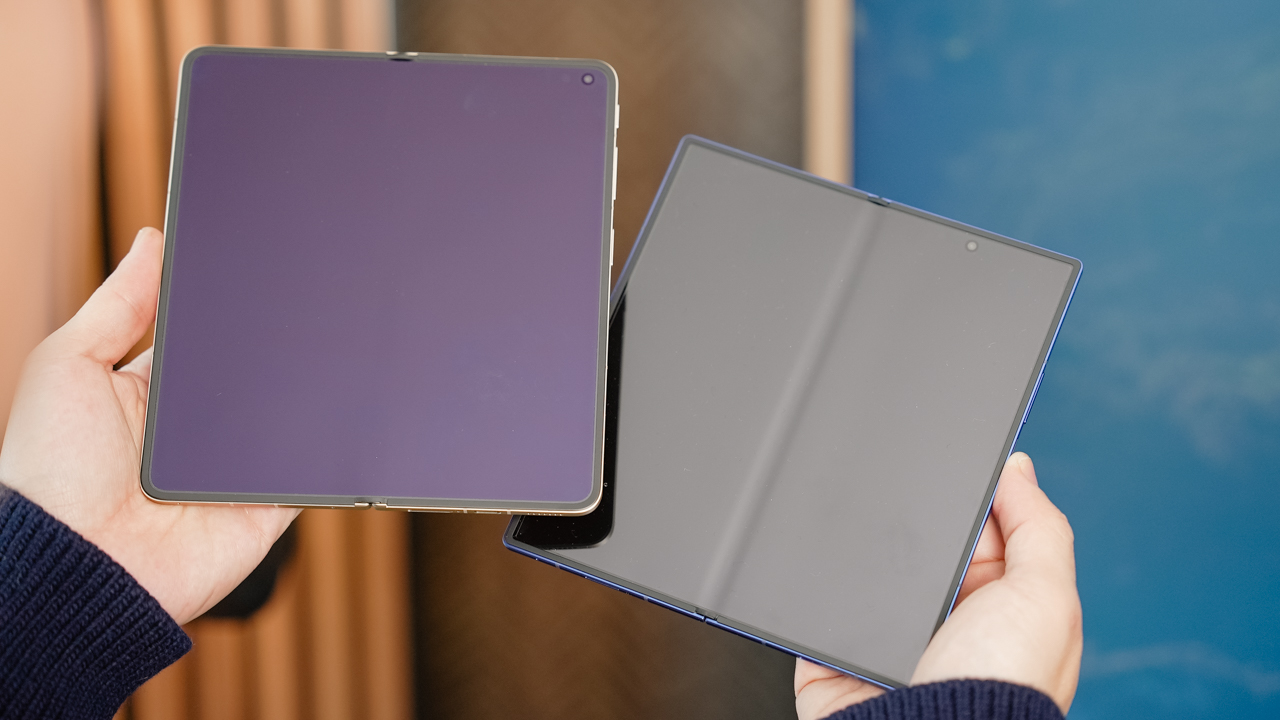
Left: OPPO Find N6. Right: Galaxy Z Fold7
The Find N6 continues OPPO’s push for thinner and more ergonomic foldables. Despite its book-style design, the company says the device maintains a comfortable grip comparable to conventional bar-style smartphones.
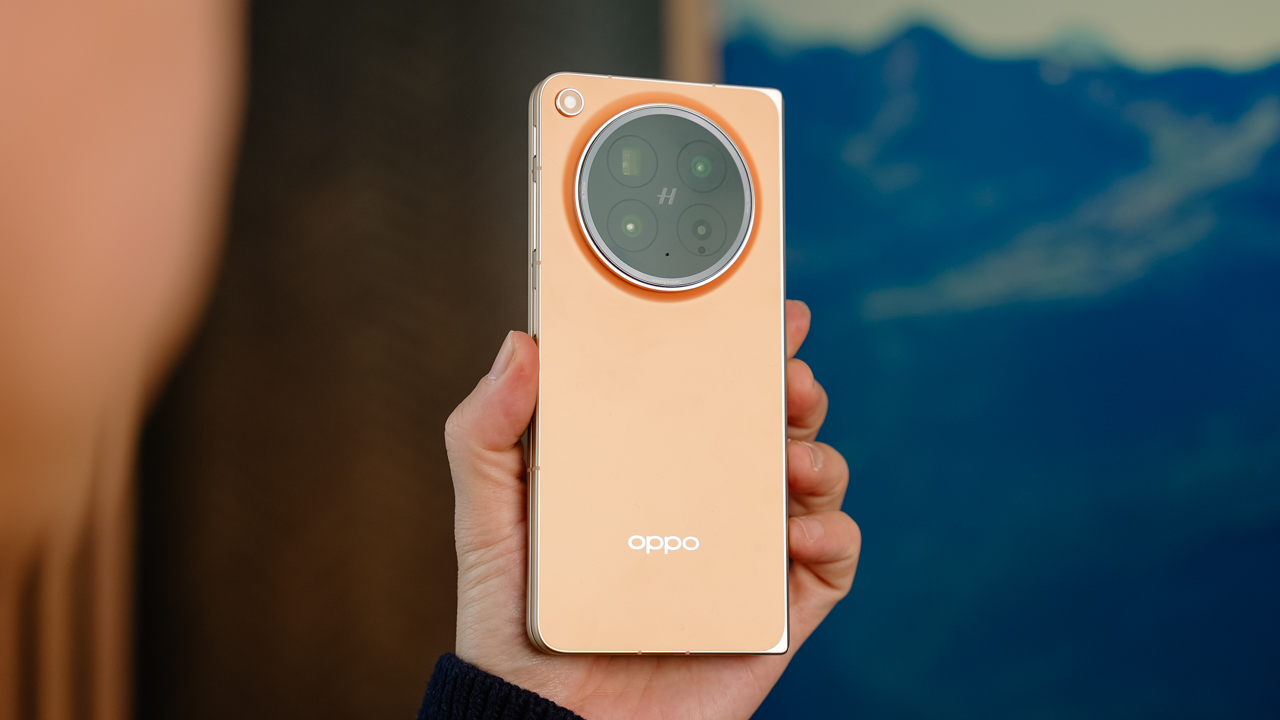
It comes in two colourways: Stellar Titanium and Blossom Orange. The latter stands out with genuine gold accents integrated into the hinge casing made of titanium alloy.
Underneath its premium exterior, the Find N6 also adds stronger durability credentials. It carries IP56, IP58, and IP59 ratings for dust and water resistance, allowing it to withstand everyday splashes as well as high-temperature and high-pressure water jets.
Multitasking powered by ColorOS 16
On the software side, the Find N6 runs ColorOS 16 optimized for foldables, designed to take advantage of its larger inner display.
One of the key features is Free-Flow Window, a multitasking tool that allows up to four apps to run simultaneously. Users can freely adjust window sizes and aspect ratios, enabling flexible workflows for productivity or content creation.
The feature integrates with OPPO’s Boundless View interface, allowing users to transition smoothly between intensive multitasking layouts and a focused single-app experience.
ColorOS 16 also brings a set of AI-driven tools, including AI Mind Space, AI Recording, and AI Motion Photo Popout.
For cross-device functionality, O+ Connect enables file transfers between the Find N6 and Mac or Windows computers. The system also supports screen mirroring and remote control functions.
AI Pen turns foldable into a workstation
Complementing the large display is the OPPO AI Pen, a stylus designed to enhance productivity on the foldable device.
The stylus supports 4,096 levels of pressure sensitivity and works on both the inner and outer displays.
OPPO positions it as more than a standard stylus. The AI Pen enables features like Quick Note and Global Annotation, while also functioning as a laser pointer for presentations.
It also supports AI-powered tools such as Circle to Capture, AI Chart, and AI Image. These tools can capture on-screen content, convert rough notes into structured tables, or transform hand-drawn sketches into polished artwork.
Flagship performance and imaging
Powering the Find N6 is the Snapdragon 8 Elite Gen 5 Mobile Platform paired with a 6,000mAh silicon-carbon battery.
The device supports 80W SUPERVOOC wired charging and 50W AIRVOOC wireless charging, designed to provide all-day endurance even with extended use of the foldable display.
For imaging, OPPO introduces its new Hasselblad Master Camera System on the Find N6.
The system is led by a 200MP Hasselblad Ultra-Clear main camera. It is joined by a 50MP ultra-wide camera capable of capturing 50 percent more light than the previous generation, and a 50MP 3x periscope telephoto lens with tele-macro capabilities.
The phone also includes a dedicated True Color Camera sensor, first introduced with the Find X9 series, designed to improve white balance accuracy and produce more natural color reproduction.
Camera features developed with Hasselblad include Hasselblad Portrait Mode for DSLR-style bokeh, Hasselblad Master Mode with manual controls tuned to match the Hasselblad X2D camera, and XPAN mode that captures cinematic photos in a wide 65:24 aspect ratio.
The Find N6 also supports professional-grade video features. All three rear cameras can record 4K video at 60fps in Dolby Vision, while the main camera can capture 4K 120fps Dolby Vision footage. Log video support is also included for advanced color grading workflows.
Price and availability
OPPO Find N6 will be globally available starting March 20, 2026 through official OPPO stores, authorized retailers, and partner carriers worldwide.
The foldable will be available in two colourways: Stellar Titanium and Blossom Orange.
Pricing in China is as follows:
- 12GB + 256GB: ¥9,999
- 16GB + 512GB: ¥10,999
- 16GB + 1TB: ¥11,999
The OPPO AI Pen Kit will retail for ¥499.
For regional pricing and availability, OPPO advises consumers to check with their respective regional teams or official OPPO channels.
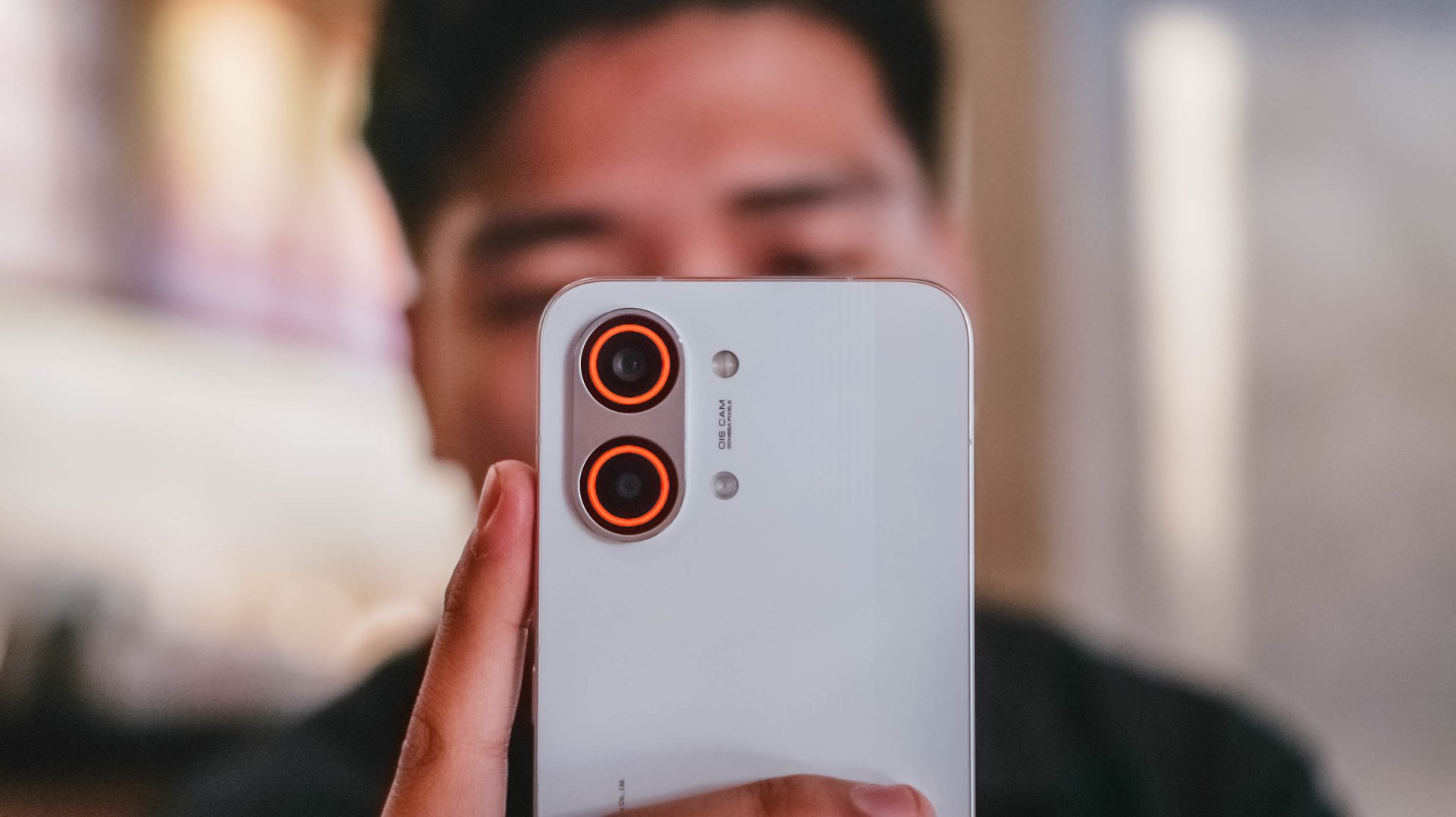
POCO has announced the Singapore pricing and availability of the newly launched POCO X8 Pro Series. It includes the POCO X8 Pro Max and POCO X8 Pro.
In Singapore, the lineup will be available with early bird pricing from March 17 to April 5. They offer discounts across all configurations.
Price and availability
The POCO X8 Pro Max (12GB + 256GB) carries a recommended retail price of SGD 589. However, will be available at an early bird price of SGD 559 during the promotional period. Meanwhile, the 12GB + 512GB variant is priced at SGD 619, discounted to SGD 599 for early buyers.
For the standard model, the POCO X8 Pro (8GB + 256GB) is priced at SGD 469, with an early bird price of SGD 439. The 12GB + 512GB configuration retails for SGD 519 and will be available at SGD 489 during the launch promo.
The POCO X8 Pro Max will be available in Black, Blue, and White, while the POCO X8 Pro comes in Black, Mint Green, and White.
Performance-focused X Pro series
The POCO X8 Pro Series marks the brand’s shift from the traditional X Series to the new X Pro Series, positioning the lineup around stronger performance and improved endurance.
Leading the series is the POCO X8 Pro Max, which debuts globally with the Dimensity 9500s flagship chipset. Built on a 3nm process, the chip uses a 4+4 all-big-core CPU design with clock speeds of up to 3.73GHz.
POCO says the device can achieve an AnTuTu score of over 3 million, positioning it among the most powerful smartphones in its segment.
Meanwhile, the POCO X8 Pro is powered by the Dimensity 8500-Ultra platform, delivering improved GPU performance and better power efficiency compared to the previous generation.
Both devices also support hardware-level ray tracing and POCO’s WildBoost Optimization, which helps stabilize frame rates during demanding gameplay.
Large batteries and fast charging
Battery capacity is another highlight of the lineup.
The POCO X8 Pro Max packs an 8,500mAh battery, which the company says can deliver up to two days of battery life on a single charge.
Meanwhile, the POCO X8 Pro features a 6,500mAh silicon-carbon battery, designed to provide strong endurance while maintaining a relatively compact device size.
Both phones support 100W HyperCharge as well as 27W reverse charging, allowing them to charge other devices when needed.
Displays and cameras
The POCO X8 Pro Max features a 6.83-inch display, while the POCO X8 Pro uses a 6.59-inch panel.
Both displays can reach 3,500 nits peak brightness across 25 percent of the screen, improving visibility outdoors.
On the camera side, both devices feature a 50MP main camera and a 20MP front camera. The Pro Max uses a Light Fusion 600 sensor, while the X8 Pro uses a Sony IMX882 sensor.
Additional features include UltraSnap, Dynamic shots, and AI-powered editing tools designed to simplify image enhancement.


POCO has officially launched the POCO X8 Pro Series in the Philippines, introducing the POCO X8 Pro Max, POCO X8 Pro, and the special POCO X8 Pro – Iron Man Edition.
Price and availability
The new lineup will be available through Shopee, Lazada, and TikTok Shop nationwide, with an Early Bird Sale running from March 17 to March 26, 2026.
Pricing for the series starts at PHP 15,499 for the POCO X8 Pro during the early bird promo. Meanwhile, the POCO X8 Pro Max starts at PHP 18,999, while the POCO X8 Pro – Iron Man Edition (12GB + 512GB) is also priced at PHP 18,999. Buyers during the promo period can also receive an additional PHP 500 voucher discount.
In the Philippines, the POCO X8 Pro Max will be available in White, Black, and Blue, in 12GB + 256GB and 12GB + 512GB configurations. The POCO X8 Pro comes in Black, White, and Mint Green, with 8GB + 256GB, 8GB + 512GB, and 12GB + 512GB variants.
Performance-focused X Pro series
The POCO X8 Pro Series marks the brand’s shift from the traditional X Series to the new X Pro Series, designed to deliver flagship-level performance and endurance at competitive price points.
Leading the lineup is the POCO X8 Pro Max, which globally debuts with the Dimensity 9500s flagship chipset built on a 3nm process. The chip features a 4+4 all-big-core CPU design with clock speeds up to 3.73GHz, delivering an AnTuTu score of more than 3 million.
The POCO X8 Pro is powered by the Dimensity 8500-Ultra mobile platform, offering improved GPU performance and greater power efficiency compared to its predecessor.
Both phones also support hardware-level ray tracing and POCO’s WildBoost Optimization, which helps maintain smoother frame rates and reduce power consumption during intensive gaming.
Large batteries and fast charging
Battery capacity is another highlight of the lineup.
The POCO X8 Pro Max features an 8,500mAh battery, the largest ever used in a POCO smartphone, which the company says can deliver up to two days of battery life on a single charge.
Meanwhile, the POCO X8 Pro uses a 6,500mAh silicon-carbon battery designed to offer strong endurance while keeping the device relatively compact.
Both devices support 100W HyperCharge as well as 27W reverse charging, allowing users to charge other devices when needed.
Displays, cameras, and software
The POCO X8 Pro Max features a 6.83-inch display, while the POCO X8 Pro has a 6.59-inch panel. Both screens can reach up to 3,500 nits peak brightness for improved outdoor visibility.
On the camera side, both devices feature a 50MP main camera and a 20MP front camera. The Pro Max uses the Light Fusion 600 sensor, while the standard model uses a Sony IMX882 sensor.
The phones run on Xiaomi HyperOS 3, with features such as Xiaomi HyperConnect, HyperIsland, Google Gemini, and Circle to Search integrated into the system.
POCO is also continuing its collaboration with Marvel through the POCO X8 Pro – Iron Man Edition, which features a black-and-gold design inspired by Tony Stark’s armor along with a customized Iron Man-themed interface.


POCO X8 Pro Max review: A new beast from the far east
That "Pro Max" naming superlative is more than justified


POCO X8 Pro Iron Man Edition review: Midrange phone in superhero armor
POCO x MK15


Now Playing: Project Hail Mary
It's a treat for those who loved the original book.

OPPO Find N6 launches globally with near crease-free foldable display
POCO X8 Pro Max review: A new beast from the far east
POCO X8 Pro Iron Man Edition review: Midrange phone in superhero armor

POCO X8 Pro Series launches in Singapore with early bird prices

POCO X8 Pro Series: Price, availability in the Philippines


-
 MWC 20262 weeks ago
Infinix NOTE 60 Ultra makes a motorsport-inspired debut
-

 Computers2 weeks ago
AMD announces Ryzen AI 400, AI 400 PRO series at MWC 2026
-

 Reviews1 week ago
The Xiaomi 17 shoots Leica dream
-

 Laptops2 weeks ago
Apple unveils MacBook Pro with M5 Pro and M5 Max
-

 Gaming2 weeks ago
Ubisoft confirms Assassin’s Creed: Black Flag remake
-

 Hands-On2 weeks ago
OPPO Reno15 F 5G hands-on
-

 Gaming2 weeks ago
PlayStation will stop releasing its games on PC
-
 Computers2 weeks ago
Apple unveils Studio Display and all-new Studio Display XDR