
News
vivo X300 Pro headlines Dimensity 9500 and Sony’s LYT-828 image sensor
Alongside Samsung’s custom-engineered ISOCELL HPB sensor


In line with vivo’s annual product roadmap lies the refresh of their grandest smartphone line.
The vivo X300 and X300 Pro were finally revealed in China as the industry’s newest smartphones leading the mobile photography and Dimensity 9500 race.
Two Flavors, One Flagship
Qualcomm already announced their first Snapdragon 8 Elite Gen 5 phones with the Xiaomi 17, 17 Pro, and 17 Pro Max. vivo then pioneers the X300 series as the first batch of Dimensity 9500-running flagships.
Unlike last year though, there are only two models in the X300 lineup instead of three.
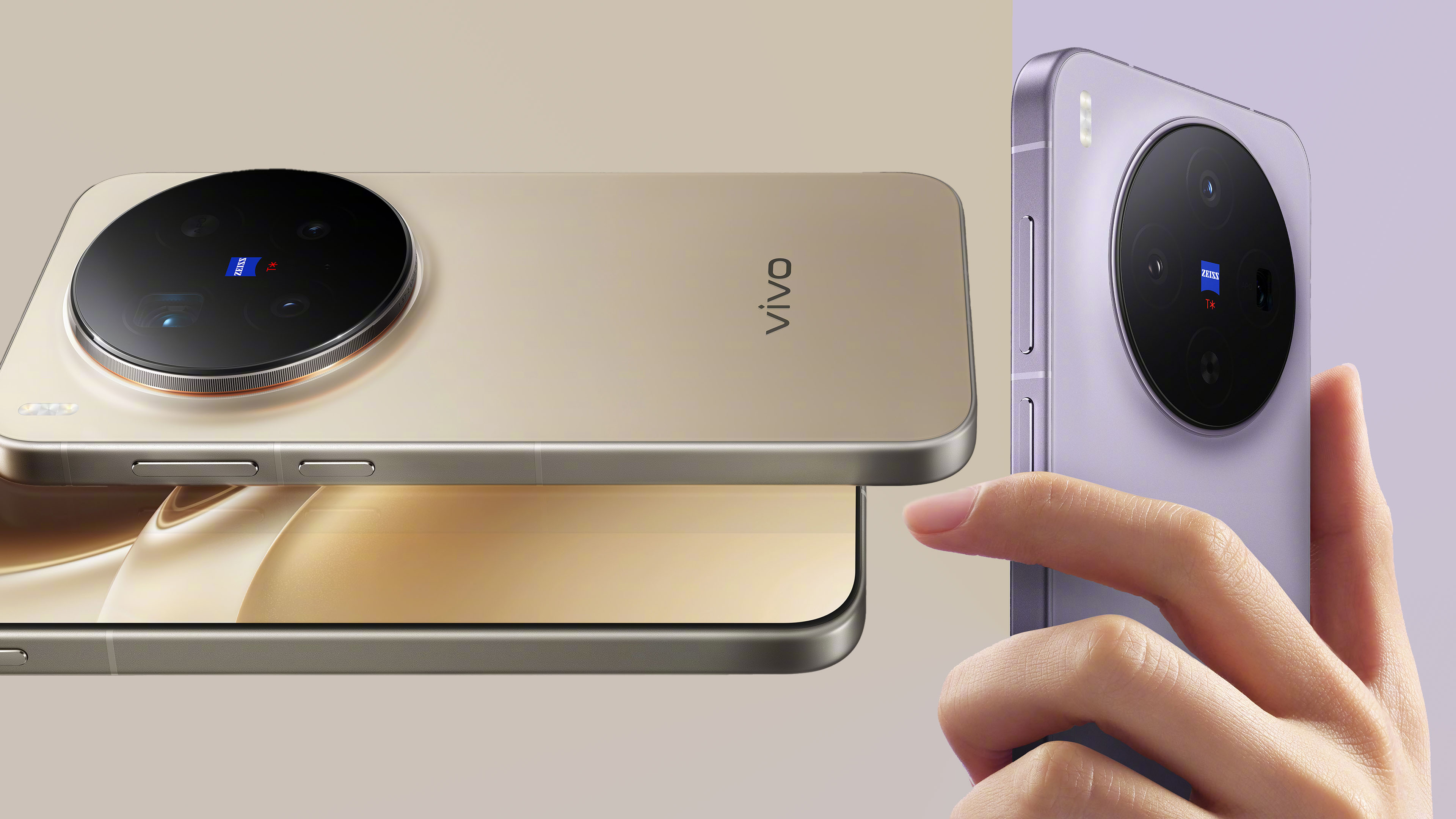
Graphics by Vincenz Lee | GadgetMatch
The vivo X300 adapts a smaller 6.31-inch flat screen, ditching the 6.67-inch of X200 last 2024. This not only is the “mini” successor of the X200, it also effectively replaces last year’s X200 Pro mini altogether.
Moreover, the Pro variant still rocks the same 6.78-inch panel as last year’s X200 Pro with “finely curved straight-edged bezels.”
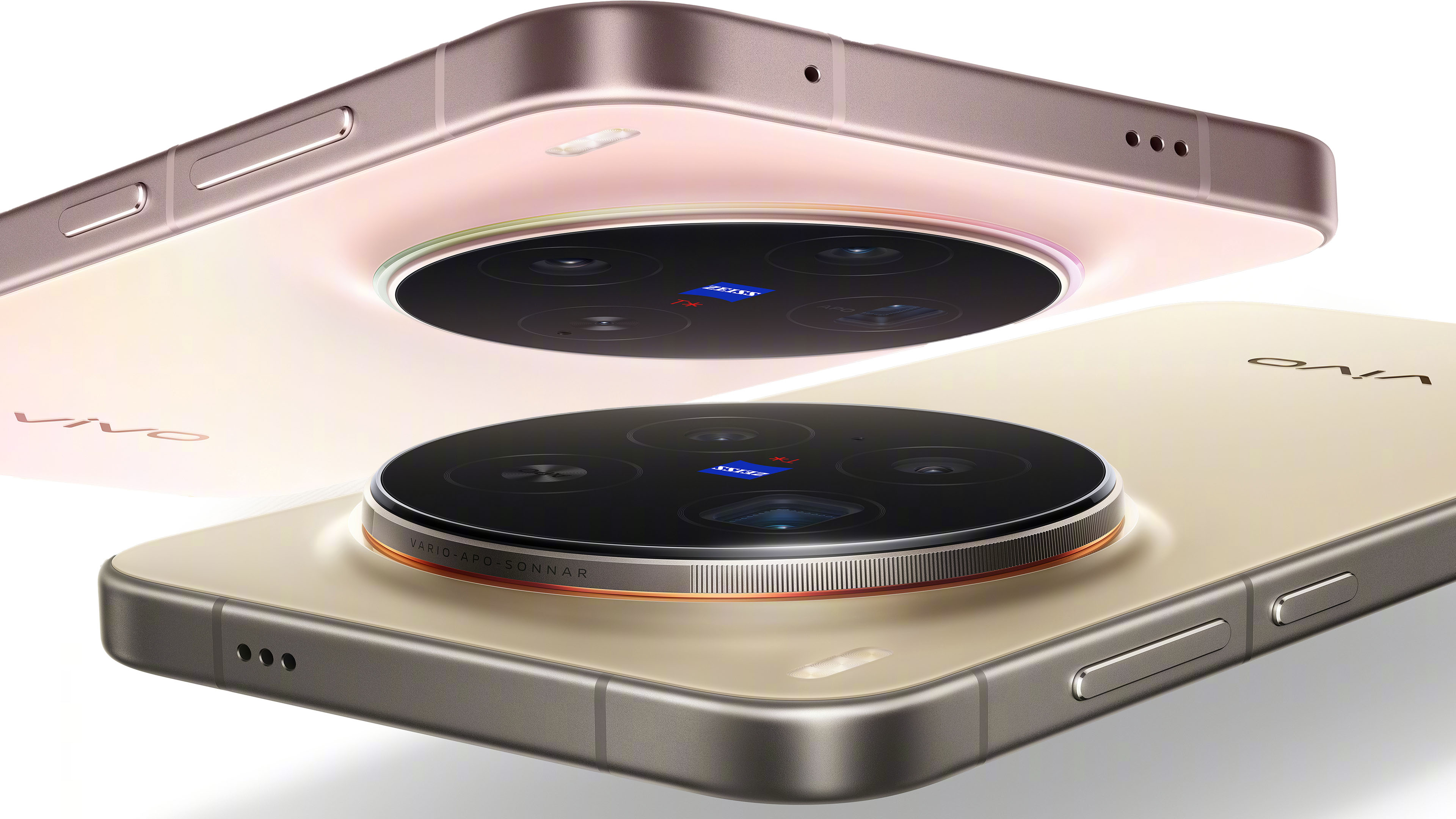
Graphics by Vincenz Lee | GadgetMatch
These ZEISS Master Color displays are 8T LTPO 120Hz displays based on BOE’s Q10 AMOLED. Both support HDR10+, Dolby Vision, and Netflix HDR content as well.
They also feature eye-protection features like 2160Hz PWM Dimming, TÜV Rheinland Flicker Free and SGS Low Blue Light certifications, and as low as 1 nit of screen brightness.
Finally, the base vivo X300 adopts an ultrasonic in-display fingerprint sensor that was previously exclusive to the Pro and Ultra models.
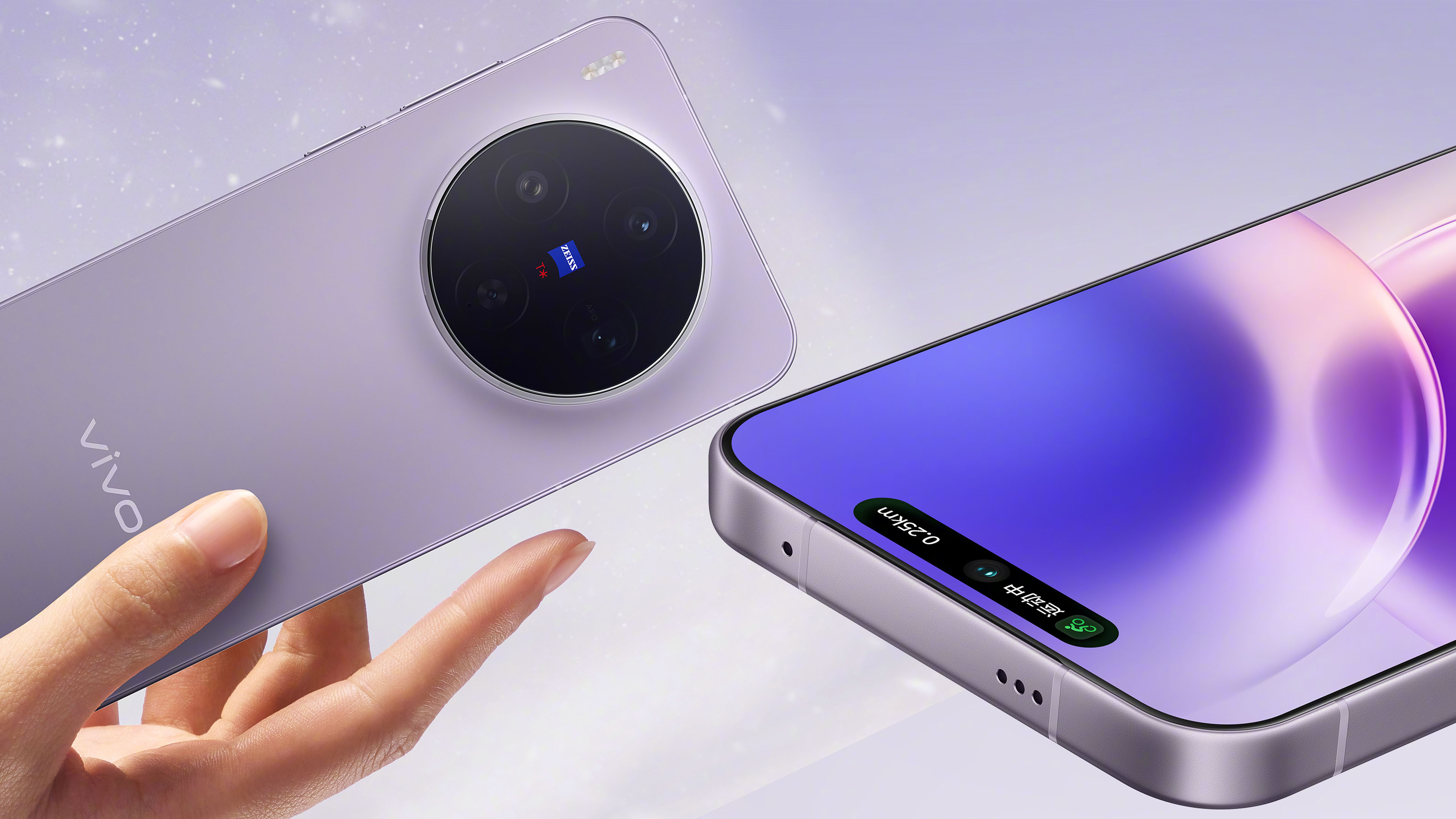
Graphics by Vincenz Lee | GadgetMatch
When it comes to battery, the X300 has a 6040mAh battery while the Pro variant packs a bigger 6510mAh capacity.
vivo boldly claims that these Silicon-Anode BlueVolt batteries are comparable to phones with 7000 and 7500mAh batteries through software and hardware energy optimizations.
Both support 90W FlashCharge plus 40W Wireless FlashCharge standards.
Pocket Pro-tography
The X300 phones wouldn’t be complete without their revolutionary flagship-grade camera system.
| vivo X300 Pro | vivo X300 | |
| Wide | 50MP f/1.57 1/1.28” Sony LYT-828 sensor |
200MP f/1.68 1/1.4” Samsung ISOCELL HPB sensor |
| Ultra-Wide | 50MP f/2.0 1/2.76” Samsung ISOCELL JN1 sensor |
50MP f/2.0 1/2.76” Samsung ISOCELL JN1 sensor |
| Telephoto | 200MP f/2.67 ZEISS APO 1/1.4” Samsung ISOCELL HPB sensor |
50MP f/2.57 ZEISS APO 1/1.95” Sony LYT-602 sensor |
| Selfie | 50MP f/2.0 1/2.76” Samsung ISOCELL JN1 sensor |
50MP f/2.0 1/2.76” Samsung ISOCELL JN1 sensor |
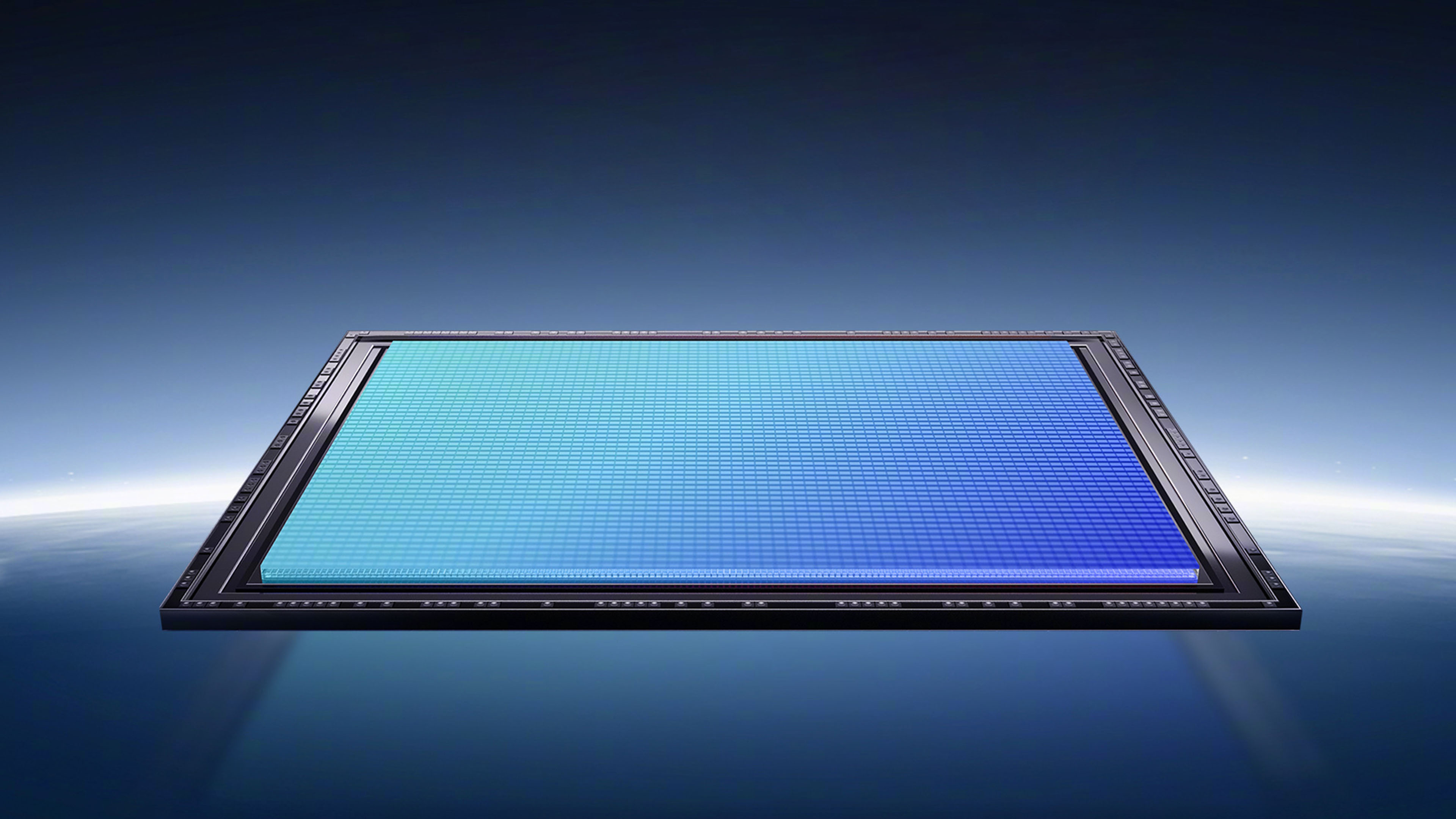
While both phones possess an identical ultra-wide and selfie shooters, the biggest differences can be seen between their wide and telephoto modules.
The X300 Pro headlines the all-new Sony LYT-828 1/1.28-inch image sensor together with vivo’s self-developed VCS 3.0 imaging technology. That’s then partnered by Samsung’s custom-engineered 200MP ISOCELL HPB sensor for its telephoto shooter.
Interestingly, the same sensor is also being utilized by vivo as the main camera sensor for the base X300. In return, the X300 packs a different 50MP telephoto module based on Sony’s LYT-602 with VCS technology.

Other than the power of MediaTek’s Dimensity 9500, the X300 series achieves an efficient “Dual-Chip Integration” with vivo’s in-house V3+ imaging chip (plus VS1 in the X300 Pro).
This further provides robust computational power for both advanced imaging processing and system operations.
With their long-lasting partnership with ZEISS, stylized portrait features still remain. Aside from the new Style Portrait and ZEISS Natural Portrait, the X300 Pro also has an added a newer ZEISS Mirotar Telephoto Style Bokeh that wasn’t found on previous models.
Graphics by Vincenz Lee | GadgetMatch
There’s even the Adaptive Zoom Flash feature as well as other enhancements that solves night-time portraits against complex lighting setups.
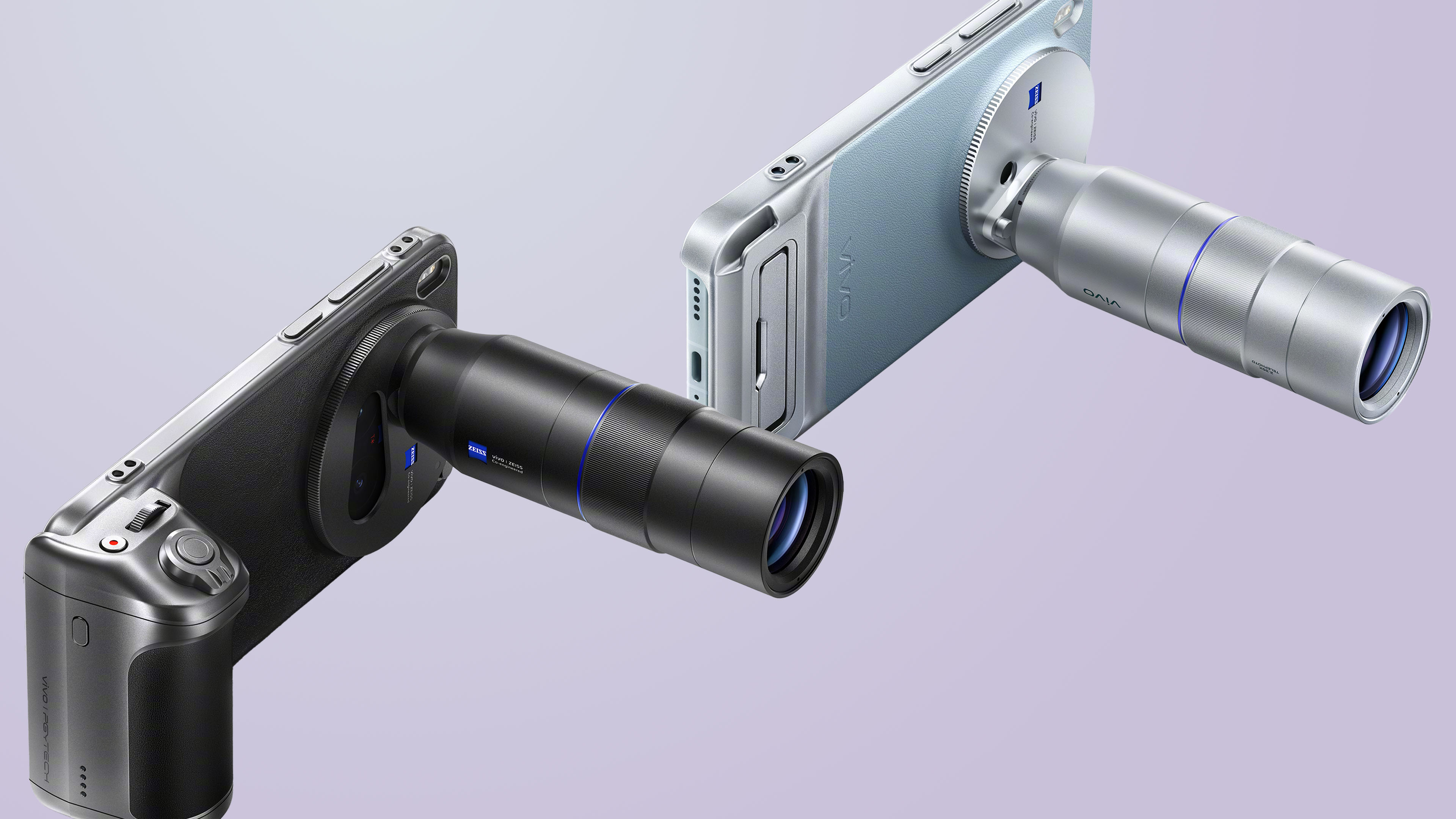
Last but definitely not the least, both the X300 and X300 Pro have their own Photography Kit — including that 2.35x Telephoto Extender that was only exclusive to the vivo X200 Ultra.
Video Mastery
That pro-tography prowess doesn’t end there.
The X300 Pro alone is finally capable of shooting up to 4K/120fps footages in 10-bit Log format across all focal length options. The X200 Pro can only manage to shoot 4K / 60fps Dolby Vision in 1x wide or 3.7x zoom.
For shake-free footages, vivo also promises gimbal-grade stabilization with an upgraded ±1.5-degree stabilization angle aside from the Dual-Channel EIS feature.
ACES Workflow was also incorporated for better color management and seamless color grading in editing software when synced across multiple devices.

Portrait Video was also improved to 4K / 60fps (previously limited to 4K / 30fps). vivo’s custom styles such as Cold -White or Classic Negative can also be applied when shooting in this mode.
On the other hand, the vanilla X300 is also capable of recording 4K / 120fps clips through Pro mode.
With the special camera kit in mind, it complements the 4K Stage All-in-One Recording found on the X300 Pro together with 20x Long-Range Motion Snapshot and Dual-View Stage Video add-ons.
These might make the X300 Pro the bestest compact concert companion just yet.
Refinements Within
Both of the X300 phones feature a Unibody 3D Glass Design that seamlessly blends the camera hump towards the rear cover.
There’s also the Coral Velvet Glass Technique for that fingerprint-resistant back design that’s also pleasant to the touch.
Both models are also slim just below the 8mm mark (7.95mm and 7.99mm respectively). Durability-wise, these X300 phones still rock dual IP68 and IP69 water and dust resistance ratings.
Other notable improvements include USB-C 3.2 Gen 1 port standard, UFS 4.1 storage protocol, as well as Bluetooth 6.0 and Wi-Fi 6G support for the X300 Pro.
Graphics by Vincenz Lee | GadgetMatch
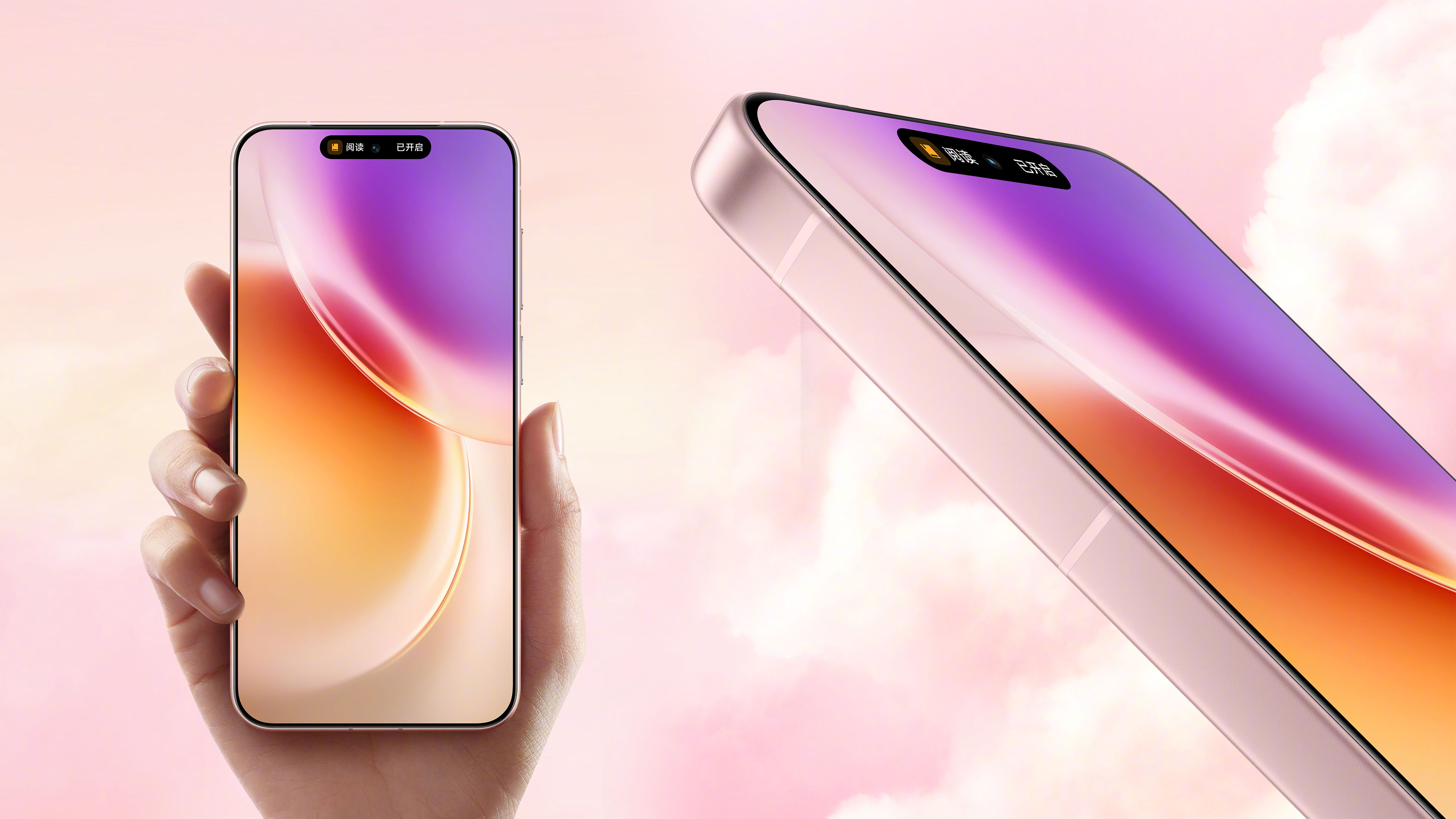
Lastly, the X300 series will premiere the latest OriginOS 6 based on Android 16 with a revamped look a la Apple’s Liquid Glass as well as seamless Apple Ecosystem integration — much like any other Chinese phone brands these days.
It’s said that this version will (finally) kill the long-running Funtouch OS and will be launched in India on October 15.
Pricing and Availability
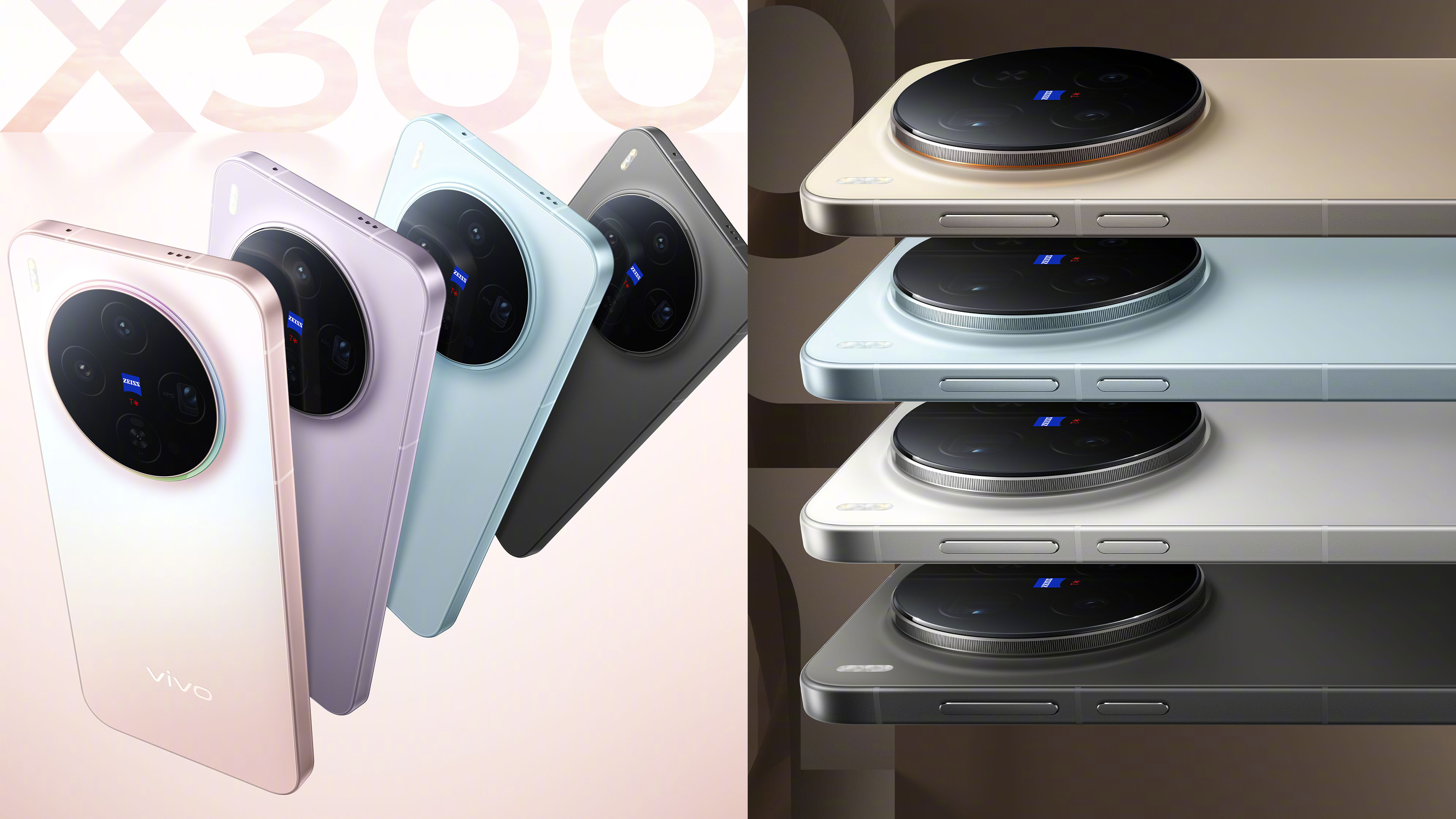
The vivo X300 is available in Black, Blue, Pink, Purple, and Red colorways.
Meanwhile, the X300 Pro is available in four shades: Black, Brown, Blue, and White.
Graphics by Vincenz Lee | GadgetMatch
Pricing and configuration in China are as follows:
- 12+256GB = CNY 4399 (US$ 620 / EUR 535 / GBP 465 / SG$ 800 / MYR 2610 / PhP 36,000 / INR 54,790)
- 16+256GB = CNY 4699 (US$ 660 / EUR 570 / GBP 500 / SG$ 860 / MYR 2790 / PhP 38,490 / INR 58,530)
- 12+512GB = CNY 4999 (US$ 700 / EUR 610 / GBP 530 / SG$ 910 / MYR 2970 / PhP 40,900 / INR 62,260)
- 16+512GB = CNY 5299 (US$ 745 / EUR 645 / GBP 560 / SG$ 965 / MYR 3145 / PhP 43,360 / INR 65,995)
- 16+1TB = CNY 5799 (US$ 815 / EUR 705 / GBP 615 / SG$ 1060 / MYR 3440 / PhP 47,450 / INR 72,230)
- 12+256GB = CNY 5299 (US$ 745 / EUR 645 / GBP 560 / SG$ 965 / MYR 3145 / PhP 43,360 / INR 65,995)
- 16+512GB = CNY 5999 (US$ 845 / EUR 730 / GBP 635 / SG$ 1095 / MYR 3560 / PhP 49,085 / INR 74,715)
- 16+1TB = CNY 6699 (US$ 940 / EUR 815 / GBP 710 / SG$ 1220 / MYR 3975 / PhP 54,815 / INR 83,435)
- 16+1TB Photographer Kit Edition = CNY 8299 (US$ 1165 / EUR 1010 / GBP 880 / SG$ 1520 / MYR 4930 / PhP 67,910 / INR 103,360)
* These are only rough, rounded-off price estimates
There’s no word on global availability just yet but it’s expected to rollout months after the Mainland China launch.
Press materials also suggest that global versions will only come with a maxed out config of 16+512GB as opposed to China’s 1TB variants.





Accessories
Xiaomi launches latest ecosystem devices: Watch 5, Redmi Buds 8 Pro, more
Smart, on-the-go products debut

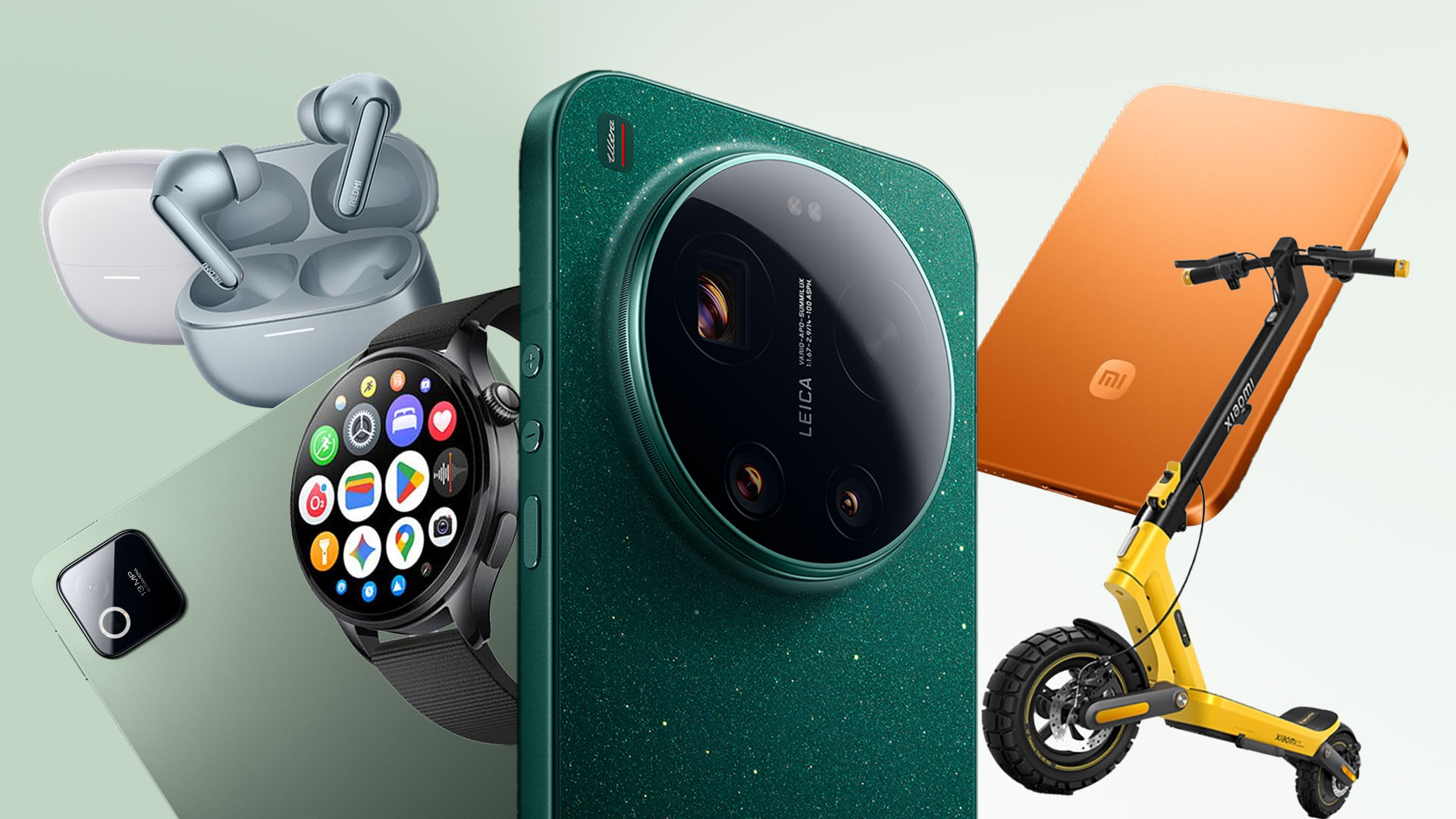
Xiaomi has launched an entire slate of smart, on-the-go devices as part of their major first quarter ecosystem release.
These products, ranging from smartwatches to earbuds to smart home devices and electric scooters, were introduced alongside the flagship Xiaomi 17 series smartphones and Xiaomi Pad 8 series tablets.
All are now available in the Philippines. Here’s a quick rundown.
Xiaomi Watch 5
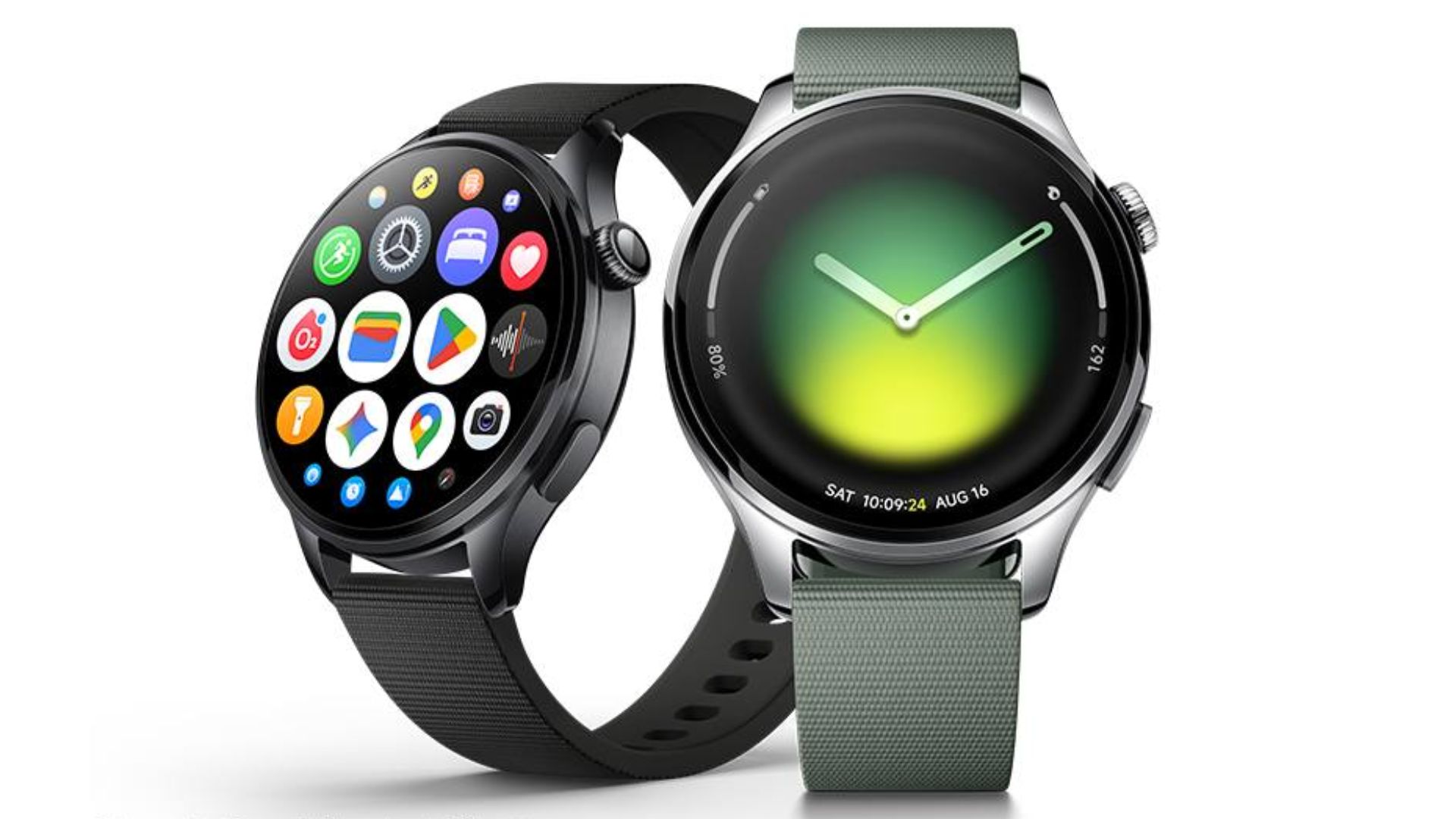
Price: PhP 18,999
The Xiaomi Watch 5 runs on Wear OS by Google. It has a large 1.54-inch display reinforced by strong sapphire glass.
The watch has a stainless steel middle frame, and a flagship dual-chipset design. Inside are the Snapdragon W5 Gen 1 and BES2800 low-power processor.
Users can leverage quick gestures with EMG, IMU, and PPG sensors for essential actions. Such can execute tasks like dismissing calls, silencing alarms, launching workouts, and more.
As usual, there are several sport modes, and advanced health monitoring features, which have been refined to deliver a better experience.
Redmi Buds 8 Pro

Price: PhP 3,999
The wearable leverages a 3-mic system with up to 12 m/s wind noise cancellation and up to 55dB ANC.
Inside are coaxial triple drivers for rich sound complemented by Dolby Audio. There are three color options: Obsidian Black, Cloud White, and Glacier Blue.
Users can enjoy up to 33 hours of playback along with its charging case.
As a quick addition, a Xiaomi Tag is available for PhP 899 for a single piece or PhP 2,799 for the four-pack.
This tool is compatible with Apple Find My or Google Android Find Hub, working within a user’s chosen OS ecosystem.
Xiaomi UltraThin Magnetic Power Bank 5000
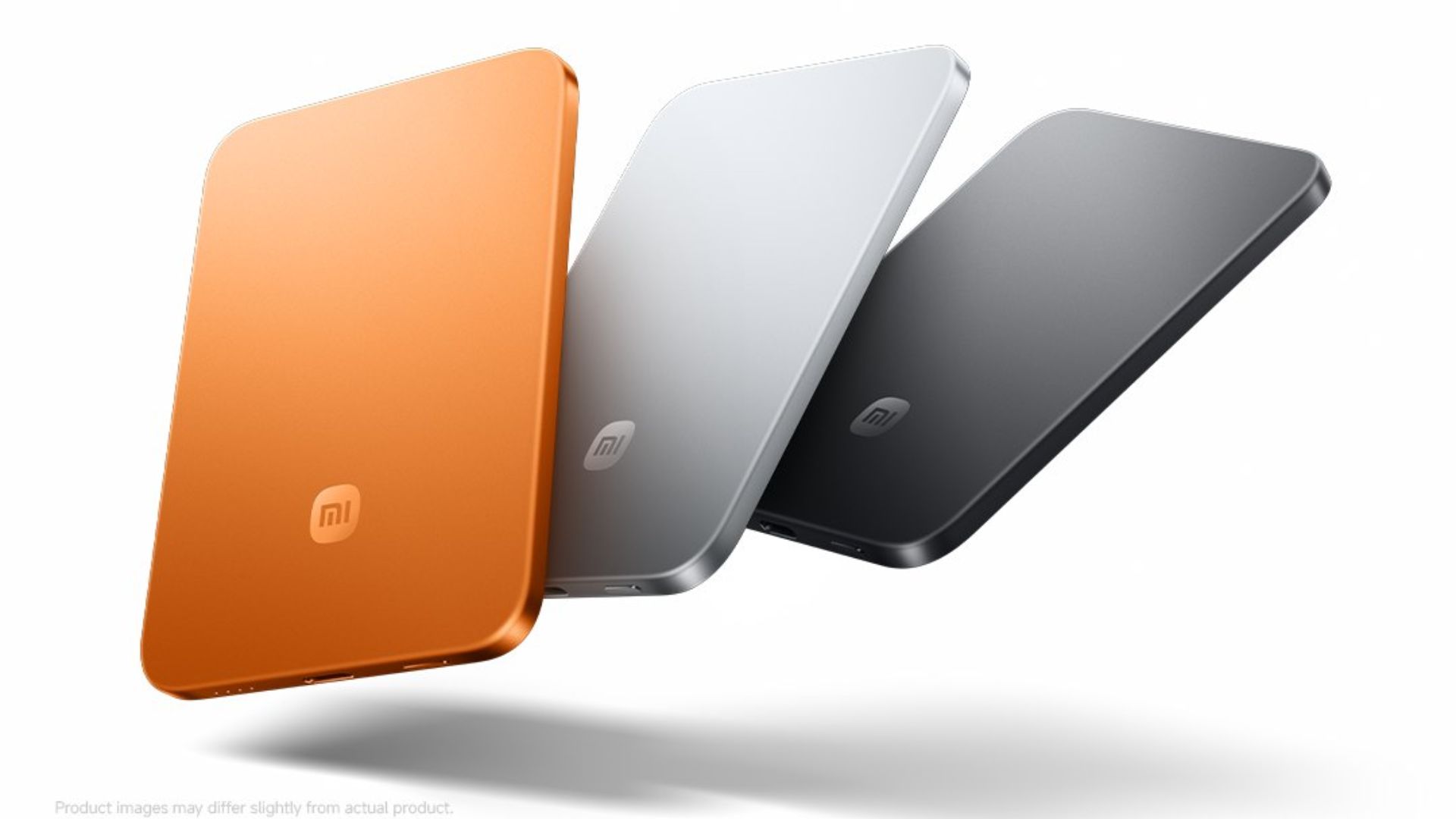
Price: Php 3,699 (Black and Silver) | PhP 3,899 (Radiant Orange)
Furthermore, Xiaomi’s latest power bank supports simultaneous charging of two devices while sporting a slim and portable look.
It is capable of up to 15W of wireless charging, and 22.5W of USB-C fast charging.
Xiaomi Smart Dehumidifier
Price: PhP 14,999 | PhP 9,499 (Lite)
For smart home devices, the company’s latest dehumidifier has 5 noise-reduction designs for as low as just a 35.8dB ambient noise.
It features smart dehumidification, an external drainage, and three modes, including a clothes drying mode.
Xiaomi Electric Scooter 6 Ultra

Price: PhP 46,999
Lastly, Xiaomi’s latest electric scooter is all about upgrades. It has improved front and rear disc brakes, as well as 12-inch tires.
The e-scooter comes with dual swing-arm suspension for better support, an ergonomic design, and a 3-inch display for the rider.
It also has a 1200W peak power with Boost mode, which is vital for uphill climbs or quick acceleration.
On a full charge, the ridable is capable of a 75-kilometer range, making it fit for casual commutes around the city and quick trips.
Other variants include the Electric Scooter 6 Lite and Electric Scooter 6 to suit
All the aforementioned Xiaomi AIoT devices are available at Xiaomi Authorized Stores nationwide, as well as Lazada and Shopee.
News
Xiaomi 17, Xiaomi Pad 8 series price, availability in PH
Xiaomi’s latest flagship devices have arrived
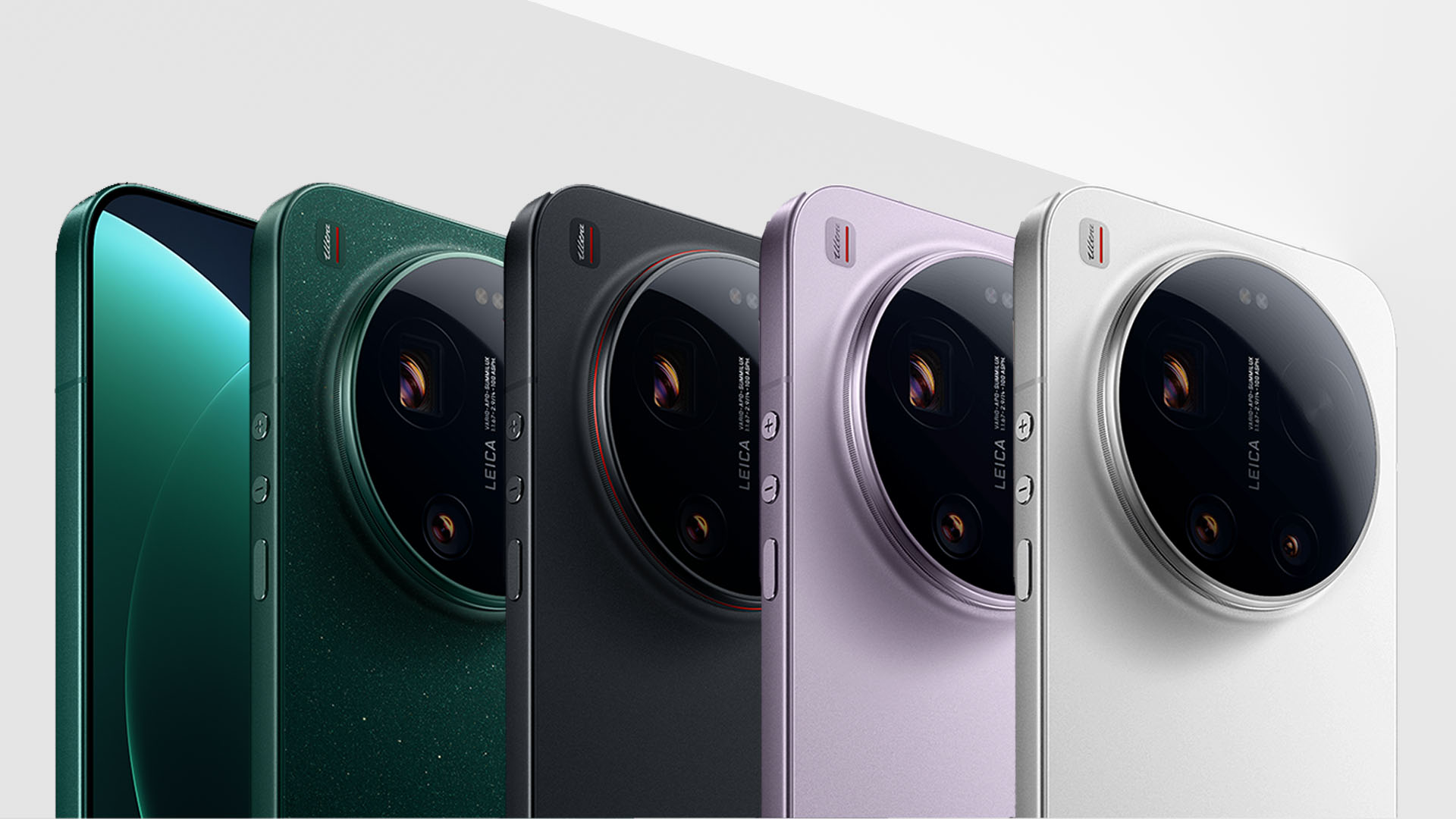
Xiaomi has officially launched its latest flagship smartphone series, the Xiaomi 17, in the Philippines. The lineup consists of two models: the Xiaomi 17 and the Xiaomi 17 Ultra.
Customers can get the Xiaomi 17 in four color options: Alpine Pink, Ice Blue, Venture Green, and Black. The base model is available via Lazada, Shopee, and Xiaomi authorized stores for the following prices:
- 12GB+256GB: PhP 49,999 (from 53,999) until March 19
- 12GB+512GB: PhP 53,999 (from 55,999) until March 19
Early purchases also come with the following perks:
- Up to PhP 4,000 off on Shopee
- Up to PhP 2,000 off on Lazada
- Free Xiaomi Watch S4 41mm worth PhP 7,799
- Chance to win a Leica Q3 worth PhP417,000 (only one entry per customer per purchase)
Meanwhile, the Xiaomi 17 Ultra is available at PhP 84,999 for the 16GB+512GB configuration. That’s a generous reduction from its base price of PhP 99,999.
Exclusive Shopee online perks until March 19 include:
- Free Xiaomi Watch 5 worth PhP 18,999
- Free Xiaomi Photography Kit
- Raffle entry to win Leica Q3
The Xiaomi 17 Ultra features an outstanding camera system, making it one of the best camera-focused flagships available now.
It comes with a 50MP f/1.67 main Leica Optical Summilux high-speed lens, with a large 1-inch sensor size.
This camera is complemented by a 50MP f/2.2 ultra-wide camera and a 200MP f/2.39~2.96 telephoto camera with 3.2x~4.3x continuous optical zoom. The latter uses a 1/1.4-inch Samsung ISOCELL sensor.
The Ultra is powered by a Snapdragon 8 Elite Gen 5 processor, and has a large 6.9-inch 120Hz 2k display.
For a comprehensive review, read here: Forget the Phone: Xiaomi 17 Ultra Is A CAMERA!
On the other hand, the Xiaomi 17 has a more compact 6.3-inch design, Leica triple cameras, a 6,330mAh battery with support for 100W charging, and the same Snapdragon 8 Elite Gen 5 processor.
Xiaomi Pad 8 series
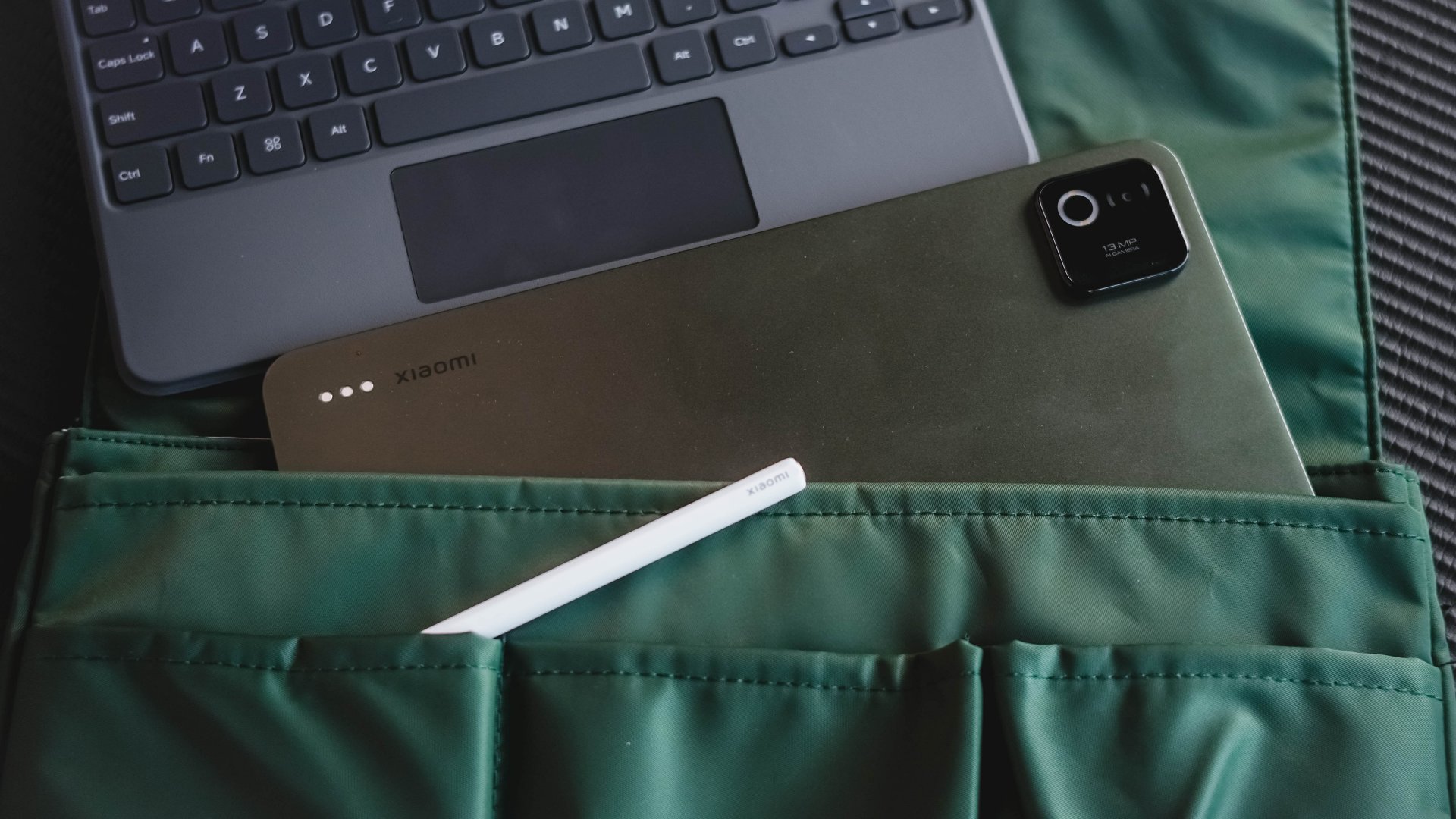
In addition to Xiaomi’s latest flagships, the company has also launched its latest premium tablet locally.
The Xiaomi Pad 8 series is now available in the Pad 8 and Pad 8 Pro variants. Both come in Pine Green, Gray, and Blue color options. Exclusive pre-order bundles are available until March 26:
- Pad 8 Pro: PhP 36,999 (from 38,999) with Touch Keyboard, free Focus Pen Pro
- Pad 8: PhP 27,999 (from 29,999) with Normal Keyboard, free Focus Pen Pro
In addition, there is also a Matte Glass version available from PhP 45,999.
The Xiaomi Pad 8 has an 11.2-inch 144Hz IPS LCD display with ample 3.2K resolution, 345ppi pixel density, and 800 nits peak brightness.
It comes in a lightweight body at 485 grams, and is even thinner than its predecessor at 5.75mm. The slate is also equipped with a 9,200mAh battery for longer use.
Professional workflows are likewise supported with integrated WPS Office PC.
Meanwhile, the Pad 8 Pro is powered by a Snapdragon 8 Elite. It even has a 50MP rear camera, 32MP front camera, and up to 512GB of storage, as well as 67W HyperCharge.
For the full review, read here: Xiaomi Pad 8 review: Slab that slaps!
News
Smart ends 2025 with revenue growth, higher ARPU, 5G adoption
Network provider to continue investments, expand digital services in 2026

Smart Communications closed 2025 on a strong note, posting a 5% quarter-on-quarter revenue increase in Q4 of the year.
This marked a turnaround for their wireless business following weaker results earlier in the same year.
Smart experienced a 2% revenue decline during Q1, as it focused value-led growth through targeted customer initiatives and sustained network investments.
Their fourth quarter gains were primarily driven by higher Average Revenue Per User (APRU), supported by personalized digital offers.
Smart Prepaid, in particular, recorded a 5% sequential ARPU while mass-market brand TNT posted a 3% uplift.
Moreover, subscriber momentum also improved. There were 606,079 net additions in Q4. Churn was kept at 2.5% by year-end.
Network investments and expanding 5G adoption further supported performance, as Smart handled 11.2 million 5G-latched devices as of end-2025. This is a 35% year-on-year growth.
Affordable 5G smartphones also accelerated adoption, driving an 88% surge in 5G data traffic.
Fixed Wireless Access revenues, meanwhile, rose 22% to PhP 1.8 billion for the full year. This reflects the growing demand for affordable 5G wireless routers.
Building on its fourth quarter momentum, Smart expressed optimism about its growth outlook for 2026. The company noted that accelerating 5G usage and rising device penetration are unlocking new sources of data demand.
For this year, Smart will look to continue network investments and expand digital services.







Apple announces the iPad Air with the M4 chip

Apple unveils the iPhone 17e

Xiaomi launches latest ecosystem devices: Watch 5, Redmi Buds 8 Pro, more

Xiaomi 17, Xiaomi Pad 8 series price, availability in PH

TECNO showcases cool concepts at MWC 2026

Xiaomi 17 Ultra is now available outside China

TECNO will showcase the CAMON 50 and POVA 8 series at MWC 2026

PlayStation, LE SSERAFIM Chaewon team for the ‘Love of Play’ campaign

The art of being in and behind the frame

HUAWEI MatePad 11.5 S 2026: The better-than-ever 4-in-1 productivity tablet


-
 News2 days ago
Xiaomi 17 Ultra is now available outside China
-

 Camera Walkthrough1 week ago
OPPO Reno15 Pro: Camera Review
-
 First Look2 weeks ago
Match Pulse: Infinix NOTE 60 Pro
-

 Cameras2 weeks ago
Osmo Pocket 4 makes a surprising appearance in public
-

 Gaming2 weeks ago
LG unveils UltraGear evo, redefines 5K gaming with AI Upscaling
-

 News2 weeks ago
iPhone 17 Pro Max is somehow the most traded-in phone today
-

 News2 weeks ago
HUAWEI launches Mate X7, MatePad 11.5 S 2026, FreeClip 2
-

 Gaming2 weeks ago
PlayStation 6 reportedly delayed to 2029 because of RAM shortage