
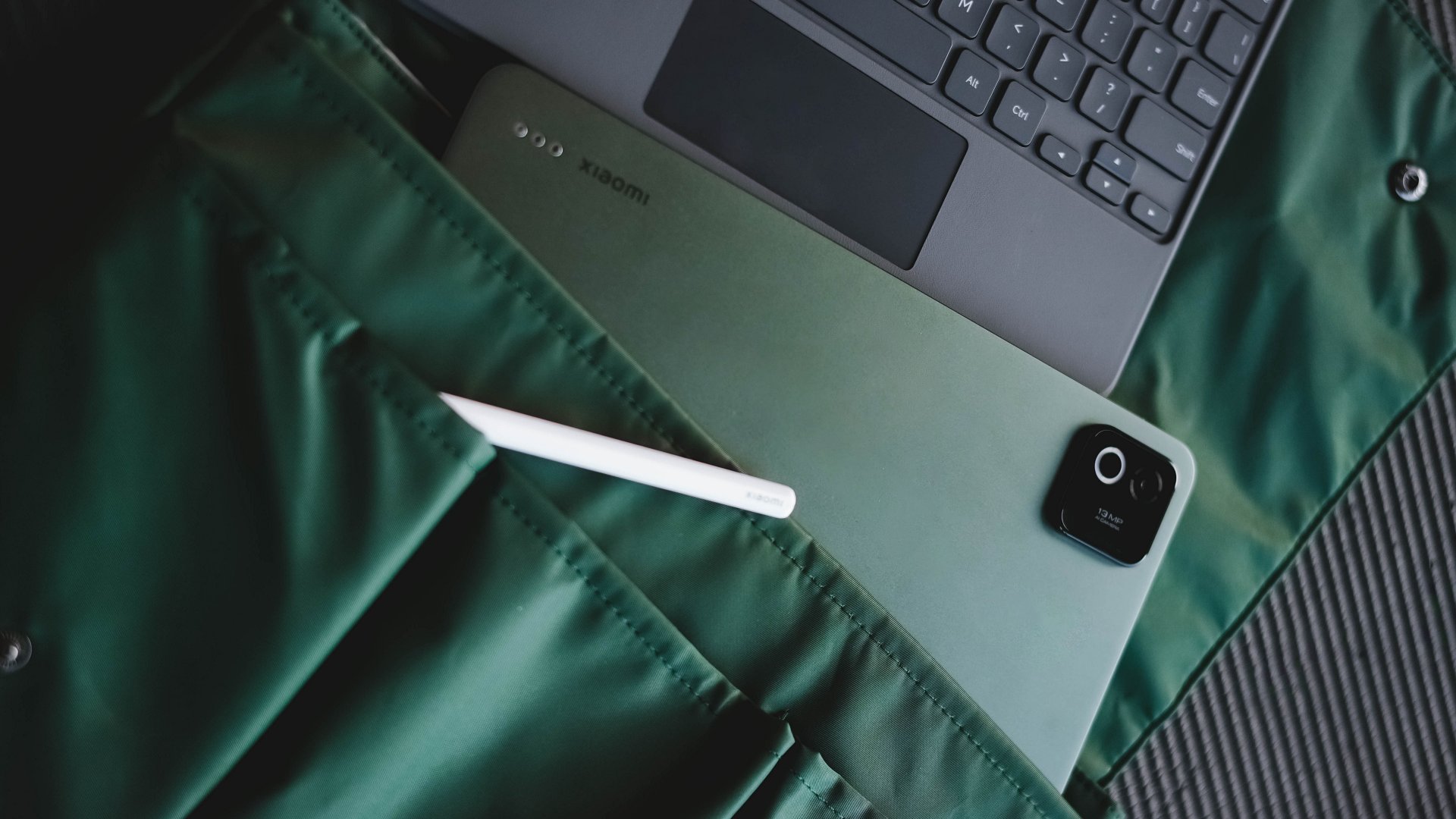

Despite having two tablets with me, I admit I am not a religious tablet user. So, why accept another tablet review?
Well, as privileged as it sounds, the tablets with me represent the two ends of the spectrum: entry-level and flagship.
However, the arrival of the Xiaomi Pad 8, nestling right in the middle, came just in time, and it might just be what I’ve been looking for in this niche tablet territory.
In for a sweet treat
In a sea full of gargantuan slates, I never knew Xiaomi Pad 8’s 11.2-inch screen is the sweet treat I truly desire. The other two tablets I’ve mentioned both exceed the 12- and 13-inch range.
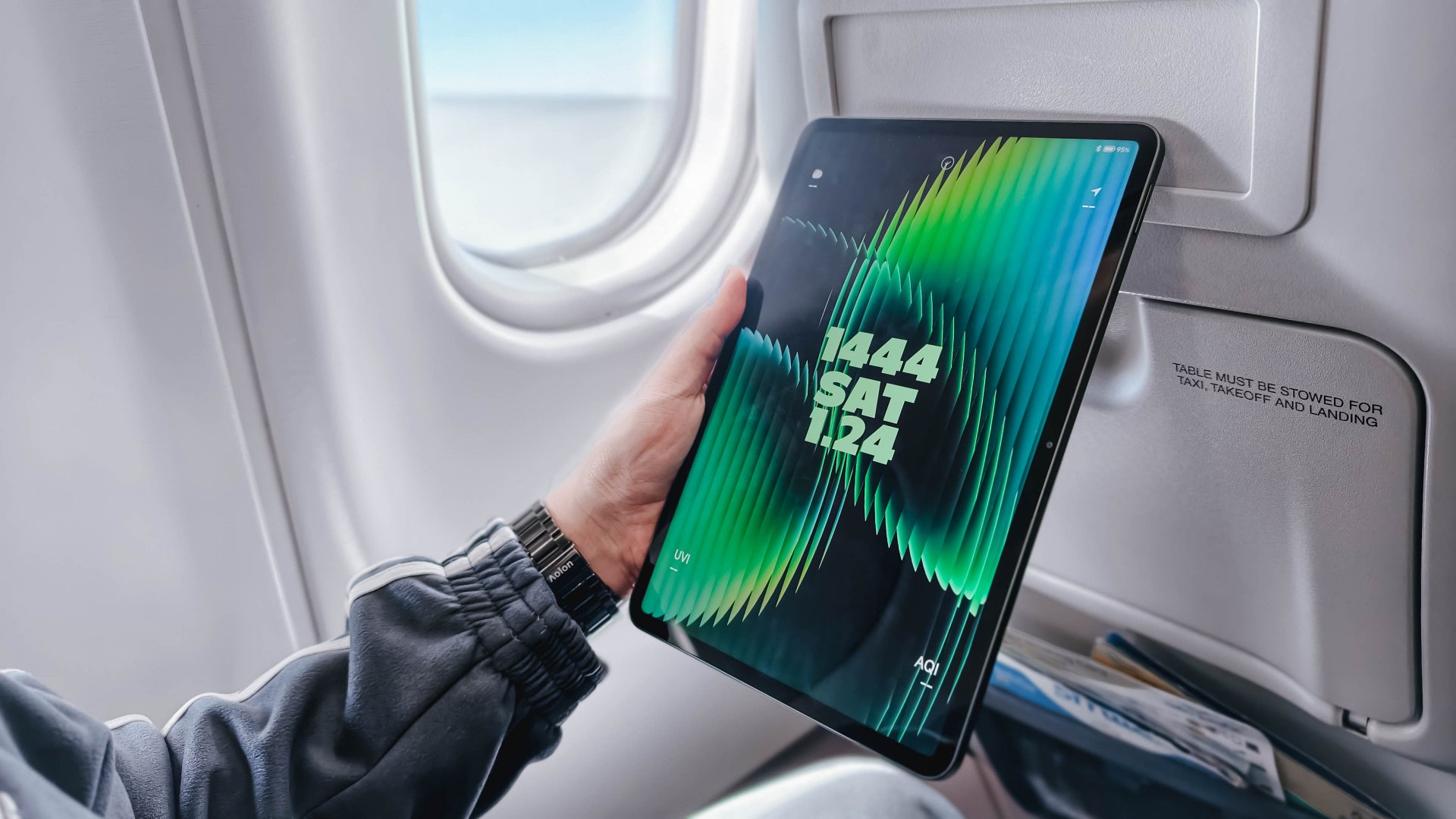
Having a tablet with a bigger screen, while great for one’s viewing pleasure, still means having to deal with its overall heft. However, the Xiaomi Pad 8 has a reasonable amount of heft at just 485 grams — 15 grams less than its predecessor.

It also managed to shed some trimmings from 6.2mm down to just 5.8mm.
Now hear me out: Those numbers might not sound a lot. However, the actual feeling and experience make a difference, not just when carrying it, but also when putting it on surfaces — whether it’s your lap, a café’s roundtable, and even inside your bags (or sleeves).
Flight-friendly
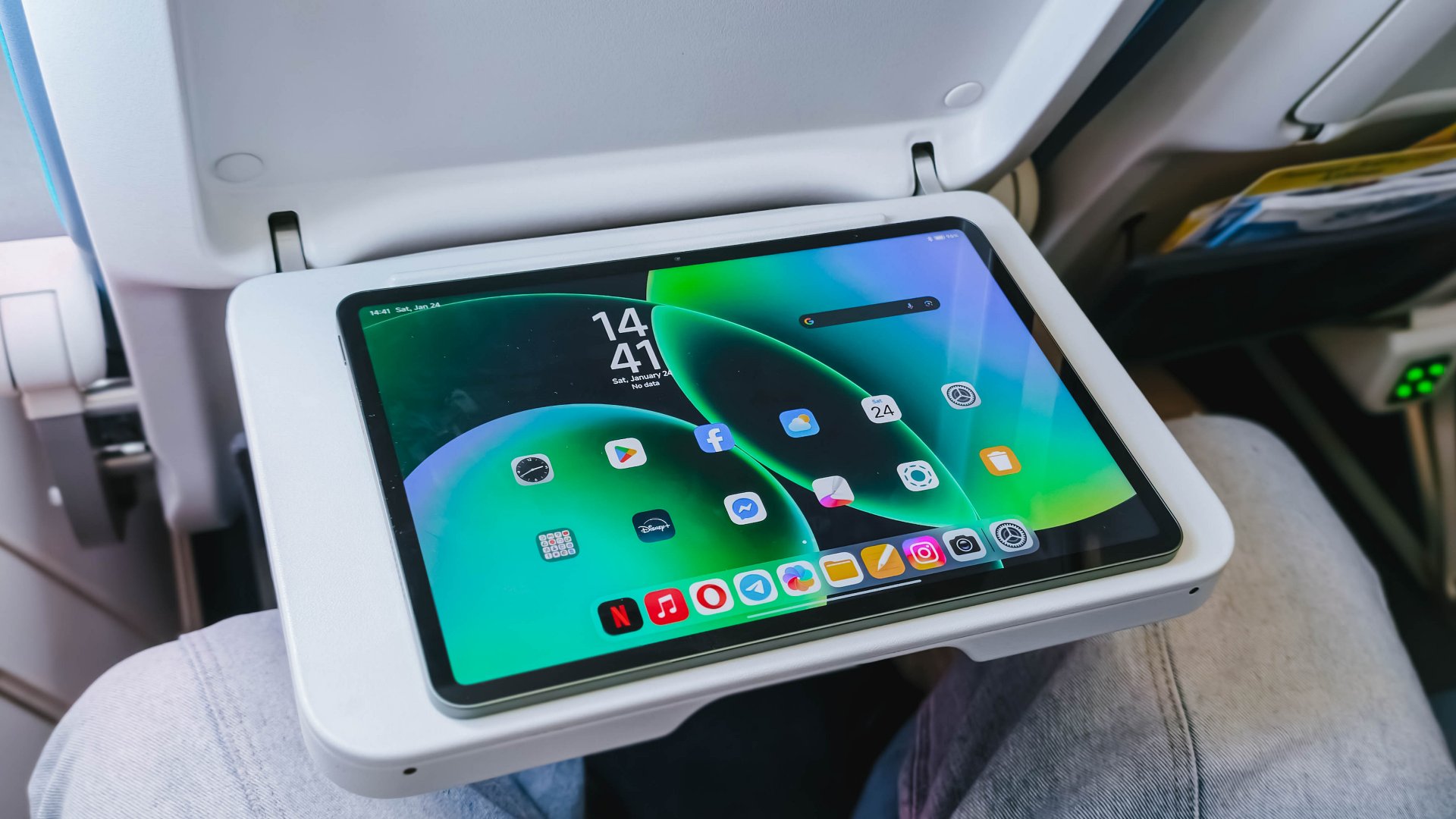
No one asked, but I took the Xiaomi Pad 8 with me in my recent Japan trip.
Flying economy (not that I have the option as it’s an LCC or low-cost carrier) is the greatest measure I can think of just to prove my “sweet spot” admiration.

Surprisingly, after putting down the airplane tray table, the Xiaomi Pad 8 fit like a glove. I cannot do the same with my 14-inch MacBook Pro for, well, the most obvious reason.
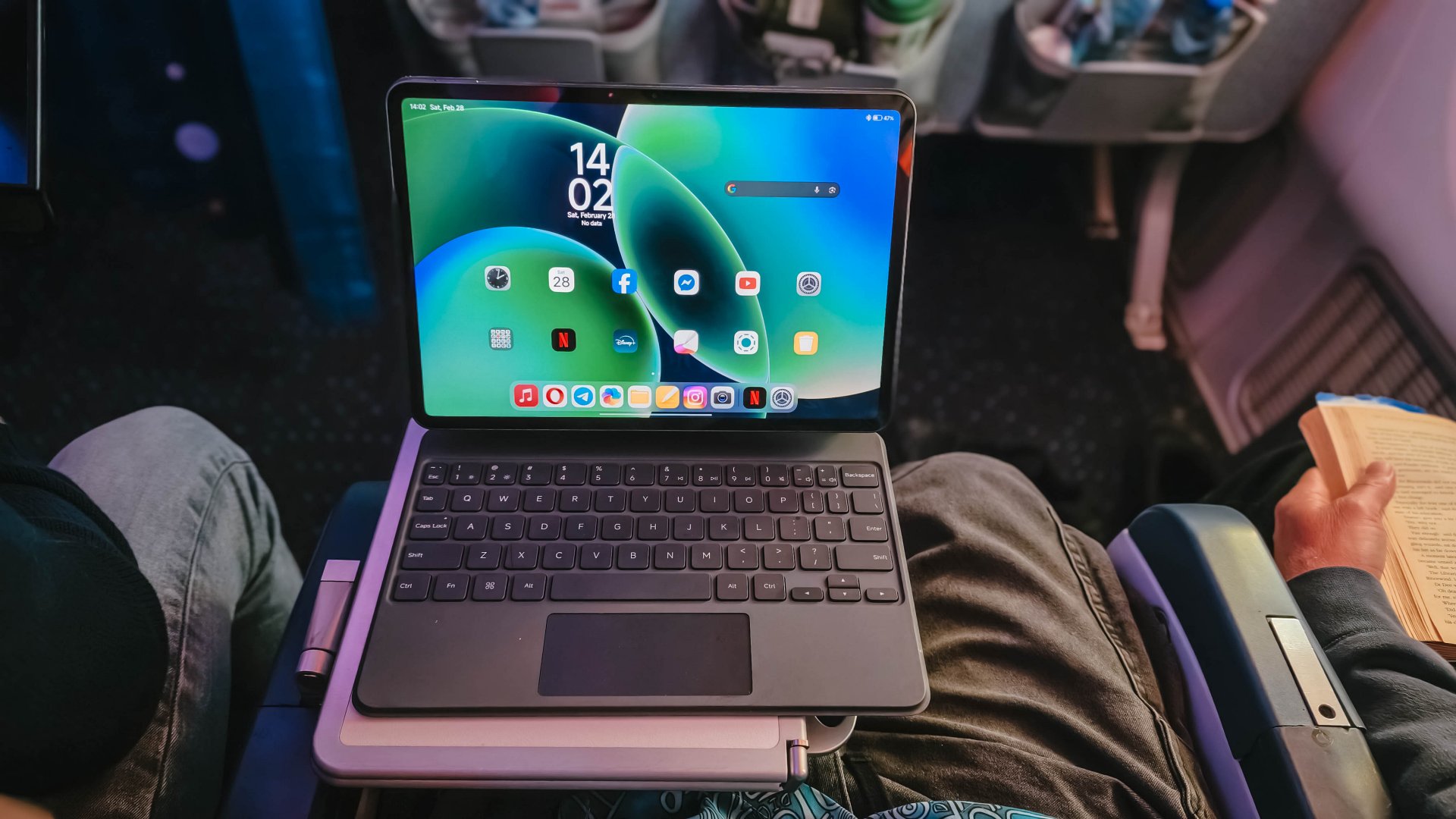
BONUS UPDATE: The Xiaomi Pad 8 was also able to fit in this half-folded tray table during my 16-hour flight to Amsterdam. No issues of wobbling whatsoever. Although the food items were able to fit, it was kind a bit of a reach to put everything.
During that 4-hour flight, I was able to catch up with the first four episodes of Undercover Miss Hong that I missed during its Netflix premiere.

While asking for an OLED display sounds too much to ask for, its IPS LCD display still did the job well. That 3.2K resolution and 345ppi pixel density are as sharp as ITZY Yuna’s character as she made her cameo being Park Shin-hye’s badass younger sister.

Dolby Vision is also there for all the content that supports it.
My only complaint here is how ultra-glossy its panel is. That’s despite its 800 nits peak brightness.
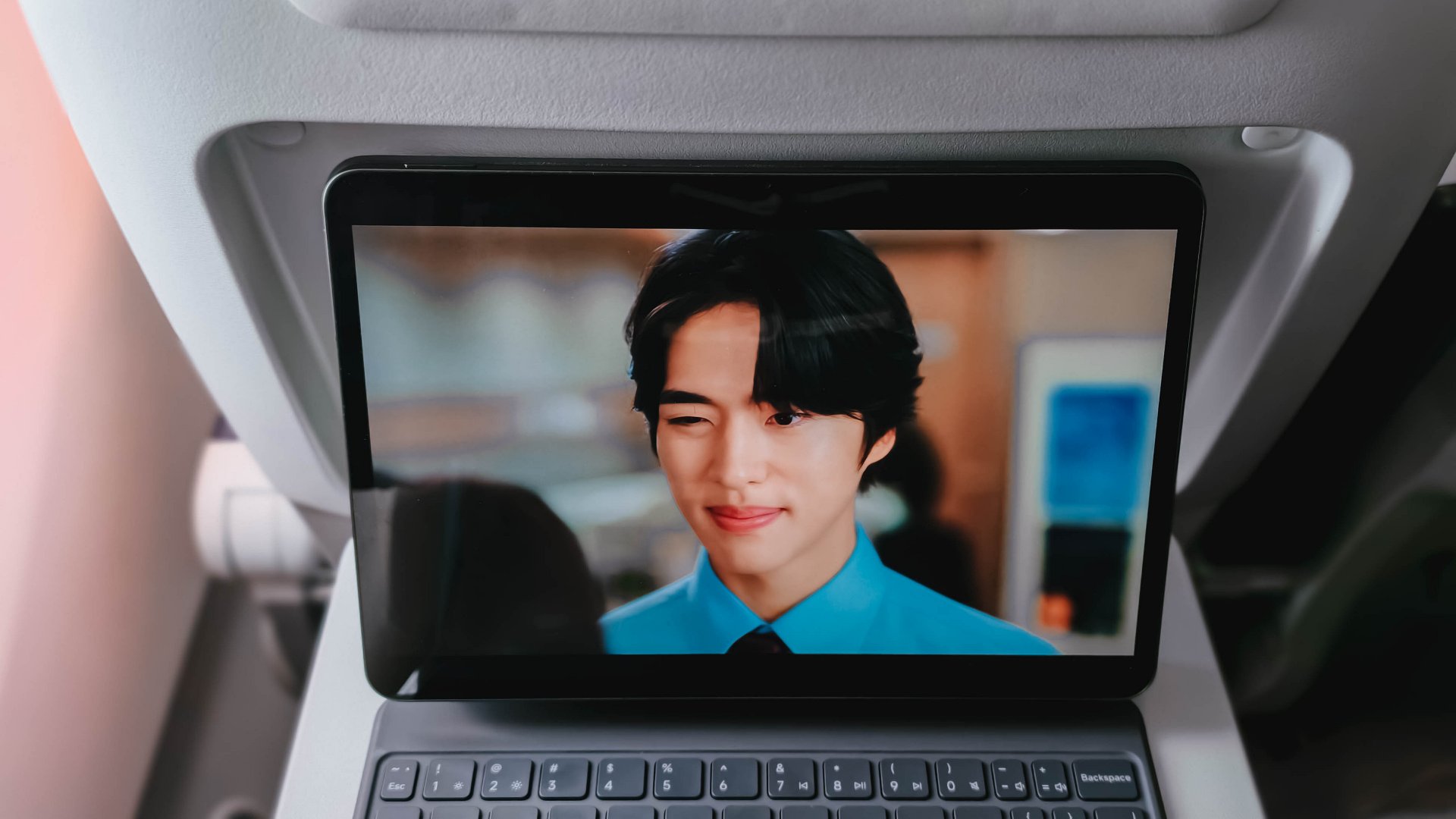
Even after closing the plane’s window shades, I can still see my own reflection while trying to appreciate my new celebrity crush, Cho Hangyeol.
But hey, at least I can see myself being with him. 😬
Now Playing: XG’s HYPNOTIZE + KiiiKiii’s 404 (New Era) / Delulu Pack EP
My content consumption doesn’t end just yet.
While everyone is complaining about letterboxed content (and ignoring the fact that zoomed in content is still viable), watching the 3:2 music video of KiiiKiii’s 404 (New Era) perfectly complemented Xiaomi Pad 8’s 3:2 aspect ratio.

Much like those popping fireworks behind Haum, colors ultimately pop that aren’t too straining to the eyes.
And, much like how hypnotizing XG’s HYPNOTIZE is, the same can be said with its sound quality.
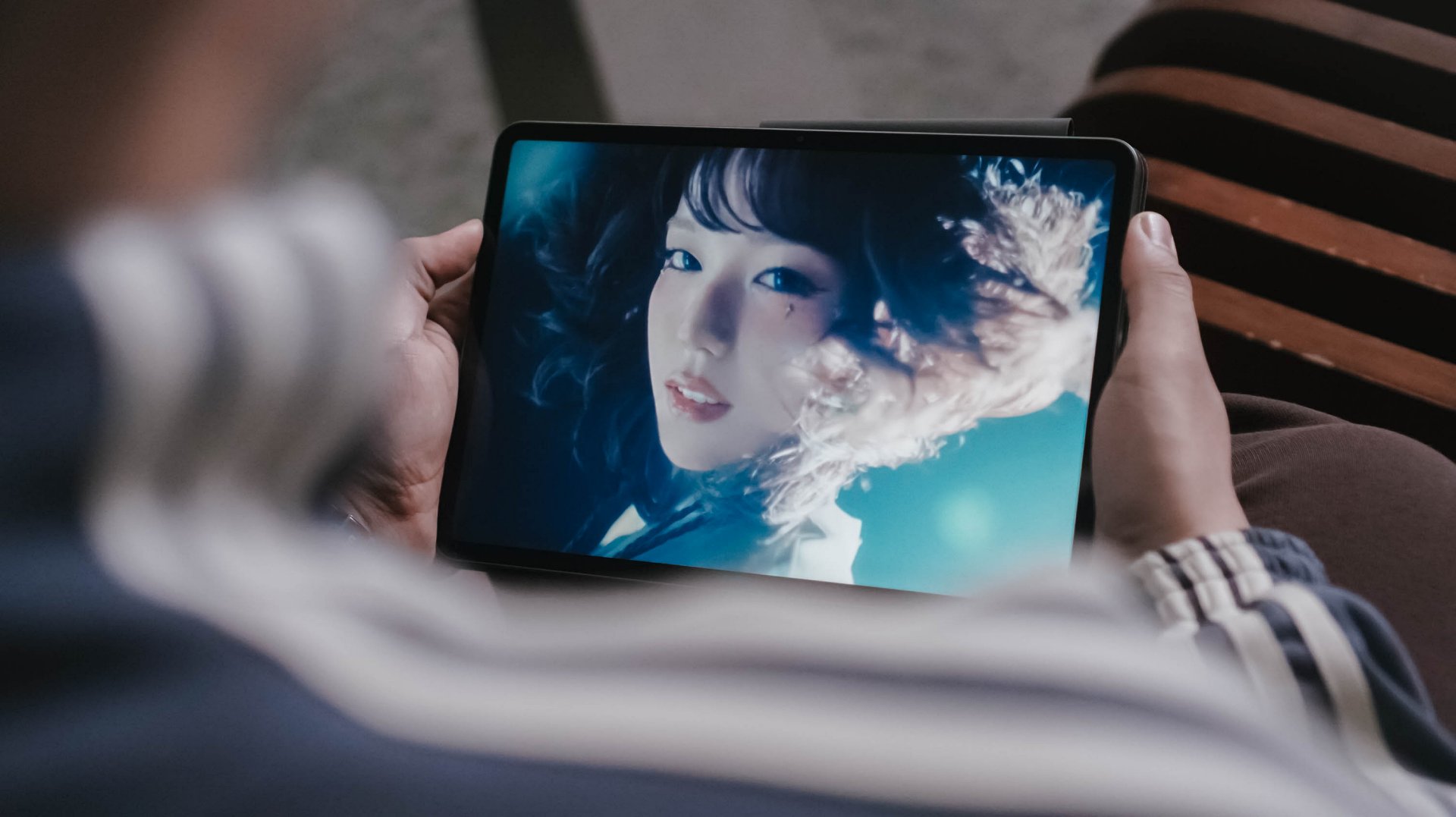
The Xiaomi Pad 8 boasts a quad speaker setup powered by Dolby Atmos. During my playback session, it was able to fill my room even at just around 70% to 80%. If that’s still not enough, Xiaomi provides a volume boost feature of up to 200% for those banging (literally and figuratively) song sessions.
For better measure, I also tried playing KiiiKiii’s Delulu Pack EP in Lossless quality through Apple Music. Thankfully, Xiaomi Pad 8 supports Hi-Res Audio.
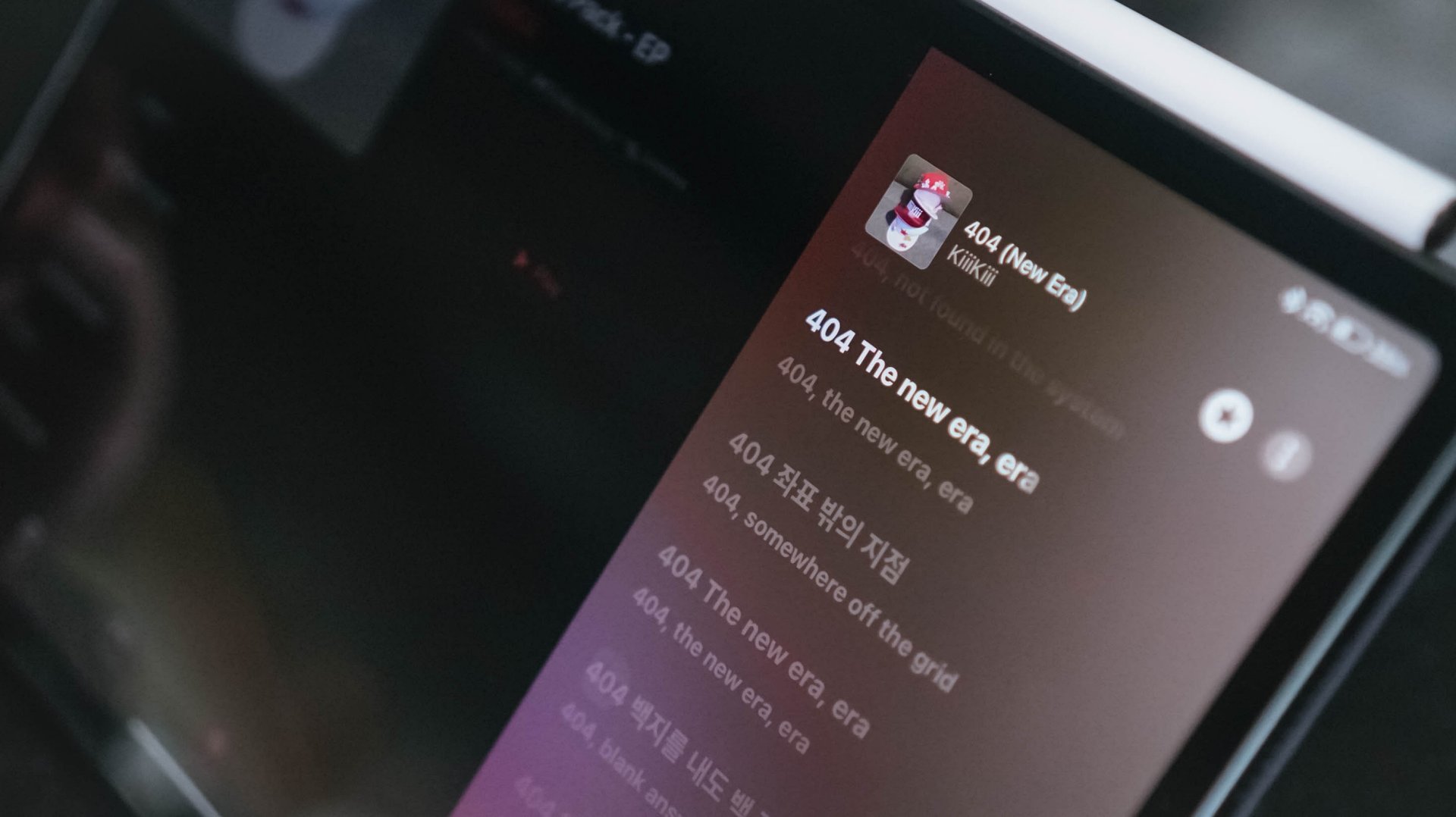
Of course, it’s not as supreme sounding as what I hear when I wear my LDAC headphones and earphones. Still, I was finally able to hear all the layers of each track — all while appreciating the slightest of hums and adlibs.
Even with MUNGNYANG (my favorite b-side here) as an example. The Korean palace-like instrumentals can easily be heard meters away from my room to the point where I still get goosebumps over me with how good the song is.
I could boldly claim this is a true no-skip release. It’s probably KiiiKiii’s redemption arc after I DO ME and DANCING ALONE didn’t get the hype both releases deserved since debut.
Productivity powerhouse
I will reiterate what I said in my last tablet review: tablets can never really “replace” laptops — at least in the line of work that I do.
Admittedly, I can never let go of my 14-inch MacBook Pro as my main powerhouse. That’s for editing our YouTube videos in Final Cut Pro, post-processing product photos via Lightroom, and making graphics through Photoshop.
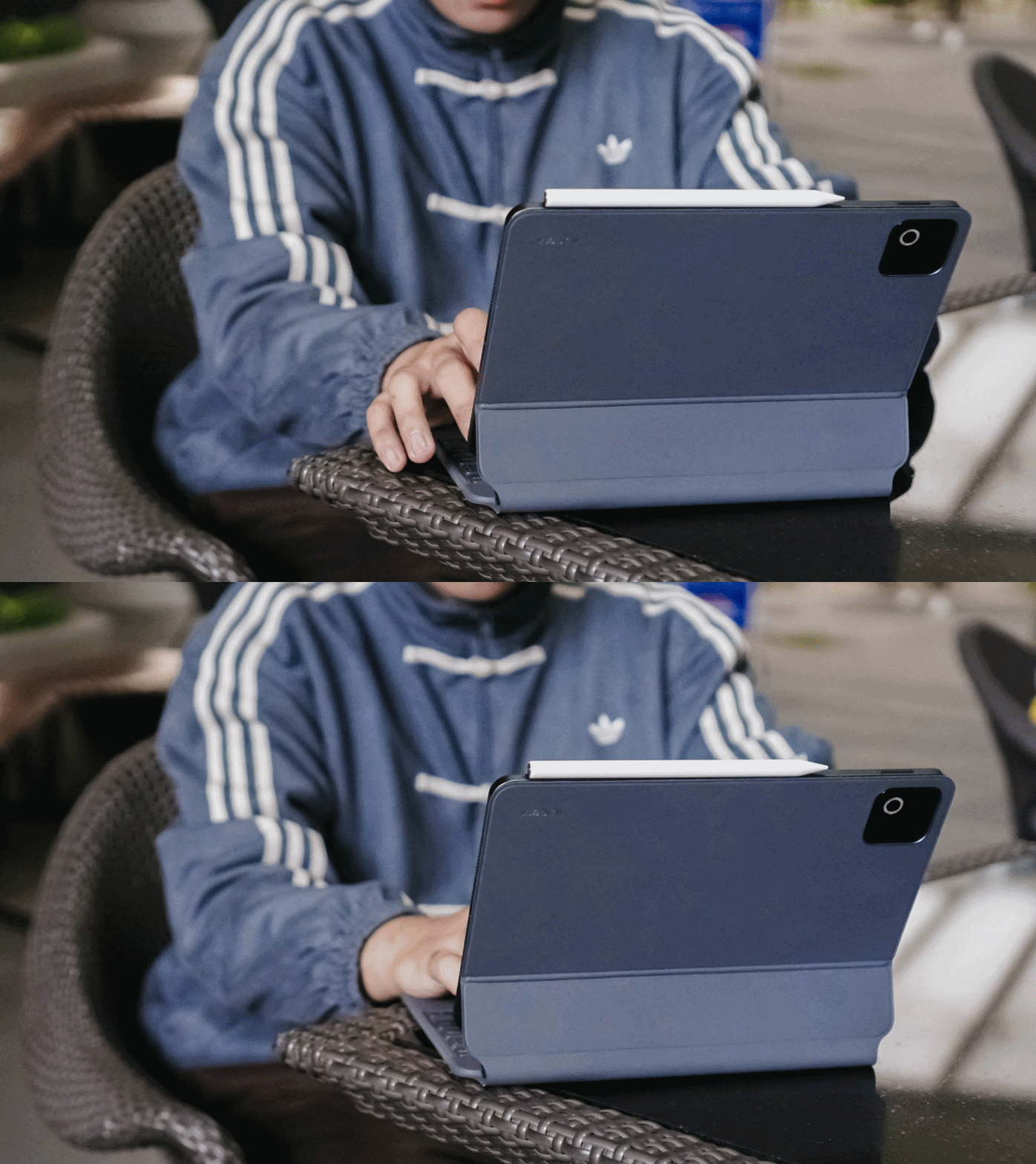
However, there’s one thing I truly enjoyed using the pad for: writing this review article itself.
The bundled Focus Keyboard for Xiaomi Pad 8 made me realize that this is where people go crazy over the “laptop replacement” statement.
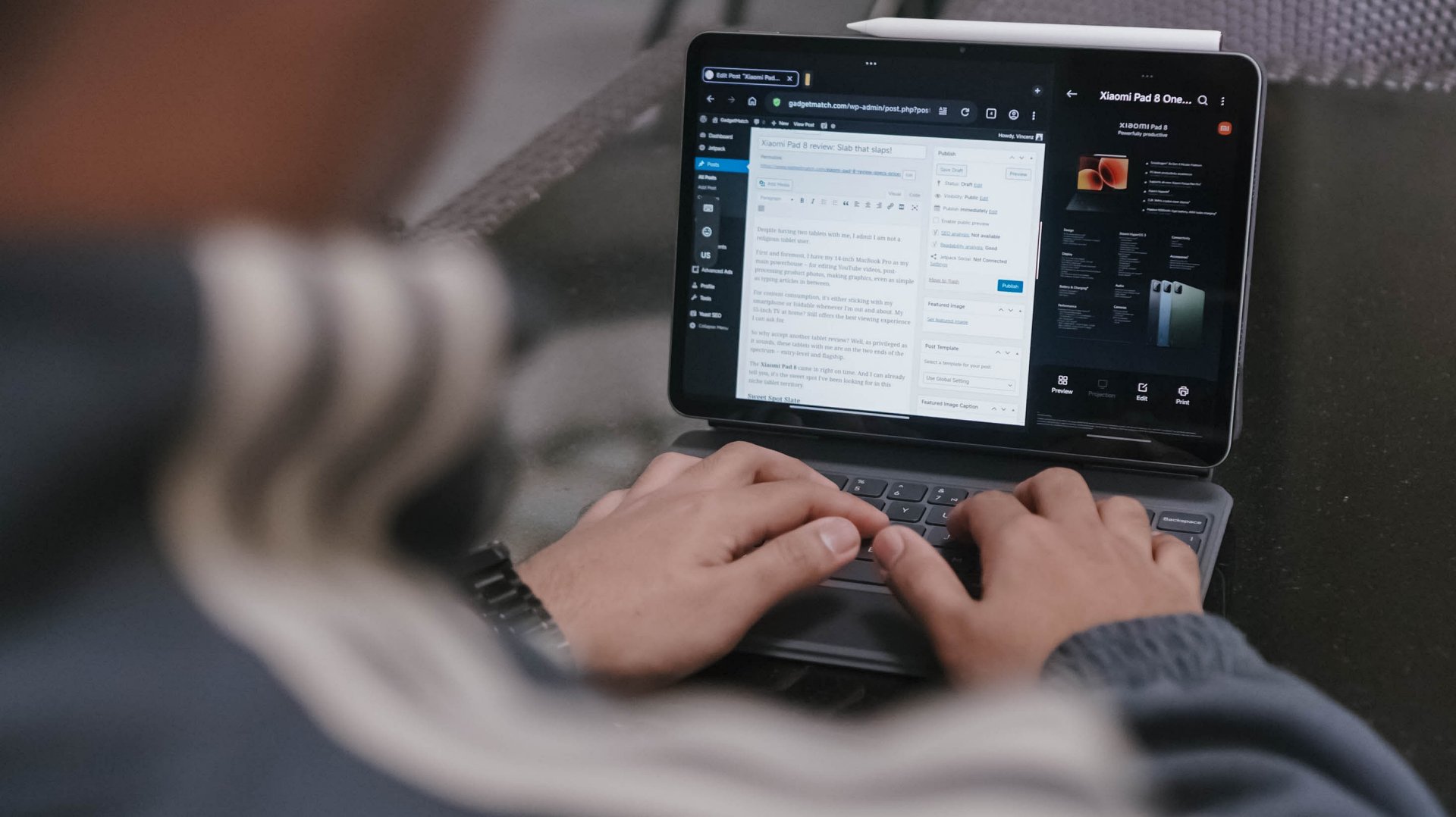
I enjoyed typing on that bundled Pro-grade Focus Keyboard accessory more than I expected. While it’s not clickity clackity as my Mac’s keyboard, it’s not too mushy either with just the right amount of response.
Also, despite having thicc fingers, its chiclet keys worked well in my favor with little to no typos at all.

Evidently, the screen is also ideal for multitasking that’s why I used the Xiaomi Pad 8 specs sheet as a reference on the right side as I type this review write-up.
Even though it’s not as flexible as other OSes with multitasking screen panes or even the “open canvas” app-switching, it’s manageable enough to split running apps into three with an extra floating window up and above.
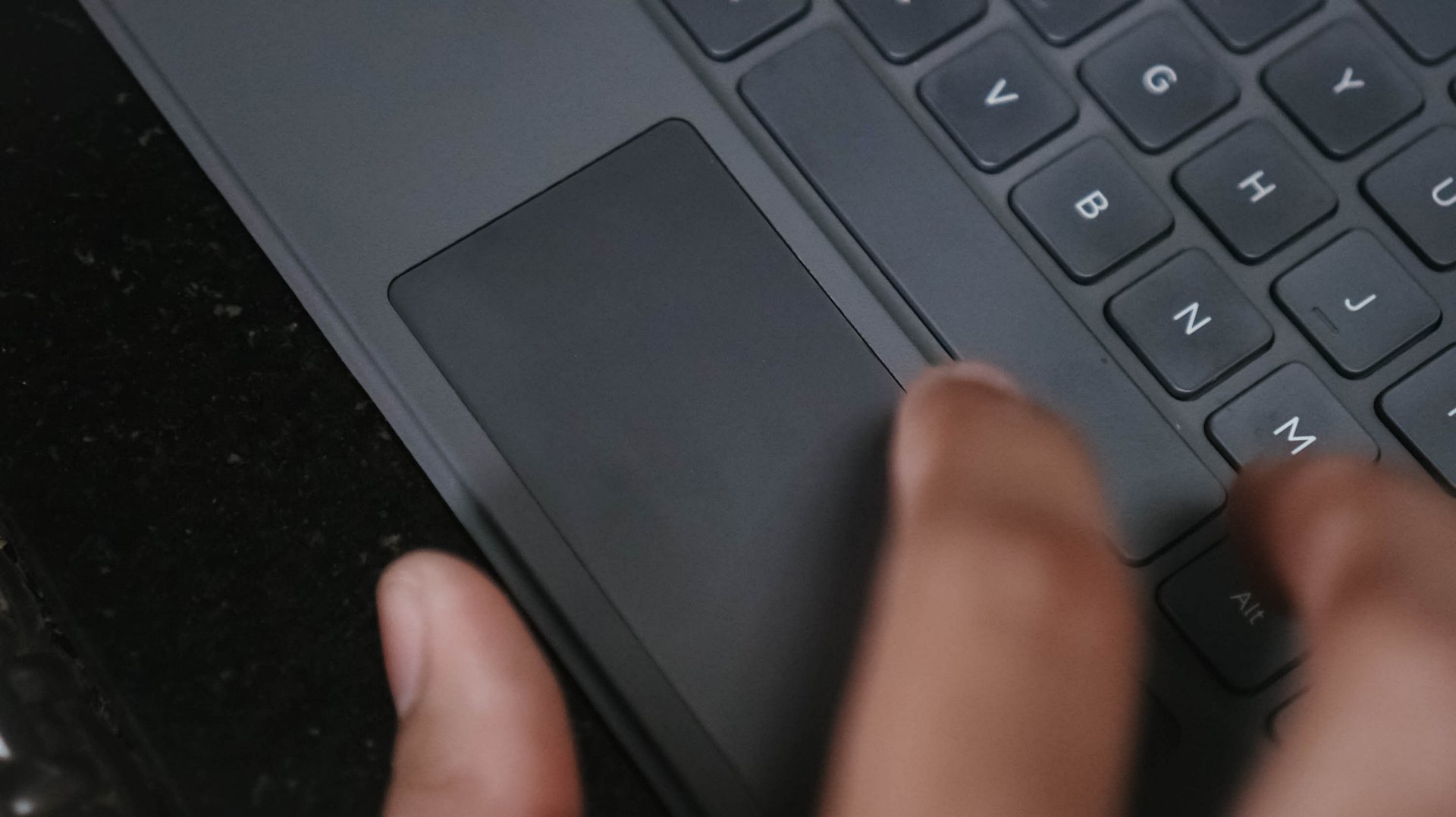
That trackpad is a nice addition as well. Gestures felt familiar from scrolling, breezing through apps, even those one or two-finger functions.
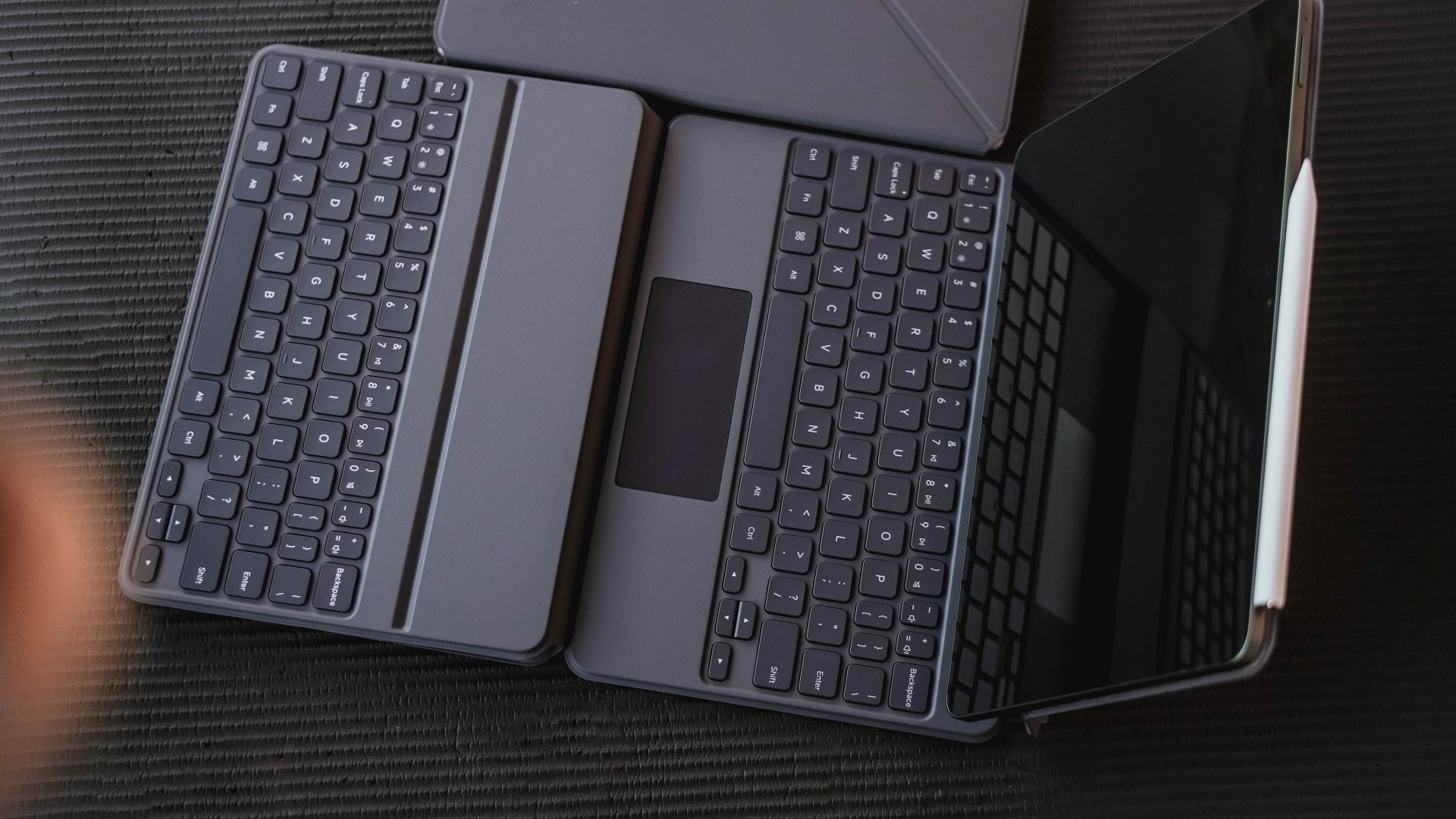
If you’re not fond of restrictive Focus Keyboard with a limiting screen angle tilting, Xiaomi offers a less-daunting and more basic Keyboard accessory with better screen tilting support sans the trackpad.
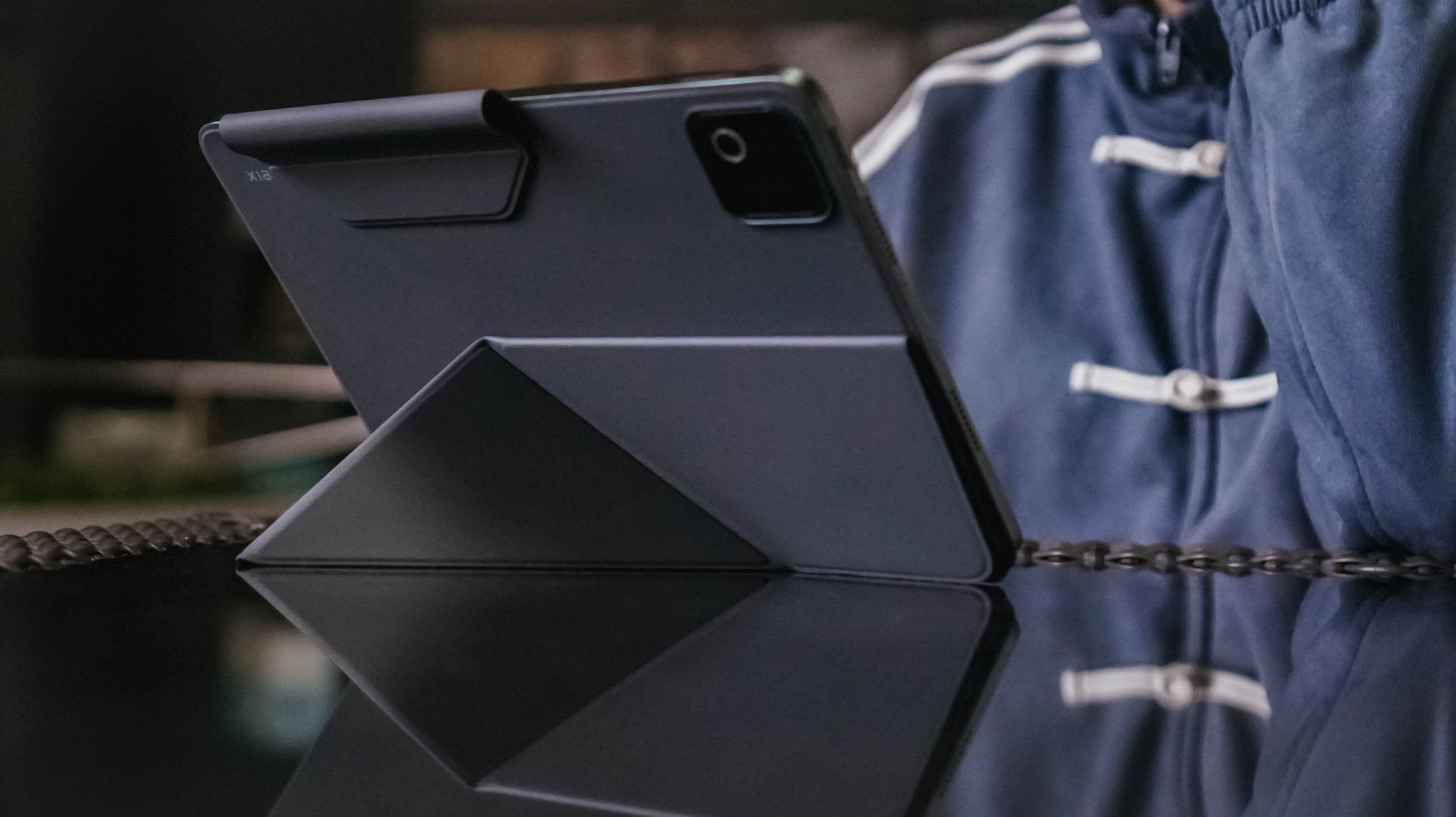
If that still feels heavy, replace it with the Xiaomi Pad 8 Cover along with its origami-type stand for further flexibility.
Pen is mightier than the sword
Speaking of flexibility, those accessories go hand-in-hand with the all-new Focus Pen Pro for the new Xiaomi Pad 8.
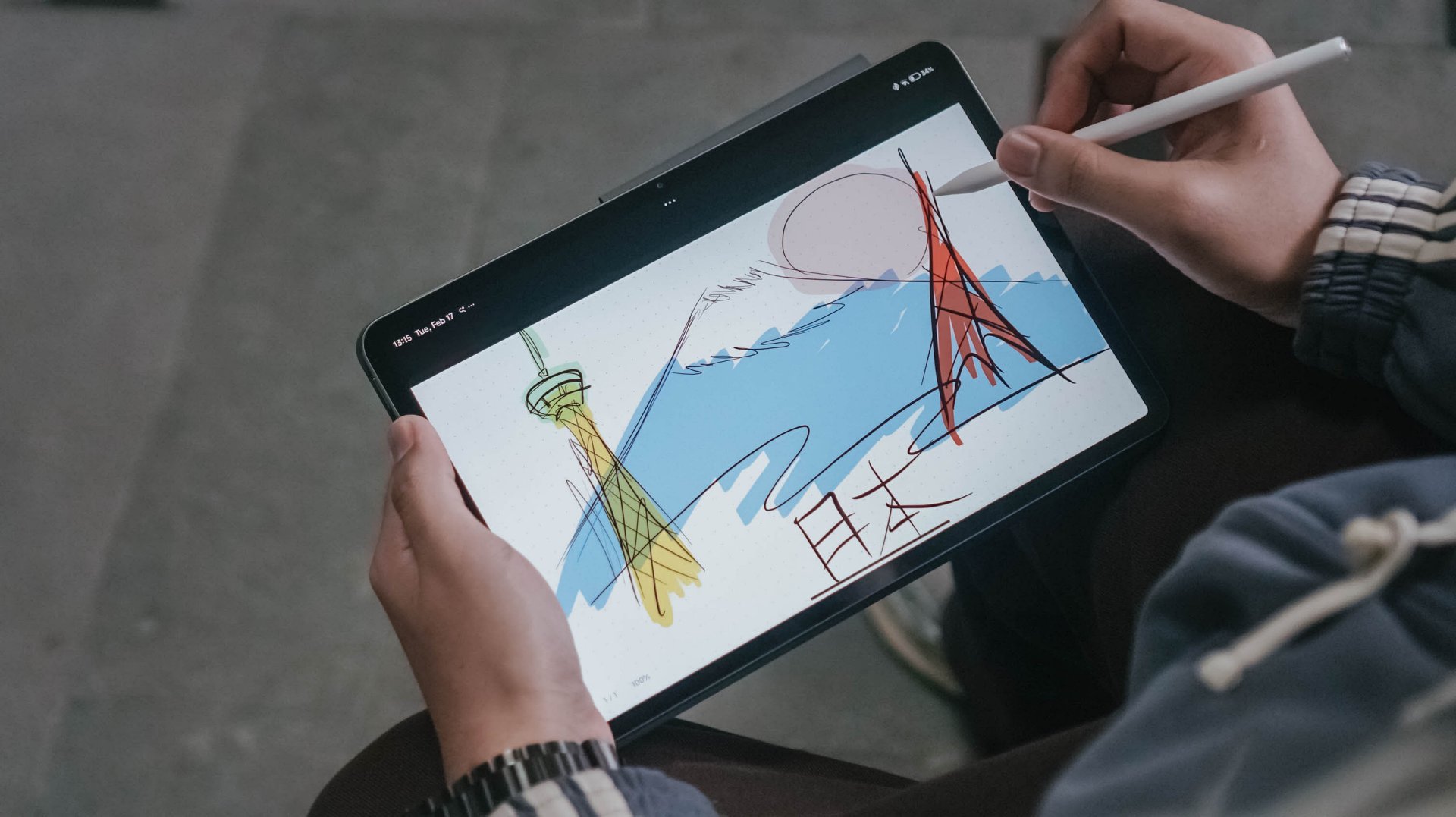
Ditching the conventional stylus buttons, Xiaomi’s new stylus is button-less and totally relies on double-tapping and squeezing.
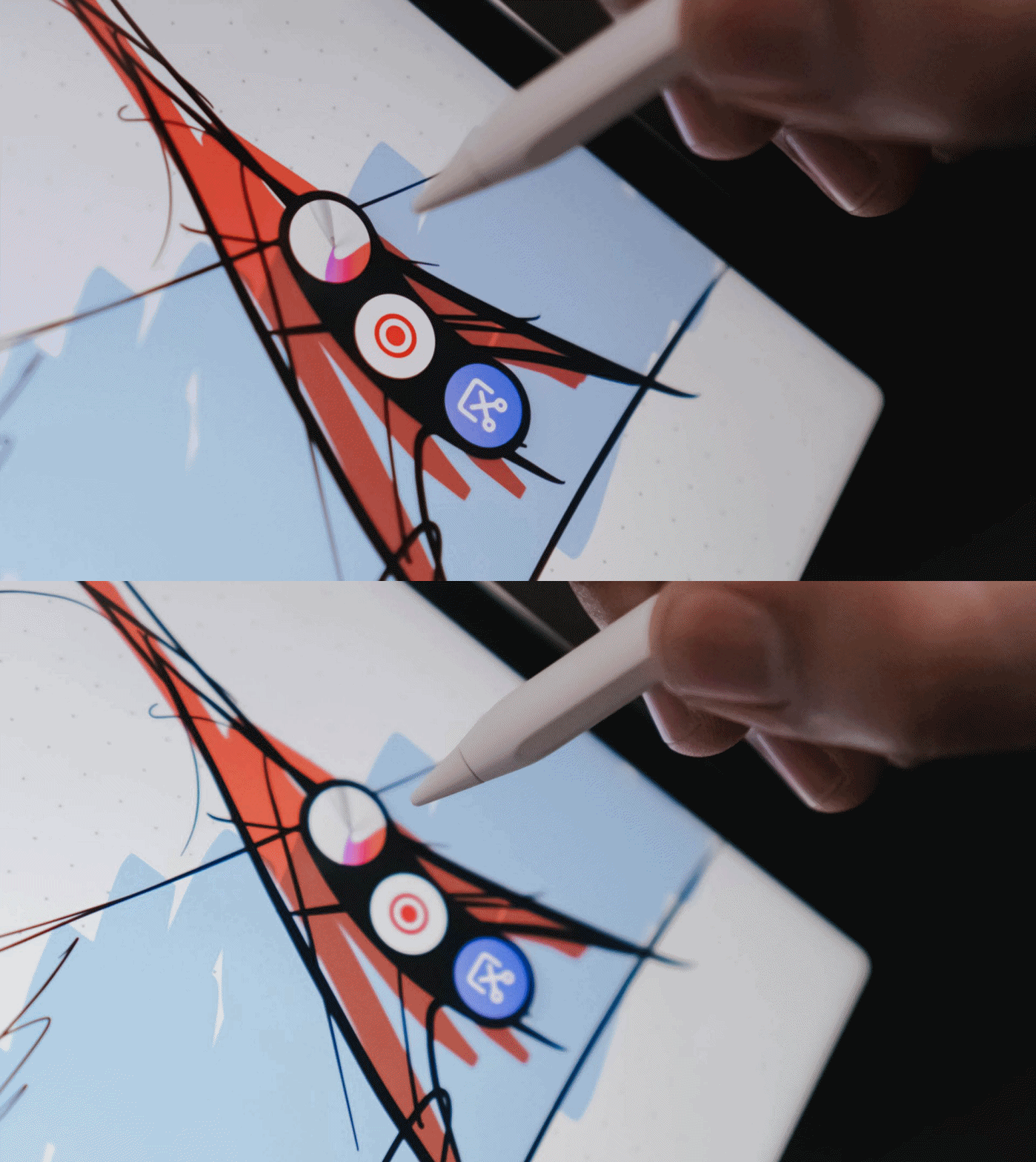
These shortcut keys are pressure-sensitive, depending on the force you apply.
The hover preview and side-rotating brush are also handy, especially for creatives who want precision in the creative work they do.
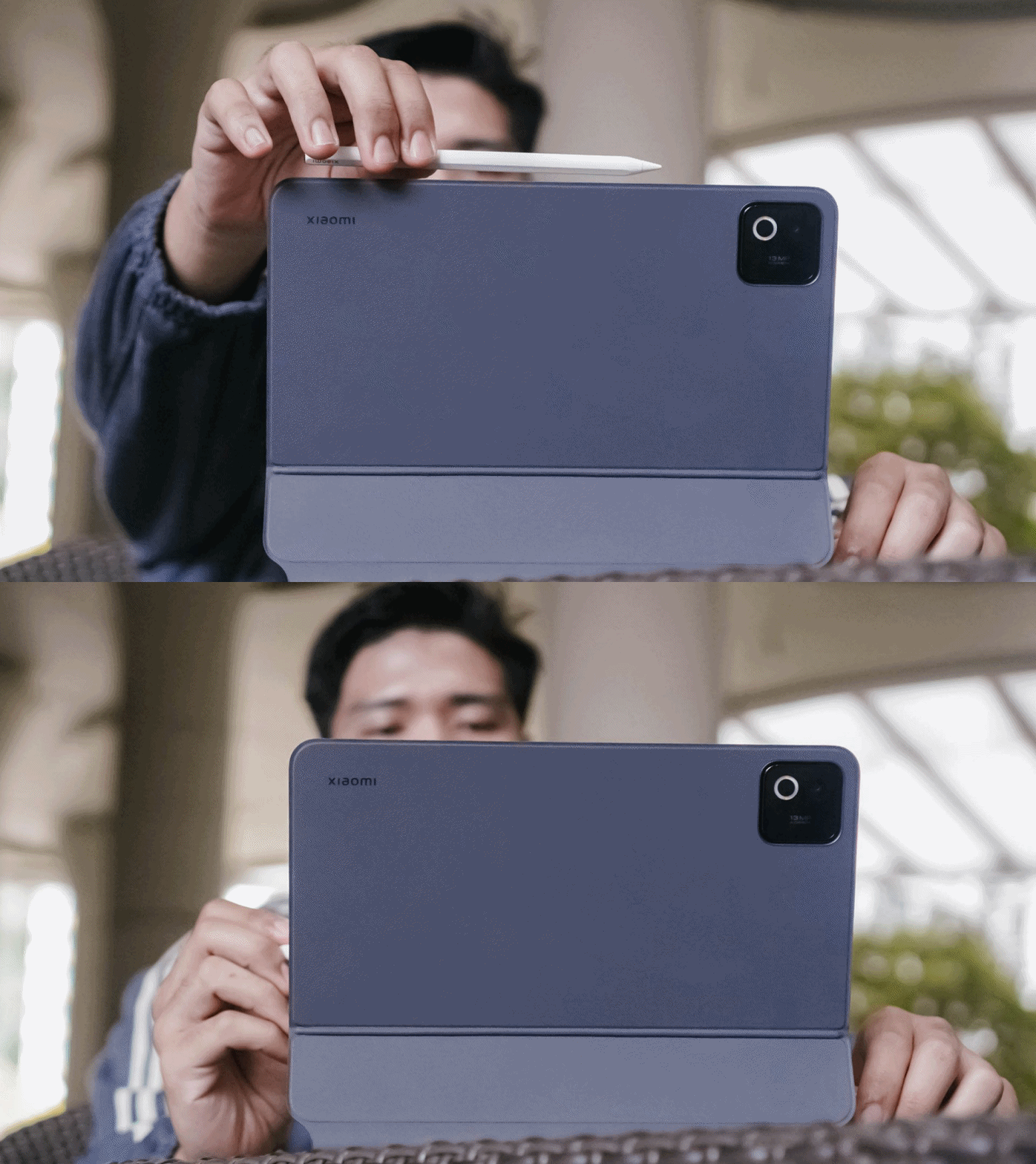
Whenever you’re already in a pinch, the pen can be charged magnetically on the tablet’s frame.
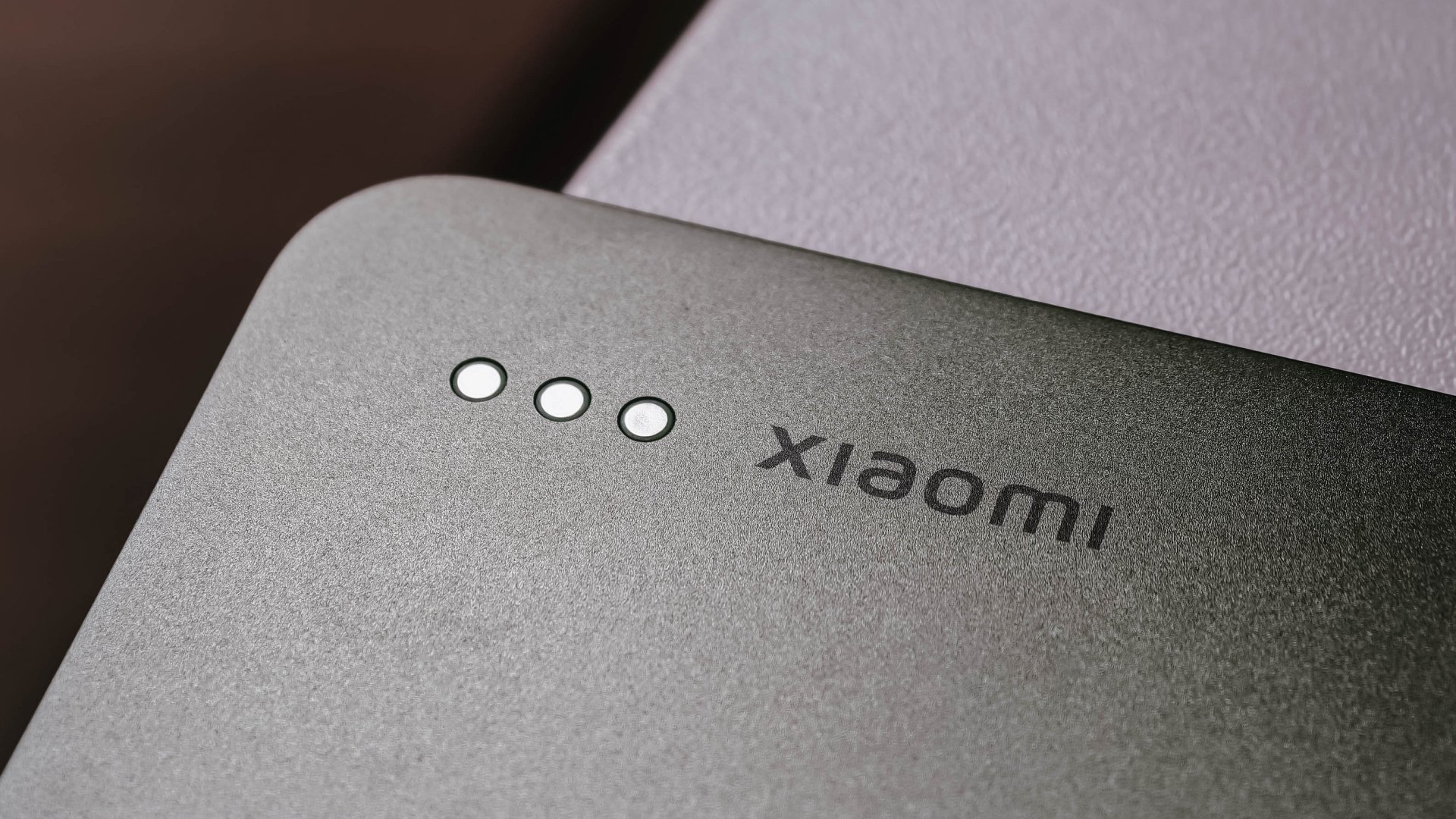

And just like the pen, both keyboard accessories are magnetically-powered, too, through a set of pogo pins at the back. It’s so easy-peasy that you won’t struggle to charge the device through the USB-C cable.
Far from being mid
Enjoying that much-needed work-life balance is possible with the Xiaomi Pad 8.
With Qualcomm’s Snapdragon 8s Gen 4 in its core, this pad is more than capable of being a lean and mean gaming machine, despite being a mid-class tablet.
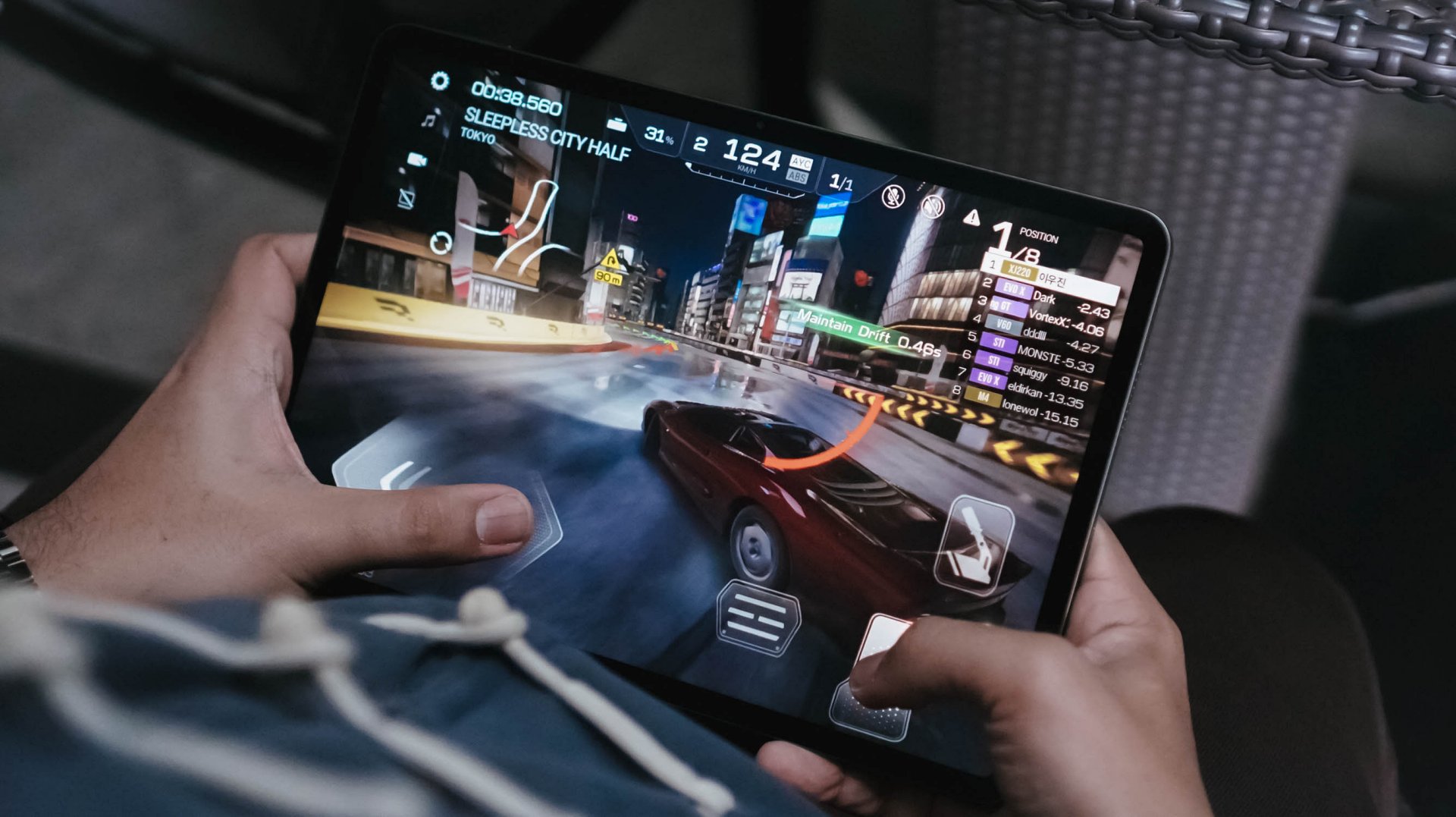
If you were able to read some of my reviews, you’d know that there are two games I always play.
First and foremost, Racing Master was totally up and running in Ultra-High / 60fps settings.
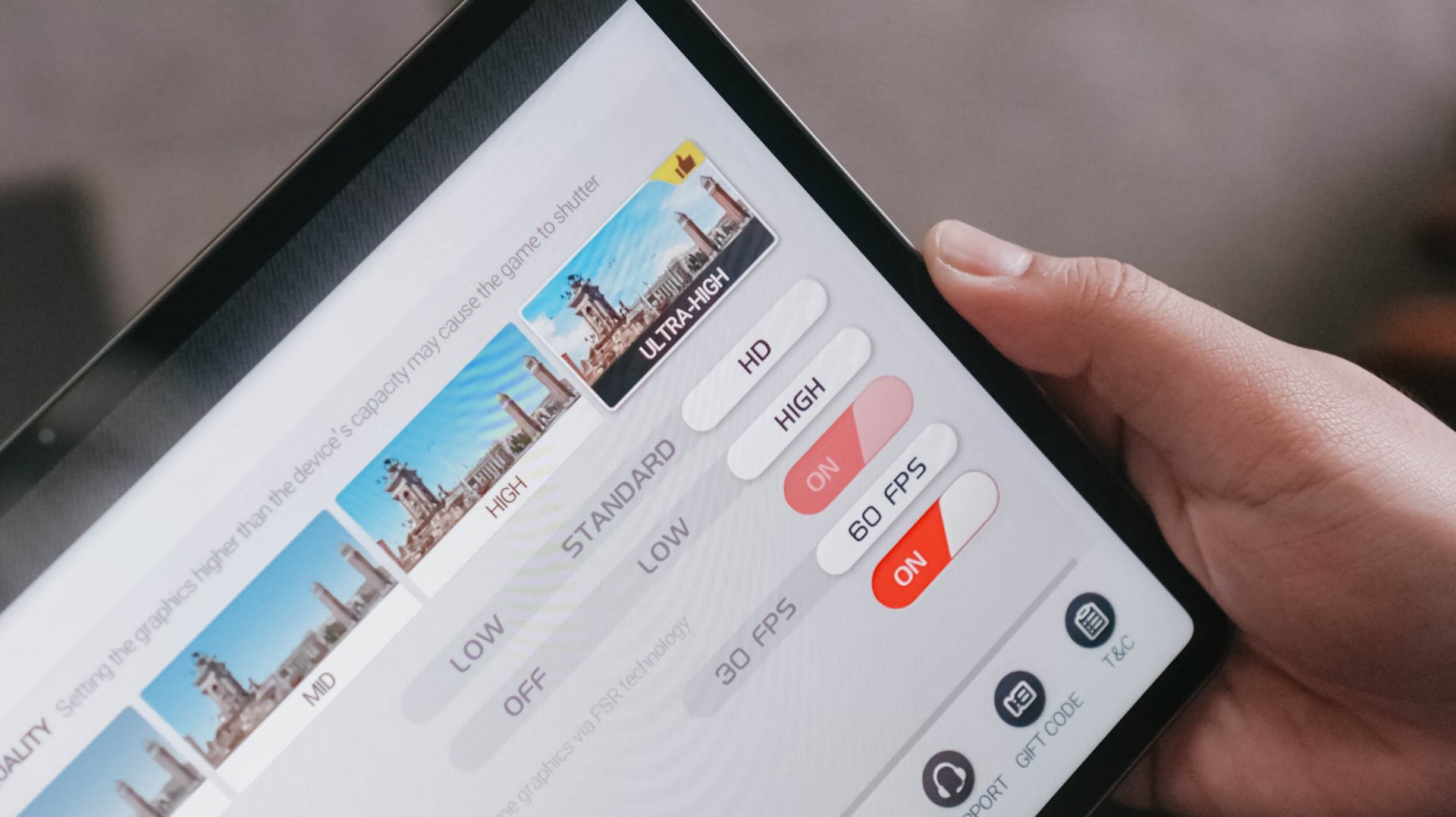
That 144Hz refresh rate was complementary to that. Moreover, it’s comfortably soothing to my frame rate-sensitive eyes.
CoDM (or Call of Duty: Mobile) was also playable at Very High graphics settings.
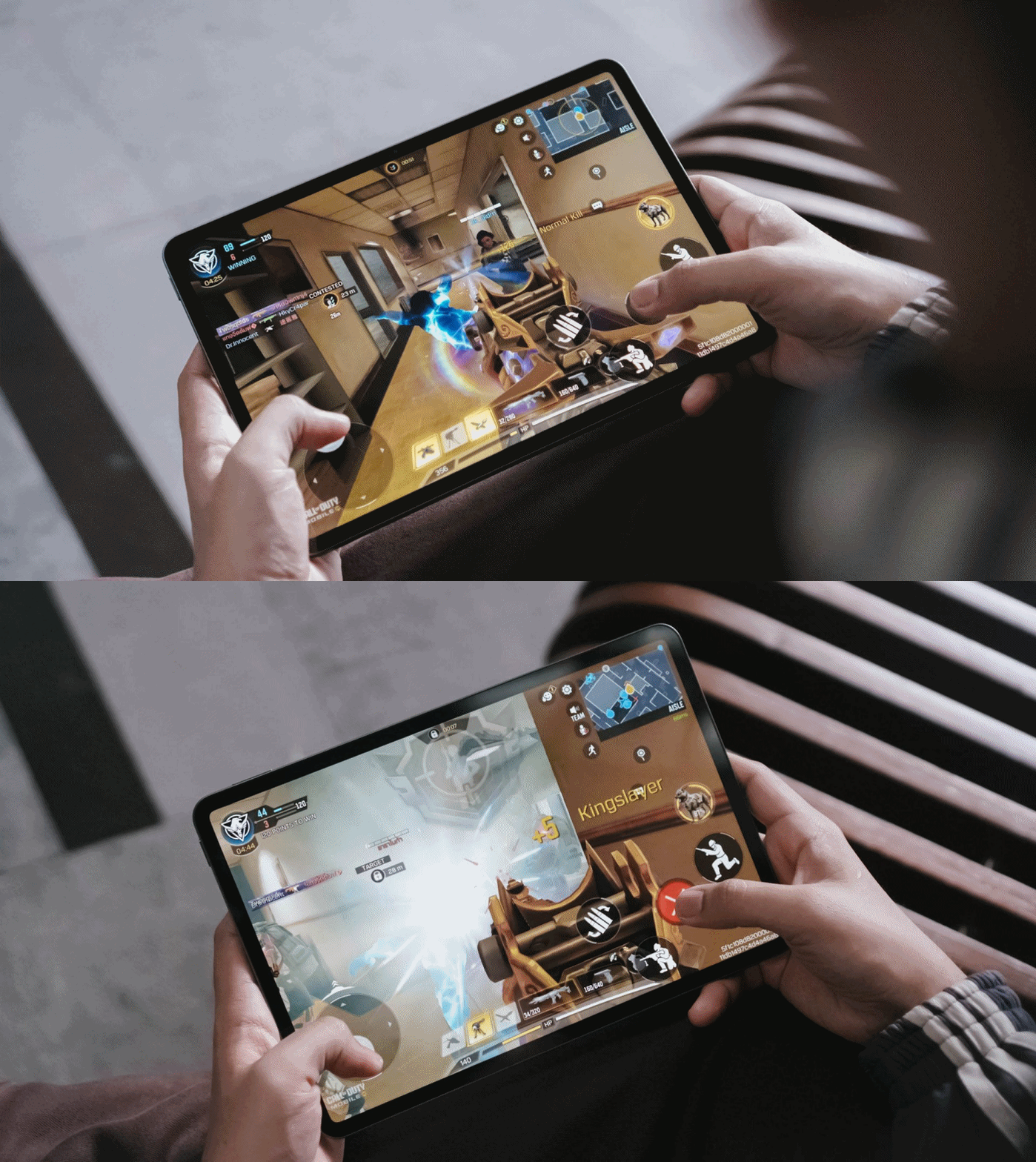
And unlike my undesirable gameplay with the HONOR MagicPad 3 and its daunting 13.3-inch screen right before I reconfigured the placement of controls, Xiaomi Pad 8’s 11.2-inch display made full sense with no adjustments, whatsoever.
Other goodies that need to be mentioned are its 13MP rear camera with a larger ring flash — which means Xiaomi wanted you to use it for more than just document scanning.
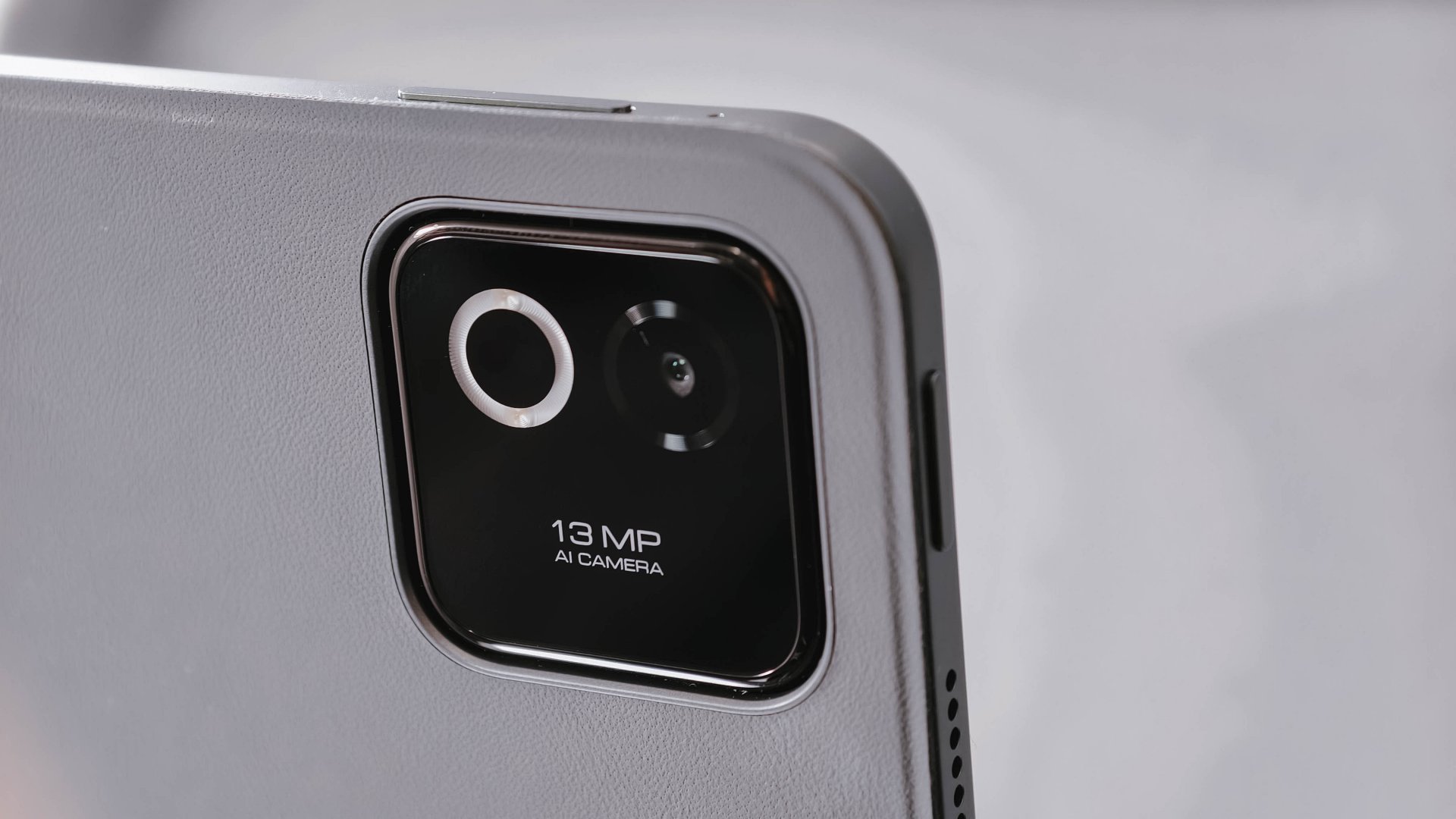
Additionally, there’s that 8MP front-facing camera for calls (and maybe some selfies).
Connectivity-wise, standards are pretty high, as well: Bluetooth 6.0, USB-C 3.2 Gen 1, even Wi-Fi 7 support not left behind.
Battery blast
The only advantage its Pro sibling can brag about is its faster 67W HyperCharge speeds (over the slower 45W turbo charging in this tablet). Other than that, you’re basically getting the same battery treatment at 9200mAh.
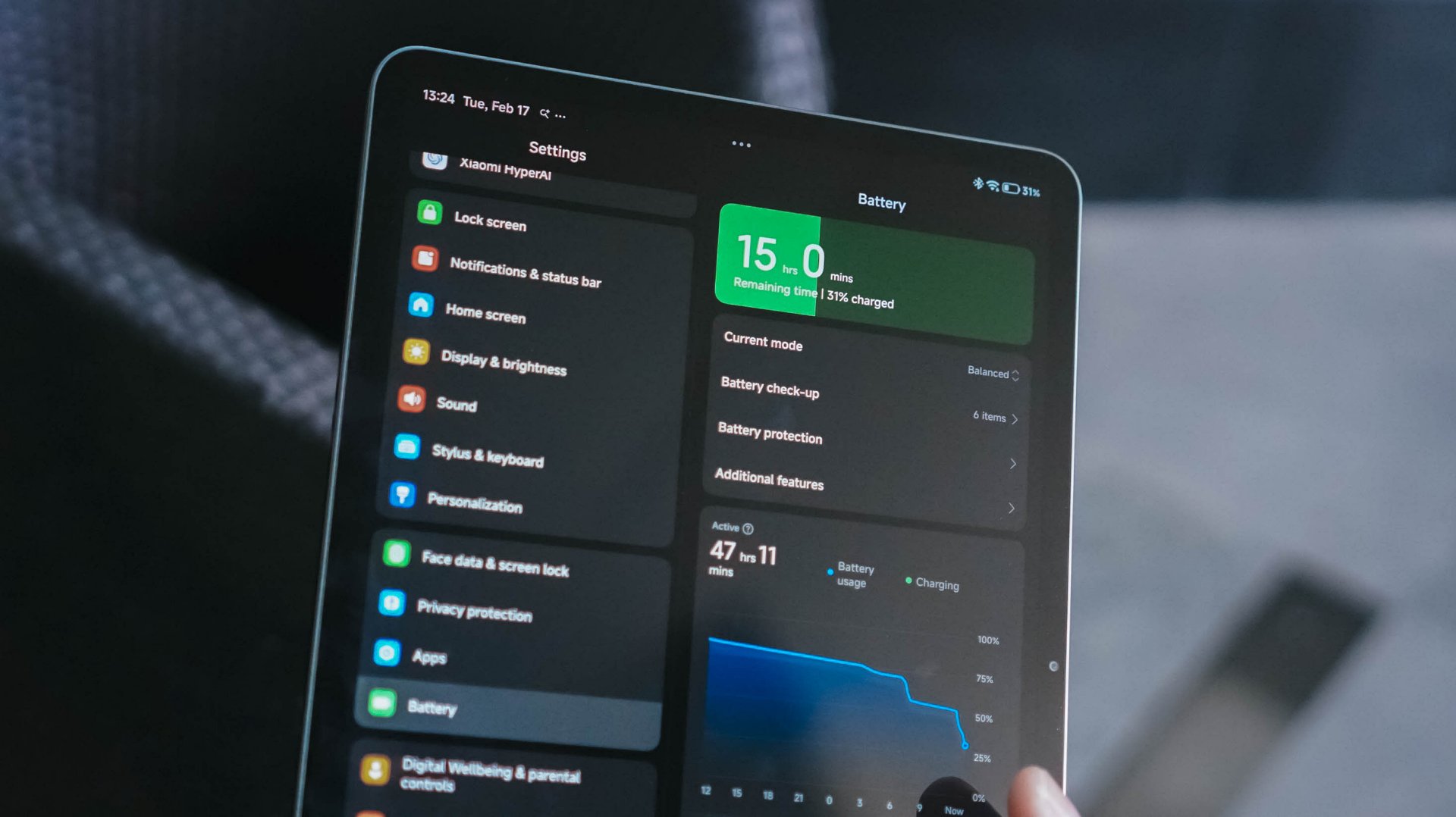
To be fair, that’s still an increment over Xiaomi Pad 7’s 8850mAh capacity.
Out in the real world, it managed to last before the night ended.
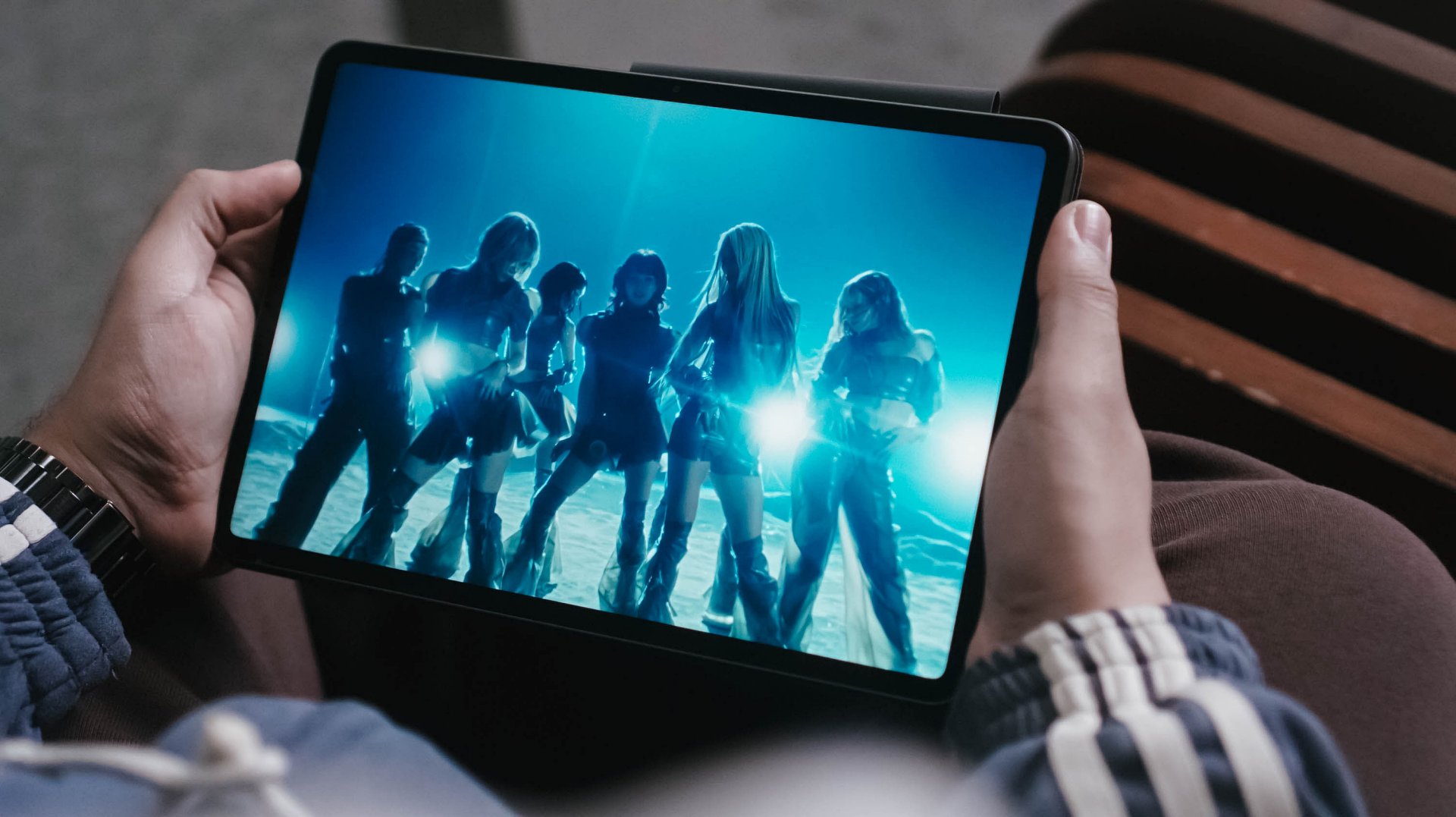
I was able to watch 4K music videos and live performances, stream a K-Pop playlist I curated, plus type this review article. All that in around six to seven hours of usage before the tank finally drained out.
During standby, it totally lasts more than that. When I was not using it as I was in a heavy editing rush with my Mac, the tablet remained in my table for around two (2) days and the tablet still has 38% charge left.
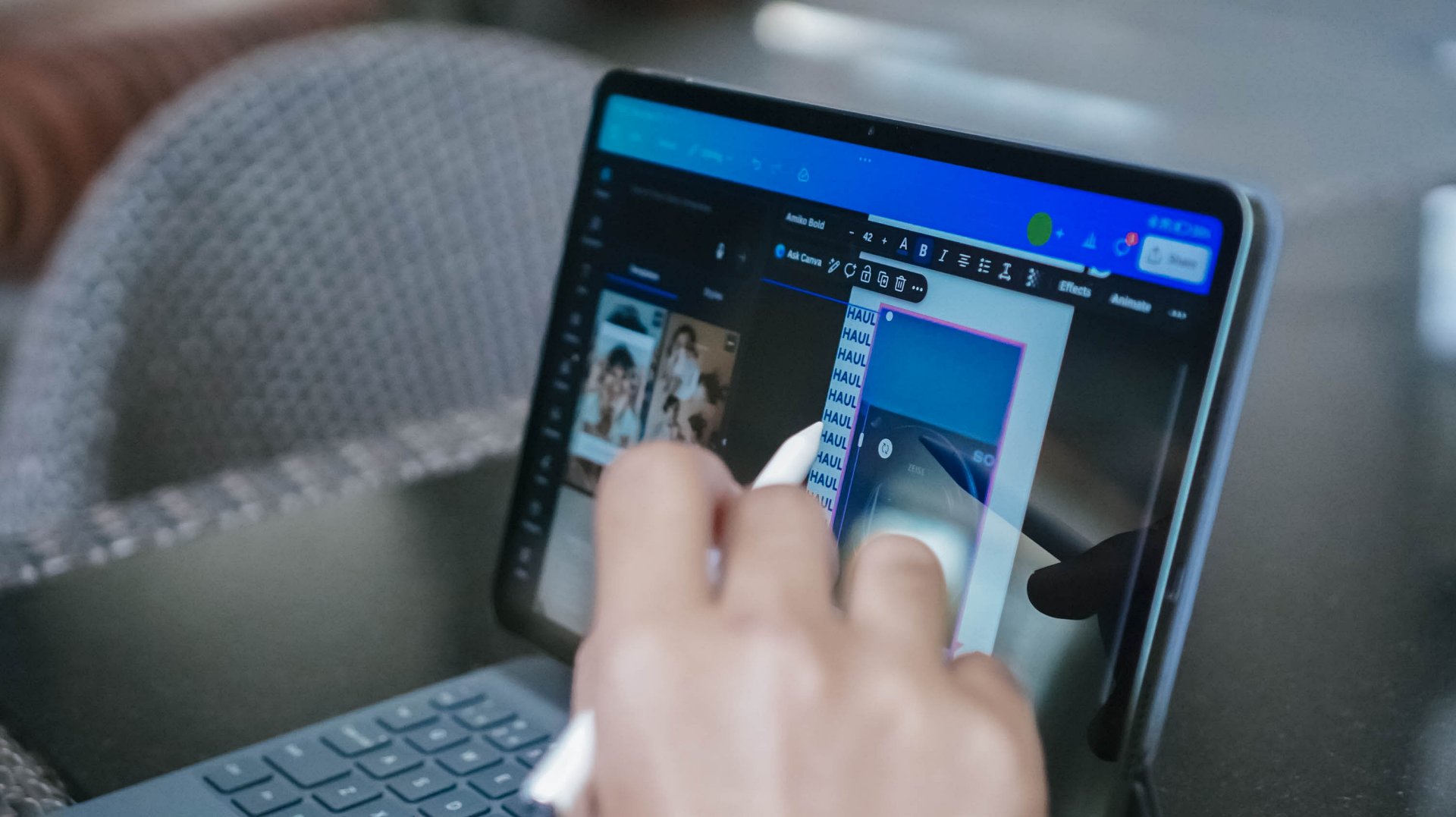
As expected, the biggest battery drain happens when using it for gaming or other graphics-reliant tasks such as editing videos in CapCut for Reels / TikTok, doing graphics in Canva, or even post-processing heaps of stills in VSCO.
No tablet is perfect
While the Xiaomi Pad 8 looks excellent on paper, software experience kind of ruins the overall tablet experience.
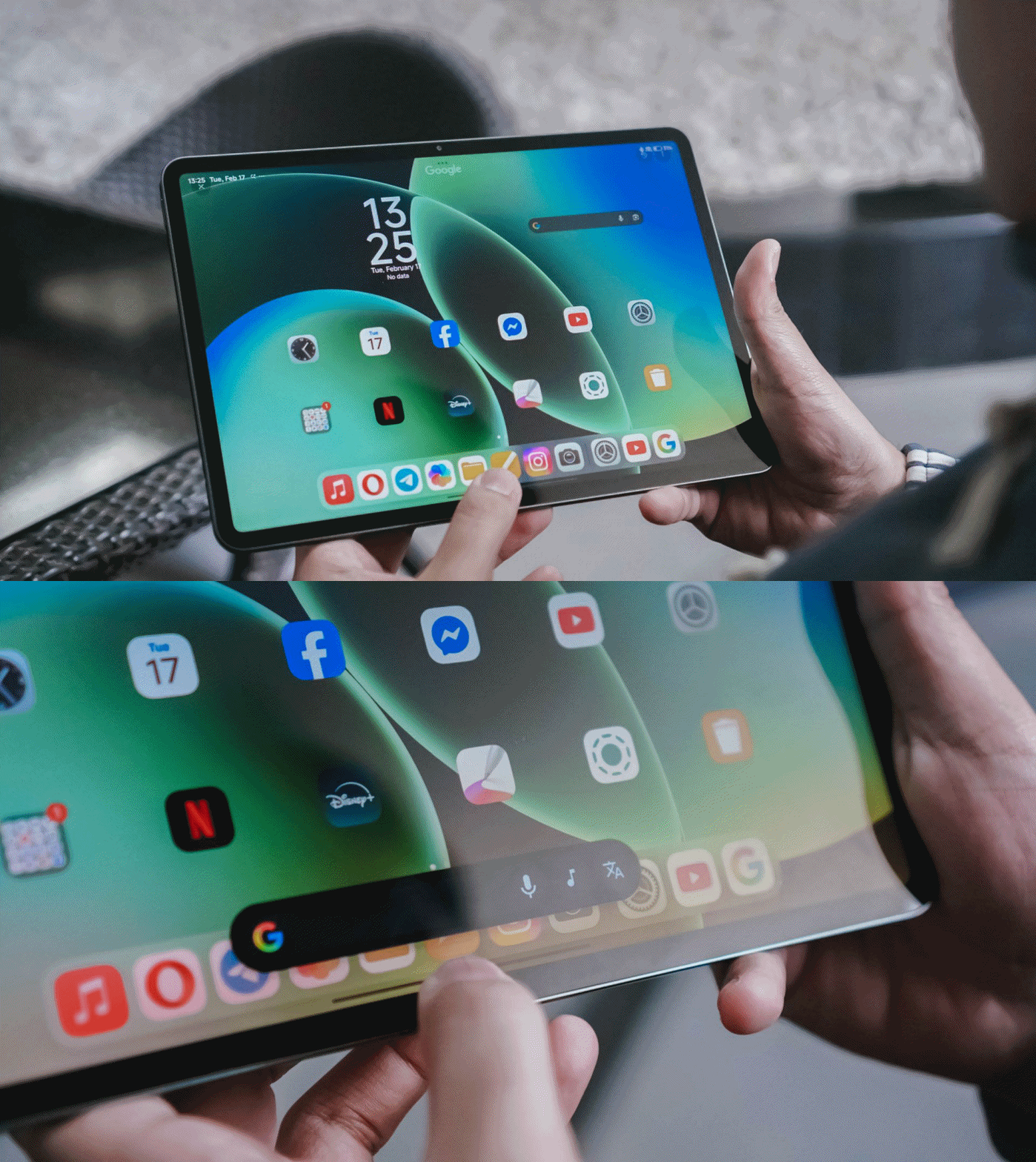
The Xiaomi Pad 8, just like any other new device, possesses AI tools that are beneficial to make your tasks easier. Google’s Gemini and Circle to Search functions are also ever-present. So, what am I even ranting about?
Frankly, Xiaomi’s HyperOS already feels like an after-thought, yet it doubles-down as it’s literally just an oversized layout of what’s already running among Xiaomi, REDMI, and POCO phones.

HONOR MagicPad 3 with MagicOS 9
Most Android makers have already improved and adapted towards a better tablet experience just to rival Apple’s iPad. For instance, HONOR’s MagicOS for tablets (and even phones) lets me resize folder icons the way I wanted it.
It truly bums me how Xiaomi even missed adding this feature at least to their tablets. I feel like its large screen real-estate is being wasted and not being fully-maximized.
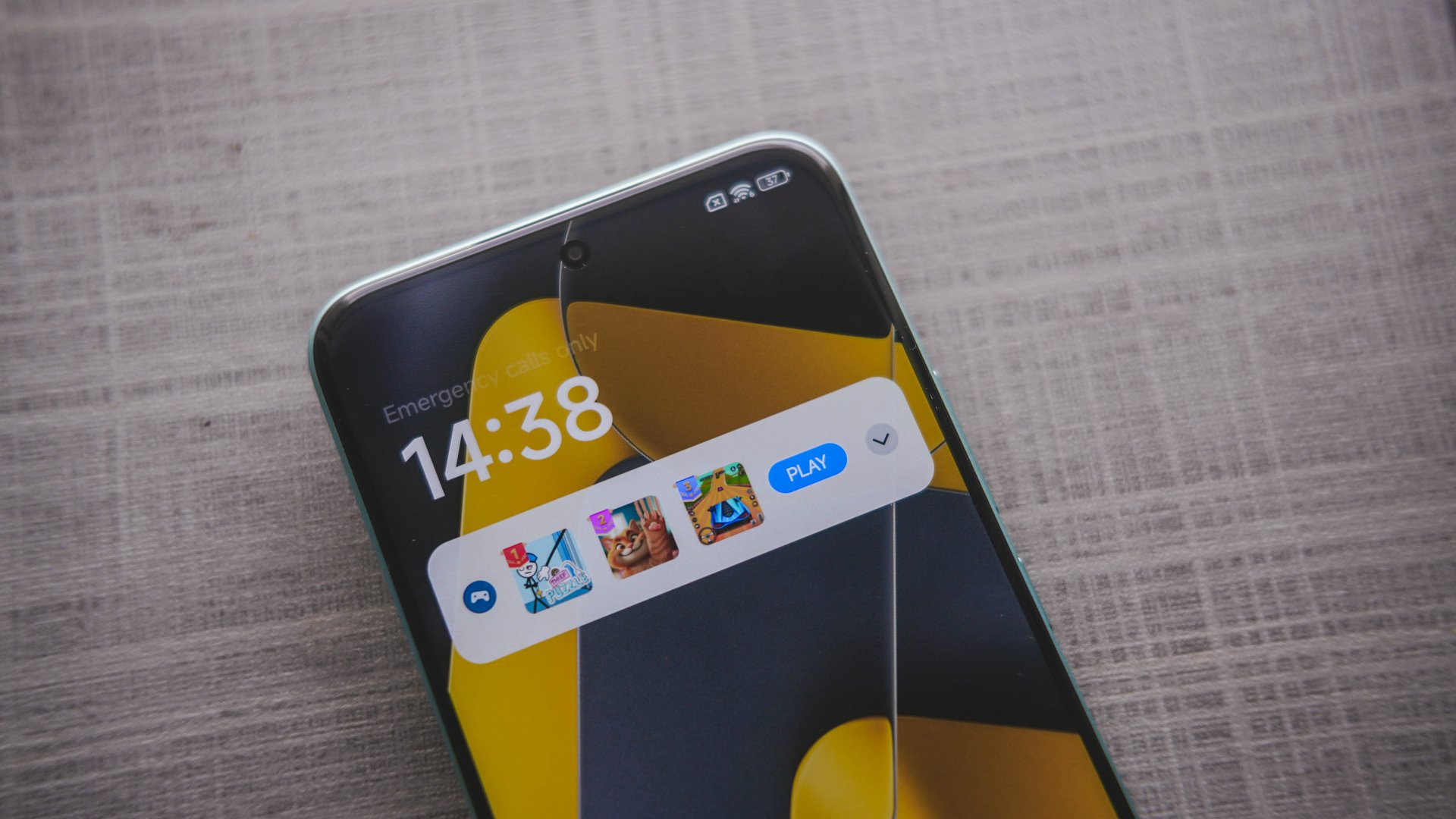
POCO M8 Pro with game ad notification on lock screen
Heck! Even its native File Manager app consists of blatant ad placement, and that’s just one. First time I witnessed this was during my time with the POCO M8 Pro when it popped-out a games ad — all disguised as a notification pop-up.
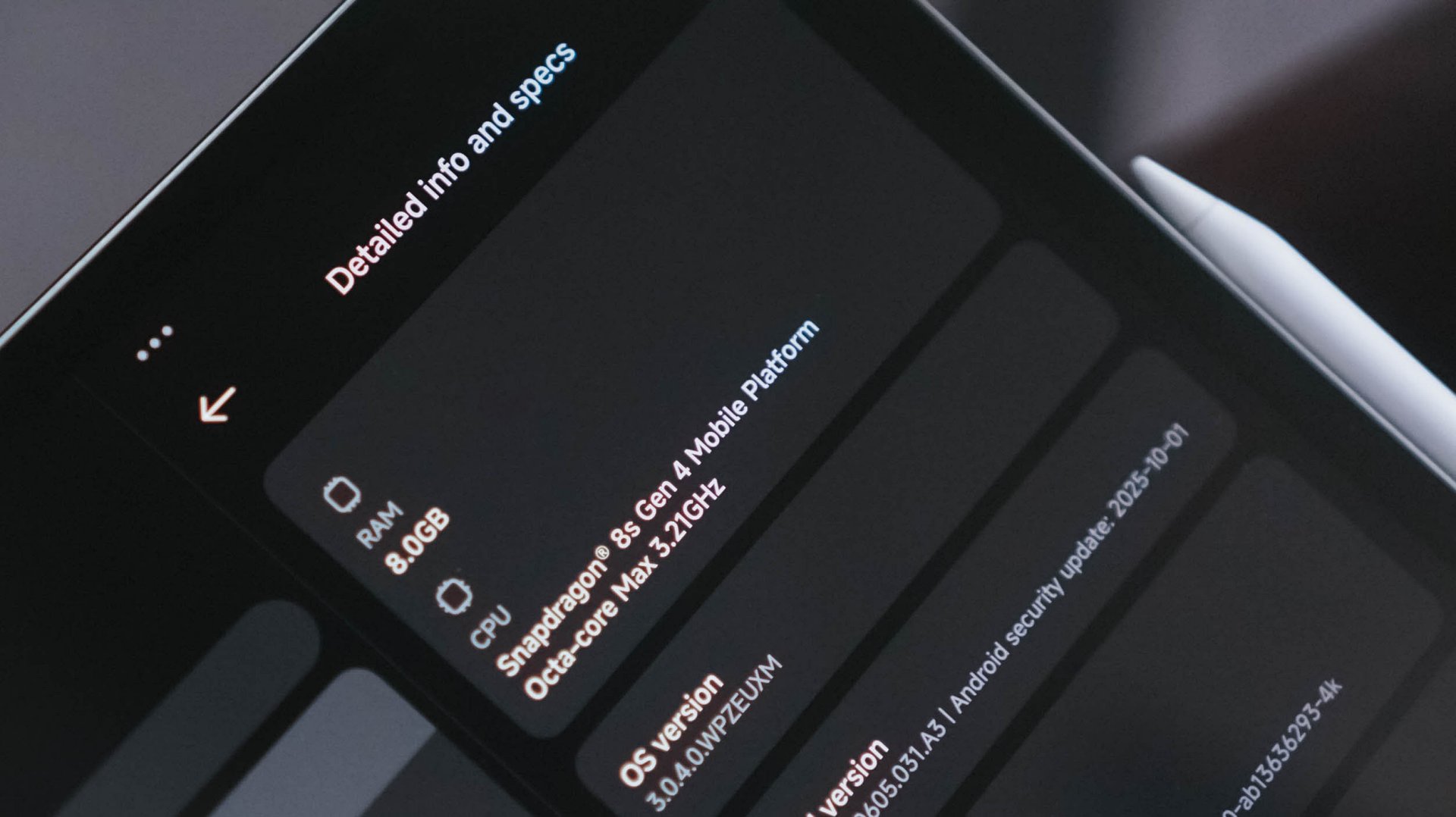
Other than software, hardware isn’t a total miss. I mean just look at the inconsistency of components used:
Storage (ROM) |
|
8GB |
UFS 3.1 (slower) |
12GB |
UFS 4.1 (faster) |
Memory (RAM) |
|
8GB |
LPDDR5X (fast enough) |
12GB |
LPDDR5T (way faster) |
Can we blame AI for these shortage of components and the continuous cost hike? Well, these tech giants only have a definite answer to that.
And while we’re already at it, its storage options felt limiting.
For a powerful pad like this that runs a speedy and reliable chip, the 128GB storage capacity I have isn’t enough to install games. Ultimately, it’s why I skipped testing out Zenless Zone Zero with how massive the game data is. A 512GB variant could have also been a great addition.
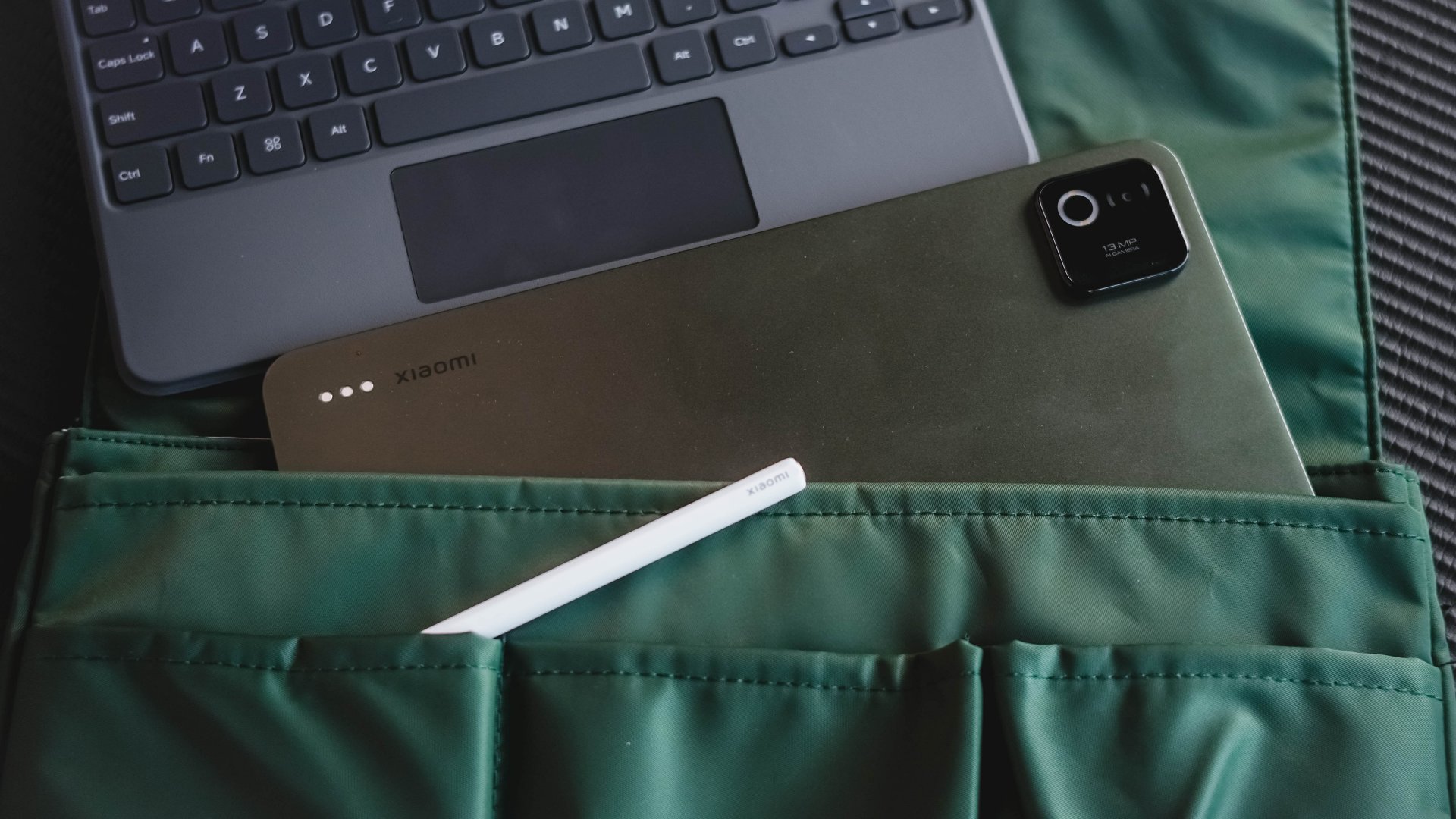
Lastly, while its all-metal build feels premium to the touch, you have to be wary that it’s also a huge smudge and dust magnet (or “smudg-net” in my vocab).
It might just be the subdued Pine Green colorway that I rock — which looks classy enough. I’m not sure if the same can be said when you pick either its Blue or Gray shades.
Is the Xiaomi Pad 8 your GadgetMatch?
Much like its sweet screen treat, the Xiaomi Pad 8 is a sweet deal at just EUR 449.9 (about US$ 532).

One thing’s for sure: no tablet, not even the Xiaomi Pad 8, can surpass my powerhouse that I use on a daily basis for the work I do. However, for all the strength it offers, the Xiaomi Pad 8 is a tablet you just cannot ignore.
The Xiaomi Pad 8 is a Swipe Right for all things considered: display in the Goldilock’s Zone (both in size and quality), a truly capable chip within its core, battery that lasts you until the end of the day (or two), plus host of accessories that truly make up for that “PC-level” productivity.

The only things I can think of why you need to Swipe Left are none other than Xiaomi’s plagued HyperOS and slower charging standards despite its massive battery. Other letdowns such as the glossy display, actual display tech used, and smudge-net finish are all arguable — and it may or may not entice you to own one.
Despite all that, it’s still a worthy recipient of the GadgetMatch Seal of Approval. While other brands focus too much on either entry-level or maxed-out models, Xiaomi hit the right spot not just in hardware, but also in price.
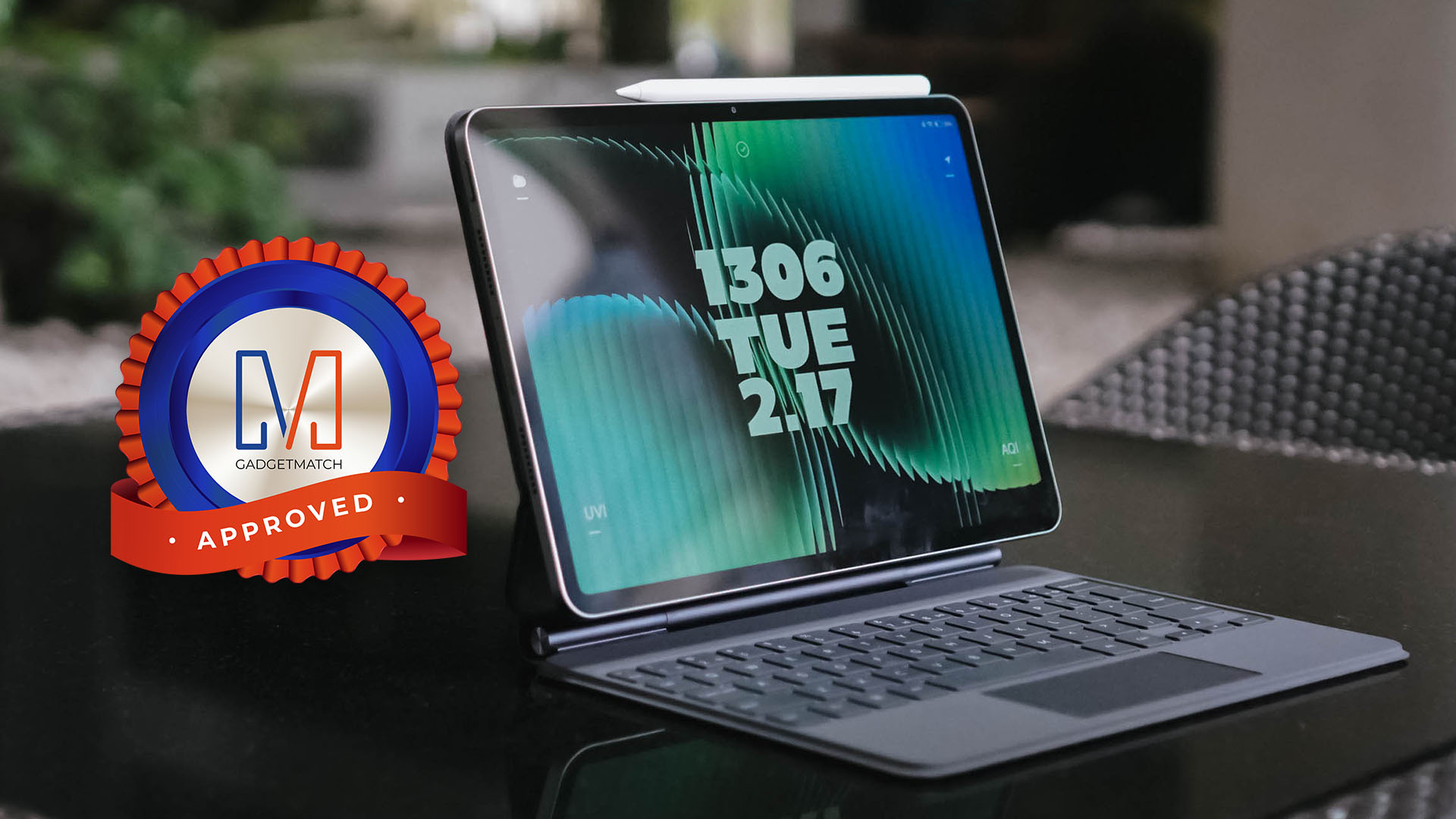
My only buying advice is to save up more and get the 256GB configuration to achieve faster storage and memory speeds, unless you will just use it as your screen companion and nothing else (I mean, it’s still your money at the end of the day).
Now, if only Xiaomi decides to deeply reflect on making the HyperOS reliant for its line of pads, it could set a solid footing on the “well-rounded” tablet throne — not just a tablet that’s great, hardware-wise.


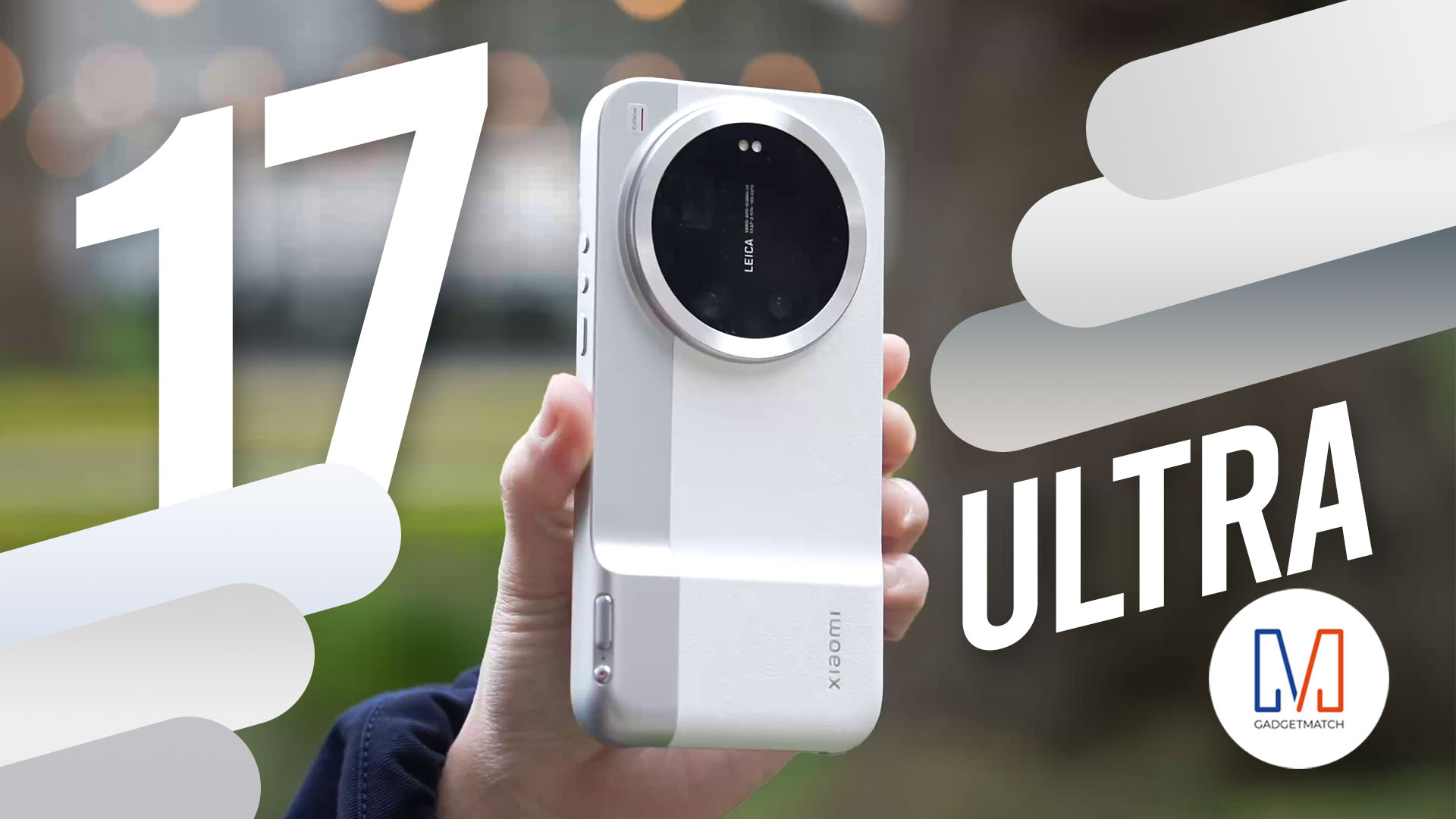
The all-new Xiaomi 17 Ultra isn’t perfect. But as a camera?
With a 1-inch sensor, continuous optical zoom, and Leica color science — this might be the most exciting camera phone Michael Josh has used in years.
If you care about photography more than a polish, you’ll want to watch this review.
Here’s our in-depth Xiaomi 17 Ultra review.

I’m starting to think that cosmic horror is near-impossible to adapt to the big screen. Often, the point of this subgenre of horror is to showcase the unfathomable, a horror so unknowable that it’s impossible to describe. Now, for a medium that thrives on “show, don’t tell,” a full-length movie doesn’t seem like the best format for this type of horror. I’ve seen so many cosmic horror films, and a majority of them fail to land the satisfaction of a more traditional horror film.
Iron Lung, directed by and starring Markiplier, takes a stab at this elusively complex genre.
After the sudden disappearance of stars and planets in the universe, a lone space station explores a nearby moon to search for a way to save humanity. The catch is that the entire moon is covered in an ocean of blood. A convict, played by Markiplier, is tasked with exploring the moon in a one-man submersible, in exchange for his freedom.
Naturally, an ocean of blood isn’t the best place to be. The moon’s ocean hides mysteries and monsters beneath all the gore.
On the impossibility of cosmic horror
Though a movie is all about showing and not telling, Iron Lung navigates through these intricacies by not showing anything.
Because everything is just blood outside, the submarine needs a special camera that takes only grainy photos directly in front of the submersible. There’s always a sense of claustrophobic dread. What’s outside the submarine? What were those sounds? Did the camera really take a photo of something alive?
The film’s premise alone is a perfect source of horror. This is where cosmic horror thrives: on the questions, on the tiny sneak peeks of a monster lurking around the corner.

But, then again, this is also where the subgenre can paint itself into a corner. Eventually, audiences ask for more. They need to see and know the beast for real. Think Cloverfield, when the massive alien finally shows its face, or The Nun with… well, The Nun.
It’s an unwritten rule in horror films that the monster must make an appearance. It becomes a paradox for cosmic horror because the beast must also be unknowable.
When the beast finally shows up in Iron Lung, the audience never learns an understandable reason why it’s stalking the submarine. It’s not hungry, it doesn’t want revenge, and it doesn’t want to take over the world. It just is.
Is that a satisfying enough conclusion? If you’re a fan of cosmic horror, then it’s par for the course. However, if you’re more used to the more traditional horror film, it might leave you wanting more.
On madness
A mysterious monster isn’t the only thing that cosmic horror is known for. It’s also about madness and how the protagonist goes insane after seeing the unknown.
It’s apropos, then, that the convict starts hallucinating right after seeing a glimpse of the ocean’s beast. He starts to lose track of what’s real and what’s not.
In other movies, madness is an effective tool in subverting expectations and amplifying the horror. For example, in The Lighthouse, Winslow, the protagonist, also loses his sanity and questions reality. The film is all about this descent into madness and the questionable actions as a result from it. In Shutter Island, madness is a punchline, a plot twist that invites the audience to revisit the entire film and question their own perception.
Iron Lung, however, is neither a complete descent nor a plot twist. Rather, it’s a clear third act stemming from the convict’s encounter with the monster.
Since it’s clearly delineated in the third act, it’s hard to empathize with the convict’s plight. There’s a sense of vertigo moving from a creature feature into, in the convict’s own words, “alien shit” where you’re not sure of what’s real. Likewise, it’s not a plot twist either. You don’t reevaluate whether the entire movie was a hallucination.
Madness is understandably a major plot point of the original game that the movie is based on. However, its translation into film isn’t the smoothest. It’s both too short and too long.
But is it a good film?
Despite its struggle with the format, Iron Lung is still a spirited attempt at a one-room horror film. Markiplier melds into his role and doesn’t just showcase his on-screen YouTube personality.

The premise is, at once, frightening. It’s eerie and creepy. There is always a pervasive need to figure out what comes next. That’s pretty much what you want from a movie anyway. Yes, the ending might be polarizing, especially to those more used to the usual horror film, but the journey is still worth the price of admission.
And, at the very least, the film got me interested in watching Mark’s original playthroughs.
Reviews
Infinix NOTE Edge: Stellar at street photography
Despite trailing in other specs, the Infinix NOTE Edge was built for point-and-shoot photography.

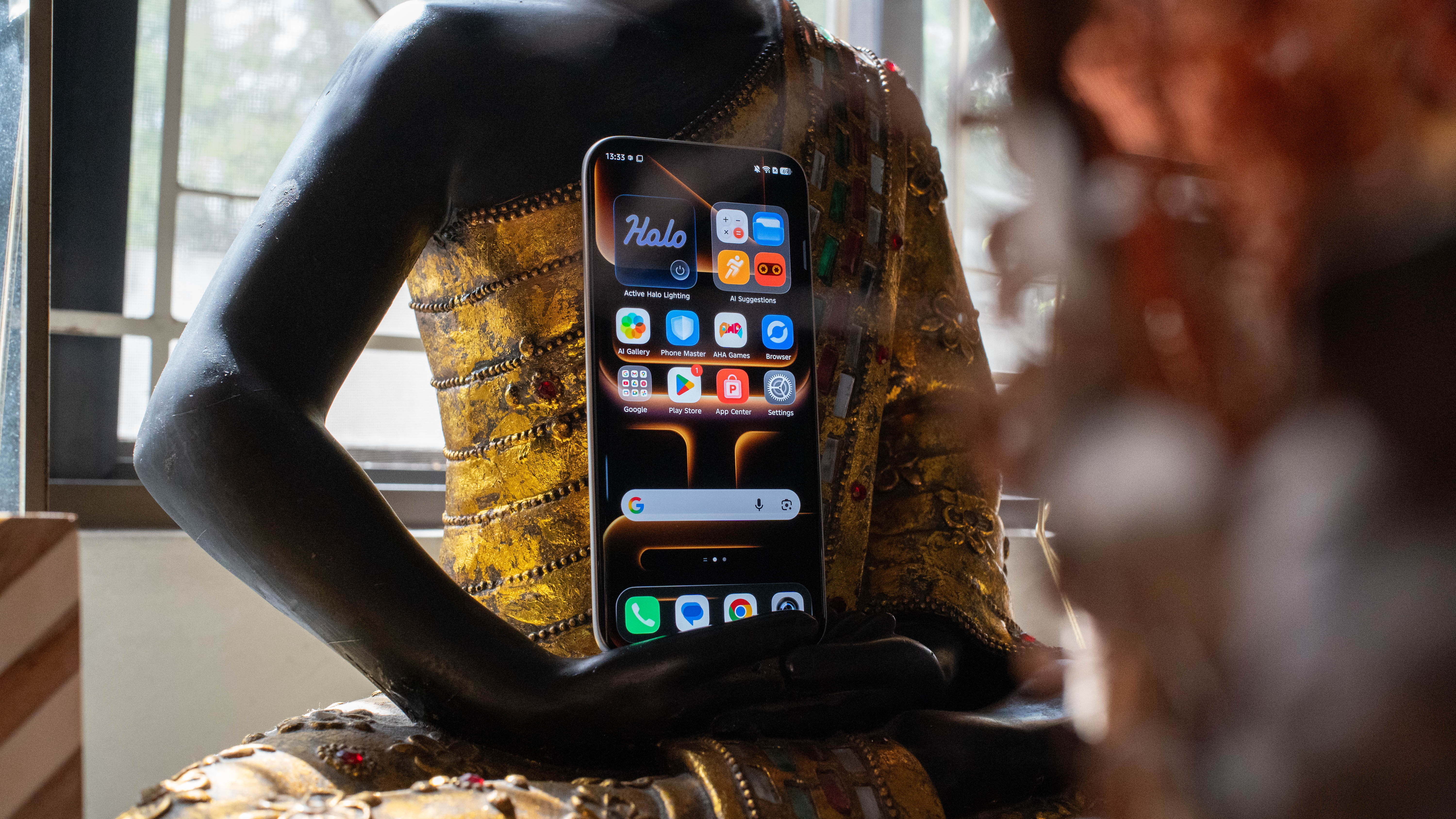
What makes a good midrange phone? Is it the competitive price, the more subdued specs that scream “I guess it’s okay,” or the wackier designs? For me, it’s how light they are. It never ceases to amaze me how they can pack in so much hardware in such a thin chassis. Fresh off the oven, the new Infinix NOTE Edge did its homework, putting together one of the most impressive ultra-slim phones to date. At least, on paper.
Welcome back, Galaxy S6 Edge
A decade ago, my daily driver was the Samsung Galaxy S6 Edge. Though I’ve gone through more phones since then, it’s still one of my favorite flagships ever. The curved edge started off as a fun gimmick but quickly grew into what made the old phone so unique.
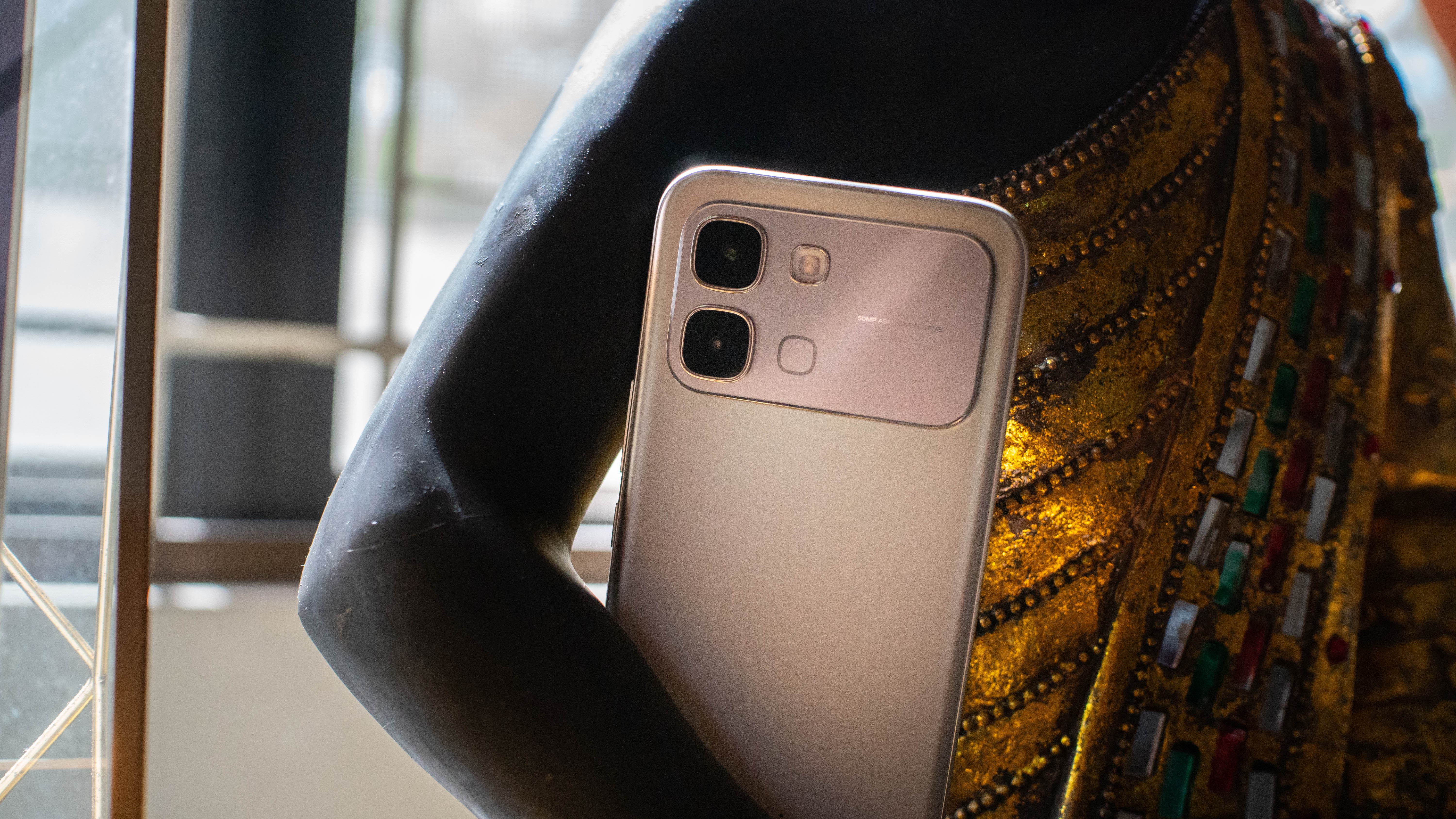
Now, in 2026, the Infinix NOTE Edge resurrects Samsung’s old flagship through its nostalgic design. The rear is mostly made up of a matte gold texture, which already makes for a nicely minimalist feel. However, it stands out even more with a huge camera island with a reflective surface that’s practically lifted from the iPhone 17 series.
Infinix’s phone skips the quirky designs typical of its segment. Instead, it goes for an iconic look that worked in the past and, arguably, still works today.
A phone for your pocket
A lot of phones today are just too big for pockets. Either the phone itself is just too large, or the camera island protrudes too much. Back in the day, we could have joked about having a certain appendage in our pockets. Now, phones are too comically large to be a laughing matter.
The Infinix NOTE Edge belongs to the unfortunately doomed ultra-thin phone segment. Though a lot of smartphone makers are already moving away from incredibly thin form factors, the NOTE Edge proves that the phone type works better in the midrange.

It weighs only 190 grams. Sure, it’s not a huge deal lighter than other smartphones, but you’d be surprised by how much cutting a few dozen grams helps. The NOTE Edge fits so well in my pocket. Throughout my time with the phone, it’s been only a secondary phone alongside my daily driver. Still, I could hardly feel it. Sometimes, I forget that it’s even in my pocket.
The ultra-thin phone might be a short-lived trend, but the NOTE Edge shows that it can be more with less.
Don’t let its size fool you
The Infinix NOTE Edge is one of the first phones to rock the Dimensity 7100 chipset. It’s a midrange chip that gets the job done. This phone has you covered for all facets of daily use. However, what it can’t do is become a dedicated gaming phone.
Zenless Zone Zero remains my biggest barometer for a phone’s performance. Very technically, the NOTE Edge can handle the title, but it wasn’t an enjoyable experience. Even in fairly low settings, the phone struggles with stuttering. Plus, on account of its lithe figure, it gets uncomfortably hot after only a while.
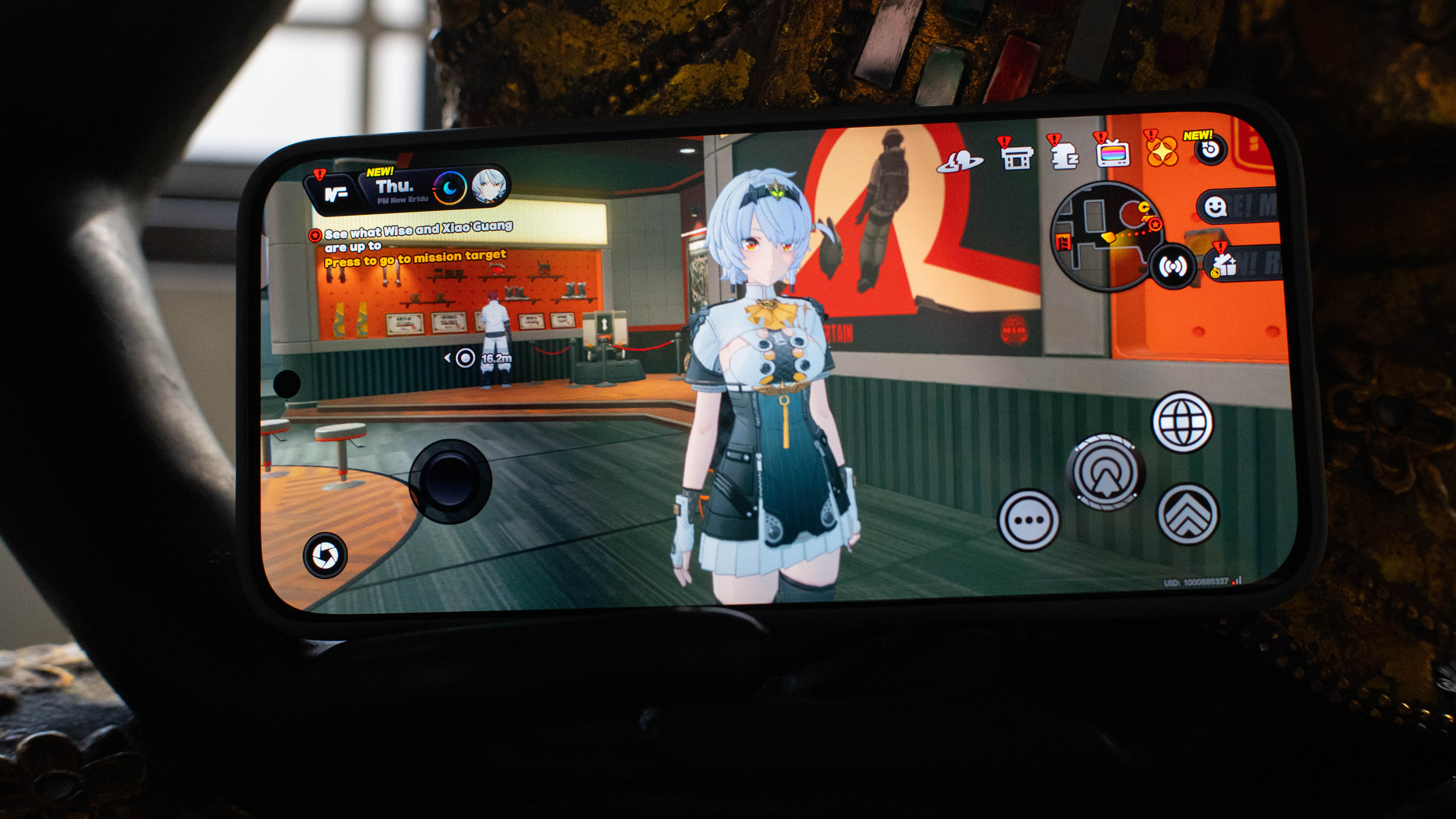
To be fair, it’s still capable with other titles. Firing up Bloons TD 6 from Netflix was a breeze. If you’re not a big mobile gamer, the NOTE Edge is pretty decent with those small time wasters.
Now Playing: Royal Rumble 2026
The Infinix NOTE Edge is more of a joy when you’re watching movies. The 6.78-inch AMOLED screen is delightful with 1B colors and 120Hz refresh rate.
As it happens, I got the phone right on time for this year’s Royal Rumble, my annual tradition as a lapsed WWE fan. What’s a better way to test a phone’s screen than with a 4-hour event?
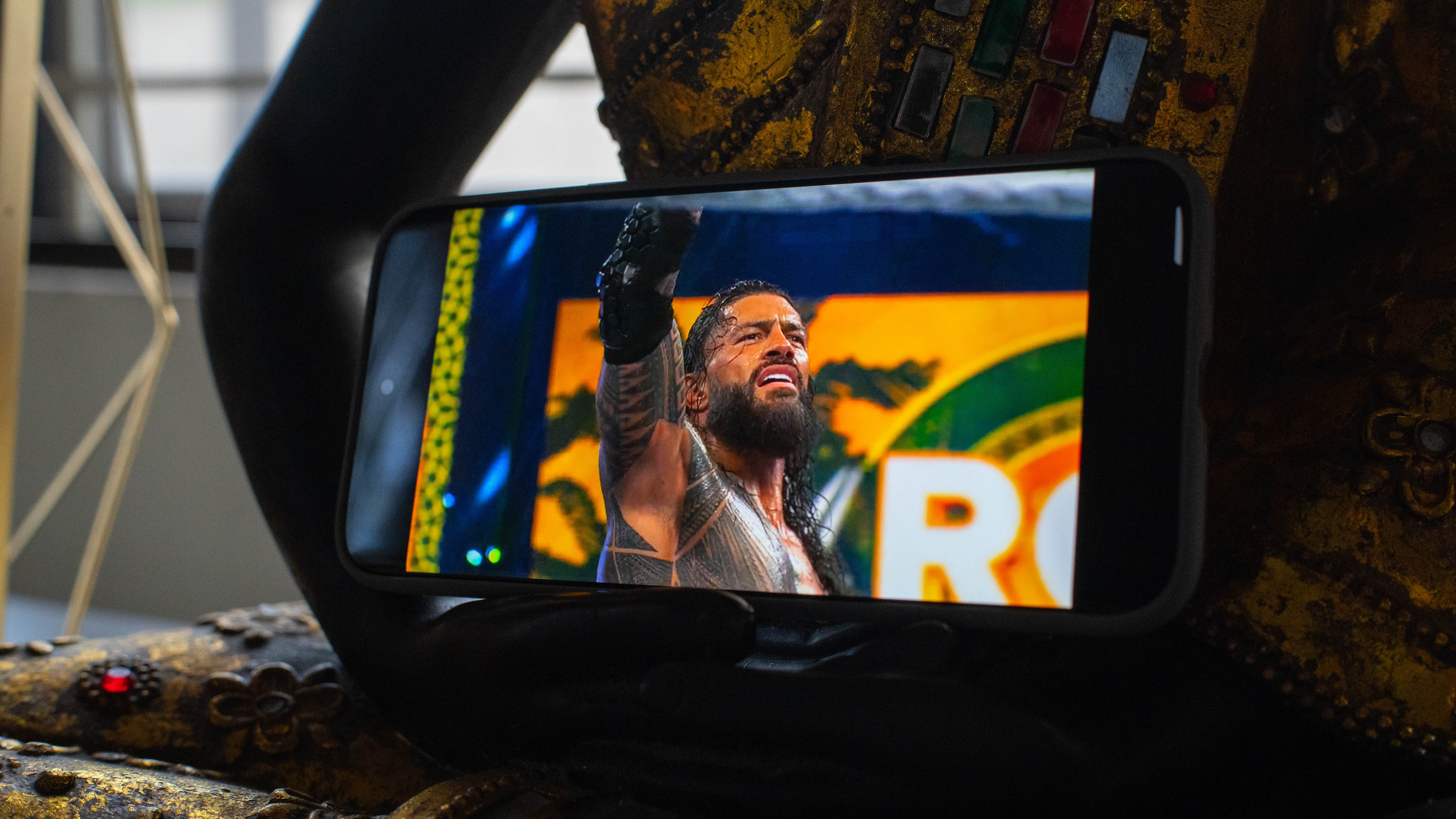
Since WWE came to Netflix, wrestling fans have been eating good. The platform probably has every show to date. I’ve been enjoying the entire library from the past. But, of course, the best part is the availability of live events. Unlike the embarrassing way that Disney+ treated the WWE, Netflix’s live shows are in glorious HD, have no additional ads, and are available almost immediately.
Now, watching the show on the NOTE Edge was enjoyable. Because of its size, I didn’t need to squint hard to see which Superstar just made an entrance. And that’s a huge plus because there are so many new wrestlers I don’t recognize now.
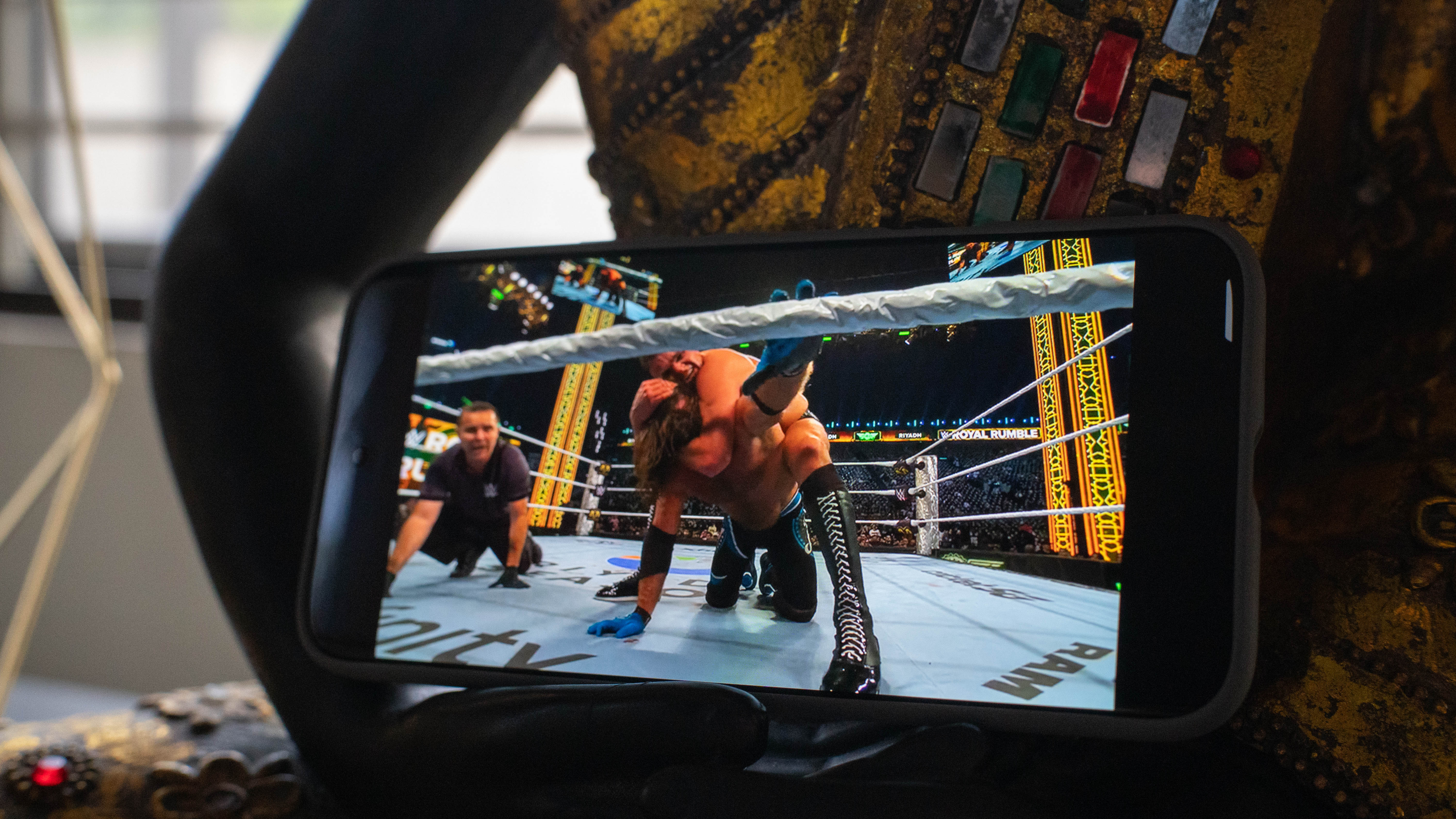
Overall, I had a decent time watching, despite some questions with the results. Liv Morgan finally won a Rumble match, which I’m stoked by. Sadly, AJ Styles lost his career match, which means he’s gone from the WWE. I’m not really sure that having Roman Reigns win a Rumble again (and, therefore, be in the WrestleMania main event AGAIN) is a great idea, but that’s just part of the pain of liking the WWE.
At least, trying out the NOTE Edge was a revelation. Besides the size, the battery lasted well after four hours. Sure, a chunk was obliterated, but I still had around half the battery after that long.
An AI camera isn’t so bad after all
Whenever I see “AI” attached to a phone’s camera, the hairs on the back of my neck bristle. I don’t really need AI to help me take photos, thank you very much, especially when most of my gallery is of my cat anyway. (3,000 photos and counting!)
That said, I was blown away by the Infinix NOTE Edge. Despite only having a 50-megapixel rear shooter, I had fun using this phone to shoot. On a bright Saturday, it took the streets of Makati and a nearby taco shop with ease.
Colors under sunlight were lit perfectly without exposure turning everything into an overbright mess.

Similarly, indoor shots were very good. Just take a look at the colors on this wall.

This wall at Los Chachos in Makati looked sooo good.
I took the phone with me after dark, and it still performed well. Sure, you might jittery shots, but if you’re able to stay still, you’ve got a winner. For these shots, I did lower the brightness by quite a bit to allow the contrast to do the lifting.

Selfies were also good, if you’ve got good enough lighting.

Now, here’s a slight issue, though. The reflective back can give you a headache. If you find yourself shooting against the light or in brightly lit conditions, the camera can produce a very strong lens flare. In some situations, it adds a creative element to your shots, but it can be distracting during sunny days.


Here are a few more shots when I took the phone to Singapore. I’ll just say it: the Infinix NOTE Edge is incredibly good for street photography. The light weight and the photo quality are impressive.



Overall, I still wouldn’t sacrifice my daily driver and my camera for this phone. Regardless, it was enjoyable to shoot with this. It definitely works in a pinch.
The midrange problem of bloatware
Since this is a midrange phone, the NOTE Edge has the unfortunate problem consistent with most midrange phones: bloatware galore.
To be fair, the phone doesn’t really have a lot of apps installed. Then again, with the overwhelming deluge of advertised apps, the distinction hardly matters. The games section even had pages upon pages of titles that you’re definitely never installing in your life.

The phone also has the very midrange-coded Magazine Lockscreen, which sends content you might like straight to the lock screen. It’s a fancy way of saying that the lock screen has ads baked into it by default.
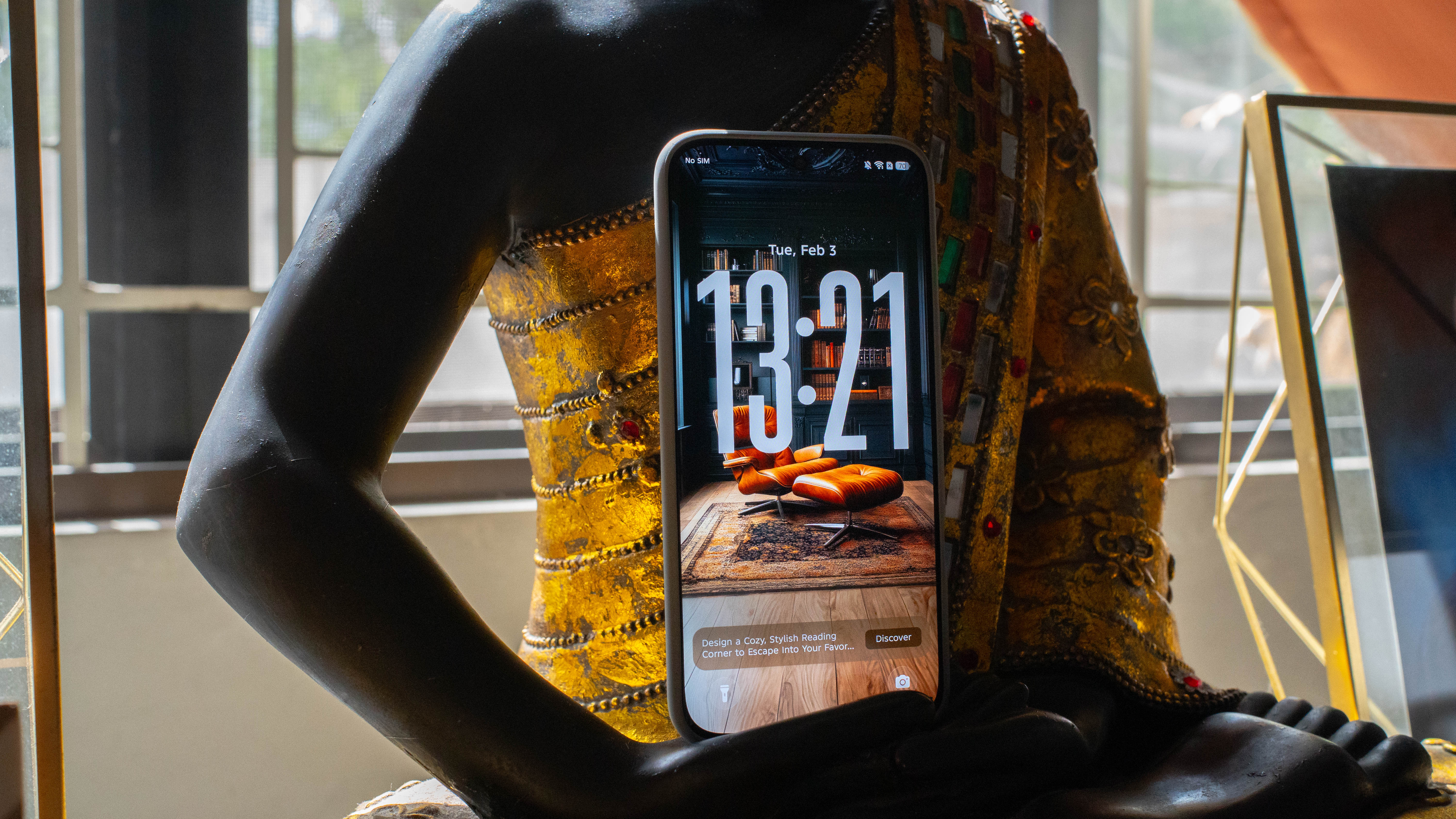
Thankfully, all these distractions can be turned off or deleted easily. But, honestly, I hope phone makers realize that no one really likes having them on in the first place.
A battery that’s good on paper
Despite its slim form factor, the NOTE Edge comes with a sizable 6500mAh battery. That’s a decent figure on paper. However, the phone’s real-time performance doesn’t really reflect this.
It’s not that the battery fails to perform as a smartphone battery. Rather, for a battery that hovers around the upper range of capacity these days, it doesn’t really have that oomph factor.

On the day that I took the NOTE Edge to a street shoot in Makati, the battery lasted a cool 15 hours before sinking to anxiety-inducing levels (around 20 to 30 percent for me). I’d consider this heavy usage already. Besides using the phone as a daily driver, I kept the camera on for extended periods of time, so I wouldn’t miss shots. I played games while waiting for friends and my food to arrive. I was using Waze without a charger going to and from Makati.
And, yes, by the way, it did get hot. After all, the thinness of the NOTE Edge doesn’t really allow for a dedicated cooling system, unlike thicker phones.
It’s fine as a battery, since it gets the job done throughout the day. But it’s not the 6500mAh type of fine.
Is the Infinix NOTE Edge your GadgetMatch?
Starting at only PhP 14,999, the Infinix NOTE Edge is as budget-friendly as it gets for a midrange phone. It’s not the most impressive phone I’ve seen in its price range, but, as I said for the battery, it gets the job done.

The two highlights here, besides that oh-so-affordable price, are the thin form factor and the impressive camera. If you value both specs in your daily driver, this is a good Swipe Right.
However, if bloatware is a problem for you, then this is a clear Swipe Left. You can also couple that with a processor and a battery that looks good on paper but fails to wow beyond that.




Forget the Phone: Xiaomi 17 Ultra Is A CAMERA!

Xiaomi Pad 8 review: Slab that slaps!

Xiaomi 17 Ultra is now available outside China

The Xiaomi Pad 8 series is now official

Samsung Galaxy S26 Ultra OLED receives Privacy Display verification


-
 News2 hours ago
Xiaomi 17 Ultra is now available outside China
-

 Accessories2 weeks ago
Apple AirTag 2 Review
-

 Camera Walkthrough1 week ago
OPPO Reno15 Pro: Camera Review
-
 First Look1 week ago
Match Pulse: Infinix NOTE 60 Pro
-

 Cameras1 week ago
Osmo Pocket 4 makes a surprising appearance in public
-

 Gaming2 weeks ago
Star Wars: Galactic Racer shows off new gameplay at State of Play
-

 Gaming1 week ago
LG unveils UltraGear evo, redefines 5K gaming with AI Upscaling
-
 News1 week ago
iPhone 17 Pro Max is somehow the most traded-in phone today