
News
Xiaomi debuts the XRING O1, their self-developed 3nm silicon chip
Powering both the Xiaomi 15S Pro and Xiaomi Pad 7 Ultra

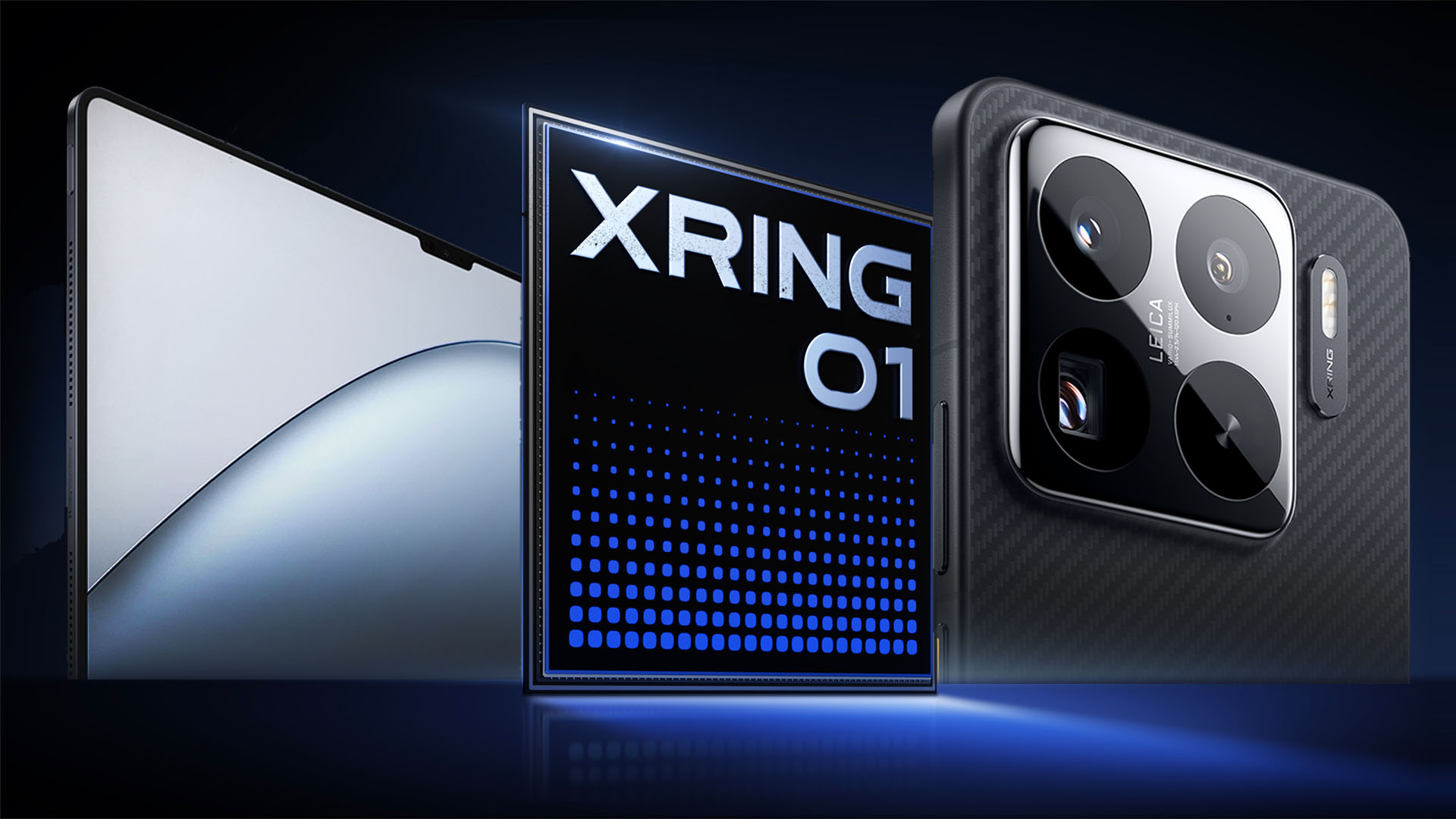
As the world continues to revolve, tech innovations evolve further. This is where Xiaomi has decided to take all the guts against all odds.
From having a plethora of smart appliances to manufacturing their own EVs, the homegrown brand has finally made their very first self-developed Silicon chips for their new devices. Meet the Xiaomi XRING.
First take: Xiaomi Silicon
We know by now that Xiaomi isn’t the first-ever Chinese brand to develop their own chips. The crown definitely goes to its closest rival, HUAWEI with its Kirin chips. However, it’s still a great milestone for the Chinese giant to bring in their own Silicon chip for mass production.
The XRING O1 is the brand’s first-ever SoC that’s based on a 2nd-gen 3nm process — even powerful than what its Chinese competitor offers.

That makes the XRING O1 stand in the same league as Apple’s A18 Pro equipped in the latest iPhone 16 Pro series, as well as Qualcomm’s Snapdragon 8 Elite chip found on most Android flagships — the Xiaomi 15 Pro not an exemption.
Xiaomi’s new Silicon SoC features a 10-core CPU with dual Cortex-X925 cores at 3.9GHz, 16-core Immortalis-G925 GPU, 6-core NPU, and 19 billion transistors offering 44 TOPS for an enhanced and advanced AI processing. The brand’s 4th-generation ISP (Image Signal Processing) is also included.

Other than that, Xiaomi has also introduced the XRING T1 that enables eSIM support in future smartwatches. This self-developed chip also provides 35% better 4G performance with reduced power consumption when using the watch for voice calls and data.
There are also more features such as remote camera preview and smartphone-free control of Xiaomi EVs.
This will power Xiaomi’s 15th Anniversary Edition of the Watch S4 15th Anniversary Edition.
Rebadged: Xiaomi 15S Pro
The Xiaomi 15S Pro is the first-ever smartphone to run the XRING O1 SoC. The new cooling design, four dynamic low-power modes, and a dedicated micro-control unit all make for a boosted heat dissipation by 30%.
In a nutshell, it’s just a rebadged Xiaomi 15 Pro with the XRING chip. But to spice things up more than its in-house chipset, the 15S Pro is offered in two new finishes.

There’s the Composite Fiber Edition made with aramid fiber in a carbon fiber-like texture. Meanwhile, there’s the Sky Blue colorway that incorporates a matte fiberglass back. It also adds more premium embellishments such as the “XRING” nameplate, gold-accented CNC power key, and an exclusive packaging.
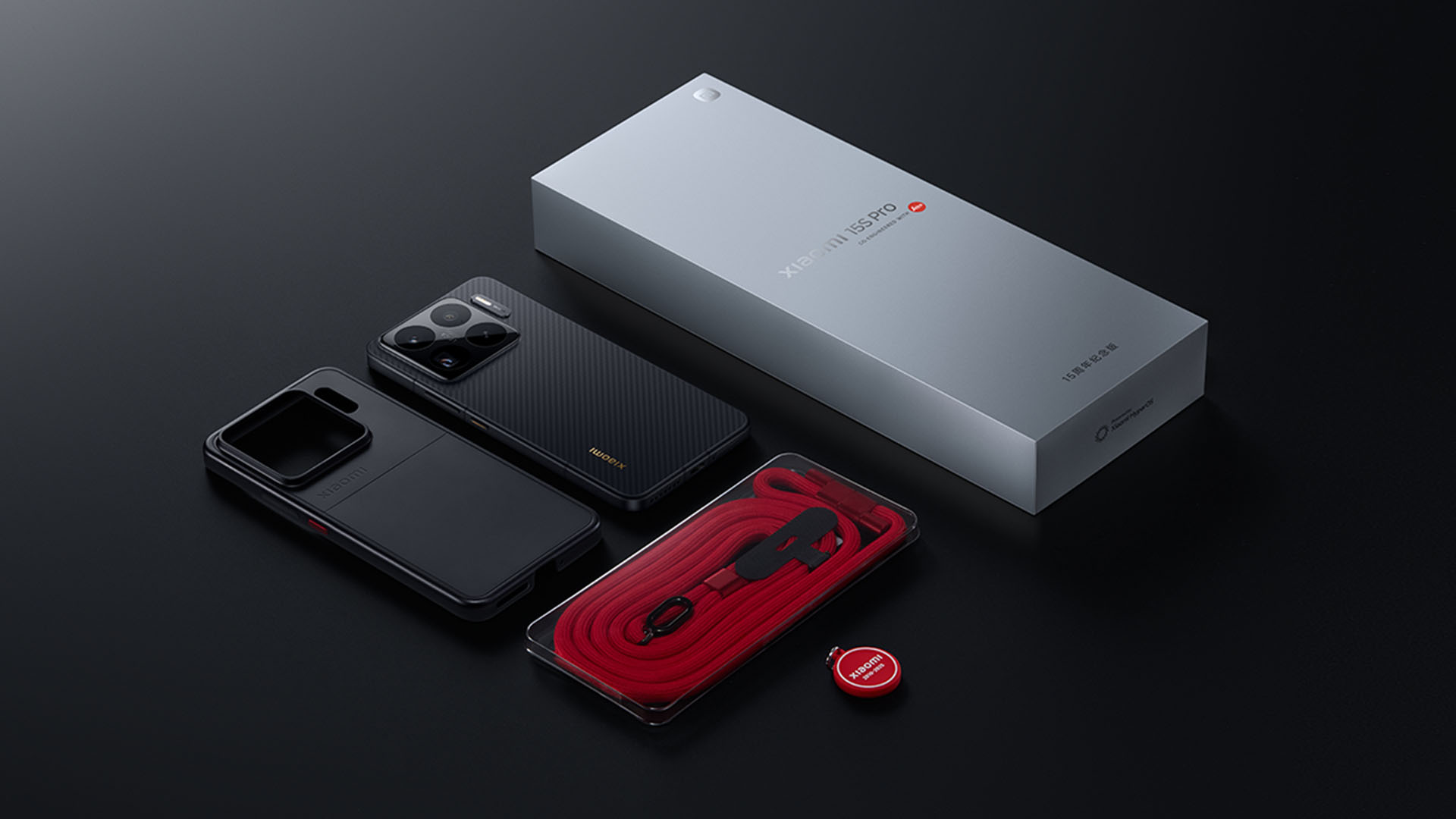
All the great things from the Xiaomi 15 Pro still remain such as the class-leading imaging with Leica Summilux triple-lens system, micro-curved 6.73-inch LTPO AMOLED 2K display, 6,100 mAh battery. Lastly, the speedy 90W wired HyperCharge and 50W wireless charging with Surge G1 battery management chip and a Surge P3 charging chip for better battery longevity.
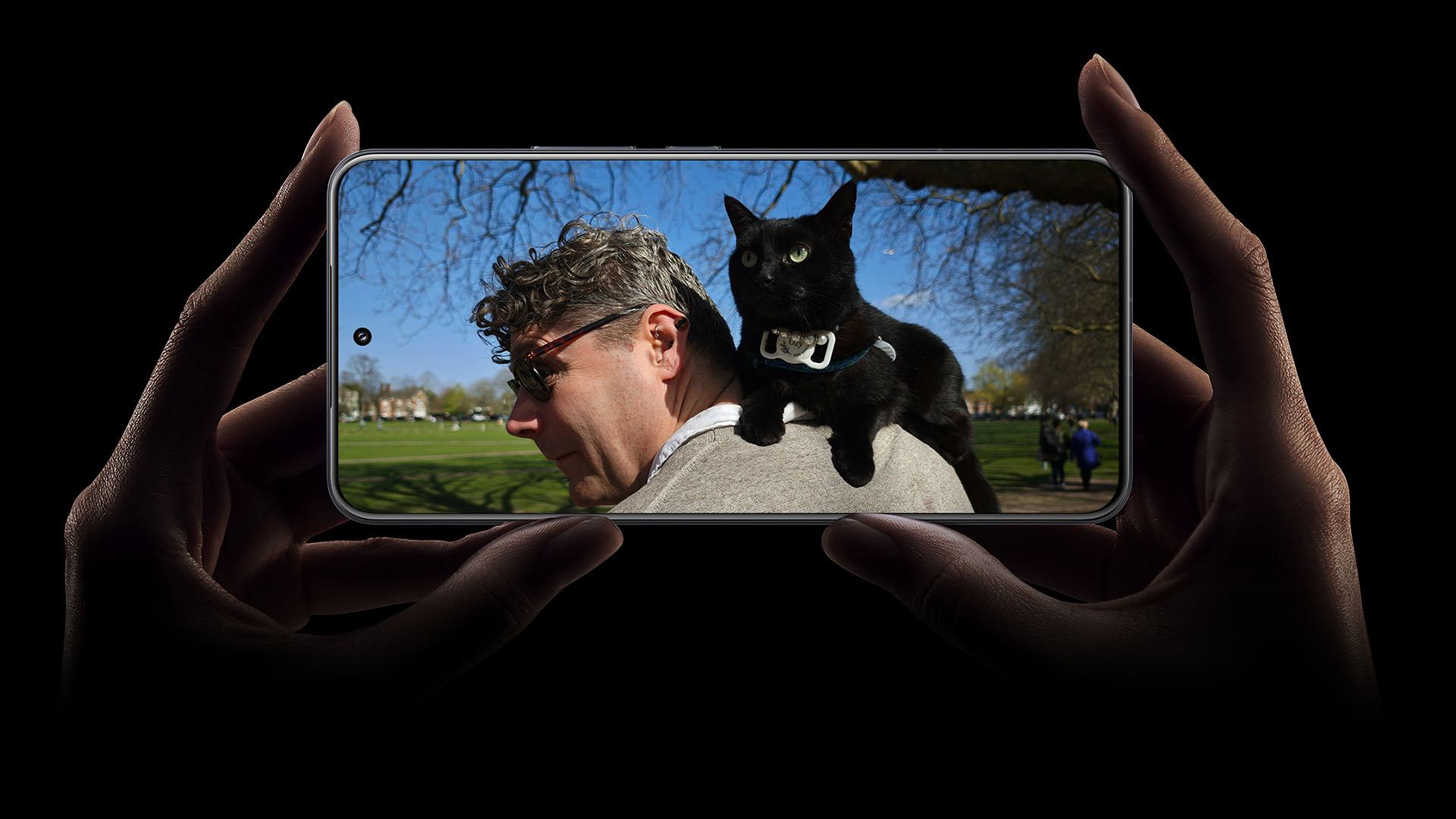
The Xiaomi 15S Pro is being sold in China in two configurations:
- 16 + 512GB = CNY 5499 (US$ 765 / EUR 675 / GBP 570 / SG$ 985 / PhP 42,430 / INR 65,285)
- 16 + 1TB = CNY 5999 (US$ 835 / EUR 740 / GBP 620 / SG$ 1075 / PhP 46,290 / INR 71,220)
All-new: Xiaomi Pad 7 Ultra
Other than rocking Xiaomi’s first ever Silicon chip, the Xiaomi Pad 7 Ultra is also the company’s first “Ultra” tablet — and their first OLED tablet as well.
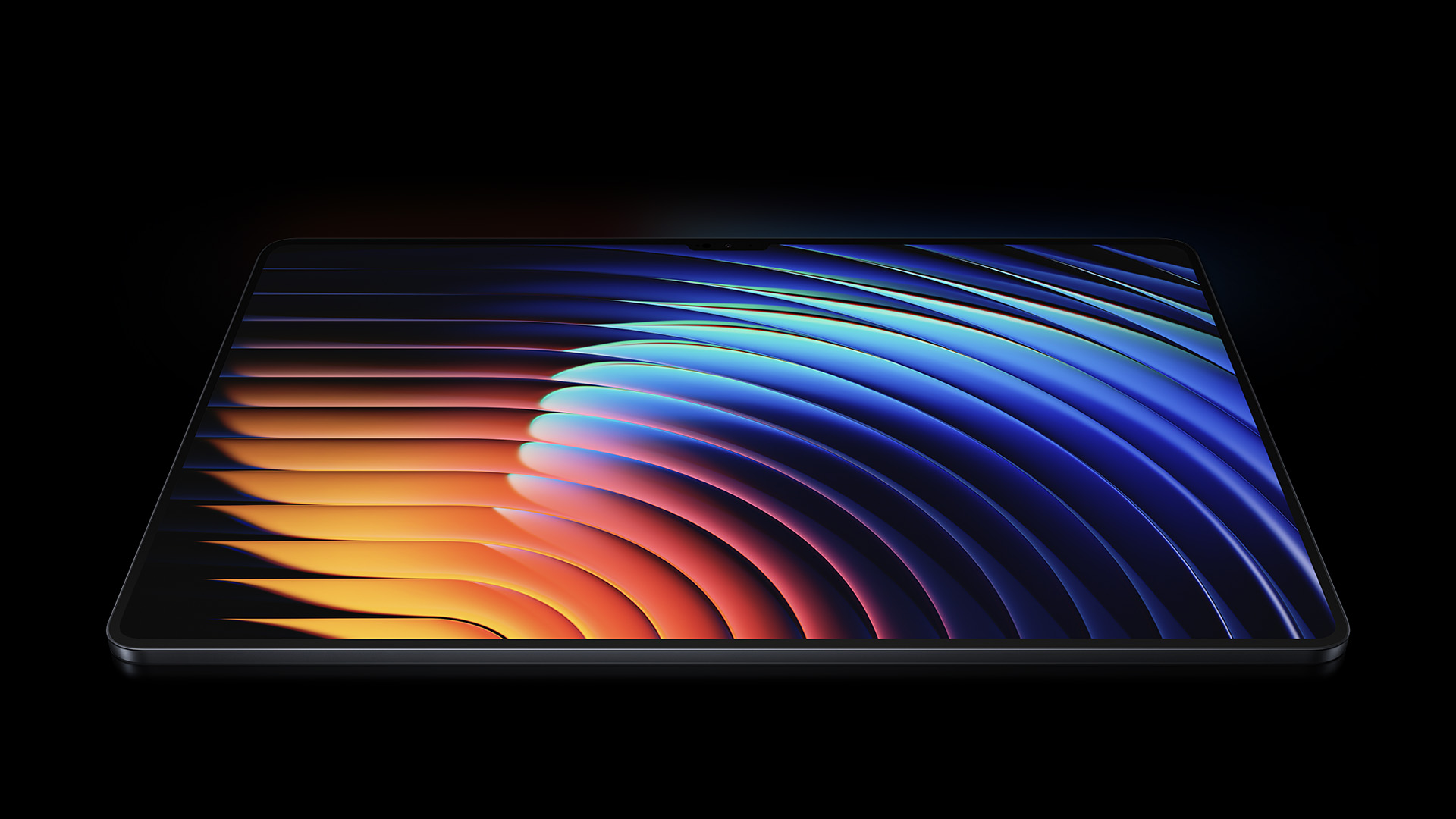
The first Xiaomi Ultra tablet boasts a massive 14-inch 3.2K OLED display with 1600 nits of peak brightness. Shockingly, its ultra-slim metal unibody is also 5.1 mm thin — much like the latest M4 iPad Pro 13-inch — and weighs just 609 grams with promised durability with its aerospace-grade structural reinforcement.
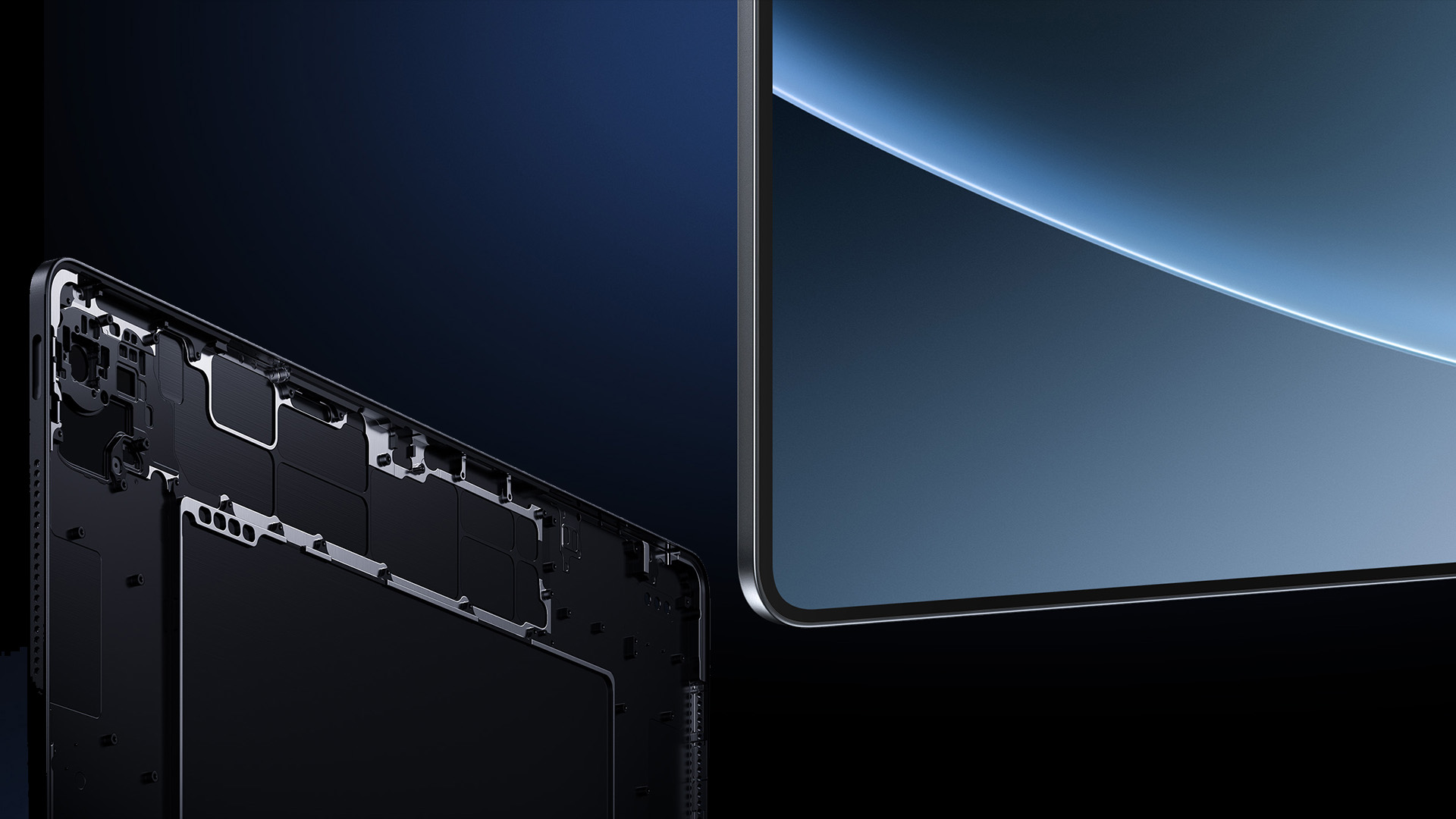
For the fullest entertainment, the Pad 7 Ultra has an eight-speaker sound system with 150W peak output. It also has a 32MP ultra-wide front camera and a 50MP rear camera.
Moreover, it has a 12,000mAh battery, 120W HyperCharge speeds, and Wi-Fi 7 support. Xiaomi’s Lab test says full charge enables up to 18.95 hours of continuous video playback. Meanwhile, standby time reaches 61 days and up to 528 days in ultra-power-saving standby mode.

All of these are backed by Xiaomi’s HyperOS 2. The revamped OS is even more optimized for tablets with better multitasking, cross-device integration, and a smoother, more seamless AI capabilities.

Lastly, there’s a special keyboard for the Xiaomi Pad 7 Ultra that is crafted from premium magnesium alloy. Angle adjustments are possible between 0 to 124-degrees all thanks to its smooth, precision-tuned hinge.
For a full-on PC-like experience, it has full-size backlit keys and an oversized haptic touchpad paired with multi-touch gestures and edge rejection.
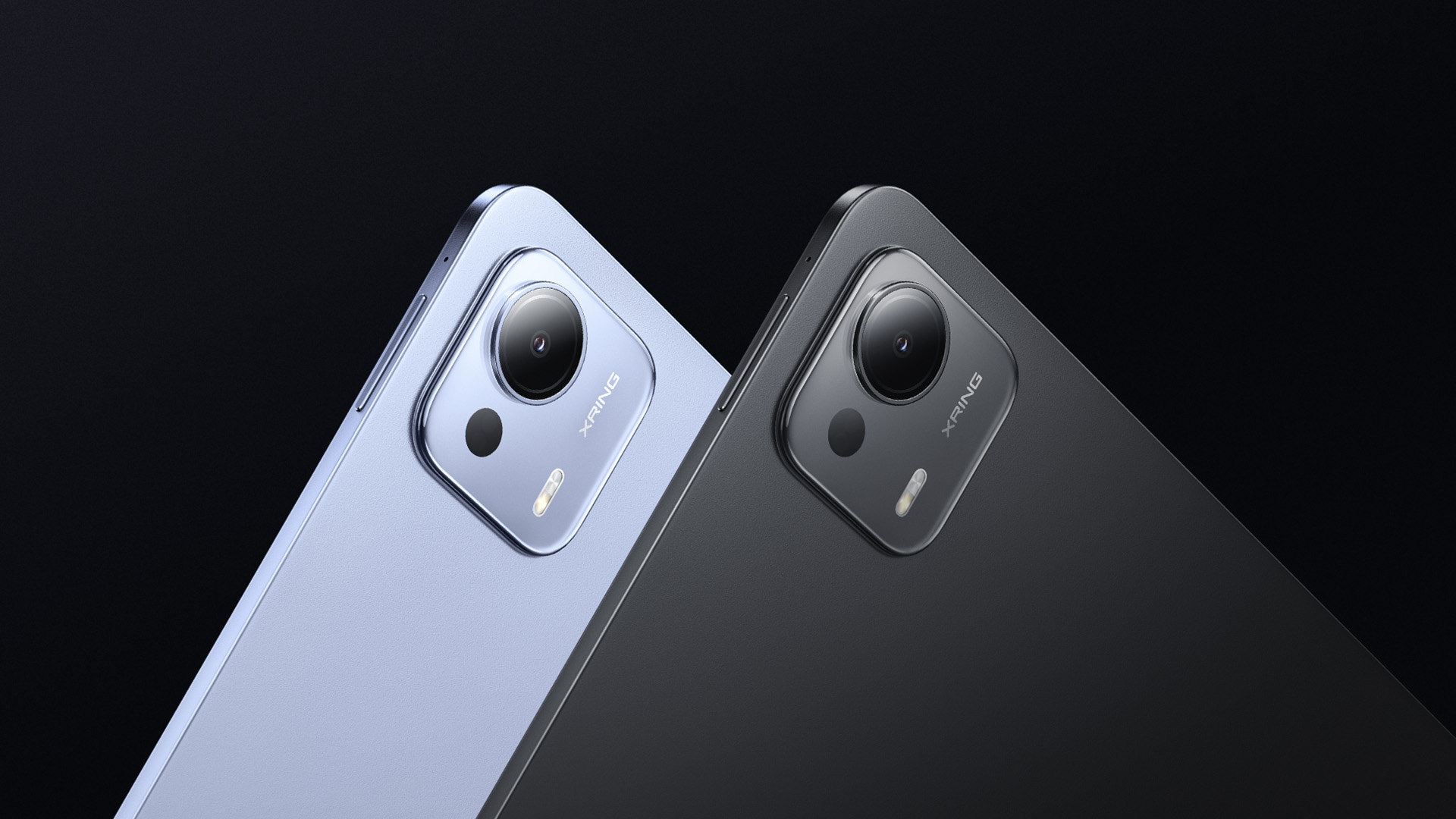
The Xiaomi Pad 7 Ultra is available in Misty Purple and Classic Black variants, alongside these configurations:
- 12 + 256GB = CNY 5699 (US$ 795 / EUR 700 / GBP 590 / SG$ 1020 / PhP 43,970 / INR 67,670)
- 12 + 512GB = CNY 5999 (US$ 835 / EUR 740 / GBP 620 / SG$ 1075 / PhP 46,290 / INR 71,220)
- 12 + 512GB Soft Light Edition = CNY 6599 (US$ 920 / EUR 810 / GBP 680 / SG$ 1185 / PhP 50,915 / INR 78,340)
- 16 + 1TB = CNY 6799 (US$ 945 / EUR 835 / GBP 700 / SG$ 1220 / PhP 52,460 / INR 80,715)
- 16 + 1TB Soft Light Edition = CNY 7399 (US$ 1030 / EUR 910 / GBP 765 / SG$ 1325 / PhP 57,090 / INR 87,840)
More & More: Ecosystem
Other than the groundbreaking announcements, Xiaomi has also announced a barrage of AIoT products in Beijing, China.
Mijia Fresh Air Conditioner Pro Dual-Outlet Vertical 3HP = CNY 8999 (US$ 1250 / EUR 1105 / GBP 930 / SG$ 1620 / PhP 69,440 / INR 106,840)
This is one of the two Mijia-branded air conditioners by Xiaomi. advanced dual-outlet, four-zone airflow system powered by dual millimeter-wave radar and intelligent algorithms.
It detects up to six people in the room and can adjust wind direction in real time with modes like “wind-follows-person” and “wind-avoids-person” for maximized comfort.

There’s also multi-directional zone control that eliminates the discomfort of direct airflow. Even so, a wide-angle air delivery of 160-degrees.
Health benefits wise, Xiaomi integrates its negative ion purification alongside a high-grade HEPA filter. This air conditioner can remove 99 percent of pollutants like PM2.5, bacteria, and even unwanted viruses.
Mijia Air Conditioner Pro SkyFlow 1.5HP = CNY 3999 (US$ 555 / EUR 490 / GBP 415 / SG$ 720 / PhP 30,860 / INR 47,480)
This is another new air conditioner in the lineup that features a radar-based human perception system through Xiaomi’s AI engine and mmWave arrays that can actively detect user movement within a 180-degree range. From there, it can automatically switch between gentle and direct airflow modes.
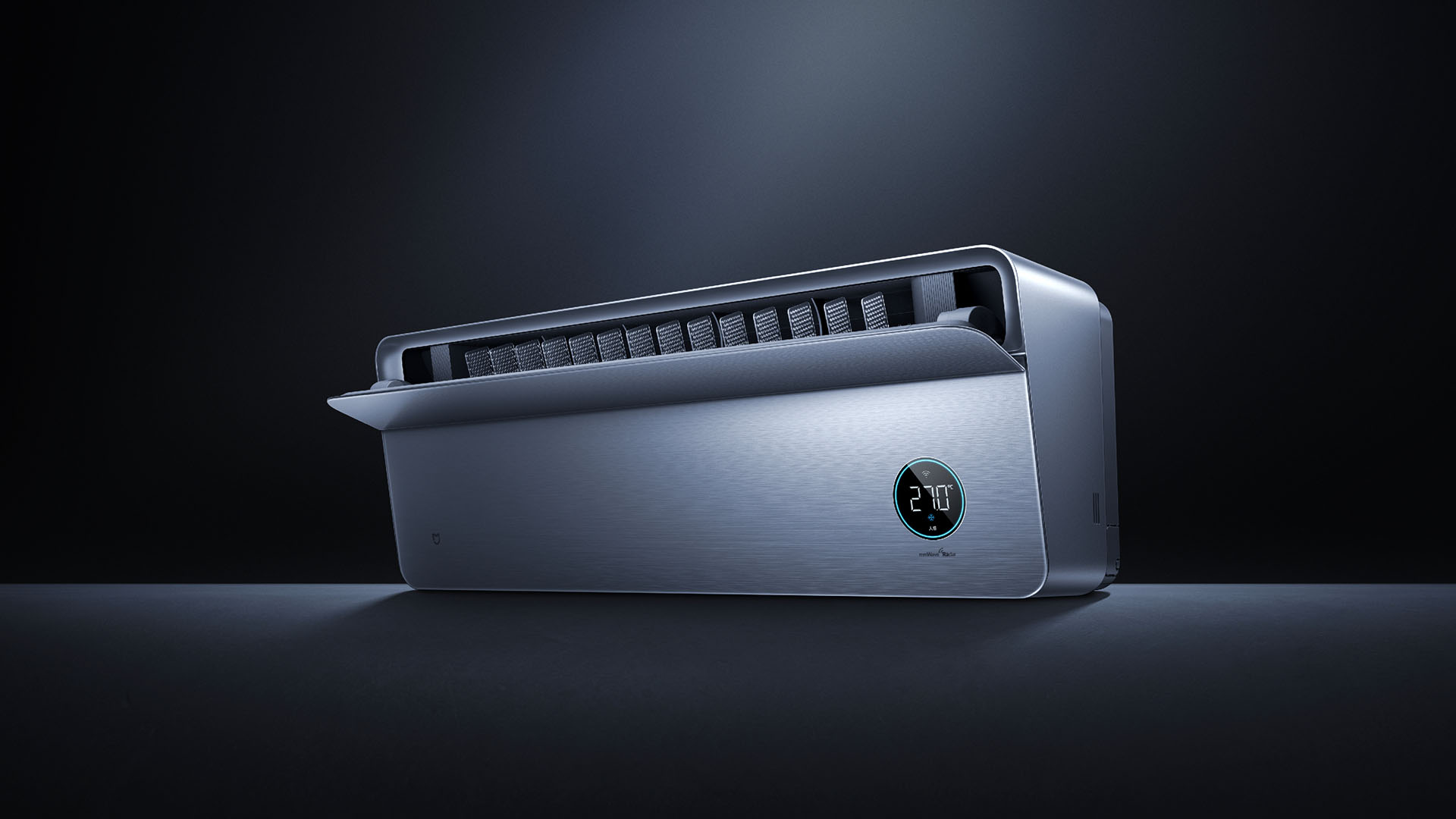
Moreover, it’s also energy-efficient that can save over 360 kWh of power consumption annually. In China, it has an APF of 5.65 — that’s already above the national Grade 1 standards.
In terms of hygiene, it meets China’s Mother & Baby certification, integrating HEPA filtration, 56 °C high-temp cleaning, and smart reminders via the Mi Home app for long-term peace of mind. With an elegant silver finish, slim 2 cm install gap, and central AC-inspired design, it blends aesthetic appeal with practical innovation for the modern home.
Mijia Refrigerator Pro Dual-System French Door Built-In 508L = CNY 4999 (US$ 695 / EUR 615 / GBP 515 / SG$ 895 / PhP 38,570 / INR 59,350)
Another new product by Xiaomi is this pro-grade French Door refrigerator. Its exterior exudes a glass panel and built-in hinges. Even if you place it near a wall, its doors open a full 90-degree angle for easier access.
But aside from its looks, what makes it even more special is its independent dual-system design.

There are separate evaporators for both the fridge and freezer to prevent odor mixing. Additionally, a humidity-controlled drawer with molecular sieve tech can keep produce fresh. Another adjustable drawer offers multiple modes for meat, baby food, or 0-degree (bing) chilling. (Sorry, pun-intended)
Speaking of, the freezer can deep freeze as low as -30 degrees.
An ultra-thin fan also ensures no waste of precious fridge space. Active ion and silver-ion sterilization are also present to ensure purification of the entire storage space
Mijia Dual-Drum Washer Dryer Pro 10kg = CNY 5499 (US$ 765 / EUR 675 / GBP 570 / SG$ 985 / PhP 42,430 / INR 65,285)
Miji’s all-new washer-dryer combo features Blue Oxygen cleaning tech focusing in hygiene. This electrochemical system breaks down stains and deep-cleans whites without the incoporation of harsh chemicals that are harmful for sensitive skin and disrupts long-term fabric care.
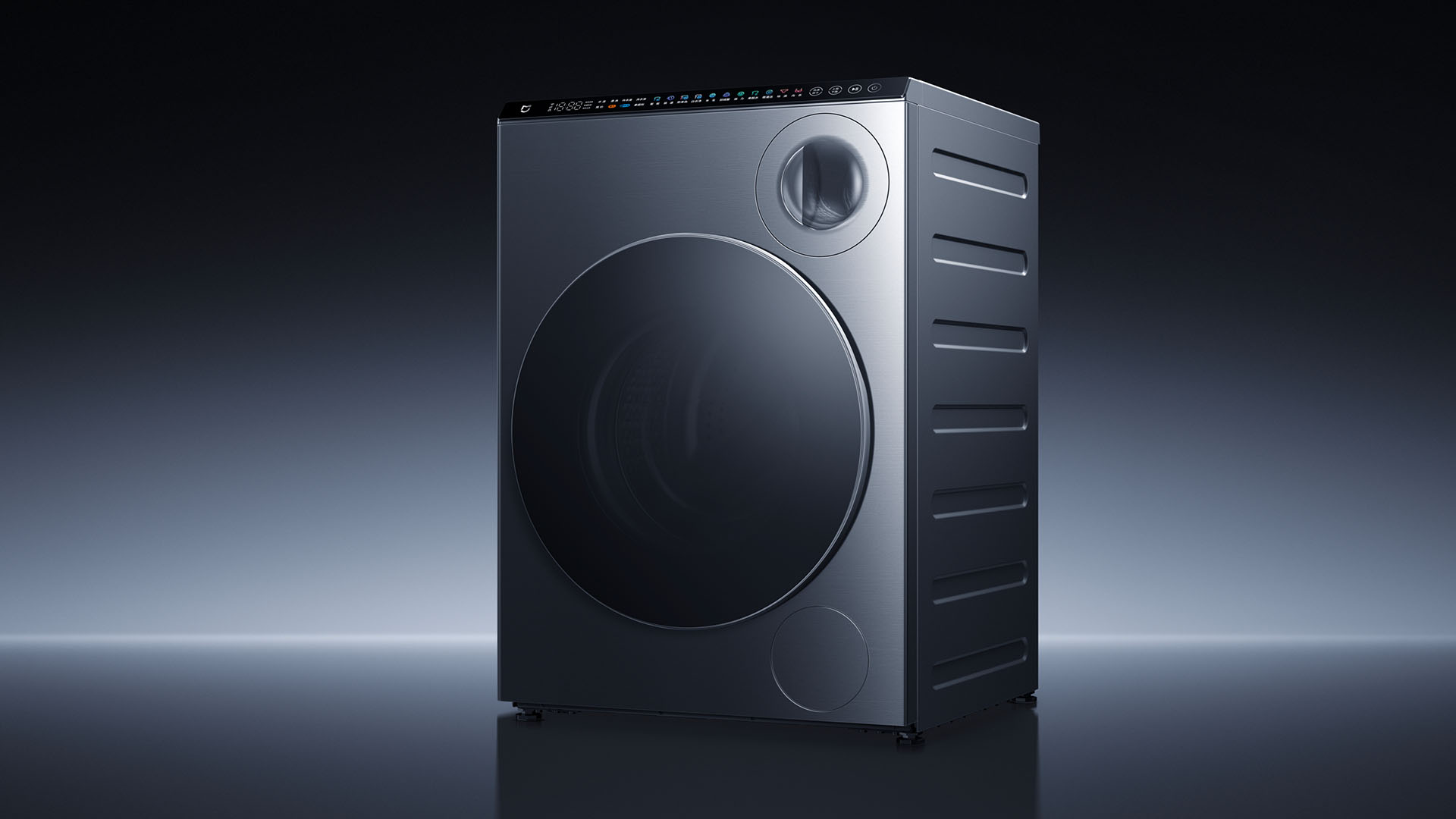
Dual-zone washing also allows simultaneous washing and drying with a dedicated small drum for delicates, preventing cross-contamination.
In addition, the Mijia Washer Dryer Pro also includes additional features like triple smart detergent dispensing, steam sterilization, stain-specific modes, as well as dual quick-wash modes. To make it even smarter, there’s Smart Scheduling and app integration for added convenience.
Mijia Smart Dual-tap Water Purifier Pro 1600G = CNY 2999 (US$ 420 / EUR 370 / GBP 310 / SG$ 540 / PhP 23,140 / INR 35,600)
This smart water purifier has an intelligent, dual-outlet design that separates purified drinking water from household water. It can also fill a standard water glass in under two seconds and supports sustained output up to 25 tons — very ideal for big families.
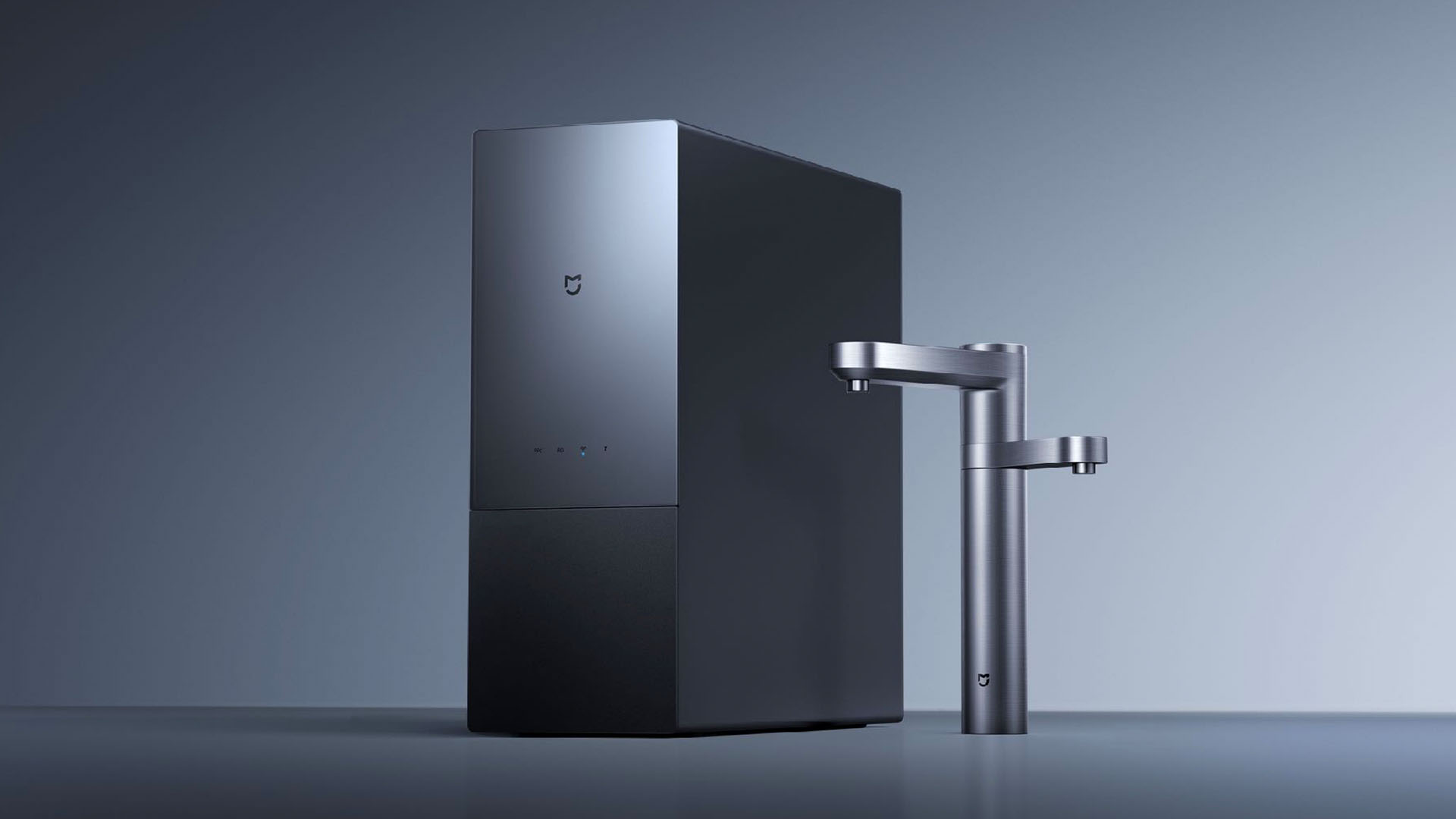
Thanks to Xiaomi’s Zero Stale Water 3.0, it ensures fresh water with every use. Operation is also quiet with its six-chamber low-noise pump. Worried about technical issues? Well, the smart faucet has IPX7 waterproofing and a luxurious electroplated finish.
The advanced PPC filter also removes over 99.5% residual chlorine. Meanwhile, the premium Toray RO filter offers a six-year lifespan.
It won’t be “smart” without app integration via the Mi Home app. It’s where users can check TDS levels, track filter life, and customize four dispensing modes.
Xiaomi TV S Mini LED 2025
Last but definitely not the least, the only Xiaomi-branded product in this new product line.
Instead of the usual LCD offerings, the new Xiaomi TV S brings a better quality Mini LED display with advanced backlight control and an anti-reflective coating with only 1.8 percent of reflectivity — better than standard TVs around.
The 98-inch model has 1092 local dimming zones and can achieve up to 1700 nits of peak brightness. There’s also a fluid 144Hz refresh rate meant for gamers and sports enthusiasts.

And with Xiaomi’s in-house picture engine and color management system, expect vivid visuals with utmost color accuracy.
This new TV series also runs Xiaomi HyperOS 2 with personalized lock screens and an improved user interface.
The Xiaomi TV S Mini LED 2025 comes in four sizes:
- 55-inch = CNY 2999 (US$ 420 / EUR 370 / GBP 310 / SG$ 540 / PhP 23,140 / INR 35,600)
- 65-inch CNY 3999 (US$ 555 / EUR 490 / GBP 415 / SG$ 720 / PhP 30,860 / INR 47,480)
- 75-inch = CNY 4999 (US$ 695 / EUR 615 / GBP 515 / SG$ 895 / PhP 38,570 / INR 59,350)
- 85-inch = CNY 6799(US$ 945 / EUR 835 / GBP 700 / SG$ 1220 / PhP 52,460 / INR 80,715)
- 98-inch = CNY 9999 (US$ 1390 / EUR 1230 / GBP 1032 / SG$ 1790 / PhP 77,150 / INR 118,710)





News
TCL CSOT Unveils ‘APEX Pixel’ innovations at SID Display Week 2026
Breakthroughs in display technologies

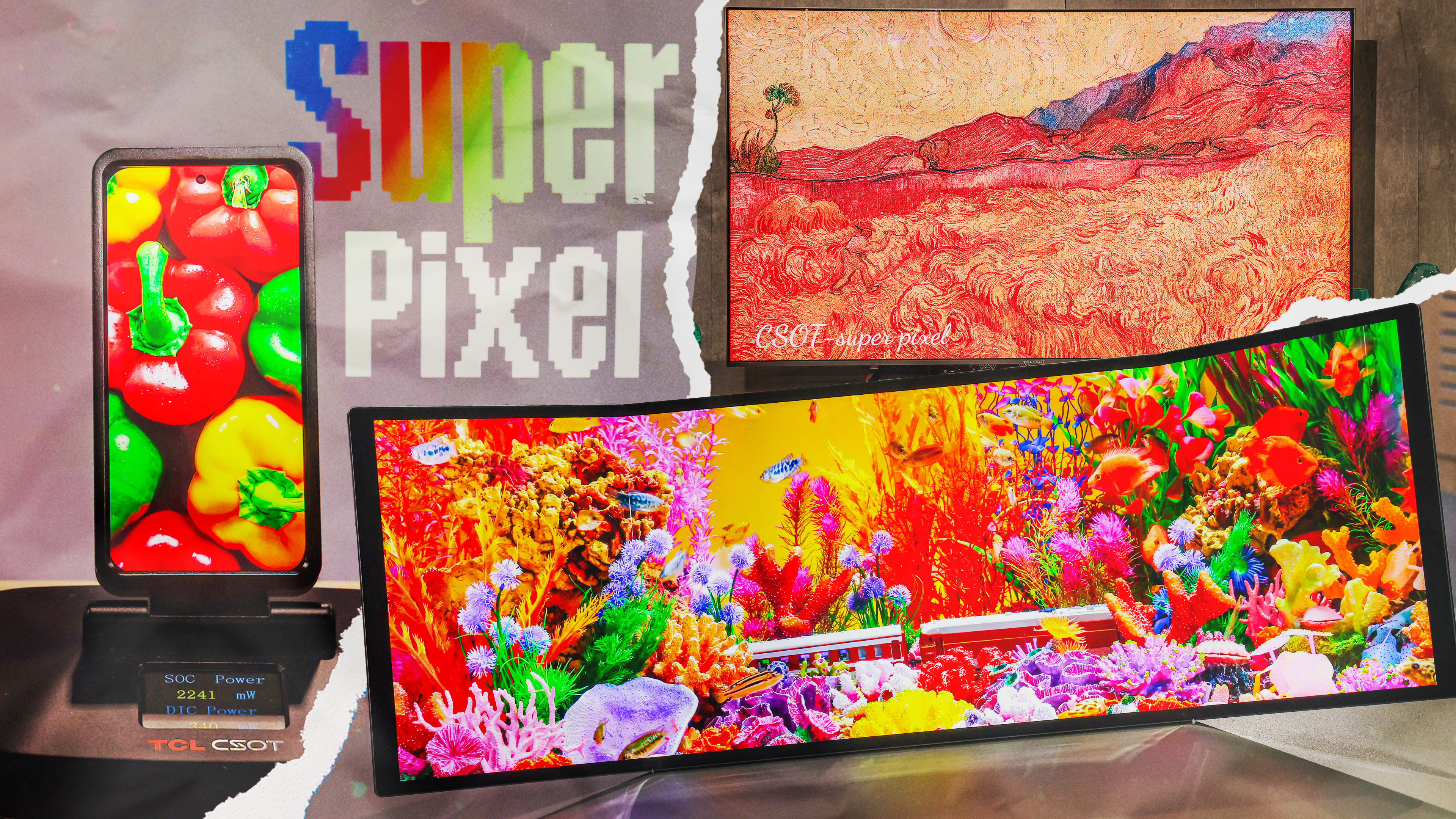
Pushing the boundaries of display physics, TCL CSOT has officially launched its APEX Pixel framework at SID Display Week 2026.
This unified innovation path targets the microscopic architecture of pixels across FMM OLED, Inkjet-printed (IJP) OLED, and LCD panels to redefine clarity, power efficiency, and color volume.
The Super Pixel revolution
The highlight of the showcase is the Super Pixel technology for mobile FMM OLEDs.
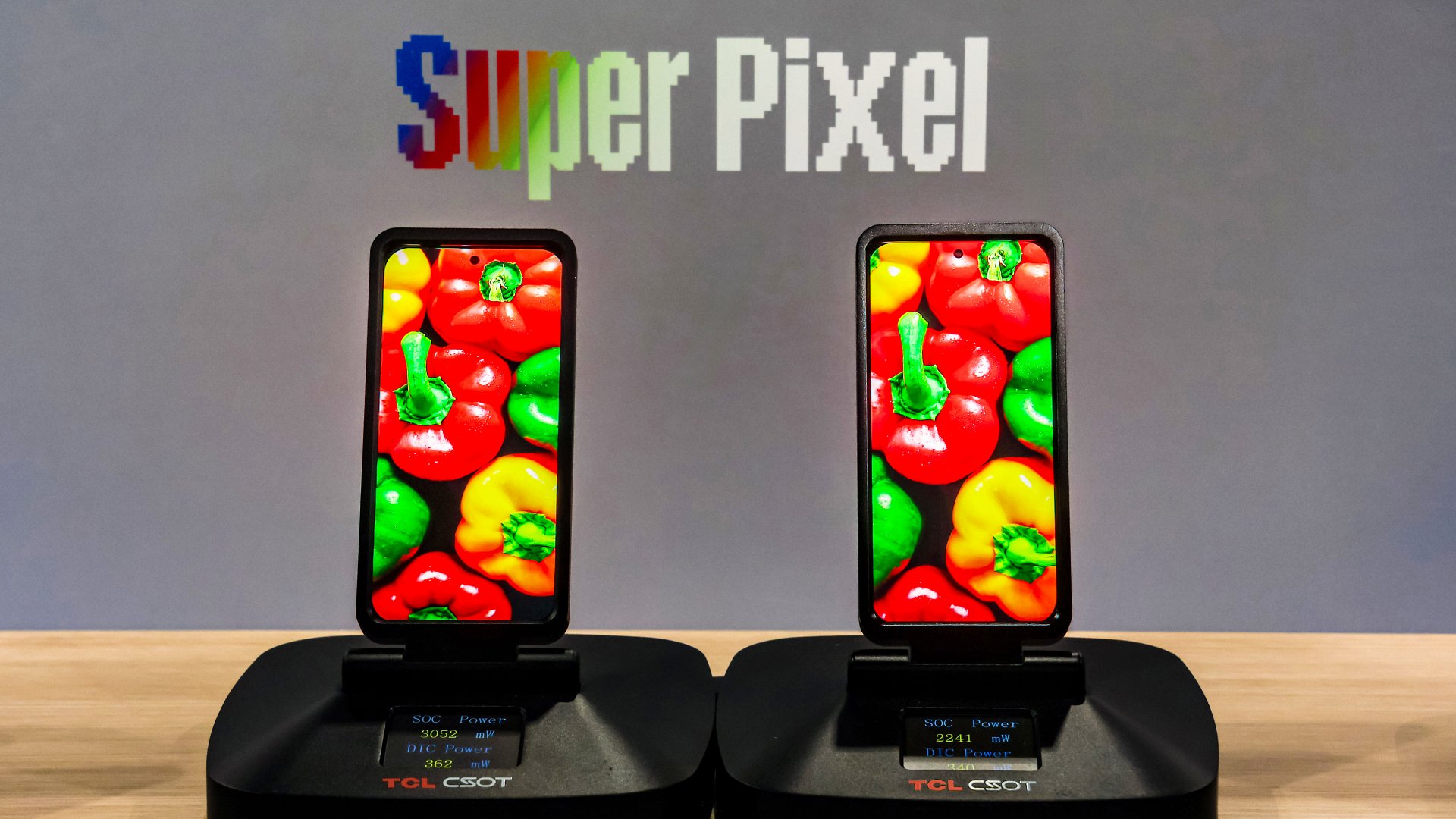
By increasing sub-pixel density by roughly 1.8%, TCL CSOT has achieved sharpness comparable to WQHD standards while slashing power consumption by 25%.
Key mobile prototypes on display include:
- 6.9-inch Ultra-Clarity Display: Features a 2608×1200 resolution with a 0.5mm top bezel
- 165Hz High-Refresh Panel: Utilizes a Real RGB layout to boost motion smoothness by 40% over standard 120Hz screens
- Ultra-Low Power 8T LTPO: A 420PPI powerhouse that reduces SoC power draw by a quarter.
IJP OLED and the Tri-Fold Future
TCL CSOT continues to lead the transition toward Inkjet-printed (IJP) OLED.
By utilizing the world’s first 8.6-generation IJP line, the company has debuted a 28-inch Foldable and Portable IJP OLED Monitor.
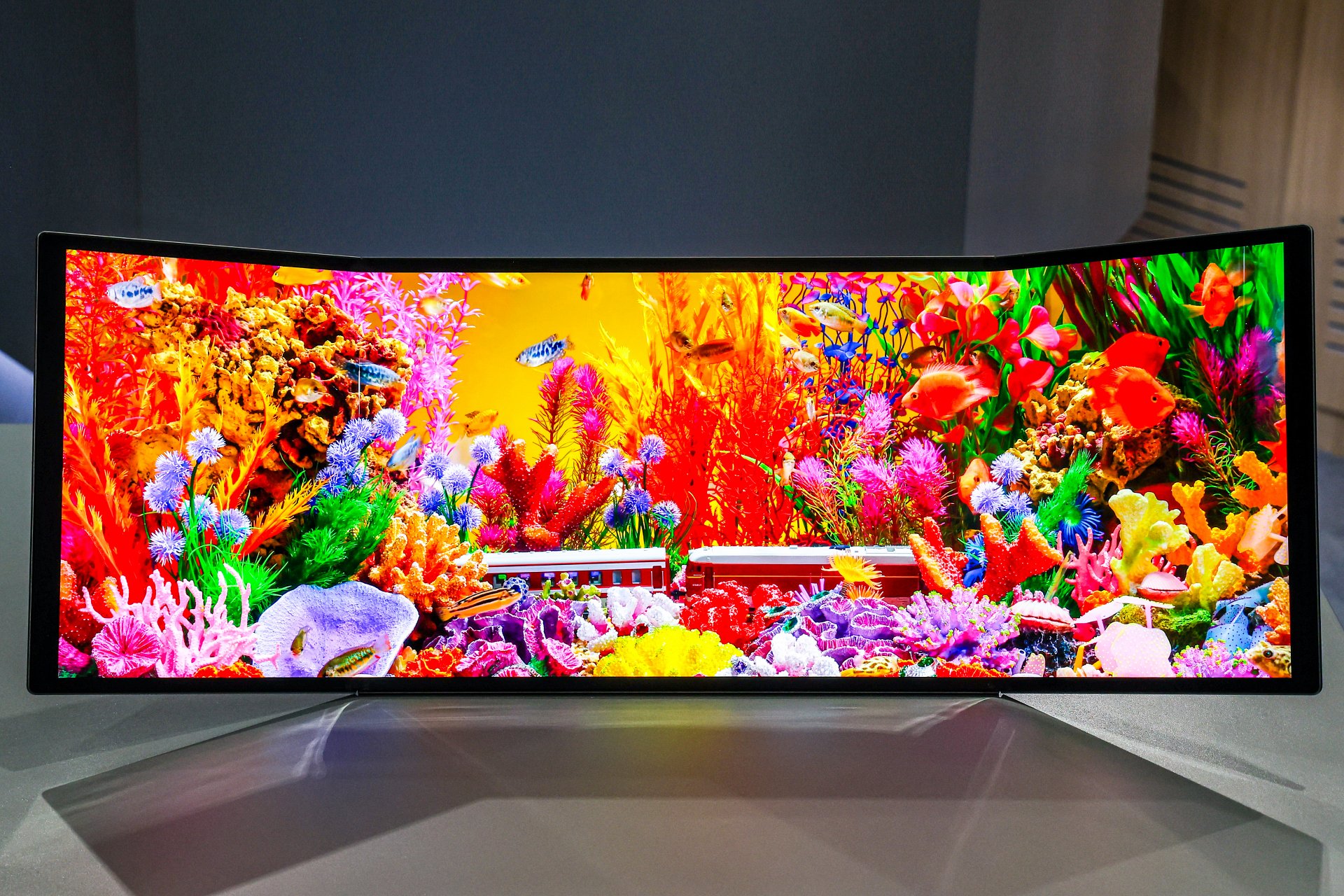
This “Real Stripe” RGB display features a tri-fold design that expands from a 16-inch footprint to a 28-inch workspace.
IJP OLED allows for larger light-emitting areas, occupying 50% to 60% of the pixel. This leads to a significantly enhanced luminous efficiency compared to traditional evaporation methods.
RGBC: The New Standard for LCD
For large-scale cinema experiences, TCL CSOT introduced RGBC Four-Color Technology.
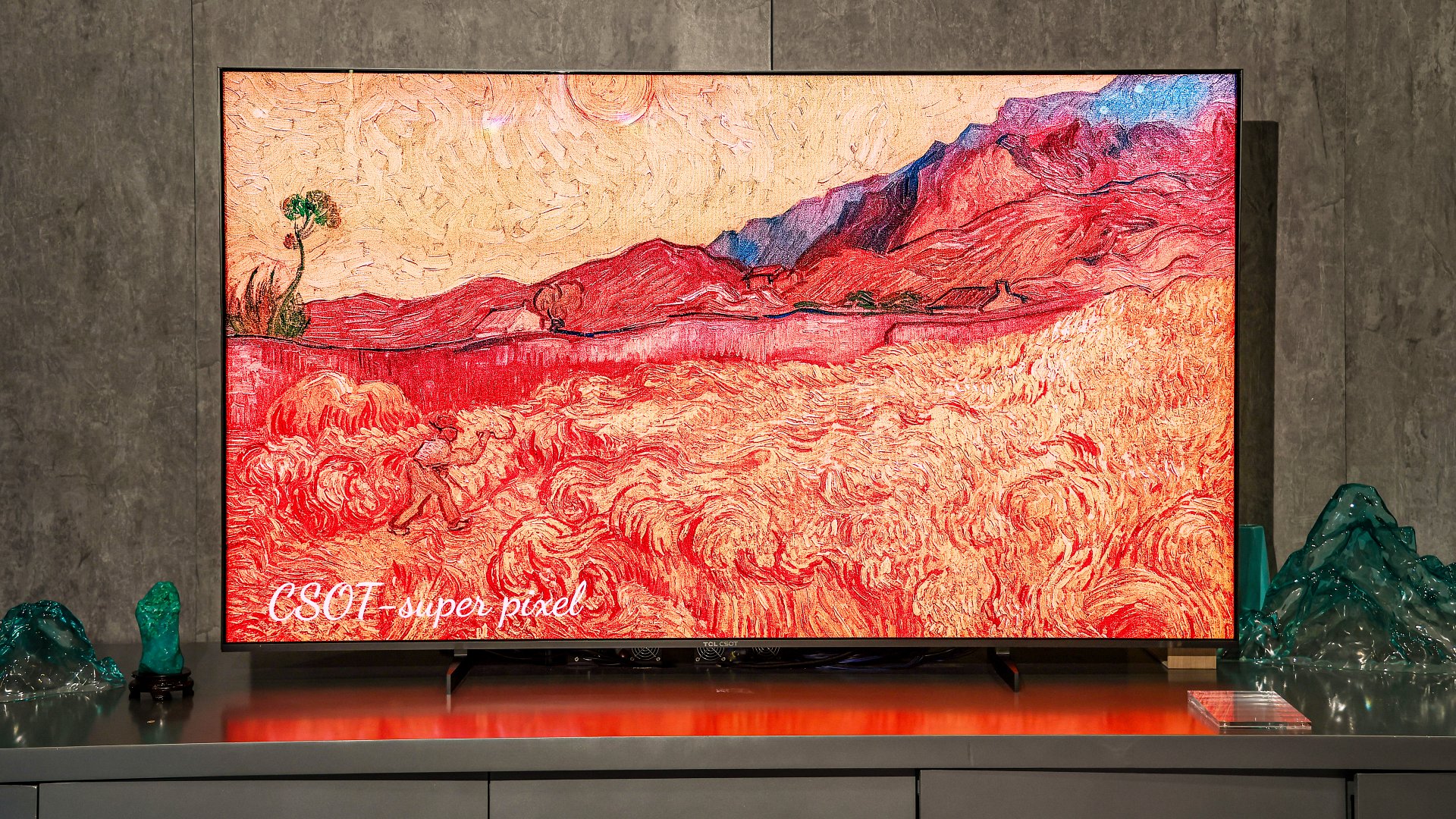
By adding a Cyan sub-pixel to the traditional RGB matrix, the 85-inch WHVA Ultra LCD TV achieves a staggering 131% of the BT.2020 color gamut.
This hardware-level shift allows for more saturated hues and finer resolution rendering that traditional three-color pixels cannot replicate.
Through APEX Pixel, TCL CSOT is no longer just chasing size, but perfecting the very atoms of the digital image.
News
iPhone 17 is the best-selling phone of 2026 so far
Meanwhile, the Galaxy S26 series didn’t make the top ten list.

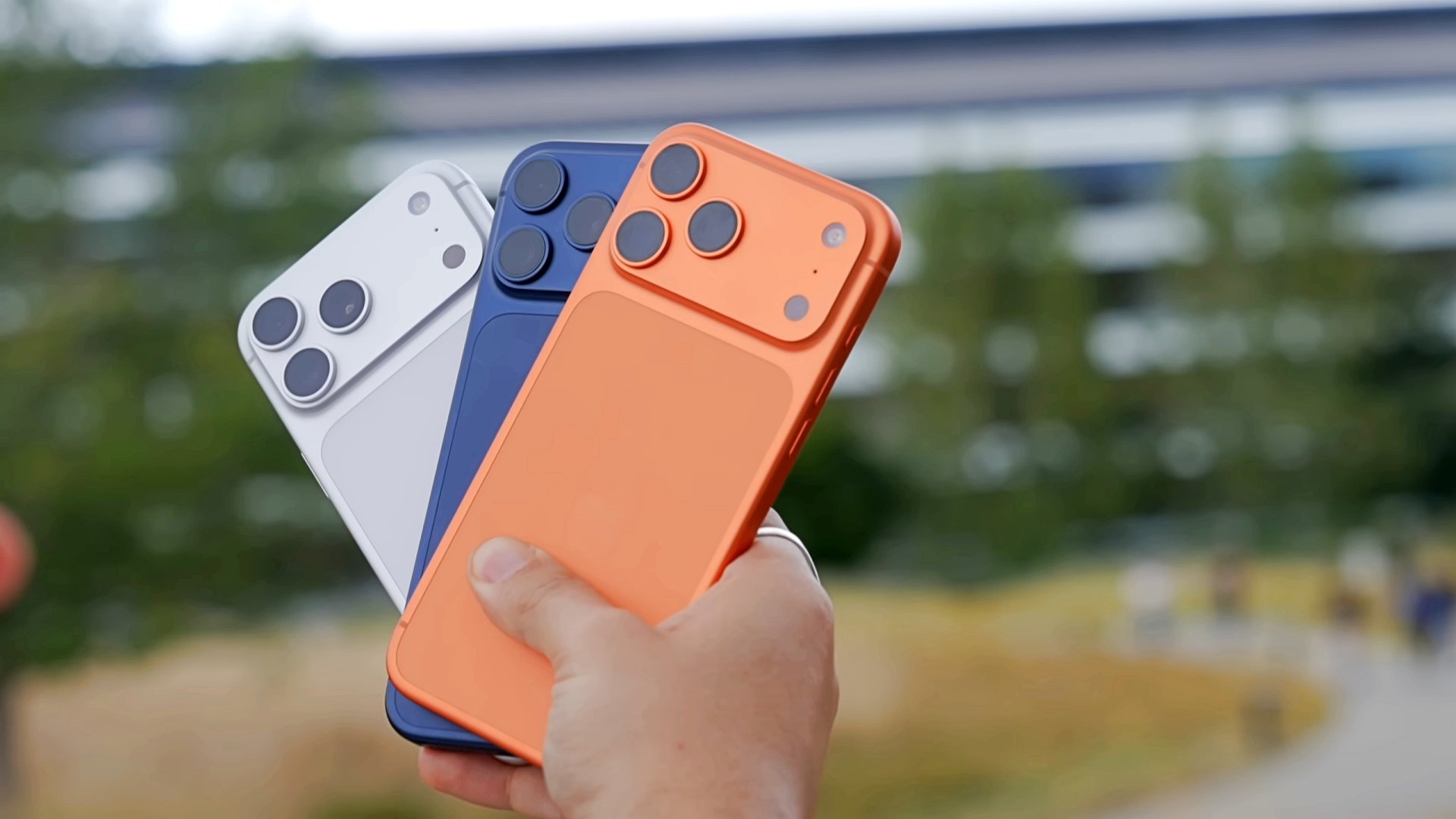
With more than a quarter of the year done and dusted, it’s time to figure out which smartphone has taken the early lead in the charts. According to the numbers, it can’t get any clearer. The iPhone 17 is currently dominating the charts.
According to Counterpoint Research, the bestselling smartphone in the world as of the first quarter is the base iPhone 17. The model took 6 percent of the global share in unit sales. Meanwhile, the iPhone 17 Pro Max and Pro took the second and third spots, respectively. Only a bit surprisingly, Apple rounded out its quarter with the iPhone 16 taking the number 6 slot.
The stranger thing is Samsung’s presence on this list. The South Korean brand took five spots on the top 10 list. However, none of them are of the Galaxy S26 series. All of them are from the Galaxy A series: in order, Galaxy A07 4G, A17 5G, A56, A36, and A17 4G. (The Galaxy S26 series narrowly missed the top 10.)
That makes nine. The final spot was taken by the Xiaomi Redmi A5.
Going only by the last two paragraphs, you’ll likely assume that the midrange market is rightfully dominating the charts in the months following the Christmas season. However, the iPhone 17’s dominance confirms that Apple has not lost its stride.
Plus, with the iPhone 17e only just having launched, Apple might continue its run well into 2026.
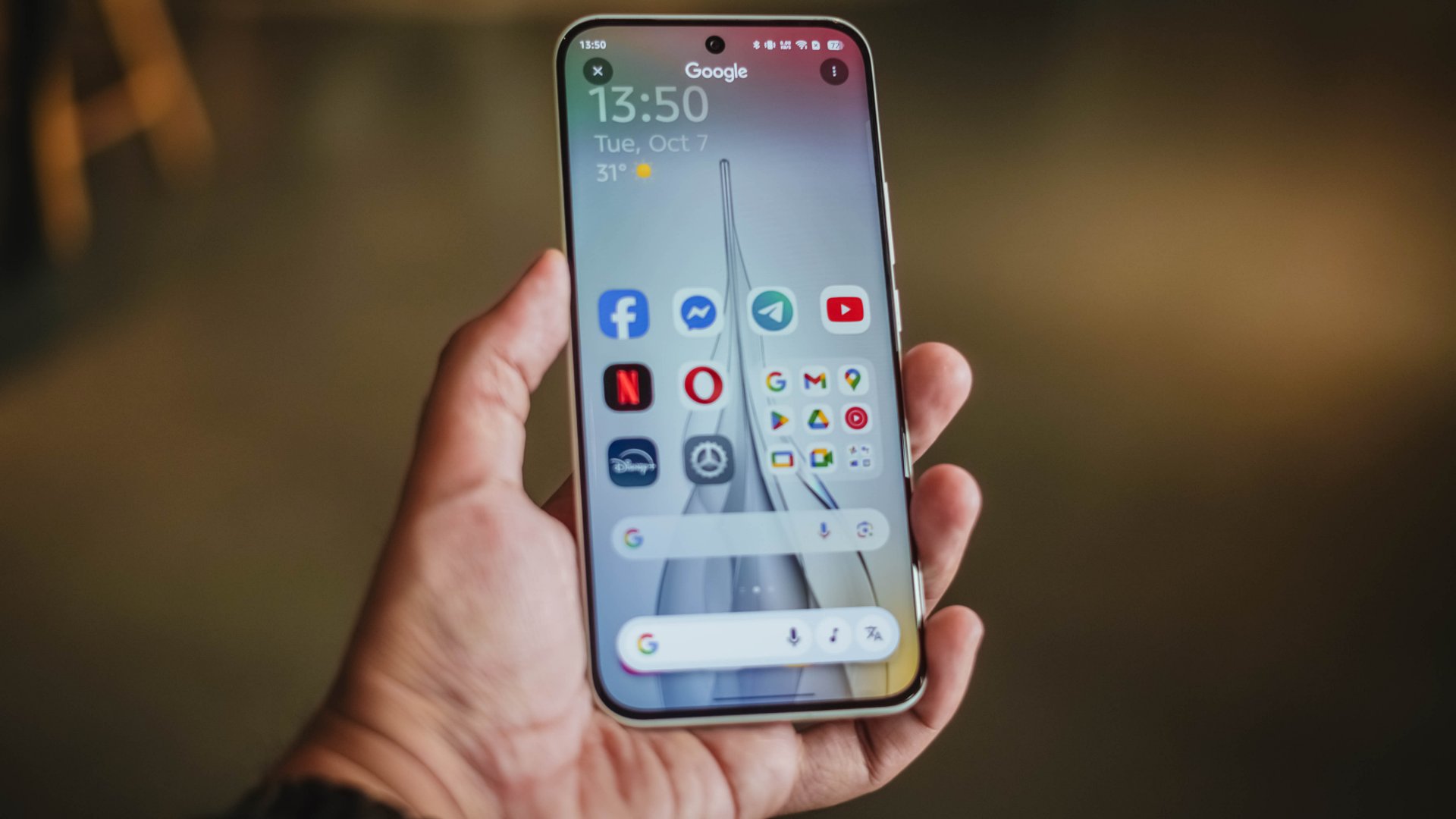
Google is slightly moving away from Material Design. Last week, a set of icon changes saw Android adding splashes of gradients to its formerly flat app icons. To poke fun at Android’s move away from flat designs, a user on X created a mockup of Android running Apple’s Liquid Design. Google, however, had a response ready in the chamber.
On X, @Micetor made a mockup of Android, specifically on the upcoming Pixel 11, using Apple’s latest Liquid Design aesthetics. It looked much like what an iPhone does except with Google’s icons and fonts.
Clearly, Google does not need to reply to any unsubstantiated mockups about its ecosystem. But they still did.
Sameer Samat, Google’s head for the Android ecosystem, personally replied to the mockup with a simple rebuttal: “Not happening!”
Not happening! Y'all are wild. 😂
— Sameer Samat (@ssamat) May 5, 2026
Despite using the design language for over a decade, Google does not want to drop Material Design altogether. Though the new gradients have revitalized the design language somewhat, the essence of flat design is still there.
Apple, on the other hand, wants a return to 3D. Liquid Design mimics the transparent aesthetics of Windows Vista. Though a bunch of users have found the design polarizing, other brands have started copying the design for themselves, incorporating elements on Liquid Design on their interfaces.
Whatever Google is doing, it’s coming in due time. The company is hosting its annual Google I/O on May 12 to showcase new developments coming to the Android ecosystem, including its design.
SEE ALSO: More iPhone switchers this year than Android switchers, report says


PRAGMATA is not for the faint of heart
Already a Game of the Year contender for all the feels

5 games with the nubia Neo 5 GT 5G
Niche device, but is worth the price?


Giving up counter space for reverse osmosis: Living with Waterdrop M6H in NYC
A 7-stage filtration system

Google launches the screen-less Fitbit Air

GadgetMatch makes it back-to-back wins at the Henry Ford Awards

TCL CSOT Unveils ‘APEX Pixel’ innovations at SID Display Week 2026

iPhone 17 is the best-selling phone of 2026 so far

Spotlight: ASUS Zenbook A16


-
 News2 weeks ago
OPPO Find X9 Ultra lands in PH: Price, availability, pre-order perks
-

 Gaming2 weeks ago
Saros review: Returnal’s difficulty is back and better than ever
-
 News2 weeks ago
OPPO Find X9s now official in PH: Price, availability, pre-order info
-
 News2 weeks ago
OPPO Find N6 now in PH: Price, pre-order, availability
-

 Gaming1 week ago
Level Infinite launches Gangstar Mirage City exclusively in PH
-
 News2 weeks ago
This rumored iPhone 18 color will make you switch phones
-
Reviews1 week ago
5 games with the nubia Neo 5 GT 5G
-

 Gaming2 weeks ago
Beast of Reincarnation coming to PS5 this August