
Enterprise
YouTube: Creator economy in Southeast Asia continues to rise
More creators reaching subscriber milestones, driving digital economy in the process

The YouTube creator ecosystem in Southeast Asia continues to rise. In a recent conference, the video streaming giant cited growing figures that reflect the platform’s immense reach and huge opportunity for brands to engage audiences through creator-led partnerships.
YouTube mentioned that 7,600 creators across Indonesia, Thailand, Singapore, Malaysia, Vietnam, and the Philippines now have more than 1 million subscribers. In addition, over 77,000 channels have at least 100,000 subscribers.
Given that video commerce is significant across the region, YouTube is solidifying its position as the most powerful and effective platform for driving commercial success both online and offline.
According to a Kantar study, one of YouTube’s key strengths over other platforms is trust. The study found out that 85% and 67% of viewers in Thailand and Indonesia, respectively, consider YouTube content trustworthy.
This trust also extends to brands; 60% of Indonesian Gen Zs, in particular, say they trust brands featured on YouTube by creators.
Moreover, citing multiple sources, YouTube mentioned that two in five consumers in Southeast Asia rely on online video for product research. Plus, 20% of all e-commerce revenue have been generated from video formats.
Given these insights, as well as YouTube’s immense reach, the platform continues to offer creators more opportunities to earn.
Earlier in the year, YouTube Shopping was launched in six ASEAN countries in a partnership with ecommerce giant Shopee. This program gives eligible YouTube creators another way to earn income by tagging products in posts.
YouTube on connected TVs
Furthermore, YouTube is also tapping connected TVs (CTVs) as another way for brands to drive conversions.
YouTube on CTVs reaches over 79 million people across Southeast Asia. Content on TV screens includes Shorts, podcasts, and livestreams, alongside sports, sitcoms, and talk shows.
YouTube has recently rolled out features for an evolved ads experience on large screens. These include shopping for products using QR codes, send-to-phone feature, and an Immersive Masthead on CTV.







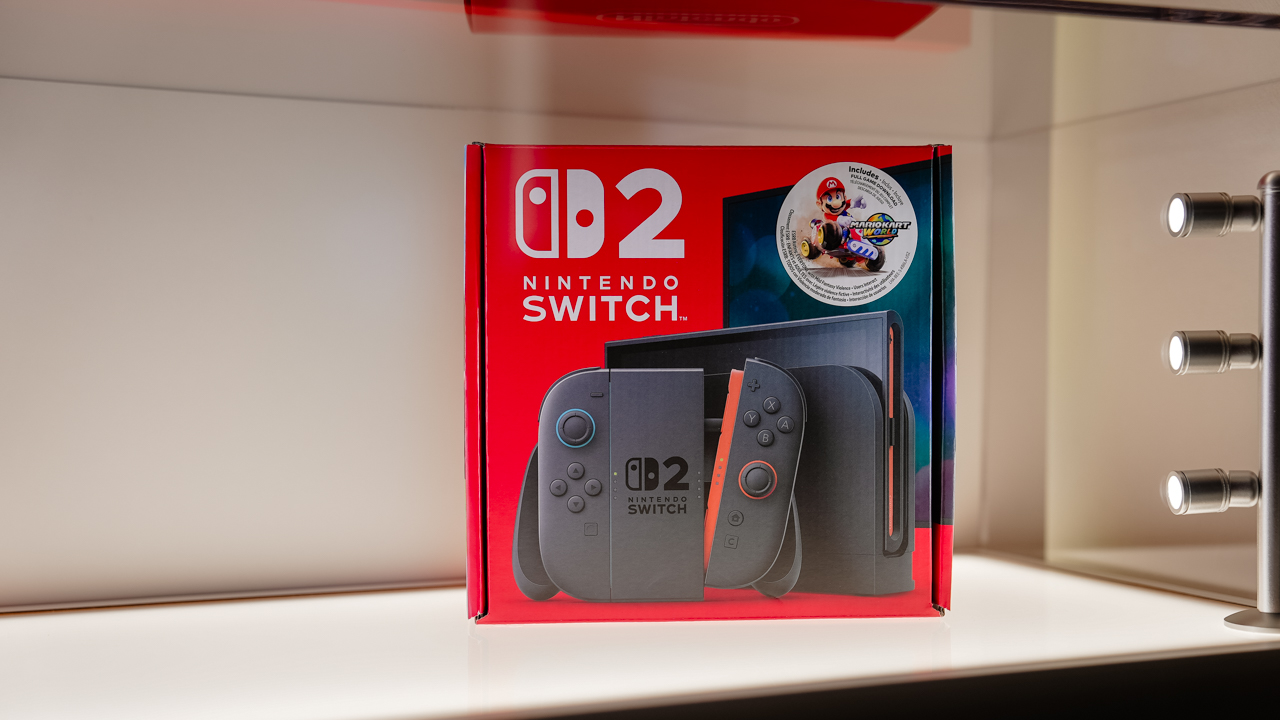
What happens when an unstoppable force meets an immovable object? After a year of wrestling through tariffs from the current American administration, Nintendo has decided to sue the United States.
Last year, the Trump administration was trigger-happy with implement tariffs on countries everywhere. Though the controversy mostly circulated around geopolitics, major corporations also found themselves on the receiving end of Trump’s ire. All over the world, the tariffs sparked product delays and price hikes.
Nintendo is no exception. As a result of the fiasco, the company had to delay the launch of the Switch 2, in anticipation of disruptions caused by the tariffs. First reported by Aftermath, the Japanese gaming giant is now going after the American government over refunds associated with the tariffs.
Now, the tariffs aren’t a big issue anymore. Notably, the Supreme Court scratched off the White House’s implementations that the former found illegal. While a big sigh of relief for future business, corporations like Nintendo have already paid duties and deposits in the past. As a result, Nintendo is now looking for recompense for what they paid before.
Nintendo isn’t the first company to seek restitution over the illegal tariffs. Others, including FedEx and Revlon, are also asking for refunds. However, the Japanese giant is certainly one of the biggest names to cross the government’s path. After all, the company is notoriously litigious over anything it considers as an affront to its business, including small streamers using Pokémon on their broadcasts.
With all its global resources, Nintendo likely won’t just give up without a fight.
SEE ALSO: The Nintendo Switch is now Nintendo’s best-selling console ever
Enterprise
Paramount wins bid for HBO Max, plans to merge streaming apps
It’s all part of the deal to acquire the Warner Bros. library.


Last year ended with the bombshell announcement that Netflix might buy the entire Warner Bros. library. However, after some finagling and a rocky start, Paramount has now emerged as the main suitor for the lucrative library.
At the end of last year, it seemed all but confirmed that the gigantic Warner Bros. library was coming to Netflix as part of a huge buyout deal. This became even clearer when Warner Bros. Discovery rejected Paramount’s initial bid to counter Netflix. However, Paramount recently revised its offer to an astounding US$ 110 billion, or US$ 31 per share, which Warner Bros. Discovery signed off on. Netflix passed on the opportunity for a counteroffer, making Paramount the sole bidder.
Today, Paramount has announced that, if the deal pushes through, they will merge Paramount+ and HBO Max into one streaming service. This means that Paramount’s CBS, Comedy Central, and MTV will be under the same roof as DC, Game of Thrones, Harry Potter, and Mission: Impossible.
The value of the above names alone makes this into one of the most lucrative deals for Paramount. However, it’s not without its drawbacks. The combined entity will reportedly carry US$ 79 billion in net debt for both purchasing Warner Bros. and refinancing the newly purchased property.
Currently, the deal is expected to go through regulatory approval ending in the second half of 2026.
Enterprise
ACMobility Launches ChargeFleet: Seamless solution for businesses
B2B solution for corporate fleets and transport groups

Ayala Group’s ACMobility has launched ChargeFleet, a new B2B digital solution for corporate fleets and transport groups.
The new service introduces a shareable digital wallet that streamlines charging expenses, reduces manual tracking, and improves cost control.
As more organizations explore electrifying their mobility operations, many continue to face operational challenges — including fragmented payment systems, reimbursement delays, and limited visibility over charging usage.
ChargeFleet addresses these gaps by introducing a centralized, shareable digital wallet. Here, fleet managers can allocate and monitor charging credits across multiple drivers across a single platform.
The system is a seamless process designed for long-term usage and easy deployment across any organization.
Once integrated, ACMobility assigns charging credits to the client’s fleet manager. The manager then can distribute these to multiple drivers. Meanwhile, the latter will be able to see and use their assigned credits via the Evro app.
ChargeFleet is available as a prepaid product through the ChargeFleet Store. Users can buy offers via GCash or credit card. No application process is required.
Looking ahead, ACMobility will continue to enhance the ChargeFleet experience with exclusive value-added perks integrated through Evro and Power on Wheels.
The upcoming features highlight ACMobility’s ongoing push to provide a future-proof support system for the evolving needs of their customers’ businesses.




Hermès launches a $5,000 MagSafe charger

REDMI Note 15 Series named Presenting Partner for Spartan Race Philippines 2026 season

Stylish, student-friendly HONOR X8d launches

The HONOR X8d is serviceable

Why the OPPO Reno15 5G series is a creator’s essential


-

 Reviews2 weeks ago
The Xiaomi 17 shoots Leica dream
-

 Reviews4 days ago
POCO X8 Pro Max review: A new beast from the far east
-

 News4 days ago
POCO X8 Pro Series: Price, availability in the Philippines
-
 Laptops1 week ago
Apple MacBook Neo Review
-

 Computers2 weeks ago
GIGABYTE collaborates with Capcom for RE Requiem custom PC
-

 Apps1 week ago
Google Maps is finally getting a 3D mode
-

 Entertainment1 week ago
The internet is thirsting over the One Piece Season 2 cast
-
 News2 weeks ago
Globe postpaid opens pre-orders for Samsung Galaxy S26 series